The primary advantage of pre-mix burners is the reduction of comparative emissions. But converting a nozzle mix to a pre-mix burner involves more than a burner exchange. There are many factors to consider when designing any combustion system. This article is a brief outline of the functioning technology for two common low-temperature (below 1200°F) combustion systems.
This Technical Tuesday article was composed by Robert Sanderson (PE), Director of Business Development, Rockford Combustion for Heat TreatToday'sAugust 2023 Automotive Heat Treating print edition.
What Is Low Temperature?
Contact us with your Reader Feedback!Robert Sanderson P.E.
Director of Business Development
Rockford Combustion Solutions
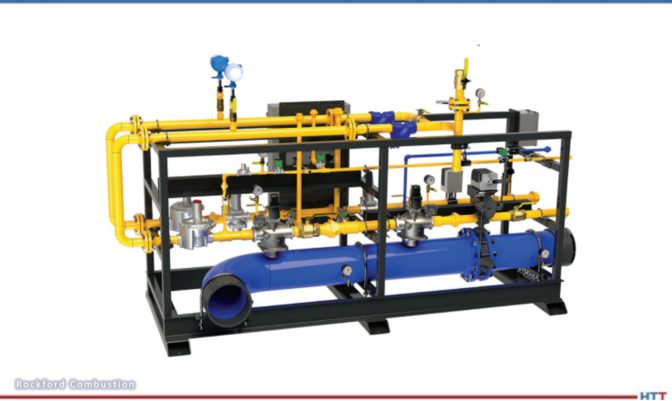
(Source: Rockford Combustion Solutions)
“Low temperature” is a nebulous term. What may be considered high temperature to one user may be regarded as low temperature by another. For this review, low temperature is any heating process where the firing chamber conditions are below auto-ignition temperature of the fuel — which, for many hydrocarbons and other combustible fuels, is about 1200°F — and sufficiently low that the chamber construction could be a metal-lined interior with external insulation.
Low-temperature applications vary, but they are commonly used to heat larger volumes of process air directly. As such, the burner’s air consumption is not a factor in the overall process efficiency.
Technology In Focus: Nozzle Mix vs. Pre-Mix Burners
Nozzle mix burners come in a great variety of designs. Some are simple gas spuds, others are linear arrays of fuel jets. A step up from these basic designs are machined fuel nozzles made to blend air and fuel. Some nozzle mix burners rely upon process fans to supply combustion air while others incorporate combustion blowers.
Regardless of the specific burner configuration, low-temperature burners are often capable of large temperature lifts, high heat-flux inputs, and wide operating ranges.
The control systems for nozzle mix burners are traditional fuel and air designs that many users will be familiar with. These burners are typically capable of operating on various fuels with relatively low utility pressures.
Pre-mix burners are also available in both point and line heat release designs. Pre-mix burners commonly feature low emissions, often the driving factor for their selection. To manage emissions, the general operating characteristics of pre-mix burners often include soft heat-flux inputs, narrow operating ranges, advanced fuel/air control systems, singular fuel designs, and elevated utility pressures.
These features vary somewhat with each design, but all are aspects commonly used as emissions control mechanisms. The control of pre-mix systems is more complex, and it is common for end-users to have training to understand better the proper operation and maintenance required to uphold their safe performance.
A notable difference between nozzle and pre-mix burners is the fuel/air blending design.
Many nozzle mix designs combine the fuel and air within a fuel nozzle directly at the point of combustion. The mixing of these streams may be staged or partially blended, depending on the nozzle design. Pre-mix burners, in contrast, typically have aggressive blending zones to thoroughly aerate the fuel, producing a homogenous, combustible mixture. This mixture is then distributed to the burner’s combustion zone. For safety, integrated with pre-mix burners will be a flashback arrestor or a similar fuel safety design feature.
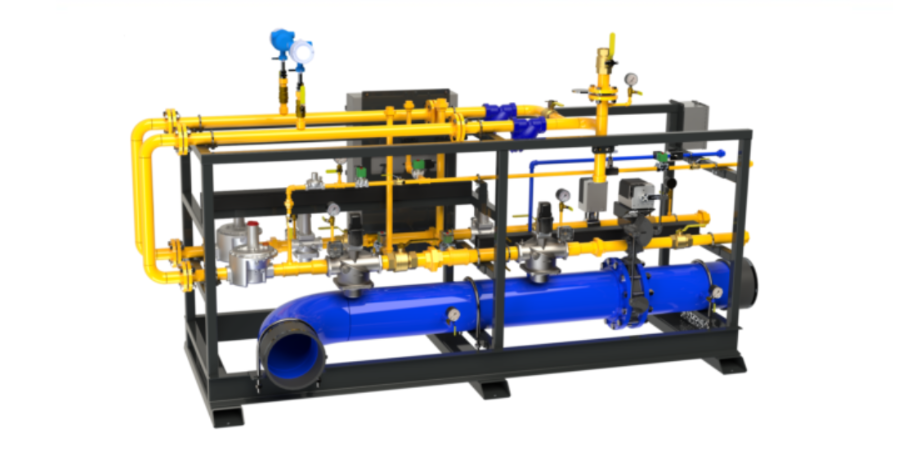
Behind each nozzle and pre-mix burner system are fuel and air control systems. Because the two burner categories differ, each fuel control system style is unique and designed for that burner’s operating parameters.
The System at Large
An appropriately designed combustion system will consider the process conditions, user needs, and burner parameters in the design of the fuel and air control systems. If any aspect is lacking, the result can be an underperforming combustion system.
About the author:
Robert (Bob) Sanderson has years of experience knowledge and is experienced in a variety of industries. Throughout Bob’s 32+ years of experience experience in the combustion field, he has worked in automotive, abatement-oxidation, aerospace, agriculture, food and beverage, HVAC, heat treating, glass, asphalt, pyrolysis, reducing furnaces, dryers, immersion heaters, and power generation. Bob has been employed by companies such as Eclipse, Honeywell, and Haden, Inc. Bob brings systems integration and the application experience of how systems interact in various environments to his current role at Rockford Combustion. Bob is a member of the NFPA-86 technical committee.
Find heat treating products and services when you search on Heat Treat Buyers Guide.com
After much anticipation, the day to welcome Heat Treat Today’s 40 Under 40 Class of 2023 has arrived. For the sixth year in a row, Heat Treat Todayis pleased to honor forty young professionals in the North American heat treat industry who have proven themselves to be rising industry leaders. These individuals represent many backgrounds — business developers, engineers, maintenance managers, and action leads to name a few — and yet they all have one thing in common: a commitment to the North American heat treat industry and a vision for its future.
Join us today in welcoming these new leaders to the honored ranks of Heat Treat Today’s40 Under 40!
Do you have a young professional in mind who qualifies as a rising young leader? The nomination page is now live for 40 Under 40 Class of 2024 submissions. Do it now! Go to www.heattreattoday.com/40under40nominate.
Heat TreatToday offers News Chatter, a feature highlighting representative moves, transactions, and kudos from around the industry. Enjoy these 19 news bites that will help you stay up to date on all things heat treat.
Equipment Chatter
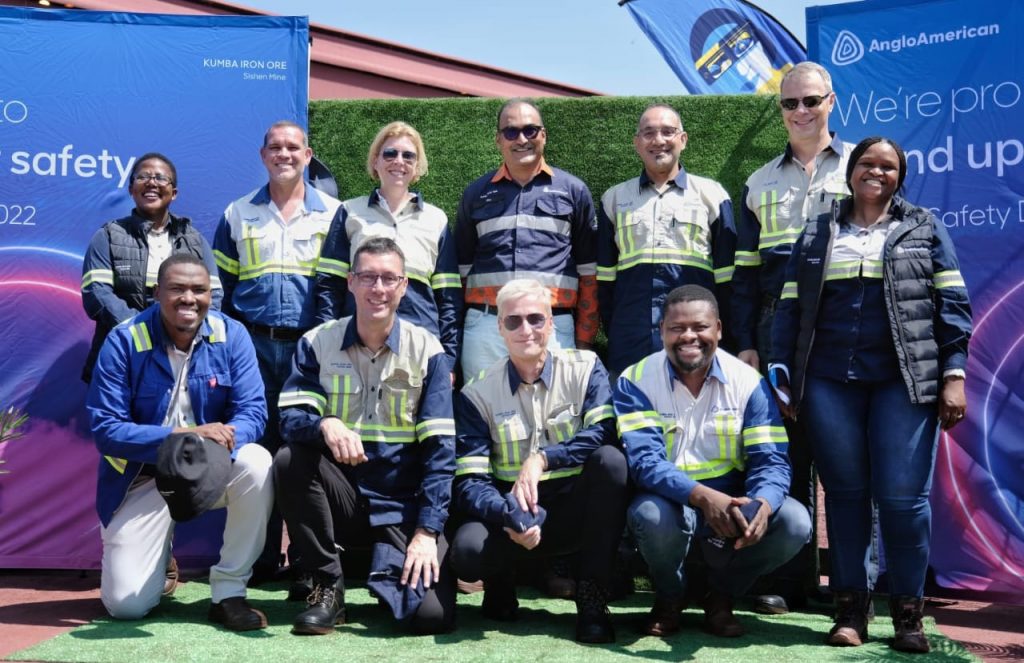
Global commodities group, Anglo American, and thyssenkrupp Steel have signed a memorandum of understanding to collaborate on developing new pathways for the decarbonization of steelmaking. The collaboration will focus on joint research to accelerate the development of high-quality input stock for lower carbon steel production, using both conventional blast furnace and direct reduction iron.
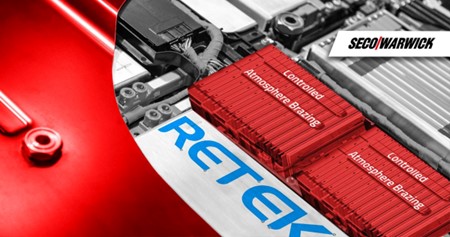
SECO/WARWICK delivered additional CAB lines to SUZHOU RETEK in China.
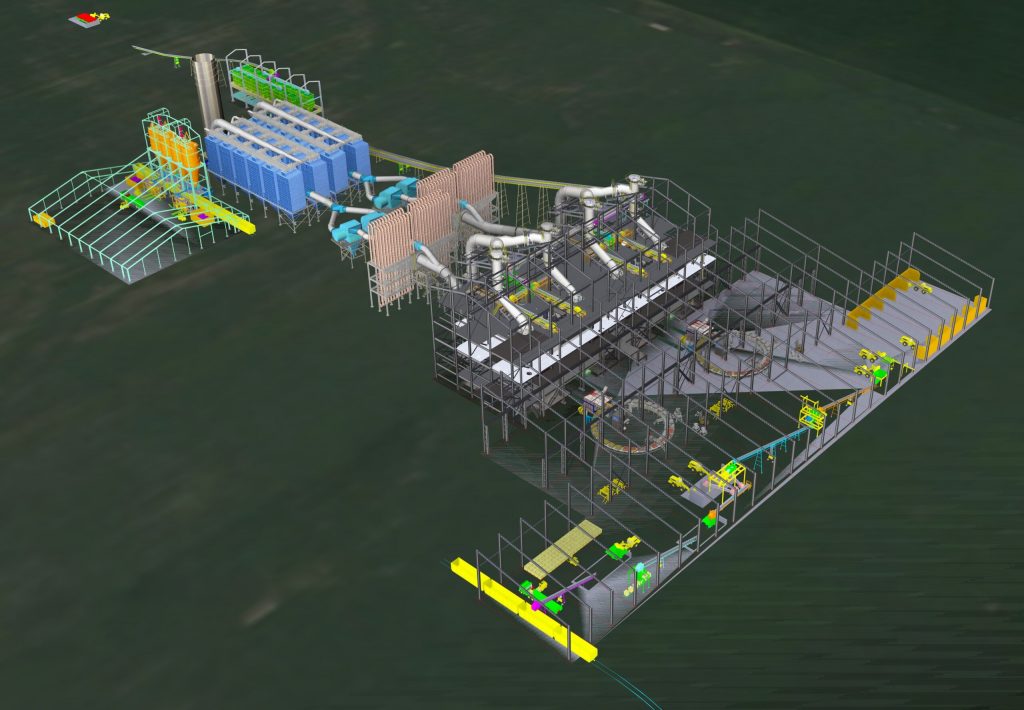
Tenova was contracted by Sinova Global to supply the basic engineering of a new silicon metal plant in Tennessee. The site will be North America’s most modern and efficient silicon metal plant, a greenfield development for Sinova Global.
Collaborative R&D between Anglo American and thyssenkrupp Steel for greener steelmaking technologiesTwo CAB lines for SUZHOU RETEKSinova Silicon Metal Plant from Tenova
Company and Personnel Chatter
Brighton Science and Hubbard-Hall partner to provide the Infinity Surface Cleaning Intelligence Program, which is designed to aid manufacturers to prepare surfaces and prevent problems.
Thermal-Vac Technology, Inc. announced the completion of a new microgrid from Verdant Microgrid, LLC. Collaboration with the following companies ensured the completion: Eos Energy Enterprises of Edison, NJ; Stronghold Engineering, Inc. of Perris, CA; and GridSwitch Asset Management Services of Moon, PA.
Bryan Stern has joined Gasbarre as the product development manager for Gasbarre Thermal Processing Systems. Bryan’s experience, knowledge, and forward-thinking will allow him to support existing clients and advance the company’s growing footprint in the vacuum furnace market.
Ipsen recently launched a new website with the goal of providing a better user experience for customers worldwide. IpsenGlobal.com now incorporates all Ipsen locations, products, and services under one domain.
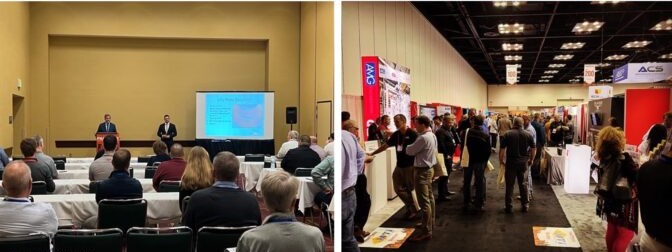
Furnaces North America 2022, the premier trade show and technical conference in the North American heat treating industry, attracted over 1,200 attendees from around the world. The show produced by the Metal Treating Institute in partnership with its media partner, Heat Treat Today.
Bryan Stern, Product Development Manager, Gasbarre Thermal Processing SystemsNew website: IpsenGlobal.comFNA Technical Sessions, many exhibitors and attendees
Kudos Chatter
Doug Peters, CEO of Peters’ Heat Treating, received the Winslow Award, an honor that is given to an individual or business that has made valuable economic improvements.
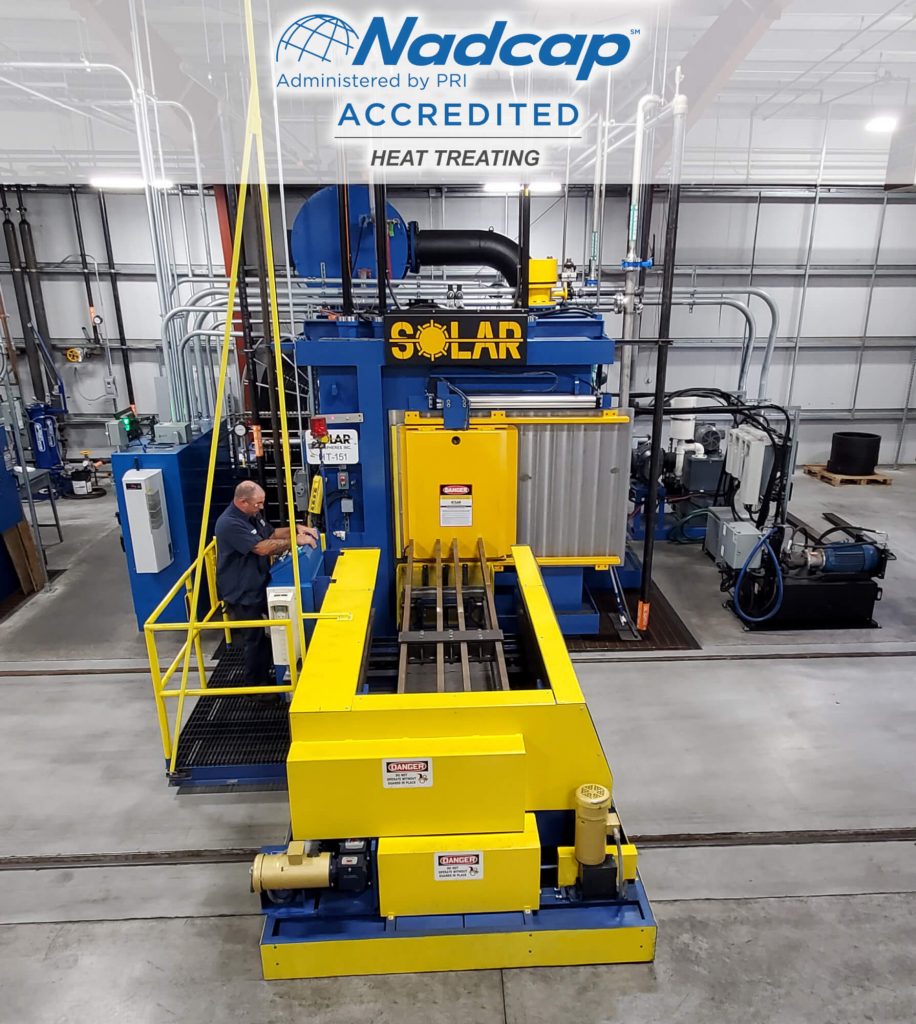
A two chamber vacuum oil quench furnace has received Nadcap accreditation. Solar Manufacturing designed the furnace for Solar Atmospheres of Western PA.
Ayla Busch was honored with the German Leadership Award 2022. This award was presented at the annual alumni convention of the Collège des Ingénieurs and is an award for innovative corporate leadership in the German economy.
Texas Heat Treating, Inc. announces that both Round Rock and Texas Heat Treating Worth just completed ISO 17025 lab audits. The audits came back with no findings.
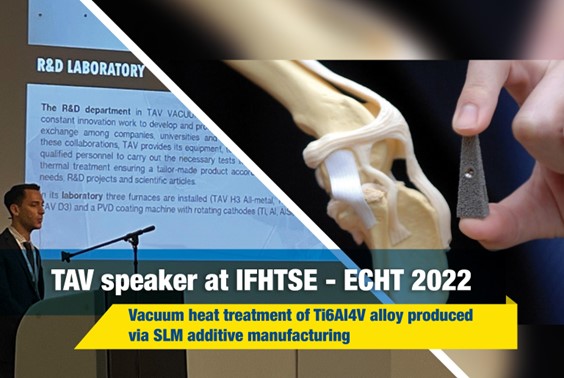
Representatives from TAV VACUUM gave a speech during the first day of the 27th IFHTSE Congress & European Conference on Heat Treatment 2022. The talk was about the heat treatment of titanium alloys, specifically, “Vacuum heat treatment of Ti6Al4V alloy produced via SLM additive manufacturing.”
RETECH, a SECO/WARWICK Group company, was acknowledged as “The Most Innovative Metallurgical Equipment Specialist in 2022 for the USA” by Acquisition International Magazine. Additionally, Earl Good, its managing director, has been honored by The Corporate Magazine in the “Top 20 Most Dynamic Business Leaders of 2022.″
Nitrex Metal, Inc. announced that it was selected for the “American Dream” series airing on Bloomberg and Amazon Prime. The series explores the entrepreneurial stories of men and women who founded and built incredible companies from the ground up.
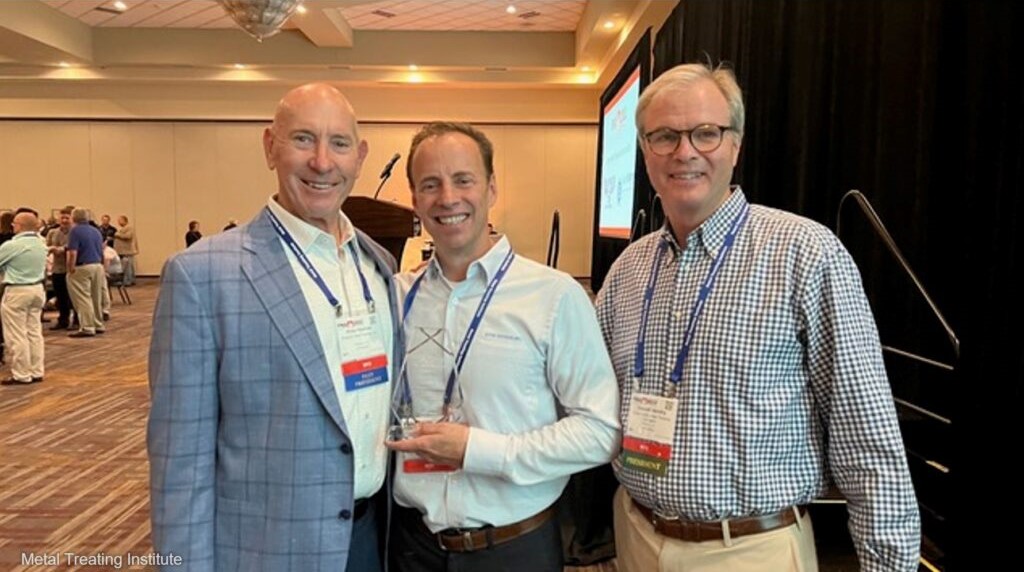
Jim Oakes, president of Super Systems, has been awarded the first ever Furnaces North America (FNA) Industry Award at the trade show’s opening night kickoff reception.
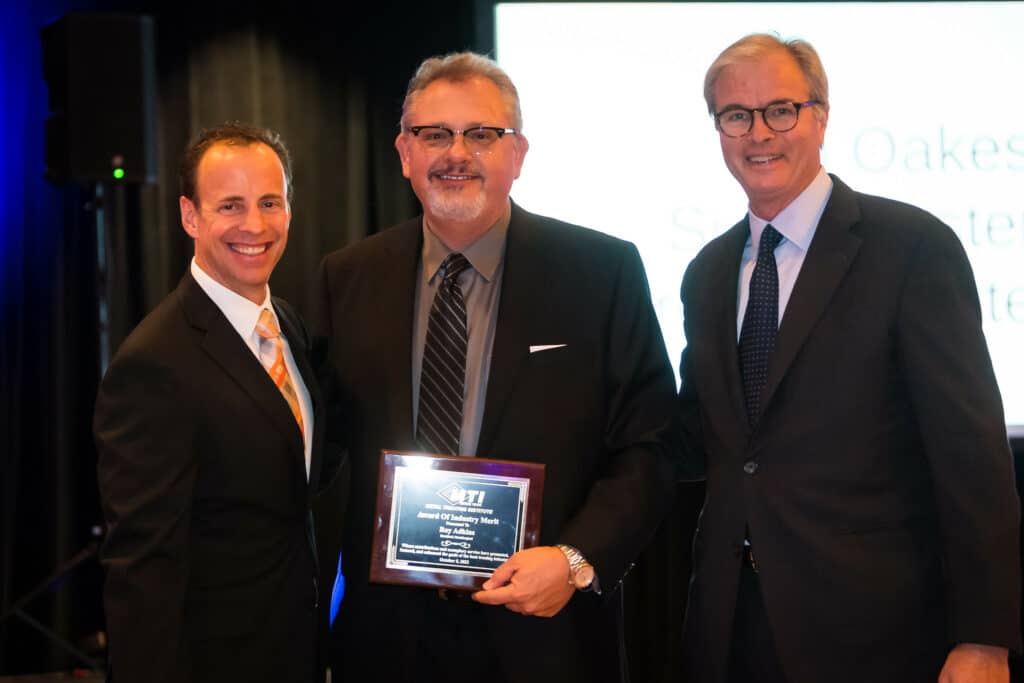
At the recent 2022 MTI fall meeting held in Indianapolis, IN, the Metal Treating Institute recognized Roy Adkins, director of Corporate Quality, with the MTI Award of Industry Merit. This award is given in recognition of current and ongoing commitment to the betterment of the commercial heat treating industry with one or more significant accomplishments.
Hubbard-Hall has been awarded the Top Workplaces 2022 honor by HearstMedia Services in Connecticut. The award is based solely on employee feedback gathered through a third-party survey that is administered by employee engagement technology partner Energage LLC.
Pelican Wire Calibration Laboratory received “ISO/IEC 17025:2017” accreditation from ANSI National Accreditation Board.
Doug Peters Receives 53rd Annual Winslow AwardLars Wagner, COO at MTU Aero Engines AG, presents Ayla Busch with the award.Solar Atmospheres of Western PA's Nadcap Accredited FurnaceRETECH company and managing director receive honorsNitrex Metal, Inc. part of "American Dream" TV seriesIndustry Award to Jim Oakes, president of Super SystemsRoy Adkins (center) with past MTI Presidents, Jim Oakes (left) and Don Hendry (right)
Heat TreatToday is pleased to join in the announcements of growth and achievement throughout the industry by highlighting them here on our News Chatter page. Please send any information you feel may be of interest to manufacturers with in-house heat treat departments especially in the aerospace, automotive, medical, and energy sectors to sarah@heattreattoday.com.
Find heat treating products and services when you search on Heat Treat Buyers Guide.com
The wait is over. Join Heat Treat Today in welcoming a new group of rising industry leaders for the fifth year in a row! Heat Treat Today is honored to recognize forty young professionals in the North American heat treat industry as the 40 Under 40 Class of 2022.
Siemens Energy, a recognized manufacturer of gas turbines and other energy technologies, has selected an eco-friendly vacuum furnace with high-pressure gas hardening (6 bar abs.) and high vacuum for one of its production facilities.
The vacuum furnace from SECO/WARWICK, known as Vector®, will execute efficient and ecologically clean processes in a high vacuum range. Consisting of a dry pump, a Root’s pump, and five Oerlikon/Leybold turbomolecular pumps, the furnace will meet the manufacturer's restrictive requirements.
Maciej Korecki
Vice President of Business of the Vacuum Furnace Segment
SECO/WARWICK
(Source: SECO/WARWICK)
The Vector also contains a metal heating chamber, which prevents direct heat loss to the vacuum chamber’s wall and ensures high process purity. The efficiency is also influenced by the ability to conduct the heating and cooling process at 6 bars with two gases (nitrogen or argon).
Maciej Korecki, vice president of the Vacuum Segment at the SECO/WARWICK Group, states, “This is our first order from a Siemens Energy production facility, but in the past, we have supplied equipment to gas turbine manufacturers."
Commenting on the future of clean energy for the power industry, Korecki further notes, "Gas turbines can run on a variety of gases, including hydrogen. Green hydrogen, as an energy carrier without a carbon footprint, will gradually increase its market share not only in the energy industry, but also in other economic sectors, contributing to gradual decarbonization of the atmosphere."
For over 100 years, Cleveland Electric Laboratories has manufactured quality industrial thermocouples, stocking a comprehensive inventory of accessories & components, all supported by industry-leading customer service with attention to critical standards.
Solve your Batch Furnace TUS challenges with the new PhoenixTM PTM4220 20 channel stand-alone data logger system. Create accurate, fully compliant AMS2750G TUS reports quickly and efficiently.
How can increased cybersecurity measures benefit today’s heat treaters and their clients? Find out more with an exploration of 2FA and MFA!
Today’s read is a feature written by Joe Coleman, cybersecurity officer at Bluestreak Consulting™. This column was first released in Heat Treat Today’sAugust 2023 Automotive Heat Treat print edition.
Introduction
Joe Coleman Cybersecurity Officer Bluestreak Consulting™ Source: Bluestreak Consulting™
This 9th article in the series from Heat Treat Today’s Cybersecurity Desk will explain the significance of 2FA (2-Factor Authentication) and MFA (Multi Factor Authentication), their benefits, and how they can help secure your data and your clients’ data.
2FA and MFA have proven to be effective methods to enhance online security. And, if you provide any products or services to a DoD (Department of Defense) contractor, this is mandatory for all users accessing your computer systems and critical data. Implementing 2FA is a minimum requirement and is better than just a username/password combination. MFA takes your security to a whole new level.
What Is 2FA?
2FA adds an extra layer of security to the usual username/password combination. It requires users to provide a second authentication factor, typically something they possess, in addition to their password. Common examples include a one-time verification code sent via SMS, email, or generated by an authentication app like Google Authenticator or Authy. By requiring the combination of something known (password), along with something possessed (authentication factor), an additional level of security is provided.
What is MFA?
The strengths of Multi-Factor Authentication (MFA) take security a step further by incorporating multiple authentication factors beyond the customary two. These authentication factors can be categorized into three main types: something you know (password or PIN), something you have (smartphone or security token), and something you are (biometrics like fingerprints or facial recognition). MFA offers increased security as it requires multiple factors to be verified before granting access.
Is MFA Better than 2FA?
In terms of security, the more the better should be the correct mindset. MFA is a more secure method than 2FA, because a user must respond to more checkpoints, especially if authentication factors disperse through different access points that aren’t available online (like a token or security key) and require a physical presence. Proving user identity multiple times instead of just submitting items of proof twice (i.e., 2FA), lowers the chance of a breach and helps achieve security compliance requirements.
Implementing 2FA or MFA
Enabling 2FA and MFA is becoming a more and more accessible option across many platforms and services. The most popular websites, email providers, social media networks, and online banking institutions offer 2FA and/or MFA options. Users can typically find the necessary settings in their account security or privacy preferences. It is crucial to follow the provided instructions for setting up and managing these authentication methods properly. In an age where cyber threats are always rising, protecting our online presence is critical. 2FA and MFA have proven to be effective methods in safeguarding our digital lives. By implementing these extra layers of security, companies can enhance their defenses and protect their data and their clients’ data.
What About Your Outside Personnel Support?
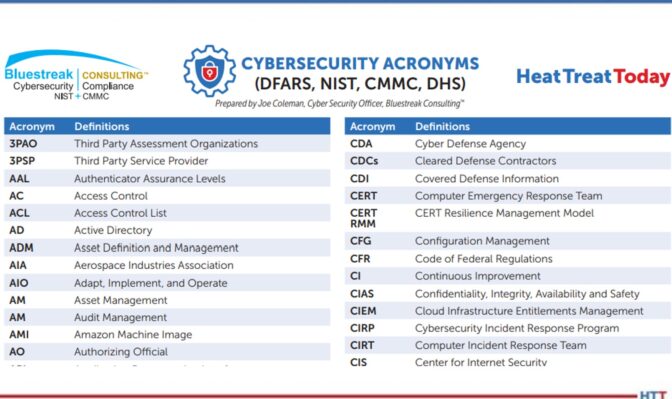
Click on the Image for a full list of Cybersecurity Acronyms
Many companies have outside vendor support, and maintenance personnel access their network and systems on a regular basis. For example, they may use VPN access that requires the user to “punch a hole” in the firewall, making it much more vulnerable to unauthorized access. Additionally, it is typically a configuration nightmare for your network and the IT folks to get it working properly.
There is a better way. Through much research and testing, we have found that BeyondTrust is a great tool to use to allow outside vendors secure access to the information they need to see without connecting to your network. It is currently used by 20,000+ organizations worldwide with much success and security. BeyondTrust also records their entire online session so you can see exactly what they accessed and did during the online session. Check out www.beyondtrust.com for more information.
About the Author:
Joe Coleman is the cybersecurity officer at Bluestreak Consulting™, which is a division of Bluestreak | Bright AM™. Joe has over 35 years of diverse manufacturing and engineering experience. His background includes extensive training in cybersecurity, a career as a machinist, machining manager, and an early additive manufacturing (AM) pioneer. Contact Joe at joe.coleman@go-throughput.com.
Find heat treating products and services when you search on Heat Treat Buyers Guide.com
Castool Tooling Systems, a tooling provider to extrusion and die-casting companies, expanded its in-house capabilities with a nitrocarburizing system.
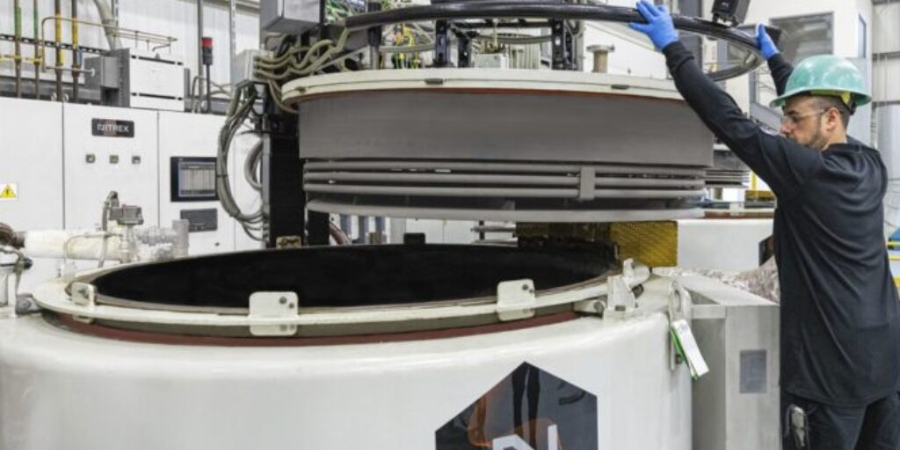
The new pit-type nitrocarburizing furnace, a model NX-1625 from Nitrex, is capable of processing large workloads of up to 6000 kg (13,200 lb.) with dimensions of 1550 mm (61”) in diameter and 2500 mm (98.5”) in height. The turnkey solution includes Nitreg®-C controlled nitrocarburizing and ONC® post-oxidation technologies, which can treat shot sleeves made of H13 tool steel while improving strength and longevity and preventing distortion when used in high-temperature and corrosive environments.
Nikola Dzepina
Account Manager
Nitrex
Source: NITREX
Commenting on the recent nitrocarburizing furnace, Nikola Dzepina, account manager at Nitrex, notes, "[Castool, a division of Exco Technologies] have been outsourcing nitriding to our heat treating services for many years and have been impressed with the quality of service and customer experience."
The large capacity furnace is part of a significant investment project that saw several furnace OEM suppliers collaborating to outfit the New Market, Canada, facility with various pieces of heat treating process equipment.
Find heat treating products and services when you search on Heat Treat Buyer's Guide.com
Exothermic gas undergoes a few metamorphoses from the time it is produced to the time it is cooled down after use. Explore the transformations that occur within the combustion chamber to discover the impact these phases can have on the heat treatment atmosphere of your workpieces.
This Technical Tuesday article was composed by Harb Nayar, president and founder, TAT Technologies LLC. It appears in Heat Treat Today'sAugust 2023 Automotive Heat Treating print edition.
Background
Harb Nayar
President and Founder
TAT Technologies LLC
Source: LinkedIn
Exothermic gas, more commonly referred to as Exo gas, is produced by partial combustion of hydrocarbon fuels with air in a well-insulated reaction or combustion chamber at temperatures well above 2000°F. Immediately after they exit the combustion chamber, the reaction products are cooled down using water to a temperature below ambient temperature to avoid condensation. The typical dew point of the cooled down Exo gas is about 10°F above the temperature of the water used to cool down. The cooled down Exo is then delivered to the heat treat furnaces where it gets reheated to the operating temperatures between 300°F and 2100°F.
Contact us with your Reader Feedback!
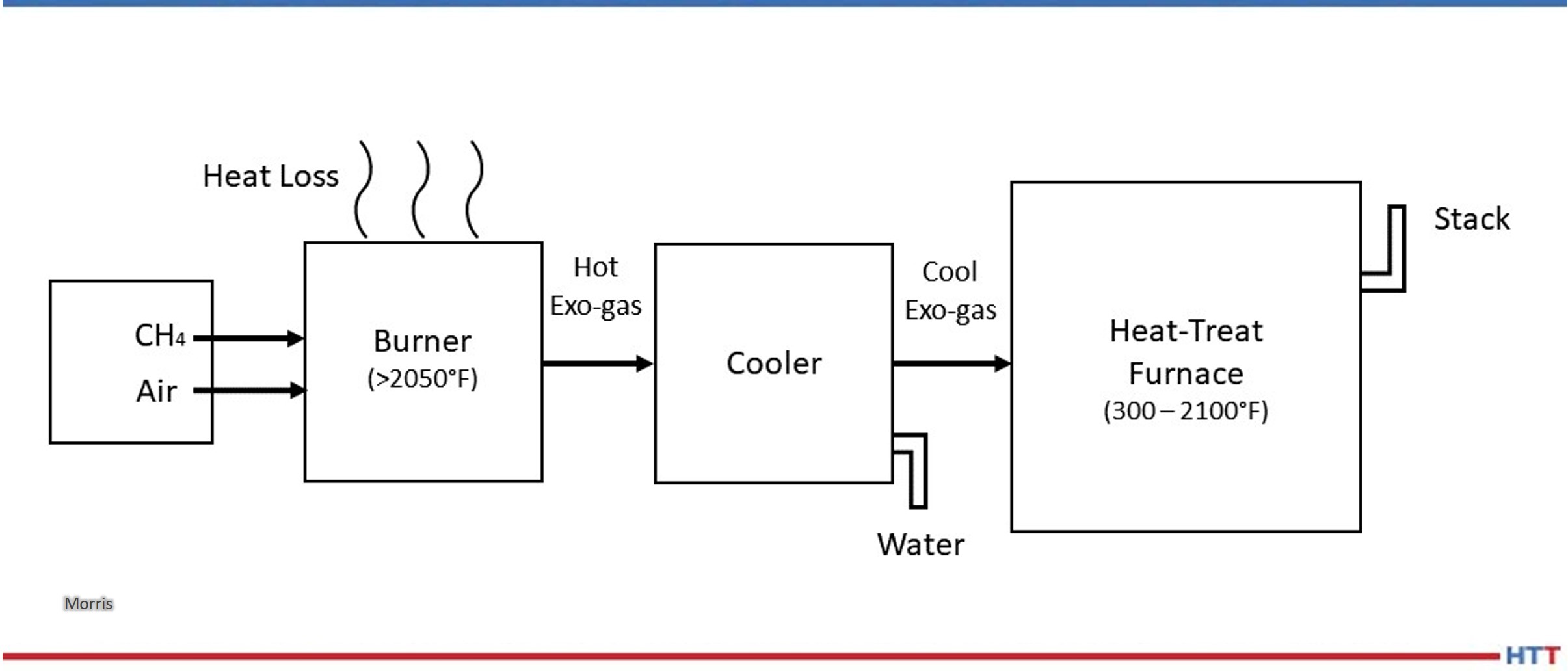
A simplified schematic flow diagram of Exo gas production followed by its cool down below ambient temperature and its final use in heat treat furnaces is shown in Figure 1.
The following aspects of the Exo gas production are clear from Figure 1:
There is lot of energy lost out of the reaction chamber.
There is additional heat lost during cooling using water.
A good deal of water is used for cooling.
The cooled down Exo gas is re-heated to the process temperature in heat treat furnaces.
Exo gas has been predominantly used and is still being used as a source of nitrogen rich atmosphere for purging, blanketing, and mildly oxide reducing applications in the heat treat and metal working industries.
Figure 1. Schematic flow diagram showing Exo production, cool down, and its use.
Source: Morris, “Exothermic Reactions,” 2023
Examples of applications:
Brazing
Annealing
Hardening
Normalizing
Sintering
Tempering, etc.
Examples of materials:
Irons
Steels
Electrical steels
Copper
Copper-base alloys
Aluminum
Jewelry alloys
Examples of product sizes and shapes:
Tubes
Rods
Coils
Sheets
Plates
Components
Small parts, etc.
Exo is the lowest cost gas used in furnaces operating at temperatures above about 700°F to keep air out and provide a protective atmosphere with some oxide reducing potential to the materials being thermally processed.
There are two types of Exo gases: lean Exo gas, with mostly nitrogen and carbon dioxide and very little hydrogen, and rich Exo gas, with a little less nitrogen and carbon dioxide and substantially more hydrogen and some carbon monoxide. Typical compositions are given below:
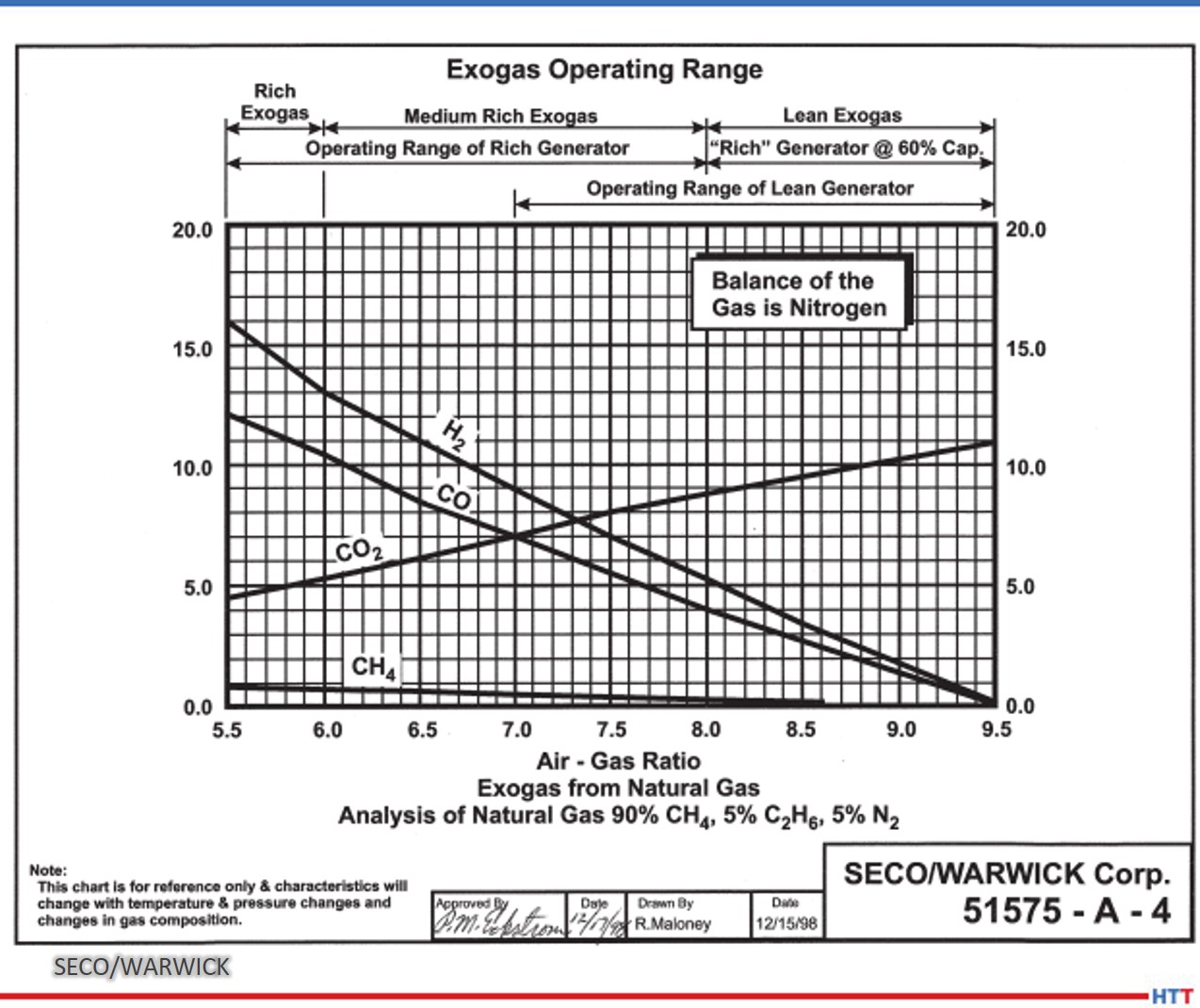
Figure 2. Exo gas operating range
Source: SECO/WARWICK
Figure 2 shows graphs of Exo gas composition at various air to natural gas ratios. H2, CO, and residual CH4 decreases with increasing air to natural gas ratio whereas CO2 goes in the opposite direction. H20 content not shown in the graphs is typically in the 2–4% range depending upon the temperature and cooling efficiency of the cooling system. N2 is the balance which increases with increasing air to natural gas ratio.
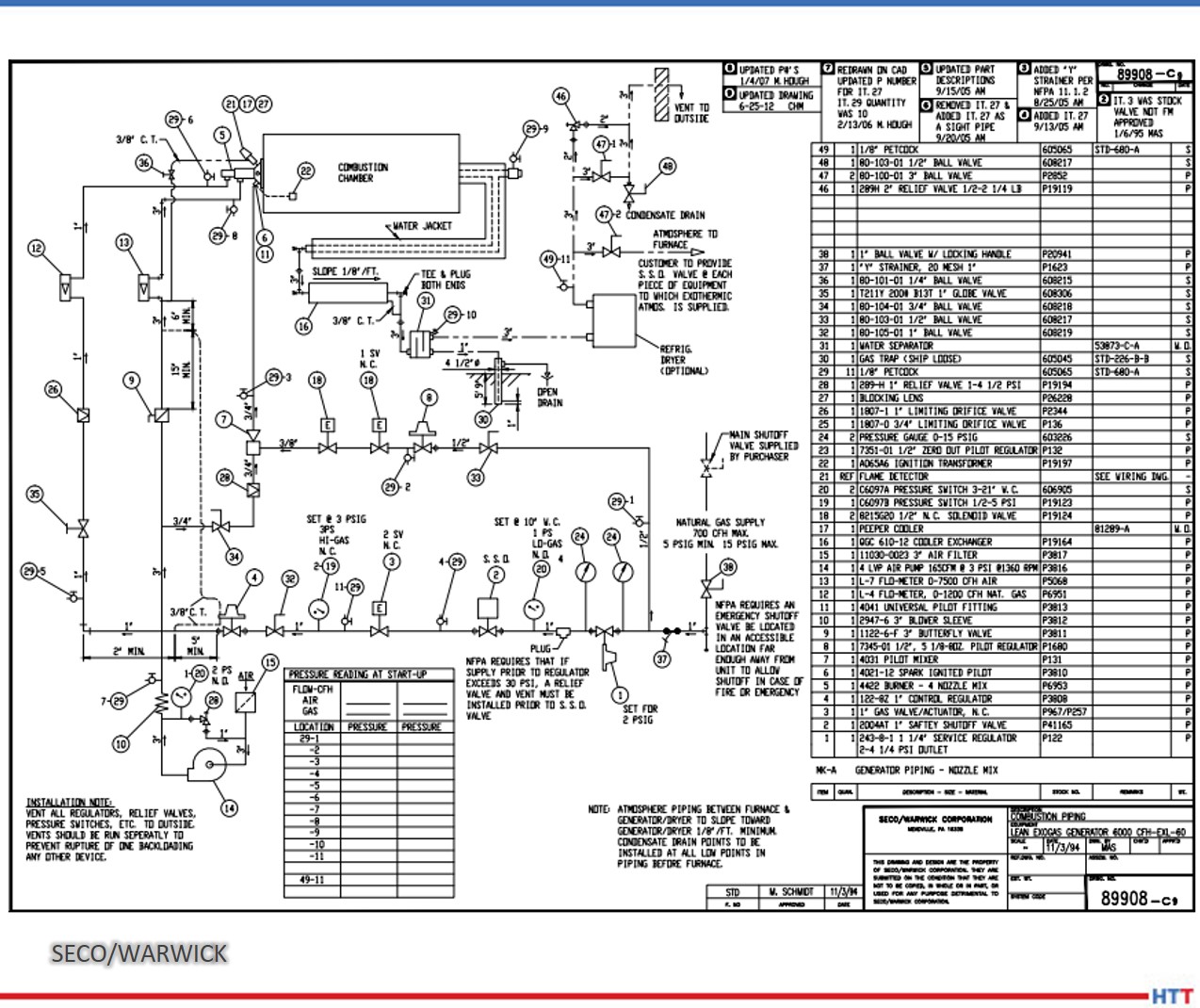
The generator designs to produce lean and rich Exo gases are slightly different as shown in the schematic flow diagrams below in Figures 3 and 4.
Objective
This paper will demonstrate a simplified software program (harb-9US) developed recently by TAT Technologies LLC that can easily calculate the reaction products composition, temperature, exothermic energy released, various ratios, and final dew point for various combinations of air and fuel flows entering the reaction chamber at a predetermined temperature and pressure.
The data presented in this paper is under thermodynamically equilibrium conditions only, captured when the reaction is fully completed. It does not tell how long it will take for the reaction to reach completion. However, it can be safely said that reactions are completed relatively fast at temperatures above about 1500°F and very slow at temperatures below about 1000°F. The current software program uses U.S. units: flow in SCFH, pressure in PSIG, temperature in degrees Fahrenheit, and heat as enthalpy in BTU.
The composition of the Exo gas for a fixed incoming air to hydrocarbon fuel ratio changes from production in the combustion chamber to the cool down equipment to bring the Exo gas to below the ambient temperature and finally into the furnace where the material is being heat treated.
Understanding the changes in gas composition from Step 1 (Production in the Combustion Chamber) to Step 2 (Cool Down to Ambient Temperature) to Step 3 (At Temperature of Heat Treated Part) can help to improve the composition, quality, and control of Exo gas that will surround the metallic products being heat treated in the furnace.
Step 1: Composition of Exo Gas as Produced in the Combustion Chamber
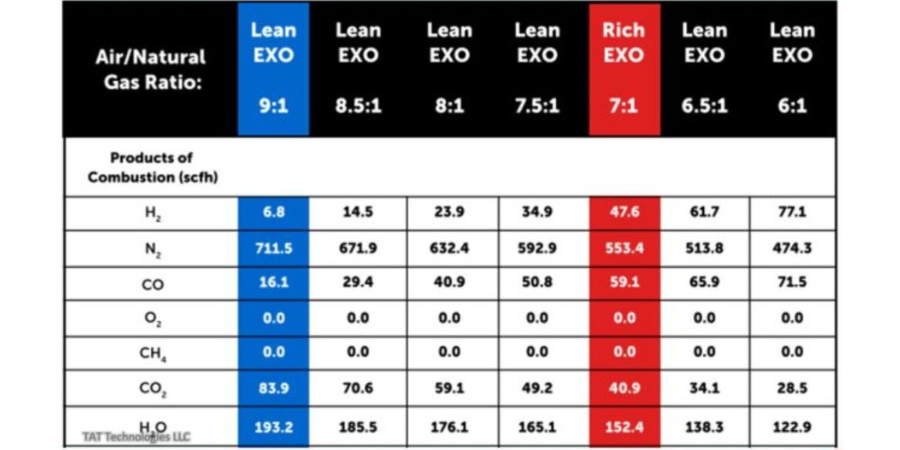
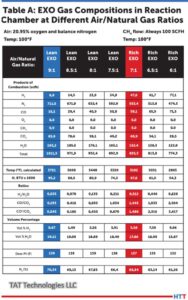
Table A shows the Exo gas compositions as generated within the combustion chamber at various air to natural gas ratios supplied at 100°F and 0.1 PSIG. In these calculations natural gas composition is assumed as 100% CH4 and air is assumed as 20.95% oxygen and balance nitrogen. CH4 is fixed at 100 SCFH and air flow is varied to give air to natural gas ratios between 9 and 6. Typically a ratio of 9 is used for lean Exo and 7 is used for rich Exo applications. Other ratios are used in some special applications.
Table A: Exo gas compositions in reaction chamber based on 100 SCFH of CH4 with air 900, 850, 800, 750, 700, 650, and 600 SCFH to give air to natural gas (CH4) ratios of 9, 8.5, 8, 7.5, 7, 6.5 and 6 respectively. Air and natural gas (CH4) are at 100°F before entering the combustion chamber.
Source: TAT Technologies LLC
The following key conclusions can be made from Table A as one moves from air to natural gas (CH4) ratio of 9 down to 6:
The peak temperature in the reaction chambers goes from a high of 3721°F down to low of 2865°F. Because of high temperatures, good insulation around the combustion chamber is a must. A significant portion of the exothermally generated energy within the reaction chamber is lost to the surroundings.
There is no residual CH4 in the Exo gas composition at these high temperatures. There is no soot (carbon residue) under equilibrium conditions.
H20 content in the natural gas (CH4) gas in the reaction chamber is very high — from high of 19.11% to low of 15.87%. These correspond to dew point 139°F to 132°F — well above the ambient temperature. Because of the very high dew point, the Exo gas coming out of the reaction chamber must be cooled down below the ambient temperature to remove most of the H20 in the Exo gas to avoid any condensation in the pipes carrying the Exo gas toward the furnace and into the
furnace.
H2% changes significantly from 0.67% to 9.96%.
The oxide reducing potential (ORP) as measured by H2/H20 ratio changes from a very low of 0.035 to 0.628. ORP in the reaction chamber is overall quite low because of high percentage of H20.
Nitrogen content varies from 70.34% to 61.26% of the total Exo gas in the reaction chamber.
Exothermic heat generated varies from 95.3 MBTU to 54.34 MBTU — it gradually becomes a less exothermic reaction. Gross heating value of CH4 (at full combustion) is 101.1 MBTU/100 cubic foot of CH4.
Question: What happens to the composition of Exo gas as it cools from peak temperature in the combustion chamber to different lower temperatures after it exits from the combustion chamber?
Answer: It changes a LOT, assuming enough time is provided to reach its equilibrium values during cooling down to any specific temperature. Whenever there is a mixture of gases, such as CH4, H2, H20, CO, CO2,O2, N2, there are a variety of reactions going on between the constituents in the reactant gases to produce different combinations of gas products and heats (absorbed or liberated) at different temperatures. The most popular and well-known reactions are:
Partial Oxidation Reaction: CH4+ 1/2O2 → CO + 2H2 — exothermic. The reaction becomes more exothermic as O2 increases from 0.5 to 2.
Water Gas Shift Reaction: CO + H20 → CO2 + H2 — slightly exothermic. It usually takes place at higher temperatures faster. A catalyst in the reaction chamber can help to lower the high temperature requirement. There are many catalysts. Commonly used are either Ni or precious metals.
CO2 Reforming Reaction: CH4 + CO2 → 2CO + 2H2 — endothermic.
All of these reactions have different degrees of influences from changes in temperature. One could say that the final equilibrium composition of the Exo gas is a continuously moving target as temperature changes. Only the N2 portion stays constant. One can make the following generalized statements covering a broad range of Exo gases (lean and rich) in the reaction chamber:
a) N2 content does not change. It remains neutral at all temperatures.
b) H2 content decreases with increasing temperature.
c) H20 (vapor) content increases with increasing temperature.
d) CO content increases with increasing temperature.
e) CO2 content decreases with increasing temperature.
f) Residual CH4 decreases with increasing temperature.
g) Soot decreases with increasing temperature.
h) Catalysts facilitate the speed of reactions at any temperature.
Conclusion
Exo gas composition changes during its time in the combustion chamber. Reaction products composition, temperature, exothermic energy released, various ratios, and final dew point are all items that need to be taken into consideration to protect the metallic pieces that will be heat treated in the resulting atmosphere. Part 2 will demonstrate this principle and discuss Step 2 (Cool Down to Ambient Temperature) and Step 3 (At Temperature of Heat Treated Part).
About the author:
Harb Nayar is the founder and president of TAT Technologies LLC. Harb is both an inquisitive learner and dynamic entrepreneur who will share his current interests in the powder metal industry, and what he anticipates for the future of the industry, especially where it bisects with heat treating