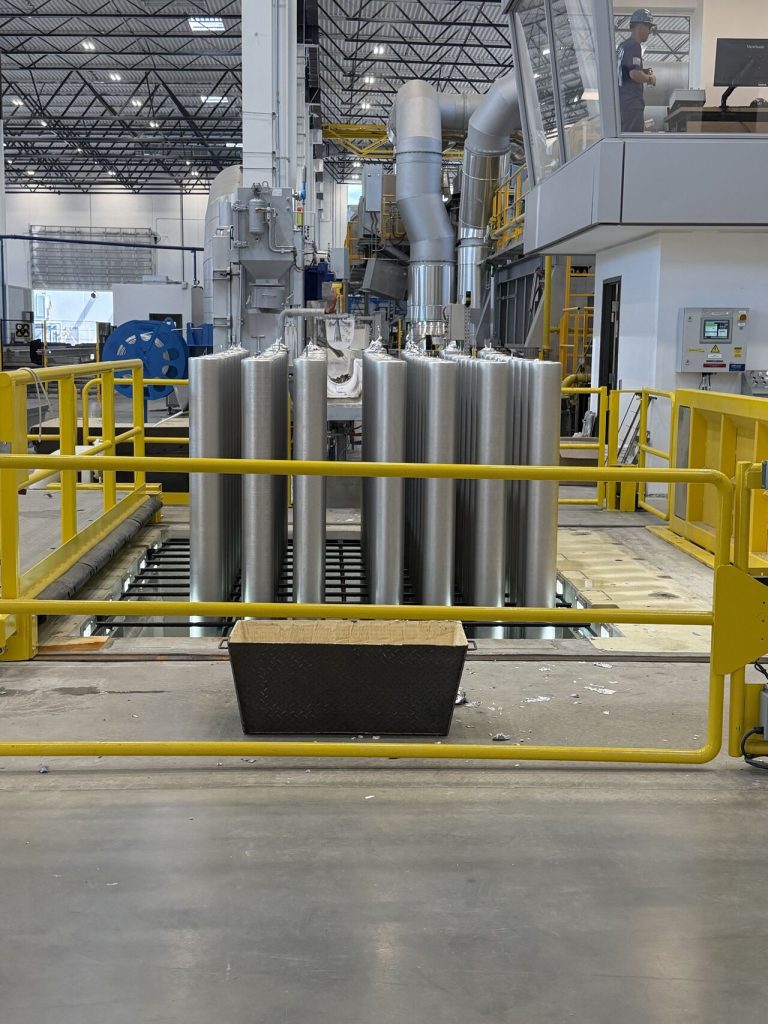
An aerospace manufacturer is adding a heat treatment line for large aluminum aircraft components, combining solution heat treatment, rapid water or polymer quenching, and artificial aging. The system is designed to process aircraft skins and structures while meeting AMS2750H and AMS2770 requirements.
SECO/WARWICK will supply the turnkey system to an Indian aviation manufacturer. The order includes an electric VertiQuench drop-bottom furnace, a mobile water and polymer quench tank, a stationary rinsing station, a chiller, loading baskets, and additional equipment. The project also covers engineering, delivery, installation, commissioning, and acceptance services.
The furnace has a working zone measuring 3,900 x 1,700 x 2,000 mm (approximately 153 x 67 x 79 in.), allowing it to accommodate large aluminum sheets and structures. The system is designed to maintain temperature uniformity of ±3°C (±5.4°F) within the useful space and can use either water or polymer for quenching. An immersion rinsing station removes residual polymer following the quench.
Arvind Agarwal Managing Director SECO/WARWICK India
For the application, the system is designed to achieve full immersion of the load in the quench tank within five seconds. The furnace’s lift system and door design move the load vertically into the quench tank positioned directly beneath the furnace. The furnace can also be used for artificial aging.
“The large working zone enables the processing of components of significant size, which is particularly important in the production of aircraft skins,” said Arvind Agarwal, managing director of SECO/WARWICK India. Agarwal added the that rapid immersion capability and reduced number of heat treatment steps are intended to improve efficiency at the manufacturer’s facility.
Press release is available in its original form here.
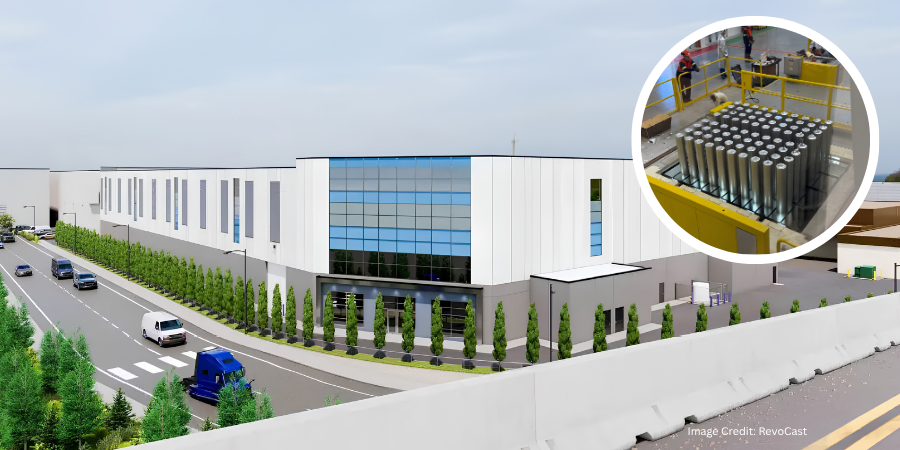
RevoCast Aluminum Billets Ltd., a manufacturer of recycled aluminum billets, has begun production at a new aluminum remelting facility in British Columbia, adding more than 80,000 tons of annual billet capacity to serve the North American extrusion market.
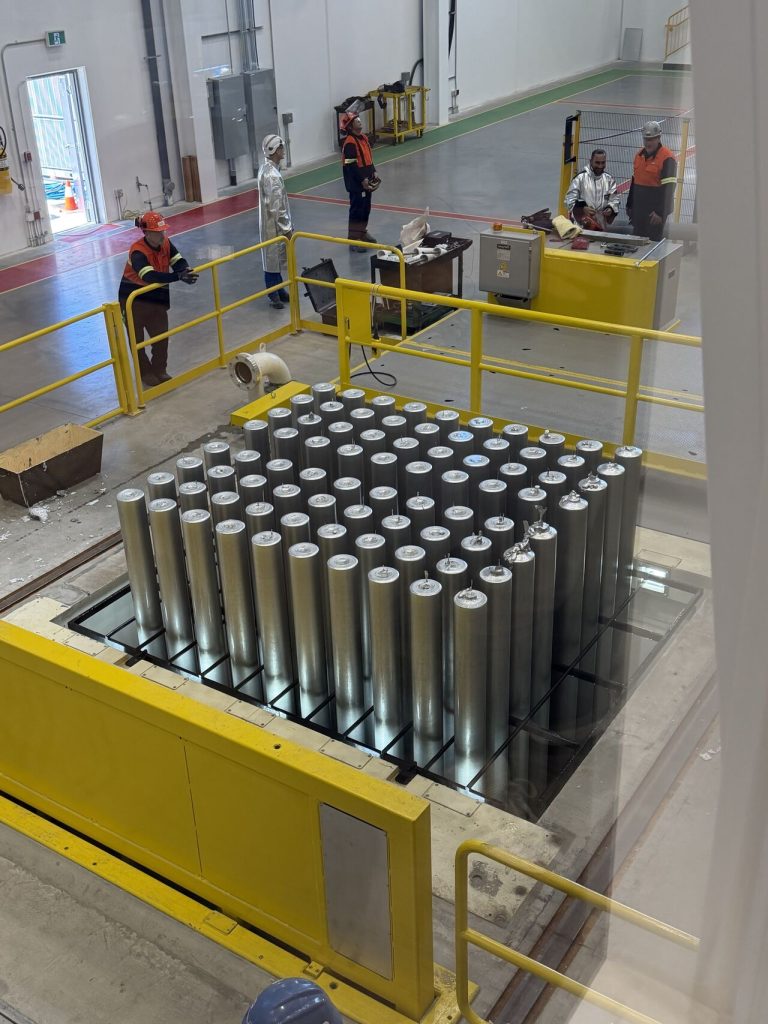
The company has successfully cast its first aluminum billet at its new remelting facility in Langley, British Columbia, marking the start of operations at the Canadian plant.
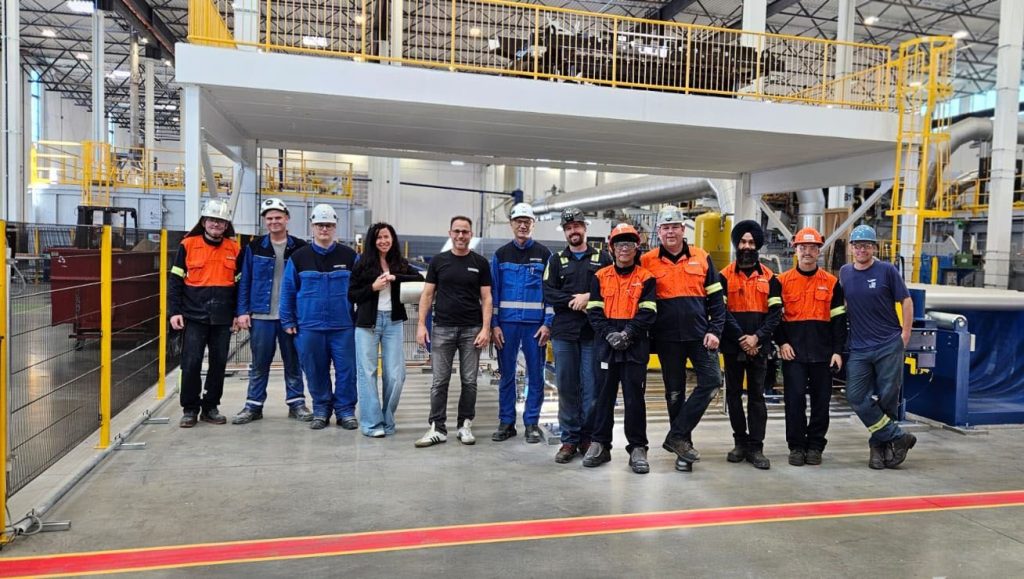
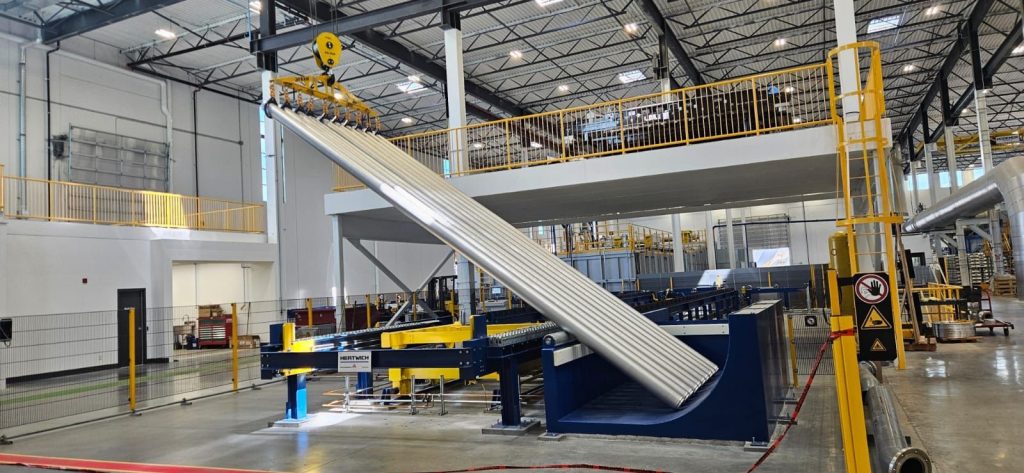
The first billet was cast on August 1, 2026, following the completion of the new facility. RevoCast said the milestone resulted from planning and collaboration among its employees, partners, and suppliers, including Wagstaff, Inc., a manufacturer of aluminum direct-chill casting equipment, and HERTWICH Engineering GmbH, a supplier of aluminum casthouse equipment and technology.
The aluminum remelting facility has an annual production capacity of more than 80,000 tons (176.4 million pounds) of aluminum billets and is designed to serve extrusion markets on the West Coast and in the Pacific Northwest.
RevoCast produces remelt billets in the 6xxx aluminum alloy series. The billets are available in diameters of 178 mm (7 in) and 203 mm (8 in), with maximum sellable lengths of 7.3 m (288 in). The facility incorporates energy-efficient equipment and is designed to use high levels of recycled content while reducing carbon emissions associated with billet production.
The company aims to deliver high-quality aluminum billets while strengthening the North American aluminum supply chain.
Press release is available in its original form here. Additional information provided by RevoCast on their website.
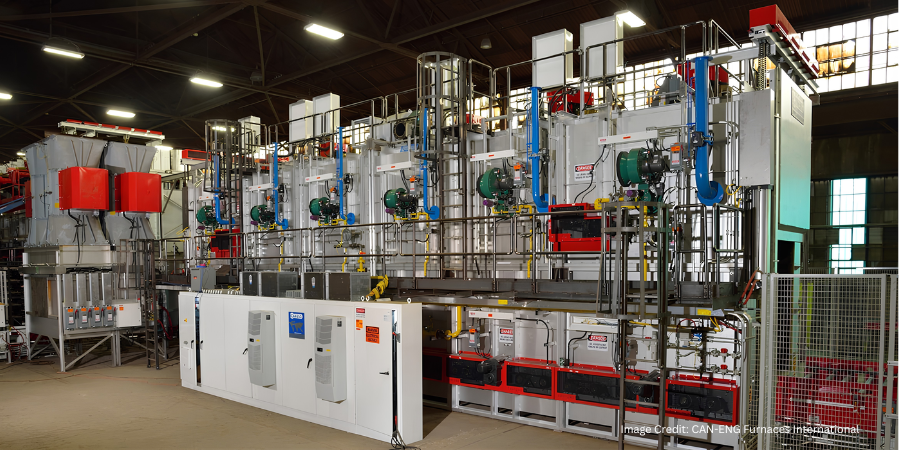
An advanced aluminum T6 heat treatment system has been selected to replace an existing line that no longer meets increasing production requirements and evolving quality expectations. The new system combines solution heat treatment, rapid water quenching, and artificial aging to improve thermal processing performance, metallurgical consistency, energy efficiency, and productivity for aluminum casting applications.
CAN-ENG Furnaces International, a furnace manufacturer based in Niagara Falls, Ontario, has been awarded a contract to design and manufacture the continuous roller hearth aluminum casting T6 heat treatment system. The system will incorporate continuous roller hearth solution heat treatment and artificial aging furnaces, along with the company’s rapid quench transfer system.
The integrated design is intended to provide precise thermal processing while minimizing transfer time to the water quench, helping to achieve consistent metallurgical performance and product quality. The client selected the new system to replace an existing heat treatment line that could no longer satisfy increasing production requirements and evolving quality expectations.
The replacement system is expected to provide improved furnace temperature uniformity, enhanced product handling and process reliability, automated rapid transfer water quenching for improved metallurgical consistency, reduced energy consumption, a lower risk of part damage and distortion, and increased equipment uptime and productivity compared with conventional conveyor-based systems.
The project expands CAN-ENG’s installed base of aluminum heat treatment systems in North America and international markets.
Press release is available in its original form here.
In today’s News from Abroadinstallment, we highlight several major global developments — from a new integrated steel complex in Vietnam and specialty steel production growth in Sweden to aluminum smelter upgrades in Norway and the startup of a high-capacity steel production line in China — reflecting continued efforts to expand output, improve efficiency, and strengthen industrial supply chains through advanced thermal and metallurgical processing technologies.
Heat TreatTodaypartners with two international publications to deliver the latest news, tech tips, and cutting-edge articles that will serve our audience — manufacturers with in-house heat treat. Furnaces International, a Quartz Business Media publication, primarily serves the English-speaking globe, and heat processing, a Vulkan-Verlag GmbH publication, serves mostly the European and Asian heat treat markets.
Steelmaking Partnership Expands Production Capabilities
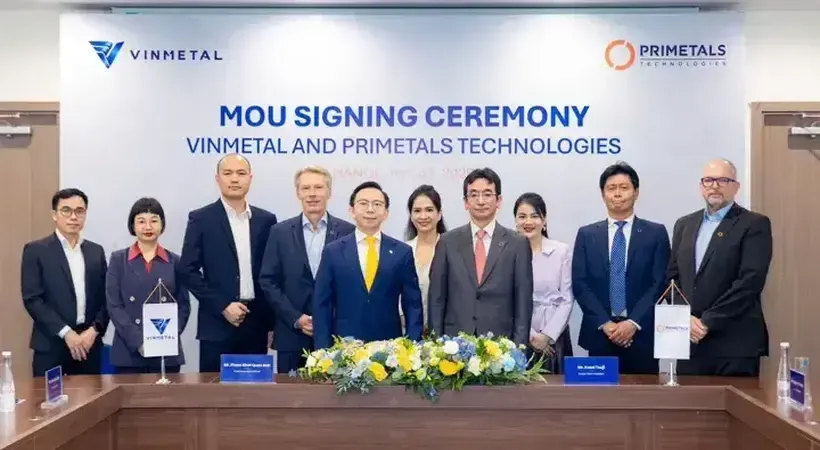
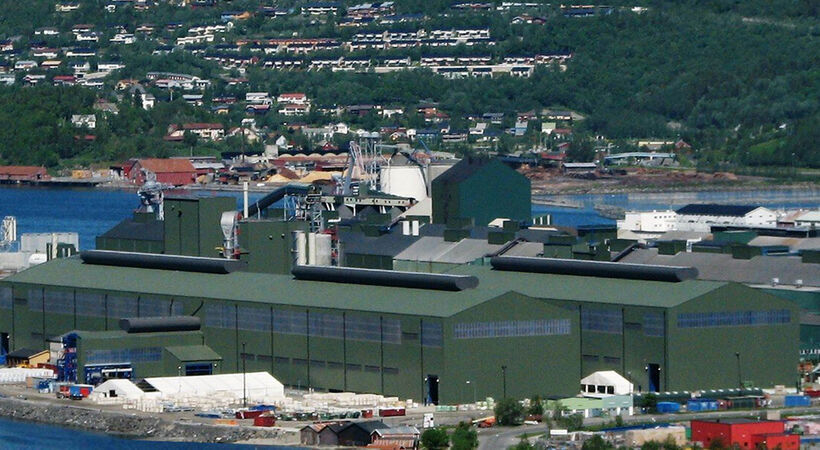
VinMetal partners with Primetals Technologies for two new production lines in Vietnam. | Image Credit: Primetals Technologies
“VinMetal, the steel manufacturing arm of Vingroup, has partnered with Primetals Technologies to create a large integrated steel complex in Ha Tinh, Vietnam.”
“Primetals will serve as the technology integrator and execute a pre-engineering package for the full scope of equipment, enabling early preparations for civil work.”
Alcoa invests in its Mosjøen aluminum smelter. | Image Credit: Alcoa Norway
“Alcoa Corporation will invest $65 million at its Mosjøen smelter, Norway. It plans to expand foundry production capabilities to include recycled content in the casting process at the facility.”
“The investment will expand and upgrade the Mosjøen casthouse, to increase production capacity by up to 75,000 metric tons.”
New Quenching Line Supports Specialty Steel Growth
SSAB is expanding production capacity for specialty steel. | Image Credit: Adobe Stock / flashmovie
“SSAB has decided to invest in a new quenching and tempering (Q&T) plant in Oxelösund, which will be crucial for growth in advanced wear and protection steels such as Hardox 500Tuf and Armox.”
“‘This new quenching plant will initially increase capacity by approximately 100,000 tons, enabling us to meet the most demanding [client] requirements,’ says Per Elfgren, head of SSAB Special Steels.”
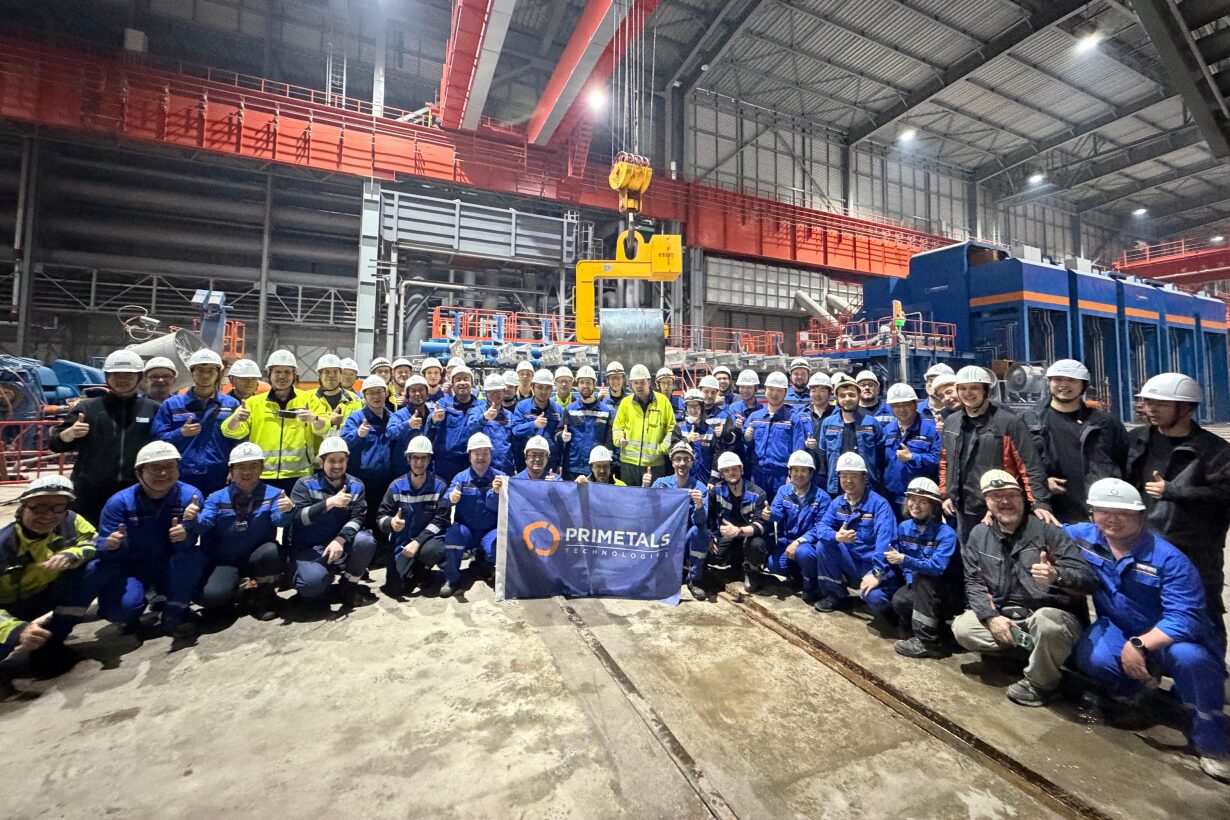
The Primetals Technologies team celebrates the first coil at Zhangshou Special Steel’s Arvedi ESP line. | Image Credit: Primetals Technologies
“On May 13, after just five days from the first cast, the first coil was successfully produced at the new Arvedi ESP (endless strip production) plant from Primetals Technologies at Zhongshou Special Steel’s facilities in Luanzhou, Hebei Province, China.”
“With its 130-millimeter-thick caster, four roughing stands, and five finishing stands, it represents the most powerful and productive Arvedi ESP line installed to date in China. The plant is designed to cover a wide mix of grades ranging from low-carbon to high-strength low-alloy steels.”
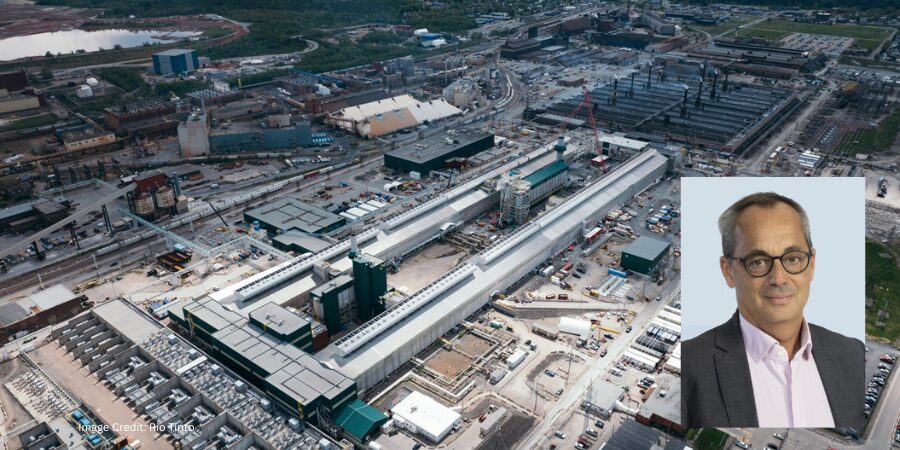
Rio Tinto has begun commissioning a major expansion of its AP60 aluminum smelter technology in Quebec, increasing primary aluminum production capacity and supporting North American supply for transportation, construction, electrical, and consumer goods markets. The project centers on aluminum smelting, a high-temperature thermal processing operation that converts alumina into primary aluminum through electrolytic reduction.
The USD$1.5 billion expansion at the Complexe Arvida facility adds 96 new AP60 smelting pots and is expected to be fully operational by the end of 2026. Once complete, the project will increase production capacity by approximately 160,00 metric tons annually, bringing total AP60 output to 220,000 metric tons of primary aluminum per year. The startup process began in March.
The AP60 technology was developed by the company’s research and development teams and, when combined with hydropower used at its Canadian operations, generates one-sixth of the greenhouse gas emissions per ton of aluminum compared with the industry average. The expansion also supports the transition to carbon-free aluminum electrolysis technology being developed through the ELYSIS partnership.
Jérôme Pécresse Chief Executive Rio Tinto Aluminium & Lithium
“For 100 years, Quebec has been at the heart of the aluminum industry, and with AP60, Rio Tinto is now strongly positioned for decades to come,” said Jérôme Pécresse, chief executive of Rio Tinto Aluminium & Lithium. He added that the expanded smelter is expected to reduce carbon emissions by up to 90% in fine particulate matter compared with the older Arvida smelter.
Rio Tinto said the AP60 expansion, together with a planned aluminum recycling center at Arvida, will more than offset production losses associated with the closure of older potrooms at the site. The project supported more than 1,500 jobs during peak construction and is expected to directly support approximately 100 permanent positions.
Press release is available in its original form here. Main image shows Rio Tinto’s AP60 smelter in Saguenay — Lac-Saint-Jean, Quebec Canada. Image Credit: Rio Tinto
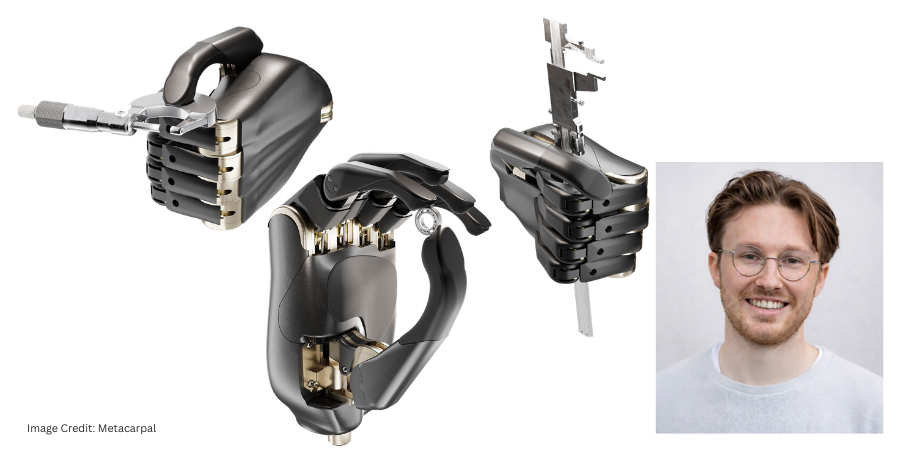
We’re celebrating getting to the “fringe” of the weekend with a Heat TreatFringe Friday installment: a Q&A between Bethany Leone, managing editor at Heat TreatTodayand Fergal Mackie, founder and CEO of Metacarpal, on the development of a fully mechanical prosthetic hand engineered for demanding real-world environments. This discussion highlights the role of precision machining, material selection, Aluminum 7075, and surface engineering in developing lightweight, durable systems designed to withstand harsh daily use.
While not exactly heat treat, “Fringe Friday” deals with interesting developments in one of our key markets: aerospace, automotive, medical, energy, or general manufacturing.
A Solution to Address Real-World Challenges
Experiences from users working in demanding environments helped shape the development of the GEM, a fully mechanical bionic hand from Metacarpal designed to prioritize durability, maintainability, and adaptive gripping functionality. From construction sites to commercial kitchens, these real-world applications reinforced the need for a prosthetic system capable of withstanding harsh conditions without relying on electronics vulnerable to failure.
The Engineering Behind the Prosthetic
Fergal Mackie Founder & CEO Metacarpal
In the following Q&A, Heat TreatToday managing editor Bethany Leone speaks with Fergal Mackie, founder and CEO of Metacarpal, about the materials, mechanical engineering, manufacturing methods, and surface treatments behind the development of the GEM prosthetic hand.
Bethany Leone: What shortcomings in existing prosthetics did the GEM aim to overcome?
Fergal Mackie: Currently, around half of prosthetic hands are rejected — this reality has plagued upper-limb prosthetics for a long time. The Metacarpal GEM addresses several critical shortcomings that drive prosthetic abandonment rates.
While myoelectric/robotic devices have shown promise, despite 30 years of intensive research, even the most expensive devices are still rejected at a high rate.
For many users, particularly heavy-duty users, electronic systems present problems including battery dependency, sensor failures from sweating, response delays, and high costs. These systems require complex calibration, intensive training periods, and frequent maintenance that disrupts patient care. Many users struggle with inconsistent muscle signals needed for electronic control. I encountered users who described using expensive electronic devices as paperweights or permanently attached to hairdryers because these were the only reliable uses they found. These are devices that often cost upwards of $100k.
Traditional mechanical hooks controlled by body-motion remain the most popular prosthetic hand in the world. This is a design that has not changed in around 150 years. Research shows 74% of military veterans prefer body-powered solutions for their reliability and feedback. They are inherently functional, robust and reliable, however, limited to a single grip and their appearance is often stigmatized, particularly for new amputees.
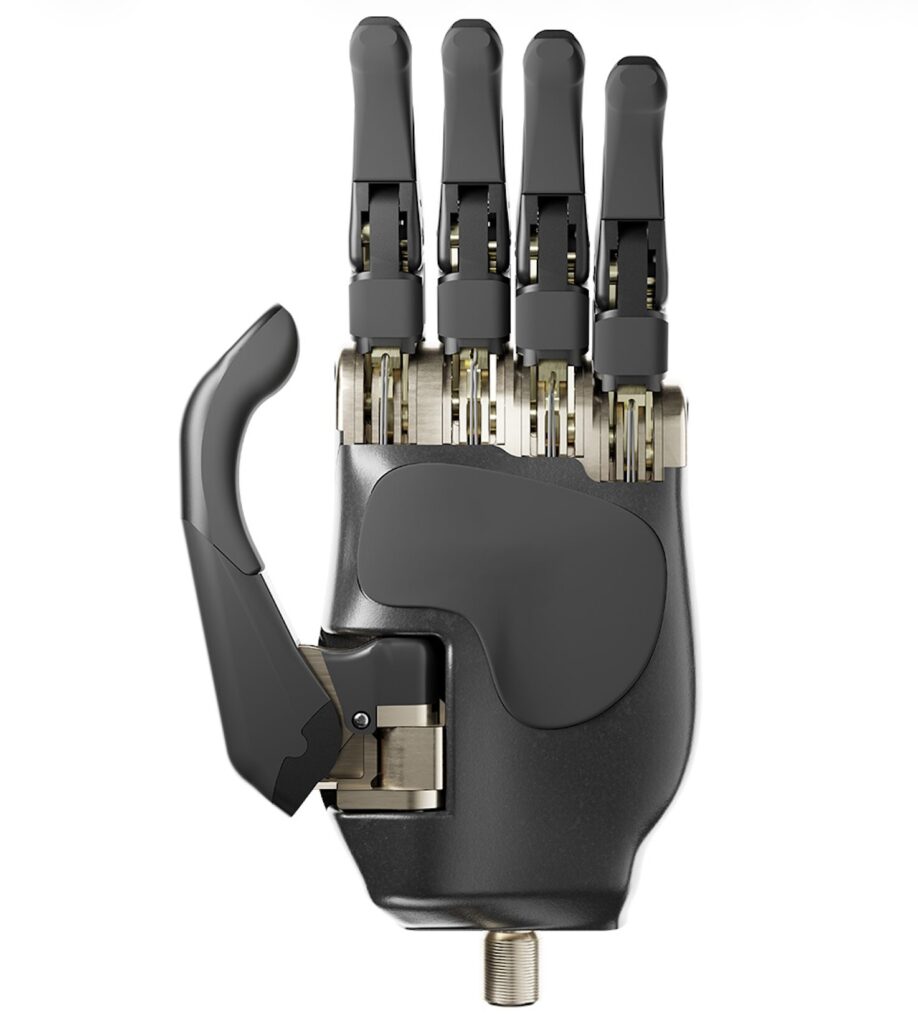
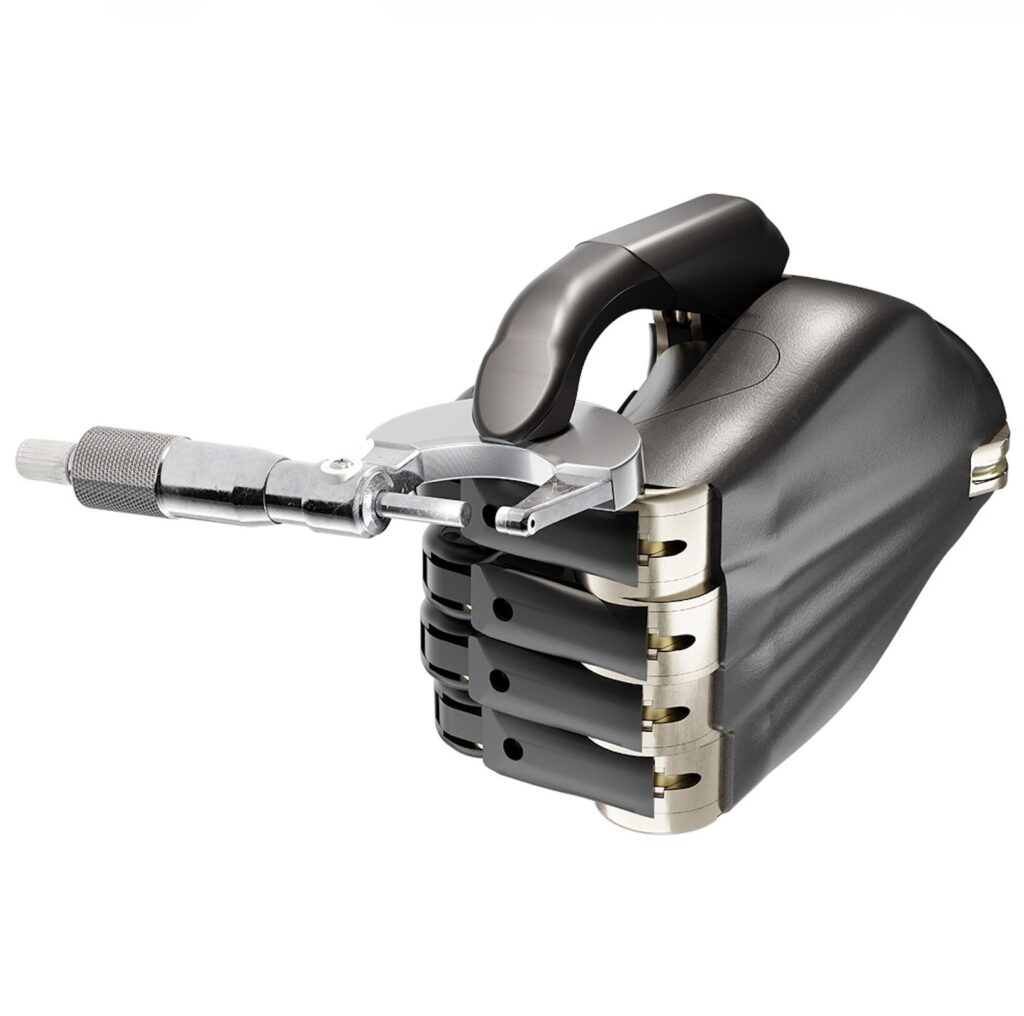
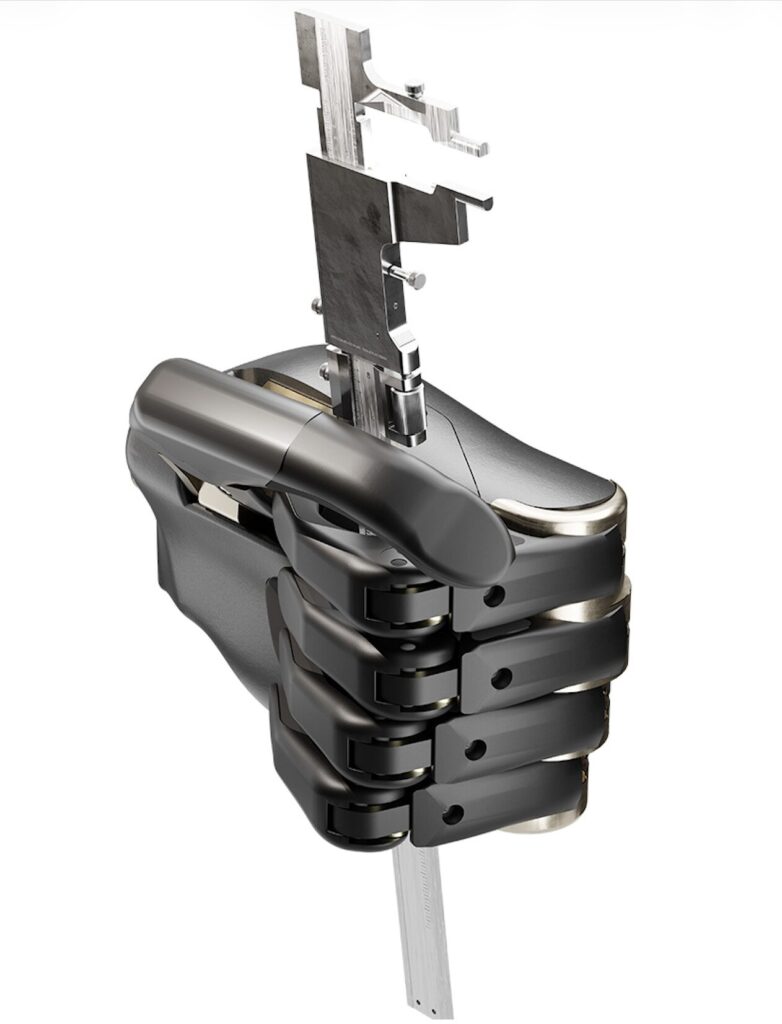
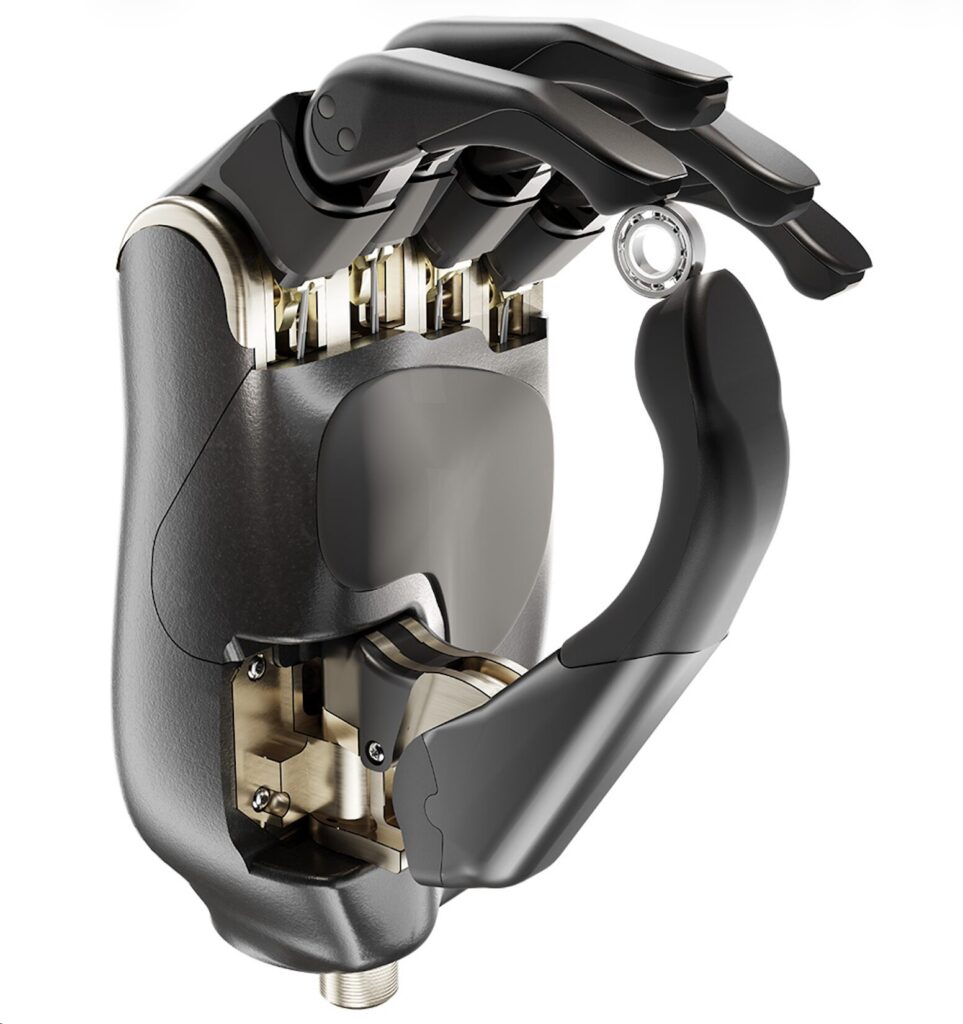
GEM prosthetic hand | Image Credit: Metacarpal
GEM is the first fully mechanical bionic hand. It bridges the gap between the practicalities of traditional hooks, and expensive electronic hands that offer features but lack reliability. It pairs the most desirable features of the robotic hands, however, for the first time, fully controlled and powered by body motion. This mechanical design brings unparalleled reliability and durability.
Electronic prosthetics typically fail in wet, dusty, or extreme temperature conditions where many users work. Construction workers, mechanics, and others in physically demanding occupations need devices that function reliably in challenging environments without electronic vulnerabilities. One construction worker I met had burned through a dozen robotic hands in fifteen years, eventually returning to using a hook because nothing else could survive a construction site.
The device addresses the estimated 50% of amputees who choose not to use current prosthetic options due to functional limitations, reliability concerns, comfort issues, weight problems, and poor fit that make existing solutions impractical for daily use. According to the Journal of Hand and Microsurgery, upper limb loss affects more than half a million individuals in the United States, with estimates that those numbers may double by the year 2050.
Bethany Leone: What design criteria shaped the development of the GEM?
Fergal Mackie: The Metacarpal GEM design centers on force reduction and mechanical reliability to address the primary reasons users abandon prosthetic hands. I engineered the device to operate below 38 Newtons of force, the research-established threshold that prevents fatigue in both men and women during extended use. This force reduction represents the most critical design constraint I solved.
Our patented Reactive Grasp Technology uses 13 pulleys to achieve five-finger adaptive grasping through purely mechanical means. Each finger moves independently, allowing the hand to conform to object shapes rather than closing simultaneously like conventional devices. This mechanical advantage system reduces operational force while providing immediate proprioceptive feedback through the harness system, functioning like a bike brake where users have direct connection to the grip and can feel the force they’re applying.
The device weighs less than one pound yet supports 110-pound carry loads and 198-pound vertical push forces. I achieved this strength-to-weight ratio through high-quality materials selected for durability, with minimal maintenance required. The waterproof design eliminates electronic vulnerabilities that cause failures in wet, dusty, or extreme temperature conditions.
Users access three distinct grip patterns by rotating the thumb position: lateral grips for flat items like phones or books, power grips for heavy lifting, and pinch grips for detailed tasks. This multi-grip functionality, without electronics, sets the GEM apart from traditional body-powered hands that offer only a single fixed grasp.
The most challenging performance constraint involved creating multi-articulation through mechanical systems alone. While electronic hands achieve multiple grip patterns through motors and sensors, I had to engineer purely mechanical solutions that provide sophisticated functionality without complexity. The pulley system that enables independent finger movement while maintaining force feedback required extensive engineering to balance functionality with reliability. Field serviceability became an unexpected advantage when an early trialist working in an Italian restaurant could disassemble, clean, and restore full functionality after flour contamination without having to ship the device back to the manufacturer.
Bethany Leone: How does the GEM compare to a biological hand in terms of durability and environmental resistance?
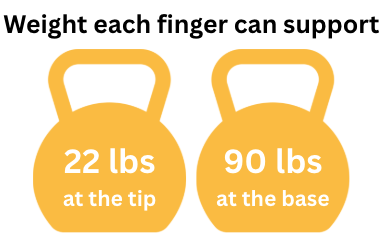
Fergal Mackie: The Metacarpal GEM delivers measurable performance that exceeds many biological hand capabilities in specific areas. Each finger can support 22 pounds directly on the tip, and around 90 pounds at the finger base. It does this, without flexing the wrist or any of the natural body impulses that would lower the impact making it much stronger than any natural hand in many respects.
GEM maintains full functionality when exposed to water, dust, extreme temperatures, and chemical spills that would damage electronic systems. Construction workers and mechanics use the device in environments where electronic prosthetics fail completely.
Environmental resistance represents a key performance advantage. The GEM functions in wet conditions where electronic prosthetics typically fail, dusty environments that interfere with sensors, and temperature extremes that affect battery performance. This reliability enables users to maintain consistent performance across work and recreational activities.
The hand is designed with a metal solid skeleton that supports a soft exterior — inspired by the design of a natural hand. Then, using cables, the fingers and thumb are actuated, again, similar to the role of tendons of a hand.
However, when a natural hand is scratched or bruised, it has a unique advantage: it will heal over time. While this is something we have not yet achieved, the fingers and soft covers can be simply replaced in minutes, making good-as-new restoration possible.
Bethany Leone: What materials are used in the prosthetic?
Fergal Mackie: GEM is made primarily from machined Aluminum 7075, or “aircraft aluminum,” from the central chassis to the fingers. This builds a rigid skeleton that is strong yet extremely lightweight. We then use stainless steel parts with bronze bushings for hardwearing, low-friction surfaces. We selected a mixture of aluminum bronze and phosphor bronze throughout the hand, depending on the specific strength requirement of the part.
It then pairs this with a flexible TPU cover. The flexible material allows this part to be made as a single part that physically wraps around the hand. Then, for gripping surfaces, we opt for nitrile rubber that is equally durable and high friction.
Bethany Leone: What manufacturing methods were critical to the device?
Fergal Mackie: The hand is made from custom-machined parts, primarily milling operations, for all major components. Tolerances go as low as 8 microns! This is to aid with critical running surface contacts that ensure the product’s longevity over years of use, preventing any further finger stiction.
The only tooled parts are the finger grips. Because they are common across all fingers, these are compression molded for their uniformity and are less tolerant than sensitive components.
The most complex part to make is actually the cables in the hand. This took years of testing to fully understand and is now a crucial part of Metacarpal’s IP. We are able to manufacture loops of cable made from the world’s longest fibers that are then cyclically pre-stretched within a millimeter of accuracy to the cable’s final length, where adjustment mechanisms accommodate the specific cable lengths.
These parts arrive at our design and manufacturing facility in the National Robotarium in Edinburgh, Scotland. Here, each component is carefully assembled into each hand. First, going through inspection, storage, assembly, burn-in, factory acceptance testing, and then sent for sale.
Bethany Leone: What thermal or surface treatments were important to the design?
Fergal Mackie: Because the GEM is to be used in all environments, surface treatments are very important to prevent corrosion, especially when in contact with different metals. All aluminum parts are anodized, and all exposed parts use type 3 hard anodizing for an incredible rugged finish.
While that is the majority of surface treatments used, we do have an array of parts for a new product, yet unreleased, that will require extensive hardening processes to get the necessary properties.
Bethany Leone: What design decisions challenged industry norms?
Fergal Mackie: The Metacarpal GEM challenges fundamental industry assumptions about prosthetic hand design by achieving multi-articulation through purely mechanical means rather than electronic systems. While the prosthetics industry has moved toward adding sensors, processors, and complex electronics to improve functionality, Metacarpal reimagined the entire approach through mechanical engineering innovation.
The device breaks industry norms by delivering sophisticated grip patterns without batteries, sensors, or electronic components that typically define advanced prosthetic hands. The patented Reactive Grasp Technology uses 13 pulleys to enable five-finger adaptive grasping, providing functionality that rivals electronic systems through mechanical solutions alone.
Force reduction represents another departure from industry standards. The GEM operates below 38 Newtons of force while traditional body-powered hands often exceed this threshold, causing user fatigue and abandonment. This engineering approach prioritizes user comfort over conventional design assumptions about acceptable operational forces.
The immediate fitting philosophy challenges clinical workflows that typically require extensive training periods and complex calibration processes. The device functions immediately upon fitting, reducing the time and complexity prosthetists face with traditional prosthetic solutions.
Environmental durability standards exceed industry norms through waterproof design that functions in conditions where electronic prosthetics fail. Construction workers and mechanics use the device in wet, dusty, and extreme temperature environments that would damage conventional electronic systems.
The design philosophy represents a paradigm shift from the industry assumption that more technological features equal better performance. The GEM demonstrates that breakthrough innovation comes from rethinking fundamental approaches rather than adding complexity.
Bethany Leone: What are Metacarpal’s plans for future innovation, either of this design or an adjacent design?
Fergal Mackie: We’re currently working on creating add-on solutions that expand the functionality of GEM even further, making the product even more valuable. We’re also working on expanding the patient population that can access GEM with optimal solutions by developing a suite of add-ons that optimize the hand for different levels of amputation. Every patient has a unique limb difference and associated difference designs and associated issues and it is crucial that Metacarpal meet these. This includes more sizes, pediatric designs and colors so that each prosthetic is personal.
A new downstream aluminum fabrication facility is being planned in Inola, Oklahoma, to convert molten primary aluminum into value-added products. The project is intended to strengthen domestic aluminum supply chains and expand U.S. primary aluminum processing capacity by anchoring fabrication operations adjacent to a proposed new smelter.
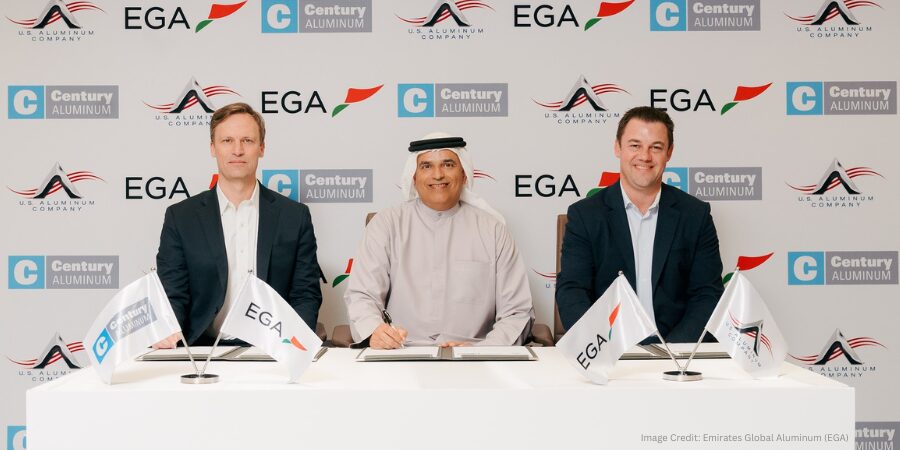
Local firm U.S. Aluminum Company has signed an agreement with Emirates Global Aluminum (EGA) and Century Aluminum, the companies behind the planned primary aluminum production plant in Inola, Oklahoma, to explore the development of an aluminum fabrication plant near the smelter. The project, named Oklahoma Primary Aluminum, is expected to double U.S. primary aluminum production. U.S. Aluminum Company is the first downstream firm to formalize an agreement tied to the project.
Jesse Gary CEO Century Aluminum
U.S. Aluminum Company plans to build its facility near the smelter to process liquid aluminum into products for the electrical, defense, aerospace, automotive, and machinery industries. By locating next to the smelter, the company aims to strengthen the domestic supply chain and support growth of a broader downstream manufacturing ecosystem in the region.
“By establishing an aluminum hub in Oklahoma, we are strengthening and shortening the supply chain for a critical metal that supports American industries. Today’s announcement highlights the multiplier effect of revitalizing domestic production — attracting new infrastructure investment and creating jobs in adjacent industries,” said Jesse Gary, chief executive officer of Century Aluminum.
Founded by the Oklahoma City-based Plotkin family, owners of M-D Building Products, a long-standing aluminum fabrication company, U.S. Aluminum Company is focused on serving clients requiring domestically produced aluminum with high performance, traceability, and supply security.
Press release is available in its original form here.
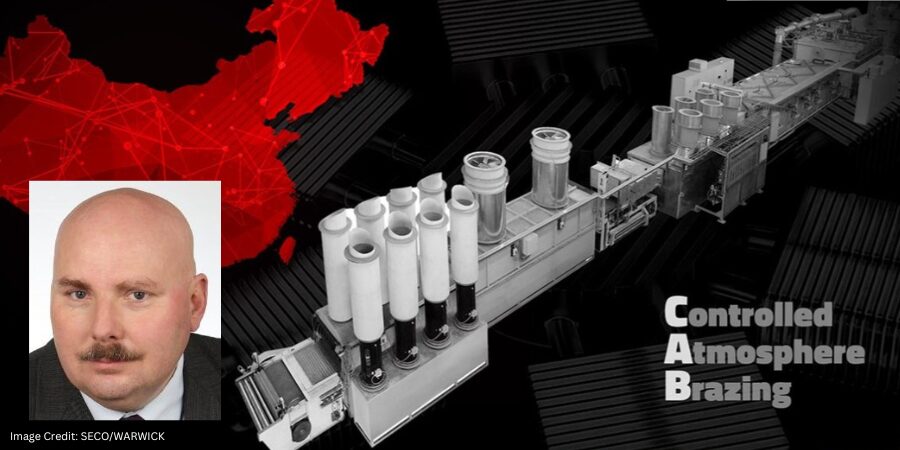
A manufacturer specializing in advanced thermal management solutions has expanded its production capabilities with the delivery of a new continuous controlled atmosphere brazing (CAB) line. The system will support increased output of high-performance cooling components such as heat dissipation plates for data centers and cold plates for electric vehicles, while also serving demand across aviation, photovoltaics, and rail transport.
The company, a Chinese manufacturer focused on temperature control platforms and cooling systems, is investing in the continuous CAB line to strengthen production capacity and support growing demand for compact, high-efficiency thermal management technologies.
The CAB line, supplied by SECO/WARICK — a global thermal processing equipment manufacturer with operations in North America — features a 1,000mm (39.2 in) belt width and is designed to process multiple product types, including 3D vapor chambers and cold plates. The system includes a dry-off oven for part preparation, a radiation brazing furnace operating in a controlled atmosphere, a clean-out chamber to stabilize internal conditions, an air-jacketed cooling chamber, and a final cooling chamber. An integrated control system enables centralized operation and process management across all stages.
Piotr Skarbiński Vice President of Aluminum and CAB Products Segment SECO/WARWICK
“What makes this project unique is the ability to braze two distinct product groups — 3D-VC (3d vapor chambers) and cold plates — on a single line,” said Piotr Skarbiński, vice president of the Aluminum and CAB Products Segment at SECO/WARWICK. Through tailored throughput calculations and a customized cooling configuration, the system is engineered to deliver temperature uniformity and repeatable process control — factors essential to producing high-quality components for modern electronics and power systems, he adds.
As AI servers, EV systems, and advanced electronics generate increasing heat on compact surfaces, reliable aluminum brazing technologies remain essential to delivering performance, durability, and efficiency in next-generation thermal management systems.
Press release is available in its original form here.
Jupiter Aluminum Industries (JUPALCO), part of the Jupiter Group, has ordered two aluminum coil annealing furnaces to support production at its rolling mill operations, strengthening capacity and consistency for flat-rolled aluminum products serving automotive, construction, and packaging markets. The investment reflects continued global demand for advanced aluminum heat treating capacity.
The furnaces, slated for installation at JUPALCO’s rolling mill operations in India, are designed to handle large aluminum coils, with a maximum outside diameter of 2,600mm, widths up to 2,300mm, and a total gross load capacity of 93.6 metric tons. Multi-zone chamber configurations and advanced control systems are engineered to deliver precise temperature uniformity and repeatable annealing results across high-volume production runs.
Piotr Skarbiński Vice President of Aluminum and CAB Products Segment SECO/WARWICK
The equipment will be supplied by SECO/WARWICK, a furnace supplier with North American locations, and incorporates the company’s Vortex 2.0 aluminum coil annealing technology, which uses high-velocity airflow to improve heat transfer, shorten cycle times, and reduce the risk of localized overheating. The design also supports energy-efficient operation while maintaining tight temperature tolerances throughout the annealing process.
According to Piotr Skarbiński, vice president of the CAB and Aluminum Products Segment at the SECO/WARWICK Group, the Vortex 2.0 is designed with a system of appropriately directed nozzles that support consistent aluminum processing while reducing cycle times and energy consumption.
The Indian market for flat-rolled aluminum products is growing rapidly, with its value expected to rise from USD 4.5 billion in 2025 to USD 12 billion by 2035. Investments by manufacturers like JUPALCO in new rolling mills highlight both the domestic growth potential and the wider demand for advanced annealing technologies in global markets.
Press release is available in its original form here.
Century Aluminum Company has emphasized that next-generation EX smelting technology will be critical to the development of its new primary aluminum smelter, one of the most advanced technologies deployed in the U.S. This platform is designed to improve productivity, reduce energy consumption per ton, and lower emissions, reinforcing both economic competitiveness and environmental performance in primary aluminum manufacturing.
Click on the image above to read more about Century Aluminum’s recent restart to boost U.S. production by 10%.
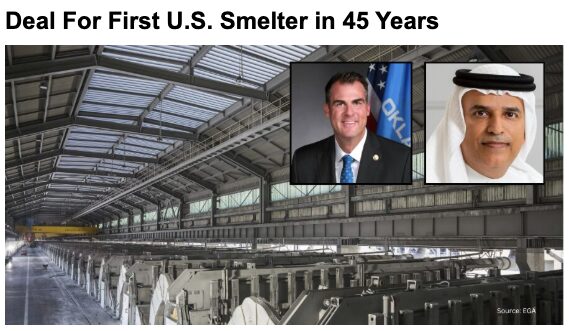
Planned for Inola, Oklahoma, at the Tulsa Port of Inola industrial park, the proposed facility is expected to produce up to 750,000 metric tons of primary aluminum annually, more than doubling current U.S. smelting capacity once fully operational. Century Aluminum will partner with Emirates Global Aluminum (EGA) on the project, with EGA contributing its proprietary EX smelting technology and holding a majority ownership stake, while Century Aluminum provides operational expertise and leadership in the U.S.-based aluminum production. The project aims to strengthen material availability for downstream manufacturers serving automotive, aerospace, energy, and defense markets.
Jesse Gary Chief Executive Officer Century Aluminum Company
“Our partner EGA brings world-class smelting technology and construction expertise that are fast-tracking our collective efforts to realize a new era of domestic primary aluminum production,” said Jesse Gary, chief executive officer of Century Aluminum Company. “This expanded production will benefit critical U.S. industries and create thousands of American manufacturing jobs, reinforcing the vital role of aluminum in national defense and economic vitality.”
EX technology is EGA’s next-generation smelting platform, featuring reduction cells that provide higher productivity per square meter than EGA’s previous DX+ Ultra technology. The cells are larger and have improved current efficiency, enabling greater aluminum production from each smelting cell. The technology supports more cost-effective aluminum production with lower emissions intensity, reinforcing the project’s operational and environmental goals.
For background on the initial announcement of this historic smelter project, click on the image above for our May coverage.
The use of EX technology also positions the project within the broader global landscape of aluminum smelting innovation, strengthening its appeal as an alternative source of advanced smelting capability at a time when governments and manufacturers are increasingly focused on supply chain resilience, domestic capacity, and technology diversification. EGA’s own communications highlight EX as a key step toward large-scale industrialization and a foundation for future growth as a smelting technology provider of choice in the global aluminum industry.
Construction is expected to begin as early as 2026, with commercial production anticipated before the end of the decade. Once completed, the facility is expected to support approximately 1,000 permanent direct jobs and support roughly 4,000 construction roles, while helping reduce reliance on imported aluminum and reinforcing domestic manufacturing capabilities. Industry leaders have described the project as a critical step toward rebuilding U.S. primary aluminum production and supporting long-term supply stability for North American manufacturers.
Press release is available in its original form here.Additional information comes from EGA’s June 2025 press release here.