C3 Data

16 News Chatter To Keep You Current

Heat Treat Today offers News Chatter, a feature highlighting representative moves, transactions, and kudos from around the industry. Enjoy these 17 news items.


Equipment

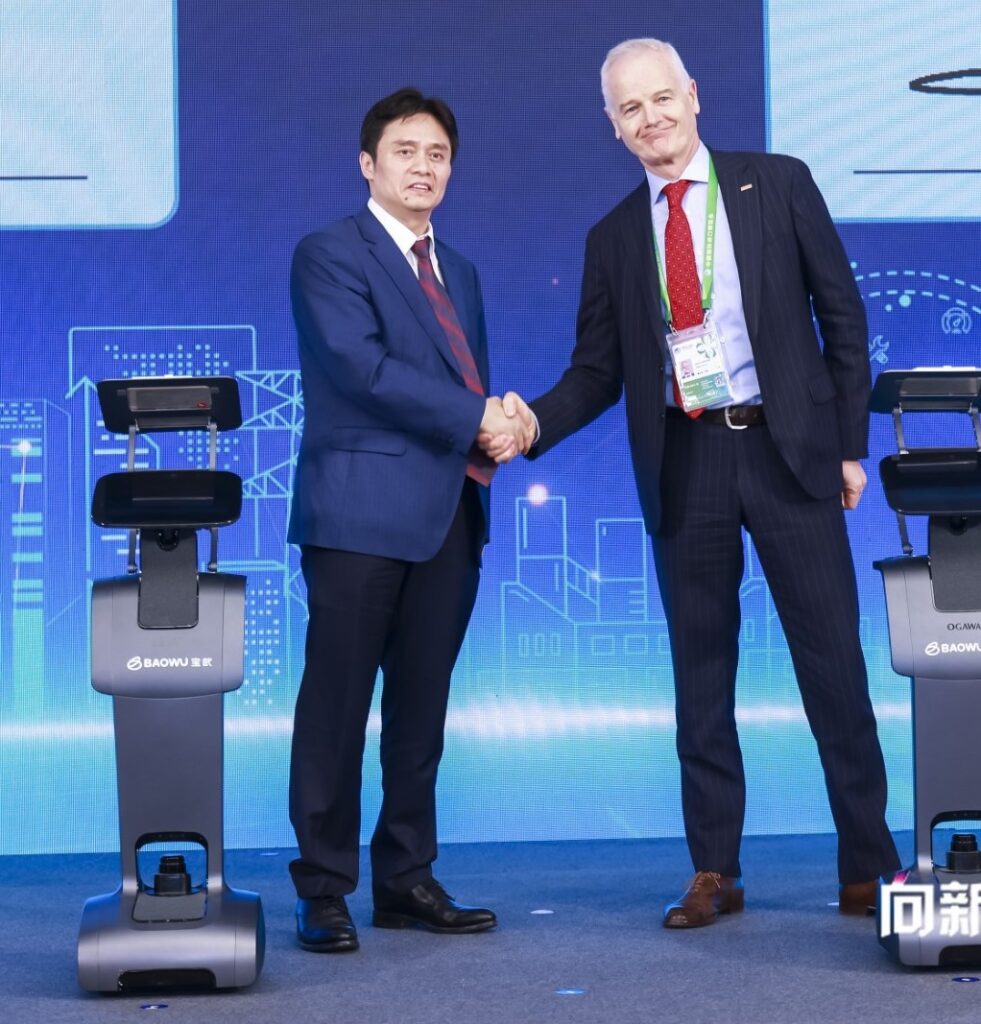
  1. Pomini Tenova, which manufactures advanced roll shop equipment, recently signed two contracts for fully automatic roll shop equipment with Baowu of China. The first contract includes a set of four automatic CNC roll grinders with two automatic inspection stations, to be installed at a plant where two new cold rolling mills for silicon steel will be in operation. The second contract includes two automatic CNC roll grinders and an automatic inspection station, equipped with an automatic roll loading system, which will be installed in the roll shop of a new cold rolling mill for silicon steel production.
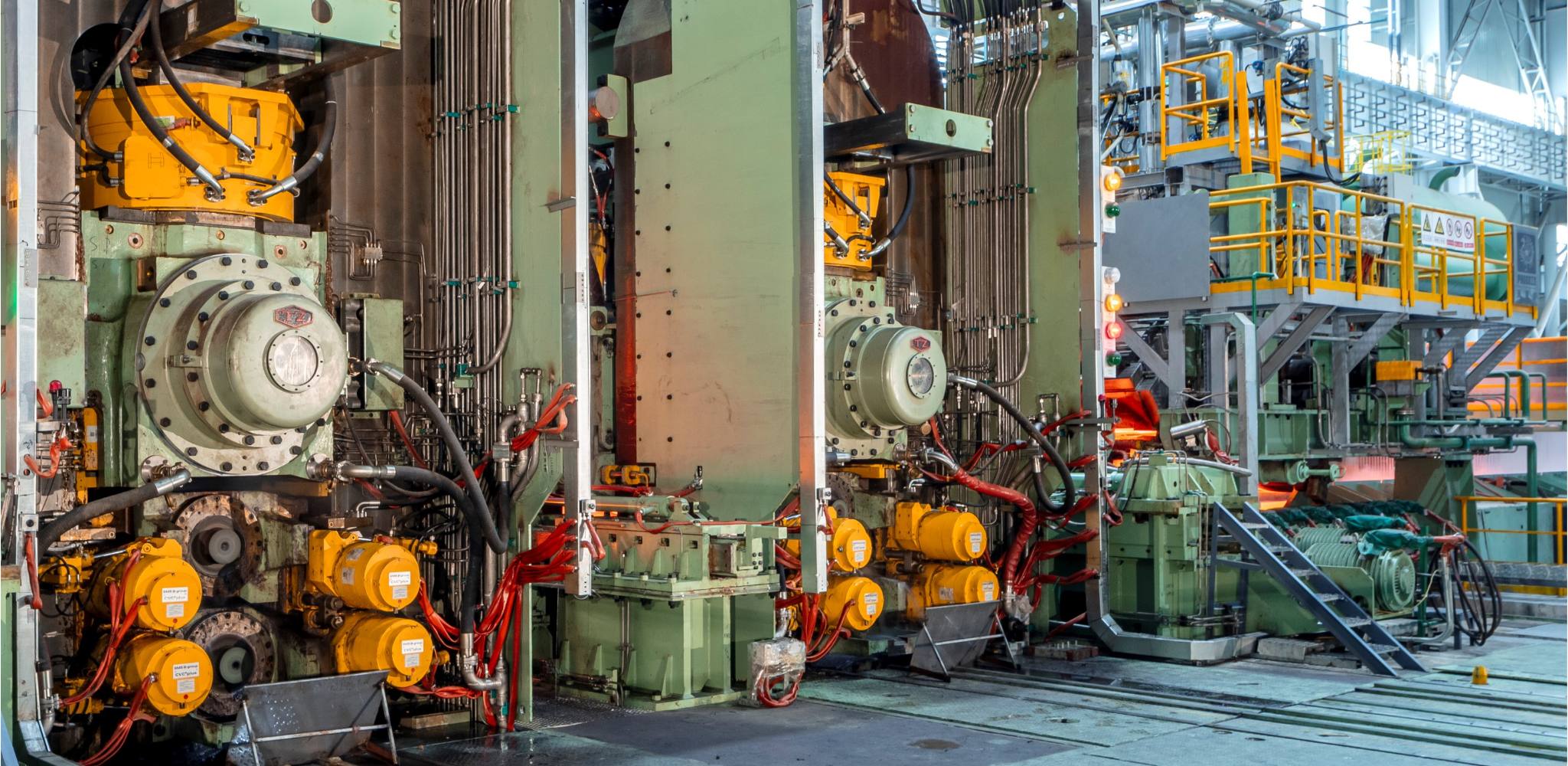
  2. Nucor Steel has commissioned SMS group for the modernization and expansion of its Steckel mill at its site in Tuscaloosa, Alabama. The existing Steckel mill will be converted into a tandem Steckel mill, designed to produce high-strength thin strip as well as to boost capacity. 
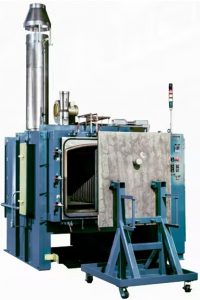
  3. A global car window manufacturer’s European branch has purchased two SECO/WARWICK technological lines for two of the company’s locations. The order includes RHLE units for bending car windows.
  4. Jiangsu Dongpu Fine Ceramics Technology Co., Ltd., has installed a hot isostatic press (HIP) from Quintus Technologies. The HIP model operates company’s production line for Si3Ni4 bearing balls in its manufacturing facility in Lianyungang, China.

Company & Personnel

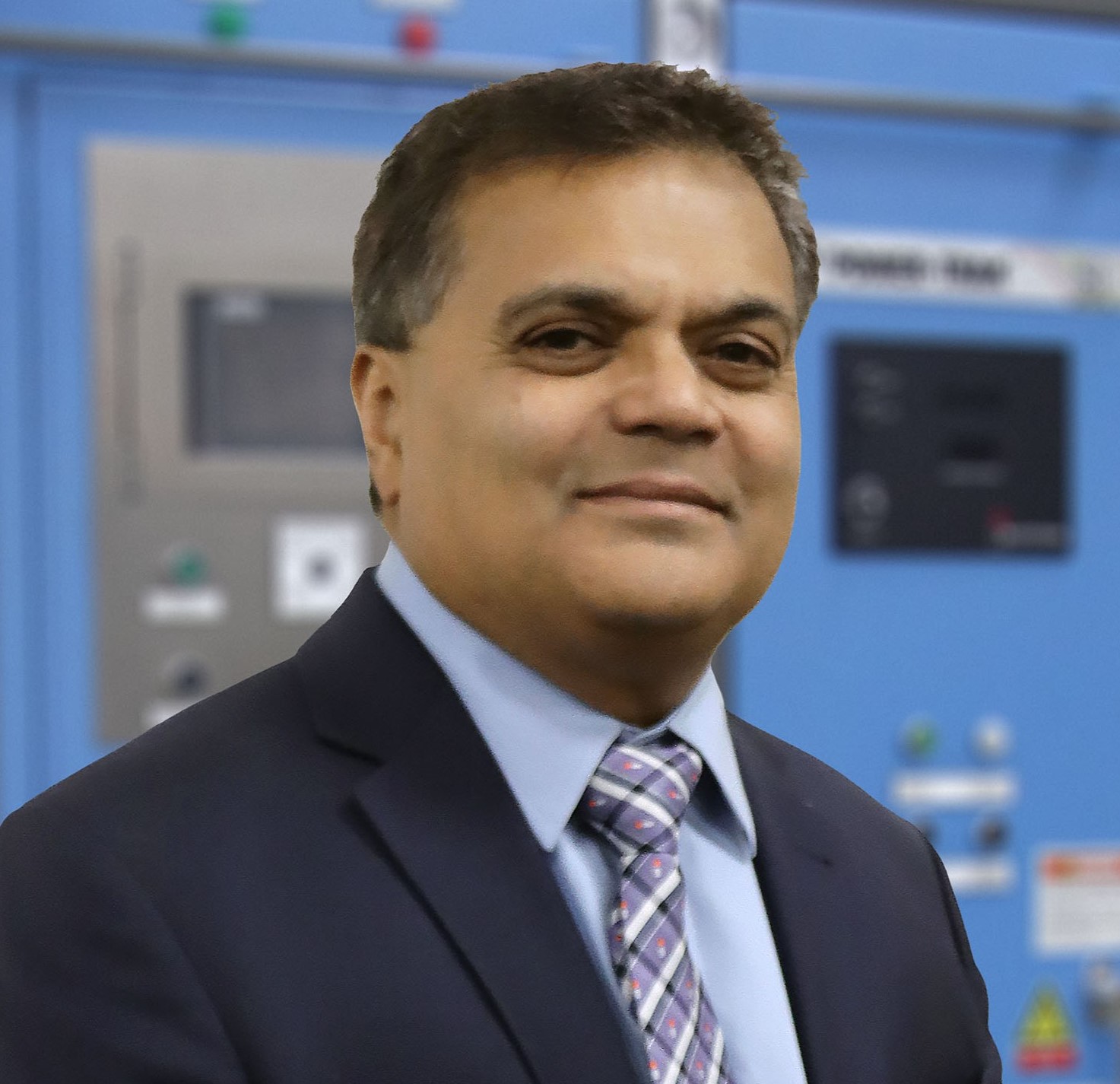
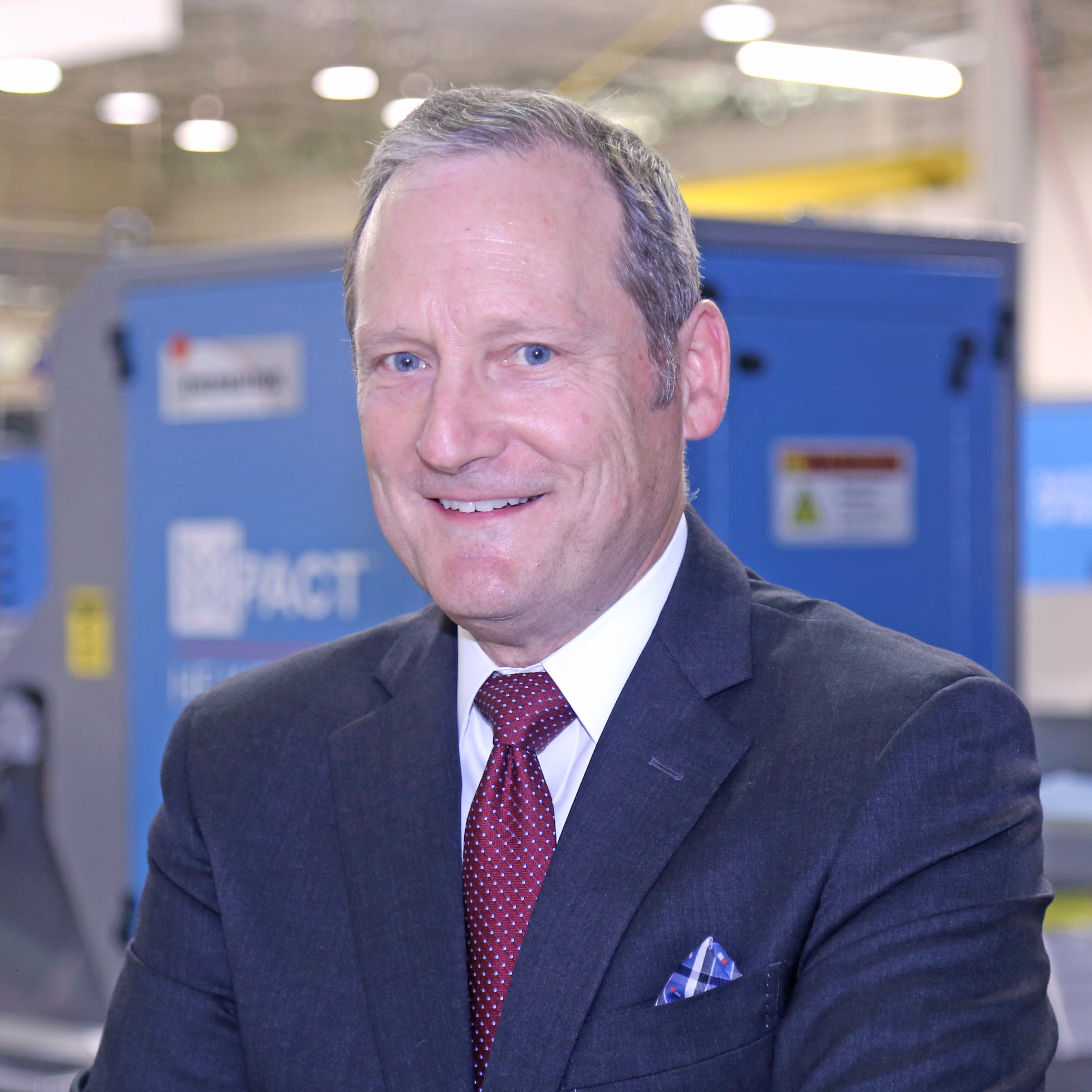
  1. Inductotherm Group has appointed Mick Nallen and Satyen Prabhu as co‐leaders, a transition which became effective July 1, 2024, when Gary Doyon stepped down from his role as CEO. Mick and Satyen have a combined experience at the company of nearly 70 years.
  2. Vincent Lelong of ECM USA presented on low pressure carburizing with vacuum furnace technology at Purdue University’s School of Materials Engineering undergraduate seminar. This seminar regularly features industry speakers, some of whom are members of the Purdue Heat Treating Consortium.
  3. The direct reduction plant at Nucor Steel Louisiana achieved a world production record of 330.3 tons per hour of high-quality cold direct reduced iron (CDRI), yielding an outstanding 7,928 tons per day (tpd). A high-quality direct reduced iron (DRI) output with 95% metallization (%M) and a carbon content of 3.3% (%C) was measured. The ENERGIRON technology was jointly developed by Tenova and Danieli.
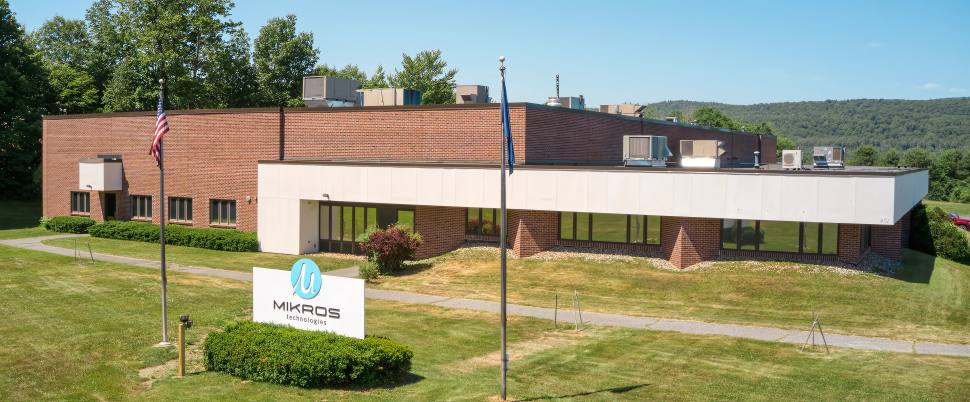
  4. Jabil Inc, which designs and manufactures supply chain solutions, announced its acquisition of Mikros Technologies LLC, which engineers and manufactures liquid cooling solutions for thermal management.
  5. Aerospace Testing & Pyrometry, Inc., (ATP) recently opened its Pacific Northwest office in Seattle, Washington. With this new facility, the company will now have a footprint in all four corners of the United States.

Kudos

  1. Solar Atmospheres‘ Greenville, SC, facility recently announced it has been awarded Parker Aerospace approval. Its five facilities are now able to assist clients with Parker Aerospace thermal processing requirements.
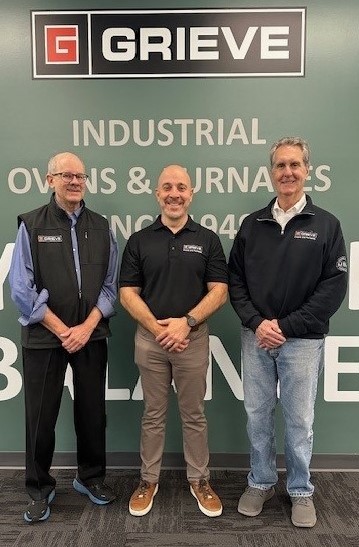
  2. Furnace manufacturer Grieve Corporation has reached its 75th year in business. Begun in 1949 as a small job shop in Chicago, the company now occupies a 100,000 square foot facility in Round Lake, Illinois
  3. StandardAero, an independent provider of engine maintenance, repair and overhaul (MRO) services, recently celebrated the tenth anniversary of its Singapore facility, a Pratt & Whitney Canada Designated Overhaul Facility (DOF) for the PW150A turboprop engine. This anniversary coincides with the company’s redelivery of its 500th PW150A engine, which powers the popular Bombardier Dash 8-400 regional turboprop. 
  4. Paulo’s Cleveland Division was recently awarded approval from GE Aviation for hot isostatic pressing, specifically GT193 Process Code FF.
  5. C3 Data has achieved SOC 2 Compliance, which ensures stringent standards for handling sensitive data.
  6. Tennessee Society of Association Executives recently honored Tom Morrison of the Metal Treating Institute (MTI) with the Industry Marketing Award for its Jobs of Tomorrow Workforce Development Program.
  7. Solar Atmospheres of Western Pennsylvania announced that it has been awarded Pratt & Whitney‘s PWA 11, “Heat Treatments” approval. The facility is now certified to perform heat treatments for P&W’s Suffix 17, “Precipitation Harden,” and Suffix 22, “Austenitize, Quench, and Temper.”

Find Heat Treating Products And Services When You Search On Heat Treat Buyers Guide.Com

16 News Chatter To Keep You Current Read More »

Day 2 at FNA: Awards Abound for Heat Treaters

The final day of Furnaces North America (FNA) began for Heat Treat Today with the presentation of a plaque to Timothy Joseph Wright (T.J. Wright), who served as a Major General in the U.S. Army, as well as a critical player in the history of heat treating, specifically as a past president of Wirco.

Two of his sons, Matthew Wright, vice president of marketing at pyrometry software company C3 Data, and Nathan Wright, CEO of C3 Data, joined T.J. at their booth for the presentation, as did his nephew, Chad Wright, current president of Wirco.

  • Read the article displayed on the plaque here.
  • Listen to an interview with T.J. on Heat Treat Radio’s podcast, found here.
  • And check out a video of the presentation here.

Heat Treat Today wishes to thank T. J., for his life of service to the country and to others and to the whole Wright family for their kindness and partnerships with us.

The day ended with the Metal Treating Institute’s (MTI) final event where MTI Yes Management Training graduates were recognized, awards were given to individuals and companies who have uniquely served the industry and MTI, and the 2025 MTI officers and board of trustees were announced.

Look for upcoming articles highlighting MTI news from the event!

Main image (left to right): Matthew Wright, T.J. Wright, Nathan Wright, Chad Wright


Day 2 at FNA: Awards Abound for Heat Treaters Read More »

39 Heat Treat News Chatter Items To Keep You Current

Heat Treat Today offers News Chatter, a feature highlighting representative moves, transactions, and kudos from around the industry. Enjoy these 39 news bites that will help you stay up to date on all things heat treat.


Equipment Chatter

  1. The precision forging manufacturer Jiangsu Pacific Precision Forging Company has placed an order with SMS group for a fully automatic MP 3150 eccentric closed-die forging press. Pacific Precision will be able to forge aluminum chassis components on a much larger scale. This new expansion provides Pacific Precision with access to the growing automotive market segment for more lightweight designs.
  2. A commercial heat treater in Mexico purchased a third vacuum furnace from SECO/WARWICK Group.
  3. Ecocat India, a catalyst manufacturer, has ordered an advanced technology vacuum gas cooling furnace from SECO/WARWICK. The system will carry out brazing and annealing processes.
  4. Several new CAB lines have been ordered from SECO/WARWICK to be delivered to manufacturers in China. Two companies specifically chose EV/CAB lines while another manufacturer purchased a CAB line.
  5. SECO/WARWICK delivered two CAB lines and one universal chamber furnace for aluminum brazing to an automotive manufacturer in China. The systems will braze large-size coolers for vehicle batteries.
  6. Oetzbach Edelstahl GmbH, a hardening plant, has purchased a third furnace from SECO/WARWICK.
  7. A Swiss commercial heat treater ordered a brazing furnace to be used for nickel and silver from SECO/WARWICK.
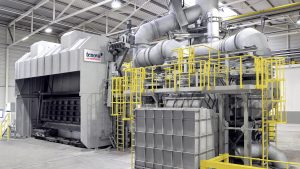
  8. Tenova LOI Thermprocess has completed the production optimization of a new Twin-Chamber Melting Furnace (TCF®) at E-Max Billets in Kerkrade, the Netherlands.
  9. An Asian thread rolling die conglomerate selected a SECO/WARWICK vacuum furnace. The Vector® will be used for vacuum hardening and tempering fastener dies.


Company and Personnel Chatter

  1. Hubbard-Hall has expanded its product offering and customer resources by acquiring the assets of Torch Surface Technologies, a specialty chemical company based in Whitmore Lake, MI.
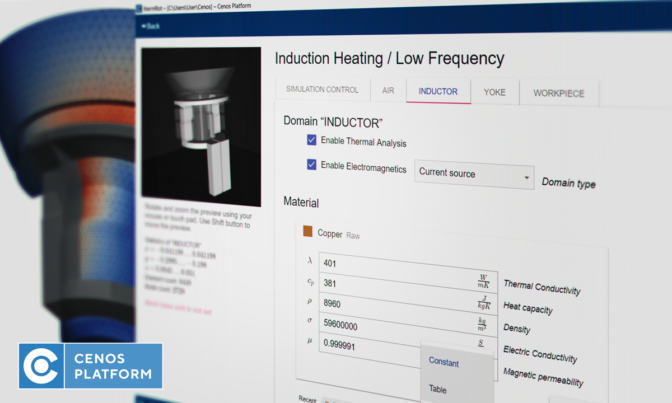
  2. New simulation software is being launched at CENOS Simulation Software. The application portfolio expands with some new electromagnetic case software apps. The first apps will be launched in Q4 or a little later.
  3. Solar Atmospheres of California announced it has been awarded the approval to process parts for Lockheed Martin (LMCO) owned Sikorsky. The Sikorsky approval adds to the existing LMCO process specifications held for vacuum heat treatment of titanium, nickel alloys, and stainless steel per AMS 2801, AMS 2774, AMS 2759/3, and others.
  4. Nel Hydrogen US, a subsidiary of Nel, has entered into a joint development agreement with General Motors to help accelerate the industrialization of Nel’s proton exchange membrane (PEM) electrolyzer platform. The two companies are looking to enable more cost competitive sources of renewable hydrogen.
  5. The Supervisory Board of thyssenkrupp AG extended the appointment of Oliver Burkhard by five years. Burkhard has been a member of the Essen-based group's Executive Board since February 2013, Thyssenkrupp AG director of Labor since April 2013, and additionally CEO of thyssenkrupp Marine Systems since May 2022.
  6. Joe Coleman, cyber security officer of Bluestreak Consulting™, has earned his Cyber AB CMMC Certification as a Registered Practitioner (RP). CMMC is a U.S. Department of Defense (DoD) program that applies to Defense Industrial Base (DIB) contractors.
  7. CG Thermal welcomes associate process engineer Signe Laundrup to the Process Systems Group. Laundrup is a 2021 chemical engineering graduate from the University of California, San Diego. Her background is in manufacturing and research and design.
  8. Tata Steel signed a memorandum of understanding with SMS Group to reduce carbon emissions at Tata’s integrated steel plants across India.
  9. Two heat treat technology companies integrate: C3 Data’s real-time pyrometry compliance software enables digital uploading of certificate data of all TT Electronics.
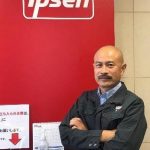
  10. Ipsen Japan announced the addition of Mr. Masakazu Kanaka in the role of customer service director. Kanaka is responsible for the growth of all Ipsen Japan customer service business, which includes retrofits, parts, and service. He will oversee the aftermarket sales team and field service engineers.
  11. Solar Atmospheres of California announced Honeywell approval to heat treat austenitic steels, martensitic steels, pH steels, tool steels, nickel alloys, cobalt alloys, titanium alloys, and magnetic alloys.
  12. Aluplast – ZTG, an Altest company, recently expanded its production capacity with a second Nitrex nitriding system. The second furnace, a model N-EXT-612, is capable of processing a load of extrusion dies weighing up to 1300lbs.
  13. Solar Atmospheres of Michigan is pleased to announce the addition of Chris Molencupp as their new sales manager.
  14. Metal Exchange Corporation announced that Matt Rohm, current President and Chief Operating Officer (COO), will be promoted to Chief Executive Officer (CEO) of Metal Exchange Corporation effective January 1, 2023. At that time, current CEO Rick Merluzzi will assume the title of executive vice chairman, serving as an advisor to executive chairman, Mike Lefton, on key strategic initiatives for the organization, through the end of 2023.
  15. Quintus Technologies joins the newly opened Application Center at RISE to support further development of additive manufacturing. The AM Center will also include the Quintus press model QIH 15L-2070.
  16. Abbott Furnace Company announced that it has partnered with Obsidian Technical Group for sales and service support across much of the eastern United States.
  17. Robert Roth announced the appointment of Nelson Sanchez as RoMan’s new president, effective January 1, 2023. Sanchez is the first non-family member to hold the office.
  18. Hubbard-Hall hired Aaron Mambrino as chief financial officer. Her expertise lies in driving process changes to create operational synergies, developing strategic partnerships, and LEAN manufacturing.
  19. John Savona, vice president of Americas Manufacturing and Labor Affairs, Ford Blue, will retire on March , after more than 33 years. Bryce Currie will step into the role.
  20. AFC-Holcroft welcomed employees and their families, company retirees, and invited guests to view their newly renovated building as part of an open house.
  21. Solar Atmospheres of California participated in the “Spark of Love” toy drive in coordination with the San Bernardino County Fire Department.
  22. Raytheon Technologies expands Bengaluru operations with opening of Pratt & Whitney India Engineering Center. The facility is co-located with Pratt & Whitney’s India Capability Center and Collins Aerospace engineering and global operations centers.
  23. Lucifer Furnaces in Warrington, PA, a manufacturer of heat treating furnaces and ovens for the last 80 years, has added Brett Wenger to its leadership team as vice president of sales.


Kudos Chatter

  1. Global Thermal Solutions celebrates 15 years in Mexico.
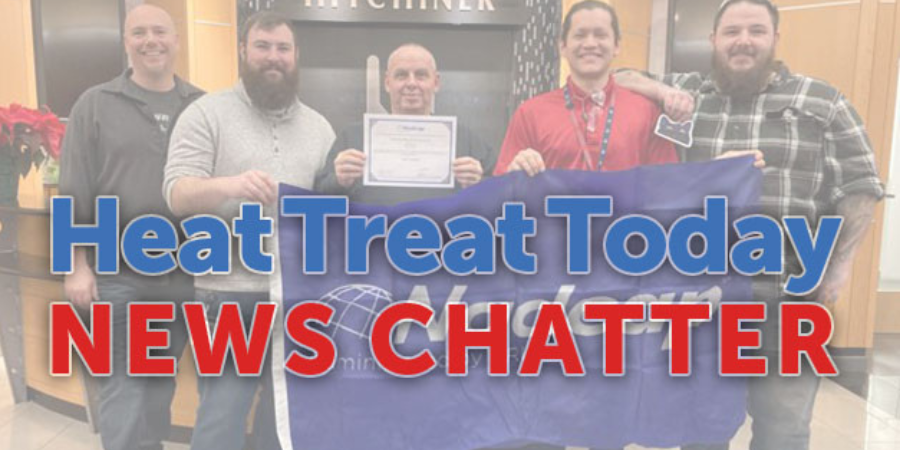
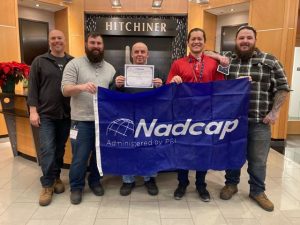
  2. Hitchiner Manufacturing receives Nadcap Accreditation.
  3. Ipsen USA announced that 2023 represents a milestone anniversary. This year marks 75 years since Harold Ipsen founded the company.
  4. Desktop Metal is sponsoring on a new season of BattleBots. The completely rebuilt robot is aided by the design freedoms and fast turnaround times of metal 3D printing.
  5. Solar Atmosphere’s Michigan and Western Pennsylvania facilities have recently been awarded Nadcap Merit status for vacuum heat treating and brazing.
  6. In September, the Swiss Steel Group (SSG) held the 1st Hydrogen Symposium at the Henrichshütte Iron and Steel Works in Hattingen. Speakers from academia, business, and politics held lectures in four sessions.
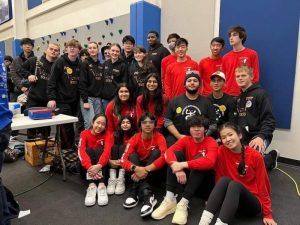
  7. Borikengineers, a team mentored by Pratt & Whitney employees in Puerto Rico, has advanced to the Qualifiers’ Finals Competition in the FIRST Tech Challenge DC Qualifier. The team won the Judges Choice Award.


Heat Treat Today is pleased to join in the announcements of growth and achievement throughout the industry by highlighting them here on our News Chatter page. Please send any information you feel may be of interest to manufacturers with in-house heat treat departments especially in the aerospace, automotive, medical, and energy sectors to sarah@heattreattoday.com.


Find heat treating products and services when you search on Heat Treat Buyers Guide.com


39 Heat Treat News Chatter Items To Keep You Current Read More »

Heat Treat Simulation Imaging Through Time: 2019–2021

OC

Heat treat induction coils, forgings, AM parts, and gears. What do they all have in common? R&D specialists have been creating simulations to make for more precise heat treating and solve issues like cracking or imperfect coil design. This original content piece pulls together 8 images for you on this Technical Tuesday so you can review the progress of simulation software for the heat treater over the last several years. Enjoy!


1. June 2019: Induction Heat Treatment & the Role of Simulation Software

Contact us with your Reader Feedback!

Looking for highly customizable induction heating solutions? Computer simulation can be the answer. Dr. Mihails Scepanskis and Dr. Vadims Geza, both of CENOS LLC, share how simulation is best employed in this summer 2019 throw back. Here's an excerpt: "Computer simulation for induction heating is a powerful tool that enables engineers to investigate or design a physical system and process using a virtual mathematical model, thus saving time and money on numerous physical design iterations."


2. September 2019: Simulation of Induction Heating of Steel Billets for Forging

How does one go about optimizing a progressive induction heating system for a steel billet? With 3D simulation. The platform elaborated upon in this article shares how both single and multiple coil designs can be simulated as well as the material and frequency for a full experiential test.

3. November 2019: Heat Treat Radio: James Jan & Andrew Martin on Development of Modeling Software

Simulation software was also used by Ford Motor Company to solve issue of cracking in cylinder heads. This was a problem that many competitors of the automotive company also had, so figuring out a solution that would save resources, time, and money was critical. Listen to the conversation or read the transcript when you click the link above.

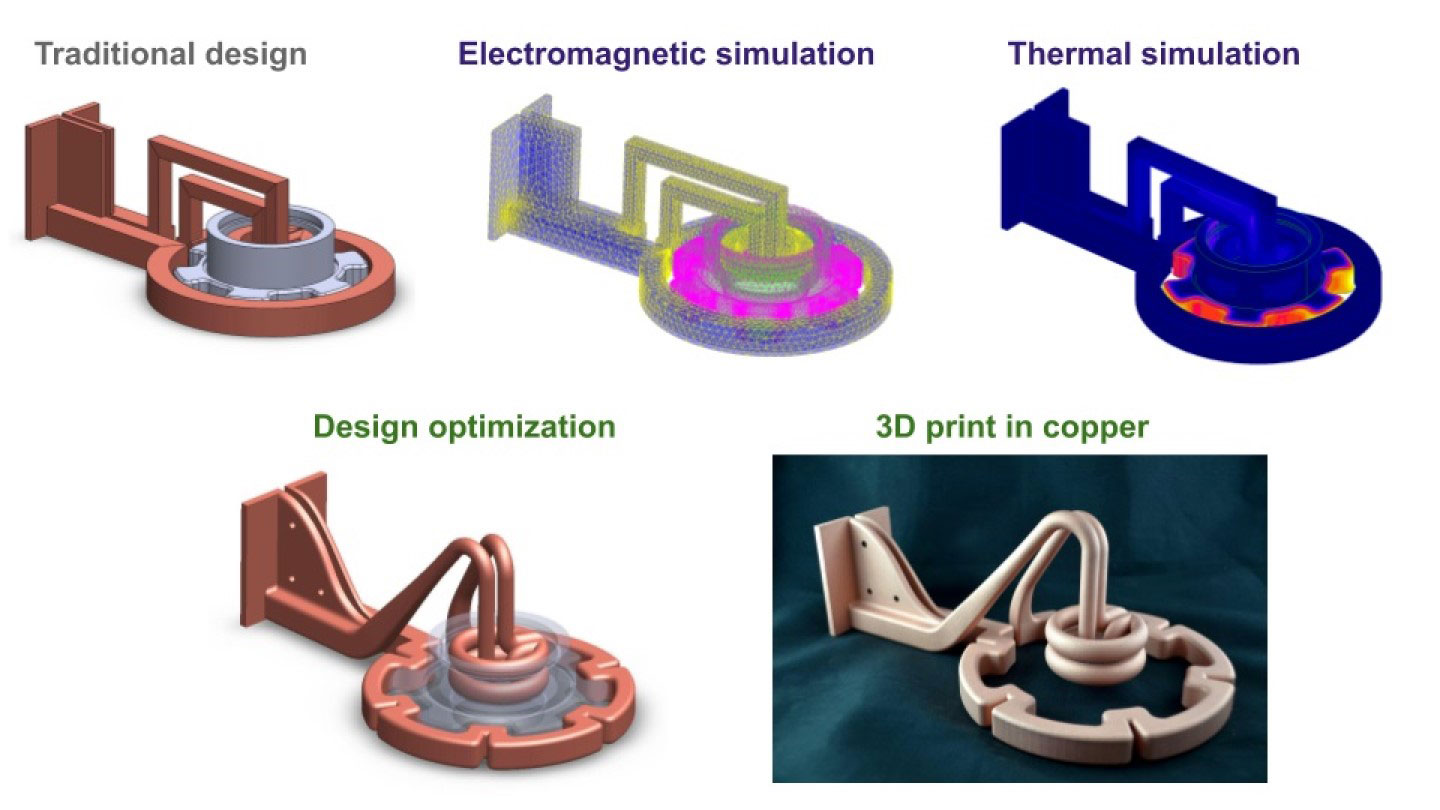
4. March 2020: Simulation Software and 3D Printers Improve Copper Coils

With additive manufacturing and especially 3D printed designs, engineers are better able to design complex parts. With part manufacturing that can solve challenging and precise problems, simulation software can help develop 3D digital prototypes to test and add extra layers of complexity. Read this article about the role of simulation in 3D printed designs.

5. June 2020: Predicting the Effects of Composition Variation for Heat Treatment of Aerospace Alloys

Variability between parts can mess up your heat treat operations if heat treat operators are not careful. Beyond knowing what composition is in your alloys, simulation can help predict what will happen to the different parts during heat treatment. Adam Hope and Paul Mason of Thermo-Calc Software reveal that "[the] examples shown [in this article] have illustrated how modeling and simulation tools such as those based on the CALPHAD approach can be used to predict variability arising due to material composition."

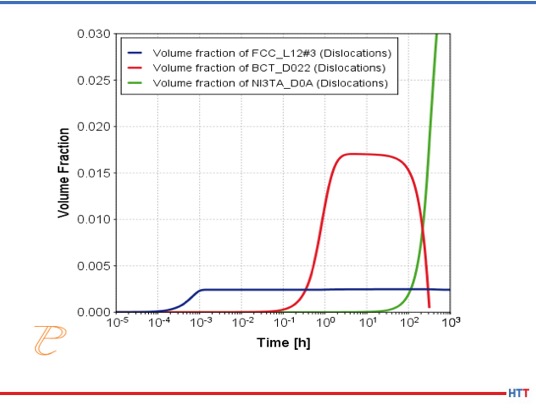
TC-PRISMA Precipitation simulations using nominal IN625 powder compositions measured at the dendrite boundaries. Recalculated based on Reference 3.


6. November 2020: Case Study: The Low-Pressure Carburizing Process Improvement for a Ring Gear

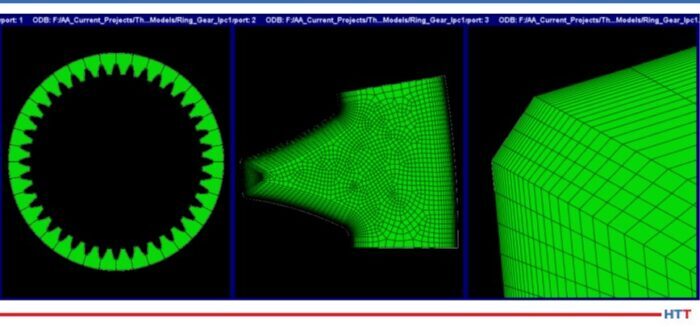
LPC got you feeling low? In this case study from DANTE Solutions, learn how the the simulation software helped a heat treater improve their LPC schedule and successfully dissolve carbides in the case of ring gears. Two of the takeaways were: "The heat treatment simulation software DANTE model parameters for carbon diffusivity, carbide formation, and carbide dissociation fit from experimental data," and "The software successfully predicted the results of a low-pressure carburizing process that was resulting in poor part performance during rolling contact fatigue."

7. January 2021: 9 Industry 4.0 Terms You Should Know

This brief reference guide will bring you up-to-speed on the Industry 4.0 terms you should know, especially as the world of manufacturing continues to rapidly change and people begin mentioning "Industry 5.0" more and more.

8. May and June 2021: Fatigue Improvement for Gear Steels in Helicopter Powertrains Phase 1 and Phase 2

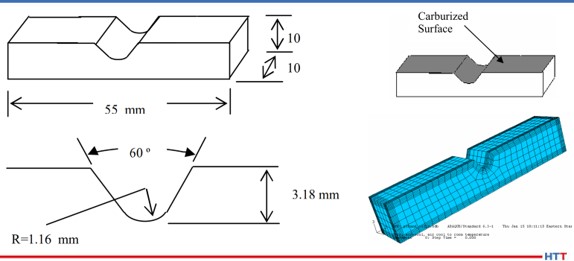
In this two-part article series in 2021, we look at how the precise heat treating of gears can be improved with simulation software. Check it out!

Coupon dimensions, selectively carburized surface, and finite element model


Find heat treating products and services when you search on Heat Treat Buyers Guide.com


Heat Treat Simulation Imaging Through Time: 2019–2021 Read More »

6 Heat Treat Tech Trends Fulfilled in 2022. . .Thus Far

OCWhat are the heat treat tech trends we're seeing in Heat Treat Today? Perhaps you read the Tech Trends article earlier this year predicting what trends in the industry will continue to develop in 2022. We can see that a point made by Jim Oakes, president of Super Systems, Inc., overlaps all of the trends in this line up: "The pillars in technology remain quality and efficiency with a growing emphasis on connectivity and carbon footprint visibility." Check out the 6 trends below!


Thermal Efficiency To Decrease Carbon Footprint

The technical thoughts that we're seeing surrounding this awareness for thermal efficiency surround the technology of induction. "[Induction] is also a very efficient process," commented Michael J. Zaharof, manager customer information & marketing at Inductoheat, "as induction power supplies are only powered on when needed compared to batch processing (like those requiring an oven)." Additionally, Girish Dahake, senior vice president of Global Applications at Ambrell Corporation, describes this efficient process saying, "The workpiece is placed in the coil where this field induces a current, generating heat in the workpiece. The water-cooled coil is cool to the touch and is placed around or adjacent to the work piece. It does not touch the workpiece and heat is generated by the induced current flowing in the workpiece."

Contact us with your Reader Feedback!

In the news, there have been companies looking to replace old gas generators with no automatic process controls and lacking in dew point efficiency. The resulting significant CO2 savings for  heat treating operations is in line with the trend of pursuing efficiency for the sake of decreasing carbon footprint.

Read more: "Tempering: 4 Perspectives — Which makes sense for you?" and Why Induction Heating Is a Green Technology

Technology for Remote Monitoring and Integrated Control 

We've seen this in the episode with Matt Wright at C3 Data in his description of integrated control of various systems. Additionally, he related that flow of information in heat treat facilities is a major challenge: "When I look at our industry, one of the things that is the biggest challenge is the flow of information — getting information from where it resides to where it needs to be in the format that it needs to be. I think the technologies that have been successful in our industry are technologies that help lubricate that flow, if you will."

Read more: "Heat Treat Radio: Reimagining Furnace Compliance with C3 Data’s Matt Wright"

Molten Salt Quenchants and Salt Reclamation

This hot -- or rather salty -- topic appeared on Heat Treat Radio with Bill Disler at AFC-Holcroft noting that modern processes allow for 99% of salt in quenching to be reclaimed. The manner that salt is used as a quenchant is different from oil: "With salt, you’ll come out of the quench with some liquid salt on it, you’ll go into a washer but that salt then dissolves back into the water. Generally, there is a multiphase wash with a wash/rinse/rinse. Then, after we get a certain percentage of salt in the wash solution, we thermally evaporate the water off leaving the salt back where it can be reintroduced into the quench tank."

Another representative from the company, Bill Coburn, was recently quoted in a press release that highlighted this feature in a recent installation at an agricultural product manufacturer. While these examples are so far quite consistent within the company, we expect more conversations about this reuse-and-recycle opportunity to be forthcoming.

Read more: "Heat Treat Radio: The Greenness and Goodness of Salt Quenching with Bill Disler" and "Batch Austemper Heat Treat Line for Agricultural Equipment Supplier"

Focus on Vacuum Furnaces

Looking back at the months of June and July, the press release ratio of atmosphere to vacuum furnace focus was 3:9. Check out the latest news in the industry in these press releases:

Electric Heating Systems

One of our partners, heat processing interviewed Mark Bula at H2 Green Steel in a feature revealing how the company was commited to electric generation as part of the industrial process. While there is a fair amount of criticism from the energy sector about what this conversion value could realistically look like, the attempts to make electric happen continue to grow.

Read more: "Going Carbon Free: An Interview with H2 Green Steel"

Digital Transformation and Application of IIoT Technologies

This trend will take a variety of forms, particularly with the catchy term, "predictive maintenance." Learn more about IIoT here, but for some technical conversations that have continued into 2022, turn to the Heat Treat Radio podcast with Fives North American Combustion.

[blockquote author="Justin Dzik, Fives North American Combustion" style="1"]The CertiFire™ is, as you already stated, an automated tuning device for temperature uniformity certifications. I think pretty much everybody that’s going to watch this podcast is probably going to know that they can be extremely time consuming to do, they take a lot of time and a lot of intelligence to actually tune the process. This device takes all of that and does it all itself. It does all the automated burner tuning, all the valve adjustments, it locks it all in and tunes it for whatever class uniformity you need.[/blockquote]

Read more: "Heat Treat Radio: Algorithmic Combustion Tuning With Justin Dzik and Ben Witoff at Fives"


Find heat treating products and services when you search on Heat Treat Buyers Guide.com


6 Heat Treat Tech Trends Fulfilled in 2022. . .Thus Far Read More »

4 Heat Treat Radio Episodes To Boost Your Confidence in Compliance

OC Twice a month, Heat Treat Today publishes an episode of Heat Treat Radio, a unique-to-the-industry podcast. Whether it’s AMS2750 or CQI-9, these episodes will boost your knowledge about all things heat treat. Listen to these four episodes to gain confidence in compliance. Enjoy this original content, and happy listening!


Justin Rydzewski
Director of Sales & Market Development
Controls Service, Inc.

Heat Treat Radio: Justin Rydzewski on CQI-9 Rev.4 (Part 1 of 4) – Pyrometry

In this episode of Heat Treat Radio, hear directly from a committee member involved in updating CQI-9. Justin Rydzewski, director of Sales and Marketing at Controls Service, Inc. sheds some light on the automotive equivalent to AMS2750: CQI-9. From translation issues and formatting to new process tables and caveats regarding thermocouples, this episode of Heat Treat Radio provides all the necessary information heat treaters need to use the new revision. It's about more than just pyrometry; it's also about heat treat system assessment and heat treat operation.

To get the run-down on CQI-9, listen to this episode of Heat Treat Radio.

"How like is one test to the next one?  What is your means of collecting data and what is your response plan when that data is unfavorable?  Having that predetermined, so that you’re not doing in on the fly, can be incredibly helpful."

Heat Treat Radio: Andrew Bassett on AMS2750F (Part 1 of 3)

Andrew Bassett, President, Aerospace Testing and Pyrometry

In this three-part episode, Andrew Bassett of Aerospace Testing and Pyrometry discusses all things AMS2750F. Questions on thermocouples, calibrations and thermal processing classification, SATs, or TUSs? This series of Heat Treat Radio episodes has the answers.
In this first episode, Andrew focuses on thermocouples and sensors and the different thermocouple types that AM2750 Revision F addresses compared to past revisions. The use of nickel/nickel-moly thermocouples and the use of resistant temperature devices are just two of the additions found in Rev. F.

To get an overview of the changes to AMS2750 made in Revision F, as well as to hear a bit about the process for writing the specification book, listen to this series of episodes on Heat Treat Radio.

"I’m an end-user, so I’m able give my input and say, 'Hey, this doesn’t make sense.  What you want to add into the spec is not real world.' It’s nice that people such as us get involved with these specifications."

Heat Treat Radio: Reimagining Furnace Compliance with C3 Data’s Matt Wright

Matt Wright
Chief Marketing Officer,
C3 Data
Source: C3 Data

The future of compliance could be in the palm of your hand. Matt Wright, chief marketing officer at C3 Data, describes how C3 Data has encapsulated everything required to be AMS2750 or CQI-9 compliant into one platform: a user-friendly system that can run on a smart phone. No more clipboards, spreadsheets, or post-it notes. Using optical character recognition, heat treaters can complete SATs in real-time. With QR codes, operators can scan thermocouples and access the appropriate table within a specification book.

To learn more about what C3 Data is doing to make compliance easier, listen to this episode of Heat Treat Radio.

"When I look at our industry, one of the things that is the biggest challenge is the flow of information — getting information from where it resides to where it needs to be in the format that it needs to be."

Heat Treat Radio: Justin Rydzewski and James Hawthorne on CQI-9 Rev.4 (Part 3 of 4) – Process Tables & New Resources

James Hawthorne
Corporate Heat Treat Specialist,
Acument Global Technologies

There's more new material in CQI-9 Rev. 4 than just pyrometry updates. James Hawthorne of Acument Global Technologies, zooms in on changes to CQI-9's process tables and new resources. One of these new resources, a glossary of terms used within the document, was created specifically because of end-user requests. Maintenance request forms, helpful illustrations, and informative figures are just a few other new resources added to the latest version of CQI-9.

"Read the document.  Read as much of it as you can and try to understand as much as you possibly can."

To hear more about what's new in CQI-9 Rev.4, listen to this episode of Heat Treat Radio.


.

Search for heat treat solution providers and suppliers on Heat Treat Buyers Guide.com


4 Heat Treat Radio Episodes To Boost Your Confidence in Compliance Read More »

This Week in Heat Treat Social Media


Welcome to Heat Treat Today's This Week in Heat Treat Social Media. You know and we know: there is too much content available on the web, and it’s next to impossible to sift through all of the articles and posts that flood our inboxes and notifications on a daily basis. So, Heat Treat Today is here to bring you a hot take of the latest compelling, inspiring, and entertaining heat treat chatter from the world of social media.

This week we'll check out some heat treating topics that are close to home (maybe even in your kitchen!) as well as learn about a metal that's a national security concern. 

If you have content that everyone has to see, please send the link to editor@heattreattoday.com.


1.  Sharp Facts on Heat Treating Knives

You may have used a knife to cut your steak last night, but what's the story behind that crisp, clean edge? Check out this video to learn the basics of heat treating knives.


2.  Kudos to Past 40 Under 40 Winners!

Mastering the Subject

Alberto Ramirez, Contour Hardening, was excited to share a big milestone: a master's in Information Technology Management. We're proud to have him in the 40 Under 40 Class of 2021.

Heather Falcone, CEO, Thermal-Vac Technology, "Transformational Woman"

This month, social media was a-buzz with news from Family Business Magazine. Heather Falcone, CEO of Thermal-Vac Technology, was named as one of the "Transformational Women." This 2019 40 Under 40 winner sure has a knack for collecting awards.

Speaking Candidly

Mark Rhoa, vice president at Chiz Bros, delivered a talk on thermal performance in furnaces with refractory and insulation products at the ASM 2021 heat treat show.


3.  A Triad of Trending Topics

Precious metals in your pocket, an exciting future in heat treating careers, and a new VOQ in Western PA? It's going to be a good weekend. 

What's Going On in Your Phone?

Jobs, Jobs, Jobs

.VOQ Maiden Voyage Coming Soon


4. The Reading Corner

Doing a little personal development this weekend? Why not increase your heat treating knowledge by perusing these articles?

Graphene, the Wonder Material That Became a National Security Concern

Listen to the Future of Furnace Compliance

Learn about furnace compliance that fits in your pocket with this episode of Heat Treat Radio

Heat Treat Radio: Reimagining Furnace Compliance with C3 Data's Matt Wright: Click to –> Watch | Listen | Learn


5. Get McDonald's Delivered to Your Heat Treat Shop

With this smoke alarm, a bit of smoke in your heat treat shop might not be all bad. Anyone else want to install it right above your furnace?

Have a great weekend!


.

Search for heat treat solution providers and suppliers on Heat Treat Buyers Guide.com


This Week in Heat Treat Social Media Read More »

Heat Treat Radio #75: Reimagining Furnace Compliance with C3 Data’s Matt Wright

Heat Treat Radio host and Heat Treat Today publisher, Doug Glenn, talks with Matt Wright, the chief marketing officer at C3 Data, to hear how the company has reimagined furnace compliance to fit in your pocket.

Below, you can watch the video, listen to the podcast by clicking on the audio play button, or read an edited transcript.



The following transcript has been edited for your reading enjoyment.

Doug Glenn:  Matt, Welcome to Heat Treat Radio. This is your first time on.

Matt Wright:  It’s good to be with you.

DG:  I do want you to spend a little bit of time giving our listeners a little bit about your background and then, also, if you don’t mind, a quick summary of what C3 Data does, just so our listeners have a concept.

MW:  I’ve been in the heat treat industry now for about 15 years. My brother, Nathan, and I together, we own a few — twenty-five — accredited pyrometry labs. C3 Data really comes as an outgrowth of that. Looking for an opportunity or way to reduce errors,  a human element, and to save time with all of our technicians doing all the work that they’re doing. And so, it really became something that we did for ourselves and realized that it could be something that the industry as a whole could use.

When you look at our industry, there are two ways that you can comply with the AMS2750 CQI-9 specifications. One is what I would call the “roll your own method” which is what everyone has been doing from the beginning: that is using a whole panoply of different technologies, whether that’s an Excel spreadsheet, a clipboard, post-it notes, or what have you — anything and everything that you can do to try to remember to do all the things that need to be done, and then you go to the audit and hope that nothing fell through the cracks. What C3 Data does is takes all of those requirements and starts with the spec and encapsulates everything in one platform, one system, so you don’t have to think about and remember to do those things, you just follow what we have you do, and you come out and you’re ready for your audit.
DG:  I want to jump back onto the labs you were talking about. Very briefly, how many where are they?

MW:  We’ve got one in Ohio and one in Mexico that has three different offices in Mexico.

DG:  And these are metallurgical labs, or did you say testing labs?

MW:  They are labs that go on site to perform temperature uniformity surveys, system accuracy tests, instrument calibrations and those types of things.

DG:  Let’s talk about compliance. Compliance with AMS2750 CQI-9 NADCAP is really an issue that is important to a lot of our listeners and readers, primarily those manufacturers who have their own in-house heat treat and have their own furnaces. Let’s talk about some of the latest developments, the latest technologies in that field. What are you seeing out there, Matt?

MW:  When I look at our industry, one of the things that is the biggest challenge is the flow of information — getting information from where it resides to where it needs to be in the format that it needs to be. I think the technologies that have been successful in our industry are technologies that help lubricate that flow, if you will.  A good example, I think you had mentioned some of the specs, but one of them is ITAR, the International Traffic in Arms Regulations specifications. In that case, you’re trying to prevent information from going to malign influence and so they’re going to use things like the Cloud and mobile technology. And those are the platforms that we’ve been built on, as well. But we’re kind of using it in reverse; we’re trying to disseminate information and getting it there as quickly as possible. So, the Cloud and mobile technology, I think, are the two biggest forms of technology that have been really helpful.

A couple other ones that we’re actually using that we’re seeing a little bit more and more of is OCR- optical character recognition. This is the ability to take a static document that has information on it and digitize it and get it to where it needs to be. We’re using that to be able to scan, for example, thermocouple cert, so that our customers, irrespective of who they’re buying their certs from, can just take a cert, scan it and build it right into their platform so they can use it to do an SAT in real-time.

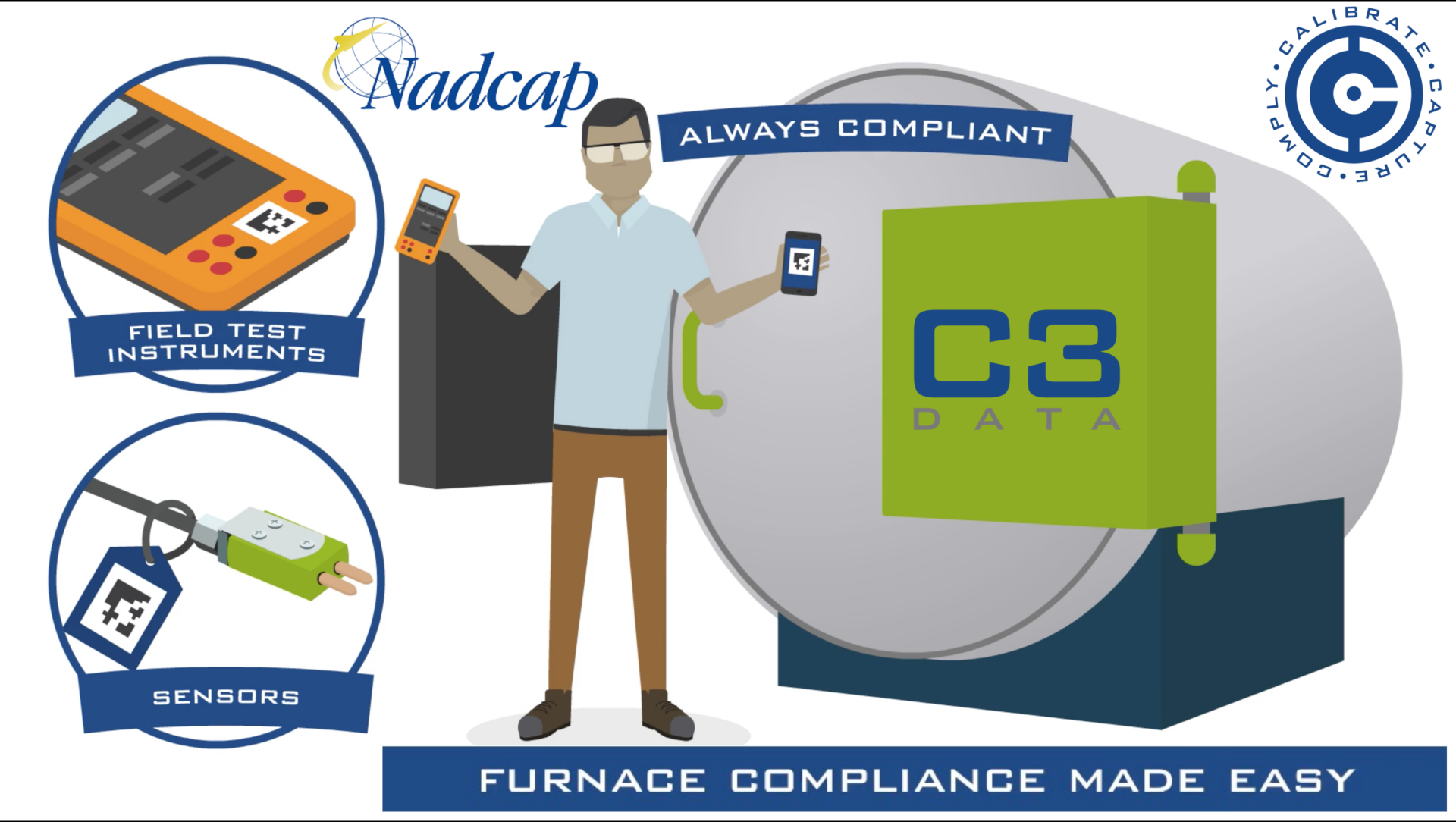
Another one is the QR code. You know, with the things that are going on, it’s kind of made a comeback in recent days. Now you can get your wine list by scanning a QR code at the restaurant. Well, we’ve been using it since before it was cool to do that; we’ve been using to scan your thermocouples or your field test instrumentation, so you don’t have to go and look up something in a database or a table, you can just scan it in and, boom, you’re ready to go.

DG:  This OCR is interesting regarding the certifications on the thermocouples. So, a thermocouple comes in, it’s got its stats and whatever you’re scanning, that becomes part of your data, if you will, correct? And are they using it for anything else? For example, I’m thinking in my mind, a company who wants to transition over to using a system like yours, perhaps they’ve got a lot of historical documents that, at least, would be helpful. Is that also an application?

MW:  Certainly, a potential application could exist for that. We’ve got other tools with forms and things that we’ve put in place to make that transition from going from, what I call the “roll your own” in the static thing and pulling all of that information in. We’ve really made it, and strive to make it, more and more seamless every time.

DG:  And the QR codes? Are you using those on furnaces, on thermocouples, or where are you using those?

MW:  Any equipment that you use, whether it’s a thermocouple, a field test instrument, a data logger, any certification data that is associated with that, you can print a QR code and affix it to that. You’re not having to go and enter that in manually, you’re just scanning it in using our mobile app that has a QR code scanner built right in — it’s pulling that directly in. The whole idea is to reduce that bottle neck, if you will, and to get that information flow in so that these guys can do more value at a time out on the plant floor.

DG:  I also wanted to ask you, because you mentioned about Cloud-based and mobile apps and things of that sort — let’s talk about security for just a second. I just got done doing an interview with a guy by the name of Mark Mills that hasn’t been released yet. He’s a fascinating guy and I’m going to give that one a plug right here- you need to listen to that when it comes out. But he was talking about cybersecurity- he wrote a book called The Cloud Revolution. I’ve also heard at some of the industry meetings that there have been real concerns where some of the larger companies are not wanting their data to go “outside,” if you will- they don’t want to break the ceiling and get into the Cloud, they want it on site. Are you guys seeing much of that? If so, how are you handling that?

MW:  It’s a mix. We do see that. Every corporation has their own policies and procedures and what they’ve determined is a safe way to operate. So, on one side of the spectrum, we’ll get people that will be concerned and say, “Nothing in the Cloud,” and we have to have that conversation. Usually, the conversation revolves around what is the purpose of this information? And really, when you peel back and look at it, if someone were able to access the information in our system (which we have very tight security around), the only thing they’re going to find out is the very thing that those same preparations are bragging about on their website, and that is that they’re NADCAP compliant. There is no process-related data, there is no secret sauce involved in anything that we’re doing and so, it’s not something that we believe, and most people do end up seeing it our way that needs to be curtailed from a Cloud perspective.

DG:  I know a lot of companies’ concerns are not so much that something will get out about them as it is this Cloud connection is a gateway for the nefarious amongst us to break in and get it. I’m sure you’re seeing that, right? Let me ask you it this way:  What percentage of your clients are actually saying to you, “Listen, we want this to not be Cloud-based, we want it to be just on-site.”

MW:  If I could swag, I would say maybe 5–10% ask the question, “Hey, is this something that we can just have locally because we would just like to have it for ourselves?” And the answer is, it’s not; it’s not something that we can have locally, just by nature of what it is — it’s an ongoing, continually improving and updated thing.
DG:  Let’s talk about another hot point that we have here besides internet security. I don’t know if you guys have been affected by this, but it has to do with supply chain issues. We’ve got Covid to blame, we’ve got Russia to blame, we’ve got all kinds of things as far as supply chain. Are you experiencing any of that yourself for your business or are you seeing it from any of your customers?

MW:  I think we are fairly isolated from that in that we’re not producing a tangible product; we’re a software company. Happily, we’re not experiencing that so much. I will say that, from our customers’ perspective, the big catchphrase now is “flexibility.” With those things that you mentioned, the ability to be able to adapt to not knowing from one day to the next if the guy that was supposed to do your SATs or TUSs today is even going to show up because he might test positive for Covid, or something else, really drives home the need to be flexible — to not put all your eggs in one proverbial basket. We’re striving asymptotically, if you will, to get closer and closer to that point where someone who’s never done a calibration before, can pick up an app and literally, the same day, start doing calibrations. There are a lot of hills to climb and obstacles to overcome, but we’re pretty close and we’re going to strive to keep doing that so that people don’t have to worry about what if this guy quits, or what if this guy gets a promotion? The system is going to run, and they can pick up and run with it with the next guy.

DG:  When we talk supply chain, I start to think to myself, to a certain extent, I start to think internationally a little bit because a lot of the issues are bottlenecks at the border and things of that sort. But it makes me wonder — how about you guys, C3 Data, are you just North America or are you seeing business outside?

MW:  Being a software company, one of the benefits of it is that you don’t have to ship anything anywhere. Being a U.S.-based company, we started out here and most of customers are here. We have a fair number of customers in Mexico, we have a few in the United Kingdom and we’re expanding currently, bringing on customers in France. Right now, we’ve got about four or five different languages that the website and the app is translated into, and we’re interested in expanding. It’s a great question and one that we’re really excited about — being able to not just be so parochial in the United States, but to expand into Europe.

DG:  Tell me a bit about the mobile app. Let’s say you’re a manufacturer and you’ve got an in-house heat treat department. How often are you going to be using that mobile app as opposed to how often are you going to be using a desktop application, and how is the mobile app used?

MW:  The decision to go with the mobile app came from our experience as a heat treat lab. Having to schlep around a laptop in a laptop bag or a cart with a computer on it, it’s really kind of a pain, quite frankly. Virtually everyone owns a cellphone. So, if we can put this into the power of a cellphone and enable that person to carry one less thing and to have the flexibility to not need to have to have that to do an SAT, to do a calibration, to change a sensor and those types of things, that’s what we wanted to do. You can use the app, you can run it on a laptop if you wish, and we have a few customers that just do that, but most of our customers (I would say over 90%), use the app, and depending on how fat their fingers are, they might go to a tablet.

DG:  On a typical day when they’re using the app, they’re using it to do what? Run us through what would be a typical application.

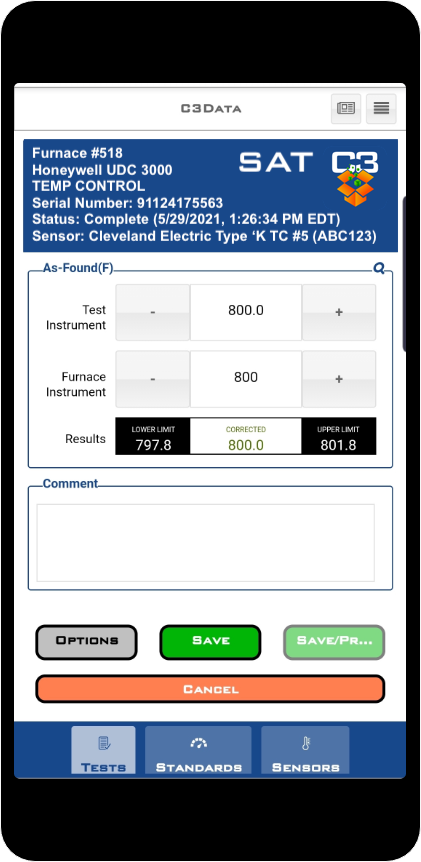
MW:  The mobile is primarily just used to do instrument calibrations and system accuracy tests. When you go out to do these tests, there is a whole lot of information that you need to have, and you need to be able to record information. Everything that you need is on the app, whether it’s defining what test sensor you’re using, what field test instrument you’re using, what furnace class the furnace is — everything is there. So, they’re using it just to record information. As they’re using that app and putting that information in, their reports are literally being generated in real-time and waiting for the quality manager to review whenever he or she wants to.

DG:  I wanted to ask you about the different standards that you guys are covering. The three biggies we always think about are NADCAP, AMS2750, and CQI-9, and I’m sure you’ve got compliance with all of those. Are there any other major ones that you think any of our captive heat treaters might be interested in? I know the commercials will be interested in all of them, but any our captives might be interested in?

MW:  Yes. Those two are the big ones — the AMS2750 spec and CQI-9 — that’s going to cover your aerospace and your automotive specification. We have the ability to give our customers, and a lot of our users do take advantage of it to create their own custom specs. They can just define their custom specs, their criteria, their frequencies, and then use the same platform that we built for these two specs, out of the box, to drive the compliance to whatever spec they want. So, it’s very open — it’s kind of agnostic in that regard. But we just built in those two AMS2750 and CQI-9 specs because that’s going to hit over 90% of what everybody wants.

Just a thing about those specs: Whenever those specs revise, like when CQI-9 went from rev 3 to 4 and when AMS2750 revision from E to F, and now, coming up in June when it revises to G, one of the benefits of having a Cloud-based solution is that all of our customers, when it went to F, all they had to do was log into the portal, find their furnace and go from E and select F and they’re off and running. That’s all they had to do. No training is required. It saves a lot on time of training, and you don’t have to redo the paperwork. The reports and all those things are now current revision.

DG: And Rev G of AMS2750 is probably out. I was just at some industry meetings and the big stink about the AMS2750 is going to a tenth of a degree on some measuring tools and things of that sort. Are you guys are able to handle that? I assume, being the software guys, it probably doesn’t really matter to you whether it’s a tenth or a hundredth or whatever. But you can cover that?
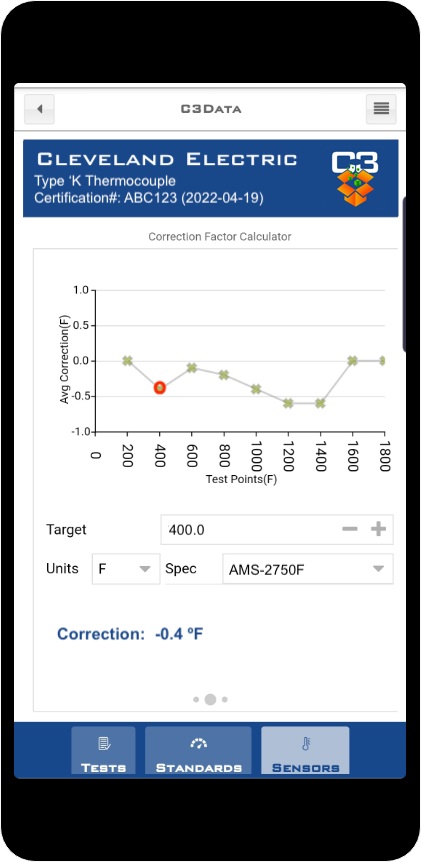
MW:  Yes, absolutely. Now the tenth of a degree thing, I believe, is going to be extended for another year so that users are going to have one more year for that. The date we’re hearing and looking at is the end of June, so I think June 29th, which I think is the two-year anniversary of Rev E to F, so it will be coming out then, if nothing else changes.

DG:  The fellows I was hearing from were saying basically there is talk of the extension, but they’ve got to get it passed to actually get the extension, otherwise end of June is the date that most people are going to have to nail that with.

Your C3 Data tool is basically Cloud-based, portable, whether it’s website, phone, tablet or whatever, to help people comply. When the auditor walks in to get the information they want, how easy is it for your clients? What do they need to do? I assume this is where the real time and money-savings come in, correct?

MW:  Correct. What we like to tell people is, in a nutshell, C3 Data is going to save you time and help you pass your audits. The time saving is happening all during the year. Every SAT you do, you’re saving an enormous amount of time because you’re not writing in your reports, you’re not doing any calculations — you’re aggregating and gaining time throughout the year.

You’re also going to gain time in your audit preparation because, as you mentioned, when you log into your portal, your ability to find all of your documentation, along with our furnace dashboard which shows you, furnace by furnace, the compliance status of each one of them. You can see, in real-time, the compliance status is a huge timesaver and a real peace of mind that you can walk in with your hand on your heart and know from the auditor’s perspective, you’re going to have a good experience, because if he wants to see something, it’s very easy to find and you’re well prepared.

DG:  Timesaving has got to be enormous. I know there are a lot of companies investing a lot of time in these audits and in compliance-related things.

You guys do a lot of work in this area. Are there any good tools out there for any of our viewers/readers if they want to go and find out more information, whether it’s dealing with compliance, what is AMS2750, what is CQI-9, any of that kind of thing? Any suggestions from you on where people might want to go?

MW:  On our website, c3data.com, we’ve got a portion there that you can look up for training. We have a curriculum of training courses where they can come and educate themselves, whether it’s, like you say, to learn about what the spec is or maybe take a deeper dive into some of those fields — we have those available. We love talking to our customers and our prospects, too.

One of the things I will mention: In going back to the web as a software service model, one of the things that’s ongoing is the ability to support. We’ve been through so many of these audits and we know the spec probably more than the next guy and when you look at some of the testimonials on our website, you’ll see that they obviously love the product, but they love the ability to call one of us, and if we don’t know the answer, we’ll find out the answer and get them plugged into what they need. We enjoy talking about it.

This year, we’re going to be at the Furnace North America show in Indianapolis which is my hometown which will make it quite easy for me to get there. But we’re going to have a special guest, Doug Shuler, who’s going to be joining us at our booth. So come on by the booth and get all your questions answered by Doug.

DG:  If his name is Doug, he can’t be all bad.

Matt, thanks a lot. I really appreciate your time. I’m looking forward to seeing you guys continue to grow and you’re offering a great service to heat treaters, so best of luck to you.

MW:  I enjoyed it, Doug, thank you.

DG:  You bet.

For more information:

Matt's email: mwright@c3data.com

C3 Data website: www.c3data.com.

Doug Glenn <br> Publisher <br> Heat Treat Today

Doug Glenn
Publisher
Heat Treat Today


To find other Heat Treat Radio episodes, go to www.heattreattoday.com/radio and look in the list of Heat Treat Radio episodes listed.


Find heat treating products and services when you search on Heat Treat Buyers Guide.com


Heat Treat Radio #75: Reimagining Furnace Compliance with C3 Data’s Matt Wright Read More »

This Week in Heat Treat Social Media


Welcome to Heat Treat Today’s This Week in Heat Treat Social MediaAs you know, there is so much content available on the web that it’s next to impossible to sift through all of the articles and posts that flood our inboxes and notifications on a daily basis. So, Heat Treat Today is here to bring you the latest in compelling, inspiring, and entertaining heat treat news from the different social media venues that you’ve just got to see and read!

Check out today’s line-up of Halloween Costumes, Thanksgiving and your heat treat furnace, a video on the details of stress relieving, and more!

If you have content that everyone has to see, please send the link to editor@heattreattoday.com.


1. Get Ready for Thanksgiving

Typically, we like to start these posts with an intriguing or exciting metallurgical post from the industry. But with Thanksgiving right around the corner, we know you would like to contribute with the skills that you use every. Single. Day. Still, be careful… Enjoy this video from Ipsen USA.


2. Technically Know How

We see you! And we think it’s awesome! Here are several videos and images of heat treat techniques and shared knowledge. Feel free to @HeatTreatToday when you post these videos so that we can see them!

.

In-House Heat Treating Looking Pink

.

Standing Ovation for Your Traditional Flames

.

A Series in a Heat Treater’s “Expedition”

Check out their video here!

.

Carbon Content and Heat Treatment

.


3. Historical Heat Treat

Talk about throwbacks, these videos and images from the “social-inter-webs” share some interesting factoids and knowledge from the past. Check out heat treating video from the 1970s, heat treatment in Japanese culture, and 6,500 year-old copper workshop.

.

1973 – Properties and Grain Structure Video

Check out this video, “Properties and Grain Structure: BBC 1973 Engineering Craft Studies,” and let us know if you agree with one of the commenters: “Please never remove this video from youtube. This video is a majestic gem in an ocean of gray pebbles.” If you share it on your LinkedIn page, @HeatTreatToday so we know what you think!

.

The Art of Mokume Gane

Full disclosure: this is NOT at the high temps that you are used to. But still…get a load of Mokume Gane: “it is an ancient Japanese technique used to make jewelry, blade guards and many other things. It is basically Damascus or pattern welded steel, but made from non ferrous metals such as gold, silver, copper, brass, platinum, bronze etc.” (Source: HomemadeTools.Net)

.

Secrets of the Desert 

Tel Aviv University and Israel Antiquities Authority believe copper-producing technology was closely guarded secret in the Neveh Noy neighborhood of Beer Sheva, capital of the Negev Desert. This emergency archeological excavation came about to safeguard threatened antiquities. Now, “The new study also shows that the site may have made the first use in the world of a revolutionary apparatus: the furnace.” (Source: Tel Aviv University: American Friends)

Work on the dig in Beer Sheva. Photograph credit: Anat Rasiuk, Israel Antiquities Authority.
(Source: “6,500-year-old copper workshop uncovered in the Negev Desert’s Beer Sheva,” Tel Aviv University: American Friends)


4. Reading and Podcast Corner

Free Classes Anyone? Thank you, C3 Data

.

Heat Treat Radio: Rethinking Heat Treating (Part 3 of 4) — The Fracking Pump Valve Seat

The latest episode is with integrated heat treating professional Joe Powell and Doug Glenn as they talk about the fascinating heat treatment of a fracking pump valve seat.


.

Heat Treat Radio: Andrew Bassett on AMS2750F (Part 2 of 3) — SATs

Get ready for the next episode in this series being released in early December with this podcast! Doug Glenn continues his conversation with AMS2750F expert Andrew Bassett. This time, the pair discusses Revision F changes to System Accuracy Tests (SATs).


.

Heat Treat Radio: Rethinking Heat Treating (Part 2 of 4) — 18″ Bevel Gear

Savings of over $700.00 in hard grinding costs PER GEAR on an 18-inch bevel gear? Listen to  Joe Powell of Integrated Heat Treating Solutions tell how they did it. [Go to Heat Treat Radio with Joe].

[blockquote author=”Joe Powell” style=”1″]“It’s a win-win-win.  The customer is happy, we’re happy and it works.  This demonstrates that you can indeed quench very, very intensively.  We’re talking about 400-600 degrees Centigrade/second of quenching.”[/blockquote]


5. Scary Manufacturing…Maybe

While this is not exactly metal, could any of you make this? Or maybe the more important question is, would any of you make this?


Have a great weekend!


This Week in Heat Treat Social Media Read More »

Heat Treat Radio #13: C3 Data

Welcome to another episode of Heat Treat Radio, a periodic podcast where Heat Treat Radio host, Doug Glenn, discusses cutting-edge topics with industry-leading personalities. Below, you can either listen to the podcast by clicking on the audio play button, or you can read an edited version of the transcript. To see a complete list of other Heat Treat Radio episodes, click here.


Audio: C3 Data

In this conversation, Heat Treat Radio host, Doug Glenn, interviews Nathan Wright of C3Data, a company based in Indianapolis, Indiana, which assists heat treaters and calibration labs ensure furnace compliance with Nadcap, AMS2750 & CQI-9. Their discussion about how you can cut the amount of time you spend testing and repairing furnace calibration report for your CQI9 and NADCAP compliant furnaces — from what might currently be up to an hour or more, per furnace, to somewhere down around five minutes per furnace — will help you imagine the day when you can have a single dashboard in your office where you can see in real time whether your furnaces are currently compliant with those standards or your own custom standards.  Imagine not having to guess if your furnace is compliant or having to wait until the next SAT or TUS is performed to find out that you just ran two or three loads in a furnace that is out of spec.  Also, imagine being able to click a few buttons and have a fully code compliant report printed out in minutes for when the auditor shows up at your door.  After listening to today’s Heat Treat Radio podcast, you’ll be one step closer to making this a reality in your shop.

Click the play button below to listen.


Transcript: C3 Data

The following transcript has been edited for your reading enjoyment.

Nathan Wright of C3 Data

Welcome to Heat Treat Radio.  I’m your host and publisher of Heat Treat Today, Doug Glenn.  Before we jump on the phone with Nathan Wright, of C3 Data, let me encourage you to visit www.heattreattoday.com for more helpful heat treat information.  Manufacturers with in-house heat treat departments, especially in the aerospace, automotive, medical and energy sectors as well as general manufacturing, find this site especially helpful.  Every weekday, at least one new piece of technical or commercial news is posted to the site.  The site also includes a new feature:  Heat Treat Consultants.   If you have ever wondered where you can find a simple, concise list of heat treat consultants, check out Heat Treat Today.  You can find it on the site under the “Resources” tab.  Today’s Heat Treat Today radio episode is brought to you by Dry Coolers.  Designers and builders of industrial cooling systems and the professional engineering services surrounding those systems.  As a leader in the heat treat industry for decades, they are located in Oxford, Michigan, and supply cooling systems for the aerospace, automotive, medical and energy industries plus many others.  If you have an industrial cooling need, call Dry Coolers.  They are on the web at www.drycoolers.com. Or you can reach them by phone at 800-525-8173. 
Heat Treat Radio jumped on the phone and called Nathan Wright to discuss this new technology.  Here’s a lightly edited version of our conversation.  Nathan is a long-time pyrometry guy with multiple pyrometry labs around North America, including a lab in Mexico.  With several decades of experience in the industry, Nathan was pretty convinced there was a better way to do pyrometry and furnace compliance.  Here’s Nathan to explain what it is, exactly that his company, C3 Data does for the heat treat market.   
Nathan Wright (NW):  Heat treaters and other companies come to us to help them reduce the cost to comply with NADCAP.  So if you are a NADCAP heat treater, and or trying to become compliant with CQI9, you are an ideal client.  So, companies come to us to help them reduce the cost associated with trying to comply with those two specifications, specifically with respect to the pyrometry requirement; so, in terms of time and money spent, we help them reduce those costs.  We do this by leveraging two very simple technologies:  the cloud and mobile devices. And we use these to eliminate virtually all of the time spent writing reports and calculating correction factors and ensuring that all the equipment that you use is compliant.  We build these higher specs into the software so that all the end user has to do after they set their exponents is plug in the readings, and we do the rest.   

Doug Glenn (DG): And it’s cloud-based? 

NW:  That’s correct.  It’s cloud-based in terms of where all the data is stored.  But we do have, as I mentioned earlier, the mobile technology that is used, sort of a modern-day version of the clipboard.  When a pyrometry technician is out in the field, rather than writing down on a piece of paper or lugging around a laptop with an excel spreadsheet, there is an app specifically designed for those types of testing requirements.  And that’s done all on the mobile device.  The app really knows everything about the furnace when you walk up to it.  We integrate QR codes into our calibration labels that get printed, and simply by scanning the barcode on the furnace, the app knows everything about your furnace from the furnace class to the operation ranges to the instrument types, the calibration points, everything about it.  So, in terms of training and the technician making sure that that furnace is tested and compliant with the specs, it’s kind of a no-brainer.  Walk up, scan the QR code, and the app kind of walks you through a tutorial step by step, and at the end, it gives you sort of a green means go, red means no indicator as to whether or not the test that you are performing passed or failed.   

DG:  I understand the spec is built right into the app.  So, if, or should I say when, the spec is updated, your app is updated and the end user pretty much automatically has the new spec immediately on his device.   

NW:  That’s correct.  And we intentionally sit on a couple of the committees — CQI9 as well as the AMAC committee — when you talk about AMS . . . really just to participate in the conversation to understand what changes are being made to the new revisions of both of those specifications.  So, proactively, we have our coders in the background sort of prewriting some of the code that may or may not become part of the specification.  So that from day 1, all the customer would have to do is refresh their web browser (for the web version), and on the mobile app version they simply do the auto update on their app, and they know moving forward that every test they do from that day forward is in compliance with what will be the AMS 27 revision F, and of course with CQI9, it will be rev. 4.  So, yes, we address those concerns by being actively connected with those communities and ensuring the software automatically gets updated.   

A Better Way: The Story Behind C3 Data

DG:  So, tell us a bit about how this all came about.  And also about you.   

NW:  I started doing pyrometry work, I’d say calibrations, surveys, and SATs, approximately twenty years ago.  And I always had in my mind that there had to be a better way of doing this type of testing.  Having sat in literally hundreds of NADCAP audits myself, there’s just a lot of human error that goes into — I guess the root of the non-conformances, and I even tried to bring a C3 Data like product to life back in the most powerful hand-out tool that you could get — a palm pilot.  So, you can see that I’ve been thinking about this in depth for quite a while.  And anyone who’s ever had to do an SAT, and all that’s required to make sure the equipment is current and then actually doing the reporting, knows the agonizing pain that goes into doing this type of testing.  So, after twenty years of doing that I have a unique perspective on how to build this from the industry.  So we started building the product, the C3 Data product, for our own pyrometry labs.  I’ve been doing this for twenty years. I own two labs, and as I mentioned earlier, we just wanted to build a tool that would eliminate most of the arduous and daunting parts of the pyrometry compliance.  Anyone who is responsible to comply with NADCAP, CQI9 – they know that it’s the paperwork administration, it’s the scheduling, and frankly, sometimes it’s just the math.  So, in a sense, we can honestly say that we built this product with each customer in mind because we do the same things that they do and we initially built it for us.  It’s pretty exciting to get the word from our subscribers that they are saving a lot of time and eliminating the NCRs.  I talk about saving time. . . . We’ve had customers tell us as much as 60 percent of the time that they were spending doing testings and reportings, has been reduced by 60 percent.  We are pretty excited about those numbers.   

DG: I imagine it’s not only the time savings that is a real benefit, but the peace of mind knowing that you are compliant – especially when the auditor comes a-knockin’!   

NW:  Yes, I would say that the most comforting feeling  — from one of our subscribers – is going into a NADCAP audit knowing, with confidence, that all the information that is required is there.  Not only is it there, but it is all compliant.  No matter what report you pull up, whether it’s a certification for a thermocouple or for a daylogger or for a field test instrument.  Any type of test result is insured and guaranteed to be compliant because the system is built around those specifications and doesn’t allow you to make some of the most common mistakes that are attributed to about 50 percent of the non-conformances really are pyrometry related.  So the confidence that the end user has is really high going into an audit.  And anyone that has been in an audit knows that that is the most nervous day.  

DG:  You mentioned “we” when you were talking about the company.  Tell me a bit about the company now.  You have some pyrometry labs, correct?   

NW:  We do, we have a couple of laboratories.  One in Mexico, one in the midwestern part of the United States, but in the last three years, I’ve sort of taken a back seat to those companies in order to really focus on C3 Data.  We’re headquartered in Indianapolis and the product has actually been under development for about five years although it has only been commercially available, I guess, going on now about three years.  So we employ a staff of five here in the U.S., and more recently we’ve established sales and support channels in Europe – covering the UK, France, Germany, Italy, and Spain.  So, we are excited about that new relationship and getting that product in the hands of a large segment of the heat treat world over there.   

DG:  Are there different standards there in Europe?  Or are they all the same?   

NW:  No, No.  Very similar.  I mean, it’s the AMS 2750 for NADCAP accredited companies and CQI9 for the automotive.  In fact, well, CQI9 was authored by the big three here in the U.S., and for several years, Europe was not really recognizing that standard and more recently with several automotive recalls in Europe from European manufacturers, they were really looking for a way to minimize the large expense associated with those non-compliances and recalls.  And so, they really have, in the last nine/ten months – more recently — started to adopt CQI9 pro-actively because rather than write their own specifications they wanted to adopt it.  So we are pretty excited that we don’t have to customize the software for yet another specification.  I will say, speaking of custom specification, the software is not limited to just AMS and CQI9.  We do have a build-your-own spec feature that is built into C3 Data that allows you to take a Boeing spec that by and large is AMS 2750 but has its own nuances that are associated with an individual prime like Boeing, just to use them as an example.  And so we allow users to go in and build their own specifications to ensure compliance to not just the prime specifications that we typically think of (i.e. AMS and CQI9).   

DG:  And now for a quick reminder that this episode of Heat Treat Radio is being sponsored by Dry Coolers.  Dry Coolers can provide open evaporative towers, closed loop evaporative towers, air cooled or dry cooler closed loop systems, chillers, vapor coolers and condensers, pumping stations, control panels, emergency backup systems, filtration and solids removal equipment, as well as complete plant-wide water systems.  If you have any industrial cooling need, call Dry Coolers.  They are on the web at www.drycoolers.com or by phone at 800-525-8173.  

C3 Data in Action

DG: So, Nathan, how would this look for a heat treater?  How do they interface with C3 Data?  You mentioned subscribers.   

NW:  It’s set up as what we call “software as a service”.  So, unlike a traditional software product where you buy it once and own it, and then pay for incremental updates, we just have a subscription service that the user can customize based on their needs.  If you are just using the software to perform SATs, there is a fixed monthly fee. But if you wanted, a year later, to add temperature uniformity surveys, or instrument calibration, you can incrementally bump up and add on plugins to the software.  It’s all web-based so the beauty of this is that there is no IT that needs to be involved.  There’s not a lot of technology that the end user needs to have other than how to go to the website and log in to their password-protected account.  You can increase or decrease your subscription levels at any time and it’s month to month.  There are a lot of advantages to this software model because it is low risk.  You can try it out.  You can cancel it a month later and decide that it’ not for you.  So, we like that.  The biggest, most powerful part of software and servers being web-based is, as we mentioned when these specifications get updated, we can simply update them in the background and the end user just has to refresh their browser and instantly the update is made.  The system is very intuitive. By the way, the subscription service comes with unlimited phone and email support.  So, as you bring on new users, we will train them.  This is typically done through a “go to meeting” online, so there is no need to incur travel expenses. And we can do a twelve-minute meeting, we can do a two-hour meeting with a large group if we need to.  We can customize the training based on the skill set of the group or group of individuals that are using the software.

But in terms of the setup, I think the biggest hurdle is getting all the information into the system.  The system only knows what you tell it.  So, there is a section in the portal where the user can go in and must go in and define all the furnace settings. So, we talked earlier about instrument types, operating ranges, furnace classes, all those types of things.  Once you define all those, what we call furnace set up variables, the system will hand walk you through everything.  I guess my only point is that there is a little up-front investment to populate the user account with all the furnace and instrument information.  That’s probably the biggest hurdle for any user because we have knocked down all the other hurdles – the training, the updating of the software as we mentioned is a simple refresh of the browser.  So, it’s very intuitive but there is a little bit of upfront time involved – and we say about five to ten minutes per furnace is the typical amount of time spent and that can be reduced over time by getting people familiar with the software.  So, if you are a typical, well I shouldn’t say typical because there is no typical heat treat size, but a heat treater that has ten furnaces, it might take you a couple hours to populate your system.   

DG: Well, five to ten minutes per furnace does not sound like much.  Tell us a bit about this dashboard.   

NW:  Dashboard culminates all the information that’s being populated in a single system, and it gives the ability to display a real-time plant overview of all the furnaces and their real-time compliant status against the specifications.  So, we have customers out there currently that have 60- to 70-inch television monitors displaying the C3 dashboard.  And in their procedure, the operators of the furnaces are told that before they load a furnace, the first thing that they do is that they look at their C3 Data dashboard and they verify that that furnace is either green, yellow or red.  Depending on the company, they may have different protocols, but ultimately if it is red, you are supposed to stop as the furnace operator and go to your boss and say, “Hey, I can’t load this furnace because it is not compliant.  What should I do?” And, there is a lot of power in that because, you know, currently the systems that exist today are spreadsheets or, worse yet, printed pieces of paper that just sit stagnant in a filing cabinet and they don’t tell you anything in real time.  Meanwhile, furnaces are being loaded  — potentially furnaces that are not compliant — being loaded with product that are safety critical parts for the aerospace and automotive industry.  So, dashboard really takes that culmination of a lot of details of compliance-related information and gives it to you instantaneously.  This also gives the ability for a quality assurance manager of a company that may have multiple locations to sort of figure out where he or she should be focusing their efforts on helping with furnace compliance.  Case in point, if you have seven different facilities that you are responsible for as a quality assurance manager, you are going to want to go to those places where more furnaces are red and not really spend any of your time in those locations where all those furnaces are green.  And so this allows them to have that real-time visibility without ever leaving their desk and make real-time decisions about where they need to focus their time and energy.   

DG: Any specific heat treaters that will find this system helpful?  Or is it pretty much broad-based?   

NW:  Generally speaking, any heat treater that needs to ensure high quality should be using a system like C3 Data.  And many do.  The problem is that most people have failed at what we call rolling their own.  These systems range the gambit. They are also susceptible to the same issues.  Namely, the cost to manage these cobbled together mixtures of cell spreadsheets, and outlook for scheduling and other tools that they combine and rely on, and there is usually what we call the “key man” risk associated with these systems.  And that employee may or may not always be employed there to keep the system up to date.  So this usually causes frustration and ends up costing much, much more than people think.  But, to be specific to your question, the customers that are NADCAP, or just simply required to comply with AMS 2750 or CQI9, they rely on the software and so any customer that’s, as we mentioned, that’s looking to comply with those specifications, C3, all those specs are included out of the box with C3.  That would be our ideal demographic.   

DG:  Anything else like it in the marketplace?  And if so, how does C3 differ? 

NW:  There are a few companies that have attempted to build what C3 Data has.  But I would say that they all suffer from the same two problems.  Their software was not built around the prevailing specifications like the AMS and CQI9, as we keep mentioning.  And secondly, they were built by people that don’t do pyrometry.  So, the user experience quickly becomes frustrating for people using the competition’s product.  Because, unless you have done this type of work, it’s really impossible to know all the limitless permutations of the spec and account for them all.  So, their software ends up running you instead of the other way around.  Another thing that is unique about C3 is that we allow the user to fully integrate with existing service providers and vendors.  For example, if you had a lab that is coming in on site to perform your calibrations, their reports will automatically funnel in to the C3 account.  And they are available in real time.  So, that’s one.  I mean we integrate with sensor vendor.  GeoCorp is one of our sensor vendors.  When you buy a thermocouple from GeoCorp, and you have a C3 Data account, your sensors will automatically get pulled into your C3 Data account.  Including all the correction factors and the math associated with the rounding and all that, so there is a lot of integration with the vendors and service providers – including data logger manufacturers.  But there are some major data logger manufacturers that integrate directly with our temperature uniformity survey software that, again, all that calibration data for those loggers technically can go into our system as well as generating temperature uniformity survey reports that are fully compliant in less than five minutes.  So, this is a big one. I think there are listeners out there who have done surveys know that a survey report can take, and it varies depending on your experience and what systems you have, but it can take anywhere from 20 to 45 minutes and even sometimes an hour just to do a report.  We can consistently offer a product that does this in less than five minutes and guarantee its compliance.  But I think our biggest competitor is really not a company, it’s the status quo.  People who are “getting by” with their in-house systems and they don’t know what else is available and they don’t realize the tremendous cost they currently are incurring doing it the way they have always done it.  So, that is probably our biggest competitor – getting past the “If it ain’t broke, don’t fix it” type of mentality.   

Nathan didn’t want to name drop during the podcast but shortly after the interview, Nathan informed me that C3 Data signed a distributor agreement with CCPI Europe, Limited – to represent C3 Data in Europe.  CCPI will do essentially the same thing in Europe that Geocorp does here in North America.  CCPI Sensors will integrate directly with C3 Data for customers in that part of the world. 

DG: And how about when the auditor walks in.  Do most of them accept your reports?

NW:  Most auditors have accepted it.  We are trying to get the word out to a lot of the NADCAP auditors that this is a user-friendly system and that it can be trusted.  As a result of some of the feedback we have gotten from some auditors we’ve built in some, I guess, “check your math here” kind of thing — they want to know — yes, it says that the test passed because I see the number turns green instead of red but how do we know that?  And so we’ve built in some software validation tools in there for NADCAP auditors to become more comfortable by seeing the math behind the numbers.  As well as for our users.  But, yes, you are right. The most rewarding moment is the day of the NADCAP audit, you can go to the single screen where you have scheduler and tests.  You have one system. Not a filing cabinet, not an excel spreadsheet and another spreadsheet on a different file server.  It’s one system accessible anywhere on the web that you can go and have a NADCAP audit.  You can personally have a NADCAP audit remotely.  In an ideal world, that might be something that is considered by PRI someday but the beauty is, yes, it’s in one location.  You are never chasing down paper.  And the bottom line is you know that it’s all compliant – 100 percent of the time.   

So, if you are a captive or commercial heat treater looking for smart ways to reduce your compliance investment, you might want to take a look at C3 Data.  Here’s a system that could significantly reduce the time you invest in conducting the litany of compliance tests required and the time it takes to prepare those time-consuming reports after each test.  Better to let C3 take care of it.  If you’d like to contact Nathan, feel free to email me directly and I’ll put you in touch with him.  You can email me at Doug@heattreattoday.com.  C3 Data is on the web at www.C3data.com.  And you can reach out to Nathan that way as well.  

Special thanks go to Dry Coolers, Inc., for their support of Heat Treat Radio and for their sponsoring this podcast.  Dry Coolers, industrial cooling systems, made to order.  Dry Coolers is on the web at www.drycoolers.com.  

Don’t forget to visit www.heattreattoday.com frequently. We post a new heat treat industry item – either a technical article or some industry news — every weekday.  If you would like more Heat Treat Radio, simply google Heat Treat Radio.  We are the first thing that pops up.  Or, you can also subscribe to Heat Treat Radio on iTunes or Soundcloud.  This and every other episode of Heat Treat Radio is the sole property of Heat Treat Today and may not be reproduced without express written permission and appropriate attribution from Heat Treat Today.  Jonathan Lloyd of Butler, Pennsylvania, produced and mixed this episode.  I’m your host, Doug Glenn.  Thanks for listening.   


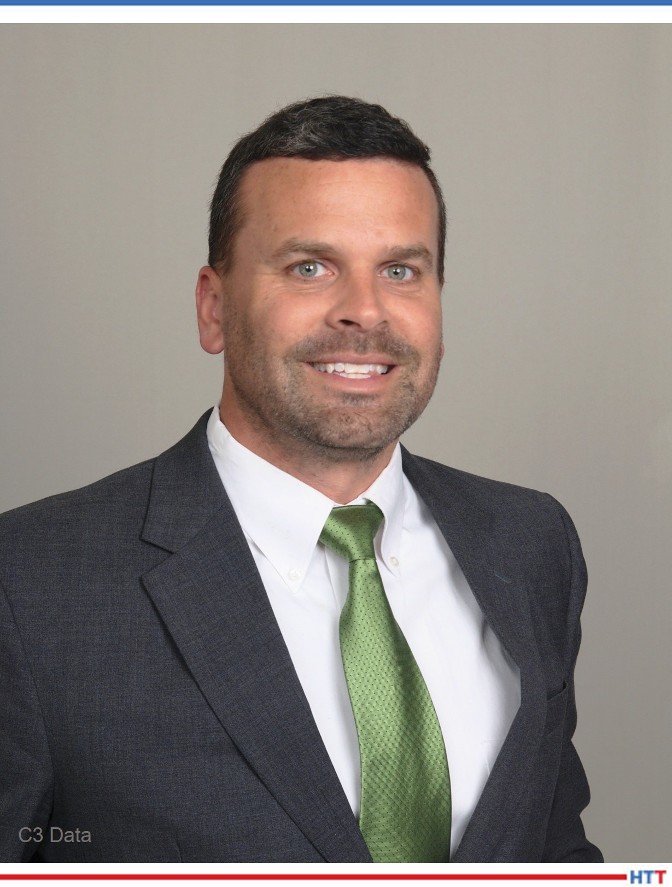



Doug Glenn, Publisher, Heat Treat Today
Doug Glenn, Heat Treat Today publisher and Heat Treat Radio host.


To find other Heat Treat Radio episodes, go to www.heattreattoday.com/radio and look in the list of Heat Treat Radio episodes listed.

Heat Treat Radio #13: C3 Data Read More »