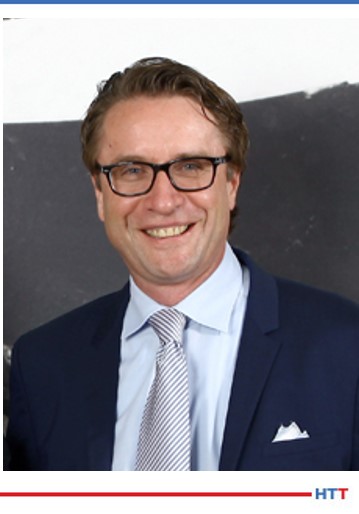
Winfried Schaller, Lincotek Group CEO (photo source: Lincotek.com)
An additive manufacturing (AM) solutions provider continued its global expansion. Initially, they had invested in an AM facility at their Memphis, Tennessee plant to support US medical customers. Then, they opened an Additive Innovation Center in Switzerland to focus on the IGT and aviation market.
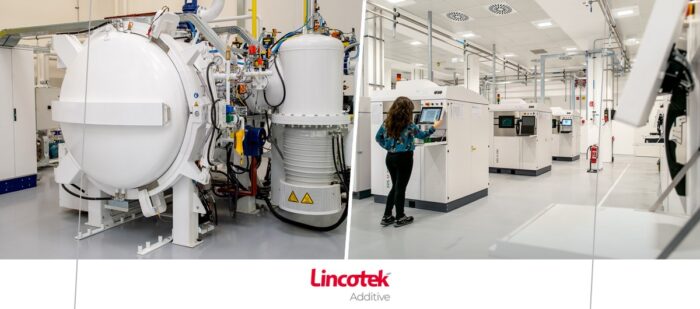
Now, Lincotek Additive in Trento, Italy reports that it has completed development of its Additive Production Center for medical devices. The center was completed with the addition of a high-vacuum furnace and validated heat treatment process designed specifically for the post-processing of titanium additively manufactured parts, and is expected to triple the capacity for thermal treatment at the site.
“We’re delighted that so many OEMs are now taking advantage of our complete additive service offer,” stated Winfried Schaller, Lincotek Group CEO. “Our outstanding performance is based on a profound technical mastery of the AM process, building on R&D and validation capability, led by additive experts who support the OEMs in their serial AM needs...We are already working on the next step of growth, looking at expanding our AM capability in China too.”
What happens when the binder reaches the primary pump? How does a heat treater avoid binder condensing?
(photo source: tav-vacuumfurnaces.com/blog/)
In this Heat Treat TodayTechnical Tuesday, we are featuring a Best of the Web to learn about what happens to binder residue in vacuum furnaces when it is pumped up with process gas. This is the final segment of a four article series on the vacuum sintering process. To read the previous three articles, visit TAV Vacuum Furnaces for the details.
An excerpt: "As regards temperature, a quite natural solution would be to lower the temperature of the captured material. However, it is too costly to go below the values typically reached by industrial chillers. Instead it is easier to change to rotary pumps that work at higher temperatures, not least because these pumps are usually inexpensive. In fact when intending to use a vacuum system without being familiar with the problems of sintering, people tend to use high-performance, high final vacuum level pumps. To obtain this however, it is important..."
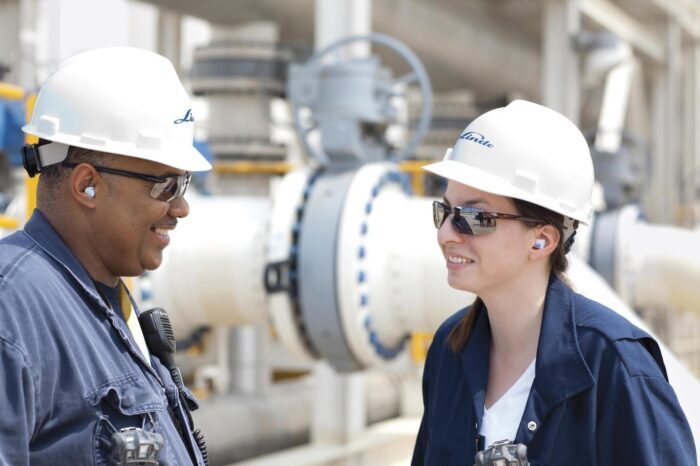
On August 13th, Linde announced that its U.S. subsidiary, Praxair, Inc., will begin operating under the Linde name, effective September 1. This name change follows the merger of Praxair, Inc. and Linde AG. The company, which will operate under the Linde brand, is a global industrial gases and engineering company.
With 80,000 employees in more than 100 countries, the company reiterated its values of safety, integrity, community, inclusion, and accountability, believing in "making our world more productive."
The primary customer contact for products and services will remain the same. Beginning September 1, information on the U.S. business may be found at www.LindeUS.com. The Customer Call Center will be available either by phone at the new 1.844.44LINDE or the new e-mail address contactus@linde.com.
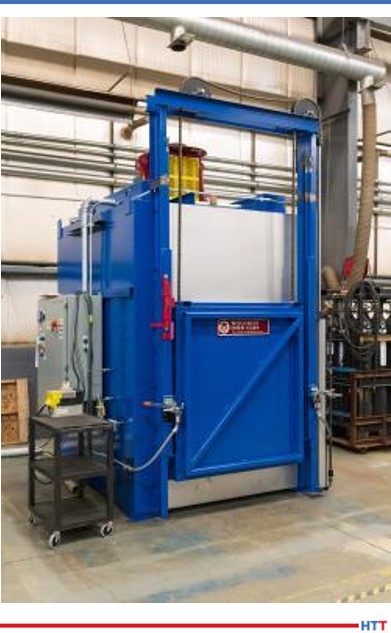
A manufacturer of aerospace products will be receiving a new heat treating oven for processing parts in a reduced oxygen atmosphere, utilizing nitrogen. The oven is electrically heated, and will be operational at temperatures exceeding 1,000°F.
The electrically heated standard draw batch oven (SDB Series) is provided by Wisconsin Oven. The maximum continuous operating temperature of this electrically heated oven is 1,400°F and has the capability to operate at 230° F above ambient. The thermocouple uniformity survey (TUS) qualified temperature range is 800°F to 1,400°F.
Wisconsin Electric Oven (photo source: siovens.com)
Qualified work zone dimensions are 24” wide x 24” high x 48” deep. Overall chamber dimensions are 36” wide x 36” high x 60” deep. The construction of the walls and ceiling feature the “CAN” style construction with heavy plate exterior (1/2” thick oven front) and includes 4” of ceramic blanket, backed with 4” of 6-pound density, industrial board style insulation for a total wall thickness of 8". The interior ductwork and liner utilize 18 gauge 309 stainless steel.
(photo source: Kennedy Space Center on unplash.com)
Welcome to another episode of Heat Treat Radio, a periodic podcast where Heat Treat Radio host, Doug Glenn, discusses cutting-edge topics with industry-leading personalities. Below, you can either listen to the podcast by clicking on the audio play button, or you can read an edited version of the transcript. To see a complete list of other Heat Treat Radio episodes, click here.
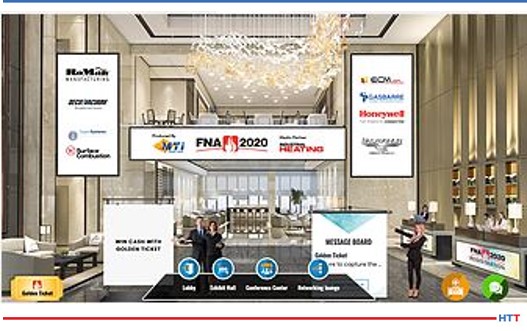
In this conversation, Heat Treat Radio host, Doug Glenn, interviews Tom Morrison, CEO of the Metal Treating Institute (MTI) to reveal the new look of Furnaces North America(FNA)2020. The engaging online platform will allow heat treaters and suppliers to network, share information, "shake hands," and more virtually. Additionally, Tom will talk about how heat treaters can attend technical talks at the FNA 2020 Virtual.
The following transcript has been edited for your reading enjoyment.
DG: We want to talk about Furnaces North America which obviously in these COVID days has taken a little bit of a turn, right or left depending on how you want to look at it. My understanding is that Furnaces North America is moving from a live face to face event to a virtual event. Tell us why.
TM: For months we have been tracking the status and trends. Our executive team has been meeting every single week for months and really watching the trends and developments of COVID-19 and its impact on meetings. I'm a part of a number of forums and I'm connected with hundreds, if not thousands of associations, and everybody is canceling their meetings. So there is too much liability and risk and we don't want to our attendees and exhibitors in that moment with COVID-19 and just the dangers and stuff that are associated with it. There came a moment when we decided: “You know what? The timing is right for us to do this.” So we went virtual. Typically, about 1% of the industry attends a heat treat show. What we're very excited about is that we're going to be able to bring all that energy and excitement, that you'd experience live, into a virtual event, right to the front doorstep and computer screens of every captive and commercial heat treater, as well as suppliers in the marketplace. It is just an incredible and unique opportunity as we go into this digital age of training and trade shows in the future.
DG: Is it still going to be September 30 through October 2, but not full days, correct?
TM: That is correct. We've learned in watching other trade shows out there, and conferences that go virtual, that people don't sit on the computer for eight hours, but they can take breaks at their leisure and also you can watch at a pace you want. It's going to be September 30th through October 2nd You can actually go onto www.furnacesnorthamerica.com and click 'schedule' at the top, but it's going to from 11:00 in the morning until 5:00 in the afternoon.
DG: And just to be clear, that's going to be east coast time?
TM: Yes. That's kind of a funny story, Doug: When we were looking at the times, I said, yes, we can start at 9:00 in the morning. Because when you go to a live show, everybody is in the city under that time zone. But one of my very perceptive staff said, “Tom, if we do it at 9:00, the people on the west coast are going to be getting up and getting in there at 6:00 a.m.” So yes, it's going to be at 11:00 EST which will then make it 8:00 a.m. on the west coast.
DG: Tell me why else your team, yourself and some of the exhibitors you've talked to so far are excited about this new virtual event.
TM: The sponsors have stepped up. We had a webcast with over 100 exhibitors telling them about the transition and we had to transition our sponsorships from the live show to this show, and I think about the caliber of sponsor that came to the table within that first day selling out. We've got ECM USA, Gasbarre Furnace, Thermal Processing Systems, McLaughlin Furnaces, Super Systems, Surface Combustion, Honeywell in the burner market, RoMan Manufacturing in the power market. And think of vacuum technologies. Eight companies that jumped right out of the gate and said, “We believe in this and we think this is the future and we want to be a part of it and in the building of it.” That's where some of the excitement is coming from.
But the biggest excitement to me personally, and my staff and the leadership that are putting this on, is virtual meetings are never going to do away with live meetings. Live meetings, as soon as there's a vaccine, or we see it go away and people are comfortable getting back together, live meetings are going to come back to everywhere. It's just a matter of when. But while we're waiting for that to happen, the digital marketplace is going to grow like never before. I've had so many sales agents say that they have sold more furnace equipment in the past three or four months than they have in the previous 6 months, and they haven't seen a single customer. So I think there's a market for that. And so we're excited. This is a stepping stone into that marketplace and taking our furnace show to the 99% of the people that don't typically attend the show. Most people can't bring their seven furnace operators to a Furnaces North America, but now they can take the content and the trade show right to their computer screen which is really exciting.
DG: I want to ask you two questions, first about exhibitors and then about attendees. Let's knock it down to the very basics. Why should an exhibitor get involved?
TM: Exhibitors should get involved because this is an opportune step into the digital mode. Our booth fee for the exhibit show is only $1500 compared to if you came to the live show, the smallest you're going to pay is $5000 for everything, including travel up to 50 – 60K if you're one of the bigger companies. This gives any heat treat supplier an opportunity to get involved. If you consider that between industrial heating magazine as our media partner, we're going to have a $200,000 valued marketing campaign with direct mail, email, social media going for the next two and a half months until the show happens. There's going to be a lot of activity. We expect that we're going to have
Virtual Booth for Exhibitors
great attendance. So, an exhibitor that doesn't get involved in this is going to lose out on the one opportunity in the next 12 months to get new customers. That's what this show is about – connecting them to leads. Our platform, if they go onto www.furnacesnorthamerica.com and click on exhibitors, they can see a webcast of 38 minutes where we actually unveil the digital platform where they're going to be able to connect them with customers to build their digital exhibitor booth. I know that most exhibitors out there are used to that live handshake format, and some ask, “How do we shake hands through the computer?” Well, you're going to see how you do that if you go watch that video. Exhibitors should do it for one reason: leads, leads, leads. If you're not in the show, you're going to miss out on the opportunity to get access to leads that carry you into 2021.
[blocktext align="right"]"Exhibitors should do it for one reason: leads, leads, leads..."[/blocktext]DG: So I understand that every exhibitor will get a complete list of attendees at the conclusion of the show, but not with email addresses. Can you elaborate on what exhibitors have to do to capture email addresses?
TM: There is a box in your exhibit booth where it says contact needs more information and it gives you the ability to click on what you want to see more of from that exhibitor. When you click that, it's just like being in the live show – remember how they scan you badge? Well, it's like a badge scan. But here's the cool thing: On the day of the show, the exhibitors are watching their exhibit dashboard and anybody that is looking at your screen on their computer, you can see how many are looking at it. But if they click on anything in your booth, their demographic data and contact data go right into your real-time exhibit lead dashboard. And you can download those leads at any time. You get everything but the email. Now if they click on the 'contact me for more information', that's like scanning a badge and you get their email address at that very moment. At the end of the show, you're going to be able to download a list of the entire database of attendees to your computer right after the show so you can then reach out to them and contact them for sales. We're trying to make this very content rich and very data-driven rich and giving the exhibitors the information in real-time so they can follow up on it.
DG: Why should manufacturers with their own in-house heat treat be coming to the event?
TM: The cool thing about attendees is that in every shop, everybody has three or four people that really 'get' everything they need to know about being an effective employee. And then there are about four or five others that are always saying, “I wish I could be like them.” And the difference in those two employees traditionally is training knowledge. So the ability to bring the latest trends, technology to their computer screen and have them watch that, they're going to be a better employee because they're going to know more. One key thing that's going to be really cool about this show for attendees, is that we've made it affordable for everybody to be involved. Just like our live show, you can log in and register just to go look at the booths and the trade show. And that's very powerful. But here's what's going to happen. There's a space on the exhibit booth where you can watch product demonstrations and we're encouraging every exhibitor to do a 7 – 10 minutes product demonstration video and upload it to their booth. Let's say there are 100 exhibitors, your furnace operator, or your manager for that matter, can go in and watch every one of those product demonstrations on everything that you can imagine heat treat, that's going to be highly educational. And that is free. That is just if they go in and look at the booths. On an upgrade, you can upgrade to the conference session, in which there are 35 conference sessions and four live sessions, that when they happen, they're going to be recorded live and then they're going to be made available immediately after that.
FNA seminar in 2018
DG: Tell us about the highly informative and cutting edge content that will be covered in the technical sessions at Furnaces North America 2020 virtual event.
TM: Let me share with you what some of the sessions are. In the live format, we're going to be talking about the seven questions someone should always ask before buying heat treat equipment, the key behind managing and controlling distortion (that's a big issue and one of the most read things in your publication and Industrial Heating magazine), and the aerospace, automotive and agriculture. What's next for that? In the world of 3D printing technology, processes and materials that could impact more heat treating or less heat treating in a particular product. When you've got the coming economic boon, reshoring with all of this COVID-19, things happening in China and other countries, how many companies are going to reshore their products back to America? What does that mean for manufacturing, which can boost heat treating and the level that it is done in the states? That's the four live sessions. Then if we look at the technical track, there are four or five technical tracks that are going to be highly informative. We've got furnace equipment and controls, processes and quality, emerging technologies, furnace maintenance and operations and productivity; all key things to any captive and/or commercial heat treater in operating a productive business that maximizes through-put. Everything that we're doing this year is focused on helping a commercial or a captive to be very efficient. Here's what's happened. COVID has ransacked employeeship. People have had to let people go and they're operating on minimal staff in a lot of cases. So it's imperative that both captive and commercials learn how to operate with 20-30% staff, and you can only do that if your people know what they need to do knowledge-wise in order to that.
DG: Somebody potentially wanting to attend, let's say some captive heat treater or even a commercial heat treater, they can go on the website, I assume, and look now at what the topics are going to be, correct? They can see what the technical sessions will be.
TM: The entire Furnaces North America website has been transformed into our virtual show information. You can go there right now and look at everything – the schedule, if you want to exhibit, you can hover over exhibitor and click exhibit information and it gives you all the details, and then a place to click to sign up your exhibit booth and we'll get that set up for you. Registration is going to open August 1 for everyone.
[blocktext align="left"]"In the live format, we're going to be talking about the seven questions someone should always ask before buying heat treat equipment, the key behind managing and controlling distortion..."[/blocktext]I don't want to go too far without mentioning the pricing. We are so determined to get people that never attend a live event to get involved in the show, here's the special offer we're making. The first two people that register with any show (and you have to register at the same time) is only $199 and you get everything. You get the trade show, you get the live session, you get the 35 technical sessions. Everybody that registers after that for that show is only $49. Literally, for $500, a captive or commercial could register up to six people into the show. That is going to have a proton impact on that operation because that's six people that are more educated on what heat treating is about than they were before the show.
DG: So that's $199 per person for the first two, and then $49/person after that.
TM: That's correct. That way you can get it down to the furnace operators. Most people bring their managers, but if you could put your two managers in there and then get your six furnace operators in there, that's a really good deal.
DG: The show covers September 30, October 1 and 2; I assume $49 or $199 gets you into all three days, correct?
TM: That is correct. Once you're signed in, you'll have logged in for the entire show, all three days, all six hours each day, to do whatever you'd like to do.
DG: So, I'm a captive heat treater, I come to the show, I want to walk the exhibit hall. How do I do it?
FNA Virtual Lounge
TM: You're going to log in, and as soon as you log in, at the bottom you're going to see a place where you can go to the online networking lounge where you can actually meet people online. You can click on exhibit hall where when you click on the exhibitor, the exhibitor will pop up. You can look for them by category. There are 15 categories. There are air atmosphere furnaces, vacuum furnaces, control sensors, etc. Pick what you want and all the exhibitors will pop up. You can then go in and out of the booths from left to right. And here's the powerful thing about the system: there's a search engine that you can type in calibration, every discussion, every session and every exhibitor that is involved with calibration and have it in their description is going to pop up for you. We're making this really easy for you to get to the information, the sessions and/or the exhibitors that you want.
Here is the cool feature that is going to make this dynamic. When we were building out the system, we were wanting to make the online experience as close to the live experience as possible. So when you're looking at an exhibitor, and you like what they have to say and you want to speak to someone, you can click exhibit booth contact and that will pop up 6 people, or however many they have in the booth at that time. And when you click on one of them, clicking video call, just like you would a zoom or a skype and they're going to get a request. They're going to then click yes, and you're going to be talking to someone right on your screen live like you would a zoom call. You can see them, you can talk, you can virtual handshake if you want. But here's the other cool factor: If you want to see a presentation they have, they can share their screen with you and you can walk through a short little power point presentation.
Our goal is give attendees the opportunity to see the data that they need to make purchases that they're looking to make over the next 12 months or so.
DG: Let's wrap up with the details then. Let's say I want to be an exhibitor. Where do I need to go? When do I need to do it?
TM: Right now, you can go to www.furnacesnorthamerica.com, click on exhibitors and you'll see a space there where you can watch a video to tell you a little bit more about exhibiting at the show, or you can click down at the bottom where it says 'click here to get our booth', fill that out, and we will get your booth set up. On August 1st, the exhibit hall is going to open for the exhibitors to go out and get their digital booth customized. They get to pick colors. They can link up their videos and documents so you can see those.
DG: And if I'm thinking about attending, bringing my heat treat department, when and where?
TM: Same thing. August 1st, go to www.furnacesnorthamerica.com, click on attendees and click on register and then follow the prompts to register your team.
Doug Glenn, Heat Treat Today publisher and Heat Treat Radio host.
To find other Heat Treat Radio episodes, go to www.heattreattoday.com/radio and look in the list of Heat Treat Radio episodes listed.
HTT · Heat Treat Radio: Tom Morrison, CEO of the Metal Treating Institute
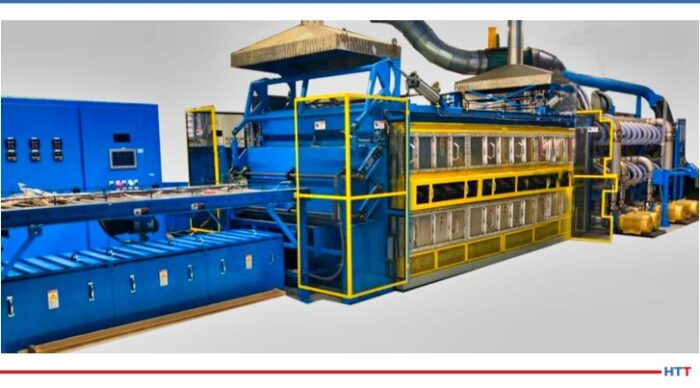
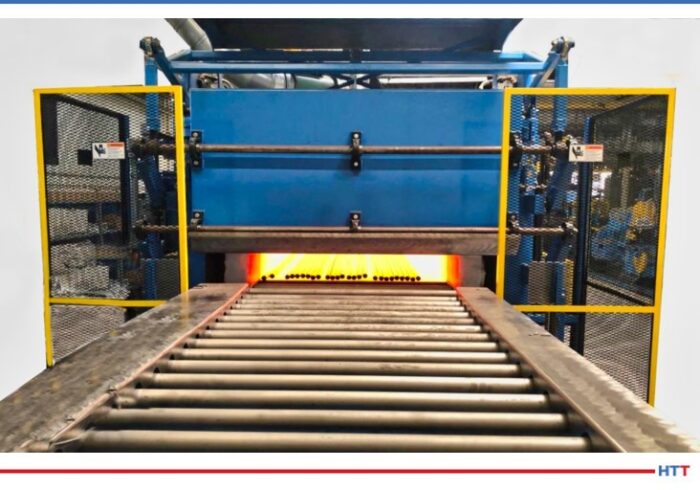
A roller hearth tube annealing furnace was recently installed and commissioned at an aerospace and defense products manufacturer. This manufacturer fabricates the most critical precision tubular products, and the high temperature roller hearth furnace quench anneals superalloy tubing for their drawing operation.
(photo source: Abbott Furnace Company)
Additionally, the electrically heated furnace is atmosphere tight and is operated with an argon protective atmosphere. The high-speed roll drive quickly transfers the tubing from the furnace to the water-spray quench.
The furnace, provided by Abbott Furnace Company, allows the manufacturer to increase production, processing a greater number of tubes between tubing draws. “On a daily production basis," says Mr. George Ray, chairman of the manufacturing company, "the Abbott Furnace is 300% more efficient than the previous furnace.” He indicates that with the +/- 5 F furnace temperature uniformity and the uniform water spray, the new furnace also provides better uniformity of hardness than the retired furnace.
Time for a solid case study. In this Heat Treat TodayTechnical Tuesday feature, José P. Sanchez, part of Ceramics Business Unit in Nutec Bickley, describes the installation of several high-temperature and low-temperature ovens and kilns at one of the largest plants of a worldwide refractory product manufacturer.
Read this Original Content piece to get the details about how this project was executed and what measures were implemented for successful follow-up service.
About the Client
The client is recognized worldwide for the manufacture of refractory products used in the steel industry and on this project we worked with one of its largest plants.
This project comprised the design, manufacture and installation of 13 ovens and two kilns with temperatures ranging from 390°F to 3,000°F (200°C to 1,650°C) and retrofits to two existing kilns, as part of a major redesign at the client’s plant.
The Challenge
Nutec Bickley had to design, manufacture/modify and install 17 ovens / kilns in the space of 12 months, so we had to be especially careful organizing ourselves in the following aspects:
Ensuring we had the required space in our plant for the pre-assembly of all these units
Coordinating the execution of the project in which more than 80 people participated directly
Coordinating the parallel installation of multiple pieces of equipment in the customer’s plant, where at times there were more than 30 of our personnel on site at the same time
Our Solution
One of the decisive factors in winning this contract was the fact that other suppliers only had the capacity to manufacture either low temperature ovens or high temperature kilns, with Nutec Bickley being the only one with the capacity to manufacture both.
Additionally, we demonstrated our experience and ability to design ovens/kilns in temperature ranges from 210°F right up to 3,270°F (100°C to 1,800°C).
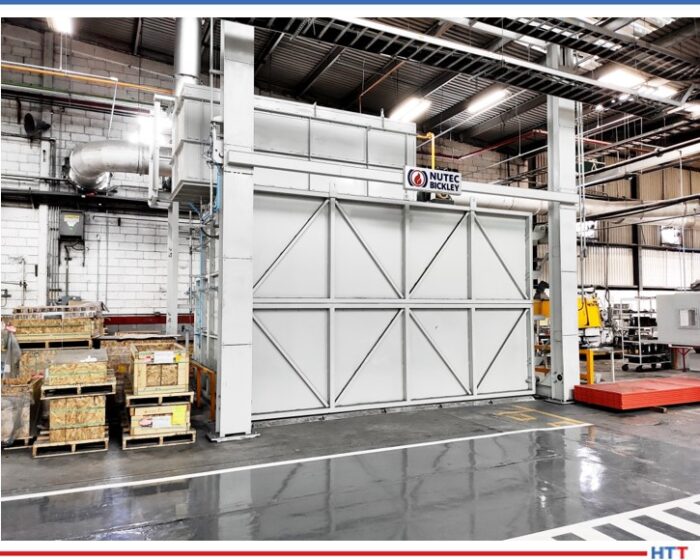
(photo source: Nutec Bickley)
We offered an ideal option, enabling the client to take on a single supplier to supply all of this equipment and to have it delivered it as a turnkey project.
Equipment Supplied
The turnkey solution comprised the following equipment and technologies:
A high temperature convection oven (1,110°F/600°C) with nitrogen injection
Equipped with stainless steel baffles to direct gases into the chamber and achieve the required temperature uniformity
Equipped with a thermal incinerator to reduce VOCs
Two Carbell Kilns
Operating temperature: 1,600°C (2,910°F)
Maximum operating temperature of 1,700°C (3,090°F)
Nine temperature control zones
High alumina bubble brick insulation
High velocity burners
Ceramic fiber lined exhaust vent
Incinerators in the exhaust for volatile gases
Two Retrofits of Existing Equipment
A) Modification of a Carbell kiln from another plant
We renewed the MCC and control panels.
We updated the PLC and display.
The combustion system was modified to comply with the NFPA-86 standard.
B) Transfer of a kiln from another plant
Insulation was supplied using our Jointless system.
Updated to meet NFPA-86 standard
12 Low-Temperature Convection Ovens (390°F to 660°F/200°C to 350°C)
(photo source: Nutec Bickley)
Two of them with forced cooling using extractors
Two of them with an incinerator to burn the volatile gases being vented to the atmosphere, greatly reducing pollution emissions
The other equipment was adapted to install more incinerators in the future.
Steel paneled ovens and mineral wool insulation
Design of baffles to direct gases into the chamber and achieve the required temperature uniformity
Project Benefits
Provided a comprehensive solution in the agreed timescale
Optimization of the use of floor space and improvements in operational logistics
SCADA system to monitor the uniformity of temperature in each cycle
Alarms in the event of sub-optimal temperature or where there is some discrepancy in the heating zones
Higher process quality and traceability in the case of rejects
Using some equipment from other plants reduced investment costs
Quickly service the 17 new, as well as the other, equipment
HSE supervisors in the field to monitor the operations of our mechanics and electricians
Knowledge to follow any type of safety standard in the design of combustion equipment. In this case it was NFPA 86-2019 (Class A oven and furnace design).
Opened our facilities at Nutec Bickley for visits to review progress of the oven manufacture
About the Author: José P. Sanchez is part of the Ceramics Business Unit in Nutec Bickley, in charge of sales in LATAM for kilns and major retrofits in the ceramic industry. He has been an active participant of multiple projects involving kilns and ovens in numerous industrial sectors, mostly refractories for the steel & aluminum industry.
Bob Hill, President, Solar Atmospheres of Western PA
Vacuum oil quenching (VOQ) is adopted at Solar Atmospheres of Western PA(SAWPA). The latest VOQ quench line, including a hardening furnace, tempers, washer, and charge car, will be installed and fully operational by the end of 2020. To make room for this new technology, the company is continuing construction of its 15,000 square foot addition.
Amidst the context of the coronavirus (COVID-19), Solar views this period as an opportunity to set new paths of transformation and growth for the company, and thus came to decision to continue their planned expansion. “We have had to think on our feet," said Bob Hill, President of SAWPA, "find innovative solutions and pivot quickly, to change protocols to protect our employees and to safeguard our business."
SAWPA builds new Vacuum Furnance for VOQ line at their expanding site. (Photo source: SAWPA)
Welcome toHeat Treat Today'sThis Week in Heat TreatSocial Media. As you know, there is so much content available on the web that it’s next to impossible to sift through all of the articles and posts that flood our inboxes and notifications on a daily basis. So, Heat Treat Todayis here to bring you the latest in compelling, inspiring, and entertaining heat treat news from the different social media venues that you’ve just got to see and read!
Check out what heat treating 3D parts does to the integrity of this aluminum piece. Join the discussion in the thread below to see what makes the difference: proper printing or proper heat treatment.
2. Getting Social Online
Let's not talk about the you-know-what that is causing reverberating changes throughout the world. Suffice it to say, many are looking for ways to network, meet, work, and, well, live at a distance. Here are some ways that social media has helped people in the heat treat industry draw people together.
Family Day
Figuring out how to be keep the momentum going at your plant or manufacturing facility may be a challenge, but NitrexMexico seems to have the right idea in (a) recognizing the whole life that their employees have, and (b) throwing a special celebration virtually.
Not wanting to miss out on FAMILY DAY, Nitrex Mexico treated employees & families to a home-delivered catered meal. According to Nayelly Torres, HR Coordinator, the event was created 3 yrs ago to recognize the important role family plays in empowering us to be the best we can be. pic.twitter.com/EbAARvDJgo
Recognition isn't just internal. Focusing on missions outside of one's own life has the interesting effect of drawing people together. See SECO/WARWICK's participation in an endeavor to do just that.
?We do pushups for a little boy named Kajetan, accepting the #GaszynChallenge.? ?
We always put our best endeavors to do more, so we DOUBLED the bet #donating 10 pln for each "pushinguping person" ‼️
These media shared online commemorate the recent past of the heat treat industry. The industry was very different - forget how everyone lived in black and white!! - but also still the same. Check out the media below to get glimpse of the times 50 to 75 years ago.
Geeking Out Over 1945 Aluminum Heat Treat Footage
This YouTube video is an educational film released in the last year of World War II (to give you a context reference) for the heat treatment of aluminum. You can find part 2 by going to this YouTuber's channel.
Bodycote Induction Heating from 1945
What procedures can you see in this picture from an induction heating plant from 1945? Any regulations or plant layout changes as compared to today's?
A "Game Changer" from the 70's
Think about what makes a game changer. This car bottom furnace most certainly qualified as such in 1977, using the most cutting edge technology of its time. Like John Hubbard's sister, there may be something worth sharing in the forgotten news of the past.
4. Reading and Podcast Corner
Ever wanted to have access to resources for on the job training? Read or listen to the sources below to learn a new technique, tip, or other aspect of the industry.
The Future of Heat Treat and the Environment
Center for Heat Treating Excellence
Being a manufacturer with in-house heat treating requires awareness to innovation, and the Center for Heat Treating Excellence is a cooperative membership that keeps you on the cutting edge. Listen to the projects and mission of CHTE in the podcast.
All combustion is not created equal. Listen to Carl Nicolia explain how small changes to your furnace administration can result in high value solutions.
What will Conferences Look Like in the Future?
With protocols and general modes of holding conferences changing over this year, Thomas Report provides an insightful look at how these changes may affect how conferences are conducted in a post-COVID world. Check out the list in this article; maybe you yourself have already thought of one or two of these.
5. Heat Treat Hashtags
Stay current with the latest posts by using these heat treat related hashtags. When you post something on LinkedIn, Twitter, or Facebook, help people find you by using the hashtag that works for you, and @HeatTreatToday so that we can see it too!
#MetalMonday
While many manufacturers and suppliers of heat treatment products have used this hashtag over the years, the most prolific user at this time is Bodycote.
#ManufacturingMonday
Looking for a useful hashtag? This one is a practical add-on which alerts to quite a few tips in the industry.
This one is very similar to #MetalMonday, but it is not as streamlined. Check it out and see what you can find on Twitter, LinkedIn, or Facebook!
#Mfg
Another general hashtag, you never know what you will find, whether it be a fringe development or cutting edge new safety measure. @HeatTreatToday if you find anything worth sharing!
#heattreating
Of course, this hashtag exists! The next time you share a post or post something yourself, be sure to use the hashtag to increase your views!
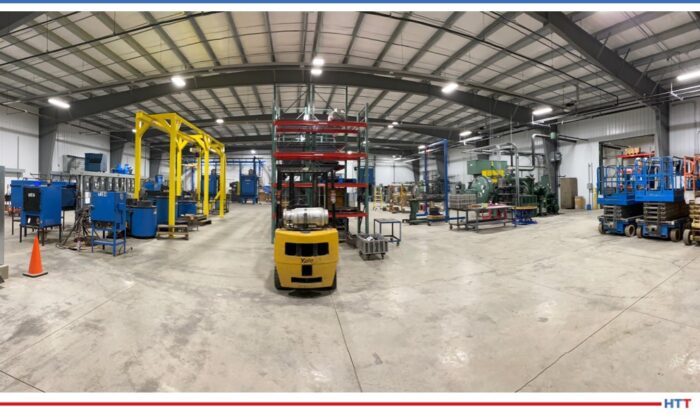
Peters’ Heat Treating, Inc., a 40-year-old heat treating company that specializes in a variety of high tech heat treating processes, moved its headquarters into a newly expanded Meadville, Pennsylvania facility located in the western part of the state.
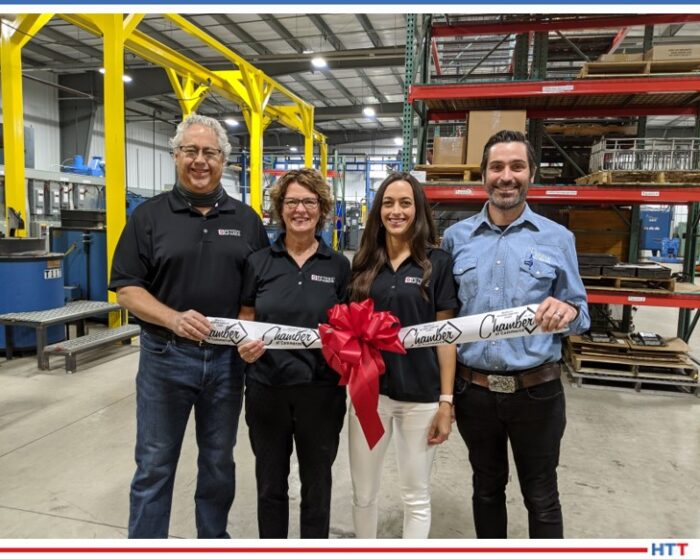
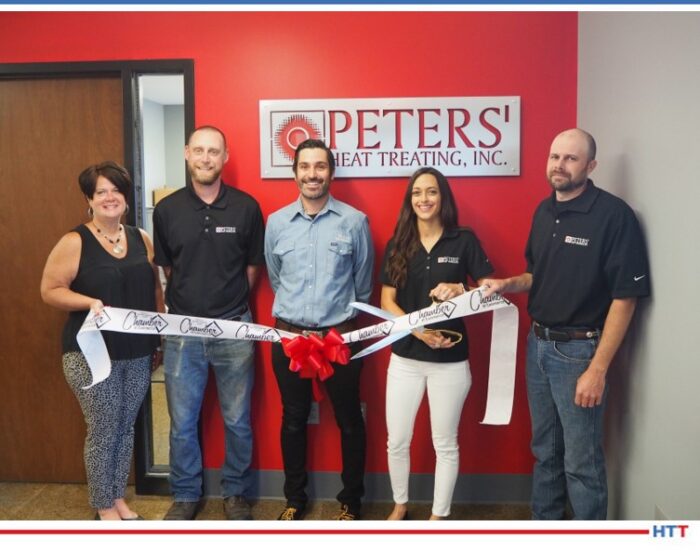
Ribbon Cutting with the Owners: Doug and Jackie Peters (founders), Diana Wilkosz (VP), and Andy Wilkosz (President) (photo source: Peters' Heat Treating, Inc.)
Additionally, Peters' Heat Treating also announced two new lines of business: aluminum alloy processing and stainless steel black oxide.Vice President Diana Wilkosz shared in a recent interview, "We added these two new lines because of the growing demands from the automotive, aerospace, energy, and defense industries. We are also working on Nadcap certifications."
The company specializes in vacuum processing, atmosphere heat treating/integral batch quench processing, laser heat treating, aluminum alloy processing, carburizing, scale free aging/stress relieving, cryogenics, black oxide coating, induction processing, nitriding/FNC and the proprietary Nitreg nitriding processes.
After being in their original facility for 40 years, this expansion, that covers 32,000 square foot of manufacturing space, has provided them the opportunity to expand and update their vacuum line, provide room to add new vacuum furnaces, as well as increase their product offerings and continue to grow the now 60-employee business.
“We are excited to consolidate our services and knowledge in a way that maintains our history and dedication to the local community and industry while providing us the runway for a successful future,” said Andy Wilkosz, newly named president in 2019 and son-in-law of founders Doug and Jackie Peters. “These current times are challenging, but we know our business and the country will persevere.”
In addition to Peters' Heat Treating, the family also co-ownsLaser Hard, a robotic laser heat treating company.
“It’s been a pleasure to be a part of the local community and to help companies grow,” Doug Peters said. “Probably the thing I’m most proud of is the great people I’ve had the opportunity to work with. I’ve watched them buy houses and have children, and now their kids are having children.”