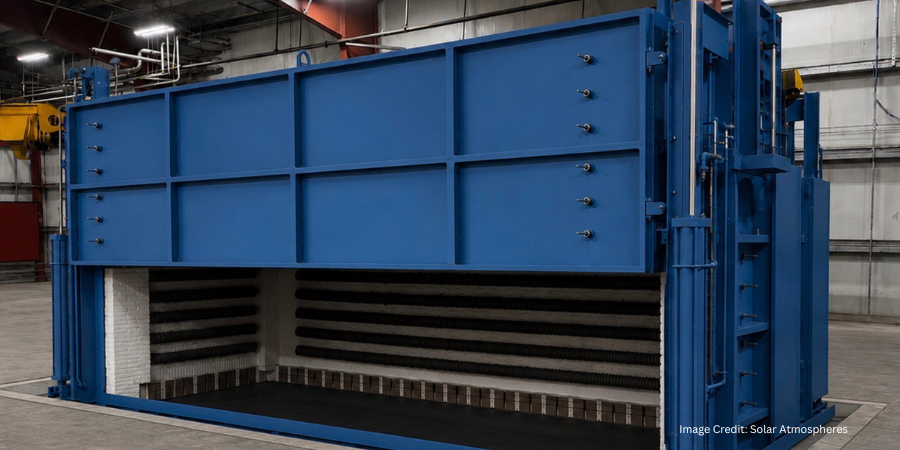
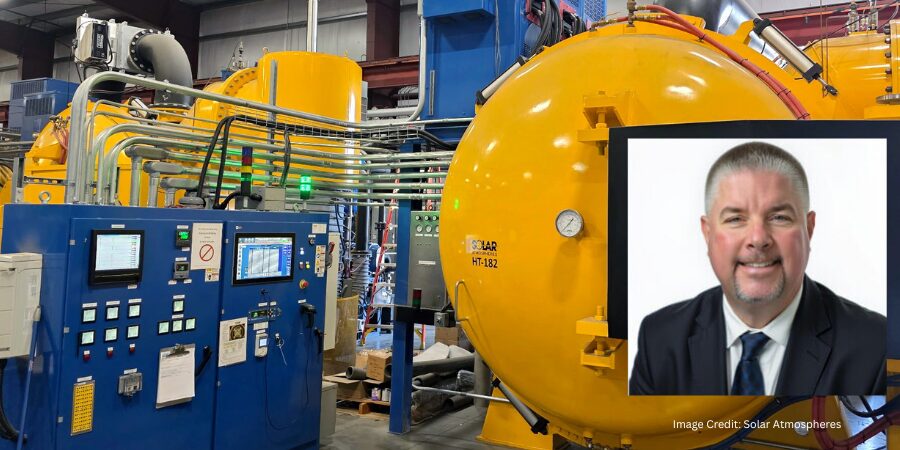
Solar Atmospheres, a U.S. commercial heat treater, is preparing to commission a titanium solution heat treating system that will expand processing capacity for large titanium bars, forgings, and other components used in aerospace, defense, and industrial applications. The system combines a drop bottom furnace with an 11,000-gallon recirculating water quench tank designed to rapidly cool large workloads and achieve consistent metallurgical properties.
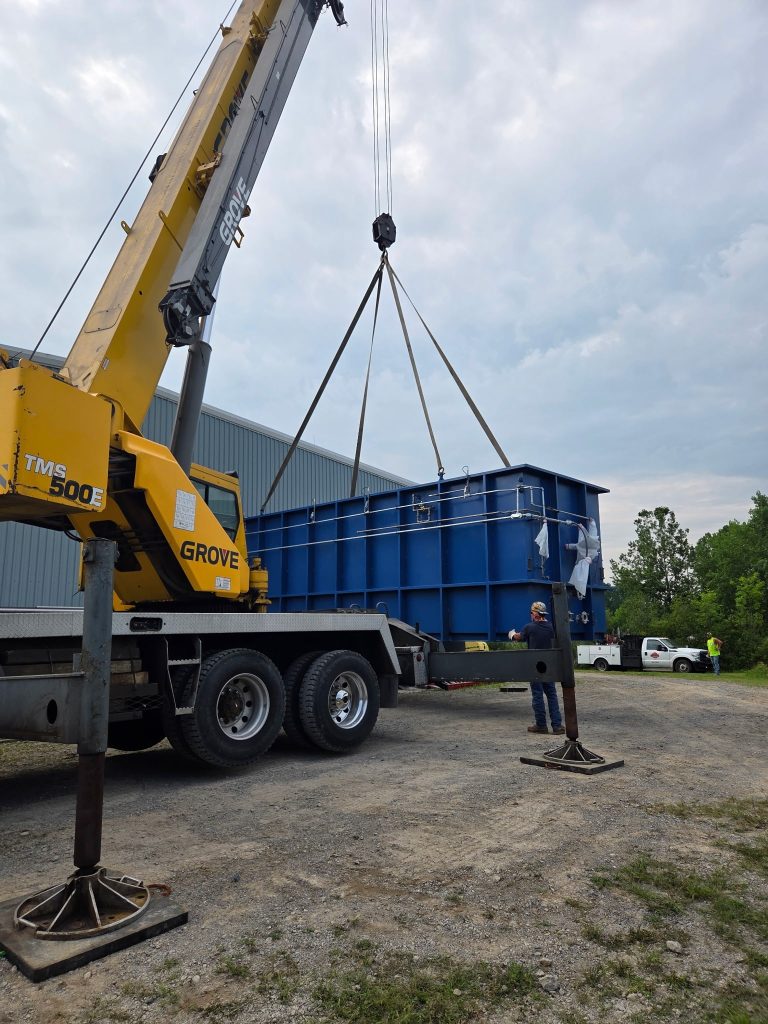
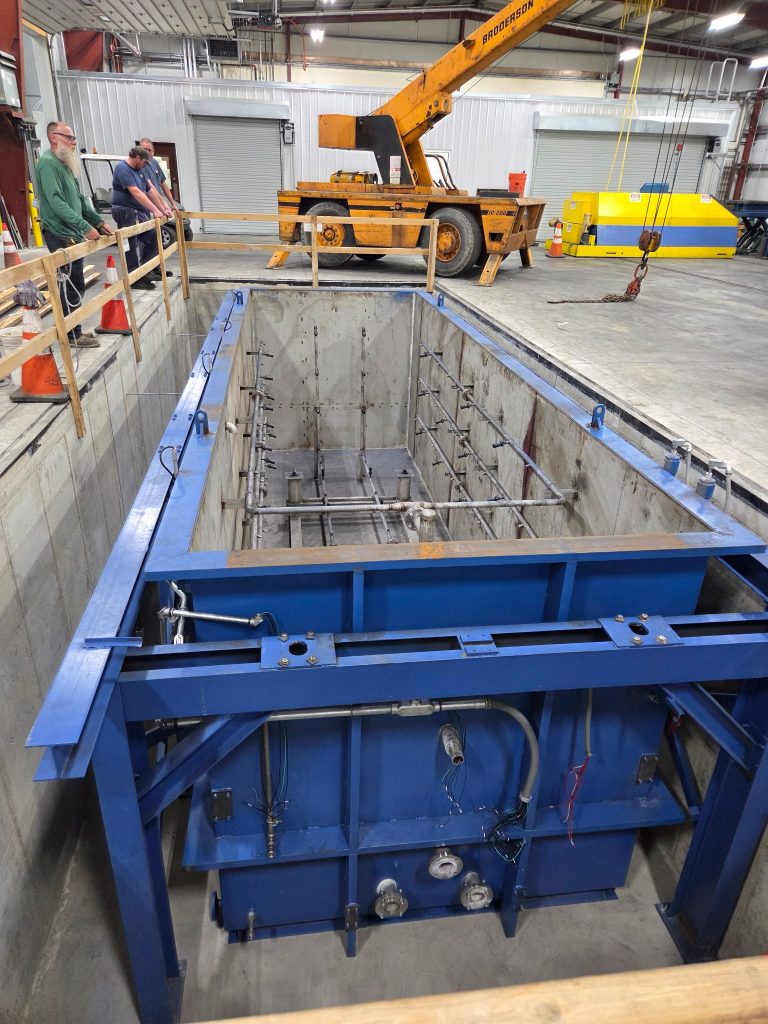
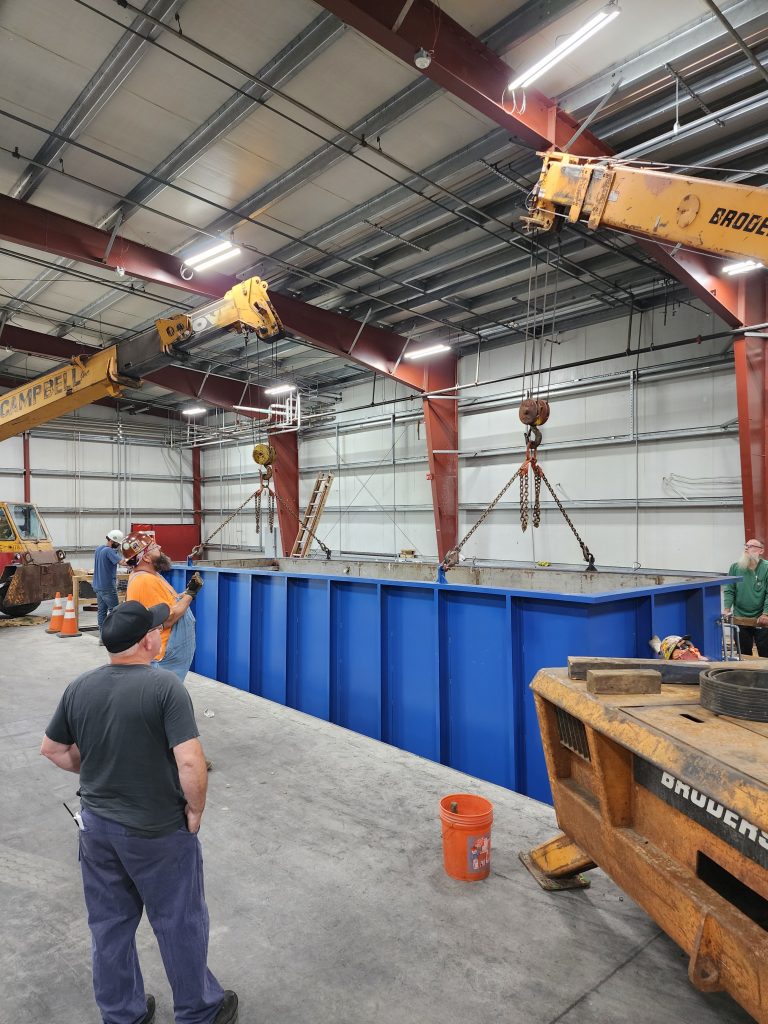
The company recently installed the stainless steel water quench tank at its Hermitage, Pennsylvania, facility as preparations continue for commissioning the titanium drop bottom furnace. The furnace remains on schedule to be fully commissioned and operational by September 2026.
Designed primarily for solution treating titanium bars, titanium forgings, and other large titanium components, the furnace features a 14-foot-long x 54-inch-wide x 48-inch-high workload envelope. During processing, parts will be transferred into the 11,000-gallon recirculating, agitated water quench tank within five to seven seconds, providing the rapid, uniform cooling required to achieve consistent metallurgical properties.
The investment expands its capability to process large titanium components for demanding aerospace, defense, and industrial applications.
Press release is available in its original form here. Images show the installation of the drop bottom furnace at the Hermitage facility. Image credit: Solar Atmospheres
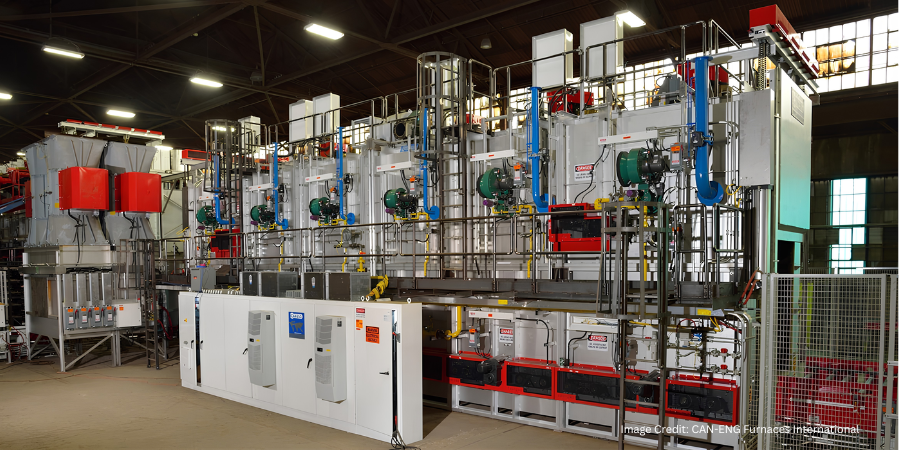
An advanced aluminum T6 heat treatment system has been selected to replace an existing line that no longer meets increasing production requirements and evolving quality expectations. The new system combines solution heat treatment, rapid water quenching, and artificial aging to improve thermal processing performance, metallurgical consistency, energy efficiency, and productivity for aluminum casting applications.
CAN-ENG Furnaces International, a furnace manufacturer based in Niagara Falls, Ontario, has been awarded a contract to design and manufacture the continuous roller hearth aluminum casting T6 heat treatment system. The system will incorporate continuous roller hearth solution heat treatment and artificial aging furnaces, along with the company’s rapid quench transfer system.
The integrated design is intended to provide precise thermal processing while minimizing transfer time to the water quench, helping to achieve consistent metallurgical performance and product quality. The client selected the new system to replace an existing heat treatment line that could no longer satisfy increasing production requirements and evolving quality expectations.
The replacement system is expected to provide improved furnace temperature uniformity, enhanced product handling and process reliability, automated rapid transfer water quenching for improved metallurgical consistency, reduced energy consumption, a lower risk of part damage and distortion, and increased equipment uptime and productivity compared with conventional conveyor-based systems.
The project expands CAN-ENG’s installed base of aluminum heat treatment systems in North America and international markets.
Press release is available in its original form here.
A commercial heat treater is expanding its vacuum heat treating capabilities for gas turbine components with the addition of a high-performance vacuum furnace designed to support annealing, aging, brazing, and high-pressure gas quenching. The investment will increase the company’s ability to process precision metal components for the energy, medical, automotive, and industrial machinery sectors.
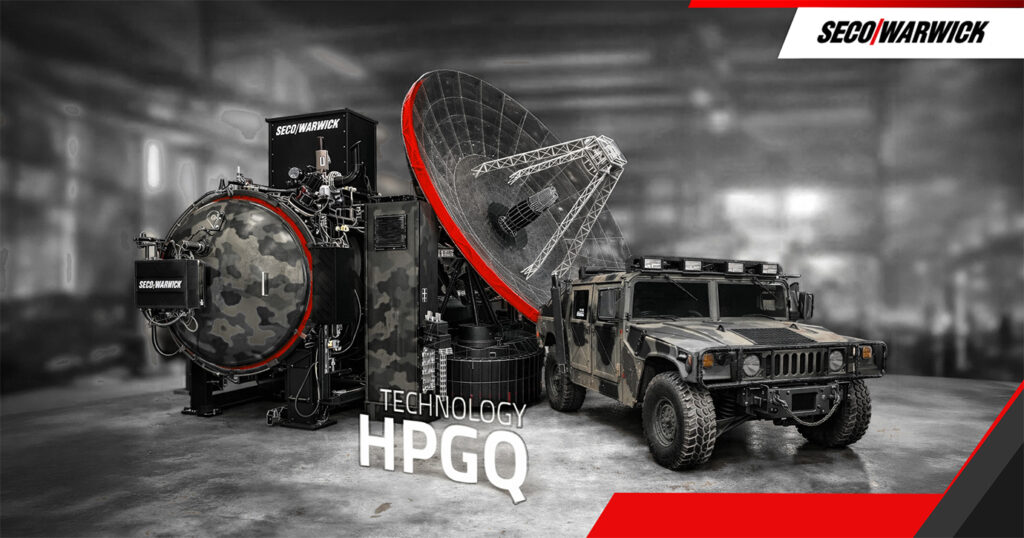
Image Credit: SECO/WARWICK
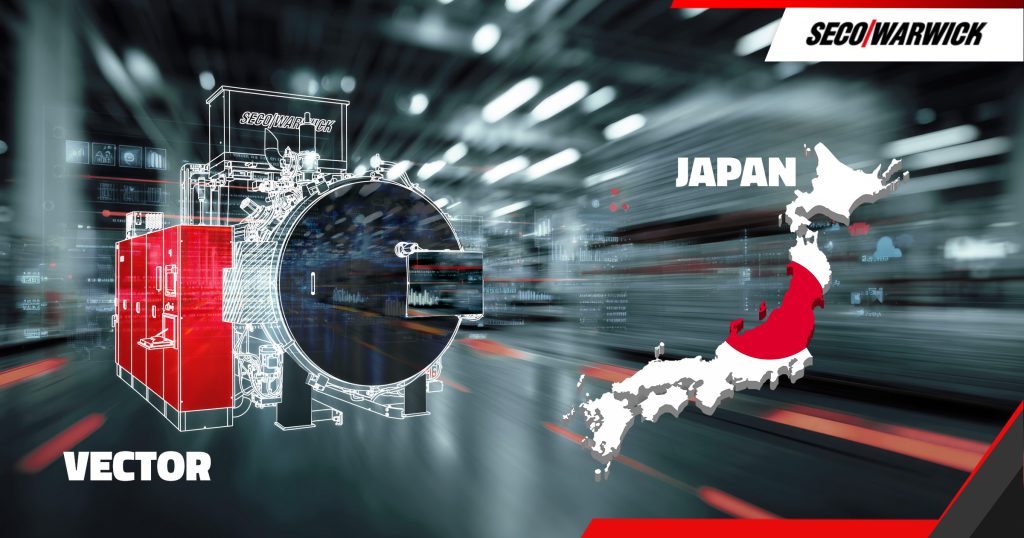
The furnace will be supplied by SECO/WARWICK, a global manufacturer of thermal processing equipment with operations in North America. The system is being installed at a Japanese company specializing in the heat treatment of metals and the manufacture of precision components.
Designed for demanding applications, the single-chamber Vector vacuum furnace features a working zone measuring 40 x 40 x 60 inches, allowing for the heat treatment of large and oversized components. It provides temperature uniformity within ±5°C (±9°F) and is equipped with additional heating elements in the door and rear wall to improve heat distribution throughout the chamber.
The furnace also includes a high-vacuum pumping system with partial-pressure capability and a 6-bar gas quench system, enabling processing of components that require fast, controlled cooling while maintaining structural quality. “This order will support the production of components for gas turbines, which play a key role in improving energy efficiency and reducing CO2 emissions,” said Maciej Korecki, vice president of Vacuum Segment at SECO/WARWICK.
With this new furnace, the client will gain the ability to carry out more demanding heat treatment processes, take the load off existing equipment in their internal hardening shop, and serve a growing production volume.
Press release is available in its original form here.
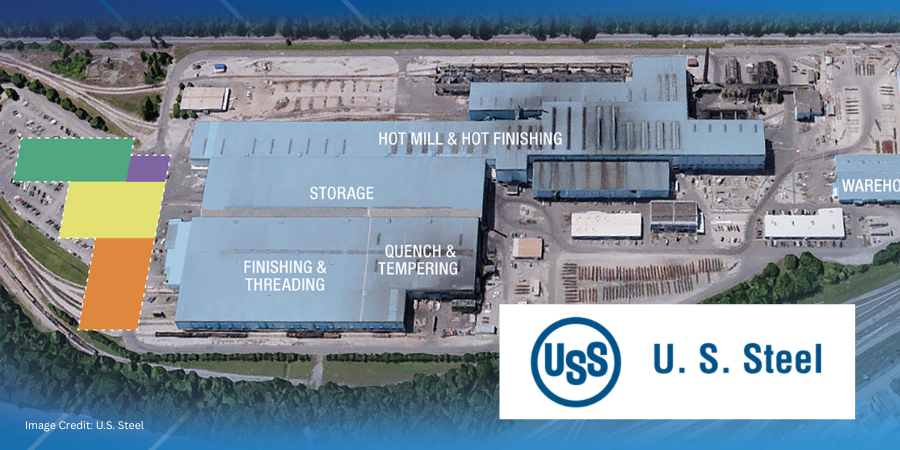
U.S. Steel is investing approximately $475 million in a new quench-and-temper (Q&T) line at its Fairfield Tubular Operations in Alabama, expanding internal heat treating capacity for seamless tubular products. The project centers on the addition of quench-and-tempering processing, a thermal treatment used to enhance the strength and performance of steel tubular products, at a facility that primarily serves oil and gas markets.
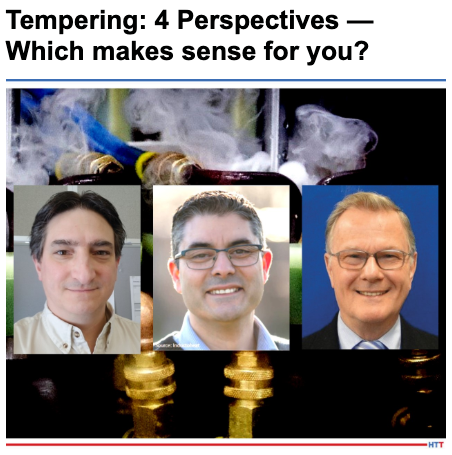
Related Reading: Want to learn more about the thermal treatment behind this investment? Click on the image above to explore how tempering improves toughness and balances the hardness achieved through quenching.
“Our new quench and temper line removes a critical production bottleneck, expands capacity, and enables us to meet growing demand,” said Scott Dorn, senior vice president of Tubular Solutions. “The integrated technology also improves traceability from casting through finishing, delivering added value to our [clients].”
Scott Dorn Vice President, Tubular Solutions U.S. Steel
U.S. Steel’s investment in Fairfield is part of broader Tubular expansion plans designed to capitalize on demand growth in key U.S. opportunity basins, such as Permian, Eagle Ford, Haynesville, and Appalachia. These enhancements also help strengthen the Birmingham community, reflecting U.S. Steel’s longstanding commitment to economic contribution in the region and across the state.
The Q&T line is expected to reach full production by Q2 2029.
Press release is available in its original form here.
In today’s News from Abroadinstallment, we highlight several major global developments — from a new integrated steel complex in Vietnam and specialty steel production growth in Sweden to aluminum smelter upgrades in Norway and the startup of a high-capacity steel production line in China — reflecting continued efforts to expand output, improve efficiency, and strengthen industrial supply chains through advanced thermal and metallurgical processing technologies.
Heat TreatTodaypartners with two international publications to deliver the latest news, tech tips, and cutting-edge articles that will serve our audience — manufacturers with in-house heat treat. Furnaces International, a Quartz Business Media publication, primarily serves the English-speaking globe, and heat processing, a Vulkan-Verlag GmbH publication, serves mostly the European and Asian heat treat markets.
Steelmaking Partnership Expands Production Capabilities
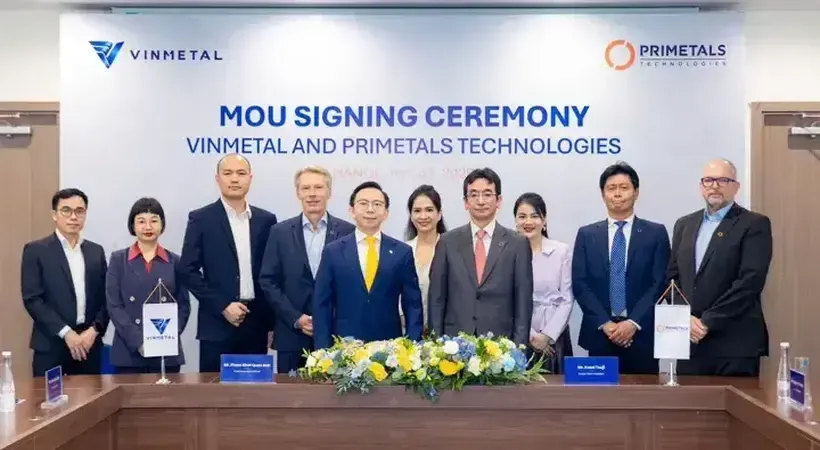
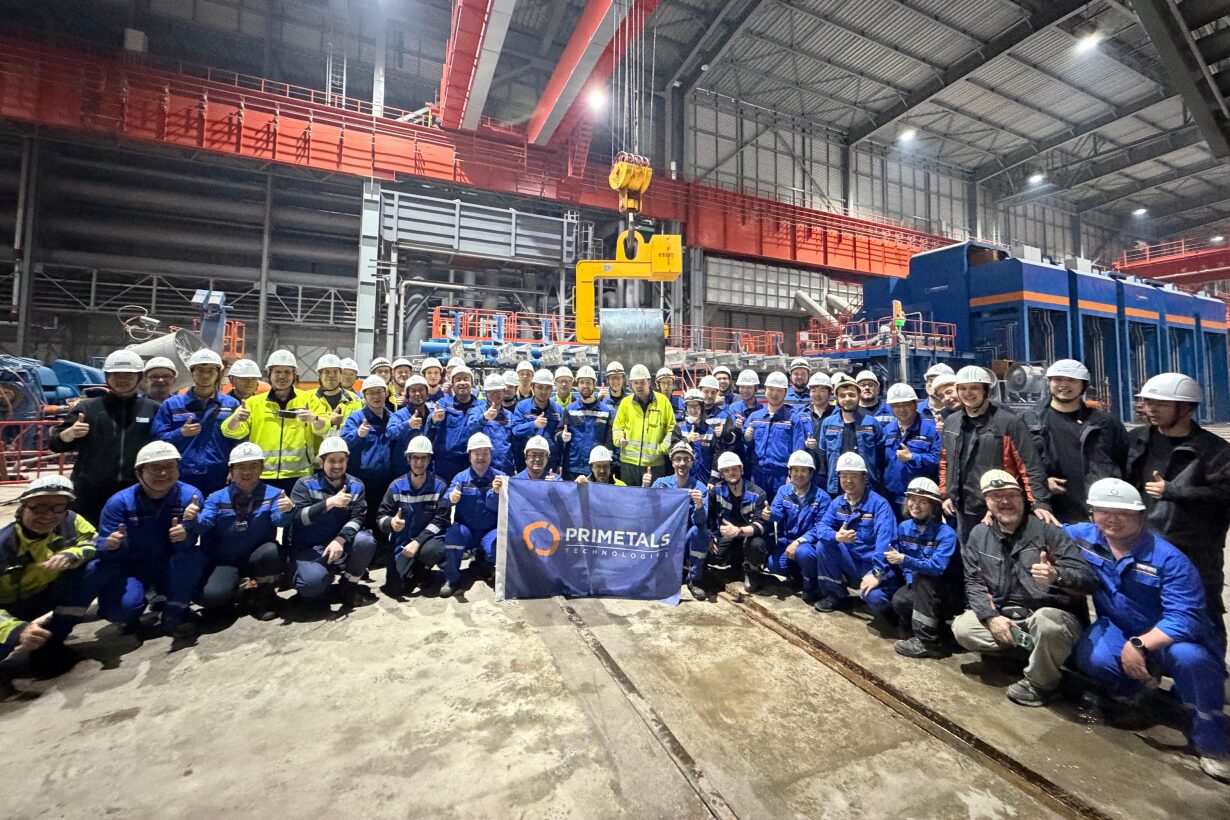
VinMetal partners with Primetals Technologies for two new production lines in Vietnam. | Image Credit: Primetals Technologies
“VinMetal, the steel manufacturing arm of Vingroup, has partnered with Primetals Technologies to create a large integrated steel complex in Ha Tinh, Vietnam.”
“Primetals will serve as the technology integrator and execute a pre-engineering package for the full scope of equipment, enabling early preparations for civil work.”
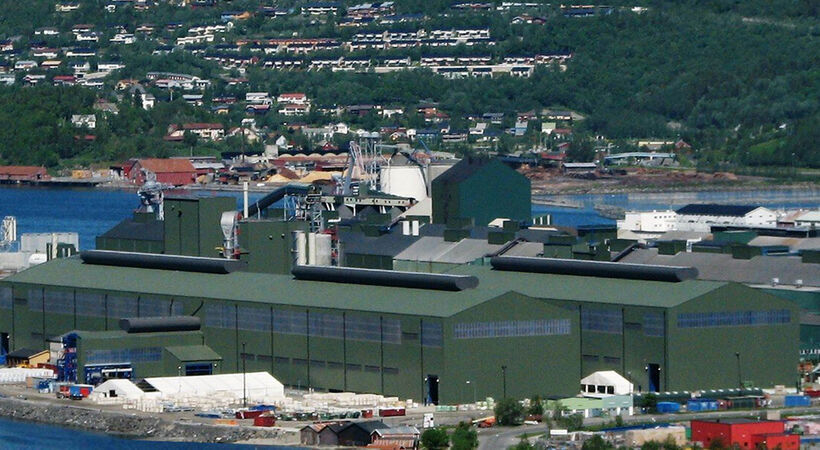
Alcoa invests in its Mosjøen aluminum smelter. | Image Credit: Alcoa Norway
“Alcoa Corporation will invest $65 million at its Mosjøen smelter, Norway. It plans to expand foundry production capabilities to include recycled content in the casting process at the facility.”
“The investment will expand and upgrade the Mosjøen casthouse, to increase production capacity by up to 75,000 metric tons.”
New Quenching Line Supports Specialty Steel Growth
SSAB is expanding production capacity for specialty steel. | Image Credit: Adobe Stock / flashmovie
“SSAB has decided to invest in a new quenching and tempering (Q&T) plant in Oxelösund, which will be crucial for growth in advanced wear and protection steels such as Hardox 500Tuf and Armox.”
“‘This new quenching plant will initially increase capacity by approximately 100,000 tons, enabling us to meet the most demanding [client] requirements,’ says Per Elfgren, head of SSAB Special Steels.”
The Primetals Technologies team celebrates the first coil at Zhangshou Special Steel’s Arvedi ESP line. | Image Credit: Primetals Technologies
“On May 13, after just five days from the first cast, the first coil was successfully produced at the new Arvedi ESP (endless strip production) plant from Primetals Technologies at Zhongshou Special Steel’s facilities in Luanzhou, Hebei Province, China.”
“With its 130-millimeter-thick caster, four roughing stands, and five finishing stands, it represents the most powerful and productive Arvedi ESP line installed to date in China. The plant is designed to cover a wide mix of grades ranging from low-carbon to high-strength low-alloy steels.”
A U.S.-based aerospace manufacturer is expanding its heat treat capabilities for bearing components with the addition of vacuum heat treatment processes, including high-pressure gas quenching and low-pressure carburizing. The move supports increasing production capacity, process quality, and operational flexibility.
Image Credit: SECO/WARWICK
SECO/WARWICK has supplied a Vector vacuum furnace equipped with a 15-bar absolute high-pressure gas quenching system that has been customized to meet the client’s requirements by integrating the low-pressure carburizing (LPC) option. With a working zone of 900 mm x 900 mm x 1200 mm (36 in x 36 in x 48 in), the system is designed to process large loads, including parts with critical dimensions, while maintaining cleanliness and parameter repeatability.
The furnace configuration includes a cylindrical heating chamber that ensures temperature uniformity of ±5°C (±10°F). A convection heating system improves heat transfer at lower temperatures, while directional gas quenching enables better process control for components with more complex geometries.
Operating under vacuum conditions, the system helps limit sublimation of alloying elements from the load surface, while the gas quenching system provides a maximum quenching pressure of up to 15 bar abs. It is complemented by the LPC option, enabling precise surface hardening within a single, integrated technological cycle.
Maciej Korecki Vice President of the Vacuum Segment SECO/WARWICK Group
“In this project, the [client] was looking for a solution that would combine a large working area, a short delivery time, and an excellent price-to-performance ratio. Vector meets these expectations, and thanks to the LPC option and advanced quench control, it gives users great flexibility in processing a wide range of components,” emphasizes Maciej Korecki, vice president of the Vacuum Segment at the SECO/WARWICK Group.
The installation enhances the manufacturer’s ability to meet stringent aerospace requirements while increasing throughput for heat treated bearing components used in demanding operating environments.
Press release is available in its original form here.
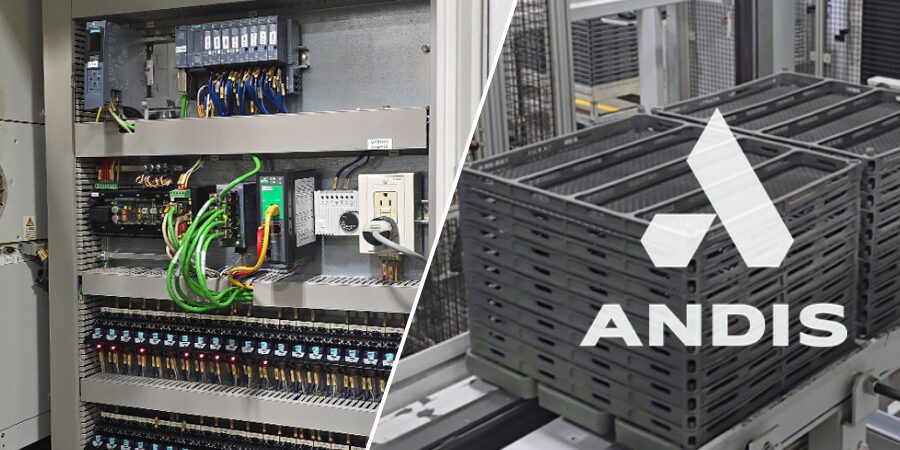
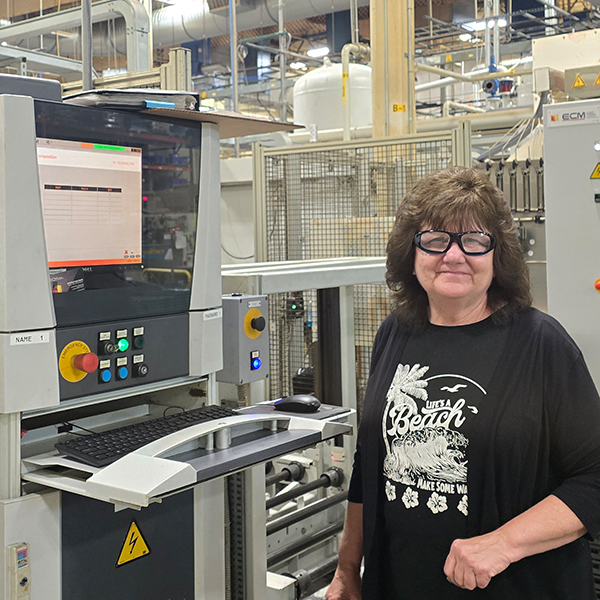
Andis Company, a U.S.-based manufacturer of grooming tools, has completed a controls upgrade on a vacuum heat treat furnace used for hardening components. The upgrade supports continued operation of a system critical to its production.
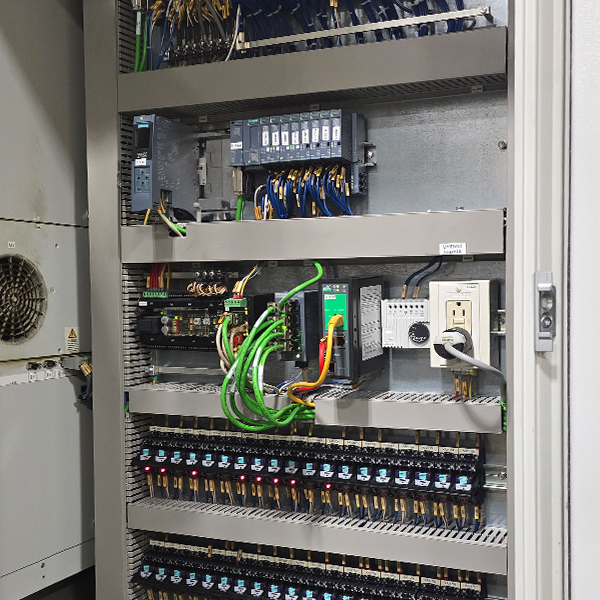
Andis Company finalized a PLC system overhaul on its ECM FLEX vacuum furnace, transitioning from an aging S7-300 processor and Profibus network to a newer S7-1500 series processor with Profinet communication. The upgrade also included remote input/output integration across the system. ECM USA supported the project planning and on-site execution, with the work completed on schedule and with minimal disruption to production.
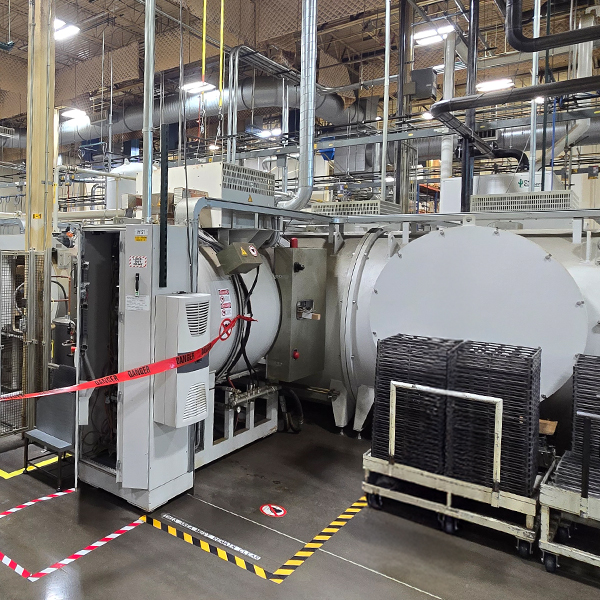
The three-cell hardening modular furnace operates at approximately 950°C (1724°F) and includes a 20-bar gas quench, along with loading/unloading automation. Installed roughly 15 years ago to replace molten salt baths, the system supports clean heat treatment to avoid part discoloration and reduce the need for post-heat treat cleaning. The furnace remains central to Andis’s Wisconsin operations.
Tom Hoffelder Director of Manufacturing Support and Innovation Andis Company
The upgrade was initiated in 2025 following end-of-support announcements for legacy controls. “In 2025, we determined that we needed to fully replace the CPUs in our ECM vacuum heat treat system after Siemens announced end-of-support for significant portions of the controls,” said Tom Hoffelder, director of manufacturing support and innovation at Andis Company. “Because reliable day-to-day operation of our heat treat system is critical to our business, we worked closely [with ECM] to define the project scope and map out the execution plan.”
The project focused on modernizing hardware, improving long-term reliability, and maintaining throughput during installation. The updated controls and HMI remained familiar to operators, allowing the system to return to full production without additional training, Hoffelder added.
Press release is available in its original form here.
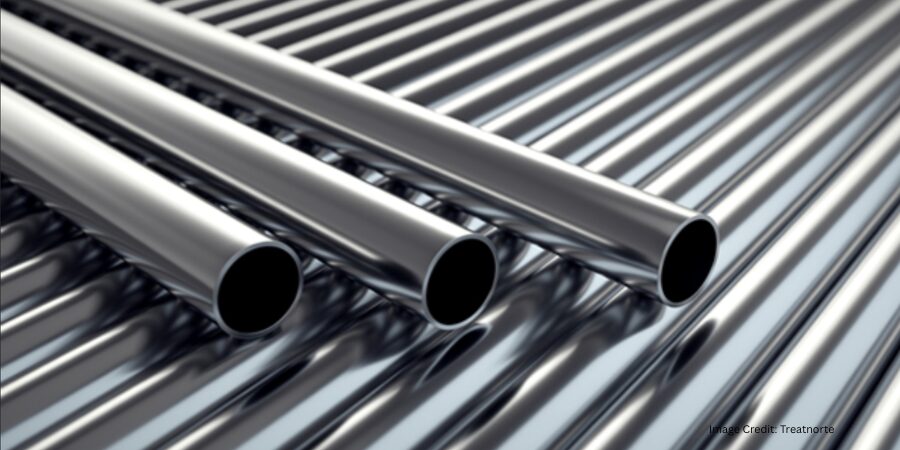
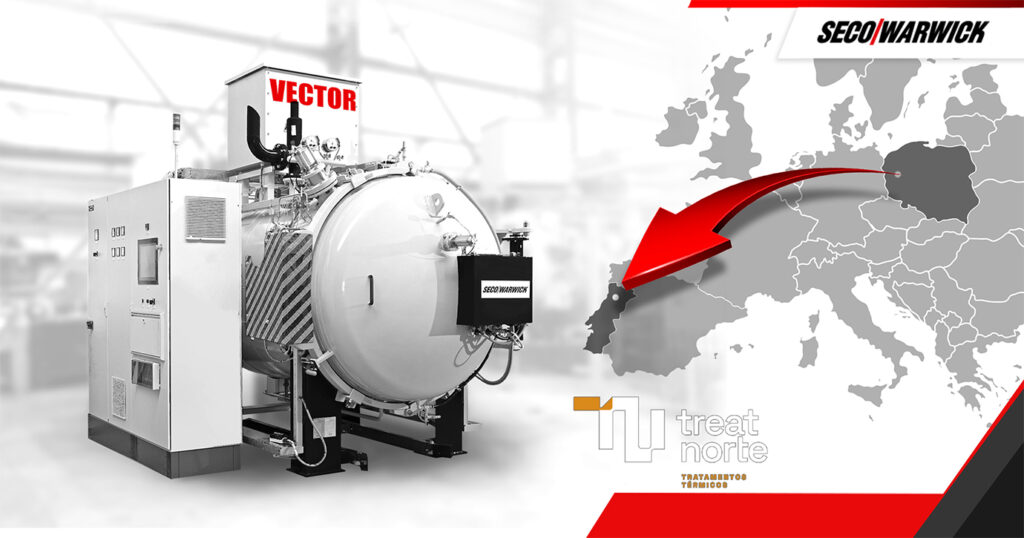
Treatnorte, a commercial heat treatment company, will add a new vacuum furnace to support vacuum heat treatment of tool steel, improving process control and consistency for components used in manufacturing applications.
Image Credit: SECO/WARWICK
The furnace joining Treatnorte’s machine park is a medium size system from SECO/WARWICK, a global manufacturer of heat treatment equipment with operations in North America. It is configured to provide a broad process range and production flexibility.
The round heating chamber allows processing of relatively large parts, while the combination of high-pressure gas quenching (HPGQ) up to 15 bar abs, combined with dedicated low-pressure carburizing (LPC) technology, enables complete process cycles for a range of steels used by Treatnorte’s clients. The furnace provides temperature uniformity, convection heating at lower temperatures, and directional cooling, supporting control of quenching processes for complex geometries.
The furnace configuration also incorporates FineCarb technology, SECO/WARWICK’s low-pressure carburizing solution carried out in a vacuum atmosphere, where carbon introduction is precisely controlled through successive pulses of carbon-bearing gases. This process allows for uniform and repeatable carburized layers with minimal part distortion and reduced cycle time.
The equipment will serve both the Portuguese and Spanish markets, where it will support ongoing tool steel heat-treatment operations. “The ability to independently perform vacuum hardening and carburizing processes significantly increases operations independence, shortens the supply chain, and allows for better quality control. FineCarb technology, combined with 15-bar gas quenching opens up opportunities for Treatnorte to win more demanding projects for [clients] in Portugal and Spain,” said Nuno Carvalho from Treatnorte.
Press release is available in its original form here.
A manufacturer has placed an order for a vacuum furnace system designed to replace multiple heat treating processes, consolidating operations into a single device to streamline thermal processing. The furnace will be used to heat treat components for high-precision small arms intended for civilian markets, including sport shooting and hunting, as well as versions adapted for uniformed services.
Image Credit: SECO/WARWICK
Initial production plans called for four separate units — an oil quenching furnace, tempering furnace, cryogenic unit, and washing system. Following a joint technological analysis, SECO/WARWICK, a global manufacturer of industrial furnaces with operations in North America, demonstrated that these processes could be performed within a single vacuum furnace with gas quenching. Trials confirmed the approach met the client’s requirements while simplifying the overall process.
The system is a horizontal Vector vacuum furnace designed to support multiple heat treating operations in one unit. It features a round heating chamber with temperature uniformity of approximately 5°C (9°F), a convection heating system for improved low-temperature efficiency, and a vacuum pumping system combining mechanical and Roots pump for stable operation.
Additional capabilities include partial pressure control system to limit alloy element evaporation and a 15-bar gas quenching system with inverter controlled to stabilize cooling and reduce power demand peaks. The furnace also supports vacuum carburizing (FineCarb), pre-nitriding (PreNitLPC), low-pressure carbonitriding (LPCN), and deep cryogenic treatment down to −80°C (−112°F) within an automated cycle.
By consolidating these processes, the system is expected to improve repeatability and production efficiency, while eliminating the need for post-quench oil cleaning.
Maciej Korecki Vice President of Vacuum Business Segment SECO/WARWICK
“Initially, several separate devices were considered, each handling subsequent stages of the process. After analysis and technological testing, it turned out that all these operations can be carried out in a single vacuum furnace with gas quenching. This means not only substantial investment savings but also simplified production, shorter process times, and reduced labor requirements. For the [client], it is also the first step toward modern vacuum processes and moving away from the atmospheric technologies previously used,” said Maciej Korecki, vice president of the Vacuum Segment at SECO/WARWICK.
Press release is available in its original form here.
Solar Atmospheres has announced the installation and full commissioning of a new 10-bar vacuum furnace at its Fontana, California, further expanding the company’s high-pressure vacuum heat treating capacity in the western United States. The system enables vacuum heat treating and high-pressure quenching of large components essential to high-performance applications across aerospace and other critical industries.
The furnace, manufactured by sister company Solar Manufacturing, is a horizontal vacuum system with a 48″ wide x 48″ high x 96″ deep hot zone and a maximum load capacity of 12,000 pounds. Equipped with a vacuum pumping package capable of reaching an ultimate vacuum level of 1×10⁻⁶ Torr, the furnace is designed for processing titanium and other high-performance alloys that require tightly controlled, low-contamination environments.
Derek Dennis President Solar Atmospheres California
“This investment gives our [clients] another regional solution for high-pressure quenching of large components and heavy workloads,” said Derek Dennis, president of Solar Atmospheres California. It also allows the company to increase capacity and improve efficiency as demand continues to grow, he adds.
The move supports vacuum heat treating needs across aerospace, defense, medical, and power generation markets, with capacity aimed at maintaining consistent turnaround and performance.
Press release is available in its original form here.