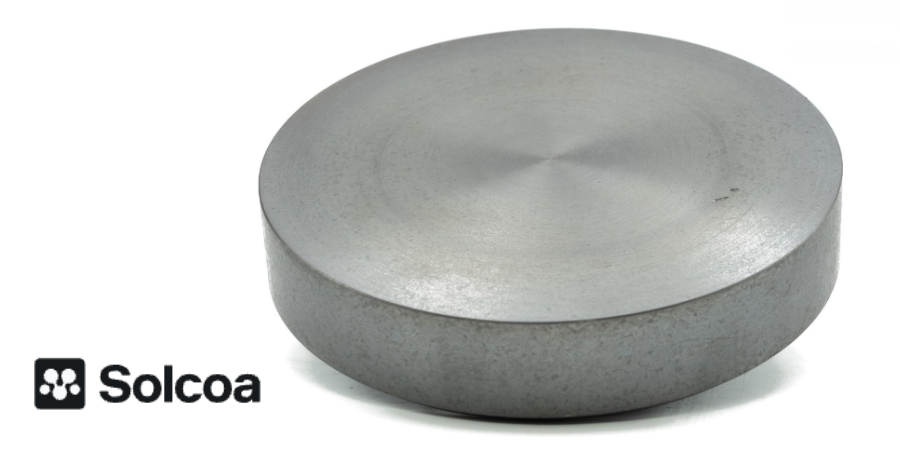
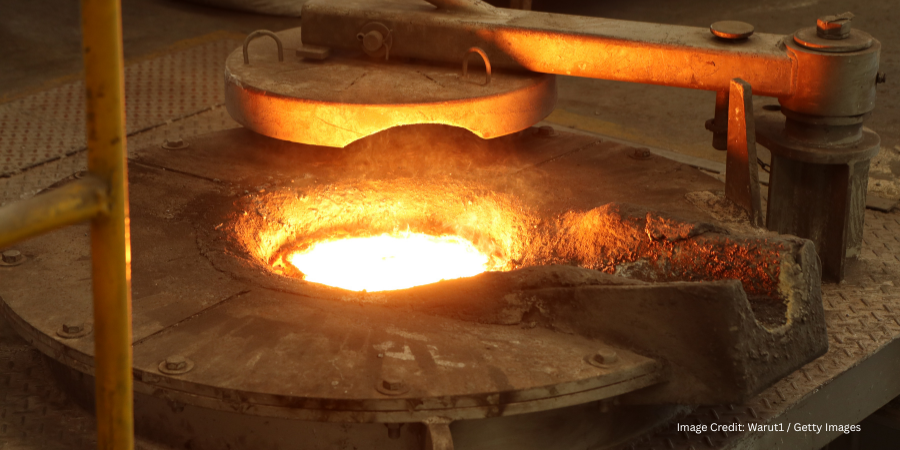
Solcoa Industries is planning a 500-ton-per-year rare earth metalmaking facility in Nevada that will use vacuum induction heating as part of its metallization process. The new capacity will convert refined rare earth materials into metals used in high-performance magnets for automotive, defense, energy, and other manufacturing applications.
The Alameda, California-based rare earth metal producer announced $75 million in financing to build and commission Solcoa One, its first commercial-scale plant. The financing includes $45 million in equity led by Bain Capital Ventures and $30 million in debt and equipment financing anchored by J.P. Morgan. The facility is scheduled to begin operations in July 2027.
Solcoa One is designed to produce 500 tons per year of neodymium-praseodymium (NdPr) and samarium metal. Solcoa currently produces more than 10 tons per year of magnet-grade metal at its Alameda operation and manufactures its modular reactors in-house.
Artem Iurkovskyi Co-Founder and CTO Solcoa Industries
Solcoa says its process uses halide-free chemistries as an alternative to conventional molten-salt electrolysis. The company plans to use the new financing to scale production, expand reactor manufacturing in Alameda, and add engineering and research personnel.
At its planned capacity, Solcoa One is expected to produce enough NdPr metal annually to supply magnets for up to 1 million electric vehicles, according to the company.
Press release is available in its original form here.
A nearly $3 million federally funded project will develop an induction smelting process to produce pig iron from low-cost, low-grade ores, adding a continuous smelting step to direct reduced iron (DRI) processing. The technology is intended to remove impurities and increase productivity while expanding the types of domestic iron ore that can be used for steelmaking.
The project, titled Induction Smelting of DRI-Processed Low Grade Ores for Steelmaking, will develop technology to produce pig iron from lower-cost, low-grade ores. Conventional direct reduced ironmaking typically requires more expensive high-grade ores. The additional smelting step is designed to remove impurities from lower-grade material, creating another pathway for its use in DRI-based ironmaking. The process will allow smelting to occur continuously rather than in batches, increasing productivity.
The project is one of 56 selected for a total of $117 million in DOE funding aimed at developing technologies to lower production costs and improve energy productivity across U.S. industrial sectors.
Press release is available in its original form here.
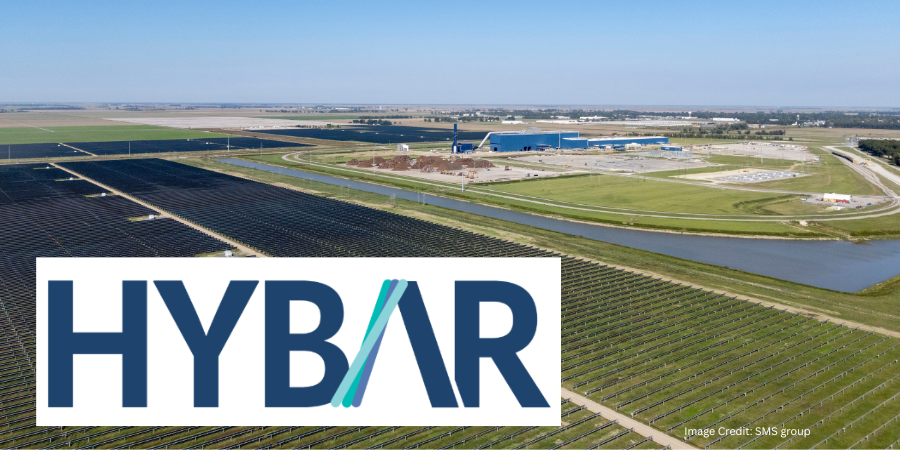
Hybar LLC, a U.S. steel producer, is adding a second continuous minimill at its Osceola, Arkansas, operation that will integrate electric arc furnace (EAF) melting, ladle refining, continuous casting, induction equalization, and rolling to increase reinforcing bar production by 630,000 short tons annually.
SMS group will supply the CMT® 550 mill, which will be installed alongside Hybar’s existing CMT® 550 operation, creating a twin-mill configuration that will share existing site infrastructure. Groundbreaking is expected in late 2026, with startup scheduled approximately 24 months later.
The meltshop will feature an EAF based on SMS group’s EDGE DC design platform and a twin ladle furnace station. An X-Pact AURA electrical power system will supply the melting unit, which is designed for production rates exceeding 80 tons per hour.
The mill will connect steelmaking, casting, and rolling in a continuous production process. A high-speed, single-strand endless caster will connect the meltshop to the rolling mill through an induction equalization furnace, reducing the need for conventional fossil-fuel-fired reheating between casting and rolling.
The new facility will produce reinforcing bars ranging from 12.4 to 35 millimeters and will include provisions for future installation of vertical compact coiling technology. The rolling mill will include 14 housing-less stands and a six-pass high-speed finishing block, as well as laser measurement equipment for dimensional verification and process control.
The project will also incorporate plant-wide acquisition of real-time production data. The information will feed a digital platform designed to support equipment monitoring, operational analysis, and machine-learning models.
The second mill will use infrastructure associated with Hybar’s existing operation, including access to the site’s 105-megawatt solar installation and 160-megawatt-hour battery storage system. The configuration is intended to reduce energy us and emissions compared with conventional minimill production.
“Building on the success of our first CMT® 550 mill at Hybar’s Osceola site to produce long products, we see huge potential to expand our capacities here at Osceola by combining logistics and labor expertise already on-site with this CMT® twin solution,” said David Stickler, CEO of Hybar. “This enables us to effectively respond to the increasing demand for green long production by taking advantage of shared utility costs.”
Press release is available in its original form here.
In today’s News from Abroadinstallment, we highlight several major global developments — from low-carbon steelmaking initiatives to meltshop modernization and new tube production capacity to the electrification of foundry operations — reflecting ongoing efforts to improve efficiency, reduce emissions, and modernize thermal processing worldwide.
Heat TreatTodaypartners with two international publications to deliver the latest news, tech tips, and cutting-edge articles that will serve our audience — manufacturers with in-house heat treat. Furnaces International, a Quartz Business Media publication, primarily serves the English-speaking globe, and heat processing, a Vulkan-Verlag GmbH publication, serves mostly the European and Asian heat treat markets.
Low-Carbon Steel Project Builds on EAF Route
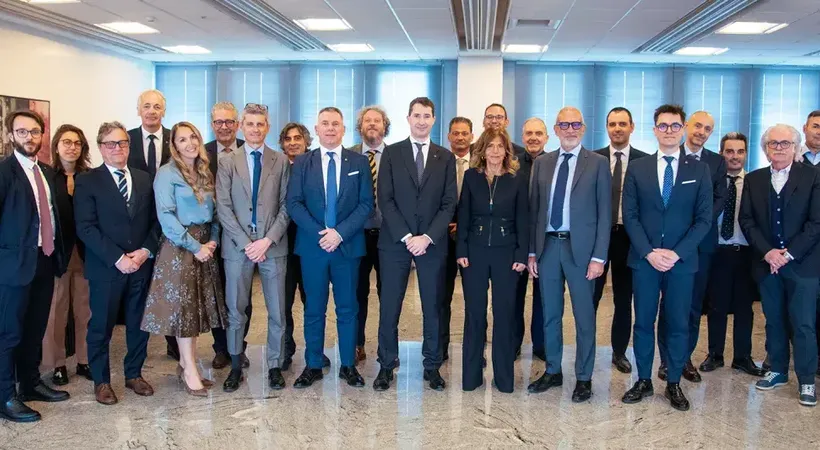
Marcegaglia and Danieli jointly announced the signing of an agreement related to the implementation of a major steelmaking and flat-rolling facility investment in Fos-sur-Mer, France. | Image Credit: Danieli
“Marcegaglia and Danieli have signed an agreement to implement a new steelmaking and flat-rolling facility in Fos-sur-Mer, France. The plant is set to produce over 2 Mtpy of liquid steel and up to 3 Mtpy of hot-rolled stainless and carbon steel coils, covering approximately 35% of Marcegaglia’s total coil and slab demand.”
“The plant will include a modern electric arc furnace, a single-strand continuous caster for thick slabs and a conventional hot-strip mill. Danieli highlighted that this configuration will ensure production efficiency, stable operations and product quality across a range of flat steel grades.”
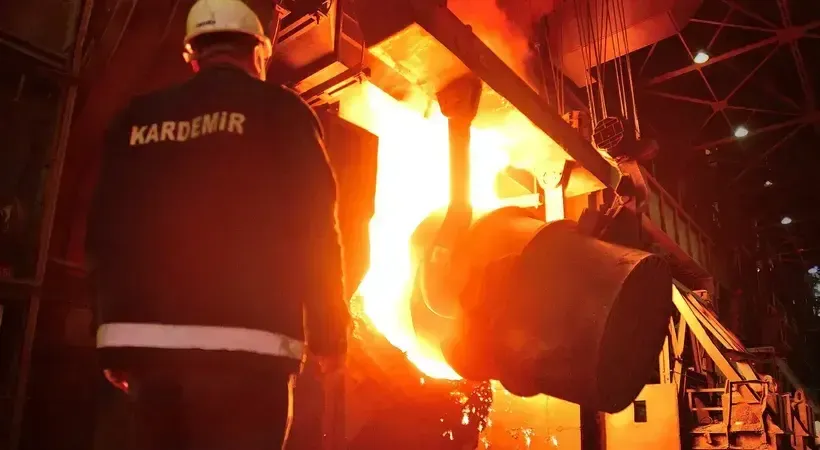
Kardemir ordered a unified digital architecture from Primetals Technologies to optimize the processes of its entire meltshop. | Image Credit: Kardemir
“Steel producer Kardemir has awarded Primetals Technologies a contract to modernise the automation environment at its meltshop in Karabük, Türkiye. The project includes modernising the automation for three LD converters (BOFs) for single ladle furnaces (LFs), and one vacuum degasser (VD). Each converter is designed for 120-ton heats.”
“The Level 2 process optimisation system will integrate all BOF, LF, and VD units into a single digital architecture, connecting metallurgical, operational, and planning data in one environment. This ‘steelmaking backbone’ provides operators and metallurgists with a shared interface and standardised procedures, improving data consistency, process execution, and transparency across shifts.”
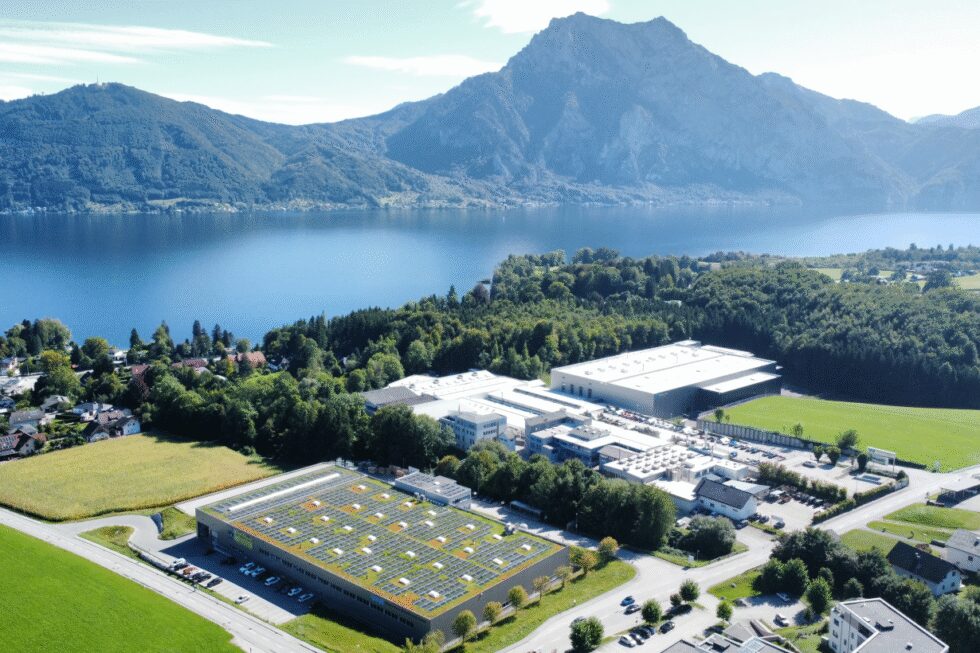
New tube plant in Altmünster has officially opened. | Image Credit: Wuppermann Metalltechnik GmbH
“Wuppermann Metalltechnik GmbH (WMT) has officially opened its new tube plant at the Altmünster site with a ceremonial event. More than 100 guests — including business partners and employees, as well as representatives from politics and industry — attended the event on April 24, 2026 and were given an exclusive insight into one of Europe’s most modern tube plants.”
“Through this investment, WMT is not only expanding its own production capacity but also significantly broadening its product range: the new state-of-the-art facility will manufacture, among other things, complex special profiles with wall thicknesses of up to 4 mm and an extended range of dimensions and strengths. Steel grades such as DP800, DP980 and 22MnB5, with tensile strengths of up to 1,000 MPa, will be processed.”
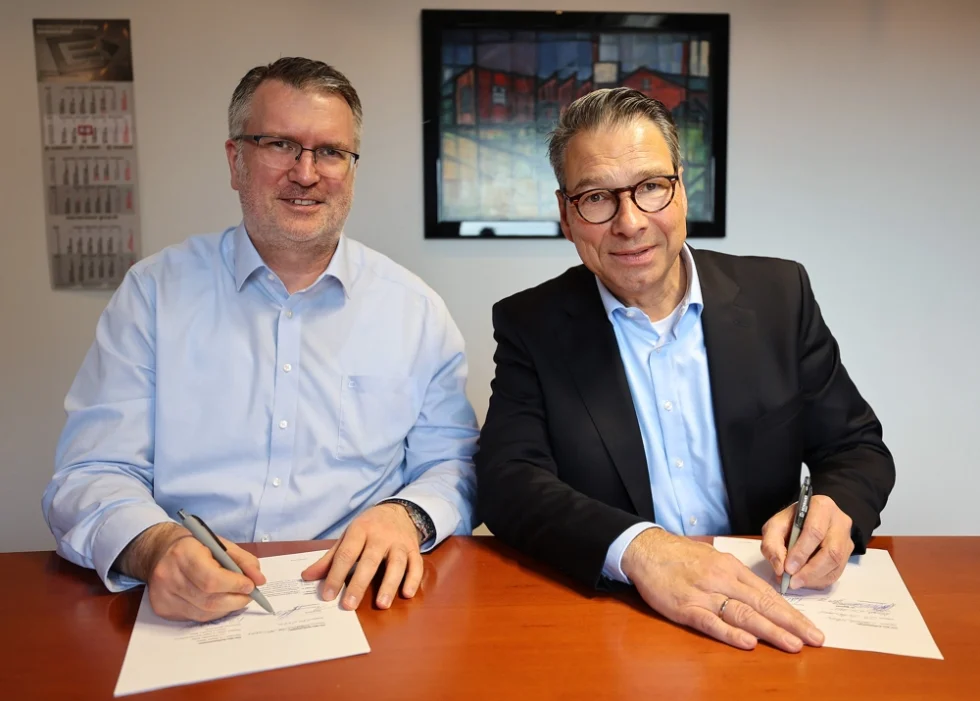
Phil Limbach (left), managing director of Beinbauer Group and Till Schreiter, CEO of ABP Induction Systems GmbH, at the contract signing. | Image Credit: ABP Induction Systems GmbH
“With the signing of the contract by Phil Limbach, member of the management of the Beinbauer Group, and ABP CEO Till Schreiter, as well as a joint site visit by the project teams of Beinbauer Casting and ABP Induction, the official starting signal was given for a groundbreaking major project.”
“In the coming months, the Schwerte foundry will undergo a fundamental technological transformation. The existing cupola furnace will be replaced by a modern, electrically powered induction melting furnace. For Beinbauer Casting, this project represents more than just a technological upgrade…The new electric arc furnace enables more sustainable production, the fulfillment of new [client] requirements, and long-term growth at the German site.”
A leading aviation technology company will receive two new furnaces from a manufacturer of metal heat treatment solutions with North American locations. The furnaces will be used in the production of engine components, particularly directionally solidified and single crystal castings.
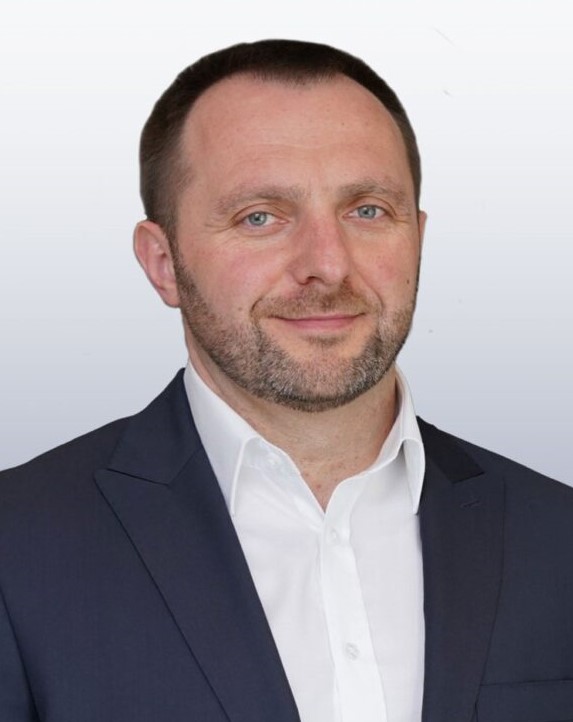
Sławomir Woźniak CEO SECO/WARWICK Group
SECO/WARWICK will provide a Vector vacuum furnace and a VIM JetCaster furnace with a capacity of 25 kg, enabling the melting of nickel and cobalt alloys at temperatures up to 1700℃ (3092°F) to the Chinese aviation manufacturer.
“The device ensures a low percentage of casting defects, both macro and microstructural, as well as a significant reduction of the directional solidification casting process compared to the classical process due to increased mold withdrawal speeds,” said Sławomir Woźniak, CEO of SECO/WARWICK Group.
The latest jet engines use advanced blades cast produced by single crystal technology. The control system meets the needs of precise processes: casting, temperature control, as well as comprehensive data collection.
The Vector vacuum furnace is designed for aging and solution heat treatment processes. It achieves a maximum temperature of 1400℃ (2552°F) with a uniformity of ±5℃ (9°F) and can handle components with a total mass of up to 800 kg. Due to a high level of vacuum (up to 10⁻³ Pa), processes take place without intergranular oxidation, resulting in a quality surface for the components.
Press release is available in its original form here.
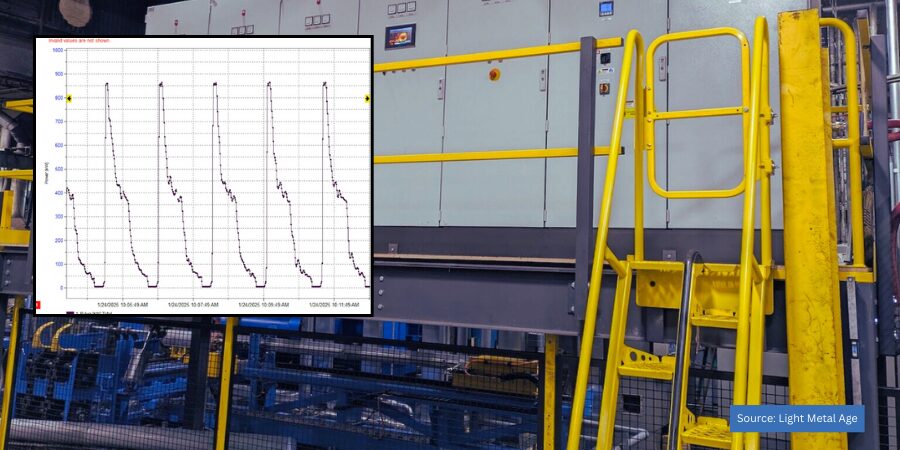
When an extrusion plant in Ohio began to experience production stoppages and higher temperature variability in their 7 inch press line, they sought out an upgrade with a new induction heating furnace. This article highlights the technical components of the new furnace, revealing its upgrade as an important step in ensuring the efficient production and delivery of high quality aluminum extrusions.
An Excerpt:
The furnace replacement project had several clear objectives—significantly improve process reliability, provide accurate temperature uniformity, and ensure high energy efficiency. In addition, the furnace needed to be installed during GEI’s 2024 Christmas shutdown.
Several furnace concepts were investigated during the course of the project. GEI’s preferred method, from a process control perspective, would have been to retain and modify the induction coil of the original furnace and also add a new induction furnace to apply a temperature taper to the billet. In this scenario, the original coil would be used to apply the base temperature, while the new furnace would be responsible for accurately tapering the billet.
Unfortunately, this concept proved to be impractical for several reasons . . .
Click here to read the entire article byLight Metal Age.
A Chinese partner has purchased two vacuum induction melting (VIM) furnaces for melting and producing castings that will support the aerospace and energy industries.
Sławomir Woźniak CEO SECO/WARWICK Group
SECO/WARWICK Group will be providing the two VIM furnaces, which will be shipped to China. The first of the two furnaces on order is a 50 kg VIM induction furnace for producing castings in an equiaxed structure. The furnace is unique due to its high degree of automation. It is often a chosen solution in the field of vacuum metallurgy. Various metals can be processed in vacuum metallurgy furnaces, such as titanium and its alloys, silicon, nickel, or cobalt alloys. The second furnace is the JetCaster VIM DGCC, used to produce high-quality precision turbine blade castings in the aerospace and energy industries.
Sławomir Woźniak, CEO of SECO/WARWICK Group, stated how the furnace benefited “the field of unidirectional crystallization castings of nickel- and cobalt-based superalloys. Years of work by our R&D engineers on the development of new unidirectional crystallization casting technology has allowed us to create a device equipped with a supersonic argon stream cooling system.”
“The growing popularity of VIM furnaces and the increasing importance of vacuum metallurgy is a consequence of the constantly changing production needs of heavy industries.” said Liu Yedong, managing director of SECO/WARWICK China.
Liu Yedong Managing Director SECO/WARWICK China.
Press release is available in its original form here.
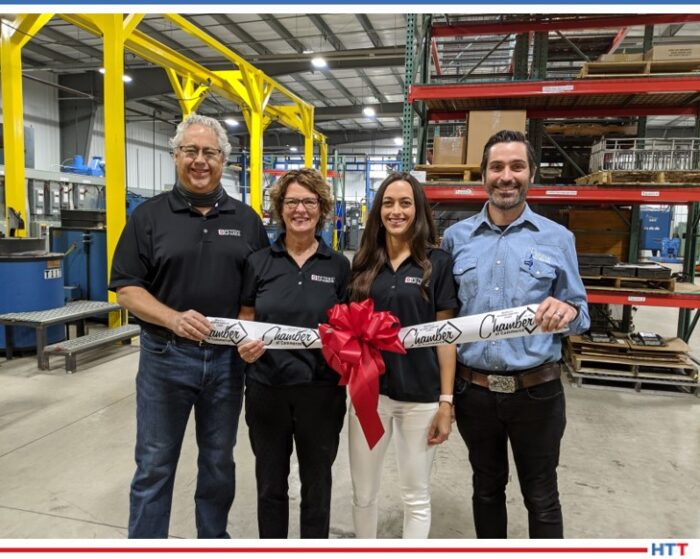
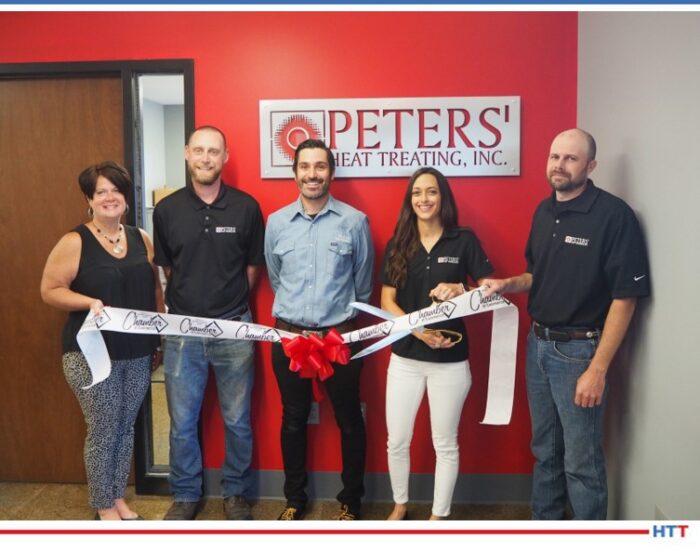
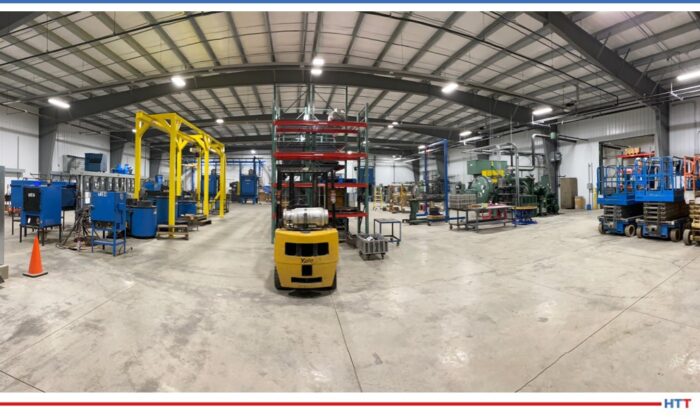
Peters’ Heat Treating, Inc., a 40-year-old heat treating company that specializes in a variety of high tech heat treating processes, moved its headquarters into a newly expanded Meadville, Pennsylvania facility located in the western part of the state.
Ribbon Cutting with the Owners: Doug and Jackie Peters (founders), Diana Wilkosz (VP), and Andy Wilkosz (President) (photo source: Peters' Heat Treating, Inc.)
Additionally, Peters' Heat Treating also announced two new lines of business: aluminum alloy processing and stainless steel black oxide.Vice President Diana Wilkosz shared in a recent interview, "We added these two new lines because of the growing demands from the automotive, aerospace, energy, and defense industries. We are also working on Nadcap certifications."
The company specializes in vacuum processing, atmosphere heat treating/integral batch quench processing, laser heat treating, aluminum alloy processing, carburizing, scale free aging/stress relieving, cryogenics, black oxide coating, induction processing, nitriding/FNC and the proprietary Nitreg nitriding processes.
After being in their original facility for 40 years, this expansion, that covers 32,000 square foot of manufacturing space, has provided them the opportunity to expand and update their vacuum line, provide room to add new vacuum furnaces, as well as increase their product offerings and continue to grow the now 60-employee business.
“We are excited to consolidate our services and knowledge in a way that maintains our history and dedication to the local community and industry while providing us the runway for a successful future,” said Andy Wilkosz, newly named president in 2019 and son-in-law of founders Doug and Jackie Peters. “These current times are challenging, but we know our business and the country will persevere.”
In addition to Peters' Heat Treating, the family also co-ownsLaser Hard, a robotic laser heat treating company.
“It’s been a pleasure to be a part of the local community and to help companies grow,” Doug Peters said. “Probably the thing I’m most proud of is the great people I’ve had the opportunity to work with. I’ve watched them buy houses and have children, and now their kids are having children.”
A steel producer based in Fort Wayne, Indiana, recently announced the expansion of their rolling mill, which will include a 3-MW induction furnace to heat the stock coming from the existing mill.
Steel Dynamics USA announced the expansion at their Columbia City, Indiana, location. Among other equipment being added are a 70-m conveyor connecting the existing medium section mill to the new spooler line, six housingless SHS 180 roller stands, complete with quick stand-changing table, a 6-pass Delta-type finishing block driven by a low-voltage- 2.5-MW motor and finishing services.
SDI and Danieli teams studied a temporary removable solution, steel support structure to support the existing furnace-exit roller table, allowing the execution of the Billet Welder concrete foundation with only minor impact to the MSM (Medium Section Mill) production schedule.
A heat treat and metallurgical services company recently unveiled plans to expand two of their four facilities this summer to better process applications in the aerospace, gears, and firearms industries, among others.
AHT Burton
Advanced Heat Treat Corp. (AHT) announced building expansions for their Monroe, Michigan, and Waterloo, Iowa locations. Michigan AHT plans to increase the size of their pit to accommodate two larger nitriding units, while AHT Burton intends to add square footage for new equipment and related services, such as two recently acquired induction units.
AHT has not expanded the Michigan and Burton facilities since 2006 and 2007, respectively, and hopes to complete the projects by mid-summer. The company also recently increased the shop floor at a third facility which serves as company headquarters in Waterloo, Iowa.
Mike Woods, President, AHT
“We’re very excited about the growth AHT has seen
AHT Michigan
over the past few years,” said AHT President Mike Woods. “Because of this, we felt it was necessary to expand our facilities and invest in additional equipment to better serve our customers and capture more of the market.”