


The Ultra-Clean Revolution: Why All-Metal Hot Zones Are Becoming the New Standard

As aerospace, defense, and medical applications demand tighter chemistry and flawless surfaces, heat treaters are accelerating their move toward all-metal hot zones and ultra-high-vacuum systems. The push for cleaner processing is quickly reshaping expectations not only for commercial heat treaters, but also for in-house heat treat operations supporting mission-critical production.

Today’s original content brings together recent Heat Treat Today reporting on all-metal hot zones, next-generation vacuum systems, and supply-chain investments redefining clean processing for aerospace, defense, and medical work.


All-Metal Hot Zones Drive Cleaner, More Predictable Processing

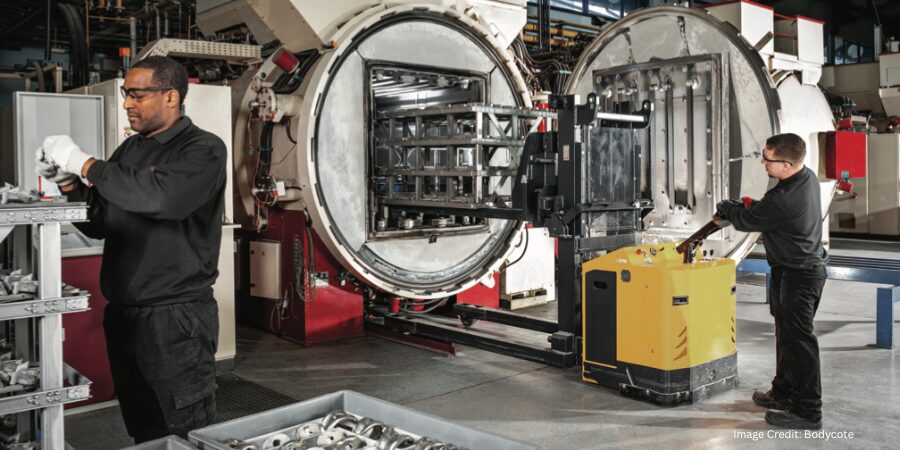
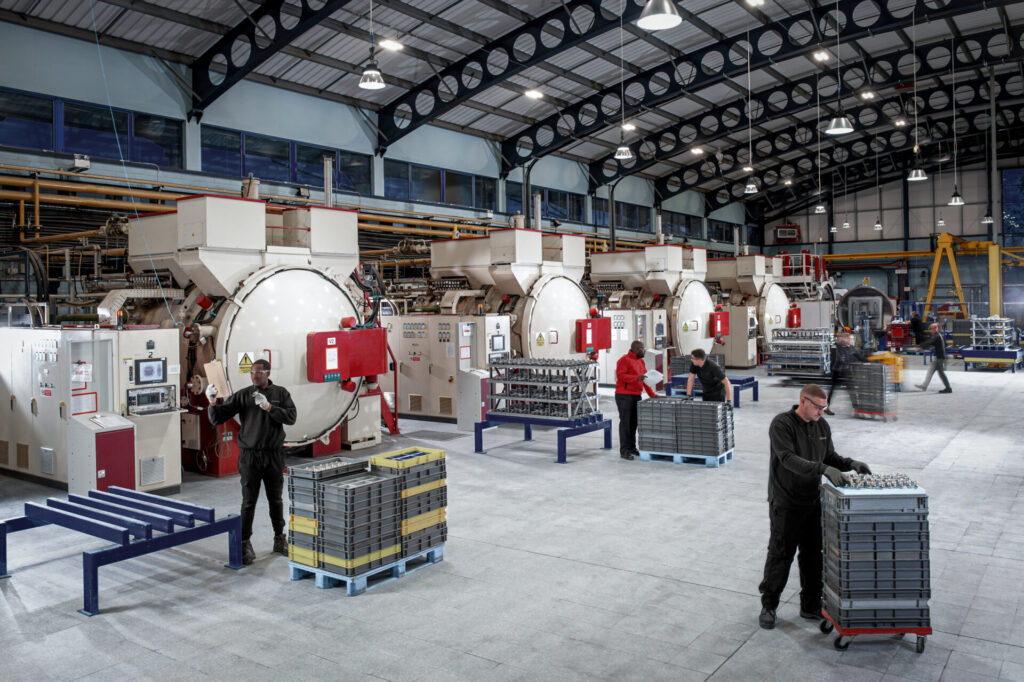
Heat treaters serving medical, aerospace, and turbine production continue to adopt all-metal hot zones to reduce contamination risk, stabilize vacuum performance, and deliver more consistent surface conditions.

Solar Atmospheres has expanded its all-metal vacuum furnace capacity across multiple locations in 2025, most recently at its Western Pennsylvania facility dedicated to critical medical work. The system features an all-molybdenum hot zone, finely polished stainless-steel cold wall, and dual isolation valves to maintain vacuum integrity, accompanied by a major clean-room expansion to support downstream handling.

Earlier this year, the company added a similar all-metal furnace at its Hermitage campus. Designed for precipitation-hardened stainless steels, nickel-and cobalt-based superalloys, titanium, and niobium, the system reflects the rising expectations placed on heat treat environments supporting high-performance material systems.

Michael Johnson, sales director at Solar Atmospheres of Western Pennsylvania, underscored the significance of the shift, noting that the all-metal design delivers “the purest possible processing environment” and produces “pristine end products that meet the most demanding industry standards.”

With vacuum levels reaching below 5 × 10⁻⁶ Torr through a diffusion pump, oversized main valve, and polished stainless chamber, these furnaces support bright, contamination-free results — conditions increasingly relevant to in-house heat treaters tasked with eliminating process variation.

See the full articles here: Solar Atmospheres Expands for Medical Industry and All-Metal Hot Zone Furnace for Solar Atmospheres

High-Performance Vacuum Systems Support Tighter Internal Specifications

Across the industry, new vacuum systems are being introduced that emphasize uniform quenching, reduced gas consumption, and shorter cycle times — benefits that resonate strongly with in-house heat treat teams striving for throughput without sacrificing metallurgical integrity.

A recent example is the addition of a 6-bar Ipsen TurboTreater horizontal vacuum furnace at Stack Metallurgical Group‘s Portland, Oregon facility. It’s designed for 360-degree uniform quenching and engineered to reduce cycle times by up to 20 percent. Its versatility — supporting hardening, tempering, brazing, sintering, annealing, and more — illustrates the broader trend toward equipment that supports multiple metallurgical pathways while maintaining low-contamination processing.

While not an all-metal hot zone, SMG’s investment signals the same market direction: vacuum systems are increasingly becoming the backbone for operators who prioritize clean surfaces, repeatable thermal cycles, and consistent downstream machining performance.

See the full article here: Stack Metallurgical Group Increases Operations with Horizontal Vacuum Furnace

High Purity Feedstock Becomes a Process-Control Advantage

Arconic Corporation has recently invested $57.5 million in an effort to boost high purity aluminum (HPA) capacity for aerospace and defense applications at its Davenport Works plant, a major in-house heat treating operation. The expansion strengthens both its full thermal processing line and the broader aerospace and defense supply chain.

By the same token, this manufacturer is upstream in product development. For aerospace manufacturers of aluminum products with in-house heat treaters, access to cleaner feedstock translates into more predictable microstructures, fewer surprises at the furnace, and reduced process deviations, which is a meaningful advantage as specifications tighten.

Diana Perreiah, Arconic’s EVP of Rolled Products North America, positioned the investment as a deliberate step toward enhancing U.S. industrial capability, emphasizing that the expansion supports the advanced manufacturing base required for next-generation platforms. Her comments highlight a growing recognition that material purity upstream directly influences thermal processing reliability downstream.

The project includes two new furnaces, automation upgrades, and modernized controls, ensuring consistent supply of the high purity aluminum essential for complex structures ranging from aircraft wing skins to high-strength defense components.

See the full article here: Arconic $57.5 Million High Purity Aluminum Production Expansion for Aerospace & Defense

Toward a New Standard for Mission-Critical Work

Across furnaces, feedstock, and facility upgrades, the direction is unmistakable: the industry is moving rapidly toward ultra-clean, tightly controlled thermal environments.

For in-house heat treat departments, the message is clear. These technologies are not simply expanding commercial heat treat capacity — they are redefining expectations for internal operations where scrap reduction, audit readiness, and end-to-end process reliability are central.

All-metal hot zones, advanced vacuum systems, and high purity input materials are quickly becoming a baseline for meeting stringent performance requirements for many in today’s aerospace, defense, and medical applications.

The Ultra-Clean Revolution: Why All-Metal Hot Zones Are Becoming the New Standard Read More »

Newton Heat Treating Upgrades Enhance Aerospace Processing Capabilities

Newton Heat Treating has completed a major equipment upgrade, replacing steam accumulators that had been in service for 20 years in its uphill quenching/cold stabilization operation. The upgrade directly impacts the company’s aerospace processing capabilities, with many parts destined for optical components in space applications undergoing this critical heat treatment process.

John Avalos
Quality Engineer
Newton Heat Treating

According to the company, the new steam accumulators have delivered immediate operational improvements. The heat treat transfer time from the steam accumulators to the steam chambers (where parts are inserted) is faster, providing better tensile stress reduction. Energy efficiency has also improved, with steam blasting time cut by about 10%.

John Avalos, quality engineer at Newton Heat Treating, reported, “primary operator who runs this process, Alfred Ojeda, said that the new steam accumulators don’t take as long to pressurize.” This will cut down on processing time, he explains.

Newton Heat Treating partnered with McKenna Boiler Works, Inc. for the installation project, which was completed on time and to specifications.

The uphill quenching/cold stabilization process is essential for aerospace components, particularly those requiring precise dimensional stability and stress relief for mission-critical optical systems used in space.

Want to learn more about uphill quenching? Check out the Heat Treat Radio episode where Newton Heat Treating CEO Greg Newton and John Avalos discuss this little-known but highly effective process for controlling residual stress in aluminum alloys.

Press release is available in its original form here. Additional details provided by the company.

Newton Heat Treating Upgrades Enhance Aerospace Processing Capabilities Read More »

Ask The Heat Treat Doctor®: What Masks the Steel’s Surface in Case Hardening?

Ask The Heat Treat Doctor® has returned to bring sage advice to Heat Treat Today readers and to answer your questions about heat treating, brazing, sintering, and other types of thermal treatments as well as questions on metallurgy, equipment, and process-related issues.

This informative piece was first released in Heat Treat Today’s November 2025 Annual Vacuum Heat Treating print edition.

Case depth, case uniformity, and final mechanical (as well as other) properties rely not only on controlling both equipment and process variability during heat treatment, but on having clean, properly prepared part surfaces prior to and during heat treating. Expert Dan Herring encourages to learn more below.


Case hardening is a thermochemical surface treatment process designed to add a particular element or combination of elements to a material such as steel. Familiar examples include carbon (carburizing); carbon and nitrogen (carbonitriding); boron (boriding); nitrogen (nitriding); and nitrogen and carbon (nitrocarburizing — ferritic or austenitic). These processes are typically designed to increase the near surface hardness of steel after quenching.

However, various problems can arise due to either the materials or the manufacturing methods employed prior to or during heat treating that will retard or prevent absorption and/or diffusion of the desired element(s) during heat treating. Some of the metallurgical consequences can include:

  • Shallow or uneven case depths
  • Surface oxidation
  • Intergranular oxidation or decarburization
  • High levels of retained austenite
  • Soft spots due to incomplete hardening

Machine-Induced Surface Conditions

Improper machining prior to case hardening can compromise surface integrity. Tooling choices, improperly maintained equipment, inadequate operator training, and even environmental factors can contribute to a variety of issues.

While machining problems occur frequently, they are mostly preventable. Attention to part surface condition, cleanliness, and mechanical integrity is essential before heat treating. Training, standardizing machining protocols, planned preventative maintenance programs, and part inspection prior to heat treating will help avoid these issues. Consult Table A for further details on how the causes and effects of undesirable machine-induced surface conditions can be solved.

Splatter of Stop-off Paints on Unintended Areas

A material that masks the surface of steel and delays or prevents case hardening is called a stop-off or maskant. These materials are applied to specific areas of a steel part to prevent the diffusion of hardening elements (like carbon or nitrogen) into the surface during case hardening processes, such as carburizing, nitriding, or carbonitriding. (See Table B.)

Enriching Gas Additions (Sooting)

During the carburizing or carbonitriding process, it is not uncommon to develop a layer of soot on the surface of the parts, especially if the enriching gas additions begin before the entire load is uniformly up to temperature. In some instances, the amount of soot formation is such that the case depth or uniformity is affected. This is often difficult to diagnose, as the soot layer “washes off” during quenching in a liquid, and the part surfaces come out of the furnace looking reasonably clean.

The use of scrap in steelmaking, especially for low alloy case hardening steels can lead to a relatively high level of impurities and tramp elements. At high temperatures these impurities tend to segregate at grain boundaries and migrate toward the surface. This type of segregation can retard case hardening by impeding element (e.g., carbon) transfer. For example, the effects of tin (Sn) and antimony (Sb) on the kinetics of carburization are particularly problematic (Figure 1).

The effect of tramp elements on retardation of carburization can be expressed in the following order (Andreas, et al. 1996), namely Sb > Sn > P > Cu > Pb. To see the effect of one such element, the carbon transfer coefficient (ß) for typical commercial steels is shown as a function of antimony (Sb) content (Figure 2).

In Summary

These are a few of the many causes delaying or preventing case hardening from being effective. There are many others, including alkaline cleaning compounds (in too high a concentration) and even phosphate and other drawing lubricants used in the manufacture of fasteners. Inspection and cleaning of the part surface prior to case hardening will avoid many of these issues. Reviewing material certification sheets for elements known to interfere with case hardening is also an effective way to anticipate problems with case hardening.

References

Herring, Daniel H. 2014. Atmosphere Heat Treatment, Volume 1. Troy, MI: BNP Media.

Herring, Daniel H. 2015. Atmosphere Heat Treatment, Volume 2. Troy, MI: BNP Media.

Ruck, Andreas, Monceau, Daniel, and Grabke, Hans Jürgen. 1996. “Effects of Tramp Elements Cu, P, Pb, Sb, and Sn on the Kinetics of Carburization of Case Hardened Steels.” Steel Research 67 (6): 242–48.

About the Author

Dan Herring
“The Heat Treat Doctor”
The HERRING GROUP, Inc.

Dan Herring has been in the industry for over 50 years and has gained vast experience in fields that include materials science, engineering, metallurgy, new product research, and many other areas. He is the author of six books and over 700 technical articles.

For more information: Contact Dan at dherring@heat-treat-doctor.com.

For more information about Dan’s books: see his page at the Heat Treat Store.


Ask The Heat Treat Doctor®: What Masks the Steel’s Surface in Case Hardening? Read More »
Bhuj Polymers Advances Production Capabilities with New Vacuum Furnace

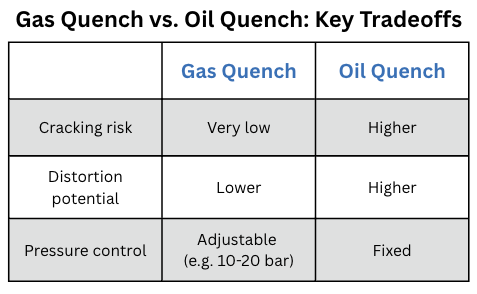
Bhuj Polymers, an established precision components manufacturer, is expanding its manufacturing capabilities through the acquisition of a state-of-the-art vacuum furnace. This investment will enable the company to meet growing demands while providing advanced vacuum hardening services that comply with global quality standards.

Maciej Korecki
Vice President of Vacuum Business Segment
SECO/WARWICK

SECO/WARWICK, a heat treat solutions provider with locations in North America, supplied the vacuum furnace that will be used to process tool steels with high thermal requirements, such as H13, H11 and D2. Prior to this acquisition, production capabilities were constrained by existing equipment limitations. The company’s locally manufactured furnace operated with a cooling pressure of up to 4 bar. This specification prevented effective processing of components requiring high-pressure gas hardening. Increasing production loads and customer requirements prompted Bhuj Polymers to invest in next-generation vacuum technology.

“The furnace delivered combines 15-bar high-pressure gas cooling with perfect temperature uniformity and precise control of thermal processes. This solution meets NADCA (tool & die global standard) requirements and is ready for Nadcap (aerospace global standard) certification, enabling Bhuj Polymers to expand their manufacturing services to the most demanding customers from industries such as automotive and aerospace,” says Maciej Korecki, vice president of the Vacuum Segment of the SECO/WARWICK Group.

This installation represents a significant advancement in local manufacturing capabilities. As part of SECO/WARWICK’s strategy to strengthen local production competencies, the furnace was manufactured entirely in India, reducing logistical costs, increasing competitiveness, and eliminating challenges associated with global customs policy.

Arvind Agarwal
Managing Director of SECO/WARWICK India

“Bhuj Polymers is a partner who trusted that our vacuum project, carried out entirely in India, was the correct solution for their manufacturing needs. This trust is of great value to us, as it opened a new chapter in the history of SECO/WARWICK India. This installation is an important step towards building a strong and independent technological infrastructure in India. We are pleased to be part of the growth of companies like Bhuj Polymers, who choose world-class technology produced locally,” said Arvind Agarwal, managing director of SECO/WARWICK India.

This event may serve as a significant impetus for other companies, not only in the state of Gujarat. This expansion demonstrates the importance of local production and support for manufacturers of aluminum die-casting molds, plastic processing tools, or precision components.

Press release is available in its original form here.

Bhuj Polymers Advances Production Capabilities with New Vacuum Furnace Read More »
A Thanksgiving Note

Over the past year, Heat Treat Today has experienced many transitions: sending off several amazing editors into the next, family-focused stage of life and integrating the gifts of several outstanding editors and operations individuals. As we’ve dedicated time to focus on making what we do more compelling and helpful to you, we come to the last month of the year grateful for the opportunities we’ve had to take a call from an industry colleague, receive an editorial email from a reader, and bump shoulders at your heat treat operations and various industry events.

This Thanksgiving, we are thankful for how our team and the industry transforms. This is a particularly acute blessing as we see the final leaves descend this fall. God bless you and keep you and yours through all the changes of life.

For housekeeping purposes: our offices will be closed on November 27 and 28. Happy Thanksgiving!

A Thanksgiving Note Read More »

Major Drivetrain Technology Leader Expands Isothermal Annealing Capability

An international, multi-billion-dollar corporation at the forefront of drivetrain technologies has commissioned a complete isothermal annealing line, due to be delivered in Q1 2026. The furnaces are designed to be in compliance with CQI-9, the comprehensive audit covering the most common heat treat processes employed by the automotive industry. This investment underscores the automotive industry’s commitment to delivering higher-quality components while meeting stringent manufacturing standards.

Arturo Arechavaleta
Vice President, Metal Furnaces, NUTEC Bickley

The system has been designed in close collaboration with NUTEC Bickley to ensure everything meets the company’s specific operational needs. The contract comprises both high-temperature and low-temperature furnaces, as well as an isothermal cooling chamber and blast cooling tunnel, together with all the ancillary equipment and full material handling and conveying system.

Arturo Arechavaleta, VP Metal Furnaces at NUTEC Bickley, said: “Our client for this multifaceted project is an auto component world leader that supplies nearly every major vehicle manufacturer. It has an established reputation in delivering high quality parts and promoting sustainability in the supply chain. I am delighted the NUTEC Bickley was chosen to partner in the design and manufacture of this isothermal annealing line.”

At the heart of the new facility will be a double pusher tray high-temperature furnace (HTF) designed specifically for processing carbon steel automotive parts. The system incorporates a fully automatic electrical double pusher system with steel trays sliding over rails with idle rolls. Processing two trays across the width helps reduce the line’s footprint while maximizing throughput.

Example of a customized isothermal annealing furnace by NUTEC Bickley, engineered for the auto manufacturing industry

The natural gas unit features four automatic temperature zones, each with two high-velocity nozzle-mix burners that provide excellent turbulence and outstanding recirculation within the furnace chamber. Operating temperatures range between 850°C and 950°C (1560°F-1740°F), with temperature uniformity targets of ±5°C (±40°F) for processes below 680°C (1260°F) and ±10°C (±18°F) at or above 680°C (1260°F).

The isothermal annealing process involves multiple stages that work in seamless coordination.

First, forged carbon steel parts move into an isothermal cooling chamber (ICC) after initial heat treating where the load temperature is rapidly reduced from 950°C (1740°F) to 660°C (1220°F) within five to 10 minutes, bringing parts to their transformation point. This rapid cooling uses ambient air supplied from an external cooling fan.

Then, parts proceed to a low-temperature furnace (LTF) operating at between 630°C and 700°C (1170°F-1290°F), which uses a fuel-only control system for enhanced temperature uniformity. The furnace relies on three automatic temperature control zones and six burners.

Finally, tray loads pass through a blast cooling tunnel (BCT) where forced convection cooling with ambient air brings parts down to approximately 400°C (750°F) before exit.

The complete line includes comprehensive material handling and conveying systems that operate fully automatically. It features entrance and transfer cars with movement systems, transfer car tracks, exit transfer cars with tray dumper units, integrated air cooling units, return conveyors with electrical dolly systems, and automated loading stations. The entire parts handling system is linked to the process via Master PLC and HMI for seamless operation.

Press release is available in its original form here.

Major Drivetrain Technology Leader Expands Isothermal Annealing Capability Read More »

Sigma Phase Metallurgy 101

In this Technical Tuesday installment, Nick Hicks, metallurgical services manager at Rolled Alloys, emphasizes the importance of mastering the basics of sigma phase metallography in stainless steels. Understanding these fundamentals helps you know when to consult a metallurgist and guarantee top performance of heat treated parts.

This informative piece was first released in Heat Treat Today’s November 2025 Annual Vacuum Heat Treating print edition.


Heat treaters are always seeking new methods of heat treat and new alloys to improve performance at a lower cost. In the world of stainless steel, there are well-known choices like 310 and newer options like RA 253 MA®. These alloys have exceptional qualities, especially RA 253 MA, which has creep strength up to 2000°F and oxidation resistance up to 2000°F. However, heat treaters should be aware of a potential issue when using such alloys: the formation of sigma phase over time.

In some cases, premature wear in nickel alloys was attributed to sigma phase embrittlement, but it’s important to note that sigma phase does not actually precipitate in nickel alloys. Instead, the actual microstructure may exhibit grain boundary oxidation or carbides. This article seeks to provide a clearer understanding of sigma phase metallography and its impact on stainless steels.

Definition of Sigma Phase

Sigma phase is an intermetallic compound made up of chromium and iron. It is hard, brittle, and non-magnetic. At room temperature, the presence of sigma phase can make the material so brittle that a sudden, hard impact can shatter a piece of metal that contains it, similar to a piece of glass. Pure sigma phase forms when the chromium content is between 42% and 50%, and it is one of the equilibrium phases in the iron-chromium phase diagram as seen in Figure 1.

The peak temperature for sigma phase formation in a 46% Cr alloy is 1510°F. A literature review reveals that different sources cite varying temperature ranges for sigma phase formation. This variation is due to each alloy having its own unique sigma formation range. According to one expert (Kelly 2005), sigma phase can form in the temperature range of 1100°F–1600°F (590°C–870°C).

Metallurgy of Sigma Phase

Many engineers require assistance in distinguishing between sigma phase and the formation of grain boundary oxides and carbides. Otherwise, they might reach incorrect conclusions. Sigma phase is a precipitation product that can manifest in both individual grains and along grain boundaries. Examples of sigma phase formation can be observed in Figures 2–4.

When observing nickel and certain nickel alloys like RA330®, confusion can arise due to the presence of grain boundary oxidation or carbide formation. These occurrences are often mistaken for sigma phase formation by engineers, but it’s important to note that a nominal nickel content of at least 35% is sufficient to prevent sigma phase formation.

Figure 5 depicts RA330 after a 3,000-hour duration at 1900°F. Despite 1900°F being significantly higher than the sigma formation range, some engineers determined that the grain boundary oxides were sigma phase. When there is any uncertainty, it is advisable to consult with a metallurgist who is knowledgeable about the metallography of these alloys.

Physical Properties of Material with and without Sigma Phase

Table A displays the results of impact testing for six different alloys aged at three different temperatures for varying durations. All the alloys experienced some degree of deterioration over time, with certain alloys showing significant losses and reduced ductility. Further analysis revealed that each alloy has its own specific temperature at which sigma phase formation occurs most rapidly. In fact, the formation of sigma phase is dependent on the time at temperature, which makes a C-type curve.

Figure 6 depicts the time temperature transformation curves for sigma phase formation for a few different stainless steels. Any point past a specific alloy’s curve results in the formation of sigma phase.

The results of elevated temperature impact testing for six alloys are presented in Table B. Many of the values in the table indicate that these alloys generally show either no loss of ductility or significantly less loss of ductility when the testing is carried out at elevated temperatures. In most cases, the materials still exhibit sufficient ductility to be safely used at these temperatures.

When these alloys have formed sigma phase and then cooled to room temperature, it’s important to prevent any kind of impact. At operating or heat treating temperatures, these alloys generally maintain enough ductility to be safely used.

Table D displays the results of Charpy testing conducted on RA330 after aging. Although there is a slight decrease in ductility, the material still exhibits sufficient energy absorption to be considered quite ductile and safe for use at room temperature.

Conclusion

Sigma phase precipitation is a phenomenon that occurs in stainless steels and alloys containing less than 35% nominal nickel content. This does not occur in nickel alloys with 35% nickel or more. Sigma phase can make materials very brittle at room temperature. However, at elevated temperatures within typical heat treating ranges, most materials retain sufficient toughness to be used without any concern. It’s important to note that even at high temperatures, toughness is lost. More caution should be exercised in choosing alloys for vibrating systems, as constant vibration can cause premature failure if sigma phase has formed.

Engineers may mistakenly identify grain boundary oxidation or carbides as sigma phase formation in alloys that do not actually form sigma phase. To ensure accurate conclusions, it is important to have interpretations verified by experienced metallurgists who are familiar with the metallography of stainless steels and nickel alloys.

An understanding of the basics of sigma phase metallurgy in stainless steels will help the heat treater, manufacturer, and end user avoid failures associated with sigma phase embrittlement.


References

Andersson, Thomas, and Thomas Odelstam. 1984. Sandvik 253MA (UNS S30815) – The Problem Solver for High Temperature Applications. Sandviken, Sweden: R&D Centre AB Sandvik Steel Bulletin, October.

ASM International. 1986. Binary Phase Diagrams. Metals Park, OH: ASM International.

Crucible Inc., Materials Research Center. 1972. Private Communications, January 10 and June 22.

Herring, Daniel H. 2012. “Sigma Phase Embrittlement.” Industrial Heating. Troy, MI: BNP Media, March.

Kelly, James. 2005. Heat Resistant Alloys. Rolled Alloys. https://www.scribd.com/document/90619472/HeatResistantAlloys-RolledAlloys.

Lien, George E. 1968. Behavior of Superheater Alloys in High Temperature, High Pressure Steam. New York, NY: The American Society of Mechanical Engineers.

Rolled Alloys. n.d. Internal Reports. Temperance, MI.

Rolled Alloys. n.d. Rolled Alloys Bulletin 1353: RA 353 MA® Alloy. Temperance, MI.

About The Author:

Nick Hicks
Metallurgical Services Manager
Rolled Alloys

Nick Hicks is the metallurgical services manager at Rolled Alloys. He holds a bachelor’s degree in mechanical engineering from the University of Toledo and a master’s degree in materials science from Worcester Polytechnic Institute. Nick represents Rolled Alloys at organizations such as the Materials Technology Institute (MTI) and the American Society for Testing and Materials (ASTM). He is also a former Emerging Professional on the ASM Heat Treat Board. Nick specializes in stainless steel and nickel alloy metallurgy for high-temperature and corrosion-resistant applications.

For more information: Contact Nick at nhicks@rolledalloys.com.

This article was initially published in Industrial Heating. All content here presented is original from the author.

Sigma Phase Metallurgy 101 Read More »
Southwest Metal Treating Corp Expands Capabilities with New Cryogenic System

Southwest Metal Treating Corp (SWMT), an AS9100D/ISP 9001:2015 and Nadcap-accredited facility specializing in providing precision heat treating services, announces the addition of a new cryogenic processing system. This enhancement will further support SWMT’s ability to serve its aerospace, defense, and precision manufacturing partners with high-quality heat treating and cryogenic processing solutions.

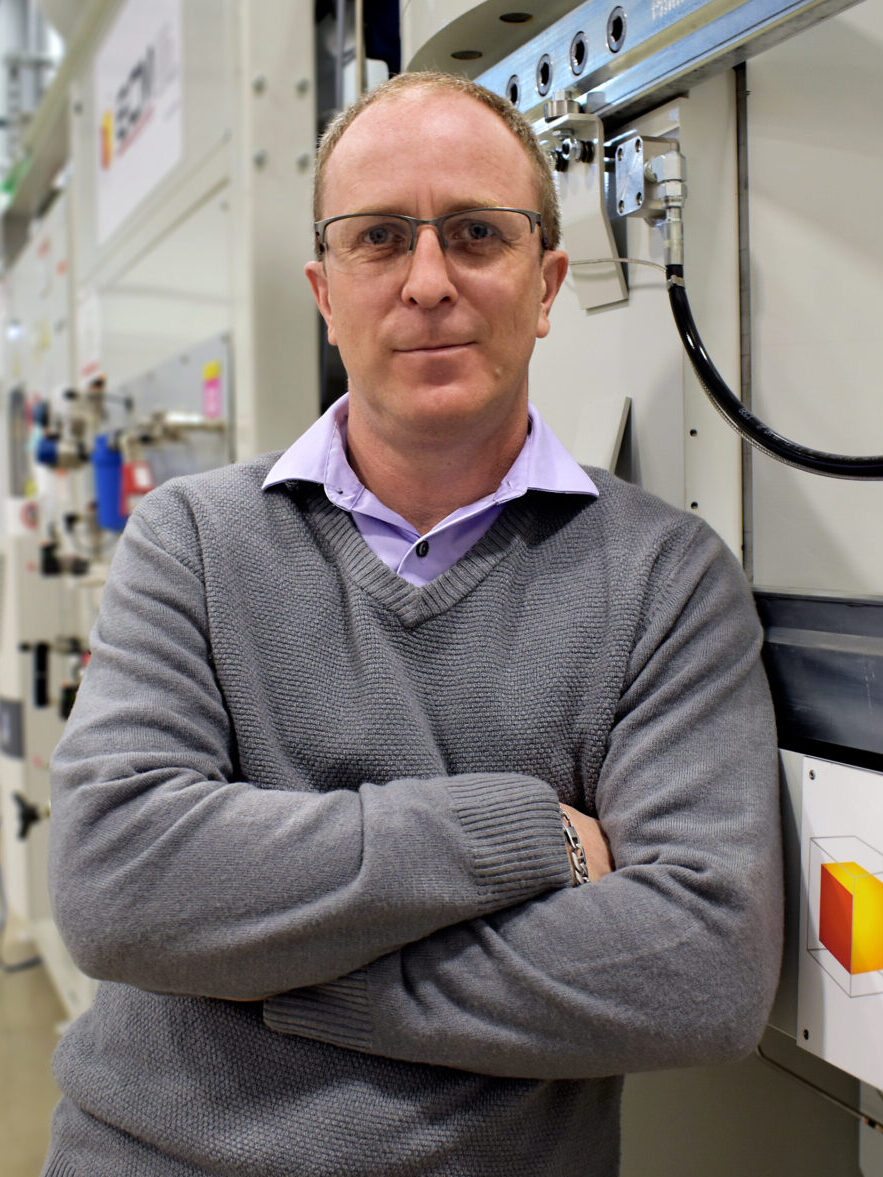
“The TRU-CRYOTHERM expands our thermal processing capabilities and strengthens our ability to meet demanding specifications with precision and reliability,” said Ryan Fussell, CEO of Southwest Metal Treating Corp. “As we continue to invest in state-of-the-art equipment, our goal remains the same — to provide our customers with unmatched quality, turnaround, and technical excellence.”

Ryan Fussell
CEO of Southwest Metal Treating Corp (SWMT)
Source: MTI

The new unit, provided by the McLaughlin Furnace Group, is now currently installed as part of SWMT’s ongoing expansion of its Integral Quench (IQ) department. Its design, advanced temperature control, and uniformity standards make it an ideal complement to SWMT’s growing IQ and vacuum processing operations. With this addition, SWMT continues to set a higher standard for metallurgical performance and process consistency across its full range of services.

Press release is available in its original form here.

Southwest Metal Treating Corp Expands Capabilities with New Cryogenic System Read More »
MTI Member Profile: Stack Metallurgical Group

From its roots in Seattle to its facilities across the western United States, Stack Metallurgical Group has built a legacy defined by precision, quality, and innovation. Founded in 1946, the company began with a few repurposed World War II furnaces and a small team dedicated to serving local foundries. Over time, it expanded its capabilities, added new furnace technologies, and became a trusted partner to some of the leading manufacturers in the Northwest.

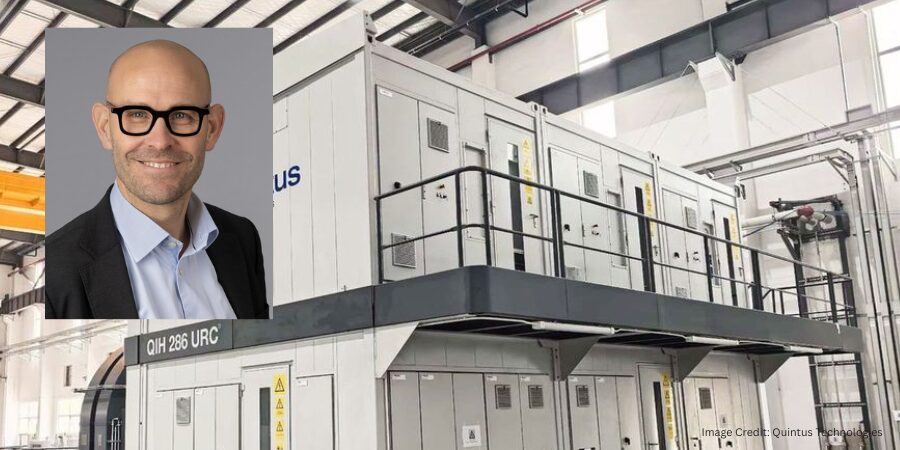
New Furnace Day! Jeff McLaughlin, Brad Kaufman (Portland Operations Manager), and Dave Ederer (Owner) in front of Stack Metallurgical’s new temper-freezer unit

As the business evolved over the decades, acquisitions and expansions shaped it into the organization known today. In 1982, the Stack Metallurgical Group consolidated in Portland and added multiple vacuum furnaces to increase capacity. A full-service facility followed in Spokane in 1984, and a new site, Aerospace Aluminum Processing, was established in Salt Lake City in 2015. These additions created a broad network capable of meeting the demanding needs of aerospace, defense, and advanced manufacturing industries.

At its core, the company remains focused on delivering heat treating excellence backed by decades of experience and technological investment. With over 75 years of service, it supports clients producing everything from rocket engines to precision cutlery, maintaining approvals across a comprehensive list of industry standards.

Among its many capabilities, vacuum heat treating stands as the cornerstone of the heat treater’s expertise. This process, essential for alloys such as nickel and titanium, provides unmatched control and consistency — critical qualities for aerospace, power generation, and high-performance tool applications. Complementing vacuum processing are extensive Endothermic heat treating operations for ferrous alloys, enhancing hardness, wear resistance, and toughness, along with aluminum heat treating and anodizing services that strengthen components and improve corrosion resistance.

The company’s facilities house six internal-quench Endothermic furnaces, more than two dozen air furnaces, and over fifteen vacuum furnaces across its Portland and Spokane locations. In Portland and Salt Lake City, aluminum quench and aging furnaces support aerospace and precision manufacturing work, while the Salt Lake site also features an advanced anodizing line and multiple paint booths for finishing applications.

Beyond equipment and technology, the company’s greatest strength lies in its relationships. The organization has long operated with a client-first philosophy, one that views every heat treat job as a collaboration. Every employee takes personal ownership of each component that passes through their care. This approach, built on partnership and dedication, has earned the trust of manufacturers across the industry.

Partnership has long been a defining value, especially with regional tool and knife manufacturers. Working closely with these partners, the team develops specialized processes that enhance product performance, helping create some of the toughest, sharpest, and most consistent tools available today.

Equally vital to the company’s legacy of enduring quality are its people. Many employees have been part of the organization for more than a decade, with several bringing multiple decades of experience. This continuity has fostered a culture of craftsmanship, accountability, and deep technical knowledge, qualities that customers recognize and trust.

Future growth will follow the same guiding principles that have carried the company for generations: hiring exceptional people, investing in new equipment, and expanding capabilities to serve a growing manufacturing base. As U.S. production advances, Stack Metallurgical Group remains committed to helping clients achieve superior results through dependable heat treating and metal processing solutions.

With more than seven decades of proven performance, the company continues to set the standard for precision, quality, and care, proving that craftsmanship, which built on consistency and innovation, never goes out of style.

For more information:

Stack Metallurgical Group

5938 N Basin Ave
Portland, OR 97217

sales@stackmet.com
www.stackmet.com

Main image: Stack Metallurgical Group’s largest vacuum furnaces at Stack Portland’s Vacuum Department, shortly after commissioning in 2015


MTI Member Profile: Stack Metallurgical Group Read More »
13 News Chatter to Keep You Current

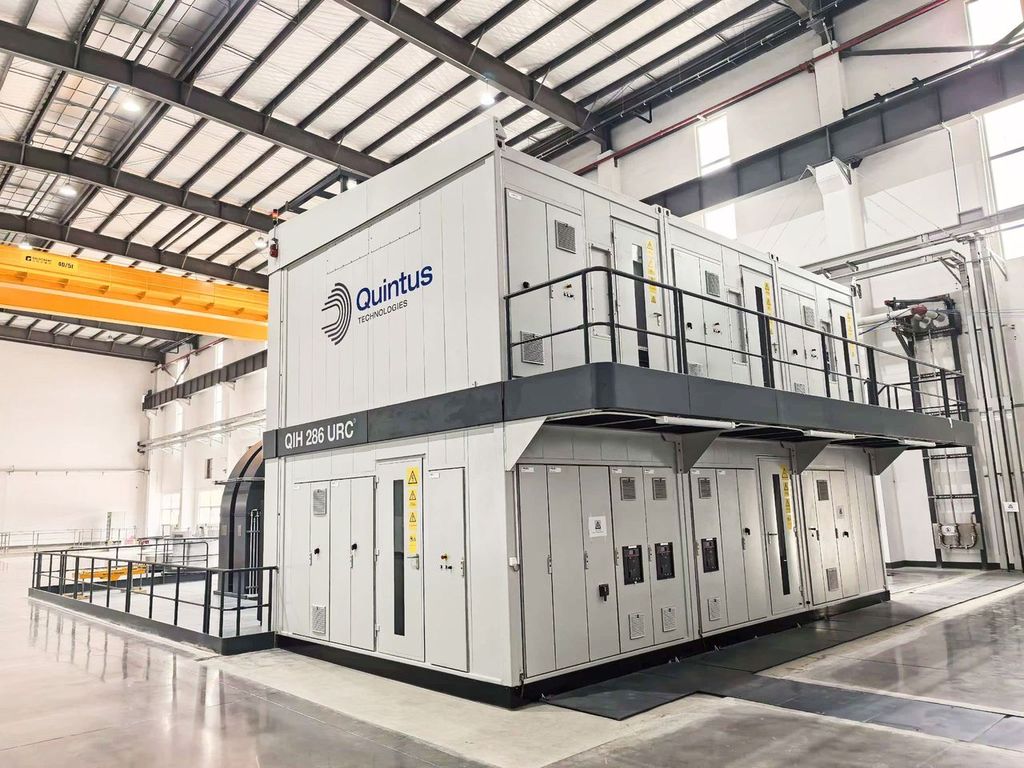
Heat Treat Today offers News Chatter, a feature highlighting representative moves, transactions, and kudos from around the industry. Enjoy these 13 news items, featuring Solar Atmosphere‘s all-metal hot zone furnace expansion, Ipsen USA‘s successful reaccreditation of its calibrations lab, Ryerson Holding Corporation and Olympic Steel Inc.’s merger, and more!


Equipment

1. Three aluminum melting furnaces at a Novelis site in Voerde, Germany, were updated to achieve a more than 40% reduction in carbon footprint and significantly lower gas consumption. This project marks an important step forward in the decarbonization of industrial processes. The upgrade includes Fives’ North American® regenerative technology.

2. Two SECO/WARWICK EV/CAB lines will be installed for a major manufacturer of heat exchangers for trucks, passenger cars, and new energy technologies. The furnaces are designed to meet the stringent requirements of the automotive industry for the production of commercial vehicle components. The installation will occur at two in-house heat treat locations for the Chinese manufacturer: one in Mexico and the other in China. 

3. Solar Atmospheres expanded its operational capacity with an additional all-metal hot zone furnace. The new system significantly expands the company’s capacity to heat treat highly sensitive materials such as precipitation-hardened stainless steels, nickel-chrome-based superalloys, titanium, and niobium. The new unit is installed at their Hermitage, Pennsylvania facility and will meet the stringent demands of the aerospace and medical industries. 

4. Alleima, a manufacturer of steel components and special alloys, will receive a new tube annealing furnace from SECO/WARWICK. The electric atmospheric furnace line is intended for bright annealing of high-alloy tubes and will be used in the production of nuclear applications components. This sale marks the heat treat solutions manufacturer’s 5,000th furnace sale. 

5. Tenova HYL, a Tenova company leader in direct reduction, has successfully started up its ENERGIRON Zero-Reformer DR Micro-Module at Empresa Siderúrgica del Mutún, in Santa Cruz, Bolivia, producing the first direct reduced iron (DRI) on October 7. This milestone of the contract signed with Sinosteel Equipment and Engineering (a global Chinese EPC contractor specializing in industrial engineering, equipment supply, and turnkey project delivery across the mining, metals, and infrastructure sectors) is a significant step in the companies’ long-standing cooperation. 

Company & Personnel

6. The Atmosphere Group will carry out business for the Region Americas under a new name: Aichelin Americas. Marty Poljan will continue to lead the region as president and CEO of Aichelin Americas. Tracy Dougherty has been promoted to president of Sales & Service and Paul Oleszkiewicz has been promoted to president of Operations. Subsidiaries of the group include AFC-Holcroft, Atmosphere Heat Treating, Inc., Austemper Inc., and Nitrex NTS (Nitrex, G-M Enterprises, and UPC-Marathon).

7. Ryerson Holding Corporation, a value-added processor and distributor of industrial metals, and Olympic Steel, Inc., a U.S. metals service center, announced that they have entered into a definitive agreement to merge. The merger will enhance the combined company’s presence as the second-largest North American metals service center and will bring Olympic Steel’s complementary footprint, tempering capabilities, and heat treated product offerings into Ryerson’s network of value-added service centers.

8. Hiperbaric presented on advanced HIP at Formnext.

9. Aalberts surface technologies announced the official opening of a brand-new 12,000 m² surface treatment production hall in Tatabánya. The event was honored by Levente Magyar, Deputy Minister for Foreign Affairs and Economic Relations, along with local parliamentarians, partners, and clients.

10. Wirco recognized Chad Haines, projects manager at the company, for 18 years with the company.

Kudos

11. Ipsen USA announces the successful ISO/IEC 17025:2017 reaccreditation of its calibrations lab, ensuring continued certification of inspection equipment used by their field service engineers to calibrate heat treating systems across the U.S. and worldwide. The reaccreditation directly supports industries such as aerospace and medical, where calibrated instruments are critical in producing high-precision parts. 

12. Global Metal Finishing has successfully passed its Nadcap audit and officially received its Nadcap re-accreditation. In addition, they’ve also obtained their AC7004 Nadcap Aerospace Quality System certification. 

13. PhD candidate Noah Kantor and undergraduate research assistant Richard Chen, both from Worcester Polytechnic Institute’s Center for Heat Treating Excellence (CHTE), took first place in the annual ASM Strong Bar Competition. Participants were challenged to design a heat treatment for SAE-9254 spring steel aimed at maximizing bend strength. 


13 News Chatter to Keep You Current Read More »

Skip to content