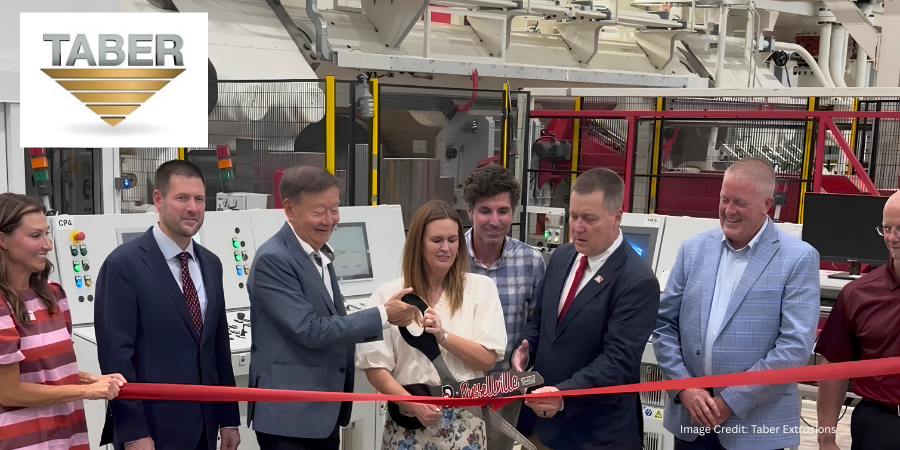
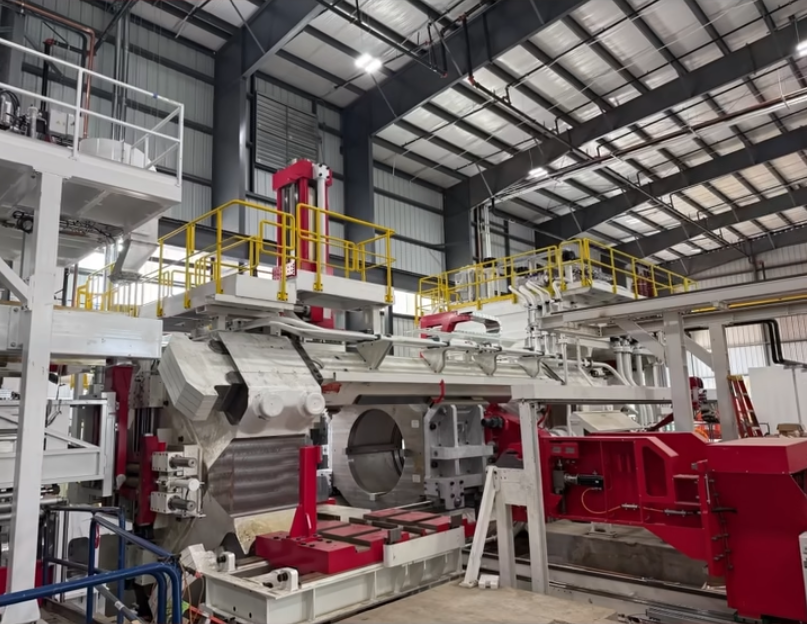
Taber Extrusions has opened an $85 million expansion at its Russellville, Arkansas, facility, centered on a new 10,000-ton aluminum extrusion press. The expansion adds in-line solution heat treatment, aging, and quenching capabilities to support production of large aluminum profiles for aerospace, defense, and heavy industrial applications.
Image Credit: Taber Extrusions
The new 16-inch front-load direct extrusion press went online in June 2026. The press has a 16-inch (406 mm) container and can produce profiles up to 23.6 inches (600 mm) wide, including large, single-piece aluminum profiles intended to reduce the need for complex multi-part assemblies in mission-critical applications.
Downstream of the press, equipment from Cometal Engineering incorporates advanced profile quenching, cooling and handling systems. The line also incorporates in-line solution heat treatment and aging designed to support the demanding requirements of high-performance aluminum alloys. The new line can process both hard and soft aluminum alloys.
Taber marked the expansion with a grand opening in September, attended by Arkansas Governor Sarah Huckabee Sanders, company executives, state officials, and local leaders. Guests also toured the new expansion during the event.
The expansion is expected to create 70 jobs in Russellville. Taber first announced the project at the Farnborough International Airshow in July 2024 and broke ground on the facility expansion in April 2025.
Press release is available in its original form here.
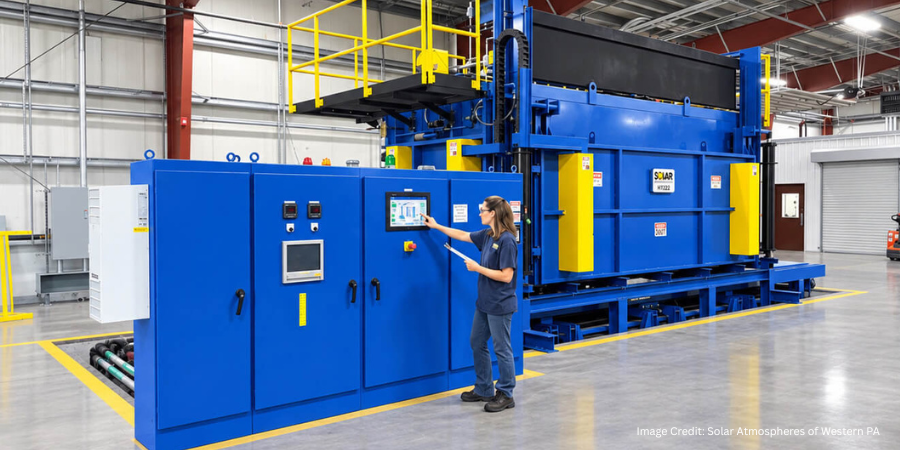
Solar Atmospheres of Western PA is commissioning a new water quench furnace designed to solution anneal large titanium components, adding capacity for rapid quenching of workloads serving aerospace, defense, medical, and other critical applications. The system is expected to enter production in November 2026.
The furnace, manufactured by Heat Treat Equipment Inc. of Canton, Michigan, is being installed at Solar Atmospheres’ Hermitage, Pennsylvania, facility. The system is designed to process titanium components weighing up to 7,500 pounds while maintaining temperature uniformity within ±5°F (±2.8°C) and achieving water quenching within seven seconds.
The furnace measures 14 feet long by 54 inches wide by 48 inches high and is positioned directly above an 11,000-gallon, multidirectional, highly agitated water quench tank. The configuration is designed to minimize transfer time between the furnace and quench tank to meet aerospace requirements for rapid quenching of titanium components. A closed-loop cooling system maintains the water quenchant at a temperature not exceeding 100°F (37.8°C).
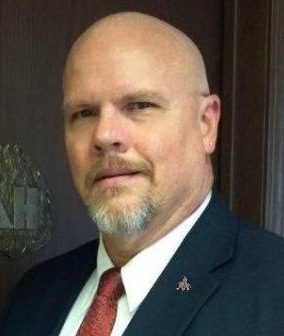
Robert (Bob) Hill President Solar Atmospheres of Western PA
The system will allow Solar Atmospheres to thermocouple the actual workload for monitoring and control throughout the heat treatment process. An in-process camera will also monitor workloads while they are heated above critical beta transus temperatures.
“This equipment finally gives us the opportunity to solution anneal critical titanium alloys that our titanium [clients] have continuously asked for over the years,” said Bob Hill, president of Solar Atmospheres of Western PA.
Once operational, the furnace will add large-component titanium solution annealing and water quenching capabilities to the company’s existing vacuum and air heat treatment services.
Press release is available in its original form here.
New aerospace heat treating systems are supporting increased production requirements across commercial aviation and defense, including automated horizontal air quenching for aluminum components and additional furnace capacity for military aircraft maintenance. The systems provide controlled heat treatment and rapid air cooling for aviation-grade metals while supporting growing aerospace and defense manufacturing and maintenance requirements.
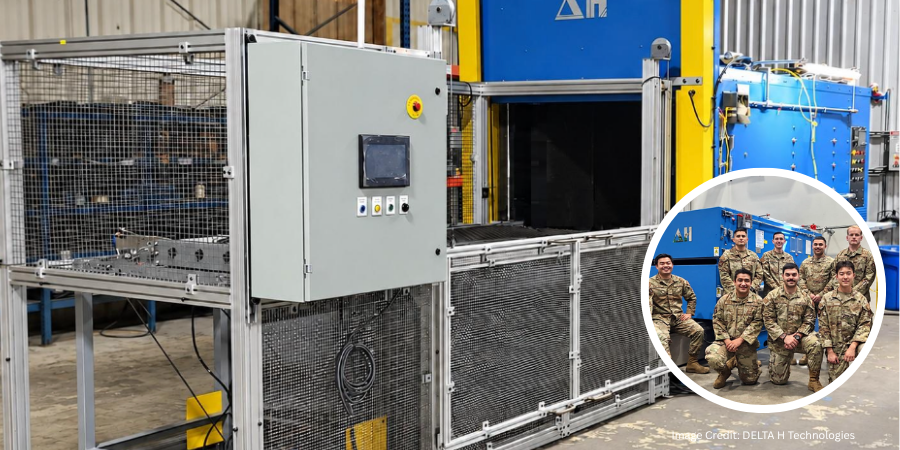
DELTA H Technologies, a Carroll, Ohio-based manufacturer of heat treating and thermal processing furnaces, has delivered multiple systems to aerospace and defense contractors, commercial aviation OEMs and MROs, and the U.S. Armed Forces throughout 2026. The deliveries include fully automated horizontal air quench furnaces as well as systems being supplied under a U.S. Air Force contract for 38 dual-chamber aerospace heat treating furnaces.
Among the commercial systems delivered this year are fully automated horizontal air quenching and cooling furnaces. The systems use high-velocity cooling air and can heat treat aluminum to AQ condition without the distortion normally associated with water quenching. Parts can then naturally age to T4 or be artificially aged to T6, with artificial aging performaed in the same surface chamber using the system’s aging mode.
The horizontal air quench systems include Super SCAHT furnaces with temperature uniformity survey volumes of 48 x 30 x 90 inches and 30 x 30 x 72 inches. Both operate from 200°F to 1200°F (93°C to 649°C), provide Class 1 temperature uniformity, and are fully automated.
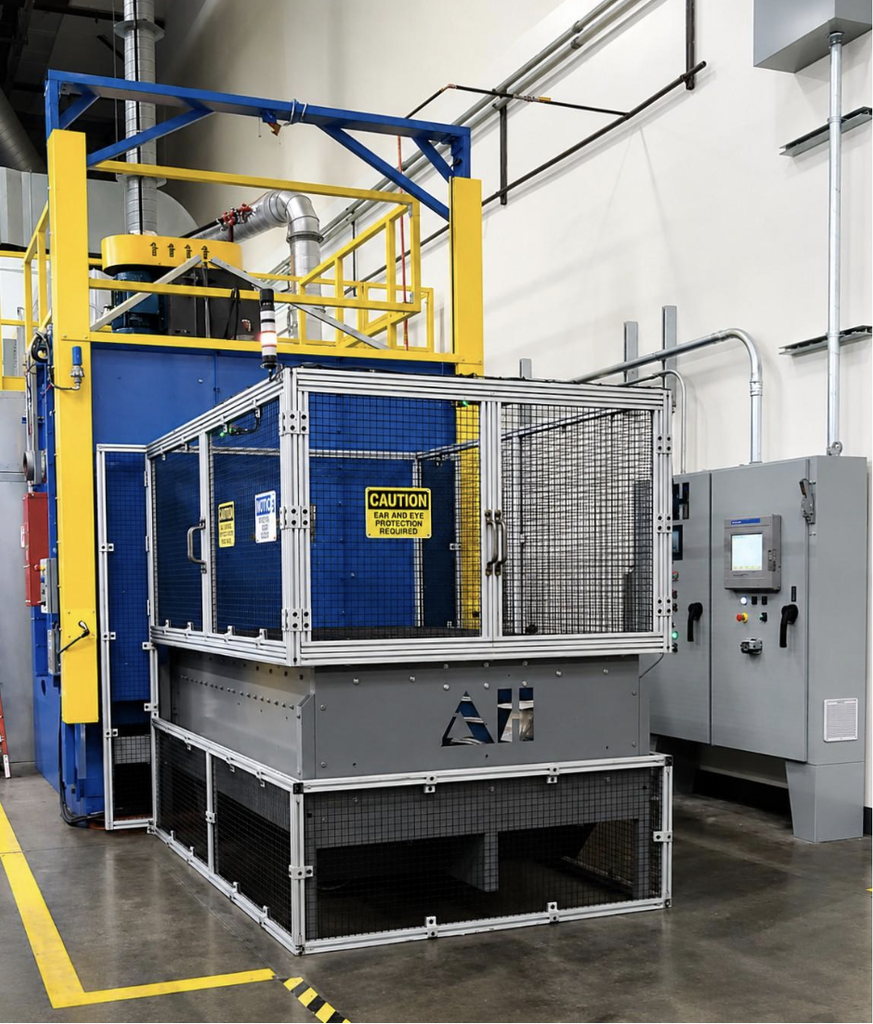
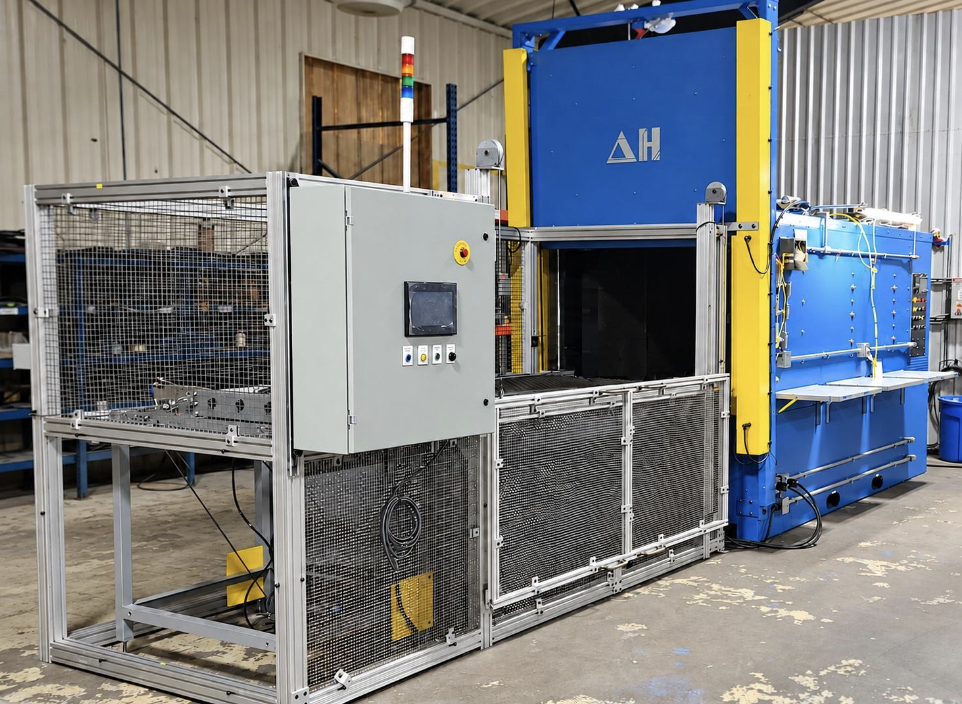
Super SCAHT® – 48 x 30 x 90 inches TUS Volume, 200°F–1200°F Ops Class 1 Uniformity, Fully Automated Horizontal Air Quench For Major A&D Contractor | Image Credit: DELTA H TechnologiesSuper SCAHT® – 30 x 30 x 72 inches TUS Volume, 200°F–1200°F Ops Class 1 Uniformity, Fully Automated Horizontal Air Quench For Major A&D Contractor | Image Credit: DELTA H Technologies
Richard Conway Director and CTO Delta H Technologies
To support its increased order volume, DELTA H said it has doubled its workforce and retooled production capacity to accommodate a larger backlog of systems in production simultaneously. The company also reported a backlog of furnace startups and preventive maintenance projects. “Upon completion of our current backlog, DELTA H will have furnaces installed in approximately 75% of the USAF bases worldwide that can perform aircraft maintenance,” said Richard Conway, director and CTO of DELTA H Technologies and a U.S. Air Force veteran.
DELTA H manufactures heat treating and thermal processing furnaces for aerospace, defense, and industrial applications, including dual-chamber and custom-engineered systems designed to meet AMS2750 and Nadcap requirements. The company also provides technical support, maintenance, and spare parts services.
Press release is available in its original form here.
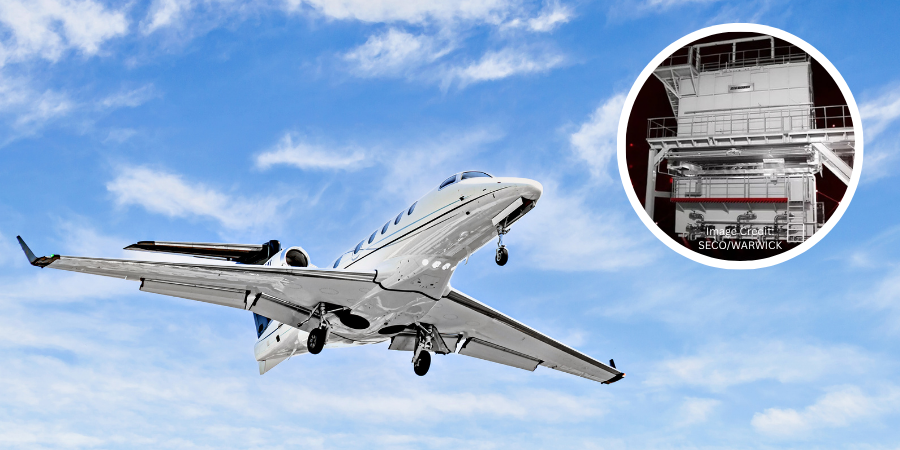
An aerospace manufacturer is adding a heat treatment line for large aluminum aircraft components, combining solution heat treatment, rapid water or polymer quenching, and artificial aging. The system is designed to process aircraft skins and structures while meeting AMS2750H and AMS2770 requirements.
SECO/WARWICK will supply the turnkey system to an Indian aviation manufacturer. The order includes an electric VertiQuench drop-bottom furnace, a mobile water and polymer quench tank, a stationary rinsing station, a chiller, loading baskets, and additional equipment. The project also covers engineering, delivery, installation, commissioning, and acceptance services.
The furnace has a working zone measuring 3,900 x 1,700 x 2,000 mm (approximately 153 x 67 x 79 in.), allowing it to accommodate large aluminum sheets and structures. The system is designed to maintain temperature uniformity of ±3°C (±5.4°F) within the useful space and can use either water or polymer for quenching. An immersion rinsing station removes residual polymer following the quench.
Arvind Agarwal Managing Director SECO/WARWICK India
For the application, the system is designed to achieve full immersion of the load in the quench tank within five seconds. The furnace’s lift system and door design move the load vertically into the quench tank positioned directly beneath the furnace. The furnace can also be used for artificial aging.
“The large working zone enables the processing of components of significant size, which is particularly important in the production of aircraft skins,” said Arvind Agarwal, managing director of SECO/WARWICK India. Agarwal added the that rapid immersion capability and reduced number of heat treatment steps are intended to improve efficiency at the manufacturer’s facility.
Press release is available in its original form here.
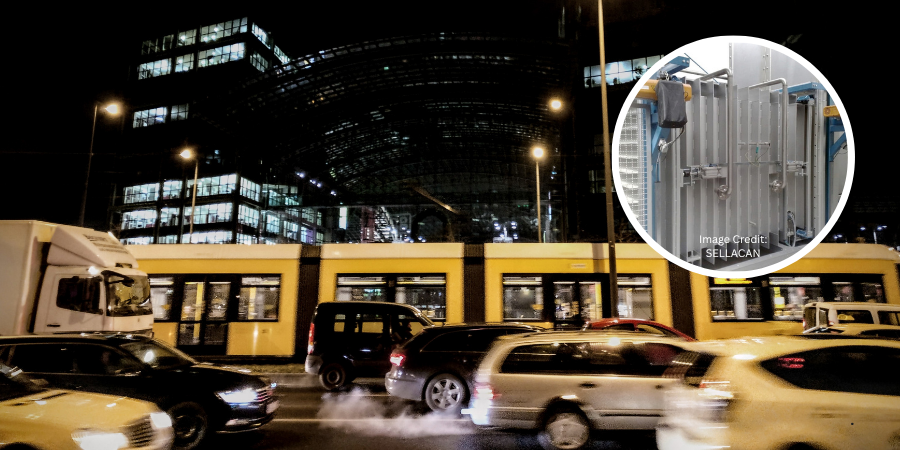
AKG Group, a manufacturer of heat exchangers and cooling systems has ordered two controlled atmosphere brazing (CAB) furnace lines to add aluminum brazing capacity for heat exchangers serving automotive, heavy equipment, energy, rail, and other industrial applications.
AKG Group operates manufacturing facilities in the United States and Mexico as part of its global production network. The company placed the order with sellacan Industrieofen GmbH, a German manufacturer of industrial furnace systems for heat treatment and brazing. The new furnace lines will be installed at AKG production sites in Brazil and China, joining sellacan CAB systems already operating at the company’s facilities in India, Mexico, and Germany.
Each CAB tower furnace system includes degreasing, drying, and preheating oven; preparation and cooling chamber; CAB brazing chamber; final air cooling; and a telescopic/sliding loading table. The systems are designed to process aluminum heat exchangers, with the ability to accommodate different core types for development work and series production.
Temperature control across as many as 10 heating zones and a controlled atmosphere provide repeatable brazing conditions. An automatic brazing rack circulation system supports the handling of different exchanger batches.
The systems also incorporate an integrated vacuum/purge process that removes residual air from inside heat exchangers and replaces it with a nitrogen atmosphere before brazing. The process reduces oxygen within components before they enter the brazing furnace and is intended for heat exchangers with complex or difficult-to-access internal channel geometries.
AKG produces heat exchangers and cooling systems for applications including passenger cars, buses, trains, agricultural and construction equipment, generators, power electronics, wind turbines, and aviation cooling systems.
Press release is available in its original form here.
A U.S.-based cooling systems manufacturer is adding in-house aluminum brazing capabilities for the production of large heat exchangers, a move designed to increase production flexibility, shorten response times to market needs, and reduce dependence on external suppliers.
Image Credit: SECO/WARWICK
SECO/WARWICK will supply its universal CAB batch furnace and supporting equipment to the manufacturer’s plant in Pennsylvania. The system will primarily be used for aluminum brazing of large plate-and-bar heat exchangers for the heavy-duty segment and aftermarket.
The new line will include the universal CAB batch furnace for aluminum brazing, a dryer, a final cooling chamber, and an external transport system. A continuous thermal degreasing furnace will also be supplied to prepare components before fluxing and brazing.
The configuration will allow the brazing process to be carried out in a controlled nitrogen atmosphere with repeatable process parameters. The system incorporates convection heating and cooling, high nitrogen atmosphere purity, temperature uniformity, and a control system designed to support heat exchanger production.
“For many heat exchanger manufacturers, investing in their own aluminum brazing capabilities means moving to an entirely new level of process control. This partner will gain technological independence, greater production flexibility, and the ability to respond faster to market needs,” said Piotr Skarbiński, vice president of the Aluminum and CAB Products Segment at SECO/WARWICK.
The furnace is designed primarily for brazing large plate-and-bar heat exchangers in the recommended vertical position. Its design also allows for brazing standard fin-and-tube heat exchangers and plate heat exchangers, giving the manufacturer the ability to process different product geometries on the same system.
The universal CAB batch furnace can also be upgraded from a batch system to a semi-continuous configuration to increase production capacity as requirements change. Supporting equipment will cover successive stages of the production process. The continuous thermal degreasing furnace will prepare components before fluxing, while the dryer will prepare the load before brazing. The final cooling chamber will stabilize the final stage of the process, and the external transport system will move products between stages of hte line.
The contract was completed through cooperation among SECO/WARWICK’s U.S. operation, Retech, and SECO/WARWICK engineers in Poland.
Press release is available in its original form here.
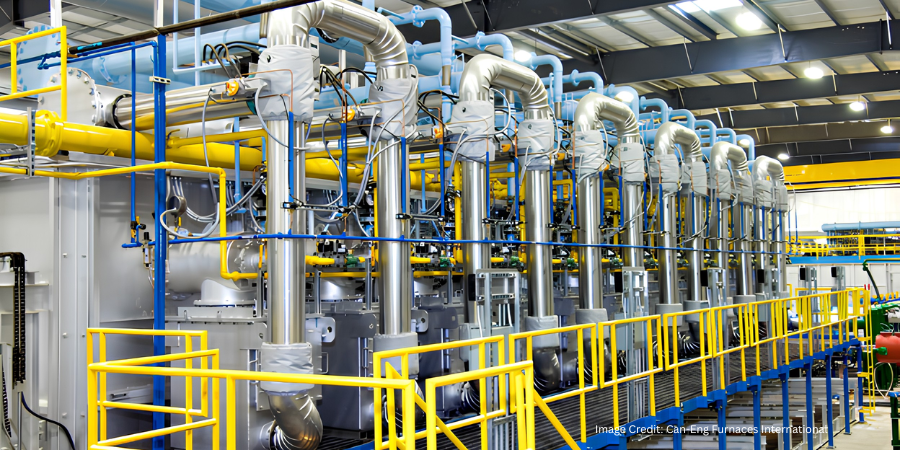
A new high-temperature austenitizing furnace system will support the production of large, heavy wear components used in ground-engaging equipment. Designed for consistent metallurgical performance and high production throughput, the system will provide controlled thermal processing for components operating in demanding service environments.
Can-Eng Furnaces International Ltd., an Ontario-based supplier of thermal processing systems, has been awarded the contract to design and supply the plate-processing furnace system.
The furnace uses an air-cooled walking-beam design and can accommodate plates up to 8 feet (2.44 meters) wide. The configuration is designed to minimize product distortion while providing material handling throughout the heat treatment cycle. Waste heat recovered from the furnace can also be used as part of the building’s heating system.
Thermal input is supplied through direct-fired auto-recuperative burners, providing heat transfer while reducing fuel consumption. Furnace combustion, process control, and walking-beam motion are integrated through a Siemens S7-1500F programmable logic controller (PLC).
The project builds on Can-Eng’s more than 60 years of experience designing and manufacturing walking-beam furnace systems for applications requiring consistent metallurgical performance and long-term operating reliability.
Press release is available in its original form here.
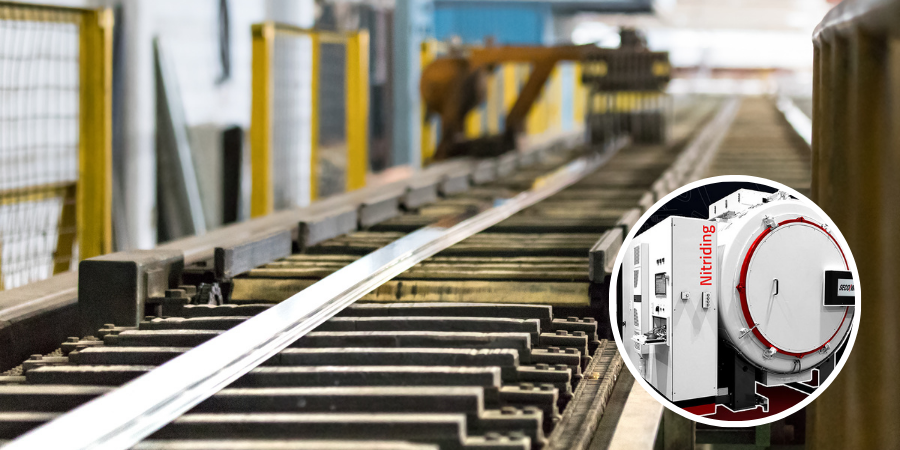
An aluminum profile manufacturer has ordered a gas nitriding furnace to treat extrusion dies, improving their wear resistance and extending service life. The investment will support production stability and finished profile quality.
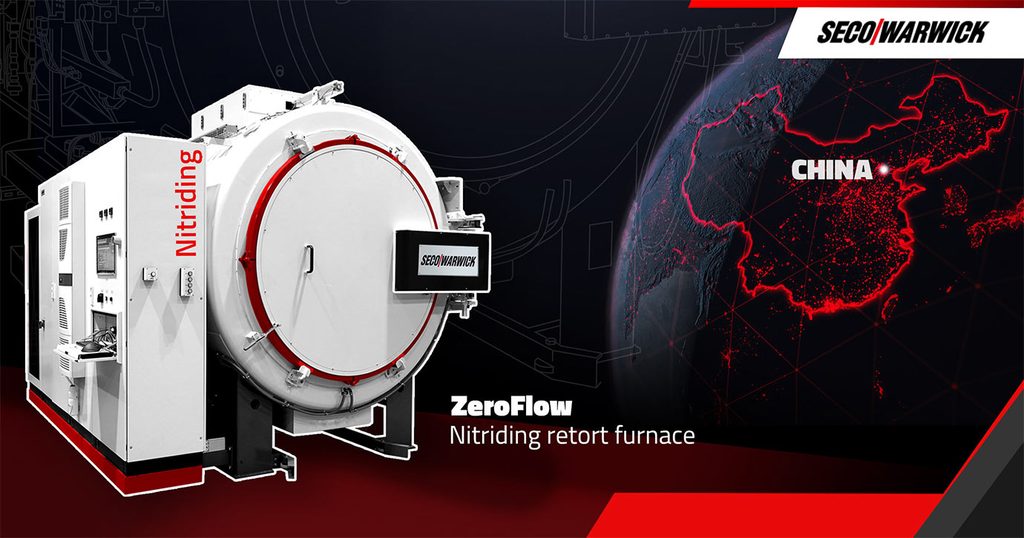
SECO/WARWICK, a global supplier of heat treating equipment with operations in North America, will supply the furnace, equipped with its ZeroFlow controlled gas nitriding technology.
Image Credit: SECO/WARWICK
The furnace will measure approximately 40 x 40 x 60 in (1,000 x 1,000 x 1,500 mm), accommodate a maximum gross load of approximately 5,500 lb (2,500 kg), and provide temperature uniformity of ±9°F (±5°C). The technology controls the structure and properties of the nitrided layer while reducing process gas consumption and post-cycle emissions.
The purchase supports the development of a new production site in Shenyang, Liaoning Province, China. The manufacturer selected the supplier after comparing available equipment and evaluating ten years of performance from its existing SECO/WARWICK furnace.
The equipment will be the largest nitriding furnace of this type delivered by SECO/WARWICK China. The project combines local manufacturing with support from the group’s European headquarters, with both teams responsible for design, manufacturing, commissioning, and operational support.
Press release is available in its original form here.
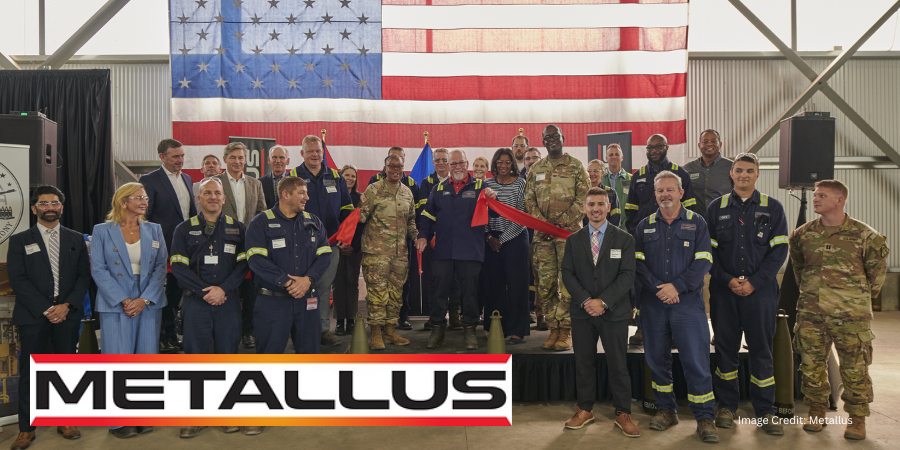
Metallus, a U.S. specialty steel manufacturer, has commissioned a bloom reheat furnace, roller furnace, and supporting equipment at its Gambrinus facility in Canton, Ohio, to expand production capabilities for critical defense materials.
The investment was supported by the U.S. Army’s nearly $100 million funding commitment, along with workforce and economic development support from JobsOhio. The new assets are expected to improve operational efficiency, product quality, and manufacturing flexibility while supporting efforts to strengthen the domestic munitions supply chain.
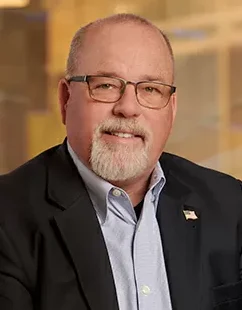
Mike Williams Chief Executive Officer Metallus
“These investments strengthen our ability to support the Army’s efforts to increase munitions production, enhance our manufacturing capabilities, and help build a more resilient domestic supply chain for materials that are critical to our nation’s security,” said Mike Williams, chief executive officer of Metallus.
Metallus has supplied specialty steel for U.S. Army artillery and mortar shell applications for more than 30 years. The company manufactures alloy steel bars, seamless mechanical tubing, and manufactured components for the industrial, automotive, aerospace and defense, and energy markets.
Representatives from Metallus, the U.S. Army, regional economic development organizations, and government offices marked the commissioning with a ribbon-cutting ceremony and tours of the new equipment.
Press release is available in its original form here.
Ninety years is a remarkable milestone for any company. In the heat treating industry, where technologies, markets, and client expectations have continually evolved, reaching that anniversary requires more than longevity — it requires adaptability.
For W.H. Kay Company, that adaptability has been the defining characteristic since William Henry Kay founded the company in 1936, during the final years of the Great Depression. What began as a Cleveland-based manufacturer’s representative for Eclipse Combustion Equipment has grown into a company recognized throughout North America for combustion systems, used heat treating equipment, and practical process solutions.
Along the way, W.H. Kay has come to describe itself as “The Elder Statesman of Used Ovens and Treating Furnaces” — a moniker that reflects both the longevity of the business and the used-equipment specialty it developed over decades.
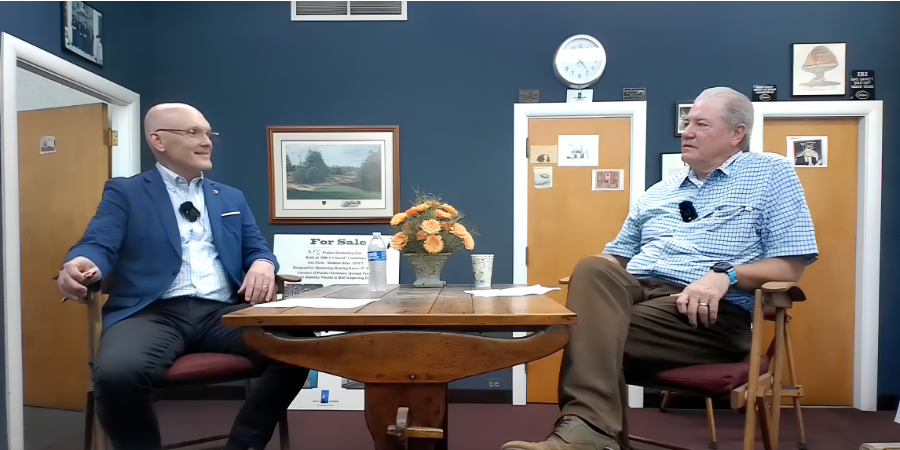
Doug Glenn, publisher of Heat TreatToday (left), sat down with Michael Kay, president of W.H. Kay (right), about the company’s 90-year journey — from its beginnings as a combustion equipment representative to becoming a trusted resource for industrial thermal processing solutions. | Image Credit: Heat TreatToday
Today, under the leadership of third-generation owner Michael Kay, the company continues to serve commercial heat treaters and manufacturers while maintaining a relationship with Eclipse — now part of Honeywell — that has lasted since the day the company opened its doors.
“It’s amazing,” Kay said. “We’ve represented Eclipse since 1936.”
From Representation to Reinvention
W.H. Kay’s history reflects many of the changes that have shaped industrial thermal processing over the past nine decades.
William Henry Kay, Michael Kay’s grandfather, represented Eclipse Burners and Furnaces throughout northern Ohio. When Eclipse phased out of furnace manufacturing, Michael Kay’s father, Frank, and uncle, Bill, continued serving longtime clients who wanted additional furnaces like the Eclipse equipment they already operated. Using existing furnace prints, W.H. Kay had units fabricated to meet those clients’ needs.
That work eventually opened another avenue for the company as clients purchasing new equipment began asking what to do with their existing furnaces. W.H. Kay started accepting equipment on trade and finding new buyers for it, gradually establishing the used-equipment business that remains a significant part of the company today.
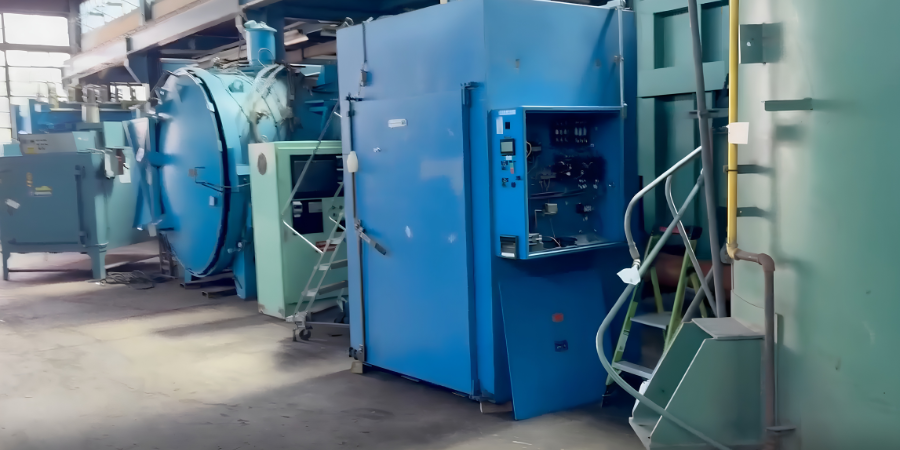
A variety of equipment at the W.H. Kay facility | Image Credit: Heat TreatToday
Today, the company’s Solon, Ohio, warehouse houses hundreds of pieces of equipment ranging from tempering ovens and pit furnaces to vacuum furnaces, integral quench systems, atmosphere generators, and ancillary processing equipment.
The Value of Staying Close to the Client
Although W.H. Kay still supplies combustion products and represents JPW Industrial Ovens & Furnaces, Kay believes the company’s success has never been about simply selling products. “If you’re just taking orders, you’re kind of in trouble,” he said. “You’ve got to be proactive.”
That approach extends to how the company works with clients, beginning with an understanding of the application rather than simply supplying the equipment initially requested. A client inquiring about a 1600°F furnace, for example, may actually be operating at only 900°F — a distinction that can point to an entirely different equipment solution. “You’ve got to listen,” he said. “What they’re asking for might not be what they actually need.”
The willingness to listen can remain valuable long after the initial sale. Kay recalled a recent call from a client who had purchased a furnace seven years earlier, and, no longer needing it, approached the company about buying it back. Other clients contact the company when they need something larger or have equipment they no longer use. For W.H. Kay, responding to those changing needs has made used equipment more than an inventory business; it has become another way to provide clients with options.
Providing a used-equipment option does not, in Kay’s experience, come at the expense of new furnace sales. Over his four decades in the industry, he said, clients who intend to purchase new equipment generally do so, while those considering used equipment often have a different set of requirements. “In the course of 40 years, I’ve never seen a used [furnace] take over a new account,” he said. “If people are buying new, they’re buying new. If they’re buying used, they’re buying used.” Instead, he sees used equipment as another way to help clients solve a problem.
If a manufacturer needs an oven immediately rather than waiting several months for a new build, used equipment can provide an option that better fits the client’s timeline. “We could quote him a new one in 16 weeks,” Kay said. “Or we could have one in four days.” With hundreds of pieces of equipment in its Solon warehouse, the company can sometimes match a client’s requirements with a unit already in inventory, providing an alternative when lead time is as important as the equipment itself.
Understanding those circumstances requires more than waiting for an inquiry. It also means getting out of the office and spending time with clients. “You’ve got to get in the flow,” he said.
Whether checking on a furnace sold years earlier or simply stopping in to ask how things are going, those visits help the company stay aware of how clients’ operations and equipment needs are changing. A conversation might reveal a furnace the client no longer uses, a need for something larger, or anther equipment requirement that W.H. Kay can help address.
“My father used to say you can waste a lot of time coming into the office every day,” Kay recalled. “You need to be out with [clients].”
The practice has endured even as industrial sales have changed around it. Kay remembers beginning his career in 1985 carrying a substantial Eclipse product catalog on sales calls, followed by the arrival of fax machines that dramatically shortened the time required to submit and acknowledge orders. Email and the internet have transformed the process again, while the number of salespeople regularly making in-person calls has declined. “In some cases,” he said, “people tell me they haven’t seen a salesperson in six months.”
For W.H. Kay, continuing to make those visits is less about maintaining an old-fashioned sales practice than staying close to the client. The tools of industrial sales may have changed considerably over 90 years, but the company still sees listening, understanding the operation, and building rapport as essential to finding the right solution.
Listening before selling, understanding the application, and building long-term relationships have remained central to the company as the business has weathered changing technologies, shifting markets, and multiple generations of industrial manufacturing.
Creating Your Own Good Luck
W.H. Kay’s nine decades have included more than changes in how equipment is bought and sold. The applications themselves continue to evolve.
Kay has seen growing activity around aluminum heat treatment, including aging and drop-bottom furnace applications, as manufacturers pursue lighter materials. The company has also supplied ovens for composite curing and other lower-temperature processes. Additive manufacturing presents another evolving area; even when parts are produced through 3D printing, Kay noted, thermal processes such as stress relieving can remain necessary.
Through those changes, Kay expects industrial heating and thermal processing to continue finding applications in emerging manufacturing technologies. The greater lesson he draws from more than four decades in the business, however, is less about predicting which technology or market will come next than about remaining engaged enough to respond when it does.
Kay returned to one idea again and again: success isn’t about waiting for opportunities to arrive — it’s about putting yourself where they can happen. Whether checking in on clients, making sales calls, or simply staying engaged with the industry, he believes consistent effort creates its own momentum. The advice he offers today is the same philosophy that has guided his career for more than four decades.
“Create your own good luck,” Kay said. “Keep at it. Get out of the office.”
Ninety years after William Henry Kay founded the company, the equipment, technologies, and methods of doing business have changed considerably, but the philosophy remains much the same: listen to clients, stay engaged, and keep showing up. It continues to guide his company — one client visit, one solution, and one furnace at a time.
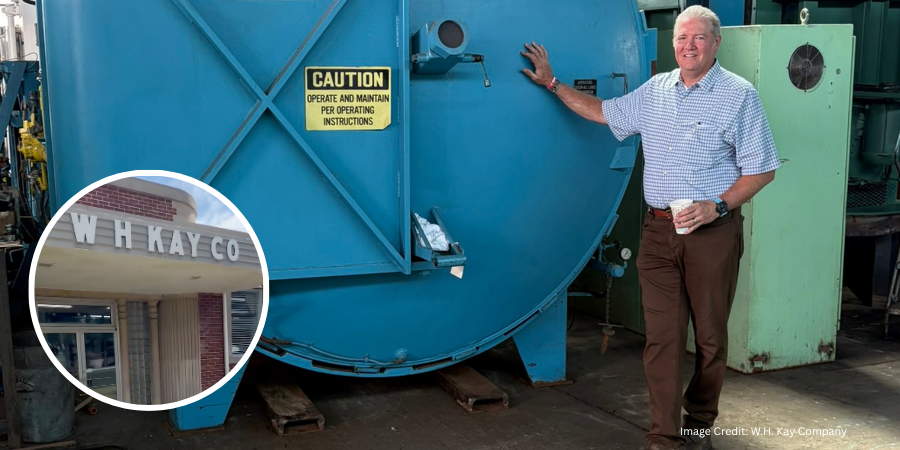
Main image shows Michael Kay posing with a vacuum furnace with a photo inset of the entrance to the W.H. Kay facility. | Image credit: W.H. Kay Company If you have any comments or queries on this article, let us know at editor@heattreattoday.com.