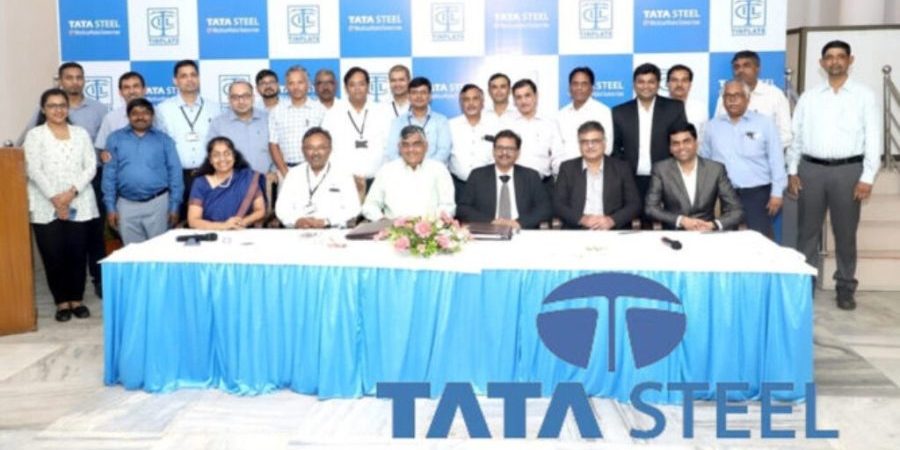
A tinplate company will receive a new order for a tinplate coating line (TCL) and tinplate double reduction mill (TDRM) from a company with North American locations specialized in sustainable thermal processing solutions for the metals and mining industries.
Giuseppe Zanzi
Chief Representative Officer of South East Asia and Oceania
Tenova
Source: Tenova
The TCL includes an independent pre-tinning section with sulfuric acid for iron control in the electrolyte solution and an advance tinplate coating control close loop to achieve the best strip coating quality and stability. The IGBT AFE rectifier technology allows for efficiency in tinplate coating which moreover allows for low electrical consumption.
The TDRM plays a key role in obtaining a combination of ultra-light strip gauge and required hardness. This mill is equipped with automatic gauge control (AGC) cylinders, an automatic flatness control (AFC) system, a roughness control system, and a dedicated reduction control for double reduced (DR) tin plate.
Giuseppe Zanzi, chief representative officer of South East Asia and Oceania at Tenova, commented, “We are very proud to have been selected as the main technological partner for Tata Group tinplate expansion. Thanks to our solutions, Tata will be able to achieve a sustainable production based on low electrical consumption and very large production capacity.”
Find heat treating products and services when you search on Heat Treat Buyers Guide.com
There’s always more to learn, and at Heat Treat Today, we strive to help you be well informed. Thanks to our Heat TreatRadio guests, we are happy to offer much more expertise on all things vacuum processing, including hardening, ion nitriding, and the stainless steel materials in vacuum furnaces.
This Technical Tuesday article was written by the Heat Treat Today Editorial Team for theNovember 2023 Vacuum Heat Treating print edition.
Heat Treat Radio #93: Why Ion Nitride? An Exploration with Gary Sharp
Contact us with your Reader Feedback!
Perhaps the most visual of all vacuum processes, ion nitriding is known for its unique purple glow, caused by nitrogen diffusing into the surface of the workpiece. Gary Sharp gives this glowing summary of ion nitriding, including the development of vacuum equipment to fit the process and special challenges like loading vacuum chambers and parts cleaning in this recent episode.
“[Ion nitriding is] a diffusion process. If you look at a piece of equipment, a hearth plate is a cathode in a DC circuit. The vessel wall is the anode, and the gas is your carrier.
“Through the transfer of energy, you bombard the part with ions and neutral atoms. They transfer their kinetic energy, and that is what actually heats up the parts. In the early years, that was the only way you could heat the parts. Later came more developed equipment.”
“Now, you have auxiliary heating in the walls, which adds some advantage but also a little more complexity in terms of keeping and maintaining a current density on the part adequate to diffuse into the metal itself. Sometimes you put it in a vessel, and you turn on the power supply. All the energy is coming from somewhere else, and you don’t actually diffuse or harden the part itself. It’s been solved, obviously, over the years.”
As Sharp further explains, some advantages of ion (or plasma) nitriding overlap with other forms of nitriding. But specific to this purple heat treatment under vacuum are its great masking abilities.
Heat Treat Radio #82: Gun Part Treatments, Turning Up the Heat with Steve Kowalski
When it comes to stainless steels for gun components, autonomy is the name of the game. Vacuum processing is “critical” in the gun part industry, says Steve Kowalski, president of Kowalski Heat Treating, for this reason of control over the part:
“With stainlesses and the various materials that we’re currently using, having high-pressure quench vacuums/high pressure quench allows for a significant amount of flexibility. We can finetune a recipe, or cycle, to achieve properties that the customer needs where it makes it repeatable.”
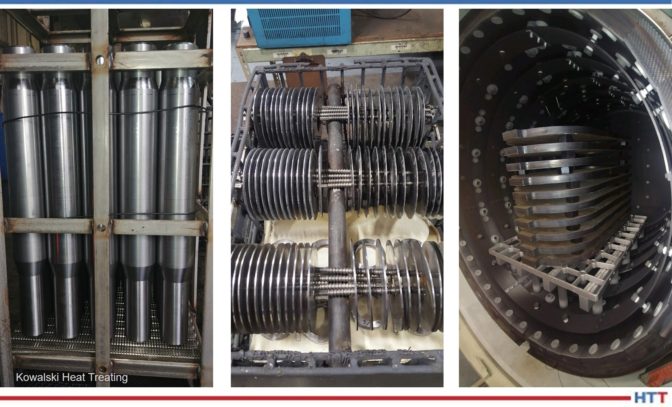
Rolls, slitter blades racked, and SS vavle seats for vacuum processing
Source: Kowalski Heat Treating
The means to reach the end of perfectly heat treated components are many, the critical step being defining the heat treat process itself. “The majority of what we process for the gun world (for the firearms world) would be either salt to salt rack austempering or marquenching, vacuum and actually plasma processing, whether it’s FNC or nitriding. We’re involved with those three areas in the gun world.” He later expands upon this list noting, “salt neutral hardening, salt hardening, and then marquenching or austempering, depending on the component.”
Heat Treat Radio #54: Metal Hardening 101 with Mark Hemsath, Part 2 of 3
“Hardening” is a broad thermal processing term that generally means increasing a material’s strength and toughness and minimizing distortion. Hardening can be done in a simple tip-up or bell furnace. So, which hardening processes require vacuum furnaces?
In addition to plasma nitriding as mentioned above, Mark Hemsath of NITREX sheds some light on carburizing as done in a vacuum furnace. He says, “Caburizing is the addition of carbon, right? So, the difference here is that when we talk low pressure . . . it’s done at a negative pressure, less so than atmosphere. We call this either low pressure carburizing or vacuum carburizing; it’s the same process. This takes place at pressures typically in the 1–15 torr range, which is about 1–20 millibar range of pressure. If you know one atmosphere is 760 torr, when we’re going down to 1–15 torr, we’re at pretty good vacuum. Just like with gas carburizing, the higher the temperature, the faster the process. What’s unique with vacuum equipment is that vacuum equipment is typically capable of going to higher temperatures which adds to the speed of carburizing.”
Unveiling the inner workings of a vacuum furnace, he adds, “Now, we didn’t discuss the design of gas carburizing furnaces that much, but typically they’re gas fired and they have radiant tubes. In the interior of the furnace, the higher temperature you go with the really nasty carburizing atmosphere, it reduces the life of those furnaces substantially, so the people that own the furnaces don’t want to go to high temperature. If you can go 100 degrees higher in temperature, like you can with the vacuum carburizing furnace, the process gets much faster. That means higher productivity.”
Find heat treating products and services when you search on Heat Treat Buyers Guide.com
A technology research institute has chosen a heat treat vacuum furnace which will support research and development in the fields of materials engineering and machine construction and operation.
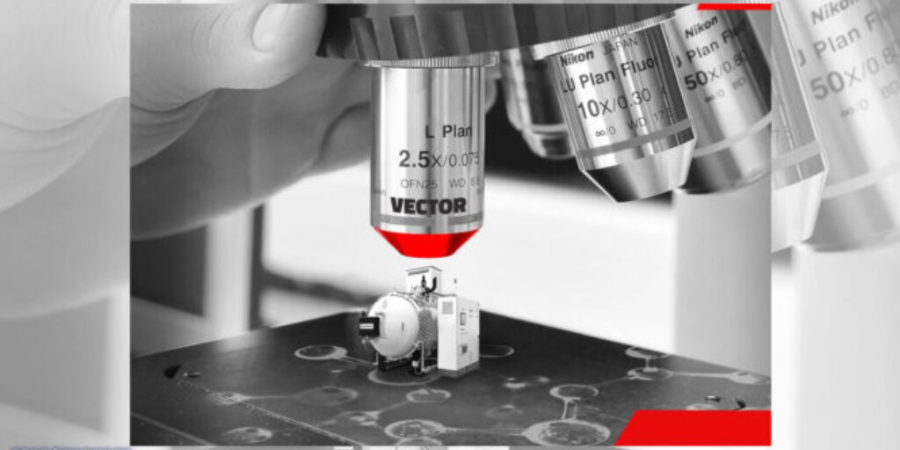
SECO/WARWICK will supply a Vector® vacuum furnace with high-pressure gas hardening and will include options for vacuum carburizing, pre-nitriding for carburizing technology, low-pressure nitriding (LPN), and low-pressure carbonitriding (LPCN).
This configuration provides precision performance in vacuum, ensuring steel detail surfaces are protected, and the ability to carry out hardening processes through the use of high cooling gas pressures (15 bar).
The small vacuum furnace will have a working space of 400x400x600 mm. With a round heating chamber, the furnace, despite its small size, can be used to test and perform research on many sizes of parts including work with large dimensions.
Says Sławomir Woźniak, CEO of the SECO/WARWICK Group, "We cooperate with scientific institutions all over the world because we are aware that industry development depends on their work. Many groundbreaking discoveries have already been made, but I am sure that many more are yet to come."
The R&D institute deals with methods of refining metal products by increasing their corrosion resistance and increasing mechanical properties, especially fatigue strength and resistance to wear in friction processes. The technological institute strives to disseminate and apply in practice the results of scientific research and development work, develops new technologies, and conducts service activities.
Find heat treating products and services when you search on Heat Treat Buyers Guide.com
A U.S.-based heat treat furnace manufacturer has joined in a coalition to increase awareness of the American-made battery machinery supply chain, encourage battery facilities to buy American-made products, and strengthen the buildout of machinery and machinist capacity across the nation.
While attention has historically fallen on securing supply chains for minerals and battery materials, the machinery that builds these batteries are also essential.
As U.S. manufacturers of battery machines and equipment, Abbott Furnace and others unite behind the common goal of supporting domestic manufacturing capabilities essential for U.S. battery mining, processing, and manufacturing. By showcasing the quality, reliability, and innovation inherent in American-made products, the U.S Battery Machine Builders aim to encourage more companies to invest in domestically manufactured machinery.
"We've joined forced under a shared commitment to build and strengthen the American-made battery machine and equipment sector, shape the policy landscape and ensure federal investments recognize the critical role these U.S businesses play in meeting the needs of the growing battery production supply chain," said Bennett Resnik, a spokesperson for the US BMB and senior vice president at Venn Strategies.
Investing in the machinery that build batteries in the U.S. from the extraction of minerals, production of anode and cathode material, to the assembly of the battery itself, will encourage regional economic development, reduce dependence on products from abroad, protect national security, and help solidify status as a developer of clean energy manufacturing technologies.
Find heat treating products and services when you search on Heat Treat Buyers Guide.com
Let’s discover new tricks and old tips on how to best serve vacuum furnace systems. In this print edition, Heat Treat Today compiled top tips from experts around the industry for optimal furnace maintenance, monitoring procedures, controls, testing, and more.
This Technical Tuesday article was written by the Heat Treat Today Editorial Team for the November 2023 Vacuum Heat Treating print edition.
#1 Three in One: Control Your Vacuum Furnaces
Contact us with your Reader Feedback!
Vacuum furnaces are an essential piece of equipment for a variety of industrial applications. They operate in a controlled environment with low pressure, high temperatures, and controlled atmospheres, making them ideal for processing high-quality materials. Here are three tips to guarantee the best results:
1. Understand your furnace’s capabilities and operating parameters:
It’s crucial to know your furnace’s design and its operating parameters — temperature range, pressure range, and cycle time, to name a few. This knowledge will help you determine the optimal setpoints for your process and ensure that you stay within a safe operating range.
2. Monitor process parameters:
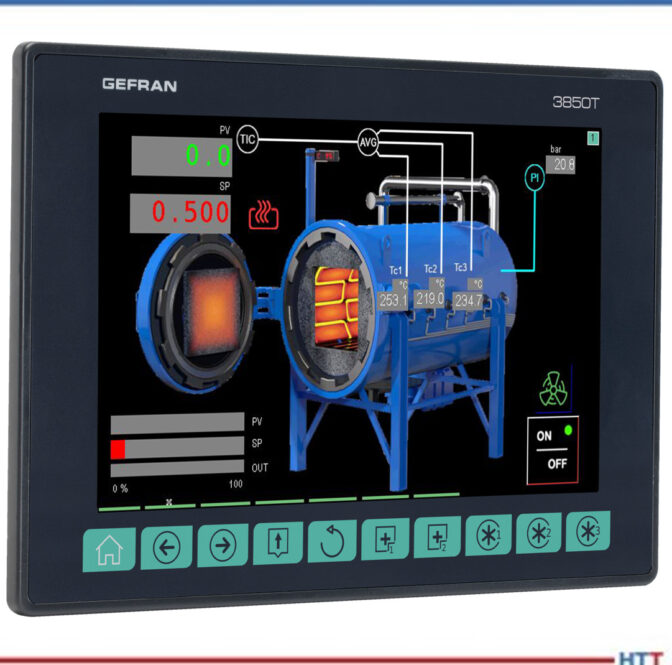
To control your furnace, you need to monitor process parameters such as temperature, pressure, gas flow rate, and vacuum level. Using an automated control system like Gefran’s power controller with ethernet communication will help ensure you maintain the desired process conditions throughout the run. You should also regularly check the accuracy and age of your thermocouples and calibrate the system if necessary.
Vacuum furnaces are complex systems, and the process can be hazardous if not done correctly. Train all personnel on proper furnace use to ensure they understand the hazards associated with the process as well as know the SOPs to ensure safe and repeatable results. Your SOPs must cover all aspects of the process, including loading and unloading the furnace, start-up, shutdown, and emergency procedures. In addition, Gefran’s power controllers offer predictive maintenance functions, such as heater diagnostics and constant temperature monitoring of the power cable connection to give you advance notice before issues develop and the line goes down.
By following these tips, vacuum furnace users will improve process control, optimize performance, and reduce energy consumption and downtime. They will also see increased productivity and improved product quality.
Seals are everywhere on any furnace. Do you know where all the seals and leak points are? Door O-rings and rope gaskets are obvious examples. O-rings need to be clean and protected from abrasion. High temperature gaskets need to be flat, smooth, and unbroken. Almost every item of your furnace is sealed in some manner. It is best to replace seals as part of a preventative maintenance program. While your nose can detect ammonia, vacuum leaks require special helium leak detectors and a lot of training. Your furnace manufacturer’s service technician can assist in identifying problem areas and developing a maintenance routine to keep your furnace running. And a simple electronic manometer is great to have handy for running leak-down tests using positive pressures. Auto supply stores sell inexpensive halogen detectors, and some people use smoke bombs to detect leaks.
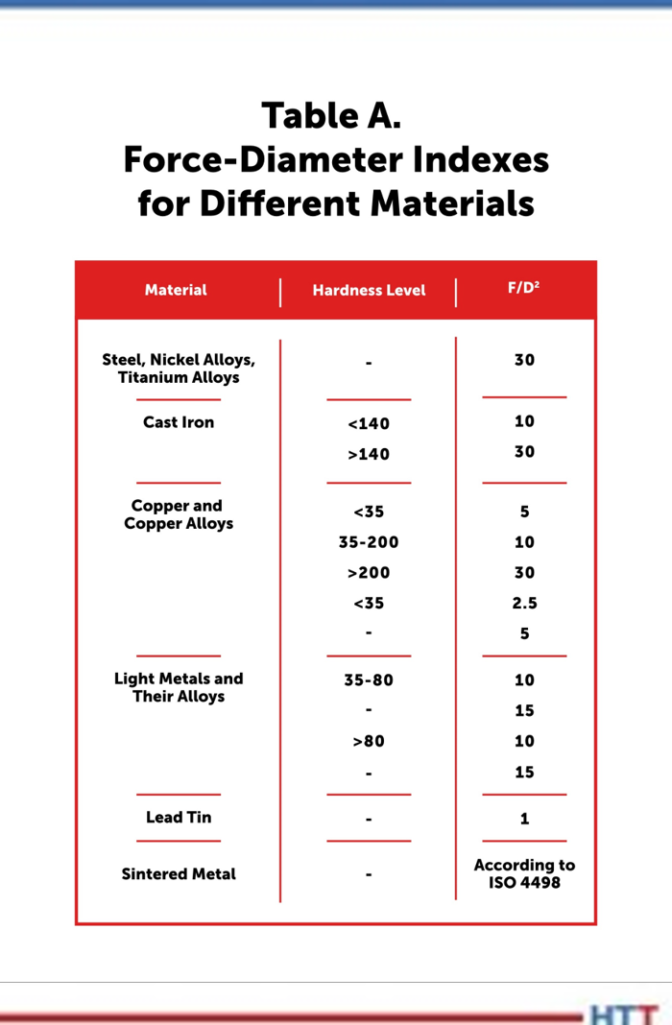
Table A. Force-diameter indexes for different materials (Source: Foundrax Engineering Products Ltd.)
Use the correct force-diameter index (F/D²) for the material being tested. Apply the test force in accordance with ISO 6506 or ASTM E10, as appropriate. While the indenter is in downward motion and in contact with the material, avoid doing anything that might create vibrations that could reach the machine. When the indenter has withdrawn, measure the resulting indentation in a minimum of two diameters perpendicular to each other and convert the mean measurement into an HBW number. Note: if using a portable Brinell hardness tester, caution should be exercised when removing the machine from the component so that the edge of the indentation is not accidentally damaged when the machine is released.
#4: Preparation Steps When Carrying Out Your Brinell Test
Make sure the test equipment is properly set up. In most instances, this involves keeping the test machine serviced and calibrated in accordance with the international standards (that’s ASTM E10 for Brinell and ASTM E18 for Rockwell) and/or the manufacturer’s instructions (whichever are the stricter) along with mounting it on a level, vibration-free surface. The absence of vibration is crucial if you’re using a lever and weight machine but still desirable for hydraulic and motor-driven types, and it is mandated by the standards.
A brief note for tests made using portable Brinell hardness testers that apply the full test load (albeit without the ability to maintain it uninterrupted for the full 10 seconds): While it might not always be possible to mount the machine on a solid and level surface, the rest of the above still applies.
If the anvil is mounted on a leadscrew, ensure that it is properly secured. Similarly, jigs should be in good condition, correctly mounted and holding the test piece securely. It is easy to become very relaxed about the amount of energy that goes into applying 3,000 kg to a 10 mm ball, but if the component shatters under the load, the results can be dramatic and, potentially, very dangerous. Don’t forget your safety boots! Also, as fingerprint residue is corrosive, gloves should always be worn.
“There are many factors to consider when thinking about the right vacuum level for vacuum brazing. Foremost among these is the ability to ‘wet’ the surface so that the braze filler metal will flow freely and be drawn into the braze joint by capillary action. To secure good wetting, the parts must be clean, the vacuum furnace well conditioned and leak free, and the proper level maintained.”
Source: Dan Herring, The Heat Treat Doctor®, Vacuum Heat Treatment, vol II, 2016 pp.283
#brazing #vacuum level #leakfree
#6: Voyaging Vacuum Furnace Maintenance
"[If] a vacuum furnace is to be moved from one location to another, a careful inspection and close monitoring of the water system should be done in the months that follow the move. Dislodged scale can clog cooling paths and create hot spots. Corrosion effects can be accelerated, and the integrity of connections can be compromised. Older equipment that has not been on a treated water system of some type is especially vulnerable.”
Source: Dan Herring, The Heat Treat Doctor®, Vacuum Heat Treatment, vol II, 2016 pp.283
#inspection #corrosion #movingequipment
Find heat treating products and services when you search on Heat Treat Buyers Guide.com
An HVAC manufacturer contracted a new controlled atmosphere brazing furnace. With this system, the company anticipates gains in both productivity and energy efficiency and reduction in their plant’s overall carbon footprint.
The contract for the system was awarded to SECO/WARWICK’s American subsidiary.
“Their manufacturing line is not a smooth, even flow of identical parts," remarked Marcus Lord, managing director at SECO/WARWICK USA, "Instead, part flow is intermittent and variable sizes. It is why we made the Active Only® CAB Furnace, to meet just such a demand.”
The operating sequence of the Active Only® CAB furnace is divided into stages, including: loading, drying in the dryer, nitrogen purging in the purging chamber, heating and brazing in a proprietary convection chamber, pre-cooling in the cooling chamber with an air-jacket, and the final direct air cooling in the final cooling chamber.
This semi-continuous furnace system will operate on a part-time basis; it will also allow for variable heating and cooling rates, depending on indexing times. Additionally, the furnace can braze the widest variety of heat exchangers when lower total production requirements are needed.
Find heat treating products and services when you search on Heat Treat Buyers Guide.com
Heat TreatToday will take a break from publishing on Thursday and Friday, November 23 and 24. We will be celebrating the Thanksgiving (U.S.) holiday with our loved ones. Come Monday, November 27, look for the latest edition of Heat TreatDaily in your inboxes.
We are always grateful for you, our readers! We will take this week in particular to thank you for your commitment and passion in the heat treat industry. Thank you for your involvement with us. We work hard to provide you with material that helps support our mission: "We believe people are happier and make better decisions when they are well informed."
God bless each and every one of you, and enjoy the holiday this week.
A gas-fired exothermic atmosphere generator has been shipped for the manufacturing industry.
The HYEX exothermic atmosphere generator from Lindberg/MPH features an energy efficient design that provides reliable and economic operation. The maximum exothermic gas output for this generator is 8,000 feet cubed (ft³) per hour.
The combustion chamber is a reinforced, water jacketed, steel shell that is insulated with a high temperature refractory lining and uses a variable ratio tunnel main burner. The chamber includes UV flame detection and peep sight so the operator can observe the operation of the main burner. In the event of a backfire, a fire-check at the burner inlet will automatically block the mixture line and an electrically latched manual reset valve in the gas inlet line will shut down the generator in the event of low gas pressure, high gas pressure, or electric failure.
Said Kelley Shreve, general manager at Lindberg/MPH, “The HYEX generator design allows for varying air/gas ratios to create atmospheres specific to your process."
Find heat treating products and services when you search on Heat Treat Buyers Guide.com
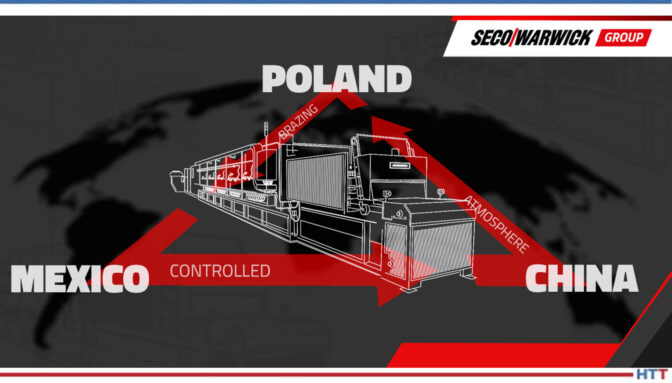
A Scandinavian manufacturer of heat exchangers has purchased two CAB lines, which will be delivered to factories in Mexico and Poland. They will be used for brazing heat exchangers for trucks and buses as well as power generators. The deliveries will be synchronized to arrive to the factories in the same timeframe.
The order is being carried out bySECO/WARWICKGroup’s Chinese branch. This partner has been operating globally since 2016, offering large-size heat exchangers for buses and trucks. The CAB lines on order meet the protective Nocolok® atmosphere aluminum brazing technology requirements.
Said Piotr Skarbiński, vice president of the Aluminum and CAB Products Segment at SECO/WARWICK, “This is a unique project for us, as we have sold two furnaces with the same delivery date to one customer at two different locations. It will be a logistical challenge overseen by SECO/WARWICK China.”
Find heat treating products and services when you search on Heat Treat Buyers Guide.com
Welcome toHeat Treat Today’s This Week in Heat Treat Social Media. As you know, there is so much content available on the web that it’s next to impossible to sift through all of the articles and posts that flood our inboxes and notifications on a daily basis. So, Heat Treat Today is here to bring you the latest in compelling, inspiring, and entertaining heat treat news from the different social media venues that you’ve just got to see and read!
This week, we check out what’s going on in the heat treat community (in person and afar), explore innovations in the automotive and aerospace industries, tune into a conversation on hydrogen combustion, and watch a seasonally-themed aluminum processing video.
Check out this news from Toyota, in which a gigacasting prototype built a third of a car body in three minutes. This technology has the potential to cut out hours of labor normally involved in the car-making process. Be sure to check out the video for an in-depth look into this innovative work. Read more here.
You can’t read everything, we get it. So how’s about you listen/watch/read this ONE epic podcast? Yes? Perfect. Tune in to give a listen to this highly informative exploration of the future of hydrogen combustion. Click here to see the episode.
5. Autumnal Happenings
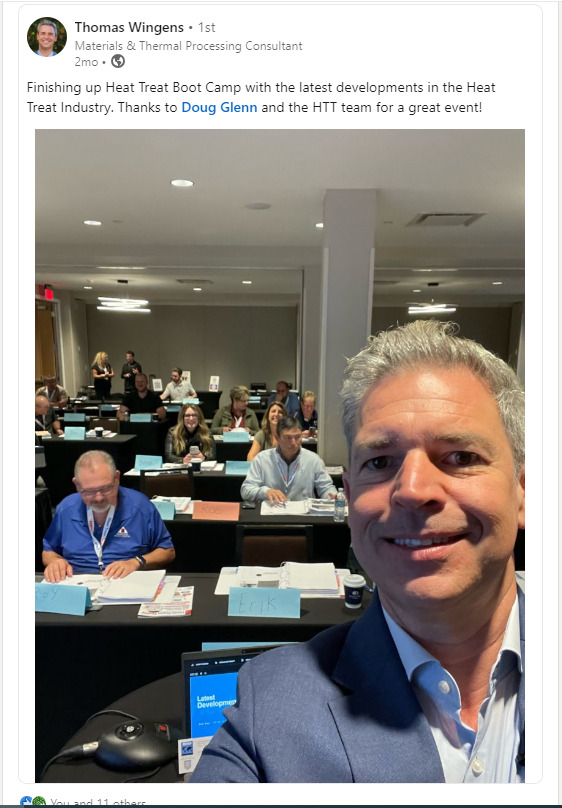
Breeze through the “goings on” of heat treaters from this fall. From Heat Treat Boot Camp, to the ASM Heat Treat show, to supporting breast cancer, heat treaters were on the move and in the news this season!
‘Tis the season . . . . and what if we told you that you could pair your favorite seasonal beverage with your passion for heat treating? Grab your PSL and enjoy this clever video!