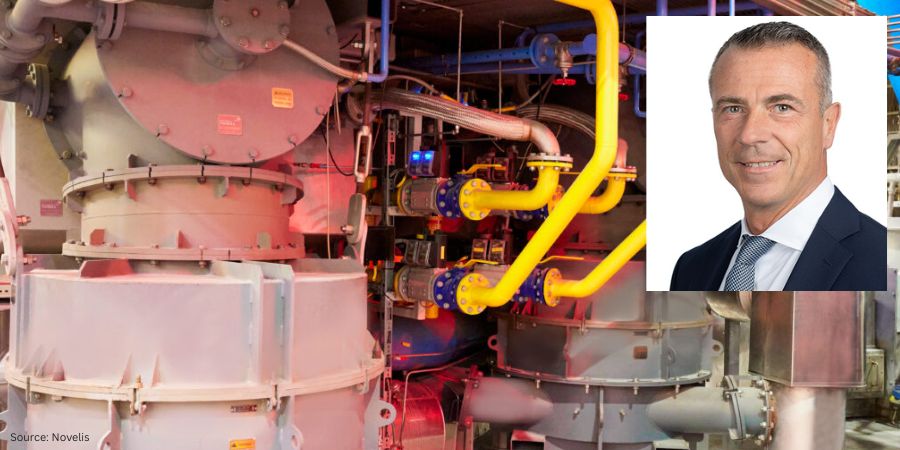
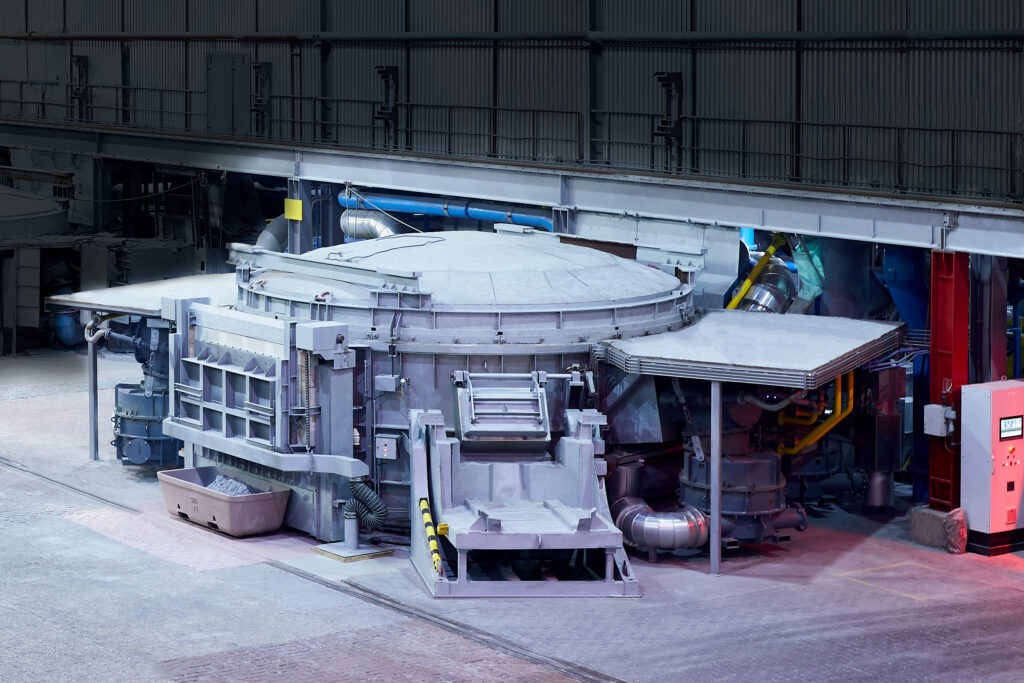
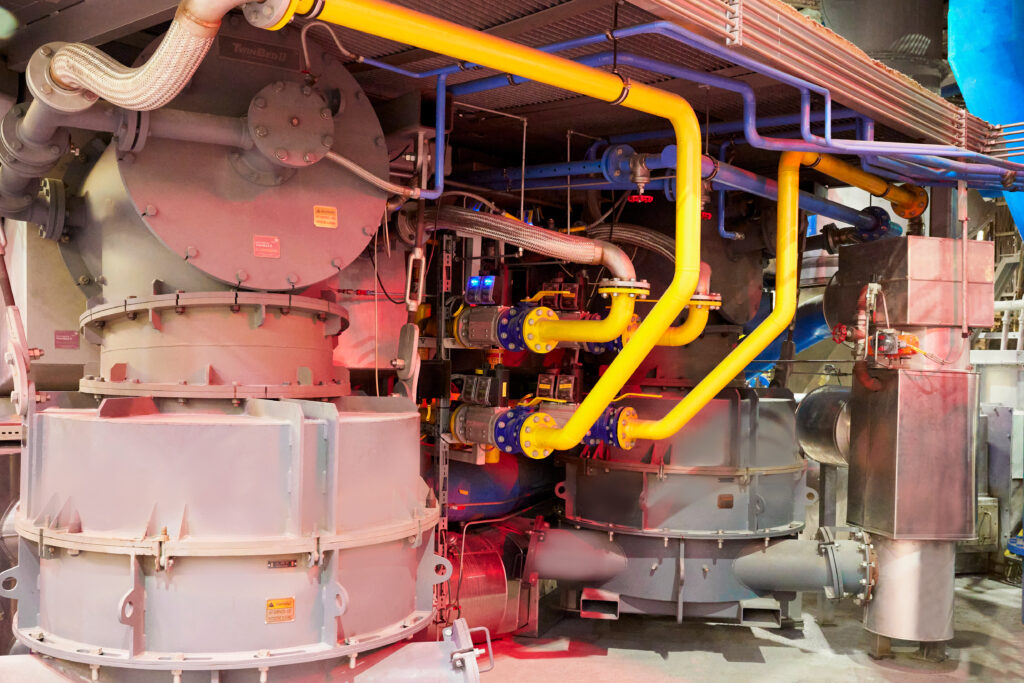
Three aluminum melting furnaces at a Novelis site have been updated to achieve a more than 40% reduction in carbon footprint and significantly lower gas consumption. This project marks an important step forward in the decarbonization of industrial processes.
The upgrade includes Fives’ North American® regenerative technology. The North American TwinBed® II burners, manufactured by the supplier, are recognized for their energy efficiency and low emissions. From engineering and design to commissioning, the project was fully managed by Fives’ North American Combustion’s teams based in Bilbao, Spain.
Aluminum melting furnaces updated for environmental impact (Source: Novelis)Novelis and Fives upgrade three furnaces (Source: Novelis)Emilio Braghi, Executive Vice President and President Novelis Europe
Source: Novelis
This joint initiative in Voerde, Germany, by Novelis and Fives highlights the shared commitment to sustainability and innovation. The 40% reduction in carbon footprint is based on gas consumption compared to pre-upgrade levels measured in mid-2023 at the Voerde casthouse.
“Sustainability is at the core of Novelis’ business model,” said Emilio Braghi, executive vice president and president of Novelis Europe. “With our company vision, Novelis 3×30, we’ve set ambitious goals to advance circularity and decarbonization by 2030. The upgrade of our three melting furnaces represents a practical advancement in reducing our environmental footprint and improving operational efficiency.”
“This project represents a new milestone in our long-standing collaboration with Novelis, which began nearly two decades ago,” added Pablo Arribalzaga, managing director for Europe at Fives North American Combustion. “We are proud to support Novelis’ sustainability journey with high-performance, low-emission combustion solutions tailored to their operations.”
Press release is available in its original form here.
A U.S. Air Forcecontract has been awarded for 38 advanced aerospace heat treating furnaces. The furnaces will enhance mission-critical aircraft maintenance capabilities at bases across the United States and overseas.
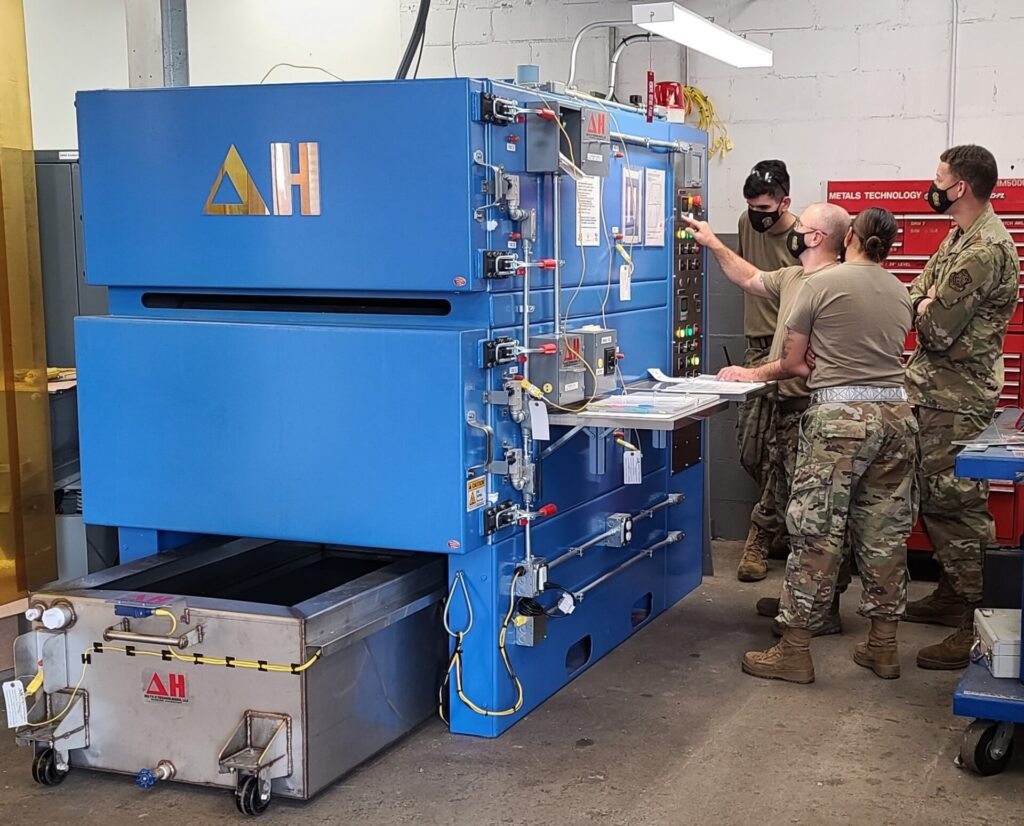
Phillips Corporation Federal Division and DELTA H® Technologies will provide the furnaces. Of the 38 are 13 Model DCAHT®-181248-1200/500-MIL units and 25 Defender Series Model DEF-DC-RH-242436/1200-CH-242436/1200 units. Deliveries are scheduled over the next year to provide the USAF with heat treating capacity for aviation-grade metals to meet AMS2750H compliance and NAVAIR TO 1-1A-9 standards.
“Phillips Federal is honored to support the U.S. Air Force through this partnership,” said Kelley Padham, president of Phillips Corporation, Federal Division. “Our collaboration with DELTA H Technologies continues to expand the boundaries of advanced manufacturing for the Department of Defense — empowering readiness, resilience, and rapid innovation wherever our warfighters serve.”
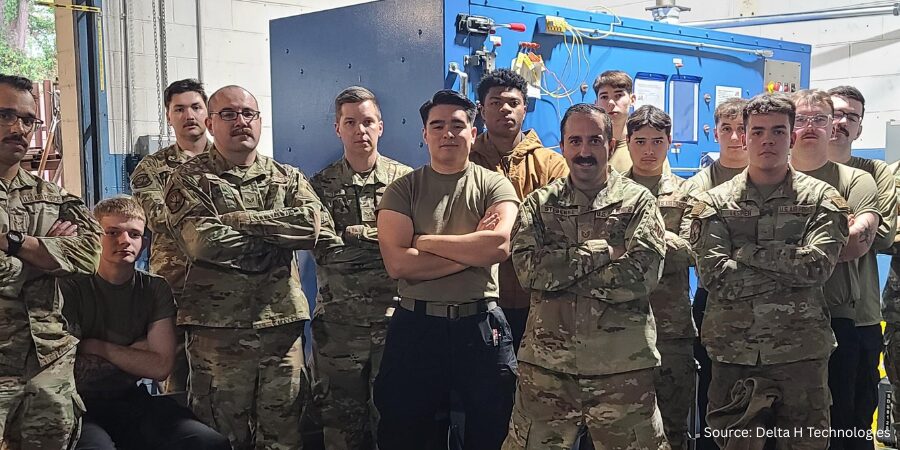
Service member team working with new Delta H furnace Source: Delta H Technologies
Richard Conway, director and CTO of DELTA H Technologies and a U.S. Air Force veteran, added: “Ten years ago, the Air Force asked us to help solve a problem. As an engineer and veteran, it became a personal mission to provide the best heat treating solutions possible. Today, knowing the USAF relies on DELTA H and Phillips Federal for this critical technology is deeply humbling.”
The DCAHT® Model has dual convection-heated chambers with certified TUS work volume at 18” W × 12” H × 48” L. The lower chamber operates to 1200°F for aluminum solution heat treating with a roll-away quench tank, and an upper chamber which operates up to 500°F for aluminum aging.
The Defender Series Model has dual TUS-certified work volumes at 24” W × 24” H × 36” L. The convection chamber operates between 200°F–1200°F with rapid cooling from 1000°F to <200°F in under 30 minutes, enabling complete solution heat treating, annealing, and aging (T6). The radiant chamber operates between 1000°F–2000°F, with inert gas atmosphere capability.
Press release is available in its original form here.
In today’s News from Abroad installment, we highlight one steel mill‘s environmental improvement efforts, an Indian aluminum plant expansion, and a self-learning furnace system for aluminum processing.
Heat TreatTodaypartners with two international publications to deliver the latest news, tech tips, and cutting-edge articles that will serve our audience — manufacturers with in-house heat treat. Furnaces International, a Quartz Business Media publication, primarily serves the English-speaking globe, and heat processing, a Vulkan-Verlag GmbH publication, serves mostly the European and Asian heat treat markets.
Tata Steel Praised for Low CO2
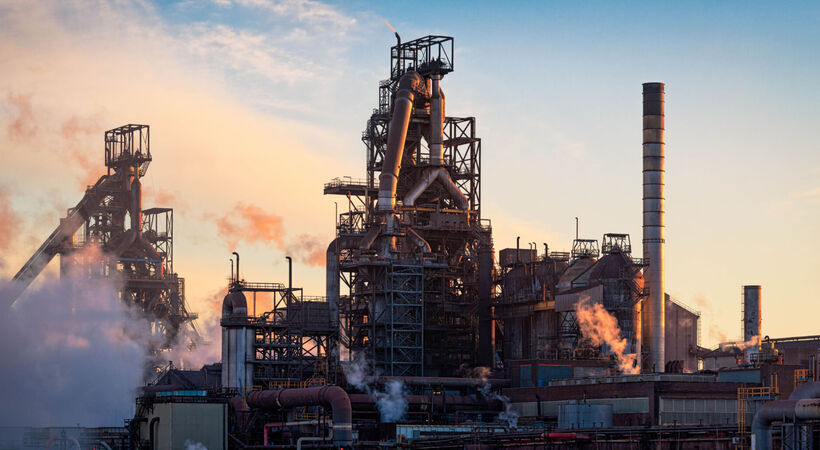
Tata Steel plant Source: Furnaces International
“Jonathan Brearley, chief executive of Ofgem, has praised Tata Steel UK’s move to low-CO₂ at its Port Talbot site. The comments were made during a visit to the site in Wales, with Brearley partaking in a tour around the premises. Brearley said: ‘Back in 2016 and 2023, most of the conversation was about electricity and gas prices and the pressure they put on the steel business. What’s inspiring today is seeing Tata Steel moving towards electric arc furnace-based steelmaking and helping to deliver a green future.’ He further highlighted Great Britain’s energy regulator’s role in enabling investment by ensuring industrial customers, like Tata, have the right conditions to transition, including fair energy pricing and strong grid connections.”
The company is exploring different energy options to meet the smelter’s power requirements. Source: Furnaces International
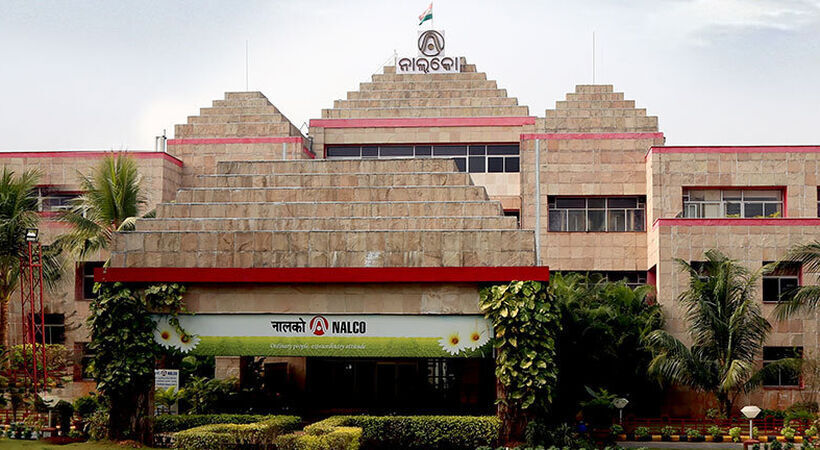
“Indian aluminium producer Nalco is continuing with its plant to expand its smelter in Angul. It will add approximately 0.5 million tonnes of capacity at the facility, with technology for the project being finalised it said. In its annual report for the year, the company said a project report with technology from the Technology Licensor is being prepared. ‘Pre-project activities have been initiated. The acquisition of requisite land through IDCO, Govt. of Odisha is underway and environmental clearance for the project is under progress.’ The company is exploring different energy options to meet the smelter’s power requirements.”
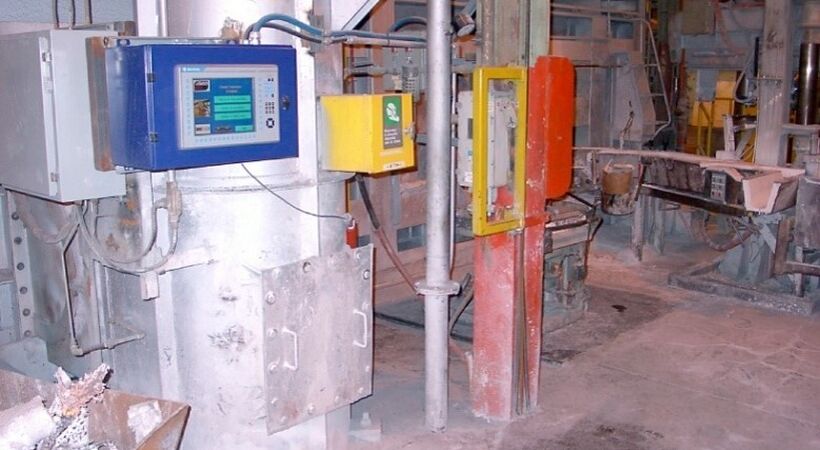
The BatchPilot has transformed casthouse operations by increasing “right first time” batching. Source: Furnaces International
“A furnace weighing system from Aluminium Casthouse Technologies (ACT) is now ‘self-learning’ to achieve higher production levels in casthouses. Knowing the correct weight of metal in the furnace is crucial to ensure slabs are consistently cast to the precise length ordered by the customer and the BatchPilot is used in casthouses worldwide to accurately measure furnace liquid metal weight. Determining exactly what is wanted aluminium and what is unwanted dross, it means casthouses don’t have to rely on visual estimates of furnace heel weight, which are unreliable. This often leads to short casts, overfilling of the furnace or potentially restricting the number of slabs cast, all hugely wasteful.”
Arconic Corporation (“Arconic” or the “Company”) will boost high purity aluminum (HPA) capacity for aerospace and defense applications at its Davenport Works plant, a facility with in-house heat treatment. The $57.5 million project has effectively doubled domestic production of high purity aluminum, a critical material to aerospace and defense applications.
Diana Perreiah Executive Vice President of Rolled Products North America Arconic Source: Arconic
The expansion is being carried out at the Davenport Works plant in Iowa and was commissioned on September 25. The project was supported by an award of $45.5 million from the U.S. Department of War in 2023, utilizing Defense Production Act (DPA) Title III authorities. The Defense Production Act Title III program supports domestic industrial capabilities essential to national security.
Diana Perreiah, executive vice president of Rolled Products North America for Arconic, said, “Arconic is honored to support American leadership in advanced manufacturing by expanding domestic production of high purity aluminum for next-generation aerospace and defense applications. This project strengthens critical supply chains and supports national defense priorities, while reinforcing our role as a trusted partner in delivering materials essential to U.S. security and competitiveness.”
With the design and installation of two new furnaces and advanced control and automation systems, the project provides the United States surge capacity for HPA production and mitigates potential risks to national security in the event of an industrial mobilization. Among the defense applications that require HPA are the bulkheads for the F-35 and advanced armor plate for the Joint Light Tactical Vehicle.
At a ribbon-cutting ceremony on September 25, distinguished guests included Iowa Governor Kim Reynolds, Lieutenant Governor Chris Cournoyer, U.S. Senator Joni Ernst, U.S. Representative Mariannette Miller-Meeks, State Representative Gary Mohr, Riverdale Mayor Anthony Heddlesten, Iowa Association of Business and Industry President Nicole Crain, and Quad Cities Chamber of Commerce president and CEO Peter Tokar III to mark the milestone of commissioning the facility.
Arconic Corporation, headquartered in Pittsburgh, Pennsylvania, is a leading provider of aluminum sheet, plate and extrusions, as well as innovative architectural products, that advance the ground transportation, aerospace, building and construction, industrial and packaging end markets. For more information, visit www.arconic.com.
Press release is available in its original form here.
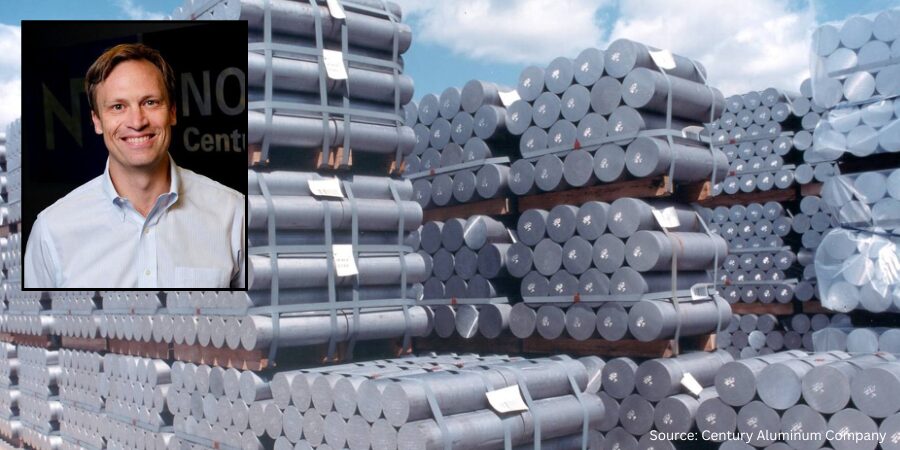
Century Aluminum Company has announced plans to restart over 50,000 mt of idled production at its Mt. Holly, SC smelter. Part of a $50 million investment, the effort will create over 100 jobs and boost U.S. domestic aluminum production by almost 10%.
Jesse Gary CEO Century Aluminum
The restart will enable the plant to achieve full production (up from current 75%) by June 30, 2026. The restart follows President Donald’s Trump’s tariffs for primary aluminum, most recently increasing the tariffs to 50% on aluminum imports without exceptions or exemptions.
“Our team stands ready to continue leading the resurgence of domestic primary aluminum, starting with bringing our Mt. Holly smelter back to full production.” said CEO of Century Aluminum Company, Jesse Gary.
The restart was made possible with the help of South Carolina Public Service Authority (Santee Cooper), Mt. Holly’s power supplier. The parties extended the current contract through 2031 to purchase the additional power necessary for the restart. The final details of the restart will be subject to a definitive agreement with Santee Cooper, along with confirmation of economic incentives provided by Berkeley County and the state of South Carolina.
Century Aluminum is an integrated producer of bauxite, alumina, and primary aluminum products. At full capacity, Mt. Holly smelter has an economic impact of over $890 million annually in the state of South Carolina. Century is the largest producer of primary aluminum in the United States, and operates production facilities in Iceland, the Netherlands, and Jamaica.
Press release is available in its original form here.
A company in advanced metal casting technologies has shipped its first commercial additive manufacturing evaporative casting (AMEC) machine to the University of Tennessee, Knoxville (UTK). The system will be installed at UTK’s manufacturing research facility, where it will support continuing education, casting research, and workforce development in next-generation manufacturing.
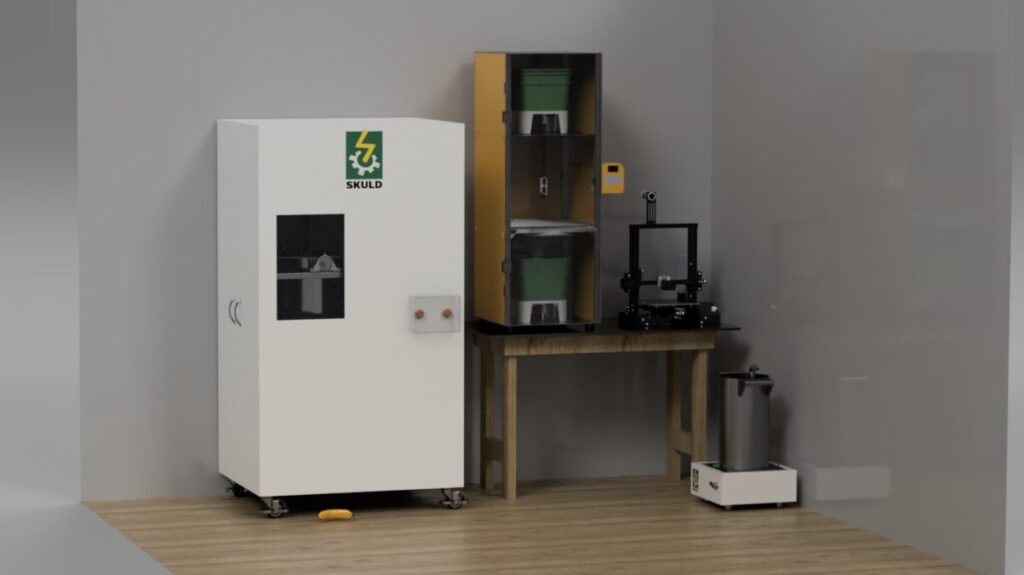
Lightning Metal LM-16 is Skuld LLC‘s flagship machine for additive manufacturing evaporative casting (AMEC). The machine is a tool-less, net-shape casting process capable of producing aerospace grade aluminum and other high-performance alloys with minimal post-processing. The system enables rapid prototyping, reduced lead times, and flexible alloy compatibility, making it ideal for both industrial and academic environments.
The Lightning Metal LM-16 AMEC machine by Skuld Source: Skuld LLCSarah Jordan Founder & CEO Skuld, LLC Source: Author
“This milestone represents…a signal that advanced casting is entering a new era,” said Sarah Jordan, co-founder and chief executive officer at Skuld. “The University of Tennessee is a national leader in manufacturing innovation, and we’re proud to support their mission with a system that bridges research and real-world application.”
Adam Penna Director, Sales and Marketing Skuld Source: Linkedin
UTK will use Lightning Metal LM-16 platform to expand its materials science curriculum, conduct applied research in casting and alloy development, and provide hands-on training for students and professionals entering the manufacturing workforce.
“This is exactly the kind of partnership we envisioned when we launched the Lightning Metal platform,” said Adam J. Penna, director of sales and marketing at Skuld. “It’s a platform that empowers innovation in evaporative casting utilizing 3D printing for improved features like edges and surfaces while also reducing the need for tooling cost…whether you’re solving supply chain challenges or training the next generation of engineers.”
The Technology
Skuld’s AMEC technology merges lost foam with polymer 3D-printing. Heating up to around 2000°F, the machine operates as an automated micro-foundry. The Lightning Metal LM-16 removes the safety issues of handling molten metal and is perfect for small, custom, one-off aluminum parts fasteners. It makes products in a 7″ cube, melting approximately 16lbs of aluminum, and can also process brass or bronze.
The machine is sized to be able to move through standard doorways and utilizes single-phase power, like a dryer plug.
The casting works by utilizing a hollow polymer shape in place of lost foam, where the molten metal vaporizes the polymer. This is a subset of the casting field called lost foam, which is a variation on lost wax investment casting, and eliminates around 90% of process steps, making for fewer costs and a faster process. The mold is insulated with a thin ceramic shell, ceramic beads, a metal container called a flask, and unbonded beads.
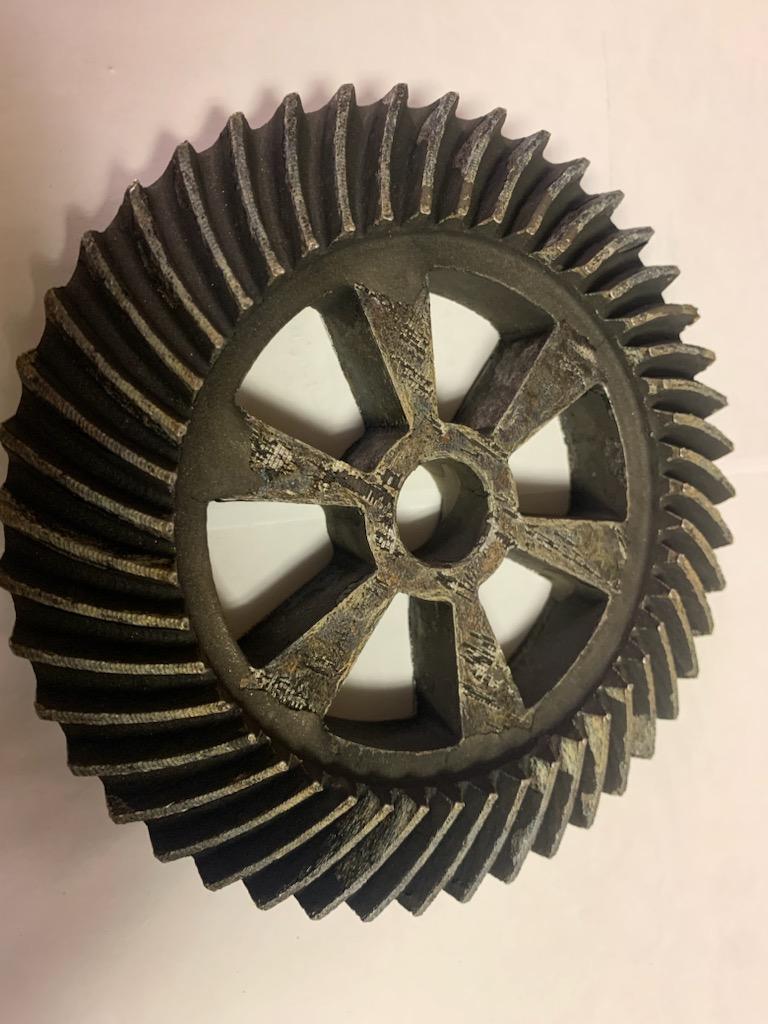
Gear produced by Lightning Metal LM-16 Source: Skuld LLCProduct of Lightning Metal LM-16 Source: Skuld LLCProduct of Lightning Metal LM-16 Source: Skuld LLC Source: Skuld LLC
Heat Treat Today asked what difficulties Skuld faced in developing this technology. The development process faced several unique hurdles, such as heat retention due its small size (compared with a large furnace), as well as crafting the machine’s automation while not allowing it to be hackable.
Applications
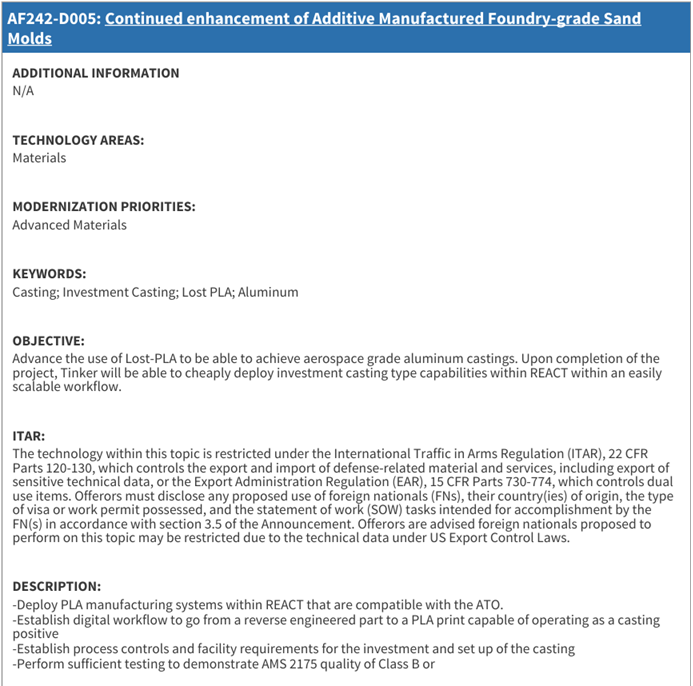
SBIR awarded to Skuld LLC Source: Skuld LLC
The Lightning Metal LM-16 is for those without an in-house foundry. It works well for replacement parts for in-house heat treatment, for example: hooks, baskets, or rollers. The machine can also produce spare parts or be utilized for prototyping pieces that can be used by higher volume machines. The Lightning Metal LM-16 operates well at around one hundred pieces per year.
The AMEC technology eliminates machining (which reducing costs for clean machining), and drives down the cost substantially associated with cooling for lost foam. The process also avoids HIPing, reducing the need for powder bed fusion parts.
The system enables reverse-engineering for discontinued items, and could be particularly applicable for heavy equipment, agriculture, compressors, and railroads.
The Lightning Metal LM-16 deployment marks a major step in Skuld’s commercialization strategy, following over $9 million in Department of Defense contracts and successful pilot programs with the U.S. Air ForceandDefense Logistics Agency. The company was recently awarded an SBIR for additive manufacturing.
For more information on this technological innovation, please contact Adam Penna at apenna@skuldllc.com.
An auto parts manufacturer headquartered in the U.S. is receiving an aluminum chip recycling preparation system. The system will be installed in the plant’s casting house to manage in-house scrap generated from the company’s bank of machining centers.
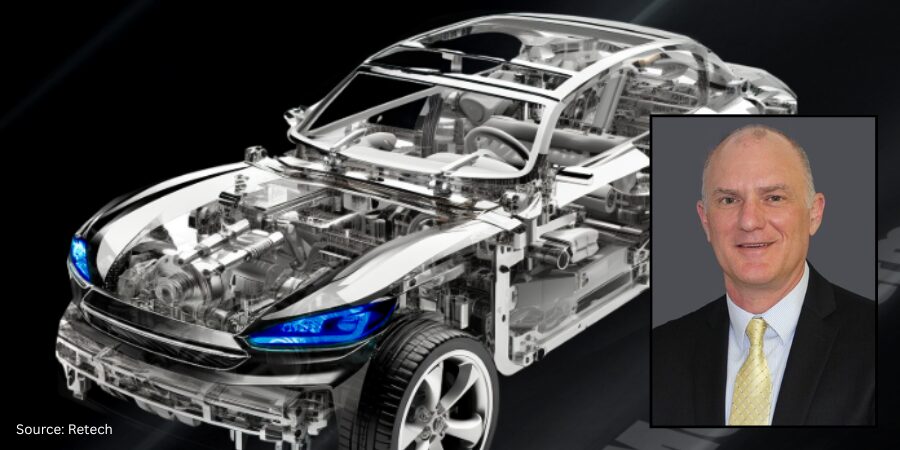
Earl Good President and Managing Director Retech
Retech, a SECO/WARWICK Group company, will provide this equipment. The chip recycling system features a patented ReMelt Thermofuge® chip dryer.
“Thanks to acquiring the ReMelt company and its know-how we can now offer specialization in material handling, waste processing, and system integration. It allows us to offer an even broader spectrum of metallurgy solutions to our customers,” said president and managing director of Retech, Earl Good.
Traditional thermal dryer systems heat the chips to temperatures that remove both the moisture and the residual oils, which generate considerable volatile organic compounds (VOCs). Alternatively, many casting houses truck their aluminum chips off-site to a 3rd party toll-melter for recycling, but all the additional handling required comes with a variety of costs as well. Retech’s new chip recycling system will only remove the moisture, leaving the oil on the chips. The oil is left to combust in the furnace’s side well, creating an oxygen depleted environment which provides a significant increase in aluminum yields.
The Thermofuge system has its own thermal oxidizer (afterburner) to mitigate any incidental fumes, but because the Thermofuge process has been classified by the EPA to be in a lower risk category compared to traditional thermal dryers, it is subject to far less strenuous regulatory compliance, oversight, and mitigation. The afterburner is equipped to recuperate its waste heat, which is reapplied to preheat the incoming materials, reducing energy consumption and emissions. A traditional thermal dryer could have an annual operating cost of $150k, while a comparable capacity Thermofuge system will cost just $45k per year to operate.
Retech will be customizing the chip dryer to work with the plant’s existing chip conveyor and coolant filtration system.
Press release is available in its original form here.
A heat treater in the U.S. Midwest anticipates greater heat treat abilities of ingots with a new gas-fired car bottom furnace. The furnace will be capable of handling both steel and aluminum ingots, with loads up to 150,000lb per cycle.
NUTEC Bickley designed the furnace to operate across a wide temperature range. The high levels of temperature uniformity to be delivered by the combustion system mean that this furnace will be qualified to undertake AMS2750 compliant surveys.
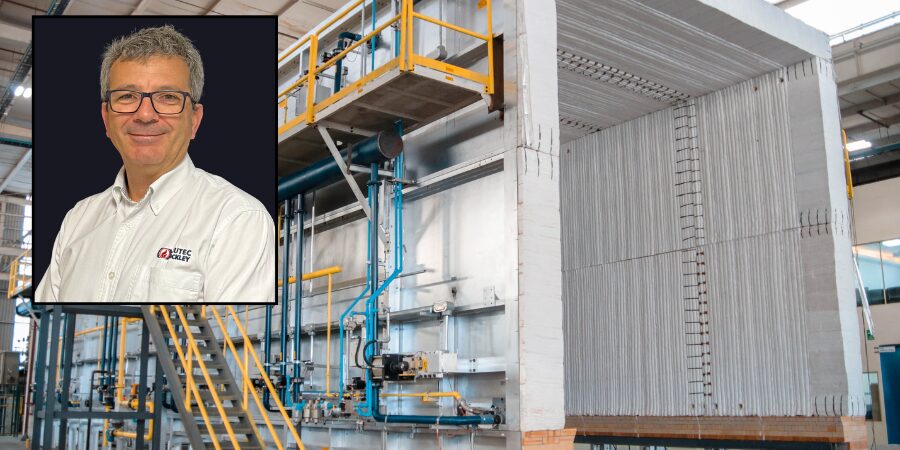
Arturo Arechavaleta, NUTEC Bickley’s vice president of Metal Furnaces, said: “Our customer for this important project has been serving the industry with a dedicated heat treat facility for many decades, and is a widely recognized and trusted name in steel and aluminum circles.”
The working dimensions of the furnace are 12ft w. by 35ft l. by 14ft 6in h. Normal operational temperatures range between 300°F (150°C) and 1650°F (900°C), with a maximum of 2000°F (1095°C). With burners firing above and below the load, there are 11 automatic control zones (five top, six bottom). The optimum approach to heat treat these heavy loads is pulse firing with variable excess air.
The furnace uses high-velocity nozzle-mix burners in a staggered configuration to fire above and below the load, maximizing heat transfer and providing optimum temperature uniformity. One of the IMPS® (Integrated Multizone Pulsing System) modes is Excess Air Firing. Among other things, it allows control over very low temperature while high turbulence is maintained to achieve temperature distribution.
In the Ratio Firing mode, the air and gas valves pulse in a synchronized pattern, from low to high fire in stoichiometric ratio, to ensure optimal fuel efficiency. This is made possible by using the kinetic energy generated by the flame speed and the rapid transition from low to high fire which increases entrainment and turbulence, thus promoting a better temperature distribution without the need for a high level of excess air.
Press release is available in its original form here.
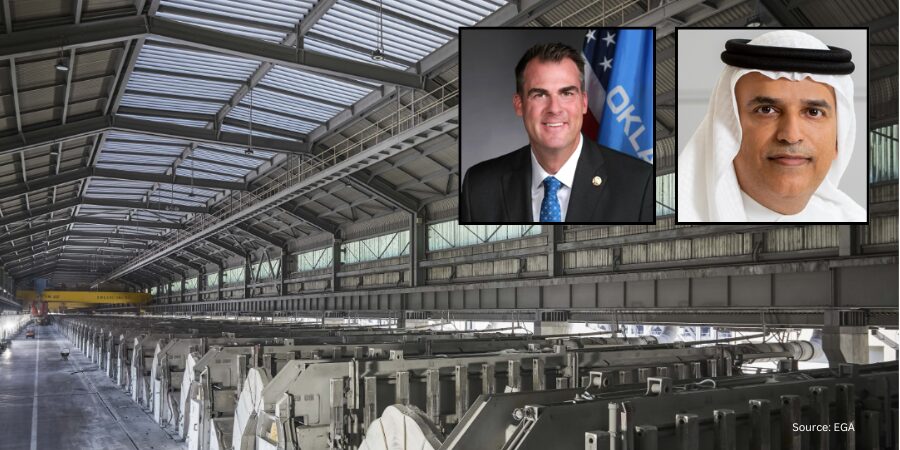
A site in Oklahoma is the planned future home of a $4-billion dollar smelting operation. The plant would have a capacity of producing 600,000 metric tons of primary aluminum each year that would nearly double current domestic output for the United States.
Governor Kevin Stitt Source: Sengov
Emirates Global Aluminiumplans to build a primary aluminum plant in the Sooner State. If all goes accordingly, the plant will create up to 1,000 new jobs, and 4,000 jobs during its construction.
The plan is currently undergoing a feasibility study, however, Emirates Global Aluminium already has aluminum operations in the United States under EGA Spectro Alloys, the manufacturer of secondary aluminum alloys.
“We want more goods to be manufactured in Oklahoma and EGA is the perfect partner,” said Oklahoma Governor Kevin Stitt. “My administration has worked closely with the company for over a year to clear the way for the first new primary aluminum production plant in the United States for more than four decades.”
“The United States has been an important market for EGA for several decades, and we know there is strong demand for our high-quality metal ‘made in America’,” stated Abdulnasser Bin Kalban, CEO of Emirates Global Aluminium.
Abdulnasser Bin Kalban CEO EGA Source: EGA
Primary aluminum is created by dissolving aluminum oxide in a cryolite solution and applying electrolysis to extract a pure metal. Securing an affordable electric power source will be a major factor in the speed at which this agreement moves forward. Primary aluminum is used in domestic automotive, energy, construction, and aerospace sectors.
If its current deadlines are met, construction would begin next year, and the plant would begin operations by 2029.
Press release is available in its original form here.
Sources
$4B Plan for First US Smelter in 45 Years. American Machinist. Accessed May 20, 2025. https://www.americanmachinist.com/news/article/55291130/4b-proposal-for-first-us-smelter-in-45-years-emirates-global-aluminium.
One of North America’s leading producers of ultra-high-purity alumina and associated products recently boosted its advanced manufacturing operations with a 50m-long electric tunnel kiln. This installation will support the company’s expansion into the production of a variety of high specification lines.
Alberto Cantú Br<> Vice President of Sales NUTEC Bickley
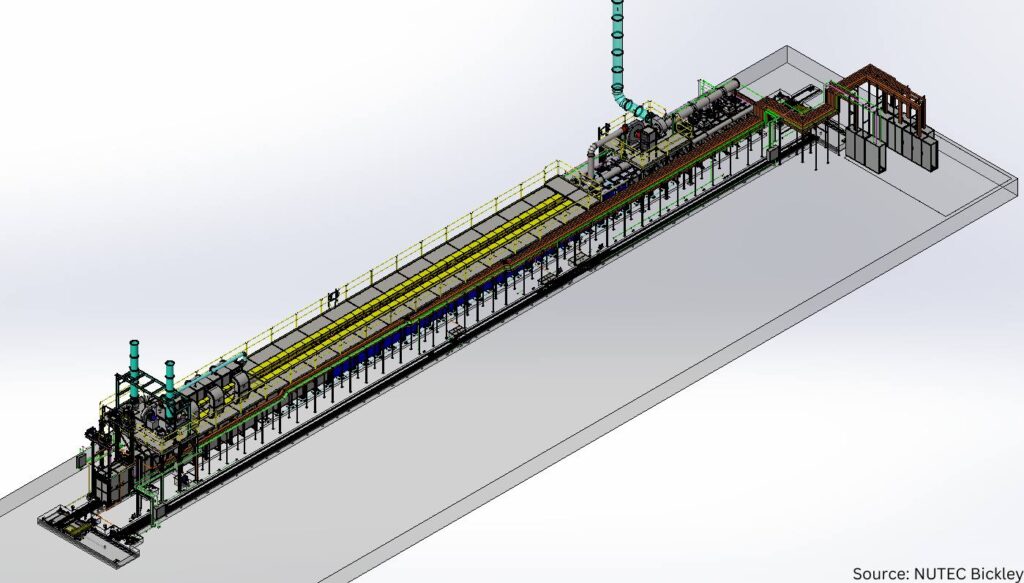
The calcination kiln, which was broken down into modules and transported by NUTEC Bickley, has an operating temperature of 2190°F (1200°C) and maximum temperature of 2460°F (1350°C) and processes the material in saggars sitting in six-high stacks that are loaded on to 33 cars. With afiring cycle of 23.6 hours, approximately 5000kg of calcined material is processed each day. In addition, special provisions to prevent equipment wear due to chemical attack that follows degassing of hydrochloric acid during the alumina heating process has been designed by NUTEC Bickley.
“The nature of the material being processed means that tight tolerances and demanding specifications have had to be met,” said Alberto Cantú, vice-president of ceramics at NUTEC Bickley. “[This] demonstrates once again how, when all necessary design parameters are in place, electric heating in continuous kilns can deliver for a wide range of manufacturing processes.”
The use of electric heating is increasingly in demand. Extremely tight thermal control is necessary in the kiln chamber, operating under an oxidizing atmosphere, and this particular kiln has 14 automatic control zones for heating, plus two automatic zones for cooling. To ensure maximum flexibility and management of the temperature profile, the control systems are arranged so that the exhaust, heating zones, and cooling zones are all independently regulated.
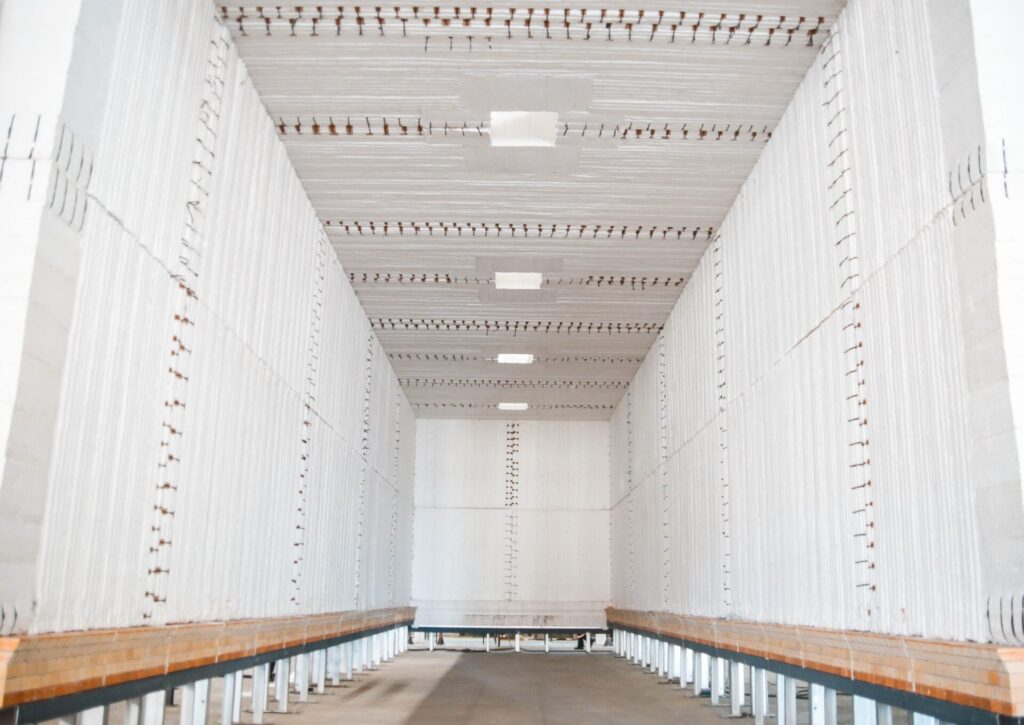
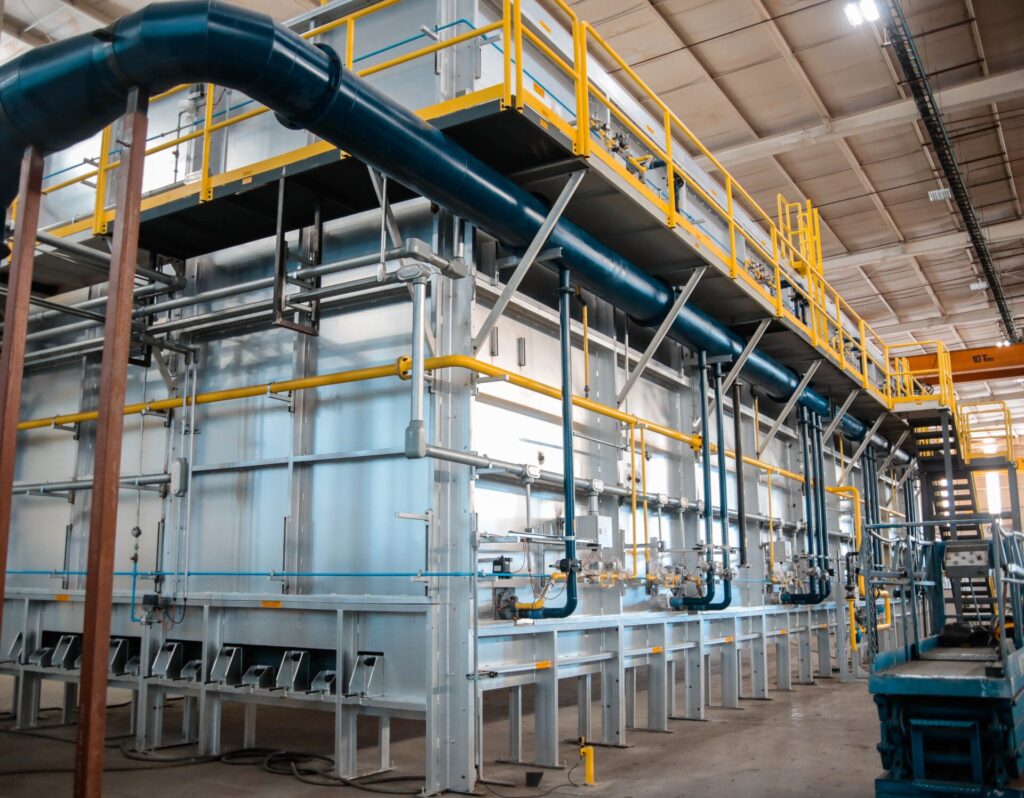
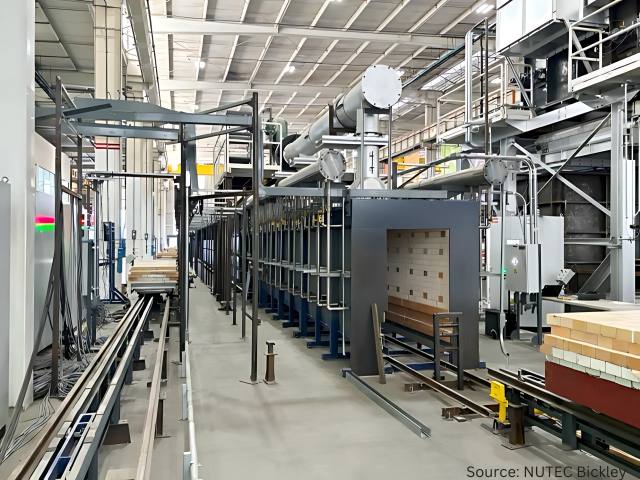
Image 1. 3D view of the electric tunnel kiln, showing its structural design and distribution of key components. Image 2. External view of the electric tunnel kiln installed in the plant.
The heating system comprises a combination of silicon carbide and metal alloy elements. These hang down vertically through the roof and are sited on either side of the load, with distribution configured to deliver a well-balanced temperature uniformity throughout the kiln. The electrical connection design means that elements can be replaced while the furnace is at operating temperature.
Hot gases are drawn towards the kiln entrance and are evacuated from the tunnel through exhaust ports positioned in the kiln sidewalls, via the exhaust fan. Cooling is achieved by direct air movement in the cooling zones. The temperature set points from the cooling zones are controlled automatically with cooling nozzles positioned to blow a stream of cold air above and below the load setting. The kiln walls use lightweight insulation for rapid thermal response and fuel economy, with the lining rated for use up to 2350ºF (1290°C). The roof is lined with high thermal efficiency ceramic fiber system, and the roof insulation combines modules of polycrystalline fiber and zirconia grade fiber.
Kiln car operation is based on a semi-continuous feed electromechanical pusher with push speed adjustment. The push speed is configurable by selecting the appropriate firing schedule at the kiln control panel. A vestibule arrangement serves to reduce exchange of air and gases between the factory and the kiln. When a car is being introduced into the kiln, the door at the entry end opens, while the door at the kiln entrance is closed.
The vestibule has two sections: the first accommodates a single car and is separated by two vertical lift doors to separate the factory’s atmosphere from the kiln atmosphere. This is managed by installing an exhaust hood which is connected to the entry exhaust fan, thus ensuring a negative pressure in the vestibule to avoid any gases from the kiln from leaving the chamber. The second section functions as a transition from the vestibule door sections to the kiln’s pusher.
Press release is available in its original form here.