

Spectrum Thermal Processing Expands Aerospace Reach

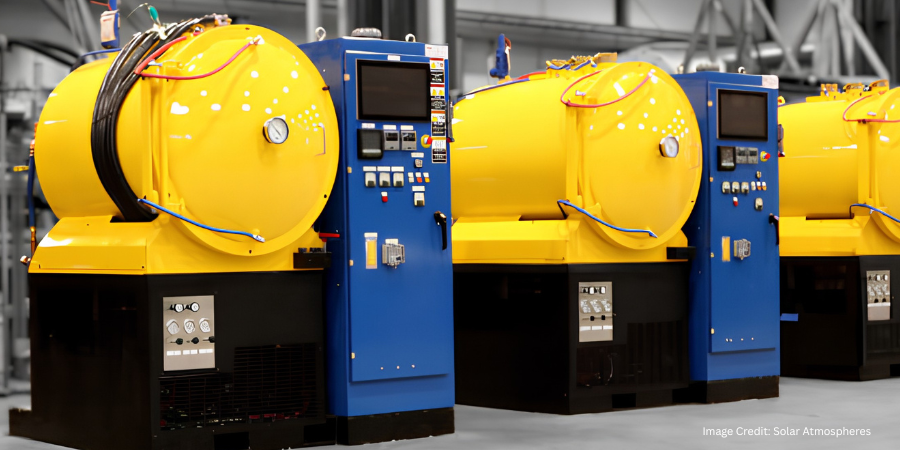
Spectrum Thermal Processing, a heat treatment provider based in Cranston, Rhode Island, has joined a broader thermal processing network through a strategic acquisition that will bolster regional capacity and enhance service for precision aerospace and defense component manufacturing. The transaction strengthens Spectrum’s ability to deliver Nadcap-accredited and ITAR-compliant vacuum heat treatment, low-pressure carburizing, and gas nitriding services to clients in one of the nation’s most dense aerospace and defense corridors. It positions the company to provide improved proximity, shorter lead times, and greater supply chain resilience for critical component suppliers.

Jim Fairbairn
CEO of Bodycote plc
Source: Bodycote

Under the terms of agreement, Spectrum Thermal Processing becomes part of the Aerospace, Defence & Energy division of Bodycote plc, a global provider of specialist thermal processing services, in a deal that closed on January 14, 2026. The facility in Cranston brings an experienced team, strong technical reputation, and strategic position within one of the nation’s most dense aerospace and defense corridors, making it a natural fit for Bodycote’s growing U.S. network.

Jim Fairbairn, chief executive officer of Bodycote plc, said the acquisition reflects a commitment to investing in high-growth, high-value sectors and expanding capability where clients need it most, adding that Spectrum’s technical expertise and strong local relationships enhance service offerings for advanced heat treating needs.

Existing clients will continue to work with the same team and maintain current service levels, while gaining access over time to Bodycote’s broader global network and specialist technologies.

Press release is available in its original form here.

Spectrum Thermal Processing Expands Aerospace Reach Read More »

Message from the Editor: Elbowing a Captive Audience

Heat Treat Today publishes twelve print magazines a year and included in each is a letter from the editor. This letter is from the November 2025 Annual Vacuum Heat Treating print edition. In today’s letter, Bethany Leone, managing editor at Heat Treat Today, shares her insights on the value of in-person visits to captive heat treat facilities and announces a new editorial series aimed at spotlighting North America’s best in-house operations.


There is nothing like walking your shop floor. I’m talking for me, not for you. But perhaps you agree!

When I leave my neighborhood, I often pass a steel operation with atmosphere heat treat furnaces sitting snugly by the door. In the winter, the building’s windows are flung open. In the summer, workers head out of the building toward the parking lot (seemingly) every hour. And I want in.

Regrettably, I have yet to elbow my way into that fine establishment to see what’s going on, but hopefully one day I will.

This Editor’s Page is very self-interested: I want to see your heat treat operations.

At Heat Treat Today, we’re on a mission to spotlight North America’s best captive heat treat facilities — the quiet powerhouses who are making gears harder, shafts straighter, and production lines hum with thermal precision. And we’re willing to travel to do it.

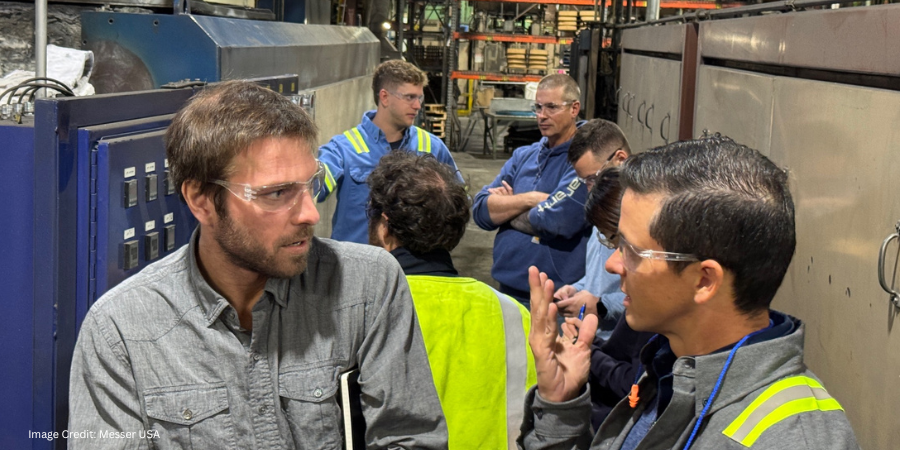
Whether you’re in Ontario or Ohio, Monterrey or Michigan, we want to be on your shop floor, taking notes, asking questions, and celebrating the know-how that keeps your operation running strong. In-person site visits give us an unmatched opportunity to understand your process flow, your constraints, and what really makes your team tick. It’s the difference between writing about heat treating and actually getting into it.

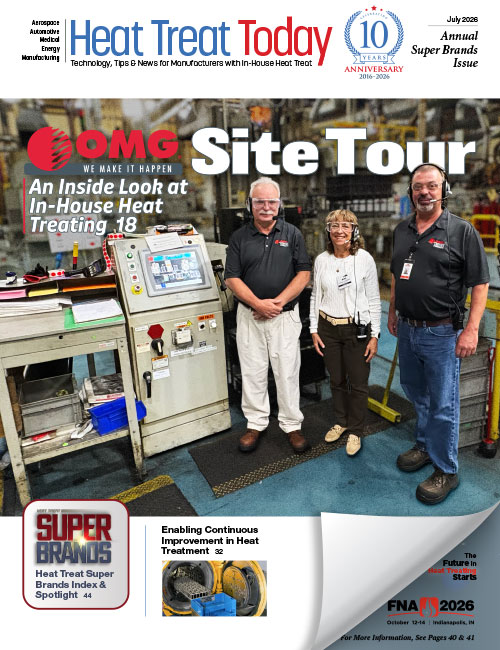
A New Editorial Series: “An Inside Look at In-House”

We’re calling this editorial series “An Inside Look at In-House.” Our aim is to profile exceptional in-house heat treat operations to hear their stories: Why they changed a process, added automation, doubled down on legacy equipment, or resisted the pressure to outsource. Even when change isn’t the story, stability might be. If you haven’t altered your heat treat process in twenty years, that might be the very reason we want to feature you.

Why Open Your Doors?

I am not naive, though. Your work home is not an open-door environment. So why let us in?

We respect your time and value your trust. Our editorial team works with every contributor closely to ensure accuracy and clarity with absolutely no trade secrets exposed and no photos published without your consent. In return, you get visibility for your team, credibility for your investment in captive heat treating, and a chance to shape the conversation in your industry. Dare I ask you to envision the front magazine cover of Heat Treat Today splashed with a picture of you and your team?

Whether you have a story to tell or you’re simply proud of what your people do, we want to talk with you. Maybe even walk, too.

Get in Touch

Reach out to me directly at bethany@heattreattoday.com. If you’re lucky, Doug Glenn might even come with me — or instead of me! (You can request either one of us, but no guarantees.)

Let’s open the doors and shine a light on the hidden heroes of heat treat. We’re ready when you are.


Bethany Leone
Managing Editor
Heat Treat Today
Contact: Bethany Leone at bethany@heattreattoday.com

Message from the Editor: Elbowing a Captive Audience Read More »

14 News Chatter to Keep You Current

Heat Treat Today offers News Chatter, a feature highlighting representative moves, transactions, and kudos from around the industry. Enjoy these 14 news items, including Haynes International Inc.‘s new hydraulic radial forging line to boost production of high-performance nickel- and cobalt-based alloys, the acquisition of JSA/Metalline by Hubbard-Hall Inc. to expand metal finishing service capabilities across the Midwest, Bodycote‘s achievement of independent validation from Bureau Veritas for its carbon footprint calculator tools, and more!


Equipment

1. A major U.S. bearing manufacturer has ordered two advanced SECO/WARWICK USA vacuum heat treat furnaces, reinforcing its commitment to precision manufacturing and capacity growth. The investment supports rising demand across the bearing industry, where consistent metallurgical performance is critical for industrial and aerospace applications.

2. Haynes International Inc. has commissioned SMS Group to supply a new hydraulic radial forging line to increase its production of nickel- and cobalt-based alloys, serving markets such as aerospace and chemical processing in the United States. The integrated plant investment, which includes a forging machine, reheating and annealing systems, and automated material handling, is expected to improve production efficiency, metallurgical quality, and responsiveness to global demand while supporting growth in high-performance alloy manufacturing. 

3. Hertwich Engineering GmbH has delivered a customized rolling ingot foundry — including an Ecomelt PS120 preheat-shaft melting furnace, holding furnace, and vertical casting machine — to  Remi Claeys Aluminium N.V. The new facility, set to begin operations in spring 2026, will enhance process stability and efficiency for processing contaminated aluminium scrap, strengthening competitiveness and sustainability in the aluminium  manufacturing sector.  

4. Marle Group has purchased and will install an additional vacuum heat treating furnace at its Marle Nowak facility in Pancé, France, expanding in-house capacity for heat treating cobalt-alloy orthopedic implants and surgical instruments. Supplied by SECO/WARWICK, the new furnace responds to the Marle Group’s need for rapid cooling of large loads while supporting efforts to improve production control and delivery times for medical device manufacturing. 

5. SMS group is supplying an isothermal forging module to the Institute of Forming Technology and Machines (IFUM) at Leibniz University Hannover to be integrated into their existing press as part of the EU and Lower Saxony-funded “High-performance materials of the future – oWZu” research project. This advanced vacuum forging system will expand research and development of high performance materials for aerospace, medical technology, and industrial applications, accelerating technology transfer and setting new standards in forming reactive superalloys. 

6. Researchers at the Korea Institute of Energy Research (KIER) have developed an electrified heat treatment technology for the annealing stage in galvanized steel strip production that cuts greenhouse gas emissions by over 98% compared with traditional combustion furnaces. The breakthrough replaces fossil fuel burners with electric heating elements while maintaining product quality and productivity, and could significantly reduce equipment costs and support decarbonization in the automotive and appliance steel supply chain. This innovation advances industrial heat treating processes toward carbon-free operation, helping manufacturers meet tightening environmental standards and global decarbonization goals.  

7. SECO/WARWICK has been selected by Brazil’s Isoflama to supply a customized horizontal retort furnace for high-temperature tempering and ZeroFlow nitriding at its heat treatment plant. This new furnace will integrate with Isoflama’s production control system and support processing of large, heavy components, enhancing efficiency and precision to continue serving the automotive, aerospace, and machinery industries in South America.

8. Brugola has implemented CODIAC monitoring technology to ensure reliable tracking and analysis of furnace processes on AICHELIN cast link belt furnaces at its facility. This upgrade enhances real-time oversight of thermal processing parameters, supporting consistent quality and operational efficiency. 

Company & Personnel

9. Hubbard-Hall Inc. has acquired the assets of JSA/Metalline, bringing JSA’s customer-facing team into Hubbard-Hall’s organization to expand sales coverage, technical support, and response times for manufacturers serving the plating and general metal finishing industries across the Upper Midwest/Midwest. The move strengthens regional service capabilities, giving manufacturers more direct access to supplier expertise, streamlined single-source ordering, and stronger technical support for critical surface finishing processes. 

10. AECO Corp. has promoted Maryann Remner to president, effective immediately, where she will lead the company and its three operating subsidiaries — Alloy Engineering, Mach3 Machining, and Thermcraft — which serve high-temperature fabrication, precision machining, and thermal processing equipment markets. 

11. Castings Technology, a UK manufacturer of titanium and steel castings, has announced the creation of twenty new jobs as it expands capacity to meet growing aerospace demand, reinforcing its role in supplying cast components for the sector.

12. WINGENS CONSULTANTS has appointed Mark Hemsath as Executive Consultant – Heat Treat & Advanced Furnace Specialist. Hemsath brings over 30 years of aerospace heat treating experience, with deep knowledge in vacuum systems, nitriding processes, and advanced furnace technologies.

Kudos

13. Bodycote has achieved independent validation from Bureau Veritas for its proprietary carbon footprint calculator tools covering nine core heat treatment processes, enabling customers to request ISO-assured carbon data for thermal processing methods such as vacuum and low-pressure carburizing. This validation enhances transparency and helps manufacturers measure and compare emissions, supporting the selection of lower-carbon heat treatment options. 

14. Ipsen recognized six service technicians — Todd Jones, Casey Guinn, Craig Monaghan, Eric Gould, Alfredo Mendoza, and Dom Wirthlin — for completing its 14-week Field Service Engineer Academy, an intensive hands-on training program for vacuum furnace specialists combining classroom instruction with mentored field experience.

14 News Chatter to Keep You Current Read More »

Marle Group Expands Orthopedic Heat Treat Capacity

Marle Group, a global manufacturer of orthopedic prosthetics, has purchased and will install an additional vacuum furnace at its Marle Nowak facility, expanding in-house processing capacity for cobalt-alloy orthopedic implants and surgical instruments. The new system responds to the company’s need for rapid cooling of large loads — capable of handling full 800 kg workloads — and supports efforts to improve production control and delivery times for medical device manufacturing, including serving demand in the North American market.

The facility in Pancé, France, specializes in the production of orthopedic implants, surgical instruments, spinal devices, and OEM manufacturing for the medical sector. This third vacuum furnace from SECO/WARWICK operating at Marle Group facilities will enable Marle Nowak to perform hardening processes internally rather than relying on external services.

Maciej Korecki
Vice President of Vacuum Furnace Segment
SECO/WARWICK

“Hardening cobalt alloys requires processes that achieve extremely high temperatures, and the heating processes for these materials demand high purity, temperature uniformity, and very fast, efficient cooling,” said Maciej Korecki, vice president of the Vacuum Furnace Segment at SECO/WARWICK Group. “Our equipment will allow our partner to become independent from external hardening services, providing greater control over the entire production process.”

The vacuum furnace features a 600 × 600 × 900 mm working area with a round heating chamber, convection heating, directional cooling, and isothermal hardening for controlled cooling of complex components. It includes partial-pressure argon to protect alloy surfaces, dew point sensors to reduce oxidation risk, and a rapid-cooling blower capable of quenching at up to 15 bar abs.

SECO/WARWICK secured the contract following successful reference trials conducted in its research and development department, where the furnace demonstrated cooling performance that met Marle Nowak’s process requirements. The addition of this vacuum furnace is expected to support certification of heat treatment processes in line with ISO 9001 and ISO 13485 standards, which are important for medical device production.

Press release is available in its original form here.

Marle Group Expands Orthopedic Heat Treat Capacity Read More »

Heat Treat Economic Indicators for January: A Strong Start to the New Year

Heat Treat Today has gathered the four heat treat industry-specific economic indicators for January 2026. The January results show encouraging momentum compared to the December 2025 predictions.

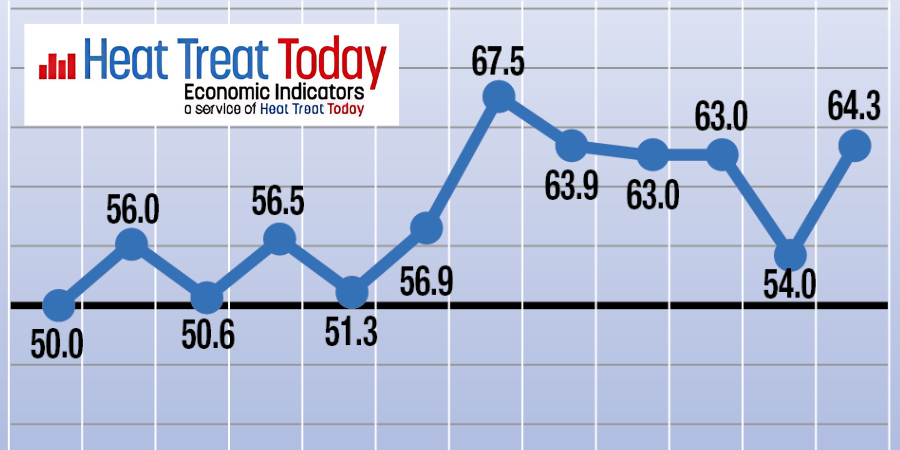
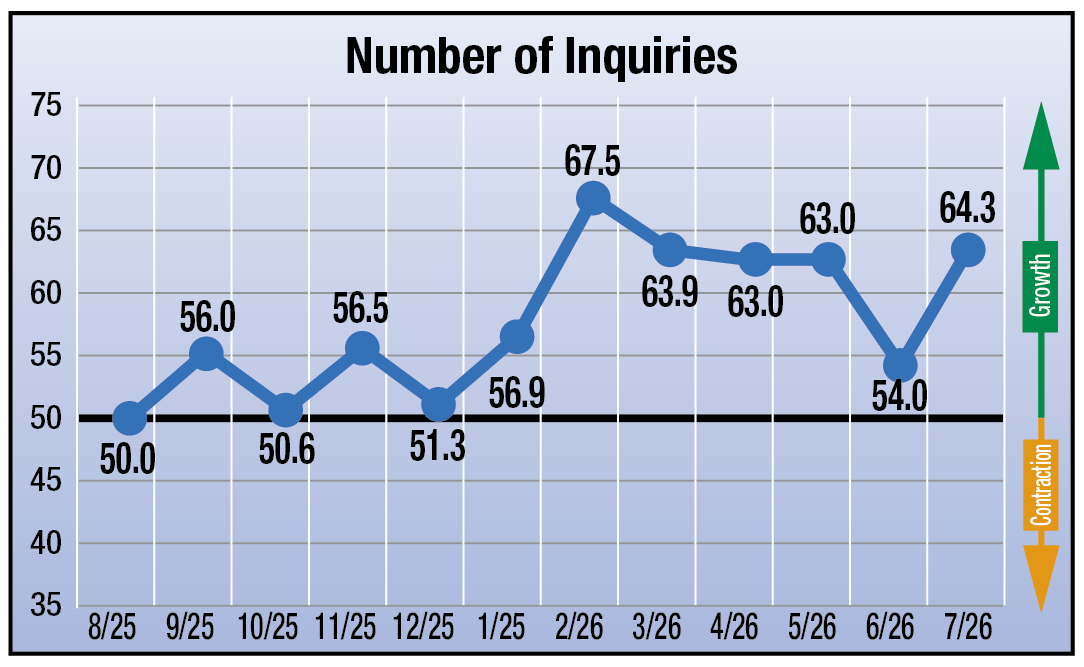
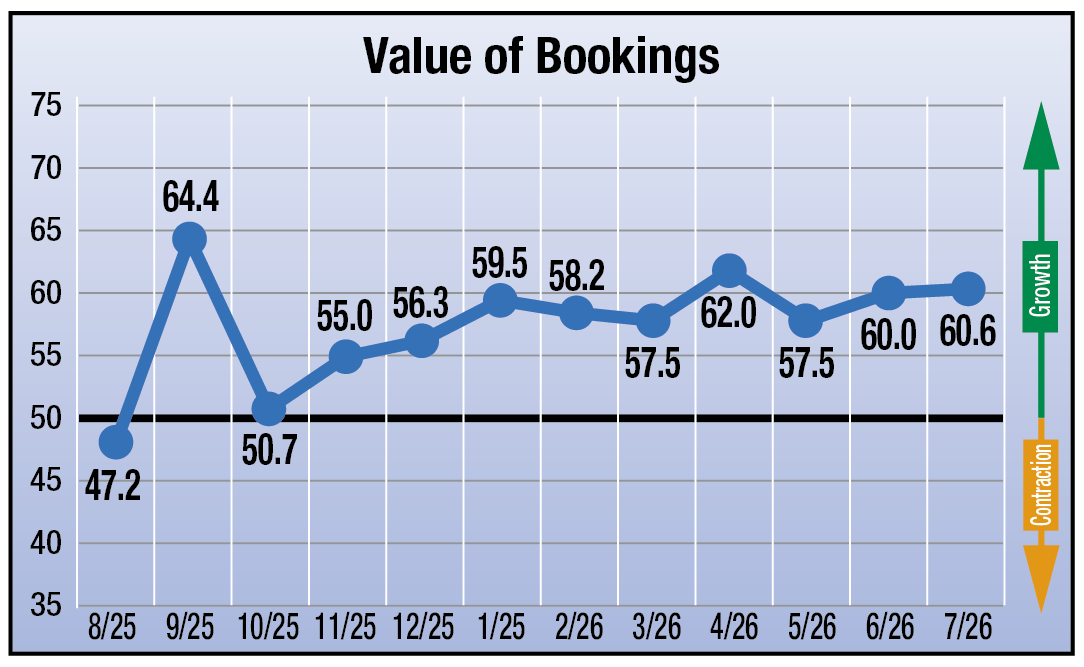
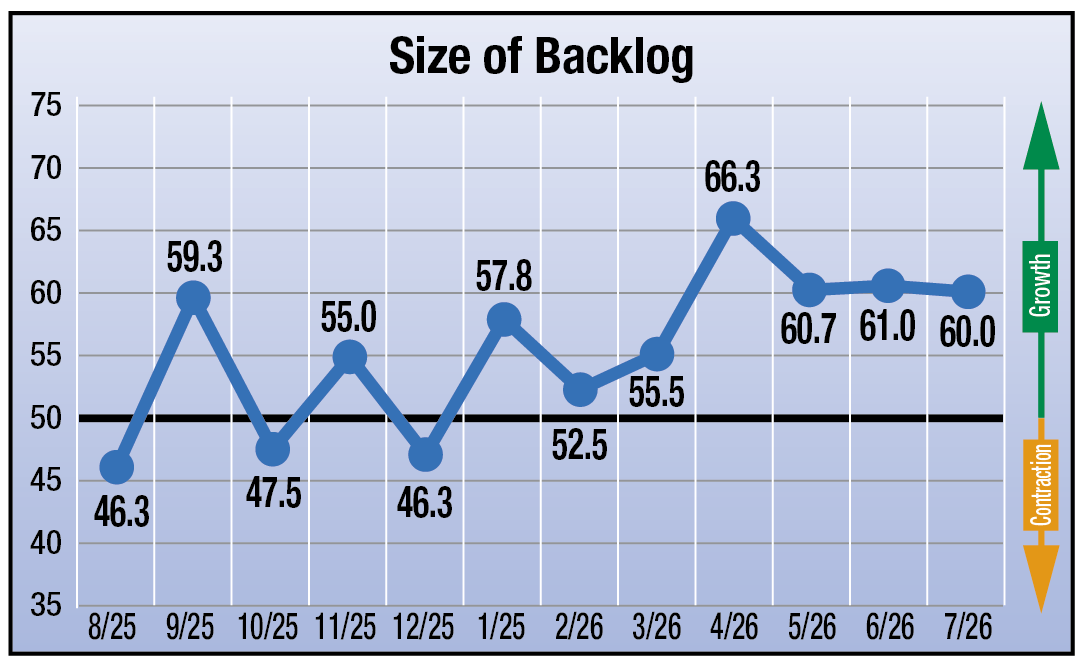
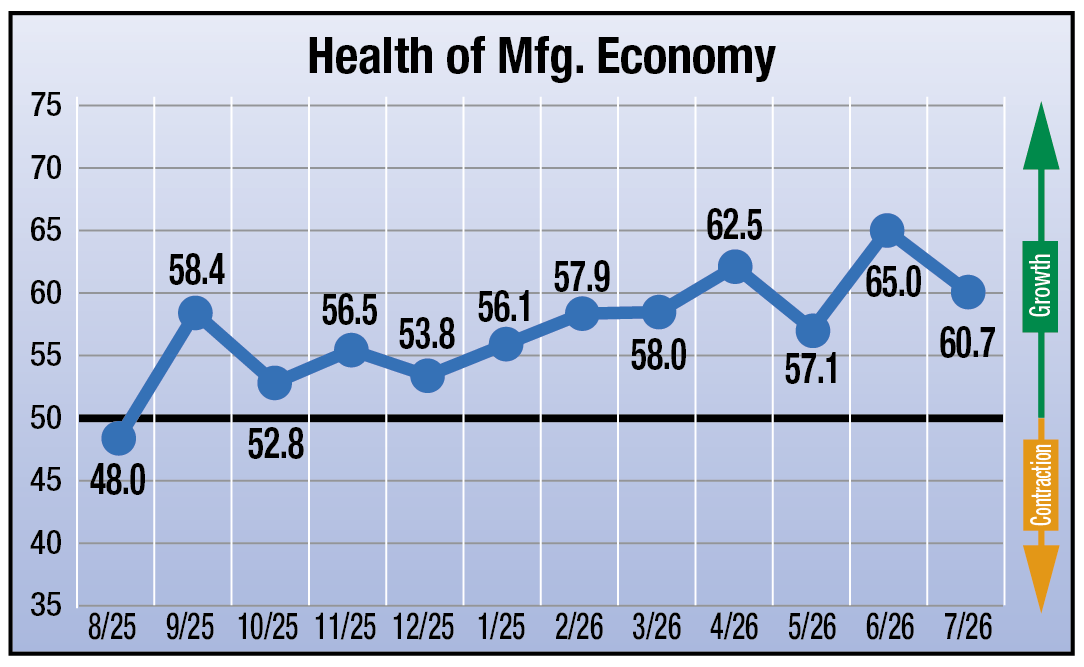
January’s indices show suppliers to the industry anticipate significant growth across all four key metrics. Inquiries had a robust uptick at 56.9 (up from 51.3 in December). Bookings demonstrated a healthy increase at 59.5 (up from 56.3 in December). The Backlog index rebounded dramatically, swinging the metric from contraction back into solid growth territory at 57.8 (up from 46.3 in December). Finally, the Health of the Manufacturing Economy index continues to reflect expectations for an encouraging backdrop for heat treating demand at 56.1 (up from 53.8 in December).

January’s indicators reveal a heat treating industry hitting its stride as we enter 2026. The across-the-board improvements — particularly the dramatic backlog recovery — paint a picture of renewed vitality and momentum. With all four metrics showing solid growth, the industry appears well-positioned for a strong start to the year.

The results from this month’s survey (January) are as follows: numbers above 50 indicate growth, numbers below 50 indicate contraction, and the number 50 indicates no change:

  • Anticipated change in Number of Inquiries from December to January: 56.9
  • Anticipated change in Value of Bookings from December to January: 59.5
  • Anticipated change in Size of Backlog from December to January: 57.8
  • Anticipated change in Health of the Manufacturing Economy from December to January: 56.1

Data for January 2026

The four index numbers are reported monthly by Heat Treat Today and made available on the website. 

Heat Treat Today’s Economic Indicators measure and report on four heat treat industry indices. Each month, approximately 800 individuals who classify themselves as suppliers to the North American heat treat industry receive the survey. Above are the results. Data collection began in June 2023. If you would like to participate in the monthly survey, please click here to subscribe.

Heat Treat Economic Indicators for January: A Strong Start to the New Year Read More »

HIP Technologies Will Evolve Alongside Industry Growth

Hot isostatic pressing (HIP) is becoming essential to producing stronger, more reliable parts in aerospace, medical, and energy manufacturing. As these industries scale up, HIP technology is evolving to meet new size, performance, and sustainability demands. This Technical Tuesday installment explores the expanding interest and investment in HIP and how industry innovators are tackling challenges like large-scale systems, long cycle times, and surface cleanliness to unlock HIP’s full potential.

This informative piece was first released in Heat Treat Today’s December 2025 Medical & Energy Heat Treat print edition.


As a manufacturing process that enhances the mechanical properties of metal, ceramic, and plastic materials by uniformly applying high temperature and high pressure, hot isostatic pressing (HIP) techniques are essential when manufacturing high-performance parts for aerospace, energy and other industries. And, as these industries are poised for growth, the HIP market is expected to evolve alongside them. However, HIP industry challenges must be addressed by modern solutions before this advanced manufacturing process sees widespread implementation across these industries.

Still, significant growth is anticipated for the HIP industry over the next five years. A recent report by Verified Market Research (2025), Hot Isostatic Pressing Service Market Size and Forecast, states that the HIP service market size was valued at $2.25 billion in 2023 and is projected to reach over $35 billion by 2030.

According to the report, HIP technology drivers include the need for the development of more advanced materials and components in aerospace, defense, automotive, energy, and medical, where there are high standards for performance, reliability, and robustness. HIP processes, which eliminate internal flaws, porosity, and residual stresses, aid in the production of mission-critical parts in these industries.

For example, HIP can be used to increase the density of materials, remove flaws, and improve mechanical qualities of components, or to combine porous materials while enhancing microstructures to produce lightweight components for industries with energy efficiency initiatives.

HIP also serves as a post-process treatment to enhance the mechanical integrity of complex and high-performance parts made via additive manufacturing (AM) for use in critical applications. In addition, HIP supports the near-net shape manufacturing process as it increases the density and mechanical characteristics of near-net formed parts and increases the efficiency of the near-net shape process.

Aerospace and Energy Sectors Drive Interest and Investment in HIP

Cliff Orcutt
Vice President
American Isostatic Presses, Inc.
Chad Beamer
Applications Engineer
Quintus Technologies

Doug Glenn, publisher of Heat Treat Today, spoke with various leaders in HIP sphere, including Chad Beamer, Cliff Orcutt, and Soumya Nag in early 2025.

Chad Beamer, applications engineer with Quintus, states that much of the interest and investment in HIP is driven by aerospace and energy: “In countries where there is investment in the supply chains for these sectors, there’s a good chance there’s going to be treatment equipment, including HIP, that supports the metallic structures and components they demand.”

The primary driver for interest in further development of HIP technologies is the need for high-performance components for use in the aerospace industry, according to Cliff Orcutt, vice president of American Isostatic Presses, Inc. (API). “Aerospace requires HIP technology to make parts,” Orcutt says, “In other industries you may be able to make parts with forging and other methods, but in aerospace technical requirements, HIP is likely part of the bill of materials.” This is especially true of larger aerospace castings — such as those over 60 inches, he says.

Additionally, recently developed guidelines are expected to help standardize the use of HIP technology in Ti-6A1-4V parts used in aerospace and other industries, according to Beamer. The newly released standard, SAE AMS7028, sets the benchmark for HIP of Ti-6A1-4V parts made via laser powder bed fusion (PBF-LB). The standard defines HIP cycle requirements, surface condition expectations, microstructure and density targets, and mechanical performance standards.

Ti-6Al-4V is ideal for the aerospace industry, where it is used for parts such as aircraft frames, landing gear components, fuselage components, and engine parts, due to its lightweight, high strength, corrosion resistance, and ability to be used in a wide operating temperature range.

According to Quintus, this standard is important because it brings the treatment industry one step closer to ensuring material integrity and repeatable performance in mission-critical applications in aerospace and other industries.

The energy sector is also interested in HIP technology for high-performing, large-scale parts and components across a range of energy-related applications. The U.S. Department of Energy (DOE) is showing significant interest in HIP and powder metallurgy HIP (PM-HIP) technologies and is working toward finding new applications for the process, which the DOE calls “an established, yet, in-flux technology.”

For reference, PM-HIP processes place metal powder into a mold or capsule and expose it to high temperature and high pressure so it fuses into a dense metal component capable of withstanding challenging conditions in difficult applications.

According to the DOE, PM-HIP may find application in the manufacture of near-net shape, complex and large-scale components for small modular reactor (SMR) construction because the process (U.S. Nuclear Regulatory Commission 2022) can help reduce the costs of materials and machining, eliminate the need for welds in some applications, and provide an alternate supply route and shorter turn-around time at a cost point that is equivalent to forging.

For example, there are certain large pieces for the small modular reactors, such as the top dome and the container itself, that could be made from powder metallurgy technologies, explains Orcutt.

And, the introduction of larger build plates will aid in making large-scale components via a variety of HIP-related technologies for both the aerospace and energy sectors, adds Beamer. “Larger build plates are suitable for large HIP equipment in toll HIP businesses and support structural castings and components made via AMD and PM-HIP,” he says. “PM-HIP is really starting to take off as we develop larger HIP equipment to produce larger PM-HIP-type components.

“There is demand in place to go even larger as the U.S. continues to address some of the supply chain challenges with forgings and castings,” says Beamer.

Beamer points to a DOE workshop held in October 2024 at its Oak Ridge National Laboratory (ORNL) in Knoxville, TN, where 200 attendees discussed the future of PM-HIP as a viable manufacturing technique for large-scale components that are becoming more difficult to source in the U.S. The workshop focused on several PM-HIP related themes, including:

Soumya Nag
Senior Research Scientist
Oak Ridge National Laboratory (ORNL)
Jason Mayeur
Senior Research Scientist
Oak Ridge National Laboratory (ORNL)
  • modelling and capsule design
  • capsule fabrication and preparation
  • powder production
  • microstructure properties
  • large-scale HIP
  • economics and supply chains
  • PM-HIP standards

ORNL is interested in making advanced manufacturing techniques such HIP, PM-HIP, and AM more efficient and affordable because they are potential replacements for the conventional manufacturing techniques typically used to produce large parts, which are becoming more difficult to source.

“Across sectors spanning aerospace, defense, nuclear, oil, gas, renewables, and construction, sourcing large-scale components is an increasingly urgent challenge,” says Jason Mayeur, senior research scientist at ORNL. “The need is felt acutely in the U.S. where traditional techniques like casting and forging have declined or moved overseas and resulted in supply chain shortages.”

One ORNL project that is garnering attention is the application of Wire Arc Additive Manufacturing (WAAM), hybrid manufacturing, in-situ monitoring and advanced computational modelling to HIP technology to create molds faster and more accurately while leveraging established PM technology (ORNL 2024).

“PM-HIP is a pathway for diversifying the supply chain for producing large-scale metal parts that are becoming more difficult to source,” says Mayeur. “The technology is of particular interest to the nuclear and hydroelectric industrial sectors, as well as the Department of Defense.”

Soumya Nag, senior research scientist at ORNL, adds: “Additive manufacturing offers unique design flexibility, which, combined with the reliability of PM-HIP, can pave the path toward precise manufacturing of large-scale, custom and complex, energy-related parts, while also taking advantage of multi-material builds.”

The technology may be used in the nuclear, hydroelectric and aerospace sectors to manufacture large, complex components such pressure vessels and impellers with improved toughness and resistance to thermal fatigue.

HIP Industry Challenges and Solutions

While HIP technology can help ensure the construction of high-performance parts in mission-critical applications in aerospace, energy, and other sectors, there are challenges that must be addressed before widespread implementation.

Among them is a shortage of available, large-scale HIP systems needed to build the sizeable components for these industries. “There is definitely talk of bringing the supply chain back to the United States for large-scale components, which is creating a bit of interest in large HIP systems and, while these systems currently exist, there are not enough of them in the U.S.,” according to Beamer.

From developing lower-cost equipment to expanding toll HIP services, the industry has evolved rapidly since this 2023 analysis. Click on the image to read more about the foundation of today’s HIP evolution.

Orcutt estimates that there are approximately ten large HIP units currently in operation in the U.S. The main reason for the lack of large-scale HIP systems is the high initial investment required to purchase the HIP chamber, furnaces, gas handling systems, process controls, and other associated equipment, which makes it difficult for HIP service providers, many of which are small- and medium-sized businesses, to obtain the equipment.

In a July 2023 Heat Treat Today article, Orcutt said that while his company is developing lower cost equipment that will provide excellent results, they are also expanding into the toll HIP business with goals of lowering costs and providing faster turnaround. Furthermore, API has opened a facility in Columbus, Ohio, to “provide a world-class development resource to help interested manufacturers determine whether the process can be applied to their parts.”

Long HIP cycles, which involve stages of heating, pressure and cooling, are another major obstacle to the adoption of HIP. In the same 2023 HTT article, Beamer said to overcome this challenge Quintus developed a large-format HIP unit that consolidates heat treatment and cooling in a proprietary process, called High Pressure Heat Treatment (HPHT), that combines stress-relief, HIP, high-temperature solution-annealing, high-pressure gas quenching and subsequent ageing or precipitation hardening in one integrated furnace cycle.

These capabilities allow multiple functions to be performed at a single location — removing bottlenecks, saving energy, lowering capital costs, significantly reducing lead time, and enhancing product quality — while Quintus’s Uniform Rapid Cooling and control systems with digital connectivity enable repeatable performance of customized heating, densification, and cooling regimes.

Additionally, many industries demand surface cleanliness. This can be difficult to achieve as the HIP process relies on high pressures using high-purity Argon gas, which can result in oxidation and discoloration of the materials. This is not an easy challenge to overcome, according to Beamer. However, he mentions that Quintus has been working to reduce discoloration and oxides on the surface of parts by improving equipment and best practices in terms of clean HIP operations.

As these technical challenges are ironed out, standards are developed, and larger build plates and HIP systems become more commonplace, HIP and related processes will find more application in heat treatment of mission-critical and large-scale parts for sectors such as aerospace and energy, where high-performance and reliability are mandatory.

References

Heat Treat Today. 2023. “Status from the Industry: What’s Hip in HIP?” July 5, 2023. https://www.heattreattoday.com/processes/hot-isostatic-pressing/hot-isostatic-pressing-technical-content/status-from-the-industry-whats-hip-in-hip/

Oak Ridge National Laboratory. 2024. “ORNL Research Supports Domestic Manufacturing for Industry, Energy.” ORNL News, October 8, 2024. Accessed November 2, 2025. https://www.ornl.gov/news/ornl-research-supports-domestic-manufacturing-industry-energy

U.S. Nuclear Regulatory Commission. 2022. The Use of Powder Metallurgy and Hot Isostatic Pressing for Fabricating Components of Nuclear Power Plants. Washington, DC: U.S. Nuclear Regulatory Commission. https://www.nrc.gov/docs/ML2216/ML22164A438.pdf

Verified Market Research. 2025. Hot Isostatic Pressing (HIP) Service Market Report (Report ID 383567). 202 pages. Published February 2025.

This piece was written by the Heat Treat Today Editorial Team.

HIP Technologies Will Evolve Alongside Industry Growth Read More »

News from Abroad: Global Expansion and Next-Generation Heat Processing

In today’s News from Abroad installment, we highlight several major global developments — from strategic expansions to advanced furnace and CAB line upgrades — reflecting continued investment in greener steelmaking, more efficient thermal processing, and enhanced aluminum heat treating capabilities worldwide.

Heat Treat Today partners with two international publications to deliver the latest news, tech tips, and cutting-edge articles that will serve our audience — manufacturers with in-house heat treat. Furnaces International, a Quartz Business Media publication, primarily serves the English-speaking globe, and heat processing, a Vulkan-Verlag GmbH publication, serves mostly the European and Asian heat treat markets.


UK Pilot Furnace Accelerates Green Steel Innovation

The Materials Processing Institute received three wagons of components for its electric arc furnace upgrade.

“The seven-tonne furnace is the only research facility of its kind in the UK and plays a role in developing the technologies and processes that will enable the next generation of green steel production.”

“The upgraded EAF will provide a facility for developing, testing, and refining green steel technologies under realistic industrial conditions.”

“By bridging the gap between laboratory research and full-scale production, it will support the transition to scalable, sustainable, low-carbon steelmaking backed by existing secondary refining and casting capability to make almost any steel.”

Read more: “Materials Processing Institute set to start on furnace upgrade” at furnaces-international.com.

New Reheating Furnace Advances Steel Thermal Processing

The first hot billet was produced at Rugui Squares & Special Profiles’ plant in Azkoitia, Spain, on 27 November 2025.

“Rugui Squares & Special Profiles and Fives have commissioned a new walking hearth reheating furnace designed to significantly improve energy efficiency and product quality. The first hot billet was produced at Rugui Squares & Special Profiles’ plant in Azkoitia, Spain, on 27 November 2025.”

“The new furnace will replace its existing reheating furnace, which had operated for more than 40 years and could no longer meet evolving production and quality requirements. The company manufactures high-value billets for demanding applications, including shipbuilding, farming machinery, and construction, where consistently premium product quality is essential.”

Read more: “Fives’ high-efficiency reheating furnace” at furnaces-international.com.

Asia Expansion Marks Strategic Industry Growth

Welcome desk at new Aichelin headquarters in China

“AICHELIN UNITHERM manufactures all atmospheric furnace types of the Group in India, supplying customers from the automotive industry, bearing manufacturing, and contract heat treatment providers. In recent years, the company has steadily grown to become a market leader in India. The new facility supports the company’s ambitious strategic goals to consolidate its market leadership in India and continue increasing revenue. Furthermore, the development of new heat treatment segments — starting with aluminum heat treatment — ​​will be advanced, and export activities will be strengthened.”

Read more: Aichelin Group Drives Expansion in Asia: Groundbreaking for New Site in India, New Headquarters in China at heat processing.

Advanced CAB Line Upgrade Enhances Aluminum Heat Treating

The upgraded continuous controlled atmosphere brazing (CAB) line set to improve operations for a Chinese supplier of air conditioning “and engine heat management components for vehicles.

“This is the second order from this partner, and the first to be executed directly by the SECO/WARWICK Group’s Chinese subsidiary. The new brazing line features a 1,600 mm wide belt and includes a preheating chamber, a radiant-heated brazing furnace, an air-cooled chamber, a final cooling chamber, and a control system.”

“’This is a very important project, not only due to the renewed trust from our Partner, but also because the new line will replace a solution that has been operating in this plant since 2005. The current investment is a step towards increasing production efficiency, improving energy efficiency, and implementing modern cooling solutions. It also proves that our equipment is durable, reliable and evolves with the needs of the electromobility market,’ says Piotr Skarbiński, vice president of the Aluminum and CAB Products Segment at SECO/WARWICK Group.”

Read more: “SECO/WARWICK selected again by Chinese Partner for Advanced CAB Line Upgrade” at heat processing.

News from Abroad: Global Expansion and Next-Generation Heat Processing Read More »

Navigating Heat Treaters’ Most Defining Moments

We like to celebrate the wins for good reason: they inspire us when times get tough. Regardless of where you find yourself in the North American heat treat community, you will face challenges that may redirect your life and prompt you to question your goals or values. Given this universal experience, we asked respected individuals from across the industry to share the hardest decisions of their professional lives. Just as successes inspire resilience, these challenges offer lessons in navigating the toughest moments of your career.

This inspiring piece was first released in Heat Treat Today’s September 2025 Annual People of Heat Treat print edition.


“No Jerks” Rule, with Sarah Jordan

Sarah Jordan
Founder & CEO
Skuld, LLC

For Sarah Jordan, president and CEO of the cutting-edge casting startup Skuld LLC, hard decisions have paved the path of her career. An earnest visionary — and as down-to-earth as they come — Sarah has made a habit of launching startups for the metal processing industry. Today, she leads a team that has developed a toolless, net-shape casting process and the equipment to perform it, advancing the way parts are formed while minimizing post-processing needs.

It comes to no surprise that her hardest decision came while forging this path. In 2009, Sarah’s first startup, Aesir Metals, faced fall-out from the 2008 economic recession. The impact was most acute when their largest customer informed them that they were unable to pay.

Faced with this reality, Sarah had to make the painful choice to close the company. Just after Christmas that year, every employee was let go. “And that’s awful when everybody’s…you know, they’re counting on you, their families are counting on you.” It was her first time navigating such a challenge, and while it was difficult, it became a formative experience.

Leading her current company, Sarah operates with a “‘no jerks’ rule.” She says culture and people are critical, and the postmortem of Aesir Metals revealed other opportunities for improvement. While mistakes are inevitable — learning requires that — she moves forward, determined not to repeat the same ones.

Upgrade Your Skillset, with Kevin Walters

Kevin Walters
Research & Development Manager
OMG Inc.

Kevin Walters‘s official title is R&D manager at OMG Inc. out in Massachusetts — however, his nickname “Father of Interns” is extremely fitting. With decades of engineering experience, Kevin has dedicated 25 of them (and counting) to mentoring interns, first at Spalding Sports Worldwide and now at OMG. Using his own career for reference, he tells them this story.

Approaching his forties with four boys near or in their teenage years, Kevin began thinking seriously about his career trajectory. He knew that to stay relevant in engineering, he needed to expand his skillset. In this field, the rule is simple: upgrade your abilities or risk becoming obsolete. The question was how.

“I’m a guy who likes to fix stuff — work with my hands,” Kevin told me. The typical career-advancement routes didn’t seem like the right fit: waiting for an opportunity to open up in the company could take too long, a doctorate might pigeonhole him into academia, and an MBA didn’t align with his engineering focus. It took five years of consideration, conversation, and research to find the right path.

That opportunity appeared when he learned about a management degree specifically tailored for engineers. With Spalding’s full “blessing” and tuition reimbursement program, Kevin enrolled at Western New England University, taking two courses per year while balancing his job and his sons’ baseball games. In five years, he had earned his Master’s of Science in Engineering Management.

These kinds of programs have become more widely available, and Kevin encourages his interns to pursue them. “Engineers, if they don’t upgrade their skillset, become obsolete,” he says. “I see too many engineers who graduated with their four-year degree — did great things at the beginning of their career — but because technology is advancing and they’re not learning with it, they are not as useful as they used to be.”

Each summer, Kevin continues mentoring one or two interns, urging them to think strategically about building their résumés and preparing for an industry that never stops moving.

It’s the People, with Dan Bender

Dan Bender
Director of Sales
Control Concepts

As Dan Bender reflects on his 47 years in industry, many as director of sales at Control Concepts, one priority has guided him: bring in business so the people in manufacturing have a job, can feed their families, and keep a roof over their heads.

In the late ’80s and early ’90s, there were a lot of mergers and acquisitions of companies by holding firms. A general attitude that “work is work” within industry started to emerge. He observed that people were being treated as just another factor of direct manufacturing costs.

This inhumane approach was augmented by a larger lack of pride in the business by the leadership. He also perceived that businesses were treated as financial investments; leadership seemed to be just concerned with flipping the company for a profit. Eventually, these factors reached Dan’s workplace.

Desiring more from his employer and wanting to be useful and productive in a place where people mattered, he parted ways. He reflects, “I left a pretty good job and went out to try some other things, realizing I still had a family to support.”

Over the next few years, he explored different roles, leaning on the counsel of friends and mentors from outside the heat treat industry, many of them from his church. Then, in 2008, the recession hit. Dan was working for a European company when it eliminated nearly all North American positions, and for the first time in his career, he was out of a job.

“That was tough,” he commented. “That was a hard, a hard thing…I did some interviews, I had some possibilities, I had some decent things, but I wanted to find somewhere where…people are important.”

His faith was central to that search, and in time, he found the right fit at Control Concepts. While it was not the best offer at the time, it was “what made me feel good, and it [did turn] out to be very financially rewarding for me.”

Choosing to stick with his principles also meant staying in an industry where he had built decades-long relationships. Dan says he looks forward to seeing those connections at tradeshows like Heat Treat 2025 this fall and Furnaces North America next year. “It’s to me, you know…that’s a blessing that I can have conversations with those people and feel a real sense of knowing they are very interested in what you’re doing as well as you being interested in what they’re doing at this stage in their career and your life.” Serving the heat treat industry, and the people in it, is why Dan has no plans to retire anytime soon.

Never Stand Still, with Bill Stuehr

William (Bill) Stuehr
President & CEO
Induction Tooling Inc.

What do you do when an unforeseen market collapse changes the fabric of your business? William (Bill) Stuehr, engineer, founder, and CEO of Induction Tooling Inc., has a clear answer: make a plan and move forward. “I’m a pragmatist,” he says. “I look at things the way they are, then I make decisions and proceed with what has to be done. That’s all.”

In 2005, Bill built a brand-new facility to expand his operations from 14,000 to 30,000 square feet. Business had been picking up for induction heating since the 1980s and ’90s, and manufacturers of driveline components were interested in induction. Induction was becoming more accepted on two fronts: first, as a green energy source; second, as an integrated manufacturing step in cell production, allowing automotive components such as wheel bearings and axle shafts to come out finished at the end of the line. With the expectation to expand to 50 employees by 2015, the city even granted Induction Tooling a tax abatement to encourage expansion and boost the local economy.

The critical moment happened in 2009, beginning on the heels of the 2008 financial crisis. With the housing collapse, people stopped purchasing automobiles, and the automotive industry went reeling. In April and June, General Motors and Chrysler appeared before U.S. Congress after filing for bankruptcy. Bill’s tier 1 automotive manufacturing customers began shutting down operations. “I had never seen it in my career, ever.”

Work was running out. Bill made the hardest decision of his career: “I had to lay off half of my workforce. I went from 28 people to 14 in less than a year.” Some of them had been with him since he started in the late 1970s. “It was out of my control. I tried to keep them on as long as possible without suffering the financial hardship of my own.” Even in hard times, the company covered all employee medical insurance, a practice Bill maintains to this day.

By 2012, the market showed signs of recovery. Bill pivoted the business to focus almost exclusively on CNC automation for rebuilding tooling — a move that met the needs of their tier 1 customers with high production rates and sidestepped the challenges of rehiring or retraining a large workforce.

Commenting on today’s market, Bill revealed it had never truly recovered. “The buyers of the automotive companies had the time to seek outsourcing worldwide.” He continued, explaining that over the course of the four years that followed the crash, there was enough offshoring of driveline components to an enthusiastic, energetic workforce with new facilities and abilities. Reshoring to the U.S. has not gained back the momentum that it had, though perhaps that will change with the priorities of the current U.S. administration.

From those years came a few lasting lessons. First, embrace automation to keep the business profitable, especially when attracting young talent is a struggle. Second, when hard times come, make a plan and commit — but remember that you can’t control time, the weather, or other people. Bill sums it up with gritty simplicity: “You never stand still; you just keep going. ‘What do I have to do and how can I get it done?’ That’s it.”


Bethany Leone
Managing Editor
Heat Treat Today
Contact: Bethany Leone at bethany@heattreattoday.com

Navigating Heat Treaters’ Most Defining Moments Read More »

Heat Treat Boot Camp — Record Attendance

Heat Treat Today publishes twelve print magazines annually and included in each is a letter from the publisher, Doug Glenn. This letter is from the November 2025 Annual Vacuum Heat Treating print edition.

Feel free to contact Doug at doug@heattreattoday.com if you have a question or comment. 


Heat Treat Boot Camp has become a popular gathering place for individuals who are either new to the North American heat treat/thermal processing market or who have been around a good while but would like to learn more. This year, on September 15–17 in Pittsburgh, Pennsylvania, the industry gathered over 60 learners at the 4th annual Heat Treat Boot Camp. By all practical measures, it was an extremely successful event.

Attendance

2025 Heat Treat Boot Camp attendees

The magic number, 63, was more than any previous year by 50% and double the number that we had last year. Of those 60-some, we had roughly:

  • 11 captive heat treaters (18%)
  • 7 commercial heat treaters (12%)
  • 1 investment company (<1%)
  • 44 suppliers (70%)

The number of years that these attendees had been in the industry varied from as little as several weeks or months to over 30 years. The mix was ideal, allowing the newbies to learn from the industry veterans and for industry veterans to be energized by the enthusiasm and energy of the newbies.

It was also good to have multiple companies sending people for the 2nd or 3rd year in a row. Obviously, they like what their employees are learning.

Speakers

As with the previous three events, Thomas Wingens of Wingens Consulting and I were the only two speakers. Between the two of us, we have well over 50 years of industry experience. Thomas covered the technical side of the conversations dealing with both the materials and processes of heat treat, while I covered the markets, products, and players. Thomas also discussed emerging technologies, and I concluded with a short session on resources to help keep current.

Activities

We kicked off the event on Monday evening, September 15, with a reception on the scenic outdoor patio of the Drury Plaza Hotel in downtown Pittsburgh. The hotel had purchased and renovated this historic building, the former location of the Pittsburgh Federal Reserve. In fact, all of the training sessions took place in The Main Vault. It was a “safe place.”

Tuesday was a full day in the classroom. It was grueling, but attendees were rewarded with a school bus ride to the historic Duquesne Incline where we were elevated to the top of Pittsburgh’s Mt. Washington. From there we could overlook the city from well above the tops of the skyscrapers. It was a beautiful evening. We then walked two blocks to LeMont Restaurant where we continued to overlook the city until the evening hours brought out the city lights. Again, beautiful.

Wednesday was a half day of classes and then an optional tour of Penna Flame Heat Treating in Zelienople, Pennsylvania, less than one hour north of Pittsburgh.

Sponsors

A big “thank you” goes to the industry sponsors — many of whom returned from last year — who helped us underwrite the costs of the boot camp. Idemitsu was our sole Title Sponsor. Can-Eng Furnaces was our sole Social Sponsor helping with the expenses of some of our networking functions and the putt-putt contest. Our two lunch sponsors were Cleveland Electric Labs (who have sent at least two people to all four of the boot camps since 2022) and Newton Heat Treating. Other corporate sponsors included ECM USA Vacuum Furnaces, Gasbarre Thermal Processing Systems, Super Systems, Honeywell, Chiz Bros, and I Squared R who had the popular Triple-Dipped Malted Milk Ball sponsorship. All of these companies were super helpful in making Boot Camp a success.

You’re Invited

Next year, we encourage you or someone from your company to attend. To see what past recipients have said and for more information about the 2026 Boot Camp, please visit www.heatttreatbootcamp.com. See you there.

Doug Glenn
Publisher
Heat Treat Today
For more information: Contact Doug at
doug@heattreattoday.com

Heat Treat Boot Camp — Record Attendance Read More »

Skip to content