

MTI MEMBER PROFILES

MTI Member Profile: Metal Treaters, Inc.

In the heart of Minnesota’s Twin Cities, a third-generation heat treating company continues to shape the backbone of manufacturing with precision and consistency. Established in 1948, Metal Treaters, Inc. began with a single Ipsen vacuum furnace used to treat door hinges for ovens and furnaces. From those early days, it has grown into a trusted partner for industries requiring meticulous control over metallurgical properties throughout the heat treating process.

The company expanded significantly in the 1970s when the second generation broadened its capabilities to include carburizing, induction hardening, and neutral hardening. That phase of growth laid the groundwork for today’s broader service offerings. Now under the guidance of its third generation, the focus is on integrating advanced technologies, enhancing efficiencies, and staying ahead of evolving compliance standards.

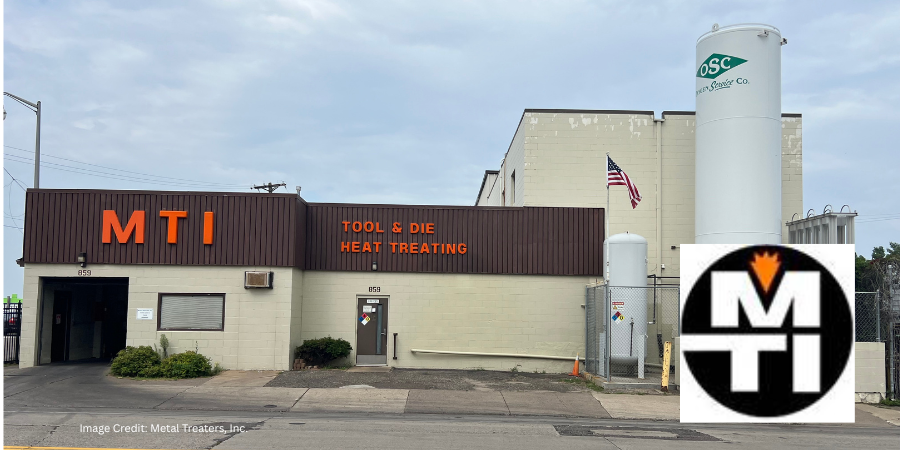
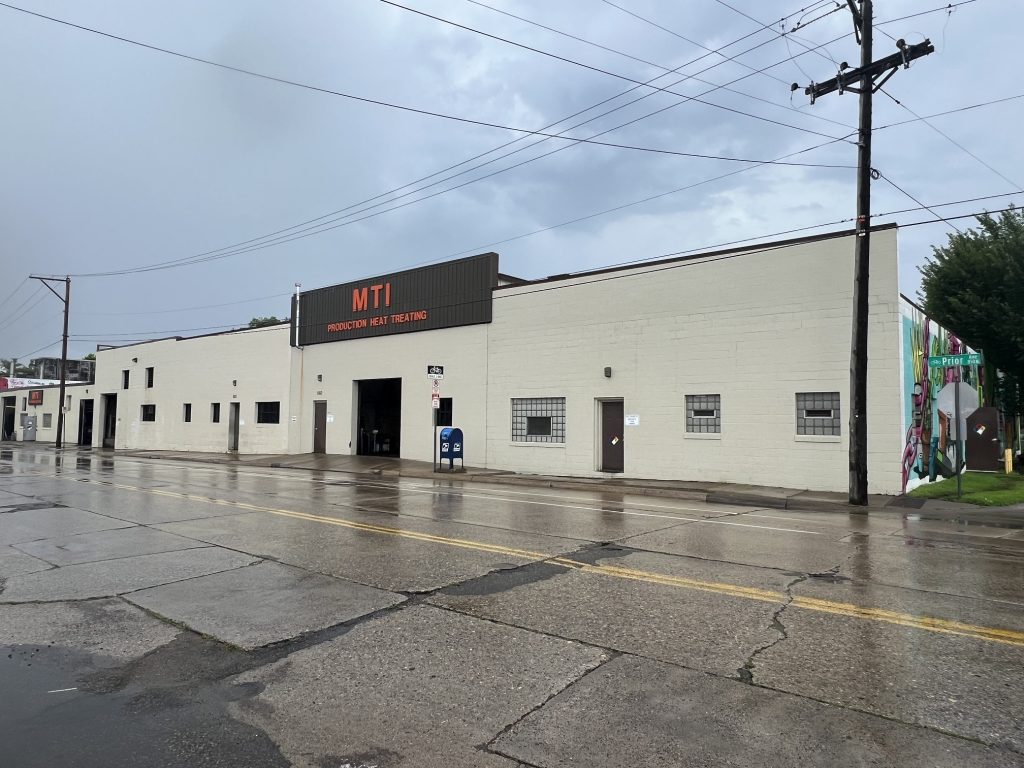
Metal Treaters, Inc. production, induction, shipping, and receiving side of facility | Image Credit: Metal Treaters, Inc.

Metal Treaters’ clients span the aerospace, defense, agricultural, construction, and medical sectors. A hallmark of the operation remains its vacuum heat treating expertise — a specialty dating back to its origin. Tool steels like A-2, D-2, and S-7, along with various stainless steels, are treated daily. Additional services include gas carburizing, carbonitriding, induction hardening and tempering, and cryogenic treatment.

What distinguishes this heat treater is its comprehensive internal control. Pyrometry is performed to AMS2750 standards, ensuring furnace accuracy and consistency. Metal Treaters also fabricates custom fixtures, racks, and induction coils, which allows them to tailor solutions, reduce job costs, and maintain quick turnaround times. These capabilities are especially valuable for manufacturers without in-house heat treating resources or those working with highly specialized components.

The facility operates eight furnaces, including four vacuum furnaces and four carburizing furnaces. They also utilize twenty-five tempering ovens, nine induction stations, seventeen hardness testers, and two deep freezers. All work is processed through batch ovens, which are optimized for flexibility and precision rather than oversized loads. With jobs that run in parallel and an established logistics network, including four daily route trucks serving the Twin Cities, the operation is built for both responsiveness and repeatability.

Growth has never depended on traditional advertising. Instead, the business has earned new work through word-of-mouth referrals and discussions at trade shows. This approach has attracted a wide range of challenging and high-profile jobs, from components used in space exploration and defense to tooling for medical and construction applications. Each project is approached with the same attention to detail, regardless of size or industry.

Looking ahead, the company aims to expand its use of automation in induction heat treating while continuing to meet the most rigorous technical standards. Plans also include maintaining a workplace culture that emphasizes collaboration, accountability, and long-term client relationships.

Through decades of change, Metal Treaters has remained grounded in technical excellence and responsive service. While tools, materials, and specifications have evolved, the guiding principles behind each treated part have stayed the same: precision, reliability, and craftsmanship.

For more information:

Metal Treaters, Inc.

859 Prior Avenue
St. Paul, Minnesota 55104

joannea@metaltreaters.com
metaltreaters.com

Main image: Metal Treaters, Inc. vacuum and office side of facility | Image Credit: Metal Treaters, Inc.

MTI Member Profile: Metal Treaters, Inc. Read More »

MTI Member Profile: Akron Steel Treating Company

In the heart of Akron, Ohio, stands Akron Steel Treating Company — an enduring example of American grit, craftsmanship, and family-driven values built upon a legacy that began in a family garage in the quiet hum of wartime urgency. Founded in 1943 by Prosper P. Powell with the help of the U.S. Army, the original facility was no more than a makeshift operation for heat treating firing pins. But even then, the commitment to quality was uncompromising. Work overflowed into the family’s kitchen oven, and every part was handled with care and purpose.

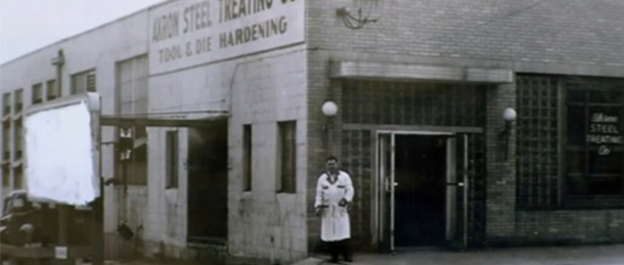
Prosper P. Powell at the original Akron Steel Treating building | Image Credit: Akron Steel Treating Company

Today, more than 80 years later, that same spirit drives the company. Still family-owned and operated, Akron Steel Treating (AST) has grown into a 65,000 square-foot facility that blends old-school workmanship with modern technology. Their secret isn’t just in the furnaces; it’s in their values. Honesty, integrity, and respect guide every project, every client relationship, and every part that passes through their hands.

When manufacturers think of AST, they should think of reliability without compromise. With industries ranging from aerospace and automotive to medical, electronics, construction, and defense, the heat treater supports some of the most demanding applications where failure is not an option. Their metallurgical consultants and heat treating experts work hand-in-hand with clients to identify the most cost-effective and performance-driven solutions, ensuring that heat treating enhances, rather than limits, the manufacturing process.

What makes them truly stand apart is its commitment to tailored solutions. Rather than push a one-size-fits-all service, AST embraces the consultative process. With a suite of heat treating options, including neutral hardening, carburizing, carbonitriding, and vacuum heat treating, they select the process that best suits each client’s needs. Their extensive quenching capabilities range from oil and air to martempering, austempering, and even intensive water quenching, offering unparalleled flexibility and precision.

Quality is not just a goal here — it is a guarantee, backed by detailed documentation and inspection protocols. Clients benefit from heat treat certifications, furnace charts, hardness testing, and stress measurements. Every part is tracked through the company’s proprietary JobShoppe™ system and Spec-View® monitoring platform. This computer network monitoring system ensures high-quality, repeatable heat treating that clients can rely on time and again.

One of AST’s proudest achievements? Supporting national defense by heat treating missile guidance fins and aircraft braking components. The company even holds a federal manufacturing firearms license, a testament to their reputation and rigorous process controls.

Looking ahead, AST is focused on staying true to its roots while embracing innovation. The next 80 years will see continued investment in new technologies to improve efficiency and broaden capabilities, all while maintaining the personalized service and family culture that define their brand.

In a world of fleeting trends and fast fixes, this heat treater is proof that craftsmanship, consistency, and character still matter. Their team, many of whom have been with the company for decades, is not just a workforce; they are the AST family, and they carry forward a proud tradition, one heat treated part at a time.

For more information:

Akron Steel Treating Company

336 Morgan Avenue
Akron, Ohio 44311

jpowell@akronsteeltreating.com
akronsteeltreating.com

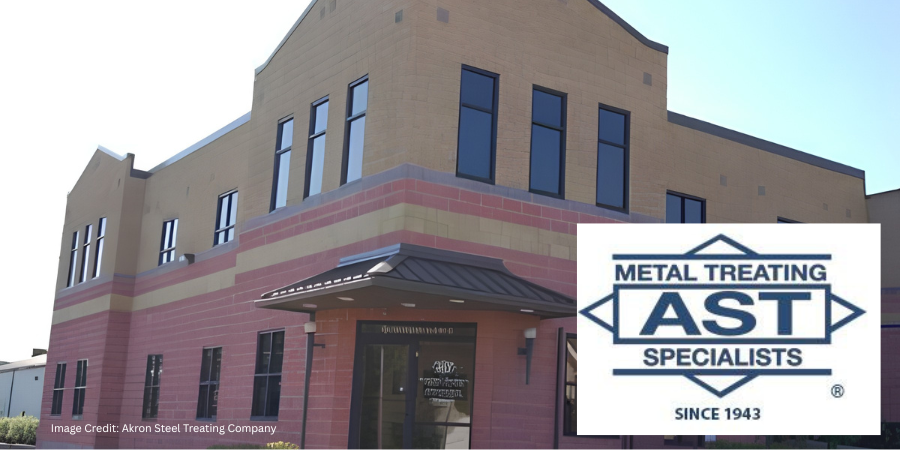
Main image: Akron Steel Treating building in Akron, Ohio

MTI Member Profile: Akron Steel Treating Company Read More »

MTI Member Profile: Cook Induction Heating Co.

For 80 years, Cook Induction Heating Co. has been a trusted partner for the aerospace, automotive, defense, mining, and oil tool industries. The company was founded in 1945 to support the induction hardening of citrus cutters in Orange County, California and has evolved over time into the go-to experts for induction heating. With induction heating as their core focus, Cook Induction Heating Co. is well known for providing high-quality engineering solutions tailored for their clients.

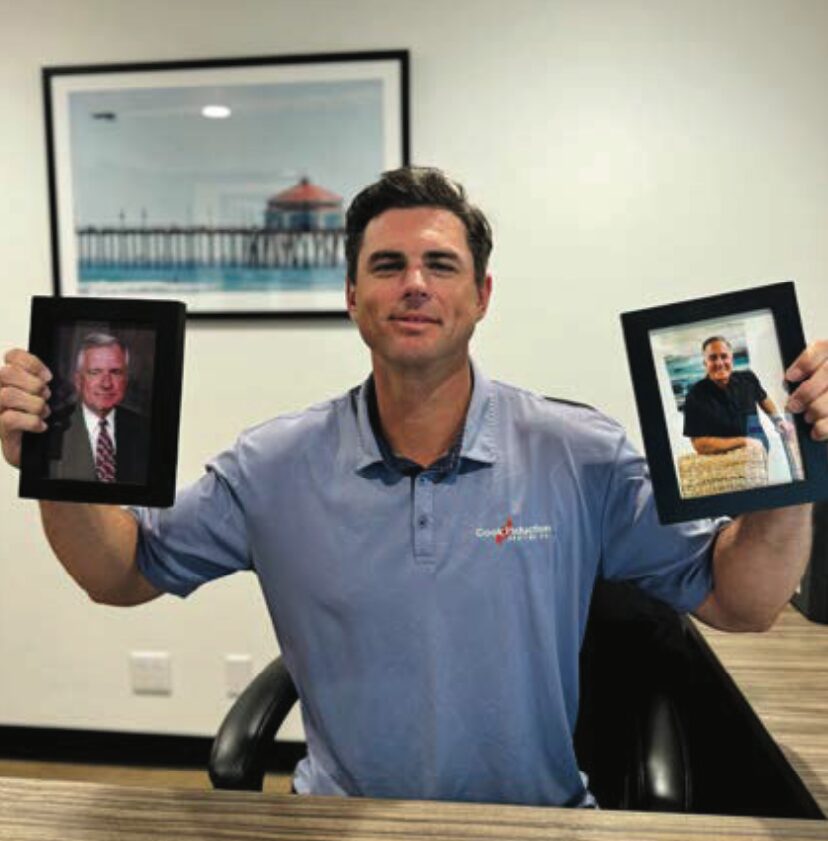
Third-generation president Troy Doolittle proudly holding photos of past presidents Keith Doolittle (father) and Forrest Doolittle (grandfather). | Image Credit: Cook Induction Heating Co.

As a family business with decades of legacy, they take pride in their deep industry roots and multigenerational relationships with clients and partners. They are “small enough to care and big enough to deliver” on innovation, problem solving, localized treatment, precision, efficiency — and a phone that’s always answered by a person.

The company services are focused on high-precision components for aerospace, oil and gas, tooling, and defense applications, including surface hardening, tempering, and annealing, all via advanced induction methods. From supporting ventilator development projects during COVID to treating critical components for military helicopters and missile defense, Cook Induction Heating Co. takes pride in their ability to perform under pressure.

Speaking of pressure, how about treating a part for a race? The company once processed a specialized shaft for the Red Bull Racing trophy truck after it had broken during a race in Baja, Mexico. A member of the team hand-carried the broken shaft through international flights to Cook Induction Heating Co. who then worked directly with Italian engineers to process the part immediately upon arrival and returned the part via helicopter to be reinstalled in the field — all within hours. This type of high-pressure, high-impact success story is an example of their dedication and drive.

Speaking of pressure, how about treating a part for a race? The company once processed a specialized shaft for the Red Bull Racing trophy truck after it had broken during a race in Baja, Mexico. A member of the team hand-carried the broken shaft through international flights to Cook Induction Heating Co. who then worked directly with Italian engineers to process the part immediately upon arrival and returned the part via helicopter to be reinstalled in the field — all within hours. This type of high-pressure, high-impact success story is an example of their dedication and drive.

For more information:

Cook Induction Heating Co.

4925 E. Slauson Ave.
Maywood, CA 90270

info@cookinduction.com
cookinduction.com

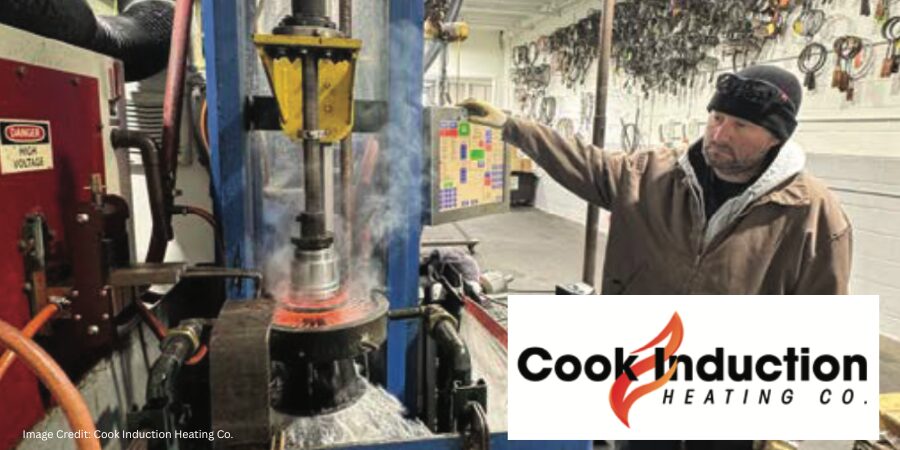
Main image: Veteran operator Juan Garcia, with 26 years at Cook Induction, monitors the induction hardening process of a drive shaft.

MTI Member Profile: Cook Induction Heating Co. Read More »

MTI Member Profile: DOWA THT America, Inc.

DOWA THT America, Inc. (DOWA THT) was established in 1997 and began operations in 1998 in Bowling Green, Ohio, as a subsidiary of Japan’s DOWA Thermotech Co., Ltd. The company was founded with the goal of meeting the North American demand for advanced heat treatment, initially targeting the automotive industry and expanding over time to serve the construction, agriculture, and green energy sectors.

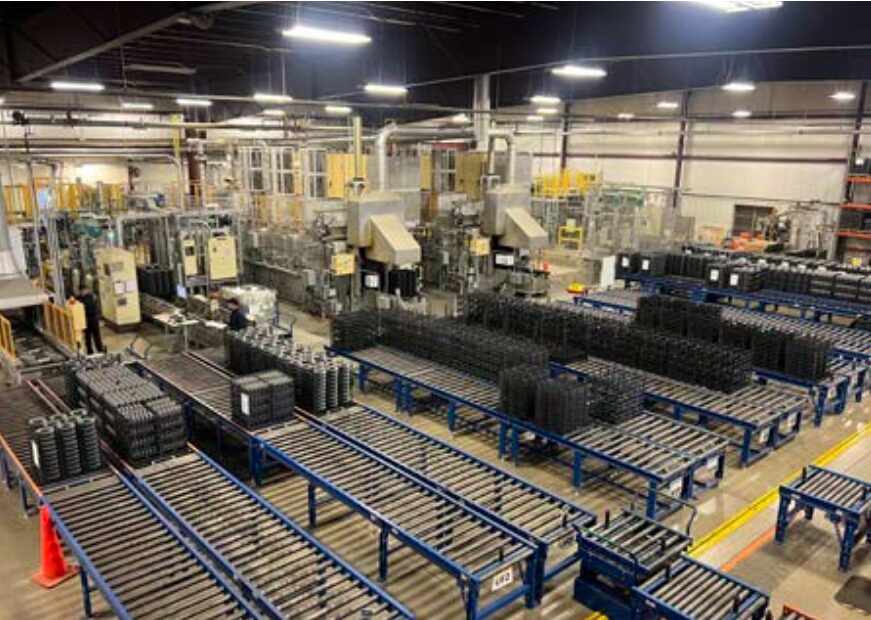
DOWA THT Batch Furnace Line | Image Credit: DOWA THT

DOWA THT operates two independent divisions. One division is the Commercial Heat Treatment Division, which is operated locally and has been expanded four times since the original building was constructed. This facility is equipped with 24 batch furnaces, four tempering furnaces, six vacuum wash machines, and two continuous furnaces, most of which are DOWA THT brand equipment.

The second division is the Furnace Equipment Division, which is responsible for the design, manufacturing, installation, and maintenance of all equipment sold domestically. The overwhelming majority of equipment sold at the Commercial Heat Treatment facility and the parts processed there are for the automotive industry, but the facility also caters to other fields, such as construction, agriculture, environmentally friendly energy production, and advanced industries. The Furnace Equipment Division provides a full range of services, including sales, installation, commissioning, preventive maintenance, and emergency maintenance, from Canada all the way to Brazil.

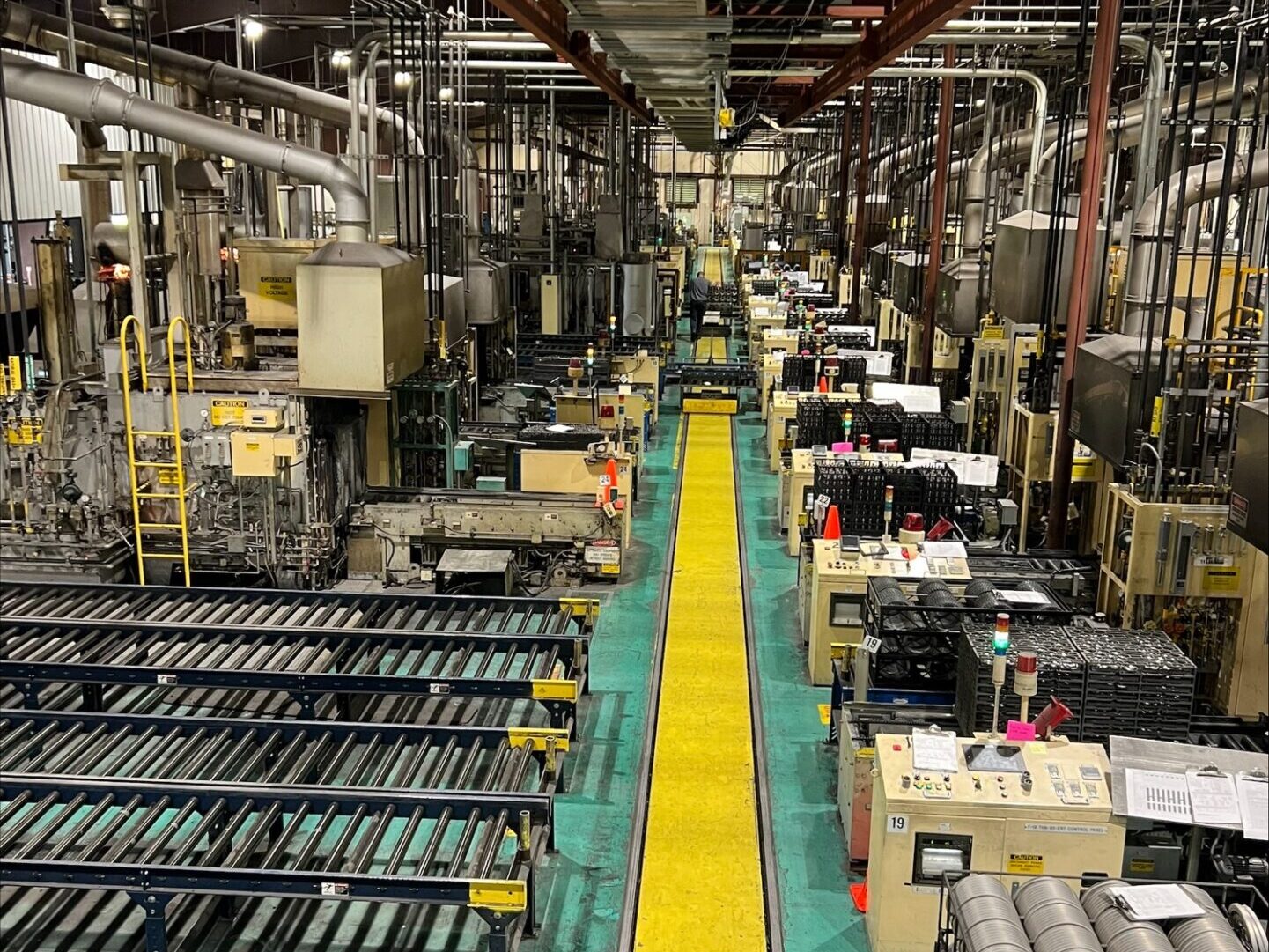
DOWA THT Continuous Furnace Line | Image Credit: DOWA THT

The Commercial Heat Treatment Division processes parts onsite at the Bowling Green facility to enhance material properties for durability and performance. Examples of the parts processed are gears, shafts, transmission parts as well as agricultural machinery parts. The company’s services in this field focus on carburizing, carbonitriding, nitriding, ferritic nitrocarburizing, quench and temper, and hardening. They are also considering adding annealing as part of its capabilities.

The Bowling Green facility uses a patented QSQ quenching process developed to reduce distortion. With this patented process, DOWA THT has significantly reduced post-process work steps for its customers for many years.

A key feature of the Bowling Green facility is that the Commercial Heat Treatment Division and the Furnace Equipment Division operate within the same facility. This structure allows potential customers to visit the operational furnaces prior to purchase and observe the visual flow of the heat treatment process.

The biggest advantage of the Furnace Equipment Division is its turnkey operation. From design to manufacturing, DOWA THT manufactures all equipment and can handle all processes, including transportation, customs, and installation.

DOWA THT is a company that demonstrates leadership across a wide range of industries and is trying to continue to develop new technologies every year. They are capable of designing equipment tailored to customers’ specific specifications, including safety features to protect their employees.

In addition to its U.S. base, DOWA THT has a heat treatment facility in San Luis Potosi, Mexico. The Mexican facility began operations in 2015 and continues to expand. If a customer chooses to manufacture in the U.S. or in Mexico, their North American bases work together to meet all customer needs in both countries.

Whether it’s providing turnkey services in Ohio or designing and installing a custom furnace in North and South America, DOWA THT utilizes their technical expertise housed in their dedicated staff to fuel their dual division model. They are zeroing in on innovating heat treatment solutions and technologies for the future, while investing in sustainable practices to lessen their environmental footprint. With a focus on targeting new growth areas, such as renewable energy, automation, and advanced manufacturing, they are executing on a multi-year plan to integrate real-time monitoring and AI-generated predictive maintenance to enhance overall client experience.

For more information:

DOWA THT America, Inc.

210 S Woodland Cir
Bowling Green, OH 43402

sales@down-tht.com
www.Dowa-THT.com

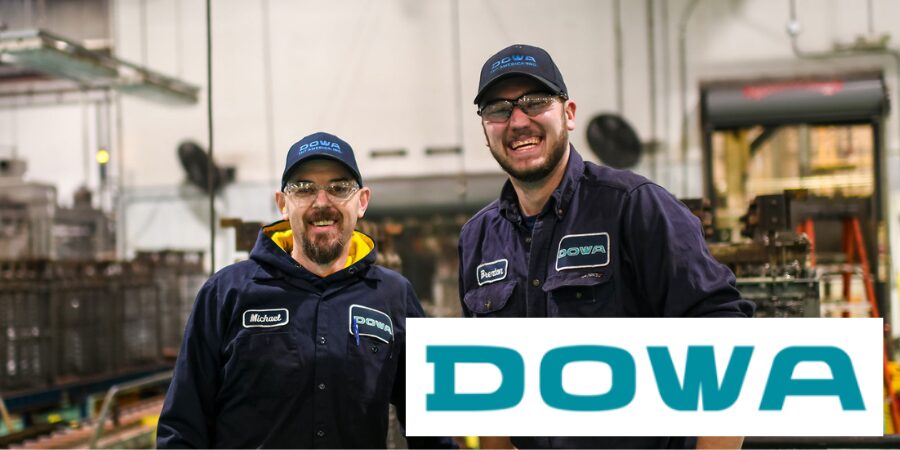
Main image: DOWA THT employees

MTI Member Profile: DOWA THT America, Inc. Read More »

MTI Member Profile: Eastern Metal Treating, Inc.

Client needs often make for the greatest business opportunities. In 1986, the Lyman family ran into one such great opportunity. While the family business was busy building heat treating equipment, one of their clients faced a big need: They wanted a new continuous austempering line, but they were unable to bring it in-house. Seeing the opportunity, the Lymans struck a deal to build the line and place it in a new heat treating company: Eastern Metal Treating (EMT), which to this day remains a commercial heat treater born from making the best of an opportunity.

The opportunity to be a commercial heat treater offering continuous austempering jump-started the company, and it is now their claim to heat treating fame. Today, EMT is the largest-capacity commercial heat treat company able to perform the continuous austempering process in the Northeast. Designed and built by company personnel, the two mesh belt furnace systems have a capacity of 3,000 lbs/hr. Soon, there will be an additional 1,000 lbs/hr available for production as the team is currently refurbishing an existing mesh belt furnace system. Employees perform 95% of all equipment repairs to keep these systems running. During these repairs, a complete inventory of spare parts minimizes downtime to hours and days, rather than weeks or more.

Continuous austempering process | Image Credit: Eastern Metal Treating, Inc.

Continuous mesh belt austempering is perfect for medium and high carbon steel stamped parts, making it the bread and butter of the automotive industry. Austempering at this company yields tough parts that are more ductile, less susceptible to distortion, and resistant to hydrogen embrittlement. Not only that, but the process also produces parts that are clean and bright with no scale or oxidation, which leads to minimizing or eliminating downstream processes. In EMT’s early days, the company heat treated large diameter rings used for the automatic transmissions of the Big Three car manufacturers. Bob Lyman notes how amazing it was to drive around knowing almost every car he saw contained parts his family business had contributed to manufacturing.

Today, the Lyman family is still making the best of all the opportunities available to them. Bob’s two sons, Bud and Michael Lyman, are preparing to take over the family business in the future, and the two currently handle plant management and quality assurance. As more business opportunities come their way, EMT is looking forward to taking them on and achieving excellence in quality and service.

For more information:

Eastern Metal Treating, Inc.

28 Bacon Road
Enfield, CT 06082

info@easternmetaltreating.com
www.easternmetaltreating.com

Main image: Bob, Bud, and Michael Lyman | Image Credit: Eastern Metal Treating, Inc.

MTI Member Profile: Eastern Metal Treating, Inc. Read More »

MTI Member Profile: Detroit Flame Hardening Co.

Detroit Flame Hardening Co. does many things well, but one thing they excel at is flame hardening. In fact, they have built proprietary, only-at-Detroit-Flame post-processes that have truly set them apart as a master of flame hardening.

In general, during the flame hardening process, flames are directed carefully to the surface of a carbon or alloy metal and later quenched. But at this company, processes are a little more specialized. Here, their clients can choose a specific, targeted surface and receive high hardness only in that area. They flame harden using the hottest flames produced from oxygen, propylene, and acetylene (which they generate on site). Doing this successfully requires extensive knowledge of metals, the end application, and what gas to use at what temperature to achieve the correct case depth hardness. The unique process, the result of the more than 80 years of experience housed at the company, reduces the cost of treating the part, process time, and part distortion. To round out this process, the company designed a proprietary quenching method that may include water, oil, air, or synthetics.

Large rope drum for offshore oil rig at Cleveland location

The quenching method is not the only process that is highly unique to Detroit Flame Hardening. The company also boasts a specially adapted straightening press and an entire straightening department for flame hardening parts that require a bit of post-process attention to remain within specification. This department can accommodate straightening demands within .015″ TIR and is able to remove difficult “twists.” Additionally, the on-site precision straighteners can work with any cold precision straightening and some hot straightening.

After being hardened with the specialized flame hardening process, quenched with the proprietary quench method, and straightened with exclusively-adapted presses, parts undergo yet another unique Detroit process: a session with the company’s own Detroit Hardness Tester. This portable machine was engineered and manufactured by experts in metallurgy and has been rigorously pre-tested to ensure positive operation and reliable accuracy. The pocket-size design includes a steel ball, precisely weighted and shaped, that is dropped from a specific height to produce an accurate Rockwell C hardness reading. This design has made the Tester highly regarded by plants and machine shops.

Armed with this level of customized expertise, Detroit Flame Hardening has locations in Detroit, Cleveland, and Cincinnati, serving the entire USA with a focus on the automotive, aerospace, and military (as well as other) industries. Known for their cutting-edge solutions and innovations, this fourth-generation family business has delved deeply into the flame hardening process to better serve others.

For more information:

Detroit Flame Hardening Co.

17644 Mount Elliott St.
Detroit, Michigan 48212

detroitflame@detroitflame.com
www.detroitflame.com

Main image: Matt Geddes, regional operations manager, flame hardening a roll at the Detroit location

MTI Member Profile: Detroit Flame Hardening Co. Read More »

MTI Member Profile: Stack Metallurgical Group

From its roots in Seattle to its facilities across the western United States, Stack Metallurgical Group has built a legacy defined by precision, quality, and innovation. Founded in 1946, the company began with a few repurposed World War II furnaces and a small team dedicated to serving local foundries. Over time, it expanded its capabilities, added new furnace technologies, and became a trusted partner to some of the leading manufacturers in the Northwest.

New Furnace Day! Jeff McLaughlin, Brad Kaufman (Portland Operations Manager), and Dave Ederer (Owner) in front of Stack Metallurgical’s new temper-freezer unit

As the business evolved over the decades, acquisitions and expansions shaped it into the organization known today. In 1982, the Stack Metallurgical Group consolidated in Portland and added multiple vacuum furnaces to increase capacity. A full-service facility followed in Spokane in 1984, and a new site, Aerospace Aluminum Processing, was established in Salt Lake City in 2015. These additions created a broad network capable of meeting the demanding needs of aerospace, defense, and advanced manufacturing industries.

At its core, the company remains focused on delivering heat treating excellence backed by decades of experience and technological investment. With over 75 years of service, it supports clients producing everything from rocket engines to precision cutlery, maintaining approvals across a comprehensive list of industry standards.

Among its many capabilities, vacuum heat treating stands as the cornerstone of the heat treater’s expertise. This process, essential for alloys such as nickel and titanium, provides unmatched control and consistency — critical qualities for aerospace, power generation, and high-performance tool applications. Complementing vacuum processing are extensive Endothermic heat treating operations for ferrous alloys, enhancing hardness, wear resistance, and toughness, along with aluminum heat treating and anodizing services that strengthen components and improve corrosion resistance.

The company’s facilities house six internal-quench Endothermic furnaces, more than two dozen air furnaces, and over fifteen vacuum furnaces across its Portland and Spokane locations. In Portland and Salt Lake City, aluminum quench and aging furnaces support aerospace and precision manufacturing work, while the Salt Lake site also features an advanced anodizing line and multiple paint booths for finishing applications.

Beyond equipment and technology, the company’s greatest strength lies in its relationships. The organization has long operated with a client-first philosophy, one that views every heat treat job as a collaboration. Every employee takes personal ownership of each component that passes through their care. This approach, built on partnership and dedication, has earned the trust of manufacturers across the industry.

Partnership has long been a defining value, especially with regional tool and knife manufacturers. Working closely with these partners, the team develops specialized processes that enhance product performance, helping create some of the toughest, sharpest, and most consistent tools available today.

Equally vital to the company’s legacy of enduring quality are its people. Many employees have been part of the organization for more than a decade, with several bringing multiple decades of experience. This continuity has fostered a culture of craftsmanship, accountability, and deep technical knowledge, qualities that customers recognize and trust.

Future growth will follow the same guiding principles that have carried the company for generations: hiring exceptional people, investing in new equipment, and expanding capabilities to serve a growing manufacturing base. As U.S. production advances, Stack Metallurgical Group remains committed to helping clients achieve superior results through dependable heat treating and metal processing solutions.

With more than seven decades of proven performance, the company continues to set the standard for precision, quality, and care, proving that craftsmanship, which built on consistency and innovation, never goes out of style.

For more information:

Stack Metallurgical Group

5938 N Basin Ave
Portland, OR 97217

sales@stackmet.com
www.stackmet.com

Main image: Stack Metallurgical Group’s largest vacuum furnaces at Stack Portland’s Vacuum Department, shortly after commissioning in 2015


MTI Member Profile: Stack Metallurgical Group Read More »

MTI Member Profile: Contour Hardening

If you had to describe Contour Hardening, Inc., in one phrase, it would be: Engineers solving problems. When a client encounters a part failure, this heat treater believes their work has just begun. Founded in 1986 by two engineers (one a metallurgical engineer and one a gear engineer), the company has been solving complex problems with unique, custom designed solutions ever since.

The first problem Contour’s two founding engineers solved was how to handle gears that have such irregular shapes but still need a high degree of case depth and pattern accuracy. What they created is the unique and patented Micropulse™ Process. In the ‘80s, their strategy was to build this advanced, computer-controlled induction heating technology into custom-designed induction hardening machines for OEM manufacturers and tier 1 suppliers. This patented process is a slightly different hardening solution than other available options. Specifically, this process prioritizes keeping the part below the critical temperature zone. Heat times can be controlled to the millisecond, and the time at which the part is above critical temperature can be as low as 0.15 seconds. In addition to this tight temperature control is the ability to use dual frequencies, which provides the custom solution the founding engineers sought after: A heat pattern that precisely contours to the surface of the part.

Zion’s ZSCAN induction scanner outfitted with full-service controls

Equipment — or lack of customized equipment — is another problem to solve on Contour’s list. The company often functions as most commercial heat treaters do, receiving work to process in their on-site equipment. This equipment includes 12 case hardening machines and nitriding and ferritic nitrocarburizing machines. Custom designed equipment, however, also leaves the company’s Indiana or Mexico facilities and is delivered to clients as needed. This is because the company functions with the motto that pre-designed machines are not always best, and sometimes, you just have to build the machine around the part, not the part around the machine. This motto has led Contour to solve many a client’s failure with a unique, built-to-client-speculation machine, delivered on time.

What is Contour’s next set of problems to solve? In the upcoming years, the company is looking forward to providing solutions to bridge the gap between design constraints and manufacturing feasibility. Unmanned drones and electric vehicles are two of the key players in this area. On a broader scale, the company hopes to find a solution that fits the torque requirements of electric motors, as well as keeps the size of components small. Whatever the next problem may be, this group of engineers and heat treaters is prepared to tackle it.

For more information:

Contour Hardening, Inc.

8401 Northwest Boulevard
Indianapolis, IN 46278
United States

nmerrell@contourhardening.com
www.contourhardening.com

Main image: Transmission gear above Curie temperature, contouring the surface


MTI Member Profile: Contour Hardening Read More »

MTI Member Profile: Euclid Heat Treating

Euclid Heat Treating began in 1946 in a single garage with only two types of equipment — salt furnaces and open-fired furnaces. Today, their facilities include several buildings in Ohio which hold numerous types of equipment to serve their automotive, aerospace, and medical clients. Variety is what makes a heat treater stand out, and this expansion from one garage to multiple buildings with diverse equipment began the journey that would make Euclid able to meet industry needs.

At the company, the use of a multitude of process and equipment offerings is motivated by a desire to fulfill the client’s needs. Euclid takes it as a great compliment when clients say, “Oh, you do that, too?” The company can start by normalizing or annealing the client’s bar stock for the part, stress relieve it during the machining process, quench/temper and carburize it, blast it post-heat treatment, and then deliver it back to the client. These various value-adding services (like blasting, straightening, and fixturing flattening blades) have all been set in place in response to client needs that have popped up over the company’s 79 years in business.

Owner John H. Vanas stands next to one of the newest pieces of equipment, an Ipsen vacuum furnace

With this focus on meeting a variety of client needs, having only one method of quenching is not sufficient. This heat treater believes their most important process is not during heating, but what they can provide through their quench fixturing capabilities. Because correct orientation and part support during quenching is paramount for uniformity of the quench and to the dimensional stability of the part, Euclid has a large inventory of fixtures that range from small, slim pins to large, multi-diameter shafts and thick roll bodies. If parts need to be flattened post-heat treatment, the company has an array of draw flattening fixtures for blades, washers, and other flat parts. This number of quenching options is just one more example of the company’s commitment to offering numerous solutions.

A variety of people, with all their different skills and expertise, make these many solutions possible. Euclid prioritizes education for their more than 60 employees. These employees are involved in online training through MTI’s Online Academy, technical training with ASM, and industry training at Heat Treat Today‘s Heat Treat Boot Camp. In addition to these outside educators, the company also sets up company-led cross training and company-sponsored management, safety, and first aid training. This additional training bolsters the knowledge of each employee, adding to their ability to provide a multitude of answers to client questions.

Continuing to diversify equipment is in Euclid Heat Treating’s future. The company plans to install a new vacuum pressure quench and vacuum temper furnace, an air temper furnace, and induction automation, while continually looking for other opportunities to invest in automation. After the equipment installation, the company will focus on a building expansion that will allow for the addition of another integral quench furnace line and prepare them to meet new industry challenges.

For more information:

Euclid Heat Treating

1408 E 222nd St
Euclid, Ohio 44117

deidram@euclidheattreating.com
http://www.euclidheattreating.com

Main image: Euclid Heat Treating facility

MTI Member Profile: Euclid Heat Treating Read More »

MTI Member Profile: Zion Industries, Inc.

In a culture that does many things to a mere minimum standard, Bob Puls chose to found Zion Industries, Inc. on the standard of “Glory to God.” Seeking this high standard led the company to a specialization in induction heating, and since 1978, they have been building their knowledge on this topic. Today, the company’s expertise is demonstrated in the unique, customized services that benefit their own team as well as clients like Ford and Honda.

Zion’s ZSCAN induction scanner outfitted with full-service controls

Specialized, in-house induction equipment is one of the most interesting aspects of Zion Industries’ story. Across their three locations in Ohio, Michigan, and North Carolina, they have a combined total of over 30 induction machines (capable of frequencies from 3 Khz to 450 Khz and power levels from 30 Kwatts to 300 Kwatts) that were designed and built in-house. Supplementing these 30 unique machines is equipment for tempering and metallurgical inspection of all the heat treated products. The impact of this equipment is enhanced by the commitment to making their own tooling in-house, which decreased time and cost of the induction projects.

The company demonstrated their ability to create specialized solutions in-house when hardening safety critical, automotive industry parts. One instance of this was when Zion supplied latch striker parts that required a specific center case depth. This project was complicated by the fact that the part had a longer end geometry. To address this complication, the company created a completely unique, clamshell induction coil. The customization, however, did not end there. They also integrated the coil with fixtures that allowed for quenching and for sorting out suspect parts, all in the same operation.

The company offers personalized consulting services at their three locations. One aspect of these consulting services is training seminars that discuss the benefits and drawbacks of outsourcing induction heat treating versus bringing it in-house. Using the technical expertise of their 100+ employees, the company helps clients develop technology they may not currently have, but that may significantly benefit operations. The primary goal of offering consulting is to build a unique service around the client’s unique problems, rather than offering a one size-fits-all solution.

In the future, the company seeks to bring their customized, built-in-house induction equipment to new geographical markets. They will continue to upgrade their equipment and hope to integrate automation and robotics into their facilities. As Zion Industries spreads to new markets and grows internal operations, their success will continue because of their fixed focus: specialized induction heat treating.

For more information:

Zion Industries, Inc.

6229 Grafton Rd.
Valley City, OH 44280

sales@zscan.com
www.zioninduction.com

Main image: Zion Industries, Inc., facility in Valley City, OH


MTI Member Profile: Zion Industries, Inc. Read More »