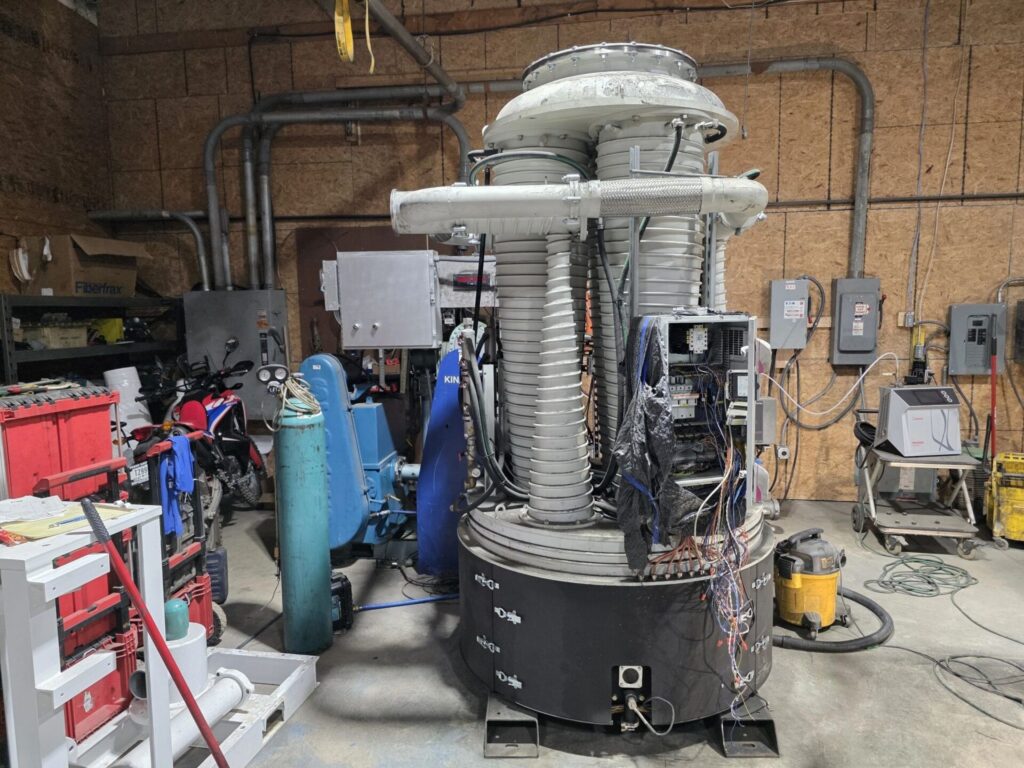
Three induction vacuum melting furnaces will be delivered to an industrial foundry specializing in parts production for the aerospace industry.
Sławomir Woźniak CEO SECO/WARWICK Group
The three furnaces will increase the European partner’s production facilities and includes VIM technology for using directional solidification or single crystal casting of nickel and cobalt superalloys.
“In the VIM DS/CS furnace, the client can obtain castings using directional solidification or single crystal technology. The well-designed furnace structure…allows the user to produce the highest quality castings,” said Sławomir Woźniak, CEO of the SECO/WARWICKGroup, a thermal processing solutions provider with North American locations.
The furnaces on order have a maximum capacity of 40kg.
The growing importance of vacuum metallurgy is partly a consequence of the continuously changing production needs of aviation. The most modern jet engines utilize advanced blades cast using single crystal technology.
Press release is available in its original form here.
Heat TreatToday offers News Chatter, a feature highlighting representative moves, transactions, and kudos from around the industry. Enjoy these 12 news items, featuring steel mill and furnace upgrades, new CEOs, a 5000th device celebration, and more!
Equipment
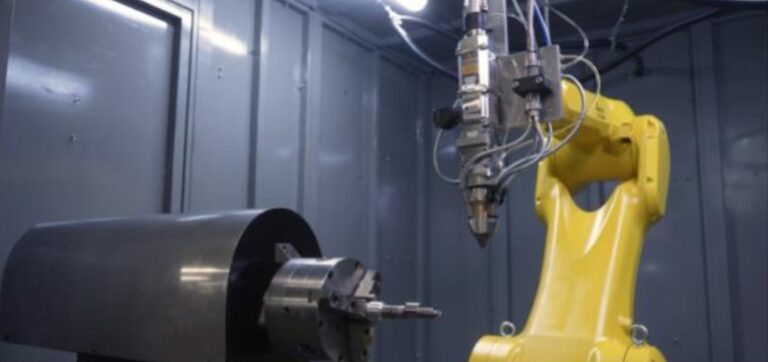
1. Synergy Additive Manufacturing LLCwas awarded Phase I SBIR by U.S. Navy to develop extremely high-speed laser cladding processes to enhance the performance of titanium cylinder bores used in critical helicopter components.
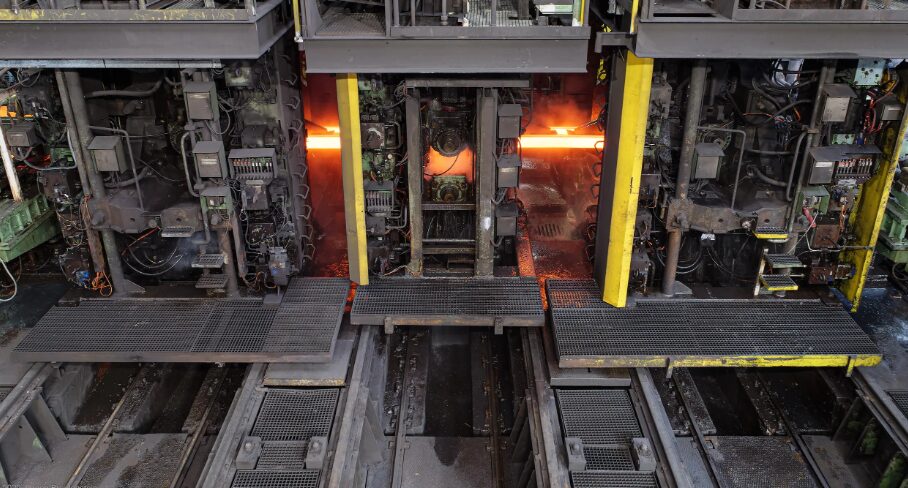
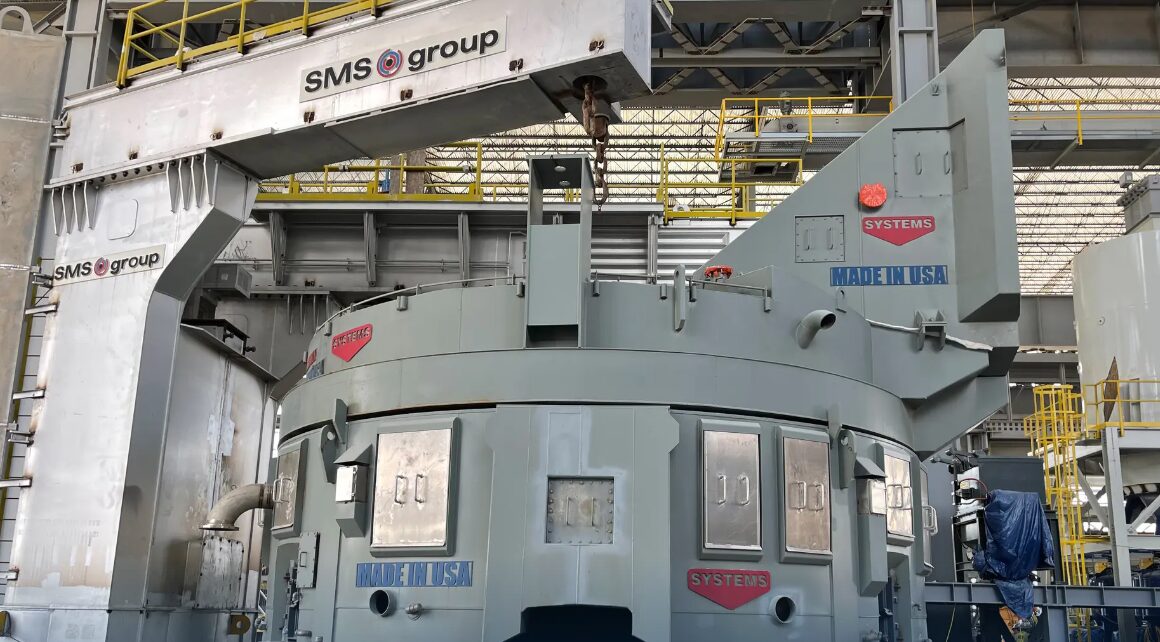
2. SMS group upgrades CELSA Barcelona’s medium section mill with new process automation. Upgrade of the outdated level 2 automation will secure the long-term operational stability and ongoing production efficiency of the medium section mill.
3. Nitrex upgraded seven furnaces for a Nevada manufacturer for the aerospace industry. The upgrades included retrofitted vacuum furnaces with modern automation utilizing QMULUS — Nitrex’s AI- and ML-powered SCADA platform.
4. Mercer Vacuum Components and Services, Inc., were commissioned to rebuild two vacuum furnaces, including the furnaces’ hot zones, gas cooling systems (to include the motor), and fan and heat exchangers. The rebuilding occurred at their Vacuum Technologies Center in Terre Haute, IN.
Synergy Additive Manufacturing LLC awarded phase I SBIRSMS Group upgrades millNitrex upgrades furnacesMercer Vacuum Components and Services, Inc. rebuilds
Company & Personnel
5. SMS group enters into strategic partnership with The Systems Group to drive safety and sustainability in steelmaking. SMS group now integrates Spray-Cooled® technology into its solutions for electric arc furnaces and secondary metallurgy plants.
6. Ipsen Group CEO Geoffrey Somary assumed the role of president of Ipsen USA, in addition to his current role leading the global organization.
7. Patrick McKenna has been appointed as chief executive officer and director of Bluewater Thermal Solutions, a portfolio company of Aterian Investment Partners.
SMS Group partners for furnace solutionsGeoffrey Somary CEO Ipsen USAPatrick McKenna CEO Bluewater Thermal Solutions
Kudos
8. Kowalski Heat Treating Company celebrated 50 years in business. The family company was founded in 1975, and remains a family company today.
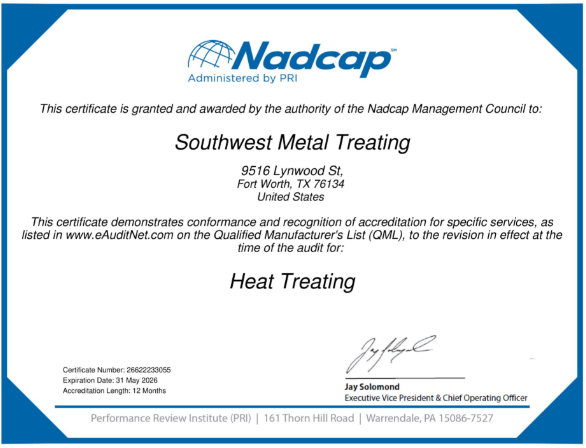
9. Southwest Metal Treating Corp. announced earning Nadcap® accreditation for heat treating, marking a milestone in its commitment to quality and precision in aerospace and defense manufacturing.
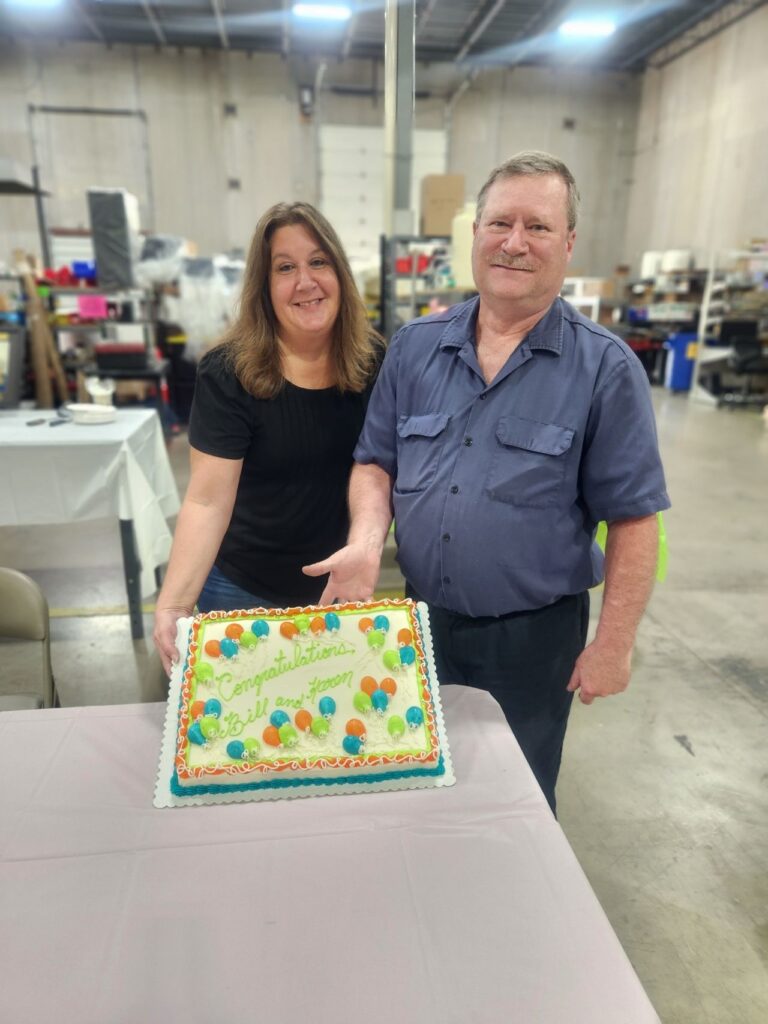
10. Nitrex celebrated the 35th work anniversaries of Karen Feciskonin and Bill Schmitz. They also recognized Bill Schmitz’s retirement after 35 years of serving on their team.
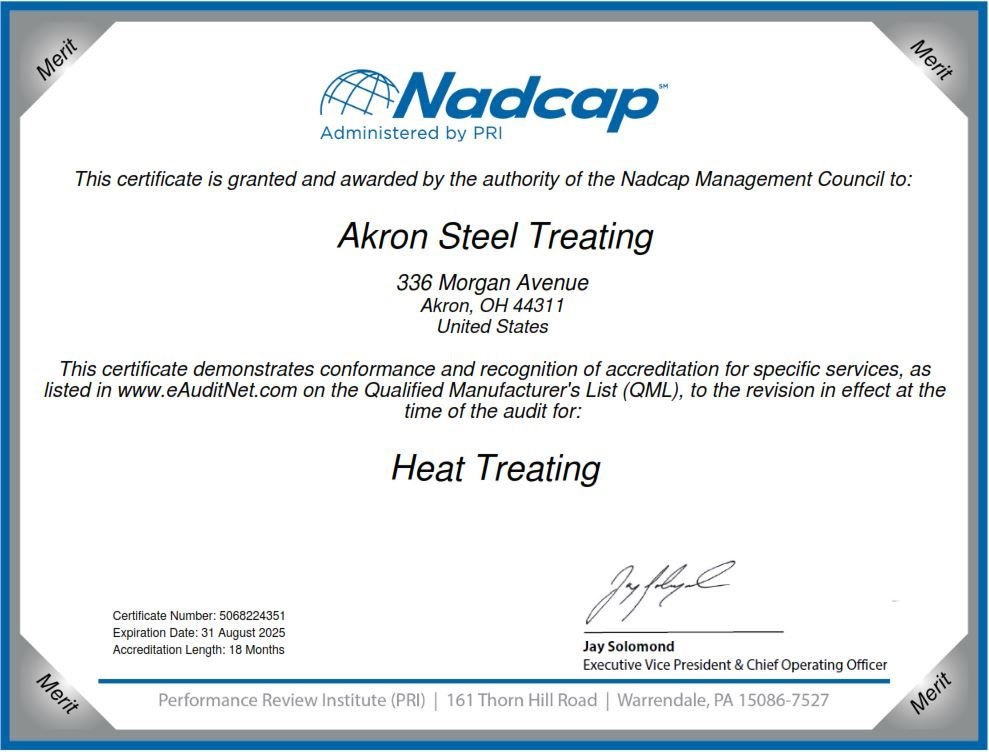
11. Akron Steel Treating Company announced 20 years of Nadcap® accreditation.
12. The SECO/WARWICK Group announced record-breaking dynamic growth results as well as the milestone of the 5000th device in production.
Kowalski 50 Year AnniversarySouthwest Metal Treating Nadcap CertificationNitrex celebrates anniversariesAkron Steel Treating Nadcap CertificationSECO/WARWICK 5000th device
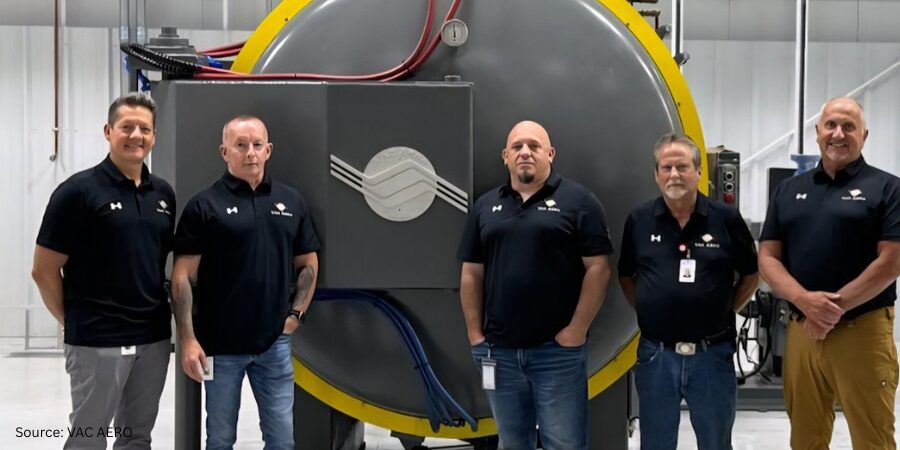
VAC AERO is investing $5.8 million to open its first U.S. operation in Greenville, SC. The facility will initially feature vacuum furnaces, with a defined goal of introducing advanced coating technologies.
Brent Davis President & COO VAC AERO U.S. Inc. Source: Linkedin
The Canadian thermal processing company will be partnering with Meyer Tool to deliver advanced heat treating solutions. The companies are working together to establish a “shop-in-shop” facility within Meyer Tool’s Greenville location. The “shop-in-shop” model enables VAC AERO to operate a fully integrated vacuum heat treating, brazing, and coating operation within Meyer Tool’s advanced manufacturing environment.
“We are excited to bring our expertise in vacuum heat treating directly into the heart of one of North America’s most respected regions for power generation and aerospace component manufacturing,” said Brent Davis, president and COO of VAC AERO U.S. Inc.
Dan Godin Executive Vice President Meyer Tool Source: Linkedin
Dan Godin, executive vice president of Meyer Tool, stated: “This collaboration is leveraging our combined expertise to offer the customers better control of their Value Stream.”
This strategic partnership marks VAC AERO’s first operational presence in the United States and underscores its renewed commitment to global expansion.
Press release is available in its original form here.
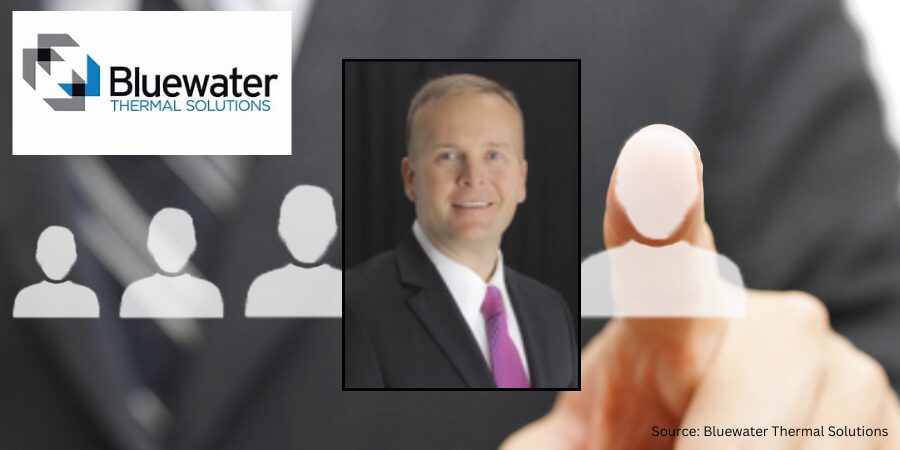
Patrick McKenna has been appointed as chief executive officer and director of Bluewater Thermal Solutions, a portfolio company of Aterian Investment Partners, effective immediately.
Patrick McKenna CEO Bluewater Thermal Solutions
“I’m honored to join Bluewater Thermal Solutions at such a dynamic time for the industry,” said McKenna. “With a strong operational footprint, a dedicated team, and a reputation for technical excellence, Bluewater is well positioned for growth. I’m eager to work alongside our employees, customers, and partners to build on the company’s momentum and drive our capabilities forward.”
McKenna has more than 25 years of leadership and innovation experience in the thermal processing industry. He most recently served as president & CEO of Ipsen USA, a global provider of vacuum furnace technology for the thermal processing sector. He oversaw a team of more than 250 employees at Ipsen’s U.S. based Vacuum Center of Excellence, while driving success across international markets.
Prior to Ipsen, McKenna was most recently co-founder, board member, and vice president of Nevada Heat Treating/California Brazing. There, he helped transform the business from a traditional commercial heat treating operation into a Nadcap-accredited provider of turnkey manufacturing solutions serving major aerospace OEMs.
Brandon Bethea, co-founder and partner at Aterian, expressed strong confidence in the new leadership: “Patrick has excelled in every role he’s taken on. His deep industry expertise and sharp eye for commercial growth make him the ideal leader to guide Bluewater into its next phase. We’re thrilled to welcome him to the team.”
Bluewater Thermal Solutions is headquartered in Greenville, South Carolina, and is one of North America’s largest providers of heat treating and brazing services. The company operates ten facilities across the U.S., offering thermal processing capabilities.
Press release is available in its original form here.
Heat treatment impacts almost every facet of our lives, yet few people are aware of how important this practice is to a modern way of living. Heat treatment is a process which changes the microstructure of a metal, such as hardening, carburizing, tempering, and many others.
When a metal is formed, it undergoes heat treatment in order to make it longer lasting, change its structure so that it becomes harder or softer, or reduce the tendancy toward cracking which can form during manufacturing. To help us appreciate the impact of heat treatment on our daily lives, Tiffany Ward, daily editor for Heat Treat Today, has prepared this illustrative post.
Breakfast of Champions
You wake up in the morning and roll yourself out of bed, greeting a foggy sunrise through the window. You stumble to the kitchen to fire up your cast iron skillet.
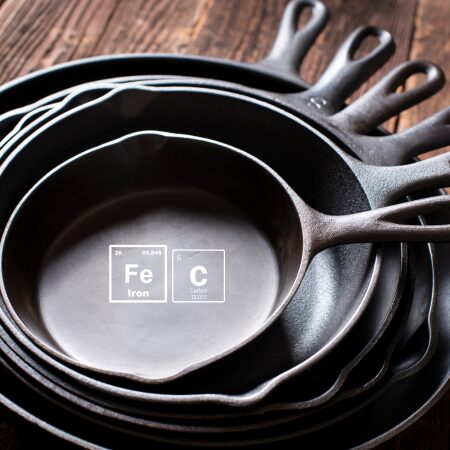
Cast iron contains a minimum of 2% carbon
At one time, that same cast iron skillet lived a provincial life, known as simply: iron. Cast iron is made from iron with greater than 2% carbon, which is in the form of graphite. When that iron was “cast,” it was melted at a high temperature, and once cooled, it transformed into a very stable material that heats and cools uniformly. Perfect for your sunny-side-up eggs.
At the foundry, someone poured the molten metal into a mold to form the exact shape your pan is in today, and then it underwent numerous heat treat processes: annealing, normalizing, tempering, and even graphitizing (a process of converting carbon into graphite). The particular processes the skillet underwent depend upon the chemistry of the cast iron.
Almost all cast iron has carbon and nitrogen added to its surface in a process called ferritic nitrocarburizing plus post-oxidation. This heat treatment gives a shallow surface layer to the pan for better wear resistance. The skillet is heated up between around 1550°F and 1650°F inside a protective atmosphere of Endothermic gas. Endothermic gas is a generated heat treat atmosphere. It is made up of approximately 40% hydrogen, 40% nitrogen, and 20% carbon monoxide. The Endothermic gas is enriched with both a hydrocarbon gas (i.e., natural gas or propane) and ammonia so that carbon and nitrogen can be added to the iron.
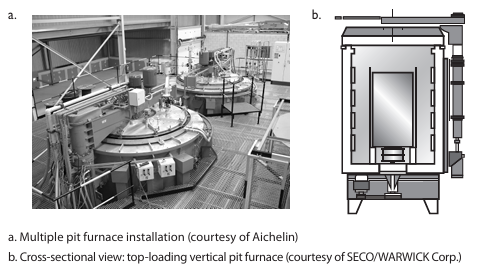
There are a variety of different furnaces that can be used for ferritic nitrocarburizing. Box, pit, and tip-up furnaces are used due to their large capacity. For cast iron skillets, one common choice is the pit furnace — a cylindrical furnace typically located in the floor of a factory. Pit furnaces can hold a lot of heavyweight items, making them a good fit for the cookware now resting on your stove.
Figure Source: Herring, Daniel H., Atmosphere Heat Treatment Volume 1, BNP Media II, LLC, 2014.
You pull a knife out of your drawer and begin slicing an apple. The blade reflects a beam of sun from the window, but it isn’t your best knife. You’ve noticed that some of your knives are sharper and can resharpen more easily than others; this is because of the quality of the original material used and the heat treatment process employed in manufacturing the knife.
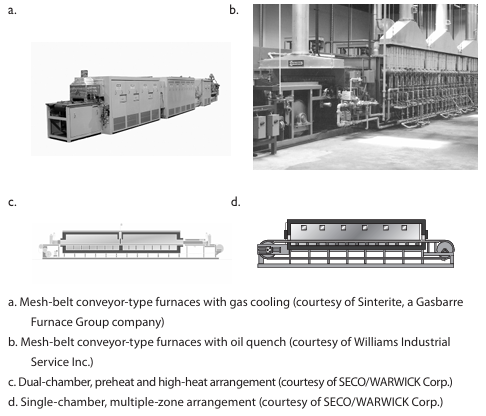
Perhaps the knife you chose to use today was made from high carbon steel such as 1095. The blade was heat treated using a process of hardening, quenching, and tempering. After the blade was formed, it entered a continuous mesh-belt furnace and was quenched in either oil (in the case of a 1095 steel), or in the case of stainless steel or tool steel, cooled in still air.
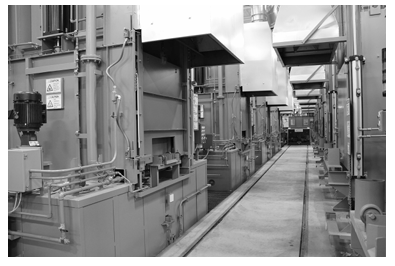
Source: Dan Herring, The HERRING GROUP, Inc.Figure: Batch integral-quench furnace system installation (courtesy of AFC-Holcroft). Dan Herring, The HERRING GROUP, Inc.
At the same time of hardening and quenching, the handle was joined to the blade in a process called brazing. The entire knife was heated up to an austenitizing temperature and rapidly cooled in the quenching process, giving it a particular hardness level.
The hardening process can be performed in a vacuum furnace or an atmosphere furnace. The atmosphere is typically nitrogen or, more commonly, a nitrogen/hydrogen mixture. Another option is nitrogen plus dissociated ammonia (dissociated ammonia is 75% hydrogen, 25% nitrogen).
A typical temperature for the heat treatment of high carbon 1095 steel knives is 1475ºF. Stainless steels are run at higher temperatures, typically in the range of 1800º/1950ºF and tool steels even higher, to around 2200ºF.
After breakfast you head to the bathroom. You are anxious to rid yourself of unshaven scruff, carefully running a razor over your face. The razor blades were hardened and tempered for sharpness, so that you get a smooth, clean shave.
Like knives, razor blades are hardened and are made of a medium to high carbon steel. Unlike knives, they are hardened in a continuous strip form. Envision all of your razor blades as a single, thin strip, run continuously through a furnace to heat and cool them. The blade is heated in a protective atmosphere as it runs through the furnace. On one end of the furnace is a reel that coils the strip and at the other end is an un-coiler.
Continuous style furnaces have alloy tubes inside of them that are very small in diameter, typically one inch, which run the entire length of the furnace. As the razor strip is run through the tube it is exposed to an atmosphere of nitrogen and hydrogen, typically with 3% hydrogen, to protect the razor blade surface from oxidation. Once heated, the blade enters cooling either by surrounding the tube with water or by blowing forced air on the tubes.
A process called tempering follows hardening and quenching. When you harden a material you make it stronger, but less ductile, so there is a concern that the razor blade might break. The tempering process improves ductility, removing some of the hardness but improving flexibility.
Dan Herring, The Heat Treat Doctor®, describes the balancing act this way: “On one end of the teeter totter, metallurgically, are strength properties and on the other side of the teeter-totter are ductility properties. It’s always a challenge to properly balance the teeter-totter. If you get the hardness too high, what happens to the ductility? It’s very low. As a result, the material is super hard but may crack easier. On the other hand, if ductility is too high, the material is super flexible so that it can bend like a branch of a tree in the wind, but it has little strength. You need a balance of strength and ductility in all heat treated products, which is accomplished in part by proper tempering.”
Our lives are touched by heat treatment at every turn. Highly technical processes play their role in the formation of even the most common household items. While heat treatment may seem to some a niche industry, its impact on everyday life is ubiquitous.
A special note of thanks to Dan Herring, The Heat Treat Doctor®, for his insights and contributions which informed this post.
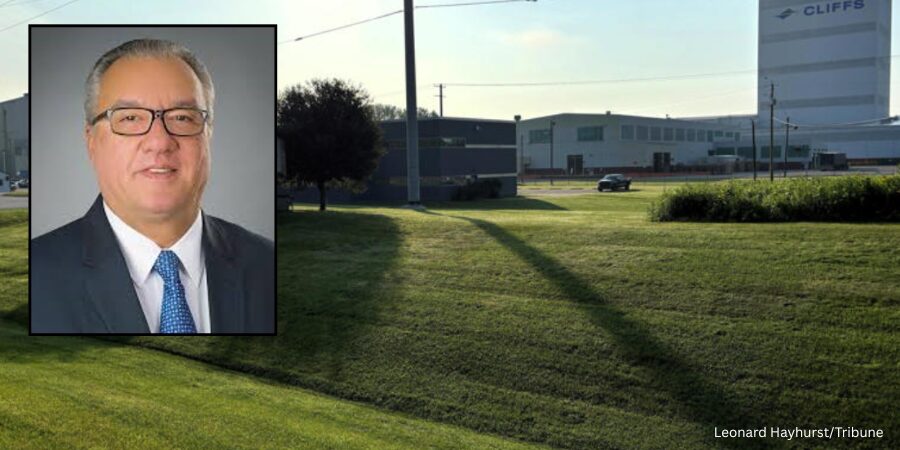
Cleveland-Cliffs has announced the commissioning of its new vertical stainless bright anneal line at its Coshocton Works facility in Coshocton, Ohio. This $150 million investment is now completed and will supply premium stainless steel for high-end automotive and critical appliance applications.
Lourenco Goncalves Chairman, President & CEO Cleveland-Cliffs
The new annealing line uses a 100% hydrogen atmosphere, replacing the conventional acid-based processing, and includes a hydrogen recovery unit to recycle hydrogen and use a 50/50 mix of new and used hydrogen in the process.
Lourenco Goncalves, chairman, president and CEO of Cliffs said: “By using hydrogen and advanced automation, we’re dramatically improving the quality and productivity of this critical product that our customers rely upon Cleveland-Cliffs for.”
To mark the opening, a ribbon cutting ceremony was held on Wednesday, July 2 at 11:00 a.m. ET at Cliffs’ Coshocton Works facility. The event was attended by key elected officials along with Cleveland-Cliffs’ executives, employees, and key customers.
Cleveland-Cliffs is a leading North America-based steel producer with focus on value-added sheet products, particularly for the automotive industry.
Press release is available in its original form here.
We at Heat Treat Today are thankful for the freedoms we are privileged to enjoy in the United States. We hope you are able to celebrate and give thanks this weekend with friends and family for all the blessings the founding of our nation has forged.
Heat Treat Today offices will be closed Friday in honor of the holiday and we will return again on Monday.
Advanced Heat Treat Corp. (AHT) has increased operations at their Monroe, Michigan facility with additional gas nitriding equipment.
Chad Clark Plant Manager Advanced Heat Treat Corp.
The new unit will be utilized in heat treatment for industries such as automotive, government and defense, plastics, power generation, and others. It will utilize UltraGlow® Gas Nitriding, which is a case-hardening process whereby nitrogen is diffused into the surface of a solid ferrous alloy by holding the metal at a suitable temperature in contact with a nitrogenous gas, usually ammonia.
AHTMichigan Plant Manager Chad Clark added, “Our mission statement is ‘Exceeding expectations with UltraGlowing results,’ so this is an example of us expanding capacity to provide our customers with great turnaround. We are pleased to offer additional capacity and look forward to the completion of our building expansion and additional equipment/services in the future.”
AHT can accommodate parts up to 400” inches in height, 160” in diameter and up to 60,000 lbs in weight. A few of the common materials used in gas nitriding processes are austenitic stainless steel; martensitic stainless steel; cast materials (gray/ductile/nodular iron); medium carbon steel; and low alloy/low carbon steel.
This equipment follows on the heels of a building expansion for AHT’s Monroe facility.
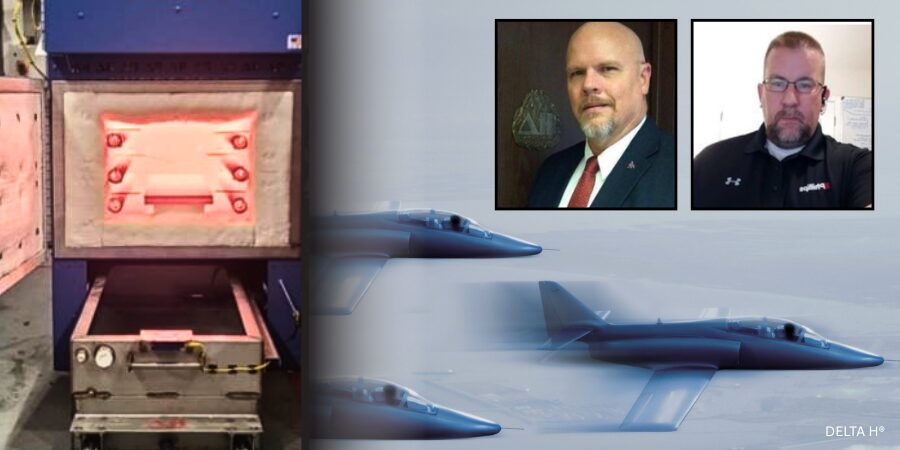
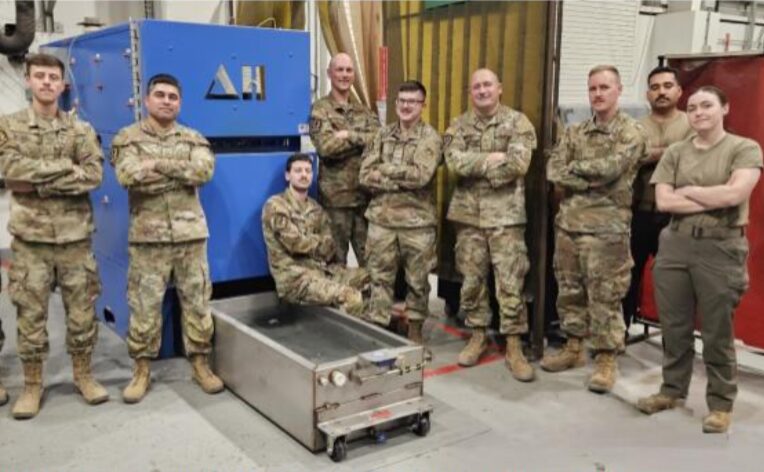
A Defender Series furnace has been provided for Al Udeid Air Base, providing the U.S. Air Force with mission-critical capability to heat treat all aviation-grade metals used in aircraft maintenance.
SAF Metals Technology Technicians – Al Udeid Air Base, Qatar
Qualified Heat Treaters for Military Aircraft Source: DELTA H®
DELTA H®and Phillips Federalcommissioned the dual-chamber system which features a radiant heat lower chamber (1,000°F–2,000°F, 12”W x 12”H x 48”D TUS volume) with inert atmosphere. A convection heat upper chamber (200°F–1,200°F, 18”W x 12”H x 48”D) is capable of rapid cooling from 1,000°F to below 200°F in under 30 minutes, allowing solution heat treating and aging (T6) in the same chamber before part freezing is required.
Al Udeid Air Base – Doha Qatar Source: DELTA H®Richard & Mary Conway
DELTA H® TECHNOLOGIES, LLC Source: DELTA H®
Commissioning included hands-on training and qualification of USAF Metals Tech personnel in system operation, AMS2750 compliance, TUS/SAT execution (via SuperSystems SDS 8120), pyrometry recordkeeping management, and heat treating fundamentals for aviation grade metals.
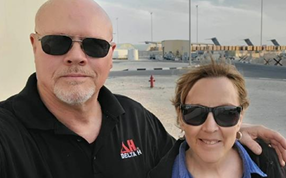
Director and CTO of DELTA H, Richard Conway, shares: “Mary and I were honored to work directly with the outstanding Airmen at Al Udeid — true professionals whose determination to master heat treating reflected their deep commitment to the mission. It was humbling to see our furnace system play a small part in supporting their readiness. In a time of growing uncertainty, DELTA H is proud to stand with our Warfighters on the front lines, providing the tools they need to defend freedom.”
Retired, SMSgt, John (JD) Murray Product Manager Phillips Federal Source: Linkedin
Product manager at Phillips Federal, USAF Retired, SMSgt,John (JD) Murray shares: “As a Retired USAF Aircraft Metals Technician with multiple deployments to my credit, I am overjoyed to see the deployed location receive the best equipment possible. DELTA H furnaces are essential to keep our aircraft flying, fighting, and winning.”
The furnace is equipped with a dual-bath quench tank supporting both water and oil quenching, and final testing confirmed AMS2750 compliance with the convection chamber achieving Class 1 (±5°F) and the radiant chamber Class 3 (±15°F) uniformity. PMEL completed all calibrations, certifying the system for immediate aircraft parts processing.
Press release is available in its original formhere.
We all know that cooling off the right way matters. Your friend may be hot, but dumping a bucket of ice on them just might cause your friendship to crack. The same applies to heat treating. The methods and modes of cooling operations can make or break our bank and equipment.
Heat TreatToday has coalesced technical information across articles and podcast episodes from key experts, including a case study comparing the efficiency of different cooling technologies, a Heat Treat Radioepisode full of purchasing guidance and the updates on the latest technologies, and finally a helpful comparative of cooling systems for the automotive industry.
Discover more about these three topics in today’s Technical Tuesday original content feature.
Intelligent Cooling System Improves Operations for Alloy Manufacturer: A Case Study
There’s only one constant about technology: It’s always evolving — revealing new innovations and opportunities. And as these new technologies come to light, heat treating operations have new opportunities to reduce cost, increase efficiency, and ensure consistent, optimized part quality, regardless of the job parameters. With the introduction of new process cooling technologies to the heat treating market, previously unexplored systems become viable solutions for unanswered operating challenges. Gary Burdardt, market development manager with Frigel North America, authored a case study to explore new technologies in cooling operations.
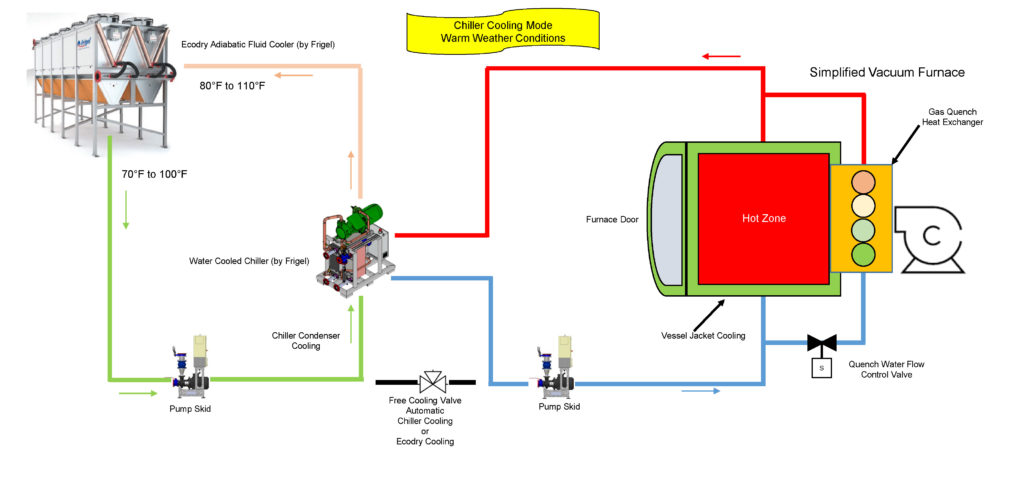
“Located on the East Coast, the manufacturer needed to find an alternative process cooling solution for its vacuum furnace cooling operation. It had been using air-cooled chillers, but the costs of continuous operation were too high. Operating as a batch furnace, the heat load of this particular application was specified to be approximately 200 tons, and process cooling water temperature, which was specified at 70°F, presented a significant challenge.”
Heat Treat Radio #100: Cooling Off the Heat (Treat)!
Keeping your heat treat equipment cool is as critical as it is an oxymoron. If you have old cooling systems or are looking to purchase new ones, hear from Matt Reed, director of Sales and Technologies at Dry Coolers, as he shares purchasing considerations, maintenance, and latest technologies with Heat TreatRadio host, Doug Glenn. Learn about the importance of flow, sediment build up, hot spots, and more!
“Vacuum furnaces, around the 1960s and 1970s, when they were being developed, focused on heat treating materials. Cooling is required because you’ve got these inner walled jackets in the furnace, jackets in the heads, you’ve got diffusion pumps, mechanical pumps — all these ancillary pieces of equipment that require cooling. Originally, you could use city water and flow city water right through the furnace. Customers soon find out that that’s a lot of water consumption, so the next step was to look at an evaporative cooling tower. You start recirculating evaporative cooling tower water directly through the furnaces.”
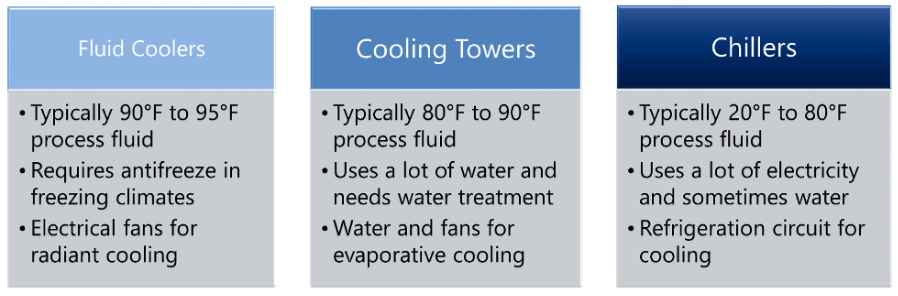
Deciding on a process cooling system for your automotive heat treat requires intentional consideration. In this article Bob Smith, director of product management at Thermal Care, offers practical and valuable guidance on three options: fluid coolers, cooling towers, and chillers.
“When considering which type of process fluid cooling system is best for your automotive heat treat application, it is important to determine the process fluid medium, desired temperature, and the significance of operating cost versus initial investment. There are often multiple solutions to a process cooling application, and the following is intended to provide a basic outline of the types of systems available and where they are best used.”