

AMS2750

22 News Chatter to Keep You Current

Heat Treat Today offers News Chatter, a feature highlighting representative moves, transactions, and kudos from around the industry. Enjoy these 22 news items, including Advanced Heat Treat Corp.’s expansion of induction hardening and gas nitriding capacity in Alabama, Dauch Corporation’s acquisition of Dowlais Group, CAN-ENG Furnaces International’s new certification as a FANUC Authorized System Integrator, and more!


Equipment

1. Urschel Laboratories, a manufacturer of precision food-cutting equipment, has ordered a new MetalMaster HR vacuum furnace from Ipsen USA to support in-house heat treating of stainless steel components used in its machines. The system will replace a furnace that has been operating since 1986 and marks Urschel’s sixth furnace purchase from Ipsen, reflecting a decades-long partnership. The upgrade is expected to strengthen Urschel’s manufacturing efficiency and product reliability, reinforcing equipment performance across the global food processing industry it serves.

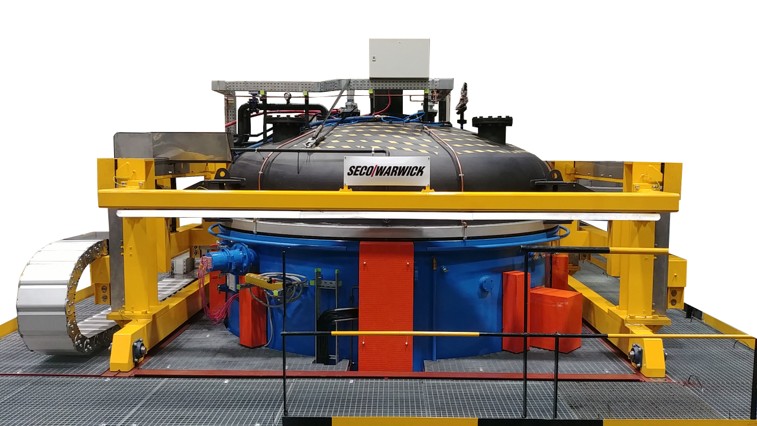
2. BTOMEC Ferramentaria e Usinagem de Precisão Ltda., a manufacturer of multi-cavity injection molds, has invested in a Vector vacuum furnace from SECO/WARWICK to bring die and tooling hardening in-house. The move enables the company to reduce reliance on external heat treaters while gaining greater control over production timelines, costs, and quality. The investment reflects a broader industry trend of manufacturers establishing internal heat treat capabilities as production volumes grow.

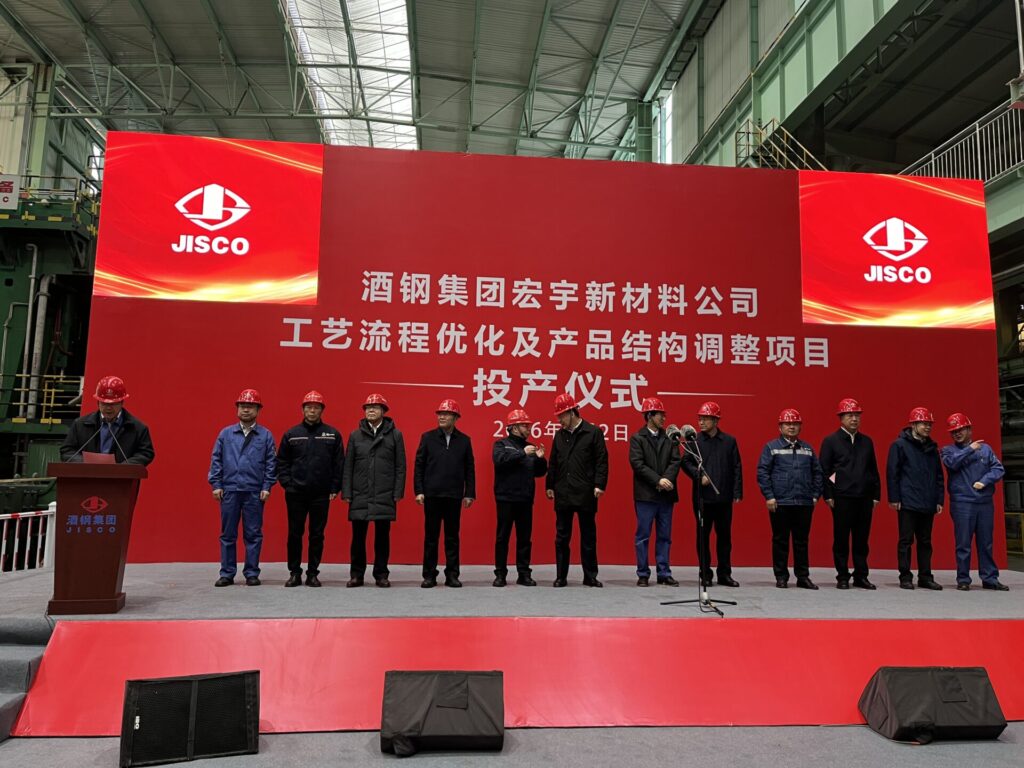
3. JISCO Carbon Steel has commissioned a new integrated CSP®-HSM production line at its Jiayuguan facility, combining Compact Strip Production casting with a hot strip mill in a fully automated system supplied by SMS Group. The upgrade doubles the plant’s annual production capacity from about 2 million to 4.5 million tons while improving operational flexibility and process integration between casting and rolling. The project strengthens JISCO’s ability to deliver consistent flat-steel products for global manufacturing markets.

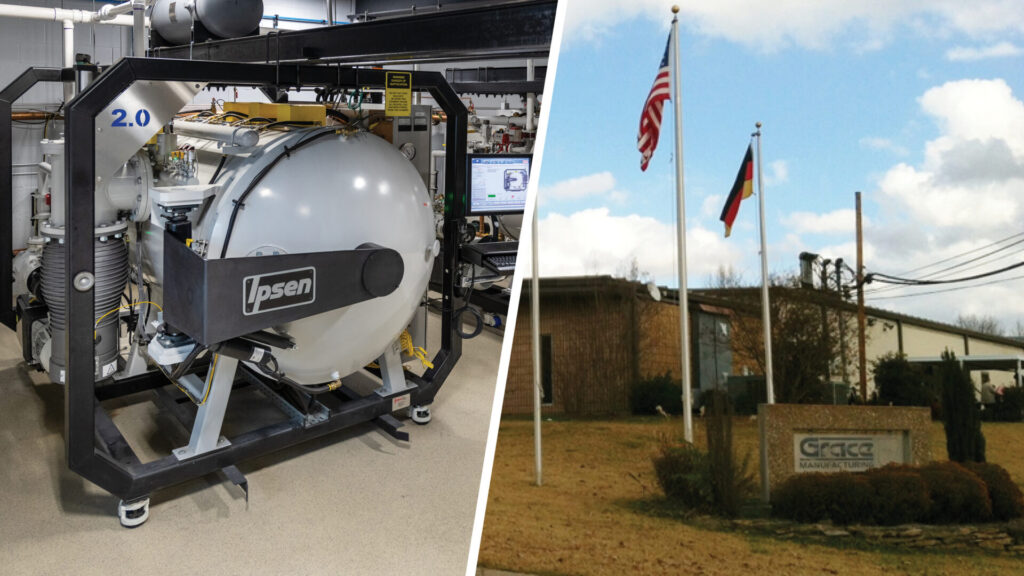
4. Grace Manufacturing has installed a new TITAN H2 vacuum furnace from Ipsen at its Russellville, Arkansas facility to expand heat treating capabilities for thin martensitic stainless steel components used in medical devices. The system replaces an aging furnace and was selected after third-party testing confirmed it met the company’s processing requirements. The upgrade strengthens production reliability and metallurgical control for precision medical manufacturing.

5. An international aircraft motion-control manufacturer has ordered an additional low-temperature vacuum tempering furnace from SECO/WARWICK’s U.S. subsidiary to expand its heat treat capacity for precision aerospace components. The system will support tempering, aging, and other sub-critical heat treat processes while meeting stringent aerospace thermal-processing standards.

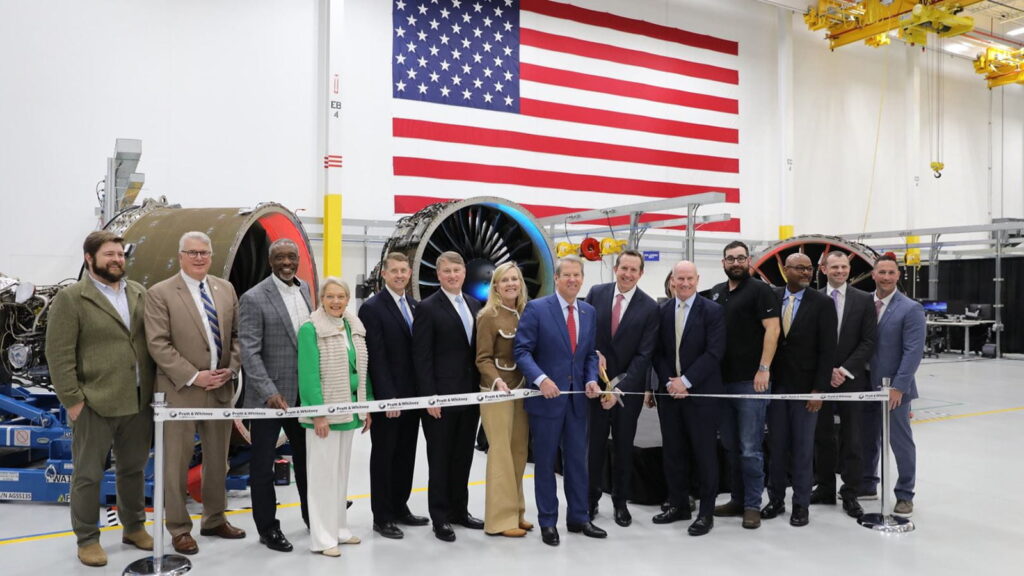
6. Pratt & Whitney, an RTX business, is investing $200 million to expand its Columbus, Georgia, manufacturing site with a seventh isothermal forging press to produce rotating compressor and turbine disks for commercial and military jet engines. The new equipment is expected to increase output of these critical engine components by about 30% and is scheduled to be operational in 2028. The expansion strengthens production capacity for next-generation aerospace engine programs and supports growing global demand for aircraft propulsion systems.

7. A defense-sector firearm manufacturer has selected a vacuum furnace system from SECO/WARWICK to support carburizing and heat treatment of steel components used in firearm production. The new equipment will enhance control over case hardening processes, helping improve durability and performance of critical firearm parts. The investment strengthens thermal processing capacity within the defense manufacturing supply chain.

8. Advanced Heat Treat Corp. (AHT) has expanded induction hardening and gas nitriding capacity at its Cullman, Alabama facility, adding a larger induction system and an additional nitriding unit. The upgrade enables the processing of larger and more complex components while supporting higher production volumes. The investment strengthens surface hardening capabilities for manufacturers by improving throughput and maintaining fast turnaround times for industrial parts.

9. Bodycote has installed a new diffusion hardening treatment vessel at its Mooresville, North Carolina facility, expanding stainless steel processing capabilities in North America. The system enables the company to surface-harden larger components using its ADM® low-temperature diffusion hardening process. The investment broadens capacity for industries such as oil and gas, food and beverage, and medical technology by improving durability of stainless steel parts while maintaining corrosion resistance.

10. Gasbarre Thermal Processing Systems will supply a custom-engineered box furnace and loading system to a U.S. government manufacturing facility to expand a previously validated high-temperature thermal process. The system, designed to meet strict space and operational constraints, will operate up to 2100°F in an air atmosphere and represents the largest configuration the facility can accommodate. The installation enables the government manufacturer to scale production while maintaining specialized thermal processing capabilities.

11. A China-based manufacturer of vacuum circuit breakers has ordered two vacuum furnaces from SECO/WARWICK to add vacuum brazing capability for producing vacuum interrupter components used in power distribution systems. The installation expands the manufacturer’s ability to produce brazed, hermetically sealed interrupter assemblies used in circuit breakers that interrupt electrical current in industrial and utility power networks.

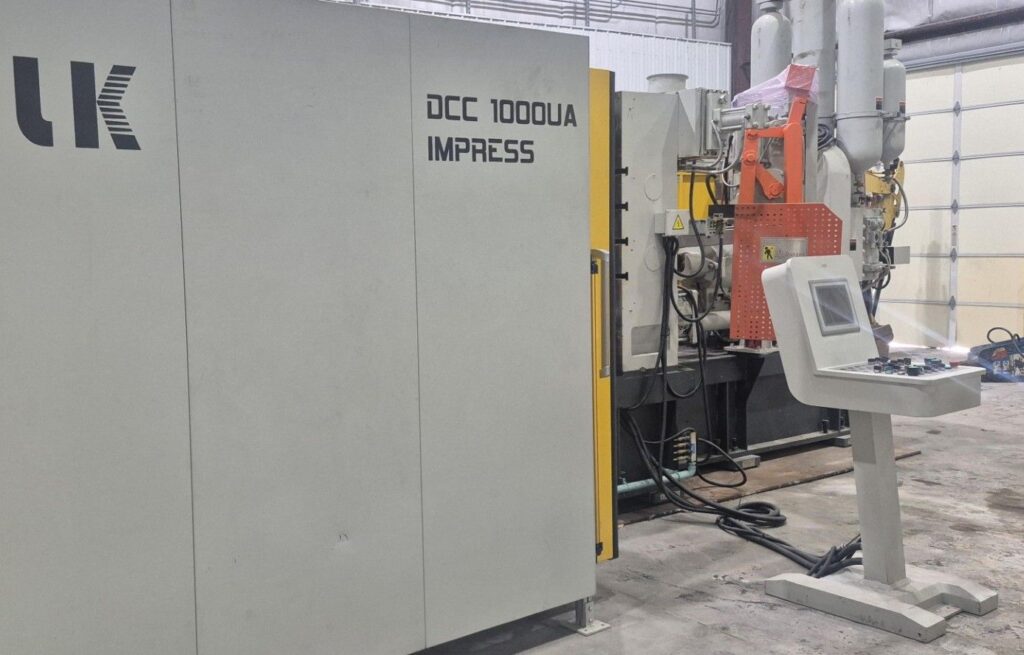
12. PSW Group has opened a new High Integrity Diecasting Center at its Magretech plant in Bellevue, Ohio, focused on semi-solid casting technologies for aluminum and magnesium components. Led by Dr. Tao Wang, the facility allows OEMs, Tier 1 suppliers, and die casters to trial, develop, and scale advanced casting processes using semi-solid and high-pressure die-casting methods. The center aims to accelerate development of lighter, stronger, and lower-carbon metal components, supporting innovation and faster time-to-market across the automotive and light-metal manufacturing sectors.

Company & Personnel

13. Dauch Corporation has completed its acquisition of Dowlais Group plc, bringing together major automotive manufacturing operations including GKN Automotive and GKN Powder Metallurgy. The combined company expands global capabilities in driveline systems, metal forming, and powder metallurgy under the leadership of CEO David C. Dauch. The move strengthens supply and engineering capacity for internal combustion, hybrid, and electric vehicle platforms across the global automotive industry.

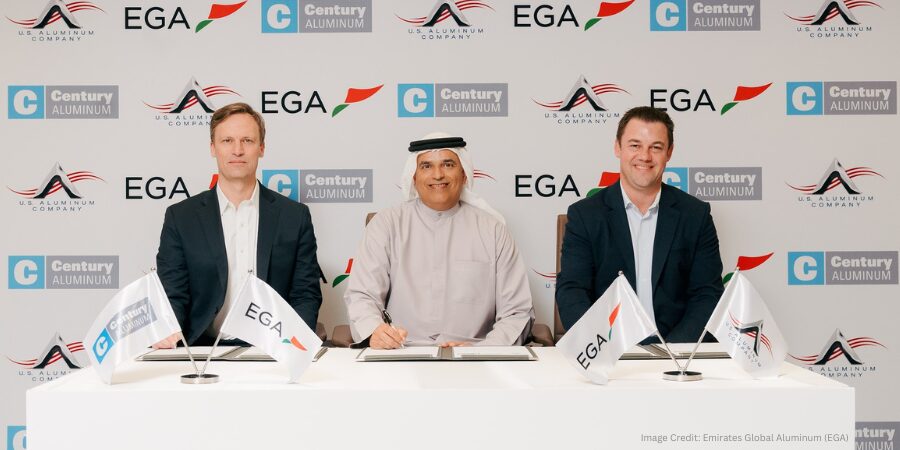
14. U.S. Aluminum Company has signed an agreement with Emirates Global Aluminum (EGA) and Century Aluminum to explore building a downstream aluminum fabrication facility in Inola, Oklahoma, near a planned primary aluminum smelter. The proposed plant would convert molten aluminum into value-added products for sectors such as electrical, defense, aerospace, automotive, and machinery manufacturing. The project aims to strengthen U.S. aluminum supply chains and help expand domestic primary aluminum production capacity.

15. The AICHELIN Group has appointed Daniel Panny as head of United Process Controls (UPC) in Göppingen and Mike Löpke as head of QMULUS in Düsseldorf as part of organizational changes following the integration of NITREX. The leadership updates strengthen the group’s focus on automation, plant control, and IIoT-driven digital solutions for heat treatment operations. The move supports closer integration of furnace technology, process expertise, and data-driven optimization across the global heat treat industry.

16. SECO/WARWICK has appointed Pan Gaojun as managing director of SECO/WARWICK China, following a succession process within the company. Gaojun, who joined the group in 2010, will lead operational development and strengthen the company’s presence in key technologies such as CAB lines and vacuum furnaces in the Asian market. The leadership change is intended to support continued growth and strengthen SECO/WARWICK’s position in China’s expanding heat treat and thermal-processing sector.

17. Vienna-based refractory manufacturer RATH AG has appointed Christian Morawetz as chief operating officer, bringing the experienced operations executive onto its Executive Board to oversee production, purchasing, R&D, quality management, and IT across the company’s global manufacturing operations. Morawetz’s leadership and industrial management experience are expected to strengthen operational efficiency and innovation as the company undertakes a broader transformation of its product portfolio and production structures to better serve high-temperature industries such as steel, glass, and ceramics.

Kudos

18. The U.S. Department of War (formerly Department of Defense) has awarded contracts through the Defense Logistics Agency to 24 manufacturers to supply additively manufactured metal and polymer parts under the Joint Additive Manufacturing Acceptability (JAMA) IV pilot program. The firm-fixed-price IDIQ contract, valued at up to $9.8 million with a base period through Feb. 2027, allows the Pentagon to issue task orders for 3D-printed components supporting U.S. military programs.

19. CAN-ENG Furnaces International Ltd. has been certified as a FANUC Authorized System Integrator, expanding its capabilities in robotic automation for industrial furnace and thermal-processing systems. The certification allows CAN-ENG to design and integrate FANUC robots into heat treat operations, including material handling and high-volume furnace automation. The partnership strengthens automation options for manufacturers seeking greater efficiency, reliability, and safety in heat treat and thermal processing environments.

20. Burloak Technologies Inc., based in Oakville, Ontario, has completed its latest Nadcap audit, enabling its heat treatment capabilities to support demanding industries. The certification reinforces the company’s thermal processing services — including hot isostatic pressing (HIP), vacuum heat treatment, and alloy heat treat cycles — used in sectors such as aerospace, defense, automotive, and medical manufacturing.

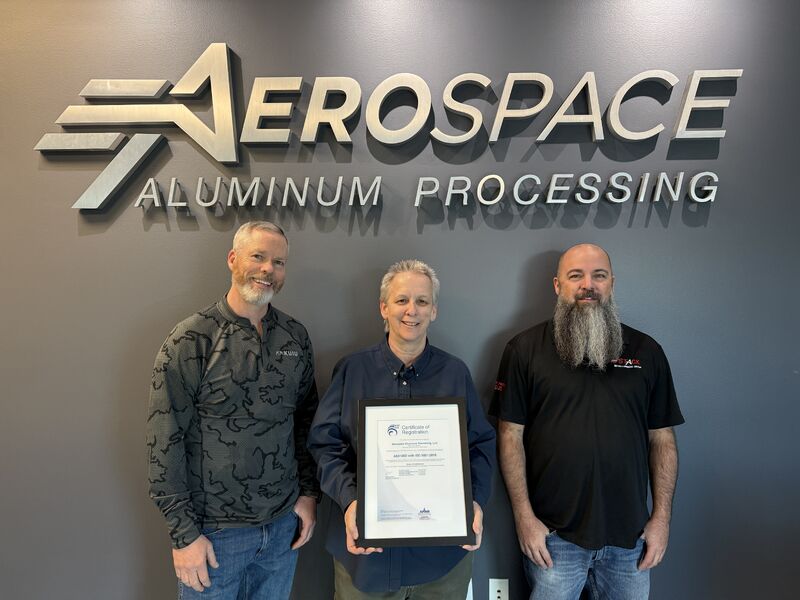
21. Stack Metallurgical Group announced that its Salt Lake City facility, Aerospace Aluminum Processing (ASAP), has achieved AS9100D certification following an audit completed with zero findings. The accreditation strengthens the facility’s quality credentials for aerospace aluminum heat treating and related processing, reinforcing its role in supporting high-spec aerospace manufacturing and positioning other Stack facilities to pursue similar approvals.

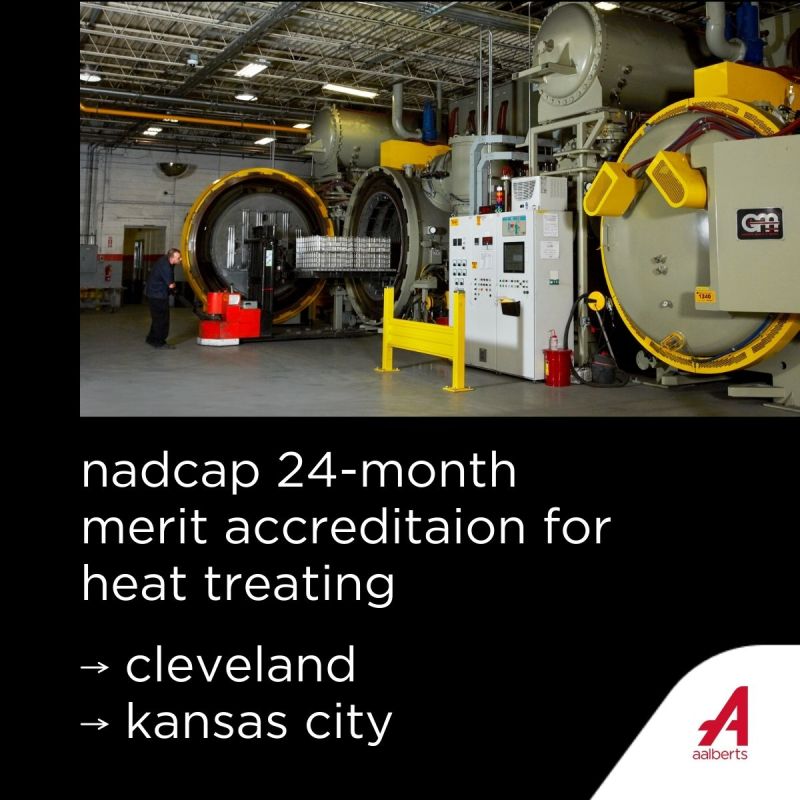
22. Aalberts surface technologies announced that its Cleveland, Ohio, and Kansas City facilities have earned Nadcap 24-Month Merit Accreditation for heat treating, effective February 10, 2026. The designation — achieved after years of near-zero audit findings and strict AMS2750 pyrometry compliance — signals strong process discipline and quality systems for aerospace heat treat operations, helping reduce supplier risk and strengthen reliability across the aerospace manufacturing supply chain.
22 News Chatter to Keep You Current Read More »
Heat Treat Radio #130: AMS2750 Pyrometry Best Practices


Heat Treat Radio host Heather Falcone is joined by Andrew Bassett, president of Aerospace Testing and Pyrometry, for a deep dive into AMS2750 and best practices for managing pyrometry compliance. Drawing on more than 35 years of hands-on experience and his role on the AMS2750 writing team, Bassett explains how the specification has evolved and why pyrometry continues to drive a majority of audit findings. The conversation explores common compliance pitfalls, practical system-level solutions, and how heat treaters can better prepare for audits without over testing. Falcone and Bassett also discuss the value of industry involvement in shaping standards that directly impact daily heat treating operations.

Below, you can watch the video, listen to the podcast by clicking on the audio play button, or read an edited transcript.


The following transcript has been edited for your reading enjoyment.

Introduction (00:04)

Heather Falcone: Hi, I’m Heather Falcone, and welcome to Heat Treat Radio. Today we are talking about AMS2750, and the best practice to manage pyrometry compliance. Joining me today is Andrew Bassett, president of Aerospace Testing and Pyrometry. Andrew has more than 35 years of experience working alongside manufacturers, captives, and commercial heat treaters to ensure their testing calibration and pyrometry programs meet the demands of industry specifications like AMS2750 without losing sight of how shops actually operate.

Aerospace Testing and Pyrometry (ATP) provides accredited testing, calibration, and pyrometry services nationwide that support heat treaters and aerospace manufacturers across compliance, audit readiness, and ongoing system integrity. The company also developed the Aerospace Compliance System (ACS), a software platform designed to support compliance and documentation requirements tied to testing and pyrometry programs.

Andrew is deeply involved in the aerospace, metals, and engineering committee responsible for writing AMS2750 specification and is an active contributor within the Nadcap Heat Treat Task Group. He brings practical systems level views of quality that go beyond checklists and audits.

Tell us a little bit about yourself, other than my delightful intro. There’s more about you, your industry involvement, and about ATP.

Andrew Bassett: I’ve been involved with pyrometry for 35 years now. My involvement with pyrometry started with a family-owned business. About the time when the Nadcap process was coming to fruition, some of my mentors, who are still my mentors today, dragged me to my first Nadcap meeting and said, “Well, if you’re going to do this pyrometry stuff, then you better learn it.”

Off I went to Hartford, Connecticut for my first understanding of Nadcap and how much pyrometry is a big part of the thermal processing industry. From that point forward, I dove into the specifications and wanted to be a part of a solution rather than contributing to the problem.

I got involved with AMS2750 and AMEC. When I showed up to my first meeting, the chairman at the time wanted to know who I was and what I was doing there. After explaining what I do and my desire to join the 2750 team, he said absolutely, because at that point, I was the only person in the sub-team that had hands-on experience in pyrometry and was writing the standard. I’m the one that actually picks up the thermocouple, sticks it inside a furnace, and knows what the real world is. Thankfully the chairman saw that and said, “You need to be a part of this.”

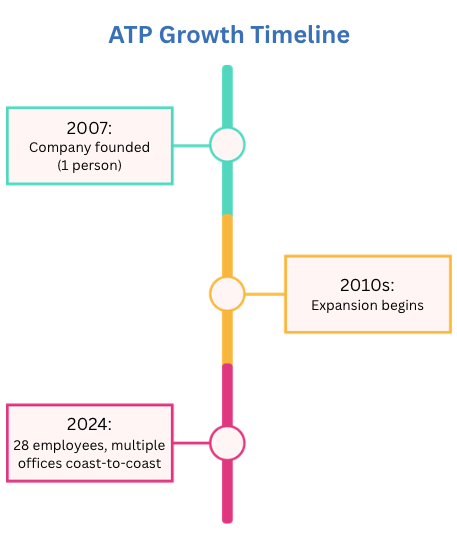
I started Aerospace Testing and Pyrometry (ATP) in 2007. When I first started the company, I wanted to dedicate my focus on helping our clients succeed, and make sure that we are the industry experts, providing the customer service that they deserve. I wanted to look at what the specification allows for frequency reductions and stop over testing the equipment, while staying within the compliance requirements of the standards.

AMS2750 is not the only pyrometry specification out there. We then got involved with the other aerospace prime specifications, ensuring our customers maintained compliance to those as well.

We have branched out since those early days of 2007, which consisted of me running around the country, taking care of pyrometry. Now we have 28 people in the business and multiple offices coast to coast with a great team behind us that shares the same vision, ensuring pyrometry service is our ultimate focus for our clients.

Heather Falcone: What is really important about that is that, as a former heat treater actively helping the heat treat industry now, there is not one system that puts all of these standards and specifications together. Companies have their records, data collection, and everything is all separate.

What is ACS? (5:37)

Heather Falcone: Tell us a little bit about ACS and how this software helps with this issue.

Andrew Bassett: The dream of the aerospace compliance software came out of us doing things the old-fashioned way, entering calibration data into an Excel spreadsheet, which enables the human factor and leads to human errors. When it comes to compliance audits, human errors cannot happen. So we tightened up our processes in the Excel world, but I knew there had to be a better way.

That is how we started down the road of developing aerospace compliance software. The idea was that it was going to be strictly an ATP tool to use for my technicians and the team to use the software. But the industry is small enough that people started hearing about what we were doing. Clients began requesting to be able to use the software. That is how the system has grown to where it is today. 

Back in my early days in pyrometry when I started ATP, I would literally build pyrometry compliance notebooks, old fashioned binders. When we would get a new client, I would go buy a bunch of notebooks from Staples and put in their little dividers of a pyrometry program together. We would have information and specifications about their furnace, calibration reports, SAT reports, TUS reports, thermocouple control logs, etc. That’s where ACS has now been built, replacing my old notebooks.

Now we have a system that’s 100% not just a pyrometry tool — it’s also a compliance tool. New features we have added have a focus on compliance, just not pyrometry-related tools. We now have tools for preventive maintenance leak rate testing checks that are required and controlling your thermocouple replacement schedule. It’s bigger than a pyrometry tool now.

This software has now expanded across multiple industries, not just in heat treating and thermal processing, but also chemical processing, NDT, composites, etc. It is a fully compliant software for multiple industries.

Heather Falcone: It’s meant to be that holistic, wraparound software for your quality folks to have someplace safe that all their data can get stored, aggregated, and usable.

Andrew Bassett: It’s also and most importantly a self-checking software to not only the industry specifications, but client internal specifications. It doesn’t have to be solely what AMS2750 says. It could be 2750 or GEs requirements, or Boeing’s requirement, or an internal spec. It will parse all that information to make sure it’s compliant to those standards, and it’s completed faster than you can blink your eye.

AMS2750 (9:20)

Heather Falcone: Can you talk about AMS2750, how it has evolved beyond I think what many of us ever thought it would be, and some best practices on how you can best get your arms around that standard and manage that day to day?

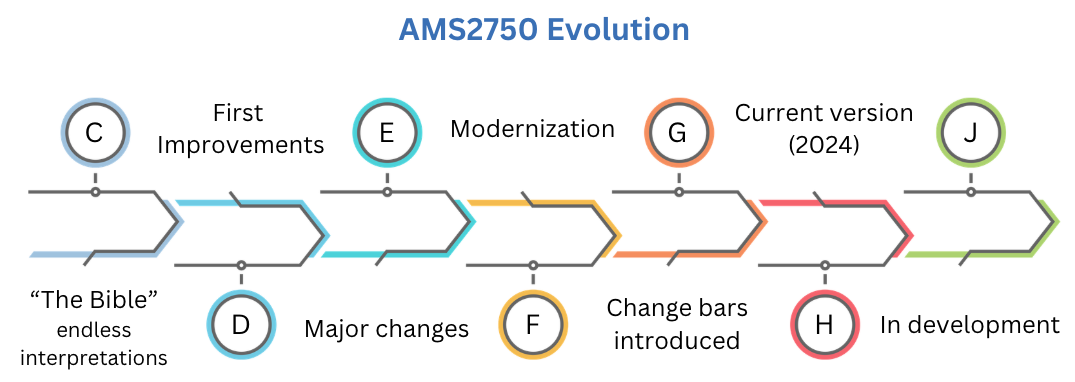
Andrew Bassett: When I got into the industry, we were at Rev C, AMS2750C, and those who’ve been around long enough to know that revision of the spec was the Bible. You gave it to a hundred different people and you got a hundred different interpretations.

It was very unclear on the spec. The iterations from there have gotten better, with 2750D and then the major changes going into E, then all the way up to our current state of Rev H. It’s now more clear, though there are still some confusing parts. My goal personally is to make sure that document is clear and understandable. Even if it’s 300 pages and we use stick figures and crayons to explain what the intent is — I’m okay with that. So it shouldn’t be a document that is hard to understand. The aerospace standards for heat treating are fairly clear on the intent of the spec, but for some reason, pyrometry has always been this scary black hole that you have to try to figure it out. I’m looking forward to the day where that is not the case.

Click on the image above to check out Heat Treat Radio #91 where Andrew demystifies one of AMS2750’s most critical yet often misunderstood specs: the ±0.1°F requirement.

Coming to a understanding of that specification is not easy to do. Understanding what the intent and the requirements are takes some good studying, as well as getting the intimate training of that specification. 

We do provide pyrometry training, and when I first started doing it, it was a 6- to 8-hour day class, the 30,000-foot level. Over the last several years, I’ve broken it now into a two-day class. My PowerPoint presentation has expanded to 168 slides when the spec is only 57 pages. But now I’m doing more of a crop-dusting training level so everybody can understand it. That is extremely helpful for suppliers that need to meet that standard.

Heather Falcone: Interpretation is key for suppliers, understanding how the standard applies to their shop, their floor — that’s a real challenge.

Andrew Bassett: The specification is just not a North American spec. It’s a global specification, and it’s not even just an aerospace standard anymore. It’s gone into the commercial world, the FDA. Now, if you’re doing heat treatment of dental drill bits or knee replacement parts, anything that’s metal, the FDA now requires compliance to AMS2750. Having someone walk you through the standard and reaching out, there are many ways to figure out the intent of the spec and how it applies to each organization.

Best Practices in Managing the Beast (14:40)

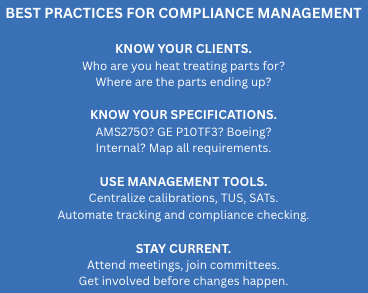
Heather Falcone: What are some best practices in managing this if you have to integrate AS, ISO, Nadcap? You have your whole QMS, and then you have 2750, P10TF3, etc. How do you do it?

Andrew Bassett: That’s a huge undertaking. My experience over the years is diving in with our clients and finding out what types of heat treating they are doing. I like to find out who they are heat treating parts for, who are the clients, where are the parts ending up? There could be POs coming in for the clients to heat treat “X” part, and maybe they are not doing their due diligence and the part is actually going to GE Aviation. Well, GE Aviation has their own pyrometry requirements that are offset from AMS2750 or Saffron or any of the other aerospace primes that may have a requirements from a pyrometry standpoint.

So first gathering that information altogether and making sure you are constantly up to date of what you’re processing is critical. From there, with the aerospace compliance software, now that tool can be utilized to manage all your requirements, from your calibrations, your TUS, your SATs, everything can be managed in one location.

For instance, if you’re doing work for GE, and you have to follow their requirements of P10TF3. GE does not have anything in their specification that talks about the alternate SAT that’s specified in AMS2750, but GE also do work that needs to comply with that standard. So this tool is going to keep you on track. This kind of management tool is cabale of managing that for you, so nothing gets missed.

Once that knowledge base is put together and we have a clear path of what needs to be done from the heat treater or the captive shops standpoint of who they are processing work for, then you can use something like ACS that can manage that whole aspect for you.

How Does ACS Work with Other Systems? (17:06)

Heather Falcone: From what I understand, ACS is plug and play. It comes on-site, ready to go as a standalone tool. But how does it also work with other systems that you might have?

Andrew Bassett: ACS is a standalone system. People have access to it; we have a tiered subscription for it depending on what level of the ACS you want. We have also been working with a few industry giants out there to integrate ACS software with certain systems that help manage heat treat processes. There will be an integration point there where ACS will be able to make sure that jobs don’t get processed if TUS or calibration or SATs are past due for heat treat equipment. They won’t be able to enter a job into that piece of equipment. It will stop them from putting something that shouldn’t be going into a furnace. These are some of the features that we will be integrating in 2026 where we’ll be able to work with other software solution providers out there in the heat treating realm to make sure everybody is looking at the same thing.

Heather Falcone: The reason that we want those lockouts in place is because we are trying to avoid NCRs during our audits. We’re trying to get NCRs that will be value-add, not something that we knew we should have been doing and were not. The whole point is to better the company so that we do not have a bunch of pyrometry NCRs during our audits.

Common NCRs for Pyrometry (19:08)

Heather Falcone: What are the top NCRs that you’re seeing for pyrometry currently?

Andrew Bassett: It has been well documented through the Nadcap process that 80% of NCRs actually do come from pyrometry. That has always baffled me, especially being a member of AMS2750 sub-team that writes the standard. What have we done as a team to fail the suppliers out there by not writing clear consistency?

Over the last two revisions, I think many requirements have been clarified. But there are still some pyrometry-related issues that I still see. For example, you may have your preventive maintenance or unscheduled maintenance that is being completed to a piece of equipment. You have a requirement to have that maintenance documented and then approved by a by someone from quality to make sure that no further pyrometry testing is required. Sometimes those logs are missed, or possibly a maintenance manager verifies a door seal was replaced, but then quality does not sign off and date that log.

That is an example of an issue that we identified and put into ACS. Now you can keep that preventive maintenance program in ACS for that particular piece of equipment. With unscheduled maintenance, when the maintenance is completed, it automatically shoots an email to the quality team to have them review and ensure no pyrometry requirements are missed.

That’s an example of one of those top NCRs that you always see with Nadcap. We saw the need and created a solution to that with ACS.

Benefits of Getting Involved (21:11)

Heather Falcone: We want to make sure that everybody can get more involved in shaping the face of compliance so that they do not become a victim of it. How can everybody, including captives, get more involved, and why is that valuable to their bottom line?

Andrew Bassett: This is something I preach constantly with our client base. If you’re Nadcap accredited, firstly, go to a meeting. Learn, be present. You have a say. I’ve been going to Nadcap meetings for 30+ years now, and even though I’m not a supplier, I’m not an aerospace prime, I’m a guest that that shows up. But I keep going and I raise my voice and share my concerns with the group at Nadcap and with the suppliers. Having that voice is important. I know that suppliers need to get more involved. I know it’s an expense to send several people from a company out to a Nadcap meeting, but it’s money well spent when you get involved with AMEC and with creating the specifications.

I had this myth early on in my career that this golden group of aerospace gods were creating standards. When I showed up to the meeting, there were more suppliers there writing the standards than there were the primes. It was amazing to see that we have people that are in the industry that do the heat treating or in the metallurgist or for these organizations that are in charge of the specs. It’s the everyday heat treater, the people with boots on the ground, so to speak, that get involved. So getting involved with AMEC, getting involved with Nadcap, that’s key to any success when it comes to compliance and having that say in writing standards that you know what you’re going to have to comply with.

Heather Falcone: Absolutely. They give us so many opportunities to get involved. There’s four AMECs a year and three Nadcap meetings.

Andrew Bassett: To me it’s well worth it. At least go to the Nadcap meeting that’s always once a year in Pittsburgh. It is the most well attended meeting typically out of all of them. That one is really going to get your feet wet and get that whole experience of Nadcap.

Heather Falcone: That’s usually where they’re making major decisions, like finalizing checklist changes. Being able to get out in front of that and not just wait to get the email from the automated PRI.

Andrew Bassett: I will move mountains to make sure that I am at every Nadcap meeting. For us, I can take that information for those meetings for my clients that don’t end up going and be able to disseminate that information. It doesn’t matter if it’s pyrometry or heat treating or whatever that’s coming out and say, this is coming down the pike. Where do we need to tighten some things up?

Developing Compliance Software For Complex Specifications (25:46)

Heather Falcone: Most of the time I’ve seen when I’m going in to see a heat treater that their compliance program is great at a base level, but there’s too many pieces. So what has that been like trying to develop a compliance software for literally one of the most technically complex and arguably important specifications in our industry?

Andrew Bassett: It’s been a challenge for sure. With AMS2750, at one point it was starting to be updated every two years. Thankfully, we have four developers on our software team, so all the developing for us is in-house. Being on the forefront of changes by attending Nadcap meetings and being a part of AMEC, we can jump right into development and be ready for the update.

Future Specifications and Revisions (27:30)

Heather Falcone: We are on Rev H — what’s next? Is there another spec change on the horizon?

Andrew Bassett: Letter J is on the horizon. We did start working on it. Once the spec is released, the team keeps a parking lot of issues that come up. Then we just basically put it on a storyboard, and when we’re ready to start working on them again, we start working on it. The changes over the last two revisions on G and H, have been minor. It was the first time in the history of the specification, back at Rev G, that there were change bars for the first time.

A change bar is on the left-hand side of the document, indicating where we changed something in the spec. Prior to that, we rewrote the spec and people had to read the whole thing to know what had changed.

I don’t see a time where we’re ever going to have a complete overhaul rewrite of the spec in the future. So yes, we are working on Rev J. These updates will be more clarifications that have sprung up over the last several years. We were trying to put one out every two years to keep up to date. The aerospace community, Nadcap, and AMEC, they were getting a little antsy that we were writing it so quickly, so we put a little pause on that.

We did jump back into it a couple weeks ago. We had our team meeting and worked out a few more issues that are out there. Not a big major overhaul, more clarifications and trying to get more intention of what the requirements that we’re writing.

From a Nadcap standpoint, with any changes to industry specifications, there will be updates on new checklist revisions. That’s always a grinding process to get a checklist that everyone’s going to be happy with. I did not yet look at the agenda for the next meeting in February in San Francisco, but it seems like every time we do have a meeting, there’s a checklist that we’re working on.

Heather Falcone: That is a great takeaway — get involved, right? Go to the meetings, take your opportunities, get involved with people like Andrew that have been in the industry. It’s a wealth of knowledge, and if we’re not taking advantage of your expertise, your experience, then we’re really missing out on taking knowledge back to our own shops.

Is there anything that you want to leave us with before we close out?

Andrew Bassett: You’re spot on with that. That’s that actually what brings me the most joy of what I do is being able to part the knowledge that I have to my clients. Anytime I meet somebody and we talk pyrometry, my business card comes out and I have my cell phone number on there. I tell them, go ahead and call me, text me, smoke signals, whatever you want to do. If there’s a question you have, I’m more than happy to answer it to the best of my abilities. I mean, I’m only one of 12 people on the team. It’s about parting that knowledge and assisting our clients to be successful and have a great understanding of what the requirements are and really make sure that they understand it.


About the Guest

Andrew Bassett
President
Aerospace Testing & Pyrometry

Andrew Bassett has more than 35 years of experience working alongside manufacturers, captives, and commercial heat treaters to ensure their testing, calibration, and pyrometry programs meet the demands of industry specifications like AMS2750 without losing sight of how shops operate. Aerospace Testing and Pyrometry provides accredited testing, calibration, and pyrometry services that support heat treaters and aerospace manufacturers across compliance, audit readiness, and ongoing system integrity. The company also developed the Aerospace Compliance System, a software platform designed to support compliance and documentation requirements tied to testing and pyrometry programs. Andrew is deeply involved in the Aerospace Metals and Engineering Committee responsible for writing the AMS2750 specification and is an active contributor within the Nadcap Heat Treat Task Group. He brings a practical, systems-level view of quality that goes beyond checklists and audits.

For more information: Contact Andrew at abassett@atp-cal.com

Heat Treat Radio #130: AMS2750 Pyrometry Best Practices Read More »

Q&A: AI, MCP, and Heat Treat

AI is moving from concept to practice in heat treating — driving furnace optimization, smarter scheduling, and predictive compliance. In this Q&A, Peter Sherwin, strategic marketing at Watlow, highlights how Model Context Protocol (MCP) will connect data, tools, and operators to reshape the industry’s digital future.

This informative piece was first released in Heat Treat Today’s October 2025 Ferrous & Nonferrous Heat Treatments/Mill Processing print edition.


Q1. What do we mean by “AI” in industrial heat treat?

It is probably best to start with a contrast. We have fixed code in heat treat applications, such as a setpoint programmer that is pre-programmed with ramps and soaks at specific temperatures for specific times. I like to think of AI (artificial intelligence) as introducing the concept of flexible code that learns from data over time.

AI has been used for a surprisingly long time in heat treatment. The original autotune algorithms used a form of AI and machine learning to adapt the PID parameters to a specific furnace, learning from real equipment process signals (such as temperature sensors) to provide optimum control.

Q2. Where is AI already working in heat treat?

AI is most obviously used in equipment optimization, and there are a growing number of cases expanding from process control to energy optimization. Less obvious uses are within the heat treating plants. For example, AI in contract review can highlight key customer requirements, pull together relevant specifications, and help craft recipe design or selection.

A common issue across plants is the need to continually optimize and re-optimize production planning and scheduling. Because heat treating occurs near the end of the manufacturing chain, last-minute changes are common. The ability to quickly re-plan based on specific requirements is a typical use of AI.

Following the process, quality analysis is now supported by AI with optical microscopy that leverages microstructural datasets. AI can also be used for financial analysis, recruitment, and customer support.

Q3. What is MCP?

Model Context Protocol (MCP) is a structured method for AI applications and agents to securely discover data, call tools, and share context. Developed by the engineering team at Anthropic in 2024, it has now received widespread adoption across major technology providers, such as Microsoft and OpenAI.

In simple terms, it enables large language models (LLMs) to communicate reliably with other data sources.

Q4. What MCP adoption is happening today?

It is still early, but MCP adoption is accelerating rapidly. Most software companies are developing MCP servers. Many B2C applications already exist, and there are now a growing number of industrial applications, such as those from Highbyte, Flow Software, and Siemens.

Q5. What will “MCP-compliant” mean for AI developers?

From a developer’s perspective, this should be easier than crafting individual application programming interfaces (APIs) that require strict mapping between software products. Any changes on the other end of the system would normally require the API to be restructured. MCP is expected to support inheriting updates without code changes and provide a more uniform setup.

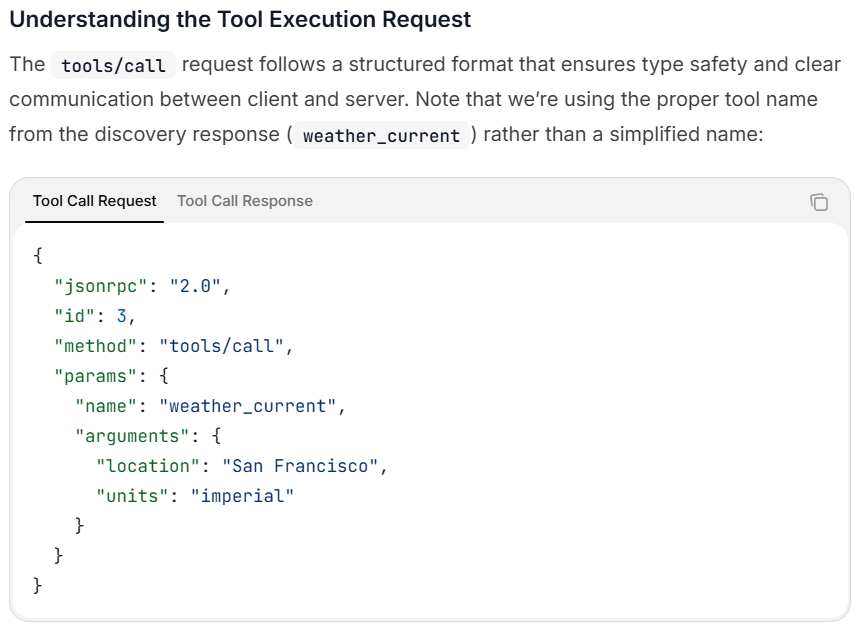
Figure 1a. MCP Standard screen capture of how to use the tool. (Screen capture from the “Architecture overview” page of modelcontextprotocol.io.)
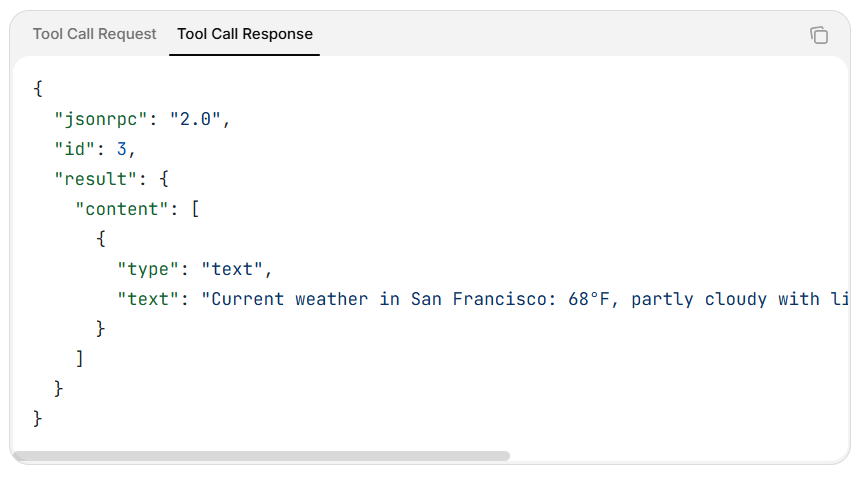
Figure 1b. Toggle to the “Tool Call Response” to view the response for that example input request. (Screen capture from the “Architecture overview” page of modelcontextprotocol.io.)

Q6. How would MCP specifically benefit heat treat?

In the last 30 years, I have seen three waves of technology. The first wave was automation that leveraged PLCs, setpoint programmers, and carbon probes to reduce manual errors and improve utilization.

The second wave focused on regulations in aerospace (AMS2750) and automotive (CQI-9) to harmonize auditing processes, improve quality, and reduce in-use failures (reducing recalls). These regulations focused on ensuring ongoing equipment capability (such as TUS for furnaces and ovens), instrumentation and quality thermocouples via SATs, independent calibration, and operator procedures and training.

The last wave focused on Industry 4.0 and IIoT to further automate and optimize previous improvements. However, apart from some isolated cases, many Industry 4.0 solutions have not delivered the expected value. There are many potential reasons, but one standout is the focus on continued machine automation at the expense of human intervention.

The benefit of MCP is that it acts as a bridge between data and the people who need to use that data to improve processes.

Q7. What are the biggest adoption barriers (and how to reduce them)?

I am typically an early adopter of technology. I was asked to automate a manual sealed quench furnace (batch integral quench) to automatic setpoint and carbon control in the early 1990s, which was one of my first projects. I began exploring technology solutions for Industry 4.0 and IIoT back in 2013. There will always be both early adopters and laggards.

Sometimes it makes sense to wait until technology matures and becomes more reliable, but this feels different. For the first time, data will build upon data, and learning early from that data will put companies ahead.

Cybersecurity and IT policies will scrutinize any new technology. One opportunity for AI is to also strengthen cybersecurity robustness. I recently heard that if you do not respond to a technology breach within 30 minutes, you will lose significant data. Human intervention alone will not be fast enough. AI is truly a double-edged sword.

There is also a growing fear that AI will take jobs. This has been demonstrated in the software industry, where it is estimated that 30 percent of code is now written by AI. I do not believe a heat treater can reduce staff further, since most are already operating with skeleton crews. The real opportunity is to enable all individuals to accomplish more, supported by AI.

The final point is when to adopt this technology. The pace of improvement over the past two years has been tremendous, and we are only now reaching the point where new models are robust enough for industrial application.

Q8. Pace of change: start now or wait?

The base LLMs needed time to improve and become more reliable while reducing hallucinations. Each version of ChatGPT has made significant leaps in knowledge and robustness. The latest model, GPT-5, is beginning to provide the level of reliability needed for industrial applications; this progress will continue.

Q9. What AI-powered products or services will emerge with MCP?

We can do a bit of future gazing. I compiled several ideas as part of my preparation for my presentation at ASM Heat Treat in October. In each example below, you will notice that a human remains in the loop. Instead of manually fetching specific data and information, the agent provides timely information.

EnergyOptimizerAgent — Subscribes to “Power/Furnace*/kW” tags and day-ahead tariff feeds. Models alternate start times and sends a proposal called “propose_shift” to a PlanningAgent. If planners accept, the new schedule is written back to the UNS so control logic and enterprise resource planning (ERP) software stay aligned.

ComplianceAgent — Monitors SAT and TUS counters published by the Edge Process Management (EPM) platform. When drift approaches a set threshold, it issues “propose_sat” with a suggested window and part list. After the test, AuditPackAgent gathers .uhh files and publishes a cryptographic hash so auditors can verify authenticity without manual file transfers.

UniformityMonitorAgent — Streams zone temperatures and compares each batch with stored “golden” fingerprints. If deviation grows, it assembles options, such as rerouting the load or adding a soak. Operators approve or reject through a dashboard.

MaintenanceSchedulerAgent — Reads valve-cycle counts, fan-vibration spectra, and motor current signatures. Calls a computerized maintenance management system (CMMS) tool to open a work order, reserve a slot, and order spare parts when limits are reached.

OperatorCopilotAgent — Listens to every proposal on the MCP bus and presents it in chat form. For example: “Shift Load B932 to 13:30 to avoid the peak tariff. Accept or ask why.” One tap reveals historian trends, specification clauses, and the agent’s reasoning trail, giving junior staff instant context while keeping humans in charge.

Q10. Any drawbacks or cautions with MCP?

AI and MCP will continue to be targets for cybercrime. It is important to architect any solution so that the base control and operation of equipment remain safe, even if the AI layer is breached.

At ASM Heat Treat, I will touch on some architectural solutions that can support safer AI implementations. As with anything internet-related, precautions must be taken. With AI, you also introduce the possibility of human-like imposters.

There is risk in everything we do, and everyone needs to continually assess risk versus reward. In many cases, MCP may tip the balance by providing more value than past technology solutions.

The responses in this article represent Peter Sherwin’s personal views and not necessarily those of his organization.

About The Author:

Peter Sherwin
Strategic Marketing
Watlow

Peter Sherwin is passionate about offering best-in-class solutions to the heat treatment industry. He is a chartered engineer and a recognized expert in heat treatment control and data solutions.

For more information: Contact Peter Sherwin at peter.sherwin@watlow.com.

Q&A: AI, MCP, and Heat Treat Read More »
Pit LPC: A Modern Take on High Throughput Heat Treat

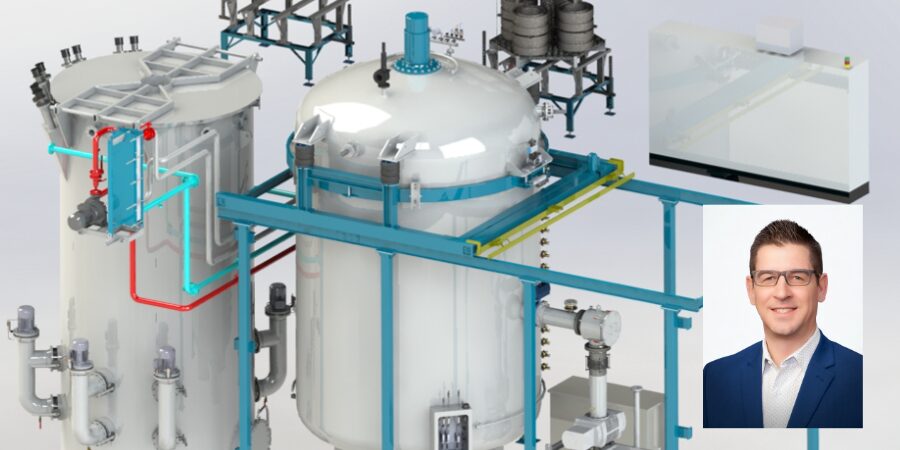
Producing durable, wear-resistant gears for the wind turbine industry requires exacting control of carbon diffusion. Modern low pressure carburizing (LPC) is pushing the boundaries of control and consistency. This technology fine tunes carbon diffusion into the surface of components, and applied in a new pit-style vacuum furnace, it also delivers temperature uniformity, stronger gears, and shorter cycle times for large, complex components, all while eliminating oxidation and direct CO₂ emissions. In this Technical Tuesday installment, Tom Hart, director of sales for North America at SECO/WARWICK Corporation, examines how modern LPC technology in a pit-style vacuum furnace is reshaping high-volume carburizing for today’s in-house heat treaters.

This informative piece was first released in Heat Treat Today’s November 2025 Annual Vacuum Heat Treating print edition.


The Need To Carburize

Carburizing is a thermochemical treatment that finds applications across the automotive, aviation, and energy industries, particularly in power transmission systems. The widespread use of this process across many industries stems from its ability to improve mechanical properties by enriching the surface of steel with carbon.

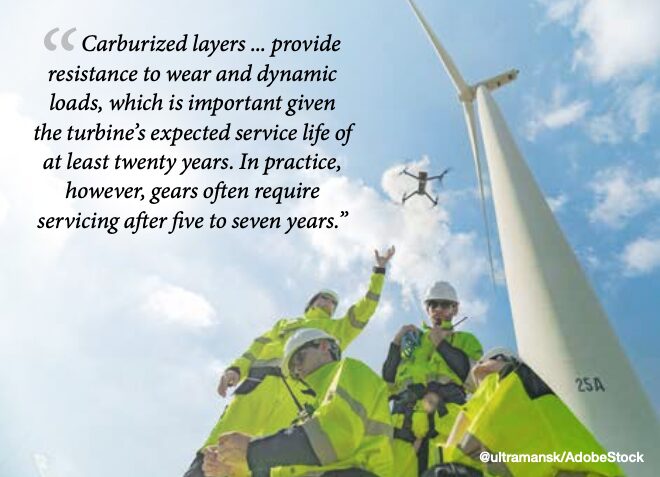
Consider the wind turbine industry, growing with a CAGR (compound annual growth rate) of 6.2% from 2024 to 2033 (GlobeNewswire 2024). Carburizing plays a key role in the production of gears and pinions. These components, often made of alloy steels, such as 18CrNiMo7-6, 4320, 4820, and 9310 (GearSolutions 2009, Jantara 2019), must meet high strength and quality requirements. Carburized layers, often over 4 mm thick, provide resistance to wear and dynamic loads, which is important given the turbine’s expected service life of at least twenty years.

In practice, however, gears often require servicing after five to seven years (Jantara 2019), with their failures generating long downtimes and high costs (Perumal and Rajamani 2014).

The carburizing process, combined with hardening (usually in oil) and tempering, increases:

  • Surface hardness: improving abrasian resistance
  • Core ductility: protecting against cracks
  • Fatigue strength: extending the life of the part, which translates into lower operating costs

Alternative technologies, such as nitriding or surface hardening, offer other benefits (e.g., reduced deformation), but have limitations, such as thinner hardened layers, relatively long nitriding process times, or difficulties with complex geometry for surface hardening.

Pit Meets Vacuum LPC

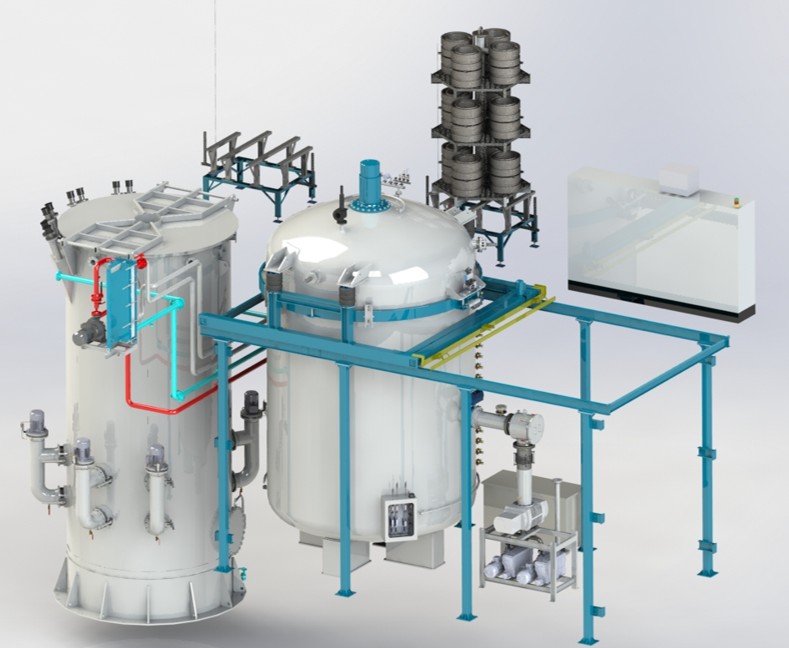
Traditional atmospheric carburizing, despite its established position, has reached its limits in process performance expectations. In response to market needs, LPC (low pressure carburizing) technology is being increasingly implemented to enable precise process control, reduced emissions, and improved energy efficiency. More specifically, a pit furnace with vacuum heat treatment capabilities, aka the Pit-LPC, has been designed and developed to carburize thick layers on very large and/or long parts. This furnace combines the advantages of LPC technology with the ability to integrate existing hardening cells, facilitating the modernization of older installations.

While a vacuum furnace opening to an air atmosphere is a feature previously reserved for atmospheric furnaces, this innovative pit furnace has ceramic insulation and a dedicated heating system to leverage this capability. The chamber door can therefore be opened at process temperature in an air atmosphere for the direct transfer of the charge to the hardening tank. Additionally, the furnace is equipped with a closed circuit forced cooling system, which significantly shortens the charge cooling time from the carburizing temperature to the hardening temperature, increasing efficiency and shortening the production cycle.

Furthermore, the furnace allows for the process to be carried out at temperatures of 1925°F (1050°C) and higher, significantly shortening carburizing time and reducing production costs, even while maintaining a safe level of grain growth (e.g., 1800°F (980°C)).

Benefits of LPC technology designed in a pit furnace include:

  • Reduced process time due to higher operating temperatures
  • Elimination of internal oxidation (IGO) in the carburizing process
  • Highly uniform carburized layer
  • Low process gas consumption
  • No direct CO₂ emissions and fire risk
  • Ready for operation without lengthy conditioning
  • Computer-aided process support

Additionally, the furnace design increases work safety and comfort in its elimination of open flames, risks of explosion, and the need for constant atmospheric monitoring.

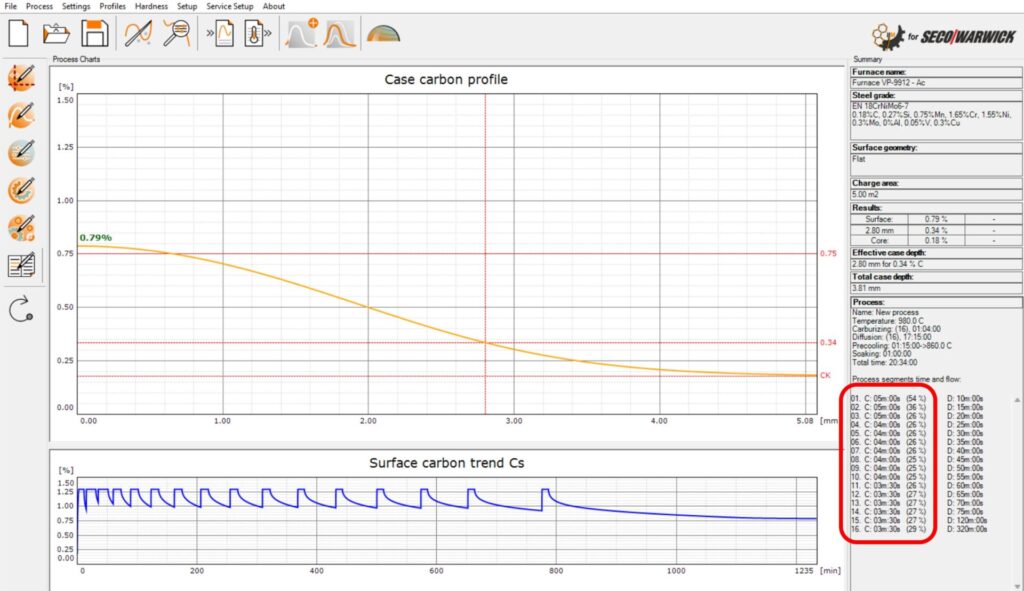
Figure 2. SimVac program window with an example LPC process simulation

This new pit furnace is compatible with SimVac software, developed by Lodz University of Technology and SECO/WARWICK, which enables the simulation and optimization of LPC parameters, reducing the need for process tests. SimVac Plus is a simulation software that includes a vacuum carburizing module (Figure 2). The program can be used either as a standalone tool for designing processes based on the desired carburized layer requirements or to visualize the effect of a given boost/diffusion sequence in the form of a carbon profile.

Testing the Furnace Characteristics and Technical Parameters

The furnace was designed to meet the highest requirements for heat treatment equipment. The basic technical parameters are as follows:

  • Working space / charge weight: 71″ diameter x 118″ deep / 17,600 lb (1,800 mm x 3,000mm deep / 8,000 kg)
  • Operating temperature: up to 2010°F (1100°C)
  • Heating power: 360 kW, three independent zones
  • Vacuum level: 10⁻² torr
  • Carburizing gas: acetylene

Temperature Uniformity

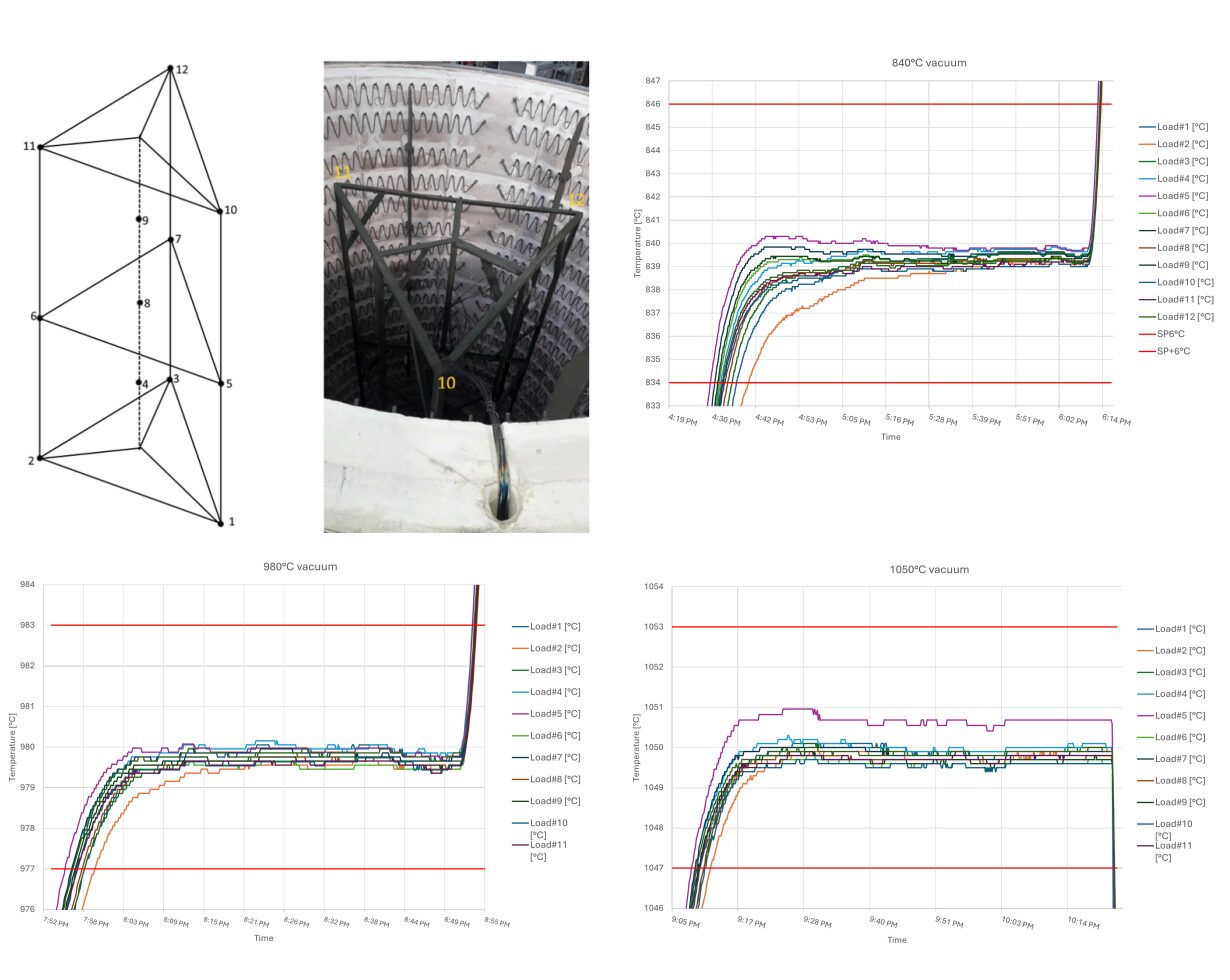
Temperature distribution tests were conducted in the furnace, with 12 load thermocouples arranged according to the diagram shown in Figure 2. Measurements were taken at several temperatures under vacuum conditions. The purpose of the tests was to confirm compliance with the Class 1 ±5°F (3°C) requirements of the AMS2750 standard.

Figures 3a-d. Location of the TUS load thermocouples and the results in vacuum at temperatures of 1550°F (840°C), 1800 °F (980°C), and 1925°F (1050°C)

The results presented in Figure 3 indicate that the furnace provides above-average temperature uniformity, which is particularly important for a large workspace with 71″ diameter x 118″ deep (1,800 mm diameter × 3,000 mm deep) and the processing of large-sized components with thick layers. The temperature difference (ΔT) between the extreme thermocouples, measured at 1550°F (840°C), 1800 °F (980°C), and 1925°F (1050°C), did not exceed 3.5°F (2°C). This means that the furnace meets the Class 1 requirements of the AMS2750 standard by a wide margin.

Operational Dynamics

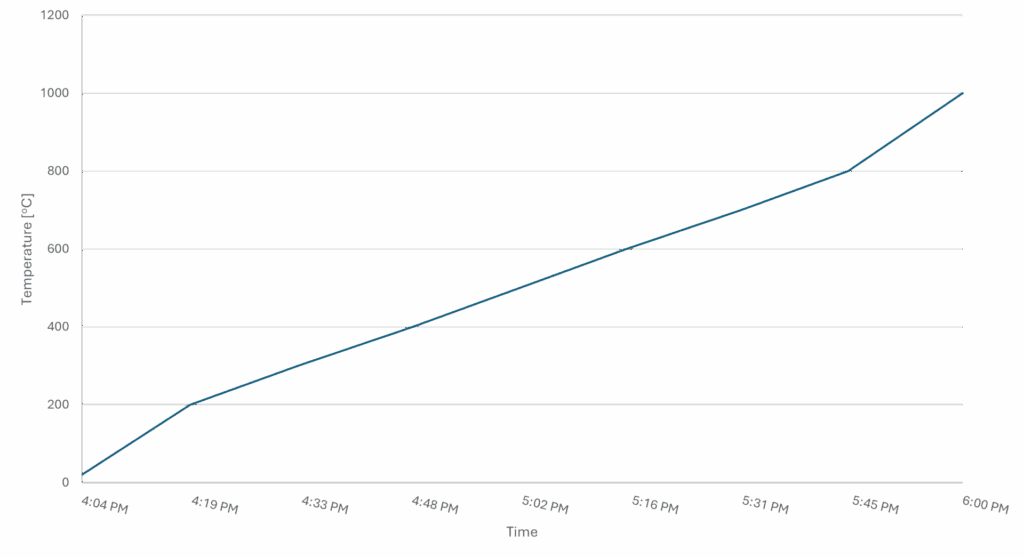
Additionally, to evaluate the furnace’s operational dynamics, heating and cooling tests were performed on an empty device with samples. Figure 4a shows the heating curve; the furnace reaches a temperature of 1800°F (980°C) in 60 minutes. The furnace’s high energy efficiency has a heat loss of just 32 kW under these circumstances.

Figure 4b shows teh curve of cooling forced by nitrogen at atmospheric pressure, measured in three zones and on samples with diameters of 1″ (25 mm) and 4″ (100 mm). The temperature drops from 1800°F (980°C) to 575°F (300°C) in 60 minutes; reaching 210°F (100°C) takes only two hours, whereas natural cooling would take several days.

Vacuum tests show that the furnace reaches operating vacuum of 10⁻¹ hPa in under 30 minutes and has a leakage rate of 10⁻³ mbar·l/s, which meets the industry standard for vacuum furnaces.

Test of Atmosphere vs. Vacuum Carburizing Processes

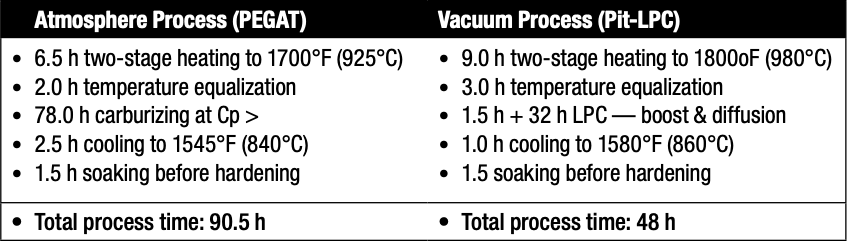
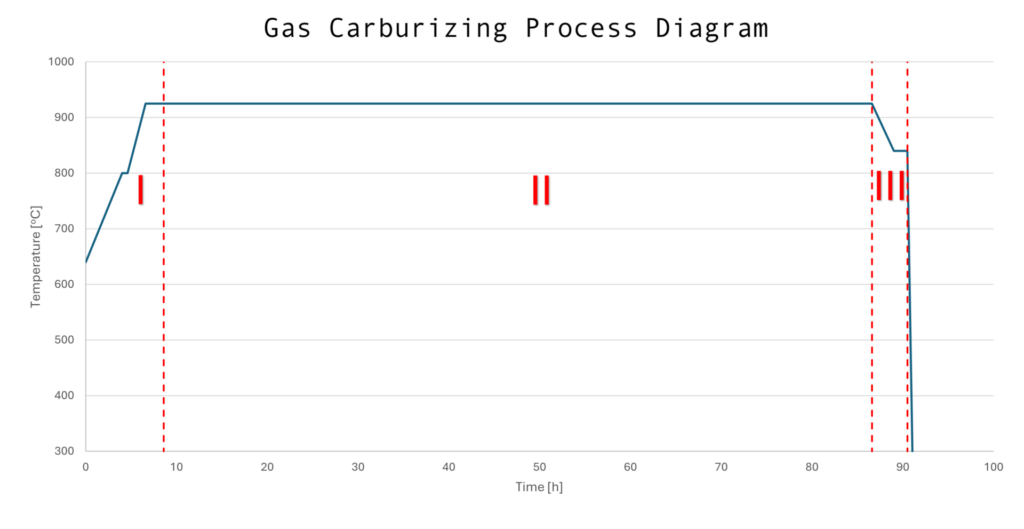
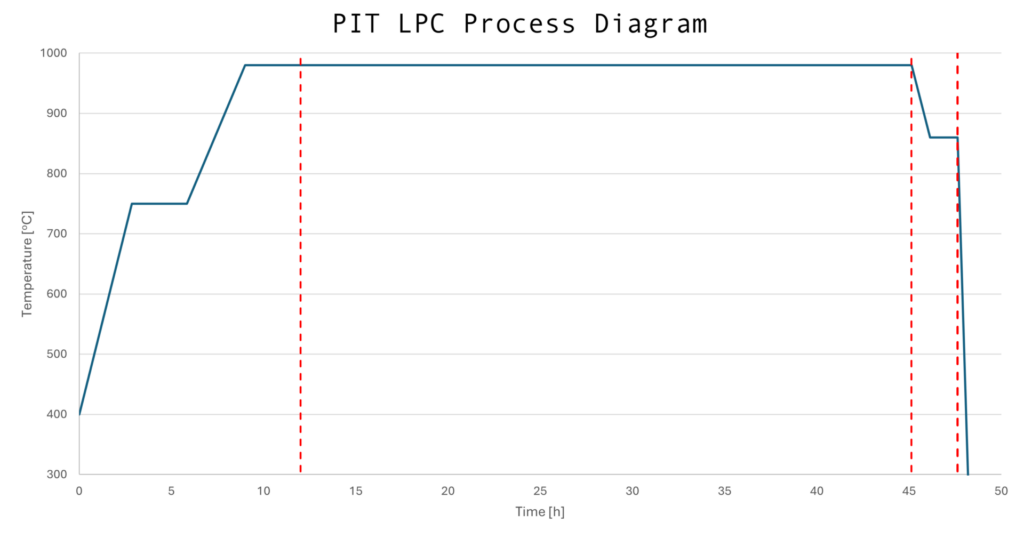
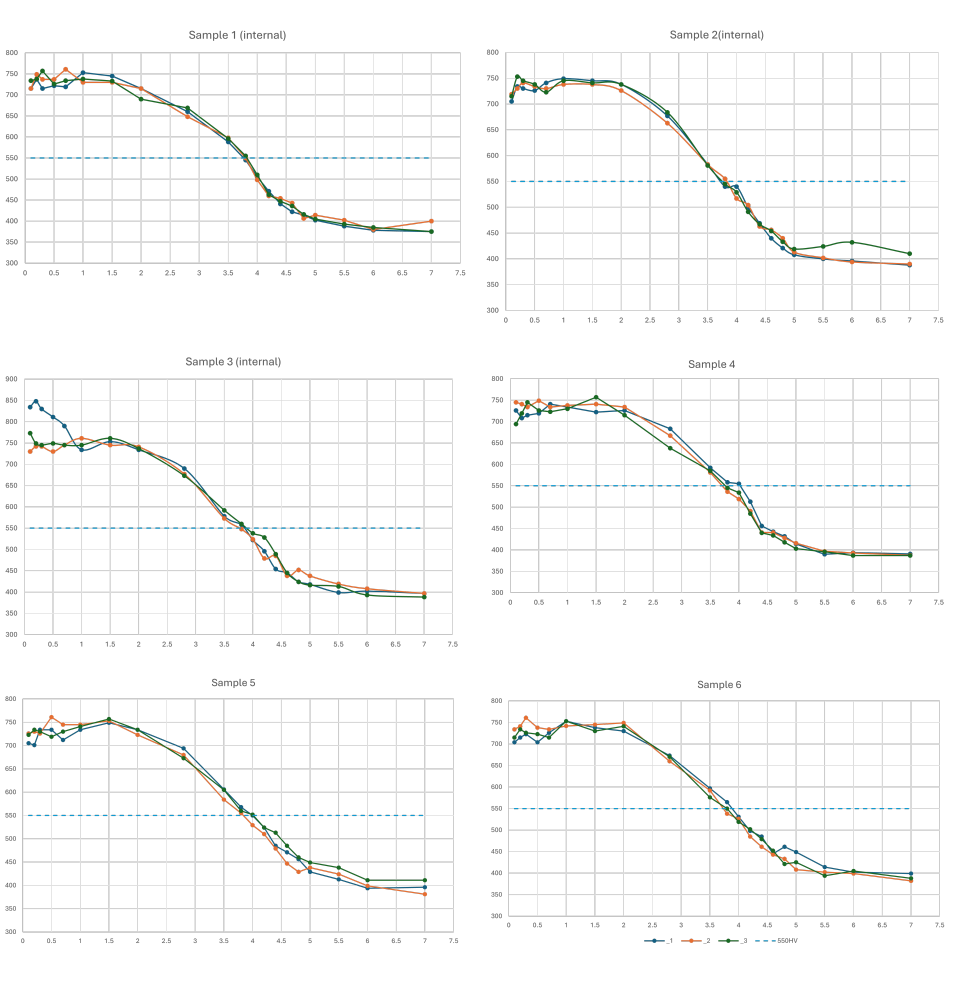
To obtain a carburized layer 0.145–0.160″ (3.7–4.0 mm) thick for 52.3 HRC (550HV1), two tests were compared: one in the PEGAT atmosphere furnace (Figure 5a) and another in the Pit-LPC vacuum furnace (Figure 5b). In both cases, the charge consisted of seven gears made of 18CrNiMo7-6 material, with a total weight of approximately 6.5 tons and a surface area of 280 ft² (26 m²). The process consisted of three stages:

  • Stage I: heating to the carburizing temperature and soaking
  • Stage II: actual carburizing with cooling to the hardening temperature and holding
  • Stage III: hardening in an external quenching tank — identical in both processes
Table A. Atmosphere vs. Vacuum Carburizing Process Comparison

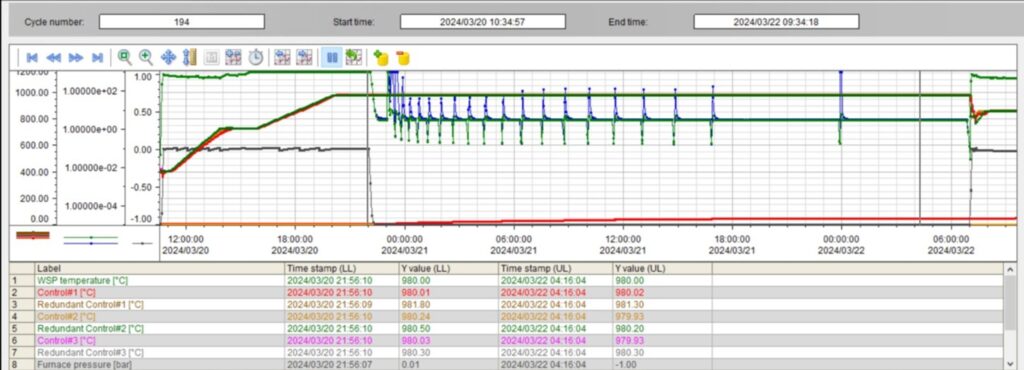
The LPC process, which consists of saturation and diffusion segments (Figure 6) allows for the precise control of carbon distribution. As the process progresses, the duration of the diffusion segments is extended, ensuring uniform saturation of the material.

Figure 6. Vacuum carburizing process trends in the Pit-LPC

After carburizing and hardening, all components were tempered at 355°F (180°C) for three hours.

Metallurgical Results: Gears & Samples Destructive Testing

Table B. Chemical Composition of 18CrNiMo7-6 (according to EN10084)

Gears and samples made of 18CrNiMo7-6 steel were used for destructive testing, in accordance with the EN 10084 standard. Six cylindrical samples were placed throughout the workspace — inside and outside the part — to assess carburization uniformity.

Tests conducted:

  • Vickers microhardness (HV1): performed on a Struers Durascan 70 device, allowing for the determination of hardness profiles and carburized layer depth (ECD) — a load of 9.81 N (HV1).
  • Surface and core hardness (Rockwell): measurements were performed on a Wilson Wolpert TESTOR tester with a load of 1470.1 N. At least five measurements were taken for each sample.
  • Microstructure: assessed on a Nikon LV150 optical microscope after nital etching.
  • Internal oxidation (IGO): analyzed on the unetched surface of the microsection.
Figures 7a-f. Microhardness profiles after the full process (carburizing, hardening, and tempering)

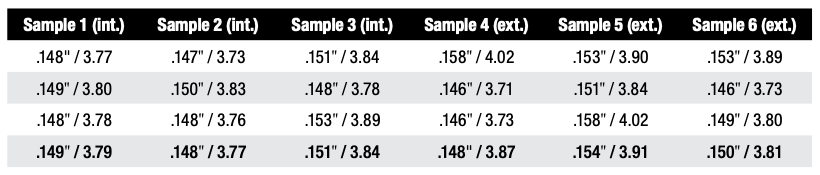
Figure 7 shows the microhardness profiles for the tested samples. For each sample, microhardness paths were inspected in three cross-sections. Based on this, the effective ECD layer thickness obtained on each sample was determined, as presented in Table C.

Table C. Thickness of the Carburized Layer Read from the Microhardness Charts (effective case depth average is 0.145–0.160″ (3.7–4.0 mm) at 52.3 HRC (550 HV1))

Average ECD values obtained for the samples ranged from 0.148 to 0.154″ (3.77 to 3.91 mm).

Surface and core hardness values for all samples were consistent and typical of carburized layers (Table D). Surface hardness ranged from 61.0 to 63.2 HRC and core hardness from 39.9 to 40.7 HRC. Interestingly, samples located on the inner side of the wheel achieved slightly higher surface hardness values (caused by retained austenite and cooling intensity).

Table D. Measured values of surface hardness and core hardness

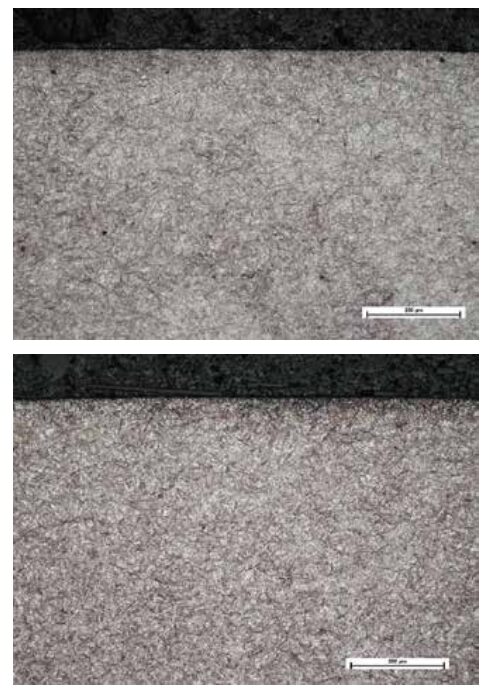
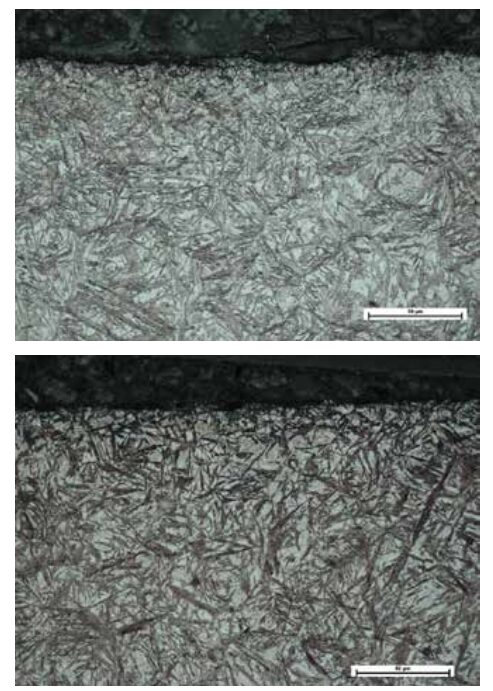
Microstructure images of low-tempered martensite, along with retained austenite, were identified, ranging from 17 to 20% (Figure 8). The amount of retained austenite was determined using NIS-Elements software. No variation in structure was observed depending on sample location.

The presence of intergranular oxidation (IGO) was also inspected, averaging 5.5 μm throughout the tested samples. For comparison, intergranular oxidation in the atmospheric process averages above 15 μm. In the new LPC pit furnace, internal oxidation only occurs during unloading and transfer of the charge to the hardening tank, whereas in the atmospheric furnace, the presence of oxygen in the carburizing atmosphere is also significant, significantly increasing the IGO value.

The level of hardening deformation after the process conducted in the new LPC pit furnace and the atmosphere furnace is comparable due to the use of the same hardening tank in both devices and the absence of the carburizing process.

Comparison of Process Economics

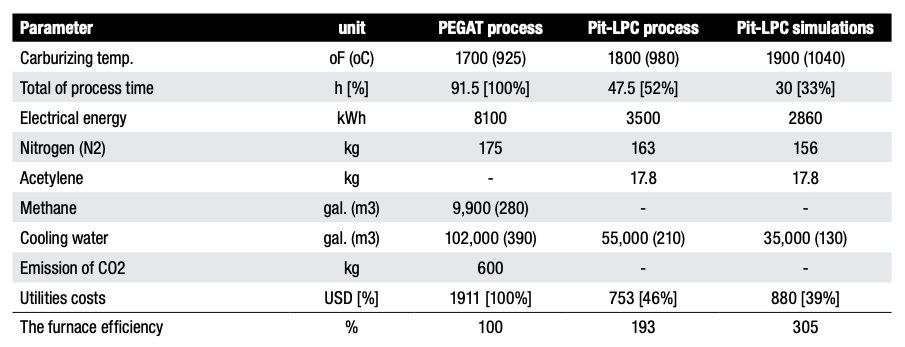
Economic aspects play a key role in modern heat and thermochemical processing. Therefore, the consumption of basic utilities was compared for the reference processes (described in Chapter 5), resulting in a 0.152″ (3.8 mm) thick hardened layer. The analysis included a Pit-LPC and a PEGAT-type atmospheric furnace, both with identical workspace and the same charge. In addition, the LPC process was simulated at 1900°F (1040°C). The results are summarized in Table E.

Table E. Comparison of utility consumption and costs

The results show that the new LPC furnace model consumes significantly less electricity by approximately 57%, which translates into a lower carbon footprint, especially when energy is derived from fossil fuels. Nitrogen consumption is comparable, with a slight advantage for the Pit-LPC (savings of up to 10%).

The largest differences are found in carburizing gases. The atmospheric furnace consumes 9,900 ft³ (280 m³) of methane — approximately 440 lb (200 kg) and an additional 4.4–13.2 lb (2–6 kg) of propane per process. In the LPC furnace, acetylene consumption is reduced to 39.2 lb (17.8 kg) because carburizing gas only flows during the boost phase.

Importantly, the LPC process does not generate direct CO₂ emissions, unlike an atmospheric furnace, which emits approximately 1325 lb (600 kg) of CO₂ per cycle. Cooling water consumption in the new LPC furnace is also reduced by over 45%.

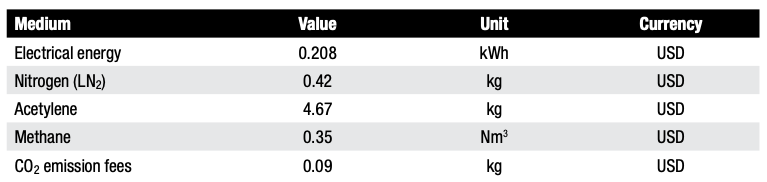
The presented comparison of utility consumption in the two types of furnaces directly translates into the economic aspects of using these devices and conducting production processes. For cost comparison purposes, the following unit utility costs were assumed, as presented in Table F:

Table F. Unit costs of energy factors and technological gases according to European averages

In summary, the total utility costs for the process conducted in the Pit-LPC at 1800°F (980°C) are 53% lower compared to an atmospheric furnace conducted at 1700°F (925°C). At a temperature of 1925°F (1040°C), savings reach 60%. These savings are primarily due to lower energy and process gas consumption. Furthermore, the lack of CO₂ emissions eliminates the need to pay emission fees.

The efficiency of this furnace is almost twice as much at 1795°F (980°C) and three times as much at 1925°F (1040°C) compared to an atmospheric furnace.

Summary

The new Pit-LPC vacuum furnace combines the design features of a top-loaded pit and performs carburizing using vacuum technology instead of atmospheric technology. Bringing higher processing temperatures than traditional atmospheric furnaces to the market, as well as the ability to open hot in an air atmosphere, this technology proves that direct transfer of the charge to the hardening tank is possible in vacuum furnaces.

Another key development, this design significantly shortens carburizing time compared to atmosphere furnaces since the furnace can operate under vacuum, inert gas (nitrogen, argon), air, and carburizing gases, at temperatures up to 2010°F (1100°C).

Since this new pit furnace design does not require the use a retort or atmosphere mixer, which are the most vulnerable components inside a traditional atmospheric furnace, the furnace operates with greater reliability and lower costs. Furthermore, an efficient and robust vacuum pumping system provides the vacuum environment and operational readiness in less than 30 minutes. Time is also saved by the integrated closed-loop gas cooling system that shortens cooling time: dropping temperatures from 1800°F (980°C) to 1545°F (840°C) in 30 minutes for a full charge and to 210°F (100°C) in two hours for an empty furnace, operations which would take several hours and days respectively in atmosphere furnaces.

The advanced thermal insulation and a uniform heating element layout ensure high energy efficiency and precise temperature uniformity in the working space, yielding additional cost and energy savings.

This carburizing process is based on FineCarb LPC technology and supported by the SimVac simulator, enabling precise carbon profile shaping and achieving layers 0.148–0.154″ (3.77–3.91 mm) thick with high repeatability.

With the ability to operate at temperatures up to 1925°F (1050°C), the new LPC pit-styled furnace significantly shortens process time, reduces utility consumption, and lowers operating costs by up to 50%, while increasing productivity by a factor of x2 to x3. One of these furnaces can replace two to three atmosphere furnaces of the same size.

Finally, the furnace operates in a safe and non-flammable atmosphere, emits no direct CO₂, and reduces energy consumption, making it an environmentally friendly solution.

Conclusions

The Pit-LPC furnace is a modern alternative to the traditional atmosphere furnace and offers a number of advantages in terms of quality, efficiency, safety, economy, and ecology. Providing an innovative solution for vacuum carburizing and meeting stringent carburization layer thickness guidelines, this design is a viable option to fully replace traditional atmospheric pit furnaces operating in a carburizing atmosphere.

References

GlobeNewswire. 2024. “Wind Turbine Market to Reach $115.2 Billion Globally by 2033 at 6.2% CAGR: Allied Market Research.” GlobeNewswire, September 18, 2024. https://www.globenewswire.com/news-release/2024/09/18/2948365/0/en/Wind-Turbine-Market-to-Reach-115-2-Billion-Globally-by-2033-at-6-2-CAGR-Allied-Market-Research.html

GearSolutions. 2009. “Carburizing Wind-Turbine Gears.” Gear Solutions, May 1, 2009. https://gearsolutions.com/features/carburizing-wind-turbine-gears/

Jantara, Valter Luiz Jr. 2019. “Wind Turbine Gearboxes: Failures, Surface Treatments and Condition Monitoring.” In Non-Destructive Testing and Condition Monitoring Techniques for Renewable Energy Industrial Assets, edited by Mayorkinos Papaelias, Fausto Pedro García Márquez, and Alexander Karyotakis. Amsterdam: Elsevier.

Perumal, S., and G. P. Rajamani. 2014. “Improving the Hardness of a Wind Turbine Gear Surface by Nitriding Process.” Applied Mechanics and Materials 591: 19–22.

Rolinski, Edward. 2016. “Modern Nitriding Techniques for Gear Applications.” Gear Solutions, March 16, 2016. https://gearsolutions.com/departments/hot-seat-modern-nitriding-techniques-for-gear-applications/

About The Author:

Tom Hart
Director of Sales for North America
SECO/WARWICK Corporation

Tom Hart joined SECO/WARWICK in 2011 as a sales engineer and has been in the precision manufacturing industry for over 16 years. His responsibilities have him caring for SECO/WARWICK’s clients and their various process and heat treatment equipment needs. Tom received his manufacturing engineering degree from Edinboro University of Pennsylvania, has authored numerous white papers, and is recognized throughout the heat treatment industry as a go-to-guy for thermal processing.

For more information: Contact Tom at Tom.Hart@SecoWarwick.com.

Pit LPC: A Modern Take on High Throughput Heat Treat Read More »
USAF Metals Technology Personnel – Qualified to Heat Treat on 50+ Systems

Richard B. Conway
Founder/Director/CTO
DELTA H® Technologies, LLC
Source: DELTA H

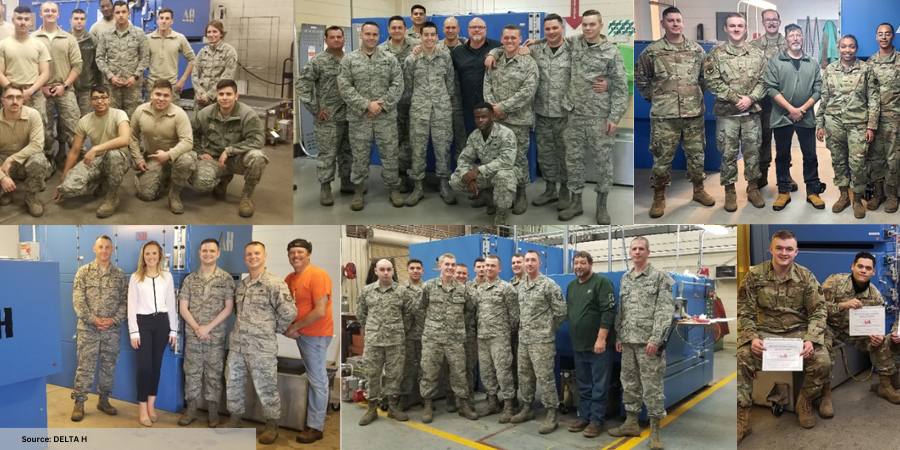
Multiple military facilities now operate more than 50 heat treat systems from a North American furnace and oven supplier. These facilities include Air National Guard bases, USAF bases stateside, Guam, Alaska, and Hawaii, Air Bases in Japan, Germany, United Kingdom – Royal Air Force, Middle East, the U.S. Navy, U.S. Coast Guard, and U.S. Army facilities.

The systems from DELTA H included either single, dual or triple chamber designs of both the heavy duty commercial aviation standard models DCAHT® / SCAHT® Series, the supplier’s Defender Series – developed for the armed forces, and aircraft composite walk-in ovens.

All systems are in full compliance to NAVAIR Tech Order 1-1A-9, and meet AMS2750 accountability standards for accuracy, temperature uniformity, calibration, and secure batch records.

Ellen Conway Merrill with USAF Metal Technology personnel
Source: DELTA H TECHNOLOGIES, LLC

Richard Conway, director & CTO of DELTA H®, shares: “It is a deep honor and humbling for the DELTA H team to support our armed forces. We take the utmost care to ensure the best of our craftsmanship and abilities are utilized to deliver the finest heat treating equipment for aircraft maintenance to our Warfighters.”

Military personnel are provided full operator and heat treating and maintenance training, as well as on-site qualifying assistance to meet and maintain the stringent pyrometry standards. Successful trainees receive Certificates of Training as qualified to use their DELTA H® furnace for heat treatment of aircraft parts.

This press release is available available upon request.


Find Heat Treating Products and Services When You Search on Heat Treat Buyers Guide.com

USAF Metals Technology Personnel – Qualified to Heat Treat on 50+ Systems Read More »
Reader Feedback: AMS2750 The Temperature Debate

Readers are checking out Heat Treat Today's magazine from February 2023. The annual Air & Atmosphere Furnace Systems edition has a piece that sparked a comment from a reader. The letter from the publisher Doug Glenn entitled ± 0.1°F – The Debate discusses revision to AMS2750 regarding compliance temperature.

Would you like to weigh in on the topic? Submit your question, comments, thoughts, or queries here or email Bethany Leone at editor@heattreattoday.com.


Here is an excerpt from the article:

“Both Revision D and E of AMS2750 required compliance temperatures to be ±2°F or ±1.1°C (“or ±0.2%” was added in Revision E). That pesky “.1” in ±1.1°C appears to be the source of this most current “situation.” The folks using °C were recording temperatures down to 1/10th of a degree, while the folks using °F — which was not a small number of people — were not. So, the standards committee needed to make a decision on what to do about this discrepancy. The options were to round up or down or to the nearest integer for both °F and °C people OR require EVERYONE to record their temperatures down to 1/10th of a degree. After surveying end-users, the committee decided that end-users wanted to be required to record the 1/10th of a degree rather than round it up or down to the nearest integer. Thus, the new AMS2750 standard requires accuracy to 1/10th of a degree.”


The article prompted this feedback from reader Aaron Crum:

“I could not agree with you more. This is like measuring a piece of lumber with a tape measure, but being required to record the number in microns.  Making requirements more stringent just for the sake of it costs companies real money with no improvement to the process or the product.  I hope this gets removed in the next revision.

Thanks for the good write-up Doug!”


We welcome your inquiries to and feedback on Heat Treat Today articles. Submit your questions/comments to editor@heattreattoday.com.

Reader Feedback: AMS2750 The Temperature Debate Read More »
Automated Quenching System for C/A Design’s New Hampshire Facility

HTD Size-PR Logo

A new, fully automated quenching system is nearing completion and will be installed at C/A Design’s heat treat facility in Exeter, NH, which serves the aerospace and defense industry. It has been custom designed and developed specifically to service aluminum brazing applications, expanding capabilities and services.

The system, from Wakefield Thermal, adheres to the guidelines set by both AMS2750 and AMS2770, ensuring proper heat treatment for aluminum brazements and adherence to critical specifications. The custom solution for C/A Design includes temperature and quenching control technology.


Find heat treating products and services when you search on Heat Treat Buyers Guide.com


Automated Quenching System for C/A Design’s New Hampshire Facility Read More »
Furnace Classifications and How They Relate to AMS2750

OCWhat is the connection between AMS2750 specifications and furnace classifications? With tight specifications, what does the heat treater need to know to be compliant? Follow along as we take a brief look into this often-overlooked topic.

This Technical Tuesday article, written by Douglas Shuler, owner and lead auditor, Pyro Consulting LLC, was first published in Heat Treat Today's March 2023 Aerospace Heat Treating print edition.


Doug Shuler
Lead Auditor
Pyro Consulting

AMS2750 is the specification that covers pyrometric requirements for equipment used for the thermal processing of metallic materials. AMEC (Aerospace Metals Engineering Committee) is one of the committees which oversees the changes and revisions of AMS2750. There are five main sections in the technical requirements of the specification: sensors, instrument calibrations, thermal processing classification, SAT (system accuracy testing), and TUS (temperature uniformity surveys). Additionally, there are quality provisions that detail what happens if a calibration or test is either past due or fails.1

Contact us with your Reader Feedback!

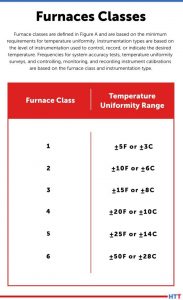
Revisions to the original requirements have occurred over the years, with the newest being Revision G. The structure of Revision G has carried over from Revision F and has remained the current structure of the AMS2750 specification. This structure includes furnace classes, which are based on the minimum requirements for temperature uniformity.

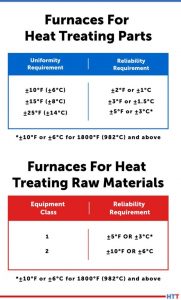
Furnace classes are defined in Figure A of Revision D Figure 1.

Figure 1. AMS2750G furnace class uniformity tolerances
Source: Doug Shuler

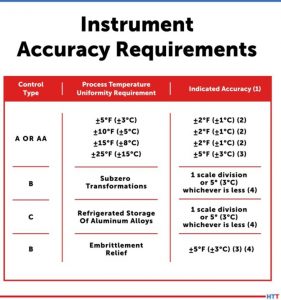
Originally, furnace classes were based on temperature uniformity, but also subzero transformation, refrigerated storage of aluminum alloys, and embrittlement relief, Figure 2.

Figure 2. Original AMS2750 instrument accuracy requirements, no class structure
Source: Doug Shuler

AMS2750 Revision C was released in May 1990 and started to implement the class and instrumentation type structure and differentiated between furnaces for heat treating parts versus furnaces for heat treating raw materials. Furnaces for heat treating parts were classified based on uniformity, but also on a readability requirement. Furnaces for heat treating raw materials were classified based on a readability requirement alone.

AMS2750 Revision D was released in September 2005 and continued to define equipment class (Figure A)* and instrumentation type (Section 3.3.1.1)*. It also clarified chart recorder resolution (Table 4)*, print and chart speed (Table 5)*, and testing frequencies for SAT (Tables 6, 7)* and TUS (Tables 8, 9)* for the processing of parts versus raw materials.

AMS2750 Revision E was released in July 2012 and continued to build on the clarity presented in Revision D by adding an instrumentation type table (Figure 3)* instead of a simple text description in the body of the specification.

Figure 3. AMS2750 Revision C: distinguishment between furnaces for heat treating parts versus raw materials
Source: Doug Shuler

Moving to AMS2750 Revision F, the specification saw a major rewrite and restructuring where the tables were moved from the end of the document to the first area text that called out the specific table. Revision F also put into place a sunset date for analog instruments.

That brings us to the current revision of AMS2750, Revision G, which has carried forward the structure of Revision F and only sought to further clarify the intent of the requirements.

Over the years, the technology of sensor, instrument, and furnace manufacture and capability has continued to produce better and tighter controls for the process of heat treating. The evolution of AMS2750 has recognized these advancements and has kept pace with them in technology. The understanding of the origins of AMS2750 and how it has evolved is vital in understanding its application to today’s heat treat special processes.

*Specified figure, table, or section is associated with the AMS2750 revision being discussed.

References

1Andrew Bassett. “Heat Treat Radio #38: Andrew Bassett on AMS2750F (Part 1 of 3)”
https://www.heattreattoday.com/media-category/heat-treat-radio/heat-treat-radio-andrew-bassett-on-ams2750f/.

About the Author: In 2009, Douglas (Doug) Shuler became the owner of Pyro Consulting LLC and also began working with Performance Review Institute (PRI), first as an instructor and course developer and later as an auditor for the Nadcap program. As a lead auditor for Nadcap, he has conducted over 380 Nadcap special process and aerospace quality management system audits on behalf of the Aerospace Primes over the past 10+ years. Doug continues to focus on instruction, training, and education for the heat treat industry, developing courses, authoring exams, and employing the PIE method: “Procedures that Include all requirements, and Evidence to show compliance.”

For more information: Contact Doug at dgshuler@pyroconsulting.net


Find heat treating products and services when you search on Heat Treat Buyers Guide.com


Furnace Classifications and How They Relate to AMS2750 Read More »
Car Bottom Heat Treat Furnace Installed in CA

HTD Size-PR Logo

Derek Dennis
President
Solar Atmospheres California

Solar Atmospheres of California (SCA) installed a new 14 foot long car bottom air furnace. With a maximum operating temperature of 1450°F, this furnace tempers large tool steel components, age hardens 15-5 PH, 17-4 PH, 13-8PH and nickel-based alloys, and anneals titanium forgings.

SCA is typically known around the world as a “vacuum only” heat treater. However, there is a great need for heat treating non finished parts and materials in accordance with the same specifications (AMS, MIL, Boeing, and Airbus) within different atmospheres where surface oxidation is permissible. This furnace allows for a “raw material” option.

“Solar Atmospheres of California is excited to be adding this new furnace and the added capability/capacity," stated Derek Dennis, president of SCA. The furnace has a working zone that is 60" square by 168" long with a total load capacity of up to 30,000 pounds.


Find heat treating products and services when you search on Heat Treat Buyers Guide.com


Car Bottom Heat Treat Furnace Installed in CA Read More »
Letter from the Publisher: ± 0.1°F – The Debate

Heat Treat Today publishes eight print magazines a year and included in each is a letter from the publisher, Doug Glenn. This letter first appeared in Heat Treat Today's February 2023 Air & Atmosphere Furnace Systems  print edition.


Doug Glenn
Publisher and Founder
Heat Treat Today

When dealing with temperatures in excess of 1000°F, one would think that a ±0.1°F variation would not be a big deal. Apparently, not!

Contact us with your Reader Feedback!

As of the most recent AMS2750 standard, 1/10th of a degree Fahrenheit matters — and if your process recorders are not recording temperatures down to 1/10th of a degree, you are out of compliance.

This is a big deal and a real hardship for many in the Heat Treat Today audience.

At the most recent Nadcap meeting held in Pittsburgh this last October, I had the chance to discuss this most recent stringent requirement with some of the people who were responsible for putting it in the standard. Even after talking to them, I’m not sure I fully understand why it is we went in this direction, and I’m not alone.

The Background

"the new AMS2750 standard requires accuracy to 1/10th of degree."
Source: Heat Treat Today

Here’s a very short explanation of how we got here. Both Revision D and E of AMS2750 required compliance temperatures to be ±2°F or ±1.1°C (“or ±0.2%” was added in Revision E). That pesky “.1” in ±1.1°C appears to be the source of this most current “situation.” The folks using °C were recording temperatures down to 1/10th of a degree, while the folks using °F — which was not a small number of people — were
not. So, the standards committee needed to make a decision on what to do about this discrepancy. The options were to round up or down or to the nearest integer for both °F and °C people OR require EVERYONE to record their temperatures down to 1/10th of a degree. After surveying end-users, the committee decided that end-users wanted to be required to record the 1/10th of a degree rather than round it up or down to the nearest integer. Thus, the new AMS2750 standard requires accuracy to 1/10th of a degree.

Thoughts

  1. Even as I type it, it doesn’t make sense. Why would end-users want to record temperatures down to 1/10th of a degree? If you’re at 1750°F, a full 1°F amounts to only 0.05% of your total temperature. It is inconceivable that 1% makes that much of a difference in nearly 100% of all standard heat treat processes. In those very few processes where temperature tolerances ARE required to be that tight, SAE’s AMEC committee could have come up with a separate standard.
  2. Most temperature recorders and reporting devices don’t currently allow for the display of anything to the right of the decimal, especially above temperatures at or above 1000°F. That’s because no instrumentation company in the history of heat treating ever anticipated that end-users would want to know, much less be required to record, anything to the right of the decimal.
  3. Even if recorders and other instruments were capable of displaying 1/10th of a degree readings, most temperature sensing devices are  nowhere near that accurate. Special case T/Cs can do it in certain situations, but by and large, thermocouples are calibrated to ±2°F or higher. How much sense does it make to worry about recording 1/10th of a degree accuracy from a thermocouple (and wire) that is rated at ±2°F or ±5°F.
  4. Let’s pretend for a minute that our thermocouples could accurately and consistently record temperatures down to 1/10th of a degree. The question that really needs to be asked is: Just because we CAN do it, does that mean we SHOULD do it? As stated earlier, for that vast majority of heat treatment processes a full degree of temperature variance won’t typically make a difference.

As some of the people I’ve talked to about this situation have readily admitted, well-intended quality committees such SAE’s AMEC committee, who have inadvertently started this little kerfuffle, are not perfect. This would be a case in point. The men and women who make up the heat treat industry’s quality systems are excellent people: highly detailed and well-motivated. But, as all of us are, they are prone to over-do the things they’re good at. In this case, that’s deciding to take it down to 1/10th of a degree when rounding to the next closest integer probably would have done the trick.

Postscript: I’m open to your responses to this column, positive or negative. And, assuming there is no foul language or threats of physical violence (!), we would be glad to publish your comments. Please let us know what you think: htt@heattreattoday.com


Find heat treating products and services when you search on Heat Treat Buyers Guide.com


Letter from the Publisher: ± 0.1°F – The Debate Read More »
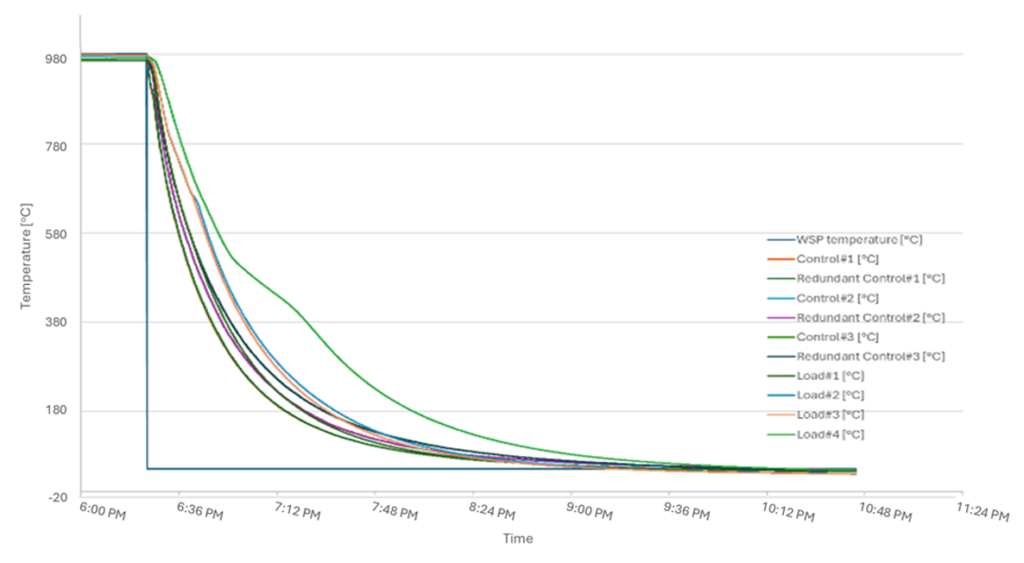
Skip to content