An auto parts manufacturer that specializes in the production of radiators and air conditioning systems recently ordered a fully electric furnace for brazing aluminum in a protective atmosphere. The EV/CAB line is designed for the production of tubular and plate-fin heat exchangers with uniform temperature distribution across the 1300 mm wide belt.
Piotr Skarbiński Vice President of Aluminum and CAB Products Segment SECO/WARWICK
SECO/WARWICK designed the uniform temperature distribution feature in the equipment to meet the company’s quality requirements of the finished products. The CAB line on order, the first this manufacturer has acquired from SECO/WARWICK, provides the continuous brazing of products with similar dimensions and features. The temperature is evenly distributed over the entire width of the belt due to several independent heating zones, resulting in long-term operation under industrial conditions.
“Uniform temperature distribution across the entire belt, regardless of how wide it is, is an important consideration influencing the final effect of the production,” said Piotr Skarbiński, vice president of the Aluminum Process and CAB Business Segment at SECO/WARWICK. “Our furnaces provide an optimal brazing temperature profile and a very clean atmosphere necessary to maintain high process quality. In China, we sell CAB lines for manufacturers of electric vehicle battery coolers, as well as for manufacturers of other heat exchangers. The furnaces on order by this partner are powered by electricity, making them ecological and free of CO2 emissions.”
Press release is available in its original form here.
Options abound when it comes to selecting the preferred type of fixture. In this Technical Tuesday installment, Garrett Gueldenzoph, applications engineer at Rolled Alloys, examines various advantages of wrought versus cast alloys in heat treat operations.
This informative piece was first released inHeat Treat Today’sFebruary 2025 Air/Atmosphere Furnace Systems print edition.
There are various types of heat treating fixtures, such as trays, racks, boxes, and other part holders available in the market. These fixtures are generally made of castings, wrought fabrications, or hybrids.
For heat treaters, it can be challenging to determine which fixture best suits the job. The decision usually involves a combination of cost and design factors. However, many heat treaters tend to only consider the initial cost and overlook the importance of life cycle costs. It is crucial to consider the cost per pound of heat treated product, which is often overlooked but should be an important consideration.
Cast materials and wrought materials each have their own advantages. The pros and cons of each are summarized in Table 1. Cast materials offer a low cost per unit, the ability to incorporate beneficial elements like Cr and C, higher creep strength, and the ability to be cast into complex shapes that are ready to use.
Wrought alloys can be used in thinner sections, are repairable/weldable, resist thermal fatigue better, and have a better surface finish. Using thinner sections can result in a lower-weight fixture and fewer BTUs to heat the fixture.
Table 1. General comparison of cast vs. wrought materials
Baskets: Wrought and Cast
Baskets are one of the most common heat treating fixtures. A typical basket is shown in Figure 1. This simple basket, made entirely from a wrought round bar, is commonly called a bar basket or rod frame basket. This type of basket is either used as is or lined with wire mesh to hold small parts such as hardware in heat treating facilities. Wire mesh liners are inserted on all five sides to prevent these parts from falling into the furnace. Fully cast baskets or wrought-cast hybrid baskets are also used, but they tend to be heavier due to the larger amount of material they require. These types of baskets are used to support heavier loads than the wrought wire bar basket can handle.
A wrought basket has a lower carbon content and a defined grain structure, making it more resistant to sudden changes in temperature compared to cast baskets or hybrids. This allows it to endure multiple quenching and heating cycles. In contrast, cast baskets may develop cracks from frequent temperature changes. The wrought basket remains resilient to thermal shock until a case is accumulated during case hardening operations.
Cast baskets have a higher carbon content and better resistance to deformation under heavy loads. However, they are more susceptible to cracking than wrought baskets. When choosing between the two, the expected service life and cost per pound for heat treatment are the main economic factors to consider.
Figure 1. Bar basket/rod frame basket
Trays
Trays are commonly used to support heavier parts. There are three main types of trays; two are traditional designs and one is a newer design (see Figure 2). The first traditional tray consists of a serpentine grid made of snakelike bent pieces bordered by consecutive lengths. The pieces are held together by a threaded round bar with nuts welded to each end. A gap is left at one end between the last straight section and the end nut, allowing for free expansion and contraction of the individual pieces. While the serpentine grid can be made from a relatively thin sheet (11 gauge), higher strength can be achieved by increasing the top-to-bottom grid thickness. The second traditional tray is cast with straight legs connecting to round tubes.
The final tray design features a honeycomb pattern by Duraloy, with relatively thick legs. As a result, this heavy duty grid can support heavier weights compared to the traditional cast grid. These grids are becoming more common in heat treat shops due to their ability to handle significant weight. All three tray designs are depicted in Figure 2.
Figure 2. Tray designs for heat treat fixtures
Design
When designing baskets and trays, it is important to decide how thick the supports should be. Thicker supports can hold more weight, but the furnace capacity should also be taken into account to maximize efficiency.
Optimization
Using a tray with thick support members may not always be the best solution, as the furnace has a weight capacity limit. If the furnace can be run at total capacity, the strength of the fixture is well spent. It is best to use a fixture with the highest utilization, which means having the best possible ratio of part weight to total weight. A fixture that is too small will not allow the furnace to be filled to near capacity, while a fixture that is too heavy will limit the number of parts that can be processed.
Damage
Forklifts are a common cause of basket or fixture failure, especially during case hardening operations. The properties of the fixture material must be considered to prevent failure. For example, cast trays are strong but brittle, while wrought material has good impact resistance.
Custom
The final type of fixture is custom designed. One standard fixture is called a daisy wheel because of its grid-like shape. The decision to use a particular fixture depends on its ability to support parts and its expected lifespan. Cast fixtures tend to split in the joint areas, whereas welded wrought fixtures have more ductility and will not break as quickly in the welds. Stiffeners should be avoided unless some means of movement is provided, as they can cause the material to bend, buckle or crack.
Figure 3. Custom fixture
Materials
In the heat treating industry, fixtures and baskets are often made from a versatile alloy called RA330®. This alloy is resistant to oxidation up to 2100°F (1150°C) and has usable creep strength up to 1800°F (980°C). Most steel heat treatment is done below 1750°F (950°C), and many operations are done below 1600°F (870°C). Sigma phase forms in some fixture materials below 1600°F, which makes them brittle at room temperature and prone to failure eve with slight impacts such as forklift hits. But RA330, with 35% nominal nickel, is immune to sigma phase formation, as are nickel alloys with higher nickel content.
RA330 also has good resistance to surface hardening operations like carburizing and nitriding, but carbon and nitrogen can penetrate the protective oxide and diffuse into the base metal over time. Generally, RA330 fixtures last approximately one year in carburizing atmospheres and should last longer in nitriding environments. They may warp from continued use but are resistant to thermal fatigue.
There are other options for wrought materials, but they are often more expensive than RA330. For instance, RA 253 MA® is an alternative with good creep strength and lower cost than RA330. However, due to its lower nickel content, it is subject to sigma phase embrittlement and does not offer much resistance to carburization or nitriding.
If the fixture is used only for neutral hardening in an inert atmosphere or vacuum, then RA 253 MA may be a cost-effective option. On the other hand, RA 602 CA® has performed exceptionally well as a fixturing material for the highest temperature vacuum heat treating operations, up to temperatures just below 2300°F (1260°C). This alloy has one of the highest creep strengths among all potential wrought products.
Despite the other options, RA330 is still the most economical alloy for heat treating fixtures. However, a higher strength alloy may be considered when final heat treat part dimensions are critical and straightness specifications are tight. Other alloys could be considered, but these fixtures would be restricted to that one application.
References
Glasser, Marc. “RA330: Versatile Nickel Based Alloy for Heat Treating.” Industrial Heating, Sept. 2016.
Rolled Alloys. “Cast vs. Wrought.” https://www.rolledalloys.com/resources/cast-vs-wrought/.
Rolled Alloys. “RA 602 CA® Chosen for Heat Treat Baskets for Extreme High Temperature Vacuum Heat Treating.” https://www.rolledalloys.com/wp-content/uploads/2022/07/RA-602-CA-Chosen-for-Heat-Treat-Baskets_nickel-rolled-alloys-metal-supplier.pdf.
Garrett Gueldenzoph specializes in stainless steel and nickel alloy welding at Rolled Alloys. He holds a bachelor’s degree in Mechanical Engineering from the University of Toledo and is actively involved in several respected technical organizations, including the American Welding Society (AWS), the American Society for Metals (ASM), and the American Society for Testing and Materials (ASTM). Garrett has a strong passion for aerospace and space-related applications, and he plays a key role in enhancing the company’s technical expertise in this market.
For more information: Contact Garrett at ggueldenzoph@rolledalloys.com.
This article was initially published in Industrial Heating. All content here presented is original from the author.
In today’s News from Abroad installment, we highlight processing and initiatives that aim to improve operations and improve sustainability. Read more about a method used in the production of parts with complex geometries; a venture to create the world’s first fossil-free, ore-based steel with renewable electricity and green hydrogen; and a production plant that will generate around 9,000 tons of green hydrogen a year to be used for the production of carbon-reduced steel.
Heat TreatTodaypartners with two international publications to deliver the latest news, tech tips, and cutting-edge articles that will serve our audience – manufacturers with in-house heat treat. Furnaces International, a Quartz Business Media publication, primarily serves the English-speaking globe, and heat-processing, a Vulkan-Verlag GmbH publication, serves mostly the European and Asian heat treat markets.
Press Hardening Prevents Part Deformation
Press hardening neccessary due to part deformation during the rapid cooling phase induced by quenching
Source: Thermi-Lyon
“Press hardening serves a very specific purpose: to prevent part deformation during the rapid cooling phase induced by quenching. This process improves the performance of steels by giving them a martensitic structure without the need for reworking. Designed for high volume production of parts with complex geometries, press hardening is both highly effective and economical….
This process was initially developed for automotive manufacturers, to process large series of parts with complex geometries. In fact, this method is perfectly suited to the processing of large numbers of parts on a production line: since the cooling cycle is automatically programmed, it can be repeated ad infinitum. What’s more, the circulation of quenching fluid around the part held in the press results in uniform, controlled cooling that can easily be reproduced many times over.”
An electricity-based process gas heater for the hydrogen-based direct reduction process developed by HYBRIT (Hydrogen Breakthrough Ironmaking Technology)
Source: Kanthal
“Launched in 2016 as a joint venture owned by SSAB, LKAB, and Vattenfall, with support from the Swedish Energy Agency, HYBRIT aims to create the world’s first fossil-free, ore-based steel with renewable electricity and green hydrogen.
This involves shifting from coal-powered blast furnaces that use coal as a reduction medium to a direct reduction process using hydrogen produced via renewable energy. The first HYBRIT pilot plant in Luleå, Sweden, began operations in 2020, with commercial-scale production targeted by 2027.
Kanthal is proud to have contributed to HYBRIT’s groundbreaking journey by developing an electricity-based process gas heater for the hydrogen-based direct reduction process under the name Prothal®. This project showcased the feasibility of fossil-free industrial heating solutions and laid the groundwork for scaling up these technologies to meet the steel industry’s future needs.”
Largest Green Hydrogen Production Facility Underway
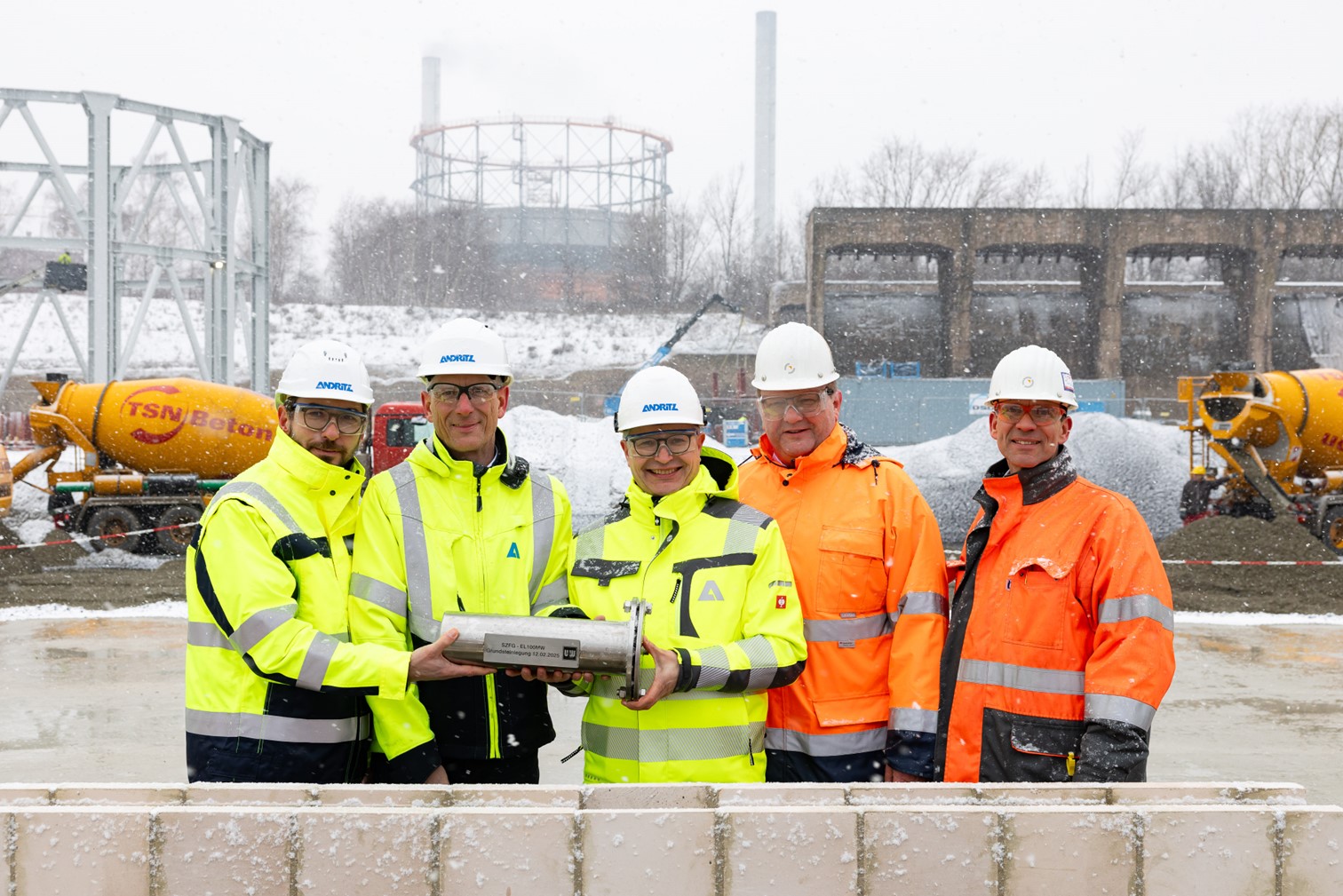
From left: Andrea Prevedello, Global Director Project Management of Green Hydrogen, at ANDRITZ; Walther Hartl, Project Manager of Electrolysis, at ANDRITZ; Sami Pelkonen, Executive Vice President of Green Hydrogen, at ANDRITZ; Gerd Baresch, Managing Director of the Technical Division, SZFG; Thorsten Hinrichs, Head of Pipeline Infrastructure, SZFG
Source: Andritz Group
“On February 12, 2025, the cornerstone was laid for one of the largest production plants for green hydrogen in the whole of Europe.
[Beginning in] 2026, the plant will generate around 9,000 tons of green hydrogen a year to be used for the production of carbon-reduced steel. This will mark the start of the industrial use of hydrogen in SALCOS®-Salzgitter low CO2 steelmaking. SALCOS® is aiming for virtually carbon-free steel production. The 100 MW electrolysis plant will be supplied on an EPC basis by the international technology company ANDRITZ, using the pressurized alkaline electrolysis technology of HydrogenPro.”
Heat TreatToday publishes twelve print magazines a year and included in each is a letter from the editor, Bethany Leone. In this installment, which first appeared in the February 2025 Air & Atmosphere Heat Treatingprint edition, Bethany looks at preservation planning on a brownfield through the eyes of a historian and asks the question, “Is it possible an old system can, with modifications, give heat treat operations added value that a newer system cannot?
Feel free to contact Bethany at bethany@heattreattoday.com if you have a question or comment.
Some readers may know my background is in historical research. In 2022, I found myself supporting a Pittsburgh architect as his team worked on preservation planning on a brownfield: The Carrie Blast Furnaces. Was Carrie a girlfriend? That’s one answer. I never got a good story on that, though.
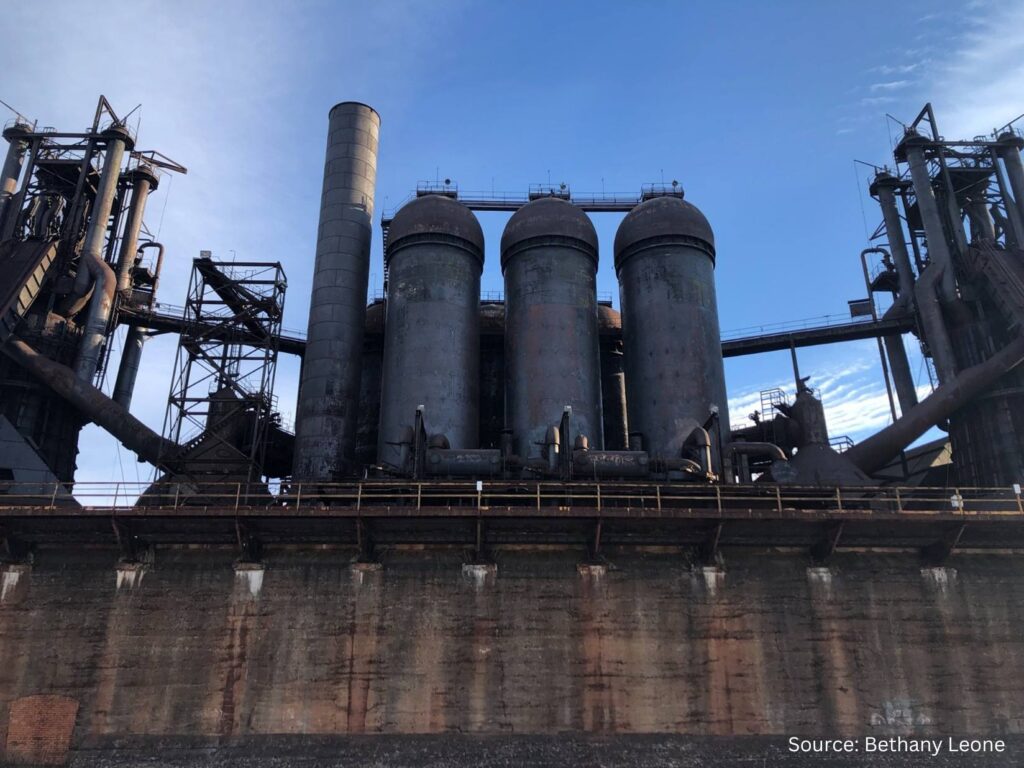
Among existent structures at the site are the power house, the no. 6 cast house, a dust catcher, a blowing engine house, and two remaining blast furnaces, no. 6 and no. 7. Rusted, massive, and with evidence of guerrilla art everywhere, the “abandoned” site was never really forgotten by the locals who fought to preserve its legacy in the region.
View of the ore yard in front of blast furnaces no. 6 and no. 7 with a red ore bridge overtop
The Carrie Blast Furnaces site is located in the midst of what was a key iron producing region with plants all around the city of Pittsburgh, Western Pennsylvania, parts of West Virginia, and Eastern Ohio. The Pittsburgh district was the largest iron and steel producing region in the world between the late nineteenth and early twentieth centuries.
This industrial site supported U.S. pre-World War II integrated iron production along the Monongahela River. Andrew Carnegie integrated the Homestead Steel Works operations in 1898, the extensive industry marked by tangled railways to transport materials to plants across the landscape.
Various acquisitions and expansions to the space had made it a critical workhorse in America’s manufacturing, eventually becoming a part of U.S. Steel’s Homestead Works. Yet after the world wars, the demand for steel plummeted. Steel manufacturing was consolidated at other locations. Foreign imports increased. Alternative materials were adopted for domestic products. Blast furnaces no. 6 and no. 7, built in 1906–1907, ceased operations in 1978; the rest of the site closed in 1984.
View of six stoves with blast furnace no. 7 (left) and blast furnace no. 6 (right)
Today, Rivers of Steel operates the brownfield. Straddling both Swissvale and Rankin communities, the site has gone under preservation efforts so it can offer the public historic site tours, arts events, hands on education, and outdoor events. But while the technologies can no longer be used on the site, the remaining structures may still yield value to the community.
From an historic preservation perspective, architectural redesign plans intend to keep as many of the structures as is safe and functional for current and future use. Some of the obvious challenges that exist in brownfields are visible to the naked eye: How to insulate or redesign a blowing engine house building and what suppliers are able to fix and replace the broken windows? Can the dust blower have an alternative purpose or is it a hazard to keep on a site that hosts public events? These are relatively simple issues as compared to the subterranean challenges — toxins leaking from latent pipes is the big one. Paired with environmental preservation efforts of redeeming the landscape for safe public use and recreation, making an industrial brownfield something suitable for long-term public benefit requires a host of planning — and unplanning.
Yet the past investments infused into building Carrie Blast Furnaces give value to the future projects, tangible, and intangible.
The stock house where raw materials would be dropped off before carted up to the top of the blast furnaces
The conversation about abandoning older air/atmosphere furnace systems reminds me of this lesson. Is it possible an old system can, with modifications, give heat treat operations added value that a newer system cannot? What with improved furnace insulation, and especially with even advancing furnace monitoring and even technology that leverages carbon emissions within an operation, perhaps certain heat treat operations can create something better and more efficient, leveraging existing investments.
As is the case in historic preservation, an investment can’t always be salvaged or even remembered. We don’t just think about past values or present concerns but future value. I would think the same must be the case for heat treat operations. In navigating the demands of the present economic realities and standards, preparations for the future, while honoring the legacy of workers (and, perhaps, investments) that made it possible is tricky.
Currently, activity at Carrie Blast Furnaces is focused on rebuilding sluiceways for visitors and converting the blowing engine house into a visitor’s center. Hopefully, debate will continue about the rehabilitation investments to come. When it comes to heat treat operations, may we also have great debate in wrestling with old, not so-sexy technologies and whether to adapt or adopt new ones.
We’re celebrating getting to the “fringe” of the weekend with a Heat Treat Fringe Fridaycovering news about a Texas steelmaker making strides in sustainable metal heating with a new facility. An electric arc furnace and a technology platform are included in the company’s strategy to lower emissions and energy consumption and increase production.
While not exactly heat treat, “Fringe Friday” deals with interesting developments in one of our key markets: aerospace, automotive, medical, energy, or general manufacturing.
Vinton Steel LLC, the U.S. subsidiary of Kyoei Steel, is bolstering its steelmaking operations with a melt shop at its facility in El Paso, Texas, which includes an electric arc furnace (EAF) and an advanced technology platform designed to increase production capacity to 400,000 tons per year while significantly reducing emissions, energy consumption, and operational costs. This expansion is a major step in the company’s North American expansion.
Tenova, a developer and provider of sustainable solutions for the green transition of the metals industry, will supply the Green City Mill Flex platform, with construction expected to begin the summer of 2025 and plant startup scheduled for the first quarter of 2027.
“This project marks a significant milestone for Kyoei Steel Group’s expansion in North America,” said Masahiro Kitada, chairman of Vinton Steel LLC. “By investing in state-of-the-art green steelmaking technologies, we are not only strengthening our presence in the U.S. market but also contributing to the economic development of the local community and the entire West Texas region. We are proud to bring advanced and sustainable steel production to El Paso at the Border area, creating new opportunities for growth. We are happy to embrace our largest investment outside Japan with a long-lasting partner like Tenova.”
Tenova’s Green City Mill Flex is redefining the future of long steel production by setting new benchmarks in efficiency, product flexibility, and environmental responsibility. Engineered to manufacture a wide range of long steel grades with the lowest carbon footprint on the market, this innovative platform integrates cutting-edge technologies, including the third generation Consteel® Electric Arc Furnace technology. The plant will also feature continuous casting and rolling capabilities in collaboration with Pomini Long Rolling Mills. By leveraging the local steel scrap recycling supply chain, Green City Mill Flex strengthens the principles of circular economy and self-sufficiency, minimizing the environmental impact of steel production in urban settings.
“This project sets a new benchmark for regional steelmaking plants,” said Francesco Memoli, president and CEO of Tenova Inc. “The Green City Mill Flex platform represents the latest evolution of the mini-mill concept, adding unprecedented levels of flexibility, efficiency, and safety. It is a game-changer for long-steel producers looking to modernize and meet the demands of sustainable manufacturing.”
Under the contract, Tenova will supply a complete suite of next-generation technologies, including a 45-ton Consteel® EAF with continuous scrap preheating, an in-line ladle metallurgy furnace for precise steel refining, a multi-strand continuous casting machine, and a fully automated material handling system. The project will also include an advanced fume treatment plant with a quenching tower and pulse-jet baghouse, a zero-water-consumption water treatment plant, and a new electrical distribution system, all designed to maximize efficiency and sustainability.
Main image: On February 3, 2025, Executives from Vinton Steel and Tenova gathering at Kyoei Steel’s headquarters in Osaka, Japan, on February 3, 2025, to celebrate the signing of the contract. (Francesco Memoli, President & CEO of Tenova Inc., on the far left; Masahiro Kitada, Chairman of Vinton Steel LLC, on the far right)
The press release is available in its original form here.
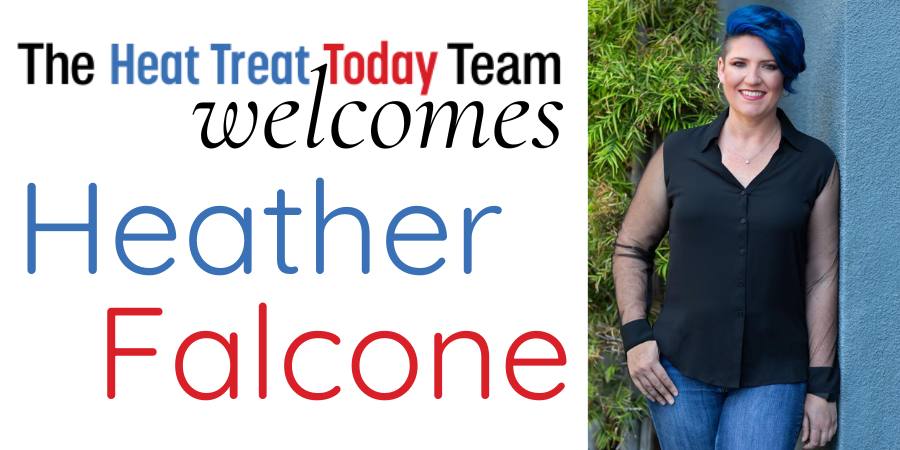
Heat TreatToday is excited to announce the addition of Heather Falcone to the editorial and podcast team, beginning on Monday, March 3, 2025. She will be taking on the responsibilities of content editor for the daily e-newsletter, original content writer, and Heat TreatRadio contributor.
Heather, the founder and principal of Falcone Consulting, LLC, is a servant leader with over 20 years of experience in heat treating, brazing, and chemical processing. She spent most of her formative years as a second-generation member of a family-owned heat treating and brazing business. As the former CEO of Thermal-Vac Technology, she successfully led the company through the pandemic, ensuring stability while propelling it into a new era that resulted in a successful exit in 2024. Passionate about challenging the status quo, she champions diverse teams and fair chance hiring, with a focus on developing successful teams that are future-proof and thriving.
Beyond her position as founder and principal at newly formed Falcone Consulting LLC, Heather is a board member, coach, speaker, and writer, advocating for small businesses, workforce development, and success for the heat treat community at large. She provides her expertise in aerospace specifications and the Nadcap process in an ongoing role as the special project consultant for Cook Induction Heating in Maywood, California. Additionally, she has played a pivotal role in industry organizations like the Metal Treating Institute, AMEC, and Nadcap, while also supporting local nonprofits such as Chrysalis and the Orange County Workforce Development Board.
“We’re thankful to have Heather joining the Heat TreatToday team,” said Doug Glenn, founder, owner, and publisher of Heat TreatToday. “I’ve known Heather for many years and have been impressed with her initiative, courage, and fearlessness in everything she does. As an organization that is deeply invested in making sure in-house heat treaters have the information they need to become more efficient and profitable, Heather will be an excellent addition to our editorial team. She knows the industry; she knows what our readers need. And as we all know, the happier the readers, the happier our advertisers.”
Heather is an Ironman triathlete, a Seven Summits enthusiast who has summitted Mt. Kilimanjaro and trekked in the Everest region, and a loving wife and mother to two teenage boys.
For more information, click here for Heather’s LinkedIn page, here for Falcone Consulting’s website, or here for her Heat TreatToday 40 Under 40 recognition in 2019.
Jim Roberts, president of U.S. Ignition, joins us in the renewal of the Combustion Corner column. In this installment, Jim establishes that the goal of the series is to provide informative content to “furnace guys” about the world of combustion, furthering the spirit of the Heat Treat Today motto: “We believe people are happier and make better decisions when they are well informed.”
This informative piece was first released in Heat Treat Today’sFebruary 2025 Air/Atmosphere Furnace Systems print edition.
Contact us with your Reader Feedback!
So … A guy walks into a room full of furnace guys …
And the story (or joke) begins again. I used to be one of the furnace guys. It’s a really niche group of strange, unique, and sometimes knowing people, who, by the way, are not gender specific. To me, “a guy” is a moniker as specific as saying that person over there is a swimmer.
But as furnace guys, those same individuals have a peek at the stuff that normal planet walkers don’t. They — or rather WE — know how to almost tame the beast. We have learned what it means to control temperatures that can crack stone. We can bend metal and make it do what we want at temperatures that the human eye cannot gaze upon without safety filters between us and the beast.
And what is this beast? It’s called combustion. It’s a phenomenon that allows the very air around us and anciently sourced resources to burn like hellfire and yet still do our bidding. But there are fewer and fewer guys who manage the beast these days. And that is how a column like this takes launch.
This publication, and its talented editorial staff, have always been driven to provide information that, in their own words, will allow the greater masses this privilege: “We believe people are happier and make better decisions when they are well informed.”
It was not lost on the staff that with dwindling numbers of longtime combustion people some of the benefits of being “well informed” were needed. They felt information could be presented in such a fashion that old-timers like me could share some of the tried-and-true techniques that we have used over the years. The hope is to not only make the workplace safer, but also to increase efficiency and performance in the processes that utilize combustion.
When we walk into almost any facility and go over to the underperforming furnaces, we can bet part of the problem will be inlet air source or exhaust outlet issues.
To some, this will seem like remedial information. That is GREAT. Because that means that you already understand a fair portion of the pathway to combustion performance. You can be the lead in your facility on combustion safety and understanding. Yay!
We are going to start with a visit to an article I wrote some time ago that then later became a pamphlet called “10 Combustion Tips.” It was written with plant maintenance guys in mind as they traveled the factories and facilities that they had responsibility for. We’ll turn this into a series of tips that are really intended for those less experienced to start. We’ll continue in upcoming editions of Heat Treat Today, and hopefully, everyone will feel like this was beneficial when cruising the aisles of your factories.
Tip 1: Keep the Process Air Filters Clean
I know, this seems so obvious, doesn’t it? Utilities tell us over and over to keep your home furnace filters clean. But I would be willing to bet that almost 30% of all furnace issues that we see in the field start at the blower supplying our combustion air. It’s the lungs for your burners! Any filter blockage will result in serious problems. As the system impedes under a clogged filter, your process may not get the required input. Clogged filters put undue strain on the combustion air blowers over time, so your electrical and motor maintenance costs may escalate. Additionally, the burners may go fuel rich. This wastes fuel and can create carbon, which at its best is an insulator. At its worst, it is a fire hazard.
Tip Solutions
A. Check the filters monthly: It is pretty easy to see if a filter is dirty. Your production folks may have even told you the furnace is slowing down. Less air, less heat. Take a peek … you will know. If it’s a fiber-based filter, replace it. Better yet, make it a habit to check filters every month.
B. Clean the screen: If not a replaceable filter, clean the metallic/plastic screen type with some solvent that will cut the machine/quench oil that’s probably the clog culprit. DO NOT put the filter back on dripping wet with solvent. I apologize to furnace guys out there for having to explain that, but it’s the new world, right? If you didn’t understand why, please refer to the movie “Back Draft.”
C. Get outside: Consider ducting an outside air source to the combustion air blower. Fresh air delivered at a stable temp will always help with furnace and burner performance.
So there, was that so hard? Nope, almost simple. And yet when we walk into almost any facility and go over to the underperforming furnaces, we can bet part of the problem will be inlet air source or exhaust outlet issues.
Don’t let it be your plant. See you next issue.
About the Author
Jim Roberts President US Ignition
Jim Roberts, president at US Ignition, began his 45-year career in the burner and heat recovery industry directed for heat treating specifically in 1979. He worked for and helped start up WB Combustion in Hales Corners, Wisconsin. In 1985 he joined Eclipse Engineering in Rockford, IL, specializing in heat treating-related combustion equipment/burners. Inducted into the American Gas Association’s Hall of Flame for service in training gas company field managers, Jim is a former president of MTI and has contributed to countless seminars on fuel reduction and combustion-related practices.
A company that supplies metal injection molded components for the aviation industry has expanded its production capabilities with a vacuum furnace. This solution will increase the capacity to provide hardening process services while meeting aviation standards required by the industry.
Sławomir Woźniak President of the Management Board SECO/WARWICK Group
The Vector® vacuum furnace will process materials using an additional argon hydrogen partial pressure system, providing heating at a high level: 2192˚F (1200˚C). This is SECO/WARWICK‘s second collaboration with the company, one of the largest manufacturers offering metal injection molding technology with manufacturing capabilities including vertical integration of finishing technologies such as nickel and trivalent chromium electroplating, vacuum heat treatment and seal hardening, as well as precision grinding and CNC machining with micron tolerances.
“This partner is a global brand which has shown their trust in us for the second time by ordering a vacuum furnace, which we will now be able to service locally and more comprehensively,” said Sławomir Woźniak, president of the management board, SECO/WARWICK Group.
The furnace’s pumping system enables vacuum processes to be carried out in medium and high ranges, thanks to the use of a very good pumping system, and incorporates three process gases: argon, nitrogen, and hydrogen.
Press release is available in its original form here.
Heat TreatToday publishes twelve print magazines a year and included in each is a letter from the publisher, Doug Glenn. This letter first appeared in February 2025 Air & Atmosphere Heat Treatingprint edition.
In July of last year (2024), one of the industry’s leading consultants, Dan Herring, The Heat Treat Doctor®, conducted an amazing comprehensive survey. Here’s how it started:
As many of you know, I’ve surveyed the industry numerous times over the years to check on the latest technology trends and overall health of the heat treating and thermal processing industry. With the rapidly changing print and electronic media landscape, I am curious as to how these changes will impact our industry. As many of you are painfully aware, some magazines, websites, e-newsletters, and webinars/podcasts have gone away; while precious few others have come into being.
The consultant went on to ask the near 10,000 email recipients to complete an eight-question survey about that “rapidly changing print and electronic media landscape.”
#1 The Respondents
The respondents were a good mix of manufacturers with in-house heat treat departments, commercial heat treaters and industry suppliers. From what we know about our own magazine’s circulation, which is predominantly to manufacturers with in-house heat treat departments, the responses were a good sampling of the North American heat treat market.
#2 Awareness of Media Brands
We were very pleased to see that Heat TreatToday ranked highest in awareness. A whopping 93% of respondents were aware of our existence. The three other media brands all ranked significantly lower: The next highest came in more than 13 percentage points lower, and the lowest ranking media brand had a score of only 28% awareness.
#3 Most Helpful Media Brand
Heat TreatToday also scored exceptionally high when asked which media brand was “most helpful to your business.” Respondents were asked to rank the publications from 1 to 4 with 1 being most helpful and 4 being least helpful. 59% of the respondents ranked Heat TreatToday as #1, the most helpful media brand. The media brand ranked second as most helpful came in with only 23% of respondents.
#4 Voice of the Industry
When asked which media brand the respondents considered to be the “voice of the industry,” Heat TreatToday again ranked #1 with over 63% selecting us. The other three media brands pulled only 19%, 16% and 2%, respectively.
#5 Most Important Information
The consultant next asked this question: What is the most important information you get from heat treatment/thermal processing media? Technical content ranked #1 at 46.4%. Industry news came in at #2 with 45.5%, followed by helpful resources at #3 with 5%. Finally, supplier content and lead generation came in at 2% and 1%, respectively.
#6 Media Brands that Deliver the Most Important Information
Then respondents were asked which media brand best delivered technical content and industry news. Heat TreatToday again ranked extremely well with nearly 6 of 10 (58%) ranking us at #1. The next closest media brand came in with just a tad over 2 in every 10 respondents indicating that they delivered the important information desired.
#7 How You Consume Media
One of the more enlightening questions had to do with what types of media the respondents used to consume their information — meaning, do they read print or digital magazines, visit websites, receive e-newsletters, listen to podcasts or flip through social media posts? Remember, the survey was sent out by email, which could have skewed the results.
The surprising #1 response was print magazines! Print came in with 32% of respondents ranking it as their most preferred method of consuming content. If you were to combine those who ranked either of the magazine options (print or digital), the number increases to 56%, well ahead of the next closest option which was website. Websites came in at 23%. E-newsletters, social media, and podcasts/videos all ranked in single digits — 9%, 5% and 5% respectively.
#8 Type of Device
Answers to the final question will also be surprising to many: “On what type of device do you prefer to access your heat treatment digital media?” This question does not take into consideration that the #1 preferred method for consuming media is the print magazine, just if and when they consume digital media. “Phone” ranked nearly dead last (believe it or not), second only to “None of the above.” Readers are not accessing thermal processing information much on their phones. This is confirmed by the low social media and video numbers in #7 above. The big winners, both with roughly half of the responses (both at 47%) were desktop computers and laptop computers.
Lessons Learned
The data was encouraging, proving that providing helpful, timely content is what the thermal processing industry needs. Please continue to communicate with us and tell us what you’d like to know.
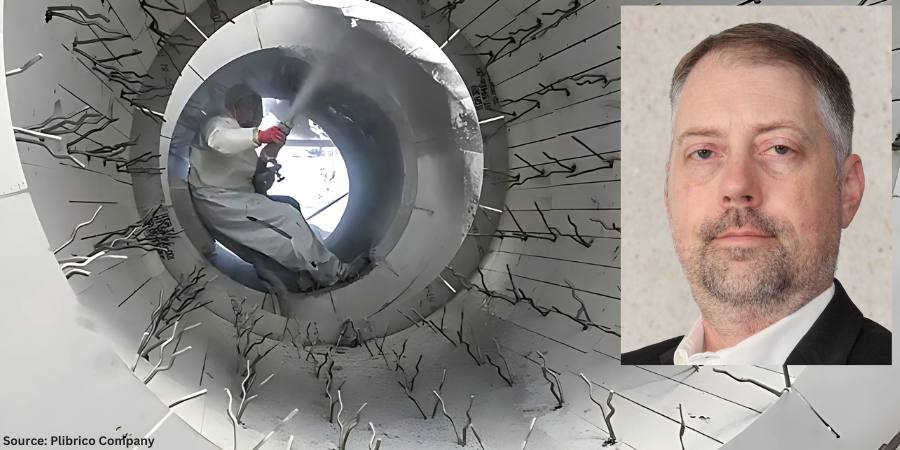
The faster the refractory installation, maintenance or repair, the more efficient and, by extension, profitable it is to the company, as savings fall to the bottom line. In this Technical Tuesday installment, Roger Smith, director of technical services at Plibrico Company, LLC, examines the challenges of insulation systems, taking a closer look at ultra-lightweight refractory gunite as a fast, flexible solution to controlling heat.
This informative piece was first released inHeat Treat Today’sFebruary 2025 Air/Atmosphere Furnace Systems print edition.
Manufacturers that rely on industrial grade furnaces, boilers and incinerators to produce their quality products are always looking for ways to improve. It is how they stay relevant and, more importantly, profitable. But you don’t get better just by desiring it. You need to identify better ways to get things done and introduce risk-neutral change to current operational processes. By some estimates, inefficient processes can reduce a company’s profitability by as much as one third.
Given refractories’ importance in safeguarding an operation’s multimillion-dollar thermal-processing equipment, and to avoid unscheduled downtime, it is smart business to have a sustainable maintenance and repair process in place. When a refractory situation does arise, the more proficient the process solution the better.
Controlling the Heat
Click the image above to read Roger Smith’s column on extending the life of refractory linings.
Furnace design is largely about controlling heat to maximize energy efficiency. An energy source — whether that is gas, coal, wood or electricity — is used to heat the furnace, and the furnace lining is designed to keep that heat inside the furnace. There are other factors to be considered, such as the environment inside the furnace, whether there is any abrasion or chemical interactions, or whether the furnace maintains a steady state temperature or undergoes temperature cycles. Regardless of what considerations have to be made for the hot-face lining, an insulation package must be used to reduce fuel consumption and control the cold-face temperature.
There are a large variety of insulation packages and materials that can be used in furnace design. Insulation comes in the form of board, fiber, brick and castables. Each type of insulation comes with its own sets of considerations, such as insulation value, installation method and cost. When considering the insulation package for the vertical wall of a furnace, support must also be considered because the insulation is expected to stay where it is placed and not slump over time. There also must be a means of connecting the hot-face working lining to the furnace structure to provide support. This is accomplished with an anchoring system that connects to the furnace shell and penetrates some distance into the dense hot-face working lining.
Anchoring Systems Challenge Insulation Installations
Anchors are considered to be the bones of a refractory installation and have several functions. They hold the refractory to the wall to keep it from falling in. They also prevent wall buckling due to the internal thermal stresses created by high temperatures. And, to a lesser degree, anchors can also help support the load of the refractory weight.
The anchoring system, however, can present big challenges when installing or maintaining the insulation. In most furnace applications, anchors are first welded directly to the furnace shell. Next, the insulation package is installed and finally the working lining. With anchors sticking off the furnace shell, installing insulation can become a challenge.
Fiber insulation in the form of blanket can be pressed into the gaps between the anchors, but it is important that the insulation remains in place during the life of the furnace. Industrial furnaces tend to vibrate, either from use of combustion or exhaust blowers or other process equipment. This constant vibration can cause fiber insulation to slump and lead to hot spots in the furnace wall due to the lack of insulation.
Figure 1. Anchoring systems are installed before refractory insulation and can pose challenges.
Insulation board is rigid enough to support itself on its end and can be found in a variety of densities and thicknesses to obtain the required insulation value. However, insulation board typically comes in sheets that will have to be cut to fit around the anchors. This can result in a significant amount of manpower and a significant amount of time in a furnace installation. The downtime of an industrial furnace can be costly, which often results in tens of thousands of dollars per hour in lost profits. For this reason, companies try to minimize the time spent rebuilding a furnace. Fewer man hours on a rebuild also tends to reduce the overall cost of the project.
Ultra-lightweight refractory gunites offer a means of installing a large amount of insulation in a relatively short period of time. A gunite is a monolithic refractory castable that is pumped dry through a hose under pressure and is mixed with water at the nozzle. Once the wet castable impacts the surface, it stiffens quickly to avoid slumping and hardens as it dries. This means that the gunite could be installed over the anchors with minimal time. The installer only needs to wrap the end anchors with masking tape to keep them clean for the working lining.
Figure 2. Cold-face and heat storage/loss graph for a production furnace
Distinct Differences in Refractory Gunites
Ultra-lightweight castables are a sub-set of the lightweight castables category but with a very important difference: density. For example, the average lightweight castable with a maximum service limit of 2400°F typically has a density of about 80–90 pcf (pounds per cubic foot). By comparison, ultra-lightweight castables with a maximum service limit of 2400°F will have a density of about 25–30 pcf.
This important distinction comes into play when looking at insulation thickness and calculating cold-face temperature. At the stated densities in a furnace operating at 2000°F, it would take nearly three times more lightweight castable than an ultra lightweight castable to achieve the same cold-face temperature — making many ultra-lightweight castables perfect for insulation and most lightweight castable refractories impractical to use as part of the total insulation package.
Ultra-lightweight castables that achieve final densities of 25–30 pcf while offering service temperatures above 2400°F are available through various refractory manufacturers. One such product, Plicast Airlite 25 C/G (aka Liquid Board) from the Plibrico Company, is designed to be installed via casting or gunite using conventional gunite equipment. With low thermal conductivity and thermal-shock resistance, this material is durable and quick to install. It also has advantages over insulation board, which has a labor intensive installation process of cutting around all the welded anchors, and fiber insulation, which can experience frequent hot spots due to slumping insulation. With an ultra-lightweight, Liquid Board-type of castable, it is possible to attain required insulation values and extended lining life with the installation speed of a refractory gunite.
Working With, Not Against, the Anchoring System
Let’s consider a real-life production furnace operating at 2000°F with a simple 9-inch refractory lining consisting of six inches of dense refractory and three inches of insulation. For comparison, we will assume an ambient air temperature of 81°F and eliminate any effects of exterior wind velocity. The dense refractory working lining for these examples is Pligun Fast Track 50, a 50% alumina, 3000°F-rated refractory gunite.
As seen in Figure 2:
Using three inches of ceramic fiber blanket at a density of 6 pcf, a cold face temperature of 252°F can be achieved.
Using three inches of insulation board at a density of 26 pcf, a cold face temperature of 247°F can be achieved.
Using three inches of an ultra lightweight gunite such as Plicast Airlite 25 C/G with a maximum service temperature of 2500°F and assumed density of 25 pcf, a cold-face temperature of 262°F is expected.
The calculated difference in cold-face temperature between insulation board and the ultra-lightweight gunite is 15°F, but the difference in installation time savings could be multiple shifts.
Figure 3. Ultra-lightweight gunite is quickly applied over anchors with standard equipment.
The cost of downtime can be incredibly high for any manufacturer, especially since downtime can result in a series of costs and losses (both tangible and intangible), including production, labor, replacement costs, product losses and, if unexpected, reputation damage. Industry resources estimate downtime can cost thermal processing companies between $250,000 and $1 million per hour. When multiplied over several shifts, this could mean millions of dollars in downtime costs. Not to mention that labor is a major contributor to the overall cost of a refractory project. The quicker the refractory installation, the less downtime and the more profitable the company.
For example, in an approximately 750-square-foot round duct application (cylinder) with anchors already installed, on average, installation of four inches of the different insulation types can be estimated at:
Fiber Insulation — 137 total labor hours, or ~5.5 square feet/hour
Insulation board — 288 total labor hours, or ~2.6 square feet/hour
Ultra-light gunite/Liquid Board — 80 total labor hours, or ~9.4 square feet/hour
The quick and easy installation of the ultra-light gunite/Liquid Board represents an average estimated financial savings in downtime of between $35 million and $130 million — savings that drops directly to a company’s bottom line. The time compression of installing gunite also holds an added advantage for the insulation installer because labor hours can come with a premium price tag and can sometimes be in short supply. All of this makes the ultra-lightweight gunite solutions an excellent choice to minimize downtime and rebuild costs while meeting the furnace design criteria.
Conclusion
Manufacturers that rely on industrial-grade furnaces, boilers and incinerators to produce their quality products are constantly looking for ways to reduce costs, increase profits and improve efficiencies by looking at and introducing risk-neutral change to current processes. Maintaining efficiency and avoiding unscheduled shutdowns of heat processing equipment requires maintenance. Selecting quality materials and risk neutral installation processes that minimizes maintenance completion times can help companies become more efficient.
About the Author:
Roger M. Smith Director of Technical Services Plibrico Company, LLC
Roger M. Smith, a seasoned professional in the refractory industry, is the director of technical services at Plibrico Company, LLC. With a master’s degree in Ceramic Engineering from the University of Missouri — Rolla, Roger has over 15 years of experience in the processing, development and quality assurance of both traditional and advanced ceramics. He has a proven track record in developing innovative ceramic formulations, scaling up processes for commercial production, and optimizing manufacturing operations.