AGF DEFCOM, a metal additive manufacturing company, has expanded its vacuum heat treating capacity with the addition of a second furnace, increasing throughput for thermal processing operations while reducing scheduling constraints. The investment is expected to support growing production requirements and improve turnaround times for clients requiring vacuum heat treatment of additively manufactured components.
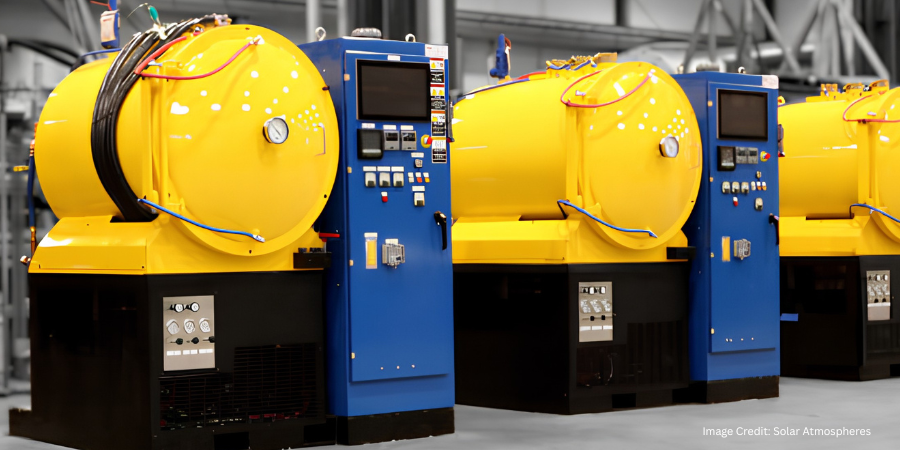
AGF DEFCOM recently installed a second Mentor Pro vacuum furnace from Solar Manufacturing. The additional furnace expands its in-house heat treating capabilities, enabling more jobs to be processed simultaneously while improving workflow efficiency and reducing bottlenecks.
The second furnace complements AGF DEFCOM’s existing vacuum heat treating operation and increases overall processing capacity. It is designed for precision thermal processing under high-vacuum conditions and is used for applications requiring controlled heat treatment.
The addition reflects AGF DEFCOM’s continued investment in expanding its manufacturing and thermal processing capabilities for clients in the metal additive manufacturing sector.
Press release is available in its original form here. Edit: The original press release mentions the vacuum furnace is from Solar Atmospheres. It has been updated in this press release to Solar Manufacturing, as confirmed by Solar Atmospheres.
A commercial heat treater is expanding its vacuum heat treating capabilities for gas turbine components with the addition of a high-performance vacuum furnace designed to support annealing, aging, brazing, and high-pressure gas quenching. The investment will increase the company’s ability to process precision metal components for the energy, medical, automotive, and industrial machinery sectors.
Image Credit: SECO/WARWICK
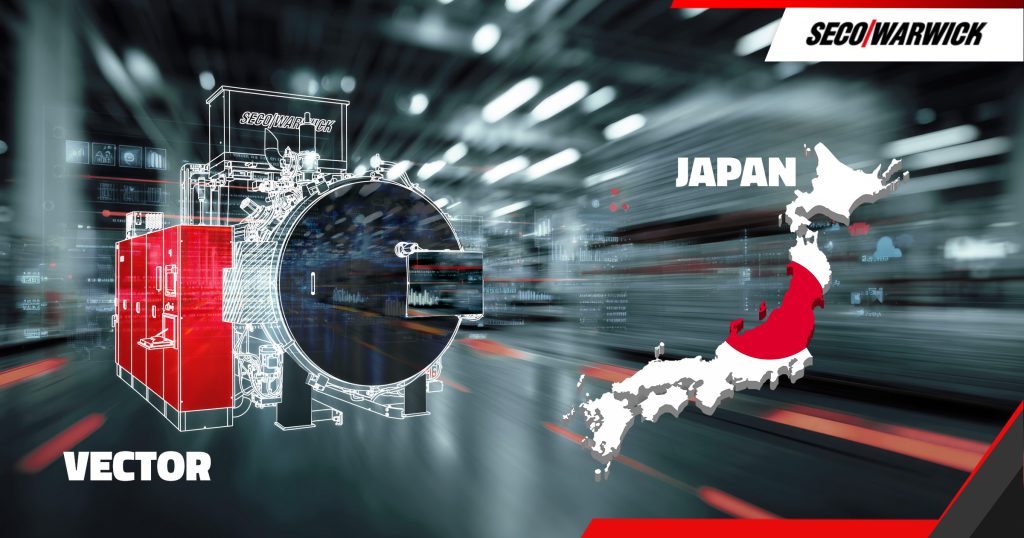
The furnace will be supplied by SECO/WARWICK, a global manufacturer of thermal processing equipment with operations in North America. The system is being installed at a Japanese company specializing in the heat treatment of metals and the manufacture of precision components.
Designed for demanding applications, the single-chamber Vector vacuum furnace features a working zone measuring 40 x 40 x 60 inches, allowing for the heat treatment of large and oversized components. It provides temperature uniformity within ±5°C (±9°F) and is equipped with additional heating elements in the door and rear wall to improve heat distribution throughout the chamber.
The furnace also includes a high-vacuum pumping system with partial-pressure capability and a 6-bar gas quench system, enabling processing of components that require fast, controlled cooling while maintaining structural quality. “This order will support the production of components for gas turbines, which play a key role in improving energy efficiency and reducing CO2 emissions,” said Maciej Korecki, vice president of Vacuum Segment at SECO/WARWICK.
With this new furnace, the client will gain the ability to carry out more demanding heat treatment processes, take the load off existing equipment in their internal hardening shop, and serve a growing production volume.
Press release is available in its original form here.
We’re celebrating getting to the “fringe” of the weekend with a Heat TreatFringe Fridayinstallment: the completion of a strategic investment project at a U.S. vacuum metallurgy facility highlights ongoing efforts to expand plasma gas atomization (PGA) and advanced materials processing capabilities. The project reflects continued investment in the infrastructure behind high-performance manufacturing.
While not exactly heat treat, “Fringe Friday” deals with interesting developments in one of our key markets: aerospace, automotive, medical, energy, or general manufacturing.
A strategic investment in vacuum metallurgy and advanced materials processing capabilities has been completed in the U.S., expanding capacity for plasma gas atomization and manufacturing operations serving aerospace, defense, energy, medical, and specialty materials sectors.
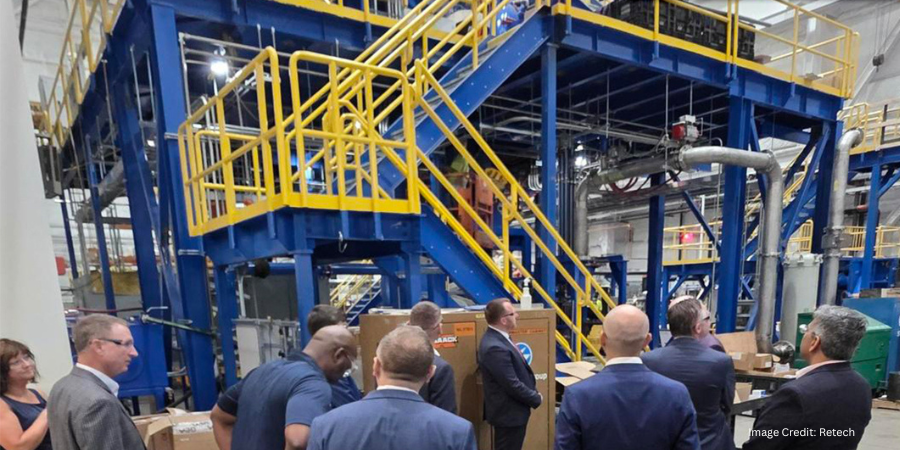
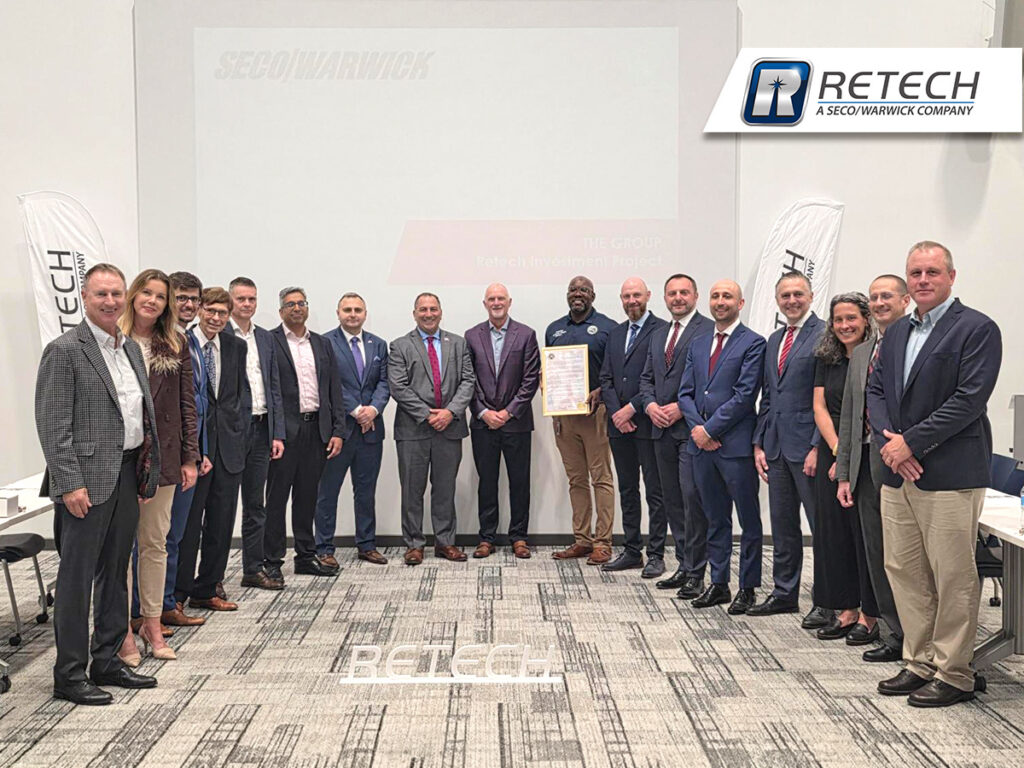
SECO/WARWICK concludeds Retech’s Strategic Investment Project in the U.S. | Image Credit: Retech
SECO/WARWICK and Retech marked the completion of the project during a ceremony at Retech’s facility in Buffalo, New York. Attendees of this milestone event to commemorate the expansion of Retech’s capabilities included representatives from PFR TFI, the Embassy of the Republic of Poland in Washington, D.C., and the U.S. Congress.
The event program included presentations on the growth of the SECO/WARWICK Group, the company’s operations in the United States, Retech’s technological capabilities, and the results of the investment project. Participants also toured Retech’s laboratories and technological facilities, where the Group’s U.S. company presented its processes and solutions. The investment expands Retech’s infrastructure, research, and technology base to support client needs across industrial markets.
Earl Good Managing Director Retech Systems, LLC Source: Retech
“This project is strategically important for Retech. It enables us to expand our technological capabilities, develop our laboratory resources, and respond even more effectively to the needs of [clients] operating in the most demanding industries. Buffalo is an important point on the U.S. industrial map, and Retech, as part of the SECO/WARWICK Group, combines American engineering expertise with the organization’s global potential,” emphasized Earl Good, managing director of Retech.
The project was co-financed by the Foreign Expansion Fund 2 FIZ AN. As part of the cooperation, Retech secured a long-term $10 million loan from the Fund for the development of metal powder production technology, including the development and installation of plasma gas atomizer (PGA) furnaces and the expansion of manufacturing and assembly operations. The investment was undertaken to support continued growth in advanced metallurgical technologies and related markets.
Image Credit: SECO/WARWICK Group
Press release is available in its original form here. Main image shows the shop floor at Retech’s headquarters in Buffalo, New York. Image Credit: Retech
Wall Colmonoy has expanded its vacuum brazing capacity with the addition of new vacuum furnaces, supporting the production of aerospace and defense components. The investment is expected to increase capacity for vacuum brazing and vacuum heat treating operations involving stainless steel and nickel-alloy heat exchanger cores and other high-temperature assemblies.
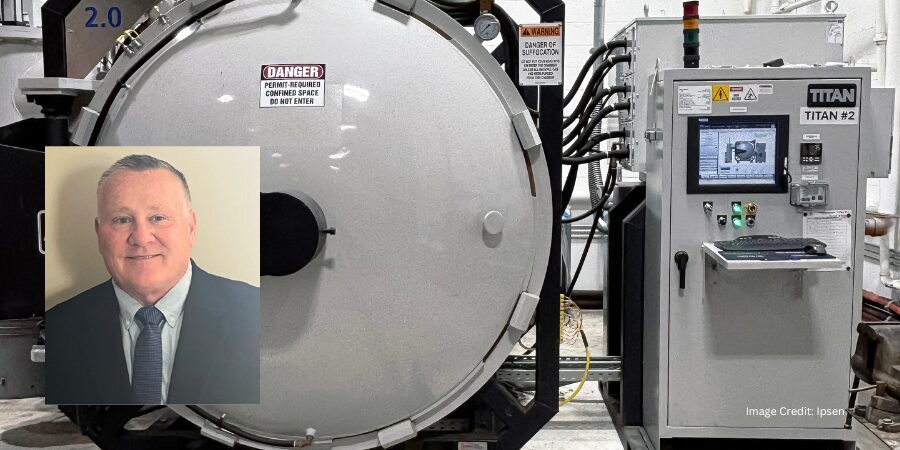
The expansion includes two TITAN H6 vacuum furnaces supplied by Ipsen. One furnace has been installed at Wall Colmonoy’s Oklahoma City facility, while a second unit is scheduled for installation at the company’s Cincinnati location this summer.
The 2-bar vacuum furnace recently installed at the Oklahoma City features a 36″ x 48″ x 36″ graphite hot zone, a 3,000-pound load capacity, a maximum operating temperature of 2400°F (1315°C), and ±10°F temperature uniformity. Designed for high-vacuum brazing, the furnace supports consistent processing of critical components while increasing capacity to meet growing demands.
John Mars Vice President / General Manager, Aerospace and Defense Division Wall Colmonoy
“Due to rapidly increasing stainless steel/nickel alloy heat exchanger core production, we needed to expand high-temperature vacuum brazing capacity,” said John Mars, vice president and general manager for Wall Colmonoy, Aerospace and Defense Division. The Oklahoma City expansion is part of a broader effort to strengthen heat treating and brazing capabilities across Wall Colmonoy’s operations.
Press release is available in its original form here.
Solar Atmospheres, a North American commercial heat treating company, has expanded its vacuum heat treating and titanium processing capabilities with the commissioning of a new vacuum furnace designed for hydriding and dehydriding (HDH) of titanium as well as a range of thermal processing applications. The addition is expected to increase capacity for titanium processing and vacuum heat treating operations, including annealing, stress relieving, solution treating, and aging.
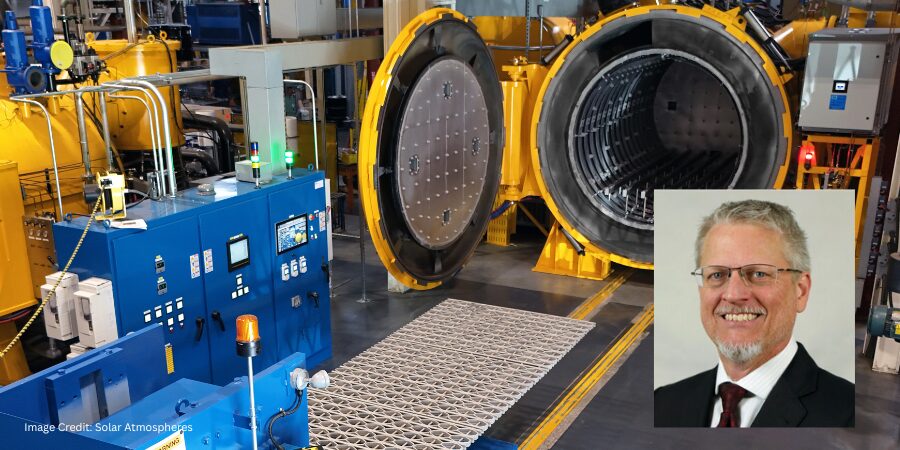
The company recently commissioned the a new 12-foot horizontal vacuum furnace at its Eastern Pennsylvania facility. The furnace was designed primarily for HDH processing of titanium but can also perform the vacuum heat treating processed commonly used throughout the company’s client base.
The furnace features a 54″ x 54″ in x 144″ in working zone and is equipped with a 15,000-pound conventional load car arrangement. Additional features include a 300 HP external forced cooling system with variable frequency drive (VFD) control, Solar Manufacturing‘s Polaris control system, and dual mechanical pumping systems.
Michael A. Moyer Vice President of Sales Solar Atmospheres
“This new furnace adds much-needed capacity to support growing HDH demands,” said Mike Moyer, vice president of sales at Solar Atmospheres. “With dual mechanical pumping systems, we are able to more efficiently process larger degas loads and improve our delivery metrics.”
Moyer added that the furnace is also equipped to support the company’s existing vacuum heat treating operations. “From annealing and stress relieving to solution treating and aging, the new furnace adds considerable capacity to meet [clients’] growing demands.”
Press release is available in its original form here.
New strip casting systems for rare-earth magnet manufacturing are expected to support thermal processing operations tied to neodymium-iron-boron (NdFeB) magnet production in the U.S., serving industries including energy, electronics, automotive, and defense. The systems are designed for vacuum metallurgy applications involving high-temperature melting and casting processes used in advanced materials manufacturing.
Image Credit: SECO/WARWICK
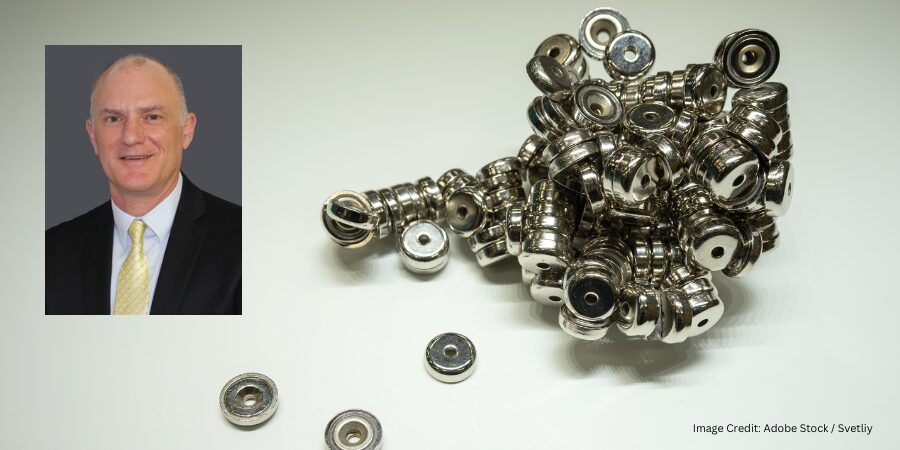
Strip is a critical upstream step in the production of NdFeB magnets and other high-performance permanent magnets. The process rapidly solidifies molten alloy into thin strips, forming feedstock that is further processed into high-performance magnets used in electric motors, precision actuators, and other advanced technologies. The equipment, intended for strip casting operations used in the production of rare-earth magnetic materials, is being supplied by Retech, a division of SECO/WARWICK Group focused on vacuum metallurgy and metal processing technologies.
In high-performance magnet applications, precise system atmospheric control, casting cooling rate, and thermal control during solidification directly impact downstream magnetic properties. For this reason, Retech strip casters are designed to provide stable, repeating operating conditions over sustained production cycles.
Earl Good President Retech
“Advanced magnet manufacturing depends on precision at every stage of the process,” said Earl Good, president of Retech. “Our strip casting systems are built to provide the rapid cooling rates that achieve the grain structure necessary for producing magnets that maintain superior magnetic properties, even at high temperatures. These systems will support long-term domestic supply growth.”
Retech’s strip casting platforms can be integrated into larger melt and materials handling systems, supporting continuous industrial workflows rather than isolated batch processing. The equipment supplied in this case reflects ongoing investment in domestic magnet production capacity, as manufacturers work to strengthen U.S.-based supply chains for critical materials.
Press release is available in its original form here.
Signature Vacuum Systems, a small manufacturer of vacuum furnace equipment, recently implemented an Employee Ownership Trust (EOT), placing partial ownership of the company into a trust that benefits its employees. The transition reflects a growing interest among small- to mid-sized manufacturing companies in alternatives to traditional ownership succession — particularly as many in the industry face workforce turnover and the challenge of preserving decades of accumulated knowledge.
While EOTs are still relatively new in the United States, the structure has gained traction as a way to align long-term business stability with employee engagement. For Signature, the decision was rooted in both legacy and practicality, maintaining a close-knit culture while positioning the company for future growth.
To better understand the decision and what it means moving forward, Heat TreatToday compiled key insights from the company’s announcement.
How did Signature Vacuum Systems get its start?
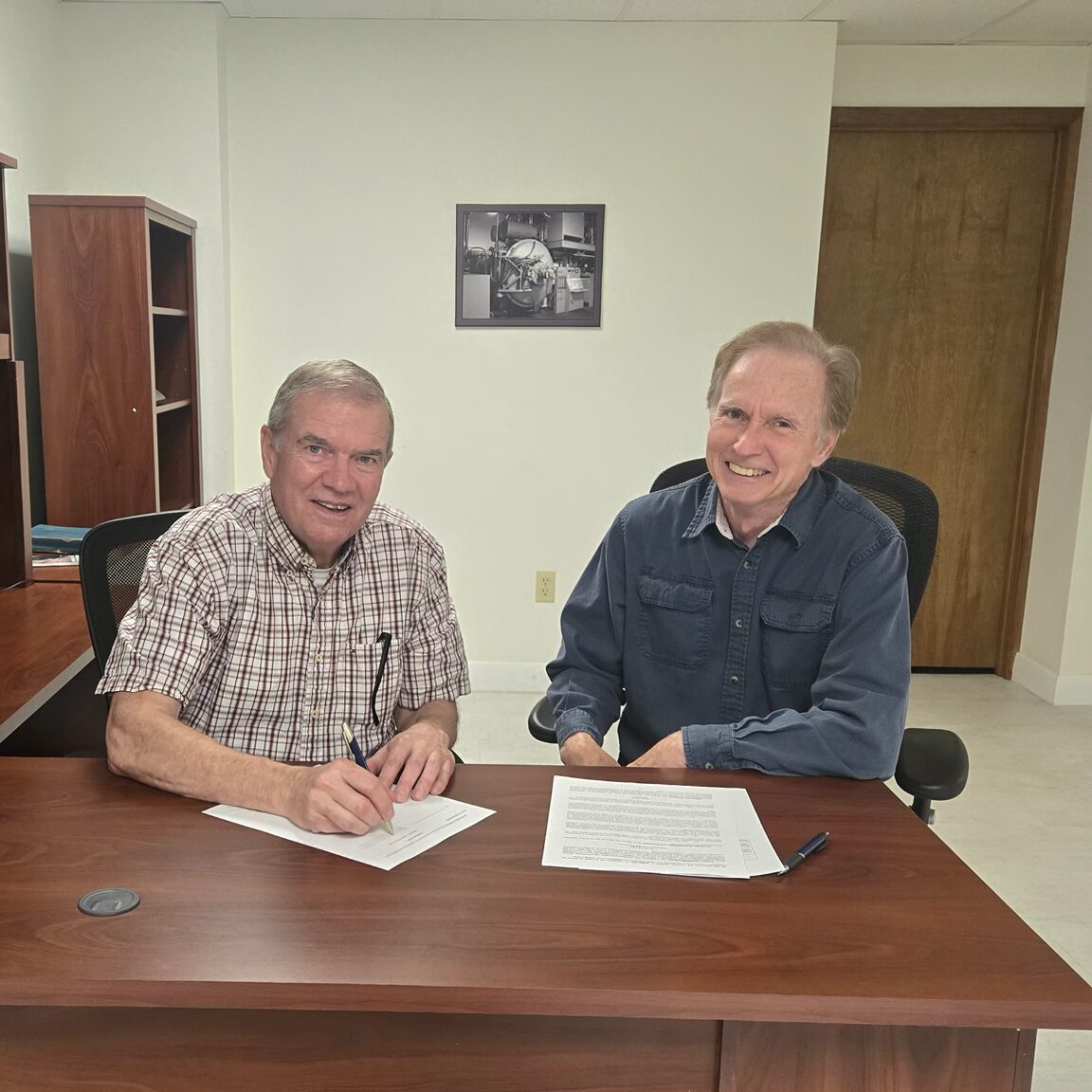
Co-founders Tim Horning (left) and Greg Kimble (right) | Image Credit: Signature Vacuum Systems
Signature Vacuum Systems traces its origins to a long-standing partnership between co-founders Greg Kimble and Tim Horning, who first met in 1978. The company was incorporated in 2002, with its earliest orders fulfilled out of a kitchen and a basement. Today, the company employs 15 people, and has furnaces installed as far away as Japan.
What type of vacuum furnace systems and thermal processing applications does Signature support?
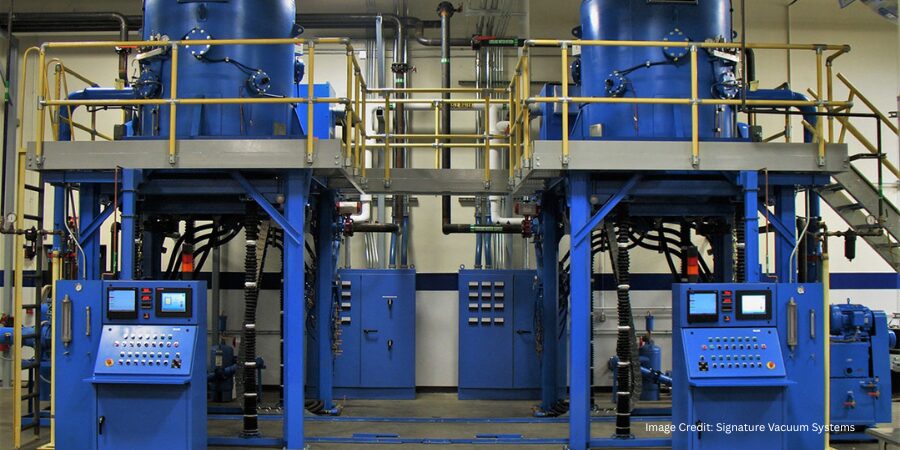
Signature manufactures industrial furnaces for thermal processing applications in the metals and ceramics industries. Standard products include furnaces for processes such as brazing, sintering, and heat treating, and custom-engineered products ranging from steam-heated ovens to high-temperature ceramic sintering furnaces.
Vacuum brazing furnace | Image Credit: Signature Vacuum Systems
What factors influenced the decision to pursue employee ownership?
“We explored a couple of avenues with some folks that were interested in buying the company. But ultimately, we wanted to continue our legacy and keep our team employed here. We’ve developed a real family-like environment over the years, and we care about our people and their wellbeing,” says Greg Kimble.
Why is maintaining company culture an important consideration in this transition?
For smaller, specialized manufacturers, particularly in the heat treat and thermal processing space, culture and technical knowledge are closely intertwined. Maintaining that continuity can be just as important as financial outcomes, especially as experienced workers retire and industry knowledge becomes harder to replace.
What made an Employee Ownership Trust (EOT) the right fit?
“We chose the EOT structure for a couple different reasons. We liked the ease of structure of an EOT, as well as being able to modify aspects as necessary down the road. We’re also a smaller company, and the cost of an EOT was much more feasible for our size and revenue,” said Heather Bell, operations manager at Signature Vacuum Systems.
What is an EOT, and how does it function?
An Employee Ownership Trust is a structure in which a trust holds shares of a company on behalf of employees. Owners can sell stock shares to the trust and typically be paid over time. These shares then give employees some governance of the company. Eligible employees in the trust will participate in profit sharing, which enables employees to share in the company’s success. While widely used in the United Kingdom, the model is still emerging in the United States.
How might this transition affect employee engagement?
“I’m greatly looking forward to higher engagement from all our employees. They have so much to offer and valuable suggestions to give, but they didn’t always have an avenue in the past to make them heard as easily,” said Heather Bell.
How does this approach relate to broader workforce trends in manufacturing?
Ownership transitions like this are increasingly tied to industry-wide concerns about workforce retention and knowledge transfer. In technical fields like heat treating and furnace manufacturing where expertise is built over decades, models that encourage long-term employee investment can help maintain both capability and continuity.
What support was involved in executing the transition?
The company worked with Common Trust, along with advisors including JHP Advisors and the Strategic Early Warning Network (SEWN), to structure and implement the Employee Ownership Trust.
What does this transition signal for the company’s future?
The move positions Signature to grow from a place of stability, maintaining leadership continuity while creating opportunities for increased employee participation and long-term alignment.
What perspective do company leaders offer to others considering this model?
“I would suggest it to other business owners. I think it’s a great option to have,” said Greg Kimble. Heather Bell adds, “it’s well worth it. We feel that we’ve paved the way for the future of both the company and our employees.”
Press release is available in its original form here.
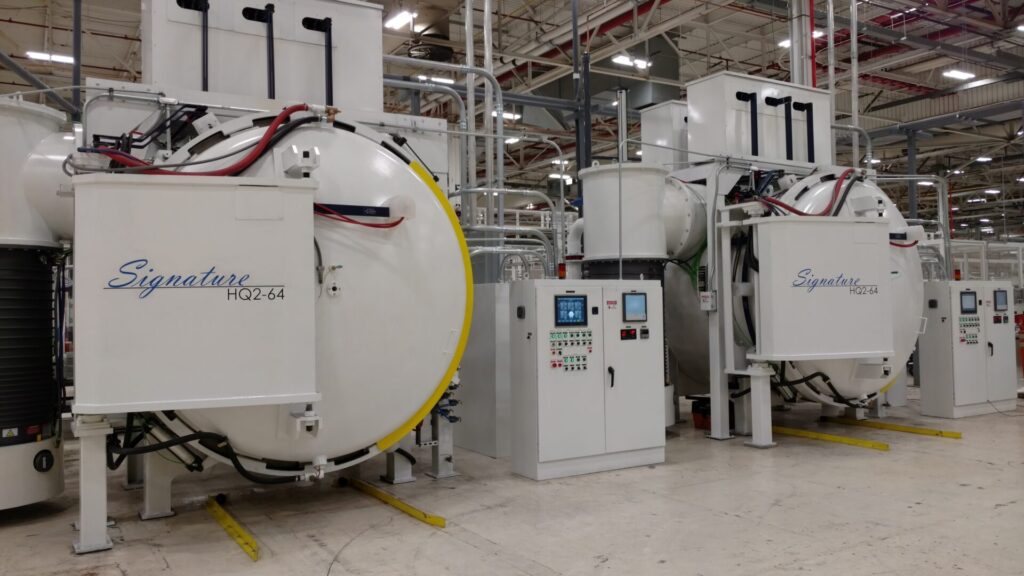
A U.S.-based aerospace manufacturer is expanding its heat treat capabilities for bearing components with the addition of vacuum heat treatment processes, including high-pressure gas quenching and low-pressure carburizing. The move supports increasing production capacity, process quality, and operational flexibility.
Image Credit: SECO/WARWICK
SECO/WARWICK has supplied a Vector vacuum furnace equipped with a 15-bar absolute high-pressure gas quenching system that has been customized to meet the client’s requirements by integrating the low-pressure carburizing (LPC) option. With a working zone of 900 mm x 900 mm x 1200 mm (36 in x 36 in x 48 in), the system is designed to process large loads, including parts with critical dimensions, while maintaining cleanliness and parameter repeatability.
The furnace configuration includes a cylindrical heating chamber that ensures temperature uniformity of ±5°C (±10°F). A convection heating system improves heat transfer at lower temperatures, while directional gas quenching enables better process control for components with more complex geometries.
Operating under vacuum conditions, the system helps limit sublimation of alloying elements from the load surface, while the gas quenching system provides a maximum quenching pressure of up to 15 bar abs. It is complemented by the LPC option, enabling precise surface hardening within a single, integrated technological cycle.
Maciej Korecki Vice President of the Vacuum Segment SECO/WARWICK Group
“In this project, the [client] was looking for a solution that would combine a large working area, a short delivery time, and an excellent price-to-performance ratio. Vector meets these expectations, and thanks to the LPC option and advanced quench control, it gives users great flexibility in processing a wide range of components,” emphasizes Maciej Korecki, vice president of the Vacuum Segment at the SECO/WARWICK Group.
The installation enhances the manufacturer’s ability to meet stringent aerospace requirements while increasing throughput for heat treated bearing components used in demanding operating environments.
Press release is available in its original form here.
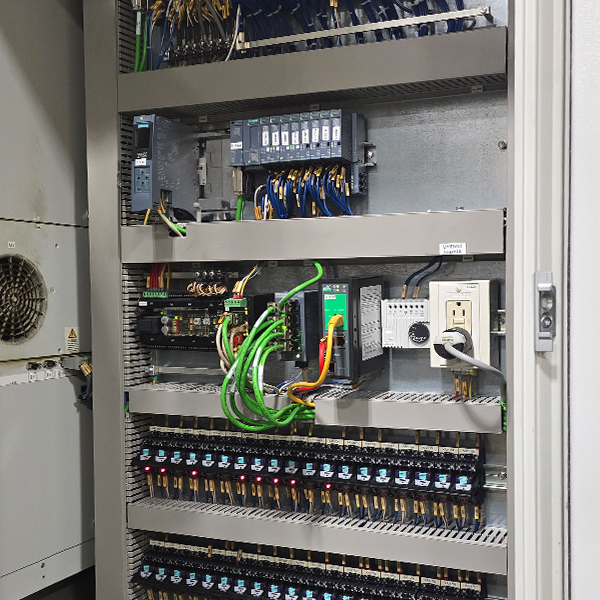
Andis Company, a U.S.-based manufacturer of grooming tools, has completed a controls upgrade on a vacuum heat treat furnace used for hardening components. The upgrade supports continued operation of a system critical to its production.
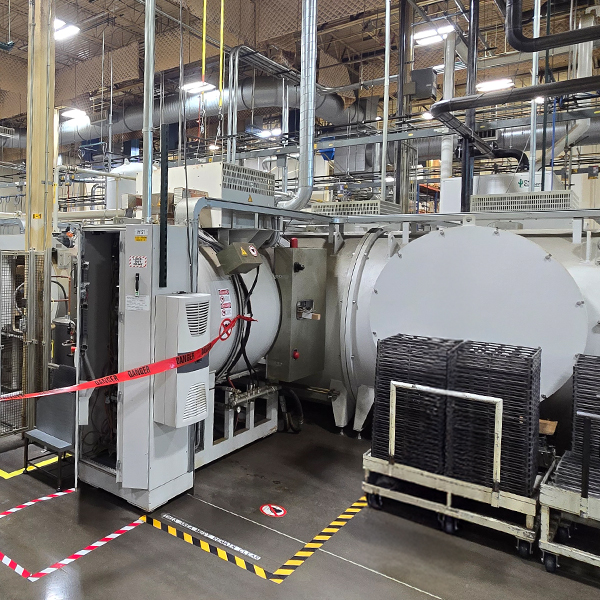
Andis Company finalized a PLC system overhaul on its ECM FLEX vacuum furnace, transitioning from an aging S7-300 processor and Profibus network to a newer S7-1500 series processor with Profinet communication. The upgrade also included remote input/output integration across the system. ECM USA supported the project planning and on-site execution, with the work completed on schedule and with minimal disruption to production.
The three-cell hardening modular furnace operates at approximately 950°C (1724°F) and includes a 20-bar gas quench, along with loading/unloading automation. Installed roughly 15 years ago to replace molten salt baths, the system supports clean heat treatment to avoid part discoloration and reduce the need for post-heat treat cleaning. The furnace remains central to Andis’s Wisconsin operations.
Tom Hoffelder Director of Manufacturing Support and Innovation Andis Company
The upgrade was initiated in 2025 following end-of-support announcements for legacy controls. “In 2025, we determined that we needed to fully replace the CPUs in our ECM vacuum heat treat system after Siemens announced end-of-support for significant portions of the controls,” said Tom Hoffelder, director of manufacturing support and innovation at Andis Company. “Because reliable day-to-day operation of our heat treat system is critical to our business, we worked closely [with ECM] to define the project scope and map out the execution plan.”
The project focused on modernizing hardware, improving long-term reliability, and maintaining throughput during installation. The updated controls and HMI remained familiar to operators, allowing the system to return to full production without additional training, Hoffelder added.
Press release is available in its original form here.
Aerospace firm Velontra is leveraging metal additive manufacturing (AM) technology to support hypersonic propulsion development. Their choice of laser powder bed fusion (L-PBF) for rapid prototyping is an AM method that requires post-processing technologies — hot isostatic pressing (HIP) being key to bring these types of AM parts to their full potential.
The original source was published in Metal AM, and the following content has been adapted for our Heat TreatToday audience.
Aerospace firm Velontra is using metal additive manufacturing (AM) technology to advance hypersonic engine development, signaling continued momentum in high-performance propulsion and downstream demand for post-processing capabilities.
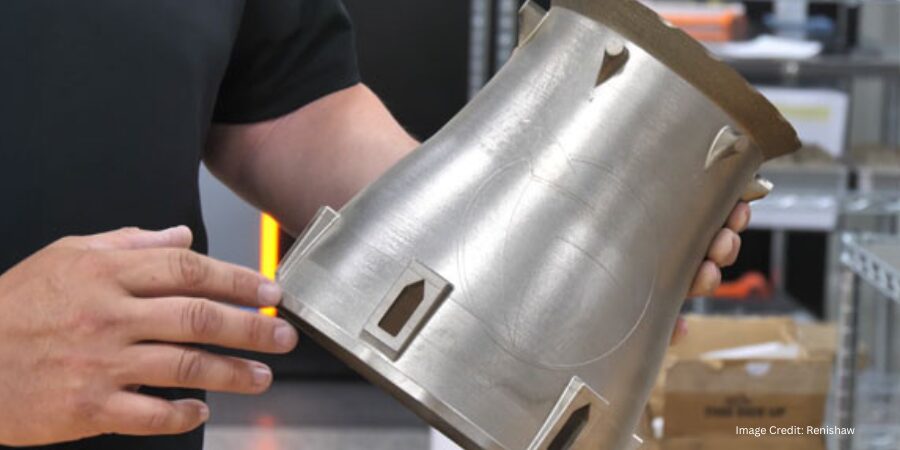
Velontra, a Cincinnati, Ohio-based startup, partnered with Innovative 3D Manufacturing, a rapid prototyping company in Franklin, Indiana, to produce propulsion system components using laser power bed fusion (L-PBF) technology from Renishaw. The approach enables rapid prototyping while addressing material use, dimensional tolerances, and cost constraints.
Joel Darin CTO Velontra
“Compact hypersonic propulsion systems are highly sought after by space companies, so, to remain competitive, we must develop parts quickly,” explained Joel Darin, CTO of Velontra. “In aerospace, we know that the best way to learn is by doing things, particularly if you want to be the first to launch a new technology.”
While the focus is on AM production, the resulting components require post-processing to achieve final material properties. Parts produced via L-PBF are typically subjected to stress relief and heat treatment to stabilize microstructures formed during rapid solidification. For high-temperature aerospace alloys, hot isostatic pressing (HIP) may also be applied to reduce internal porosity and improve structural integrity.
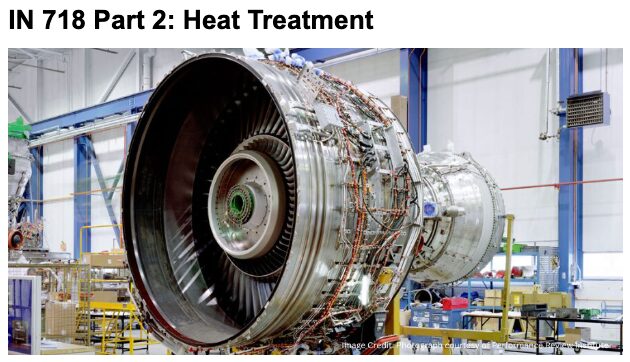
This requirement is consistent with broader industry findings for nickel-based superalloys used in propulsion systems. As noted in Dan Herring and Nikolai Alexander’s article published in Heat Treat Today’sAnnual Aerospace Heat Treating magazine (March 2026) covering IN 718 processing, powder bed fusion methods often rely on post-HIP to heal cracks and homogenize the microstructure.
To learn more about why HIP is critical for AM superalloys, read this overview of IN 718 heat treatment.Explore this look at emerging technologies to learn more about how HIP is scaling with AM.
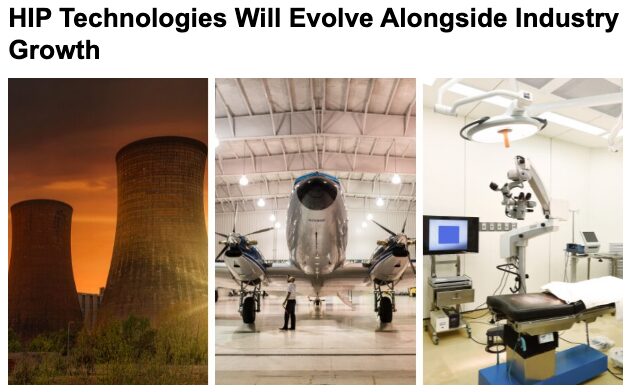
As adoption of AM expands in aerospace applications, supporting technologies such as heat treating and HIP are expected to scale alongside it. Industry perspectives highlighted in Heat Treat Today’sMedical & Energy Heat Treat magazine (December 2025) indicate that HIP capabilities are evolving in response to increased demand from additive manufacturing and advanced materials development.
The integration of AM with post-processing underscores the role of heat treating in enabling next-generation propulsion systems, where component performance under extreme conditions remains a key requirement.
Press release is available in its original form here. Main image shows the additively manufactured afterburner casing for the hypersonic propulsion system with several components combined into one part. | Image Credit: Renishaw