

ATMOSPHERE AIR FURNACES NEWS

Custom Box Furnace Designed for Strict Operational Constraints

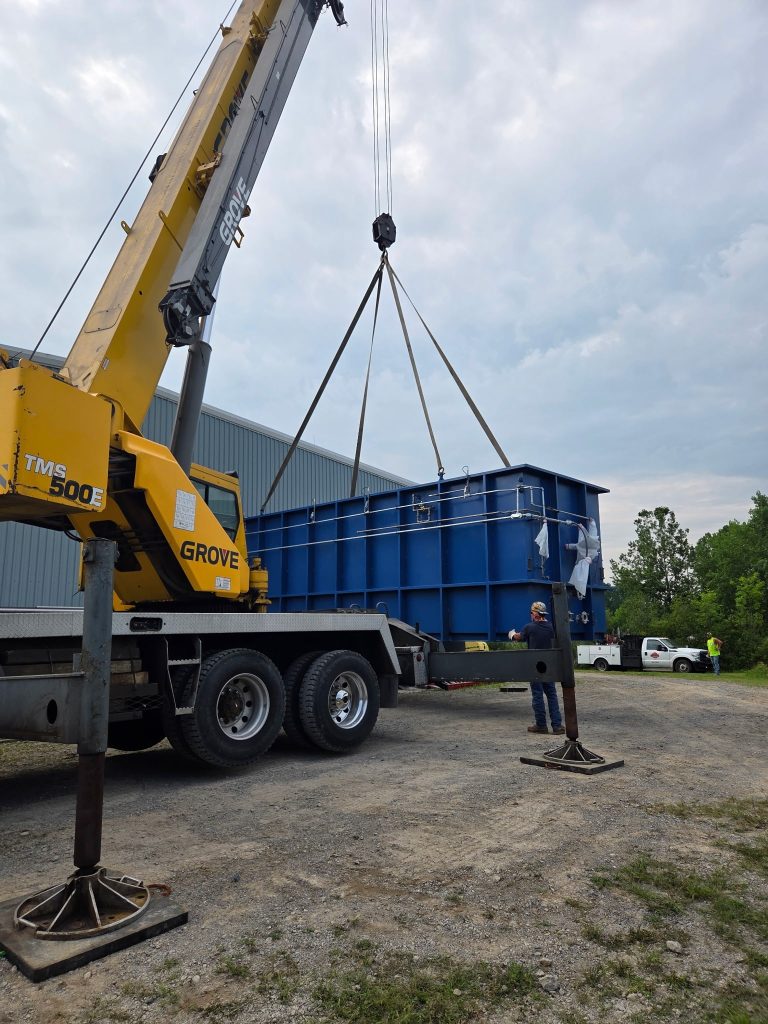
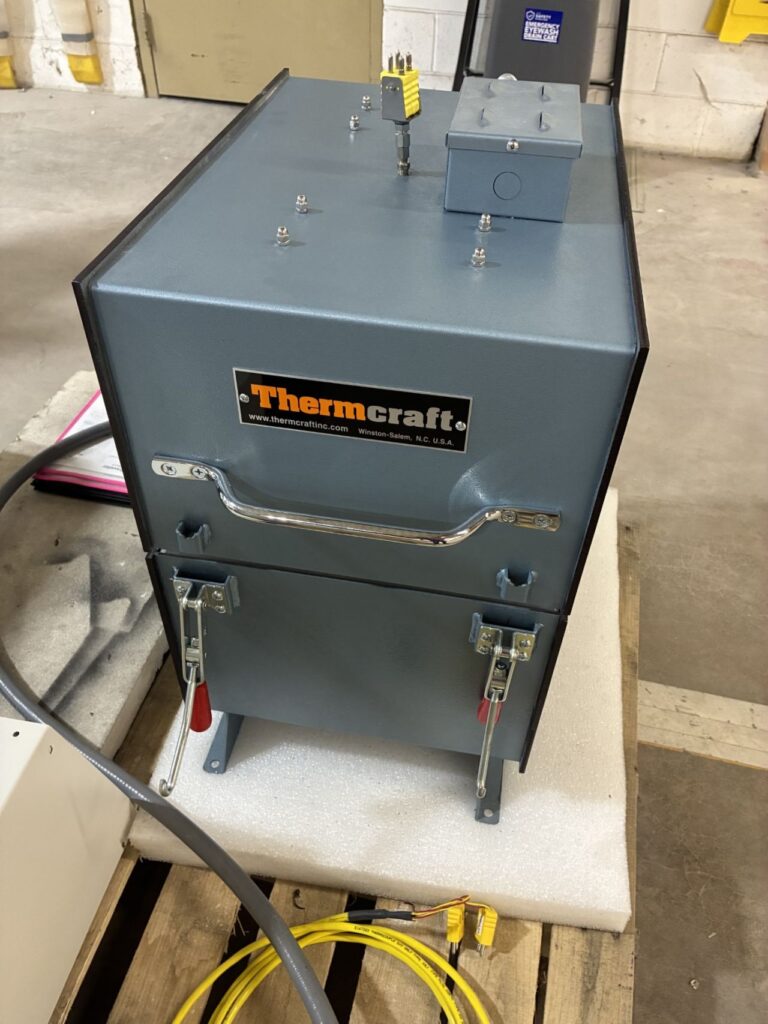
A specialized U.S. government manufacturing facility will install a custom thermal processing system to support expanded high-temperature operations. The new box furnace will enable the facility to scale a previously validated thermal process, increasing capacity while meeting strict spatial and operational constraints within the plant environment. The system is designed to support demanding thermal applications required in government manufacturing.

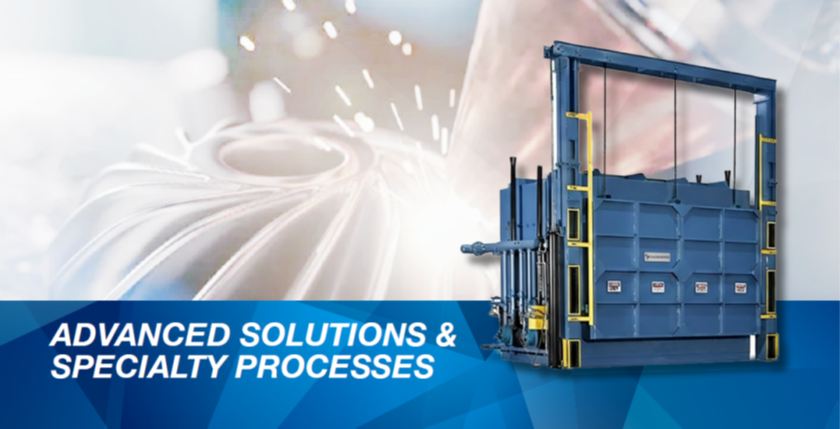
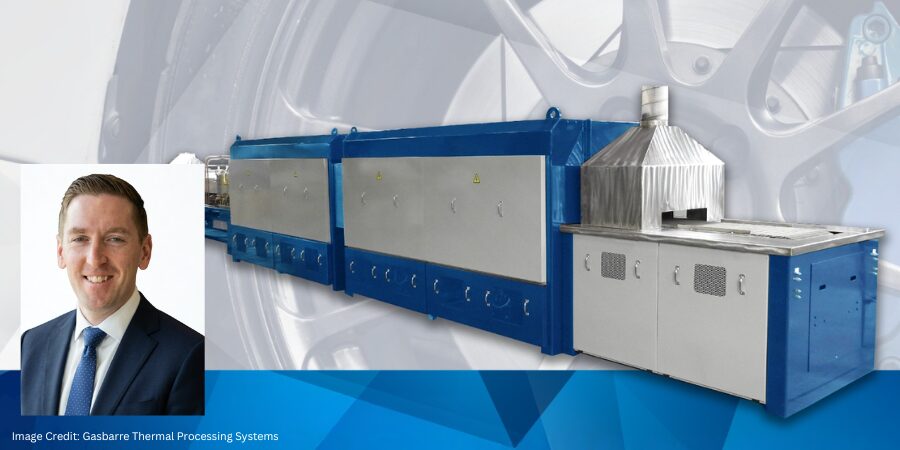
Image Credit: Gasbarre Thermal Processing Systems

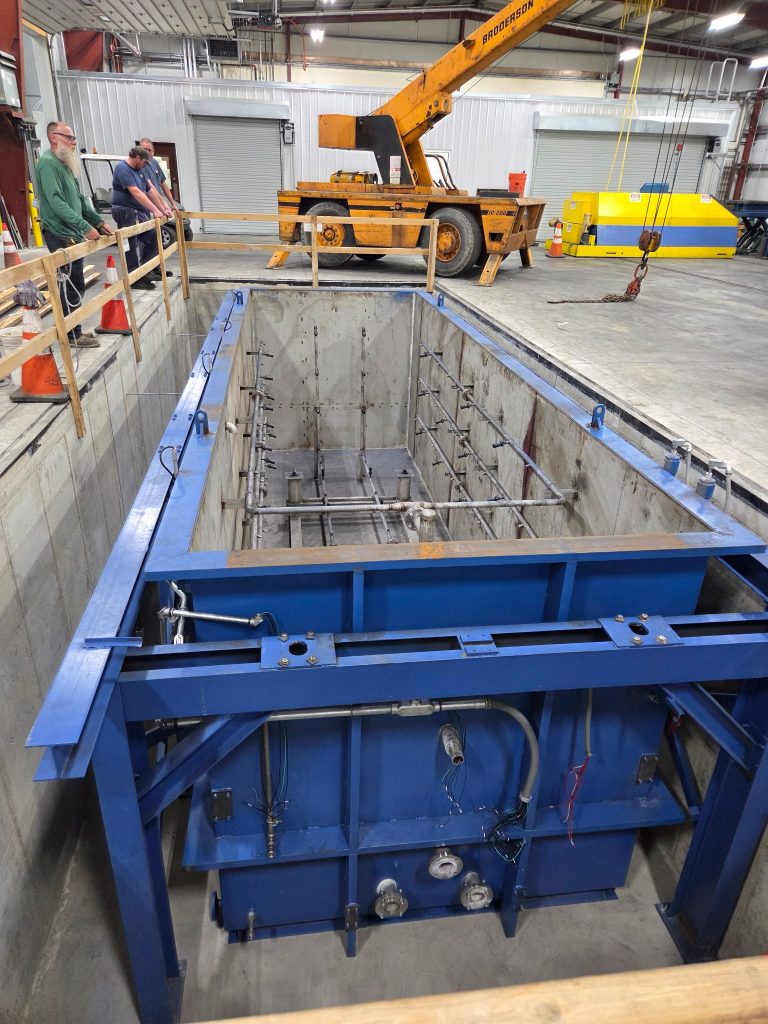
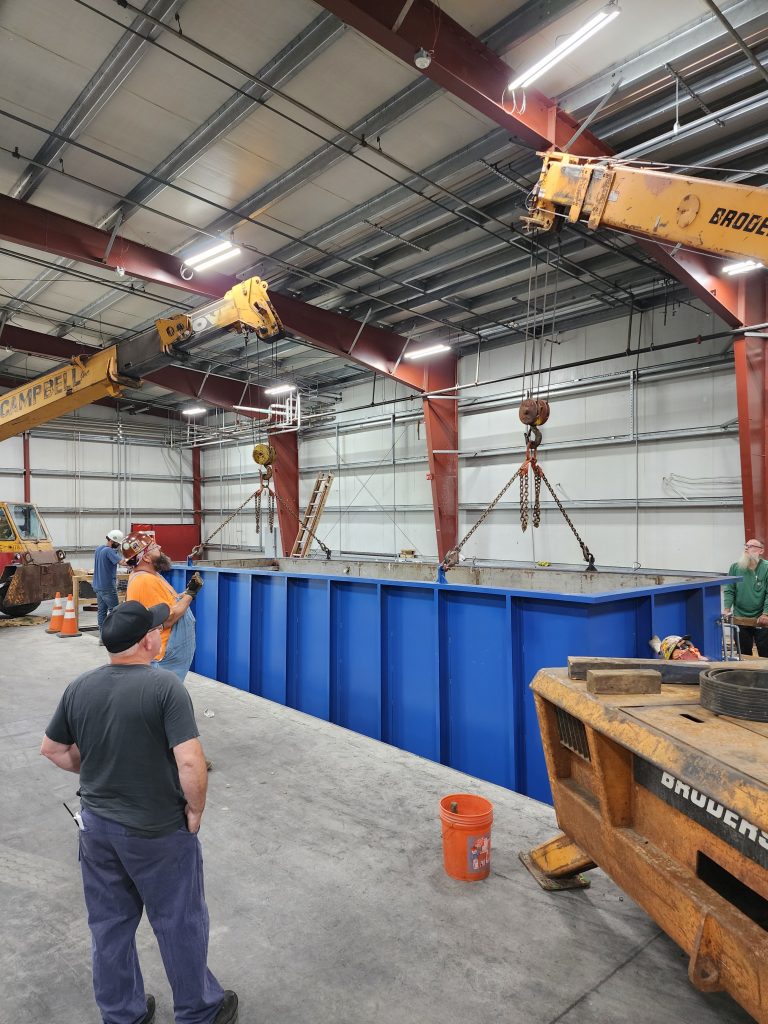
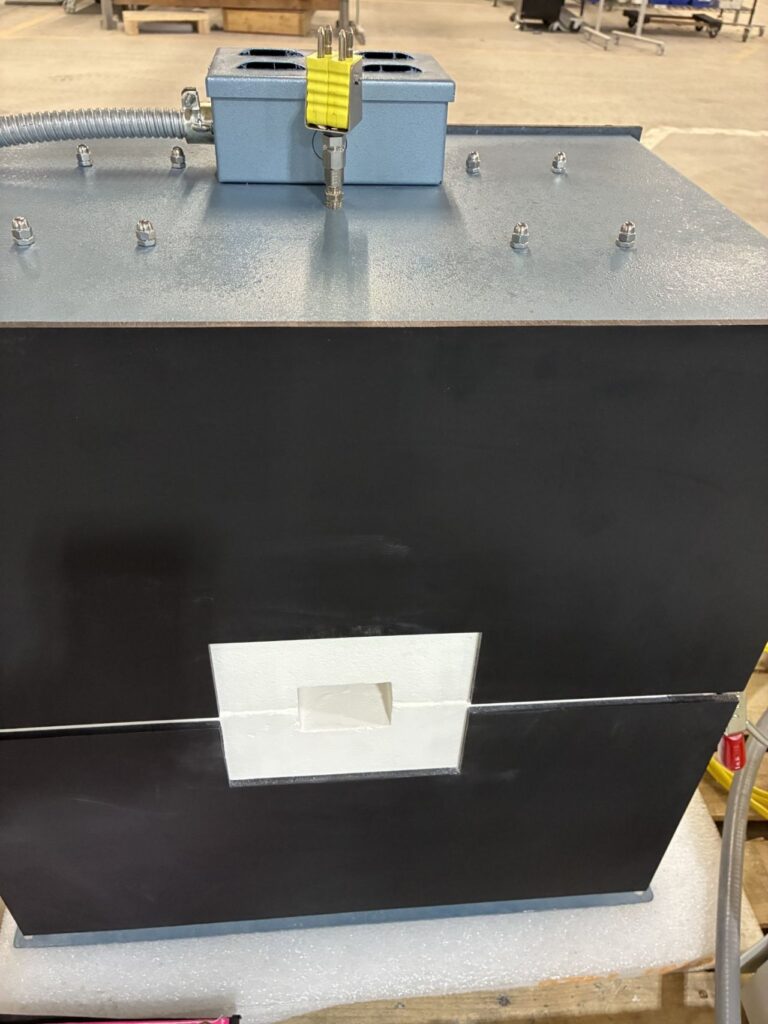
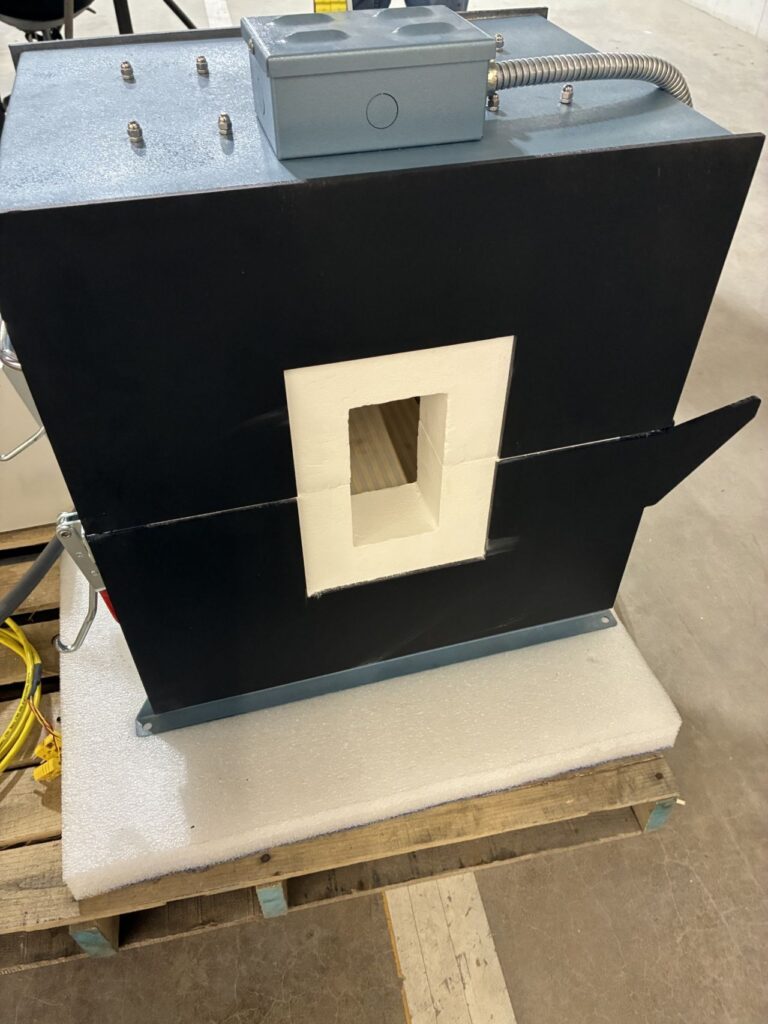
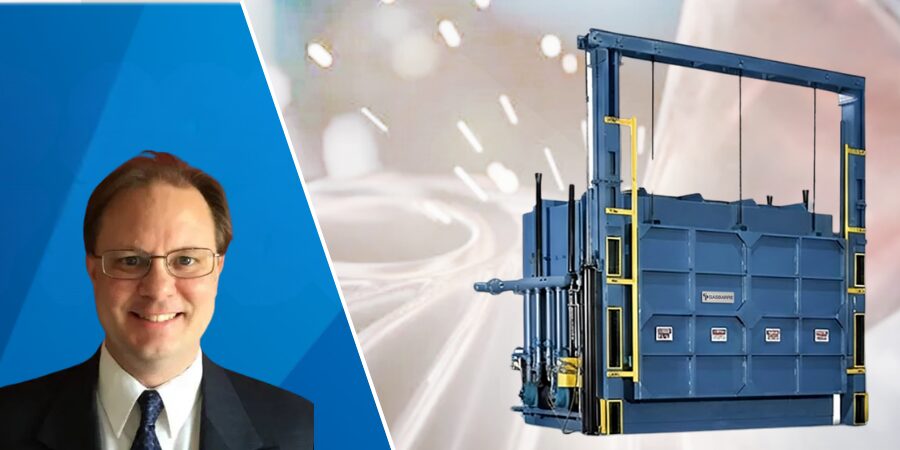
The project involves installing a custom-engineered box furnace and loading system designed to meet the facility’s layout and process requirements. The direct-fired furnace will operate in an air atmosphere with a maximum temperature of 2100°F and represents the largest configuration that can be accommodated within the available footprint. The system supports a specialized high-temperature thermal operation that had previously been proven at a smaller scale and is now being expanded to meet increased production demands.

Patrick Weymer
Business Development Manager
Gasbarre Thermal Processing Systems

The thermal processing system is being supplied by Gasbarre Thermal Processing Systems, which worked with the client to engineer a design that meets strict space, access, and installation limitations that had previously restricted equipment options. Rather than modifying a standard design, the furnace was developed specifically for the application to ensure compatibility with the facility’s constraints and processing requirements.

The project progressed under a tight timeline, with Gasbarre working closely with the client from the initial inquiry through final authorization. According to Patrick Weymer, business development manager for Gasbarre, “some applications don’t allow for compromise, whether due to space, schedule, or process requirements.” He added that certain applications require custom-engineered solutions when standard equipment won’t work.

Press release is available in its original form here.

Custom Box Furnace Designed for Strict Operational Constraints Read More »

New Diffusion Hardening Vessel Expands Stainless Steel Processing in North America

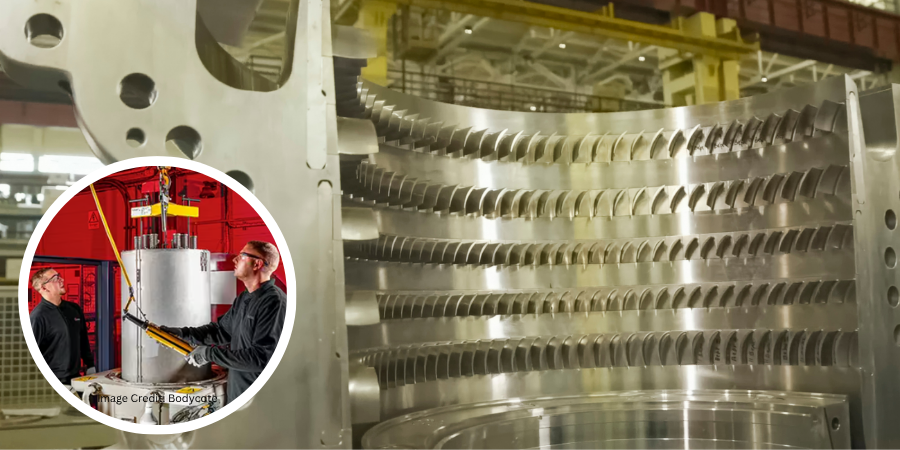
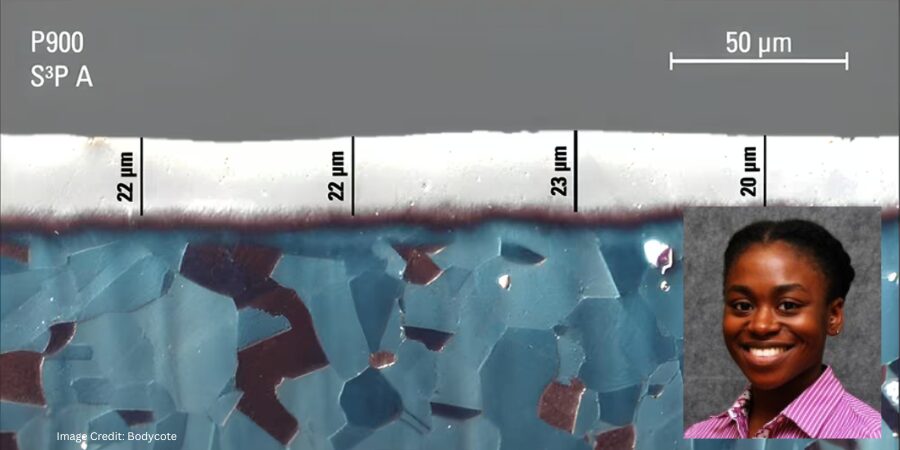
Bodycote has installed a new treatment vessel at its Mooresville, North Carolina facility, expanding its capability to process larger stainless steel components and broadening surface hardening capabilities for manufacturers in North America.

The new treatment vessel can accommodate components up to 79 inches (2 meters) in length and 47 inches (1.2 meters) in width, enabling the surface hardening of larger and heavier stainless steel parts than previously possible in North America for industries such as oil and gas, food and beverage, and medical technology.

Temitope Oluwafemi
S³P Technical Manager in North America
Bodycote

The installation supports a low-temperature diffusion hardening process that increases the surface hardness of stainless steel components while maintaining the corrosion resistance. This capability is part of Bodycote’s ADM® stainless steel treatment offering now available in North America. The process can treat austenitic, duplex, and martensitic stainless steels, including alloys commonly used in load-bearing and high-strength applications.

Reflecting this demand, Temitope Oluwafemi, Bodycote’s S³P technical manager in North America, said, “Demand is growing for stainless steel components that can deliver longer service life in harsh operating environments and to demanding standards, without introducing the risks associated with coatings. Bringing ADM capability to the U.S. allows us to support [clients] locally, reduce lead times, and expand what’s possible for larger stainless steel components across multiple industries.”

Press release is available in its original form here.
The main image shows the microstructure of surface hardened stainless steel AIS1660 (1.4980) | Image Credit: Bodycote

New Diffusion Hardening Vessel Expands Stainless Steel Processing in North America Read More »

Automotive Supplier Expands Brazing Capacity

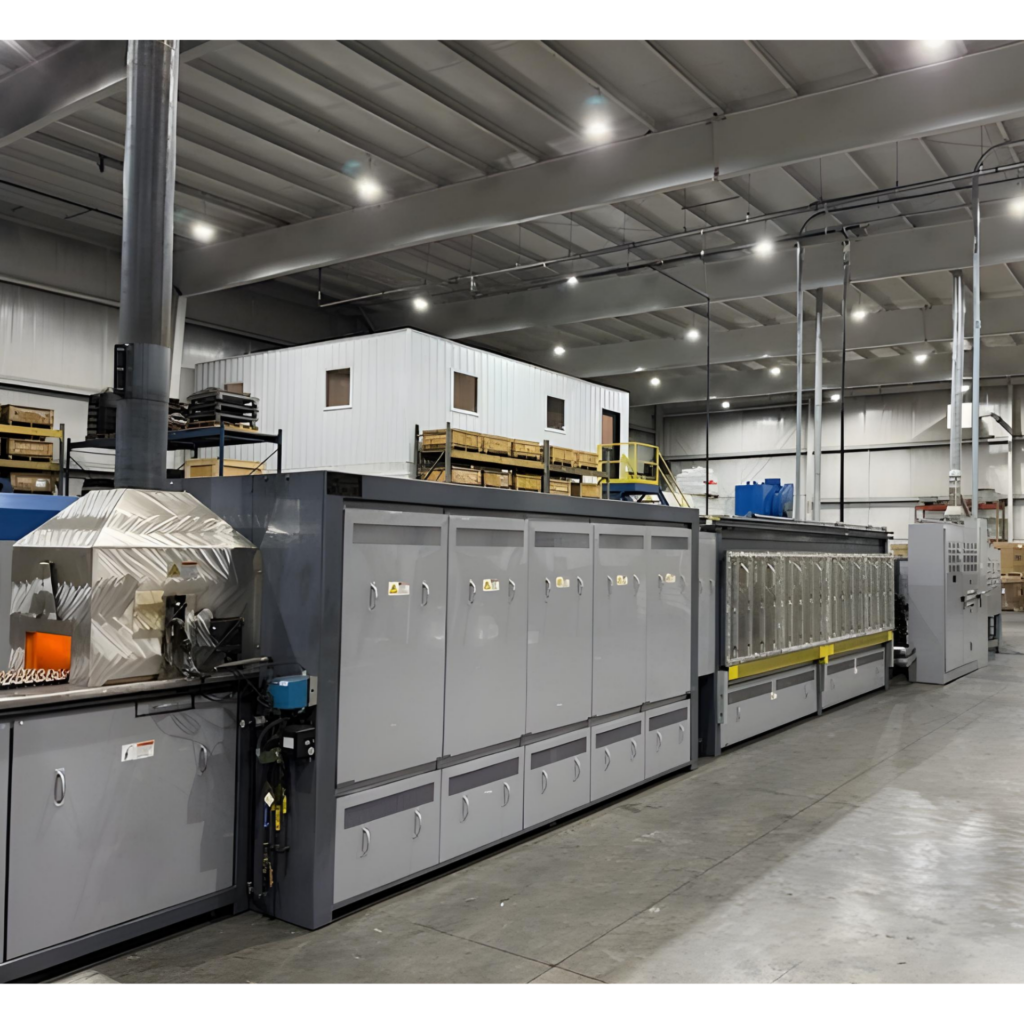
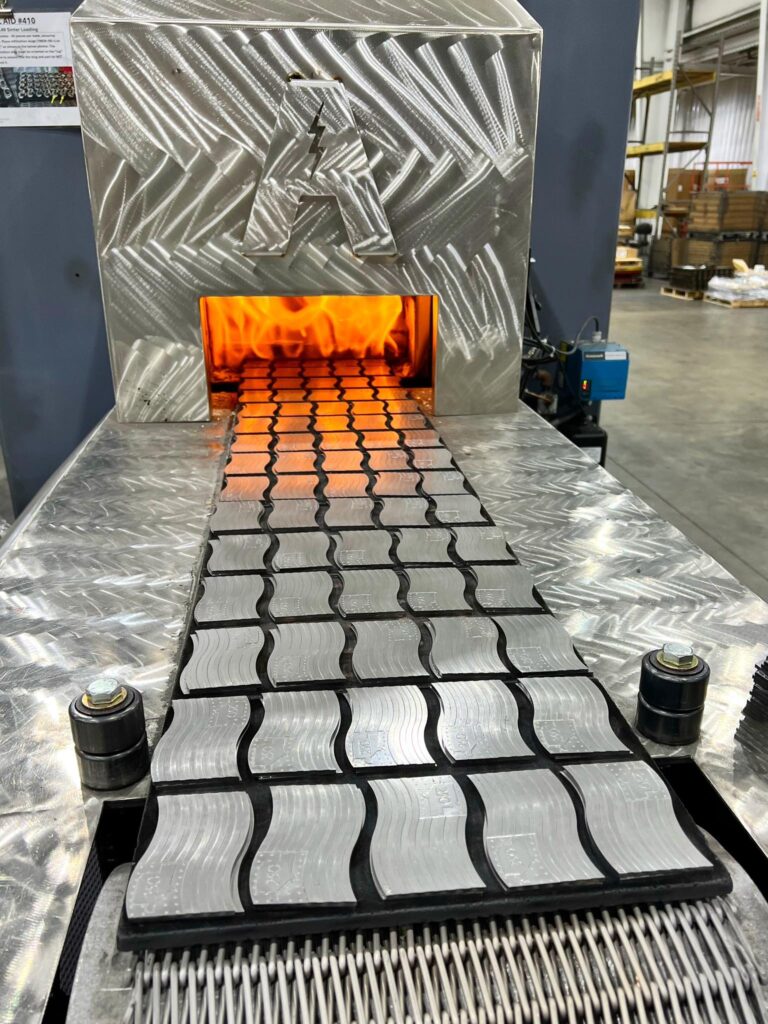
An automotive manufacturer is expanding stainless steel brazing capacity at its Midwest manufacturing facility, adding a new 24-inch belt, four-zone brazing furnace. The system will support increased production of automotive components, including braking and fluid line parts, where consistent thermal processing and atmosphere control are essential to quality and reliability.

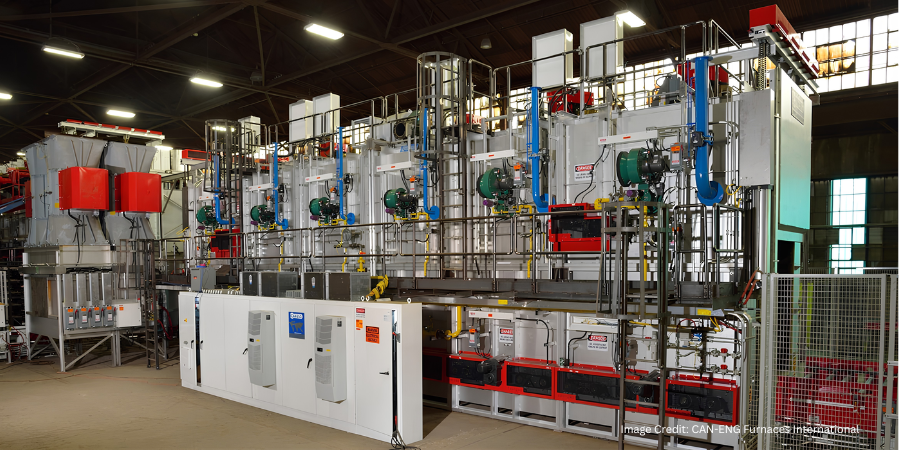
Designed for controlled-atmosphere processing, the furnace will operate in a nitrogen/hydrogen environment and is engineered to deliver repeatable results, stable production flow, and operator-friendly performance.

Ben Gasbarre
Executive Vice President, Sales & Marketing
Gasbarre Thermal Processing Systems

The order marks the company’s third brazing furnace supplied by Gasbarre Thermal Processing Systems, building on two existing installations currently supporting day-to-day operations. The equipment was selected based on the design and performance of prior systems, which have delivered dependable uptime with minimal issues while maintaining a clean, accessible layout that operators find easy to use — a key factor in a high-output environment.

“This order reflects the trust we work to earn through durable equipment, repeatable processing, and responsive support,” said Ben Gasbarre, executive vice president of sales and marketing at Gasbarre Thermal Processing Systems.

Press release is available in its original form here.

Automotive Supplier Expands Brazing Capacity Read More »

Continuous CAB Line Production Boosts Capacity

A manufacturer specializing in advanced thermal management solutions has expanded its production capabilities with the delivery of a new continuous controlled atmosphere brazing (CAB) line. The system will support increased output of high-performance cooling components such as heat dissipation plates for data centers and cold plates for electric vehicles, while also serving demand across aviation, photovoltaics, and rail transport.

The company, a Chinese manufacturer focused on temperature control platforms and cooling systems, is investing in the continuous CAB line to strengthen production capacity and support growing demand for compact, high-efficiency thermal management technologies.

The CAB line, supplied by SECO/WARICK — a global thermal processing equipment manufacturer with operations in North America — features a 1,000mm (39.2 in) belt width and is designed to process multiple product types, including 3D vapor chambers and cold plates. The system includes a dry-off oven for part preparation, a radiation brazing furnace operating in a controlled atmosphere, a clean-out chamber to stabilize internal conditions, an air-jacketed cooling chamber, and a final cooling chamber. An integrated control system enables centralized operation and process management across all stages.

Piotr Skarbiński
Vice President of Aluminum and CAB Products Segment
SECO/WARWICK

“What makes this project unique is the ability to braze two distinct product groups — 3D-VC (3d vapor chambers) and cold plates — on a single line,” said Piotr Skarbiński, vice president of the Aluminum and CAB Products Segment at SECO/WARWICK. Through tailored throughput calculations and a customized cooling configuration, the system is engineered to deliver temperature uniformity and repeatable process control — factors essential to producing high-quality components for modern electronics and power systems, he adds.

As AI servers, EV systems, and advanced electronics generate increasing heat on compact surfaces, reliable aluminum brazing technologies remain essential to delivering performance, durability, and efficiency in next-generation thermal management systems.

Press release is available in its original form here.

Continuous CAB Line Production Boosts Capacity Read More »

JUPALCO Expands Aluminum Coil Annealing Capacity

Jupiter Aluminum Industries (JUPALCO), part of the Jupiter Group, has ordered two aluminum coil annealing furnaces to support production at its rolling mill operations, strengthening capacity and consistency for flat-rolled aluminum products serving automotive, construction, and packaging markets. The investment reflects continued global demand for advanced aluminum heat treating capacity.

The furnaces, slated for installation at JUPALCO’s rolling mill operations in India, are designed to handle large aluminum coils, with a maximum outside diameter of 2,600mm, widths up to 2,300mm, and a total gross load capacity of 93.6 metric tons. Multi-zone chamber configurations and advanced control systems are engineered to deliver precise temperature uniformity and repeatable annealing results across high-volume production runs.

Piotr Skarbiński
Vice President of Aluminum and CAB Products Segment
SECO/WARWICK

The equipment will be supplied by SECO/WARWICK, a furnace supplier with North American locations, and incorporates the company’s Vortex 2.0 aluminum coil annealing technology, which uses high-velocity airflow to improve heat transfer, shorten cycle times, and reduce the risk of localized overheating. The design also supports energy-efficient operation while maintaining tight temperature tolerances throughout the annealing process.

According to Piotr Skarbiński, vice president of the CAB and Aluminum Products Segment at the SECO/WARWICK Group, the Vortex 2.0 is designed with a system of appropriately directed nozzles that support consistent aluminum processing while reducing cycle times and energy consumption.

The Indian market for flat-rolled aluminum products is growing rapidly, with its value expected to rise from USD 4.5 billion in 2025 to USD 12 billion by 2035. Investments by manufacturers like JUPALCO in new rolling mills highlight both the domestic growth potential and the wider demand for advanced annealing technologies in global markets.

Press release is available in its original form here.

JUPALCO Expands Aluminum Coil Annealing Capacity Read More »

Exclusive License Brings Bell Furnace Quenching Systems to North America

Gasbarre Thermal Processing Systems announced the expansion of its modular furnace offerings for the North American market through an exclusive licensing agreement with SOLO Swiss SA. The agreement grants Gasbarre rights to manufacture, promote, and sell a ProfiTherm® modular bell furnace system, strengthening Gasbarre’s equipment portfolio for commercial and captive heat treat operations serving a range of industrial markets.

Source: Gasbarre Thermal Processing Systems

The licensed system is a modular arrangement of bell furnaces and quench tanks that enables direct, rapid transfer from furnace to quench. The configuration is positioned as a practical alternative to traditional integral quench batch furnaces, particularly for operations seeking greater flexibility and reduced infrastructure requirements.

Designed with a compact footprint, the system minimizes installation complexity by eliminating the need for pits and reducing overall plant disruption. A metallic retort design supports faster furnace conditioning and quicker process changeovers while limiting refractory exposure to process gases to help extend refractory life. The system also eliminates many traditional internal nickel-alloy material handling components — such as roller rails, chain guides, and handler heads — reducing consumable wear, downtime, and the risk of furnace jams while simplifying service access.

The ProfiTherm system supports a wide range of heat treating processes, including austermpering, marquenching, carburizing, carbonitriding, and neutral hardening, with quench options that include water/polymer, oil, and salt. Typical parts processed include gears, pinions, and sprockets, bearing components such as races, rings, and rollers; shafts, hubs, couplings, and yokes; high-strength pins and fasteners; and general industrial wear and drive components. Target applications include captive heat treat departments and commercial shops serving general industry, aerospace, defense, and bearing markets.

Press release is available in its original form here. Additional information provided by Gasbarre.
Featured image shows (from left to right) Dan Hill, product development manager of Gasbarre; Ben Gasbarre, EVP sales & marketing of Gasbarre; David Salerno, CEO of SOLO; and David Howard , sales director of SOLO.

Exclusive License Brings Bell Furnace Quenching Systems to North America Read More »

Tier 1 Automotive Supplier Expands Burst Capacity

A Tier 1 automotive supplier maintained uninterrupted production during a planned maintenance shutdown by leveraging outsourced burst heat treating capacity from Bluewater Thermal Solutions, supporting continued deliveries to OEM clients during an extended holiday production period. The temporary capacity expansion helped limit supply chain disruption while highlighting the role of flexible heat treating resources in automotive manufacturing.

Bluewater Thermal Solutions’ St. Marys, Pennsylvania, facility, provided the support, which rapidly scaled production to meet the client’s stringent automotive requirements while the supplier’s in-house heat treating operations were offline. The effort allowed production schedules to remain intact during the shutdown.

“Our ability to scale quickly while meeting stringent automotive requirements highlights the strength of our operating model and our commitment to customer success,” said Jason Hanes, general manager at Bluewater Thermal Solutions. “We’re proud to serve as a reliable partner when customers need flexible capacity without compromising quality.”

Press release is available in its original form here.

Tier 1 Automotive Supplier Expands Burst Capacity Read More »

Haynes Advances Alloy Production with New Radial Forging Line

Haynes International Inc., has commissioned a new hydraulic radial forging line to increase its production of nickel- and cobalt-based alloys, serving markets such as aerospace and chemical processing in the United States. The integrated plant investment, which includes a forging machine, reheating and annealing systems, and automated material handling, is expected to improve production efficiency, metallurgical quality, and responsiveness to global demand while supporting growth in high-performance alloy manufacturing.

Slated for completion in 2027, the project features the SMX 800 / 25 MN hydraulic radial forging machine with a combined total pressing force of 100 MN, enabling direct conversion of ingots into billets and bars tailored for critical applications. The new line also incorporates cutting, loading, unloading, and bar finishing equipment to create a fully integrated solution that boosts throughput and supports advanced alloy processing.

Visualization of a radial forging line from SMS group, similar to the one to be installed at Haynes International’s Kokomo site in Indiana
Source: SMS group
Thomas Winterfeldt
Head of Forging Plants
SMS group

Supplied by SMS group, the radial forging line includes modern reheating and annealing furnaces designed to meet rigorous AMS 2750 temperature uniformity and tolerance standards, low-NOx burners to help maintain emissions below applicable environmental limits, and an integrated control system to manage production sequences with minimal operator intervention. Software tools, including Comforge®, will help optimize forging strategies based on real-time material behavior to improve yield and consistency.

At the core of the new capability is energy-efficient hydraulic technology that reduces installed electrical power requirements by roughly 50 percent while maintaining constant pressing force and precise process control. These features enable Haynes to deliver high-performance alloy products more efficiently while maintaining metallurgical quality to serve expanding needs in aerospace and other advanced industrial sectors.

Thomas Winterfeldt, head of forging plants at SMS group, said the project reflects a continued focus on pushing the limits of capability and efficiency in forging technology to meet material requirements in aerospace applications.

Press release is available in its original form here.

Haynes Advances Alloy Production with New Radial Forging Line Read More »

Draw Batch Oven Shipped for Aerospace and Military Application

A United States military base will receive an electrically heated draw batch oven for use in heat treating aerospace components. The industrial oven was engineered to meet critical safety requirements and the stringent demands of aerospace heat treating.

Electrically heated draw batch oven to heat various steel parts for aerospace components. Source: Wisconsin Oven Corporation
Doug Christiansen, Senior Application Engineer of Wisconsin Oven Corporation

Manufactured by Wisconsin Oven Corporation, the system features combination-style airflow that delivers both horizontal and vertical upward heat flow to ensure optimal heating rates and consistent temperature distribution across the product. Temperature uniformity has been verified through a Class 1 Temperature Uniformity Survey (TUS) conducted in accordance with pyrometry specification AMS 2750H, with achieved uniformity of ±5°F at 200°F, 700°F, and 1200°F.

“This draw batch oven was designed with additional safety features for operators, tight uniformity, and compliance standards required by the U.S. Military. The temperature uniformity survey was performed prior to shipment to verify compliance with AMS 2750H Class 1 requirements,” said Doug Christiansen, senior application engineer.

The oven features “can” style construction with a heavy plate exterior and six inches of high-temperature insulation for durability and thermal efficiency. A custom portable load/unload cart allows operators to stage the load before heating and remove it for cooling.

The UL508A-certified control panel includes a Eurotherm 3504 programmable temperature controller with advanced auto-tune and Ethernet communication. It also features a high-limit instrument to prevent over-temperature conditions, along with low-voltage calibration TC jack plugs and a variable frequency drive for the recirculation blower.

Press release is available in its original form here.

Draw Batch Oven Shipped for Aerospace and Military Application Read More »

Fringe Friday: Global System Chooses Furnace for Fire Tests

We’re celebrating getting to the “fringe” of the weekend with a Heat Treat Fringe Friday installment: Global System, a manufacturer specializing in the production of fire-resistant doors, shutters, and smoke curtains, is adding a furnace from a well-known heat treat solutions manufacturer. The device will be used to carry out fire resistance tests for building products in accordance with the standard temperature curve. Critically, it has the ability to test solutions intended for both industrial and private use, enabling them to significantly increase competitiveness and productivity.

While not exactly heat treat, “Fringe Friday” deals with interesting developments in one of our key markets: aerospace, automotive, medical, energy, or general manufacturing.


The contract covers the delivery of a vertical fire test furnace. This includes a flue gas purification system, a complete set of equipment, installation, commissioning, and staff training.

The furnace, supplied by SECO/WARWICK, enables advanced testing at temperatures reaching up to 1200°C (2192°F), in accordance with current fire resistance standards, which are applicable in both commercial building and maritime construction.

“The device may, in the future, support certification processes which the Partner is considering as their next development step,” says Mariusz Raszewski, Deputy Director of the Aluminum and Atmospheric Solutions Sales Division at SECO/WARWICK. He continues, “Laboratory furnaces for fire resistance testing in various configurations are intended for testing the fire resistance of suspended ceilings, vision panels, walls, columns and other structural elements. These tests are crucial for delivering safe construction solutions to the market.”

“Safety and property protection are priorities in every facility. Global System provides fire protection solutions for various types of buildings — from residential and public utility structures to production halls and warehouses…. The device will allow us to conduct advanced product development research, including analysis of resistance to high temperatures and the impact of various fire conditions. Thanks to this, Global System will be able to further improve its products, increasing their safety and durability,” emphasized Łukasz Jeleński, Technical Director of Global System sp. z o.o.

He continued, “The furnace from SECO/WARWICK will allow us to test the properties of our products, and in the future, to apply for their certification. This is a big step in the company’s development. Additionally, having our own research facilities will enable us to carry out fire tests much faster and shorten the time to market for new solutions.”

The technology of fire testing furnaces is gaining popularity among building material manufacturers, as evidenced by SECO/WARWICK’s supply of a similar device to the French building materials giant KNAUF SAS. Several years ago, the company also supplied ALUPROF with a fire resistance test furnace. The SECO/WARWICK system allows the Partner to test new products, such as windows, doors, and façade systems before they are introduced to the market.

According to the State Fire Service, the highest number of fires in recent years was recorded in 2022 (93,453 incidents), which was an increase of more than 44% compared to 2021 (64,730). In the public utility buildings segment, the number of fires remained around 1,200–1,300 cases per year. Encouragingly, there has been a clear downward trend in fires in residential buildings from 2021 (20,633) to 2024 (16,656). The level for production and warehouse buildings has been relatively stable. In both cases, the number of fires did not exceed 1,500 per year. This shows just how important it is to raise public awareness of the crucial role fire protection systems play in buildings; implementation can contribute to improving safety.

Press release is available in its original form here.

Fringe Friday: Global System Chooses Furnace for Fire Tests Read More »