


Pat Reyes

Industrial Decarburization Under Trump 2.0

The heat treating industry has been closely watching federal energy and environmental policy shifts under the new administration. In this guest column, Michael Mouilleseaux of Erie Steel, Ltd. explores how executive orders, new legislation, and the potential rescission of the 2009 EPA Endangerment Finding are shaping the industrial decarburization landscape — and what heat treaters must do to ensure lasting, practical policy change.

This informative piece was first released in Heat Treat Today’s October 2025 Ferrous & Nonferrous Heat Treatments/Mill Processing print edition.


In previous articles for Heat Treat Today (March, April, June 2024), we described the Biden Administration’s efforts to restrict greenhouse gas emissions (GHGE) from U.S. industry in general, and the heat treating industry in particular.

Their Industrial Decarburization Roadmap established regulations requiring an 85% reduction in GHGE by 2035 and net zero (GHGE) by 2050. This was to be achieved through the unproven technologies of low-carbon fuels, carbon capture technology, and ultimately (green) electrification. Keeping in mind, heat treating represents 0.04% of total U.S. GHGE.

We estimated the prospective cost of energy to our heat treating community be six to fifteen times the current cost, noted a reduction in our energy security, and referenced the plight of German industry with its nine times reduction in output in the last seven years as the template for our future.

Where Are We Today?

In January 2025, the Trump Administration issued several executive orders (EO) rescinding previous EO regulations related to industrial decarbonization and terminated the funding for decarburization projects. (Read more in my February 2025 print column.)

On July 4, 2025, the DOE cancelled tax credits for clean energy, carbon capture technology, clean hydrogen production, and the advanced manufacturing production credit for both solar and wind energy through the One Big Beautiful Bill (OBBB). More than six programs were cancelled or defunded, including the DOE Office of Clean Energy Demonstrations and the Greenhouse Gas Reduction Fund.

In August 2025, the EPA initiated the effort to revoke the holy grail of decarbonization, the 2009 EPA Endangerment Finding. This finding has provided the rationale for the regulation of GHGE, even though GHGE was never specifically stipulated in the Clean Air Act of 1970.

Where Are We Headed?

The revisions achieved through EOs are decisive, quick, and have provided immediate relief. The revisions achieved through the OBBB are more comprehensive but have time horizons of less than ten years. Neither are permanent, and the former are as fleeting as the next presidential election. Permanence can only be achieved through legislation, and we must hold our elected federal officials in both the House and Senate accountable. We need them to pass legislation that codifies a practical environmental policy that achieves the goals of clean air and clean water utilizing proven technology within an achievable timeframe.

The rescission of the 2009 EPA Endangerment Finding offers the opportunity to change the regulatory landscape; however, it will be difficult work and will require a protracted multi-year effort. This effort will need to pass the rigors of the Administrative Procedures Act that make the threshold for changing an existing regulation higher than that for the formulation of a new regulation. The scientific basis for the original finding, although highly flawed, can only be overturned with a preponderance of scientific data that will need to be vigorously defended.

This effort will then need to successfully navigate the myriad of lawsuits being contrived by the Environmental Industrial Complex. They constitute a formidable force composed of thousands of intertwined NGOs with over $100B in assets, the ability to raise over $25B annually, and populated with partisans who believe in their cause and consider those who disagree to be underinformed.

We are in a much better place than we were in August of 2024. We have clarity regarding the sourcing, security, and prospectively the cost of our energy for the near to midterm. We must demonstrate that we are good stewards of our energy natural resources. It is our responsibility to manage our businesses in such a way that we optimize our energy resources. These practices are not just good business practices because they are cost effective, but they are demonstrably the right thing to do.
We need to take advantage of the current political climate and support those in government who see us as critical to the future of American Manufacturing. Now is not the time to rest, now is the time to be heard.

About The Author:

Michael Mouilleseaux
General Manager
Erie Steel Ltd.

Michael Mouilleseaux is general manager at Erie Steel, Ltd. He has been at Erie Steel in Toledo, OH, since 2006 with previous metallurgical experience at New Process Gear in Syracuse, NY, and as the director of Technology in Marketing at FPM Heat Treating LLC in Elk Grove, IL. Michael attended the stakeholder meetings at the May 2023 symposium hosted by the U.S. DOE’s Office of Energy Efficiency & Renewable Energy.

For more information: Contact Peter Sherwin at peter.sherwin@watlow.com.

Industrial Decarburization Under Trump 2.0 Read More »

Q&A: AI, MCP, and Heat Treat

AI is moving from concept to practice in heat treating — driving furnace optimization, smarter scheduling, and predictive compliance. In this Q&A, Peter Sherwin, strategic marketing at Watlow, highlights how Model Context Protocol (MCP) will connect data, tools, and operators to reshape the industry’s digital future.

This informative piece was first released in Heat Treat Today’s October 2025 Ferrous & Nonferrous Heat Treatments/Mill Processing print edition.


Q1. What do we mean by “AI” in industrial heat treat?

It is probably best to start with a contrast. We have fixed code in heat treat applications, such as a setpoint programmer that is pre-programmed with ramps and soaks at specific temperatures for specific times. I like to think of AI (artificial intelligence) as introducing the concept of flexible code that learns from data over time.

AI has been used for a surprisingly long time in heat treatment. The original autotune algorithms used a form of AI and machine learning to adapt the PID parameters to a specific furnace, learning from real equipment process signals (such as temperature sensors) to provide optimum control.

Q2. Where is AI already working in heat treat?

AI is most obviously used in equipment optimization, and there are a growing number of cases expanding from process control to energy optimization. Less obvious uses are within the heat treating plants. For example, AI in contract review can highlight key customer requirements, pull together relevant specifications, and help craft recipe design or selection.

A common issue across plants is the need to continually optimize and re-optimize production planning and scheduling. Because heat treating occurs near the end of the manufacturing chain, last-minute changes are common. The ability to quickly re-plan based on specific requirements is a typical use of AI.

Following the process, quality analysis is now supported by AI with optical microscopy that leverages microstructural datasets. AI can also be used for financial analysis, recruitment, and customer support.

Q3. What is MCP?

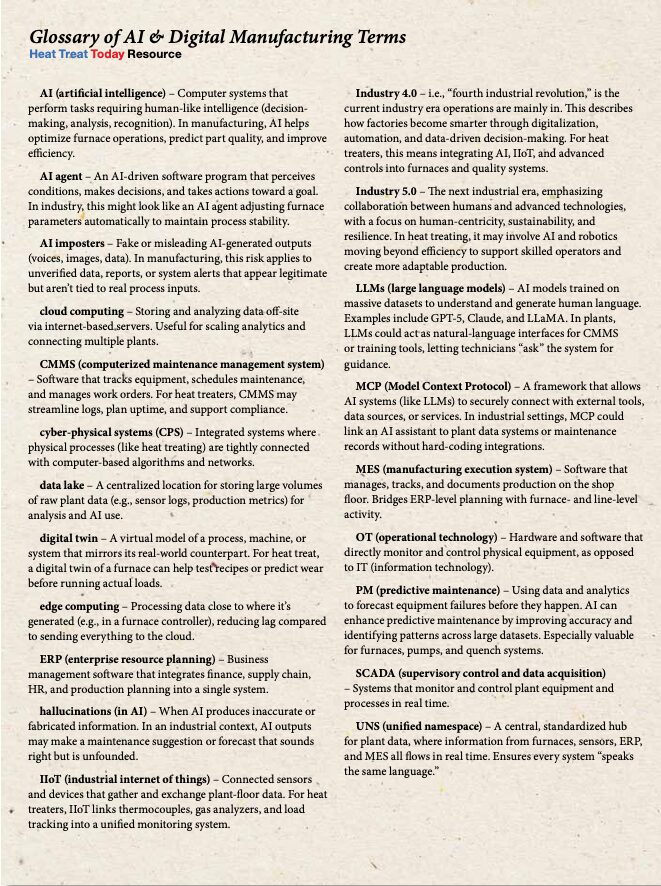
Model Context Protocol (MCP) is a structured method for AI applications and agents to securely discover data, call tools, and share context. Developed by the engineering team at Anthropic in 2024, it has now received widespread adoption across major technology providers, such as Microsoft and OpenAI.

In simple terms, it enables large language models (LLMs) to communicate reliably with other data sources.

Q4. What MCP adoption is happening today?

It is still early, but MCP adoption is accelerating rapidly. Most software companies are developing MCP servers. Many B2C applications already exist, and there are now a growing number of industrial applications, such as those from Highbyte, Flow Software, and Siemens.

Q5. What will “MCP-compliant” mean for AI developers?

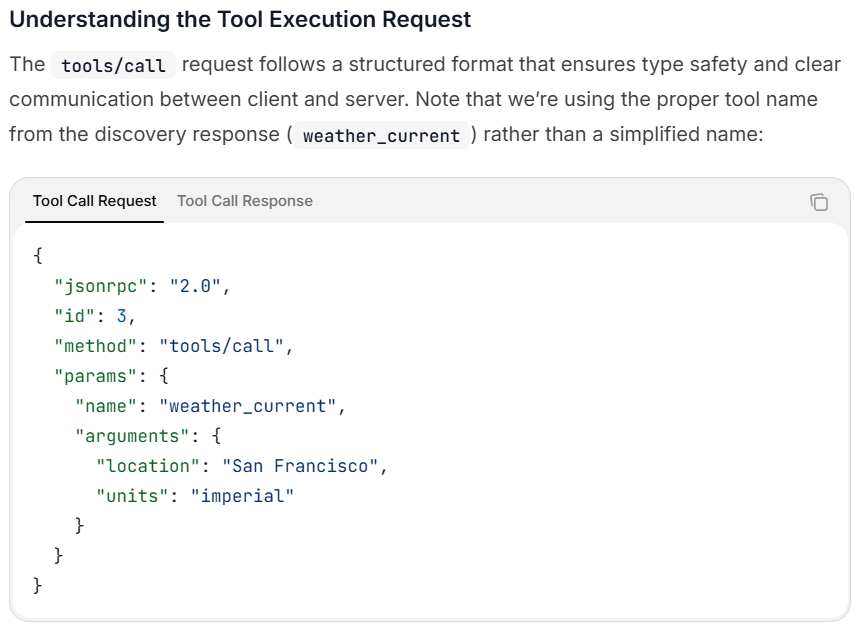
From a developer’s perspective, this should be easier than crafting individual application programming interfaces (APIs) that require strict mapping between software products. Any changes on the other end of the system would normally require the API to be restructured. MCP is expected to support inheriting updates without code changes and provide a more uniform setup.

Figure 1a. MCP Standard screen capture of how to use the tool. (Screen capture from the “Architecture overview” page of modelcontextprotocol.io.)
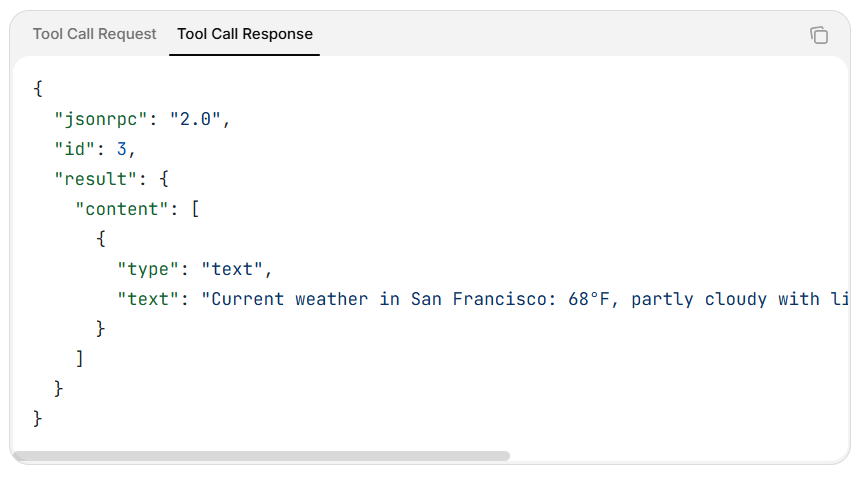
Figure 1b. Toggle to the “Tool Call Response” to view the response for that example input request. (Screen capture from the “Architecture overview” page of modelcontextprotocol.io.)

Q6. How would MCP specifically benefit heat treat?

In the last 30 years, I have seen three waves of technology. The first wave was automation that leveraged PLCs, setpoint programmers, and carbon probes to reduce manual errors and improve utilization.

The second wave focused on regulations in aerospace (AMS2750) and automotive (CQI-9) to harmonize auditing processes, improve quality, and reduce in-use failures (reducing recalls). These regulations focused on ensuring ongoing equipment capability (such as TUS for furnaces and ovens), instrumentation and quality thermocouples via SATs, independent calibration, and operator procedures and training.

The last wave focused on Industry 4.0 and IIoT to further automate and optimize previous improvements. However, apart from some isolated cases, many Industry 4.0 solutions have not delivered the expected value. There are many potential reasons, but one standout is the focus on continued machine automation at the expense of human intervention.

The benefit of MCP is that it acts as a bridge between data and the people who need to use that data to improve processes.

Q7. What are the biggest adoption barriers (and how to reduce them)?

I am typically an early adopter of technology. I was asked to automate a manual sealed quench furnace (batch integral quench) to automatic setpoint and carbon control in the early 1990s, which was one of my first projects. I began exploring technology solutions for Industry 4.0 and IIoT back in 2013. There will always be both early adopters and laggards.

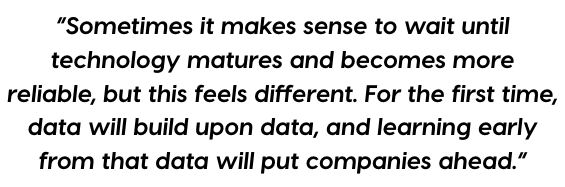
Sometimes it makes sense to wait until technology matures and becomes more reliable, but this feels different. For the first time, data will build upon data, and learning early from that data will put companies ahead.

Cybersecurity and IT policies will scrutinize any new technology. One opportunity for AI is to also strengthen cybersecurity robustness. I recently heard that if you do not respond to a technology breach within 30 minutes, you will lose significant data. Human intervention alone will not be fast enough. AI is truly a double-edged sword.

There is also a growing fear that AI will take jobs. This has been demonstrated in the software industry, where it is estimated that 30 percent of code is now written by AI. I do not believe a heat treater can reduce staff further, since most are already operating with skeleton crews. The real opportunity is to enable all individuals to accomplish more, supported by AI.

The final point is when to adopt this technology. The pace of improvement over the past two years has been tremendous, and we are only now reaching the point where new models are robust enough for industrial application.

Q8. Pace of change: start now or wait?

The base LLMs needed time to improve and become more reliable while reducing hallucinations. Each version of ChatGPT has made significant leaps in knowledge and robustness. The latest model, GPT-5, is beginning to provide the level of reliability needed for industrial applications; this progress will continue.

Q9. What AI-powered products or services will emerge with MCP?

We can do a bit of future gazing. I compiled several ideas as part of my preparation for my presentation at ASM Heat Treat in October. In each example below, you will notice that a human remains in the loop. Instead of manually fetching specific data and information, the agent provides timely information.

EnergyOptimizerAgent — Subscribes to “Power/Furnace*/kW” tags and day-ahead tariff feeds. Models alternate start times and sends a proposal called “propose_shift” to a PlanningAgent. If planners accept, the new schedule is written back to the UNS so control logic and enterprise resource planning (ERP) software stay aligned.

ComplianceAgent — Monitors SAT and TUS counters published by the Edge Process Management (EPM) platform. When drift approaches a set threshold, it issues “propose_sat” with a suggested window and part list. After the test, AuditPackAgent gathers .uhh files and publishes a cryptographic hash so auditors can verify authenticity without manual file transfers.

UniformityMonitorAgent — Streams zone temperatures and compares each batch with stored “golden” fingerprints. If deviation grows, it assembles options, such as rerouting the load or adding a soak. Operators approve or reject through a dashboard.

MaintenanceSchedulerAgent — Reads valve-cycle counts, fan-vibration spectra, and motor current signatures. Calls a computerized maintenance management system (CMMS) tool to open a work order, reserve a slot, and order spare parts when limits are reached.

OperatorCopilotAgent — Listens to every proposal on the MCP bus and presents it in chat form. For example: “Shift Load B932 to 13:30 to avoid the peak tariff. Accept or ask why.” One tap reveals historian trends, specification clauses, and the agent’s reasoning trail, giving junior staff instant context while keeping humans in charge.

Q10. Any drawbacks or cautions with MCP?

AI and MCP will continue to be targets for cybercrime. It is important to architect any solution so that the base control and operation of equipment remain safe, even if the AI layer is breached.

At ASM Heat Treat, I will touch on some architectural solutions that can support safer AI implementations. As with anything internet-related, precautions must be taken. With AI, you also introduce the possibility of human-like imposters.

There is risk in everything we do, and everyone needs to continually assess risk versus reward. In many cases, MCP may tip the balance by providing more value than past technology solutions.

The responses in this article represent Peter Sherwin’s personal views and not necessarily those of his organization.

About The Author:

Peter Sherwin
Strategic Marketing
Watlow

Peter Sherwin is passionate about offering best-in-class solutions to the heat treatment industry. He is a chartered engineer and a recognized expert in heat treatment control and data solutions.

For more information: Contact Peter Sherwin at peter.sherwin@watlow.com.

Q&A: AI, MCP, and Heat Treat Read More »
PSW Group Opens New Semi-Solid Casting Center in Ohio

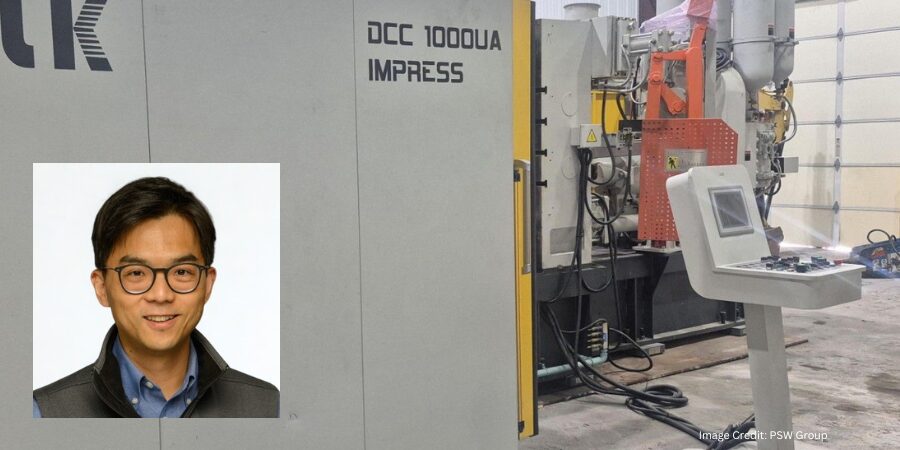
PSW Group announced the launch of its High Integrity Diecasting Center (HIDC) at the Magretech plant in Bellevue, Ohio, a new semi-solid casting center that enables clients to trial and optimize aluminum and magnesium castings with improved quality and structural integrity. The facility uses semi-solid and high-pressure die-casting technologies to support prototyping, process development, new product introduction, and pilot-to-production scaling for clients evaluating liquid and semi-solid casting processes. The investment places semi-solid casting R&D and engineering at the core of PSW’s strategy to accelerate low-carbon, high-integrity light metal innovation.

The new center features semi-solid casting technologies, including Comptech and Rheo-Structural Systems (RSS) for aluminum and Thixotropic Piston Injection (TPI) for magnesium. Notably, HIDC is one of the few semi-solid casting centers in North America offering both aluminum and magnesium semi-solid casting alongside conventional and structural high-pressure die-casting (HPDC).

Dr. Tao Wang
Global Head of Products and Sustainability
PSW Group

“As clients demand lighter, stronger, and lower-carbon components, HIDC’s semi-solid platform unlocks quality, efficiency, and speed to market,” said Dr. Tao Wang, global head of Products and Sustainability at PSW Group. “By integrating advanced semi-solid technologies with our global R&D, we accelerate alloy development while reducing production emissions.” The HIDC gives original equipment manufacturers (OEMs), Tier 1 suppliers, and die casters the ability to trial, develop, test, and optimize new aluminum and magnesium alloys and evaluate casting technologies to determine the best combination for their specific products and applications.

“The HIDC enhances our U.S. manufacturing footprint and shortens time-to-market for next-generation components,” added Dr. Wang. It’s a pivotal step in our roadmap to low-carbon, high-integrity light metal systems.”

Press release is available in its original form here.

PSW Group Opens New Semi-Solid Casting Center in Ohio Read More »

CO2-Neutral Heat Generation Technology Progress

A new study from the Umweltbundesamt (the Federal Environment Agency in Germany) outlines a clear, technically grounded pathway for achieving CO2-neutral process heat across energy-intensive industries. This Technical Tuesday installment highlights the study’s key findings, offering North American heat treaters a concise look at the technical feasibility, economic pressures, and strategic choice involved in moving beyond fossil-fuel-based thermal processing.

This informative piece was first released in Heat Treat Today’s January 2026 Annual Technologies To Watch print edition.


Introduction

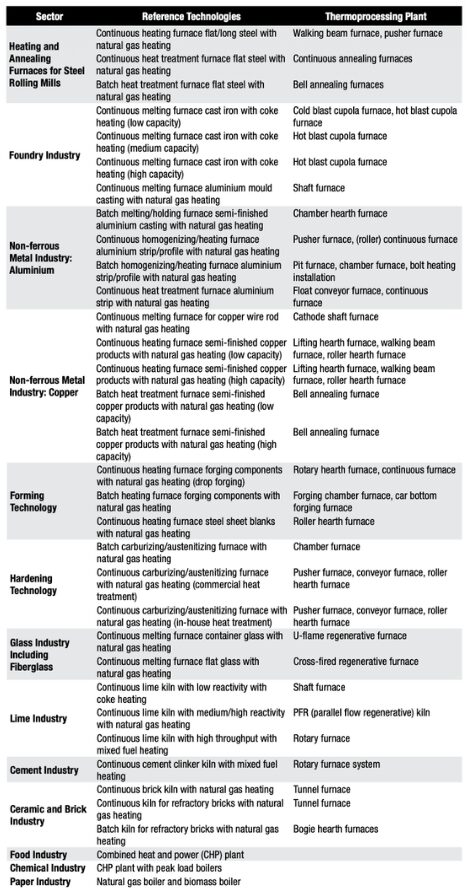
Table A. Overview Examined Dectors, Associated Reference Technologies, and Thermal Processing Systems | Image Credit: Schwotzer

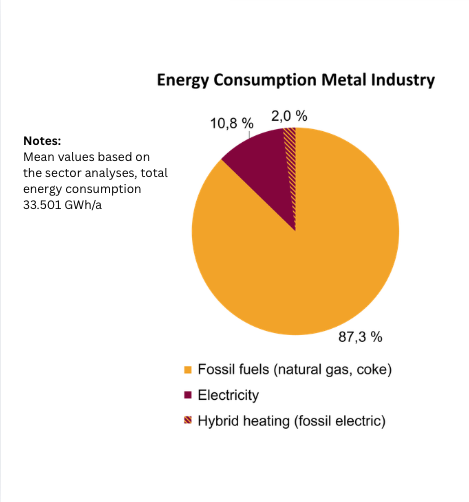
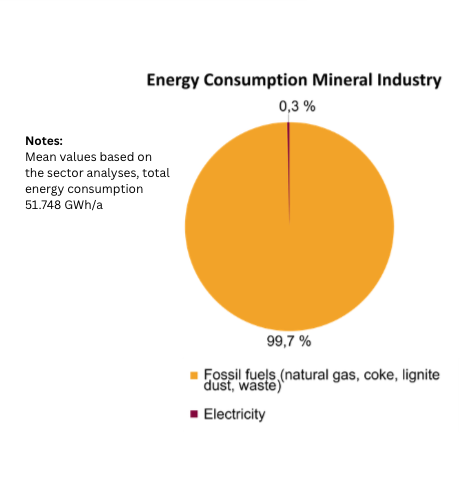
Efforts to mitigate climate change are crucial, particularly in Germany where there is a significant amount of energy-intensive industry, to achieve ambitious climate targets while preserving jobs and international competitiveness. Currently, process heat generation is heavily dependent on the use of fossil fuels, especially natural gas, with a low utilization of renewable energies. Fossil energy sources dominate the metal industry, accounting for 87.3%, while electricity represents 10.8%, and hybrid heating systems make up 2.0%. The mineral industry shows an even stronger dependence, with fossil fuels accounting for 99.7%. These figures illustrate the challenges and potential for technological innovations to provide CO2-free process heat in these sectors.

Although some sectors are already either using technologies for CO2-neutral process heat supply or are planning to do so, there is no comprehensive overview of the technical possibilities for generating process heat in energy-intensive industries in the context of future economic framework conditions.

In this study, technologies for the CO2-neutral supply of process heat are considered from a technical, economic, and ecological perspective. The study was conducted for thirteen industries and thirty-four exemplary applications in the metals and minerals industries, as well as for the cross-cutting technology steam generation industry (Table A). For each application, alternative CO2-neutral technologies are examined for their technical feasibility, economic viability, and ecological impact. The focus is on the electrification of plant technology, the use of hydrogen, but also hybrid systems, and, in some cases, the use of biomass. From this comprehensive review of the current situation and the possible alternative technologies, findings and recommendations for implementation will be developed for industry, policymakers, and researchers to support the transformation to CO2-neutral process heat generation.

Study Method

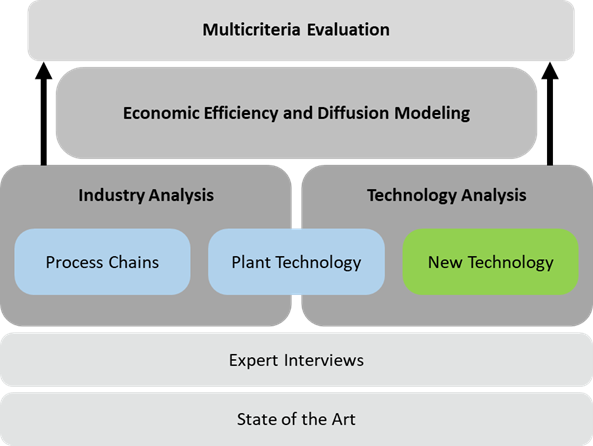
Figure 3. Study approach | Image Credit: Schwotzer

The study is based on an industry and technology assessment of the state of the technology (Figure 3). The results from the metal and mineral industries and the cross-sectional technology of steam generation were analyzed and summarized in consultation with experts. The central process chains were examined for each sector and the most important processes in terms of energy were identified. Each process chain contains several processes in which specific thermal process plants (industrial furnaces) are used, which are grouped into plant types. Based on the selected processes and plant types, applications are defined for further consideration. A reference technology and two to four CO2-neutral alternative technologies (new technologies) are assigned to each application. Key figures such as specific energy requirements, process-related emissions, or investment costs are used for comparison.

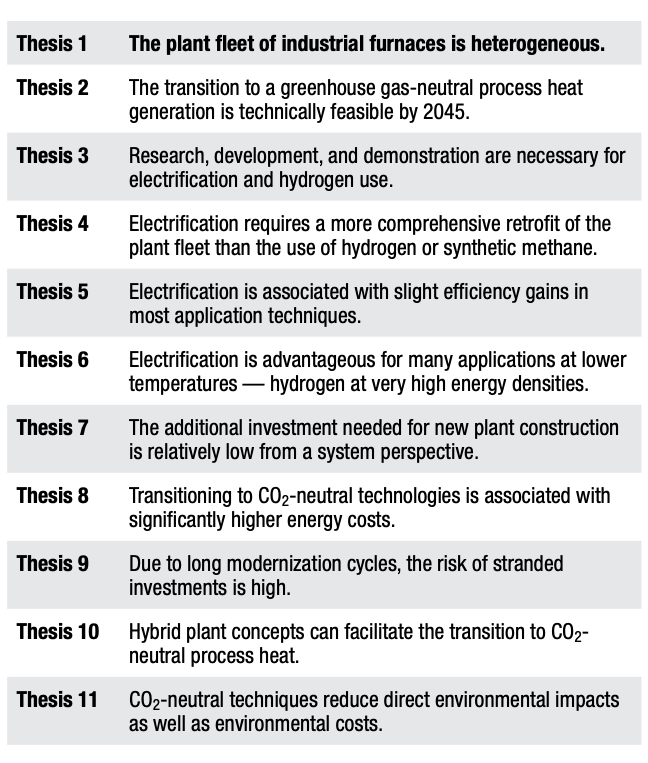
Table B. Theses Summary of Study Results | Image Credit: Schwotzer

The central findings of the study are summarized in eleven theses on the transformation of process heat generation (Table B). In this article, Theses 1, 2, 6, and 9 are presented in detail, providing a broad overview of the essential findings. For a more in-depth examination of the theses, see the link to the original study.

The Plant Fleet of Industrial Furnaces is Heterogeneous

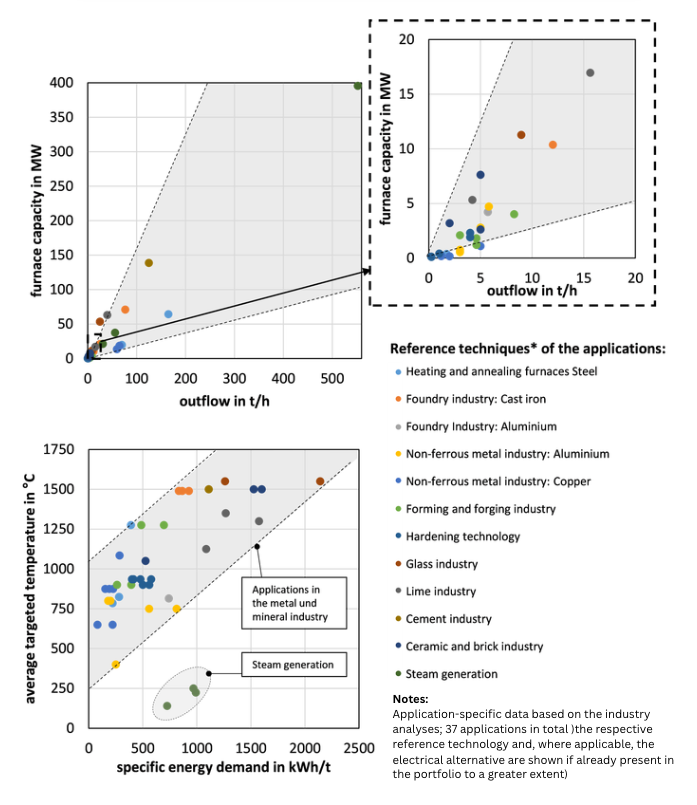
The metal and mineral industries are characterized by numerous small process plants (throughput of less than 20 tons per hour and plant capacity of less than 20 MW). At the same time, there are large facilities with significantly higher throughput and corresponding higher plant capacities. Figure 4 shows a selection of technical examples from the study. Examples of large plants include heating and annealing furnaces in the steel industry with capacities of up to 170 tons per hour or cathode shaft furnaces in the copper industry with throughputs of up to 80 tons per hour. It is observed that the specific energy requirement of a plant correlates with the process temperature. The higher the required temperature of a process, the higher the specific energy requirement.

Figure 4. Classification of the considered applications and reference technologies in the plant fleet in Germany based on characteristic parameters | Image Credit: Schwotzer

Additionally, the cross-sectional technology of steam generation was examined. The most up to date technology includes natural gas boilers or combined heat and power (CHP) systems. Industry-specific characteristics play a minor role in the selection of technology for achieving CO2 neutrality. The technical requirements for end applications are less different compared to industrial furnaces. This includes performance, throughput, pressure, and temperature.

A transition to CO2-neutral process heat generation encompasses various technical possibilities and obstacles, as well as investment costs and space requirements, depending on the industry and application. Accordingly, the necessary adaptation measures require a differentiated approach to the transition to CO2-neutral process heat generation. An effective strategy to achieve CO2 neutrality should take into account the unique characteristics of each industry’s production processes, as well as the specific challenges and opportunities they present.

Technical Transformation to CO2-Neutral Production is Feasible

Despite the wide variety of plants and specific challenges, the transition to CO2-neutral process heat generation is technically feasible by 2045. The solutions will vary depending on the industry and application, and the effort required to transition from currently used reference technologies to CO2-neutral alternatives varies significantly.

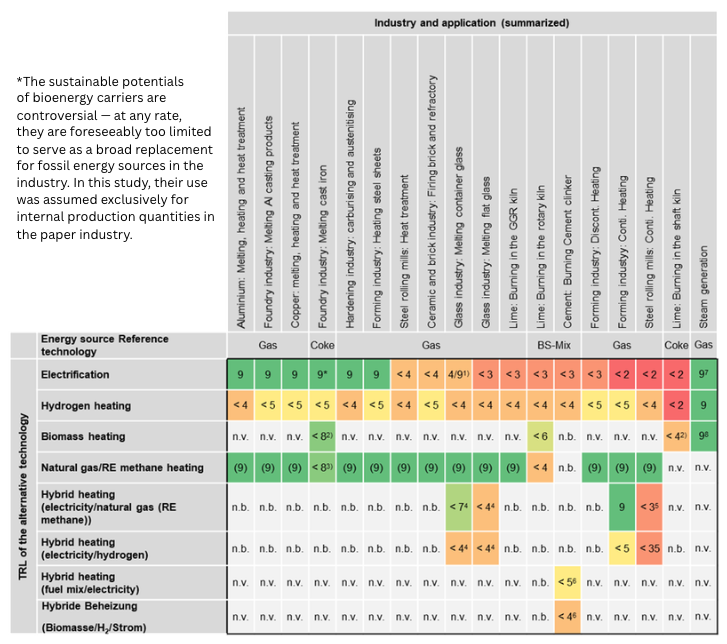
The heterogeneity of industrial furnaces has a significant impact on the feasibility of deploying CO2-neutral technology in the future. While electrification is already highly advanced and most up to date in applications such as the foundry industry, bulk forming, or melting of aluminium with induction furnaces, it shows comparatively low technological maturity in sectors like the lime and cement industry, which are associated with fundamental technical challenges; see Figure 5. This significant heterogeneity in the existing plant stock and terms of technology readiness level (TRL) (European Commission 2014) requires consideration in transformation strategies.

Figure 5. Technology readiness level (TRL) of the alternative technologies (summarized) | Image Credit: Schwotzer

Both hydrogen and electrification can have a significant impact, although further research and development are needed in many areas. Across applications, it is evident that electrification generally requires the construction of new facilities. Transitioning from natural gas-operated reference technology to hydrogen involves less technical effort in terms of plant technology and can be accomplished by retrofitting the burner technology. Additionally, using hydrogen requires local infrastructure (pipes, valves) and its impacts on process and product quality need to be tested. Industrial-scale facilities are not yet available, resulting in a TRL of < 5, according to the study. However, with ongoing research and development in many projects, the TRL for many applications is expected to rise quickly in the coming years.

Scaling all alternative technologies to an industrial level and testing them in operational deployments are crucial. Some technologies face significant technical barriers, such as the continuous heating in steel rolling mills. These processes and their plant technology are characterized by very high process temperatures and production capacities, requiring heating technologies with a high energy density, which are not possible with current most cutting-edge electrical heating technologies. The use of hydrogen also presents a particular technological challenge, especially in areas where solid fuels like coke are currently used, such as in shaft kilns for lime burning or in cupola furnaces of iron foundries. As a result, alternative, bio-based fuels are being considered for these applications.

However, for these fuels to be a viable option, they need to be produced in sufficient quantity and quality. On the other hand, CO2-neutral techniques for steam generation using hydrogen and for electrification are already available for industrial use today.

The continuation of this article will be released in Heat Treat Today’s Sustainable Heat Treating Technologies edition (May 2026) where electrification versus hydrogen and a frank reckoning with the cost of new investments will be examined.

References

European Commission. 2014. Annex G – Technology Readiness Levels (TRL). Extract from Part 19 – Commission Decision C(2014)4995, “Horizon 2020 – Work Programme 2014–2015. General Annexes.” Brussels: European Commission.

Fleiter, Tobias, et al. 2023. CO2-Neutrale Prozesswärmeerzeugung: Umbau des industriellen Anlagenparks im Rahmen der Energiewende. Dessau-Roßlau: German Environment Agency (Umweltbundesamt).

All results in this article derive from the study “CO2-neutral process heat generation” (German: „CO2-neutrale Prozesswärmeerzeugung – Umbau des industriellen Anlagenparks im Rahmen der Energiewende: Ermittlung des aktuellen SdT und des weiteren Handlungsbedarfs zum Einsatz strombasierter Prozesswärmeanlagen”). The authors of this article would like to thank everyone who contributed to the study, listed in the published study. The study and further documents are on the website of the Federal Environment Agency in Germany (Umweltbundesamt).

This editorial is published with permission from Heat Treat Today’s media partner heat processing, which published this article in March 2024.

About The Authors:


Dr. Christian Schwotzer
Department for Industrial Furnaces and Heat Engineering
RWTH Aachen University, Germany
schwotzer@iob.rwth-aachen.de

Katharina Rothhöft, M.Sc.
Department for Industrial Furnaces and Heat Engineering
RWTH Aachen University, Germany
rothhoeft@iob.rwth-aachen.de

Dr. Tobias Fleiter
Fraunhofer Institute for Systems and Innovation Research
Karlsruhe, Germany
tobias.fleiter@isi.fraunhofer.de

Dr. Matthias Rehfeldt
Fraunhofer Institute for Systems and Innovation Research
Karlsruhe, Germany
matthias.rehfeldt@isi.fraunhofer.de

Dr. Fabian Jäger-Gildemeister
Federal Environment Agency of Germany (Umweltbundesamt)
Dessau-Roßlau, Germany
fabian.jaeger-gildemeister@uba.de

CO2-Neutral Heat Generation Technology Progress Read More »

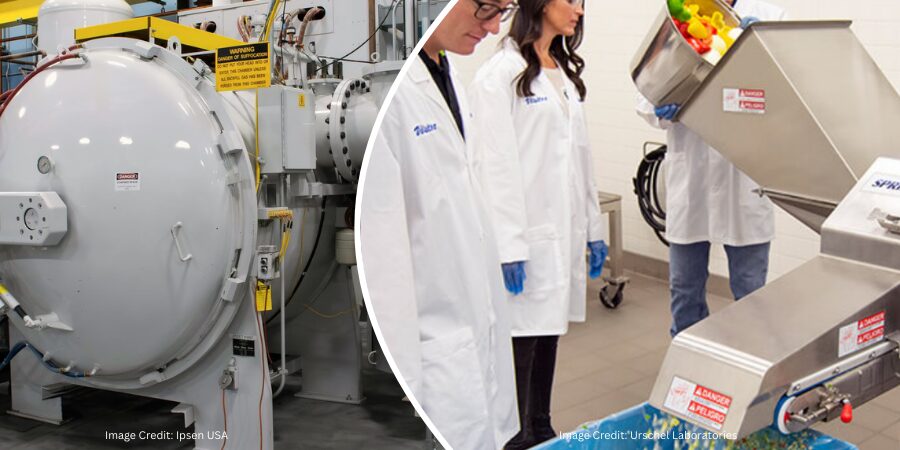
Urschel Furnace Upgrade Reinforces Food Processing Industry

Urschel Laboratories, a global manufacturer of precision food-cutting equipment based in Chesterton, Indiana, has placed an order for a new high-capacity vacuum furnace to support its in-house heat treating operations and safeguard production of critical stainless steel components used in its machines. The new equipment is expected to strengthen Urschel’s manufacturing capabilities, reinforcing the performance and reliability of its cutting systems used throughout the food processing industry.

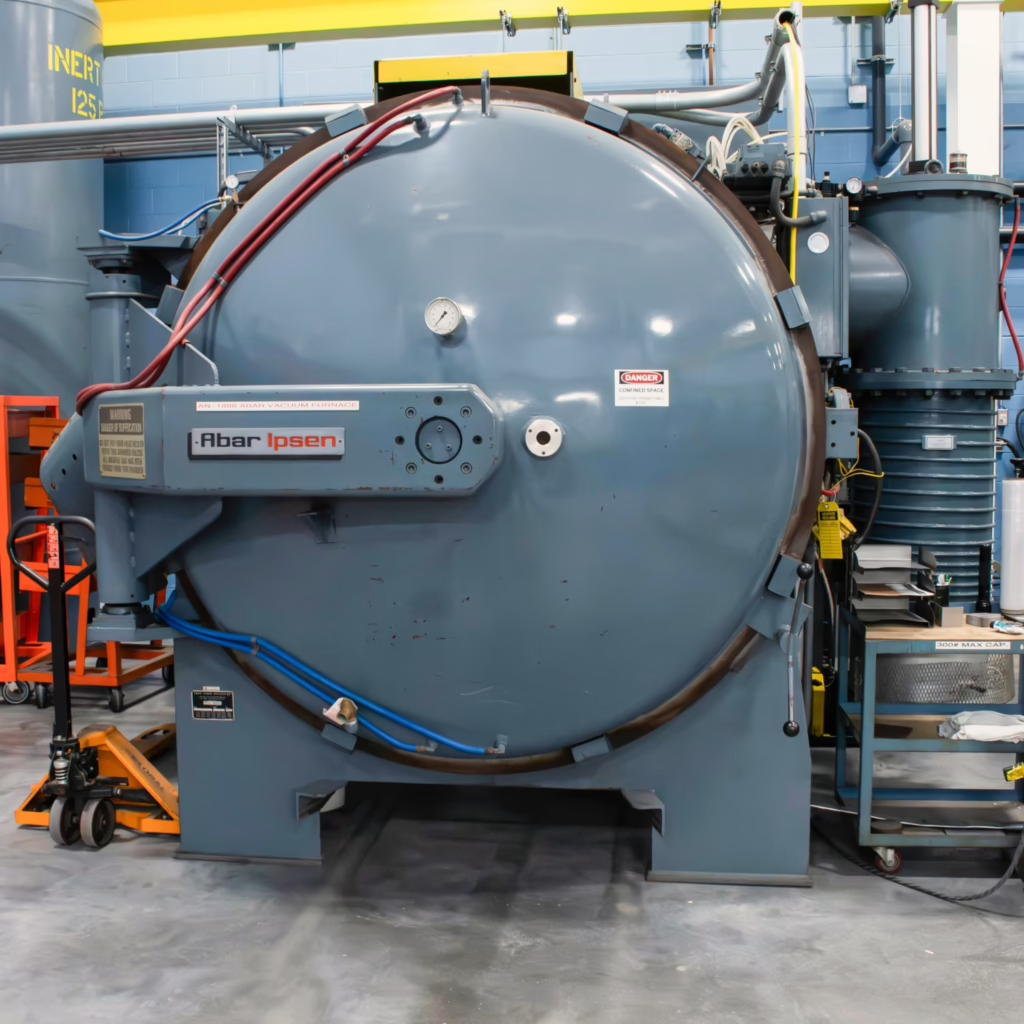
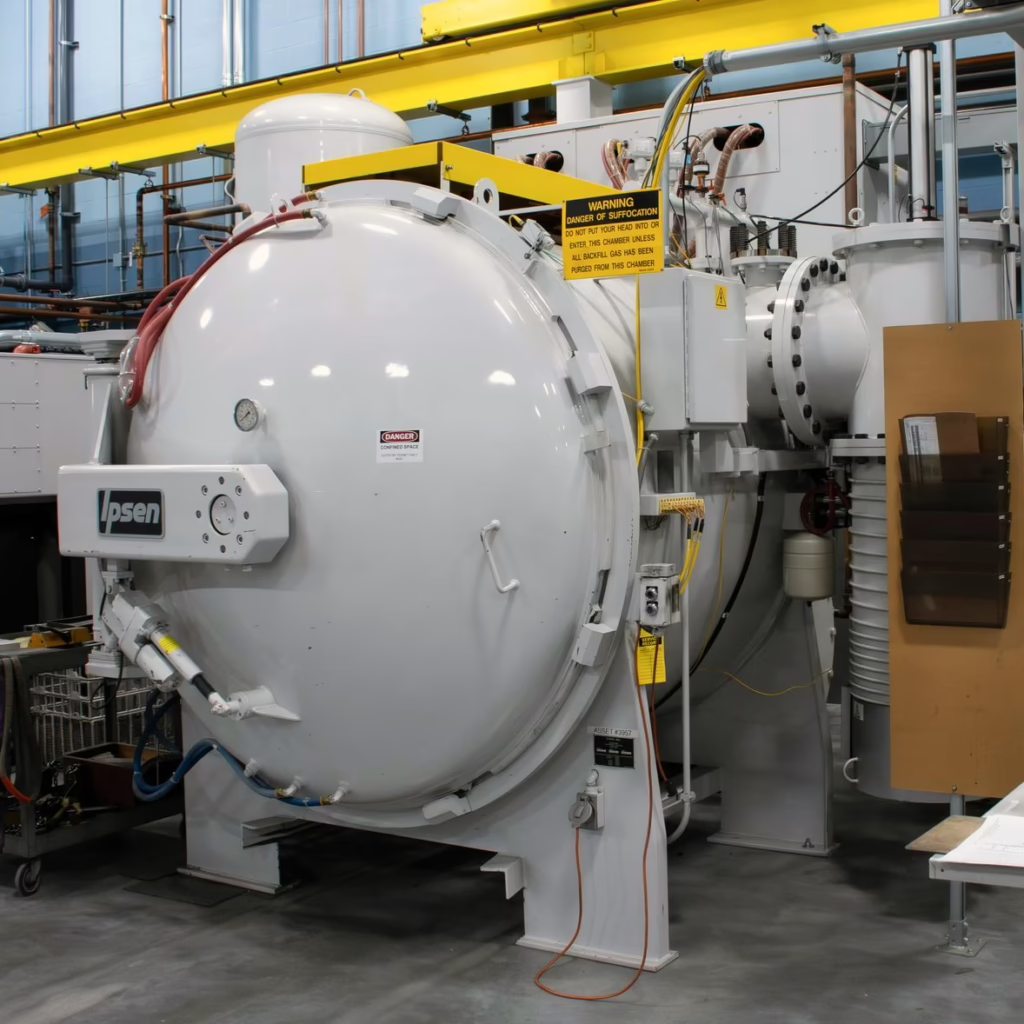
The order includes a MetalMaster® HR 54×48 2-bar vacuum furnace, which features 2-bar quench capability and maximum load dimensions of 36x36x48 inches. The system will replace a legacy vacuum furnace that has been in continuous operation since 1986. It is designed to accommodate Urschel’s processing requirements for 400-series stainless steel knife systems.

Supplying the system is Ipsen USA, a long-time partner in thermal processing equipment. This latest order marks Urschel’s sixth vacuum furnace from the supplier, building on a relationship that spans four decades and reflects consistent performance and support. The company currently operates two TITAN® LT6 2-bar furnaces and another MetalMaster HR 54×48 2-bar furnace purchased in 2014, all supporting essential processes such as annealing, tempering, hardening, and brazing of precision components within Urschel’s in-house heat treating facility.

The investment reflects Urschel’s continued focus on operational efficiency and product quality as it serves clients in more than 130 countries worldwide.

Press release is available in its original form here.

Urschel Furnace Upgrade Reinforces Food Processing Industry Read More »
Automotive Supplier Expands Brazing Capacity

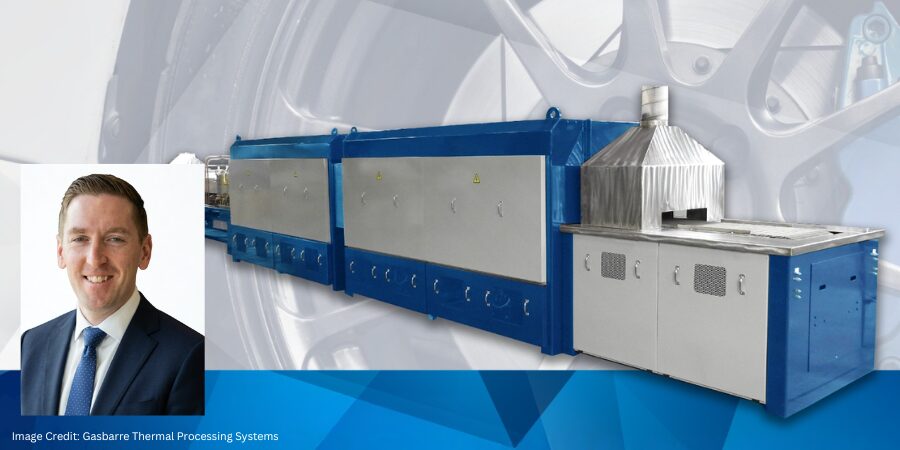
An automotive manufacturer is expanding stainless steel brazing capacity at its Midwest manufacturing facility, adding a new 24-inch belt, four-zone brazing furnace. The system will support increased production of automotive components, including braking and fluid line parts, where consistent thermal processing and atmosphere control are essential to quality and reliability.

Designed for controlled-atmosphere processing, the furnace will operate in a nitrogen/hydrogen environment and is engineered to deliver repeatable results, stable production flow, and operator-friendly performance.

Ben Gasbarre
Executive Vice President, Sales & Marketing
Gasbarre Thermal Processing Systems

The order marks the company’s third brazing furnace supplied by Gasbarre Thermal Processing Systems, building on two existing installations currently supporting day-to-day operations. The equipment was selected based on the design and performance of prior systems, which have delivered dependable uptime with minimal issues while maintaining a clean, accessible layout that operators find easy to use — a key factor in a high-output environment.

“This order reflects the trust we work to earn through durable equipment, repeatable processing, and responsive support,” said Ben Gasbarre, executive vice president of sales and marketing at Gasbarre Thermal Processing Systems.

Press release is available in its original form here.

Automotive Supplier Expands Brazing Capacity Read More »

This Week in Heat Treat Social Media

Welcome to Heat Treat Today’s This Week in Heat Treat Social Media. From mind-bending materials to mesmerizing shop-floor videos — and even a few LEGO bricks — heat treat social media had a little bit of everything! We scrolled, watched, learned, and smiled our way through posts that remind us why this industry is equal parts science, craft, and creativity.

As you know, there is so much content available on the web that it’s next to impossible to sift through all of the articles and posts that flood our inboxes and notifications on a daily basis. So, Heat Treat Today is here to bring you the latest in compelling, inspiring, and entertaining heat treat news from the different social media venues that you’ve just got to see and read! If you have content that everyone has to see, please send the link to editor@heattreattoday.com.


1. Looped and Loaded

Warning: this reel of glowing steel coiling in real time may cause viewings…on loop. Mastars Industries brings the shop floor to your screen, showing molten-hot metal bending and twisting with hypnotic precision.

2. Foamed Metals Head to Space

In honor of National Bubble Wrap Day, Ipsen took a nostalgic (and futuristic) look back at its work with NASA in the 1960s. The post revisits how foamed metals — often likened to bubble wrap — were explored for lightweight, heat-resistant applications in space.

3. Forging + Metallurgy + Heat Treat = 🔥

The Forging Industry Association was right: watching a glowing billet get squeezed into shape never gets old. Impression die forging gets a clear, engaging showcase that reminds us why classic manufacturing techniques still matter.

4. Metallurgy Brain Teaser

This post from Metallurgical Engineering serves up a quick #metallurgyquiz to test your materials instincts. Are you smarter than your microstructure?

5. LEGO Meets Heat Treatment

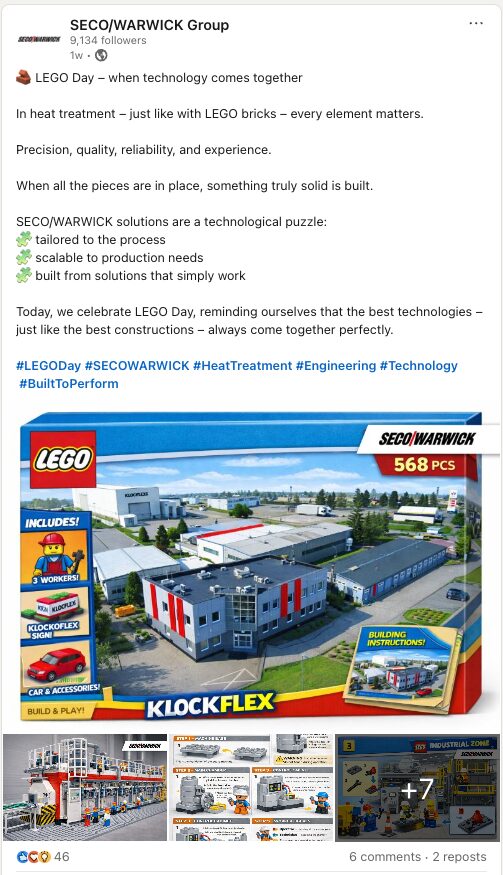
SECO/WARWICK brings a playful twist to serious tech on LEGO Day, showing heat treat principles with a LEGO build that earns a smile.

6. Underwater Forging? What Wizardry Is This?

This post is sure to induce some head-scratching among our metallurgists. Is it AI or some genius innovation?

7. Fun Friday Goes Mini-Metal

Heat Treat Today’s own Fun Friday post brightens up the day with curious kids and heat treat fun — proof that inspiration starts young…and queens = 🔥!

8. When Slag Comes Alive

This mesmerizing reel captures molten slag as it cools from 1100°C to 920°C, revealing crystals forming in real time under a high-temperature confocal laser scanning microscope. Swoon-worthy, especially with Olivia Dean singing in the background!

9. Heat Treat Radio Takes on Energy Policy

Heat Treat Radio connects energy policy to the realities of manufacturing. Informative, timely, and worth adding to your listening queue.

10. Celebrating the People Behind the Process

February is Black History Month, and MetalTek International reflects on a century of honoring the achievements, resilience, and lasting impact of Black leaders and innovators — including those who have shaped American manufacturing. A thoughtful reminder that the strength of our industry is built by people from all backgrounds, past and present.

From serious engineering insights to lighthearted LEGO builds, this week’s round-up of heat treat social media posts proves there’s no single way to tell the industry’s story. Whether you’re here to learn, be inspired, or just enjoy watching metal move, we’ll keep bringing you the posts worth a pause in your feed. Have a great weekend!

This Week in Heat Treat Social Media Read More »
Don’t Despise the Day of Small Businesses

Heat Treat Today publishes twelve print magazines annually and included in each is a letter from the publisher, Doug Glenn. This letter is from the December 2025 Annual Medical & Energy Heat Treat print edition.

Feel free to contact Doug at doug@heattreattoday.com if you have a question or comment. 


I believe the accurate saying is, “Don’t despise the day of small beginnings,” but I would like to modify it a bit and talk business.

The Origin of That Saying

First off, the origin of that saying is from a rather obscure Bible verse in the book of Zechariah 4, verse 10, which says, “For who has despised the day of small things? But these seven will be glad when they see the plumb line in the hand of Zerubbabel — these are the eyes of the LORD which range to and fro throughout the earth” (NASB 1995). This verse and another like it in Luke 16, verse 10, which says, “He who is faithful in a very little thing is faithful also in much; and he who is unrighteous in a very little thing is unrighteous also in much,” remind me of the importance of small beginnings.

Sharpening the Saw

In his famous book, 7 Habits of Highly Effective People, Stephen R. Covey lists “sharpening your saw” as one of the seven habits. To put it simply, this means taking regular time to rest from the day-to-day grind and make sure your systems, tools, and being are sharp and ready to perform.

To sharpen my publishing skills, I recently spent two days with a publishing industry colleague and consultant to talk about Heat Treat Today and how I, as the publisher, could be a better leader. It was a very refreshing and enjoyable time that will hopefully bear fruit in the future in the form of better content for our readers and better services for our advertisers.

Did you know…?

I learned a lot during those two days, but there were several statistics that my publisher friend mentioned which captured my attention. Did you know:

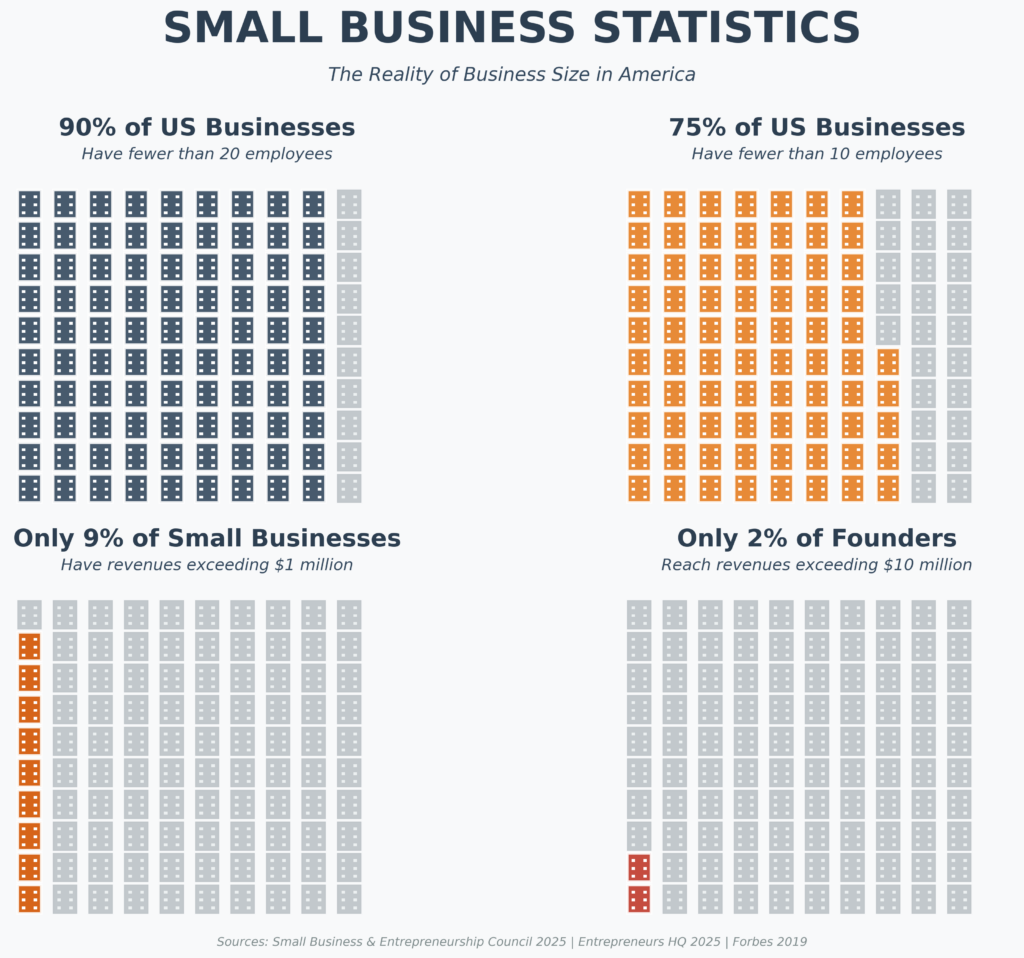
  • Roughly 90% of all businesses in the United States have fewer than 20 employees.
  • Roughly 75% of all businesses in the United States have fewer than 10 employees.

Talk about small things! I was quite surprised by these numbers. And if you go to the source (Small Business & Entrepreneurship Council 2025), you’ll see that these percentages jump even higher if you include non-employer businesses, meaning companies with only ONE person:

  • Only 9% of small businesses in the United States have revenues exceeding $1 million (Entrepreneurs HQ 2025).
  • Only about 2% of all the individuals that start a business, the founders, even make it to the point where their revenues exceed $10 million (Vetter 2019).

Start Small

If you’re one of those individuals who has entertained the idea of starting your own company but have not yet pulled the trigger, let me encourage you to get started. The publication you are reading was started in the evening hours during the fall/winter of 2015 and launched publicly in the beginning of June 2016. To say the least, it was a SMALL business. I remember being so excited when I brought the mail home and showed my wife that my good friends at Dry Coolers (and others) had sent me a $500 check for an ad that they had placed on our newly launched website. It was a thrill and very satisfying.

Get out there and start. Don’t despise the day of small beginnings. Start small and work hard.

References

Covey, Stephen R. 1989. The 7 Habits of Highly Effective People: Powerful Lessons in Personal Change. New York: Free Press.

Entrepreneurs HQ. 2025. “Small Business Statistics.” October 22, 2025. https://entrepreneurshq.com/smallbusiness-statistics/.

Lockman Foundation. 1995. New American Standard Bible: 1995 Update. La Habra, CA: The Lockman Foundation.

Small Business & Entrepreneurship Council. 2025. “Facts & Data on Small Business and Entrepreneurship.” https://www.sbecouncil.org/about-us/facts-and-data/.

Vetter, Moira. 2019. “3 Resolutions on the Way to $10 Million in Revenue.” Forbes, December 31. https://www.forbes.com/sites/moiravetter/2020/12/31/3-resolutions-on-the-way-to-10-million-in-revenue/.

Doug Glenn
Publisher
Heat Treat Today
For more information: Contact Doug at
doug@heattreattoday.com

Don’t Despise the Day of Small Businesses Read More »

Continuous CAB Line Production Boosts Capacity

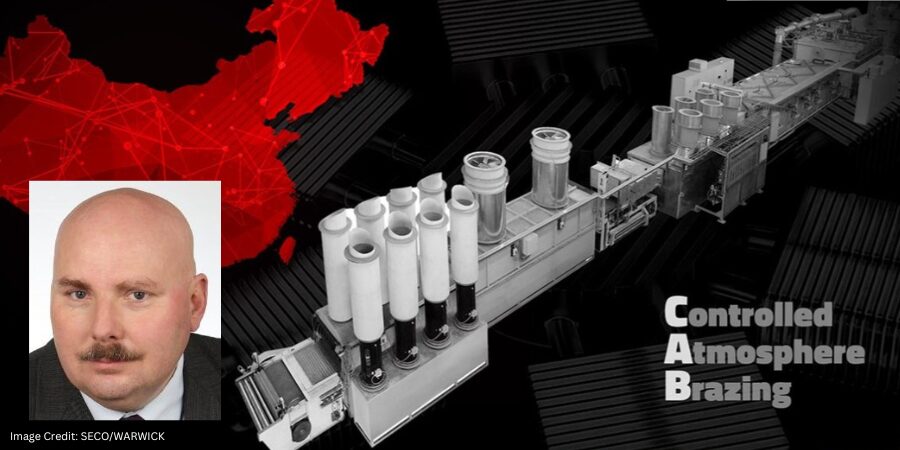
A manufacturer specializing in advanced thermal management solutions has expanded its production capabilities with the delivery of a new continuous controlled atmosphere brazing (CAB) line. The system will support increased output of high-performance cooling components such as heat dissipation plates for data centers and cold plates for electric vehicles, while also serving demand across aviation, photovoltaics, and rail transport.

The company, a Chinese manufacturer focused on temperature control platforms and cooling systems, is investing in the continuous CAB line to strengthen production capacity and support growing demand for compact, high-efficiency thermal management technologies.

The CAB line, supplied by SECO/WARICK — a global thermal processing equipment manufacturer with operations in North America — features a 1,000mm (39.2 in) belt width and is designed to process multiple product types, including 3D vapor chambers and cold plates. The system includes a dry-off oven for part preparation, a radiation brazing furnace operating in a controlled atmosphere, a clean-out chamber to stabilize internal conditions, an air-jacketed cooling chamber, and a final cooling chamber. An integrated control system enables centralized operation and process management across all stages.

Piotr Skarbiński
Vice President of Aluminum and CAB Products Segment
SECO/WARWICK

“What makes this project unique is the ability to braze two distinct product groups — 3D-VC (3d vapor chambers) and cold plates — on a single line,” said Piotr Skarbiński, vice president of the Aluminum and CAB Products Segment at SECO/WARWICK. Through tailored throughput calculations and a customized cooling configuration, the system is engineered to deliver temperature uniformity and repeatable process control — factors essential to producing high-quality components for modern electronics and power systems, he adds.

As AI servers, EV systems, and advanced electronics generate increasing heat on compact surfaces, reliable aluminum brazing technologies remain essential to delivering performance, durability, and efficiency in next-generation thermal management systems.

Press release is available in its original form here.

Continuous CAB Line Production Boosts Capacity Read More »

Cost of Fuel Drives Change

Jim Roberts of U.S. Ignition engages readers in a Combustion Corner editorial about how rising fuel costs have driven dramatic improvements in furnace efficiency and combustion technology over the past 60 years, transforming heat treat processes from 20% to 70% fuel efficiency.

This editorial was first released in Heat Treat Today’s January 2026 Annual Technologies to Watch print edition.


A furnace guy walks into the shop and sees the cost of gasoline. “This keeps going up, what gives?”

My first car got about 10 MPG — we will not even go near to discussing when that was. Gasoline costs have since driven cars to become more efficient with 30+ MPG vehicles.

Last month’s article highlighted how there are five qualities in our heat treat processes: Quality and Accuracy, the necessary attributes; Efficiency and Performance, the variables; and Profit, which comes whenever we improve the two variables. We have discussed government regulation on emissions and technological breakthroughs that improved combustion technology in earlier articles, but now we turn to the connection of combustion and cost: how gasoline costs drove improvement of the two variable qualities of heat treat processing for combustion, Efficiency and Performance.

Gasoline Costs: A Timeline

Up until about 1960, the world of heat processing was pretty much a level playing field with Efficiency and Performance. We had tons of fuel at our disposal. Pollution was known but not yet a criterion to manage processes. So, burner efficiency and design were very low end. Nobody cared. Fuel was almost free. In doing research for this story, I found records of natural gas being less than $0.50 per million BTUs. Electricity was on par with delivered BTU costs. But then the cost of fuel started to fluctuate. The furnace guys started to notice; if nothing else changed, our friend Profit would weaken.

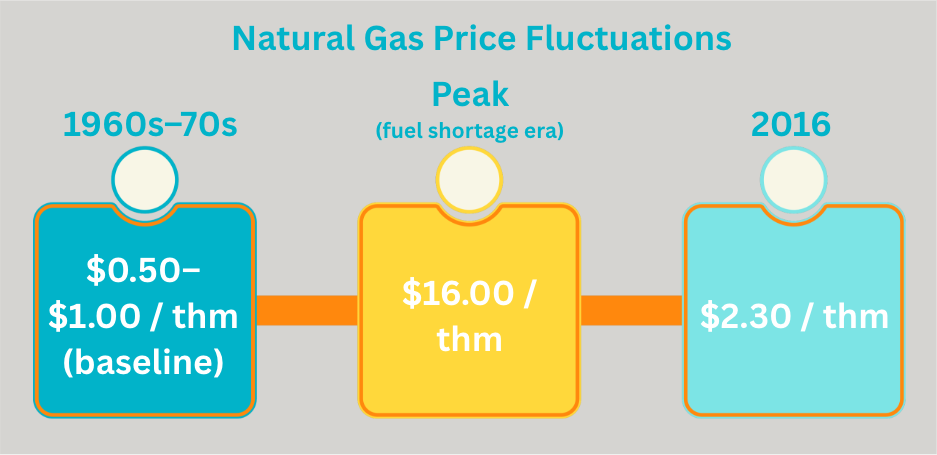
From 1930 to 1980, electricity pricing went up 500%. Natural gas started to bounce around in price. It was less than a $1.00/thm in the ’60s and ’70s, peaking during times of fuel shortage at $16.00/thm. Ten years later, in 2016, it hit $2.30/thm again. Some pretty wild fluctuations. In fact, it should be noted that the industry overseas had already begun to shift technologies — several years ahead of the U.S. — because they had been suffering with high fuel costs in Great Britain, Germany, Western Europe, and in Asian markets.

Furnace guy and the suppliers had to improve the efficiency and performance.

Troubleshooting and Combustion Design Changes

At first, you look at easy fixes to improve Efficiency and Performance. An example would be that insulation and refractory science really improved. If you can keep the heat in the furnace, you need less fuel to hold it at these high temperatures, right? So, improve the insulation.

Next, let’s get the burners from just being the opening in the furnace that you pour gas into, and make the burner more like a carburetor on an engine. Let’s get control of the air and gas ratios.

Next, let’s recover some of the flue gases and pre-heat the air coming into the burner. When you do that, the flame temp goes up, sometimes by as much as 400-500°F. That means higher heat transfer rates to the parts inside a now well-insulated furnace. Huge efficiency gains started happening.

Efficiency and Performance got a huge boost when the burners started to have high velocity discharge rates. In other words, we now had flames that were hotter and going into the furnace at several hundred miles an hour more than before. With that comes circulation improvement inside the furnace. And much like pudding in a blender, the faster the beaters, the smoother the mix. To give you an idea of the scope of these improvements, form 1960 to 1990, a matter of only 30 years, furnace and burner technology improvements went from 20% fuel utilization to estimated 60-70% fuel efficiencies, even higher in some instances. And there it was, super efficiency driven to occur by fuel cost and flucturation of supply.

To really hit home what that meant, let’s look at a 1,000-lb load of steel. Our process temp is 1750°F. Our furnace and combustion efficiency used to be 20%. That would require 1,370,000 BTU to heat up in an hour. Now, with 75% furnace and burner efficiency, that’s 352,000 BTU. You just saved approximately 1,000 ft3 of gas per hour! If we use the average industrial gas price today at $3.80/1,000 ft3, the difference of all this is $24,000/year, and that’s just a 1,000-lb load. Real world, the numbers are significantly higher, as all you furnace guys know. Imagine the dollar savings when fuel was at $16.00/thm?

And so, there it is. The well-known realization that in most markets, the dollar cost of the energy triggers improvement of technology.

Until next time…

About The Author:

Jim Roberts
President
US Ignition

Jim Roberts president at U.S. Ignition, began his 45-year career in the burner and heat recovery industry focused on heat treating specifically in 1979. He worked for and helped start up WB Combustion in Hales Corners, Wisconsin. In 1985 he joined Eclipse Engineering in Rockford, IL, specializing in heat treating-related combustion equipment/burners. Inducted into the American Gas Association’s Hall of Flame for service in training gas company field managers, Jim is a former president of MTI and has contributed to countless seminars on fuel reduction and combustion-related practices.

For more information: Contact Jim Roberts at jim@usignition.com.

Cost of Fuel Drives Change Read More »
Skip to content