

Skuld LLC

10 News Chatter to Keep You Current

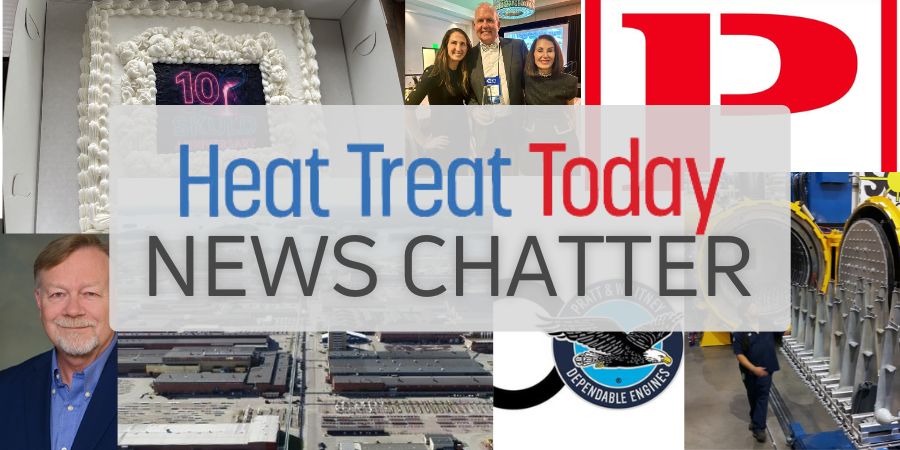
Heat Treat Today offers News Chatter, a feature highlighting representative moves, transactions, and kudos from around the industry. Enjoy these 10 news items, featuring Plibrico Company’s new CEO, Pratt and Whitney‘s 100 years in aerospace, Stack Metallurgical Group‘s new cryotherm technology, and more!


Equipment

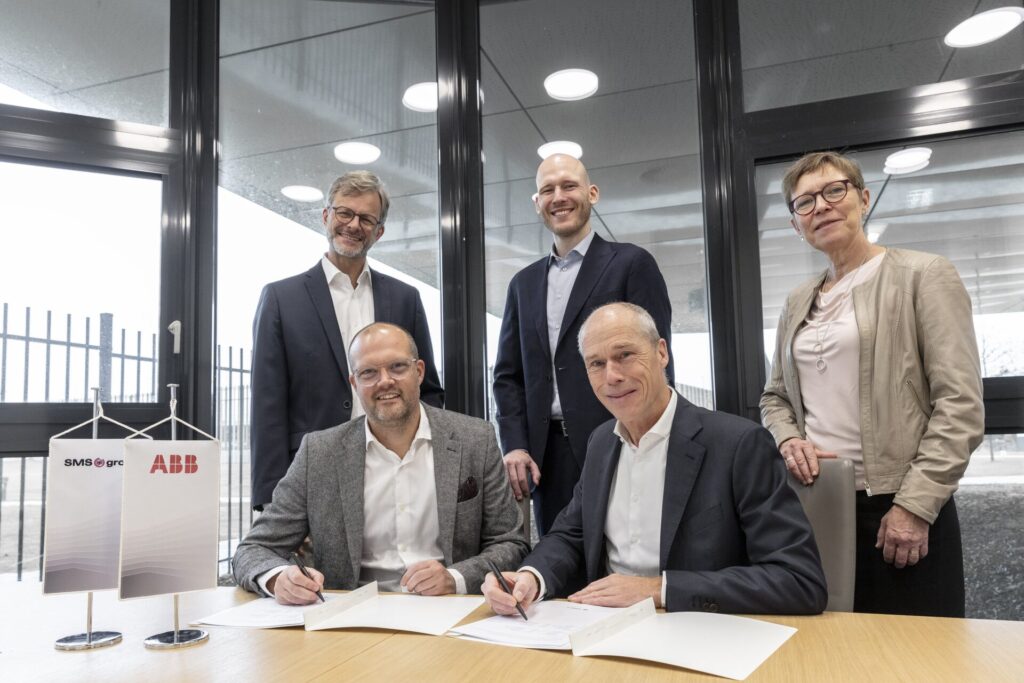
1. SMS Group and Jiangsu Pacific Precision Forging commissioned a 31.5-MN closed-die forging press for large-scale production of aluminum suspension components.

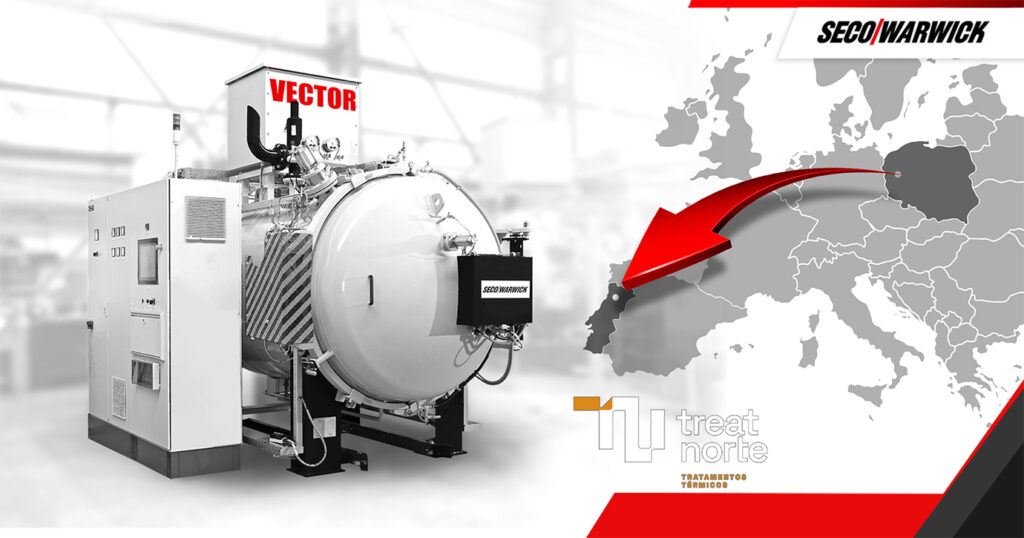
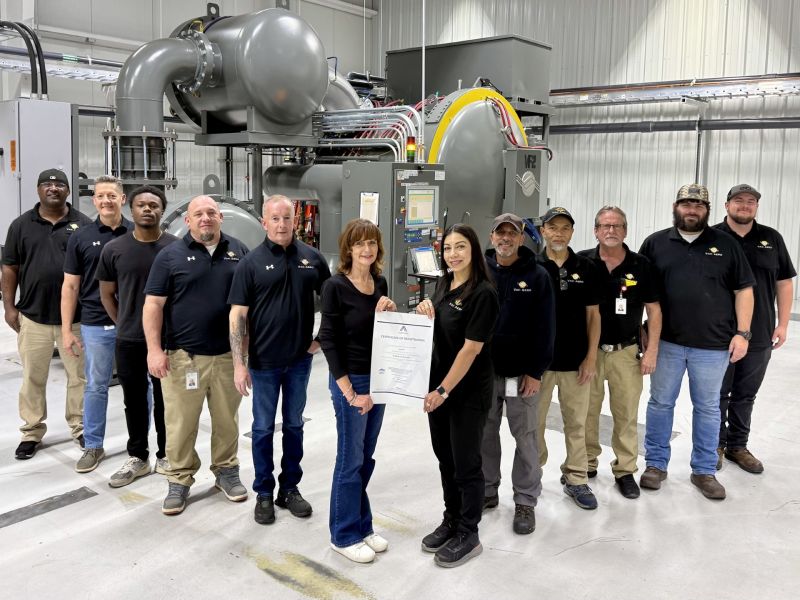
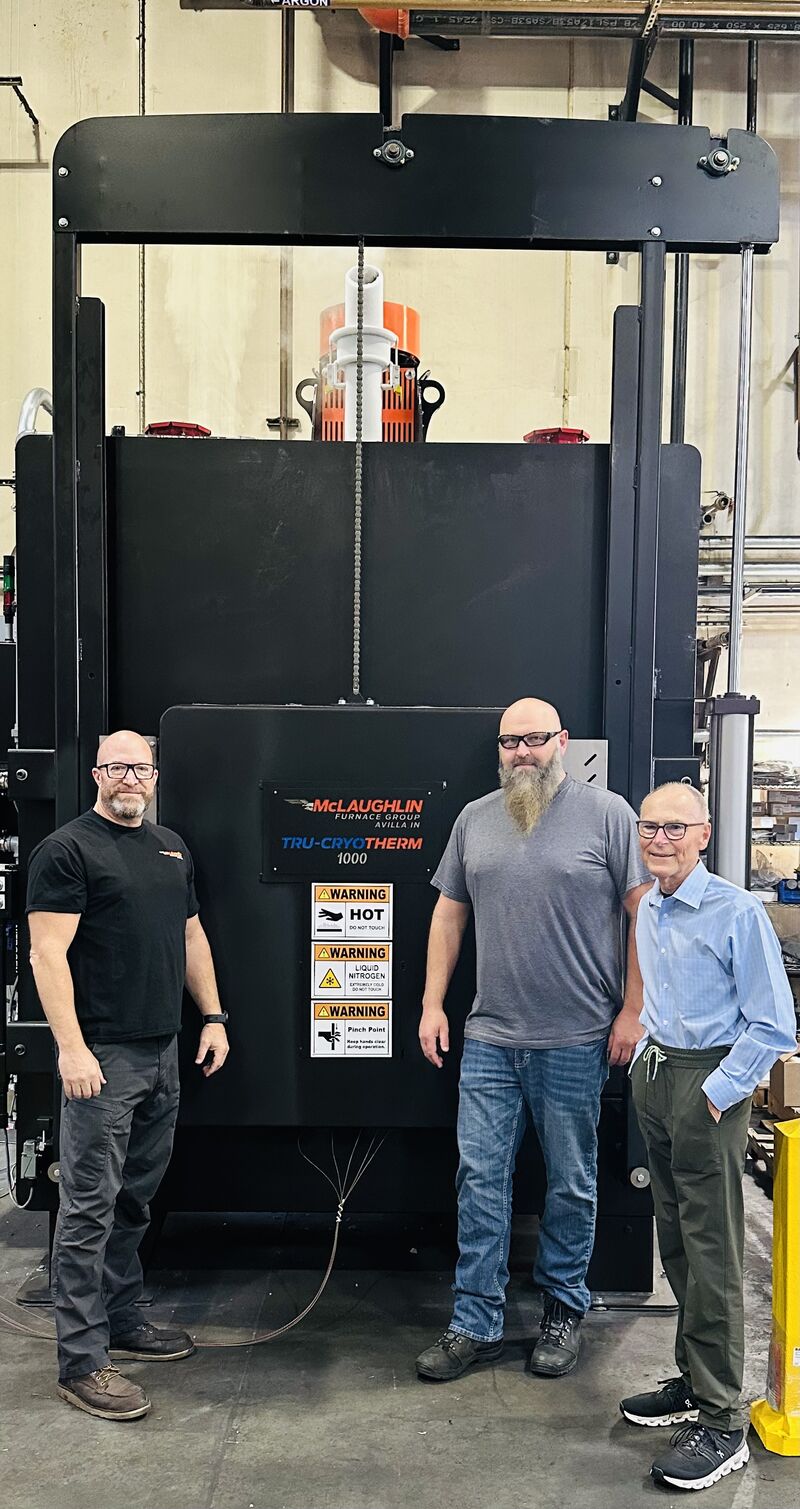
2. Stack Metallurgical Group in Portland has commissioned a new TRU-CRYOTHERM made by McLaughlin Furnace Group. The addition has a 4000 pound capacity.

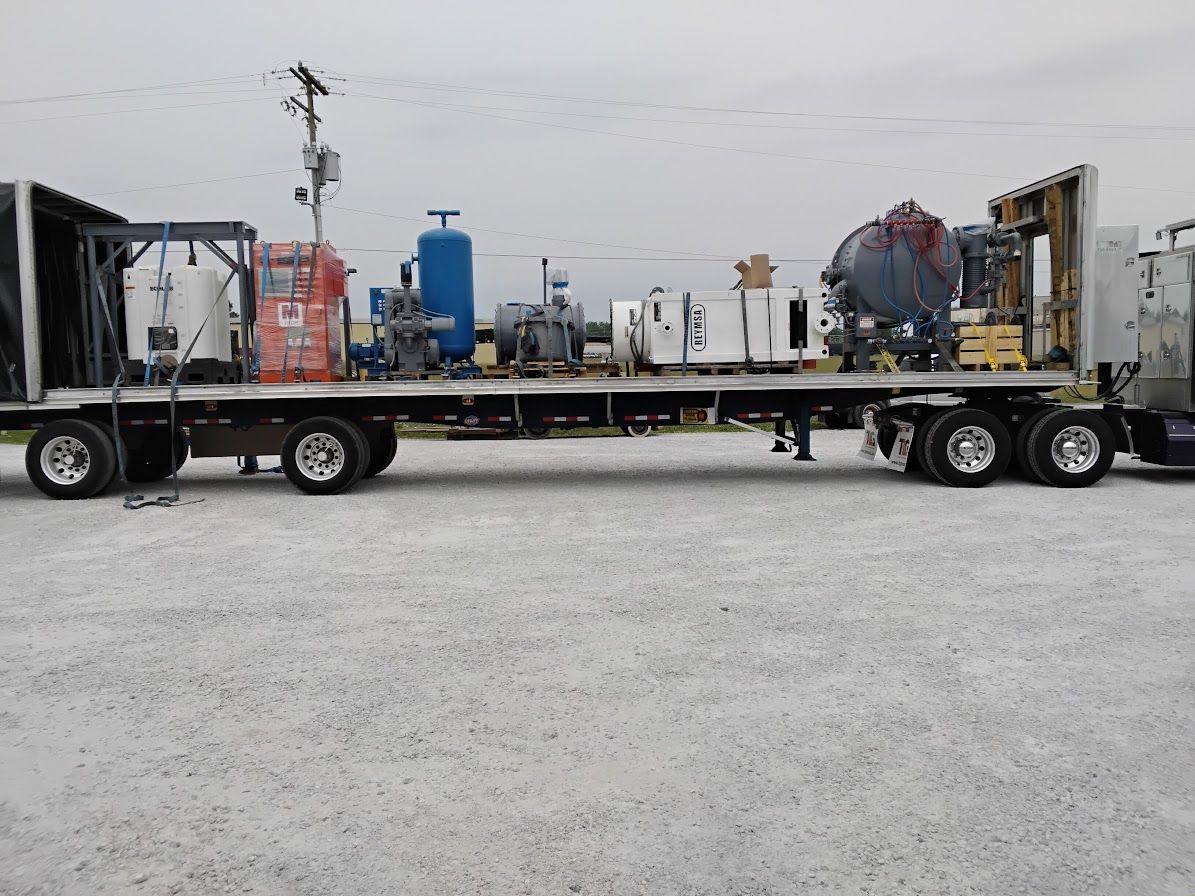
3. Mercer Technologies Inc has shipped a MerVac RVF-242436 vacuum furnace. The furnace has a completely remanufactured vessel, with a rebuilt pumping system, hot zone, heating element power supply, and water circulation system.

Company & Personnel

4. Rodney Strasser has joined Ipsen USA as the regional service manager for the Southeast Region. Operating out of Atlanta, Georgia, Strasser will be responsible for coordinating and leading a team of Ipsen service technicians that serve Ipsen clients in Delaware, Maryland, Virginia, North Carolina, South Carolina, Georgia, Tennessee, Alabama, and Florida.

5. Plibrico Company has announced the appointment of John Paul Surdo as president and CEO following the retirement of the longtime president and CEO, Brad Taylor.

6. Delamin Nitriding Salts (DNS), a subsidiary of Parker Netsushori Kogyo of Japan, announced the acquisition of Avion Manufacturing, a leading producer of high-quality stop-off paints, headquartered in Medina, Ohio. This acquisition enhances DNS’s capabilities in providing high quality surface treatment solutions in the heat treatment industry.

Kudos

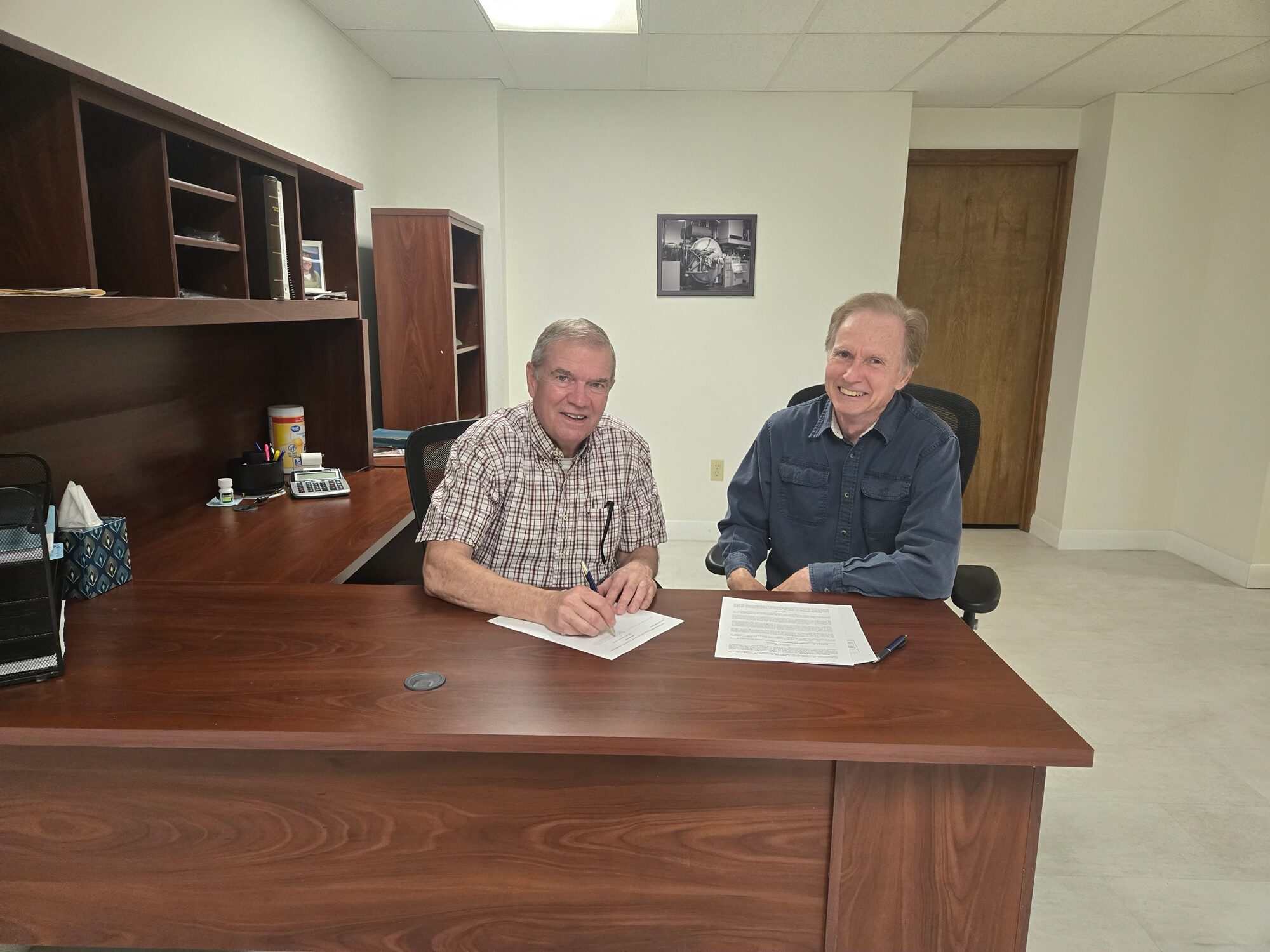
7. Skuld, LLC celebrated ten years as a company. Their team spent time to celebrate and reminisce as well as to look to the company’s future.

8. Bob Hill, president of Solar Atmospheres, received the MTI Heritage Award. The MTI Heritage Award recognizes an individual’s lifetime commitment and significant contributions to advancing the commercial heat treating industry.

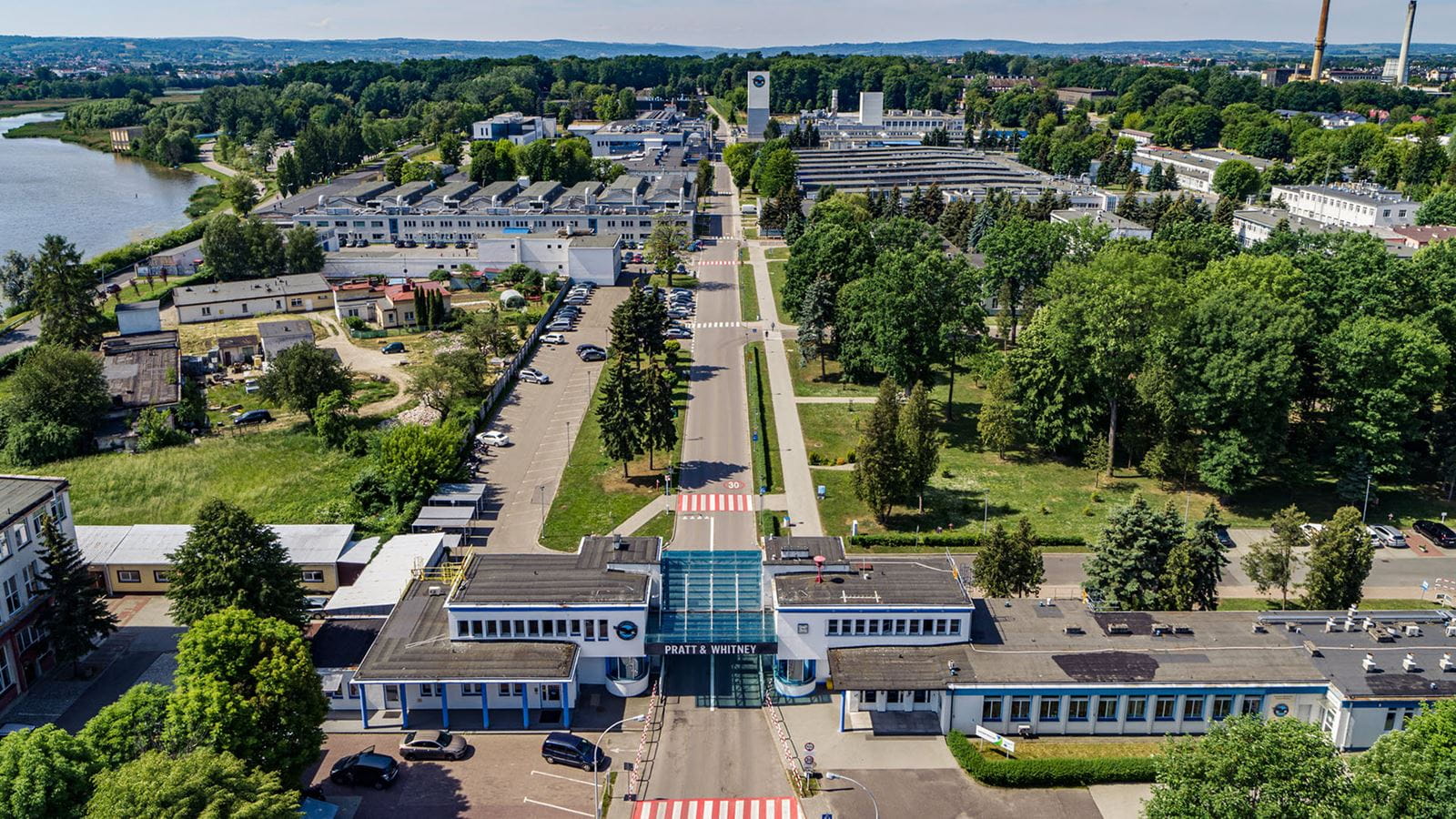
9. Pratt and Whitney celebrated 100 years in the aerospace industry. With over 90,000 engines in service around the globe, they have pushed the boundaries of aviation and human flight.

10. Alleima has met its sustainability targets, which were validated by the Science Based Targets initiative (SBTi), and are now aligned with the latest climate research. These targets mean that Alleima is reducing its Scope 1 and 2 CO2 emissions by more than 54% and Scope 3 emissions by 28% by 2030, using 2019 as the base year.


10 News Chatter to Keep You Current Read More »

Flagship Casting Machine Shipped for Next-Gen Manufacturers

A company in advanced metal casting technologies has shipped its first commercial additive manufacturing evaporative casting (AMEC) machine to the University of Tennessee, Knoxville (UTK). The system will be installed at UTK’s manufacturing research facility, where it will support continuing education, casting research, and workforce development in next-generation manufacturing.

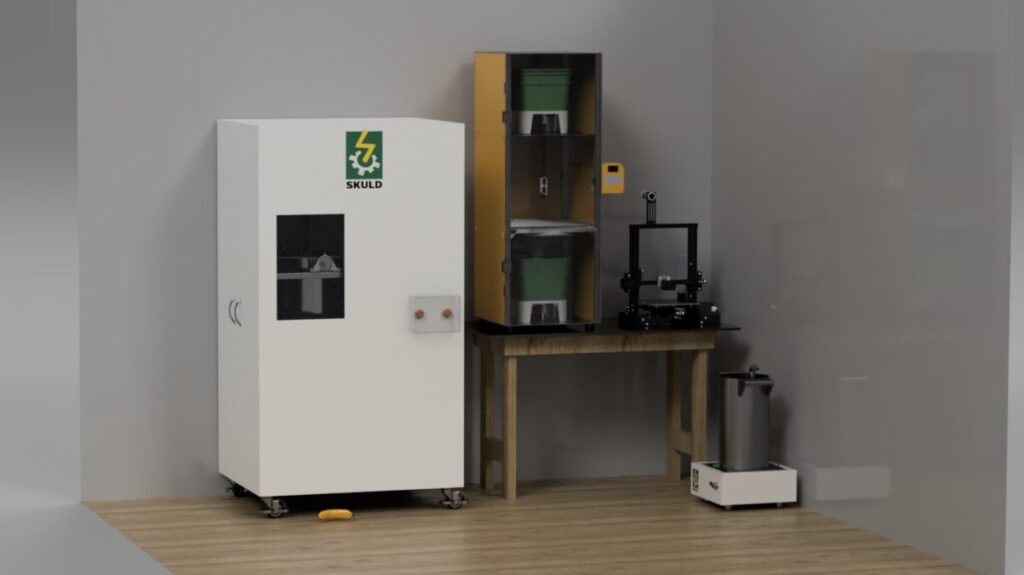
Lightning Metal LM-16 is Skuld LLC‘s flagship machine for additive manufacturing evaporative casting (AMEC). The machine is a tool-less, net-shape casting process capable of producing aerospace grade aluminum and other high-performance alloys with minimal post-processing. The system enables rapid prototyping, reduced lead times, and flexible alloy compatibility, making it ideal for both industrial and academic environments.

The Lightning Metal LM-16 AMEC machine by Skuld
Source: Skuld LLC
Sarah Jordan
Founder & CEO
Skuld, LLC
Source: Author

“This milestone represents…a signal that advanced casting is entering a new era,” said Sarah Jordan, co-founder and chief executive officer at Skuld. “The University of Tennessee is a national leader in manufacturing innovation, and we’re proud to support their mission with a system that bridges research and real-world application.”

Adam Penna
Director, Sales and Marketing
Skuld
Source: Linkedin

UTK will use Lightning Metal LM-16 platform to expand its materials science curriculum, conduct applied research in casting and alloy development, and provide hands-on training for students and professionals entering the manufacturing workforce.

“This is exactly the kind of partnership we envisioned when we launched the Lightning Metal platform,” said Adam J. Penna, director of sales and marketing at Skuld. “It’s a platform that empowers innovation in evaporative casting utilizing 3D printing for improved features like edges and surfaces while also reducing the need for tooling cost…whether you’re solving supply chain challenges or training the next generation of engineers.”

The Technology

Skuld’s AMEC technology merges lost foam with polymer 3D-printing. Heating up to around 2000°F, the machine operates as an automated micro-foundry. The Lightning Metal LM-16 removes the safety issues of handling molten metal and is perfect for small, custom, one-off aluminum parts fasteners. It makes products in a 7″ cube, melting approximately 16lbs of aluminum, and can also process brass or bronze.

The machine is sized to be able to move through standard doorways and utilizes single-phase power, like a dryer plug.

The casting works by utilizing a hollow polymer shape in place of lost foam, where the molten metal vaporizes the polymer. This is a subset of the casting field called lost foam, which is a variation on lost wax investment casting, and eliminates around 90% of process steps, making for fewer costs and a faster process. The mold is insulated with a thin ceramic shell, ceramic beads, a metal container called a flask, and unbonded beads.

Heat Treat Today asked what difficulties Skuld faced in developing this technology. The development process faced several unique hurdles, such as heat retention due its small size (compared with a large furnace), as well as crafting the machine’s automation while not allowing it to be hackable.

Applications

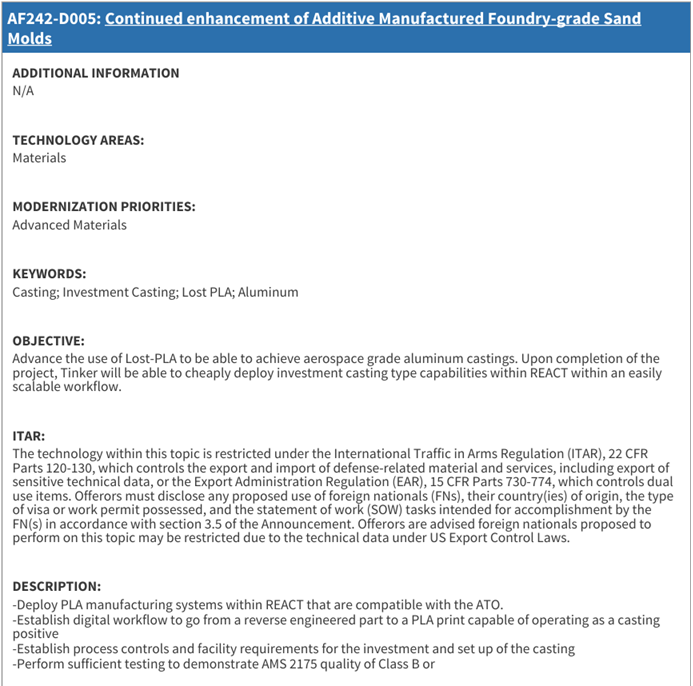
SBIR awarded to Skuld LLC
Source: Skuld LLC

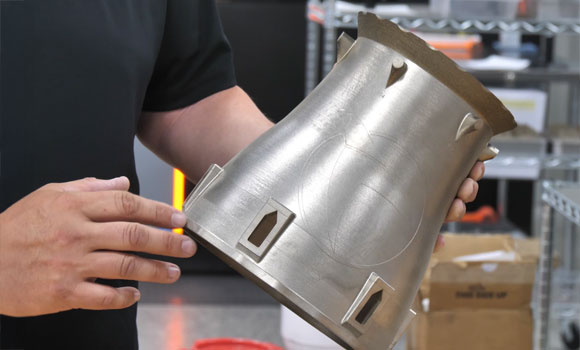
The Lightning Metal LM-16 is for those without an in-house foundry. It works well for replacement parts for in-house heat treatment, for example: hooks, baskets, or rollers. The machine can also produce spare parts or be utilized for prototyping pieces that can be used by higher volume machines. The Lightning Metal LM-16 operates well at around one hundred pieces per year.

The AMEC technology eliminates machining (which reducing costs for clean machining), and drives down the cost substantially associated with cooling for lost foam. The process also avoids HIPing, reducing the need for powder bed fusion parts.

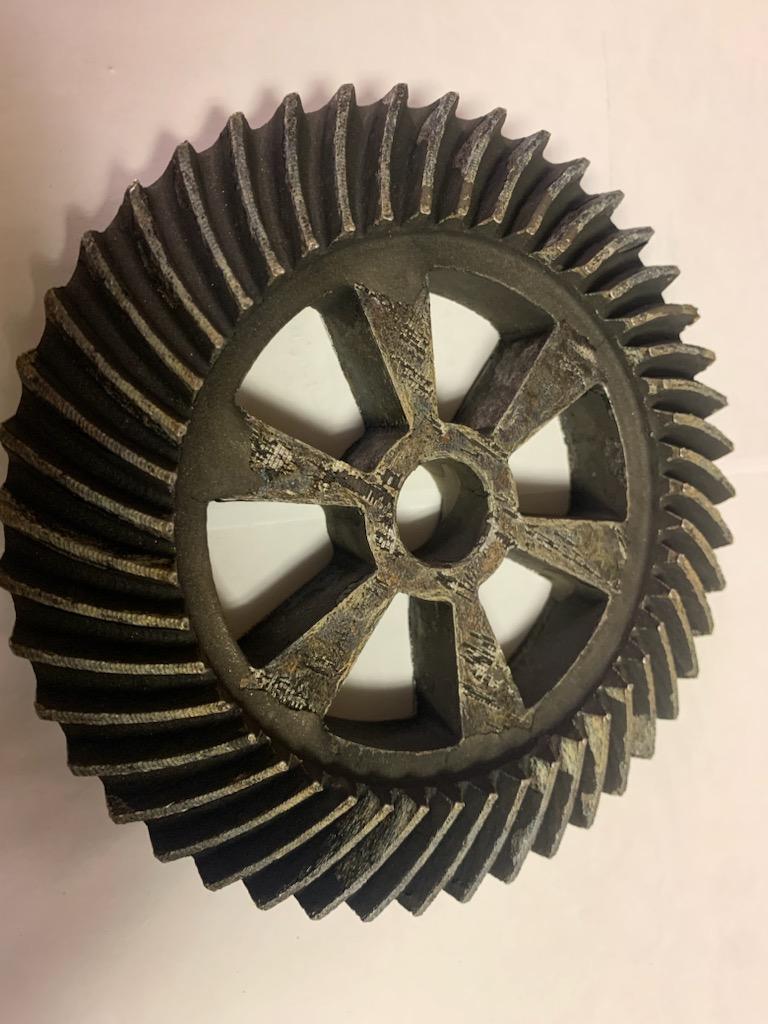
The system enables reverse-engineering for discontinued items, and could be particularly applicable for heavy equipment, agriculture, compressors, and railroads.

The Lightning Metal LM-16 deployment marks a major step in Skuld’s commercialization strategy, following over $9 million in Department of Defense contracts and successful pilot programs with the U.S. Air Force and Defense Logistics Agency. The company was recently awarded an SBIR for additive manufacturing.

For more information on this technological innovation, please contact Adam Penna at apenna@skuldllc.com.


Flagship Casting Machine Shipped for Next-Gen Manufacturers Read More »

Stainless Corrosion


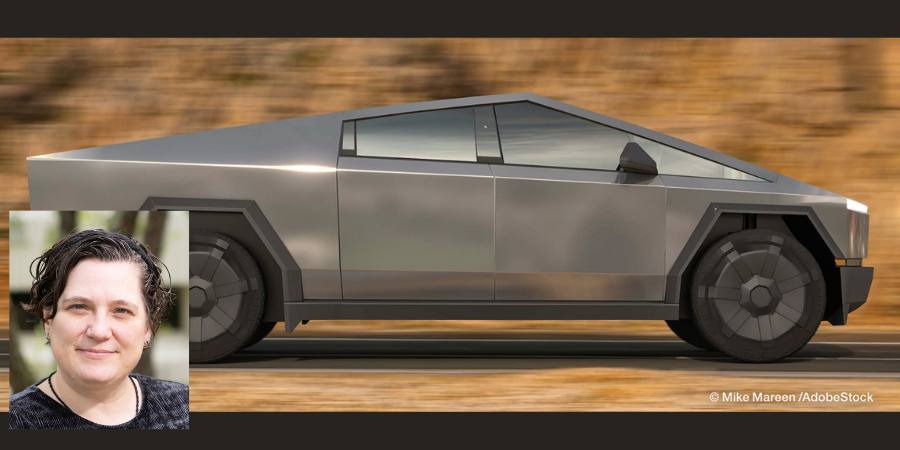
I’m starting to see Cybertrucks out in the wild more, so I decided to talk about stainless corrosion for #MetallurgyMonday. (If you don’t know what #MetallurgyMonday is, it is a weekly educational post on metallurgy topics that I’ve been writing on LinkedIn for the past two years.)

First a little up front. I’m not a fan of the aesthetics of the Tesla Cybertruck. Plus, we need about twice the load capacity for our work purposes since Skuld actually uses our truck as a truck.

More to the point, stainless steel is not rust proof. It is corrosion resistant and will rust in a lot of circumstances. 

To understand why, we need to understand what prevents corrosion in the first place. The key elements are chromium and nickel. Chromium reacts with oxygen to create a thin layer of chromium oxide. This is on the surface and blocks further oxidizing of the underlying layers. Meanwhile, the nickel enhances the corrosion resistance. It also makes the material more formable and weldable.

The short story is that if the chromium oxide layer gets compromised, stainless steel will corrode.

Improper heat treating can also contribute to stress corrosion cracking.

Sarah Jordan
  1. Pitting corrosion: If you have a scratch or a pit, this can damage the protective film, and then corrosion begins. It’s worse in environments with chloride ions, such as seawater or pool water. Chlorides break down the passive layer, leading to rapid and severe corrosion in small areas.
  2. Crevice corrosion: This occurs when two objects come together, especially things like fasteners or where there is a gasket. Inside the crevice you will have a lack of oxygen. The lack of oxygen prevents the reformation of the protective chromium oxide layer. Once corrosion gets started, it can get very severe by propagating in the crevice.
  3. Stress corrosion cracking (SCC): Corrosion is made worse where there is a combined effect of tensile stress and a corrosive environment. It typically affects stainless steel used in structural applications that are exposed to chloride or sulfides. SCC can cause sudden and catastrophic failure of the metal structure.
  4. Galvanic corrosion: Galvanic corrosion happens when two metals are put together. One of them almost always wants to preferentially corrode. The one that corrodes is the one that is higher on the galvanic series. 
  5. Intergranular corrosion (IGC): Sometimes this is called intergranular attack (IGA). In this case, corrosion occurs preferentially at grain boundaries. This can occur in stainless if the grain boundaries get depleted of chromium because a minimum amount is needed to ensure the passive film can form to protect the metal. When this occurs, there can also be localized galvanic corrosion.
  6. Composition variation: If the composition has segregation, then there are some areas that have less of the corrosion-helping elements. And on top of that, galvanic corrosion can start happening within the material.

What does all of this have to do with heat treating? Improper heat treating can contribute to corrosion.

For instance, intergranular corrosion can be caused if the material is exposed to 842–1562°F (450–850°C) for too long as this will cause chromium carbide to form at the grain boundaries and deplete the chromium. This process is called “sensitization.” It is avoided by making sure quench rates are fast enough through the risky temperature range.

A somewhat similar situation can occur during heat treating if sigma phase forms in super duplex stainless steel. Sigma phase is an iron chromium phase which can also deplete the chromium.

Improper heat treating can also contribute to stress corrosion cracking. When material is quenched, it can cause residual stresses that, if not relieved, can become an issue.

Corrosion in stainless steel can often be traced to improper heat treatment. When stainless steel is heated between 842–1562°F (450–850°C), chromium carbides can form at the grain boundaries, depleting the surrounding areas of chromium and making them susceptible to corrosion.

All of this to say, things like the Cybertruck (or for that matter stainless fridges and appliances) can be prone to corrosion since they are exposed to a lot of abuse and aggressive environments. It is critical to ensure they are properly manufactured, including good heat treating practices. It is also critical to provide them with proper maintenance to keep the corrosion resistance and appearance lasting as long as possible.

About the Author:

Sarah Jordan
Founder & CEO
Skuld, LLC
Source: Author

Sarah Jordan is an accomplished metallurgical engineer and entrepreneur. She received a bachelor’s of science and master’s of science in this discipline from The Ohio State University and has been pursuing a PhD in Metallurgical Engineering from WPI. Skuld is a certified WOSB and EDWOSB startup focused on 3D printing, advanced manufacturing, and advanced materials.


For more information, contact Sarah at her LinkedIn profile: Sarah Jordan | LinkedIn.


Find Heat Treating Products And Services When You Search On Heat Treat Buyers Guide.Com

Stainless Corrosion Read More »
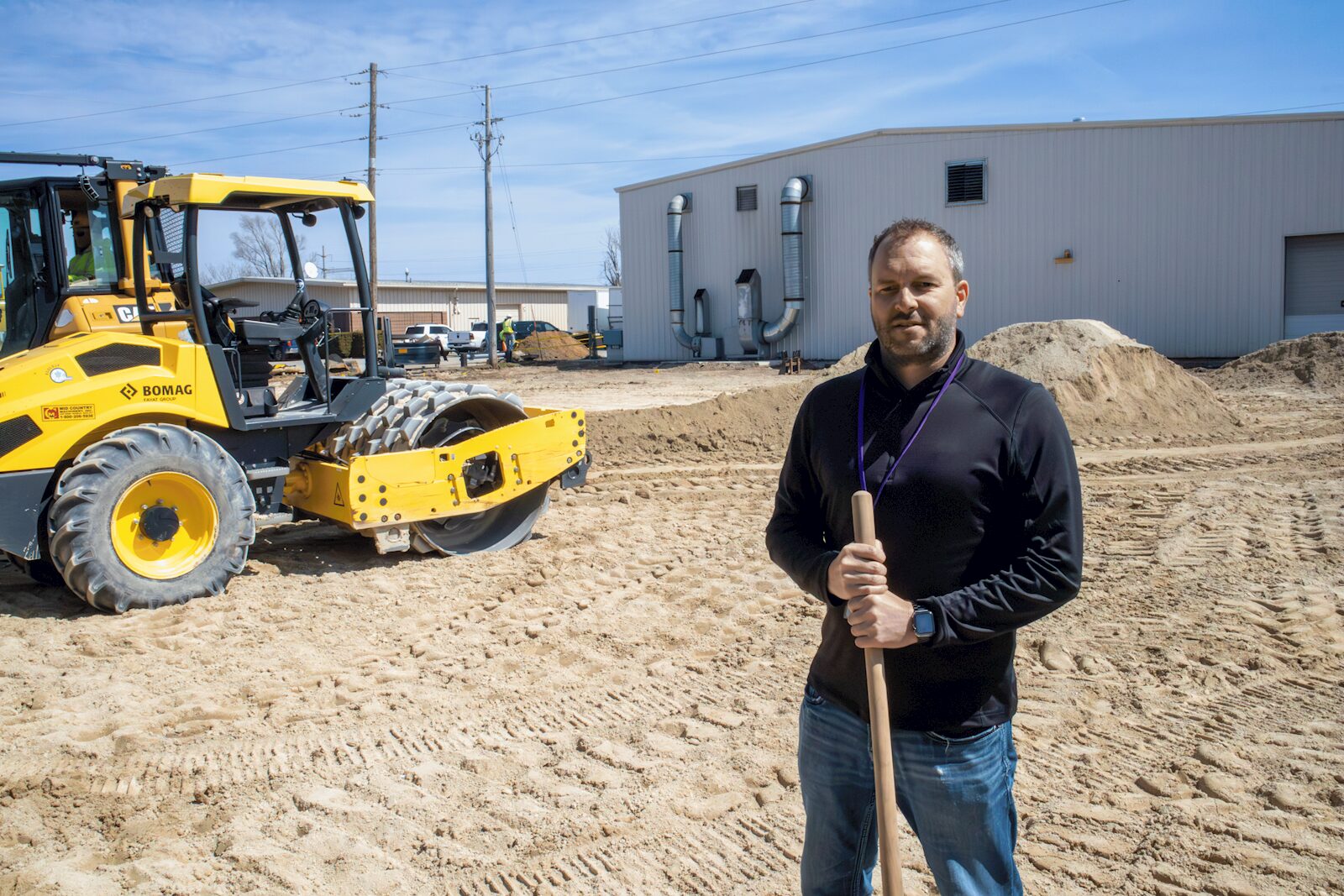
Skuld Expanding by Opening New Foundry & Manufacturing Facility

HTD Size-PR Logo

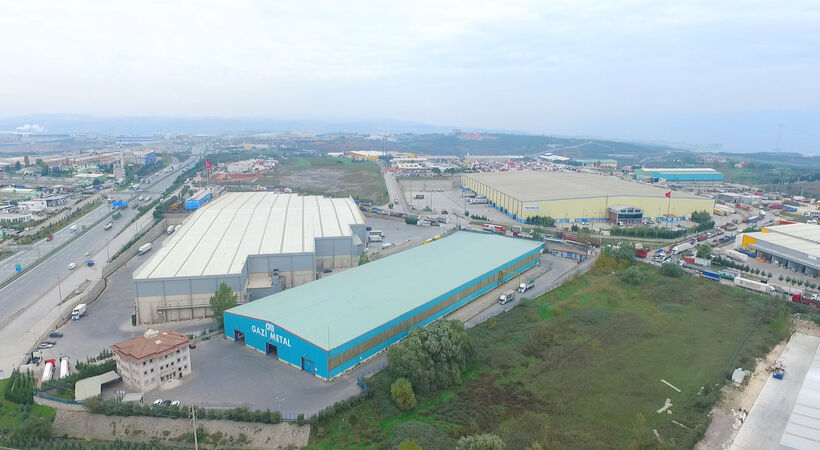
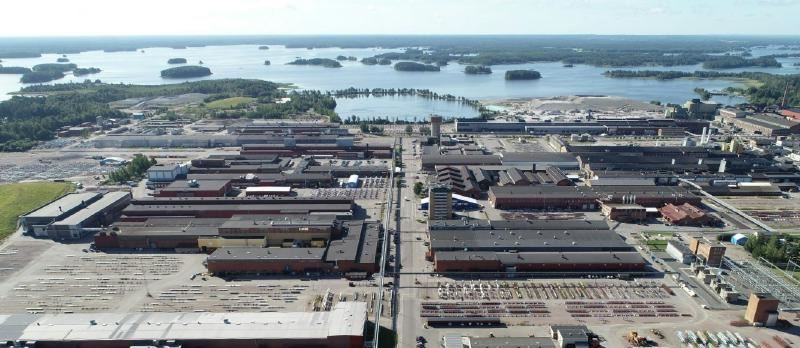
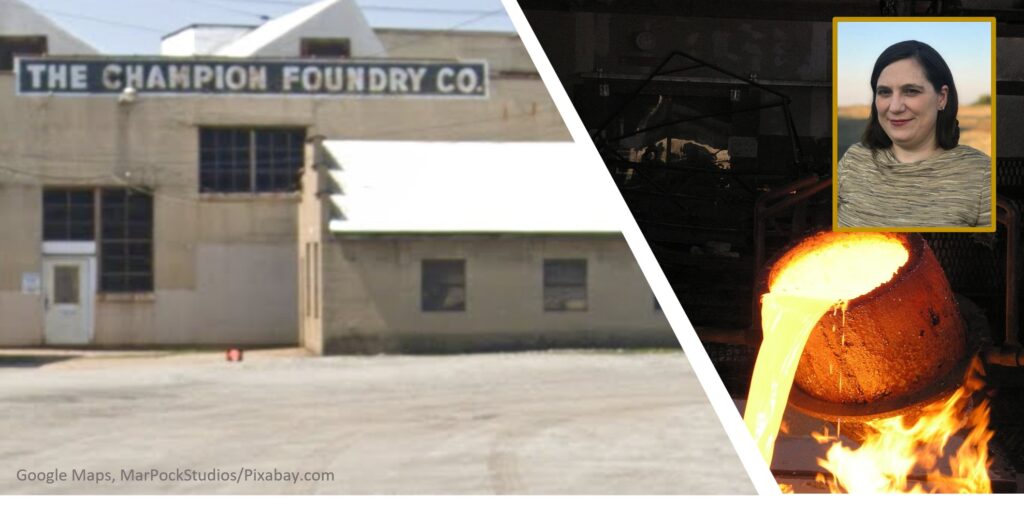
Skuld LLC announced that they had purchased the site belonging to the former Champion Foundry in Piqua, Ohio, a gray and iron foundry that had closed in March 2017. The company will continue to be focused on innovation in the metals industry, serving their clients through a number of innovations related to novel materials and manufacturing technologies.

The four buildings with nearly 32,000 square feet of space are being refurbished to be capable of casting a wide range of ferrous metals (gray, ductile iron, steels) and nonferrous metals (aluminum, brass, bronze, copper, nickel alloys). The plant will initially have 3,000 tons of capacity but plans are in place to expand to ten times that capacity in the next few years.

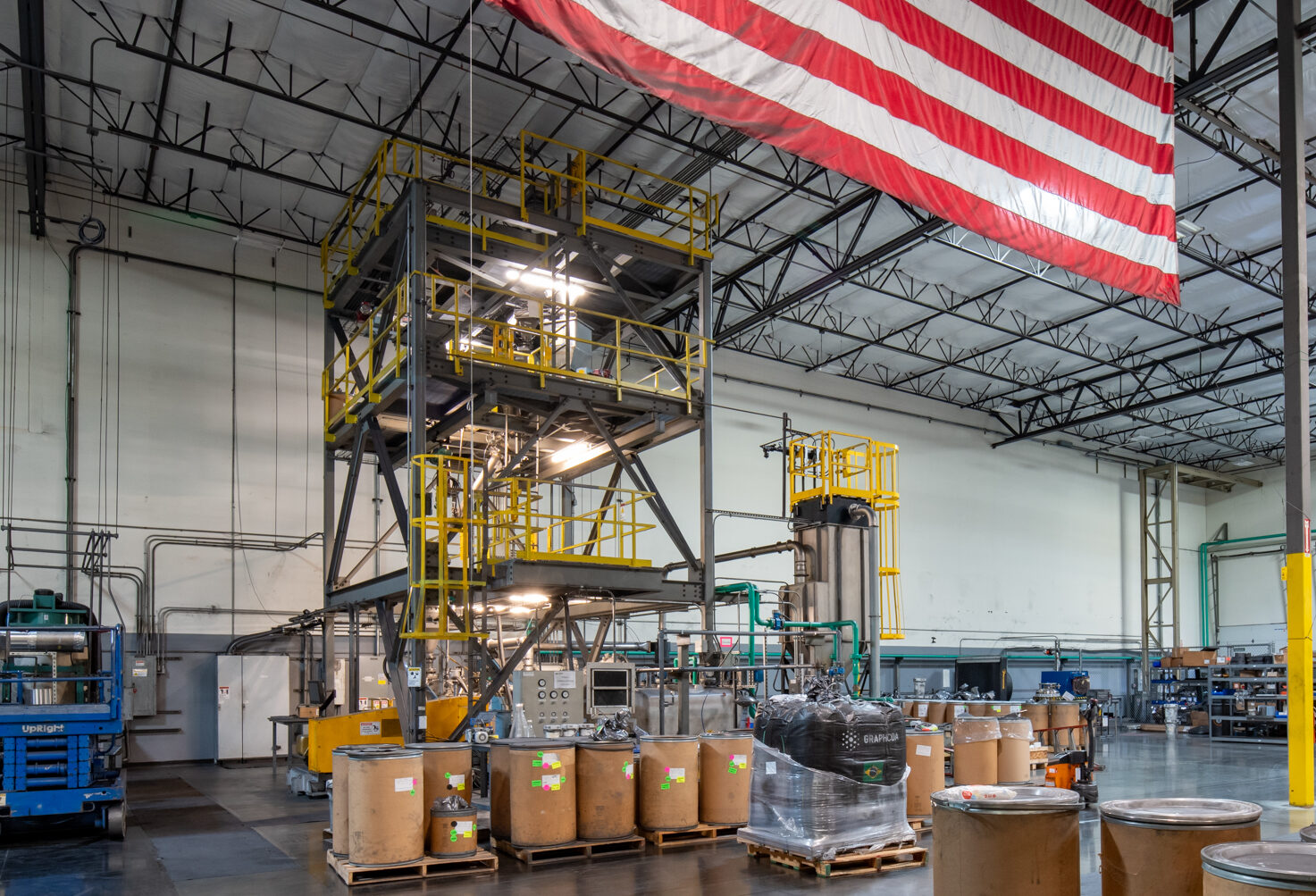
Skuld will be installing machining, foam blowing, a printer farm, and heat treating, adding to their current 5 small heat treat furnaces and adding to their operations, which primarily consist of lost foam casting. The new installations will aid the company as they serve the defense, tooling, and heavy equipment industries. They are also beginning to target production of heat treat fixtures and baskets.

Sarah Jordan, CEO, Skuld LLC

Production at the new site is scheduled to begin in April 2024. Sarah Jordan, CEO of Skuld LLC, commented, "Skuld is looking forward to getting our induction melting furnaces installed so that we can produce higher temperature iron, steel, and nickel alloy castings." She continued, "many [heat treaters] have custom furnace components and fixtures that require high temperature metals. These parts can have extremely long lead times, sometimes over a year, which is a problem if they are stocked out." By using their new tooling free processes, Jordan says that they can help clients drive lead times down to less than a month, if not a day for emergency spares.

Skuld is a company founded by two metallurgical engineers, Mark DeBruin and Sarah Jordan, with ties to the heat treat industry. DeBruin is the former CTO of Thermal Process Holdings. Jordan formerly worked in heat treating at Timken and Commercial Metals and was a staff engineer for Nadcap heat treat.

The full press release from Skuld LLC is available upon request.


Find Heat Treating Products And Services When You Search On Heat Treat Buyer's Guide.com

Skuld Expanding by Opening New Foundry & Manufacturing Facility Read More »

Heat Treating AM Parts — Need To Know Difficulties and Solutions for Engineers

op-ed

Metal 3D additive manufacturing has grown dramatically in the last five years. Nearly every metal printed part needs to be heat treated, but this presents some challenges. This article will address some of the challenges that a heat treater faces when working with these parts.

This Technical Tuesday article, written by Mark DeBruin, metallurgical engineer and CTO of Skuld LLC, was originally published in December 2023’s Medical and Energy magazine.


Mark DeBruin Metallurgical Engineer and CTO Skuld LLC

In my experience, on average, about 10% of all 3D metal printed parts break during heat treatment; this number varies depending on the printer and the unique facility. While materials can be printed with wire or even metal foils, I’m going to mainly focus on the approximately 85% of all metal 3D printed parts that are made from metal powder and either welded or sintered together.

Most metal printed parts normally have heat added to them after printing. In addition to the heat of the printing process and wire electrical discharge machining (EDM) process to separate the part from the build plate, heat may be added up to five times. These steps are:

  1. Burnout and sintering (for some processes such as binder jet and bound powder extrusion)
  2. Stress relieving
  3. Hot isostatic pressing (HIP)
  4. Austenitizing (and quenching)
  5. Tempering

3D printing can create a non-uniform microstructure, but it will also give properties the client does not normally desire.
Heat treating makes the microstructure more uniform and can improve the properties. Please note that heat treating 3D printed parts will never cause the microstructure to match a heat treated wrought or cast microstructure. The microstructure after heat treating depends on the starting point, which is fundamentally different.

If the part is not properly sintered, there is a high chance it will break during heat treatment. It may also exhaust gases, which can damage the heat treat furnace. The off gases will recondense on the furnace walls causing the furnace to malfunction and to need repair. This can potentially cost hundreds of thousands of dollars.

During powder 3D printing, there is a wide variety of defects that can occur. These include oxide inclusions, voids, unbonded powder, or even cracks that occur due to the high stresses during printing. Even if there are not actual defects, the printing process tends to leave a highly stressed structure. All of these factors contribute to causing a print to break as the inconsistent material may have erratic properties.

In a vacuum furnace, voids can be internal and have entrapped gas. Under a vacuum, these can break. Even if something was HIP processed, the pores can open up and break. Even if they do not break and heat is applied, the metal will heat at different rates due to the entrapped gas.

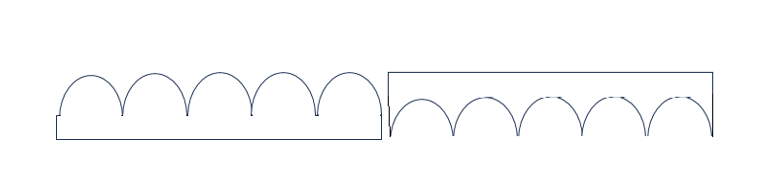
Figure 1. Macroscopic view of a 3D printed surface (left) compared to machined surface (right) (Source: Skuld LLC)

There are also issues during quenching due to the differences in the surface finish. In machining, the surface is removed so there are not stress concentrators. In 3D printing, there are sharp, internal crevices that can be inherent to the process that act as natural stress risers (see Figure 1). These can also cause cracking.

When 3D printed parts break, they may just crack. This can result in oil leaking into the parts, leading to problems in subsequent steps.

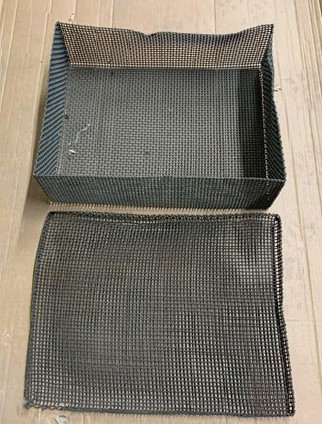
Figure 2. Example wire mesh basket (Source: Skuld LLC)

However, some parts will violently shatter. This can happen when pulling a vacuum, during ramping, or during quenching. This can also cause massive damage to the furnace or heating elements. It can potentially also injure heat treat operators.

A lot of heat treaters protect their equipment by putting the parts into a wire mesh backet (Figure 2). This protects the equipment if a piece breaks apart in the furnace, and if a piece breaks in the oil, it can be found.

Print defects in metal 3D printed parts can be a challenge to a heat treater. Clients often place blame on the heat treater when parts are damaged, even though cracking or shattering is due to problems already present in the materials as they had arrived at the heat treater. As a final piece of advice, heat treaters should use contract terms that limit their risks in these situations as well as to proactively protect their equipment and personnel.

About The Author

Mark DeBruin is a metallurgical engineer currently working as the chief technical officer at Skuld LLC. Mark has started five foundries and has worked at numerous heat treat locations in multiple countries, including being the prior CTO of Thermal Process Holdings, plant manager at Delta H
Technologies,
and general manager at SST Foundry Vietnam.

For more information:
Contact Mark at mdebruin@skuldllc.com


Find heat treating products and services when you search on Heat Treat Buyers Guide.com

Heat Treating AM Parts — Need To Know Difficulties and Solutions for Engineers Read More »