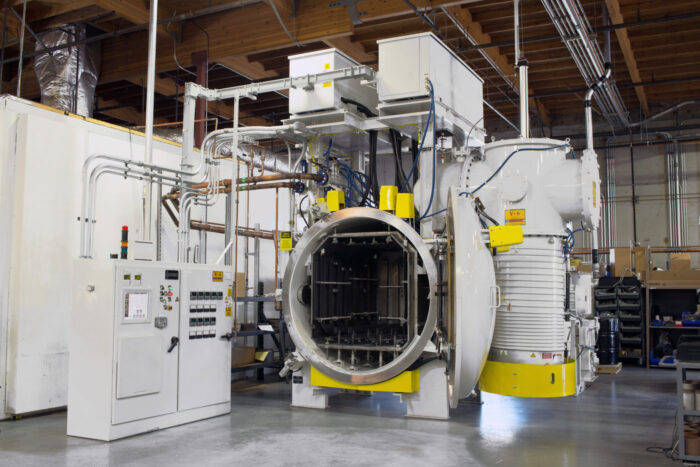
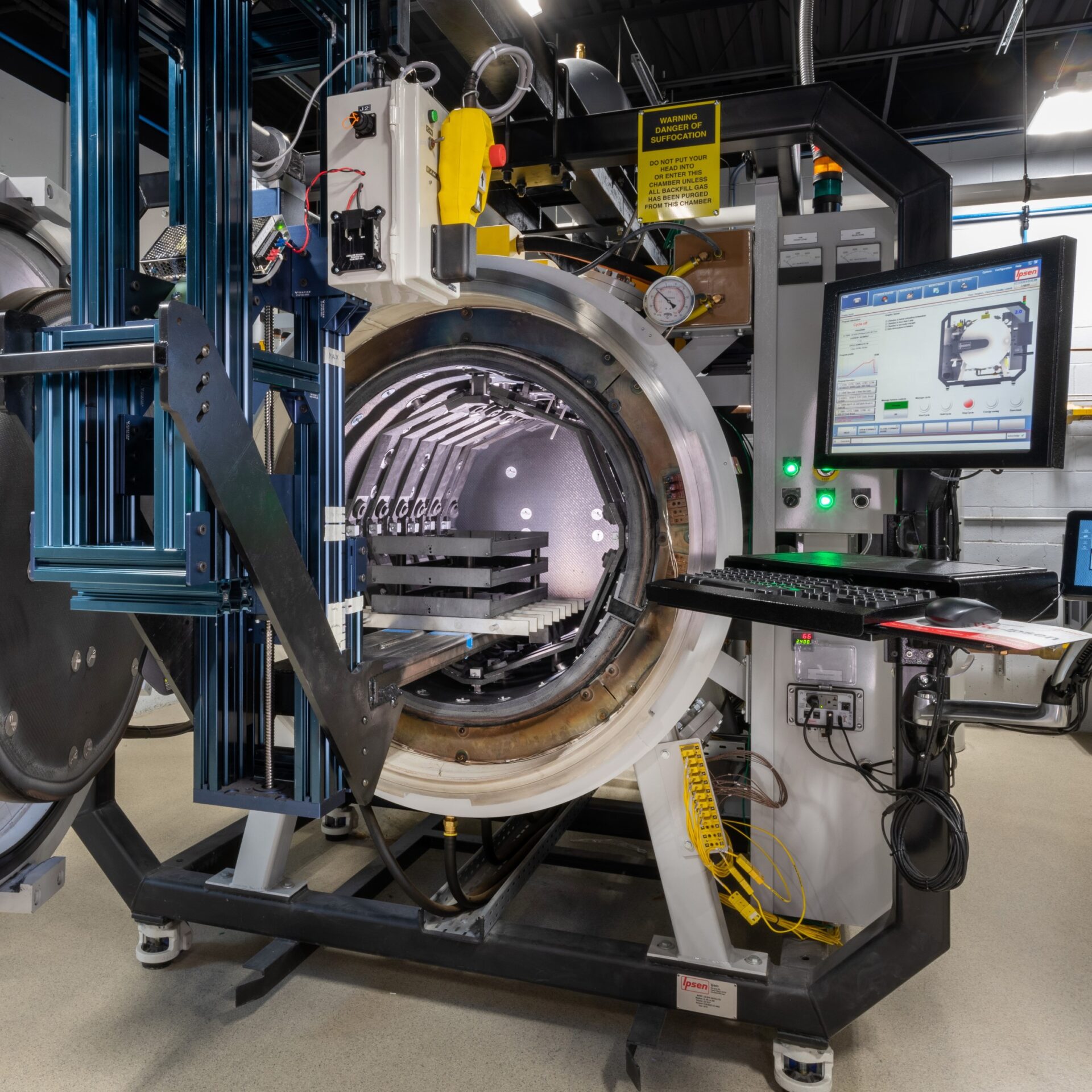
Jim Grann, Technical Director, Ipsen (photo source: www.ipsenharold.com)
We all like to make savvy commercial decisions, in fact, Heat Treat Today’s 101 Heat Treat Tips on page 20 of this digital magazine is a great example of tips that can save you time and money. But will it pay off to use your conventional vacuum furnace for aluminum brazing?
Questions involving safety, effectiveness, and quality might come to mind with this proposal. Before implementing such a strategy, head over to Heat Treat Today’s best of the web Technical Tuesday article by Jim Grann, technical director at Ipsen. He tackles the components of aluminum brazing versus the capabilities of conventional vacuum furnace as well as detailing some of risks that can happen if you do try to use your conventional vacuum furnace for aluminum brazing.
An excerpt: “By nature, vapor pressure aids in the depletion of magnesium and parent aluminum alloys in high vacuum, depositing magnesium onto the hot zone and into the shielding… Proper vacuum aluminum brazing requires special components that standard vacuum furnaces generally do not have, including…”
Solar Atmospheres of Western PA is currently installing a new rapid quenching vacuum furnace that will ultimately eliminate the need for costly helium while increasing production throughput. In helium's place, the new furnace will use nitrogen only in the hardening process.
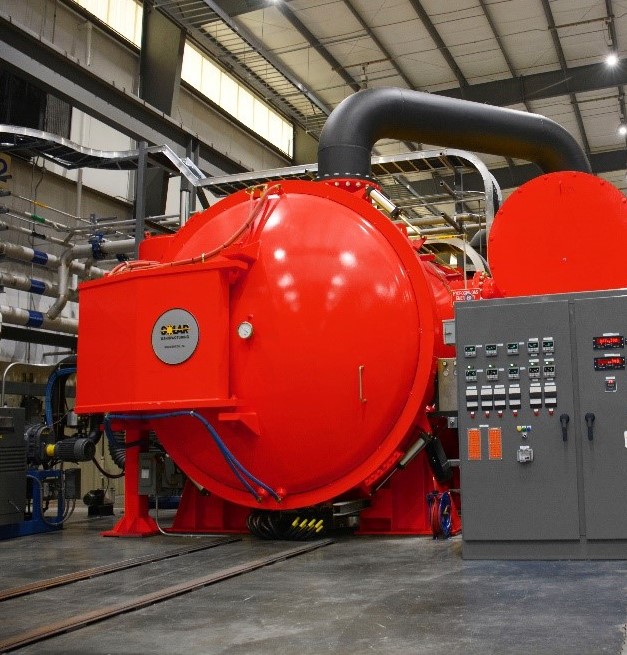
Solar Manufacturing Rapid Quench Furnace for Solar Atmospheres of Western PA (photo source: Solar Atmospheres)
The new 48” x 48” x 96” deep 10 bar vacuum furnace is produced by Solar Manufacturing. The important difference in this furnace from its older model is the cooling design, which is equipped with a 600 HP blower designed motor. This will allow the new furnace to outperform its older model by processing larger and heavier workloads with the use of nitrogen only.
Bob Hill, President, Solar Atmospheres of Western PA
“The difference in operating costs is a no brainer,” states president of Solar Atmospheres, Bob Hill. “To marginally harden one 2000-pound high-speed tool steel roll die in our older 2 bar vacuum furnace, the use of light helium gas was a necessity. The prohibitive cost of a two atmosphere helium backfill was $1,065. Our new furnace will enable us to fully harden three 2000-pound roll dies at once using the more cost-effective process gas of nitrogen. In contrast the cost of a 10 atmosphere backfill of nitrogen will be only $89.” Hill predicts that with these increased efficiencies and savings, his normal ROI on a new piece of equipment will be significantly advanced.
Once operational, Hill will author a technical paper with the actual cooling data derived from these similarly sized vacuum furnaces.
Magnetic Shields Ltd. of Kent, England, a producer of medical industry equipment, has ordered a new vacuum furnace for their facility, set to be one of the largest horizontal vacuum furnaces in the UK.
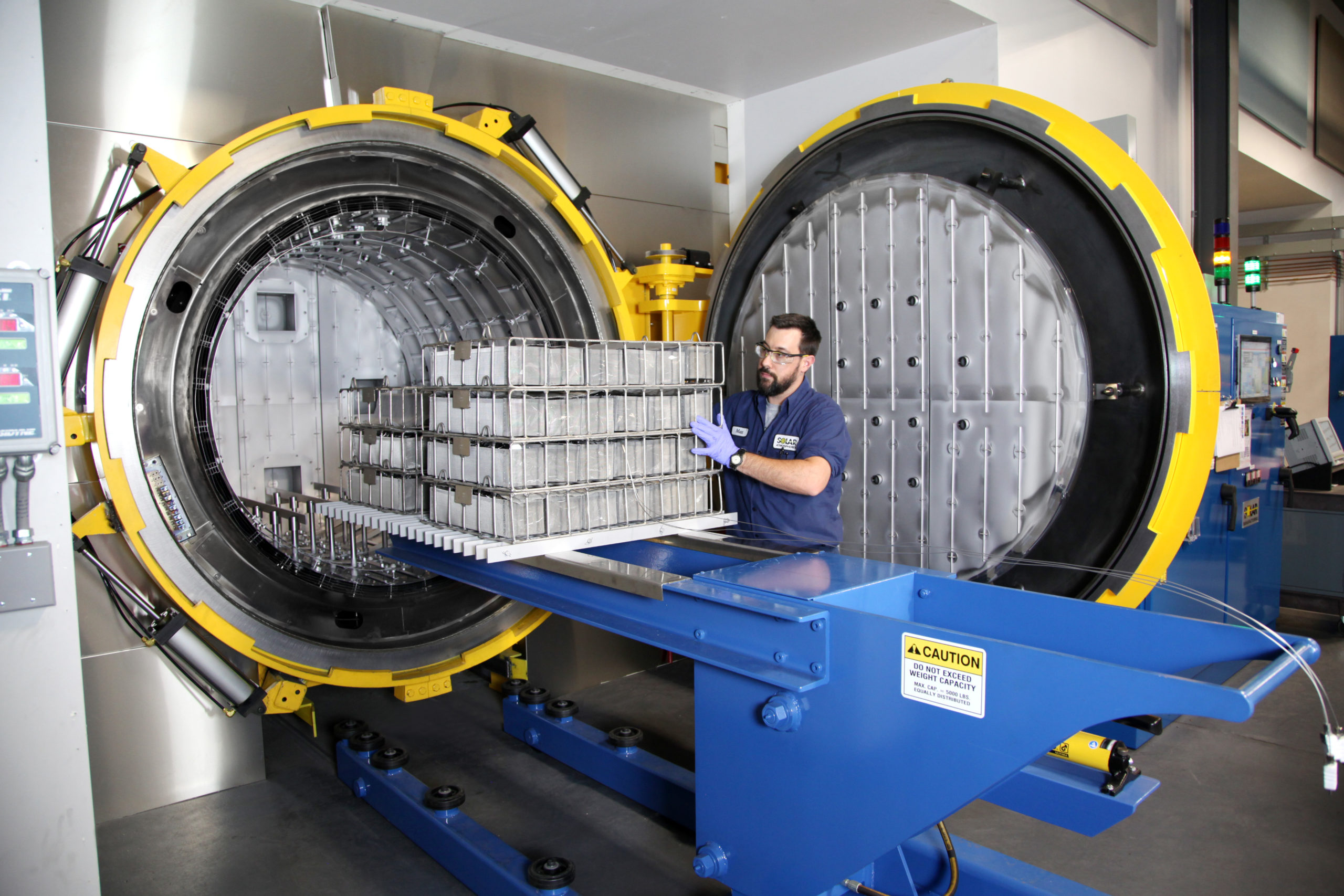
Solar HFL-7496-EQ Vacuum Furnace (photo source: Solar Manufacturing)
The new HFL-7496-EQ vacuum furnace, being built with a SolarVac® Polaris control system, will be designed to accommodate loads up to 48” wide x 48” high x 96” deep, (1220 x 1220 x 2440mm) with a maximum weight of 5,000 lbs (2270 kgs). Operating at a vacuum level of 10-5 Torr, the furnace will be able to reach temperatures up to 2400°F (1315°C). It will feature a partial pressure hydrogen gas process and an external quench system designed for negative pressure quenching.
Magnetic Shields Ltd. Director Colin Woolger (see image below) says, “Magnetic Shields is delighted to order our second vacuum furnace from Solar Manufacturing. The new furnace will enable us to more than double the maximum size of shields we can now produce in one piece and also increase the general heat treatment capacity for our growing company... We look forward to the new furnace arriving later this year.”
Magnetic Shields Ltd. of Kent, England began its relationship with their seller, Solar Manufacturing of Sellersville, PA, in 2016 when Magnetic Shields Ltd. bought a vacuum furnace from the heat treating furnaces provider.
Rick Jones, VP of International Sales at Solar Manufacturing also adds, “Solar Manufacturing is very pleased to be selected as the supplier to further support Magnetic Shields in leading the production of equipment for the medical industry and other high technology applications, specifically, high performance large magnetic shields and low field shielded rooms.”
Read more about Magnetic Shields Ltd.'s first vacuum furnace from Solar Manufacturing in this press release.
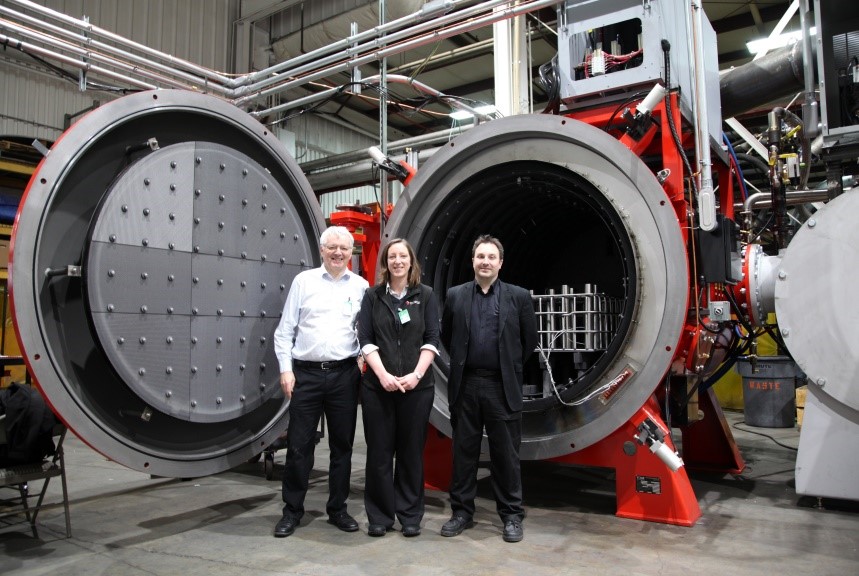
To read more about the 2017 Magnetic Shields Ltd.'s reception of their first Solar Vacuum Furnace, click here. Pictured on the left is Colin Woolger, Chairman of the company, Suzie McKay, Rob Latter. (Photo source: magnetshields.co.uk)
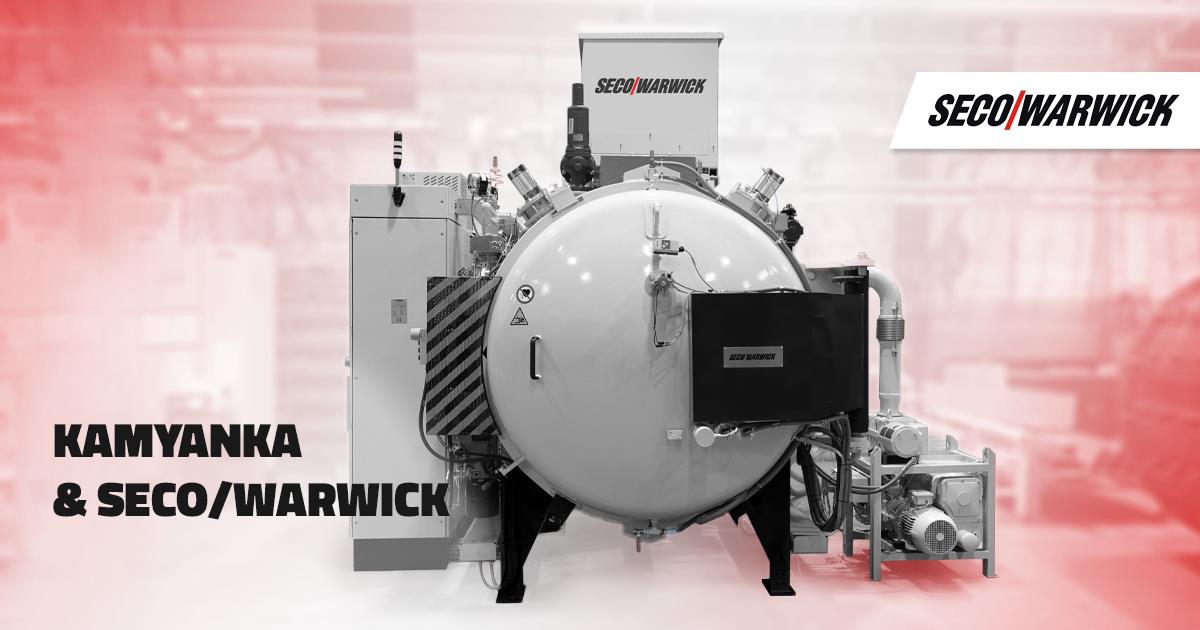
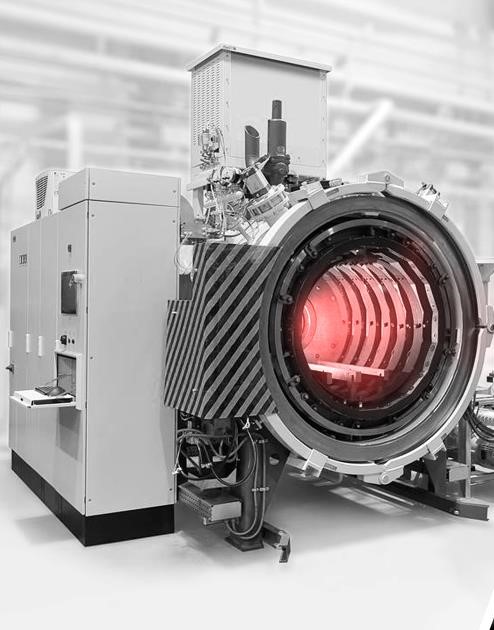
The parent company of a North American furnace manufacturer provided a furnace to Kamyanka Machine Building, an international leader in the production of pumps for manufacturing thread and chemical fibers, metallurgy and oil. The furnace will be equipped with a closed water system and gas installation so that the device can work independently.
Maciej Korecki, VP, Vacuum Furnace Segment at SECO/WARWICK (source: SECO/WARWICK)
Additional equipment from SECO/WARWICK in Meadville, Pennsylvania, will also include a vacuum carburizing option as well as quenching, heating in gas, and isothermal cooling. This will enable Kamyanka Machine Building Plant LLC, based in the Ukraine, to carry out full heat treatment processes in one device in accordance with their requirements. They will be able to perform three heat treatment processes in a single furnace instead of in separate operations.
(source: SECO/WARWICK)
"The solution we implement in Kamyonka Machine Building Plant is the result of many years of experience in the construction and service of the world's best heat treatment solutions," added Maciej Korecki, Vice President of the Vacuum Furnace Segment at SECO/WARWICK.
This is the first order from the Kamyanka Machine Building for SECO/WARWICK.
Solar Atmospheres of Souderton, PA, has received a new, state-of-the-art vacuum gas nitriding furnace to support an increasing demand for high-value gas nitriding. The furnace was built by sister company, Solar Manufacturing.
The front-loading furnace incorporates the latest nitriding and recipe system from Solar Manufacturing. The automated control system is useful for single stage as well as two-stage (Floe) processing. All hot zone components are made completely of graphitic materials inert to the anhydrous ammonia used during the nitriding process.
An international company producing, among other things, cutting tools, with a rich history and branches in 40 countries, ordered a vacuum furnace, their third order from them to date.
Vector Vacuum Furnace (source: SECO/WARWICK)
The horizontal, front-loading furnace, from SECO/WARWICK, will accommodate the customer’s needs with an all-metal hot zone for clean vacuum processing. As with the earlier furnaces, one of which was installed at a different facility, the new furnace includes a convection fan and a pressurized gas quench for quick cooling.
Maciej Korecki, VP, Vacuum Furnace Segment at SECO/WARWICK (source: SECO/WARWICK)
Maciej Korecki, VP, Vacuum Furnace Segment at SECO/WARWICK says, “Precision, high uniformity in heat treated parts, high consistency in workloads and high speeds in batch processing along with low energy and gas consumption makes our product most desirable solution on the market. Often our clients demand just one thing – for instance: high uniformity in heat treated parts which solves problems of distortions they experience using different technology. All the other features come as a surprise and an added value.”
Piotr Zawistowski, president, SECO/VACUUM (source: SECO/WARWICK)
According to Piotr Zawistowski, President, SECO/VACUUM, “This third repeat order is a testament to SVT’s on-time delivery and the performance of our . . . vacuum furnace to meet all promised parameters, including producing clean finished parts, all as promised.”
Mikros Technologies, located in New Hampshire, designs and produces liquid cooling systems and micro-machined nozzle plates for applications requiring micron-level dimensions and sub-micron accuracy. So when Mikros needed new multipurpose furnaces for vacuum brazing and diffusion bonding that could withstand continuous production and allow operators to seamlessly change recipes and easily pick up where the last person stopped, they turned to Ipsen USA. Mikros increased production capacity by purchasing two more TITAN® H2 2 bar vacuum furnaces. The first was installed in January 2019, the second in October 2019.
The furnaces met their needs by supporting a variety of heat-treating processes, providing tight temperature uniformity and delivering clean parts. With the high-efficiency design and fast door-to-door cycle times, the furnaces helped Mikros gain manufacturing volume to accommodate the company’s rapid growth.
(source: IPSEN USA)
As a leading provider of complex thermal management solutions for critical applications in power computing, laser optics, semiconductor testing, renewable energy generation, artificial intelligence, and electric vehicle systems, Mikros plays a critical role in allowing data centers and equipment used for transportation, aerospace, and defense to perform optimally and keeping high heat-generating components from overheating and failing prematurely. Some of the microchannel cold plates they manufacture are small and delicate, no larger than a penny. Others are large assemblies that occupy a full computing server rack. Specialized parts like these require careful planning when it comes to heat treatment.
In the last five years, Mikros doubled their workforce and expanded their manufacturing facilities. Mikros makes over 10,000 cold plates per year, and the addition of the furnaces has helped them quadruple their production capacity.
Roger Jones, FASM–CEO Emeritus, Solar Atmospheres (source: Solar Atmospheres)
Heat Treat Today’s Medical and Heat Treating December 2019 issue featured an article on medical alloys.Heat Treat Today asked Roger Jones, CEO Emeritus of Solar Atmospheres, Inc., to comment on how specialty medical metals are heat treated. These include titanium, niobium, tantalum, nitinol, and copper, to name a few, which in turn are used to create such standard medical devices and equipment as diagnostic guide wires, miniscule screws for implants, complex surgical tools that are operated robotically, and more. Read to see how Roger describes the hot zone and conditions under which medical device alloys are heat treated.
Vacuum furnace chambers processing titanium, niobium, chrome cobalt, and other medical device alloys are typically constructed from stainless steel. The hot zones are comprised entirely of metal (moly); graphite materials are never used in the construction of the hot zone or in fixturing parts. These furnaces process medical device alloys exclusively to avoid cross-contamination of the hot zone or the medical parts being treated.
Ultimate vacuum levels should be 1 X 10⁻⁶ Torr or better, with leak rates no greater than 2 microns Hg per hour. Gas system isolation valves aid in achieving tight vacuum, as they eliminate constant pumping on the quench system. Vacuum furnace leak up procedures are performed weekly, as well as a bake out at 2400 °F for one hour.
Horizontal, front-loading vacuum furnace with all-metal hot zone in a cleanroom setting typically used for heat treatment of medical alloys and devices (source: Solar Atmosphere)
Because of the alloys processed, cooling gases are mainly high purity argon from a liquid source. Very seldom is nitrogen used for cooling. Either type K or type N Inconel clad work thermocouples are imbedded in the loads for precise temperature readouts at +/- 10 °F or better. Processes include vacuum annealing, aging, stress relieving, solution treating, hardening, tempering, and other special processing. All furnaces are approved to the MedAccred quality standard, are surveyed to AMS 2750E, and comply with AS9100D in their processing parameters. Because the alloys are thermally treated, the vacuum furnaces operate in an air conditioned clean room with controlled temperatures and humidity levels.
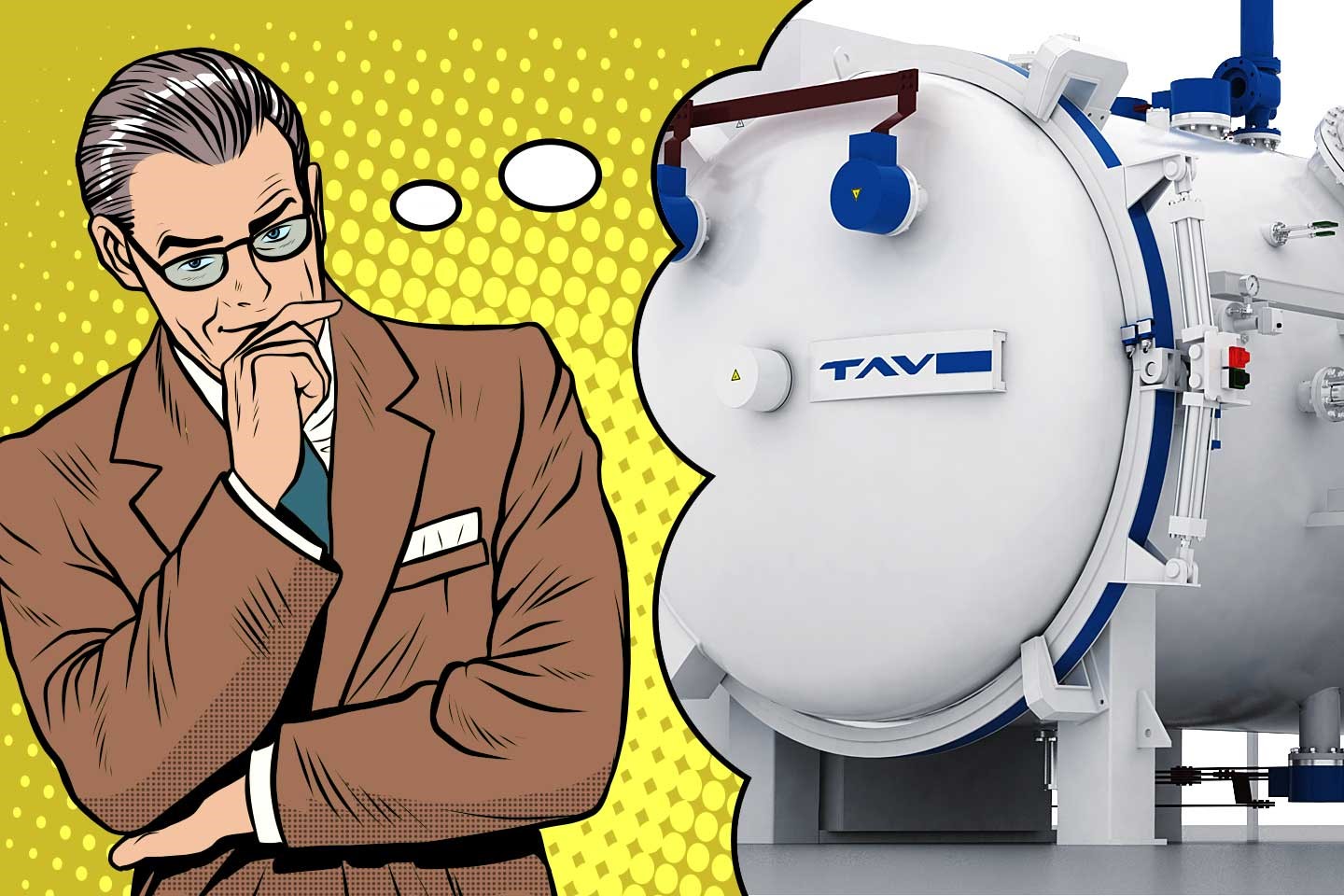
It pays to carefully consider the key factors to buying a vacuum furnace (source: TAV, the Vacuum Furnaces Blog)
When and why is it a good idea to purchase a vacuum furnace? Does your company really need one? A company that wants to play its cards best, in terms of investment and yield, knows about the advantages offered by vacuum heat treatments in both the short and long term. But choosing the ideal furnace best suited to your company’s needs isn’t as easy as it might appear.
In this Heat TreatToday Best of the Web feature, TAV Vacuum Furnaces gives readers a handy guide over at its blog to consider the crucial factors in choosing a vacuum furnace for your company, including tips on who needs a vacuum oven, why comparing two or more systems is a bad idea, and the role of the heat exchanger, vessel performance, and the pumping unit.
An excerpt: “There are many fields, ranging from the vacuum sintering of metal powders or ceramics to the vacuum brazing of aluminum alloys to continue with high temperature brazing, in which technological avant-garde stands out. In these sectors, the decision to use a vacuum furnace is linked to the possibility of implementing an advanced development production process, for which the focus was on high-yield plants.”
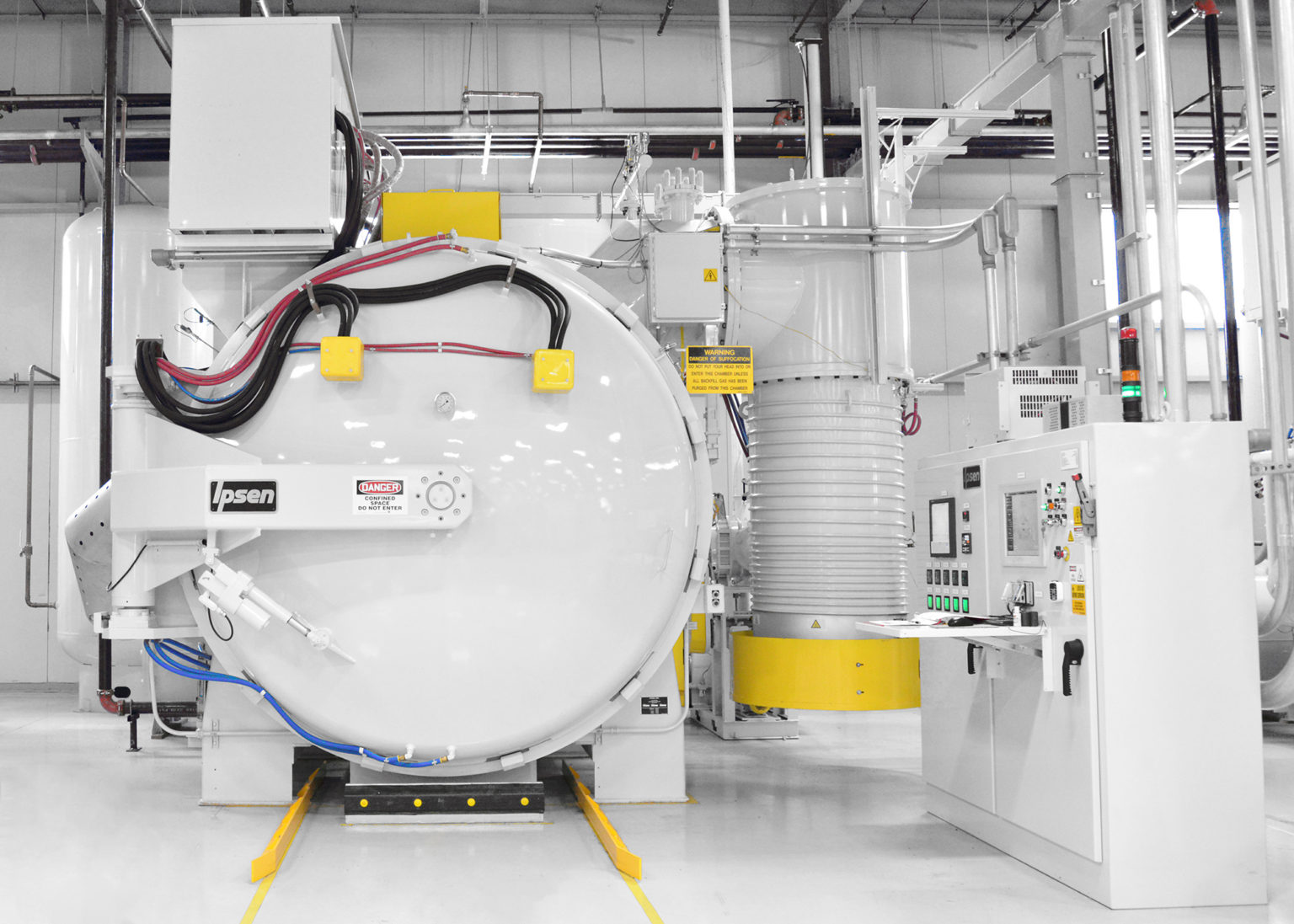
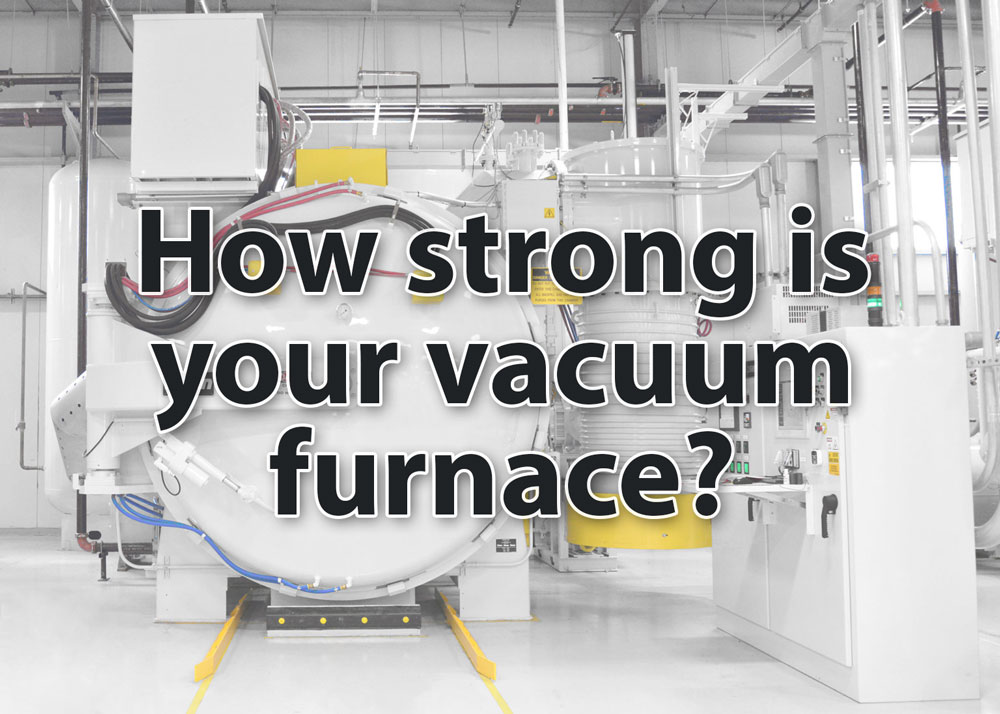
A strong and healthy vacuum furnace system is essential for heat treaters who want to stay competitive and serve their customers well. The heart of the vacuum furnace system is just as critical as the heart of the human body. Just as a healthy heart is essential to living well, keeping a healthy vacuum furnace system pumping strong is essential to certain heat treating operations.
In this Heat Treat TodayTechnical Tuesday Best of the Web feature, Ipsen USA provides tips for how you can get the best performance out of your vacuum furnace by selecting the most appropriate pumping system, and by following a few simple tips for vacuum furnace maintenance over at its blog, Ipsen, The Harold.
An excerpt: “Vacuum furnace systems utilize various types of pumping system combinations to evacuate atmospheric pressure from the vacuum chamber to required ranges for specific processes. Since the heart of the furnace is the vacuum system, it is essential to maintain the pumping system as specified in the operator’s manual, taking into consideration any special accommodations that the type of process being conducted may require.“
This post from Ipsen’s blog guides readers through the basics, troubleshoots common problems, and gives tips for avoiding the heat treater’s primary enemy.





 Source: Ipsen, The Harold