

Quintus Technologies

22 News Chatter To Keep You Current

Heat Treat Today offers News Chatter, a feature highlighting representative moves, transactions, and kudos from around the industry. Enjoy these 22 news items.


Equipment

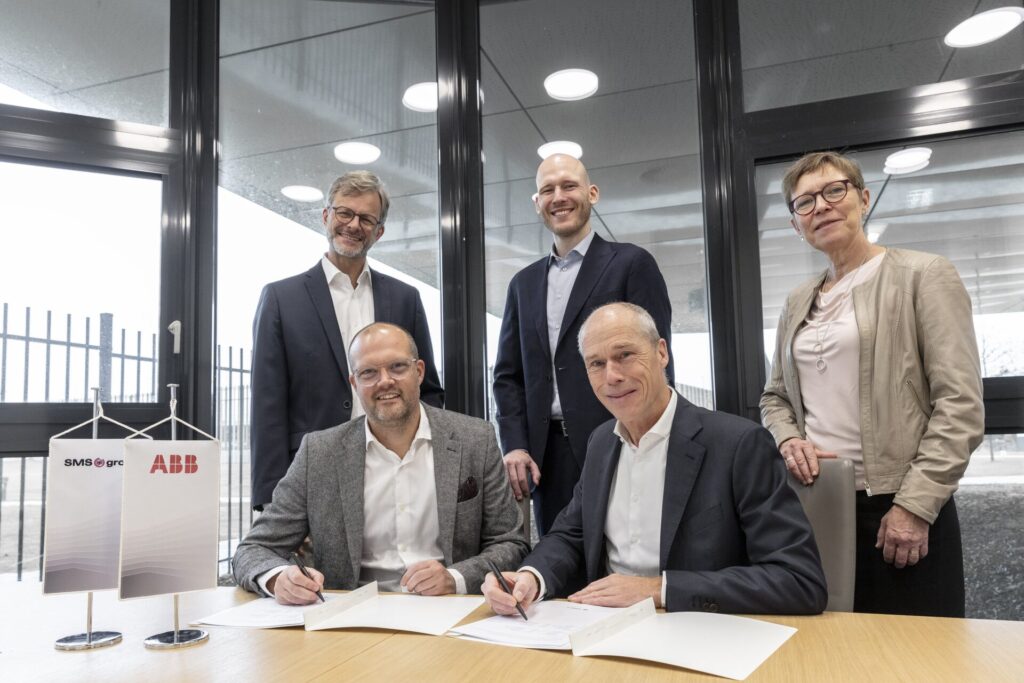
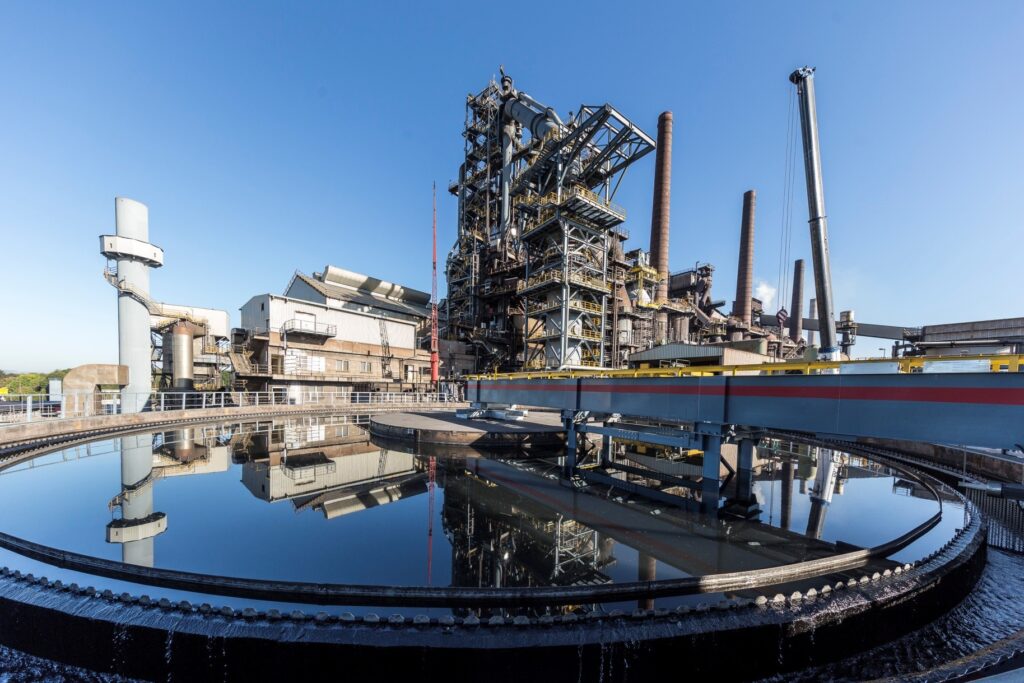
  1. ROGESA Roheisengesellschaft Saar GmbH has commissioned SMS group to carry out a comprehensive modernization of blast furnace 4 (BF4), which will extend the service life of the blast furnace and ensure effective monitoring of the hearth lining. The contract includes the planning and delivery of the Paul Wurth hearth lining and multi thermocouple sensor probes (MTPs), as well as technical support during the installation phase at the in Dillingen, Germany, location. Additionally, Future Forgeworks, a steel manufacturer based in Brisbane, Australia, has commissioned SMS group to supply the nation’s first continuous mill technology (CMT® 350) mill. Future Forgeworks’ landmark project, the Swanbank Green Steel Mill Project, will produce rebar steel in an endless process for the Australian company, guaranteeing low carbon emissions and highly efficient production. 
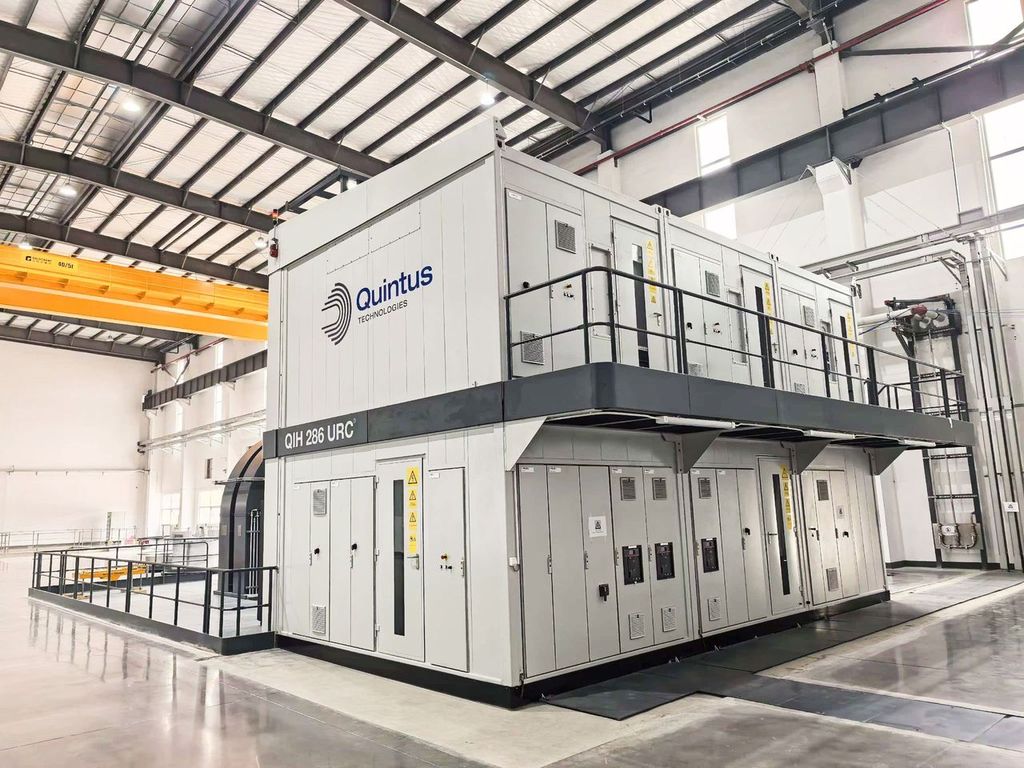
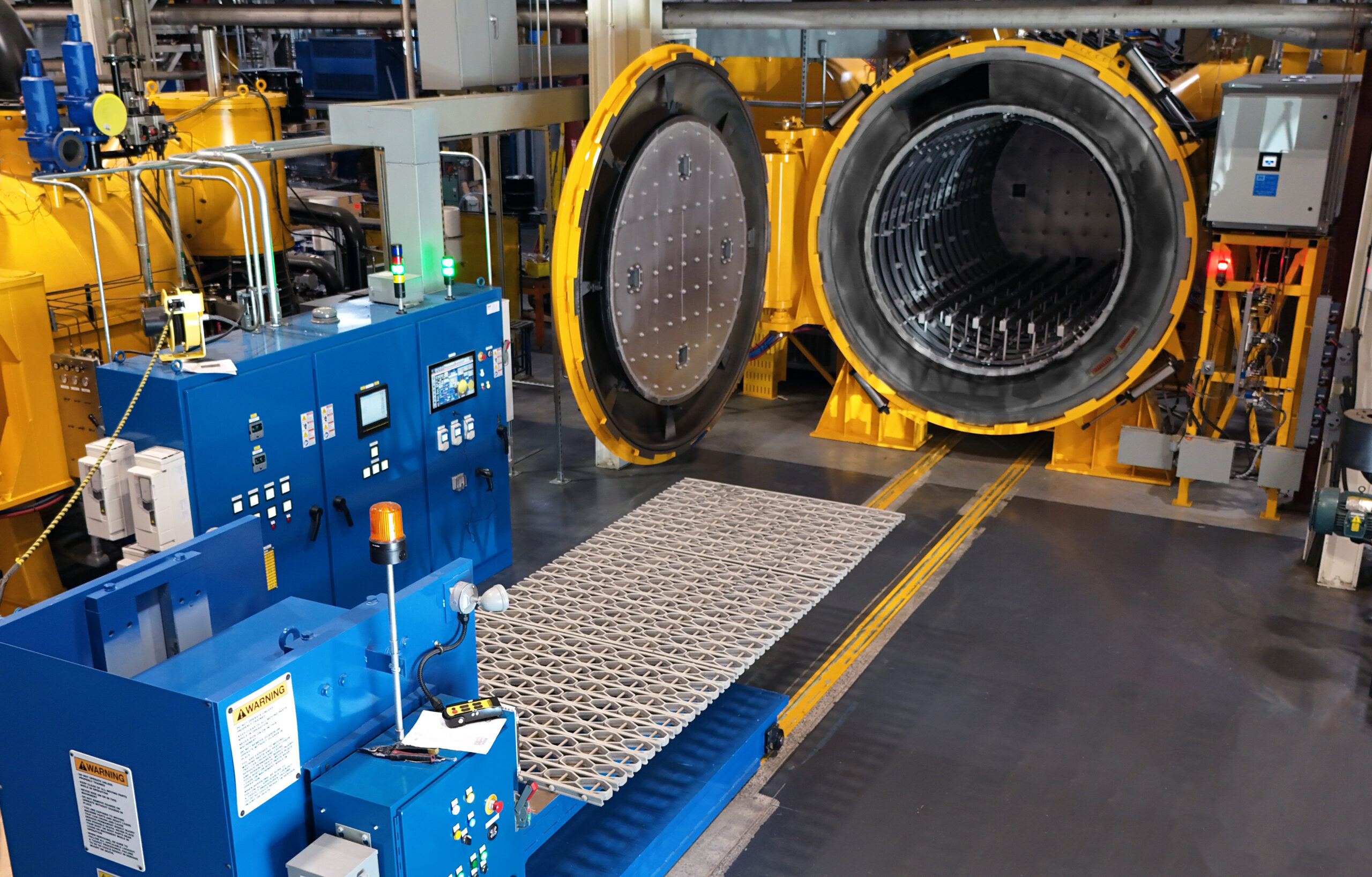
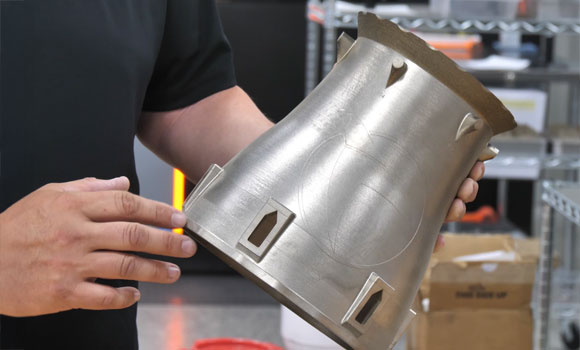
  2. Piper Industrial Manufacturing Company, a Piper Aircraft, Inc., subsidiary, has acquired a Flexform™ fluid cell press from Quintus Technologies, expanding its equipment inventory to target the growing demand for low volume, high-complexity sheet metal forming. The company provides turnkey world-class manufacturing solutions.
  3. Steel producer Colakoğlu Metalurji AS, has placed an order with SMS group for the modernization of the laminar cooling section and the downcoiler in its 1,850-millimeter hot strip mill. With the completion of the laminar cooling system upgrade, the Turkish company plans to enter the market for wear-resistant steel grades. Additionally, Fujian Kebao Metal Products Co., Ltd., a subsidiary of Fujian Sanbao Group, has contracted with SMS for two tinplate continuous annealing lines (TIN CALs).
  4. A heat and energy management company that produces approximately 2 million complex parts per year has expanded with a custom-made VAB furnace for vacuum aluminum brazing. SECO/WARWICK has delivered the furnace to the company, located in the Czech Republic.
  5. Aluminum and renewable energy company Hydro has decided to invest in a new sow casting line at Husnes to increase its primary aluminum casthouse flexibility. The company’s primary plant produces low-carbon extrusion ingot for the European construction and automotive industries. The sow caster, which will have a capacity of 100,000 tonnes per year, will give flexibility to produce sow ingots in periods of lower demand for the plant’s main products.
  6. Secat, Inc., recently announced the addition of the Alubin extrusion press to its Nicholasville Pilot Lab. The press was donated by Wagstaff, Inc., which manufactures direct chill aluminum casting systems. This equipment will elevate the company’s testing, development, and small-scale production capabilities.
  7. Tenova will supply a new hot dip galvanizing line for PT Tata Metal Indonesia. The flexibility of the new line for zinc aluminum magnesium alloys will enable production of three types of coated coils.

Company & Personnel

  1. Can-Eng Furnaces International, Ltd. has announced the promotion of two long-standing employees to new leadership roles in 2025. Jason Clay has been promoted to manufacturing operations manager, overseeing the future direction of the company’s manufacturing strategies. Adam DeCiccio has been promoted to purchasing and logistics manager and will focus on implementing innovative strategies and improvements within purchasing, supply chain, and inventory planning to support company growth.
  2. thyssenkrupp Aerospace, a logistics service provider for the commercial aerospace industry, and aluminum manufacturer Novelis have renewed their strategic partnership through a multi-year agreement.
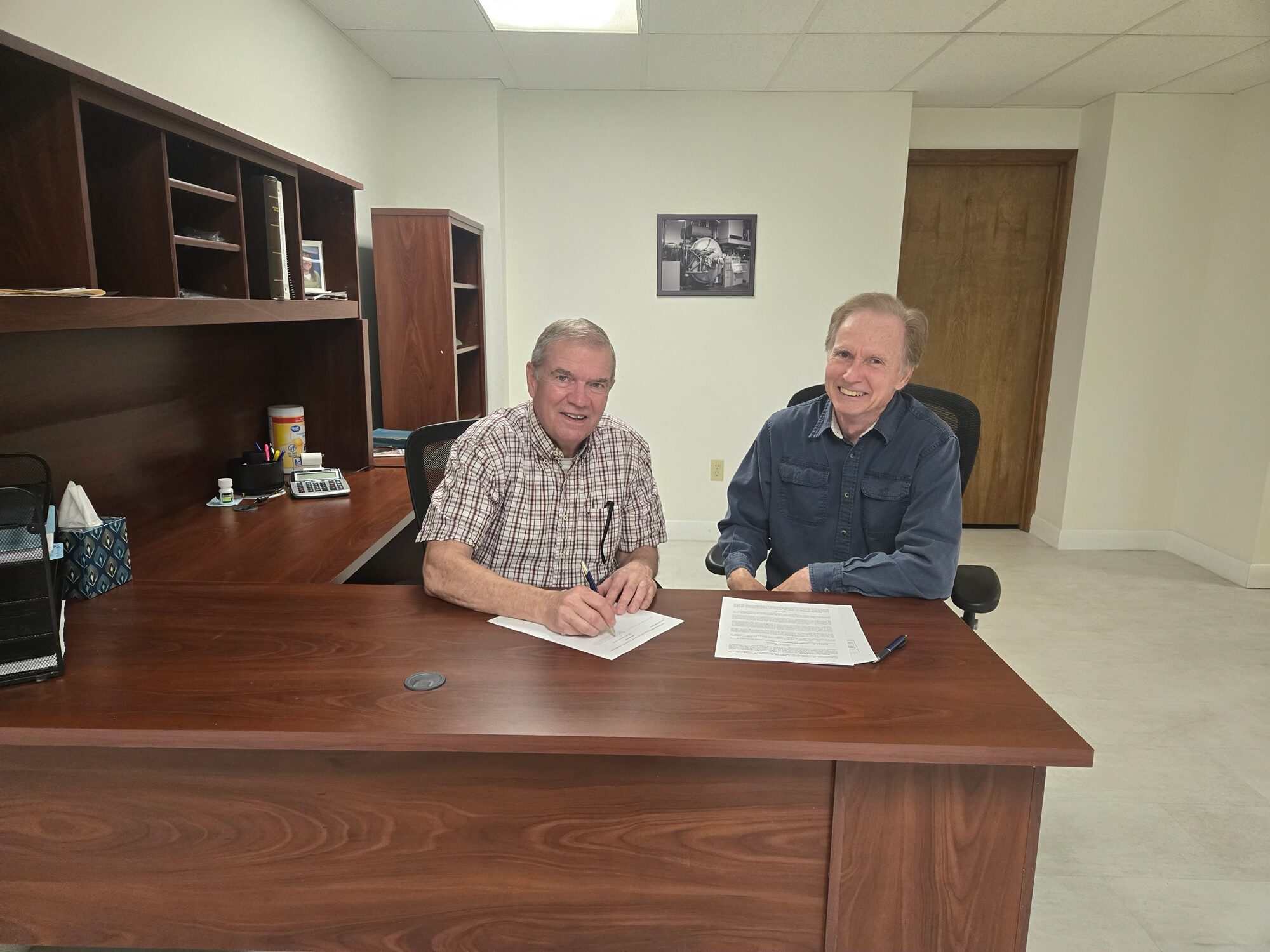
  3. Kolene Corporation recently announced the promotions of Timothy D. Shoemaker and Peter L. Shoemaker, both to co-chief operating officers for the corporation. Tim Shoemaker is responsible for sales and has oversight of the company’s engineering, field service, and project management departments. Peter Shoemaker continues to lead the company’s chemical supply chain and order fulfillment departments, as well as its critical replacement parts revenue segment.
  4. Gasbarre‘s new 150,000-square-foot facility in St. Marys, Pennsylvania, recently became fully operational, with expanded floor space, upgraded infrastructure, and state-of-the-art equipment.
  5. JSW Steel Dolvi Works has selected SMS group for a major expansion of its steelmaking facility, increasing the annual capacity of the existing steel mill by 3.7 million tons per year.
  6. Watlow, a provider of industrial technology and thermal systems, recently expanded its executive leadership team by appointing two regional presidents to oversee operations in Asia and Europe. Shiyi Zhou will serve as regional president of Asia, and Klaus Aarestrupp as regional president over Europe.
  7. Ipsen announced the 2025 schedule for its comprehensive training course on vacuum furnace equipment. Ipsen U will take place on April 1-3, June 10-12, August 12-14, and October 7-9 in Cherry Valley, Illinois.
  8. CAN-ENG Furnaces International Ltd has formed a strategic partnership with Piotr Pelian, founder of Industrial Process Technology to expand its European presence.
  9. Hydro and Northvolt have signed an agreement where Hydro will acquire the remaining shares in the battery recycler Hydrovolt for NOK 78 million, increasing its ownership in Hydrovolt from 72 to 100 percent through this transaction. Hydrovolt is a raw materials company established in 2020 as a 50/50 joint venture between Hydro and Northvolt.

Kudos

  1. Solar Atmospheres, Inc. has been recognized as the industry leader in the Surface Treatment Services category of the 2024 Leadership in Medtech Awards.
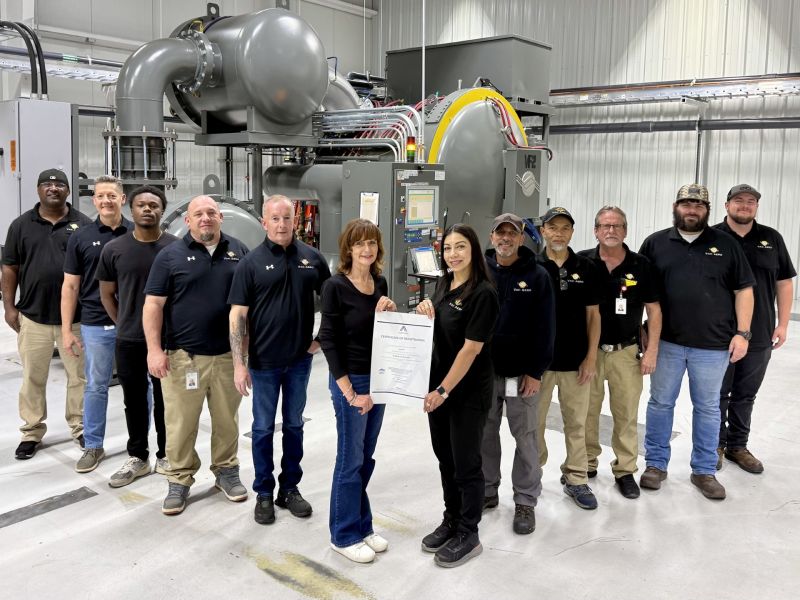
  2. Phoenix Heat Treating has announced that their furnaces have received approvals from Pratt & Whitney and Bell Helicopter, increasing the company’s capacity to process orders that require specifically approved furnaces, ensuring compliance with stringent aerospace and defense standards.
  3. Steelhead Technologies recently announced the launch of the Tides of Steel Sweepstakes, in partnership with Calvary Industries. The contest offers an opportunity for job shops to win prizes that will accelerate 2025 growth and reward hard-working teams.
  4. The Otto Junker Foundation announced the winners of the Otto Junker Prize 2024, honoring outstanding academic achievements at the RWTH (Technical University of Aachen). The recipients are: Daniel Baggen, Moritz Diewald, Gerrit Ipers, and Jan Krusenbaum.
  5. Mark Thomason and John Blauser, both of Gasbarre, have received the 2025 Distinguished Service to Powder Metallurgy Award from the Metal Powder Industries Federation (MPIF). The award recognizes individuals who have dedicated at least 25 years to the powder metallurgy (PM) industry and made outstanding, long-term contributions that have earned the admiration of their peers.
  6. The inaugural class of field service engineers recently graduated from the Ipsen FSE Academy, a next-generation training program building on the foundation of the former Ipsen Corporate Academy. This revamped initiative reflects Ipsen’s ongoing commitment to developing top-tier talent. These engineers successfully completed an intensive 20-week training program focused on mastering the complexities of heat treatment furnace repair and service

Find Heat Treating Products And Services When You Search On Heat Treat Buyers Guide.Com

22 News Chatter To Keep You Current Read More »
16 News Chatter To Keep You Current

Heat Treat Today offers News Chatter, a feature highlighting representative moves, transactions, and kudos from around the industry. Enjoy these 17 news items.


Equipment

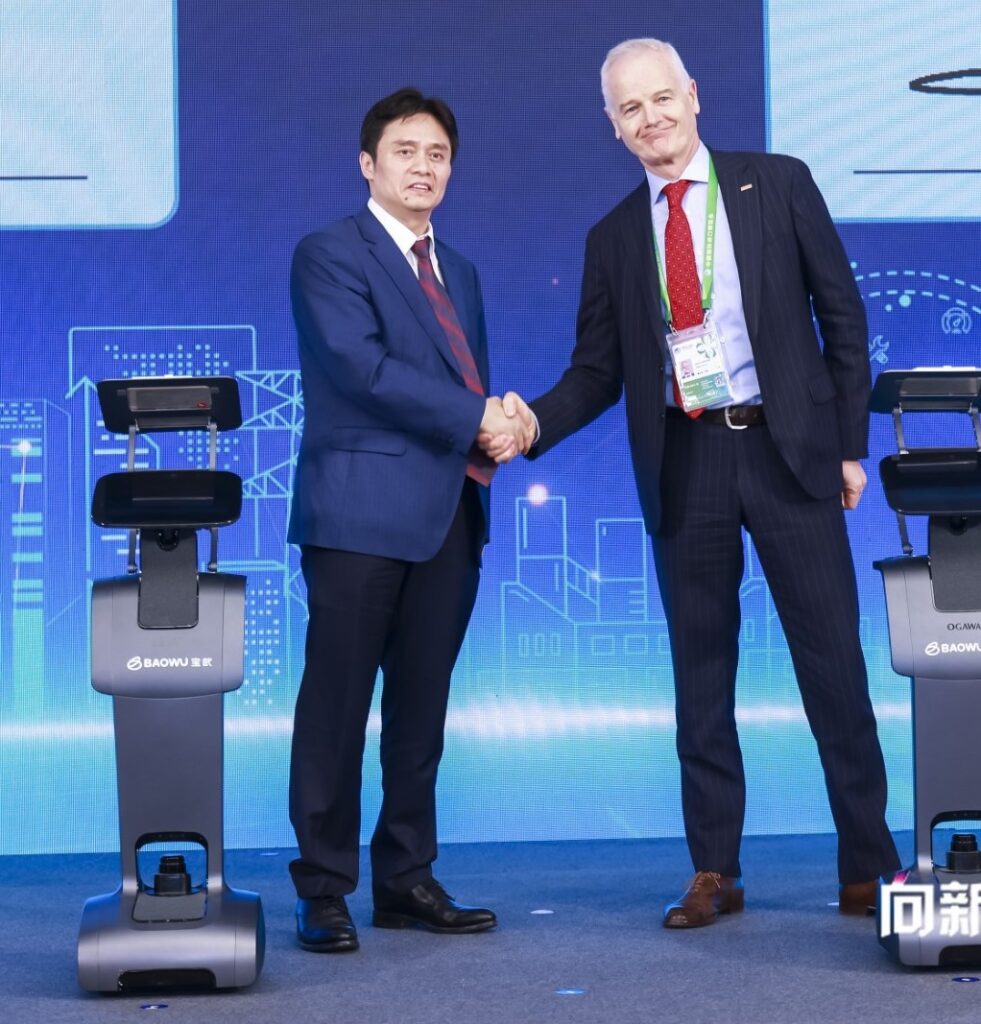
  1. Pomini Tenova, which manufactures advanced roll shop equipment, recently signed two contracts for fully automatic roll shop equipment with Baowu of China. The first contract includes a set of four automatic CNC roll grinders with two automatic inspection stations, to be installed at a plant where two new cold rolling mills for silicon steel will be in operation. The second contract includes two automatic CNC roll grinders and an automatic inspection station, equipped with an automatic roll loading system, which will be installed in the roll shop of a new cold rolling mill for silicon steel production.
  2. Nucor Steel has commissioned SMS group for the modernization and expansion of its Steckel mill at its site in Tuscaloosa, Alabama. The existing Steckel mill will be converted into a tandem Steckel mill, designed to produce high-strength thin strip as well as to boost capacity. 
  3. A global car window manufacturer’s European branch has purchased two SECO/WARWICK technological lines for two of the company’s locations. The order includes RHLE units for bending car windows.
  4. Jiangsu Dongpu Fine Ceramics Technology Co., Ltd., has installed a hot isostatic press (HIP) from Quintus Technologies. The HIP model operates company’s production line for Si3Ni4 bearing balls in its manufacturing facility in Lianyungang, China.

Company & Personnel

  1. Inductotherm Group has appointed Mick Nallen and Satyen Prabhu as co‐leaders, a transition which became effective July 1, 2024, when Gary Doyon stepped down from his role as CEO. Mick and Satyen have a combined experience at the company of nearly 70 years.
  2. Vincent Lelong of ECM USA presented on low pressure carburizing with vacuum furnace technology at Purdue University’s School of Materials Engineering undergraduate seminar. This seminar regularly features industry speakers, some of whom are members of the Purdue Heat Treating Consortium.
  3. The direct reduction plant at Nucor Steel Louisiana achieved a world production record of 330.3 tons per hour of high-quality cold direct reduced iron (CDRI), yielding an outstanding 7,928 tons per day (tpd). A high-quality direct reduced iron (DRI) output with 95% metallization (%M) and a carbon content of 3.3% (%C) was measured. The ENERGIRON technology was jointly developed by Tenova and Danieli.
  4. Jabil Inc, which designs and manufactures supply chain solutions, announced its acquisition of Mikros Technologies LLC, which engineers and manufactures liquid cooling solutions for thermal management.
  5. Aerospace Testing & Pyrometry, Inc., (ATP) recently opened its Pacific Northwest office in Seattle, Washington. With this new facility, the company will now have a footprint in all four corners of the United States.

Kudos

  1. Solar Atmospheres‘ Greenville, SC, facility recently announced it has been awarded Parker Aerospace approval. Its five facilities are now able to assist clients with Parker Aerospace thermal processing requirements.
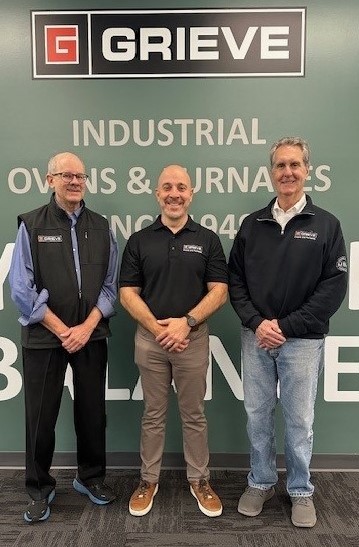
  2. Furnace manufacturer Grieve Corporation has reached its 75th year in business. Begun in 1949 as a small job shop in Chicago, the company now occupies a 100,000 square foot facility in Round Lake, Illinois
  3. StandardAero, an independent provider of engine maintenance, repair and overhaul (MRO) services, recently celebrated the tenth anniversary of its Singapore facility, a Pratt & Whitney Canada Designated Overhaul Facility (DOF) for the PW150A turboprop engine. This anniversary coincides with the company’s redelivery of its 500th PW150A engine, which powers the popular Bombardier Dash 8-400 regional turboprop. 
  4. Paulo’s Cleveland Division was recently awarded approval from GE Aviation for hot isostatic pressing, specifically GT193 Process Code FF.
  5. C3 Data has achieved SOC 2 Compliance, which ensures stringent standards for handling sensitive data.
  6. Tennessee Society of Association Executives recently honored Tom Morrison of the Metal Treating Institute (MTI) with the Industry Marketing Award for its Jobs of Tomorrow Workforce Development Program.
  7. Solar Atmospheres of Western Pennsylvania announced that it has been awarded Pratt & Whitney‘s PWA 11, “Heat Treatments” approval. The facility is now certified to perform heat treatments for P&W’s Suffix 17, “Precipitation Harden,” and Suffix 22, “Austenitize, Quench, and Temper.”

Find Heat Treating Products And Services When You Search On Heat Treat Buyers Guide.Com

16 News Chatter To Keep You Current Read More »

Some Pre-reading Before FNA’s Technical Sessions

Furnaces North America (FNA) 2024 begins Monday, October 14, and runs through Wednesday, October 16. If you haven’t registered yet, you can still do so onsite, and one look at the technical sessions planned over the two days of training says all you need to know about the caliber of instruction at the event.

All of the sessions will be worth your time! Presenters are highly qualified to speak on the topics, which range from processes and equipment to technology to security:

  • Emerging Technologies
  • Furnace Maintenance & Equipment
  • Heat Treat Business & Digital Transformation
  • Energy & Gases
  • Operational Efficiencies
  • Quality, Compliance & Materials
  • Process Advancements

​​If you want to do a little prereading to prepare for the sessions, Heat Treat Today is pleased to direct your attention to technical session presenters who have contributed to our radio, print, and digital resources during this year:

  • On Tuesday at 8:50 a.m., Bryan Stern, product development manager at Gasbarre Thermal Processing Systems, will be speaking on “The Impact of Oil Quenching – A Look at the Carbon Footprint and Cost of Vacuum vs. Atmosphere Processing.” On June 20, 2024, Bryan was our guest on Heat Treat Radio, episode #110, “Isolated Heat, the Future of Vacuum Furnaces,” which you can listen to here.
  • Later that morning, at 9:40, Peter Sherwin, global business development manager of Heat Treatment at Watlow, will focus on “Smart Heat Treatment: Industry 4.0 Innovations for Environmental & Energy Efficiency.” Peter co-authored “Thermal Loop Solutions: A Path to a Sustainable Future in Heat Treatment,” a two-part series published in both the magazine and on our website. You can read the first part here and the second part here.
  • During that same time slot, Brian Turner, sales application engineer at RoMan Manufacturing, is scheduled to speak on “Efficient Furnace Power Solutions”. Brian joined fellow RoMan employees who have contributed technical content to an ongoing series on controls. You can read that article, “Basic Definitions: Power Pathways in Vacuum Furnaces,” originally published July 16, 2024, here.
  • On Wednesday at 8 a.m., Sefi Grossman, founder and CEO of CombustionOS, is scheduled to present a session on “Maximizing Heat Treat Operational Efficiency: Digitize Your Data for Automation.” Sefi wrote a piece for our August Automotive print edition on “A New Era: Tracking Quality Digitally,” which was later republished at the website. You can read the digital version here.
  • At 8:50, Joe Coleman, cybersecurity officer at Bluestreak Compliance, will address “CMMC’s Impending Impact On The Metal Treating Industry.” Just last month, he joined Heat Treat Radio in an interview about “NIST and CMMC: What Heat Treaters Need To Know,” which you can listen to here.
  • Chad Beamer, senior applications engineer at Quintus Technologies, will speak on “Quintus Purus: Development of Clean HIP Processing” at 9:40 on Wednesday morning. Earlier this year, he collaborated with fellow Quintus employees on an article, “HIP Innovation Maximizes AM Medical Potential,” which you can read here.

Stop by Heat Treat Today‘s booth (424/426) to let us know how the sessions went and if you did your homework beforehand!


Some Pre-reading Before FNA’s Technical Sessions Read More »

Near Net Shape, Meet HIP

Source: Quintus Technologies

A major concern with cast products is fatigue resistance and getting the right mechanical properties. Of course, thermal processing plays a role, and for years, hot isostatic pressing has been solving this very problem.

Today’s best of the web article details out how the process can remove shrinkage porosity and internal defect, ultimately leading to a more resistant part for some of the most critical applications: nuclear power.

An Excerpt:

“The production of specially designed canisters can lead to predictive final shapes with extremely complex geometries, which are a viable option to forging, casting and additive manufacturing. The processing is referred to as Powder Metallurgy Near-Net-Shape (PM NNS), or Powder Metallurgy HIP (PM HIP).”

Read the entire article from Quintus Technologies by clicking here: Manufacturing of Nuclear components using Powder Metallurgy Near Net Shape production and Hot Isostatic Pressing


Find Heat Treating Products And Services When You Search On Heat Treat Buyers Guide.Com


Near Net Shape, Meet HIP Read More »

High Pressure Prepares Parts for Space

Dive into the role and benefits of HIP and HPHT™ in the space industry, highlighting how these key processes are shaping the future of space applications.

This Technical Tuesday article by Andrew Cassese, applications engineer, Quintus Technologies was originally published in Heat Treat Today’s March/April 2024 Aerospace print edition.


The realm of space exploration and technology is rapidly evolving, pushing the boundaries of what’s possible in engineering and material science. Among the key players in this revolutionary change are hot isostatic pressing (HIP) and High Pressure Heat Treatment™ (HPHT™). These processes have become indispensable in manufacturing components that can withstand the harsh conditions of space. In this demanding environment, the longevity and reliability of components are paramount.

Reducing Risk

Space missions have put increasing focus on the need to minimize risk and improve mission safety. Some well-documented, safety-related events include:

  • Outer space
    • Soyuz 11 decompression in 1971
  • Earth’s atmosphere
    • Soyuz 1 parachute failure in 1967
    • X-15 controls failure in 1967
    • Space Shuttle Challenger launch
      booster failure in 1986
    • Space Shuttle Columbia re-entry
      disaster in 2003

Structural integrity is therefore in focus for every single component involved in space missions, with exacting demands on quality and function. Material failure is not an option, and therefore component qualification is one of the main areas of focus. Predictable properties that are reliable and with minimal variation are critical for mission safety. Hot isostatic pressing helps to guarantee this by reducing the spread and variation in mechanical properties.1 It works to do this by using high temperatures and pressures to close internal defects in mission critical parts after casting or additive manufacturing. This increases the density of components and gives them a more anisotropic microstructure which in turn results in more consistent mechanical properties.2

What Properties Are Most Important

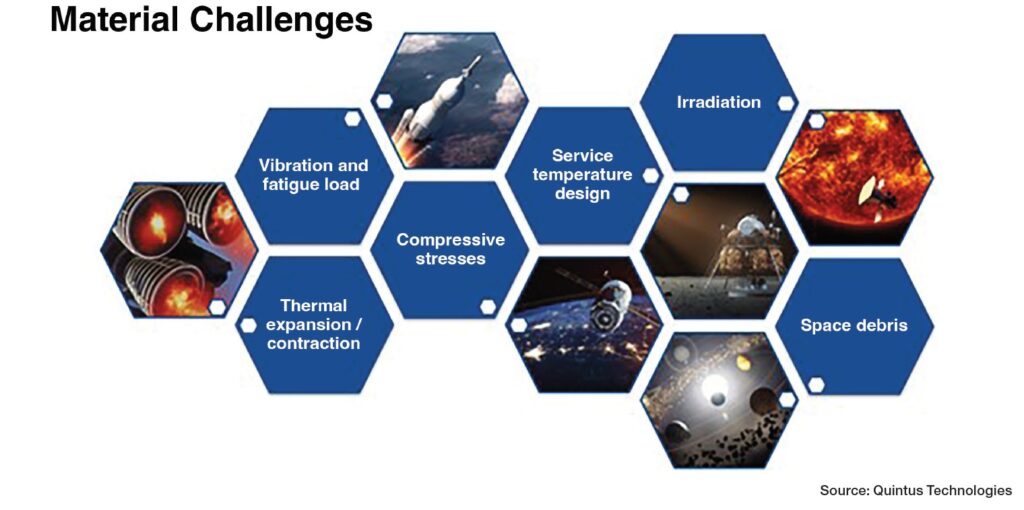
The harsh environment of space demands components with exceptional properties. They must withstand extreme temperatures, resist radiation, endure vacuum pressures, and cope with mechanical stress from vibrations and accelerations. HIP processing plays a pivotal role in this, enhancing material properties to meet these challenges. Space manufacturers also must think about thermal expansion/contraction due to temperature variations, compressive stresses, irradiation, and space debris. All of these can affect mission success and can ultimately prevent loss of life, see Figure 1.

Figure 1. Challenges that space-bound materials must endure

Through HIP, components gain increased fatigue life, improved ductility, and enhanced fracture toughness, which are crucial for surviving in space.

Common Materials and HIP Processing Requirements

Materials commonly processed by HIP for space applications include titanium, aluminum alloys, nickel-based superalloys, refractory alloys, shape memory alloys, and ceramics. High-strength aluminum and titanium alloys are used due to their high strength to weight ratio which is key for space missions to conserve fuel efficiency, increase payload capacity, and improve maneuverability.3 Nickel-based superalloys are used in exhaust valves and turbine rotors due to their exceptional creep resistance properties at high temperatures. Refractory alloys like Nb-C103 and TZM are used in high-performance rocket nozzles because of their high melting point and excellent strength at high temperatures. Newer shape memory alloys developed by NASA can recuperate their original shape when heating above specific critical temperatures, and their applications are expanding beyond just actuators.4

As new alloys and materials are developed in the space industry, certifications and standards are necessary for their adoption. HIP effectively eliminates porosity in these materials, ensuring structural integrity and performance under the extreme conditions of space. This means HIP recipes need to be developed and optimized for materials to be tested with their greatest potential in mind.

Challenges in Processing Space Components

Processing components for space via HIP is not without its challenges. Th e extreme conditions required for HIP, including high temperatures and pressures, demand robust and sophisticated equipment. Quintus Technologies applications centers utilize a graphite furnace capable of heating to 3632°F (2000°C), while maintaining pressures of 30,000 psi (200 MPa). The process requires precise control to ensure uniformity of properties across the component. Specifically, the graphite uniform rapid cooling© (URC©) furnace can maintain temperature uniformity while controlling to a specified cooling rate.

Another challenge with processing space components in HIP can be oxidation of parts in the HIP furnace atmosphere. Niobium, for example, can suffer from substantial oxidation at elevated temperatures. In practice, tantalum foil is typically used to wrap the niobium components during HIP and to prevent oxidation from any residual moisture in the argon atmosphere. New products, like the Quintus Purus©, can reduce the amount of oxidation seen on parts aft er HIP while saving valuable time and resources by not having to wrap parts with getter materials like stainless steel, titanium, or tantalum.

Ongoing Research and Unknowns

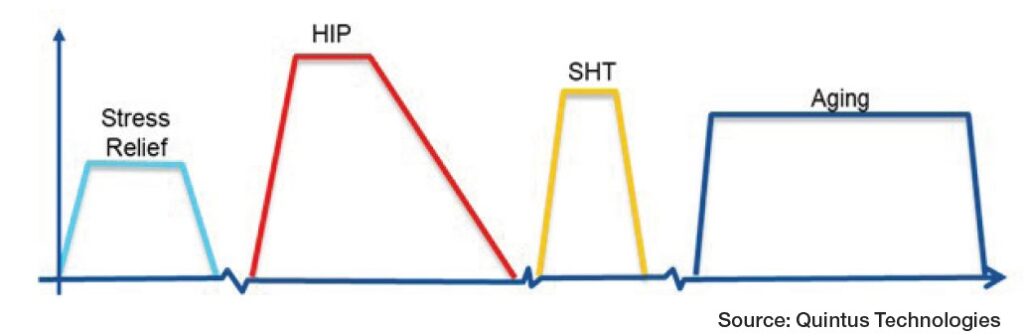
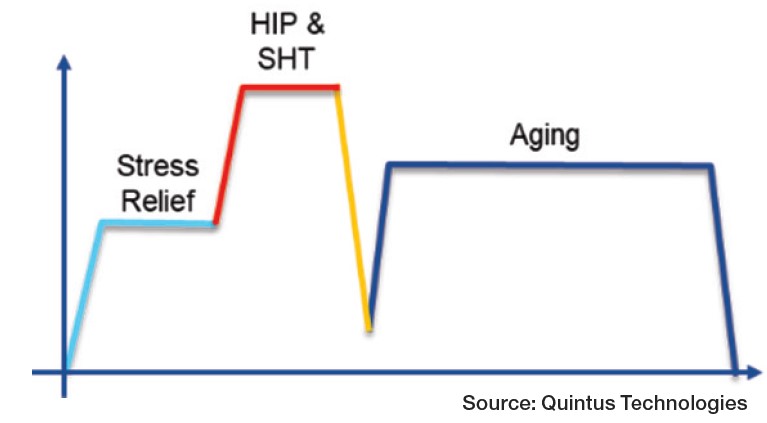
Collaborations with universities and national labs on projects at low TRLs will help set the foundation for HIP in the space industry. Quintus Technologies, through its application centers, is actively engaged in research to further enhance the capabilities of HIP for space applications. Optimizing the HIP process to reduce costs and improve efficiency through HPHT is one area where the company has already found success, see Figures 2 and 3.

Figure 2. Typical thermal processes for additively manufactured parts
Figure 3. High pressure heat treatment with solution heat treatment (SHT) process for the same parts, using an integrated heat treatment approach

The HPHT process can combine stress relief, solution annealing, HIP, and aging into one cycle. Aft er a ramp up in pressure and temperature, the part is held for a specified amount of time before being rapidly cooled in the URC furnace. Aft er this, the temperature of the machine can be brought up to the aging temperature of the material for the completion of an in situ heat treatment.

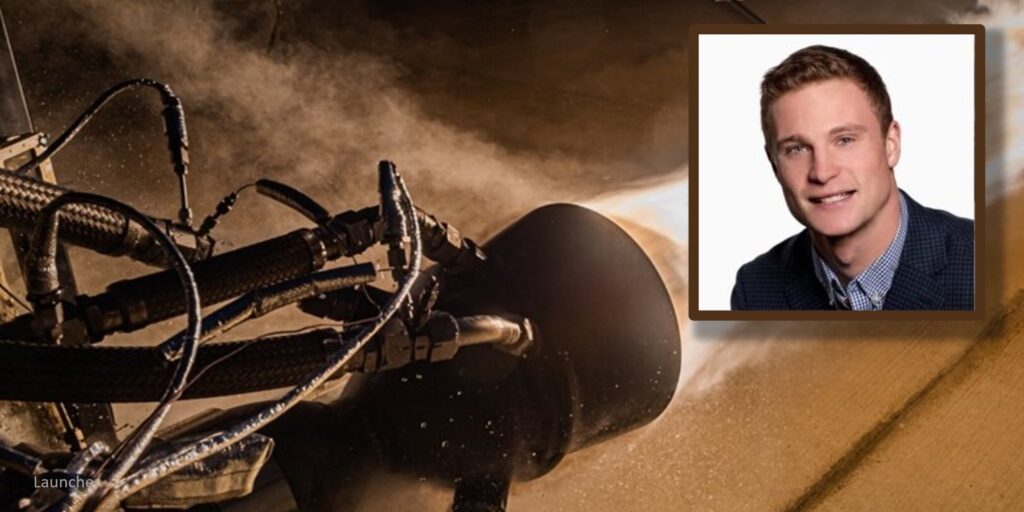
A Space Case – Launcher Engine-2 Rocket Engine

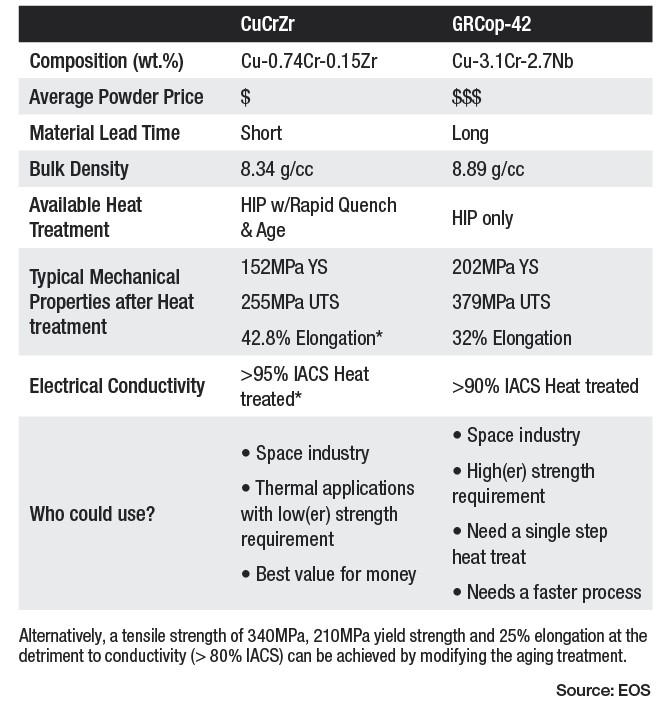
Table 1. CuCrZr vs. GRCop-42: A Comparison

One application of this is on the Launcher Engine-2 (E-2) rocket engine.

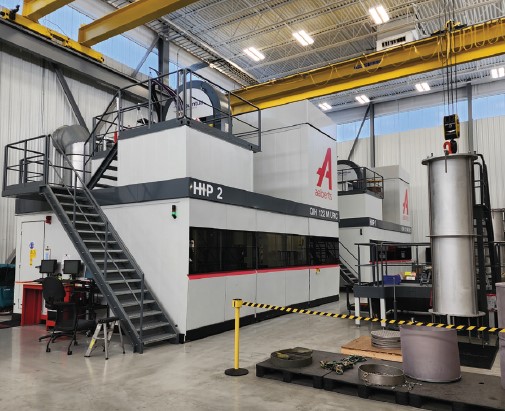
Quintus Technologies, EOS Group, and Launcher worked together to develop a tailored HPHT cycle for Launcher’s 3D printed E-2, first vetted out in an applications center at small scale. The powder alloy in question, CuCrZr, was developed by EOS and printed on an AMCM M4K machine. EOS compared CuCrZr to the NASA alloy of GRCop-42 and found that the CuCrZr alloy was a more economically viable solution for thermal applications with lower strength requirements, see Table 1. The rapid cooling at 200°C/min in the QIH 122 URC furnace at Aalberts surface technologies allowed the team to HIP and solution heat treat the CuCrZr combustion chamber in a single step. The aging treatment was also performed in the QIH 122 directly aft er the solution.5

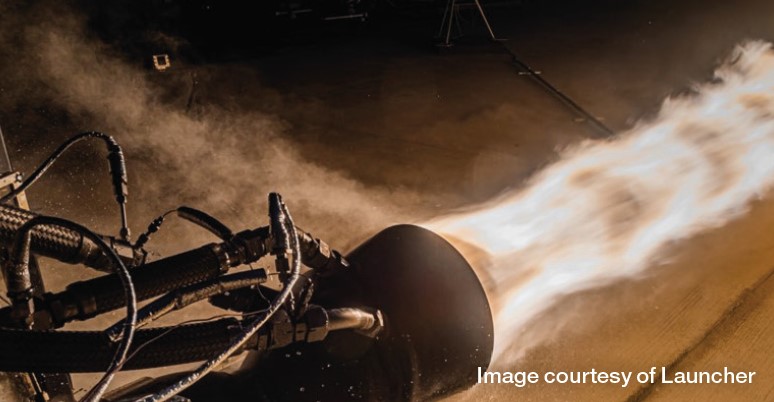
In October 2020, a full-scale test firing of the E-2 injector and combustion chamber was conducted at the Launcher NASA Stennis Space Center test stand. On April 21, 2022, Launcher’s E-2 liquid rocket engine was able to demonstrate full thrust. Continued tests from Launcher have been successful with performance boost testing
and the first fully integrated engine was ready for shipping on October 12, 2023.6

Figure 4. Aalberts QIH-122 MURC in Greenville, SC (Source: Aalberts Surface Technologies)

Conclusion

As humanity reaches further into the cosmos, the role of HIP and HPHT in manufacturing space-bound components becomes increasingly significant. These processes not only enhance the essential properties of materials for space applications but also address the unique challenges of manufacturing for an environment as hostile as space. With ongoing research and development, HIP and HPHT continue to evolve, promising to unlock new possibilities in space exploration and technology, and their contribution will ensure the success of space missions, safeguarding the lives of those who venture into the final frontier.

Figure 5. Test firing of the High Pressure Heat Treated Launcher Engine 2 produced using additive manufacturing

References

[1] Dominik Ahlers and Thomas Tröster, “Performance Parameters and HIP Routes for Additively Manufactured Titanium Alloy Ti6Al4V. EuroPM,” 2019. https://www.semanticscholar.org/paper/Performance-Parameters-and-HIP-Routes-fortitanium-
Ahlers-Tr%C3%B6ster/faeb46e6eb8ef3e30bc00b91cd1bd8a7c0619200.
[2] Jake T. Benzing et al., “Enhanced strength of additively manufactured Inconel 718 by means of a simplified heat treatment strategy,” Journal of Materials Processing Technology 322, (December 2023). https://www.sciencedirect.com/science/article/abs/pii/S0924013623003424?via%3Dihub.
[3] “Engineering Materials for Space Building Stronger Lighter Structures,” Utilities One, last modified November 2023. https://utilitiesone.com/engineering-materials-for-space-building-stronger-lighter-structures.
[4] Girolamo Costanza and Maria Elisa Tata, “Shape Memory Alloys for Aerospace, Recent Developments, and New Applications: A Short Review,” Materials (Basel) 13, no. 8 (April 2020): 1856. https://www.ncbi.nlm.nih.gov/pmc/articles/PMC7216214/.
[5] Mahemaa Rajasekar, “Processing Copper Alloys with Powder Bed Fusion,” LinkedIn, last modified November 2022. https://www.linkedin.com/pulse/processing-copper-alloys-dmls-technology-mahemaarajasekaran/.
[6] LAUNCHER (@launcher), “The first fully integrated E-2 engine is ready for shipping to @NASAStennis for our upcoming full engine test campaign later this year. E-2 is a 22,000 lb. (10 ft) thrust LOX/Kerosene,” X post, October 12, 2023. https://twitter.com/launcher/status/1712636548997607752.

About the Author

Andrew Cassese, Applications Engineer, Quintus
Technologies

Andrew Cassese is an applications engineer at Quintus Technologies. He has a bachelor’s degree in welding engineering from The Ohio State University.

For more information: Read J Shipley, “Hot Isostatic Pressing in Space – Essential Technology to Ensure Mission Safety,” 2020. Contact Andrew at andrew.cassese@quintusteam.com.

Find Heat Treating Products And Services When You Search On Heat Treat Buyers Guide.Com

High Pressure Prepares Parts for Space Read More »

Second HIP Contracted For Wallwork

HTD Size-PR Logo

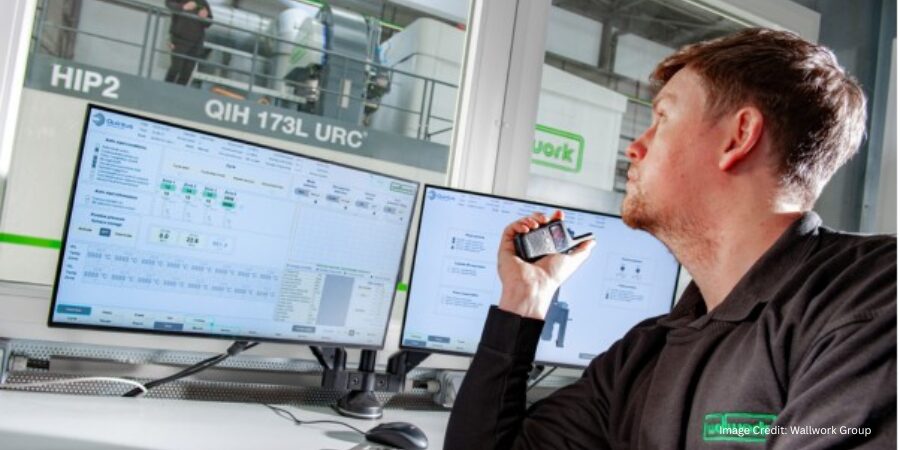
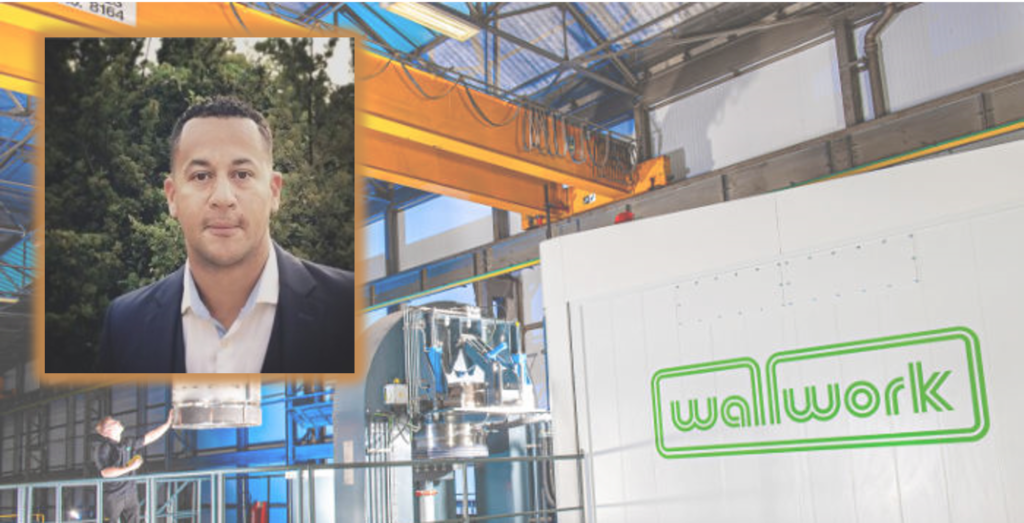
Bringing forward plans by two years, Wallwork Group have signed for a second hot isostatic press. Following hot on the heels of opening their £10 million Wallwork HIP Centre, Wallwork Group is installing this HIP to meet and serve increasing demand from various manufacturers.

David Loughlin
Business Manager Wallwork HIP Centre

This second HIP from Quintus Technologies, a high pressure manufacturer with North American locations, has been contracted following Quintus completing the commissioning of the first HIP in the third quarter of 2023.

“We expected strong demand from UK castings, 3D printing, powder fabrication, and near-net-shape manufacturers. Especially, as the UK is currently under-served with hot isostatic pressing capacity,” says Wallwork HIP Centre, business manager, David Loughlin.

Adds Simeon Collins, group director of Wallwork, “Demand from customers for processing components in our first hot isostatic press has been astonishing. It is prudent to bring forward planned investment for the next HIP, knowing it will take most of 2024 to build and install. We hope to have it up and running by early 2025. Deciding to prepare pits for expansion during the first installation has proved right.”

The second HIP will be identical to the first, operating at pressures from 40 to 207 MPa (5,800 to 30,000 psi) and temperatures up to 2282°F (1250°C). It will also have the latest rapid cooling technology, as well as the capability to offer increased cycle pressures at elevated temperatures, complements engineering advances in metal 3D printing and more.

This press release from Wallwork Group can be found in its original form here.


Find Heat Treating Products And Services When You Search On Heat Treat Buyers Guide.Com

Second HIP Contracted For Wallwork Read More »

HIP Innovation Maximizes AM Medical Potential

The appeal of additive manufacturing (AM) for producing orthopedic implants lies in the “ability to design and manufacture complex and customized structures for surgical patients in a short amount of time.” To complement speed of production, learn how an innovative hot isostatic pressing (HIP) application is confronting the challenges of post-processing heat treatments when creating high quality AM medical parts.

Today’s Technical Tuesday article, written by Andrew Cassese, applications engineer; Anders Magnusson, manager of Business Development; and Chad Beamer, senior applications engineer, all from Quintus Technologies, was originally published in Heat Treat Today’s December 2023’s Medical and Energy Heat Treat magazine.


AM is playing a significant role in the medical industry. It gives manufacturers the ability to create customized and complex structures for surgical implants and medical devices. Additionally, medical device manufacturers have different material factors to consider – such as biocompatibility, corrosion resistance, strength, and fatigue – when selecting a material for a given application. Each of these factors plays a significant role. It’s no wonder that the most common metallic biomaterials in today’s industry are stainless steels, cobalt-chrome alloys, and titanium alloys (Trevisan et al., 2018).

In this article, learn about the application of Ti6Al4V in the medical industry, as well as ways to address some of the challenges when producing AM medical components.

The Future Demands Orthopedic Implants

Figure 1. Example of AM trabecular structure on a Ti6Al4V
acetabular cup (Source: Quintus Technologies)

The medical market for orthopedic implants is predicted to grow annually by approximately 4% where joint replacement, spine, and trauma sectors are reported to account for more than two-thirds of the market. The largest portion is joint replacement with over a third of global turnover, reaching in excess of 20 million U.S. dollars in 2022 (ORTHOWORLD® Inc., 2023). This confirms an earlier study by Allied Market Research where spine, knee, and hip implants made up over 66% of the entire market, with knee implants leading the way at 26% (Allied Market Research Study, 2022). This fact, combined with the expectation that the global population aged 60+ is predicted to double between 2020 and 2050, adds to the increasing demand on manufacturers to produce better quality and longer lasting orthopedic implants (Koju et al., 2022).

These factors have increased the predicted medical implant market for Ti6Al4V and other common orthopedic materials. Using AM processes such as electron beam melting (EBM) and laser powder beam fusion (L-PBF), manufacturers can produce thin-walled trabecular structures that are fabricated to promote bone ingrowth in a growing market that is in competition with traditional production methods.

Titanium-based alloys have been increasingly used in orthopedic applications due to their high corrosion resistance and a Young’s modulus similar to that of human cortical bone (Kelly et al., 2021). The high strength-to-weight ratio and bioinert-ness of Ti6Al4V has proven it to be an ideal candidate for orthopedic and dental implants. It is a titanium alloy with 6% aluminum and 4% vanadium that has low density, high weldability, and is heat treatable. Ti6Al4V demonstrates good osteointegration properties, which is defined as the structural and functional connection between living bone and the surface of a load carrying medical implant.

Many manufacturers are using L-PBF to create thin-walled complex structures on the surface of the implant. This makes use of the osteointegration properties as the implant integrates itself into the body over time without the need for bone cement (Kelly et al., 2021). Introducing a large metallic foreign body leads to challenges such as promotion of chronic inflammation, infection, and biofilm formation. Instead, porous AM Ti6Al4V implants have a biomimetic design attempt towards natural bone morphology (Koju et al., 2022).

AM Yields Production Solutions for Medical Alloys

The medical industry has been increasing the use of AM over traditional processing methods. AM facilitates weight reduction, material savings, and shortened lead-time due to reduced machining, but these are only a few of the benefits. Improved functionality and patient satisfaction are also key aspects through tailoring of designs to take advantage of AM over traditional forging and casting techniques. Additionally, the costs of machining a strong alloy like Ti6Al4V can be expensive, and any wasted material and time in turn lead to higher cost.

One of the main reasons for the interest in AM is the ability to design and manufacture complex and customized structures for surgical patients in a short amount of time. For example, if a patient needs an implant for surgery, an MRI scan can help reverse engineer a customized implant. Engineers prepare a design of a patient-specific implant according to the patient’s anatomy that is then printed, HIPed, and finished for surgery with a reduced lead time. This is especially important for trauma victims, where the speed of repair can mean the difference between losing a limb or returning to a fully functional life. Cancer victims and those requiring aesthetic surgery to the skull, nose, jaw, etc., can also benefit from this (Benady et al., 2023).

Some of the current challenges with AM titanium in the medical industry are related to the post-processing heat treatments that are required. These treatments can leave an oxide layer on thin-walled structures that is hard to remove by machining or chemical milling. Quintus Purus®, a unique clean-HIP solution, has proven to overcome this challenge and provide clients with a robust solution that both densifies and maintains a clean surface.

When HIP Meets AM

Figure 2. AM Ti6Al4V components HIPed without getter using conventional HIP (left) and Quintus Purus® (right) (Source: Zeda)

HIP is important in the AM world as a post-process that closes porosity and increases fatigue life. For medical implants, high and low cycle fatigue life properties are key as they affect the longevity of the repair. The mechanical strength and integrity are improved significantly by HIPing the implants, reducing the need for further surgery on the same patient. Modern HIP cycles have been developed to further increase this performance. When combined with Quintus Purus®, modern HIP cycles can minimize the thin, oxygen-affected layer that can result from thermal processing on surfaces of high oxygen-affinitive materials, such as titanium.

For Ti6Al4V, this layer is often referred to as alpha-case. The brittle nature of the alpha-case negatively impacts material properties resulting in medical manufacturers requesting their AM parts in the “alpha-case free” state. Alpha-case can be formed during heat treatment. As surfaces of the payload and process equipment are exposed to oxygen at elevated temperatures, they may be oxidized or reduced, depending on the oxide to oxygen partial pressure equilibrium. During heat treatment, evaporating compounds become part of the process atmosphere, and solids are deposited or formed on other surfaces, either as particles or as surface oxides.

For titanium alloys, surface oxides are formed at logarithmic or linear rates, depending on temperature and oxygen partial pressure. At the same time, oxygen can diffuse into the surface to form the brittle alpha-case, which is detrimental to the part’s fatigue performance. Changes of the surface color can often be seen as an indication that surface reactions have occurred during processing when using traditional thermal processes (Magnusson et al., 2023).

The HIP furnace atmosphere contaminants that cause this oxidation can originate from various sources including the process gas, equipment, furnace interior, and, most importantly, the parts to be processed. The payload itself often absorbs moisture from the surrounding atmosphere before being loaded into the furnace, which is subsequently released into the HIP atmosphere during processing. Industrial practice today attempts to solve the issue by wrapping parts in a material such as stainless steel foil or a “getter” that has a high affinity to oxygen protecting the Ti6Al4V component from exposure to large volumes of process gas, thus helping minimize the pickup of the contaminates.

This method adds material, time, and labor to wrap and unwrap parts before and after each HIP cycle. Also, wrapping in getter cannot guarantee cleanliness and may result in some uneven oxidation. This is where the tools of Quintus Purus® are of assistance; these tools allow the user to define a maximum water vapor content that can be accepted in the HIP system before the process starts. The tool utilizes the Quintus HIP hardware together with a newly developed software routine, ensuring that the target water vapor level is met in the shortest time possible. The result is a cleaner payload, without the need to directly wrap components with getter (Magnusson et al., 2023).

Table 2. Results from case study productivity analysis
(Source: Quintus Technologies)
Table 1. Input to case study (Source: Quintus Technologies)

Alpha-Case Avoided: Comparing Conventional HIP and Optimized HIP Technologies

Quintus Technologies performed a study with Zeda, Inc. to evaluate Quintus Purus® on L-PBF Ti6Al4V medical implant parts. The study was performed in the Application Center in Västerås, Sweden in a QIH 21 HIP. A conventional HIP cycle was performed as well as an optimized Quintus Purus® HIP cycle, both without the use of getter. No presence of alpha-case was found on the part processed with the Quintus Purus® cycle as shown in Figure 2 below (Magnusson et al., 2023).

Quintus Purus® can be further enhanced with the use of a Quintus custom-made getter cassette supplied as part of the installation, which consumes or competes for the remainder of contaminant gaseous compounds still present in the system after all other measures such as best practice handling, adjustment of gas quality, etc., have been implemented.

Titanium is considered the getter of choice for Quintus Purus® and is included as an optional compact getter cassette placed at the optimum position in the hot zone of the HIP furnace. Although the custom-made getter cassette occupies a small space, its use can significantly increase loading efficiency. The traditional way of individually wrapping components with stainless steel or titanium foil will consume more furnace volume, through reduced packing efficiency, leading to less components per cycle when compared to the Quintus Purus® titanium getter cassette strategy. Using an average spinal implant size of 2 in3 (32 cm3), one can calculate the packing density in a standard HIP vessel assuming two shifts per day and a 90% machine uptime. For example, a Quintus Technologies QIH 60 URC with a hot zone diameter of 16 in (410 mm) and a height of 40 in (1,000 mm) can pack up to 1,280 implants per cycle, with clearances for proper spacing and load plates.

Figure 3. Quintus Technologies QIH 60 URC outfitted with
Quintus Purus® technology (Source: Quintus Technologies)

The typical Ti6Al4V HIP parameters include a soak time of two hours at 1688°F with 14.5 ksi argon pressure (920°C with 100 MPa). Accounting for heat up and cool down time, this HIP cycle can take less than eight hours, allowing two cycles per day on a two-shift work schedule. A typical case of wrapping each component in getter material adds time, cost, resources, and uses up to an estimated 50% of the load capacity. With the increased efficiency enabled by Quintus Purus®, clients have the opportunity to HIP 552,960 spinal implants per year (Tables 2 and Figure 3).

In conclusion, the growing Ti6Al4V market in the medical industry demands innovative developments to keep up with ever-increasing production volumes, whilst quality demands in lean production are becoming more significant. Solutions like the Quintus Purus® will allow manufacturers to have control over the quality of their titanium parts during a HIP cycle. It can be applied to produce alpha-case free components ensuring the optimal performance of orthopedic implants with increased service life.

References
Ahlfors, Magnus, Chad Beamer. “Hot Isostatic Pressing for Orthopedic Implants.” (2020): https://quintustechnologies.com/knowledge-center/hiporthopedic-implants/.
Allied Market Research Study performed for Quintus Technologies, 2022.
Benady, Amit, Sam J. Meyer, Eran Golden, Solomon Dadia, Galit Katarivas Levy.
“Patient-specific Ti-6Al-4V lattice implants for critical-sized load-bearing bone defects reconstruction.” Materials & Design 226 (Feb. 2023): https://www.sciencedirect.com/science/article/pii/S0264127523000205?via%3Dihub.
Kelly, Cambre N., Tian Wang, James Crowley, Dan Wills, Matthew H. Pelletier, Edward R. Westrick, Samuel B. Adams, Ken Gall, William R. Walsh, “High-strength, porous additively manufactured implants with optimized mechanical osseointegration.” Biomaterials (Dec.2021): 279, https://www.sciencedirect.com/science/article/abs/pii/.

About the Authors

Andrew Cassese is an applications engineer at Quintus Technologies. He has a bachelor’s degree in welding engineering from The Ohio State University.

Contact Andrew at andrew.cassese@quintusteam.com

Anders Magnusson is the business development manager at Quintus Technologies with an MSc in engineering materials from Chalmers University of Technology.

Contact Anders at anders.magnusson@quintusteam.com

Chad Beamer Applications Engineer Quintus Technologies

Chad Beamer is a senior applications engineer at Quintus Technologies, and one of Heat Treat Today’s 40 Under 40 Class of 2023 award winners. He has an MS from The Ohio State University in Materials Science and has worked as a material application engineer with GE Aviation for years and as a technical services manager with Bodycote. As an applications engineer, he manages the HIP Application Center located in Columbus, Ohio, educates on the advancements of HIP technologies, and is involved in collaborative development efforts both within academia and industry.

Contact Chad at chad.beamer@quintusteam.com


Find heat treating products and services when you search on Heat Treat Buyers Guide.com

HIP Innovation Maximizes AM Medical Potential Read More »

39 Heat Treat News Chatter Items To Keep You Current

Heat Treat Today offers News Chatter, a feature highlighting representative moves, transactions, and kudos from around the industry. Enjoy these 39 news bites that will help you stay up to date on all things heat treat.


Equipment Chatter

  1. The precision forging manufacturer Jiangsu Pacific Precision Forging Company has placed an order with SMS group for a fully automatic MP 3150 eccentric closed-die forging press. Pacific Precision will be able to forge aluminum chassis components on a much larger scale. This new expansion provides Pacific Precision with access to the growing automotive market segment for more lightweight designs.
  2. A commercial heat treater in Mexico purchased a third vacuum furnace from SECO/WARWICK Group.
  3. Ecocat India, a catalyst manufacturer, has ordered an advanced technology vacuum gas cooling furnace from SECO/WARWICK. The system will carry out brazing and annealing processes.
  4. Several new CAB lines have been ordered from SECO/WARWICK to be delivered to manufacturers in China. Two companies specifically chose EV/CAB lines while another manufacturer purchased a CAB line.
  5. SECO/WARWICK delivered two CAB lines and one universal chamber furnace for aluminum brazing to an automotive manufacturer in China. The systems will braze large-size coolers for vehicle batteries.
  6. Oetzbach Edelstahl GmbH, a hardening plant, has purchased a third furnace from SECO/WARWICK.
  7. A Swiss commercial heat treater ordered a brazing furnace to be used for nickel and silver from SECO/WARWICK.
  8. Tenova LOI Thermprocess has completed the production optimization of a new Twin-Chamber Melting Furnace (TCF®) at E-Max Billets in Kerkrade, the Netherlands.
  9. An Asian thread rolling die conglomerate selected a SECO/WARWICK vacuum furnace. The Vector® will be used for vacuum hardening and tempering fastener dies.


Company and Personnel Chatter

  1. Hubbard-Hall has expanded its product offering and customer resources by acquiring the assets of Torch Surface Technologies, a specialty chemical company based in Whitmore Lake, MI.
  2. New simulation software is being launched at CENOS Simulation Software. The application portfolio expands with some new electromagnetic case software apps. The first apps will be launched in Q4 or a little later.
  3. Solar Atmospheres of California announced it has been awarded the approval to process parts for Lockheed Martin (LMCO) owned Sikorsky. The Sikorsky approval adds to the existing LMCO process specifications held for vacuum heat treatment of titanium, nickel alloys, and stainless steel per AMS 2801, AMS 2774, AMS 2759/3, and others.
  4. Nel Hydrogen US, a subsidiary of Nel, has entered into a joint development agreement with General Motors to help accelerate the industrialization of Nel’s proton exchange membrane (PEM) electrolyzer platform. The two companies are looking to enable more cost competitive sources of renewable hydrogen.
  5. The Supervisory Board of thyssenkrupp AG extended the appointment of Oliver Burkhard by five years. Burkhard has been a member of the Essen-based group's Executive Board since February 2013, Thyssenkrupp AG director of Labor since April 2013, and additionally CEO of thyssenkrupp Marine Systems since May 2022.
  6. Joe Coleman, cyber security officer of Bluestreak Consulting™, has earned his Cyber AB CMMC Certification as a Registered Practitioner (RP). CMMC is a U.S. Department of Defense (DoD) program that applies to Defense Industrial Base (DIB) contractors.
  7. CG Thermal welcomes associate process engineer Signe Laundrup to the Process Systems Group. Laundrup is a 2021 chemical engineering graduate from the University of California, San Diego. Her background is in manufacturing and research and design.
  8. Tata Steel signed a memorandum of understanding with SMS Group to reduce carbon emissions at Tata’s integrated steel plants across India.
  9. Two heat treat technology companies integrate: C3 Data’s real-time pyrometry compliance software enables digital uploading of certificate data of all TT Electronics.
  10. Ipsen Japan announced the addition of Mr. Masakazu Kanaka in the role of customer service director. Kanaka is responsible for the growth of all Ipsen Japan customer service business, which includes retrofits, parts, and service. He will oversee the aftermarket sales team and field service engineers.
  11. Solar Atmospheres of California announced Honeywell approval to heat treat austenitic steels, martensitic steels, pH steels, tool steels, nickel alloys, cobalt alloys, titanium alloys, and magnetic alloys.
  12. Aluplast – ZTG, an Altest company, recently expanded its production capacity with a second Nitrex nitriding system. The second furnace, a model N-EXT-612, is capable of processing a load of extrusion dies weighing up to 1300lbs.
  13. Solar Atmospheres of Michigan is pleased to announce the addition of Chris Molencupp as their new sales manager.
  14. Metal Exchange Corporation announced that Matt Rohm, current President and Chief Operating Officer (COO), will be promoted to Chief Executive Officer (CEO) of Metal Exchange Corporation effective January 1, 2023. At that time, current CEO Rick Merluzzi will assume the title of executive vice chairman, serving as an advisor to executive chairman, Mike Lefton, on key strategic initiatives for the organization, through the end of 2023.
  15. Quintus Technologies joins the newly opened Application Center at RISE to support further development of additive manufacturing. The AM Center will also include the Quintus press model QIH 15L-2070.
  16. Abbott Furnace Company announced that it has partnered with Obsidian Technical Group for sales and service support across much of the eastern United States.
  17. Robert Roth announced the appointment of Nelson Sanchez as RoMan’s new president, effective January 1, 2023. Sanchez is the first non-family member to hold the office.
  18. Hubbard-Hall hired Aaron Mambrino as chief financial officer. Her expertise lies in driving process changes to create operational synergies, developing strategic partnerships, and LEAN manufacturing.
  19. John Savona, vice president of Americas Manufacturing and Labor Affairs, Ford Blue, will retire on March , after more than 33 years. Bryce Currie will step into the role.
  20. AFC-Holcroft welcomed employees and their families, company retirees, and invited guests to view their newly renovated building as part of an open house.
  21. Solar Atmospheres of California participated in the “Spark of Love” toy drive in coordination with the San Bernardino County Fire Department.
  22. Raytheon Technologies expands Bengaluru operations with opening of Pratt & Whitney India Engineering Center. The facility is co-located with Pratt & Whitney’s India Capability Center and Collins Aerospace engineering and global operations centers.
  23. Lucifer Furnaces in Warrington, PA, a manufacturer of heat treating furnaces and ovens for the last 80 years, has added Brett Wenger to its leadership team as vice president of sales.


Kudos Chatter

  1. Global Thermal Solutions celebrates 15 years in Mexico.
  2. Hitchiner Manufacturing receives Nadcap Accreditation.
  3. Ipsen USA announced that 2023 represents a milestone anniversary. This year marks 75 years since Harold Ipsen founded the company.
  4. Desktop Metal is sponsoring on a new season of BattleBots. The completely rebuilt robot is aided by the design freedoms and fast turnaround times of metal 3D printing.
  5. Solar Atmosphere’s Michigan and Western Pennsylvania facilities have recently been awarded Nadcap Merit status for vacuum heat treating and brazing.
  6. In September, the Swiss Steel Group (SSG) held the 1st Hydrogen Symposium at the Henrichshütte Iron and Steel Works in Hattingen. Speakers from academia, business, and politics held lectures in four sessions.
  7. Borikengineers, a team mentored by Pratt & Whitney employees in Puerto Rico, has advanced to the Qualifiers’ Finals Competition in the FIRST Tech Challenge DC Qualifier. The team won the Judges Choice Award.


Heat Treat Today is pleased to join in the announcements of growth and achievement throughout the industry by highlighting them here on our News Chatter page. Please send any information you feel may be of interest to manufacturers with in-house heat treat departments especially in the aerospace, automotive, medical, and energy sectors to sarah@heattreattoday.com.


Find heat treating products and services when you search on Heat Treat Buyers Guide.com


39 Heat Treat News Chatter Items To Keep You Current Read More »
Heat Treating: The Best Medicine

OCHeat treating solutions are important for more than keeping an airplane flying in the sky or a bridge suspended above the water. These two examples are high profile, but what about the heat treating solutions that do not zoom through the air or mark the skyline above rivers? In the medical industry, heat treating solutions are often unseen unless something goes wrong.

When it comes to medical implant and device heat treating, what options are available to manufacturers that will benefit patients? What should we know about the heat treating processes that make metal parts functional as knees, hips, and elbows? Find out in this expert analysis from Quintus Technologies and ECM USA, Inc.

This Technical Tuesday article was first published in Heat Treat Today's December 2022 Medical and Energy print edition.


Introduction

Dan McCurdy, former president at Bodycote, Automotive and General Industrial Heat Treatment for North America and Asia, knows full well just how much time, energy, and pain the right medical heat treating practice and alloy composition can save a patient. Dan’s wife suffered from complications due to a nickel allergy in a traditionally thermally-processed ASTM F75 knee implant. She dealt with constant inflammation, swelling, and pain. Physical therapy and a second procedure did nothing to ease the discomfort. The best medicine for Dan’s wife? A specially heat treated medical implant (more of Dan's story can be found at the end of this article).

Contact us with your Reader Feedback!

To understand the stories behind final medical products, Heat Treat Today asked Quintus Technologies and ECM USA, Inc. to share two different approaches on medical implant and device heat treatment. These two companies at the forefront of the medical heat treating industry shared about hot isostatic pressing (HIP) with additive manufacturing, and vacuum heat treating. Read their answers to our questions and learn how, when it comes to implantable medical devices, heat treating can be the best medicine.


How do you ensure your equipment maintains the precise specifications required in the medical industry? What specifically is necessary to maintain compliance when it comes to medical implants?

Quintus Technologies

Chad Beamer
Applications Engineer
Quintus Technologies

Quintus Technologies has observed a trend in bringing Nadcap to the medical industry. Historically the medical industry has focused on the standards and regulations for the quality management system of their approved supplier, but a consistent transition to technical aspects of critical processes (including HIPing) is becoming the norm. Quintus Technologies’ background is one of delivering HIP equipment in line with Nadcap and AMS2750 specifications. The medical industry requires best-in-class temperature uniformity and accuracy; systems designed with production driven flexibility (such as thermocouple quick-connectors for T/C sensor installation
to minimize downtime); HIP furnaces equipped with uniform rapid cooling (URC®) for optimized cycle productivity; active involvement in standards committees; and working directly with the industry.

Requirements are increasing in terms of productivity and the introduction of more complex surface requirements. It is crucial to work closely with the industry to reduce oxidation of orthopedic implants during the HIP and heat treatment processes.

Steering of the HIP cycle is key, along with in-HIP heat treatments to achieve the desired microstructure for the application, which is a standard offering for High Pressure Heat Treatment™ (HPHT™) equipment.

ECM USA, Inc.

Dennis Beauchesne
General Manager
ECM USA, Inc.

Some of the features that are most important are leak rate at deep vacuum along with a chamber and furnace design that does not contribute to any contamination. In our systems, these features, along with others, are of the utmost importance when supplying equipment for the medical implant market.

What are the top 3–5 key requirements or compliance/quality issues needed to heat treat medical implants?

Quintus Technologies

There are several industry standards that have been released to establish key requirements for the HIP process that are often leveraged for medical applications demanding performance and reliability. For example, Nadcap has released AC 7102/6 which details the audit criteria for HIP. This document was developed with significant input from the industry and the government to define operational requirements for quality assurance. It offers a checklist for the HIP processing of metal products and includes requirements for:

  • managing the equipment per pyrometry standard AMS2750
  • qualifying technical instructions and personnel training
  • handling product during the loading and unloading operations
  • complying with gas purity requirements of the pressure medium
  • controlling temperature, including uniformity and accuracy evaluations and management

These aspects are critical to ensure product quality meeting medical customer requirements and expectations. Recent additions beyond conventional requirements highlighted above include high speed cooling in the HIP process (>200 K/min) for some materials which is important for metallurgical results.

ECM USA, Inc.

Key requirements include thermal performance (both uniformity and ramp control); real-time vacuum and gas management; traceability and production lot follow up through human machine interface (HMI); quality procedures for all sensor calibrations; and remote access for control and troubleshooting.

Can you share an example of how your equipment could be used to heat treat a medical implant/device from start to finish?

Quintus Technologies

Many medical implants — whether fabricated using conventional processing techniques such as casting, or more novel approaches such as additive manufacturing — require HIP to eliminate process related material defects. Defects include shrinkage porosity for castings and lack-of-fusion and keyhole defects for fusion based additive manufacturing techniques. These defects can have a negative impact on product quality, impacting performance and reliability. Once HIP has been applied to a material, post processing is often not complete, with additional thermal treatments required to achieve the optimum microstructure leading to the desired material properties and performance. Such thermal treatments are material and process dependent, but could include a stress relief, solution anneal, rapid cooling or quenching, and aging and are often applied in separate heat treat equipment.

Hot Isostatic Press QIH 60 offering our most advanced Uniform Rapid Cooling (URC®) furnace technology with industry leading temperature control and accuracy

Quintus Technologies has introduced HIP systems providing capabilities beyond conventional densification. Decades’ worth of work in equipment design, system functionality, and control now offers an opportunity to perform HIP and heat treatment in a combined cycle, referred to as HPHT. Combined HIP and heat treatment for castings and AM implants can mitigate the risk of thermally induced porosity, as well as grain growth, which can offer advantages for mechanical and chemical properties in implants. This methodology provides a more sustainable processing route with improved productivity and energy efficiency. A joint HIP and heat treatment offers significant advantages with lead time, and this improvement in lead time couples well with the demands placed on the personalized medical implants. It also offers opportunities to further optimize microstructures for improvement in material properties coupled with ease of manufacturability. HPHT and modern HIP equipment may allow for a higher performing material system, which produces an implant with improved reliability and life.

Within the medical industry, fine grain AM microstructure, repeatability, and low porosity are key concerns. There are many reported benefits by applying the combined HPHT route such as reduced number of process steps, reduced cycle time and lead time, and improved process and quality control. Other advantages include spending less time at elevated temperatures helping to preserve the fine grain AM microstructure by minimizing grain growth. Tight control and steering of the cooling rates during the different steps of the HPHT cycle ensures repeatability of the properties. Manufacturability can be improved through HPHT as this approach reduces the cooling or quench severity during cooling segments which can often lead to part distortion or cracking. Improved functionality and
control go hand-in-hand with the high quality and reliability demanded in the medical industry.

ECM USA, Inc.

We have several customers making titanium alloy prothesis for various applications: shoulders, hips. Our furnaces are used for post printing processes, such as stress relieving and solution annealing.

Given concerns of metal poisoning, do you know of any changes in alloy composition of medical devices over the last decade?

Quintus Technologies

There are some metals that are becoming more common for implants, including tantalum, magnesium, CP Titanium, etc., and there have been major steps in improving ceramic materials to compete with metals for many applications.

ECM USA, Inc.

As a vacuum furnace equipment supplier, we are not deeply involved in the entire process of material selection. In the early stages of 3D printing joint replacements, from 2013 to 2014, we saw cobalt being part of some alloys. Lately it seems, indeed, that there is a trend in removing that element from the finished parts.

A Happy Ending

Dan McCurdy
Former president, Bodycote, Automotive and General Industrial Heat Treatment for North America and Asia

(The rest of Dan's story from the beginning of the article....) The effects of metal poisoning and metal allergies post-surgery can be
devastating. In the narrative below, Dan McCurdy shares the story of his wife’s struggle with an allergic reaction to a knee implant, and the heat treating solution that proved to be the best medicine for her.

My wife, an avid runner up and down the hills of Cincinnati, was diagnosed with osteoarthritis in both knees at the age of 53. Her orthopedist suggested a knee replacement for the most degraded one. The replacement was a well-known brand, made from investment-cast ASTM F75 (nominally a Co-Cr-Mo alloy) with full FDA-approval. After a successful surgery and diligent physical therapy, her recovery plateaued, and she experienced chronic inflammation, swelling, and pain.

A blood test, designed to detect allergies to materials used in orthopedic implants, showed a reaction to nickel that was nearly off the charts. We were surprised, as she had previously tested negative for nickel allergies through skin patch testing. The ASTM F75 specification allows for up to 0.5% bulk nickel as a tramp element in implantable devices; however, depending on foundry practices, the concentration of tramp alloys at any point on the surface of a casting can vary significantly. Titanium implants may be the solution to this, but FDA-approved titanium alloys can still contain up to 0.1% Ni.

The solution for my wife, as it turned out, was a different material, originally developed for the nuclear industry, along with an innovative heat treatment process. Created with an alloy of zirconium and niobium (with a maximum nickel content of 0.0035%), her new knee was heat treated at a high temperature in an oxidizing environment, which converts the soft zirconium surface into hard
ceramic zirconia, increasing hardness and wear resistance. With this specially heat treated implant in place, my wife is back to nearly 10K steps a day.


References

[1] Magnus Ahlfors and Chad Beamer. “Hot Isostatic Pressing for Orthopedic Implants.” quintustechnologies.com/knowledge-center/hot-isostatic-pressing-for-orthopedic-implants. Quintus Technologies. 2020.

[2] Chad Beamer and Derek Denlinger. “Hot Isostatic Pressing: A Seasoned Player with New Technologies in Heat Treatment — Expert Analysis.” www.heattreattoday.com/processes/hot-isostatic-pressing/hot-isostatic-pressing-technical-content/hot-isostatic-pressing-a-seasoned-player-with-new-technologies-in-heat-treatment-expert-analysis/. Heat Treat Today. 2020.

For more information

Contact Chad Beamer at chad.beamer@quintusstream.com

Contact Dennis Beauchesne at DennisBeauchesne@ECM-USA.COM


Find heat treating products and services when you search on Heat Treat Buyers Guide.com


Heat Treating: The Best Medicine Read More »

Medical Heat Treater Receives “A to Z” HIPing Solution

HTD Size-PR Logo A hot isostatic press (HIP) was recently delivered to T.A.G. Medical Products Corporation Ltd. (TAGMPC), a manufacturer of medical and dental solutions that improve surgical procedures. The HIP will ensure the production of implants and surgical tools with the optimal material properties required by the exacting environments in which they are used.

Ran Weizman
Executive Vice President
T. A. G. Medical Products Corporation

"To increase production capacity, we invested in a new MIM (metal injection molding) production line," states Ran Weizman, Executive VP at TAGMPC. "The [Quintus Technologies] press will serve us for the implants and minimal cutting tools production, where high material uniformity and good mechanical properties are required."

Advanced proprietary features such as High Pressure Heat Treatment™ (HPHT™) and Uniform Rapid Quenching (URQ®) enable the Quintus press model QIH 15L to produce finished MIM parts with maximum theoretical density, ductility, and fatigue resistance. Incorporating heat treatment and cooling in a single process, HPHT combines stress-relief annealing, HIP, high-temperature solution-annealing (SA), high pressure gas quenching (HPGQ), and subsequent ageing or precipitation hardening (PH) in one integrated furnace cycle.

"All T.A.G. manufacturing processes, from A to Z, are done under one roof. Therefore, it is important for us to work with equipment that gives us this option,” Mr. Weizman comments.

With a new emphasis on disposable surgical instruments in the TAGMIM production chain, faster throughput and higher workpiece quality are also essential. The QIH 15L’s URQ capability achieves a cooling rate of >80K/s while minimizing thermal distortion and non-uniform grain growth. The press’s furnace chamber has a diameter of 6.69 inches (170 mm) and a height of 11.4 inches (290 mm) and operates at a maximum pressure of 207 MPa (30,000 psi) and a maximum temperature of 2,552°F (1,400°C).

The press was installed in the T.A.G. facility in May 2022.


Search for heat treat solution providers and suppliers on Heat Treat Buyers Guide.com


Medical Heat Treater Receives “A to Z” HIPing Solution Read More »

Skip to content