featured

Heat Treat Radio #117: How GM Started & Grew FNC for Brake Rotors

In this Heat Treat Radio episode, host Doug Glenn converses with Mike Holly on his extensive experience in ferritic nitrocarburizing (FNC). Listen as they discuss Mike’s career at General Motors, where he implemented FNC to improve brake rotor performance. This episode delves into the technical aspects of FNC, its benefits such as enhanced wear and corrosion resistance, and its application beyond automotive, including military and industrial uses.

Below, you can watch the video, listen to the podcast by clicking on the audio play button, or read an edited transcript.



The following transcript has been edited for your reading enjoyment.

Introduction (00:36)

Doug Glenn: Welcome to another episode of Heat Treat Radio.

I have the great privilege today of talking with Mike Holly who I think you’re going to find very fascinating; I know I have in the conversations we’ve had so far. We’re primarily going to talk about ferritic nitrocarburizing (FNC) because Mike has some great experience in that area. But first I want to welcome you, Mike, and give you an opportunity to tell us a bit about you and your work history.

Mike Holly: I’m currently retired but I am working as an engineering consultant on my own, primarily in the areas of heat treatment, casting, welding, coding, and plating. I specialize in automotive and heavy truck applications. As far as my education, I’m a graduate metallurgical engineer with a bachelor’s from Wayne State University in Detroit and a master’s from Purdue. I have 43 years of experience in the auto and heavy truck industry; 32 of those years were with General Motors who I retired from. I was assigned to the materials engineering group in Warren, Michigan, and I specialized in driveline, exhaust, steering, chassis structures, and brake applications, primarily metal applications.

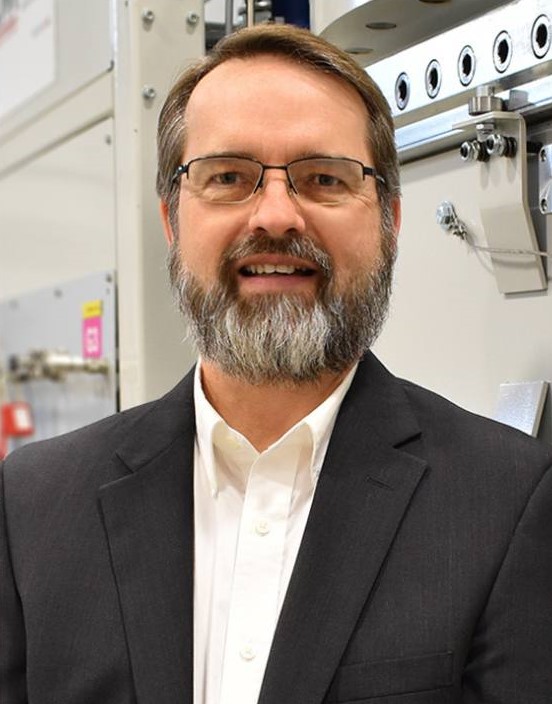
Mike Holly, lead consultant for Mike Holly Metals LLC, on ferritic nitrocarburizing

FNC and Brake Rotors (02:30)

Doug Glenn: The topic that we want to focus on today is FNC. Although if you think of anything else that might be of interest to our thermal processing people, feel free to deviate. How did you get introduced to ferritic nitrocarburizing or case hardening in general?

Mike Holly: I’ve always been involved with heat treatment and case hardening as a metallurgical engineer working on heavy gearing applications. I’m very familiar with FNC and way back in the mid-2000s (about 2005), we were looking at our warranty. In brakes, we saw an opportunity to improve the performance of our brake rotor by reducing brake judder, or pedal pulsation, which caused a lot of customer dissatisfaction. It caused a lot of warranties, knowing that these vehicles would be brought in to be serviced.

We were aware of FNC being done on brake rotors. It had been tried, but brake rotors are a highly dimensional, critical part, and control of distortion is paramount. With prior efforts, that distortion was completely out of control. And that’s why it never went anywhere. So, another team member and myself at GM took it offline and worked out the details so we could FNC-finish machined rotors with no subsequent grinding.

And we were able to do that, working with a company in Detroit at the time called Kolene. We were working in salt, but later on we did change the process to gas. The learnings between salt and gas pretty much transferred completely. We issued some patents, both for the FNC process itself and as it applies to brakes and some subsequent processing to improve the corrosion resistance of the rotor. My name is not on the patent as my prior employer owns the rights.

Doug Glenn: That is often the case, right? If you’re working for somebody, it’s their patent and not yours. How many patents were you involved with?

Mike Holly: I believe the number is 14 different patents. Some relate to the process directly; some relate to the interaction and the selection between the brake rotor and the friction material. There are quite a few patents that my prior employer has on this process. The first application was in 2009 in the Cadillac DTS and the Buick Lucerne. That’s where the rotors were first used.

Success with FNC (05:36)

Doug Glenn: Backing up to 2005, what do you think had made the FNC unsuccessful up to that point?

Mike Holly: Control of the output: The FNC process that was being used produced almost a solid white layer and we could not get the stopping power out of the friction material. This has to do with the application of something called a transfer layer. We discovered that you need porosity to get the transfer layer down.

Also, orientation of the brake rotor in the process is important; the patents tell you in the specs to orient the parts vertically.

Doug Glenn: Are you talking about the orientation of the rotor in the furnace?

Ferritic nitrocarburizing is a case hardening heat treatment. We are actually making a composite material. It’s within the families of nitriding, carbonitriding and carburizing. These are all done at different temperatures, and they produce different case depths. But again, you are making a composite material.

Mike Holly

Mike Holly: Yes. So it wasn’t anything we invented.

To try to control distortion further, we stress relieved the castings. We took all the residual stresses out from the founding, or the casting, of the part prior to machining, and then put the parts through ferritic nitrocarburizing, fully machined, no other grinding necessary; doing so, we’re able to maintain the critical dimensions.

A brake rotor is a safety critical part, so there are a lot of steps and validations to get that implemented.

Doug Glenn: It sounds like before 2005, and correct me if I’m wrong on this one, Mike, they were FNCing unfinished parts? They were FNCing the rotors before they were machined?

Mike Holly: No, they were doing finished parts and discovered that the dimensions, but the lateral runout and the thickness were so out of control that they would have to go in and subsequently grind to get it back in the dimension. But the FNC case depth is only 10 to 20 microns. You may wind up just grinding the case right off!

What Is FNC? (08:38)

Finish machining FNCed parts really can’t be done without removing the FNC, and then you lose the benefit. It’s a difficult matter to heat treat finished machined parts. It is done. But it was control of dimensions that made the difference.

Doug Glenn: Let’s take a step back then. I want to talk some very basics. You can give us a little metallurgy lesson for people who might not know what FNC is. Can you tell us about what we are doing in this process?

Mike Holly: Ferritic nitrocarburizing is a case hardening heat treatment. We are actually making a composite material. It’s within the families of nitriding, carbonitriding and carburizing. These are all done at different temperatures, and they produce different case depths. But again, you are making a composite material.

FNC is a thermal chemical treatment. We diffuse carbon and nitrogen into the surface of the iron. This strengthens the iron and provides not only a wear-resistant case but corrosion resistance. That’s a peculiar advantage to FNC.

We can specify for steels, stainless steels, gray irons, nodular irons, a whole host of ferrous materials. FNC can be performed in a gaseous atmosphere, molten salt or even a fluidized bed. You involve two gases: a source of carbon, which could be carbon dioxide or natural gas, and a source of nitrogen, which is typically ammonia.

The process is done subcritical, which means below the critical temperature of like 723°C (1333°F) — it’s well below that. It’s performed at around 560°C to say 590°C (1040°F to 1090°F). It produces a very hard wear and corrosion-resistant case from 10 to 20 microns and thickness.

Screenshot from the ECM USA advertisement (embedded in the podcast video) highlighting the ferritic nitrocarburizing processing they provide

Benefits of FNC (10:35)

So, what are the benefits? Why would we even do this? For one thing, it’s done at such a low temperature that it’s a low distortion heat treatment; we’re not going through the transformation temperature.

Doug Glenn: For example, just for those who don’t know, like carburizing — that means going above critical.

Mike Holly: That’s right. With FNC, we get an improved fatigue durability due to the higher surface strength. Ferritic nitrocarburized parts have a compressive residual stress on the surface, and that’s beneficial for fatigue. It’s resistant to adhesive and abrasive wear, it provides a fairly good surface finish, and, very importantly, it improves corrosion resistance compared to other processes.

And a critical environmental concern is there’s no hazardous waste treatment or landfill involved. These gases are readily available. There’s really no waste treatment that we have to concern ourselves with.

Why don’t we do every gear this way? It has to do with the case depth; these are very shallow cases. For heavily loaded parts like ring and pinion high point gearing, we need a thicker case to resist the rolling contact fatigue.

In that application we have to go to carburizing or carbonitriding. And for some shafts where we get very high bending stress, we have to use induction hardening, which is a case hardening treatment that doesn’t use diffusion. You’re just modifying the microstructure of the surface.

FNC has a unique niche: It’s subcritical, has good wear and corrosion resistance, and it improves the fatigue properties.

Doug Glenn: I want to ask you about other applications for FNC besides brake rotors.

First, let me ask you this since you’re talking about the shallow case depth. I’m thinking to myself, you’ve got the rotor and you’ve got your friction product (which we would consider to be the pads that are mounted to the caliper, let’s say on a car). Are those pads not also kind of grinding off the shallow case depth of the rotors?

Mike Holly: It could if you had an aggressive enough friction material. In one of the designs that we had to make was selection of friction materials. And at the time the non-asbestos organic friction materials worked very well with FNC.

But as we go up in aggressiveness, one of the projects I’m working on is improving the case wear resistance of the FNC brake rotors. We’re doing that by alloying gray iron with niobium. We alloy with niobium and form niobium carbides in the case. This greatly improves the wear resistance on the iron side. So that’s how we’re addressing the more aggressive friction materials that would typically be used in Europe.

Applications of FNC (14:51)

Doug Glenn: I want to come back to that niobium, too, so we’ll probably hit on that again. What other applications of FNC have you seen?

Mike Holly: It’s used where wear distortion and corrosion resistance are very important. Many lightly loaded gears will fit into this category. Struts, the devices that hold up your hoods, they’ll be FNC. Some locking mechanisms are FNC. Brake backing plates are currently done. And I think one of the biggest applications is clutch pack discs, which are small 1040, 1050 steel materials (that may not be the only alloy that’s used). They’re FNCed to improve the wear resistance in the case.

Why don’t we do every gear this way? It has to do with the case depth; these are very shallow cases. For heavily loaded parts like ring and pinion high point gearing, we need a thicker case to resist the rolling contact fatigue.

Mike Holly

An upcoming application I’m working on is chassis cradles and frames. We stamp these pieces out of steel, and we weld them. But when we weld them, the weld heat affected zones can lose strength. What we’ve come up with is by using a niobium alloy, a high strength, low alloy steel, and FNC heat treating it, all the weld heat affected zones have good fatigue performance, along with the rest above the cradle. That’s something I worked on at GM, and there’s a patent on that. 

And brake rotors are the latest application which has benefited from FNC treatment. They provide very long-term durability, reduce brake judder, and they’re very commonly used for electric vehicles. Because of the regenerative cycle, there is not a lot of friction application. We have to be very concerned about corrosion buildup on an electric vehicle application.

Doug Glenn: When you start mentioning about car frames and things of that sort, have you gotten at all involved with this giga cast thing for Tesla? I mean is there any FNC going on there?

Mike Holly: Well, I’m not sure what Tesla is doing, but with chassis structures, you’re not only balancing strength. Strength is important; you’re also balancing stiffness. Stiffness could be related to the metal. Now steel has very high Young’s modulus value compared to aluminum. The way you have to make that up with aluminum is through section properties: Thickness and shape.

There’s always competition between steel and non-ferrous materials, whether it be cast aluminum or fabricated aluminum and steel. They each have their advantages, and there have been many vehicles made with both types of construction. Where stiffness is critical, typically steel dominates. That’s the story of chassis structures.

Doug Glenn: When we spoke before, I think you mentioned that there are some non-automotive applications for FNC like golf clubs and some other things?

Mike Holly: I have seen it performed at a company in Michigan where they’re doing, for example, very large gates that are used for hydroelectric plants. They’re FNCing the gate to improve its erosion resistance from water. It’s done in many military applications for devices that would hold onto ordinance. It can be used on stainless steels to improve their wear and strength. There are non-automotive applications for sure.

If you attend the Shot Show this month, January 2025, you’ll know that a lot of firearms are known to need FNC treatment. Learn more at https://shotshow.org/

FNC at General Motors (19:52)

Doug Glenn: I want to ask you a question about the business side of FNC. A lot of times there’s a lot of inertia to keep things the way they are, right? A lot of our advertisers have trouble breaking in with new technologies. From your perspective as one of the lead guys on this for GM, what did it take to get the FNC process into your production schedule?

Mike Holly: First, we had to prove that this is something that would benefit the client. The client would benefit twofold: The vehicles would resist distortion and corrosion; that would improve the performance of the brake in terms of resisting pedal pulsation.

Also, warranties can be very costly. Adding this type of enhancement reduces warranty costs. But you do have to balance the cost reduction of warranty versus the cost of the process. Initially it was very costly, but we wanted to see how it would perform in real time. And at game speed, which means in the customer’s hands.

There was a very willing group at GM, the Cadillac people, who wanted to be first. And they were willing to do this. It turned out quite well. And since that time, it’s been adopted by many car platforms including many competitors.

General Motors, the first to use FNC processed rotors on their pickup trucks and big SUVs, with Ford not far behind; in this Heat Treat Today article from April 2023, Michael Mouilleseaux reflects on the very commercial Mike Holly references in his interview: “I was shocked the first time I saw the commercial: a Silverado pickup truck, out in the snow, and the speaker saying, ‘We now have an 80,000-mile brake system because of a heat treating process called FNC!'” Read more at: https://www.heattreattoday.com/featured-news/how-tip-ups-forever-transformed-brake-rotor-manufacturing/

Doug Glenn: Do you have any idea what it was about the guys in the Cadillac DTS division that made it more attractive, more palatable to them than others?

Mike Holly: They wanted to be first. They wanted to offer a premium vehicle with premium performance. They advertised it in their brochures.

When it was adopted by the truck platforms, which was a really big deal in terms of volume, it was actually advertised on one of the Super Bowls early on. I still have that.

Doug Glenn: That would be very interesting to see a Super Bowl ad talking about brake rotors.

Mike Holly: Brakes and FNC. You know, the customer is king, and you have to provide something that they’re willing to go along with. Ultimately, we have to make money. Those were key characteristics.

Starting Out with FNC (23:26)

Doug Glenn: At that point did you just jump in full bore — buy the equipment and do it yourself? Or did you first start by doing some outsourcing of it?

Mike Holly: It was originally done in the existing supply base. We used existing heat treaters. The furnaces were not optimized for brake rotors; parts were being shipped a lot.

Before we started purchasing equipment, we wanted to make sure this was going to operate in real time at game speed as we expected. As the platforms were added, it was very clear from the beginning (and we know this from highly machined gearing) that the best thing is to have the heat treat shop right in the manufacturing facility. That way you’re not shipping these very dimensionally critical parts all over the place. And the dunnage is expensive.

Today the FNC operations are co-located for the most part with the machining plant. And in many cases, you’ll see the foundry, the machining plant and FNC all in the same locale. This eliminates shipping and transferring costs, maintaining your highly machined parts and eliminating the handling. These are heavy parts, and the furnaces have to be designed to accept the thermodynamic load of large parts. And it’s preferred to do it by the ton — a lot of parts at once. And these are batch processes, so they’re very receptive to that.

Part Fixturing (25:23)

Doug Glenn: Earlier you mentioned the criticalness of fixturing. Is there anything more you can say about that? We don’t want to disclose any secrets.

Mike Holly: Generally, our patents will just say vertical orientation. The heat treat suppliers all have different furnaces, so that’s for them. They design their own racking, and that’s their property. They don’t have to disclose that.

The OEMs just require dimensional control. So, show us statistically that your lateral runout, your thickness and your wheel mount surface meet our specs. And, of course, the guidance that the parts should be oriented vertically and should be stress relieved before machining is out there.

As far as the intimate details of the rack and how heavily loaded the furnace is, that’s all their efficiencies, and they own that. I don’t reveal that to anybody. That’s theirs. It’s not for me to cross fertilize the industry with that.

Early Players in FNC (26:49)

Doug Glenn: For posterity’s sake, it would be nice to know who some of the early players were in this. Obviously, your DTS Cadillac division were kind of the end users. But who were the people outside of GM who helped out?

Mike Holly: I’ll give some credit here: I mentioned Kolene. I think they’re out of the salt bath business now. The original salt bath heat treater was KC Jones in Hazel Park, Michigan, and then the gas processing was basically first implemented at Woodworth in Detroit.

Doug Glenn: I’m familiar with them, and I think they’re still doing it, right? From what I understand, Woodworth’s got a huge business in that.

Mike Holly: They are still doing it. They’re a very dominant player, but other players have entered the market and been very successful. It can be done. And from the OEMs perspective, competition is great.

I was involved in developing processors not only in North America, but in Asia and South America.

Doug Glenn: Were there are a lot of hoops to jump through for the folks at Woodworth or Kolene, for example? Do you have any tips or suggestions for companies who are wanting to supply stuff like that to GM?

Mike Holly: Initially there were a lot of lessons learned. We were able to work through that — mainly to get the scrap rate down. Now it’s down to very low levels. There’s continual learnings like stress relief, for example. It’s since been discovered that not all brake rotors need to be stress relieved. Depending on the geometry of the rotor, they may not develop a lot of residual stresses in the casting operation. Or the casting operations could be different if you have, say, a vertical part line with very long shakeout, the cooling rate is rather slow. We’ll develop minimal residual stresses that you may not have to stress relief. But at the end of the day, the dimensions must be met, and 100% of these parts are typically checked for dimensions.

The latest change occurring that’s driving new ideas is the Euro 7 regulation, the dust emission.

Mike Holly

FNC and New Technologies (29:39)

Doug Glenn: Let’s jump back to the process a little bit. This may have to do with some technology moving forward. But is there any alternative to FNC at this point? Any competitive processes?

Mike Holly: The latest change occurring that’s driving new ideas is the Euro 7 regulation, the dust emission. And I can describe that if you’re interested in a very short description.

They’re basically new rules from the European Commission. They’re intended to provide cleaner vehicles in terms of emissions and air quality. The latest implementation date appears to be 2026. They have a rollout date of when you have to meet the requirements. And it is particularly focused on brakes and tire-related emissions.

This is according to the SAE; I’ll give them credit where credit is due. They basically tell us that with Euro 7, brake particle emissions (size in the PM10 range; inhalable particulate around ten microns and smaller like dust and pollen and 2.5 microns) must reduce by 25% to 30% to a maximum of, say, seven milligrams per kilometer. 

It’s a very complicated regulation. I think the latest data I’ve seen is 20, 35, but even if it’s 2035, we have to start working on that today.

The two technologies that I think are going to come to the forefront is going to be FNC and laser cladding, which you may have seen coming out of Europe. In laser cladding, we’re going to clad the brake rotor, the thermal spraying type of application with a very hard wear-resistant layer of titanium carbide. That will require post-grinding.

What I’m working on is FNC and enhancing the case properties by alloying the iron with niobium. Now, is this an entirely new idea? I don’t think so. Most metallurgists will tell you that even in carbides and grades we use different steels to improve either the case or core properties. Alloying additions are well-known in the heat treat industry. I’m boosting the hardness of the FNC case with niobium carbides. It also benefits the core by improving the strength of the core.

I think those are the two technologies involved.

I think niobium plus FNC is certainly the low-cost approach. Will it be compatible with all friction materials? In the most aggressive friction materials out there, you might have to go to laser cladding. But I think for the majority of friction materials, FNC on its own or FNC plus niobium will work, and they’re very low-cost type additions. Niobium alloying with cast iron is very well-known, and it’s been done in the past. It doesn’t require a lot of capital investment. If you already have FNC-heat treated rotors, you don’t have to buy furnaces. In my opinion, it is the low-cost option to accomplish the objective of meeting Euro 7.

Doug Glenn: I want to go back to that process of niobium a little bit just to be clear. The niobium is alloyed into the rotor to start with, right?

Mike Holly: That’s correct.

Doug Glenn and Mike Holly discussing laser cladding, grinding, and carbides in FNC

Doug Glenn: You’re not infusing it with….?

Mike Holly: No.

Doug Glenn: Ok, you’ve got the niobium and the carbides in the rotor to start with, and you’re just FNCing it as usual.

Mike Holly: It’s an alloy furnace addition at the foundry. It has been done in either electric or cupola melting. There is a heavy truck rotor application that was niobium alloyed for many years, and that was advertised as a 1 million-mile rotor. It had a very high niobium addition, so it affected the machinability of the part.

In the heavy truck industry, it’s all about uptime — keeping the trucks out of the shop and on the road. It accomplished the client’s objective.

Doug Glenn: You mentioned advertising again. I’ve got to go back and find this DTS advertisement on the Super Bowl.

Mike Holly: I think it was a truck application, Silverado Sierra.

Doug Glenn: I’ve got to find that.

The cladding process, if we’re talking about which one of these processes might win out if there was competition between them, is the cladding process done piece by piece? How do they clad a rotor? In FNC you’re not doing it piece by piece.

Mike Holly: One at a time.

Doug Glenn: Do you think the cost element will be the deal-breaker there, besides the fact that you’re adding cladding and post-grinding?

Mike Holly: Yes, those are very costly. But the most costly part of it is the materials. You have to put an adhesion layer down, that’s basically a 316-type stainless steel all done with laser type thermal spray application and then a second layer of the carbide.

There are a couple carbides that could be used; titanium carbide is the favorite now. Niobium carbide could be used. Tungsten carbide can be used, but that has some environmental effects; I think tungsten has fallen out of favor. 316 contains both nickel chromium and molybdenum. Nickel is traded on the London Metal Exchange. Your ability to control costs with nickel is minimal. Nickel and molybdenum, especially, is used in other applications such as high temperature alloys. So, you’re going to get competition from the turbine engine material.

In the case of FNC, ammonia, natural gas, carbon dioxide, and propane are all readily available worldwide. They are not controlled by any LME (London Metal Exchange) or anything like that.

Also, once you grind the surface, you have to deal with the grinding swarf. You cannot just put nickel to drain; that has to be treated. And, of course, you would like to recover it.

But I don’t want to throw the laser cladding people completely under the bus; it produces a very hard, wear-resistant layer.

Doug Glenn: It sounds like there may be applications where the cladding makes sense, but for your everyday truck and car you probably don’t need that high end rotor.

Mike Holly: I think we have to get back to basics. What does the brake do? It’s an energy conversion device. It’s converting mechanical energy to heat, or in the case of regenerative braking, it’s charging a battery. There’s the brake rotor, the metallic surface and the friction material. It has to be looked at as a system. What are the performance objectives that we intend to meet? And what is the desired durability and cost?

Doug Glenn: It seems like from what you’re describing FNC would have a huge cost advantage.

Mike Holly: I think so.

Current State of Brake Rotor Industry (39:05)

Doug Glenn: In your consulting work which you mentioned earlier, you’re working on improving the wear life of these rotors using FNC by incorporation of niobium?

Mike Holly: Yes. I published an SAE paper recently, and I’m going to publish another one in the upcoming North American colloquium and also in EuroBrake. My clients are sponsoring various tests and evaluations both here, in Europe and in South America. We’re getting a lot of good data, but competition makes us better. It truly does. You see it at these brake meetings. There’s always the cladding people, and there’s always the FNC people.

Doug Glenn: What is the leading brake event in the United States?

Mike Holly: In my opinion, it would be the SAE (Society of Automotive Engineers) Brake Colloquium. But there’s also the regular SAE congress. In Europe, it would be EuroBrake. And I think there’s comparable activities in Asia.

Doug Glenn: I just thought of a question I wanted to ask you before: You said Euro 7 is for brakes and tires, and they’re concerned about the particles created by both when they’re used — tire wear on the roads or brake friction?

Mike Holly: Yes. And they’re concerned about the microplastics from the tire. I think the tire people have a bigger job than the brake people do. But brakes are a fairly significant challenge.

Doug Glenn: I’m laughing because I’m thinking it depends how you drive. Some people are a little heavier on the brakes than others. 

Are you fairly confident that Euro 7 will come to the U.S. at some point?

Mike Holly: I’m not a regulations expert, but I think it likely will. It’s more of a political question. I understand from talking to some contacts in Asia that they plan on adopting it. We’ll see; it’s definitely going to add cost.

Doug Glenn: Yes, most regulations do.

Final Thoughts (42:18)

Doug Glenn: Is there anything else you would like to add before we wrap up?

Mike Holly: I not only work on brakes; I’ve also worked in suspension springs. Some of those are microalloyed to improve their properties. I can do CQI-9 audits. I’ve worked on coatings and platings (hard chrome or electroless nickel). If someone would need an extra hand, I get to help out.

Doug Glenn: You’ve got my vote. When did you retire from GM?

Mike Holly: I retired in 2021, and I currently live near Green Bay, Wisconsin.

Doug Glenn: And you’ve built your own consultancy, which is great. Thanks for taking the time to visit with us. I appreciate your expertise.

Mike Holly: Thank you.

About The Guest

Mike Holly
Consultant
Mike Holly Metals LLC

Mike is currently a consultant with Mike Holly Metals LLC, specializing in heat treatment, coating, casting, metal forming and joining operations. He has 42 years of experience in industry, including 32 years at the General Motors Materials Engineering department where he was assigned to support automotive and truck chassis applications. He holds 15 patents and was key in the development of Ferritic Nitrocarburizing Brake Rotors. Mike has a Bachelor of Science in Metallurgical Engineering from Wayne State University and a Masters from Purdue University.

Contact Mike at mike.holly72@att.net.


Search Heat Treat Equipment And Service Providers On Heat Treat Buyers Guide.Com


Heat Treat Radio #117: How GM Started & Grew FNC for Brake Rotors Read More »

Heat Treater Expands Capacity and Footprint

Solar Atmospheres in Souderton, PA, has commissioned two additional 2-bar vacuum furnaces, expanding its capabilities to meet demand in the aerospace and industrial gas turbine sectors. The equipment will allow the company to specialize in hydride/de-hydride processing of titanium, tantalum and niobium.

Mike Moyer
Vice President of Sales
Solar Atmospheres Souderton

These vacuum furnaces, produced by the heat treater’s sister company, Solar Manufacturing, feature large working hot zones (45” x 45” x 72”) and are rated for operations up to 2400°F with a precise temperature uniformity of ±10°F.

“We’re thrilled to add these advanced furnaces to Solar Souderton’s lineup,” said Mike Moyer, vice president of sales, at Solar Atmospheres. “Equipped with Solar Manufacturing’s latest control systems, they ensure efficient, safe operation — meeting our customers’ needs for competitive pricing and fast delivery. This installation reinforces our commitment to consistently high-quality service.”

More Solar Atmospheres News…

Robert Hill, FASM
President
Solar Atmospheres of Western PA

Solar Atmospheres of Michigan, Inc., announced the completion of its 20,000 square-foot facility expansion, marked by the official receipt of an occupancy permit from Chesterfield Township.

“Next week, we’ll begin the process of moving our Shipping and Receiving Department, along with other essential ancillary equipment, into the newly completed adjoining building,” said Bob Hill, president of Solar Atmospheres of Michigan. “This expansion is a vital step forward, enabling us to optimize workflow, boost production capacity, and further improve the quality of our vacuum heat treating services for our valued clients.”

The expanded facility will allow Solar Atmospheres of Michigan to streamline operations and meet growing customer demands from various industries.

The press releases are available in their original forms here and here.


Heat Treater Expands Capacity and Footprint Read More »

The Heat Treat Robotic Paradigm Shift

As Thomas Bauernhansl, professor of Production Technology & Factory Operations at the University of Stuttgart, aptly states, “We are going from more supply-oriented production to a demand-oriented one. In many cases, the customer determines which version he wants to have [of] a product — the manufacturer adapts to this and his processes accordingly.”

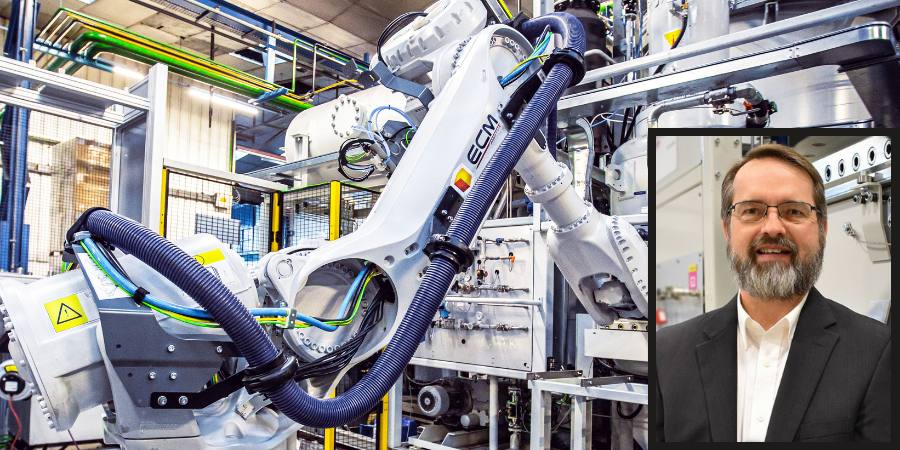
This shift is critical for the heat treat industry, where the need for advanced automation and robotics integration is paramount to achieve higher efficiency, consistent quality, and reduced costs. In this Technical Tuesday, Dennis Beauchesne, general manager at ECM USA, discusses the increase in use and installation of automation and robotics in manufacturing and specifically how companies within the heat treat industry have adapted to their implementation—and become innovators in their usage.

This informative piece was first released in Heat Treat Today’s January 2025 Technologies To Watch in Heat Treating print edition.


Industry Automation

In the last 10–15 years, an upward trend is consistent with the increased investment value of integrated automation within a heat treatment plant. At the beginning of the 2000s, it was common to have an automatic transport car transporting batches to different stations, but, in the last five years, far more complex automation solutions are in demand. In order to meet the requirements of future industry robotics and automation, our industry must adapt to the new and improved technology offerings and standards that are being used in other industries.

Figure 1. Annual robotics installation by industry 2021-2023

According to World Robotics, there has been a significant increase in robotics usage and installations since 2020 (Figure 1). For example, the automotive industry shows installations almost doubled from 2020 to 2022 with 83,000 installations in 2020, compared to 136,000 installations in 2022. The industrial robot market was expected to grow by 7% in 2023 to more than 590,000 units worldwide. Although it exceeded 500,000 installations, robotics were down 2% (possibly due to COVID-19) compared to the prior record year. Of interest to note for the automotive industry, the industry increased its robotics demand in 2023 to surpass electronics with a 25% share (electronics was close with 23%, down by 5% due to inventory levels stabilizing after supply chain bottlenecks mostly vanished).

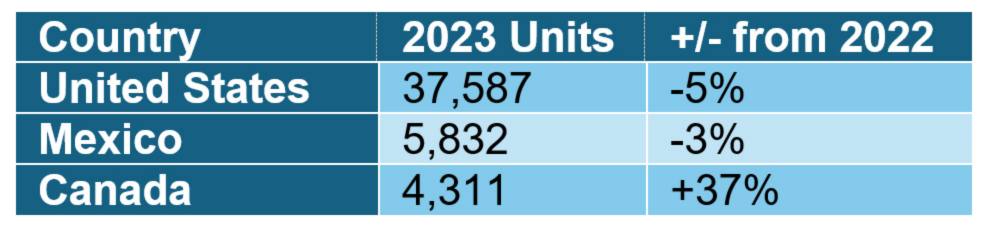
Table 1. North America’s robotics comparison 2022 to 2023
Source: World Robotics

Specifically for the United States and Mexico, peak robotics installation demand was documented in 2022, but demand has been consistent within +/-5% (Table 1). The future of robot installations is trending to grow and exceed 50,000 units in North America for 2024. Nearshoring of supply chains will create demand for automation technology in the years to come, according to Christopher Müller in his World Robotics 2024 – Industrial Robots presentation.

Manufacturing Concepts

The company SEW has previously published its ideas and concepts of autonomous transporters distributing the raw parts to the production cells, after the soft processing to the hardening plant, and finally the hard machining (Figure 2). All steps are configured within the component so the process steps can be well documented on a component basis.

Figure 2. SEW concept from Hiller, “The networked hardening shop,” 2019
Source: ECM GmbH

As can be seen in the SEW Figures, the original hardening plant is shown as a continuous furnace. However, this type of plant technology can be seen as contradictory to current production needs. To be compliant with this new philosophy, plant technology must be as modular, flexible, and automatable as the rest of the production layout and components. Heat treatment must also be controllable and unloadable with automatic transport units. Robots must be able to load batches and navigate the plant (according to CHD, steel, part numbers, etc.). The smaller the batch size, the larger the value of robotic component documentation. Furthermore, a reduction in batch size is advantageous for flexibility, costs, and heat treatment of many requirements for production runs.

Heat Treatment & Robotics

A heat treatment plant can implement
recommendations for the future of industry
automation by acquiring technology for:

  • Automatic loading/unloading
  • Component recognition systems
  • Automatically loaded/read recipe systems
  • Smaller batch sizes with a wide variety of variants
  • Heat treatment of different applications or steels in small quantities
  • Maintenance/repair detection

Benefits of automating part or all production line steps include:

  • Shorter process times
  • High CHD (Case Hardening Depth) uniformity and lower distortion
  • Lower operating costs and labor reduction

These technologies have existed and are being implemented in heat treat operations for a few years now. The results are clear and the benefits are proven through higher quality parts, highly efficient heat treat operations, and overall more efficient production facilities.

As many machining operations have been robotized, this allows the downstream heat treat operations to easily take advantage of part placement in dunnage and plant transport systems, whether manual or automated.

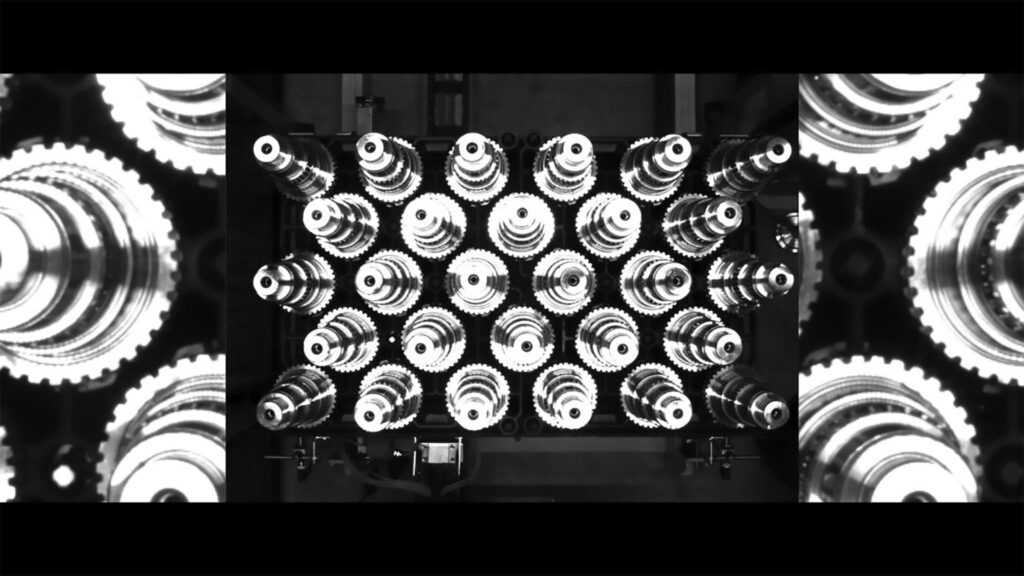
Figure 3. ECM Vision System
Source: ECM Robotics

Batch Loading with Robotics

Bulk goods-loading (such as clips, links, and other small parts via weight detection) as well as loading and unloading of truck shafts in fixtures and in straightening machines are just a few examples of production areas that can benefit from robotics/automation. Visual recognition systems can identify gears/parts based on the diameter or by the number of teeth on the gear and can then sort them by these features (Figure 3).

Like the visual locating of the parts by cameras, they can also be used for tracking parts and loads within a heat treatment cell. A good amount of work has been done in this area for heat treating. This work covers part marking, tray/fixture encoding, and part weighing scenarios, and allows the heat treat system to accurately process all the different parts coming through the heat treat system with the correct process recipe.

Some of the work being done has been implemented with a QR code marking system for each part before heat treatment. To ensure the correct recipe or heat treatment is performed on the proper part, this scanned code works with the heat treatment system controls to upload the correct recipe to the proper cell. This information can be further analyzed to indicate precise placement in the heat treat tray through virtual tracking.

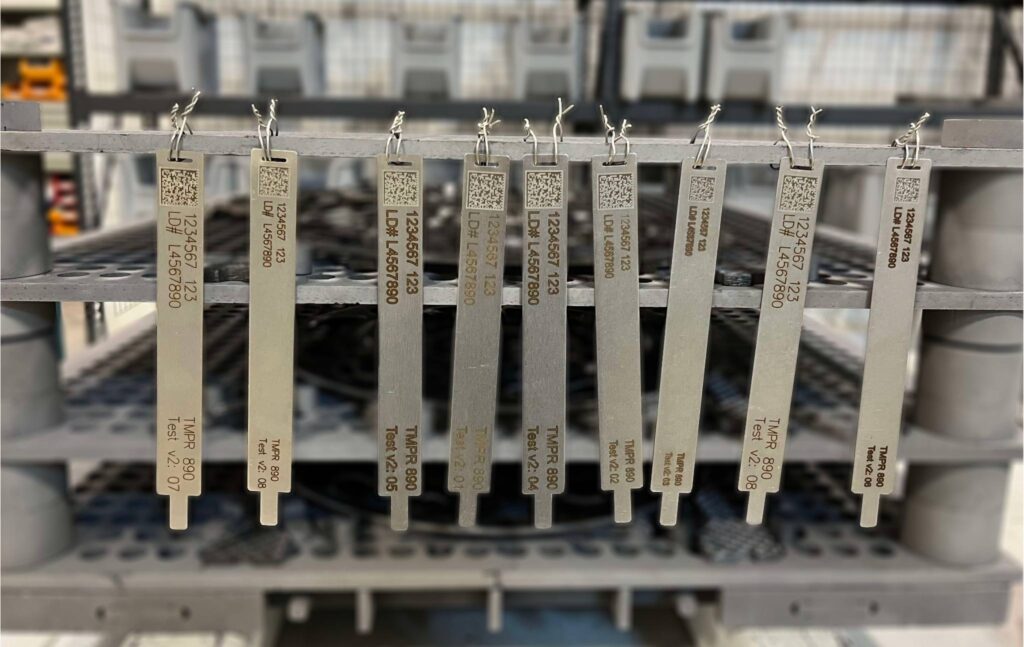
Figure 4. QR code heat treat test picture
Source: ECM USA Synergy Center

In Figure 4, you can see in the details that this client has reviewed and tested to assure the code is visible before and after heat treating with a carburizing and hardening process.

These parts are tracked when entering the system and also noted as to which heat treat tray they are on by using a binary code with holes in a tray or on a strategically placed bar code plate on the tray. With this system, they can be scanned by a camera before entry and upon exit of the furnace (Figure 5). This tray scanning can also indicate how many cycles the trays have on them to ensure the trays stay in good condition and can be cycled efficiently.

Figure 5. Lohmann Steel barcode scan plate (Images courtesy of Lohmann Steel, heat resistant castings — grates, trays, baskets, fixtures and more)
Source: Lohmann Steel

Networked Hardening

Let’s look at the SEW production concept again and re-imagine it with a more efficient vacuum furnace technology with robotic integration. In this concept, the vacuum furnace system forms the “spatially distributed production reserve” which helps autonomous transport units as “situationally self-controlling” material is delivered.

The QR code on the component represents the “knowledge-based” running card. The robots recognize the components by means of the QR code and are loaded onto the appropriate heat treat trays. The heat treatment can then be carried out on a component-related, flexible, and documented basis. Traceability of production can also be ensured (Figure 6).

Figure 6. Robotics concept
Source: ECM Technologies

Loading of the parts can be done efficiently through a series of dunnage that hold the part in specific locations which assist the robot to locate, lift, and place the parts in the heat treat tray. This method doesn’t always need to be a perfect location for the incoming work as we now have 2D and 3D cameras that can work in tandem to locate parts, even in odd stacking or randomly loaded bins.

In a recent installation, a heat treater automated their gear cutting operation to prepare the dunnage before heat treat. Therefore, the heat treat robotics phase was simplified by storing each part in a specification location for the robot to “see” with its vision system. These parts are then scanned and automatically connected to the part’s recipe as stored in the system. In a modular system using low pressure carburizing, individual cells are utilized, and production is recipe driven. These recipes are pre-developed and stored to allow each cell to utilize the recipes for many different parts. In this case, after a part is scanned, the recipe is uploaded into the next available cell and the scanned parts and heat treat fixture is moved to the cell (Figure 7).

Figure 7. Modular vacuum furnace for low pressure carburizing
Source: ECM USA

Figure 8 was designed to use over 175 different parts with nine different heat treat processes which included carburizing and slow cooling, hardening, tempering, cooling after tempering and cryogenic treatment.

With further considerations for additional benefits of the automated system, fixtures were optimized by using CFC (carbon fiber composite) base trays. These trays are not only extremely stable and have non-existent growth/warpage, but they also help with robotic placement before and after heat treatment. CFC trays are flat, or can be machined to conform to part geometry, which helps to reduce or minimize distortion related to fixture warpage or creep.

Figure 8. LPC and robotics configuration
Source: ECM USA

Many system designs have been proposed to a variety of clients; however, the end goal is to design a system that is “standard.” This standard design needs to incorporate different forms of dunnage, bins, boxes, and pallets to allow a commercial heat treater to easily program the system whenever the next part comes in from their client, whatever it may be. This is a challenging task and needs to be broken out by weight category to design the robot’s reach and end tool design. In this case a robot cell offline of the heat treat furnace can be built and utilize, and ultimately use, an AMR (automated mobile robot) or AGV (automated guided vehicle) to bring the built loads to the furnaces (Figure 9).

Figure 9. AGV configurations
Source: ECM GmbH & ECM Technologies

Vacuum Advantages

Vacuum furnace systems have a clear advantage over traditional atmospheric systems with many features which lend themselves to integrate into the machining area with robotics and automation.

The fact that an LPC (low pressure vacuum) furnace system can process loads via a recipe input and each cell can be used to process a different case depth, or hardening cycle is highly advantageous when processing a wide variety of parts. In addition, the LPC process provides a more uniform case depth throughout the part to make a stronger part along with high quality processing. The vacuum furnace cells can be arranged in many ways to fit into existing facilities and to be able to use many methods of automation especially including robotics.

Quenching is also a key element in any hardening heat treat process. LPC furnace systems are usually associated with high pressure gas quenching (HPGQ) in a separate chamber to provide the best quenching performance. This gas quenching technique provides a clean process for each part and allows the use of CFC fixtures. There is also no requirement for post cleaning as is necessary with oil quenching.

Providing quality low pressure carburizing, clean and precise gas quenching, CFC trays for better uniformity and keeping the parts flat, and the automation benefits of robotics makes for a state-of-the-art heat treating production operation and thus completes the heat treat paradigm shift.

Figure 10. Robot loading
Source: ECM USA

Conclusion

The heat treat industry wants and needs automation and robotics integration to advance production, reduce costs, and improve the overall quality of production. With traditional technology, process data evaluation and self-configured recipe values are not possible. Therefore, component analysis should be automated to meet and achieve consistent and reliable recipe values (mass flow, time). With the increase in robotics demand, vacuum furnace technology meets the variable requirements of “demand-oriented” production. Due to the flexibility of this technology, small batch size systems can be automated with robots or as bulk material.

References

  • Hiller, Gerald. “The networked hardening shop – the challenge to the hardening plant in the world of Industry 4.0.” ECM GmbH. Paper presentation, 2019.
  • Müller, Christopher. “World Robotics 2024 – Industrial Robots.” IFR Statistical Department, VDMA Services GmbH, presentation in Frankfurt am Main, Germany, 2024.

About the Author:

Dennis Beauchesne
General Manager
ECM USA

Dennis Beauchesne brings experience of over 200 vacuum carburizing cells installed on high pressure gas quenching and oil quenching installations. He has worked in the thermal transfer equipment supply industry for over 30 years, 23 of which have been with ECM USA.

For more information: Contact Dennis at DB@ECM-USA.com.


The Heat Treat Robotic Paradigm Shift Read More »

Retech Expands with ReMelt Scientific

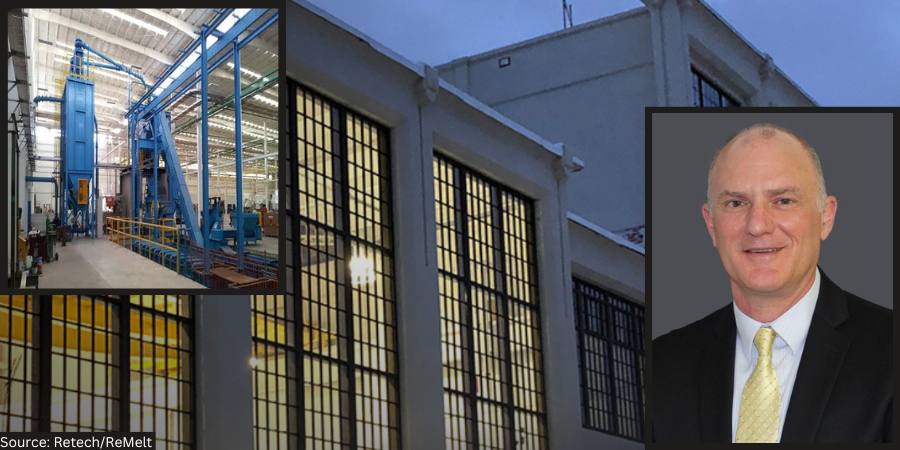
Retech, which provides advanced technologies for melting and refining reactive and refractory metals, has acquired ReMelt Scientific, broadening the capabilities for the vacuum and aluminum melting divisions of the SECO/WARWICK company. The two companies have been working alongside one another for decades on a less formal basis offering consulting, collaborating and subcontracting services. This acquisition formalizes that partnership.

Earl Good
Managing Director
Retech

ReMelt Scientific, based in Canton, Ohio, specializes in material handling and waste processing equipment for ultra-pure remelt of recycled tailings, scrap, and revert. This acquisition brings an advanced technology experience under one umbrella for clients of Retech’s innovative vacuum metallurgy solutions.

“I think ReMelt is a valuable acquisition and it seems to fit well with the Retech portfolio and the SECO/WARWICK Group business overall,” said Earl Good, managing director of Retech

Sławomir Woźniak
President & CEO
SECO/WARWICK Group

The acquisition will allow the SECO subsidiary to offer more comprehensive solutions in the vacuum metallurgy segment. Vacuum metallurgy, which involves the melting and refining of metals in a controlled atmosphere, is critical for producing high-purity metals and alloys used in various high-tech applications. Aluminum melting is a complex process that requires precise control and advanced technology to ensure the production of high-quality aluminum products. ReMelt’s knowledge in aluminum waste processing and material handling will enable its new parent company to offer state-of-the-art aluminum melting solutions that meet the industry’s stringent demands.

“While ReMelt will join the Retech division, they really are an asset to the whole Group and our worldwide operations as a whole”, said Sławomir Woźniak, CEO of SECO/WARWICK Group.

The press release is available in its original form here.


Retech Expands with ReMelt Scientific Read More »

18 News Chatter To Keep You Current

Heat Treat Today offers News Chatter, a feature highlighting representative moves, transactions, and kudos from around the industry. Enjoy these 18 news items.


Equipment

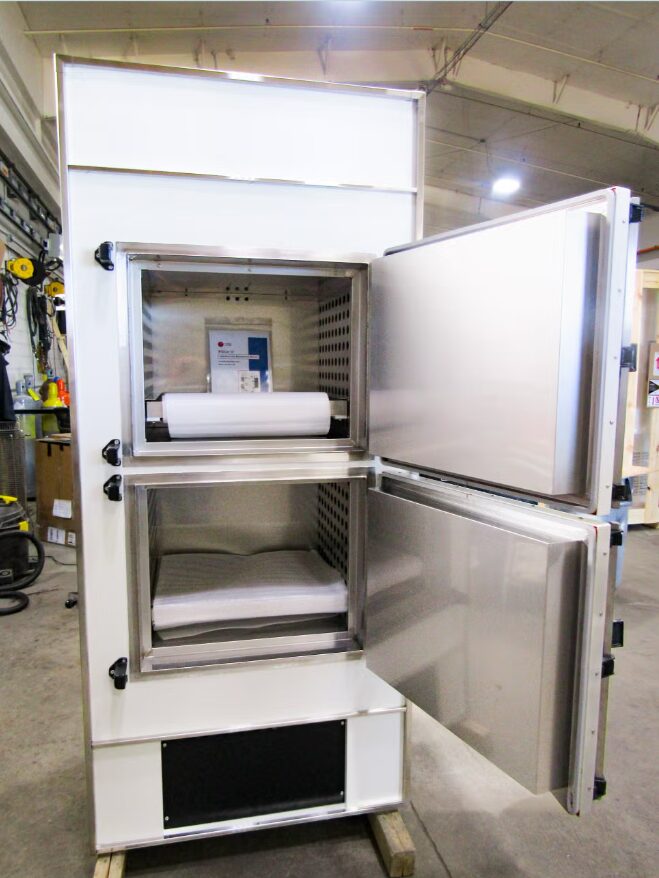
  1. Blue M, a global industrial and laboratory ovens manufacturer, has announced the shipment of a stacked mechanical convection oven to be used for non-hazardous curing applications between 570°F and 750°F (300°C and 400°C).
  2. Hammerer Aluminum Industries (HAI) has implemented a Nitrex nitriding system at its facility in Romania, replacing the traditional salt bath nitriding process. The new system has a load capacity of 3,300 lbs (1,500 kg), is designed specifically for treating extrusion dies, and offers controlled nitriding and controlled ferritic nitrocarburizing.
  3. SECO/WARWICK recently completed three transactions: a European manufacturer of modern armament equipment and armaments supplier for NATO acquired a vacuum furnace with gas cooling and a molybdenum heat chamber; a Slovenian manufacturer ordered a vacuum furnace with 15 bar high pressure gas hardening and two nitriding furnaces; and a Turkish company purchased an induction vacuum furnace for melting and obtaining castings designed for manufacturing aviation components.

Company & Personnel

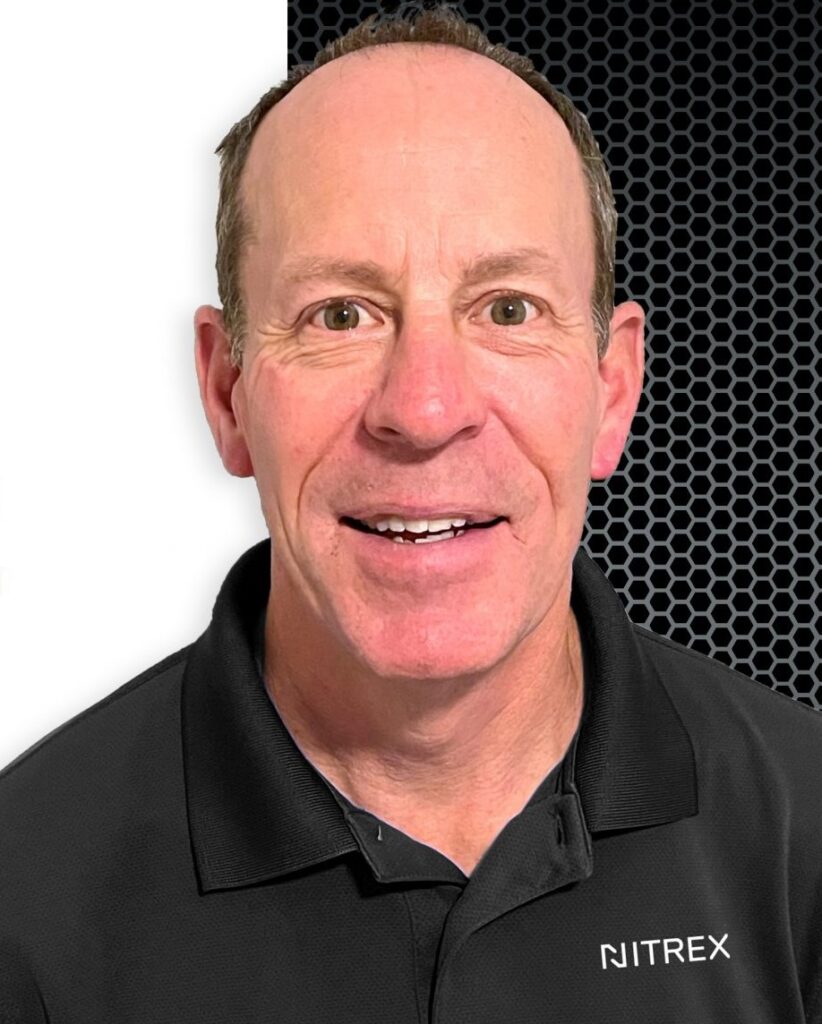
  1. Industry veteran Mark Stein was recently added to the Nitrex team as regional sales manager for Michigan territory. In his role, Mark will lead sales initiatives across Michigan, working directly with current and prospective clients to enhance service, optimize growth strategies, and ensure market demands are met. 
  2. To mark 175 years of innovation in specialty chemicals and distribution, Hubbard-Hall recently unveiled a new logo and a completely redesigned website. The updates reflect the company’s rich history and ongoing evolution, noting its founding year of 1849.
  3. Bluestreak Compliance, a quality management (QMS) and manufacturing execution system (MES), has hired Rory Godsell as its new Cybersecurity Compliance Specialist to assist clients and their vendors in achieving compliance of NIST 800-171, CMMC and DFARS. He brings expertise in cybersecurity, penetration testing, ethical hacking, digital forensics, cyber operations, and project management, to the company’s mission of advancing CMMC certification services.
  4. Steelhead Technologies, which delivers ERP, MES, and CRM solutions designed to transform job shop manufacturing, recently announced the successful completion of a $12.5M Series B funding round. This brings the company’s total funding to $23 million. 
  5. Ipsen USA announced the promotion of two team members to new roles in 2025. Matt Clinite has been promoted to Ipsen USA Sales Director, and Christina Connelly has been promoted to Director of Ipsen Customer Service (ICS) – Parts.

Kudos

  1. Kanthal, a leader in industrial heating technology, has won the prestigious industry award “E-prize” in the category Energy Optimization for its technology that helps companies and industries transform to a fossil-free production. The award is organized by Sweden’s largest business newspaper, Dagens Industri, and the newspaper, Aktuell Hållbarhet, together with the energy group E.ON.
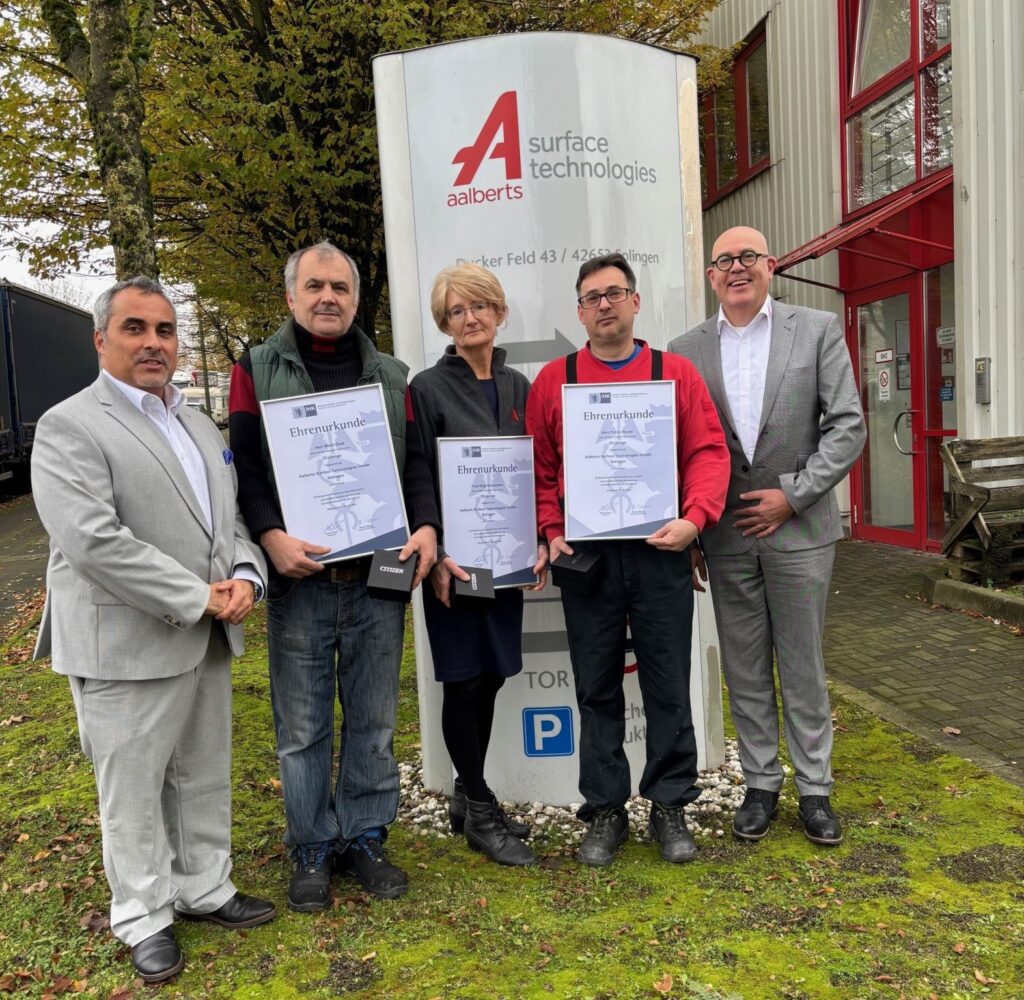
  2. Aalberts surface technologies honored Olga Kovalenko, Patric Keune and Metin Önal for 25 years of commitment in Solingen. Presenting the certificates were Guido Heijnen, sales director, and plant manager Miguel Rodrigues.
  3. TAV VACUUM FURNACES was recently awarded the title of “Best Performer Enterprise 2024 in the Province of Bergamo.” This prestigious award is reserved for the top 1000 companies in the province.
  4. StandardAero was selected by US-Bangla Airlines, a leading Bangladeshi carrier, to provide OEM-authorized PW127M Maintenance, Repair and Overhaul Services. In addition, the company has been chosen by Brazilian Air Force to support PT6A-68C engines powering its A-29 Super Tucano Fleet, it has secured Indian DGCA Approval for its OEM-authorized PW127M Maintenance, Repair and Overhaul Services, and it has received CAAC Approval for Its LEAP-1A and LEAP-1B Engine MRO Services, enabling it to support A320neo and B737 MAX operators across China.
  5. HeatTek, a leader in manufacturing ovens and washers, recently celebrated the company’s 25th anniversary, noting its numerous achievements since 1999, including industry accolades, editorial recognition, as well as awards identifying its positive culture as an employer. “We are incredibly proud to celebrate this milestone,” says Jason Plowman, president and 2nd generation owner of HeatTek. “The success we’ve achieved over the past 25 years is a direct result of the hard work and commitment of our employees, the trust of our customers, and the support of our partners. We look forward to continuing our journey of innovation and growth in the years to come.”
  6. Ron Waligora, chief operating officer for AFC-Holcroft, recently announced his retirement date of May 4, 2025. Throughout his 36 years with the company, he moved through the engineering disciplines and eventually into a management role as mechanical engineering manager and later senior engineer manager in 2015. In the spring of 2023, Ron Waligora and Tracy Dougherty assumed the roles of chief operating officers. Upon the announcement of Ron’s retirement, Tracy assumed the role of president and CEO on January 1, 2025.
  7. Aalberts surface technologies is proud to announce they have received the EcoVadis Bronze Medal. The sustainability rating reviews a company’s management of economic, environmental, and social performance, covering different industries, locations, and company sizes contributing to business sustainability on a global scale, and is based on a “best-in-class” approach, assessing whether a company reaches the best possible level for their business activity.
  8. The Divergent team was recently granted the Nadcap 12-month Accreditation for the Additive Manufacturing (AM) scope.
  9. Solar Atmospheres Greenville, SC facility announced it has been awarded Parker Aerospace approval.
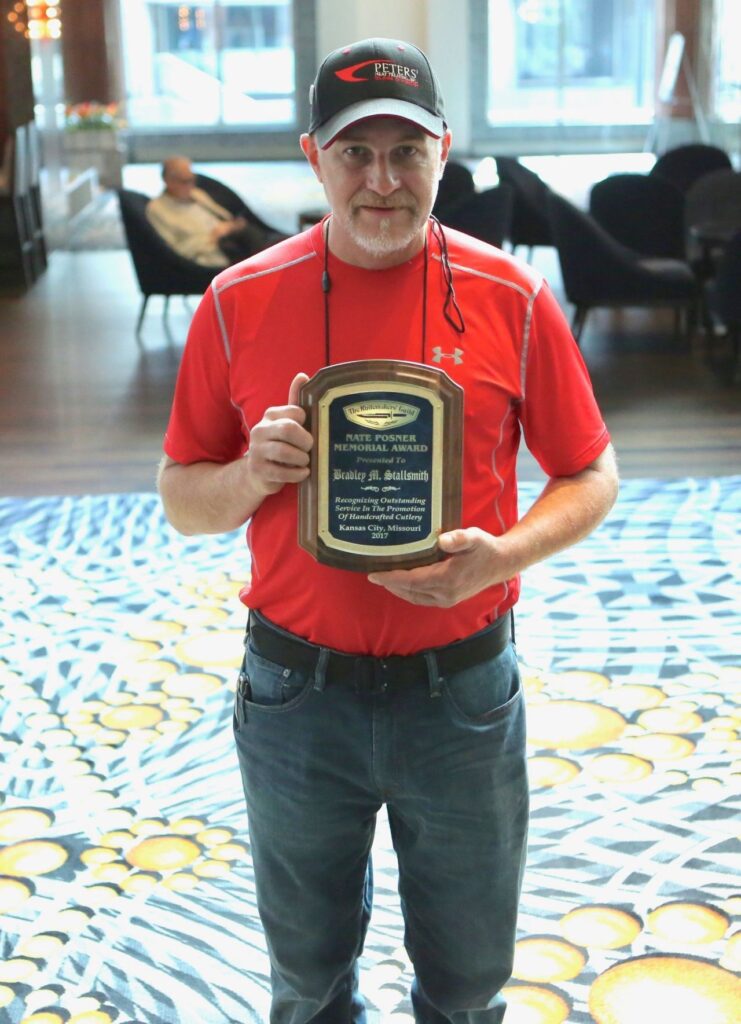
  10. Brad Stallsmith recently marked his retirement after 43 years of dedicated service at Peters’ Heat Treating. His journey has included starting the Blade Division, mentoring new team members and ensuring high standards in processing.

Find Heat Treating Products And Services When You Search On Heat Treat Buyers Guide.Com

18 News Chatter To Keep You Current Read More »

News from Abroad: Mergers & Partnerships Ring in the New Year

Today’s News from Abroad installment highlights a new year ringing in acquisitions, partnerships and mergers resulting in increased production and expanded facilities. Read more about a heat treater developing capabilities for the advancement of vacuum heat treatment technologies, an international refractory manufacturer launching innovative operations, and a modernization project aiming to double annual production capacity.

Heat Treat Today partners with two international publications to deliver the latest news, tech tips, and cutting-edge articles that will serve our audience — manufacturers with in-house heat treat. Furnaces International, a Quartz Business Media publication, primarily serves the English-speaking globe, and heat-processing. a Vulkan-Verlag GmbHa publication, serves mostly the European and Asian heat treat markets.

Chinese Heat Treater Signs Agreement with ECM Technologies

M. Pelissier (left) of ECM Group & Mr. Wu (right) of Chun Yu Heat Treatment

“ECM Technologies, a subsidiary of the ECM Group, has signed a Memorandum of Understanding (MOU) with the Chinese heat treater Chun Yu, to open a Synergy Center in Shanghai. Shanghai Chun Yu Metal Heat Treatment, known as CYHT, is a customer of ECM Technologies. Geared with 3 different LPC systems from ECM Technologies, both companies agreed to cooperate on process development. CYHT is becoming the first demonstration center for ECM Technologies in China. This bilateral agreement will enable both parties to develop their activities in China around vacuum heat treatment technologies.”

READ MORE: ECM Technologies Has Signed a MOU with the Chinese Heat Treater Shanghai Chun Yu Metal Heat Treatment Co. Ltd (CYHT)” at heat-processing.com. 

RATH Mönchengladbach Opens Production Plant in Germany

International refractory manufacturer RATH opens new production plant

“The international refractory manufacturer RATH has been developing continuous oxide ceramic fibers as part of the HORIZON EUROPE project InVECOF (Innovative Value Chains for European Ceramic Oxide Fibers) for several years. A production plant for the manufacture of innovative oxide ceramic fibers has now been commissioned at the RATH Mönchengladbach site (Germany). In mid-October 2024, the company officially launched production of the ALTRA FLEX® oxide ceramic continuous fibers in K99 and M75 qualities, making it the first European supplier to offer a solution for composite material manufacturers and manufacturers and processors of heat-resistant fabrics. The new production facility will initially produce up to 10 tons of fibers per year.”

READ MORE: RATH Starts Up Production Plant for the Manufacture of Innovative Oxide Ceramic Continuous Fibers” – at heat-processing.com

Marcegaglia Stainless Sheffield Partners with Primetals Technologies

Marcegaglia to equip all the production units of the minimill meltshop in Sheffield with automation systems from Primetals Technologies

“UK-based Marcegaglia Stainless Sheffield has partnered with Primetals Technologies to optimize production processes at its processes at its Sheffield minimill. The modernization project aims to double the plant’s annual production capacity from annual production capacity from 250,000 to 500,000 tonnes. Several intralogistics systems, process optimization solutions, technology packages and intelligent sensor systems will be installed in all production units of the in all production units of the melt shop, scrap yard and ladle tracking system.”

READ MORE: Marcegaglia’s Partnership with Primetals Technologies to Result in Significant Productivity Improvements at heat-processing.com


Find Heat Treating Products And Services When You Search On Heat Treat Buyers Guide.Com

News from Abroad: Mergers & Partnerships Ring in the New Year Read More »

ECM Group Expands with Acquisition in Italy

The ECM Group, a provider of solutions and services for industrial heat treatment companies with a subsidiary based in North America, recently acquired Vacuum Service & Maintenance (Vacuum SM), an Italian company which specializes in the maintenance of industrial furnaces for vacuum heat treatment. This acquisition will enable the company to consolidate its European presence and improve its responsiveness by being closer to its client base.

Vacuum SM anticipates the benefit of support from ECM Group while keeping its independence under the management of Roberto Bartoli, Andrea Cantarini, and Lorenzo Tirloni. The company will begin training on the products of ECM Technologies, the Grenoble-based Group’s main subsidiary.

The press release is available in its original form here.


ECM Group Expands with Acquisition in Italy Read More »

Pittsburgh-based Providers Merge, Strengthen Heat Treatment Capabilities

A global supplier of equipment, systems, and digital solutions for several manufacturing sectors recently announced that it has acquired Bloom Engineering, Inc, a provider in industrial heating applications. The company will join the Freight & Industrial Components Group at Wabtec Corporation, which serves the freight and transit rail industries and is a worldwide leader in the decarbonization of freight rail.

Mike Fetsko
President
Freight & Industrial Components Group
Wabtec Corporation

This acquisition strengthens Wabtec’s heat transfer and energy solutions, integrating Bloom’s advanced technologies in burners, combustion systems, and overall services for industrial and process heating applications. Both companies are headquartered in Pittsburgh, PA.

“This is another exciting addition to Wabtec,” said Mike Fetsko, president of Wabtec’s Freight & Industrial Components Group. “Bloom Engineering is a great fit within our heat transfer and energy solutions business, and we already serve many of the same customers. Our shared vision toward driving customer productivity within their industrial processes will enable us to deliver a more comprehensive portfolio for our customers to operate more efficiently and sustainably.”

In addition to supplying solutions for the freight and transit rail industries, Wabtec also serves the mining, marine and industrial sectors. The acquisition is expected to provide increased value to its worldwide customer base.

The press release is available in its original form here.


Pittsburgh-based Providers Merge, Strengthen Heat Treatment Capabilities Read More »

Digitalization Propels Heat Treating to Industry of the Future

If you work in a standards-driven industry, you may already feel the imperative of digitalization. In today’s Technical Tuesday, Mike Loepke, head of Nitrex Software & Digitalization, posits how, even if you aren’t necessitated to track compliance digitally, you are probably looking to synthesize and leverage the strengths of multiple advanced operations — furnace and process record-keeping, knowledge of furnace past operations, juggling different new equipment capabilities — across just one platform. In other words, you are looking to bring digitalization system management to your operations.

This informative piece was first released in Heat Treat Today’s December 2024 Medical & Energy Heat Treat print edition.


The Future of Heat Treatment Relies on Digitalization

The ultimate goal for heat treaters, whether commercial or captive, is to uphold the quality of their product and meet client expectations while remaining profitable. Digitalization supports these efforts as it synthesizes and presents detailed, transparent, and accessible data that allows heat treaters to better manage their equipment, processes, and product quality. In addition, the collection of detailed information can serve as a database of knowledge to be used by the next generation of heat treaters, supporting future viability and advancement in the field.

There are necessary steps to take to establish a digital solution and essential components to look for when choosing a software platform that assists heat treaters in optimizing equipment and processes, effectively creating the digitalization of the heat treat operations. Let’s explore these now.

How Digitalization Optimizes Heat Treatment Processes

Digitalization in the heat treatment industry relies on the integration of industrial internet of things (IIoT) technologies with traditional and modern heat treatment processes. Using enabling devices such as sensors, modern connectivity methods, analytics, machine learning, and IIoT software platforms, it is possible for heat treaters to collect and process data that, after analysis, drives informed decisions to optimize equipment, processes, and product quality. To put a finer point on it, digitalization occurs when a manufacturing system is digitally integrated to capture and preserve human experience and knowledge, forming a holistic virtual representation of heat treat operations.

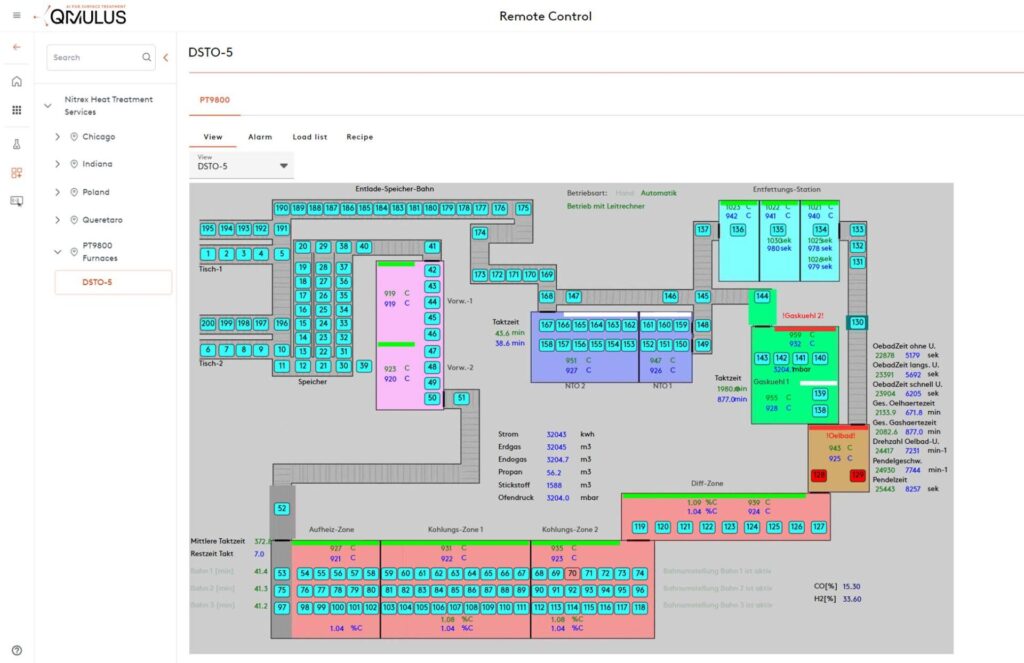
Figure 1. QMULUS Shop Layout enables visual inspection of the current production status, the location of goods and parts, as well as the real-time status of assets and their ongoing processes.
Source: Nitrex

While digitalization varies from industry to industry and plant to plant, there are some common ways in which heat treaters can employ digital technologies to build such a system. Firstly, digitally integrated solutions can optimize process management and control. For example, when a sensor detects a temperature anomaly during a heat treatment process, the integrated software platform picks up that reading, analyzes it in real time, recognizes it as an error based on historical data or programmed parameters, and alerts the operator.

This integration also facilitates predictive, condition-based maintenance. For example, if collected data and analysis suggests that a furnace is behaving abnormally, the system can automatically generate a work order along with a list of potential failure causes, so that a technician can troubleshoot, identify, and correct small issues — such as a failing thermocouple — before they impact quality or result in equipment failure. By addressing these proactively, heat treaters can avoid extended periods of costly unplanned downtime and ensure continuous operation.

Secondly, artificial intelligence through machine learning plays a crucial role in optimizing quality control in a digitalized system. By analyzing data collected during heat treating processes, it learns to detect patterns and identify anomalies. As in the examples above, this capability enables the system to identify deviations from the desired outcomes, allowing heat treaters to quickly rectify any issues before they impact quality.

Figure 2. The heart of the IIoT data platform needs to be thoughtfully planned and designed. Illustrated are 5 steps to follow to ensure the cloud data system properly engages with the data generated from your specific heat treat operations, ultimately delivering actionable insights. Step 1 depicts the various data sources; Step 2 shows the data transformation, integration, and processing stages; Step 3 highlights the central QMULUS database where data is indexed and organized; and Steps 4 and 5 demonstrate how data is further processed, distributed, and accessed by different end-users.
Source: Nitrex

Thirdly, algorithms can be programmed into a comprehensive management system to identify the most energy-efficient operating conditions for the heat treating process, helping heat treaters reduce their carbon footprint, minimize energy costs, and comply with sustainability goals.

In addition to these types of operational advantages, digitalization technologies can also be used to create a database of knowledge before experienced operators and experts leave the workforce. Traditionally, a handful of experts in the plant oversee the furnaces and equipment and understand how to best control and maintain them based on experience. However, passing down this knowledge to the next generation of heat treaters can take years, which may not be possible due to a company’s workflow demands and cost pressures. Digitalization addresses this challenge by creating a streamlined and accessible database of knowledge, offering less experienced operators and technicians immediate access to detailed information about what may be happening in the equipment or process for an issue at hand. This ensures that essential insights are not lost and enables quicker problem-solving and decision-making on the shop floor.

Making the Digitalization Transformation

While digitalization presents obvious advantages, the heat treatment industry, often conservative in its approach to technology, has some initial work and investment required before realizing the full benefits.

Going “paperless” in order to unlock the full potential of the available data is an important first step. All reports, histories, drawings, and other paperwork associated with equipment, processes, maintenance activities, product quality, and other relevant information should be digitized to provide a comprehensive view of both historical and current data.

Connectivity and integration between machine and higher-level systems are essential for effective data acquisition, monitoring, and remote control. SCADA systems, Manufacturing Execution Systems (MES), and other higher-level systems are rich sources of machine and process data. Gathering and analyzing this data can provide actionable insights that operators can use to make smarter decisions about the control and maintenance of equipment and processes.

Figure 3. A comprehensive overview displays all detected control loop anomalies, indicating possible root causes as well as recommended actions. Incorporating feedback from the responsible maintenance personnel further improves accuracy and delivers more effective recommendations for future occurrences.
Source: Nitrex

Finally, just having data is not enough. The data must be accessible, transparent, and relevant to be valuable. Achieving a complete picture of all the collected data, known as data consolidation, is necessary.

To build an IIoT platform with a well-architectured data engine, heat treaters should begin by identifying and understanding the different sources of data provided by sensors and high-level systems. This involves integrating the data through interfaces adapted to the data type and source, as well as documenting the integrated data sources, data fields, and data streams. Next, a “data lake” should be created to store the collected raw data. From this foundation, a data warehouse can be established to store enriched or analyzed data, derived values, data models, and forecasts in an organized way. For heat treaters, this type of contextualized data might be grouped by parts, loads, or orders.

Once the data engine is in place, the information stored in the data warehouse must be presented in a way that makes sense to operators and technicians for them to make informed decisions for heat treatment processes. To facilitate this, a universal data interface should be considered.

Building from this well-architectured data engine, the IIoT platform can then be expanded with statistical analytics, remote monitoring, KPI tracking, machine learning, artificial intelligence, and other applications to optimize processes and increase profitability.

What Heat Treaters Need in a Digitalization Solution

Harnessing modern technologies tomake digitalization a reality presents heat treaters with the opportunity to implement a solution based on a complete and well documented data system. It also means that the solution creates a holistic solution to data analysis, interpretation, reporting, and action that supports the real-world actions of heat treaters on the plant floor and in the office.

For this reason, a digitalization solution that has cloud and on-premises allows real-time access to analysis and alert messages for operators on the floor as well as managers who are away from the plant, ensuring quick problem-solving and maximum uptime in the event of process or machine issues.

Additionally, heat treaters should look for a solution that offers the freedom to integrate all the various platforms and equipment from which data are gathered from. These may include relevant machinery and production data from the shop floor as well as third-party and custom controllers. This flexibility to synthesize information from multiple sources will ensure the digitalization efforts lead to a comprehensive solution with actionable process overviews, recipe control, batch tracking, and other customization options.

To further this intent of a holistic solution, heat treaters should consider various data capabilities with different portal views, such as a manufacturer portal, a plant portal, and a client portal. However, considering the historic value of a comprehensive software solution, it may be worthwhile to consider how each user could transfer direct feedback and add new rules into the system, creating a repository of knowledge that bridges the knowledge of outgoing generations to future heat treaters.

Finally, any platform that directs the digitalization of a plant must prioritize robust security measures. Several features to look for are:

  • enhanced encryption standards to keep data confidential and tamper-proof during transmission and storage;
  • secure protocols based on industry best practices to safeguard data integrity;
  • a granular access control system (ACS) to allow IT administrators to define and manage user permissions of authorized personnel, thereby minimizing the risk of data breaches and unauthorized data manipulation; and
  • intrusion detection and prevention systems to continuously monitor network and system activities, enabling instant identification and mitigation of suspicious behavior. This serves as an additional layer of defense against potential cyber threats.

Beyond the software setup, be sure to use best practices by conducting regular security audits to assess the platform’s vulnerabilities and ensure compliance with evolving cybersecurity standards. While digitalization of heat treat operations may seem like a task for the next generation to complete, secure software options that integrate the hard work of digitizing plant activities can make this endeavor just a step away.

About the Author:

Mike Loepke
Head of Nitrex Software & Digitalization
Nitrex

Drawing from a background in Mathematics and Physics, coupled with extensive R&D experience and metallurgical modeling, Mike Loepke specializes in AI and process prediction. He has led Nitrex’s initiative in developing QMULUS, a pioneering IIoT cloud-based platform. Mike’s relentless pursuit of knowledge keeps him at the forefront of evolving technology.

.

For more information: Contact Mike at mike.loepke@nitrex.com


Digitalization Propels Heat Treating to Industry of the Future Read More »

US Defense Contractor Upgrades with Vacuum Retort Furnace

A U.S. military firearms manufacturer announced its plan to update its in-house stress relieving operation with a new vacuum retort furnace. The new equipment will be replacing an outdated vacuum stress relieving furnace in order to keep up with production demands.

Piotr Zawistowski
Managing Director
SECO/VACUUM
Source: SECO/VACUUM

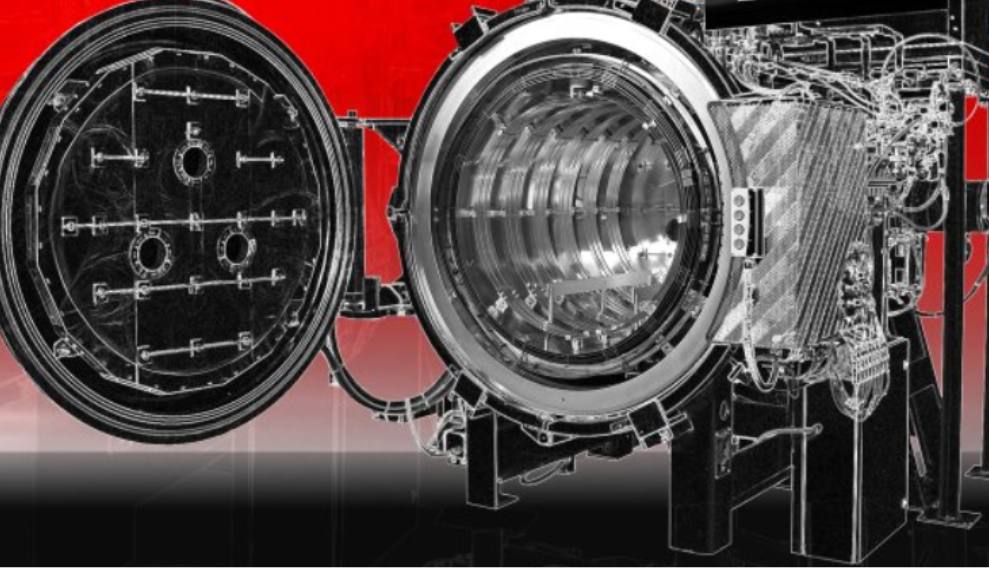
The SECO/VACUUM retort furnace will be used to stress relieve firearms components at 1400°F (760°C). At this relatively low temperature, the process is used to prevent subsequent part distortion while enhancing the quality of the firearms. 

“Their old furnace was showing its age,” said Piotr Zawistowski, managing director of SECO/VACUUM, USA. “Once we showed them the control system advancements, the cycle time improvements, and the more competitive lead time we could offer, the upgrade really made sense from both a quality control and production pace standpoint.”

Switching from the vertical configuration of the old furnace to the new horizontally configured furnace will shorten loading times. The turbo-cooling option selected by the firearms manufacturer decreases the cooling cycle from 3.5 hours to 1.5 hours. Improved loading paired with shorter cooling will bring total heat treat cycle times down by as much as 2.5 hours.

The press release is available in its original form here.


US Defense Contractor Upgrades with Vacuum Retort Furnace Read More »

Skip to content