OP-ED

Cybersecurity Desk: What Should Heat Treaters Be Doing NOW?

op-ed

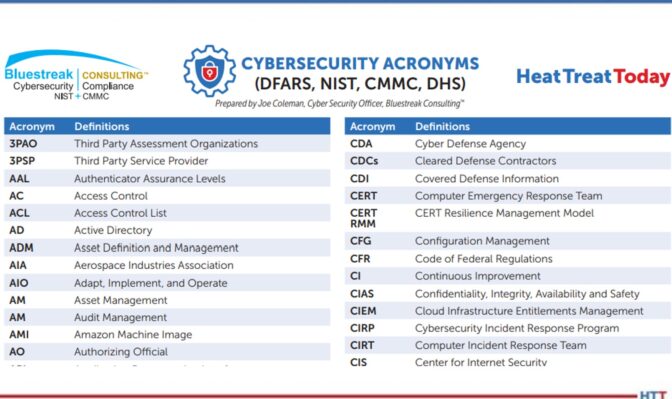
This seventh article in the series from the Cybersecurity Desk  helps you determine if CMMC applies to your business, learn about what changes were made to CMMC 1.0., know what you should be doing NOW to prepare for CMMC 2.0., and more.

Today’s read is a feature written by Joe Coleman, cybersecurity officer at Bluestreak Consulting™. This column is in Heat Treat Today’s May 2023 Focus on Sustainable Heat Treat Technologies print edition.


Introduction

Joe Coleman
Cybersecurity Officer
Bluestreak Consulting™
Source: Bluestreak Consulting™

Along with determining if CMMC (Cybersecurity Maturity Model Certification) applies to your business, this 7th article in the series from Heat Treat Today’s Cybersecurity Desk will give you a better understanding of what the certification is all about and the requirements to become certified. Also, we will cover the changes that were made to CMMC 1.0, the current status of CMMC’s proposed rule, and what you should be doing NOW to prepare for when the CMMC 2.0 rule is finally released.

What Is Changing in CMMC 2.0

In November 2021, the Department of Defense (DoD) announced a major update to the CMMC program. To safeguard sensitive national security information, the DoD launched CMMC 2.0, a comprehensive framework to protect the Defense Industrial Base’s (DIB’s) sensitive unclassified information from frequent and increasingly complex cyberattacks. Manufacturers or suppliers that handle sensitive or Controlled Unclassified Information (CUI) in any way or those within the DIB need to pay attention. CMMC 2.0 condenses the original 5 CMMC maturity levels into 3 levels, eliminating levels 2 and 4, and removing CMMC unique practices and all maturity processes. They have also revised the number of controls required for each of the three new levels. Level 1 includes 17 controls, Level 2 has 110 controls, and the total number of controls in Level 3 is still to be determined. There are also several other changes made that somewhat relax the requirements from CMMC 1.0.

Who Does CMMC Impact?

Manufacturers in the DIB are going to be held accountable to safeguard sensitive information and must comply with CMMC 2.0. Any contractor, subcontractor, supplier, or manufacturer that provides parts or services to the DoD or anyone within the DIB (no matter how minuscule) will need to comply with one of the three levels of CMMC compliance.

What Should Heat Treaters Be Doing Now?

Although CMMC 2.0 is still in the rulemaking phase, the new CMMC proposed rule is expected to be released sometime in mid-2023. This will give some much needed clarity on how to move forward and will help streamline the implementation of CMMC. Warnings will be issued to the DIB through DoD primes and will be passed down through the supply chain. Manufacturers that do not comply will be at risk of losing contracts.

If you (or your clients) are doing work for any DoD primes (or NASA), such as Raytheon, Lockheed Martin, McDonnell Douglas, Northrup Grumman, or L3Harris (and many more), then this applies to your business. If you are unsure, check the fine print in your contracts, and/or ask your clients about their requirements.

If you handle CUI in any way, you need to be at a CMMC Level 2 or Level 3. The most common level is Level 2. If you don’t handle CUI in any way, but you do handle FCI (Federal Contract Information), you will need to be certified at a Level 1.

On average, it can take a company of up to 100 employees between 12 to 18 months for NIST 800-171 (CMMC Level 2) implementation. Meaning, even though CMMC 2.0 is not completed yet, don’t wait until it is. You’re already a year behind if you haven’t started your NIST 800-171 implementations and you want to be ready for when the CMMC 2.0 rule is released

CMMC certification requires government oversight whereas NIST 800-171 compliance can be self-attested. You should always hire a qualified CMMC consultant to ensure that you’re “audit-ready” for your certification audit.

What’s the Difference Between FCI and CUI?

FCI is information not intended for public release. FCI is provided by or generated for the Federal Government under a contract to develop or deliver a product or service. CUI and FCI share important similarities and a particularly important distinction. Both CUI and FCI include information created or collected by or for the government, as well as information received from the government. However, while FCI is any information that is “not intended for public release,” CUI is information that requires safeguarding and may also be subject to dissemination controls. In short: All CUI in possession of a government contractor is FCI, but not all FCI is CUI.

About the Author:

Joe Coleman is the cybersecurity officer at Bluestreak Consulting™, which is a division of Bluestreak | Bright AM™. Joe has over 35 years of diverse manufacturing and engineering experience. His background includes extensive training in cybersecurity, a career as a machinist, machining manager, and an early additive manufacturing (AM) pioneer. Contact Joe at joe.coleman@go-throughput.com.


Find heat treating products and services when you search on Heat Treat Buyers Guide.com


Cybersecurity Desk: What Should Heat Treaters Be Doing NOW? Read More »

In Remembrance and Thankfulness

Heat Treat Today would like to wish everyone a peaceful Memorial Day. The holiday, formerly known as Decoration Day, gives us all a time to reflect with gratefulness on those who have served our country well.

Our offices will be closed on Monday, May 29; and we will resume Tuesday morning, May 30. We grieve with those who have lost a loved one in the service of the U.S. military, and we look forward with joy to the future under the care of those who protect us. Thank you to those who have served.

If you, or someone you know, is a veteran and is also in the heat treat industry, we would like to know a little more about you. Please fill out the Heat Treat Veterans submission form to share the information about time in service. Thank you.

Have a blessed and safe holiday!

- The team at Heat Treat Today

In Remembrance and Thankfulness Read More »

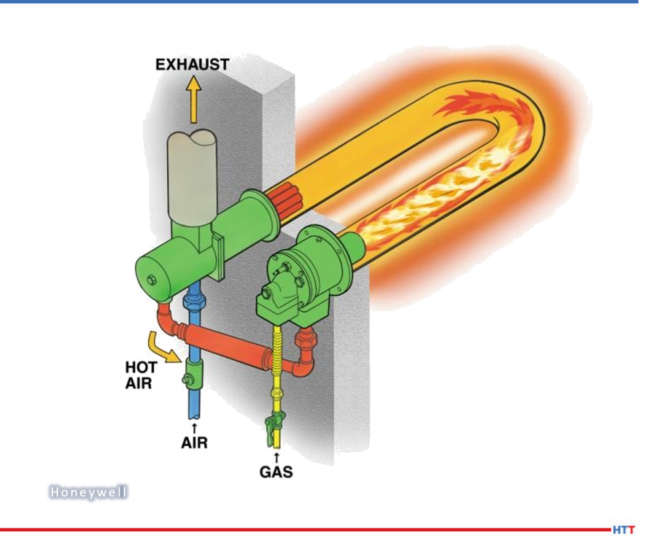
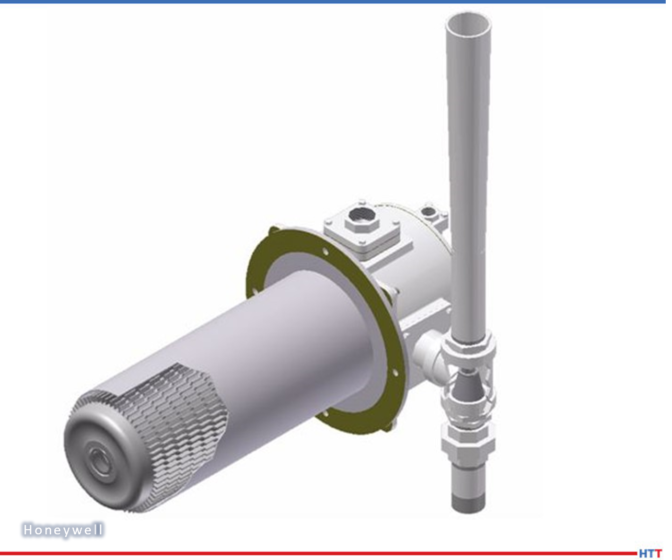
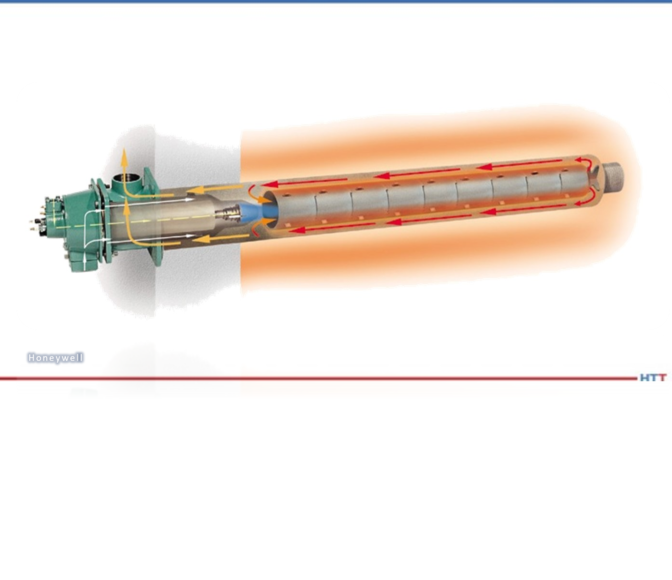
Improving Your Use of Radiant Tubes, Part 4

op-ed

In previous months, this series has explored the geometry of a tube, why radiant tubes matter, what happens inside the tube, and radiant tube control systems. For the first three installments, check out Heat Treat Today’s digital editions in November 2022, December 2022, and February 2023. For the month of May, we will continue our discussion of different modes of control for radiant tube burners.

This column is a Combustion Corner feature written by John Clarke, technical director at Helios Electric Corporation, and appeared in Heat Treat Today’s May 2023 Sustainable Heat Treat Technologies print edition.

If you have suggestions for radiant tube topics you’d like John to explore for future Technical Tuesdays, please email Bethany@heattreattoday.com.


John B. Clarke
Technical Director
Helios Electric Corporation
Source: Helios Electric Corporation

High/low and on/off controls require different control strategies from a proportional mode of control. In all cases, we assume the temperature control will be provided by a proportional-integral-derivative loop (PID loop). The function can be provided by a stand-alone instrument or a PID function in a programmable or process controller. The PID algorithm looks not only at the temperature of the process as indicated by the control element (thermocouple or RTD) and compares it to the setpoint — but it also considers the offset and rate of change as well. When properly tuned, a PID control loop can provide control accurate enough to match the process (actual) temperature to the setpoint within a degree or two.

For the lay person, another way of describing a PID loop is to consider how a driver regulates the speed of his automobile. Assume you are driving and want to catch up with and follow the car ahead of you — to do so, you need to match that car’s speed and maintain a safe distance. What you don’t do is floor the automobile until you get to the desired following distance and then hit the brakes. What you do is first accelerate to a speed faster than the target car to close the gap, then you instinctively take your foot off the accelerator when you get close, slowing gradually until your speed and position are as you desire. In this example, you have considered your speed, how close you are to the car you are attempting to follow, and the rate at which you are closing the gap. A PID loop is nothing more than a mathematical model of these actions.

The PID control loop provides an output — the format can vary, but it is in essence a percent output. It is a percent of the maximum firing rate the system needs to provide to achieve and maintain the desired furnace temperature. This percent output can be translated directly into a proportional output for proportional control — where the firing rate is proportional to the loop’s output.

On/off or high/low controls require a different approach where a time proportioning output is provided in which the burner fires on and off on a fixed time cycle. In this mode of control, the PID loop’s output is multiplied by the cycle time to determine the on or high fire period and the on or high fire time is subtracted from the cycle time to determine the off or low fire period. Cycle times can run from as little as 30 seconds to as much as a few minutes. Obviously, the shorter the cycle time, the more responsive the control, but also the more wear on the control components. The cycle time should be as long as possible but still meet the needs of the process control.

Don’t confuse these pulses with other control methods that are marketed as pulse firing. When people speak of pulse firing, they often mean a pattern with alternate burners firing to provide greater temperature uniformity and heat transfer. This is a very interesting subject and the topic for another day.


Find heat treating products and services when you search on Heat Treat Buyers Guide.com


Improving Your Use of Radiant Tubes, Part 4 Read More »

Cybersecurity Desk: Have You Entered Your NIST 800-171 Self-Assessment Score into SPRS Yet?

op-ed

This sixth article in the series from the Cybersecurity Desk will give you a better understanding of how to submit your basic NIST 800-171 self-assessment score into SPRS (Supplier Performance Risk System).

Today’s read is a feature written by Joe Coleman, cybersecurity officer at Bluestreak Consulting™. This column is in Heat Treat Today’s March 2023 Aerospace Heat Treating print edition.


Introduction

This sixth article in the series from the Cybersecurity Desk will give you a better understanding of how to submit your basic NIST 800-171 self-assessment score into SPRS (Supplier Performance Risk System).

Why Should You Do This?

Joe Coleman
Cybersecurity Officer
Bluestreak Consulting™
Source: Bluestreak Consulting™

The Defense Federal Acquisition Regulation Supplement (DFARS) 252.204-7020 is one of the three newly released clauses (after the original 252.204-7012) of the DFARS 252.204-70 series (7019, 7020, 7021) in November 2020. DFARS 252.204-7019 is the “Notice of NIST 800-171 DoD Assessment Requirements”; whereas DFARS 7020 consists of the requirements alone. DFARS 7020 requires you to submit your basic NIST 800-171 self-assessment score to SPRS. Contractors and service providers are to provide the government access to its facilities, systems, and personnel any time the Department of Defense (DoD) is renewing or conducting a Medium or High assessment.

Once your self-assessment score has been submitted and accepted into SPRS, you will be eligible to be awarded contracts. Your score must remain in SPRS throughout the duration of the contract(s). You’ll need to show that you are working towards full compliance.

If a self-assessment score submitted to SPRS is required in order to win a contract, and you don’t have a self-assessment score in the system because you don’t have CUI, does that mean you will lose the contract? Maybe.

The requirement for NIST SP 800-171 DoD self-assessment is being enforced whether or not you have CUI. So, it makes sense to get started on this ASAP to position your company for additional business. Plus, having better cybersecurity controls in place is definitely a business best-practice.

How To Submit Your Basic Self-Assessment Score to SPRS

There are two ways to submit your basic self-assessment score to SPRS.

Option 1: Using email to send the information. Submitting your self-assessment score via email to SPRS includes the following steps:

  • Get an accurate NIST 800-171 Self-Assessment and Score. Conduct the self-assessment and obtain your score using cybersecurity professionals that carefully follow the required DoD Assessment Methodology for NIST Special Publication (SP) 800-171A.
  • Identify your SPRS “Scope of Assessment.” Your SPRS score submission will fall into one of three categories: Enterprise, Enclave, or Contracts.
  • Determine your expected completion date. The “Plan of Action Completion Date” must be determined according to your compliance project timelines.
  • Find your commercial and government entity CAGE codes. Your CAGE codes represent the part(s) of your organization included in the assessment and represented in the final System Security Plan (SSP) document.
  • Provide a brief description of the SSP format and system architecture.
  • Submit your self-assessment score to SPRS. To submit your score, send an email (optionally encrypted and signed) to webptsmh@navy.mil with the subject line “SPRS Self-Assessment Score Submission” in the exact format specified below:
    • Assessment date
    • Assessment score
    • Scope of assessment
    • Plan of action completion date
    • Included CAGE(s) codes
    • Name of System Security Plan (SSP) assessed
    • SSP version/revision
    • SSP date
    • Wait for email confirmation

Option 2: Using the PIEE (Procurement Integrated Enterprise Environment). 

Register a PIEE account at https://piee.eb.mil/. Once your business is registered, choose the SPRS link and follow all instructions. You will need to provide all the same information as shown in Option 1.

Funding & Cost Sharing May Be Available for Heat Treaters

With the huge push for stricter cybersecurity practices by the government and many businesses, cost sharing and funding sources have been identified that may cover a substantial percentage of the costs associated with these critical cybersecurity projects. Every state has at least one MEP (Manufacturing Extension Partnership). Many states are more than willing to help out with the cost of implementation.

About the Author:

Joe Coleman is the cybersecurity officer at Bluestreak Consulting™, which is a division of Bluestreak | Bright AM™. Joe has over 35 years of diverse manufacturing and engineering experience. His background includes extensive training in cybersecurity, a career as a machinist, machining manager, and an early additive manufacturing (AM) pioneer. Contact Joe at joe.coleman@go-throughput.com.


Find heat treating products and services when you search on Heat Treat Buyers Guide.com


Cybersecurity Desk: Have You Entered Your NIST 800-171 Self-Assessment Score into SPRS Yet? Read More »

New Sustainability & Decarbonization Initiatives for Heat Treat

op-ed

Searching for sustainability resources? Check out this first installment of the Sustainability Insights series, from the Industrial Heating Equipment Association (IHEA) for what’s available to in-house heat treaters across the industry.  

Discover the resources IHEA provides in their web-based Sustainability area and a new webinar series launching May 11.


One thing is certain, and it's that there is great deal of uncertainty about how to begin addressing issues of sustainability and decarbonization. As heat treaters begin to receive more and more questions about decarbonization, IHEA saw an opportunity to help the industry and began developing a variety of initiatives relating to sustainability and decarbonization in the industrial heating equipment industry. 

Getting Started with Sustainability 

Contact us with your Reader Feedback!

The first step towards decarbonization is understanding this is a topic that will not go away. While they may not see any immediate consequences, heat treaters need to at least begin preparing now for what is quickly approaching. Before long, clients are going to be demanding heat treaters show that they are lowering their carbon emissions. Thinking,This will not affect my business,” will be detrimental in the long term.  

IHEA recommends to start by considering efficiency and getting an initial assessment of carbon footprint. The fastest, easiest way to reduce carbon footprint is to burn less fuel by investing in efficiency improvements. As a side benefit, operating costs are also reduced. IHEA's current combustion courses do have content on efficiency and low carbon fuels and a webinar series specifically designed to help everyone understand how to determine their initial accounting of their carbon footprint. 

Future Plans 

The deeper driving forces that will affect our industry regarding sustainability are regulations, incentives, and energy economics. Rapidly changing environmental policy, growing technology incentives, and a shifting relative cost of fuels (and alternate fuel options like hydrogen) are opening new pathways for businesses to factor carbon footprint and sustainability into their operations. 

Because of these upcoming changes, IHEA is developing a wide array of services and tools that will help those looking to lower carbon emissions determine the best approaches for their heat treat facilities. An entirely new body of content will be developed that will be at the leading edge of this industrial revolution.  

To kick things off, IHEA has developed a Sustainability area on their website that features the foundation of information the industry needs. The Sustainability area includes the following sections: Sustainability FAQs, Sustainability Terms & Definitions, and Sustainability Resources. The Sustainability section will continue to expand by adding content and resources on a regular basis.

Additionally, IHEA is launching a series of webinars that will start the process of walking companies through the complicated issues related to decarbonization: 

  • May 11: Thermal Processing Carbon Footprint (click to register/read more)
  • June 15: Defining Greenhouse Gas (GHG) Emissions to Target NET-ZERO 
  • July 20: DOE Tools and Programs for GHG Reduction 
  • August 24: Ongoing Sustainability: Industry Best Practices for Continual Improvement 

The goal is to provide unbiased education for everyone involved in the process heating industry. The webinars are complimentary. Visit www.ihea.org and click on the "EVENTS & TRAINING" tab.  

Brian Kelly
President at Honeywell Thermal Solutions

Recently elected IHEA President Brian Kelly of Honeywell Thermal Solutions says, “IHEA is taking a leadership role because we see that this will be an ongoing and changing landscape for the industry for years to come. With the years of collective expertise of our membership we feel that we can provide information, education, and guidance to help everyone navigate what is sure to be a challenging environment.” Kelly continued by saying, “In the end, we want to be a source to count on to help our entire industry in their sustainability journey as it will be a long and winding road that will be different for everyone.” 

For more information:

Visit www.ihea.org. 


Find heat treating products and services when you search on Heat Treat Buyers Guide.com


New Sustainability & Decarbonization Initiatives for Heat Treat Read More »

Future Energy Flexibility

op-ed

Today's original content piece comes to us from Dr.-Ing. Joachim G. Wünning, president of WS Wärmeprozesstechnik GmbH. Thinking of how dependent countries can be on one another for energy supply, he reminds us that an energy crises in one area can have far reaching effects on the rest of the world.

What, if anything, can be done? Wünning looks to the heat treating industry to show that there are efforts to source energy from chemical carriers and to use fuel flexible furnaces. He says, "Our beautiful earth is worth preserving for future generations."

Read on to find challenges and encouragements of how to source and use energy in the years to come.


Dr.-Ing. Joachim G. Wünning, President at WS Wärmeprozesstechnik GmbH
Source: the author

Europe and especially Germany recently learned the hard way what it means to largely depend on one major energy supplier. After Russia shut off a few pipelines and destroyed two others, it was not clear if industry and households would get through the winter without major shutoffs and constraints. Now spring is here, and gas storage Is still at reasonable levels, due to a mild winter. We can temporarily relax but should be aware that the next winter is coming. Energy issues will be one of the great challenges for the next decades.

Contact us with your Reader Feedback!

In addition to missing energy supply from Russia, reduced availability of French nuclear power stations is another issue. This decreased availability is a result of repair, maintenance, and reduced cooling capabilities due to low river water levels. Already scarce, natural gas was used to export electricity to electric power dependent France. Last year in Germany, shares of electricity produced in coal fired power stations were up despite the clearly expressed will from a government which includes the green party.

Some of these problems do not yet apply for the United States because there are enough resources to guarantee a stable energy supply. However unforeseen things can happen like if and when certain future markets will ask for fossil free products (eg green steel).

The transition of our energy systems, to limit climate change mainly caused by the combustion of fossil fuels, will remain a major task for the coming decades. The worldwide transition to renewable energy, provided largely by solar and wind, will require a major effort.

In the heat treating industry, direct usage of electricity and chemically stored electric energy in the form of hydrogen or ammonia will be the primary sources for heating industrial furnaces.  While direct use of electricity might look like the obvious choice for the future, it might not be the case for all applications.

If you convert a furnace to electric heating, you have to rely on payable electric energy even when there is no sunshine or wind blowing. You may need to switch your furnace off when electricity is scarce. If you want a steady weather independent production, using a chemical energy carrier has advantages. In many furnaces, combustion systems are or will be available for the usage of either natural gas, hydrogen, or ammonia cracking gases.

If you invest in a fuel flexible furnace today, you can benefit from using natural gas which is far less expensive than electricity in most regions. If electricity becomes more abundant at certain times, you can generate your own hydrogen; and you will have the choice between using (natural or green) gas from the grid or your self-generated hydrogen without investing in a new furnace. This energy flexibility will present a big competitive advantage and will enable you to offer green steel when the market is asking for it.

In the future, the success of societies and industries will depend on their ability to flexibly adjust to changing conditions, energy being one of them. Our beautiful earth is worth preserving for future generations.

About the Author:

Wünning is the president, owner, and CEO of WS Thermprocess Technic Gmbh [WS Wärmeprozesstechnik GmbH] in Germany and WS Thermal Process Technology, Inc., in Elyria, Ohio.

Contact Joe at  j.g.wuenning@flox.com


Find heat treating products and services when you search on Heat Treat Buyers Guide.com


Future Energy Flexibility Read More »

Reverse Engineering Aerospace Components: The Thought Process and Challenges

op-ed

You can take the aircraft apart, but can you put it back together? Reverse engineering, as anyone who has ever taken apart the TV remote will tell you, is more complicated than it first appears. It is, however, far from impossible. Learn the essential steps to reverse engineering, the role of heat treating, and the challenges the thought process presents.

For this Technical Tuesday piece, take a few minutes to read Jonathan McKay's, heat treat manager at Thomas Instrument, article drawn from Heat Treat Today's March Aerospace Heat Treating print edition. Heat Treat Today is always pleased to share pieces from one of our 40 Under 40 alumnus like Jonathan!

If you want to share ideas about the aerospace industry, our editors would be interested in featuring it online at www.heattreattoday.com. Email Bethany Leone at bethany@heattreattoday.com with your own contributions!


Contact us with your Reader Feedback!
Jonathan McKay
Heat Treat Manager at Thomas Instrument
Source: Thomas Instrument

Reverse engineering (RE) is the process of taking a component or design and dissecting it all the way down to the raw material. Reverse engineering can range from a singular component such as a piston or gear, to multiple components that make up an overall assembly such as an engine or mechanical actuator. This process allows engineers to analyze and gain an understanding of a component’s overall function and design through deductive reasoning. RE can range in the type of analysis, from geometric measurements and material analysis to electrical or mechanical testing. Each analysis reveals clues of how something can be reproduced. The idea of reverse engineering is to look beyond what’s in front of you and find the unexposed clues that can show why something was designed or possibly the thought process of the original designer.

Reverse engineering typically happens through a third-party manufacturer usually not affiliated with the original equipment manufacturer (OEM). Often this is done because the original manufacturer no longer supports the product, or the original design is outdated and needs to be modernized to improve efficiency, functionality, or life expectancy. To put this in perspective, the U.S. Airforce received its first B-1 Bomber in 1984. Since then, over 100 aircrafts have been delivered. After nearly 50 years the aircraft is still flying, but many OEM manufacturers have moved on to newer programs, thus allocating their capabilities and capacity towards the present and future market demands. This creates a market for fabrication of replacement components and assemblies to support aging platforms. In most cases, the OEM’s retain proprietary data thus creating a need for RE processing.

"[T]he U.S. Airforce received its first B-1 Bomber in 1984.
Source: Unsplash.com/midkiffaries

With aerospace products in particular and specifically aging aircrafts, one will encounter obsolescence issues. The goal is to maintain the aircraft with replacement parts that conform to all form, fit, and function requirements while also assuring they have proper life expectancy with respect to maintenance cycles. With this in mind, you typically work with low volume production and invest more time into the design and planning phase of the process. When engaged in this process, it is critical that one understands and implements a fabrication plan that will yield a product that is equivalent or better than that of the OEM. Some engineers would say “Well, let’s make it bigger and better,” but with aerospace components this is not always the case. Typically, the main focus is to replicate the original design intent to the best of your ability because you have a specific footprint and weight to maintain as well as functionality. The exchangeability of the original design and RE design is key. The reverse engineered product needs to possess the same functional and physical characteristics and be equivalent in the performance, reliability, and maintainability. This allows both items to be exchanged without concern for fi t, performance, or alterations to its adjoining component(s).

Another key point in RE processing could be to limit long lead phases by minimizing the need for additional qualification testing where possible. As plating, heat treat, or materials begin to deviate from the initial design, you must consider requalification testing to prove those changes are not detrimental to the application and do not cause more harm than good. Sometimes engineers create features within a design that are meant to be a weak point; this prevents a more critical component from breaking or being destroyed. When you begin to make deviations, it may push the weak point closer to the critical component.

While there are certainly many steps to RE, the essential steps include:

  1. Collect as much data as possible from an external standpoint without destroying or disassembling; i.e., note the overall measurements, orientation, special features, electrical or mechanical properties, etc. It is also a good idea to analyze mating components and/or the system in which the component is utilized. Mating parts are a big part of the discovery; the mating parts can help determine what alternate materials, plating, heat treat, or finishes can be used.
  2. Start creating preliminary drawings with detailed dimensions, notes, and features that were inspected from Step 1.
  3. Slowly disassemble the part (if an assembly) and inspect key features and create preliminary drawings for sub-assembly components. In some cases, it helps to reassemble the product to ensure an understanding of how it goes back together in order to optimize the assembly process once new components are manufactured.
  4. Evaluate the product(s). Conduct material analysis to acquire chemical and mechanical property data. This will aid in defining the appropriate layout for machining, material conditioning (i.e., heat treatment), external finishes/coatings, etc.

While the design and planning phase may pose some challenges, the more critical challenges that occur during reverse engineering are in the execution of the manufacturing, assembly, and qualification testing. To elaborate, once you begin machining and processing components, there may be special methods of manufacturing that require discovery because standard methods may not have worked when the OEM produced it. When this happens, you go back and forth on updating and fine-tuning the process plans, fixturing, programs, etc. Sometimes this means scrapping parts and starting over or validating if parts are still usable for prototyping. Along the same lines, when the process progresses into the assembly and testing phase, engineers typically discover variability, errors, or weak points that require adjustments. In those cases, the engineer’s drawings must be revised. A large percentage of these issues can be limited through experience with similar components or assemblies, but in most cases, there is a lot of analysis and some trial-and error involved in the manufacturing, assembly, and testing phase that is not apparent upon initial RE processing.

References:

  1. Boeing. “The Bone.” https://www. boeing.com/defense/b-1b-bomber/
  2. DLA. “Master List of Technical and Quality Requirements Version 14.”
  3. MIL-STD-280A. “Handbook for definitions of item levels, item exchangeability, models, and related terms.”
  4. DOD Washington, D.C. 20301.

Special thanks to David V. Jones and Thomas R. Blackburn IV at Thomas Instrument for their input on this topic.

About the Author:

Jonathan McKay is a mechanical engineer at Thomas Instrument, a company specializing in reverse engineering critical aerospace components. At the company, he is manning the establishment of heat treat operations, has created procedures and process plans for Thomas Instrument to be an approved heat treater for an aerospace prime, and has attained Nadcap accreditation for heat treat.

Contact him at Jonathan.mckay@thomasinstrument.com


Find heat treating products and services when you search on Heat Treat Buyers Guide.com


Reverse Engineering Aerospace Components: The Thought Process and Challenges Read More »

Dual Perspectives: Digitalization, Has it Come to Heat Treat Operations?

op-ed

Changes are inevitable, but the world today is shifting oh so rapidly, keeping us on our toes. Two men from different parts of the world, both with significant experience within the heat treating community, reflect on the implications of these changes in the heat treat industry. With each new topic, will their views align?

The experts are Thomas Schneidewind, editor-in-chief of heat processing magazine, and Doug Glenn, publisher and founder of Heat Treat Today. Thomas’s expertise lies in the European market while Doug’s resides in the North American market. We will feature their responses in each print magazine. Will their views run parallel or perpendicular? Time will tell. Enjoy this sixth installment of an ongoing column, first published in Heat Treat Today’s March 2023 Aerospace Heat Treating print edition.


Has digitalization come to heat treat operations? If so, how?

Thomas Schneidewind, Editor-in-Chief, heat processing magazine

Thomas Schneidewind
Editor-in-Chief
heat processing Magazine

Have you heard about the speaking furnace in the smart heat treat operations in Kleinachenbuchbach?

Contact us with your Reader Feedback!

You are right! There is no speaking furnace and no city with this name – not as far as I know. But if you think about the future of hardening shops or just have a look in the R&D departments of furnace builders, you will get an idea what the heat treat shop will look like in twenty years. Two topics will clearly shape the industry: decarbonization and digitalization. Decarbonization is the leading theme; digitalization is its enabler.

Digitalization is an important catalyst that makes decarbonization possible. It enables us to create and play out a multitude of scenarios in the shortest possible time, to exchange information globally in seconds, to free ourselves from time-consuming routine work, and to conserve, develop, and pass on knowledge gained from experience. Further, artificial intelligence (AI) has already started to augment all of our businesses, and this trend will continue to accelerate over the next years. Every company needs to think of itself as a technology company, redesign its processes, and ensure its employees have the skills needed for a world where we increasingly collaborate and work with capable and intelligent machines.

Digitalization is a key to success for small and medium sized enterprises in the heat treatment industry and a key to change the traditional heat treat shop into a smart, green, and profitable company. As the owner of a heat treat operation, you can concentrate on your business. While you talk to clients, do business, and invest in green technologies, maybe someday you will talk to your furnace and it will give you answers to much bigger questions than those connected to temperature, time, and hardness.

Doug Glenn, Publisher, Heat Treat Today

Doug Glenn
Publisher and Founder
Heat Treat Today

The answer to the question is a simple “yes.” Depending on what is meant by “digitalization,” it has been in heat treat operations for a number of years. The proliferation of digital chart recorders, for example, is clear evidence of that digitalization.

What digitalization will mean in the future is a mystery. One might say that digitalization is an ever-expanding final frontier, a place where we will be able to explore strange new worlds, to seek out new life and new civilizations, to boldly go where no man has gone before! (I hope you Trekkies appreciate that reference.)

To view a video,
scan the code for “Cutting
edge technology allows Quintus Technologies to deliver
optimum technical support.”

It is, more seriously, an ever-evolving, strange new world, which currently is not widely embraced in the North American heat treat industry. Where we do see more of it is in larger companies with in-house heat treat operations. These larger companies have the IT and engineering horsepower to invest in deeper and deeper levels of digitalization.

Today, it is common for heat treat furnace manufacturers to perform computer upgrades and equipment troubleshooting remotely. It is rare, however, to see equipment servicing being performed via augmented reality (AR) where an on-site maintenance person or engineer wearing something similar to holographic glasses is helped by a “field” service technician who is hundreds or even thousands of miles away. But this type of AR-assisted field service does happen. For example, a hot isostatic press manufacturing company is promoting their ability to perform remote AR-based service. To view a video, scan the code below or do a web search for: “Cutting edge technology allows Quintus Technologies to deliver optimum technical support.” Pretty inspiring.


Find heat treating products and services when you search on Heat Treat Buyers Guide.com


Dual Perspectives: Digitalization, Has it Come to Heat Treat Operations? Read More »

Cybersecurity Desk: Performing Your Basic & Final NIST SP 800-171 Self-Assessments

op-ed

For any heat treater interested in getting these high-security contracts, review the following steps that will help you successfully complete your basic and final self-assessment.

Today’s read is a Cybersecurity Desk feature written by Joe Coleman, cybersecurity officer at Bluestreak Consulting™. This column is in Heat Treat Today’s February 2022 Air & Atmosphere Furnace Systems print edition.


Introduction

Joe Coleman
Cybersecurity Officer
Bluestreak Consulting™
Source: Bluestreak Consulting™

Do you have plans to perform your NIST SP 800-171 self-assessment, but need more clarity about what’s involved? DFARS 252.204-7012 and the DFARS Interim Rule, including DFARS 252.204-7019, state that all DoD contractors in the Defense Industrial Base (DIB) that process, store, and/or transmit CUI (Controlled Unclassified Information) and want to be eligible for any contract award must complete a self-assessment (or basic assessment) using the DoD’s NIST SP 800-171 Assessment Methodology and generate a points-based score. This score will then be uploaded into the Supplier Performance Risk System (SPRS). At the time of contract award for a DoD contract containing the new 7019 clause, a DoD contracting officer will verify that a score has been uploaded to the SPRS.

For any heat treater interested in getting these high-security contracts, review the following steps that will help you successfully complete your basic and final self-assessment.

Identifying and Defining Your Organization’s CUI

Your NIST 800-171 basic self-assessment should start by identifying CUI sources and flows and mapping them within your organization’s IT systems. Organizations need to understand that CUI is an information category that includes Covered Defense Information (CDI) and Controlled Technical Information (CTI).

Define the Scope of the Self-Assessment

When finished identifying all CUI, you’re ready to scope the environment. To scope the environment correctly, first, determine what systems, applications, and business procedures that process, store, or transmit CUI. Second, define details of how data moves through your network.

NIST 800-171 Self-Assessment Procedure

You can find the self-assessment procedure for all compliance requirements in NIST SP 800-171A. Basically, a self-assessment is performed evaluating all 320 assessment/control objectives. Assessment/control objectives include the determination statements related to a particular security requirement. The 320 assessment/control objectives are divided among 110 separate controls which are included in 14 different control families.

Self-assessment methods include:

  • Examining: reviewing, inspecting, observing, or analyzing assessment objects
  • Interviewing: discussing with individuals to facilitate understanding, clarification, or gather evidence
  • Testing: confirming that assessment objects under specified conditions are met

Organizations are not expected to use all assessment methods and objects in NIST 800-171A. Instead, they have the freedom to determine which methods and objects are best for them to get the desired results.

Must Have a System Security Plan (SSP)

One of the most important requirements for a successful self-assessment is having a System Security Plan (SSP). Not having an SSP is a definite obstacle.

The SSP describes the system boundaries, how the IT system operates, how the security requirements are implemented, and the relationships with, or connections to other systems. It also includes information on security requirements.

Plan of Action & Milestones (POA&M)

To best protect CUI, organizations need to implement the CUI security requirements to the fullest extent possible. But, when some of the requirements are not completely implemented, a POA&M must be generated. The POA&M includes the tasks needed to resolve deficiencies, along with the resources and timelines required.

The purpose of the POA&M is to identify, assess, prioritize, and monitor the progress of corrective actions, allowing the organization to achieve the desired assessment score.

Next month we will discuss: “Submitting Your Basic Self-Assessment Score(s) To The SPRS.”

About the Author:

Joe Coleman is the cybersecurity officer at Bluestreak Consulting™, which is a division of Bluestreak | Bright AM™. Joe has over 35 years of diverse manufacturing and engineering experience. His background includes extensive training in cybersecurity, a career as a machinist, machining manager, and an early additive manufacturing (AM) pioneer. Contact Joe at joe.coleman@go-throughput.com.


Find heat treating products and services when you search on Heat Treat Buyers Guide.com


Cybersecurity Desk: Performing Your Basic & Final NIST SP 800-171 Self-Assessments Read More »

Fusion and Our Future

op-ed

Current energy developments turn our thoughts to the possibility of future innovations. For example, is there a way to generate energy, usable energy, from fusion? Is there hope that this energy can be created and made available to the heat treat industry and other sectors? There seem to be many, many questions that have yet to be answered in the production and utilization of fusion energy.

John Clarke, technical director at Helios Electric Corporation, holds out confidence in the future by standing on the foundation of the past. Comparing the current position of science and research on fusion energy to the early days of aviation exploration, he thinks the sky is the limit for what can be accomplished.


John B. Clarke
Technical Director
Helios Electric Corporation
Source: Helios Electric Corporation

Contact us with your Reader Feedback!

On December 5, 2022, scientists at Lawrence Livermore National Laboratory conducted the first controlled fusion experiment in history. This experiment produced more energy from fusion than the laser energy used to drive it. In this test, the nuclei of two lighter elements were combined to form one new, heavier nucleus. During the process, some of the mass of the lighter elements was converted to energy.

How will this incredible breakthrough affect our lives? Will the promise of limitless, clean, and cheap energy be realized, and if so, when?

I don’t think we can know the answers to the above questions with certainty.  It has always been difficult to foresee the final results of any technological leap forward, and even more difficult to provide a timeframe that encompasses the change.

Think about a time before jumbo jets and commuter flights. That was a time when not a single person had been carried by airplane through the skies. History shows that scientists and thinkers were able to come up with ideas and machines that flew through the air while carrying many. Look at a brief overview of how quickly the aircraft improved.

On December 17, 1903, at Kill Devil Hills, near Kitty Hawk, NC, Orville Wright completed the first powered flight of a heavier-than-air aircraft known as the Wright Flyer. The flight lasted just 12 seconds, traveled 120 feet, and reached a top speed of 6.8 miles per hour. 15 years later, we saw the first airmail and scheduled commercial service. 24 years later, Lindberg flew across the Atlantic. 36 years later, we witnessed the introduction of jet engines, and Chuck Yeager broke the speed of sound just 44 years after the first flight in North Carolina.

Example from early advances in aviation: the Wright Flyer
Source: unsplash.com/historyhd

Obviously, Orville and Wilber Wright would have had difficulty foreseeing the aircraft's advancements and would never have predicted a time frame. Why is timing the rate of advancement so difficult?  Airplane development benefited from the convergence of multiple independent and unrelated technology, and there was the will to develop more advanced aircraft for both military and civilian use.

So, back to the first question posed – will the promise of limitless, clean, and cheap energy from fusion be realized? I am going to say yes. Not that I know much about fusion, it is simply that history teaches us not to bet against technology. As for when, well that is a known unknown.

About the Author:

John Clarke, with over 30 years in the heat processing field, is currently the technical director of Helios Corporation. John’s work includes system efficiency analysis, burner design as well as burner management systems. John was a former president of the Industrial Heating Equipment Association and vice president at Maxon Corporation.


Find heat treating products and services when you search on Heat Treat Buyers Guide.com


Fusion and Our Future Read More »

Skip to content