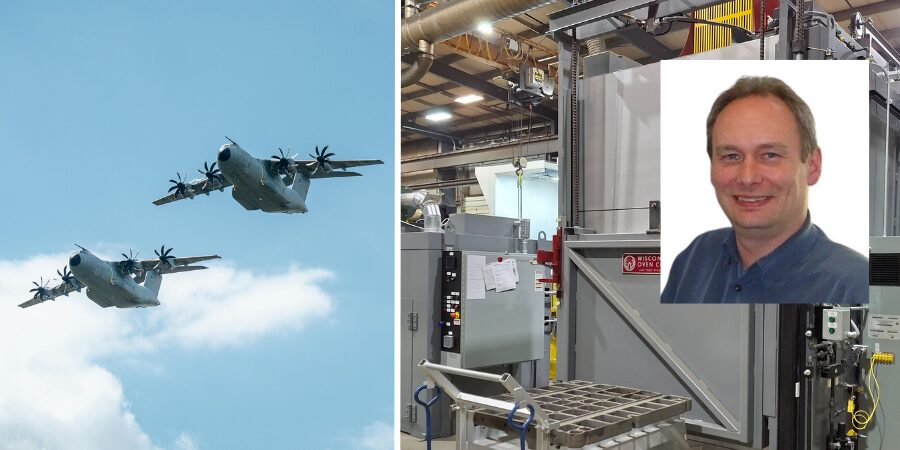
A United States military base will receive an electrically heated draw batch oven for use in heat treating aerospace components. The industrial oven was engineered to meet critical safety requirements and the stringent demands of aerospace heat treating.
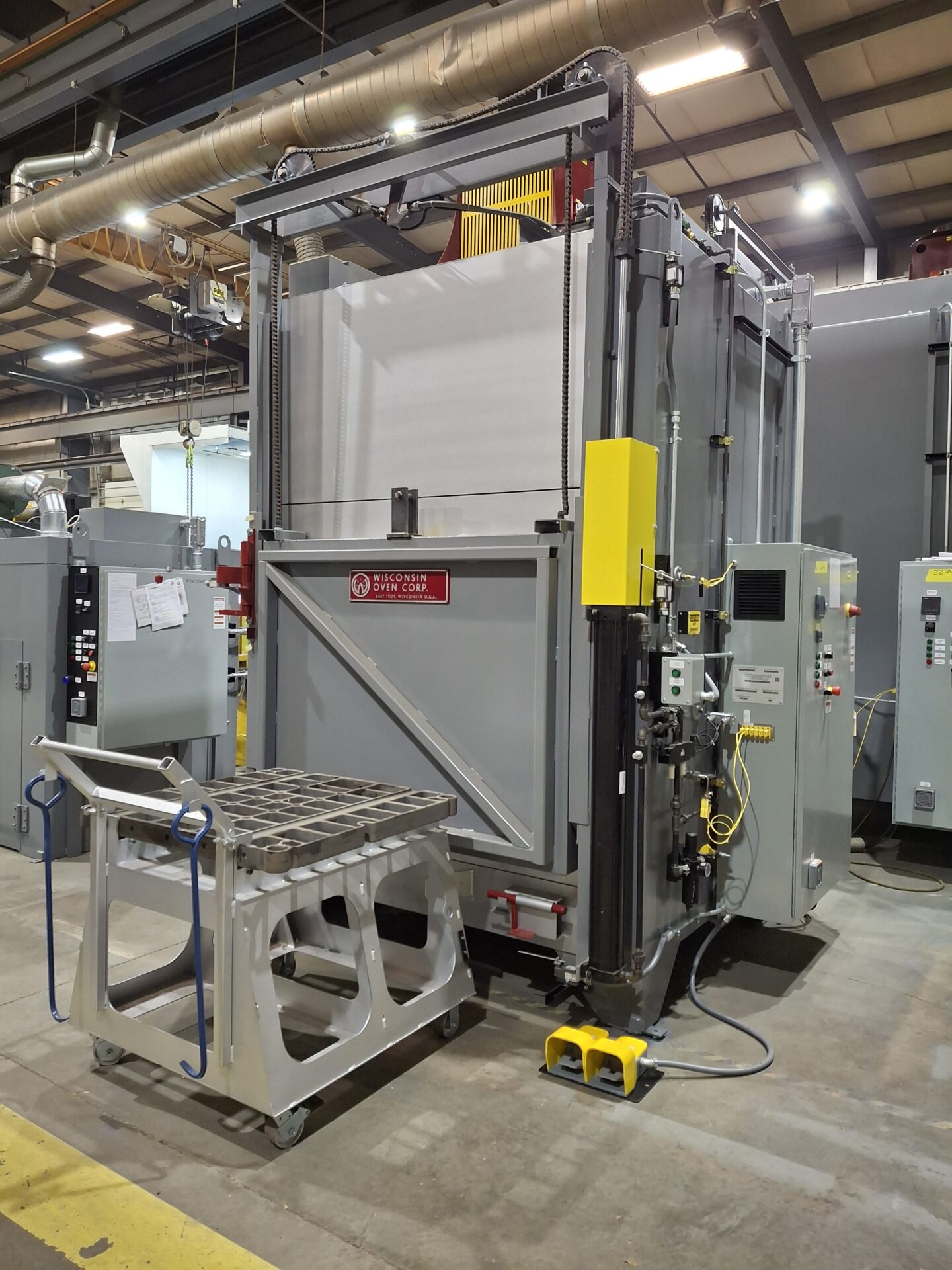
Electrically heated draw batch oven to heat various steel parts for aerospace components. Source: Wisconsin Oven CorporationDoug Christiansen, Senior Application Engineer of Wisconsin Oven Corporation
Manufactured by Wisconsin Oven Corporation, the system features combination-style airflow that delivers both horizontal and vertical upward heat flow to ensure optimal heating rates and consistent temperature distribution across the product. Temperature uniformity has been verified through a Class 1 Temperature Uniformity Survey (TUS) conducted in accordance with pyrometry specification AMS 2750H, with achieved uniformity of ±5°F at 200°F, 700°F, and 1200°F.
“This draw batch oven was designed with additional safety features for operators, tight uniformity, and compliance standards required by the U.S. Military. The temperature uniformity survey was performed prior to shipment to verify compliance with AMS 2750H Class 1 requirements,” said Doug Christiansen, senior application engineer.
The oven features “can” style construction with a heavy plate exterior and six inches of high-temperature insulation for durability and thermal efficiency. A custom portable load/unload cart allows operators to stage the load before heating and remove it for cooling.
The UL508A-certified control panel includes a Eurotherm 3504 programmable temperature controller with advanced auto-tune and Ethernet communication. It also features a high-limit instrument to prevent over-temperature conditions, along with low-voltage calibration TC jack plugs and a variable frequency drive for the recirculation blower.
Press release is available in its original form here.
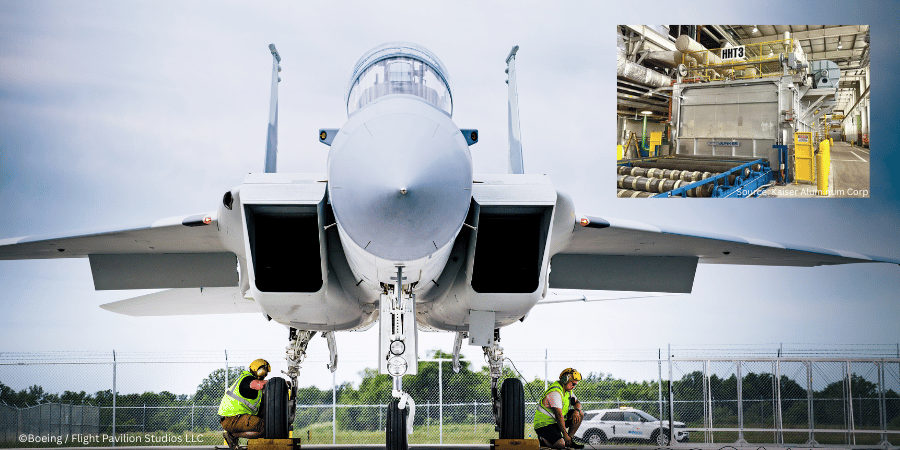
Kaiser Aluminum Corp., a producer of heat treated, flat-rolled aluminum products, has completed a $25 million expansion of its Trentwood rolling mill in Spokane Valley. This marks the latest phase of the company’s long-term strategy to increase heat treatment throughput for aerospace, automotive, and general engineering markets.
The original source was published in Spokane Journal of Business, and the following content has been adapted for our Heat TreatToday audience.
The project, which is part of more than $415 million invested in the facility over the past 20 years, extends one of the mill’s major heat treat furnaces, increasing plate-processing output by approximately 5 percent. For in-house heat treaters, the upgrade reflects a continued industrywide push toward higher-capacity, efficiency-driven thermal operations as demand for tight chemistry and reliable mechanical properties climbs.
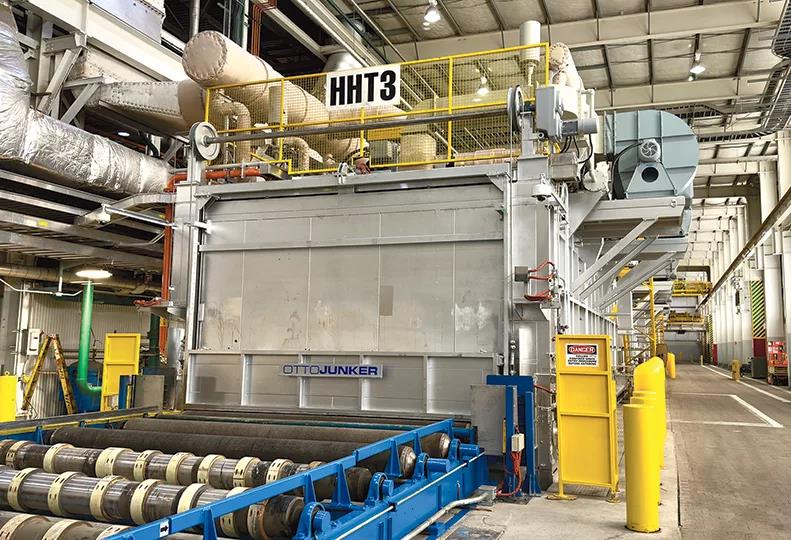
Kaiser Aluminum has completed a $25 million project at its Spokane Valley plant that includes an expansion of its horizontal heat treat furnace. Source: Kaiser Aluminum Corp.
According to Kevin Barron, vice president of manufacturing, the expansion enhances the mill’s ability to heat treat and stretch large-format aluminum plate products without altering staffing levels at the 1,000-employee site. The project was completed within the plant’s existing footprint with support from regional contractors and furnace supplier Otto Junker USA.
The Trentwood mill, one of only three U.S. sites capable of producing heat treated aerospace-grade plate, has undergone seven phases of reinvestment since 2005. Recent work builds on earlier additions to the facility’s furnace lineup, along with upgrades to hot rolling, homogenizing, and casting capacity — areas closely linked to the performance and consistency of downstream heat treating.
Kaiser paused expansion activities during the pandemic, storing some equipment purchased pre-COVID. With the current project complete, the company has reestablished its pattern of continuous, phased improvements intended to keep pace with global aerospace and defense demand.
For manufacturers with in-house heat treat operations, Kaiser’s latest phase underscores a broader trend: large producers are expanding thermal processing capability not only to increase volume but to ensure uniformity, cleanliness, and repeatability at scale. As aerospace OEMs tighten specifications, upstream suppliers are reinforcing their heat treatment infrastructure to meet rising expectations for precision and throughput.
Kaiser Aluminum, headquartered in Franklin, Tennessee, operates 13 facilities across the U.S. and Canada. The Trentwood site remains a key supplier to Boeing and other aerospace manufacturers, continuing a relationship that dates back to World War II.
Press release is available in its original form here.
As aerospace, defense, and medical applications demand tighter chemistry and flawless surfaces, heat treaters are accelerating their move toward all-metal hot zones and ultra-high-vacuum systems. The push for cleaner processing is quickly reshaping expectations not only for commercial heat treaters, but also for in-house heat treat operations supporting mission-critical production.
Today’s original content brings together recent Heat TreatToday reporting on all-metal hot zones, next-generation vacuum systems, and supply-chain investments redefining clean processing for aerospace, defense, and medical work.
All-Metal Hot Zones Drive Cleaner, More Predictable Processing
Heat treaters serving medical, aerospace, and turbine production continue to adopt all-metal hot zones to reduce contamination risk, stabilize vacuum performance, and deliver more consistent surface conditions.
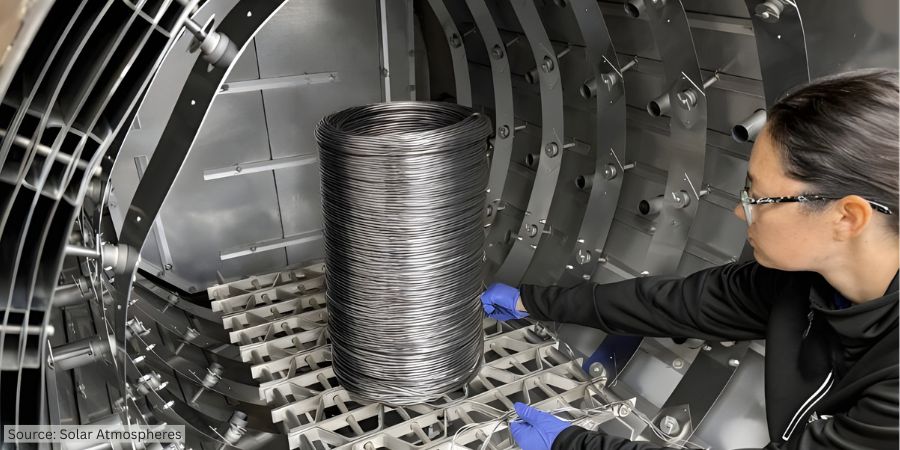
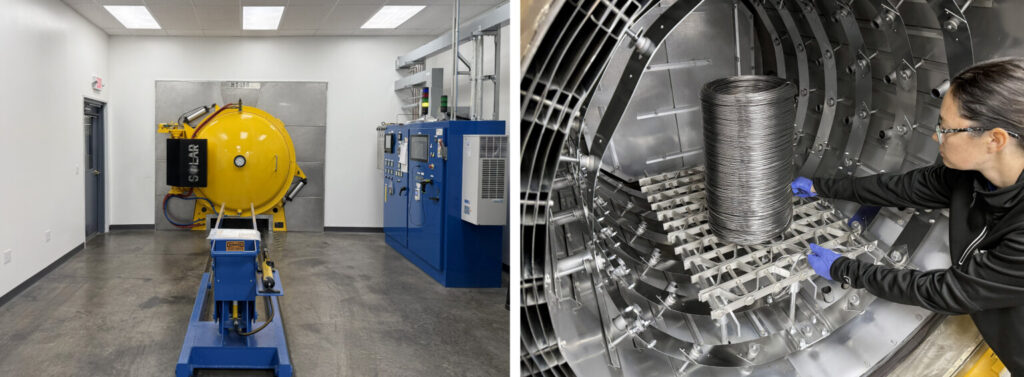
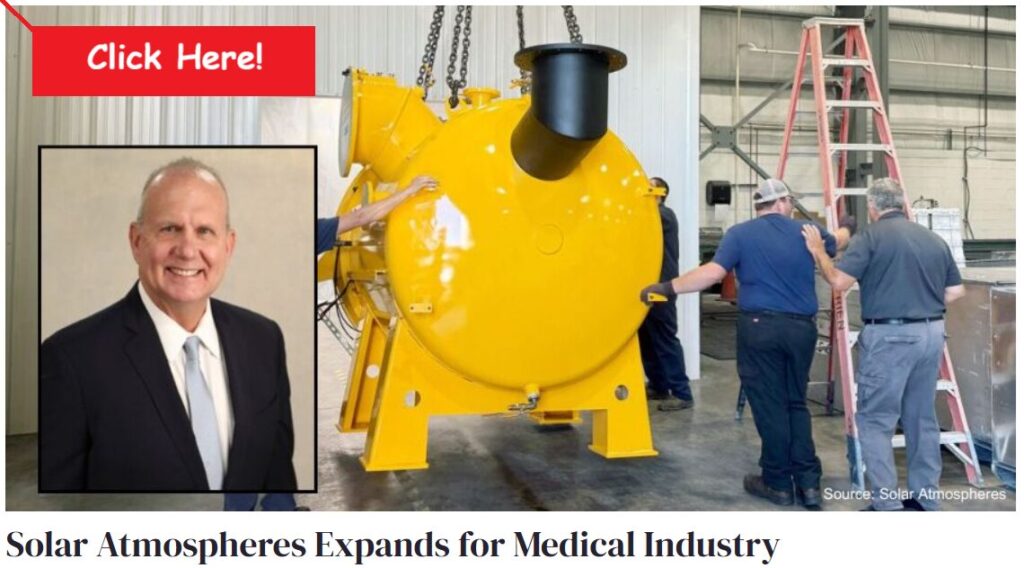
Solar Atmospheres has expanded its all-metal vacuum furnace capacity across multiple locations in 2025, most recently at its Western Pennsylvania facility dedicated to critical medical work. The system features an all-molybdenum hot zone, finely polished stainless-steel cold wall, and dual isolation valves to maintain vacuum integrity, accompanied by a major clean-room expansion to support downstream handling.
Earlier this year, the company added a similar all-metal furnace at its Hermitage campus. Designed for precipitation-hardened stainless steels, nickel-and cobalt-based superalloys, titanium, and niobium, the system reflects the rising expectations placed on heat treat environments supporting high-performance material systems.
Michael Johnson, sales director at Solar Atmospheres of Western Pennsylvania, underscored the significance of the shift, noting that the all-metal design delivers “the purest possible processing environment” and produces “pristine end products that meet the most demanding industry standards.”
With vacuum levels reaching below 5 × 10⁻⁶ Torr through a diffusion pump, oversized main valve, and polished stainless chamber, these furnaces support bright, contamination-free results — conditions increasingly relevant to in-house heat treaters tasked with eliminating process variation.
High-Performance Vacuum Systems Support Tighter Internal Specifications
Across the industry, new vacuum systems are being introduced that emphasize uniform quenching, reduced gas consumption, and shorter cycle times — benefits that resonate strongly with in-house heat treat teams striving for throughput without sacrificing metallurgical integrity.
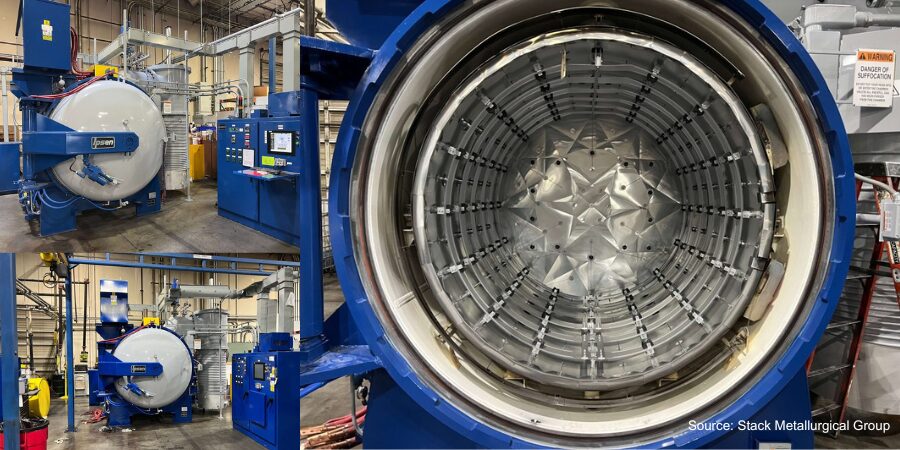
A recent example is the addition of a 6-bar Ipsen TurboTreater horizontal vacuum furnace at Stack Metallurgical Group‘s Portland, Oregon facility. It’s designed for 360-degree uniform quenching and engineered to reduce cycle times by up to 20 percent. Its versatility — supporting hardening, tempering, brazing, sintering, annealing, and more — illustrates the broader trend toward equipment that supports multiple metallurgical pathways while maintaining low-contamination processing.
While not an all-metal hot zone, SMG’s investment signals the same market direction: vacuum systems are increasingly becoming the backbone for operators who prioritize clean surfaces, repeatable thermal cycles, and consistent downstream machining performance.
High Purity Feedstock Becomes a Process-Control Advantage
Arconic Corporation has recently invested $57.5 million in an effort to boost high purity aluminum (HPA) capacity for aerospace and defense applications at its Davenport Works plant, a major in-house heat treating operation. The expansion strengthens both its full thermal processing line and the broader aerospace and defense supply chain.
By the same token, this manufacturer is upstream in product development. For aerospace manufacturers of aluminum products with in-house heat treaters, access to cleaner feedstock translates into more predictable microstructures, fewer surprises at the furnace, and reduced process deviations, which is a meaningful advantage as specifications tighten.
Diana Perreiah, Arconic’s EVP of Rolled Products North America, positioned the investment as a deliberate step toward enhancing U.S. industrial capability, emphasizing that the expansion supports the advanced manufacturing base required for next-generation platforms. Her comments highlight a growing recognition that material purity upstream directly influences thermal processing reliability downstream.
The project includes two new furnaces, automation upgrades, and modernized controls, ensuring consistent supply of the high purity aluminum essential for complex structures ranging from aircraft wing skins to high-strength defense components.
Across furnaces, feedstock, and facility upgrades, the direction is unmistakable: the industry is moving rapidly toward ultra-clean, tightly controlled thermal environments.
For in-house heat treat departments, the message is clear. These technologies are not simply expanding commercial heat treat capacity — they are redefining expectations for internal operations where scrap reduction, audit readiness, and end-to-end process reliability are central.
All-metal hot zones, advanced vacuum systems, and high purity input materials are quickly becoming a baseline for meeting stringent performance requirements for many in today’s aerospace, defense, and medical applications.
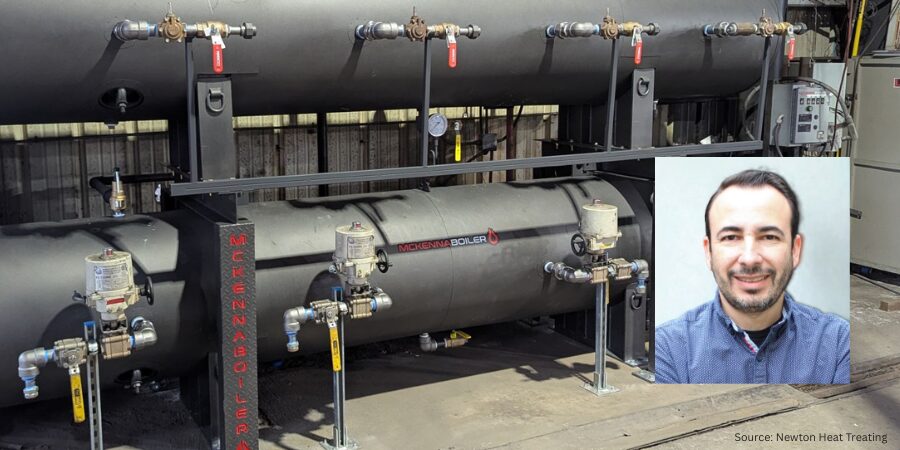
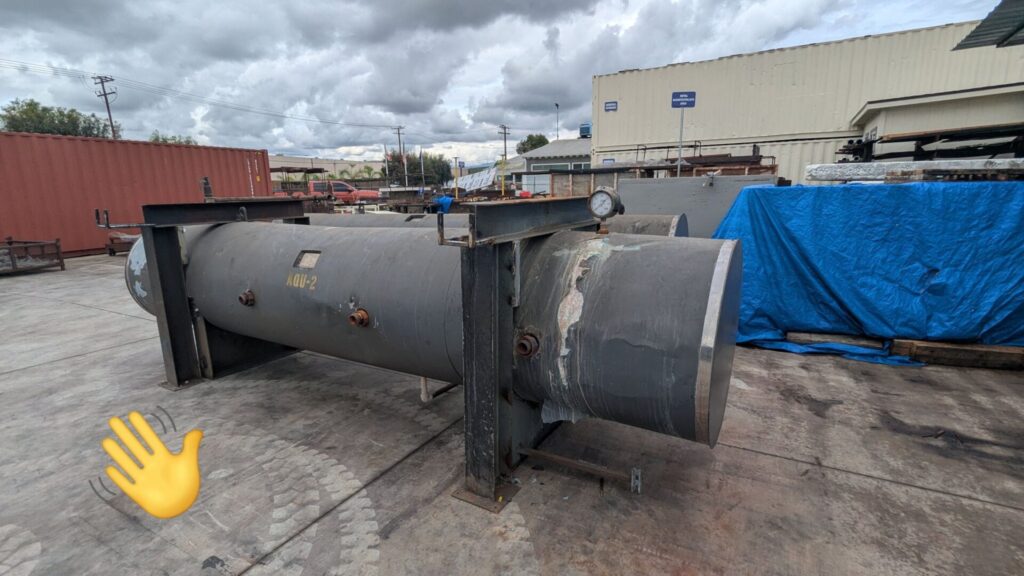
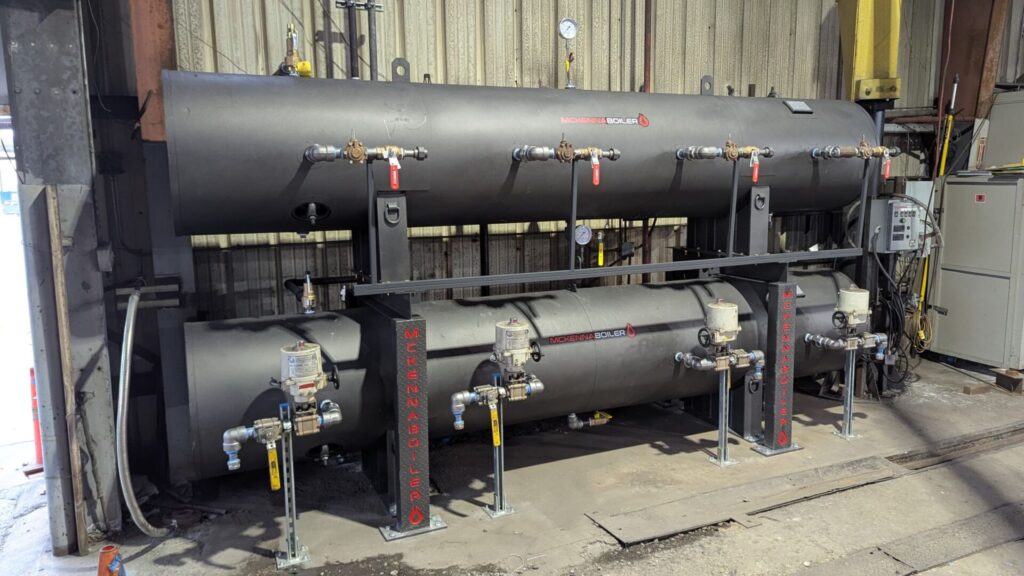
Newton Heat Treating has completed a major equipment upgrade, replacing steam accumulators that had been in service for 20 years in its uphill quenching/cold stabilization operation. The upgrade directly impacts the company’s aerospace processing capabilities, with many parts destined for optical components in space applications undergoing this critical heat treatment process.
Saying goodbye to the old steam accumulators SOURCE: Newton Heat TreatingNew steam accumulators fully installed SOURCE: Heat TreatingJohn Avalos Quality Engineer Newton Heat Treating
According to the company, the new steam accumulators have delivered immediate operational improvements. The heat treat transfer time from the steam accumulators to the steam chambers (where parts are inserted) is faster, providing better tensile stress reduction. Energy efficiency has also improved, with steam blasting time cut by about 10%.
John Avalos, quality engineer at Newton Heat Treating, reported, “primary operator who runs this process, Alfred Ojeda, said that the new steam accumulators don’t take as long to pressurize.” This will cut down on processing time, he explains.
Newton Heat Treating partnered with McKenna Boiler Works, Inc. for the installation project, which was completed on time and to specifications.
The uphill quenching/cold stabilization process is essential for aerospace components, particularly those requiring precise dimensional stability and stress relief for mission-critical optical systems used in space.
Want to learn more about uphill quenching? Check out the Heat TreatRadio episode where Newton Heat Treating CEO Greg Newton and John Avalos discuss this little-known but highly effective process for controlling residual stress in aluminum alloys.
Press release is available in its original form here. Additional details provided by the company.
Southwest Metal Treating Corp (SWMT), an AS9100D/ISP 9001:2015 and Nadcap-accredited facility specializing in providing precision heat treating services, announces the addition of a new cryogenic processing system. This enhancement will further support SWMT’s ability to serve its aerospace, defense, and precision manufacturing partners with high-quality heat treating and cryogenic processing solutions.
“The TRU-CRYOTHERM expands our thermal processing capabilities and strengthens our ability to meet demanding specifications with precision and reliability,” said Ryan Fussell, CEO of Southwest Metal Treating Corp. “As we continue to invest in state-of-the-art equipment, our goal remains the same — to provide our customers with unmatched quality, turnaround, and technical excellence.”
Ryan Fussell CEO of Southwest Metal Treating Corp (SWMT) Source: MTI
The new unit, provided by the McLaughlin Furnace Group, is now currently installed as part of SWMT’s ongoing expansion of its Integral Quench (IQ) department. Its design, advanced temperature control, and uniformity standards make it an ideal complement to SWMT’s growing IQ and vacuum processing operations. With this addition, SWMT continues to set a higher standard for metallurgical performance and process consistency across its full range of services.
Press release is available in its original form here.
Solar Atmospheres has expanded its operations with an additional all-metal hot zone furnace. The new system significantly expands the company’s capacity to heat treat highly sensitive materials such as precipitation-hardened stainless steels, nickel-chrome-based superalloys, titanium, and niobium. The new unit is installed at their Hermitage, Pennsylvania facility and will meet the stringent demands of the aerospace and medical industries.
Additional all metal hot zone furnace for Solar Atmospheres Source: Solar Atmospheres
Michael Johnson, Sales Director at Solar Atmospheres of Western Pennsylvania, stated: “The all-metal vacuum furnace plays a critical role in delivering the purest possible processing environment. This level of cleanliness and control results in pristine end products that meet the most demanding industry standards. We’re proud to partner with the engineers at Solar Manufacturing to bring this advanced technology to fruition.”
The furnace incorporates strategically placed isolation valves, an oversized main valve, a high-capacity diffusion pump, and a polished stainless-steel chamber. Capable of achieving vacuum levels below 5 x 10⁻⁶ Torr, the system ensures bright, contamination-free results.
Press release is available in its original form here.
A U.S. Air Forcecontract has been awarded for 38 advanced aerospace heat treating furnaces. The furnaces will enhance mission-critical aircraft maintenance capabilities at bases across the United States and overseas.
Phillips Corporation Federal Division and DELTA H® Technologies will provide the furnaces. Of the 38 are 13 Model DCAHT®-181248-1200/500-MIL units and 25 Defender Series Model DEF-DC-RH-242436/1200-CH-242436/1200 units. Deliveries are scheduled over the next year to provide the USAF with heat treating capacity for aviation-grade metals to meet AMS2750H compliance and NAVAIR TO 1-1A-9 standards.
“Phillips Federal is honored to support the U.S. Air Force through this partnership,” said Kelley Padham, president of Phillips Corporation, Federal Division. “Our collaboration with DELTA H Technologies continues to expand the boundaries of advanced manufacturing for the Department of Defense — empowering readiness, resilience, and rapid innovation wherever our warfighters serve.”
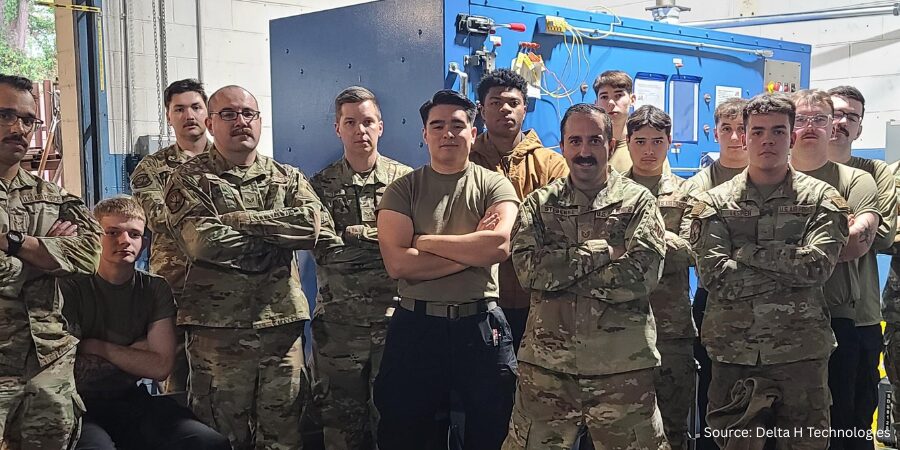
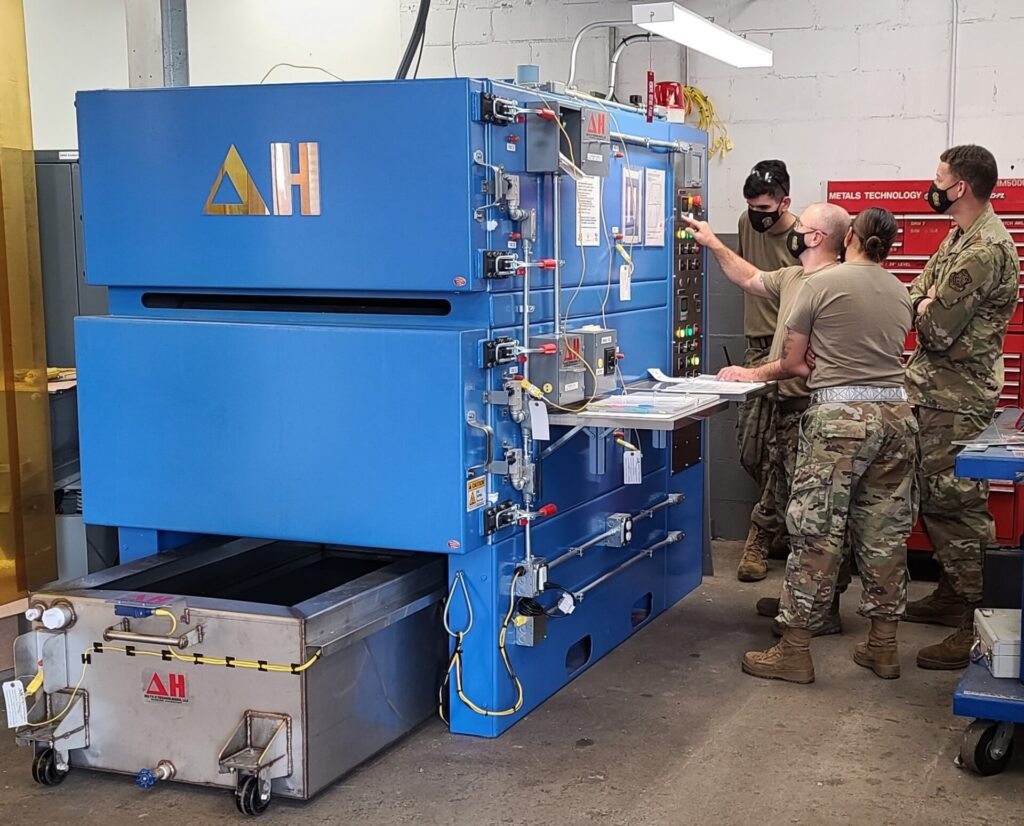
Service member team working with new Delta H furnace Source: Delta H Technologies
Richard Conway, director and CTO of DELTA H Technologies and a U.S. Air Force veteran, added: “Ten years ago, the Air Force asked us to help solve a problem. As an engineer and veteran, it became a personal mission to provide the best heat treating solutions possible. Today, knowing the USAF relies on DELTA H and Phillips Federal for this critical technology is deeply humbling.”
The DCAHT® Model has dual convection-heated chambers with certified TUS work volume at 18” W × 12” H × 48” L. The lower chamber operates to 1200°F for aluminum solution heat treating with a roll-away quench tank, and an upper chamber which operates up to 500°F for aluminum aging.
The Defender Series Model has dual TUS-certified work volumes at 24” W × 24” H × 36” L. The convection chamber operates between 200°F–1200°F with rapid cooling from 1000°F to <200°F in under 30 minutes, enabling complete solution heat treating, annealing, and aging (T6). The radiant chamber operates between 1000°F–2000°F, with inert gas atmosphere capability.
Press release is available in its original form here.
A single-chamber vacuum furnace will be provided to a manufacturer in the aerospace industry. The new furnace will expand their production capacity of aircraft gear manufacturing.
Maciej Korecki Vice President of Business of the Vacuum Furnace Segment SECO/WARWICK
“For decades, we have been working for the aerospace industry and continuously improving our equipment to not only meet high quality standards but also to ensure maximum efficiency. For manufacturers of aircraft and helicopter parts, we almost always prepare unique solutions tailored to defined needs,” shared Maciej Korecki, vice president, Vacuum Segment of SECO/WARWICK group, which is providing the furnace. SECO/WARWICK is an industrial furnace technology provider with North American locations.
“Thanks to the inverter control, we can activate the optimal cooling power at the appropriate stage of the process. A major advantage of this device is its low heat loss and excellent temperature distribution in the graphite heating chamber, which is resistant to rapid wear and simple to operate and maintain,” says Paweł Okinczyc, sales manager at SECO/WARWICK.
The single-chamber Vector vacuum furnace enables the heat treatment of large components, while maintaining a compact design. The furnaces in this line are equipped with convective heating, improving heat transfer efficiency during lower temperature heating; directional cooling, allowing problematic components in terms of shape to be cooled in different ways; and isothermal hardening, enabling better cooling process control through enhanced charge temperature management and frequency converter-based fan control.
Press release is available in its original form here.
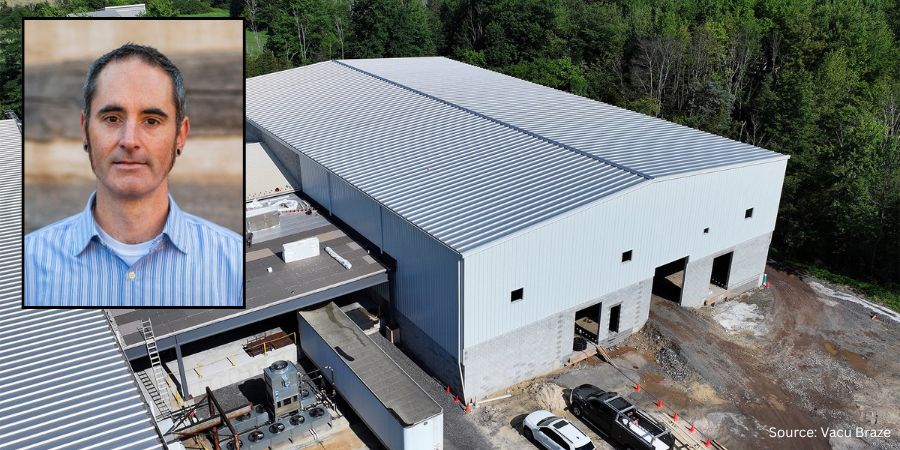
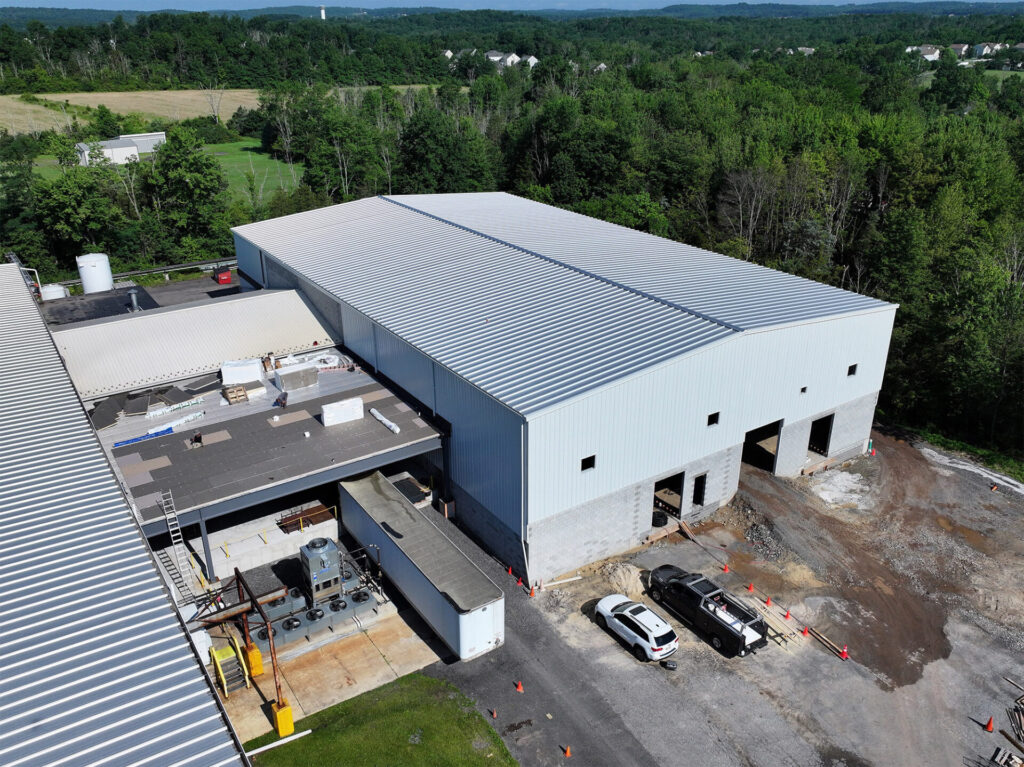
Vacu Braze, a provider of precision heat treating has announced an 18,000 square foot expansion to its headquarters in Bucks County, Pennsylvania. The new expansion will increase the total footprint of the facility to over 58,000 square feet, enhancing operational efficiency, increasing production capacity, and supporting next-generation heat treating technologies.
“This expansion marks a significant milestone in Vacu Braze’s ongoing commitment to growth and service. Through this development, we will increase our capacity to meet customer demands,” said Kirk Palermo, vice president of Vacu Braze.
They provide heat treatment services for the aerospace, defense, medical, and industrial markets.
Press release is available in its original form here.
Arconic Corporation (“Arconic” or the “Company”) will boost high purity aluminum (HPA) capacity for aerospace and defense applications at its Davenport Works plant, a facility with in-house heat treatment. The $57.5 million project has effectively doubled domestic production of high purity aluminum, a critical material to aerospace and defense applications.
Diana Perreiah Executive Vice President of Rolled Products North America Arconic Source: Arconic
The expansion is being carried out at the Davenport Works plant in Iowa and was commissioned on September 25. The project was supported by an award of $45.5 million from the U.S. Department of War in 2023, utilizing Defense Production Act (DPA) Title III authorities. The Defense Production Act Title III program supports domestic industrial capabilities essential to national security.
Diana Perreiah, executive vice president of Rolled Products North America for Arconic, said, “Arconic is honored to support American leadership in advanced manufacturing by expanding domestic production of high purity aluminum for next-generation aerospace and defense applications. This project strengthens critical supply chains and supports national defense priorities, while reinforcing our role as a trusted partner in delivering materials essential to U.S. security and competitiveness.”
With the design and installation of two new furnaces and advanced control and automation systems, the project provides the United States surge capacity for HPA production and mitigates potential risks to national security in the event of an industrial mobilization. Among the defense applications that require HPA are the bulkheads for the F-35 and advanced armor plate for the Joint Light Tactical Vehicle.
At a ribbon-cutting ceremony on September 25, distinguished guests included Iowa Governor Kim Reynolds, Lieutenant Governor Chris Cournoyer, U.S. Senator Joni Ernst, U.S. Representative Mariannette Miller-Meeks, State Representative Gary Mohr, Riverdale Mayor Anthony Heddlesten, Iowa Association of Business and Industry President Nicole Crain, and Quad Cities Chamber of Commerce president and CEO Peter Tokar III to mark the milestone of commissioning the facility.
Arconic Corporation, headquartered in Pittsburgh, Pennsylvania, is a leading provider of aluminum sheet, plate and extrusions, as well as innovative architectural products, that advance the ground transportation, aerospace, building and construction, industrial and packaging end markets. For more information, visit www.arconic.com.
Press release is available in its original form here.