

HEAT TREAT NEWS INDUSTRIES

2020 Heat Treat Themes for Intellectual Fitness

What have we learned these past six months? Well, for starters, everyone misses being face-to-face! Yet many heat treaters have taken this time to be flexible and innovative, building their intellectual fitness, so to speak.

This article, a Heat Treat Today Original Content piece, highlights some of the major themes which digital opportunities provide to heat treaters. You may note that some of these opportunities are still being offered; please reference company websites to confirm.


“COVID-19 came along… [but] it forced me to look into other projects which may be even more interesting. And I decided to build my intellectual property.”

-Harb Nayar, president of TAT Technologies, LLC on Heat Treat Radio

[spacer color=”3366FF” icon=”fa-lightbulb-o”]

Signs of life pre-April 2020 seem to be coming back, though many people are still reckoning with the work constraints. This past quarter, and even into Q3, heat treaters have seen a remarkable initiative to make learning online available. Heat Treat Today did a select study* of what a few of the most recent, heat treat specific events had to offer. The results of the examination demonstrates trends in the types of themes which heat treaters can improve their “intellectual fitness.”

Summary

A few themes stick out as key content: the fundamentals, quality control, additive manufacturing (AM) and 3D printing, and maintenance concerns.

source: Heat Treat Today

These themes were made available to heat treaters in the form of three main presentations: session or lecture format; panel discussion; round table. All platforms engaged in some form of online sessions which colored more lecture/seminar styled with scholarly professionals to addresses given by industry leaders or technical insiders. Larger, lengthier events, such as Furnaces North America and SECO/WARWICK’s e-Seminar incorporated panel discussions in addition to single-speaker sessions. Truly unique was the announced “round table” access at the Ceramics Expo Connect’s session on September 24th, “How to Improve Your Ceramic Products Material Properties Through Raw Material Optimization?”

Within these structures, a few presenters took advantage of the digital opportunity to offer case studies and live demonstrations of certain methods and processes. At the e-Seminar, multiple opportunities for this included “Symptoms of a Burner Issue – How to Solve It” and “Revealing the Secret of Carburizing,” while Buehler’s Wilson Hardness Days (WHD) event promises “live demonstrations of DiaMet software.” Only a few of the events examined offered the opportunity to submit questions before the presentation occurred. Many sessions in this online forum were pre-recorded well in advance, so this might contribute as to why soliciting questions before the presentations wasn’t as widespread.

Four Themes of 2020

The Fundamentals

This one is not surprising. “The Fundamentals” refers to any overview, back-to-the-basics type of session that hits major ideas in the industry which might refine practices, but does not challenge or recreate heat treating theory/practice. An example of this is the technical session on day one of the FNA: “The Importance and the Proper Way to Monitor Polymer Quenches” to be given by Keisuke Kuroda of Idemitsu Lubricants America.

Hubbard-Hall’s webinar on cleaning titled “Optimizing Cleaning in Heat Treat Processes” promised to cover “the influence of contaminations in different heat treatment applications,” something that may not be as exciting as nitrogen gas quenching, but is still essential to know. At WHD, the event notes that “Machine Calibration and Servicing” will be a guaranteed part of the webinar on hardness testing.

Quality Control

Not to be confused with “The Fundamentals,” this theme encapsulates topics about implementing new theory and improving or refining current practice.

At the Ceramics Expo Connect, a session on “Powering a Mobile Future: The Role of Ceramics in Taking Solid State Batteries from Theory to Practice and Improving Lithium Ion Models” demonstrated this theme. If you attend the e-Seminar, you may have heard the panel “Maintenance in the Age of Industrial 4.0 Description,” which also falls into this theme. At a more particular level, Buehler will introduce the new Rockwell Tester at their event.

Additive Manufacturing and 3D Printing

At the cutting edge of industry development, these young applications in the heat treat world have been getting a lot of attention, with other forward-thinking topics on the horizon as well (like IoT and Industry 4.0). Buzz a constant buzz of these processes were apparent, particularly in the FNA 2020 schedule.

One of the technical session at FNA 2020 will be given by Dan Herring, the Heat Treat Dr., titled “Will Additive Manufacturing Add or Take Away Heat Treating?” At the e-Seminar, “3D Printing—Revolution or Evolution” was the title of one provocative panel discussion.

Maintenance

This is another big theme, and rightly so: maintenance concerns can cause problems with the heat treating process which could result in poor results, or dangerous outcomes.

FNA 2020 will be dealing with maintenance questions a lot over the next few days. On a micro-scale, Hubbard Hall’s webinar will be addressing these questions: “How closed cleaning machines contribute to cost efficiency and sustainability” and “How companies overcome specific cleaning challenges.”

Other Themes

“Troubleshooting” and “adapting to COVID-19” also stood out as recurring themes, though many sessions were concerned with these in relation to quality and future planning. Additionally, “COVID-19” in particular was considered during multi-day events as it related to pivoting one’s business strategy whereas single-day events focused on topics which are periphery to COVID-19 like “supply-chain” and “future of heat treat.”

Ok, But Does This Mean Anything?

Heat treaters are adaptive, responding to changes. But beyond picking up the latest item on the block, heat treaters want to make sure that their operations are reliable and excellent, hence the heavy focus on “The Fundamentals” and “Quality Control.” Testing new ideas and refining maintenance strategies are implemented, but it seems that this is typically after heat treaters know that they are performing with excellence in their day-to-day.


Further information on these events can be found on the company websites.

*The study focused on five of the most well-publicized and widely circulated events in the heat treat industry in August and September of 2020. The study is not meant to be exhaustive, but rather a case study of trends which may serve to be indicative of larger trends in the heat treat industry.


2020 Heat Treat Themes for Intellectual Fitness Read More »

15 Quick Heat Treat News Chatter Items to Keep You Current

Heat Treat Today offers News Chatter, a feature highlighting representative moves, transactions, and kudos from around the industry.

Equipment Chatter

  1. Vacuum and Atmosphere Services (VAS) Ltd., located in the UK, sold a refurbished Ipsen VVFC 60×60.
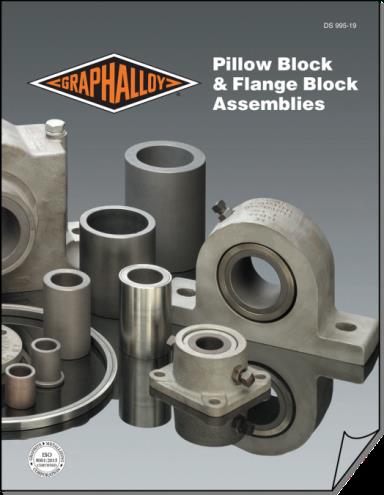
  2. Graphalloy announces their new Graphalloy® Pillow Block and Flange Block Catalog for high temperature applications.
  3. Heat Treating Services Unlimited, Inc. (HTSU) deployed C3 Data technology to heat treat customers across the United States.

Kyle Favors, President of Heat Treat Services Unlimited, Inc.

Graphalloy® Pillow Block and Flange Block Catalog


Personnel Chatter

  1. Alder Moldenhauer, President of Vectorr Industries, an outside sales representative to AFC-Holcroft

    AFC-Holcroft announced the addition of Vectorr Industries to their outside sales representative network. Located in Buffalo, New York, Vectorr Industries will support AFC-Holcroft customers within Western New York, Oregon, Washington, and Canada (excluding Ontario). Adler Moldenhauer is president of the company.

  2. Tom Hart returned to SECO/Vacuum to Product Manager, Vacuum Furnaces, having previously worked at the team as a sales engineer.
  3. Super Systems Inc. announced the movement within the company: Jim Oakes from Vice President of Business Development to President; Bob Fincken to Vice President of Sales for North America; and Steve Thompson, Super Systems President, is moving to the position of Chief Executive Officer (CEO).
  4. Andy Martin joins Sales Team at Graphite Metallizing and will be responsible for Australia and New Zealand markets.
  5. Tom Hart, Product Manager, SECO/VACUUM

    Nitrex welcomes Ali Emre Akgunes as its new manufacturer representative in Romania and Turkey. Akgunes brings decades of experience in sales and business development to his new role at Nitrex, where he will lead sales initiatives and guide new business growth for Nitrex and member companies G-M Enterprises and UPC-Marathon.

  6. Solar Manufacturing announced that Aaron Ackerman of Met-Pro, Inc. will assume the role of Sales Representative for Michigan.
  7. Hubbard-Hall Inc. announced the promotion of Ted Saltzman to Business Development Manager and the hiring of Andre Depew as Product Manager of Metal Coloring.


Jim Oakes, President, Super Systems, Inc.

Steve Thompson, CEO of Super Systems, Inc.

Bob Finken, Vice President of Sales for North America, Super Systems, Inc.


Andy Martin joined Sales Team at Graphite Metallizing

Mr. Ali Emre Akgunes, Nitrex's new manufacturer representative in Romania and Turkey

Aaron Ackerman, Met-Pro, Inc. to assume the role of Sales Representative for Michigan on behalf of Solar Manufacturing

Ted Saltzman, Business Development Manager, Hubbard-Hall

Andre Depew, Product Manager of Metal Coloring, Hubbard-Hall


Company Chatter

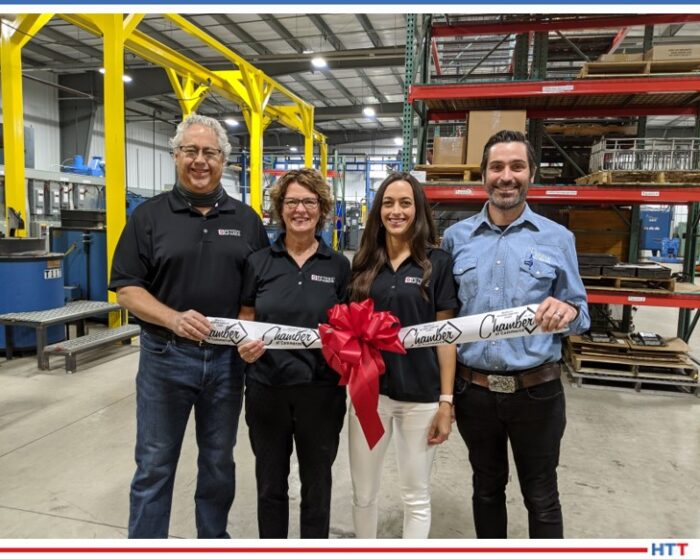
  1. Peters’ Heat Treating grows its plant operation, moving its headquarters into a newly expanded Meadville, Pennsylvania facility. Read more.
  2. Nitrex Heat Treating Services continues its expansion program at their Aurora, Illinois commercial heat treat facility, located just west of Chicago. Read more.
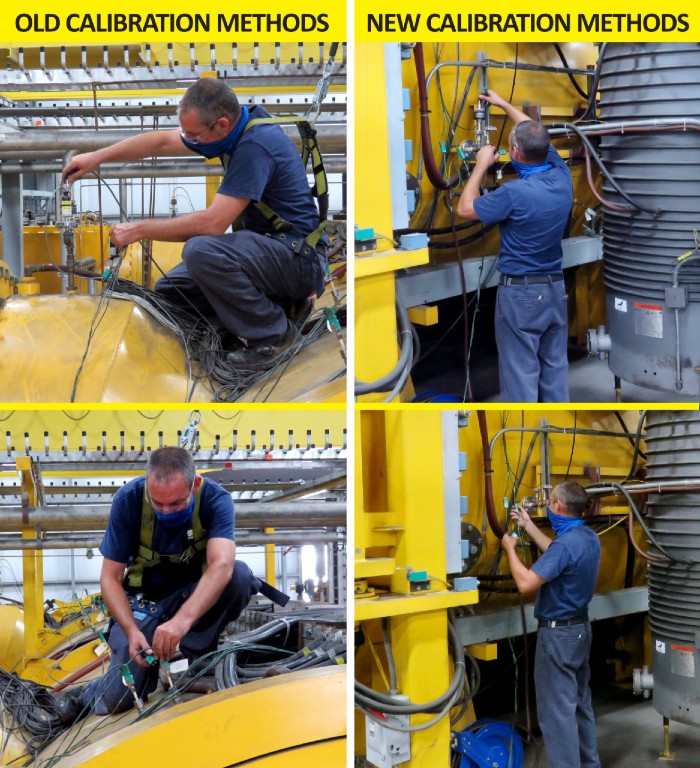
  3. Solar Atmospheres reaffirms their commitment to safety with new safety features, particularly for calibrations, being implemented to all existing furnaces.
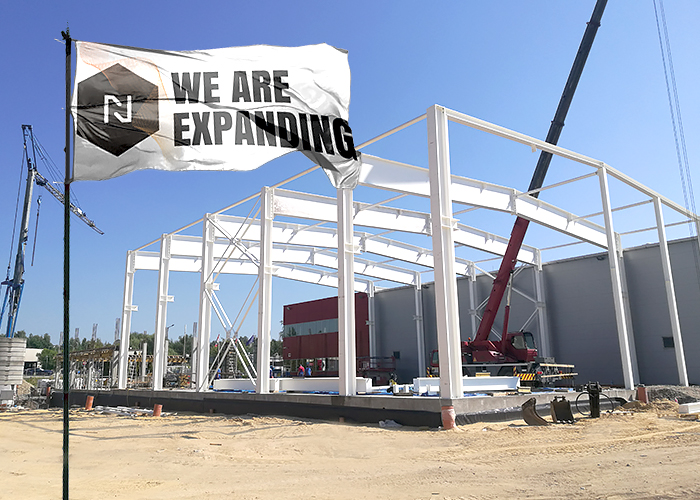
  4. Nitrex announces that they are in Phase II of the Polish facility expansion, indicating that they are on schedule with the foundation complete and framing underway. This expansion will add 21,500 square feet (over 2000 m2) of new space to the existing building, which will double production capacity and support future growth. The expansion project is expected to be complete in Q1 2021.
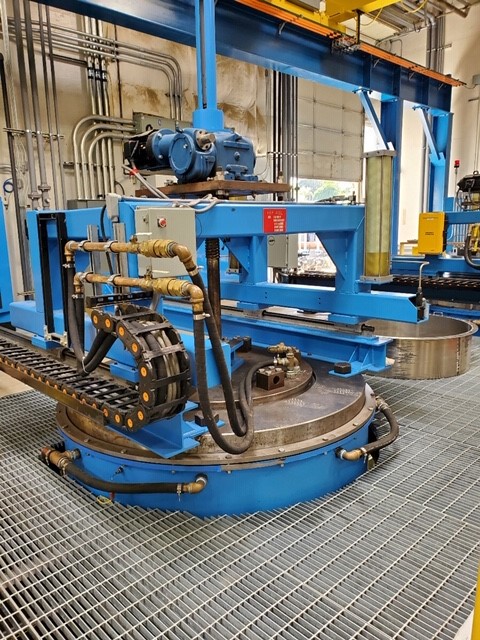
  5. Kittyhawk Products OR LLC completed the installation of another hot isostatic press with a working zone of 46” x 100".

Ribbon Cutting with the Owners: Doug and Jackie Peters, Diana Wilkosz (VP), and Andy Wilkosz (President)
(photo source: Peters' Heat Treating, Inc.)

Solar Atmospheres reaffirms their commitment to safety.

Nitrex's Polish Facility expands

Kitty Hawk Image 1


Kittyhawk Image 2


Kudos Chatter

  1. The US Air Force and Boeing X-37B autonomous spaceplane has won the Robert J. Collier Trophy for the greatest American achievements in aeronautics and astronautics of 2019.
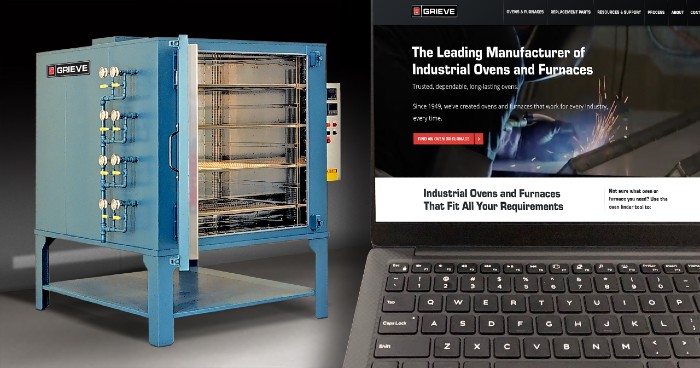
  2. The Grieve Corporation launched an updated website featuring a user-friendly catalogue and ordering system among other new features and enhancements to existing capabilities.

US Air Force and Boeing X-37B autonomous spaceplane won the Robert J. Collier Trophy.

The Grieve Corporation updated its website.


Heat Treat Today is pleased to join in the announcements of growth and achievement throughout the industry by highlighting them here on our News Chatter page. Please send any information you feel may be of interest to manufacturers with in-house heat treat departments especially in the aerospace, automotive, medical, and energy sectors to editor@heattreattoday.com

15 Quick Heat Treat News Chatter Items to Keep You Current Read More »
Fringe Friday: Heat Treating with 4D Printing

Source: Thomasnet.com

(photo source: Thomasnet)

At the end of the week, we like to keep it light at Heat Treat Today. This Fringe Friday article explores the frontier of manufacturing: 4D printing. This approach uses printable materials, which can be manipulated by high temperature, electric current, or pressure, taking on different forms.

The shape-shifting material has the potential for multiple applications. The excitement for future applications is further explored in this the Thomasnet.com article, “4D Printing Makes Shape-shifting a Reality.” Take a look at the video on their website to listen and watch these 4D finds.

An excerpt: “These characteristics allow for bonding to the non-transforming substances in helping to simultaneously support the composition of the initial object, as well as embedding the ability to change the object’s shape based on need or environmental factors.”


Read more about 4D at “4D Makes Stuff That Changes Shape

All images in this post are taken from the original article on ThomasNet.


Fringe Friday: Heat Treating with 4D Printing Read More »
Name Change for U.S. Subsidiary of Global Industrial Gases and Engineering Supplier

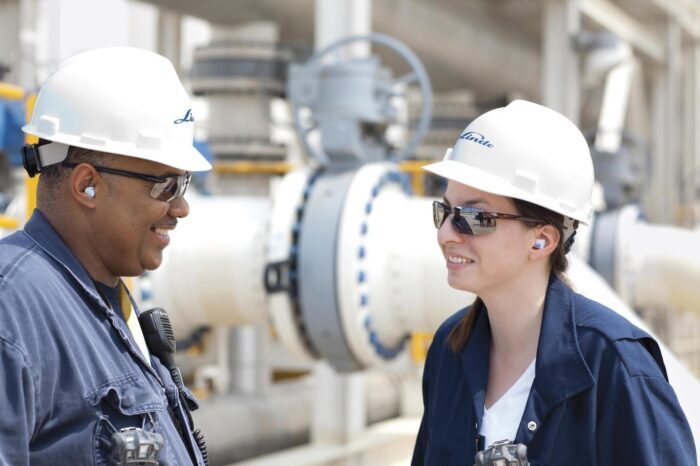
On August 13th, Linde announced that its U.S. subsidiary, Praxair, Inc., will begin operating under the Linde name, effective September 1. This name change follows the merger of Praxair, Inc. and Linde AG. The company, which will operate under the Linde brand, is a global industrial gases and engineering company.

With 80,000 employees in more than 100 countries, the company reiterated its values of safety, integrity, community, inclusion, and accountability, believing in "making our world more productive." 

The primary customer contact for products and services will remain the same. Beginning September 1, information on the U.S. business may be found at www.LindeUS.com. The Customer Call Center will be available either by phone at the new 1.844.44LINDE or the new e-mail address contactus@linde.com.


(photo source: linde.com)


Name Change for U.S. Subsidiary of Global Industrial Gases and Engineering Supplier Read More »

Global Heat Treat Supplier Establishes Excellence Centers

Patrick McKenna, President and CEO (source: Ipsen USA)

Ipsen USA, Cherry Valley, Illinois, announced yesterday, July 29th, that it has been appointed as the Vacuum Technology Excellence Center for the global Ipsen organization. Ipsen USA, located west of Chicago near Rockford, Illinois, was one of the two Technology Excellence Centers announced yesterday. The other, Ipsen in Kleeve, Germany, will serve as the Atmosphere Technology Excellence Center.

According to the statement issued by Patrick McKenna, CEO of Ipsen USA, the focus on one field of technology (i.e. vacuum technologies), will enable faster-paced innovation and a sharper focus on equipment performance and quality. McKenna further noted that the global restructuring came after months of market analysis to understand the needs of the company’s customers. The resulting drivers for the organization’s global changes were a) increased customer demand for technical services, b) identical metallurgical outcomes worldwide, and c) solutions for processing newly developed materials. The establishment of these Technology Excellence Centers will allow the global organization to properly address market needs for current and future customers, as well as allow for faster response times supported by new advanced service products in all regions of the globe currently serviced by the company.

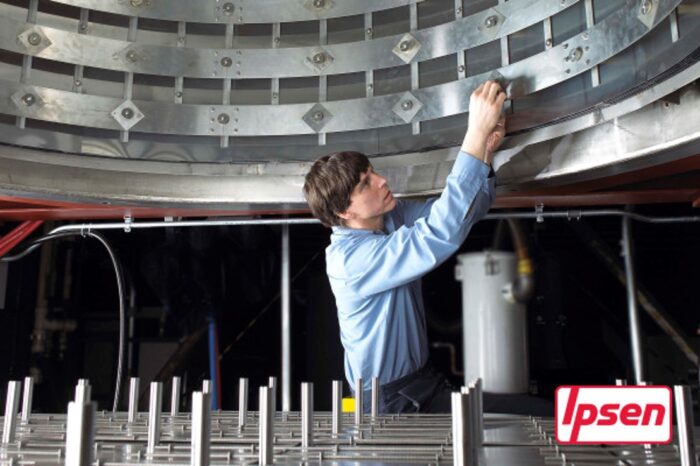
Vertical vacuum furnace repair (photo source: IpsenHarold.com)

As a result of this change, new furnace equipment will be manufactured at fewer locations around the world, focusing instead on specialization. The US location will exclusively build all types of vacuum furnaces, while the Germany location will build the atmosphere batch and continuous systems. Additionally, Ipsen India will continue to build atmosphere furnaces for the India and Southeast Asia markets. The China and Japan locations will no longer manufacture new furnaces, but will continue to focus their energy on customer service and the sale of new equipment from the Excellence Centers.

The customer relationship with the company will remain unchanged as customer support will continue at all global locations. Sales, service, and support teams remain local in each region to guarantee speed of response. All plants remain open in all regions as the aftermarket support of customers is more than half of Ipsen’s annual business. Activities such as upgrades, local inventory of parts and service will continue to be fully supported on a local basis.

This consolidation of equipment manufacturing sites together with the uncertainty of the global pandemic does result in a reduction of staff, which is a regrettable but necessary outcome.


For more information, please contact Patrick McKenna, President & CEO Ipsen USA at Patrick.McKenna@IpsenUSA.com or +1 815-332-2591.

(photo source: IpsenHarold.com)


Global Heat Treat Supplier Establishes Excellence Centers Read More »
Heat Treat Educational Opportunities

In the wake of COVID-19, suppliers and manufacturers in the heat treat industry has found ways to educate and convene with one another using digital classes, seminars, conferences and more. This Heat Treat Learning article highlights some of the most prominent events which you can attend from your home or office. The list features events by date.

If you have attended or will be attending an online event, please consider emailing the editors at editor@heattreattoday.com or bethany@heattreattoday.com to share your impressions of the event value.


Classes and Webinars

Fractography and Fracture Analysis: History and Development: Tuesday July 28, 2020,  2:00 PM - 3:00 PM EDT

(photo source: Wynn Pointaux from Pixabay.com)

This free webinar will explore the background of fractography and fracture analysis with Daniel Grice, P.E. Senior Engineer and Larry D. Hanke, P.E., FASM, Principal Engineer Materials Evaluation and Engineering Inc. The event, supported by ASM International, is intended to help anyone who is interested in learning more about material behavior. Read more and register here.


How Verification of Medical Device Surfaces in Production Eases Product Development: Wednesday July 29, 2020,  2:00 PM - 3:00 PM EDT

Operating in different time-zones and featuring a recording to any participant who signs up, this free webinar intends to help metallurgical technicians, engineers, quality control and laboratory managers better understand their surface coatings. The webinar, supported by Buehler, will mainly be focusing on preparation challenges and approaches to achieve good quality, efficient preparation, accurate measurement and correct evaluation of these coatings. Read more and register here.


Elizabeth Kidd, Materials Scientist and Lucas Dillingham, Senior Applications Specialist at BTG Labs

Surface Coatings; Metallographic Preparation & Analysis: Wednesday July 29, 2020,  2:00 PM - 3:00 PM EDT

This event targets medical device manufacturers concerned with verification of cleaning, coating, sealing, printing, or bonding. BTG Labs is making this webinar available for free. The speakers are Elizabeth Kidd, Materials Scientist and Lucas Dillingham, Senior Applications Specialist at BTG Labs. Read more and register here.


Heat Treatment 4.0 e-SEMINAR: Wednesday September 9, 2020, 3:00 – 6:00 P.M CET

This international event, conducted in English, features 9 hours of content over a 3 hour period with three topical meeting rooms. Recordings of the event will be made available to all participants for a short time following the event. The site claims that this will be the “first industry virtual meeting of international specialists” including both practitioners and scientists. Additionally, the seminar will serve as a platform to interchange ideas and technologies, share expert experience, and discuss industry in the current times. Hosting this event is SECO/WARWICK. For specific details on the event, read more and here.


ASM Virtual Classrooms: Continual

These online courses listings provide self-guided classes provide professional development opportunities to any students of metallurgy. With quizzes and a final examination, these courses provide certificates of completion for passing (80% or above) the course requirements. A few attributes that one may see in classes are flash animations, video of instructors teaching the course in a classroom, video segments from ASM's DVD series, and PDF's of instructor PowerPoints used in the instructor led trainings. Among course offerings are the Basics of Heat Treat, Component Failure Analysis, and short courses on topics like corrosion. For more details on how to enroll, read more and register here.

Online Opportunities

Not all learning has to be done in a cohort, although community does provide great motivation and a sense of accomplishment. Here is a selection of alternative digital information outlets to access while you are on the go or at home.

Blogs: For the readers

(photosource: tav-vacuumfurnaces.org)

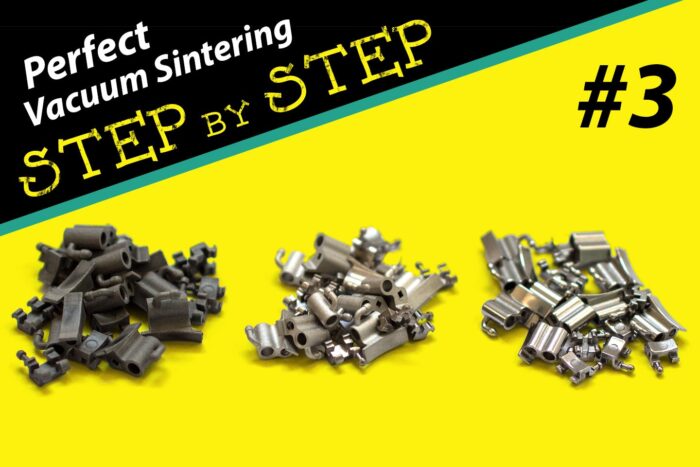
  • TAV: The Vacuum Furnaces Blog - "Perfect Vacuum Sintering Step by Step [3/4]." Part of a larger series, you can find more via the referenced articles internally linked in this article.
  • Dan Herring's articles. Check out most heat treat news sources and you are sure to find them.
  • Ipsen's The Herald. Also, be sure to check out their white papers on their website.

Podcasts: For the drivers

  • Heat Treat Radio: Re-envisioning your international business? Interested in harnessing the research power of Worchester Polytechnic Institute? Here is just one outlet while you are on your daily drive.

Videos: For the entertainers

  • Heat Treat Marketing Minute: For advertisers, learn a new skill, hone your marketing technique, use more color in your advertising... all here at Heat Treat Today. Check in with Doug in his commentary on ROI.


  • MetallurgyData with Neil Hardy: You may remember the young producer of metallurgical content, Neil Hardy. Links to his YouTube and some background on the project can be accessed here.


  • Tom Ott's LinkedIn videos: Scan LinkedIn and you will find Tom Ott's  videos, which come in handy for the tech savvy heat treater.


(photo source: Andrea Piacquadio from Pexels.com)


original content

Heat Treat Educational Opportunities Read More »

Replacing Heat Treating Induction Coils Just Got Better

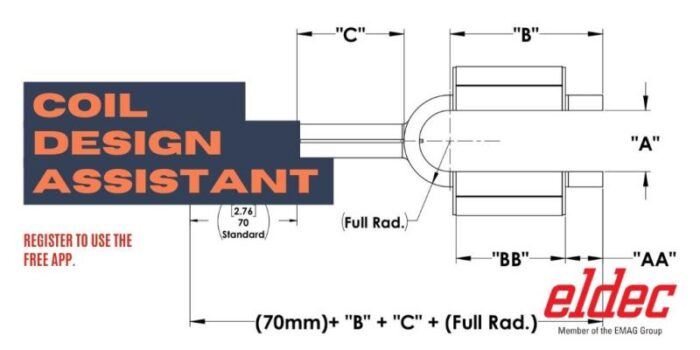
Cut down administrative time, streamline ordering processes, reorder induction coils you can count on. All of these goals sound great, and that's just what eldec LLC.'s new app sets out to do. In this Heat Treat Today Original Content article, eldec Sales Engineer, Greg Holland, shares how their new app, the Coil Design Assistant (CDA) helps heat treaters to efficiently design and order induction coils.


This past month, eldec LLC. released a free app called Coil Design Assistant (CDA) which is intended to streamline the ordering process of induction coils. Specifically designed for cases when customers know what they want, the app will "convey that information to us quickly," says Greg Holland, sales engineer at eldec LLC., "to reduce the time to quote, fabricate and deliver to the job site."

eldec Coil Design Assistant (photo source: inductionheatingexperts.com)

How the app works is by first submitting information about the induction coil. If a customer has an existing eldec coil to replace, the submission only requires the serial number. If the customer wants to replace their coil from a non-eldec coil, or if they want to customize a coil to optimize performance based on part geometry, the CDA can still be used to configure a basic coil design to specifications. This app will then make future order modifications or extensions more streamlined. Even in situations when a customer has forgotten the serial number, Holland says the app helps "to expedite replacement" when describing a homemade coil.

Screenshot of the CDA interface (photo source: eldec LLC.)

In fact, like more conventional modes of requesting, all requests made through the app are handled by the eldec application team prior to giving a quotation, "and approval drawings are provided prior to fabrication." So, the team is on hand both to work with customers on the coil design if the customer desires, and for nuanced questions that arise in the review process regarding topics like current, frequency, or overall process.

The big time saver on this is the interpretation from 2D to 3D imaging. Holland states: "Often, a sketch does not capture the third dimension involved in most, if not all, induction applications. The app allows the coil dimensions to be quickly communicated to eldec for even faster quotations and in a format that our engineering team can use to quickly turn around a 3-D approval drawing for customer review, often within a day or two from order."

While the app works best with eldec machines, many other machine builders have adopted the eldec standard 50 mm foot, making the CDA "valuable for use with all inductor designs." Further, Holland comments, if the power supply, for instance, has a mounting foot which is designed differently than the eldec standard design, the CDA features automatic prompting to a discussion platform with an application team expert.

The app will not fully replace the more complex orders and is selective in the number of categories that it has available, so eldec encourages people with complex design needs to contact the sales team directly to talk with a designer.

Holland shares that although there is no fool-proof timeline for tracking coil life, here are a few things to bear in mind:

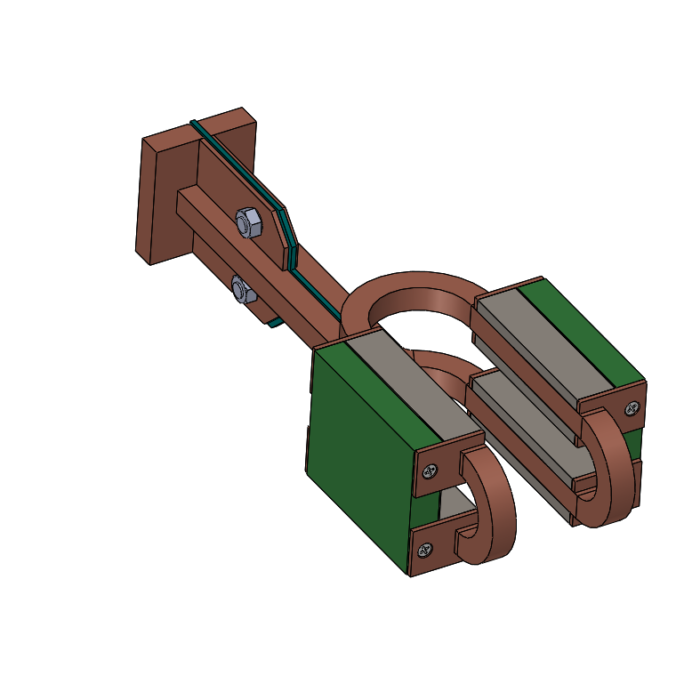
Straight Assembly (photo source: eldec LLC.)


  1. Check ceramic coating (if included on the coil) for chipping/flaking and wear to the point of bare copper being exposed.
  2. Check concentrators (laminations or ferrotron) for discoloration, as this is a sign of overheating. Also, check the concentrators for physical damage, cracks, and major chips (minor chips should not significantly affect functionality)
  3. Check the bottom of the coil foot for spots where the coil may have arced to the coax transformer. If there are arc spots, this is an indication that the coil is not tight enough on the coax; loose coils can cause multiple issues that are not limited to just coil failure.
  4. Check for excessive discoloration of the coil leads and gussets. This could be a sign of overheating.
  5. Check for badly warped or bent coil leads as this is an indication that the operator is putting excessive stresses on the coils during operation. Too much stress on the coils can lead to extra wear of the base copper and any brazed joints in the coil construction.
  6. Check white Teflon (between coil leads) for signs of melting. Again, this would be an indication of overheating on that particular coil.
  7. Check the mica on the heating face for signs of excessive wear and replace as needed.


Proper coil design is a critical aspect in the heat treating process. As Holland indicates, the best coil is customized to the specific, intended process. Shapes, features, and coupling distance must be taken account of to evenly and effectively distribute heat and increase process efficiency. Further, he says, "With a more efficient process and coil design, energy usage decreases, workpart quality increases, as does coil life, and overall costs decrease."

eldec team (photo source: inductionheatingexperts.com)


Replacing Heat Treating Induction Coils Just Got Better Read More »
Electric Car Supplier Purchases Continuous CAB Technology

Piotr Skarbiński, Vice President of the aluminum and CAB Product Segment at SECO/WARWICK (photo source: secowarwick.com)

A global manufacturer of electric cars based in Asia has purchased Controlled Atmosphere Brazing (CAB) technology. The CAB technology will be designed for brazing large size car battery coolers.

The supplier, SECO/WARWICK, believes that green technology is increasingly in-demand. "The electric car industry," says Piotr Skarbiński, Vice President of the Aluminum and CAB Products Segment at SECO/WARWICK, "is constantly investing in technologies for the production of advanced vehicles and systems in which these vehicles are equipped.”

The current and forecast development of electric cars and the related rapid and long-term increase in demand for battery coolers is very positive for the segment of the company dealing in aluminum soldering and heat treatment.

(photo source: andreas160578 on pixabay.com)


Electric Car Supplier Purchases Continuous CAB Technology Read More »

Heat Treat Tips: Atmospheres, Gas Chambers, and Thermocouples

One of the great benefits of a community of heat treaters is the opportunity to challenge old habits and look at new ways of doing things. Heat Treat Today’s 101 Heat Treat Tips is another opportunity to learn the tips, tricks, and hacks shared by some of the industry’s foremost experts.

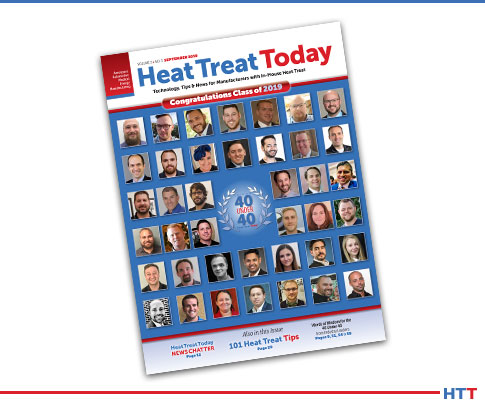
For Heat Treat Today’s latest round of 101 Heat Treat Tipsclick here for the digital edition of the 2019 Heat Treat Today fall issue (also featuring the popular 40 Under 40).

Today’s tips come to us from Nel Hydrogen covering atmospheric solutions and Wisconsin Oven Corporation with a tip on gas chamber issues. Additionally, Pelican Wire provides 4 quick tips on Thermocouples.

Heat Treat Today welcomes you to submit your own heat treat tip for Heat Treat Today's 2020 Fall issue to benefit your industry colleagues. You can submit your tip(s) to karen@heattreattoday.com  or editor@heattreattoday.com.


Heat Treat Tip #11

Compliance Issues? Try On-Site Gas Generation

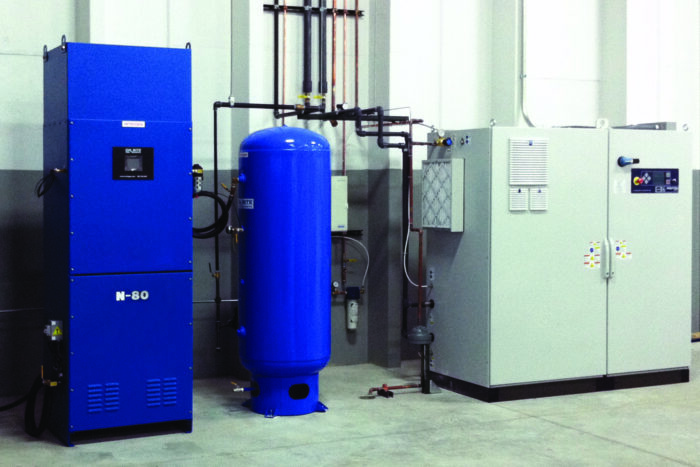
On-site gas generation may help resolve compliance issues. Growth and success in thermal processing may have resulted in you expanding your inventory of reducing atmosphere gases. If you are storing hydrogen or ammonia for Dissociated Ammonia (DA), both of which are classed by the EPA as Highly Hazardous Materials, expanding gas inventory can create compliance issues. It is now possible to create reducing gas atmospheres on a make-it-as-you-use-it basis, minimizing site inventory of hazardous materials and facilitating growth while ensuring HazMat compliance. Modern hydrogen generators can serve small and large flow rates, can load follow, and can make unlimited hydrogen volumes with virtually zero stored HazMat inventory. Hydrogen is the key reducing constituent in both blended hydrogen-nitrogen and DA atmospheres—hydrogen generation (and optionally, nitrogen generation) can be used to provide exactly the atmosphere required but with zero hazardous material storage and at a predictable, economical cost. (Nel Hydrogen)

Generate H2 and N2 on-site – saving money, improving safety, and reducing carbon footprint.


Heat Treat Tip #12

Oven Chamber Failing the Test? Try This!

When having difficulties passing a temperature uniformity test, check the pressure of the heating chamber. This can be done with a pressure gauge that reads inches of water pressure. The best uniformity is achieved when the pressure is neutral or slightly positive (0” to +.25” wc). If the pressure is negative (even slightly), it can draw a stream of outside cold air into the chamber, causing cold spots. For the best results and ease of analysis, permanently mount a gauge to read the pressure. Any issues with pressure can be easily recognized and corrected. (Wisconsin Oven Corporation)


Heat Treat Tip #70

Type N Thermocouple (Nicrosil / Nisil)

Type N Thermocouple (Nicrosil/Nisil): The Type N shares the same accuracy and temperature limits as the Type K. Type N is slightly more expensive and has better repeatability between 572°F to 932°F (300°C to 500°C) compared to Type K. (Pelican Wire)


Heat Treat Tip #71

Know Your Thermocouple Wire Insulations

Know your thermocouple wire insulations. When is Teflon® not Teflon®? Teflon® is a brand name for PTFE or Polytetrafluoroethylene owned by Chemours, a spin-off from Dupont. FEP is Fluorinated Ethylene Propylene. PFA is Perfluoroalkoxy Polymer. All three are part of the Fluoropolymer family but have different properties. Of the three compounds, PTFE has the highest heat resistance, PFA second highest and FEP third. The higher the heat resistance the more expensive the insulation. Keep that in mind when specifying the insulation and only pay for what you need. (Pelican Wire)


Heat Treat Tip #72

Resistance Temperature Detectors (RTDs)

Resistance Temperature Detectors (RTDs) are replacing thermocouples in applications below 1112°F (600°C) due to higher accuracy and repeatability. Typical constructions are multiconductor cables with nickel-plated copper conductors. (Pelican Wire)


Heat Treat Tip #74

When to Use Type K Thermocouples

Type K thermocouples should only be used with the appropriate Type K thermocouple wire. Type K measures a very wide temperature range, making it popular in many industries including heat treating. An added benefit with Type K is that it can be used with grounded probes, ungrounded probes, and exposed or uncoated wire probes which are attached to the probe wall, measure without penetration, and have a quick response time respectively. (Pelican Wire)


Heat Treat Tip #100

The Right Furnace Atmospheres Will Pay Dividends

Precision blended gas system provides the atmosphere needed at the most economical cost.

Save money on your furnace atmospheres by employing the driest and leanest furnace atmosphere blends possible. Furnace atmospheres are a compromise between keeping it simple and supplying exactly the atmosphere to meet the unique requirements of each material processed. Organizations have different priorities when it comes to atmospheres—heat treat specialists may want to be able to run as many different materials as possible using a limited array of atmosphere types, while captive heat treating operations often want exactly the atmosphere approach to maximize the benefits for their specific processes/products.

The dewpoint (water content) of the atmosphere in the furnace is a key factor in its performance. At high temperatures, water in the atmosphere can break down, releasing oxygen that can cause oxidation. You must maintain a high degree of reducing potential to achieve the surface finish and processing results desired. If the furnace atmosphere gas is wet, you’ll need a gas blend richer with hydrogen than you would if your atmosphere blend had a lower dewpoint (less water vapor content). Since hydrogen costs 10 times more than nitrogen, it is more economical to run a leaner atmosphere than a richer atmosphere. By running the driest atmosphere blend possible, you may find that you can lean down your atmosphere (consistent with the metallurgical needs of your product/process) by reducing the proportion of hydrogen and increasing the nitrogen. In doing so, you may recognize meaningful savings.

Check your furnace atmosphere raw materials and process and obtain the driest atmosphere possible. Control your atmosphere dewpoint by adding humidity as needed to the driest starting blend possible rather than accepting a wet atmosphere and trying to process your parts. You’ll achieve the best compromise of excellent results at the lowest cost. (Nel Hydrogen)


Heat Treat Tips: Atmospheres, Gas Chambers, and Thermocouples Read More »

The Heart of Heat Treat Today’s 40 Under 40

Heat Treat Today’s 40 Under 40 was created to bring recognition to young professionals in the industry, giving names, faces, and words to the rising generation of industry professionals. In this article, released in the final nomination period for Heat Treat Today’s 40 Under 40 Class of 2020, exemplary classmates from previous years share their views on the industry, giving words of encouragement to other young professionals, both current and future.


Kyle Hummel, P.E., Sr Metallurgical Engineer at Contour Hardening

In 2019, Kyle was nominated by Contour Hardening to receive the 40 Under 40 recognition. Since receiving the nomination, Kyle has begun an Executive MBA program at Purdue to, “expand my education in business and leadership,” Kyle wrote, “in order to improve my effectiveness in my current position as well as prepare myself for future roles.”

Over the years, Kyle has found the broad range of processes and technologies in the heat treat industry to be appealing. The heat treat industry, Kyle noted, “can offer the perfect balance of hands on work experience as well as quality and process improvement that can keep you engaged for years as you grow your career. Another advantage is that heat treaters typically supply a number of different industries, so you can get experience in multiple fields that will help steer your career choices.”

Read more about this 2019 Honoree here.

Matt Clinite, ICS Sales Manager at Ipsen USA

Similarly, Matt Clinite was recognized in last year’s 40 Under 40 Class of 2019. Over the past year, Matt has been leading his remote team of regional sales engineers, who help Ipsen’s customers secure aftermarket parts, retrofits, and field service technicians. For him, the switch to online platforms and less face-to-face contact in the era of COVID has brought him to consider the fact that the “forced adjustment” may have lasting effects on business in years to come. “For many of us extroverted professionals,” wrote Matt, “[it] is a real bummer, but I’m optimistic this will be a blip in time, and some day we will be able to continue meeting face to face.”

As a 31 years old young professional, a manager, and a father of two, Matt has critical insight into hiring and maintaining future young leaders: While many believe that the industry needs to attract young people, Matt flips the onus saying, “If you ask 10 successful people in the industry to tell you their story, 9 of them will say they fell into the industry by accident…the industry needs to retain the young people that ‘fall’ [in].” His suggestions are that employers take care of their young employees and “provide a career path that will allow them to grow financially and professionally.”

Read more about this 2019 honoree here.

A Few Words of Advice to Young Professionals

For young professionals beginning in this industry, both Kyle and Matt emphasize the importance of initiative and focused learning, especially on the job.

Kyle Hummel, Contour Hardening

  • “Learn as much as you can, and get out on the floor and understand the equipment and talk to the people who have been working in heat treat for years.” – Kyle Hummel
  • “Find someone who can be a mentor to you and help you through the learning curve – working with huge expensive furnaces and equipment can be intimidating at first, and having someone help guide you through the process will be very beneficial.” – Kyle Hummel
  • “Take it upon yourself to become known inside your organization. Find ways to get in front of senior leadership and the technical staff. Once they know who you are, find ways to continually insert yourself into projects and discussions with them.” – Matt Clinite
  • When invited to important meetings or discussions early on, “It’s ok (and often times
    best) to sit back and simply listen to the discussion. Take it all in and become a sponge.” – Matt Clinite
  • “Don’t be afraid to request meetings with leadership around topics such as: career advancement, merit increases or to voice your ideas.” – Matt Clinite

The Role of 40 Under 40

These two honorees, as well as fellow classmate Tim Mohr, Director of Strategic Programs at Paulo, and 2018 honoree, Danielle Cote at Worcester Polytechnic Institute (WPI), explained how the recognition has benefited them, and why they would encourage others to nominate their young colleagues this year or in future years.

Matt Clinite, Ipsen USA

Kyle Hummel: “Being a part of the 40 Under 40 class assists in making those connections to current or future customers, suppliers, or even competitors that you might not have made otherwise.  Heat treat is a close knit industry, and you never know when you will work with one of the other 40 under 40 winners, so it is nice to have that connection.”

Danielle Cote: Professor Cote indicated thankfulness of the honor to be a part of 40 Under 40 Class of  2018 as it provided recognition to an unrecognized field. Hear her full message at this link.

Matt Clinite: “It’s a fun thing to “tout” at the trade show and to post on LinkedIn. And of course to share the magazine with family and friends always makes for good dinner table talk. To me the best part is the comradery. I really enjoyed reaching out to (and having been reached out to) by other recipients… In 2019 I felt flattered when a well-recognized individual from the industry nominated me. I hope I can show other young professionals in the industry my appreciation by nominating them.”


Tim Mohr: Tim also recognized the networking value of his nomination. He says that his acceptance into the 40 Under 40 Class of 2019 allowed him to meet new people throughout the industry. Listen to his full testimonial below.


Read more: If you haven’t already, head over to Heat Treat Today’s 40 Under 40 to nominate a young professional in the industry.


(photo source: Hirvana Arvizu Soyhivan on www.unsplash.com)


The Heart of Heat Treat Today’s 40 Under 40 Read More »

Skip to content