

Wisconsin Oven Corporation

14 News Chatter to Keep You Current

Heat Treat Today offers News Chatter, a feature highlighting representative moves, transactions, and kudos from around the industry. Enjoy these 14 news items, including OTTO JUNKER‘s induction furnace installation supporting low-carbon foundry operations, IperionX‘s collaboration with Carver Pump Company to strengthen domestic titanium manufacturing, Solar Atmospheres of Michigan earning its Nadcap 18-month Merit Status for heat treating and brazing, and more!


Equipment

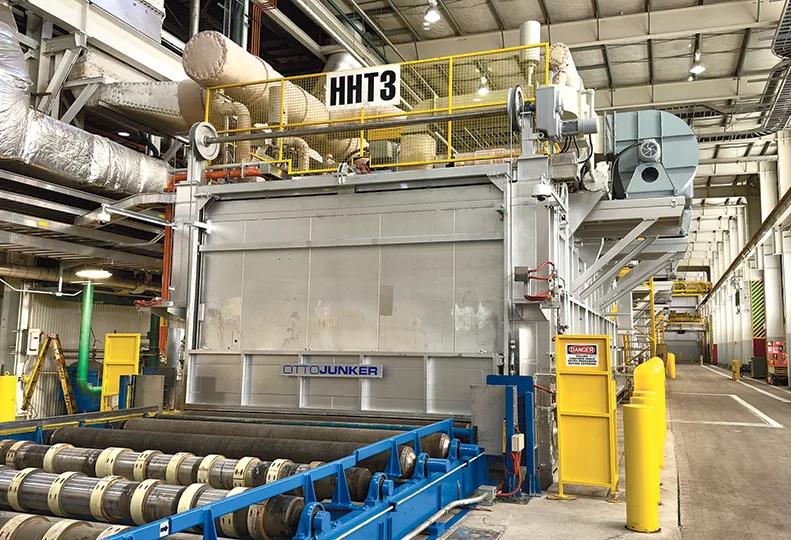
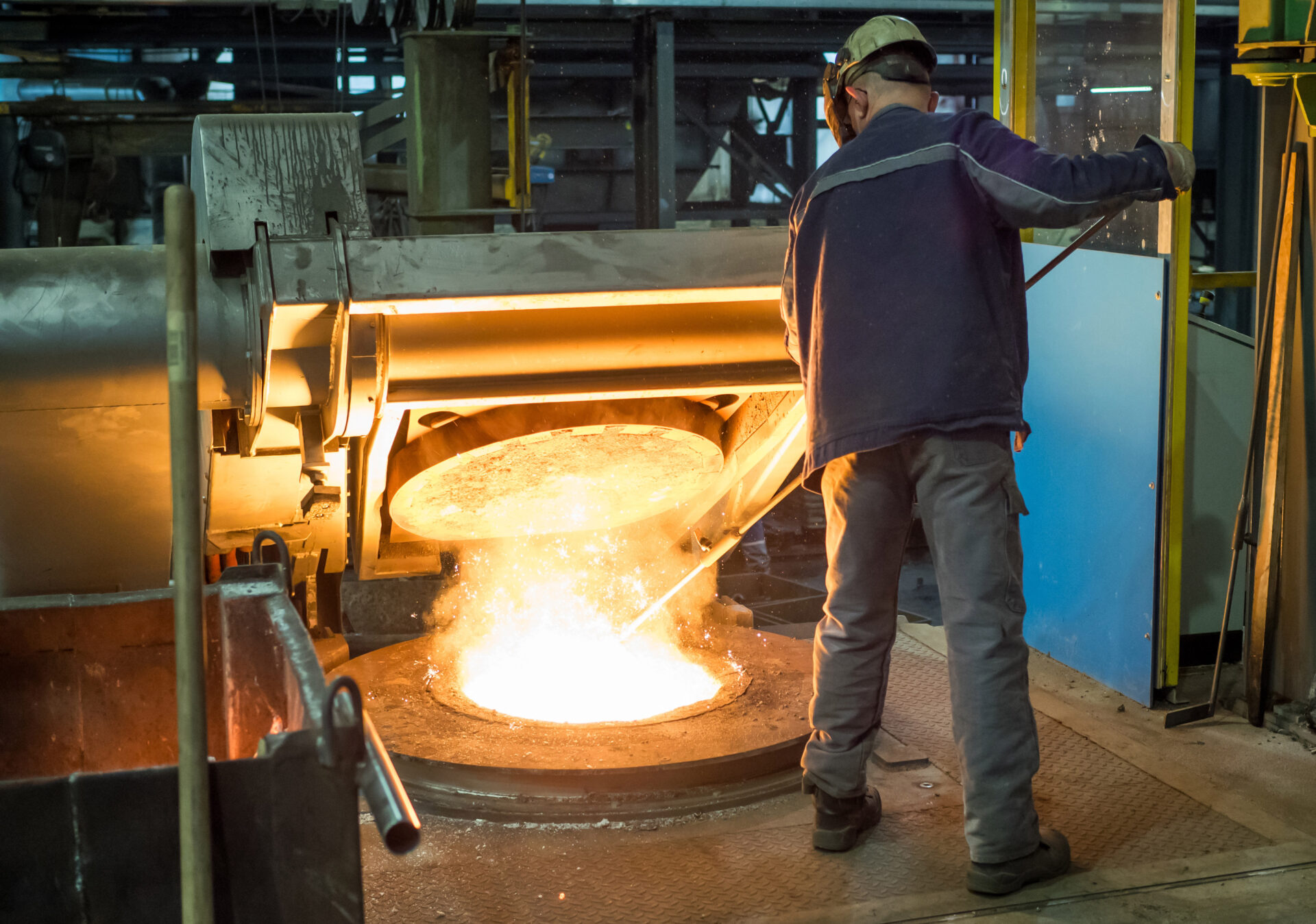
1. OTTO JUNKER has equipped Eisengießerei Th. Schultz with a MONOMELT coreless induction furnace, replacing a cupola and converting the foundry to electric melting. The system significantly cuts energy use and CO₂ emissions while demonstrating how induction technology is helping foundries transition to more efficient, low-carbon production.

2. A global drivetrain technology leader has selected NUTEC Bickley to supply a CQI-9–compliant isothermal annealing line for automotive component production. The new equipment strengthens heat treat quality and consistency, reflecting the industry’s continued investment in advanced thermal processing to support higher-performance drivetrains.

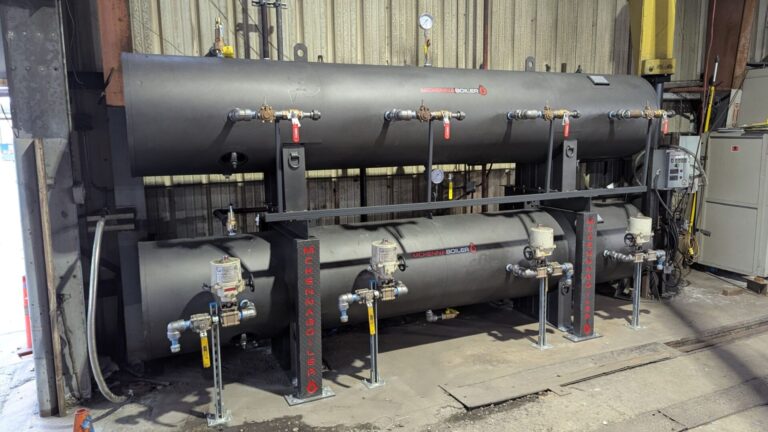
3. Newton Heat Treating has completed a major equipment upgrade, replacing steam accumulators that had been in service for 20 years in its uphill quenching/cold stabilization operation. The upgrade directly impacts the company’s aerospace processing capabilities, with many parts destined for optical components in space applications undergoing this critical heat treatment process.

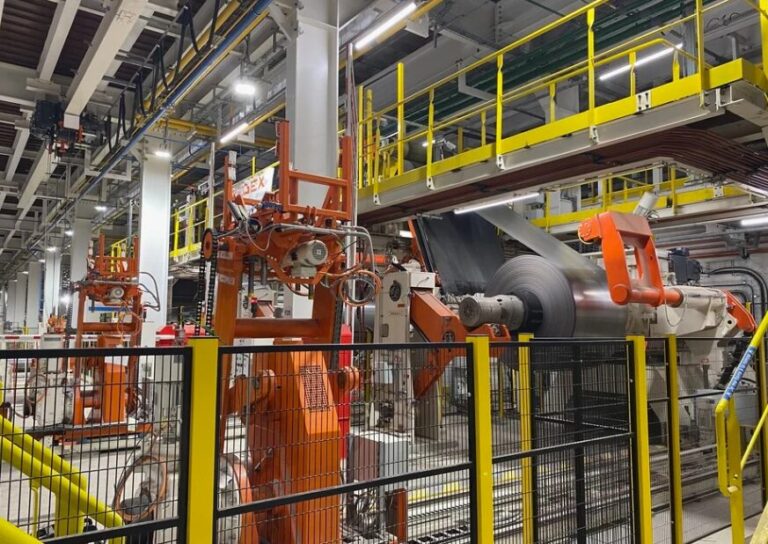
4. Kaiser Aluminum Corp., a producer of heat treated, flat-rolled aluminum products, has completed a $25 million expansion and upgrade of its Trentwood rolling mill in Spokane Valley. This marks the latest phase of the company’s long-term strategy to increase heat treatment throughput for aerospace, automotive, and general engineering markets.

5. ArcelorMittal is advancing a major expansion in electrical steel production that includes a preparation line, a continuous annealing and varnishing line, and a slitting line — developments that reflect ongoing job growth and investment in industrial heat treating processes worldwide.

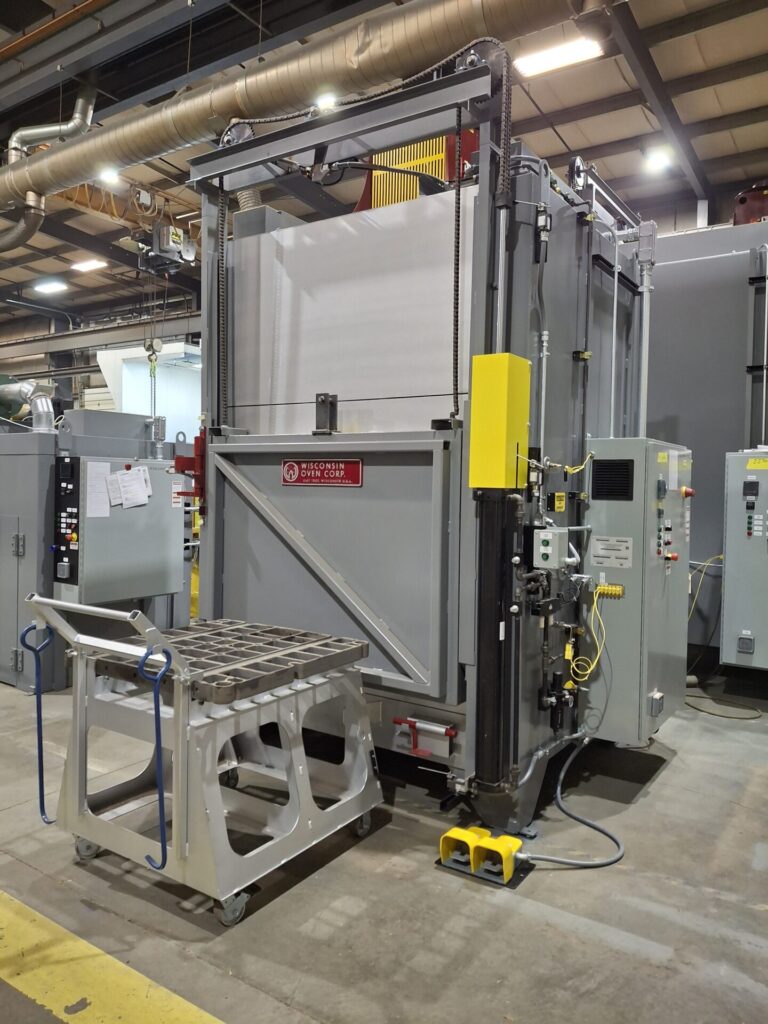
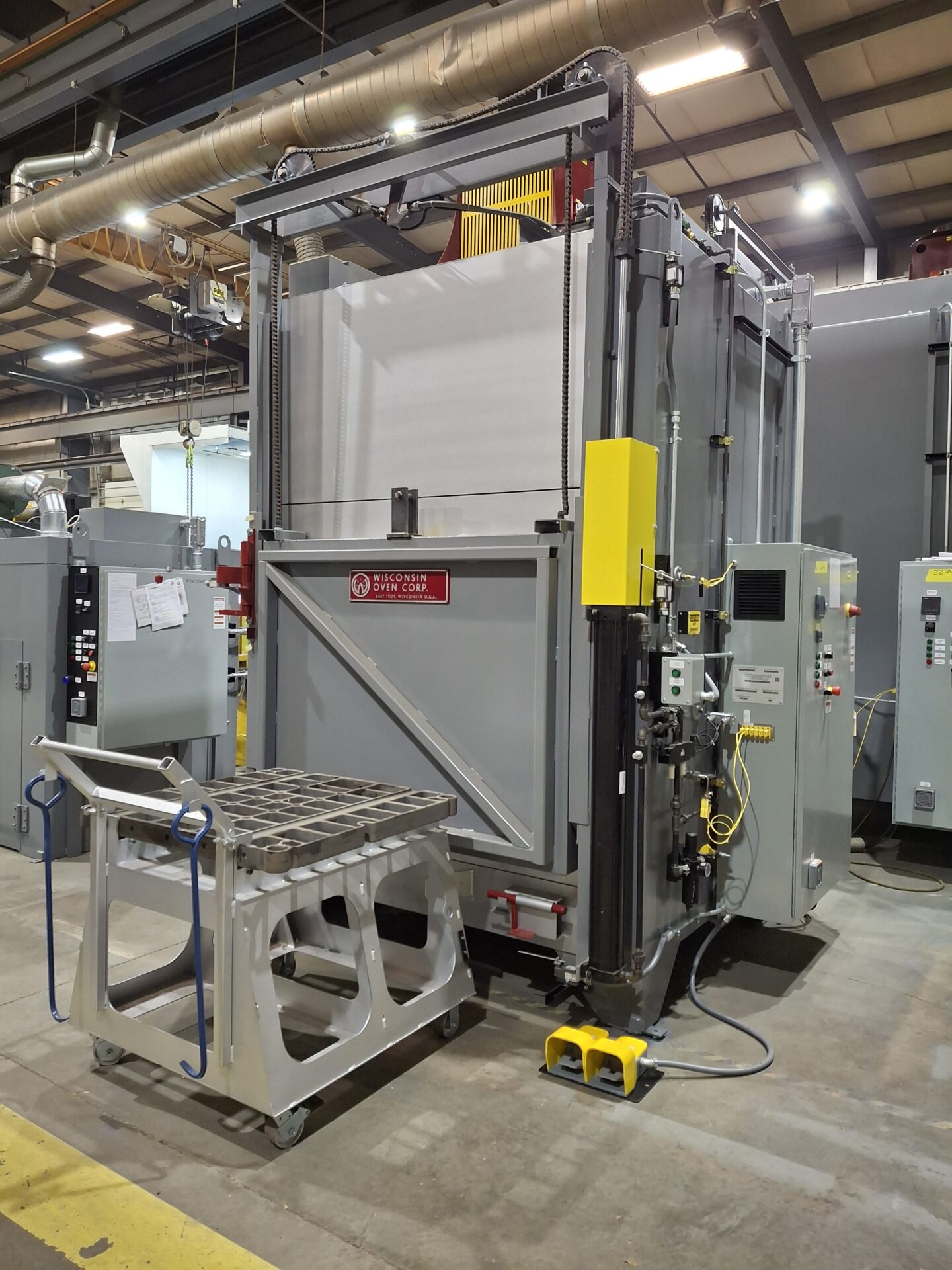
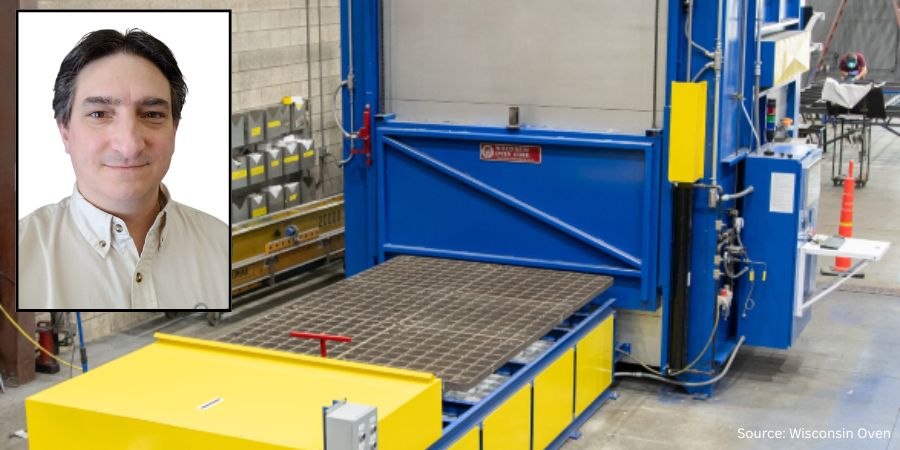
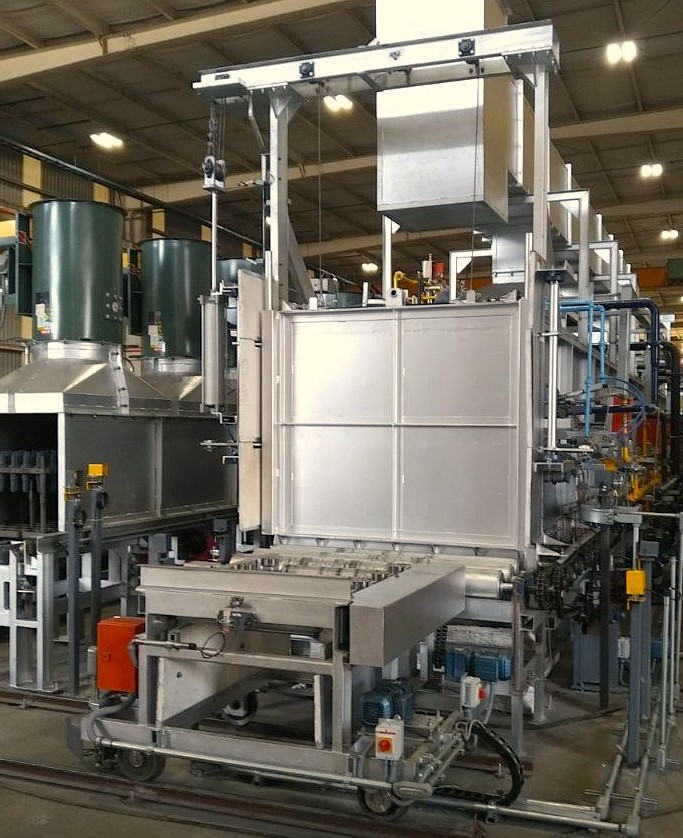
6. A United States military base will receive an electrically heated draw batch oven from Wisconsin Oven Corporation for use in heat treating aerospace components. The industrial oven was engineered to meet critical safety requirements and the stringent demands of aerospace heat treating.

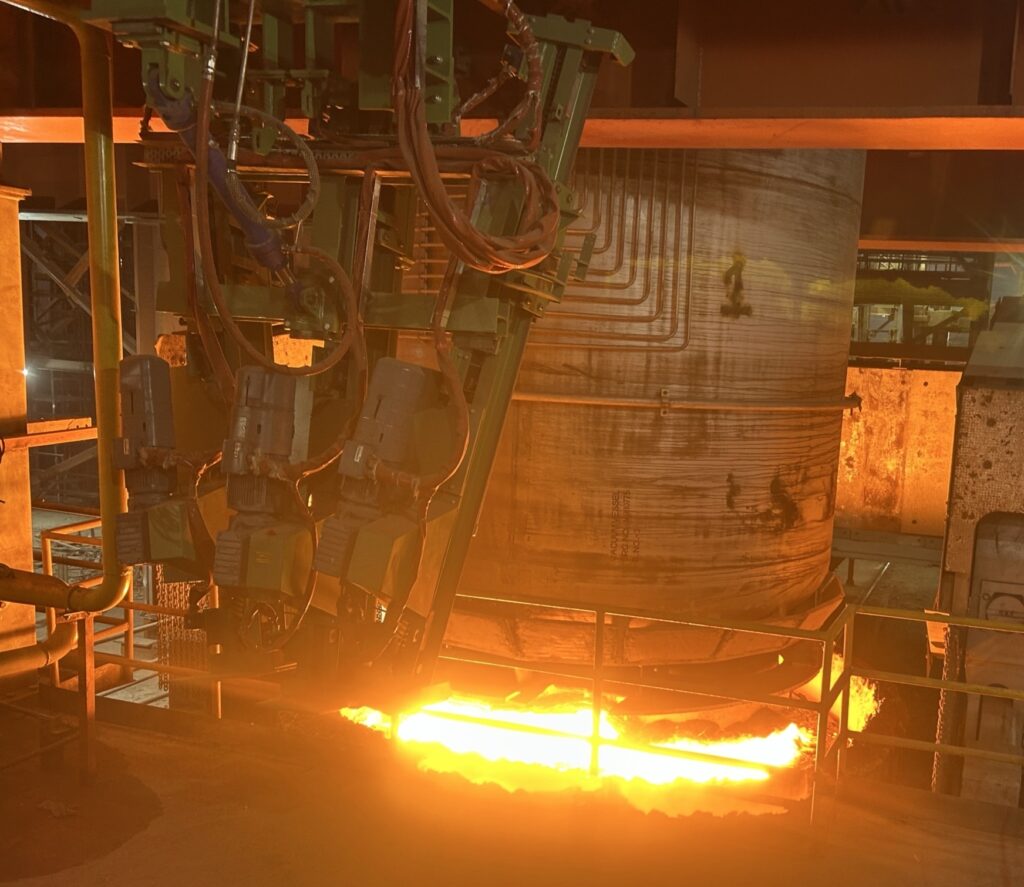
7. JSW Vijayanagar Metallics, a subsidiary of JSW Steel, has commissioned a new 350-ton RH (Ruhrstahl Heraeus) unit, the world’s first operational combination of an RH Ladle Rocker technology with Fast Vessel Exchange from SMS Group. This represents a major advancement in secondary metallurgy and plant efficiency.

8. PROENERGY has ordered four Ipsen vacuum furnaces for its new Houston location, expanding heat treating capacity to support growing demand for fast-start gas turbines and lifecycle maintenance services. The investment strengthens PROENERGY’s ability to manufacture, repair, and overhaul high-quality turbine components while reducing lead times.
Company & Personnel

9. SMS Group’s South Africa-based Metix brand and Magmec signed a memorandum of understanding to develop a magnesium metal production facility in the United Arab Emirates utilizing advanced reduction furnace technology. The facility will be designed to process magnesium oxide originating from feed sources such as dolomite or brine. The partnership aims to establish a regional, sustainable supply of magnesium for strategic industrial users.

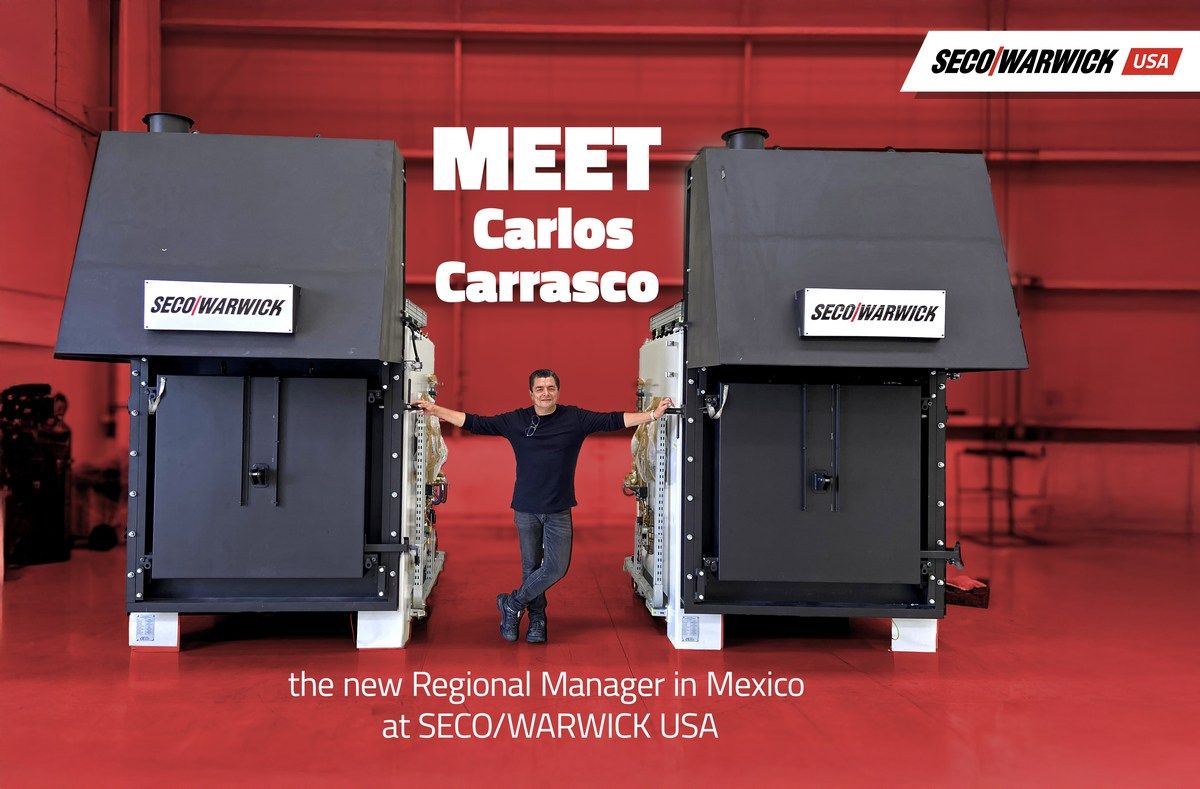
10. Carlos Carrasco has joined the SECO/WARWICK USA sales team as regional manager for Mexico, bringing more than 11 years of experience with the company as a sales representative. In his new role, he will support customers across the region in addressing their heat treatment challenges.

11. IperionX is working with Carver Pump Company to advance domestic titanium manufacturing and thermal processing capabilities in a recent commitment to reduce long lead times for critical pump components used for naval shipbuilding. This addresses supply chain constraints that have slowed ship construction and maintenance. By shortening production timelines, the initiative supports improved fleet readiness while reinforcing domestic manufacturing capacity for mission-critical naval systems.

Kudos

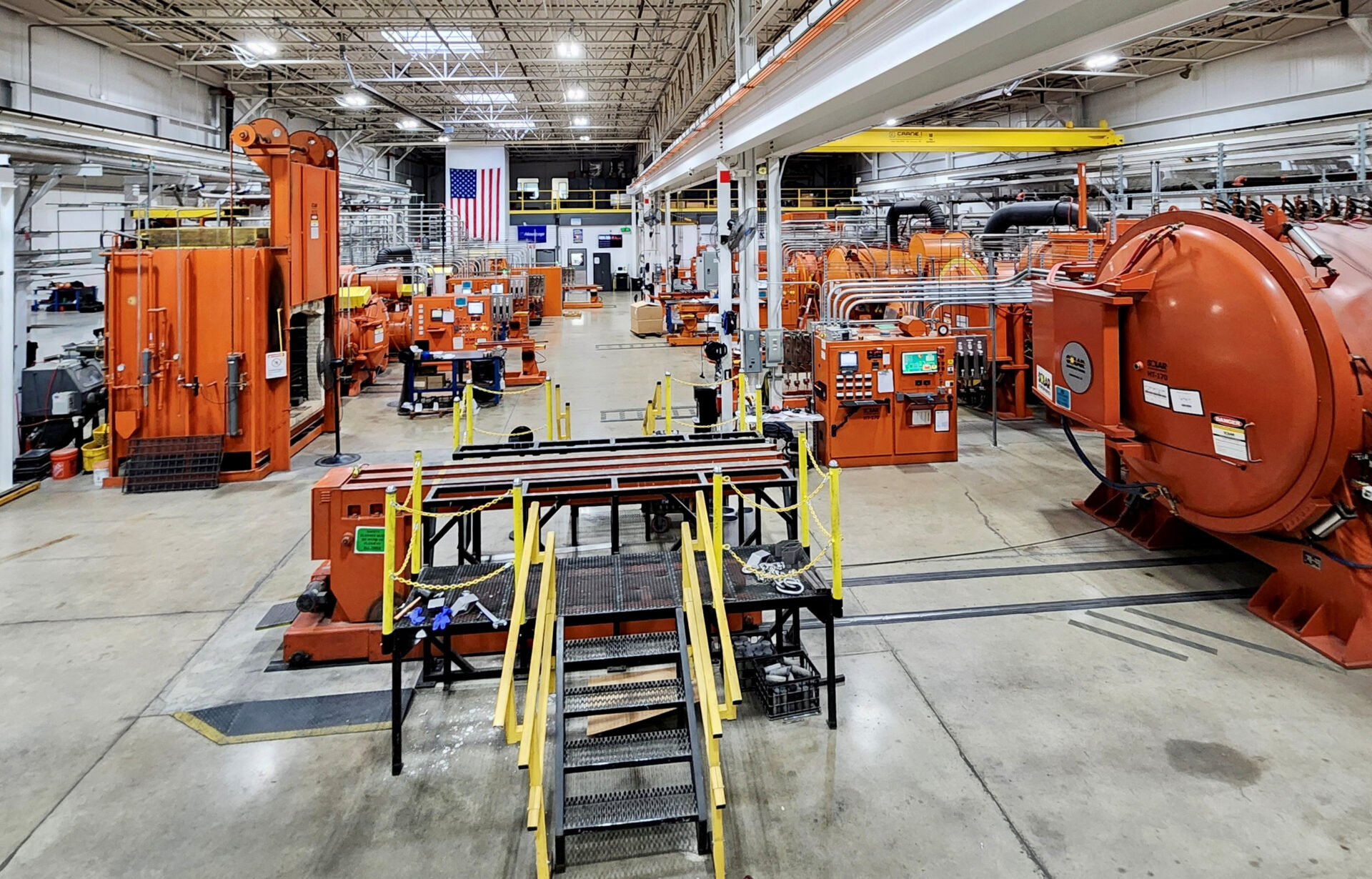
12. Solar Atmospheres of Michigan has earned Nadcap 18-month Merit Status for heat treating and brazing, marking a significant quality milestone, bringing every Solar Atmospheres facility nationwide to merit standing. The achievement reflects three consecutive years of audits with zero major findings, underscoring the company’s disciplined process control and commitment to specification compliance while serving industries including aerospace, defense, and medical manufacturing.

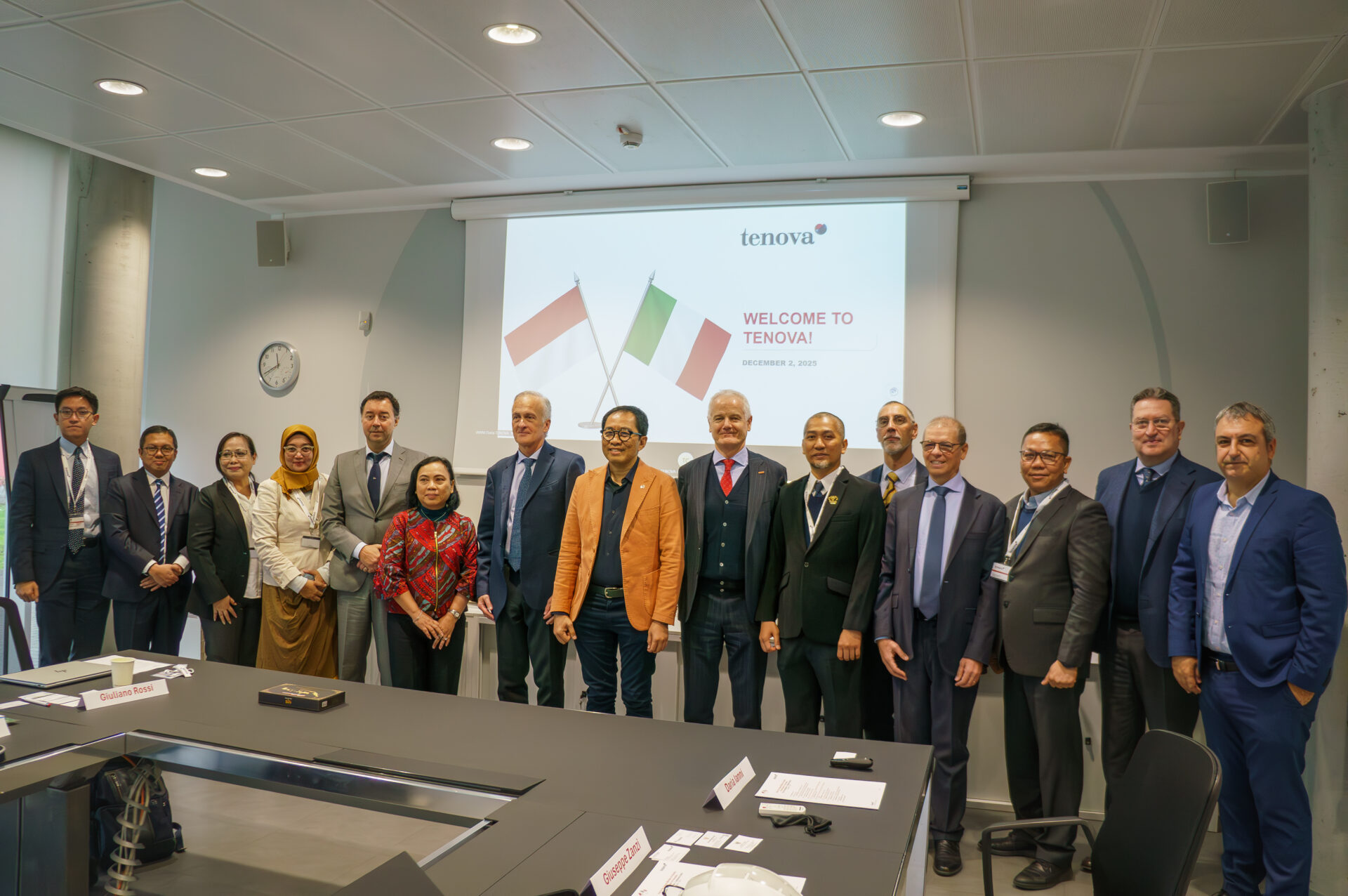
13. Tenova hosted Indonesia’s Vice Minister of Industry, Faisol Riza, at its global headquarters to showcase sustainable steelmaking technologies, following an initiative led by Indonesian steel producer PT Tata Metal Lestari. The visit highlighted collaboration among Tenova, TML, and the Indonesian government to advance low-emission steel production, energy efficiency, and industrial innovation.

14. Bodycote has achieved Nadcap accreditation for heat treating, vacuum brazing, and TIG welding at its new 55,000-square-foot facility in Fairfield, Ohio. The milestone strengthens Bodycote’s North American presence and expands capacity to meet growing demand for high-specification thermal processing in aerospace, defense, and industrial manufacturing sectors.
14 News Chatter to Keep You Current Read More »
Draw Batch Oven Shipped for Aerospace and Military Application

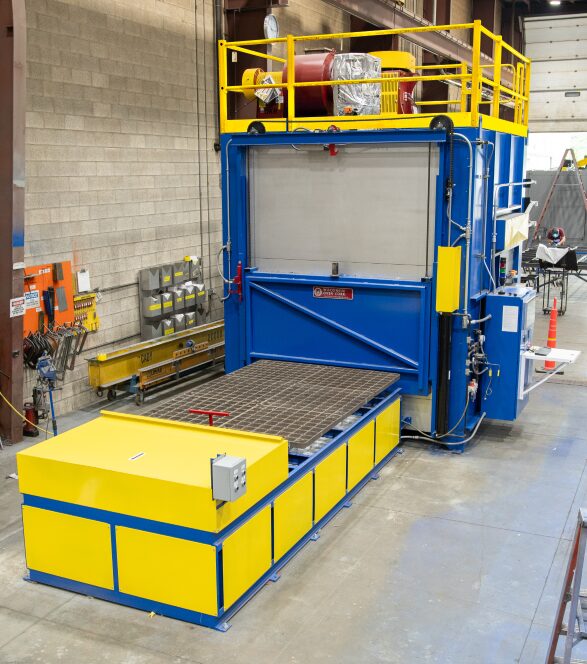
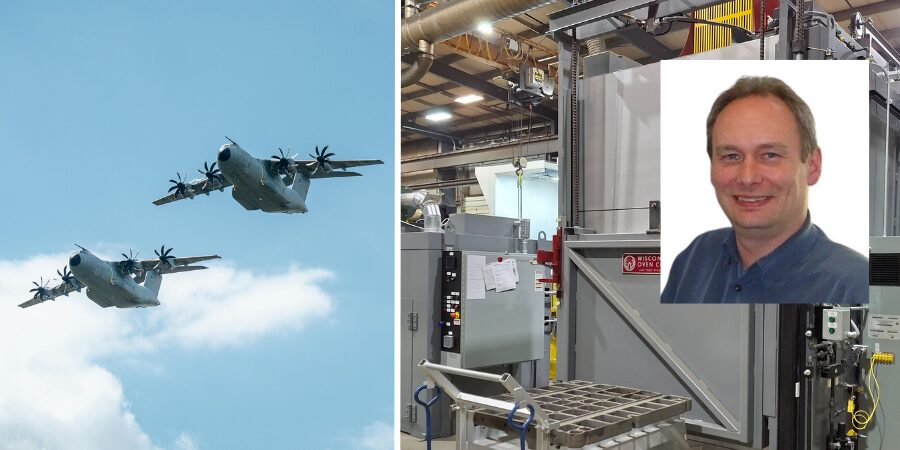
A United States military base will receive an electrically heated draw batch oven for use in heat treating aerospace components. The industrial oven was engineered to meet critical safety requirements and the stringent demands of aerospace heat treating.

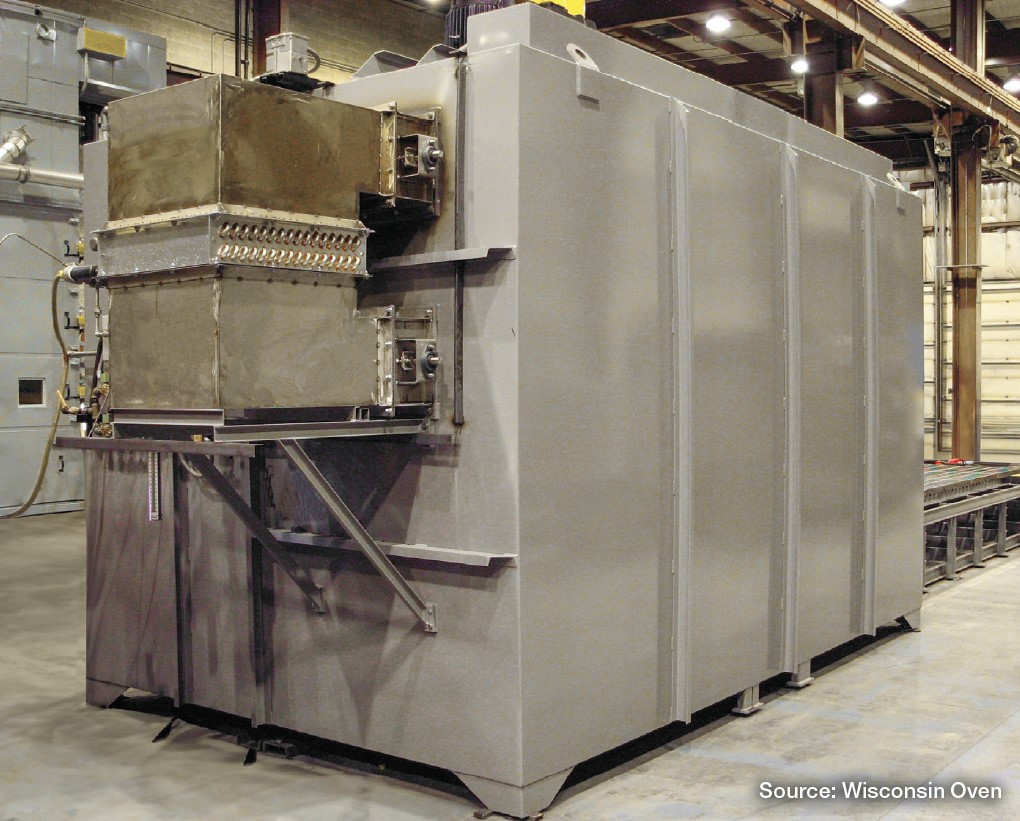
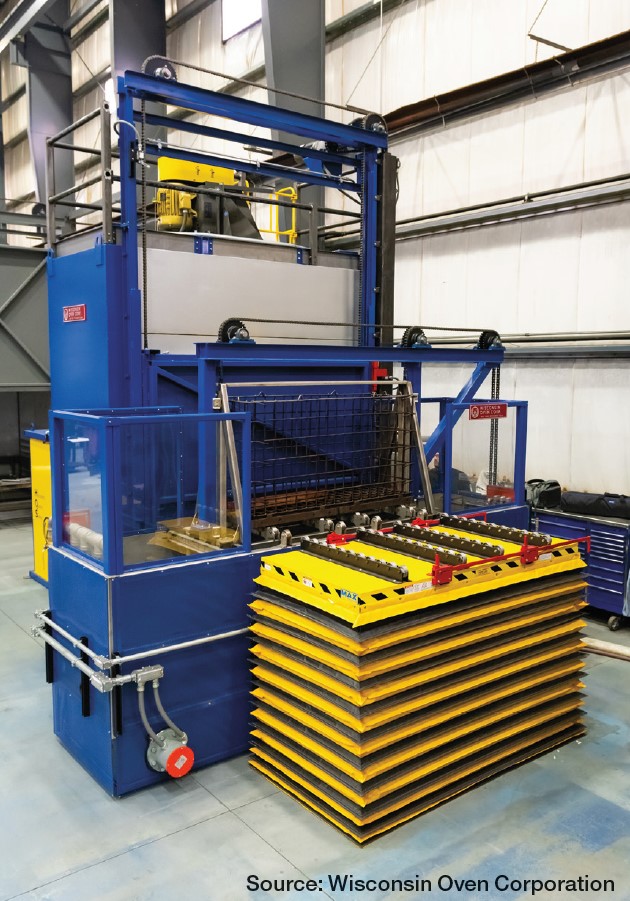
Electrically heated draw batch oven to heat various steel parts for aerospace components. Source: Wisconsin Oven Corporation
Doug Christiansen, Senior Application Engineer of Wisconsin Oven Corporation

Manufactured by Wisconsin Oven Corporation, the system features combination-style airflow that delivers both horizontal and vertical upward heat flow to ensure optimal heating rates and consistent temperature distribution across the product. Temperature uniformity has been verified through a Class 1 Temperature Uniformity Survey (TUS) conducted in accordance with pyrometry specification AMS 2750H, with achieved uniformity of ±5°F at 200°F, 700°F, and 1200°F.

“This draw batch oven was designed with additional safety features for operators, tight uniformity, and compliance standards required by the U.S. Military. The temperature uniformity survey was performed prior to shipment to verify compliance with AMS 2750H Class 1 requirements,” said Doug Christiansen, senior application engineer.

The oven features “can” style construction with a heavy plate exterior and six inches of high-temperature insulation for durability and thermal efficiency. A custom portable load/unload cart allows operators to stage the load before heating and remove it for cooling.

The UL508A-certified control panel includes a Eurotherm 3504 programmable temperature controller with advanced auto-tune and Ethernet communication. It also features a high-limit instrument to prevent over-temperature conditions, along with low-voltage calibration TC jack plugs and a variable frequency drive for the recirculation blower.

Press release is available in its original form here.

Draw Batch Oven Shipped for Aerospace and Military Application Read More »

Batch Oven Shipped for Aerospace Exploration

An electrically heated batch oven has been shipped to a leading space exploration company. The custom batch oven will be used to stress relieve titanium parts.

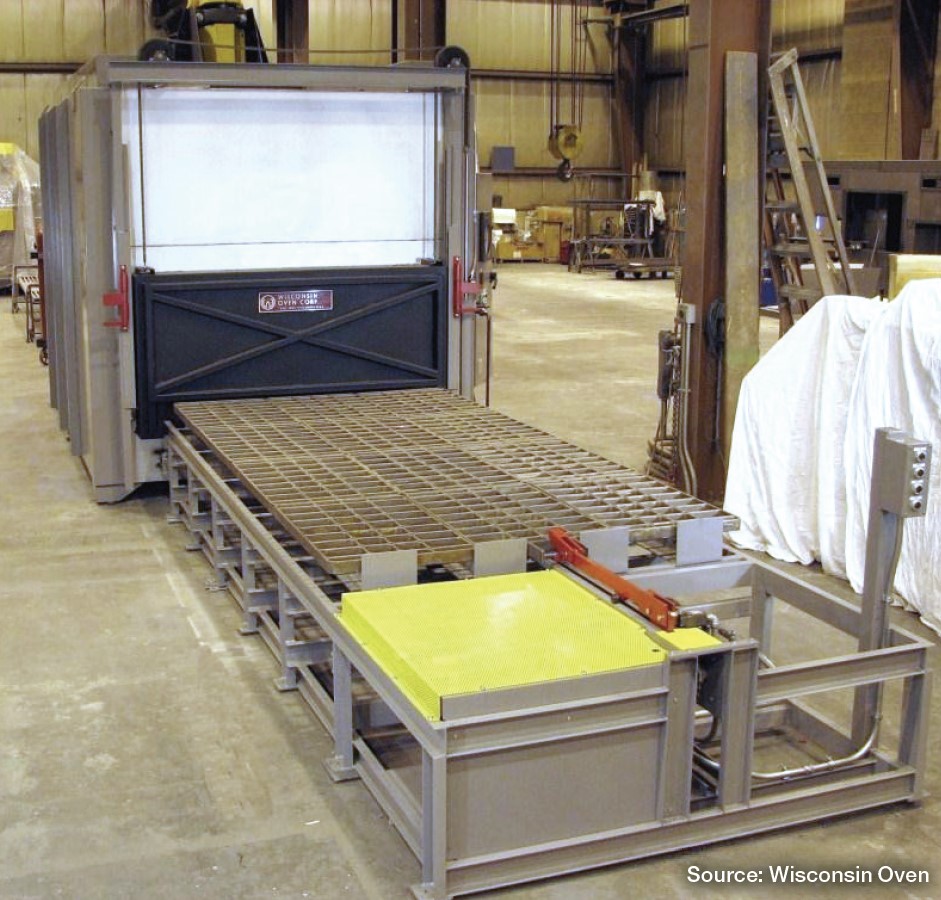
Wisconsin Oven Corporation is providing the stress relieving oven, which includes a powered load/unload table. The oven is designed for a maximum operating temperature of 1250°F and provides temperature uniformity of ±15°F at three set points. Uniformity was verified through a nine (9) point profile test before shipment.

The oven is designed to heat and cool loads up to 1,200 pounds per cycle. Parts are placed on a high strength grid and transferred into the 7’ wide x 10’ long x 3’ high work chamber by an automated pusher/extractor system. After processing, the load is extracted onto the load table where 6 high speed fans direct ambient air upwards across the parts for further cooling.

A top-down airflow system delivers heats air vertically down through the chamber for even distribution across the product load. This oven is capable of meeting the requirements of AMS2750G, Class 3, Instrumentation Type A.

The control system features an Allen-Bradley CompactLogix PLC, a Eurotherm programmable temperature controller with advanced auto-tune, and a Eurotherm digital recorder for precise temperature control and data logging.

Mike Grande, Vice President of Sales, Wisconsin Oven Corporation

“This custom batch oven was designed to deliver exceptional temperature uniformity…and optimized airflow distribution ensures consistent processing and superior part quality,” commented Mike Grande, vice president of Sales for Wisconsin Oven Corporation.

This stress relieving oven was fully factory tested and adjusted prior to shipment from the furnace supplier’s facility. All safety interlocks were checked for proper operation and the equipment was operated at the normal and maximum operating temperatures. This equipment is backed by Wisconsin Oven’s 3-Year WOW™ warranty. 

Press release is available in its original form here.


Batch Oven Shipped for Aerospace Exploration Read More »

10 News Chatter To Keep You Current

Heat Treat Today offers News Chatter, a feature highlighting representative moves, transactions, and kudos from around the industry. Enjoy these 10 news items.


Equipment

  1. Aichelin recently delivered a vacuum furnace to Bodycote‘s heat treatment and specialist thermal processing plant in Vantaa (Finland). The furnace with a usable space of 600 x 900 x 600 mm and a maximum batch weight of 1,000 kg was tailored to the company’s requirements. In this collaboration between the two companies, Bodycote has selected Aichelin to supply equipment that aligns with its vision for advanced and sustainable vacuum technology for industrial heat treatment.
  2. Two electrically heated two-zone curing conveyor ovens with cool-down sections have expanded the operations of an industrial manufacturer. The ovens, supplied by Wisconsin Oven Corporation, will be used for curing adhesive material between parts.
  3. Gruenberg announced the shipment of an industrial electrically heated cabinet oven to a company that manufactures products for the medical device industry. The furnace will be used for curing material used in the products. 
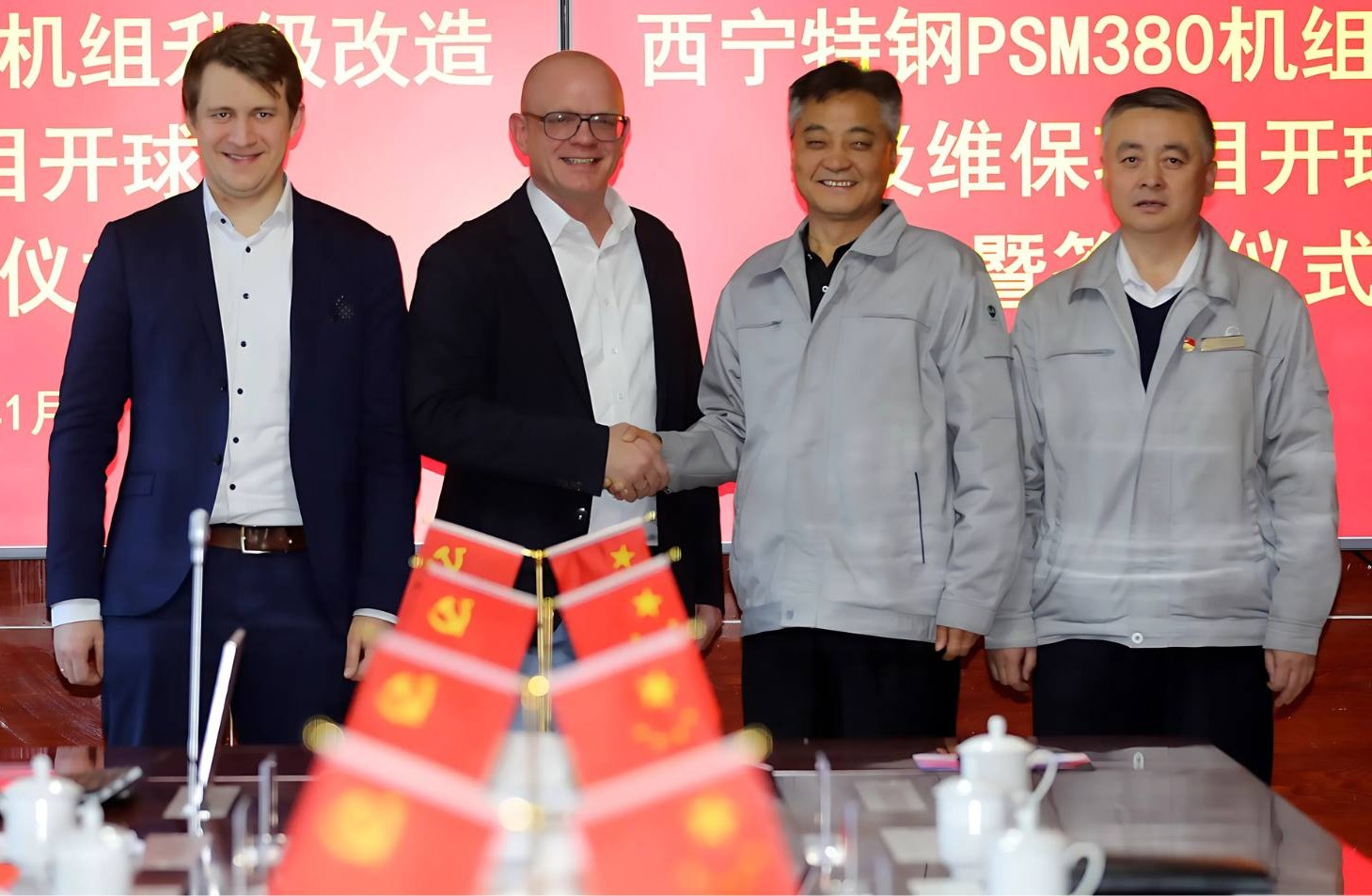
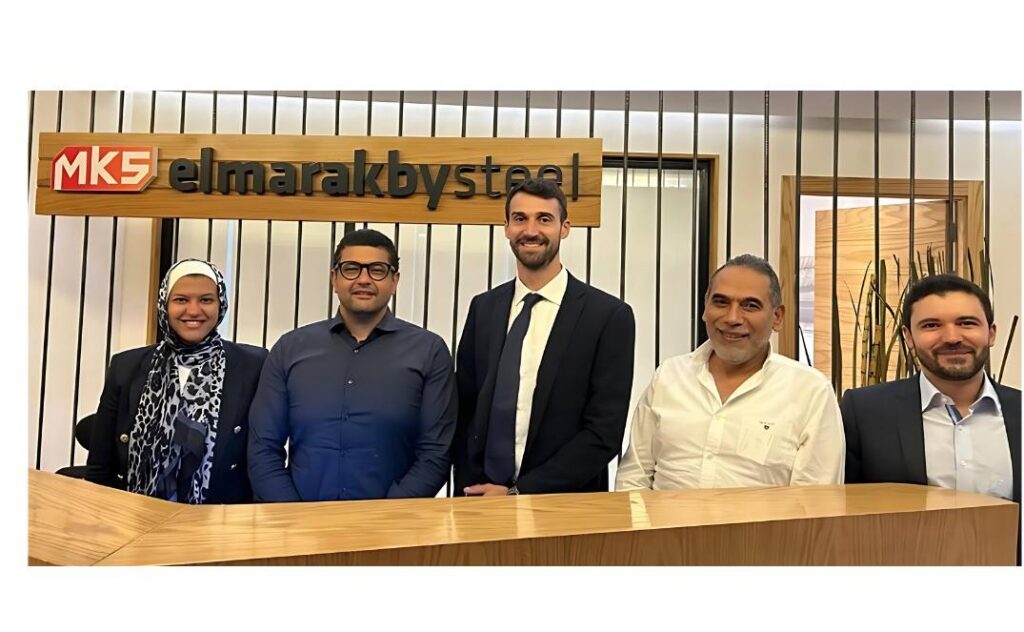
  4. Qinghai Xigang New Materials Co., Ltd., a subsidiary of Xining Special Steel, has signed a contract with SMS group for a PSM380 mill upgrade and technical outsourcing services. The transaction comprises a comprehensive upgrade and related maintenance services for the PSM380 (Precision Sizing Mill) mill used to roll special steel bars and is aimed at enhancing the mill’s production efficiency and product quality. In additional news: Kardemir Karabük Demir Çelik Sanayi ve Ticaret A.Ş has acquired a five-strand combi-continuous caster from SMS Concast, a company of SMS group, to upgrade production capabilities at its its integrated steel plant at the Karabük site in Türkiye. El Marakby Steel, an Egyptian manufacturer of deformed bars and wire rod, is increasing production capacity by contracting SMS to upgrade the existing SMS minimill at its 6th of October site. Baosteel Desheng Stainless Steel Co., Ltd., a subsidiary of China Baowu Steel Group, announces the completion of a vacuum oxygen decarburization (VOD) plant by SMS group. The VOD system represents a crucial component of the steel producer’s strategic expansion, designed to enhance the facility’s capacity for producing specialty steels by employing secondary metallurgical processes. SMS group has also completed the automation system upgrade of hot strip mill no. 1 at PT Krakatau Steel (Persero), Tbk. (PTKS) in Cilegon, Indonesia.

Company & Personnel

  1. Ipsen has announced the promotion of Evan Hundley to retrofits manager and the appointment of Lu Chouraki as field service manager. As retrofits manager, Hundley will lead the Retrofits Team to improve response times, streamline pricing and proposals, and provide tailored solutions that extend equipment lifespan and efficiency. As field service manager, Chouraki will oversee all regional service managers and field service engineers, focusing on streamlining processes, improving response times, and enhancing customer support. He will also drive the continued expansion of the company’s HUBs and develop his team into subject matter experts.
  2. Steve Sparkowich has been appointed as the new chief commercial officer (CCO) at Titan International Inc., a manufacturer and recycler of specialty metal products based in Pottstown, Pennsylvania, effective immediately. In his new role as CCO, Steve will oversee the company’s commercial strategy, drive business development, and strengthen relationships with key clients across industries such as aerospace, automotive, energy, semiconductor, and defense.
  3. Thomas Wingens, founder and president of WINGENS CONSULTANTS and an internationally recognized expert in the thermal processing and metallurgy industry, has been named an advisor to the Center for Heat Treating Excellence (CHTE) at Worcester Polytechnic Institute (WPI). As industrial advisor to CHTE, Thomas will provide strategic guidance in business development and assist with CHTE’s project research portfolio.
  4. IperionX Limited has announced the appointment of Tony Tripeny as non-executive director and current IperionX non-executive director Lorraine Martin as lead independent director. Mr. Tripeny currently serves as a director at Mesa Laboratories and Origin Materials. Currently serving as president and CEO of the National Safety Council, Ms. Martin is also a director at Kennametal, a global materials science firm.

Kudos

  1. Advanced Heat Treat Corp recognizes the AHT Michigan team members who have completed professional training and earned new certifications: Chad Clark for Practical Approach to Supply Chain Management, Tom Broman for Supervisor Skills 1.0 and 2.0, Jeff Machincinski for Introduction to Pyrometery, and Jesse Hyder for Practical Interpretation of Microstructures.
  2. The OTTO JUNKER Academy has offered a professional training program regarding planning, modernization, operation, repair and maintenance of industrial furnaces for over 10 years. Since 2014, the instruction covers induction melting and heat treatment of metal as well as universal subjects such as economic and energy efficiency.

Find Heat Treating Products And Services When You Search On Heat Treat Buyers Guide.Com

10 News Chatter To Keep You Current Read More »

Steel Parts Manufacturer Expands Annealing Capabilities

A North American manufacturer has bolstered its heat treatment capabilities for annealing steel parts after induction hardening. The two-zone belt conveyor furnace shipped to the facility ensures precise temperature control, energy efficiency, and compliance with AIAG specification CQI-9.

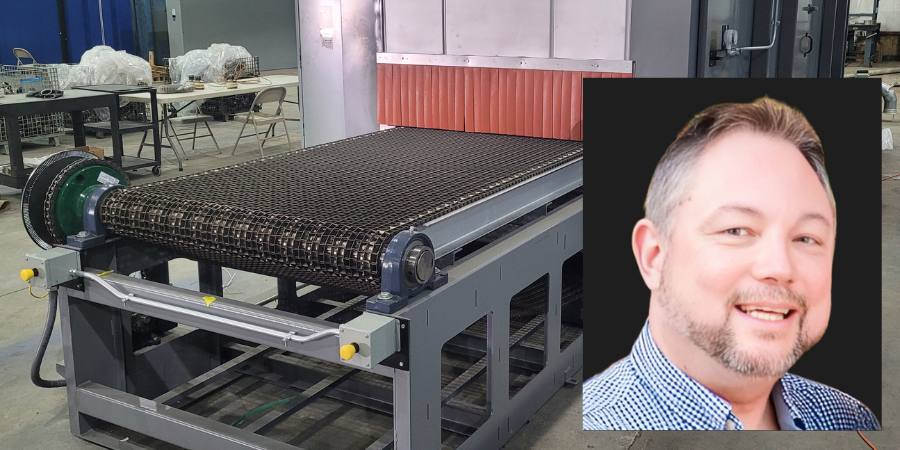
“The customer chose to enhance the operating efficiency of the oven with the E-Pack™ Energy Efficiency Package. Depending on utility rates, operating temperature, and weekly usage, customers may achieve significant annual energy savings with this upgrade,” said Tom Trueman, senior application engineer for Wisconsin Oven Corporation.

Tom Trueman
Senior Applications Engineer
Wisconsin Oven Corporation

Wisconsin Oven Corporation designed the conveyor furnace with the capacity to heat 2,400 pounds of steel per hour from 70° to 350°F with a maximum temperature rating of 500°F and the ability to anneal the components after induction hardening. The recirculation system features a top-down airflow design with a 32,000 CFM blower, with each of the two zones utilizing 16,000 CFM. The temperature for both zones is controlled by a Watlow F4T digital recorder/controller, which provides Ethernet communication capabilities and PID temperature control with adaptive tuning. As a factor in its CQI-9 compliance, a temperature uniformity survey was conducted, documenting uniformity of ±10°F at 350°F with verified part soak.

To maximize energy efficiency, the oven has been upgraded with an E-Pack™ Energy Efficiency Package, which includes 2” thicker insulation in the walls, floor, and roof, as well as variable frequency drives on the recirculation blowers.

The press release is available in its original form here.


Steel Parts Manufacturer Expands Annealing Capabilities Read More »

Tempering Steel Under a Nitrogen Atmosphere

For gun barrels, tempering is essential to bring steel to the necessary hardness. But what equipment is needed, and how is this done under a nitrogen cover gas? Explore how low-oxygen temper furnaces — often electrically heated — accomplish this feat.

This article by Mike Grande was originally published in Heat Treat Today’s May 2024 Sustainable Heat Treat Technologies 2024 print edition.


Contact us with your Reader Feedback!

Steel tempering is a heat treatment process that involves heating the steel to a specific temperature and holding it at temperature for a specific time to improve its mechanical properties. Tempering is most commonly performed on steel that has been hardened by quenching. Quenched steel is too brittle for most uses, and so it must be tempered to bring the hardness down to the desired level, giving the steel the desired balance between strength, toughness, and ductility.

Steel is tempered in an oven (often referred to as a “temper furnace”) at temperatures of roughly 350°F to 1300°F, with the exact temperature dependent on the alloy and the desired hardness and toughness. This heating process creates a layer of oxide scale on the surface of the tempered steel, which is unsightly, can weaken it, and can lead to failure or damage. Further, the scale can directly interfere with the intended use of the steel parts. Although in many applications this surface oxidation is not a detriment (it may be removed in a subsequent operation for example), it is not acceptable for certain steel parts.

In order to prevent surface oxidation during tempering, the oxygen can be removed from the oven using nitrogen injected into the heating chamber. More specifically, the nitrogen acts as a protective “cover gas” by displacing the oxygen, reducing the percentage of oxygen in the heating chamber. Essentially, the nitrogen dilutes the oxygen in the oven until it is brought down to a low concentration, such that very little oxidation can occur, preserving the surface quality of the tempered steel.

Gun barrels, for example, are tempered to remove the residual stresses from rifling and other prior processes and bring the steel down to the required hardness.

The tempering process involves heating the barrel to a specific temperature in a nitrogen atmosphere which is very low in oxygen. This helps prevent oxidation and other unacceptable surface contamination that would weaken the steel and make it unsuitable for the rigors of shooting. The internal barrel pressure during the firing of an AR15 rifle, for example, can reach 60,000 PSIG, which generates the 2,200 pounds of force required to produce the typical 3,000 feet per second (2,000 miles per hour) muzzle velocity. Considering these operating conditions and the temperature cycling experienced by the barrels, the tempering process must be performed precisely, and it must be very repeatable. This requires a carefully designed furnace engineered specifically for low-oxygen tempering under a nitrogen cover gas.

Design of the Low-Oxygen Temper Furnace

The key features of a properly designed temper furnace are a tightly sealed shell, a robust heating and recirculation system, a nitrogen delivery and control system, and an atmosphere-controlled cooling arrangement.

The shell of the controlled-atmosphere temper furnace must be tightly sealed so that the factory air, which contains oxygen, is prohibited from mixing with the heated environment inside the furnace. Air contains about 21% oxygen, and if it gets into the interior of the furnace during heating, this oxygen will quickly cause oxidation of the steel. This requires the heating chamber itself to be designed and manufactured with tight tolerances to prevent uncontrolled entrainment of air into the furnace and leaking of the nitrogen cover gas out of the furnace.

Low-oxygen temper furnaces are most commonly electrically heated, and the wall penetrations for the heaters are designed with special seals to preserve the low-oxygen furnace atmosphere. The same is true for the penetrations to accommodate the thermocouples and other sensors, the cooling system, and the door. Special attention must be given to the door opening, and the door itself. As the interface between the hot furnace interior and the room temperature factory environment, it is especially prone to warping, which will allow leaks. There are different technologies used to combat this, including double door seals, water cooled seals, and clamps to squeeze the door against the furnace opening.

Figure 1. Nitrogen temper furnace with a load/unload table

As with a conventional non-atmosphere temper furnace, the heating and recirculation system must be designed with a high recirculation rate and a sufficiently robust heating system to aggressively and evenly transfer the heat to the load of steel. The furnace manufacturer will do calculations to ensure the heaters are sufficiently sized to heat the loaded oven within the desired time, and this is an important part of the technical specification
for anyone purchasing a temper furnace. Otherwise, the equipment may not be able to maintain the required production rate.

One of the most critical parts of the atmosphere temper furnace is the nitrogen control system. The idea is to inject sufficient nitrogen into the heating chamber to maintain the reduced oxygen level, and no more than that. Th e most effective design uses a sensor to continuously measure the oxygen level in the furnace, and a closed-loop control system to regulate the flow of nitrogen into it. It is important the nitrogen is high purity (that it contains a sufficiently low oxygen level), and that it is sufficiently dry, as moisture in the heating chamber can greatly increase the likelihood of oxidation.

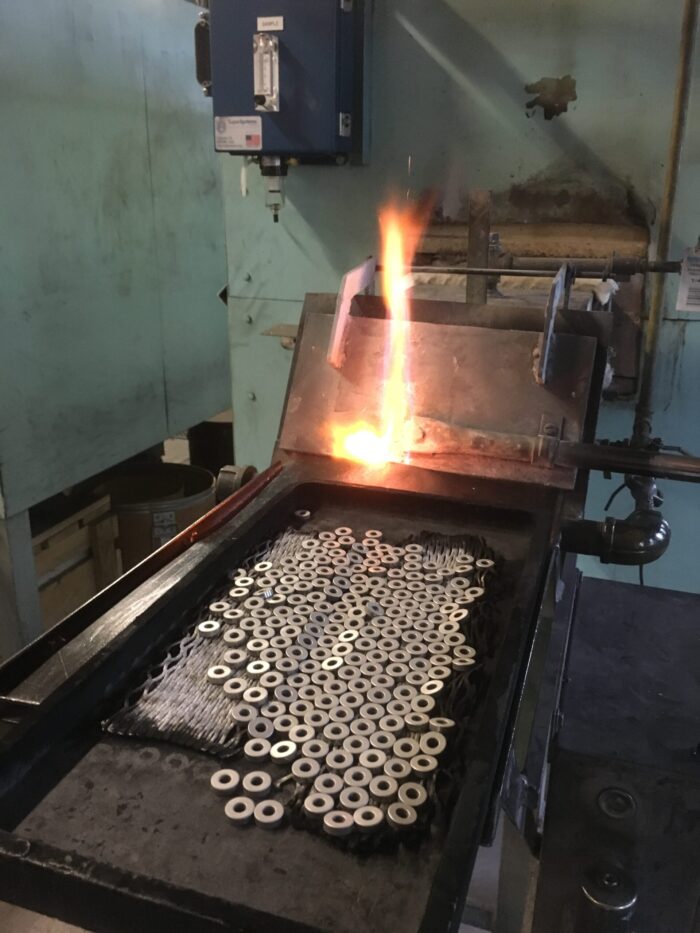
The process starts by purging the furnace with nitrogen to establish the required low-oxygen environment. Sufficient nitrogen is introduced to the furnace to bring the oxygen level down to the percentage required to heat the parts without undo oxidation. Each time a quantity of nitrogen equal to the interior furnace volume is injected into it, it is considered one “air change.” The number of air changes employed is determined by the desired oxygen concentration in the furnace, with five air changes being a common rule of thumb.

Figure 2. Purging the furnace with nitrogen to reduce the oxygen concentration

Purging is complete when sufficient nitrogen has been injected into the furnace to reduce the oxygen purity to the desired level. The nitrogen flow is then reduced to the minimum required to replace any nitrogen leaking out of the furnace. Some furnace designs simply flood the furnace with a high volume of nitrogen in an uncontrolled manner. Although effective at reducing the oxygen concentration, these systems can waste a profuse amount of nitrogen since it is used at an unregulated rate. A nitrogen control system, therefore, is advisable.

After the load is heated up and soaked at temperature for the required time, the furnace must be cooled down. In an ordinary non-nitrogen furnace, the door is simply opened, or a damper system is actuated, allowing cool factory air into the furnace, while exhausting the heated air. A nitrogen atmosphere temper furnace, however, must remain tightly sealed with the door closed, until the temperature is reduced to below the oxidation temperature, commonly 300°F to 400°F, aft er which the door can be opened. Since the equipment utilizes a well-insulated, tightly sealed design, it would take many hours, or even days, to cool sufficiently without a forced cooling system. For this reason, nitrogen temper furnaces must employ a sealed cooling system that cools the furnace without introducing factory air. This is done with a heat exchanger used to separate the reduced-oxygen furnace atmosphere from the cooling media, which is air or water.

Figure 3. Rear-mounted cooling system

The most effective style of cooling system uses cooling water passing through one side of the heat exchanger and the furnace atmosphere passing through the other. The heat exchanger is mounted to the rear exterior of the furnace, and the furnace atmosphere is conveyed through the exchanger, with dampers included to start and stop the atmosphere flow, thereby starting and stopping the cooling action. There are also systems available that pass cooling air through the exchanger, rather than water. Although less expensive, they provide a much slower cooling rate, which greatly increases the cooling time and reduces the production rate of the equipment, as fewer loads can be processed on an annual basis.

Nitrogen Tempering for Materials Other Than Steel

Some metals other than steel are heat processed in a low-oxygen nitrogen environment, while others do not benefit from this process.

Pure copper can be processed under a nitrogen cover gas to reduce oxidation during heating. If the oxygen concentration is not low enough, spotting of the material can occur, where black, sooty spots appear on the surface. Copper is much less sensitive than steel to moisture in the heating chamber. Copper alloys, such as brass or bronze, are not suitable for processing in a nitrogen atmosphere due to a phenomenon known as dezincification, which removes zinc from the alloy, weakening the material and turning it a yellow color. Titanium is not processed with nitrogen, as “nitrogen pickup” (a nitrogen contamination of the titanium) will occur. Aluminum can be processed under a low-oxygen nitrogen atmosphere to some benefit, which slows down the growth of surface oxidation during heating, but not to the degree experienced with steel.

About the Author

Mike Grande, Vice President of Sales, Wisconsin Oven Corporation

Mike Grande has a 30+ year background in the heat processing industry, including ovens, furnaces, and infrared equipment. He has a BS in mechanical engineering from University of Wisconsin-Milwaukee and received his certification as an Energy Manager (CEM) from the Association of Energy Engineers in 2009. Mike is the vice president of Sales at Wisconsin Oven Corporation.

For more information: Contact sales@wisoven.com.

Find Heat Treating Products And Services When You Search On Heat Treat Buyers Guide.Com

Tempering Steel Under a Nitrogen Atmosphere Read More »

The Role of Heat Treatment in Space Exploration

Precise heat treating is essential to enable components to withstand space exploration. In this Technical Tuesday, Mike Grande, vice president of Sales at Wisconsin Oven Corporation, discusses the role of aluminum solution treatment and aluminum aging in heat treating space exploration components.

This column was first released in Heat Treat Today March 2024 Aerospace Heat Treat print edition.


Contact us with your Reader Feedback!

In space exploration, the various parts, electronic components, and materials used to make the rockets, crew capsules, rovers, and other equipment, are subjected to brutal extremes of temperature, vacuum, and radiation. In order to withstand these extreme environments without failure, the parts must be manufactured to very tight tolerances and precisely heat treated. Therefore, convection heat treatment emerges as a critical process in the manufacturing of space exploration components and materials, offering tight control over temperature profiles and the microstructure of materials.

Heat treatment involves heating a material to a specific temperature, holding it at that temperature for a certain duration, and then cooling it down at a controlled rate, which can be rapid or gradual, depending on the objective. The purpose of heat treatment is to improve the material’s mechanical properties, such as strength, ductility, and toughness. Probably the most common metal used in space exploration is aluminum. It is an excellent choice for spacecraft components because it is lightweight, durable, and has excellent thermal conductivity, which is necessary for components that need to dissipate heat.

The first stage of the Falcon 9, for example, utilizes four legs used during landing. They are manufactured from an extremely light, rigid, aluminum honeycomb material that also contains carbon fiber and has a very high strength to weight ratio. Another aluminum component common in space exploration is gas transfer tubes, used to transfer gases, such as methane, between chambers in the interior of rocket propulsion systems. Additionally, there are composite overwrapped pressure vessels (COPVs), which carry compressed fuels such as hydrogen and oxygen, among other gases. These are made of an aluminum tank covered with filament-wound, resin-impregnated composite material, which forms an extremely robust structure capable of withstanding the high pressures created by compressed gases and the rigors of high-speed propulsion. For aluminum to be useful in space applications, it must be heat treated to give it the strength and durability required.

Aluminum Solution Treatment

Since aluminum has such widespread use in space exploration, aluminum heat treatment plays a central role in this industry, with solution treatment and aging being the most common heat treatments utilized. All aluminum materials that require high strength are solution heat treated, then subsequently aged, in two separate heat treat processes. The purpose of solution heat treatment is to evenly dissolve the alloys contained in the aluminum, such as manganese, magnesium, copper, zinc, and silicon, and then rapidly quench it to retain the grain structure. The aluminum alloy is heated and held at a temperature of 800°F to 1000°F (420°C to 540°C), which is just below its melting point. The aluminum is then quenched in water or a water/glycol mixture quickly (within 7 to 15 seconds) to essentially “freeze” the microstructure before the alloying elements can redistribute themselves.

Aluminum Aging

After quenching, aluminum is precipitation hardened. Also known as artificial aging, this process involves heating the aluminum at a lower temperature, typically in the range of 200°F to 400°F (93°C to 204°C) for several hours. This final process dramatically increases the hardness, yield strength, and ultimate strength of the aluminum, making it suitable for use in space applications.

A solution treatment system for processing aluminum

The above is just a sample of the many types of heat treatments for materials used in space exploration. Other examples are annealing, tempering, normalizing, and hydrogen embrittlement relief, to name a few. In conclusion, heat treatment plays a critical role in the manufacturing of parts used in space exploration and is essential to the reliability and safety of space missions.

About the Author

Mike Grande, Vice President of Sales, Wisconsin Oven Corporation

Mike Grande has a 30+ year background in the heat processing industry, including ovens, furnaces, and infrared equipment. He has a BS in mechanical engineering from University of Wisconsin-Milwaukee and received his certification as an Energy Manager (CEM) from the Association of Energy Engineers in 2009. Mike is the vice president of Sales at Wisconsin Oven Corporation.

For more information: Contact sales@wisoven.com.

Find Heat Treating Products And Services When You Search On Heat Treat Buyers Guide.Com

The Role of Heat Treatment in Space Exploration Read More »

Heat Treat Tips: Atmospheres, Gas Chambers, and Thermocouples

One of the great benefits of a community of heat treaters is the opportunity to challenge old habits and look at new ways of doing things. Heat Treat Today’s 101 Heat Treat Tips is another opportunity to learn the tips, tricks, and hacks shared by some of the industry’s foremost experts.

For Heat Treat Today’s latest round of 101 Heat Treat Tipsclick here for the digital edition of the 2019 Heat Treat Today fall issue (also featuring the popular 40 Under 40).

Today’s tips come to us from Nel Hydrogen covering atmospheric solutions and Wisconsin Oven Corporation with a tip on gas chamber issues. Additionally, Pelican Wire provides 4 quick tips on Thermocouples.

Heat Treat Today welcomes you to submit your own heat treat tip for Heat Treat Today's 2020 Fall issue to benefit your industry colleagues. You can submit your tip(s) to karen@heattreattoday.com  or editor@heattreattoday.com.


Heat Treat Tip #11

Compliance Issues? Try On-Site Gas Generation

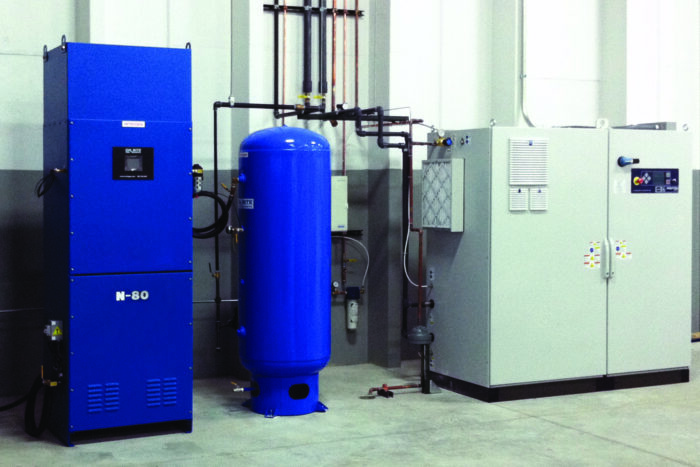
On-site gas generation may help resolve compliance issues. Growth and success in thermal processing may have resulted in you expanding your inventory of reducing atmosphere gases. If you are storing hydrogen or ammonia for Dissociated Ammonia (DA), both of which are classed by the EPA as Highly Hazardous Materials, expanding gas inventory can create compliance issues. It is now possible to create reducing gas atmospheres on a make-it-as-you-use-it basis, minimizing site inventory of hazardous materials and facilitating growth while ensuring HazMat compliance. Modern hydrogen generators can serve small and large flow rates, can load follow, and can make unlimited hydrogen volumes with virtually zero stored HazMat inventory. Hydrogen is the key reducing constituent in both blended hydrogen-nitrogen and DA atmospheres—hydrogen generation (and optionally, nitrogen generation) can be used to provide exactly the atmosphere required but with zero hazardous material storage and at a predictable, economical cost. (Nel Hydrogen)

Generate H2 and N2 on-site – saving money, improving safety, and reducing carbon footprint.


Heat Treat Tip #12

Oven Chamber Failing the Test? Try This!

When having difficulties passing a temperature uniformity test, check the pressure of the heating chamber. This can be done with a pressure gauge that reads inches of water pressure. The best uniformity is achieved when the pressure is neutral or slightly positive (0” to +.25” wc). If the pressure is negative (even slightly), it can draw a stream of outside cold air into the chamber, causing cold spots. For the best results and ease of analysis, permanently mount a gauge to read the pressure. Any issues with pressure can be easily recognized and corrected. (Wisconsin Oven Corporation)


Heat Treat Tip #70

Type N Thermocouple (Nicrosil / Nisil)

Type N Thermocouple (Nicrosil/Nisil): The Type N shares the same accuracy and temperature limits as the Type K. Type N is slightly more expensive and has better repeatability between 572°F to 932°F (300°C to 500°C) compared to Type K. (Pelican Wire)


Heat Treat Tip #71

Know Your Thermocouple Wire Insulations

Know your thermocouple wire insulations. When is Teflon® not Teflon®? Teflon® is a brand name for PTFE or Polytetrafluoroethylene owned by Chemours, a spin-off from Dupont. FEP is Fluorinated Ethylene Propylene. PFA is Perfluoroalkoxy Polymer. All three are part of the Fluoropolymer family but have different properties. Of the three compounds, PTFE has the highest heat resistance, PFA second highest and FEP third. The higher the heat resistance the more expensive the insulation. Keep that in mind when specifying the insulation and only pay for what you need. (Pelican Wire)


Heat Treat Tip #72

Resistance Temperature Detectors (RTDs)

Resistance Temperature Detectors (RTDs) are replacing thermocouples in applications below 1112°F (600°C) due to higher accuracy and repeatability. Typical constructions are multiconductor cables with nickel-plated copper conductors. (Pelican Wire)


Heat Treat Tip #74

When to Use Type K Thermocouples

Type K thermocouples should only be used with the appropriate Type K thermocouple wire. Type K measures a very wide temperature range, making it popular in many industries including heat treating. An added benefit with Type K is that it can be used with grounded probes, ungrounded probes, and exposed or uncoated wire probes which are attached to the probe wall, measure without penetration, and have a quick response time respectively. (Pelican Wire)


Heat Treat Tip #100

The Right Furnace Atmospheres Will Pay Dividends

Precision blended gas system provides the atmosphere needed at the most economical cost.

Save money on your furnace atmospheres by employing the driest and leanest furnace atmosphere blends possible. Furnace atmospheres are a compromise between keeping it simple and supplying exactly the atmosphere to meet the unique requirements of each material processed. Organizations have different priorities when it comes to atmospheres—heat treat specialists may want to be able to run as many different materials as possible using a limited array of atmosphere types, while captive heat treating operations often want exactly the atmosphere approach to maximize the benefits for their specific processes/products.

The dewpoint (water content) of the atmosphere in the furnace is a key factor in its performance. At high temperatures, water in the atmosphere can break down, releasing oxygen that can cause oxidation. You must maintain a high degree of reducing potential to achieve the surface finish and processing results desired. If the furnace atmosphere gas is wet, you’ll need a gas blend richer with hydrogen than you would if your atmosphere blend had a lower dewpoint (less water vapor content). Since hydrogen costs 10 times more than nitrogen, it is more economical to run a leaner atmosphere than a richer atmosphere. By running the driest atmosphere blend possible, you may find that you can lean down your atmosphere (consistent with the metallurgical needs of your product/process) by reducing the proportion of hydrogen and increasing the nitrogen. In doing so, you may recognize meaningful savings.

Check your furnace atmosphere raw materials and process and obtain the driest atmosphere possible. Control your atmosphere dewpoint by adding humidity as needed to the driest starting blend possible rather than accepting a wet atmosphere and trying to process your parts. You’ll achieve the best compromise of excellent results at the lowest cost. (Nel Hydrogen)


Heat Treat Tips: Atmospheres, Gas Chambers, and Thermocouples Read More »

20 Quick Heat Treat News Chatter Items to Keep You Current

Heat Treat Today offers News Chatter, a feature highlighting representative moves, transactions, and kudos from around the industry.

Personnel & Company Chatter

  • Tim Merryweather has joined U.K.-based heat treater, the Wallwork Group, as vacuum brazing technical sales engineer.
  • A manufacturer of monolithic refractories and precast refractory shapes has opened its second manufacturing facility in Tianjin, China. The newly constructed, 210,972 sq ft Allied Mineral Products plant will resolve production space needs as well as expand workspace.
  • In partnership with a manufacturer of robotics and automation equipment for the construction industry, a refractory supplier recently introduced a device that provides workers in the refractory industry with on the jobsite safety and productivity benefits. HarbisonWalker International (HWI) joined forces with Construction Robotics in production of the MULE-R (Material Unit Lift Enhancer – Refractory).
  • A new hot isostatic pressing (HIP) system was revealed at an open house in Cleveland, Ohio,  hosted by Paulo to unveil the company’s new HIP capabilities, available via its Quintus model QIH-122 Hot Isostatic Press, which can combine HIP with heat treating.
  • Gasbarre Products, Inc. has announced that at the end of 2019 all thermal processing systems will be manufactured in its 50,000 sq. ft. facility located in St. Mary’s, Pennsylvania. In 2011 Gasbarre acquired the JL Becker brand of industrial furnace equipment, and over the last eight years, Gasbarre has run parallel manufacturing facilities in Michigan and Pennsylvania for its furnace equipment. Consolidating the manufacturing of its common product lines allow for the most efficient use of its floor space, equipment, and manufacturing processes. Gasbarre will maintain its presence in the Detroit area with a sales, engineering and service facility.  Ben Gasbarre will maintain his leadership role within the Plymouth, Michigan location.  The sales and technical team will drive Gasbarre’s furnace systems into the future.  Gasbarre has plans to not only design and service its equipment but to eventually establish a technical center for process testing and demonstration purposes.  Ben Gasbarre stated, “The move will allow us to better utilize our highly-skilled personnel to accelerate advancements to our products, technology and services.”
  • In a move to realize approximately $6 million to $8 million of annual savings, TimkenSteel Corp., Canton, Ohio, announced plans to close its TimkenSteel Material Services facility in Houston, Texas, in the first quarter of 2020. The 100,000-square-foot operation currently employs approximately 100 people who provide precision value-added and finishing services, primarily to customers that service the energy market.
  • A supplier of nitrogen generators and related products to utilities, petrochemical producers, manufacturers, and energy providers announced a move into an existing 66,000-sq.-ft. building as part of an enhanced growth strategy that includes additional hiring and new products. South-Tek Systems LLC will remain in the Wilmington, North Carolina, area.
  • A global stainless steel manufacturer with headquarters in Spain has reached an agreement for the acquisition of VDM Metals Holding GmbH. Acerinox, S.A. purchased the Germany-based leader producer of specialty alloys from Lindsay Goldberg Vogel GmbH and Falcon Metals BV.
  • An aluminum giant recently broke ground on a $36 million investment to expand and upgrade the company’s capabilities in automotive closed-loop recycling, a process to take aluminum scrap created during stamping. Novelis Inc’s investment in new vehicle production at the Greensboro, Georgia, facility includes adding state-of-the-art equipment for aluminum scrap recycling, a new baghouse for improved dust mitigation and enhanced designs for safer and more efficient traffic flow.
  • A manufacturer of excavating equipment purchased a high-temperature car bottom furnace with an operating temperature of 1000°F (538°C) to 2282°F (1250°C) for stress relieving, normalizing, and other high-temperature processes. Gasbarre Thermal Processing Systems was commissioned to design and manufacture the system to meet customer’s strict NOx and CO requirements as well as AMS 2750 temperature uniformity requirements across a wide temperature operating range.
  • A company requiring annealing or normalizing process recently purchased No. 1049, a 1050°F (566°C) cabinet oven with two drawers from Grieve. In addition, a customer has received shipment of No. 1039, a 2,000°F (1,093°C) inert atmosphere, heavy-duty furnace used for heat treating turbine components.
  • A manufacturer in the technology industry has received shipment of an indirect gas-fired heavy-duty walk-in series oven from Wisconsin Oven Corporation. The walk-in oven will be used for heat treating materials used in the production of vehicle batteries.
  • A world-leading international supplier of parts to the automotive industry acquired a Sinac stationary induction heating system from EFD Induction to be used for preheating in a series production of steel pump housing.
  • A Vietnamese steel producer has issued the final acceptance certificate for the latest state-of-the-art acid regeneration plant (ARP) at their new plant in Binh Dinh, Vietnam, which will operate in accordance with stringent European environmental regulatory standards. Hoa Sen Group issued the
    certificate to Tenova.
  • German steel distributor Salzgitter Flachstahl GmbH (SZFG) has awarded the contract to build a 2.2 megawatt PEM electrolysis plant (PEM = proton exchange membrane) to Siemens Gas and Power, which will cover SZFG’s entire current demand for hydrogen. The necessary electrical power will be generated by seven wind turbines with a capacity of 30 megawatt.
  • A customer in the secondary smelting industry purchased a gas-fired aluminum stack melting and holding furnace from Lindberg/MPH. This stack-type central melting furnace will be utilized to produce aluminum ingot and sows. The furnace has a melt rate of 4,500 pounds per hour.
  • A world-leading steel producer has been commissioned to be the main supplier of steel plate to the first U.S.-flagged Great Lakes bulk carrier built in more than 35 years. Fincantieri Bay Shipbuilding contracted with ArcelorMittal Burns Harbor for the steel supply to build the carrier, which likely will help haul raw materials to the mill after its launch.
  • An aerospace company recently ordered four TITAN® H6 2 bar vacuum furnaces that will be used for heat treating additively manufactured parts in full-scale production. Ipsen USA shipped two of the furnaces in November and will ship the remaining two in January.

  • The Women in Finishing FORUM announces registration is open for the second annual program to be held at the Embassy Suites South Bend, Indiana, at Notre Dame from May 6-8, 2020. The FORUM features a variety of professional and personal development sessions, team-building exercises, and networking events geared towards women in industrial finishing. Women in Finishing is sponsored by the Chemical Coaters Association International (CCAI).
  • Muhammed Odeh, the General Motors (GM) supplier quality engineer, visited ALD Thermal Treatment Inc. (Port Huron, MI, USA) plant to officially present the GM Supplier Quality Excellence Award for 2018.  This is ALD’s 5th consecutive year for this prestigious award since 2014. In addition, ALD was again recognized as a Supplier of the Year for providing heat treatment services.


Heat Treat Today is pleased to join in the announcements of growth and achievement throughout the industry by highlighting them here on our News Chatter page. Please send any information you feel may be of interest to manufacturers with in-house heat treat departments especially in the aerospace, automotive, medical, and energy sectors to editor@heattreattoday.com

20 Quick Heat Treat News Chatter Items to Keep You Current Read More »

A Dozen Quick Heat Treat News Items to Keep You Current

A Dozen Quick Heat Treat News Items to Keep You Current

Heat Treat Today offers News Chatter, a feature highlighting representative moves, transactions, and kudos from around the industry.

Personnel and Company Chatter

  • Recent changes in leadership at Nucor Corporation include the following: Retired U.S. Army Lieutenant General Nadja Y. West has been elected to join the board of directors, effective immediately. General West retired earlier this year after 37 years with the U.S. Army. In addition, John J. Ferriola will retire as chairman and CEO on December 31, 2019; the board of directors elected Leon J. Topalian to be president and COO, effective September 5, 2019, and to succeed Mr. Ferriola as CEO on January 1, 2020.
  • StandardAero has acquired Safe Aviation Solutions (including Safe Fuel, Accel, and B&E ACR), formerly the MRO services subsidiary of the B&E Group, which will continue to expand StandardAero’s Components, Helicopters & Accessories (CH&A) division and its portfolio of MRO and component repair services.
  • Dana Incorporated announced the acquisition of Nordresa Motors, Inc., a prominent integration and application engineering expert for the development and commercialization of electric powertrains for commercial vehicles.
  • Central Machine & Tool, a manufacturer and global distributor of quick connect/disconnect couplings, castings, clamps and bandings and provider of heat treating, fabrication, machining, and injection molding services, will now be known as PT World Headquarters. The launch of the new branding and signage included employees, staff, and guests. Matt Parrish, president, and Amy Parrish, vice-president of corporate communications, spoke about the new branding and the direction of the Enid, Oklahoma, company.
  • Allison Transmission Holdings Inc., a global manufacturer of medium- and heavy-duty fully automatic transmissions, announced that it has acquired the assets and certain liabilities of Walker Die Casting located in Lewisburg, Tennessee, and C&R Tool and Engineering located in Muscle Shoals, Alabama. Walker produces aluminum castings and has been a supplier to Allison for 20 years. Allison is committed to continuing the 60-year-old company’s legacy. C&R Tool and Engineering is a leading supplier of metalworking tools for use at Walker and other companies.
  • Constellium N.V., Amsterdam, announces that it will be the primary supplier of aluminum auto body sheet for the new Mercedes-Benz CLS model, which entered the market in March 2018.
  • A company operating in the nuclear sector recently purchased an advanced heat treatment vacuum furnace with a maximum temperature of 2408°F (1320°C) from TAV Vacuum Furnaces Spa.
  • A prominent aerospace equipment manufacturer is working with SECO/VACUUM Technologies (SVT) to bring the company’s low pressure carburizing and hardening work in-house. SVT will be supplying a CaseMaster Evolution® (CMe) dual-chamber vacuum oil quench furnace.
  • An electrically heated heavy-duty Ferris wheel batch oven has been shipped to a company in the aerospace industry by Wisconsin Oven Corporation. This Ferris wheel oven will be used to cure epoxy resins & varnishes on assorted aerospace parts. In addition, Wisconsin Oven shipped a natural gas-fired conveyor oven to the automation industry, which will be used to cure a resin formed mat.
  • Primetals Technologies will build a combined aluminum hot rolling mill for the production of heavy plate and strip for BaoWu Aluminium Technology Ltd., which is part of BaoWu Iron and Steel Group Co., Ltd, the highest-profile steel producer in China. The new rolling mill will be built in Sanmenxia, in the Henan province, and have an annual production capacity of 300,000 metric tons.

  • Onex, Inc., recently received a plant visit from Pennsylvania State Representative Lee James. Talks surrounded the need for skilled labor in manufacturing and the valuable careers available at Onex and in the industry.
  • Thermal-Vac Technology is proud to be included on Inc. magazine’s prestigious Inc. 5000 list for 2019. Inc. 5000 lists the fastest-growing private companies in the United States. Thermal-Vac has grown 64 percent in the last three years. “We are excited to have our team’s hard work recognized by Inc. magazine,” CEO Heather Falcone said. “As a service business, we only grow by delivering what we promise. I think everyone at Thermal-Vac can be proud of what we’ve built.”

Heat Treat Today is pleased to join in the announcements of growth and achievement throughout the industry by highlighting them here on our News Chatter page. Please send any information you feel may be of interest to manufacturers with in-house heat treat departments especially in the aerospace, automotive, medical, and energy sectors to the editor at editor@heattreattoday.com

A Dozen Quick Heat Treat News Items to Keep You Current Read More »

Skip to content