


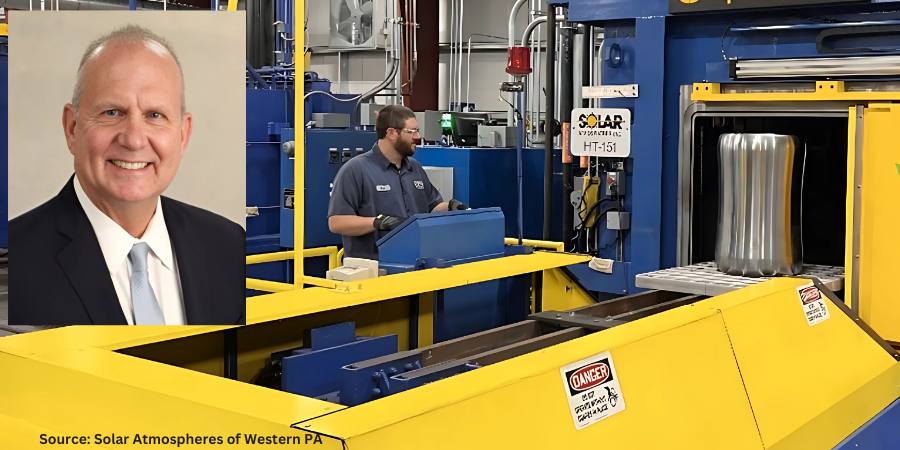
Solar Atmospheres of Western PA

The Future of Vacuum Oil Quenching

Despite years of research and development that resulted in several important technological innovations, the constraints of high-pressure gas quenching are ever more evident. In today’s Technical Tuesday, Robert Hill, FASM president of Solar Atmospheres of Western PA, addresses the creation of a new, robust style of vacuum oil quench furnace. The results challenge the schematics in how the next generation of oil quench furnaces should be designed, built, and operated.

This informative piece was first released in Heat Treat Today’s November 2024 Vacuum print edition.


Introduction

After decades of research and development that resulted in several important technological innovations, the constraints of high-pressure gas quenching are ever more evident. Gas cooling runs into efficacy issues when compared to liquid quenchant cooling, chiefly for heavier cross sections. This stays true even when using specialized inert gas blends and heightened gas pressures.

Additionally, it is undeniable that stringent liquid quench Aerospace Material Specifications (AMS) standards for certain aerospace alloy steels will never change. In fact, many industry standards (e.g., SAE/AMS and U.S. defense standards) and client specifications often mandate oil quenching of alloys or component parts.

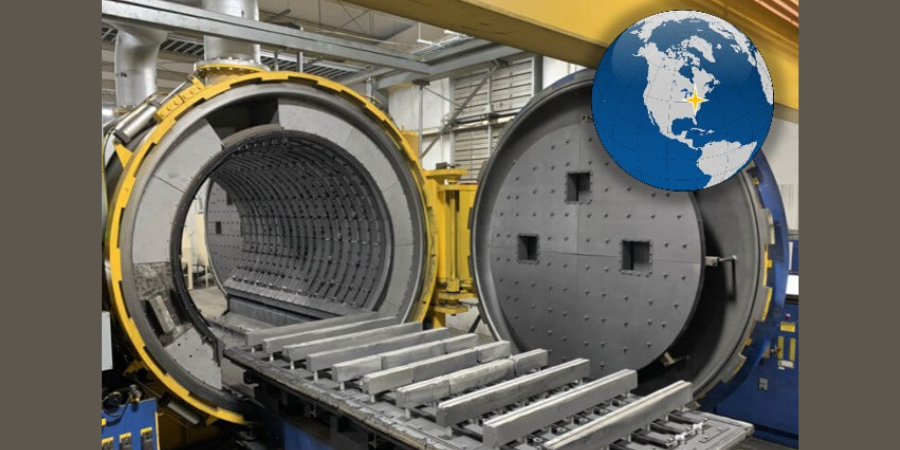
To meet the demand for an effective, sustainable liquid quench solution, Solar Manufacturing with Solar Atmospheres engineers worked through the tumultuous period of the pandemic to create a new, robust style of vacuum oil quench furnace. Their work culminated in a vacuum oil quench furnace with a 36″ x 36″ x 48″ hot zone that operates up to 2000°F and can accommodate a weight capacity of 2000 lbs. With high uptime reliability and excellent metallurgical results, the NEO™ represents a paradigm shift in how the next generation of oil quench furnaces should be designed, built, and operated.
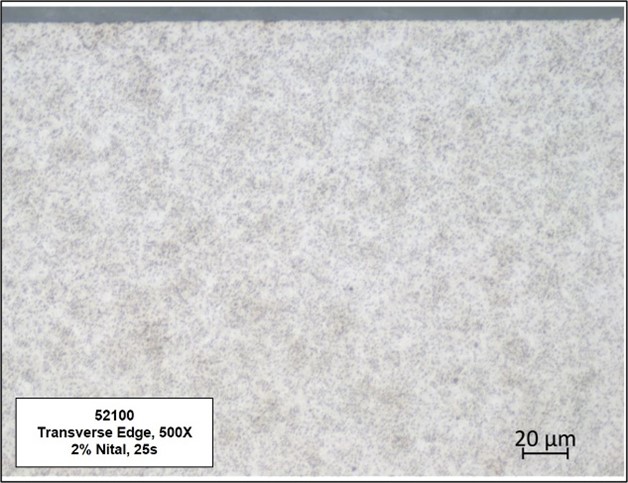

Rigorous Design for Metallurgical Excellence

The next generation of oil quench furnaces heralds an era of metallurgical excellence. This is made apparent across three key measures: control over surface contamination, prevention of parts cracking, and flexible processing of dissimilar materials.

No Surface Contamination
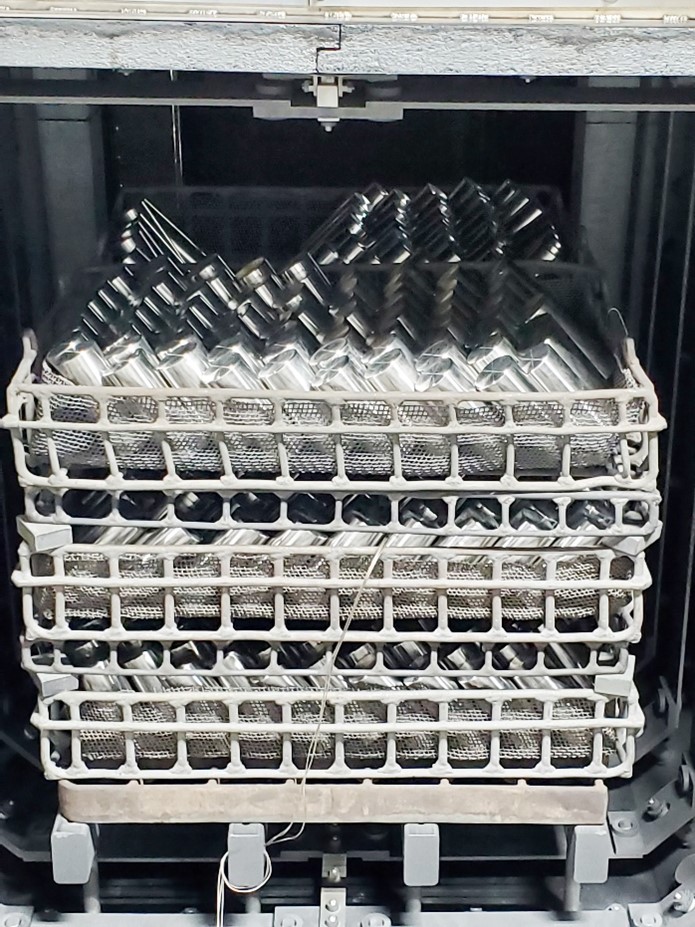
Figure 2. Loading in the NEO furnace
Source: Solar Atmospheres of Western PA

By implementing a vacuum design to the oil quench furnace, the research team avoided issues faced by traditional atmosphere oil quench furnaces, such as surface contamination and intergranular oxidation/intergranular attack (IGO/IGA). Additionally, they meticulously addressed design concerns regarding oil backstreaming in the new multichambered vacuum system. After two years of usage, the hot zone has remained pristine and oil-free.

By effectively removing the possibility of any surface contamination, both IGO and decarburized or carburized surfaces on oil quenched components are eliminated. These critical metallurgical features are unattainable in traditional gas-fired Endothermic batch furnace equipment.

Precision Prevents Part Cracking

To eliminate the potential of part cracking, quench oil temperatures should be able to be maintained between 140°F to 180°F ±5°F, which enhances consistent and repeatable metallurgical results. Furthermore, having the furnace designed so that quench oil recirculates within a closed loop oil to air cooling system keeps water contamination from infiltrating the oil.

No Carbon Content Matching

The next generation of vacuum oil quench furnaces should also have highly controllable atmospheres, devoid of oxygen, which will remove the need to mechanism, which has demonstrated flawless performance for over two years.

Additionally, it is imperative that these furnaces be capable of using more conventional quench oil. A good quench needs excellent vapor pressure, powerful enough to allow the oil to vaporize. Furnaces can be designed with this in mind, allowing operators to save costs by using more conventional quench oils. For example, after rigorous laboratory experimentation into the vaporization of various quench oils at different pressures and temperatures, it was decided to purchase 3000 gallons of Houghton G quench oil, versus the “vacuum only” quench oils that are currently on the market today.
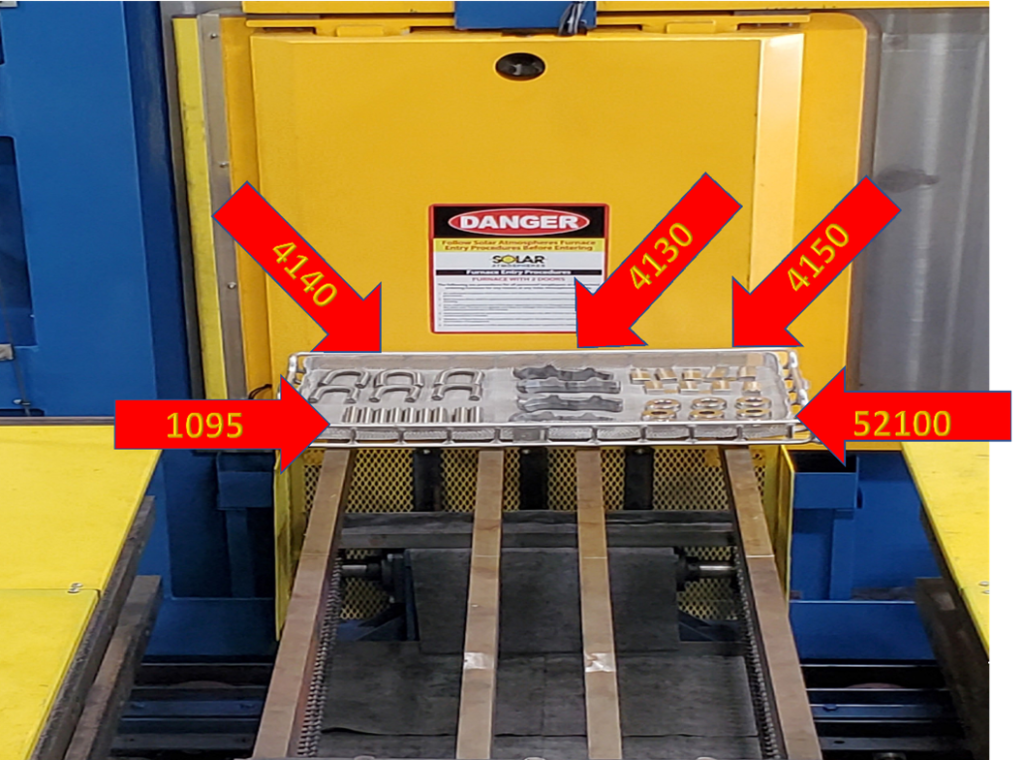
Figure 3. A display of a variety of parts which can be processed in the same run
Source: Solar Atmospheres of Western PA

The next generation of oil quench furnaces should also finally provide metallurgical and quality engineers the ability to thermocouple the oil quenched parts in accordance with AMS2750 Rev H standards. Being able to monitor part temperature with up to twelve (12) data points, as defined by the latest AMS2750 revision, ensures thorough and precise thermocouple monitoring, bolstering control and repeatability.

Lastly, in a hermetically sealed furnace, another layer of control should be established through installing an internal camera. With “eyes” into the furnace, the operator will be able to watch the load transfer in real time from a control panel.
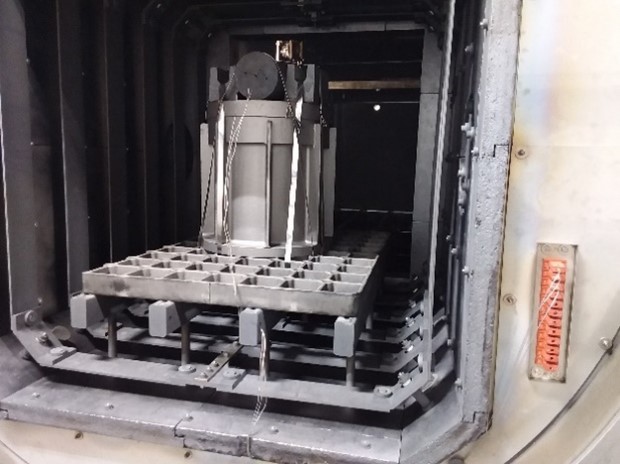
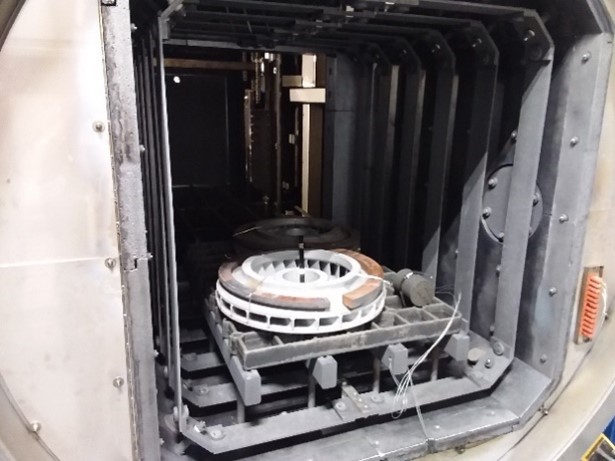
These operational attributes are on full display in the example of an automated austenitized cycle: At the completion of the cycle, the specially-designed transfer mechanism delivers precisely heated parts from the hot zone to the 3000-gallon oil quench chamber consistently within 20 seconds — all without the expulsion of flames and the discharge of smoke.

Oil flames and smoke are no longer acceptable realities in heat treatment operations. Unfortunately, the heat treating industry has been misled in the belief that a catastrophic disaster will never happen to them. There have been multiple “total losses,” mostly due to oil quench fires and explosions. Recently, it is well known that if an insurance adjuster sights a flame or smoke within a plant, they are reluctant or may even refuse to write the policy.

Vacuum furnaces offer a safe, contained alternative to the harmful open emissions and dangerous working conditions. For operations where the safety and the well being of the workforce are paramount, vacuum furnaces eliminate the risks associated with open flame exposure, explosivity, and skin burns.

Yet the next generation of vacuum oil quench furnaces should also open at both ends at the end of a cycle to expose it to atmosphere. Full air exchange mitigates the potential hazards of confined spaces.
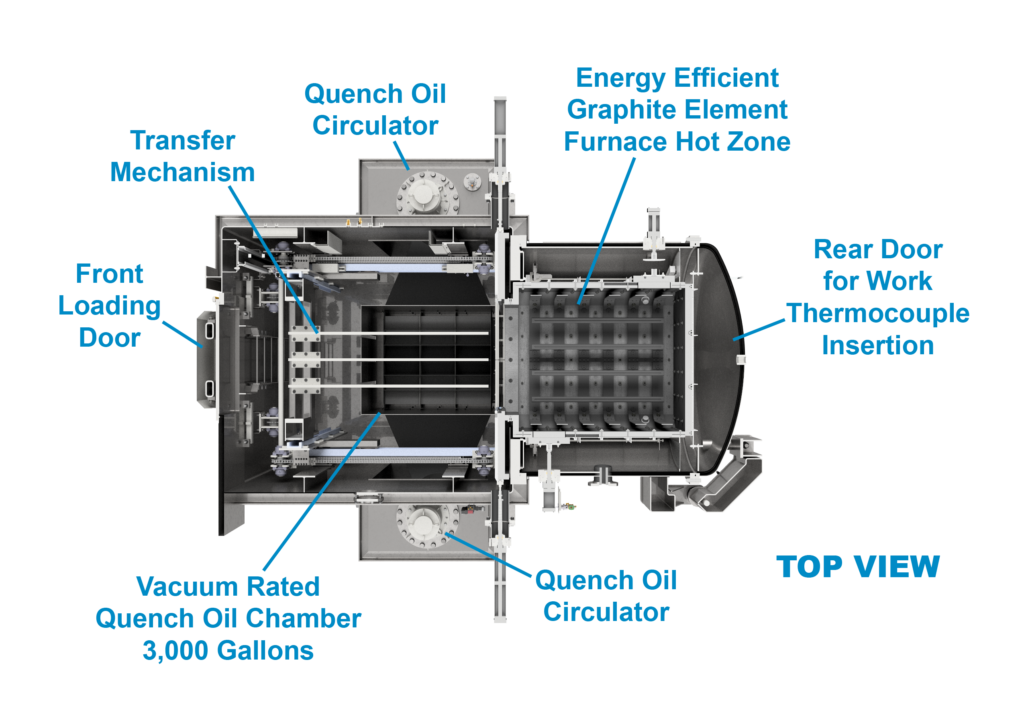
Figure 5. Top view showing innovative design features for the next generation of vacuum oil quench furnaces
Source: Solar Atmospheres of Western PA

Meeting Environmental Demands

With ever more stringent environmental regulations, the next generation of vacuum oil quench furnaces will play a pivotal role in reducing the carbon footprint of the heat treating industry. It has been estimated that 80% of fuel used for heat treatment could be replaced by electricity, thus drastically reducing CO2 emissions: “When you burn something that contains carbon, you get carbon dioxide that you either must take care of or release into the atmosphere. With electric heating, you do not have any exhaust.”

The second column in the chart on page 30 addresses the multiple environmental concerns associated with traditional batch IQ gas-fired oil quenching furnaces. The third column outlines the advantages of the design for the next generation of oil quench furnaces, which embraces electric heating as a sustainable alternative to fossil fuels. As sustainability pressures continue to mount, governments, clients, and primes alike will continue to flow down requirements on how heat treaters plan to reduce their carbon footprints.
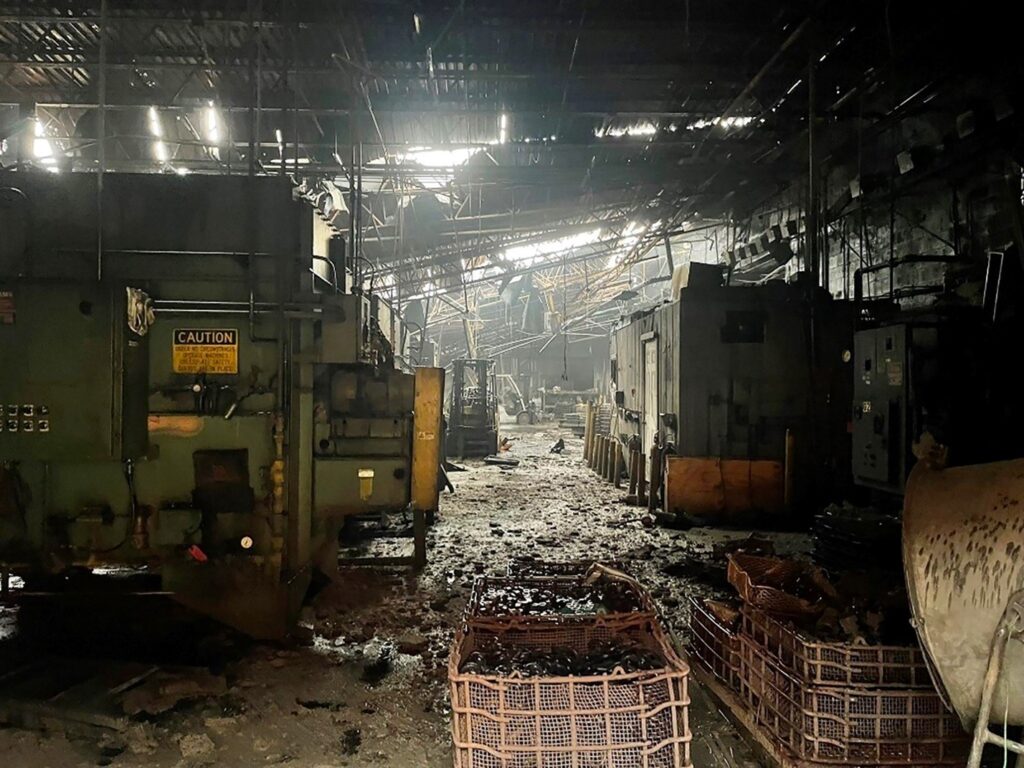
Figure 6. Safety hazards in operating atmosphere furnaces
Source: The Monty

Conclusion

As the demands for metallurgical precision, safety, and environmental sustainability continue to mount, Solar’s new vacuum oil quench furnace emerges as a representative of the next generation of vacuum oil quenching technology. Characterized by unparalleled efficiency, precision, and sustainability, such furnaces will continue to lead the industry toward a future defined by cleanliness, safety, and environmental stewardship.
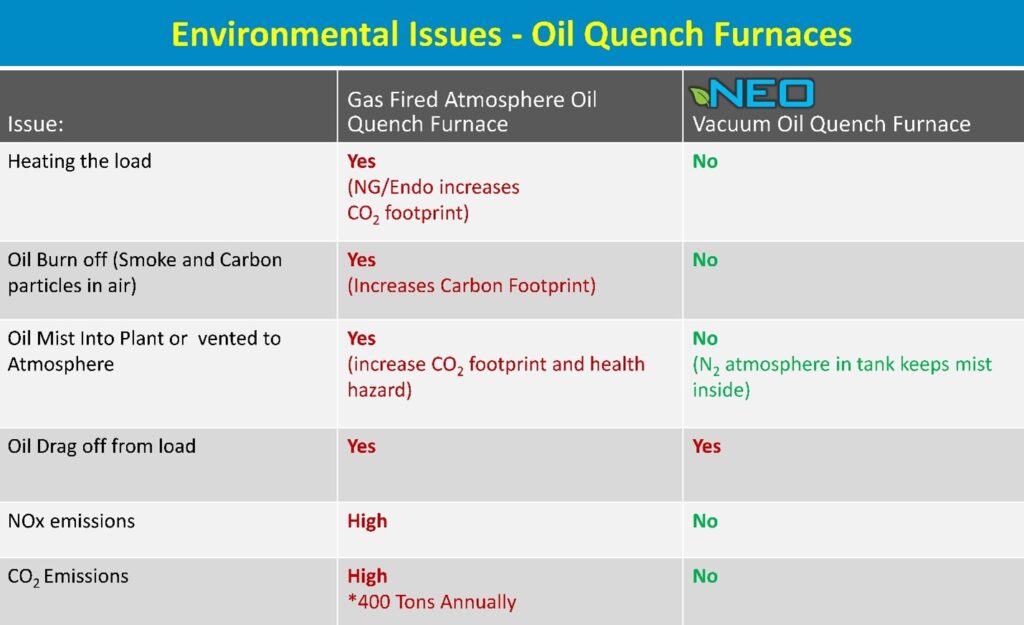
Table 1. Data from the AICHELIN Group
Source: Solar Atmospheres of Western PA

References

Kanthal, “Heat Treatment CO2 Emissions cut by 50 percent by using electricity” (April 2019), https://www.kanthal.com/en/knowledge-hub/inspiring-stories/heat-treatment-co2-emissions-cut-by-50-percent-by-using-electricity/.

Aichelin Group, “CO2 Footprints and the Heat Treat Industry,” The Monty (January 2024).

About the Author:

Robert Hill, FASM
President
Solar Atmospheres of Western PA

Robert Hill, FASM, began his career with Solar Atmospheres in 1995 at the headquarters plant in Souderton, PA. In 2000, Hill was assigned the responsibility of starting the second plant in Hermitage, PA, where he has specialized in the development of large furnace technology and titanium processing capabilities. Additionally, he was awarded the prestigious Titanium Achievement Award in 2009 by the International Titanium Association.

For more information: Contact Robert at bob@solaratm.com


The Future of Vacuum Oil Quenching Read More »
Heat Treat Boot Camp Tours Solar Atmospheres’ Western PA Facility

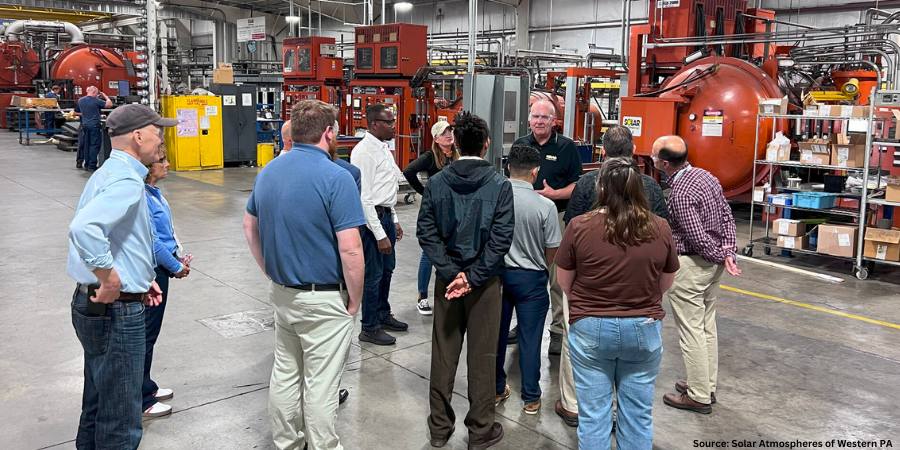
Last week, Heat Treat Today wrapped up its third annual Heat Treat Boot Camp with a tour of a local commercial heat treating company, witnessing the operation of multiple vacuum furnaces, including the largest capacity vacuum furnaces in the United States.

The overall sentiment from the Heat Treat Boot Camp attendees was resounding gratefulness for and enjoyment of the visit to the 115,000 square-foot Solar Atmospheres of Western Pennsylvania facility, located in Hermitage, PA. For those newbies to the industry, it provided them the opportunity to experience a heat treat shop environment and connect what they learned during the sessions to how it looks in operation.

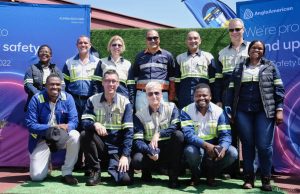
Heat Treat Boot Camp attendees in front of the NEO, one Solar Atmospheres’ vacuum oil quench furnaces

“Really great tour,” said Heat Treat Boot Camp attendee G. Eric Gisonno. “[I’m] so thankful to Solar and Bob Hill for spending time with us and allowing us to see them in action.”

Robert Hill, FASM
President
Solar Atmospheres of Western PA

Bob Hill, president of Solar Atmospheres, treated the 22 attendees to a comprehensive and fascinating tour which ranged from learning about the origin of the company to observing products in production process to seeing final completed parts. Attendees were in awe as they walked the floor taking in the daily production protocols. The tour concluded in front of the NEO, a vacuum oil quench furnace that earned Solar Atmospheres an accreditation from Boeing for its ability to oil quench alloy steels in accordance with Boeing’s specification BAC 5617. Those present were able to observe a part being vacuum oil quenched in real time.

Trevor Jones
CEO
Solar Manufacturing

Mr. Hill also provided an exclusive sneak preview of the company’s upcoming presentation, “The Future of Vacuum Oil Quenching is Now!,” which he and Trevor Jones, president of Solar Manufacturing, will deliver at the FNA 2024 show in Columbus, OH, this October.

Thanks to Bob Hill and the team at Solar Atmospheres of Western PA for their kindness and hospitality.

Main photo: Heat Treat Boot Camp attendees touring Solar Atmospheres of Western PA


Heat Treat Boot Camp Tours Solar Atmospheres’ Western PA Facility Read More »

19 Quick Heat Treat News Chatter Items To Keep You Current

Heat Treat Today offers News Chatter, a feature highlighting representative moves, transactions, and kudos from around the industry. Enjoy these 19 news bites that will help you stay up to date on all things heat treat.

Equipment Chatter

  1. Global commodities group, Anglo American, and thyssenkrupp Steel have signed a memorandum of understanding to collaborate on developing new pathways for the decarbonization of steelmaking. The collaboration will focus on joint research to accelerate the development of high-quality input stock for lower carbon steel production, using both conventional blast furnace and direct reduction iron.
  2. SECO/WARWICK delivered additional CAB lines to SUZHOU RETEK in China.
  3. Tenova was contracted by Sinova Global to supply the basic engineering of a new silicon metal plant in Tennessee. The site will be North America’s most modern and efficient silicon metal plant, a greenfield development for Sinova Global.


Company and Personnel Chatter

  1. Brighton Science and Hubbard-Hall partner to provide the Infinity Surface Cleaning Intelligence Program, which is designed to aid manufacturers to prepare surfaces and prevent problems.
  2. Thermal-Vac Technology, Inc. announced the completion of a new microgrid from Verdant Microgrid, LLC. Collaboration with the following companies ensured the completion: Eos Energy Enterprises of Edison, NJ; Stronghold Engineering, Inc. of Perris, CA; and GridSwitch Asset Management Services of Moon, PA.
  3. Bryan Stern has joined Gasbarre as the product development manager for Gasbarre Thermal Processing Systems. Bryan’s experience, knowledge, and forward-thinking will allow him to support existing clients and advance the company’s growing footprint in the vacuum furnace market.
  4. Ipsen recently launched a new website with the goal of providing a better user experience for customers worldwide. IpsenGlobal.com now incorporates all Ipsen locations, products, and services under one domain.
  5. Furnaces North America 2022, the premier trade show and technical conference in the North American heat treating industry, attracted over 1,200 attendees from around the world. The show produced by the Metal Treating Institute in partnership with its media partner, Heat Treat Today.


Kudos Chatter

  1. Doug Peters, CEO of Peters’ Heat Treating, received the Winslow Award, an honor that is given to an individual or business that has made valuable economic improvements.
  2. A two chamber vacuum oil quench furnace has received Nadcap accreditation. Solar Manufacturing designed the furnace for Solar Atmospheres of Western PA.
  3. Ayla Busch was honored with the German Leadership Award 2022. This award was presented at the annual alumni convention of the Collège des Ingénieurs and is an award for innovative corporate leadership in the German economy.
  4. Texas Heat Treating, Inc. announces that both Round Rock and Texas Heat Treating Worth just completed ISO 17025 lab audits. The audits came back with no findings.
  5. Representatives from TAV VACUUM gave a speech during the first day of the 27th IFHTSE Congress & European Conference on Heat Treatment 2022. The talk was about the heat treatment of titanium alloys, specifically, “Vacuum heat treatment of Ti6Al4V alloy produced via SLM additive manufacturing.”
  6. RETECH, a SECO/WARWICK Group company, was acknowledged as “The Most Innovative Metallurgical Equipment Specialist in 2022 for the USA” by Acquisition International Magazine. Additionally, Earl Good, its managing director, has been honored by The Corporate Magazine in the “Top 20 Most Dynamic Business Leaders of 2022.″
  7. Nitrex Metal, Inc. announced that it was selected for the “American Dream” series airing on Bloomberg and Amazon Prime. The series explores the entrepreneurial stories of men and women who founded and built incredible companies from the ground up.
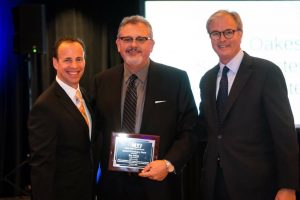
  8. Jim Oakes, president of Super Systems, has been awarded the first ever Furnaces North America (FNA) Industry Award at the trade show’s opening night kickoff reception.
  9. At the recent 2022 MTI fall meeting held in Indianapolis, IN, the Metal Treating Institute recognized Roy Adkins, director of Corporate Quality, with the MTI Award of Industry Merit. This award is given in recognition of current and ongoing commitment to the betterment of the commercial heat treating industry with one or more significant accomplishments.
  10. Hubbard-Hall has been awarded the Top Workplaces 2022 honor by Hearst Media Services in Connecticut. The award is based solely on employee feedback gathered through a third-party survey that is administered by employee engagement technology partner Energage LLC.
  11. Pelican Wire Calibration Laboratory received “ISO/IEC 17025:2017” accreditation from ANSI National Accreditation Board.


Heat Treat Today is pleased to join in the announcements of growth and achievement throughout the industry by highlighting them here on our News Chatter page. Please send any information you feel may be of interest to manufacturers with in-house heat treat departments especially in the aerospace, automotive, medical, and energy sectors to sarah@heattreattoday.com.


Find heat treating products and services when you search on Heat Treat Buyers Guide.com


19 Quick Heat Treat News Chatter Items To Keep You Current Read More »

PA Heat Treater Plays a Role in NASA’s Artemis 1 Mission

HTD Size-PR LogoThe most recent launch of NASA’s Artemis 1 Mission included a large titanium manifold housing designed to rapidly propel astronauts away from the main rocket in case of a catastrophic explosion or any other unexpected event. This critical part was vacuum heat treated by Solar Atmospheres of Western PA.

Titanium manifold weldment after vacuum heat treatment and shown on the Artemis 1 Orion Spacecraft
Source: NASA

Michael Johnson
Sales Manager
Solar Atmospheres of Western PA

On Wednesday, November 16, 2022, NASA’s unmanned Orion spacecraft launched successfully from Cape Canaveral at 1:47 am for a six-week test flight around the moon and back. This launch marks the first iteration of NASA’s moon-to-Mars Artemis 1 program.  For the 2014 Orion launch, NASA introduced the Launch Abort System (LAS). Once fired, the LAS will accelerate the astronauts away from the main rocket at forces up to 10 to 15 times normal gravity (“G’s”).

“Before the mighty Artemis rocket left Earth’s atmosphere with 8.8 million pounds of thrust, many of the components and support hardware had already experienced a lunar-like atmosphere here in western Pennsylvania,” commented Michael Johnson, sales director at Solar Atmospheres. “Many of the [6AL-4V] titanium and Inconel components were processed well below 1×10⁻⁵ Torr throughout thermal processing. Although our crew here on Earth were wearing nitrile gloves, it’s overwhelming to know we had a hand in heat treating these critical parts.”


Find heat treating products and services when you search on Heat Treat Buyers Guide.com


PA Heat Treater Plays a Role in NASA’s Artemis 1 Mission Read More »

Western PA Heat Treat Facility VOQ Passes Startup Protocol

HTD Size-PR Logo

Source: Solar
Robert (Bob) Hill, FASM
President
Solar Atmospheres of Western PA
Source: Solar Atmospheres

Solar Atmospheres of Western PA announced their newly designed vacuum oil quench furnace (VOQ) has passed startup protocol. There were zero flare and smoke-ups during the quench cycle and the transfer mechanism moved 2000 pound loads with no issues.

"[Recently]," Bob Hill, president of Solar Atmospheres of Western PA, says, "insurance companies are reluctant to write policies for commercial heat treaters simply because they see a single flame or evidence of smoke. In the past, unfortunate accidents have occurred with explosive endothermic atmospheres and flammable oils. I am convinced that this new Solar Manufacturing furnace is a much safer and greener way to oil quench parts."

Watch internal and external camera footage during a quench operation.


The design of the furnace allows for reading work temperatures within the 36" x 36" x 48" hot zone. No oxygen probes are necessary, since the furnace operates with an atmosphere devoid of oxygen. Alloys of dissimilar carbon contents and similar cross sections and austenitizing temperatures can be treated in the same load.

To read about the installation of this VOQ, or to watch a video of the largest component of that installation, click here.


.

Search for heat treat solution providers and suppliers on Heat Treat Buyers Guide.com


Western PA Heat Treat Facility VOQ Passes Startup Protocol Read More »

Vacuum Heat Treat Supplier Partners with Neota to Advance MIM Technology

HTD Size-PR LogoNeota Product Solutions, a custom metal injection molding (MIM) manufacturer located in Loveland, Colorado, has recently partnered with a North American heat treat supplier to develop an exclusive sintering partnership.

Source: LInkedIn
Jason Osborne
President
Neota Product Solutions
Source: LinkedIn

Neota provides comprehensive MIM solutions from early-stage prototyping to full scale manufacturing. The manufacturer and Solar Atmospheres of Western PA (SAWPA) developed a sintering thermal profile that densifies complex geometric shapes and also controls shrinkage. This results in a solid and strong metallic part, with near 100% density, while maintaining the tight tolerances that are required in their precision components.

Collaborating with Solar Manufacturing, the vacuum furnace production arm of the Solar family, SAWPA recently acquired a vacuum furnace which is engineered to handle MIM processing. The furnace has a work zone of 36” x 36” x 48” and a load capacity of 3,000 pounds.

Source: Solar
Robert (Bob) Hill, FASM
President
Solar Atmospheres of Western PA

"Solar has been a class-act organization and has been instrumental in the aggressive growth of our company," stated Jason Osborne, president of Neota.

"We have sincerely enjoyed our relationship with the Neota team," added Bob Hill, president of Solar Atmospheres of Western PA stated. "As MIM industry experts, they know what they ultimately want in a finished part. As vacuum thermal processing specialists, we know how to achieve their high temperature processing parameters while not damaging our state-of-the-art vacuum equipment. Investing in our customer’s needs, ultimately results in lasting mutual relationships which become a successful endeavor for both parties."

Vacuum Heat Treat Supplier Partners with Neota to Advance MIM Technology Read More »

Hot Zone Replacement for Vacuum Furnace

HTD Size-PR LogoIn Hermitage, Pennsylvania, heat treater Solar Atmospheres of Western Pennsylvania recently completed a hot zone replacement on one of their larger horizontal car bottom vacuum furnaces. This is the second hot zone rebuild over the 17 years of furnace operation.

The furnace, with a work zone measuring 54”W x 54”H x 144”L and a load capacity of 50,000 pounds, has been in service since 2003, and is the first furnace built by the sister company, Solar Manufacturing. The furnace has a maximum operating temperature of 2800°F and performs many different daily thermal cycles ranging from 500°F – 2750°F. The furnace has a front door and a back door to allow complete access during the loading and unloading of the furnace from either end.

The hot zone consists of three ring assemblies along the length of the furnace to support the furnace graphite felt insulation and the circular graphite heating elements. Insulation and heating elements are also provided on the loading cars to provide uniform heating on the bottom of the furnace hot zone.

The insulation was replaced on the rings and doors, and new heating elements were installed on the entire length of the furnace. This rebuild has resulted in essentially a “new furnace” condition – ready for the next 17 years.


Main image is courtesy of Solar Atmospheres.

Hot Zone Replacement for Vacuum Furnace Read More »

Heat Treatment of a Large H13 Liner is a Success

HTD Size-PR Logo

Bob Hill
President
Solar Atmospheres of Western PA

Lake Park Tool and Machine, located in Youngstown Ohio, produced a massive H13 liner which Solar Atmospheres of Western PA (SAWPA)recently heat treated. The liner measured over 100” OAL and weighed a total of 16,000 pounds. The liner was turned on Lake Park’s new large capacity lathe with 34” max diameter and 200” max length.

This H13 liner was heat treated in, what SAWPA says is, "the fastest cooling large vacuum furnace in the industry." Solar Manufacturing, sister company to SAWPA, recently completed this 10 bar vacuum furnace several months ago. It is equipped with a hot zone measuring 48” wide x 108” OAL. Additionally, the furnace has a 600 HP blower motor for increased cooling power. The critical cooling rate, to obtain optimum properties for H13 hot worked tool steel, was achieved in the as-quenched hardness of HRC 54-55. The part was then double tempered to the customer’s specification of HRC 46 to 48.

"This large rapid cooling vacuum furnace provides us continued diversification to our vacuum heat treating repertoire and capabilities. We’re proud of this partnership with Lake Park Tool and Machine and to assist our customers in vacuum heat treating one of the largest air hardening dies that I have personally heat treated over my 40 year career,” stated Bob Hill, president of Solar Atmospheres.


(photo source: Solar Atmospheres)


Heat Treatment of a Large H13 Liner is a Success Read More »

14 Quick Heat Treat News Chatter Items to Keep You Current

Heat Treat Today offers News Chatter, a feature highlighting representative moves, transactions, and kudos from around the industry.

Personnel Chatter

  • Al Behr has been promoted to be Executive Vice President at Nucor Corp. as Ladd Hall retires.
  • Christian Schrade assumed the responsibilities of former Managing Director of Tenova LOI Thermprocess GmbH as Erik Míček retired from the company.
  • Janet Nanni, PHR, SHRM-CP, was recently announced the new Director of Human Resources at Ipsen, after the May 6 retirement of longtime Ipsen HR Director Nancy Kolar.
  • Joe Conyers joins the sales team at Graphite Metallizing Corp.
  • Lilia Jasso is announced the new President of the ASM Mexico Chapter.
  • Michael D'Ambrose is named Executive Vice President of Human Resources at Boeing, succeeding Wendy Livingston, effective July 6, 2020.
  • Solar Atmospheres of Western PA (SAWPA) announced the addition of Melissa Gruszka to our team as Quality Manager.

    Al Behr, Executive Vice President, Nucor Corp.

    Christian Schrade, Managing Director, with Torsten Koepchen, CFO, of Tenova LOI Thermprocess

    Janet Nanni, Director of Human Resources, Ipsen

Joe Conyers, sales, Graphite Metallizing Corp.

Lilia Jasso, President, ASM Mexico Chapter

Michael D'Ambrose, Executive Vice President of Human Resources, Boeing

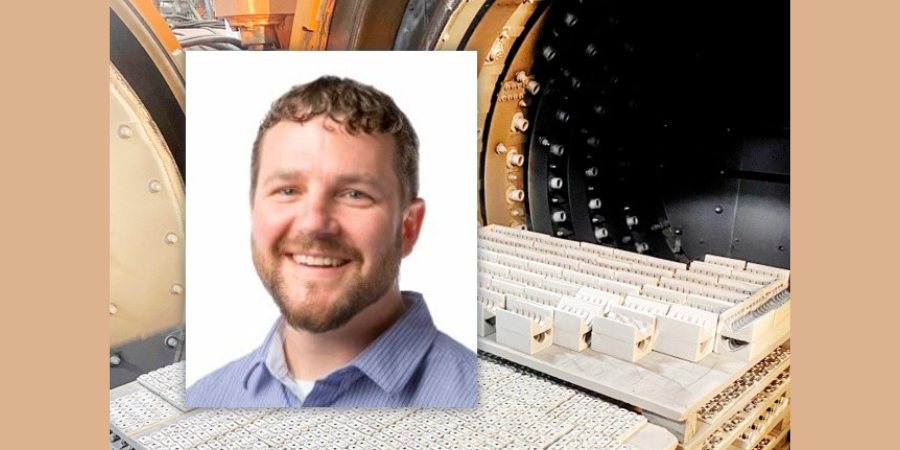
Melissa Gruszka, Quality Manager, Solar Manufacturing


  • Aerospace Testing & Pyrometry (ATP) is acquiring the assets and clients of AKA Calibrations starting June of 2020.
  • McLaughlin Furnace Group is continuing to build their new building, upgrading both for doubled capacity and product expansion.
  • MetalPro Resources, consisting of Jim Senne, Steve Maus and Bill Andreski, will assume the role of Sales Representative for the states of Ohio, Indiana and Kentucky on behalf of Solar Manufacturing.
  • Thermal Vac in California is building up its new location in Arizona, USA.

Jim Senne, Steve Maus and Bill Andreski at MetalPro

  • Bombardier officially closed the sale of the CRJ program to Mitsubishi Heavy Industries, Ltd (“MHI”). This marks a turning point for Bombardier as it completes their exit from the Commercial Aviation market.
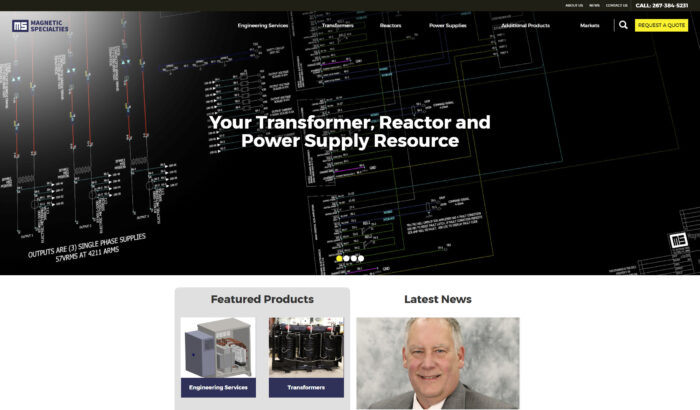
  • Magnetic Specialties (MSI) announced the launch of their redesigned website, www.magspecinc.com.

MSI launches updated website

Special Mention

On Tuesday, April 28th, 2020, Thermcraft Inc. lost its president and CEO, Mr. Thomas Morris Crafton, at 67. Tom was a dedicated and diligent leader and friend in his personal life and to those in the company.

In 1978, Tom and his wife, Nancy, moved to Winston-Salem where he joined his parents, Mr. Morris L. Crafton and his wife, Clara, at Thermcraft, founded by the couple in 1971. Tom was a successful businessman and was greatly admired by his colleagues, continually developing lasting bonds with those around him.

Tom became President & CEO of Thermcraft, Inc. and expanded the company internationally. In his time at Thermcraft, he has given presentations about small businesses in Washington DC and has relationships with companies throughout the US, Europe and Asia.

He created meaningful connections with customers and his employees, having both a witty sense of humor and always being quick with a comeback. During his daily presence at Thermcraft, Tom mentored, counseled and advised his employees, many of whom he considered his friends. He will be missed by everyone who knew him.

Heat Treat Today offers its condolences to the family of Mr. Thomas M. Crafton and the team at Thermcraft Inc.


Heat Treat Today is pleased to join in the announcements of growth and achievement throughout the industry by highlighting them here on our News Chatter page. Please send any information you feel may be of interest to manufacturers with in-house heat treat departments especially in the aerospace, automotive, medical, and energy sectors to editor@heattreattoday.com

14 Quick Heat Treat News Chatter Items to Keep You Current Read More »

Helium to Nitrogen: A Cost-Efficient Change in Heat Treat Hardening

Solar Atmospheres of Western PA is currently installing a new rapid quenching vacuum furnace that will ultimately eliminate the need for costly helium while increasing production throughput. In helium's place, the new furnace will use nitrogen only in the hardening process.

Solar Manufacturing Rapid Quench Furnace for Solar Atmospheres of Western PA  (photo source: Solar Atmospheres)

The new 48” x 48” x 96” deep 10 bar vacuum furnace is produced by Solar Manufacturing. The important difference in this furnace from its older model is the cooling design, which is equipped with a 600 HP blower designed motor. This will allow the new furnace to outperform its older model by processing larger and heavier workloads with the use of nitrogen only.

Bob Hill, President, Solar Atmospheres of Western PA

“The difference in operating costs is a no brainer,” states president of Solar Atmospheres, Bob Hill. “To marginally harden one 2000-pound high-speed tool steel roll die in our older 2 bar vacuum furnace, the use of light helium gas was a necessity. The prohibitive cost of a two atmosphere helium backfill was $1,065. Our new furnace will enable us to fully harden three 2000-pound roll dies at once using the more cost-effective process gas of nitrogen. In contrast the cost of a 10 atmosphere backfill of nitrogen will be only $89.” Hill predicts that with these increased efficiencies and savings, his normal ROI on a new piece of equipment will be significantly advanced.

Once operational, Hill will author a technical paper with the actual cooling data derived from these similarly sized vacuum furnaces.


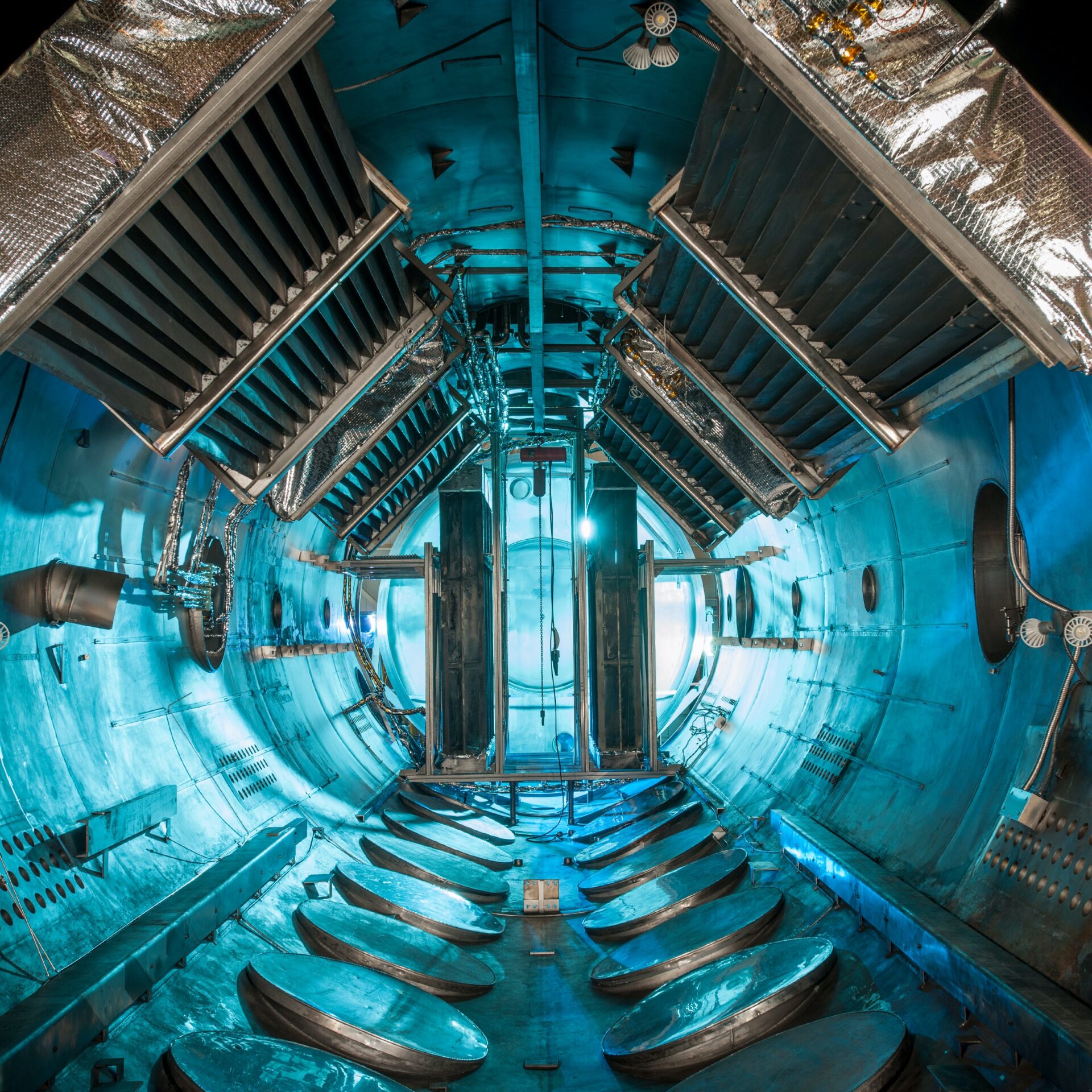
(photo source: NASA at unsplash.com)

Helium to Nitrogen: A Cost-Efficient Change in Heat Treat Hardening Read More »

Skip to content