Heat Treat Today publishes twelve print magazines annually and included in each is a letter from the publisher, Doug Glenn. This letter from the March 2026 Annual Aerospace Heat Treating print edition highlights the growing presence of heat treat-focused podcasts in North American market, spotlighting both The Heat Treat Podcast with Carlos Torres and Heat Treat Radio, including the transition to a new host, Heather Falcone and the continued evolution of digital content in the industry.
It’s amazing to me that there are at least two professionally done heat treat podcasts in the North American heat treat marketplace. There are actually more than two podcasts, but the two I’m speaking of are ongoing and very targeted toward the North American heat treat industry. Check the end of this column for a link to some of the other podcasts I won’t be discussing at length here.
The Heat Treat Podcast with Carlos Torres
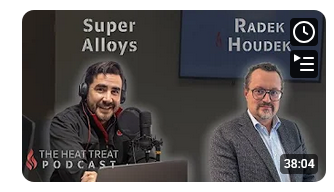
Let’s start with the podcast that it not part of Heat TreatToday — The Heat Treat Podcast with our friend Carlos Torres. Carlos is the CEO of TORSA Group Mattsa and a director at Mattsa Furnace Co. in San Luis Potosi, Mexico. Carlos’ video podcast is housed on YouTube (www.youtube.com/@theheattreatpodcast) and has roughly 70 episodes. Carlos cooperates with Super Systems Inc. (SSI) in Mexico, so it is no surprise that Episode #1 from 2021 featured SSI president and all-around great guy, Jim Oakes. Carlos is a very engaging podcast host and has interviewed the likes of Tracy Dougherty, AFC-Holcroft; John Hubbard, former CEO, Bodycote; Chip Keough of the Atmosphere Group; Chad Wright from Wirco; and many other industry notables including Joe Powell, Ben Rassieur, Karen Stanton, Jason Orosz, Jim and Andy Orr, Andrew Bassett, and Trevor Jones.
When Carlos first started his podcast, I joked with him that there was no way he could keep up the pace of turning out good quality heat treat interviews. That was at least four years ago — I was wrong. Carlos continues to do a great job interviewing and posting helpful, timely heat treat content.
Heat Treat Today
The podcast that is a part of Heat Treat Today is Heat TreatRadio. By the time this column is published in March of 2026, Heat Treat Radio will have deployed over 131 episodes since 2016. Initially, the podcasts were strictly audio, but since January 2023, episodes have been video, audio, and transcribed. The list of industry notables is too long, but suffice it to say, it is impressive.
Heat Treat Radio’s new host, Heather Falcone
The BIG news regarding this podcast is that starting last month (February 2026), Heat Treat Radio has a new host, Heather Falcone, former CEO of Thermal-Vac Technology and currently the CEO of Falcone Consulting. Since 2016, I’ve had the pleasure (and responsibility) of hosting the Heat Treat Radio. Heat Treat Today‘s managing editor, Bethany Leone, has been hugely instrumental in the scheduling and production of episodes for the past four years. Both Bethany and I have handed over the reins to Heather, and we are very excited about how the podcast will morph and grow under Heather’s leadership.
By the way, Heather, in her previous life, was interviewed by both The Heat Treat Podcast (Carlos Torres) and Heat Treat Radio. She is, by every measure, an industry legend in her own right.
The nice thing about having Heather take the lead is her ability to “talk turkey” with other industry experts…something I was not able to do being a lowly “publishing guy,” and her creativity and technical savvy when it comes to digital products like audio and video productions. We’re very excited to have Heather on the Heat Treat Today team.
If you have a topic you’d like to see covered on a future episode, or if you know of someone that you think Heather should interview, please reach out directly to Heather at heather@heattreattoday.com.
Whether it’s The Heat Treat Podcast or Heat Treat Radio, I hope you find some of the heat treat audio (and video) helpful.
The Atmosphere Group contains many familiar subsidiaries to the heat treatment world: AFC-Holcroft, Atmosphere Heat Treating, Inc., Austemper Inc., and Nitrex NTS (Nitrex, G-M Enterprises, and UPC-Marathon). Now, the U.S. operating holding company will carry out business for the Region Americas under a new name: Aichelin Americas.
Marty Poljan will continue to lead the region as president and CEO of Aichelin Americas. The group has announced that Tracy Dougherty has been promoted to president of Sales & Service and that Paul Oleszkiewicz has been promoted to president of Operations. Together, Tracy and Paul bring more than 50 years of leadership experience in the heat treating industry.
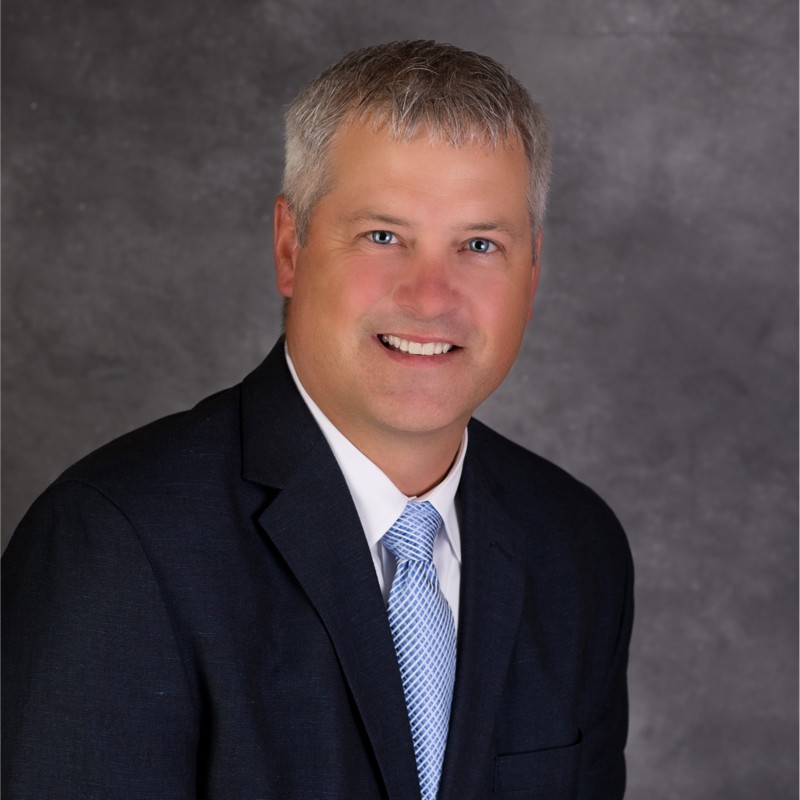
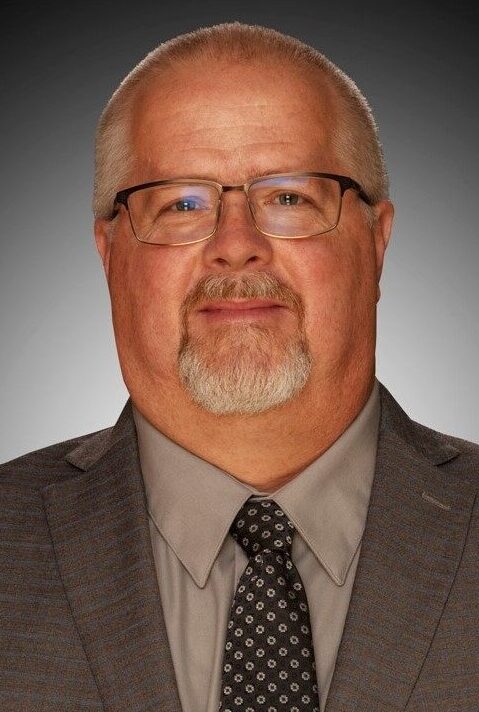
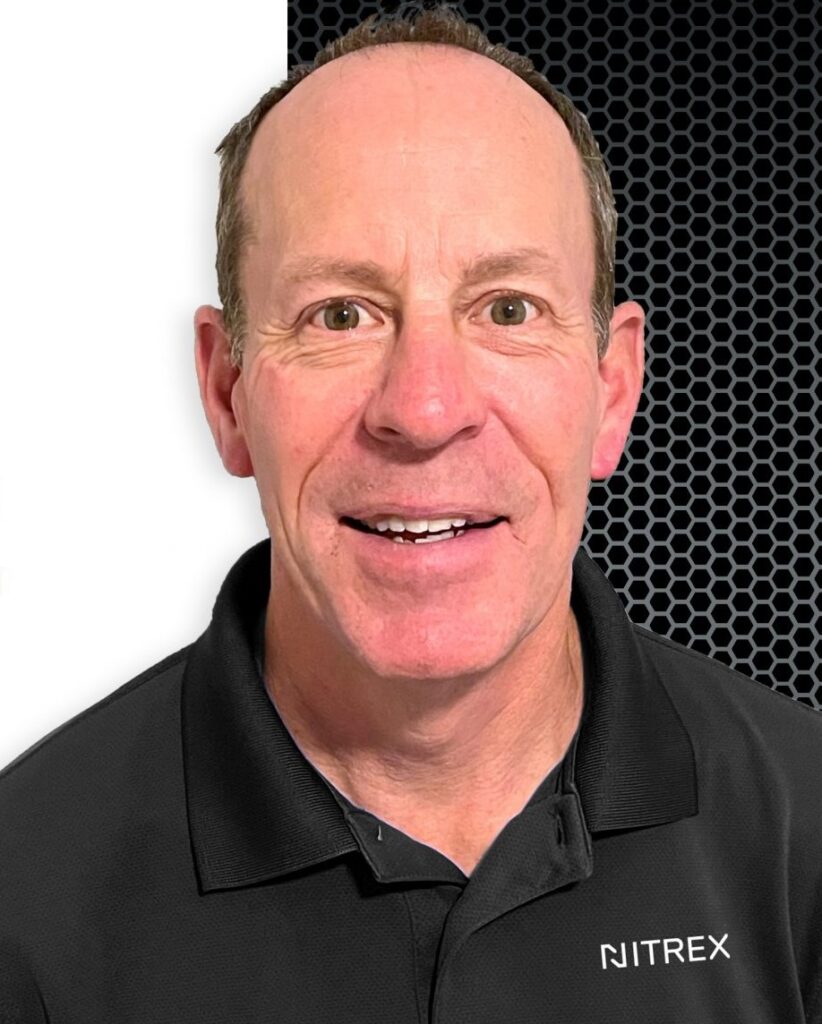
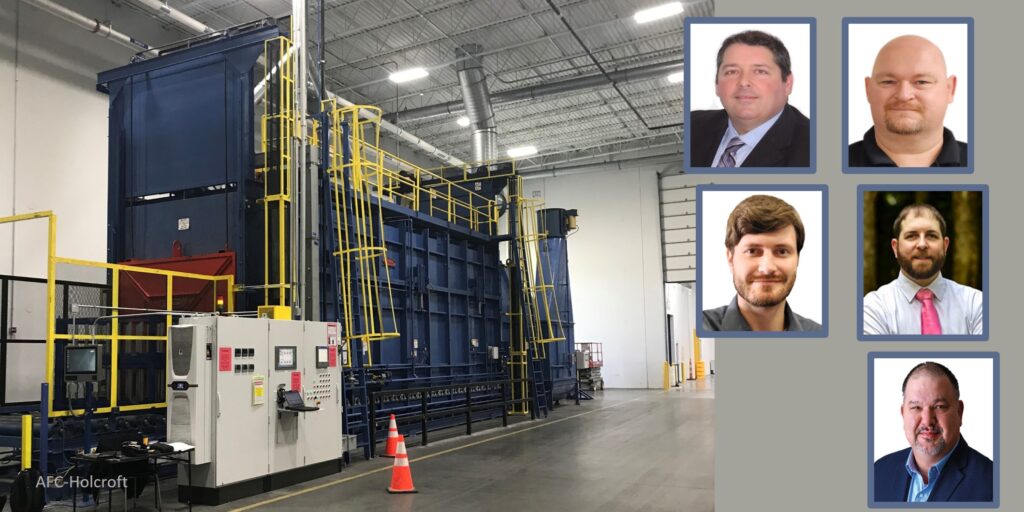
Marty Poljan President & CEO Aichelin Americas Source: LinkedinTracy Doughterty President of Sales and Service Aichelin Americas Source: AFC HolcroftPaul Oleszkiewicz President of Operations Aichelin Americas Source: Nitrex
“Our clients don’t simply buy equipment — they make a long-term decision about who they can rely on,” says Poljan. “This leadership structure reflects that reality. We are here to be a consistent, service-driven partner — not just at installation, but through every maintenance cycle, modernization and capacity expansion that follows.”
“This industry has shifted,” notes Dougherty. “Responsive service, modernization support, and clear accountability over the lifespan of their equipment. That’s where our focus is, and where it will remain.”
Delivering on that promise operationally is Paul Oleszkiewicz, president of Operations, whose three decades at Nitrex have been dedicated to engineering execution, process reliability, and technical precision.
“Engineering leadership in heat treating comes down to repeatability and trust,” says Oleszkiewicz. “A furnace isn’t just a product — it’s a long-term production system. Our responsibility is to deliver with consistency and to stand behind that equipment with real technical support.”
“A furnace isn’t just a product — it’s a long-term production system”
As Aichelin Americas continues to align its manufacturing capabilities, aftermarket service network, and engineering resources across its combined brands, it is able to offer access to a leadership team that has lived the operational realities of all things thermal processing.
Press release is available in its original form here.
Heat TreatToday offers News Chatter, a feature highlighting representative moves, transactions, and kudos from around the industry. Enjoy these 18 news items.
Equipment
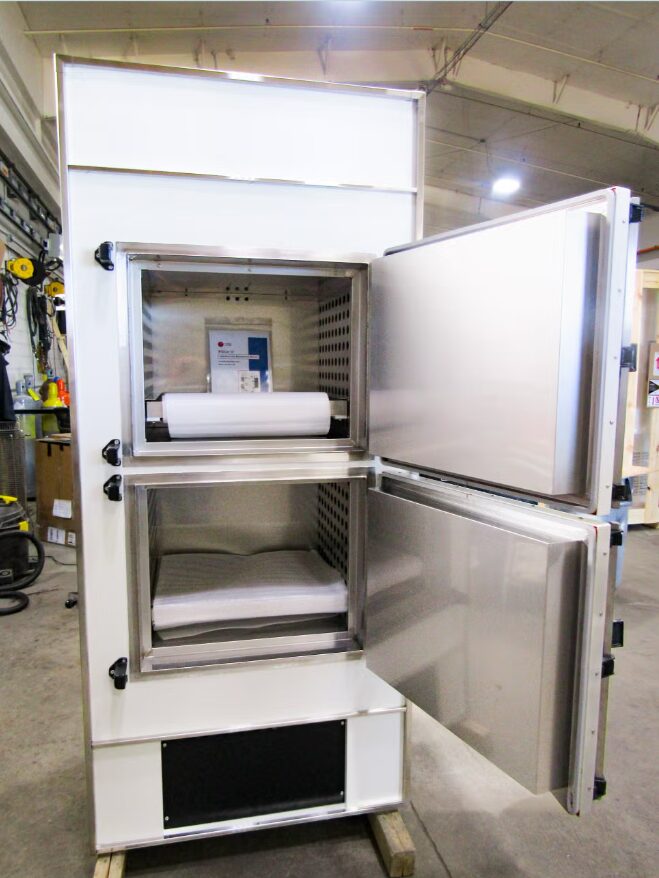
Blue M, a global industrial and laboratory ovens manufacturer, has announced the shipment of a stacked mechanical convection oven to be used for non-hazardous curing applications between 570°F and 750°F (300°C and 400°C).
Hammerer Aluminum Industries (HAI) has implemented a Nitrex nitriding system at its facility in Romania, replacing the traditional salt bath nitriding process. The new system has a load capacity of 3,300 lbs (1,500 kg), is designed specifically for treating extrusion dies, and offers controlled nitriding and controlled ferritic nitrocarburizing.
SECO/WARWICK recently completed three transactions: a European manufacturer of modern armament equipment and armaments supplier for NATO acquired a vacuum furnace with gas cooling and a molybdenum heat chamber; a Slovenian manufacturer ordered a vacuum furnace with 15 bar high pressure gas hardening and two nitriding furnaces; and a Turkish company purchased an induction vacuum furnace for melting and obtaining castings designed for manufacturing aviation components.
Blue M’s stacked mechanical convection oven for non-hazardous curing applicationsNitrex nitriding system to replace salt bath nitriding systemVacuum furnace and two nitriding furnaces sent to Slovenian clientSECO Vector vacuum furnace delivered to NATO member
Company & Personnel
Industry veteran Mark Stein was recently added to the Nitrex team as regional sales manager for Michigan territory. In his role, Mark will lead sales initiatives across Michigan, working directly with current and prospective clients to enhance service, optimize growth strategies, and ensure market demands are met.
To mark 175 years of innovation in specialty chemicals and distribution, Hubbard-Hall recently unveiled a new logo and a completely redesigned website. The updates reflect the company’s rich history and ongoing evolution, noting its founding year of 1849.
Bluestreak Compliance, a quality management (QMS) and manufacturing execution system (MES), has hired Rory Godsell as its new Cybersecurity Compliance Specialist to assist clients and their vendors in achieving compliance of NIST 800-171, CMMC and DFARS. He brings expertise in cybersecurity, penetration testing, ethical hacking, digital forensics, cyber operations, and project management, to the company’s mission of advancing CMMC certification services.
Steelhead Technologies, which delivers ERP, MES, and CRM solutions designed to transform job shop manufacturing, recently announced the successful completion of a $12.5M Series B funding round. This brings the company’s total funding to $23 million.
Ipsen USA announced the promotion of two team members to new roles in 2025. Matt Clinite has been promoted to Ipsen USA Sales Director, and Christina Connelly has been promoted to Director of Ipsen Customer Service (ICS) – Parts.
Mark Stein Regional Sales Manager for Michigan Territory NitrexScreenshot of Hubbard-Hall’s new websiteRory Godsell Cybersecurity Compliance Specialist Bluestreak Compliance $12.5M in funding for Steelhead Technologies Matt Clinite Sales Director Ipsen USAChristina Connelly Director of Customer Service (ICS) – Parts Ipsen USA
Kudos
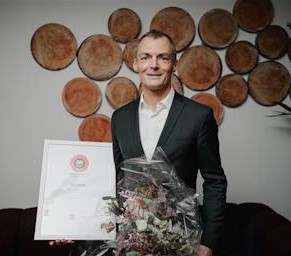
Kanthal, a leader in industrial heating technology, has won the prestigious industry award “E-prize” in the category Energy Optimization for its technology that helps companies and industries transform to a fossil-free production. The award is organized by Sweden’s largest business newspaper, Dagens Industri, and the newspaper, Aktuell Hållbarhet, together with the energy group E.ON.
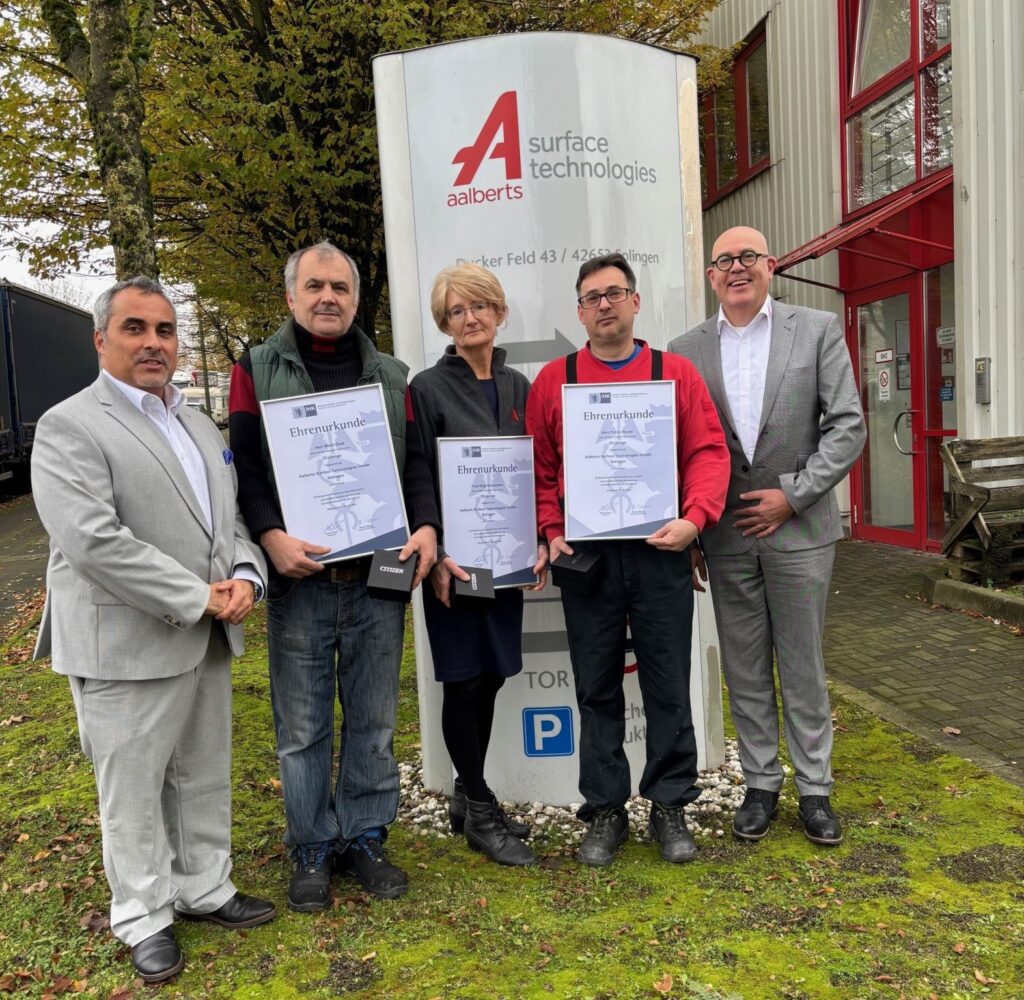
Aalberts surface technologies honored Olga Kovalenko, Patric Keune and Metin Önal for 25 years of commitment in Solingen. Presenting the certificates were Guido Heijnen, sales director, and plant manager Miguel Rodrigues.
TAV VACUUM FURNACES was recently awarded the title of “Best Performer Enterprise 2024 in the Province of Bergamo.” This prestigious award is reserved for the top 1000 companies in the province.
StandardAero was selected by US-Bangla Airlines, a leading Bangladeshi carrier, to provide OEM-authorized PW127M Maintenance, Repair and Overhaul Services. In addition, the company has been chosen by Brazilian Air Force to support PT6A-68C engines powering its A-29 Super Tucano Fleet, it has secured Indian DGCA Approval for its OEM-authorized PW127M Maintenance, Repair and Overhaul Services, and it has received CAAC Approval for Its LEAP-1A and LEAP-1B Engine MRO Services, enabling it to support A320neo and B737 MAX operators across China.
HeatTek, a leader in manufacturing ovens and washers, recently celebrated the company’s 25th anniversary, noting its numerous achievements since 1999, including industry accolades, editorial recognition, as well as awards identifying its positive culture as an employer. “We are incredibly proud to celebrate this milestone,” says Jason Plowman, president and 2nd generation owner of HeatTek. “The success we’ve achieved over the past 25 years is a direct result of the hard work and commitment of our employees, the trust of our customers, and the support of our partners. We look forward to continuing our journey of innovation and growth in the years to come.”
Ron Waligora, chief operating officer for AFC-Holcroft, recently announced his retirement date of May 4, 2025. Throughout his 36 years with the company, he moved through the engineering disciplines and eventually into a management role as mechanical engineering manager and later senior engineer manager in 2015. In the spring of 2023, Ron Waligora and Tracy Dougherty assumed the roles of chief operating officers. Upon the announcement of Ron’s retirement, Tracy assumed the role of president and CEO on January 1, 2025.
Aalberts surface technologies is proud to announce they have received the EcoVadis Bronze Medal. The sustainability rating reviews a company’s management of economic, environmental, and social performance, covering different industries, locations, and company sizes contributing to business sustainability on a global scale, and is based on a “best-in-class” approach, assessing whether a company reaches the best possible level for their business activity.
The Divergent team was recently granted the Nadcap12-month Accreditation for the Additive Manufacturing (AM) scope.
Solar AtmospheresGreenville, SC facility announced it has been awarded Parker Aerospace approval.
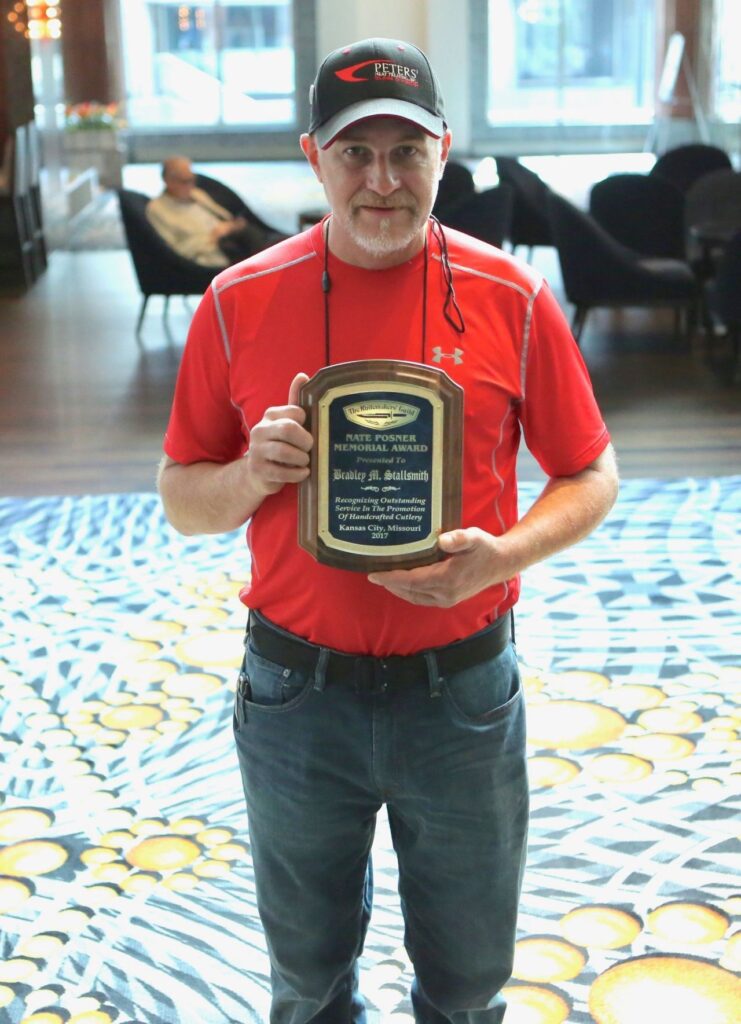
Brad Stallsmith recently marked his retirement after 43 years of dedicated service at Peters’ Heat Treating. His journey has included starting the Blade Division, mentoring new team members and ensuring high standards in processing.
Nicolai Schaaf, Sustainability Manager at Kanthal, with E-prizeMiguel Rodrigues, Metin Önal, Olga Kovalenko, Patric Keune, and Guido Heijnen, of Aalberts surface technologiesTAV board member Gerolamo Soliveri on the company’s recognition
Jason Plowman President/Owner HeatTekRon Waligora, retiring COO, AFC-HolcroftBrad Stallsmith, retiring after 43 years, Peters’ Heat Treating
AFC-Holcroft (AFCH), an industrial furnace manufacturer based in Wixom, MI, recently announced a strategic partnership with Tokai Konetsu Kogyo Co., Ltd. (TKK), a designer and manufacturer of industrial furnaces in Japan and China. The merger is aimed at enhancing their industrial furnace business for electronics part and battery material (anode/cathode) processing in North America.
Tracy Doughterty Chief Operating Officer AFC Holcroft Source: AFC Holcroft
AFC-Holcroft designs and manufactures a wide range of industrial furnaces, including universal batch quench, pusher, continuous belt, roller and rotary hearth, and walking beam furnaces, predominantly for the North American market. Tokai Konetsu Kogyo Co., Ltd., based in Tokyo, Japan, is an industrial furnace manufacturer with a client base primarily in Japan and China. The company has supplied continuous and batch furnaces and battery material processing furnaces to industrial sectors across North America, including the United States, Canada, and Mexico, as well as Asia.
“AFC-Holcroft is thrilled to join forces with TKK,” said Tracy Dougherty, chief operating officer of AFCH. “Together, we will drive innovation and deliver exceptional value to our EV customers in the anode and cathode materials industrial furnace market.”
The press release is available in its original form here.
Heat TreatToday offers News Chatter, a feature highlighting representative moves, transactions, and kudos from around the industry. Enjoy these 18 news items.
Equipment
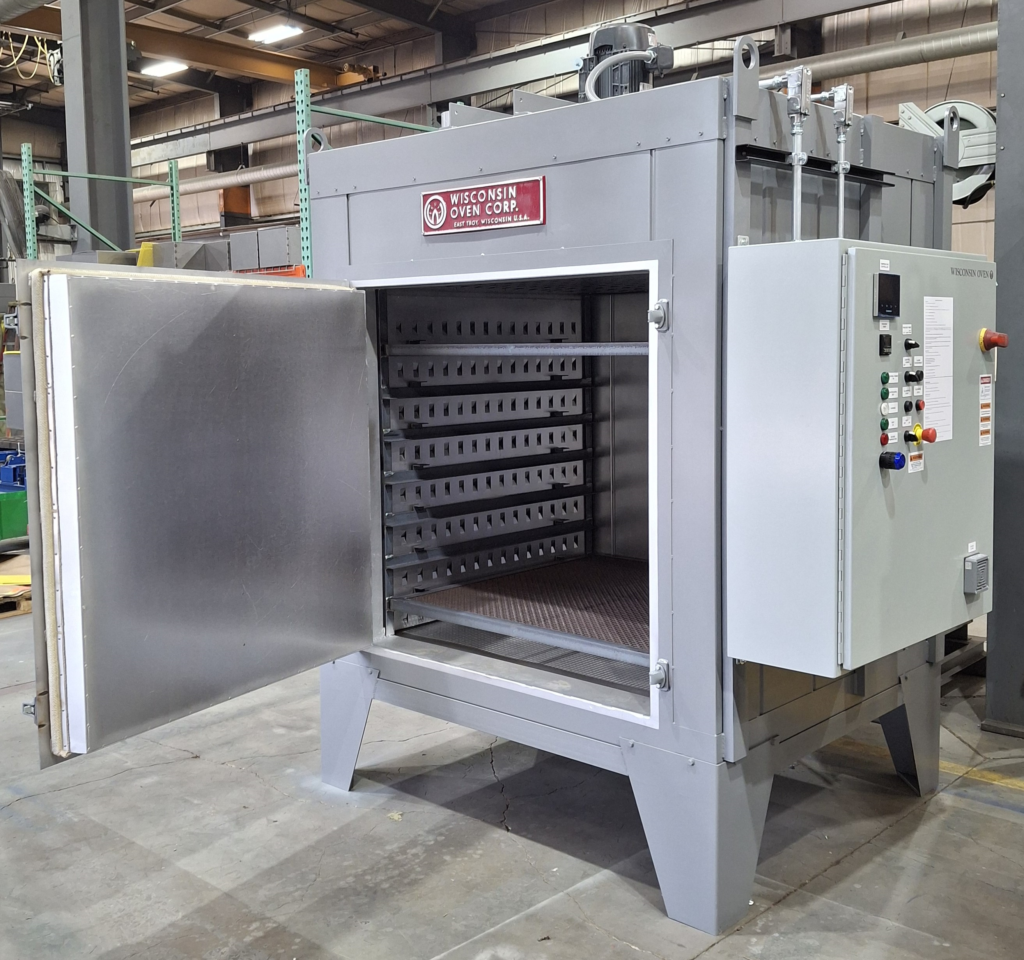
A Canadian automotive components manufacturer recently expanded its operations with an electrically heated small batch oven to be used for curing arts. The small batch oven was manufactured by Wisconsin Oven, designed to utilize combination airflow to maximum heating rates of 650°F and temperature uniformity.
With the successful conversion to a four-stand finishing mill, Henan Yirui New Materials Technology Co, Ltd, officially began production. SMS Group converted an existing hot rolling mill into a tandem finishing mill by adding three new finishing mill stands, developed for refurbishing and integrating components.
KALLER, a manufacturer of gas springs and gas hydraulic systems based in Sweden, recently launched its fully automated line of hardening furnaces for surface coatings on gas springs. The hardening systems were supplied by Ipsen International.
Electrically heated small batch oven to be used for curing arts at Canadian automotive components manufacturer. Source: Wisconsin OvenFully automated line of hardening furnaces installed at Kaller Source: LinkedInFAC Signing Ceremony L-R: Rüdiger Roger Wiechmann, Project Manager at SMS group, with Zheng Guoqiang, Project Manager at Henan Mingtai Aluminium). Source: SMS Group
Company & Personnel
Steve Fuller has joined the team at Nitrex HTS as the new plant general manager at their Michigan location. He brings 45 years of experience in commercial heat treating, machine tool manufacturing, fabrication, quality management, and more.
Bobby Boom, Tim Litchauer, and Wade Sholmire, have been added to the Superheat team as business development managers. Wade is the new National BDM, Tim will oversee the Greater Houston Area, and Bobby will manage the Southeast Texas, Louisiana, and Arkansas regions.
Chris Martin has been promoted to regional sales manager for the Southeast by Ipsen. Chris will be responsible for leading a team of seven that includes six field service engineers and one service administrator.
Adam Woelber has been promoted to manager of aftermarket parts and service at AFC-Holcroft.
Ethan Castle has been appointed the St. Louis plant manager for Paulo Heat Treating, Brazing, and Metal Finishing, recognized for his leadership, technical capability, and mentoring role, in addition to representing the company within the North American Diecasting Association and National Tooling and Machining Association. Ethan has also been named to Heat TreatToday‘s 40 Under 40 Class of 2024.
Gary Doyon has stepped down from his role as CEO of Inductotherm Group, after 15 years in the position and 38 years with the company. Mick Nallen and Satyen Prabhu have taken as co‐leaders at the company, which provides thermal processing technologies. Mr. Doyon will remain actively involved with the company, assisting with specific operational needs of other businesses owned by the Rowan family and pursuing new business avenues and opportunities for the Inductotherm Group.
Ipsen USA has launched its Field Service Engineer Academy, designed to be a 20-week in-depth program with classroom training and experience in the field with veteran service technicians. Darci Johnson, program and transformation manager at the company, is leading the implementation of the FSE Academy. Content will focus on the fundamentals of vacuum furnace repair.
Industrial furnace equipment manufacturer Gasbarre welcomed Dan Hill as product development manager; he will be based at the company’s Livonia, Michigan, facility. A licensed professional engineer, Dan brings a diverse background in capital equipment, spanning material handling, control systems, boilers and furnaces, combustion systems, and industrial washing/deburring equipment.
The U.S. Navy recently selected StandardAero to serve as its engine depot-level repair prime contractor to perform Rolls-Royce T56-A-427A engine MRO services, supporting the Navy’s fleet of E-2D Advanced Hawkeye aircraft. The aerospace aftermarket service supplier has also announced that Turkish and European Boeing 737 Operator Corendon Airlines has extended its contract for the support of CFM LEAP-18 engines.
Ipsen USA recently announced the formal launch of its Service HUBmodel, marking a significant shift in how the company delivers customer service and support across the United States. The program has been under the direction of Geoffrey Somary, the company’s global CEO. Currently being led by John Dykstra, chief service officer, the HUBs now provide services across a large portion of the Midwest and Southeastern United States. Lu Chouraki, manager of business development, is leading the implementation of the HUBs.
Steve Fuller Plant General Manager Nitrex HTS Source: Nitrex Wade Sholmire National Business Development Manager Superheat Source: SuperheatTim Litchauer Business Development Manager for the Greater Houston Area Superheat Source: SuperheatBobby Boom Business Development Manager for Southeast Texas, Louisiana, and Arkansas Superheat Source: Superheat
Chris Martin Regional Service Manager for the Southeast Ipsen Source: IpsenAdam Woelber Manager of Aftermarket Parts and Service AFC-Holcroft Source: AFC-HolcroftEthan Castle St Louis Plant Manager
Source: PauloGary Doyon Retiring CEO Inductotherm Group Source: Inductotherm Group The launch of Ipsen USA’s Field Service Engineer Academy Source: Ipsen USADan Hill Product Development Manager Gasbarre Source: Gasbarre
Kudos
James Wellborn, gas nitride manager at Advanced Heat Treat Corp, celebrates 25 years with the company.
Patricia Miller, director of technical services at Uddeholm, has been named the Technical Committee Member of the Year by North American Die Casting Association (NADCA).
Denise Blaubach, who is known as the resident flow meter assembly expert at UPC-Marathon in Wisconsin, recently celebrated 35 years with the company.
Constellium today announced it has achieved Aluminum Stewardship Initiative (ASI) Performance Standard Certification for all its operations, and for its corporate office in Paris.
Sinosteel E&T and Tenova have successfully completed the performance test for the ENERGIRON DRI Plant at the Baosteel Zhanjiang site in China. The sustainable hydrogen-based 1,000,000 tonnes/year ENERGIRON Direct Reduction (DR) plant demonstrated the nominal production of DRI, reducing carbon dioxide emissions and marking a significant step in the green steel industry.
James Wellborn Gas Nitride Manager Advanced Heat Treat Corp Source: Advanced Heat Treat Corporation Patricia Miller Director of Technical Services Uddeholm Source: UddeholmDenise Blaubach celebrates 35 years at UPC-Marathon Source: UPC-MarathonENERGIRON DRI Plant at the Baosteel Zhanjiang site in China where Sinosteel E&T and Tenova complete performance test Source: Tenova
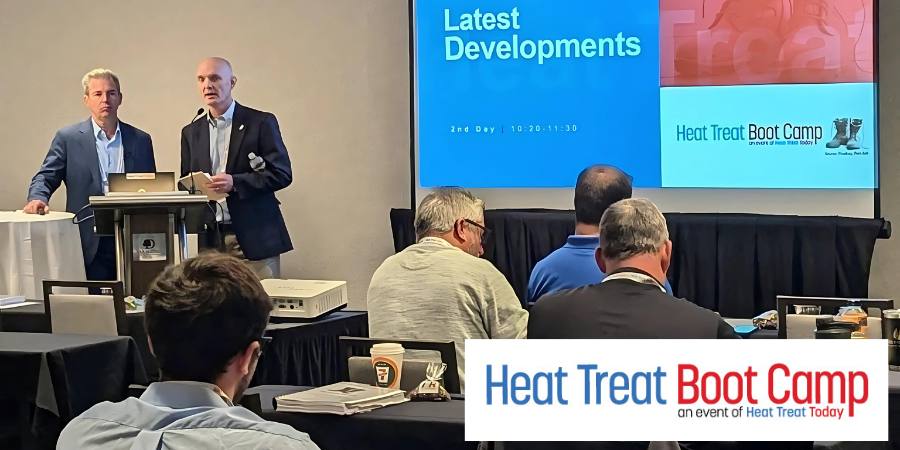
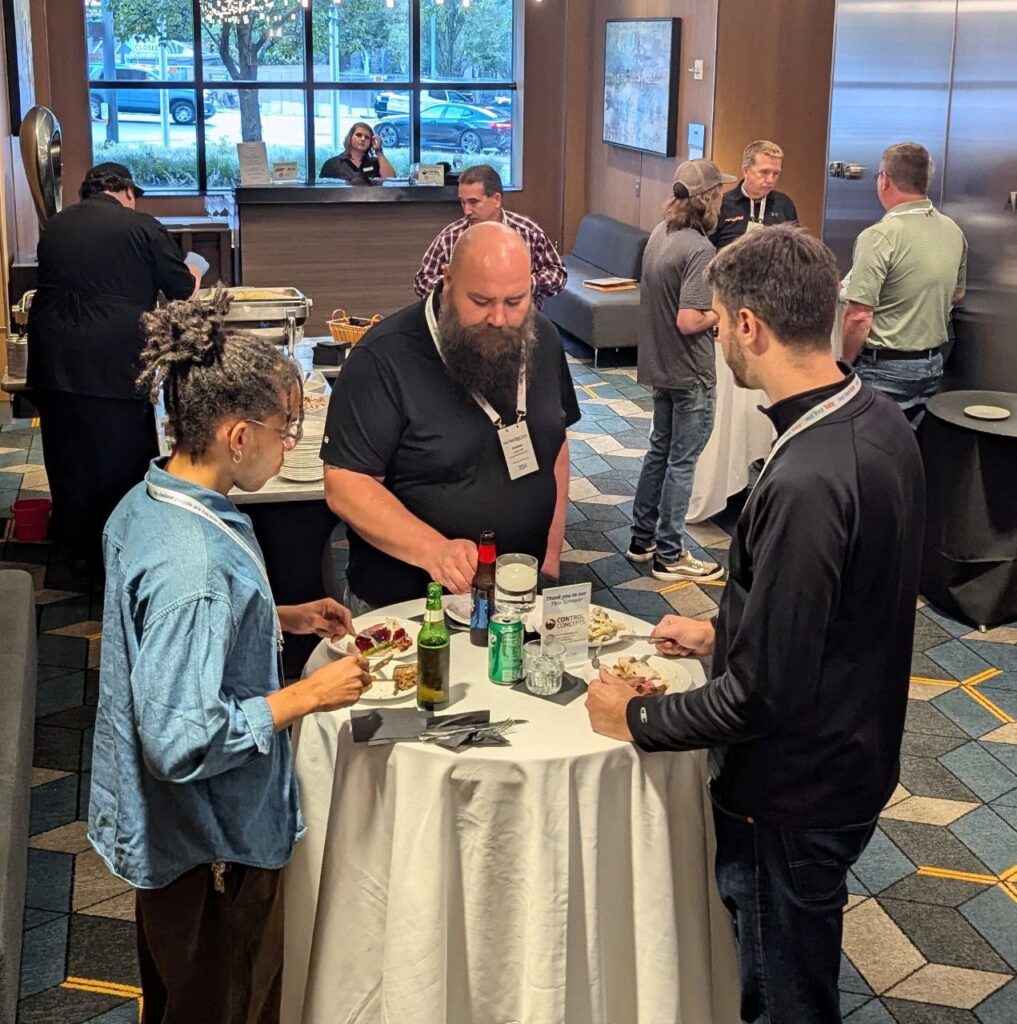
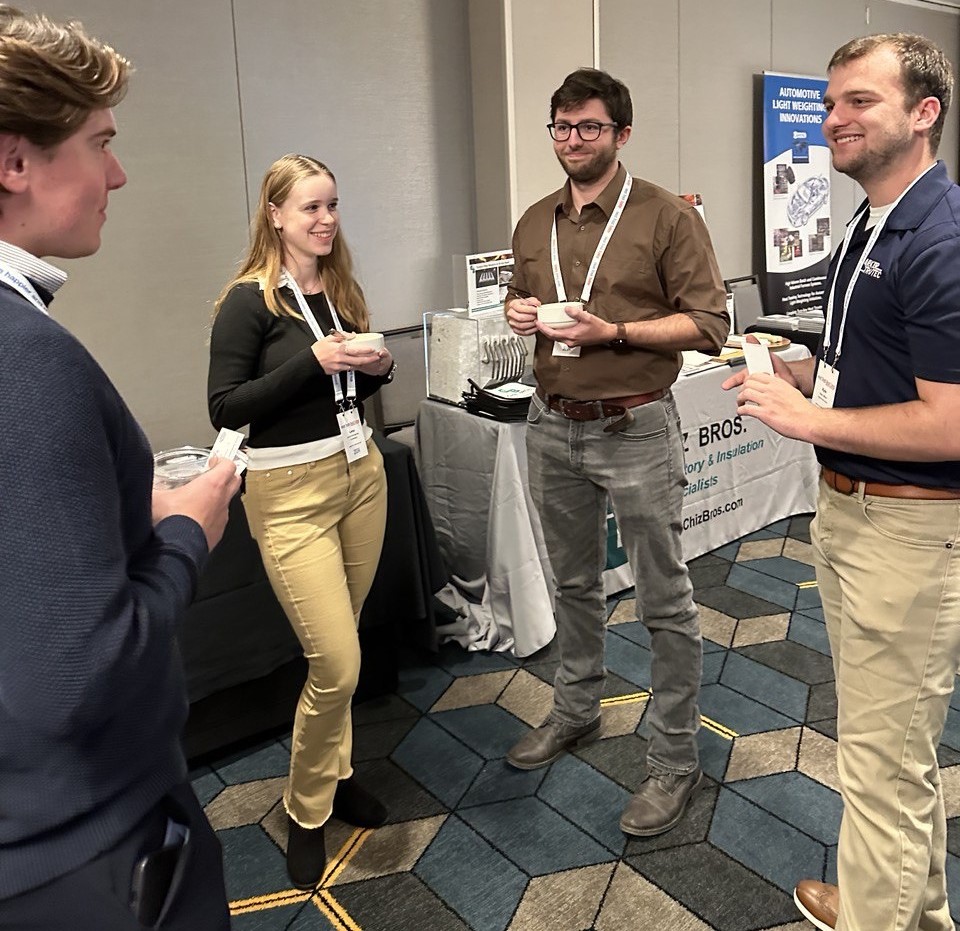
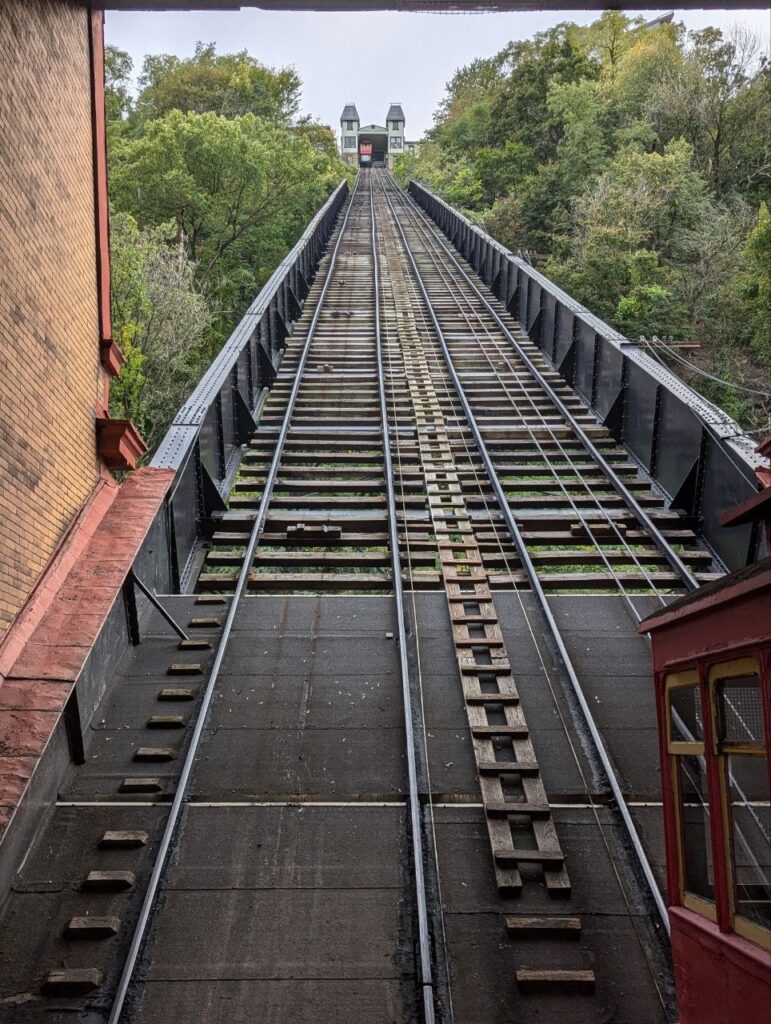
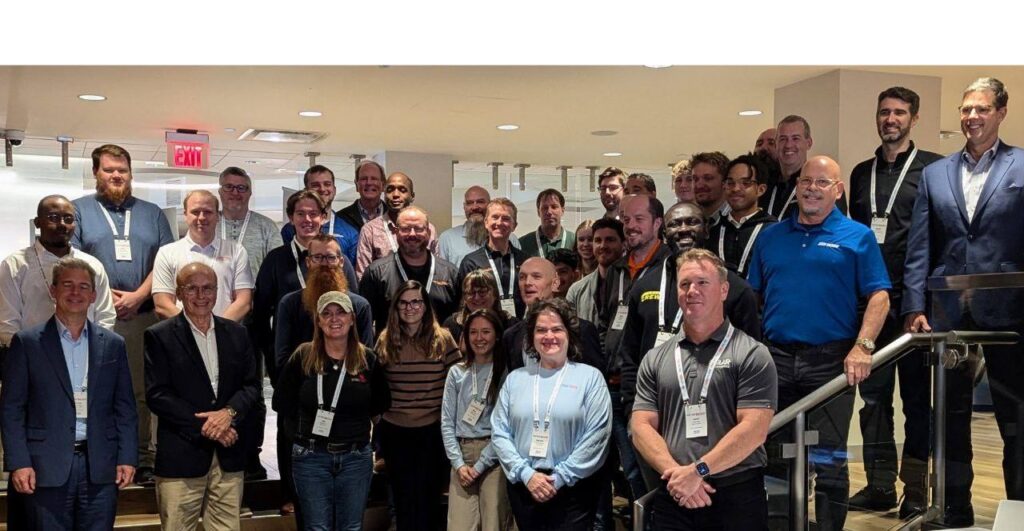
Heat treat industry players from across a spectrum of facilities, suppliers, and manufacturing specialties landed in Pittsburgh, Pennsylvania, on Monday, September 24, 2024, to kick off Heat TreatBoot Camp 2024. Attendees networked, gained new practical knowledge, and participated in a tour of a local commercial heat treating facility. It wasn’t all work; an opportunity to get to know one another at a meet-and-greet reception upon arrival and later on a trip up Pittsburgh’s Duquesne Incline allowed boot campers to relax and connect, balancing work with fun.
A day and a half of sessions led by instructors Doug Glenn, publisher and founder of Heat TreatToday, and Thomas Wingens, president/CEO and founder of WINGENS International Industry Consultancy, brought the 39 trainees up-to-speed on “Processes & Materials,” “Heat Treat Players,” “Latest Heat Treat Developments,” and more. Questions and discussion were encouraged during the formal sessions, and heat treaters had plenty of informal, additional learning time through interactions with each other and the instructors.
At the end of the first day of lectures, nearly all of the attendees boarded a school bus to visit the Duquesne Incline on Mount Washington and enjoy the view of Pittsburgh. Following another day packed with training and resources, attendees had the option to visit Solar Atmospheres in Hermitage, Pennsylvania, to tour the in-house vacuum heat treating and brazing facility.
Ike Okoh Product Engineer Dry Coolers
“I’ve enjoyed talking about the different types of heat processes and the types of furnaces — vacuum and atmosphere air systems,” said Ike Okoh, a product engineer with Dry Coolers, Inc, based in Michigan. “The questions I had before the course started were answered during the course, and the most beautiful part of the program was that it’s not always you get to see CEOs and or business owners in the training sessions with you. It’s wonderful to get to meet them and find out more about them and their companies.
“The instructors, Doug and Thomas, were really nice, went through the course and broke down some of the issues, took questions and answered them,” Okoh added. “All in all, it’s been an enlightening experience.”
“Every group that’s been here is different,” said Glenn. “This group has been really fantastic; it’s an engaging group, and overall, we’ve heard positive feedback that the sessions and networking have been helpful. So, thanks to everyone who has come, and we look forward to seeing others next year.”
Highlights of the Event
Monday evening’s meet-and-greet allowed participants to network and connect.
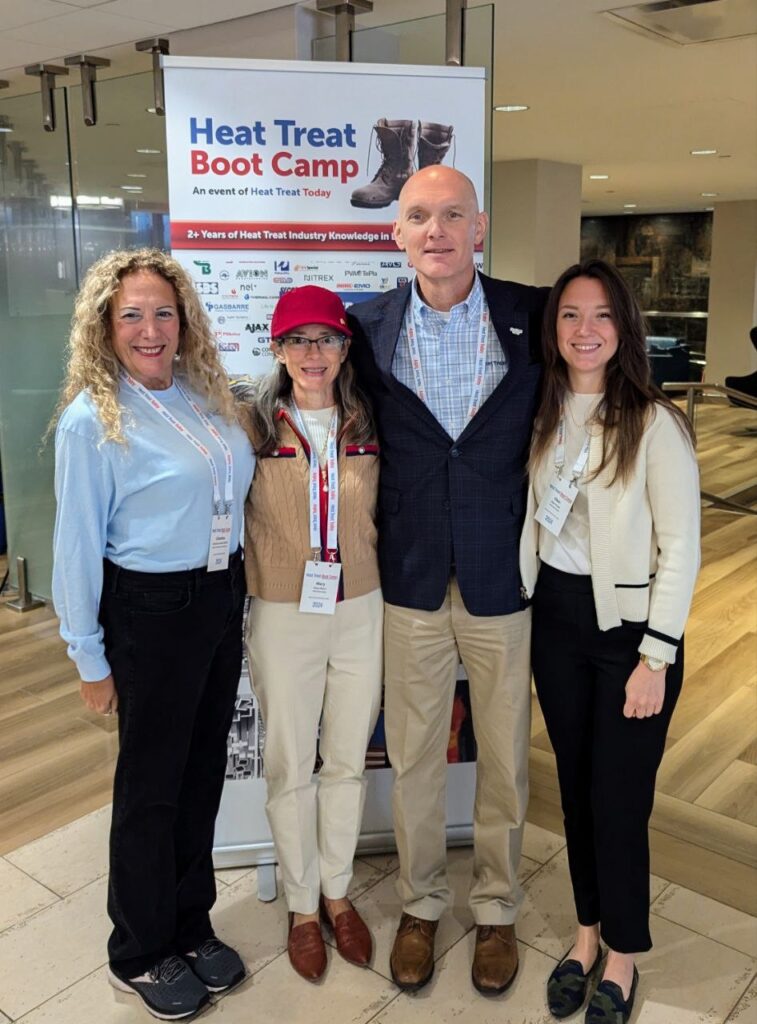
Days 1 and 2 of instruction from Doug Glenn and Thomas WingensField trip to Pittsburgh’s Duquesne Incline after Day 1 of instructionHTBC 2024 team and attendees
Keep your eyes open for your invitation to join us in 2025 for our fourth year of training up heat treaters of the future. Be sure to register early and bring friend and coworkers!
Roller hearth furnaces are known as the work horses of the heat treating industry. Though they may be common, these furnaces still hold some surprises — namely, their diverse applications, potential to be fully automated, and long life span. Five industry leaders provide insight into the current furnace features and how to optimize them for annealing heat treat. As you read, notice the different emphases each expert addresses.
This Technical Tuesday was originally published inHeat Treat Today’sJanuary/February 2024 Air and AtmosphereHeat Treatprint edition.
Application Determines Customizable Furnace Features
This type of furnace is highly customizable, and, as Tim Donofrio, VP of Sales at Can-Eng Furnaces International explains, knowing the application will determine furnace features.
What Features Do You Offer on Your Roller Hearth Furnace for Annealing Various Materials?
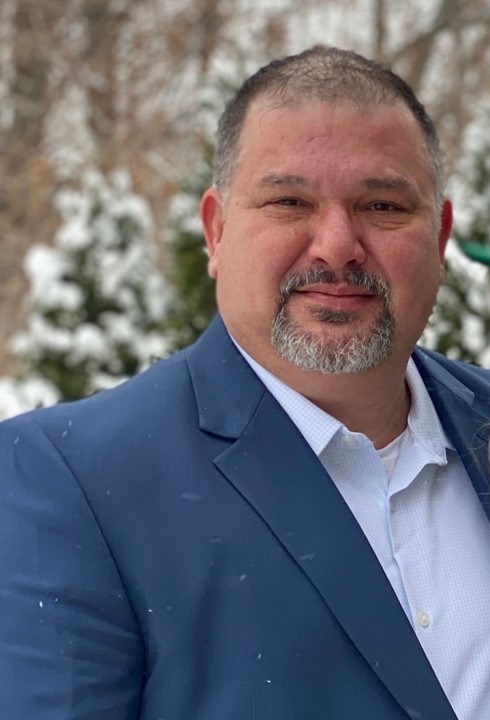
Tim Donofrio Vice President of Sales Can-Eng Furnaces International, Ltd. Source: Can-Eng Furnaces International, Ltd.
The following is based on roller hearth furnaces operating at or above 1400°F.
Annealing furnace features depend upon the material being processed and the metallurgical process being carried out. They can be provided with a wide variety of features for preheating, annealing, slow cooling, oxidizing or bluing and accelerated cooling.
Preheating features include direct or indirect heating applications, under air or controlled atmospheres. Preheating in some cases requires features for burn-off of residual blanking fluids prior to entry into the critical anneal chamber and as such, the off -gas must be appropriately addressed.
Annealing can be a direct or indirect heating application using natural gas, blended hydrogen/natural gas, and electrical energy sources. Process protective atmospheres include N2, Exothermic gas, Endothermic gas, N2 + H2, and H2. In some cases, process atmospheres must be carefully controlled and monitored to very low O2 PPM levels to ensure correct oxides are formed or, alternatively, a bright oxide-free finish is achieved, something very critical when annealing electrical steels for transformer core and motor annealing. Today we see a rise in the use of roller hearth furnaces for the manufacture of transformer core and motor cores, processing electrical steels and amorphous metals. This is largely a result of the electrification of the world.
Post-annealing cooling and bluing are paramount to the process success. In most cases, cooling and soaking stages are provided through the integration of direct and indirect cooling methods that include air, water, and externally chilled atmospheres that can be directly injected into the furnace system and recirculated.
How Is Your Roller Hearth System Unique?
Roller hearth furnaces are the work horse of the industry; they are used for a variety of other heat treating applications. For example, roller hearth furnaces can also be used for low temperature curing, tempering, and aluminum heat treating applications. These lower-temperature roller hearth furnaces do not operate above 1400°F and are built with different fabrication and refractory standards. Of course, additional high temperature applications include neutral hardening, case hardening, carbonitriding, isothermal, and spheroidizing annealing and normalizing.
Roller hearth furnace
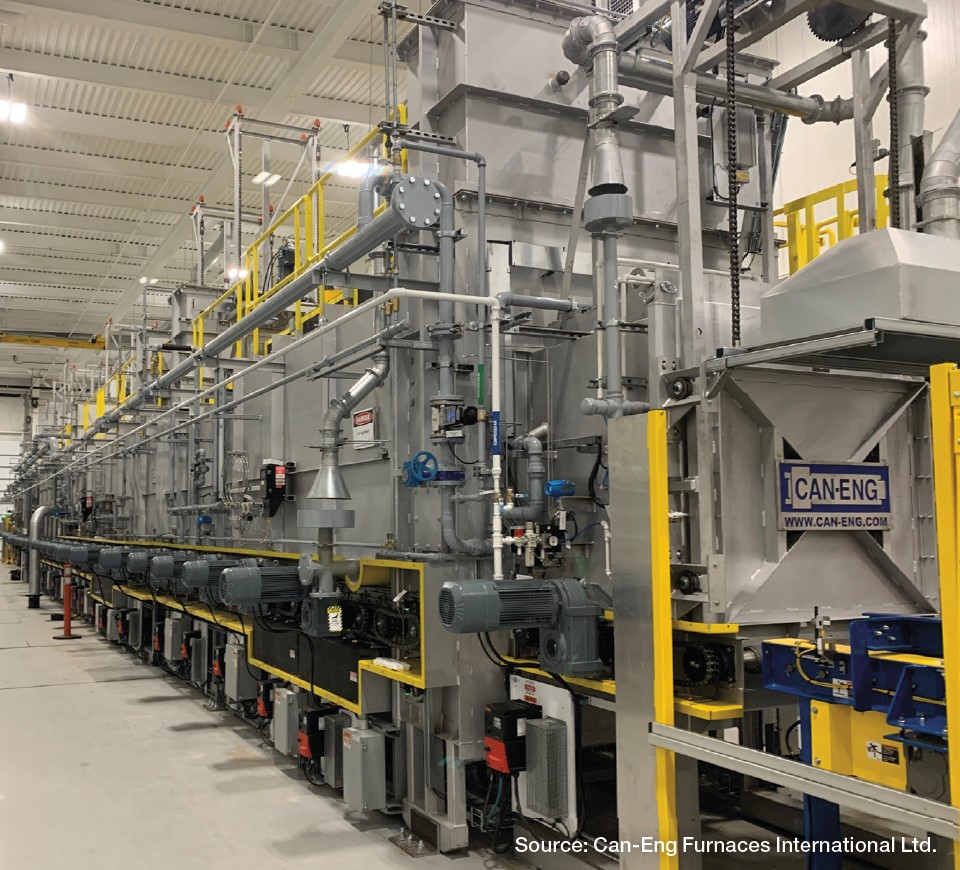
Can-Eng Furnaces International offers roller hearth annealing furnaces that meet the stringent demands of today’s manufacturers where safety, product quality, and equipment reliability are at the top of our engineers’ minds during design and development. Can-Eng has developed a strong user base that has benefited from design features that ensure tight temperature control and repeatable thermal profiles while also tightly controlling process atmospheres. This is achieved by integrating some of the best available heating and atmosphere technologies while being combined with state-of-the art automation and robotics to deliver the lowest cost of ownership processing systems to our clients.
What Are Best Practices for Training In-House Operators on Roller Hearth Annealing?
Our company promotes hands-on and classroom multi-level training of operators, maintenance staff, and engineers. This provides a complete and full understanding of the equipment and the opportunity to train within the company for future talent development.
What Are the Furnace’s Operational Advantages?
Can-Eng integrates operator-friendly features that contribute to the reduction in energy and atmosphere consumption while minimizing the carbon footprint and emission levels. Combined with on-board system diagnostics, monitoring, and data collection, these allow for minimal operator involvement.
What Is the Most Common Heating Method?
Today, the most common methods are both natural gas and electric. However, Can- Eng works to integrate features that provide our partners with the benefits of reusing waste heat sources such as flue gases within the system or facility to improve operating efficiencies.
What Are the Challenges in Operating This Type of Furnace?
These (atmosphere control, maintenance, uptime, and temperature control) are all typical challenges that are addressed in design. The key is to design flexibility, ease of use, and operator-friendly features to avoid problems in the future when the client wants to process different products in a different way.
Training and Maintenance To Optimize Uptime
Bob Brock, sales engineer at AFC-Holcroft, emphasizes the importance of training and maintenance to best operate the roller hearth system.
What Features Do You Offer on Your Roller Hearth Furnace for Annealing Various Materials?
Bob Brock, Sales Engineer, AFC-Holcroft
Roller hearth furnaces are designed to provide greater uptime, ease of maintenance, and trouble-free operation and are always custom-designed to meet our clients’ specific processing requirements.
Modular designs are available to accomplish basic heating, holding, and cooling segments but also to incorporate burn off, cyclic spheroidizing, bluing, fast cooling, and blast cooling under controlled atmospheres ranging from Endothermic to Exothermic gases, nitrogen, hydrogen, and products of combustion. A broad range of material handling automation and control platforms providing total data monitoring, controlling, tracking, and acquisition capability are also offered.
How Is Your Roller Hearth System Unique?
AFC-Holcroft has designed, built, and commissioned hundreds of roller hearth manufacturing, and fi eld support teams have extensive knowledge and experience with annealing, isothermal annealing, normalizing, carburizing, and solution and aging processes for ferrous and nonferrous applications. This expertise has well positioned us in the roller hearth furnace market.
What Are Best Practices for Training In-House Operators on Roller Hearth Annealing?
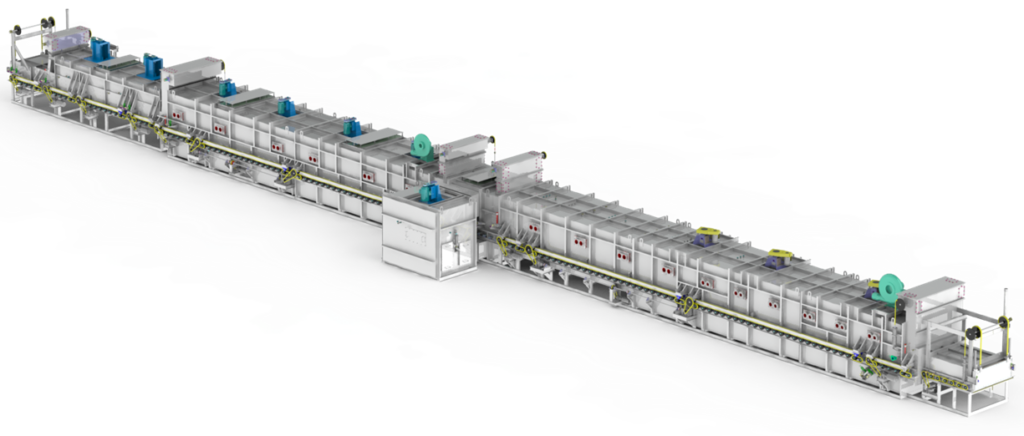
3D image of annealing roller hearth furnace Source: AFC-Holcroft
We use a two-step approach when training operators on our equipment. First, hands-on training provides the best opportunity to learn equipment operation, startup and shutdown procedures, as well as maintenance tasks. Second, we follow up hands-on training with classroom discussions to further the operator’s knowledge of equipment and the use of our operating manual. Our two-step approach arms our client operational team with the confidence and knowledge they need to be successful from day one.
What Are the Furnace’s Operational Advantages?
Roller hearth furnaces are designed and built with longevity and uptime in mind. From our integrated preventative maintenance reminders, robust construction, and user-friendly controls, it’s not uncommon to see our equipment still in operation for 50 years or longer.
What Is the Most Common Heating Method?
Natural gas continues to be the predominate heating source in North America, although we have seen an increased interest for alternate heating sources like electric, hydrogen, and bio over the last several years. We anticipate this trend to continue as companies invest in minimizing their carbon footprint, and can provide clients with carbon footprint analysis and operational costs on our equipment.
What Are the Challenges in Operating This Type of Furnace?
Routine equipment maintenance is key to operational uptime. AFC-Holcroft offers a wide range of preventative maintenance programs for our clients. The services can be customized to include hot and cold inspections, thermal imaging, burner tuning, and equipment optimization analysis.
Consistency Is Key To Increase Furnace Life
Given that the roller hearth furnace is a continuous system, understanding how the system works and operating at the correct, consistent rate is crucial for success. Jacob Laird, mechanical engineer at Premier Furnace Specialists, dives in deeper.
What Features Do You Offer on Your Roller Hearth Furnace for Annealing Various Materials?
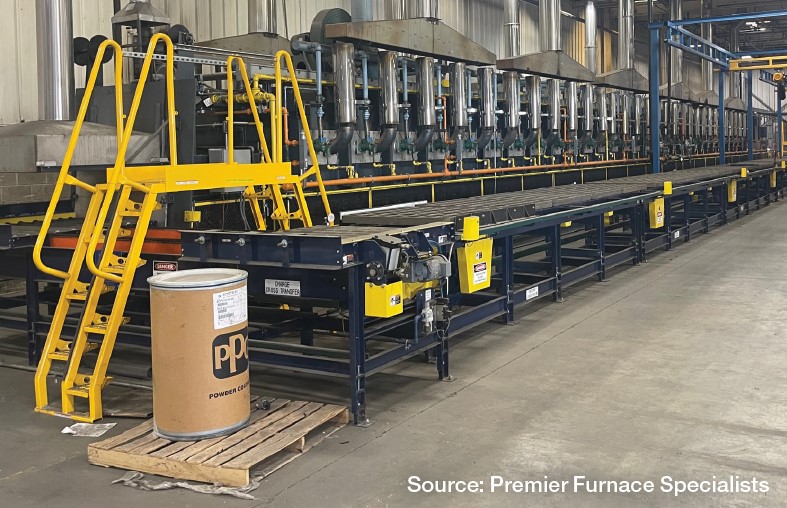
Premier Furnace Specialists (PFS) is capable of building annealing furnaces for a wide range of workloads. We have built small batch normalizing furnaces with simple manual roller hearths, as well as 120+ foot long fully automated annealing roller hearths with multi-zone control and automatic load staging. We also offer a variety of controlled heating/cooling systems and atmosphere generators and gas dryers to provide optimal annealed part quality. Controlled cooling systems may include: radiant tube indirect cooling, atmosphere forced convective cooling, and post-process forced convective cooling with ambient air.
How Is Your Roller Hearth System Unique?
Jacob Laird Mechanical Engineer Premier Furnace Specialists, Inc./BeaverMatic Source: Premier Furnace Specialists, Inc./BeaverMatic
One of the unique uses for annealing furnaces is for soft magnetic steel alloys aft er they have been cold worked or formed. This is often used for products inside electrical equipment such as electric motors or transformers where grain growth and residual stresses may affect the magnetic properties of the material. The most cost-effective process for this heat treatment is through a continuous atmosphere with a reducing atmosphere (often provided by a lean Exothermic gas atmosphere). For this process, the atmosphere requires a specific range of hydrogen alongside a controlled heating and cooling recipe with multiple stages.
Premier Furnace Specialists also provides the accessory equipment that can be required for a complete annealing operation. We will build the Exothermic gas generators (rich and lean), Exothermic gas dryers (air and water cooled), nitrogen/methanol/hydrogen (or other bulk atmosphere) gas trains/delivery systems, water recirculation and convective cooling systems, load management equipment/software, and any other required pre/post processing equipment right here at our facility in Farmington Hills, MI. By building all of the ancillary equipment alongside the annealing furnace, it allows the client to benefit from installation of the entire system at once, identical spare parts across all pieces for easier maintenance, identical control systems with consistent terminology for ease of operator training, a single contact source for all engineering assistance and troubleshooting, as well as a service department capable of quickly responding to requests for both our equipment and any other equipment the customer may already have.
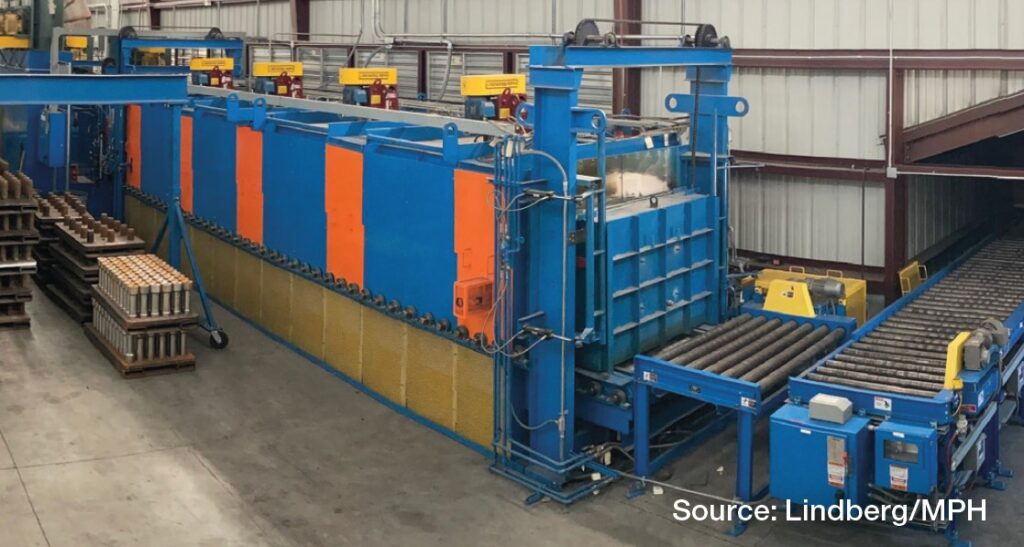
A 16 ½ ft. wide x 9 ft. high x 125 ft. long roller hearth furnace with four
heating zones and two cooling zones. Maximum temperature of 1500°F,
nitrogen gas atmosphere.
Concerning efficiency, combustion heating systems can be customized with preheat and recuperation systems, recuperative or regenerative burners, or multi-legged radiant tubes to minimize gas train complexity and NOx emissions while maximizing efficiency and profitability. Electrically heated systems can be equipped with SCR power controls which minimize temperature swings at setpoint, provide optimum work chamber uniformity by eliminating heat surges, and conserve energy by reducing current draw at operating temperature. Processes can also be equipped with digital atmosphere analyzers, flowmeters, and gauges capable of displaying the remote equipment conditions at localized control stations or on mobile devices.
What Are Best Practices for Training In-House Operators on Roller Hearth Annealing?
Specifically for roller hearth furnaces, operators and maintenance personnel must understand the rollers and drive systems to ensure products continue processing at a correct rate. For continuous systems in particular, drive failures may result in the loss of large volumes of product that often cannot be recycled as well as lengthy purge/shutdown/ startup times.
As an example, chain and sprocket driven rollers just only be locked down on the drive side of the furnace so that thermal expansion allows them to grow on the idle side. Otherwise, the sprockets may walk out of alignment and cause a multitude of long and short-term issues such as rollers seizing and warping, drive faults, load crashes, and timing issues between multiple driven segments.
Th e best practice would be for operators to be trained to understand how major components of the furnace may affect the part quality. This knowledge will also assist in troubleshooting issues that may arise and correcting them before they become worse.
What Are the Furnace’s Operational Advantages?
Roller hearth furnaces can handle a large assortment of part sizes by varying the roller diameters and spacing between them. For small parts, the rollers can be used to drive a mesh/cast belt or convey trays. For long parts, they can rest on the rollers with multiple support points. The bar, pipe, and tubing industries use incredibly long roller hearth furnaces while many industries process heavy wire coils in them. By segmenting the roller drives and utilizing VFDs or servomotors, roller hearth furnaces become capable of staging loads, customizing processing times, and oscillating at temperature to prevent rollers from warping under heavy loads.
What Is the Most Common Heating Method?
Premier has seen a steady demand for gas fired roller hearth equipment, but most quotes nowadays also request pricing for an electric alternative to compare against. The end user’s facility location and local utility regulations are typically the deciding factor.
What Are the Challenges in Operating This Type of Furnace?
A common challenge for any continuous furnace is maintaining consistent production and limiting shutdowns or idle periods. Large continuous furnaces burn up a significant amount of energy even when idling, so any time spent not in production becomes costly. Even when the equipment sits powered down, start-up procedures including insulation dry-outs, inert gas purge requirements, and atmosphere seasoning can take days until production can resume.
However, once consistent production is maintained, part quality, part consistency, and energy efficiency can be noticeably better than batch equivalents.
Issues can be avoided by noting areas of concern as they arise and following routine maintenance procedures until scheduled annual or biannual shutdowns (often around holiday breaks). Then additional time can be given to address potentially major issues with service visits and inspections by OEM service teams.
An Eye on Energy
Reiterating the customizable nature of this style furnace, Ryan Sybo, project manager at SECO/WARWICK USA, comments on the attention on energy usage that clients and suppliers share.
What Features Do You Offer on Your Roller Hearth Furnace for Annealing Various Materials?
Ryan Sybo, Project Manager,
SECO/WARWICK USA
We offer a wide variety of options as a custom furnace company. We can tailor the furnace to meet the unique needs of individual clients. On annealing furnaces specifically, we offer a controlled cool chamber and a steam blue chamber.
Individual roll sections can be started, stopped, reversed, oscillated, and run at the same speed or at different speeds for maximum process versatility.
Atmosphere integrity is assured through welded gas-tight shells, sealing doors, and pressure control systems.
Fast and slow heating and cooling rates are possible. Plus, pre-heating can be employed.
Post-heat treating processes like steam blue are possible.
Furnace doors are specially constructed and insulated for operation within the temperature zones in which they are located, minimizing stress and warpage caused by temperature differences.
Heating and cooling sections incorporate dependable, high-quality components for long-life operation.
High-speed transfer between sections allows closely spaced workloads or work trays with separation during transfer through doors, assures optimum use of hearth space, and minimizes atmosphere mixing. All door openings can be adjusted to workload heights, permitting faster operation and minimizing atmosphere mixing.
How Is Your Roller Hearth System Unique?
The controlled cool chamber offers precise control of the cooling rate. The steam blue chamber is used to develop a blue oxide, Fe3O4, for electrical insulation characteristics.
Our company has been designing and manufacturing furnaces for over 123 years, and we have been exploring new refractory materials and more energy-efficient burners and recuperators, as well as offering state-of-the-art atmosphere controls.
What Are Best Practices for Training In-House Operators on Roller Hearth Annealing?
Our furnaces are all built to the latest NFPA 86 and OSHA standards, however, safety training like HMI is also important.
What Are the Furnace’s Operational Advantages?
Several of this furnace’s operational advantages include:
Continuous Unlimited Work Flow: Provides better efficiency than batch processing since the workload can continuously feed into the furnace.
Quick, Easy Installation: For SECO/WARWICK USA, these are normally built at our manufacturing facility and tested, then disassembled into sections to fit on a truck or shipping container.
Long Life: A 40-year lifespan is typical. Less stress on furnace components from faster or constant temperature recycling when compared to belt, chain, or pusher units.
Smaller Factory Footprint: Manufacturers can save about half of the floor space than with multiple batch units.
Flexible Operation: Roller drives can be slowed, sped up, or stopped. Process parameters can be changed, any atmospheres can be used from H2 to air, plus door separations can be used between sections for better separate processing functions.
Lower Production Costs: Each furnace is custom-designed for continuous operation at the desired operating temperatures. Less waste from heat-up and cool-down cycles used in batch systems and in-line processing makes energy recuperation easier to integrate.
What Is the Most Common Heating Method?
Gas fired is the most common, however, we have been seeing a lot of inquiries for electrically heated roller hearth furnaces.
Geographic location is also a big determining factor because some areas have more access to natural gas that can offer reduced operating costs.
What Are the Challenges in Operating This Type of Furnace?
There are no challenges in operating this type of furnace due to our custom-engineered, user-friendly automatic furnace controls. Preventative maintenance can be included in our control systems to remind operators and maintenance personnel to service the equipment. Furnace data and alarms are logged and ready for download and review.
Leveraging Efficient Designs To Process Heavy Workloads
Kelley Shreve, general manager at Lindberg/MPH, hones in on the significance of roller hearth furnace workload capacity as a lynchpin to heat treat operations.
What Features Do You Offer on Your Roller Hearth Furnace for Annealing Various Materials?
Kelley Shreve General Manager Lindberg/MPH Source: Lindberg/MPH
Our roller hearth furnaces are designed to meet the need for accurate, consistent, and efficient processing of heavy workloads. Features include a sturdy roll design for smooth load motion, high-efficiency heating systems for rapid heat transfer, integrated control systems for accuracy of operation and ease of troubleshooting, and material handling systems that simplify operation. Together, these features provide furnaces that will make operations more competitive.
How Is Your Roller Hearth System Unique?
What separates Lindberg/MPH from competitors is our ability to take standard designs and customize them so they are tailor-suited to meet the exact client specifications and floor plans.
Extensive experience in ultra-clean heat treating helped us improve roller hearth equipment as well. Traditionally designed furnaces have transfer sections open to air, which allows rapid heat loss and causes scaling or discoloration of the work. Our proven design shields the work with a directed flow of protective atmosphere through double-door transfer sections. This also ensures isolation of furnace zones that must not be cross-contaminated. An independent, high-speed roll system minimizes transfer time and heat loss. The sight-ports allow direct viewing of work-in-process for easy troubleshooting. The result is clean, consistent work.
What Are Best Practices for Training In-House Operators on Roller Hearth Annealing?
Lindberg/MPH offers complete installation packages which include installation, startup, and training. In-house operators are fully trained on all aspects of operations while our service technician is present.
What Are the Furnace’s Operational Advantages?
Our roller hearth furnaces combine the latest technology in process controls, atmosphere systems, and material handling systems. These furnaces are designed to carry very heavy workloads at high production rates at the lowest possible operating cost. Other advantages are that a roller hearth can be designed to run a multitude of different processes as required.
What Is the Most Common Heating Method?
Roller hearth furnaces can be supplied with either gas fired or electric heating. Gas fired Single End Recuperated Tubes (SERT) provide economical, rapid heating. Electric heating offers reliable, low-maintenance operation using elements tailored to atmosphere application.
What Are the Challenges in Operating This Type of Furnace?
Annealing produces
parts with reduced
hardness and a uniform
microstructure as a
preparation for further
processing. The furnace
has a high-heat section
followed by a controlled
cooling module.
Endothermic, Exothermic,
and nitrogen-methanol
atmospheres are typically
used.
A challenge for this type of furnace is proper maintenance. Operators should manage this challenge by monitoring the preventative maintenance (PM) features and indicators that are available. Setting in place and following a regular PM schedule is going to help ensure the equipment operates dependably and problem free.
Let’s discover new tricks and old tips on how to best serve air and atmosphere furnace systems. In this series, Heat Treat Today compiles top tips from experts around the industry for optimal furnace maintenance, inspection, combustion, data recording, testing, and more. Part 4, today's tips, examines carbon probes and carbon control. Look back to Part 1 here for tips on seals and leaks, Part 2 here for burners and combustion tips, and Part 3 here for data and record keeping tips.
This Technical Tuesday article is compiled from tips in Heat Treat Today's February Air & Atmosphere Furnace Systems print edition. If you have any tips of your own about air and atmosphere furnaces, our editors would be interested in sharing them online at www.heattreattoday.com. Email Bethany Leone at bethany@heattreattoday.com with your own ideas!
1. Slight Positive Pressures Are Best
Contact us with your Reader Feedback!
Atmosphere furnace pressure should be only slightly above ambient. The range should be between 0.25-0.35 inches water column. Higher pressures in multiple zone pusher furnaces will cause carbon control issues. High pressures in batch furnaces will cause high swings when doors and elevators move.
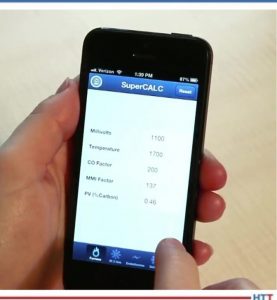
If you’re having atmosphere problems with a furnace that has been operating normally for some time, avoid the temptation to remove the carbon probe. There are several tests you can run on nearly all carbon probes while the probe is still in the furnace, at temperature, in a reducing atmosphere. Super Systems Inc. provides an 11-step diagnostic procedure in a white paper on their website, in a paper titled, “Carbon Sensor Troubleshooting” by Stephen Thompson.
"Review process date for abnormalities." Source: Super Systems Inc.
Many factors can contribute to why parts are not meeting the correct hardness readings. According to Super Systems Inc., here is a quick checklist of how to start narrowing down the culprit:
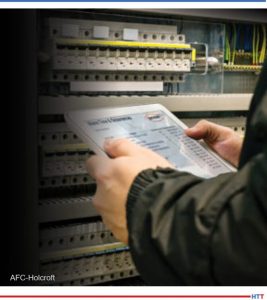
Review process data for abnormalities. The first thing to do is make sure the parts were exposed to the right recipe. Check the recorders to make sure the temperature prof le and atmosphere composition were correct. Make sure all fans and baffes were working correctly. Determine if any zones were out of scope and that quench times were acceptable. If any red flags appear, hunt down the culprit to see if it may have contributed to soft parts.
Check the generator. Next, check the generator to make sure it is producing the gas composition desired for the process. If available, check the recorders to make sure the gas composition was on target. If not, check the generator inputs and then the internal workings of the generator.
Check the furnace atmosphere. If the generator appears to be working correctly, the next step would be to check the furnace itself for atmosphere leaks. Depending on what type of furnace you have, common leak points will vary; for continuous furnaces, common leak points are a door, fan, T/C, or atmosphere inlet seals. Other sources of atmosphere contamination may be leaking water cooling lines in water-cooled jackets or water-cooled bearings. More than likely, if the generator is providing the correct atmosphere but parts are still soft, there is a leak into the furnace. This will often be accompanied by discolored parts.
Check carbon controller to make sure it matches furnace atmosphere reading (verify probe accuracy and adjust carbon controller). This can be done using a number of different methods: dew point, shim stock, carbon bar, three gas analysis, coil (resistance), etc. Each of these methods provides a verification of the furnace atmosphere which can be compared to the reading on the carbon controller. If the atmosphere on the carbon controller is higher than the reading on the alternate atmosphere check, that would indicate the amount of carbon available to the parts is not as perceived. The COF/PF on the carbon controller should be modified to adjust the carbon controller reading to the appropriate carbon atmosphere. If the reading is way off, it may require the probe to be replaced.
Let’s discover new tricks and old tips on how to best serve air and atmosphere furnace systems. In this series, Heat Treat Today compiles top tips from experts around the industry for optimal furnace maintenance, inspection, combustion, data recording, testing, and more. Part 1, today's tips, examines seals and leak points.
This Technical Tuesday article is compiled from tips in Heat Treat Today's February Air & Atmosphere Furnace Systems print edition. If you have any tips of your own about air and atmosphere furnaces, our editors would be interested in sharing them online at www.heattreattoday.com. Email Bethany Leone at bethany@heattreattoday.com with your own ideas!
1. Tip-Up Furnace Perimeter Insulation Maintenance Is Key to Efficiency & Quality
Contact us with your Reader Feedback!
Due to their construction, the insulation at the perimeter of a tip-up furnace is subject to more abuse than typical furnace insulation. Whether from the repeated stress of cycling the case open and closed — or from high temperature operation — fiber modules will eventually begin to shrink/compact. Be watchful for high case temperatures (or worse: case discoloration and paint damage) as a signal that insulation issues are present in that area.
Heat-damaged case wall Source: Premier Furnace Specialists
An air/atmosphere tight seal is critical for maintaining heating efficiency and process quality. Inspect the seal material around the furnace perimeter often and replace sections that are worn. Common perimeter seals are sand seals, fiberglass tadpole tapes, and insulating fiber blankets. These sealing materials are easy to keep on hand to ensure a quality seal is never delayed by lengthy lead times or supply chain issues.
Seals are everywhere on any furnace. Do you know where all the seals and leak points are? Rope gaskets is an obvious example; high temperature gaskets need to be flat, smooth, and unbroken. Another clear example is in the world of vacuum furnaces: O-rings need to be clean and protected from abrasion. Almost every item of your furnace is sealed in some manner. It is best to replace seals as part of a preventative maintenance program. While your nose can detect ammonia, vacuum leaks require special helium leak detectors and a lot of training. Your furnace manufacturer’s service technician can assist in identifying problem areas and developing a maintenance routine to keep your furnace running. And a simple electronic manometer is great to have handy for running leak-down tests using positive pressures. Auto supply stores sell inexpensive halogen detectors, and some people use smoke bombs to detect leaks.
Welcome to Heat TreatToday's This Week in Heat TreatSocial Media: ChristmasEdition. So much content is available on the web, and it’s next to impossible to sift through all of the articles and posts that flood our inboxes and notifications on a daily basis. Heat TreatToday can help you filter the flood to bring you a peak at holiday happenings for heat treaters. Find some gift ideas and ways to relax over the Christmas break; Heat TreatToday is thankful for you!
Don't underestimate heat treaters' creativity. A handmade knife or a piece of jewelry with heat treated sapphires will be a welcome addition under the tree.
2. Holiday Experiences
This time of year, spending time together is a great way to share the joy.
Heat treaters know that spending time with each other means good food and fellowship and ways to help others!
3. Christmas Vacation Relaxation
How fitting that there is a recording artist with the name Heat Treat (of particular interest are tunes "Heat", "Condensers", and "Refinery Surveillance")? Kick back and relax over the break while listening to some tunes. Add some TV (ahem, Heat Treat TV) watching in the mix too, and you'll never have to go out!
4. A Few More Snippets To Extend the Christmas Cheer
"Tempering" and "Brazing" can be used at any time of year, but they seem to hold special places at Christmas! Enjoy some experiments and repairs to make the holidays bright.
"It's not Christmas until we use the brazing torch!" Need we say more?
Have a great Christmas!
Find heat treating products and services when you search on Heat Treat Buyers Guide.com