

HIPING NEWS

Ohio Facility Opens for HIP Processing

Isostatic Toll Services (ITS) has opened a new hot isostatic pressing (HIP) facility in Ohio, expanding certified thermal processing capacity for aerospace, defense, additive manufacturing, and advanced industrial applications. The new operation adds HIP processing capability to the company’s global network, supporting clients with additional capacity, scheduling flexibility, and supply-chain resilience.

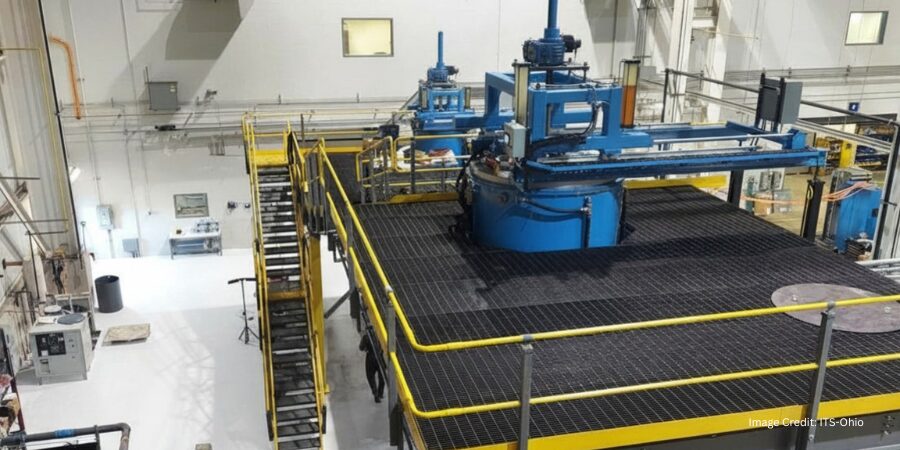
Located in Mount Vernon, Ohio, the new ITS-Ohio facility joins the company’s existing operations in Bilbao, Spain, and Mississippi. All ITS facilities operate under Nadcap accreditation and AS9100D certification, providing HIP processing services for aerospace and other high-performance components.

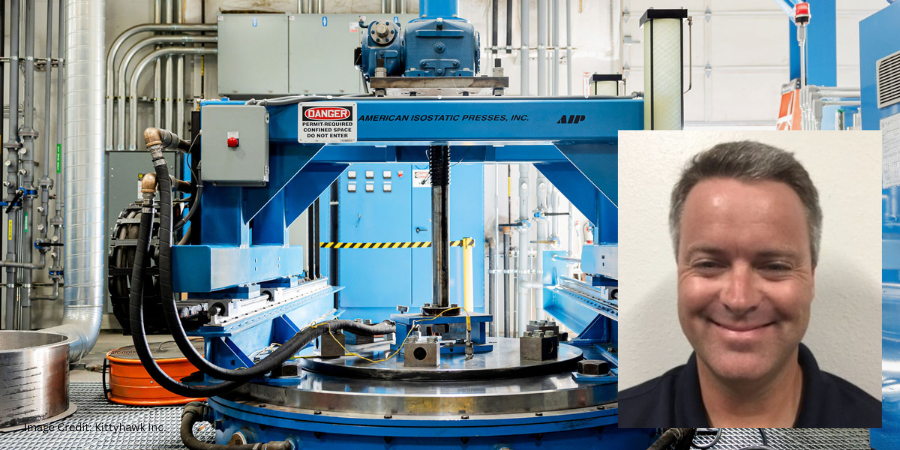
The Ohio facility adds large-format and high-pressure HIP capability, including systems capable of processing components up to 44″ in diameter by 100″ in height at pressures up to 25,000 PSI. The facility is equipped with HIP systems manufactured by American Isostatic Presses, Inc. (AIP), based in Columbus, Ohio.

“Our investment in Ohio reflects our commitment to supporting [clients] with certified capacity, responsive service, and direct technical engagement,” said Tyler Persaud, general manager of ITS-Ohio. “The addition of ITS-Ohio strengthens our global network and positions us to meet growing demand across aerospace, additive manufacturing, and advanced industrial markets.”

ITS-Ohio has achieved Nadcap accreditation, AS9100D certification, and client approvals, including approval from Rolls-Royce, enabling the facility to support qualification programs and production requirements.

Press release is available in its original form here.
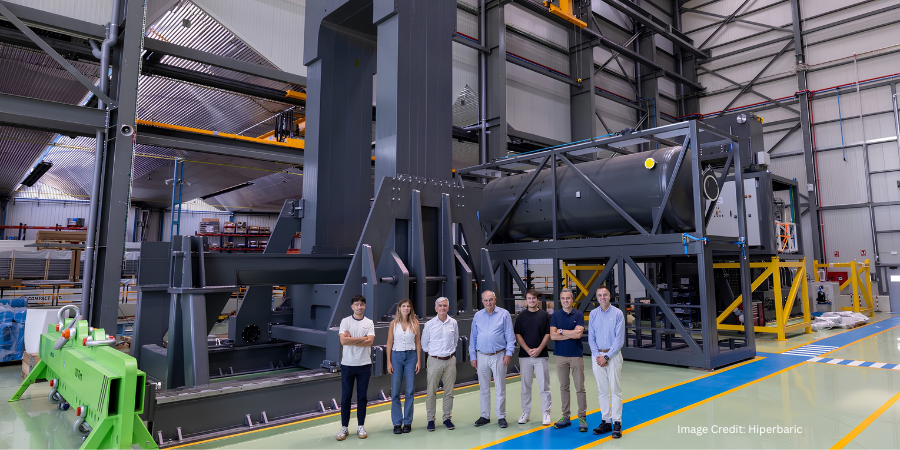
The main image shows the shop floor at the ITS-Ohio facility in Mount Vernon, Ohio. Image Credit: ITS-Ohio

Ohio Facility Opens for HIP Processing Read More »

Mega-HIP Expands Precious Metals Capacity

ITP Co. Ltd. has installed a new hot isostatic pressing (HIP) system to strengthen production capabilities for precious metal equipment used in glass manufacturing, supporting improved densification, product consistency, and manufacturing efficiency for precious metals.

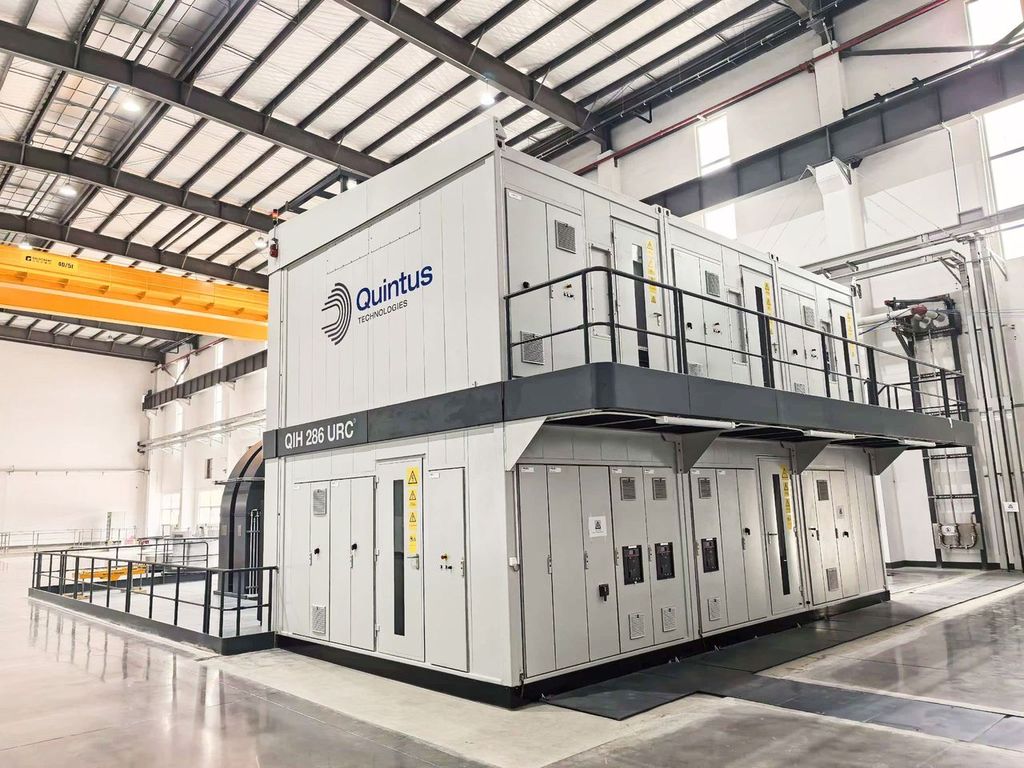
Global high pressure technology company with North American ties Quintus Technologies supplied the QIH 286 URC® hot isostatic press for installation at ITP’s facility in Wuxi, China. Installed in March 2026, the system is intended to strengthen the company’s production capabilities for precious metal equipment used in electronic glass and fiberglass production.

Equipped with Quintus patented uniform rapid cooling technology, the QIH 286 URC® press for ITP integrates key processes to fully steer and control the heating, cooling, and pressure parameters directly inside the HIP vessel, improving material performance and production efficiency. | Image Credit: Quintus Technologies

The HIP system features a work zone measuring 1600 mm (63 in) in diameter and 2,500 mm (98 in) in height, enabling densification of large batches at pressures of up to 2,000 bar (29,000 psi). Operating at temperatures of up to 1400°C (2552°F), the press incorporates Quintus’ uniform rapid cooling (URC) technology to control heating, cooling, and pressure parameters inside the HIP vessel.

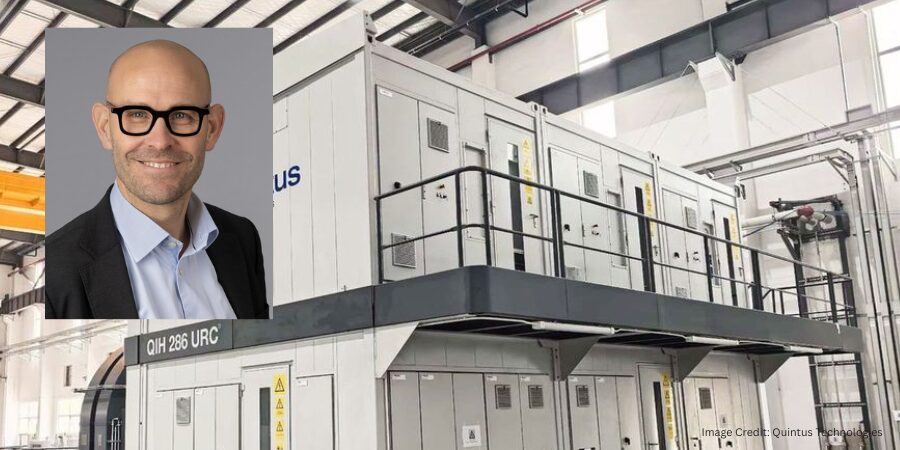
Johan Hjärne
CEO
Quintus Technologies

The system is expected to improve material performance, process consistency, and production efficiency while reducing overall cycle time. ITP cited process stability and productivity as important factors in selecting the equipment due to the sensitivity and cost associated with precious metal products. The installation also includes participation in an eight-year service and maintenance program covering application support, spare parts availability, technical support, inspections, and personnel training.

“Our collaboration with ITP confirmed that the Quintus mega-HIP would enable them to upgrade the performance, specifications, and reliability of their platinum, palladium, and other precious metal products, supporting expansion into high-end markets,” notes Johan Hjärne, CEO of Quintus Technologies.

Press release is available in its original form here.

Mega-HIP Expands Precious Metals Capacity Read More »

HIP Capacity Expansion Targets Aerospace Demand

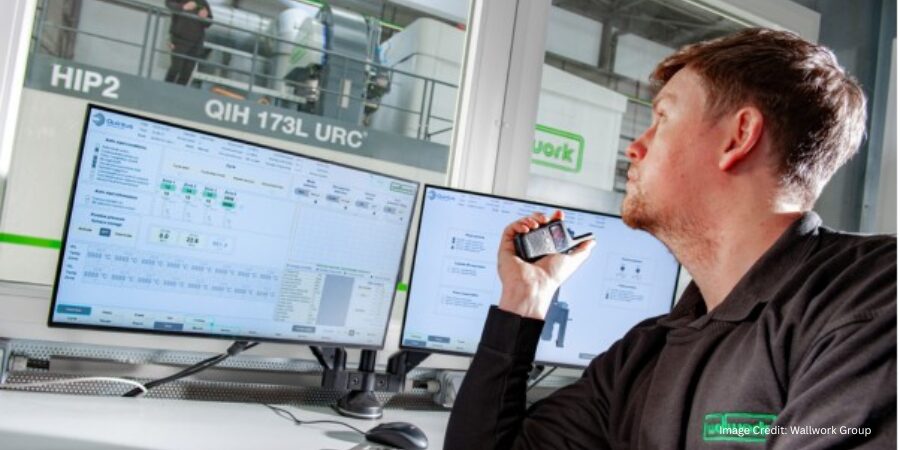
Wallwork Group is doubling its hot isostatic pressing (HIP) capacity with the installation of a second HIP system to support improved component integrity and performance for aerospace applications.

The expansion at its facility in the United Kingdom supports aerospace components requiring the elimination of internal voids and improved mechanical properties, including parts produced by casting and additive manufacturing.

The new system is supplied by Quintus Technologies, a global manufacturer of high-pressure systems with operations in North America. The installation complements Wallwork’s existing thermal processing capabilities, which include vacuum heat treatment, plasma nitriding, and vacuum brazing, enabling a broader range of metallurgical services under one roof.

HIP processing subjects components to elevated temperature and isostatic gas pressure to remove internal porosity and improve structural integrity. The added capacity is expected to support increasing throughput for aerospace clients, where consistency and material performance are tightly controlled.

The expanded operation positions Wallwork to provide integrated thermal processing services to aerospace manufacturers seeking consolidated supply chains. By combining HIP with other heat treatment and surface engineering processes, the company aims to streamline processing routes and reduce handling between suppliers.

Simeon Collins
Group Director
Wallwork Group

Wallwork will present its expanded HIP capability and single-source aerospace support offering at FIA2026. “Farnborough 2026 is the ideal platform to show how Wallwork is investing in the future of aerospace manufacturing,” said Simeon Collins, group director of Wallwork. “Our second Quintus HIP significantly expands capacity for our [clients], while our full range of accredited thermal processing, surface engineering, and brazing services gives manufacturers a dependable single-source partner.”

Press release is available in its original form here.

HIP Capacity Expansion Targets Aerospace Demand Read More »

AM Drives Hypersonic Engine Development Demand

Aerospace firm Velontra is leveraging metal additive manufacturing (AM) technology to support hypersonic propulsion development. Their choice of laser powder bed fusion (L-PBF) for rapid prototyping is an AM method that requires post-processing technologies — hot isostatic pressing (HIP) being key to bring these types of AM parts to their full potential.

The original source was published in Metal AM, and the following content has been adapted for our Heat Treat Today audience.


Aerospace firm Velontra is using metal additive manufacturing (AM) technology to advance hypersonic engine development, signaling continued momentum in high-performance propulsion and downstream demand for post-processing capabilities.

Velontra, a Cincinnati, Ohio-based startup, partnered with Innovative 3D Manufacturing, a rapid prototyping company in Franklin, Indiana, to produce propulsion system components using laser power bed fusion (L-PBF) technology from Renishaw. The approach enables rapid prototyping while addressing material use, dimensional tolerances, and cost constraints.

Joel Darin
CTO
Velontra

“Compact hypersonic propulsion systems are highly sought after by space companies, so, to remain competitive, we must develop parts quickly,” explained Joel Darin, CTO of Velontra. “In aerospace, we know that the best way to learn is by doing things, particularly if you want to be the first to launch a new technology.”

While the focus is on AM production, the resulting components require post-processing to achieve final material properties. Parts produced via L-PBF are typically subjected to stress relief and heat treatment to stabilize microstructures formed during rapid solidification. For high-temperature aerospace alloys, hot isostatic pressing (HIP) may also be applied to reduce internal porosity and improve structural integrity.

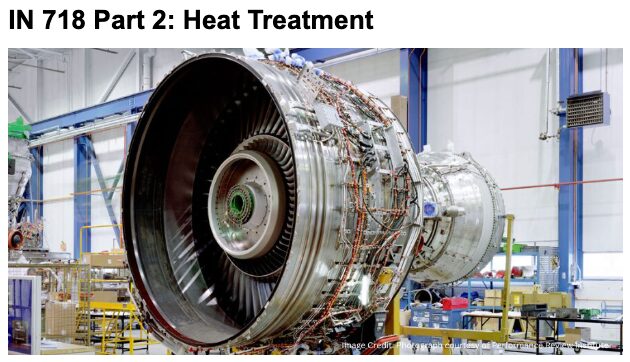
This requirement is consistent with broader industry findings for nickel-based superalloys used in propulsion systems. As noted in Dan Herring and Nikolai Alexander’s article published in Heat Treat Today’s Annual Aerospace Heat Treating magazine (March 2026) covering IN 718 processing, powder bed fusion methods often rely on post-HIP to heal cracks and homogenize the microstructure.

To learn more about why HIP is critical for AM superalloys, read this overview of IN 718 heat treatment.
Explore this look at emerging technologies to learn more about how HIP is scaling with AM.

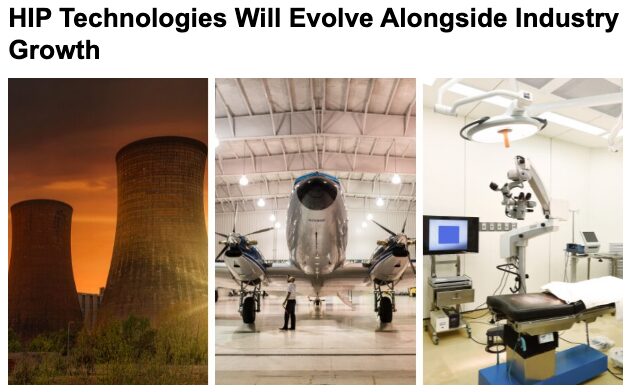
As adoption of AM expands in aerospace applications, supporting technologies such as heat treating and HIP are expected to scale alongside it. Industry perspectives highlighted in Heat Treat Today’s Medical & Energy Heat Treat magazine (December 2025) indicate that HIP capabilities are evolving in response to increased demand from additive manufacturing and advanced materials development.

The integration of AM with post-processing underscores the role of heat treating in enabling next-generation propulsion systems, where component performance under extreme conditions remains a key requirement.

Press release is available in its original form here.
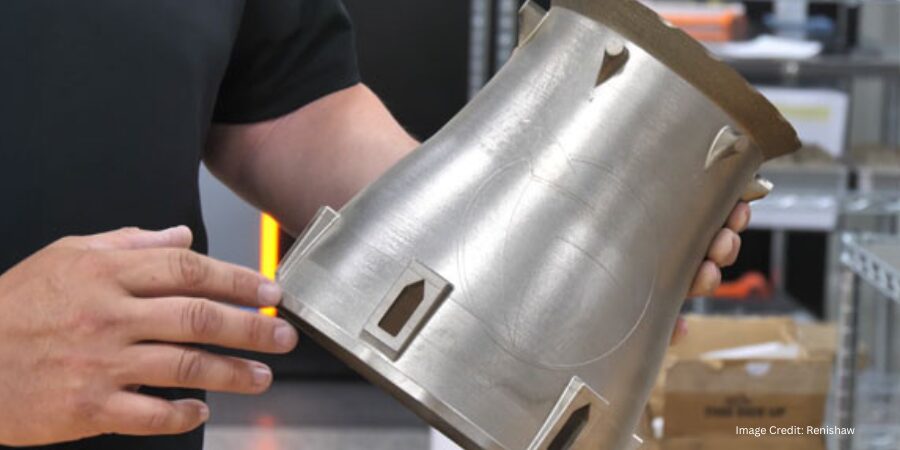
Main image shows the additively manufactured afterburner casing for the hypersonic propulsion system with several components combined into one part. | Image Credit: Renishaw

AM Drives Hypersonic Engine Development Demand Read More »

American Isostatic Presses, Inc., Increases Heat Treating Footprint in Ohio

An isostatic press manufacturer based in Columbus, Ohio, has expanded its operations facility to increase its heat treating capacity and technological capabilities.

Amercian Isostatic Presses, Inc., which manufactures temperature and pressure products, including hot isostatic pressing (HIP), cold isostatic pressing (CIP), warm isostatic pressing (WIP), SinterHIPs, vacuum furnaces, and other equipment and accessories, serves the aerospace, automotive, energy, defense, and medical sectors.


Hot isostatic pressing (HIPing) is most commonly used in the medical and aerospace industries. The HIPing process is a high pressure, high temperature technique that can be used for both composite materials and powder metals. HIPing results in the decreased porosity in parts and a densification in powder metals.

HIPing is in an autoclave style furnace, where parts are exposed to high temperatures and high gas pressure and later cooled. Parts made of tool steel, duplex, martensitic, and austenitic stainless steels, nickel-based alloys, cobalt-based alloys, titanium and even some carbon steels are frequently HIPed. The combination of temperature and pressure reduces the part’s porosity while maintaining its original shape. Decreased porosity gives the finished component part increased mechanical properties.

Read more about HIPing at Heat Treat Today’s Resources page.

The press release is available in its original form here.


American Isostatic Presses, Inc., Increases Heat Treating Footprint in Ohio Read More »

Heat Treater Launches Expanded HIP Capacity Production at South Carolina Facility

A U.K.-based thermal processing service provider announced it has begun production at its facility in Greenville, SC, where it recently expanded its hot isostatic pressing (HIP) services. The site houses heat treating operations, EDM, and other capabilities to serve the aerospace, defense, power generation, medical, and general industries.

HIP Product Fabrication – metal part from powder metal
Source: Bodycote

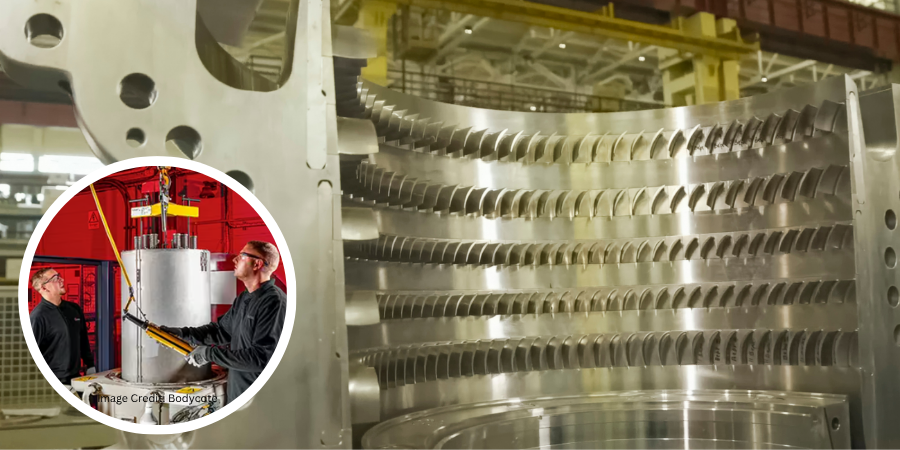
The additional HIP capacity at Bodycote‘s Greenville location was commissioned to service the development and processing of advanced materials for industries situated within the Southeastern U.S. as well as other Bodycote facilities in the supply chain. With HIP capacity now in full production, Bodycote is able to meet the rising demand for highly reliable additive manufacturing post-processing. The company has more than HIP vessels of varying sizes in multiple locations. Processing capability can accommodate components nominally up to 6.5ft in diameter by 12ft high, and weighing over 30,000kg.

The press release is available in its original form here.

Featured photo: HIP furnace being lowered into place


Heat Treater Launches Expanded HIP Capacity Production at South Carolina Facility Read More »

HIP Adds Abilities to R&D Manufacturing Hub

A hot isostatic press will add a new capability to the research infrastructure already in place at the Sydney Manufacturing Hub (SMH), the advanced manufacturing research facility at the University of Sydney, Australia.

Hot isostatic pressing (HIP) has become a critically important technology for the densification of unconventional microstructures associated with additive manufacturing (AM) across a broad spectrum of industries. It has proven of particular value in developing high-performance materials and building advanced metallic structures for mission-critical applications, for example within the aerospace, hypersonics, defense, biomedicine, energy, mining & minerals, and oil & gas sectors.

According to Professor Simon Ringer, Pro-Vice-Chancellor (Research Infrastructure) at University of Sydney, the SMH (as a research facility) is focused on offering the broadest possible range of advanced manufacturing capabilities, aiming to support the entire AM workflow from design right through to final part conformity in one facility.

“This [Quintus Technologies] hot isostatic press delivers enormous uplift in our university’s contribution to the national advanced manufacturing capability,” states Prof. Ringer. “It aligns critically with our own initiatives such as at the Sydney Biomedical Accelerator and our Net Zero Initiative. Moreover, this is a nationally significant capability that will allow our researchers to partner with industry to blaze new trails in manufacturing-related R&D.”

HIP vessel from Quintus Technologies
The Quintus Hot Isostatic Press going to the Sydney Manufacturing Hub is equipped with URQ® and URC® technology.
Source: Quintus Technologies

The SMH selected the press model QIH 15L M URQ® + URC®, equipped with several proprietary features that streamline the HIP process and produce finished 3D printed parts with maximized theoretical density, ductility, and fatigue resistance. Uniform Rapid Quenching® (URQ) delivers an impressive cooling rate of 103K/minute while minimizing thermal distortion and nonuniform grain growth. HPHT™ (High Pressure Heat Treatment) combines stress-relief annealing, HIP, high-temperature solution-annealing (SA), high pressure gas quenching (HPGQ), and subsequent aging or precipitation hardening (PH) in one integrated furnace cycle.

Quintus’s strong focus on materials science and materials processing research, exemplified by the URQ functionality, was of special interest to the Sydney hub, Prof. Ringer relates. He also cites the intrinsic safety of the vessel and yoke design, along with the rapid cycle time for processing AM parts, as major benefits for the facility, which is geared to enable concept-to-production demonstration capabilities.

“Our new HIP capability will address a significant gap in the AM community in the Australian region and further offer the potential for SMEs (small and medium enterprises) and start-up companies to access this critical process,” Prof. Ringer adds.

SMH’s broad user base extends from its own researchers to those from other local universities and research organizations to private industry and collaborations with international institutions.

Jan Söderström
CEO
Quintus Technologies

“As the industry leader in advanced hot isostatic pressing technology for over 70 years, we have noted exceptional interest in new manufacturing approaches that improve quality, lower cost, and reduce environmental impacts,” says Jan Söderström, CEO of Quintus Technologies. “We are excited to work with the talented researchers at the Sydney Manufacturing Hub to deepen their expertise and refine processes for pressure-supported heat treatment, laying the foundation to advance both productivity and sustainability for operations in Australia and its neighbors.”

The hot zone of the model QIH 15L M URC® measures 7.32 inches (186 mm) in diameter and 19.7 inches (500 mm) high. The press operates at a maximum pressure of 207 MPa (30,000 psi) and a maximum temperature of 2,552°F (1,400°C). It will be installed in the Hub’s purpose-built facility on the University of Sydney’s Darlington campus in January 2025.

This press release is available in its original form here.


Find Heat Treating Products and Services When You Search on Heat Treat Buyers Guide.com

HIP Adds Abilities to R&D Manufacturing Hub Read More »

Increased HIP on the Horizon: Kittyhawk Expands with Stack HIP Acquisition

Kittyhawk, Inc., backed by the Dallas-based private equity firm Trive Capital, has acquired Stack HIP, LLC from Stack Metallurgical Group (SMG). The acquisition represents a significant expansion of capacity and capabilities in hot isostatic pressing (HIP) for aerospace, space, defense, and medical applications.

Operating from its facility in Albany, OR, Stack HIP provides HIP services to aerospace, defense, and medical clients by operating the largest high-pressure HIP vessels in North America. This enables them to process large, complex castings and additively manufactured metallic parts. Post-closing, SMG will continue to operate its classical heat treatment and aluminum special processing facilities in Portland, OR, Spokane, WA, and Salt Lake City, UT.

Brandon Creason
President
Kittyhawk

“We’re excited to welcome Stack HIP customers, employees, and suppliers into the Kittyhawk family,” said Brandon Creason, president of Kittyhawk. “Stack HIP will allow Kittyhawk to service mission critical parts up to 63” in diameter, enabling us to process the full array of components for our customers. At Kittyhawk, we commit every day to providing the best service and quality to our customers, and we’re thrilled to now do that with the added capabilities and dedicated employees of Stack HIP.”

Doug Puerta
CEO
Stack Metallurgical Group

Doug Puerta, CEO of SMG commented, “We look forward to continued collaboration with Kittyhawk to deliver a differentiated level of service, quality, and value to our shared customers. This transaction will allow both companies to further drive capacity, quality, and capabilities in our respective services to best serve the PNW market.”

“This is an important step in growing the platform specialized in this highly-differentiated HIP capability. [Kittyhawk] continues to benefit from strong industry tailwinds, and we are excited to support our customers by investing in capacity,” said David Stinnett, partner at Trive.

This press release is available in its original form upon request.


Find Heat Treating Products And Services When You Search On Heat Treat Buyers Guide.Com

Increased HIP on the Horizon: Kittyhawk Expands with Stack HIP Acquisition Read More »

Heat Treater Adds Austempering Capabilities for U.S. Markets

Aalberts surface technologies, a global provider of specialized thermal processing, surface treatment, and material coating solutions, announced on Wednesday, February 14, 2024, that it is making changes to its U.S. portfolio in response to changing market dynamics. The provider has made investments in its Canton, OH, facility, adding austempering capabilities which will provide a logistically favorable option to clients located in the Midwestern, Eastern, and Northeastern U.S. markets. To balance the capacity available in the market with demand, the heat treat provider will be closing its plant in Ft Smith, AR.

Steve Wyatt
President
Aalberts surface technologies – HIP | Braze | Heat Treatment

Source: Aalberts Surface Technologies

“The decision to exit the austempering market in the South was a difficult one, but the market for austempering in the addressable market for our Ft Smith, AR plant simply is not sufficient to sustain the operation. We recognize the hardships that this difficult decision may create and will be working with our Ft Smith Team to minimize the impact as much as possible, including exploring opportunities at one of the many other Aalberts locations,” says Steve Wyatt, president of Aalberts surface ­technologies – HIP ­­­­­­­|­­ braze | heat treatment.

The austempering capabilities in Canton, OH, will startup in mid-February 2024 and be fully production ready by the end of March 2024. The decommissioning of the Ft Smith, AR, plant will begin in mid-February 2024, with production expected to cease when we have completed working with clients to transition their product, but not later than April 2024.

Oliver Jaeger
CEO
Aalberts surface technologies
LinkedIn

“We are focused on optimizing our portfolio around the globe; this initiative is about responding to what the market needs and where it is needed.  In our business, logistics is a significant percentage of the total cost of our services, therefore, we must constantly be seeking ways to minimize that cost for our customers. We are committed to growing in the U.S. and look forward to partnering with our customers to develop solutions that contribute to our mutual success,” says Oliver Jaeger, CEO of Aalberts surface technologies.

The original press release from Aalberts surface technologies is available upon request.


Find Heat Treating Products And Services When You Search On Heat Treat Buyers Guide.Com


Heat Treater Adds Austempering Capabilities for U.S. Markets Read More »

Second HIP Contracted For Wallwork

HTD Size-PR Logo

Bringing forward plans by two years, Wallwork Group have signed for a second hot isostatic press. Following hot on the heels of opening their £10 million Wallwork HIP Centre, Wallwork Group is installing this HIP to meet and serve increasing demand from various manufacturers.

David Loughlin
Business Manager Wallwork HIP Centre

This second HIP from Quintus Technologies, a high pressure manufacturer with North American locations, has been contracted following Quintus completing the commissioning of the first HIP in the third quarter of 2023.

“We expected strong demand from UK castings, 3D printing, powder fabrication, and near-net-shape manufacturers. Especially, as the UK is currently under-served with hot isostatic pressing capacity,” says Wallwork HIP Centre, business manager, David Loughlin.

Adds Simeon Collins, group director of Wallwork, “Demand from customers for processing components in our first hot isostatic press has been astonishing. It is prudent to bring forward planned investment for the next HIP, knowing it will take most of 2024 to build and install. We hope to have it up and running by early 2025. Deciding to prepare pits for expansion during the first installation has proved right.”

The second HIP will be identical to the first, operating at pressures from 40 to 207 MPa (5,800 to 30,000 psi) and temperatures up to 2282°F (1250°C). It will also have the latest rapid cooling technology, as well as the capability to offer increased cycle pressures at elevated temperatures, complements engineering advances in metal 3D printing and more.

This press release from Wallwork Group can be found in its original form here.


Find Heat Treating Products And Services When You Search On Heat Treat Buyers Guide.Com

Second HIP Contracted For Wallwork Read More »