

MANUFACTURING HEAT TREAT NEWS

Bodycote Improves Heat Treat Efficiency with On-Site Hydrogen Production

Bodycote, a global provider of advanced heat treatment and specialist thermal processing services, is improving heat treat efficiency and reducing process costs by generating hydrogen on-site at its Rancho Dominguez, California, facility. The system supports controlled-atmosphere heat treatment and brazing operations for aerospace, automotive, energy, and defense applications while reducing reliance on delivered industrial gas.
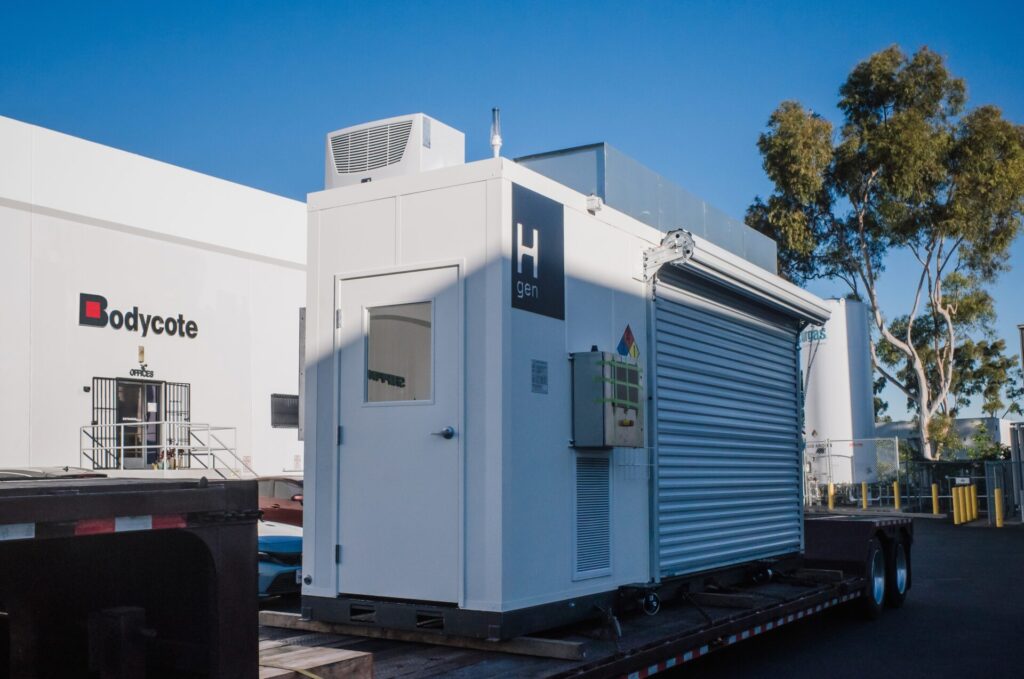
Hgen at Bodycote | Image Credit: Bodycote

Hydrogen is a critical industrial gas used in Bodycote’s precision heat treatment and surface coating operations, treating metal and metal-alloy components for industrial applications. At the Rancho Dominguez site, processes include annealing, vacuum heat treatment, diffusion bonding, and multiple brazing methods such as hydrogen, inert atmosphere, and induction brazing.

The installed system generates hydrogen from electricity and water at the point of use, eliminating the need for delivered bulk hydrogen and reducing emissions associated with transportation and handling. This approach can reduce related emissions by more than 90% while providing a more stable and lower-cost hydrogen supply.

Click on the image above to read more about Bodycote’s hydrogen strategy in action.
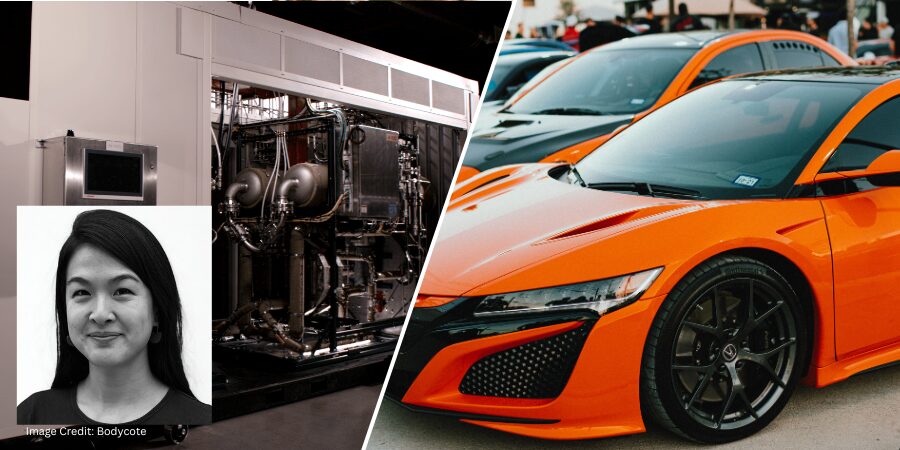
Molly Yang
Chief Executive Officer
Hgen

The hydrogen generation unit, developed in partnership with Hgen, is designed as a compact, modular system that can scale with process demand. Its footprint is 20 times smaller than conventional hydrogen production systems with comparable output, allowing for more efficient use of plant space and reduced system costs.

The containerized module was delivered pre-assembled and installed in less than two weeks, minimizing integration requirements and operational disruption. It also offers an alternative to externally sourced hydrogen. “On-site gas generation avoids the need for expensive gas compression, transport, and storage,” said Molly Yang, chief executive officer at Hgen. She adds that this technology allows Bodycote to reduce gas costs while advancing its sustainability goals.

The installation is expected to pave the way for broader deployment of distributed hydrogen generation across additional sites, reinforcing Bodycote’s long-term energy transition strategy and sustainability commitments.

Press release is available in its original form here.
The left half of the main image shows the Hgen module. | Image Credit: Bodycote

Bodycote Improves Heat Treat Efficiency with On-Site Hydrogen Production Read More »
Fringe Friday: Custom Split Tube Furnace Designed for High-Temperature Materials Testing

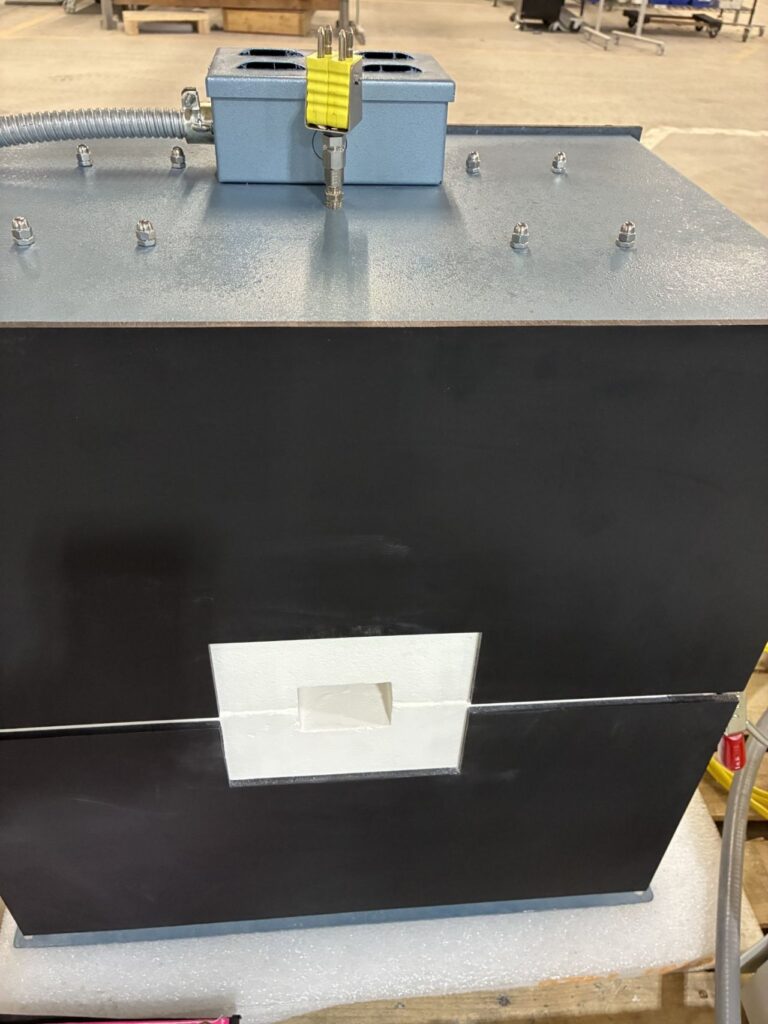
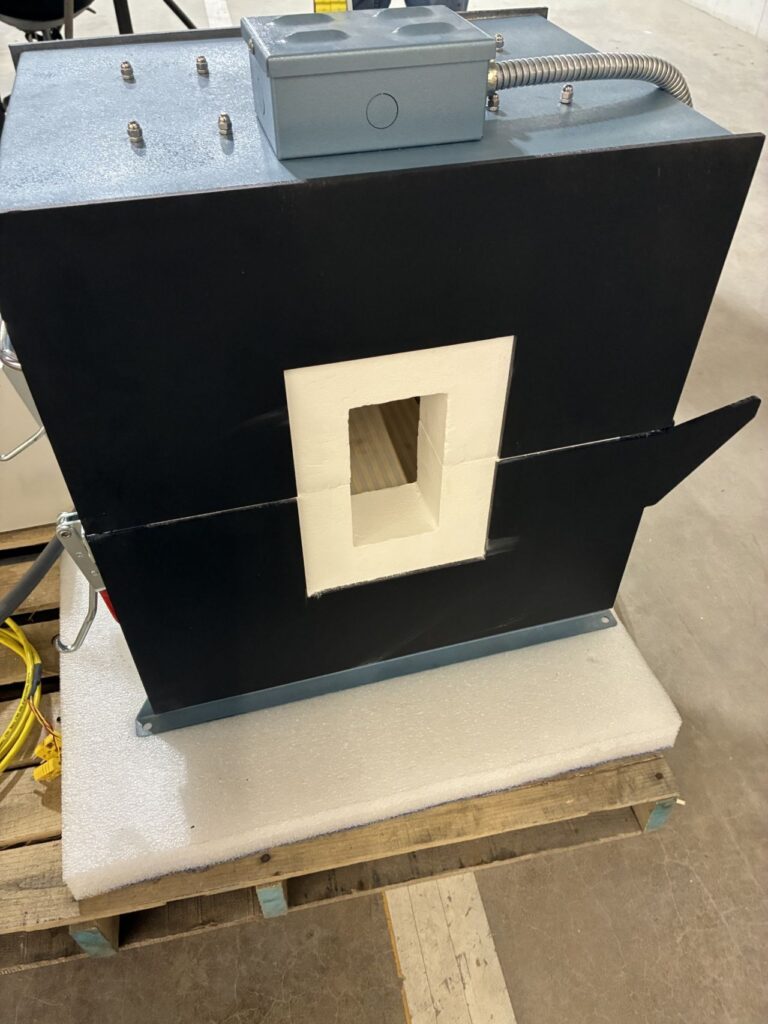
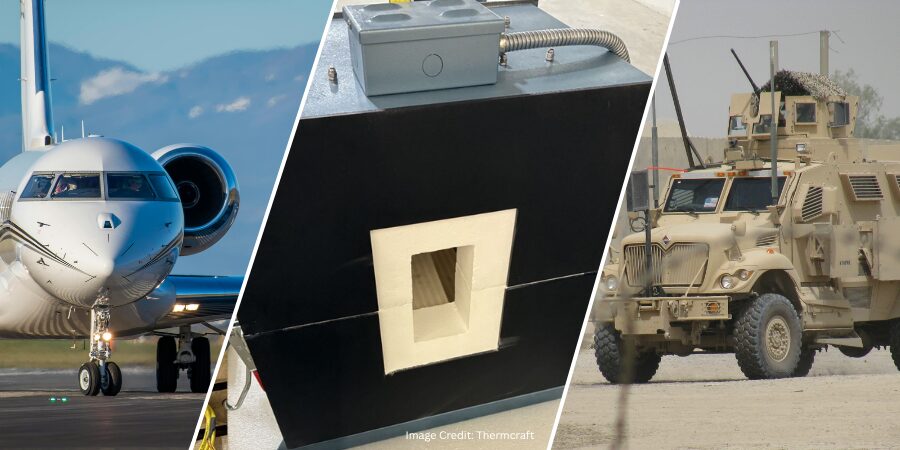
We’re celebrating getting to the “fringe” of the weekend with a Heat Treat Fringe Friday installment: a custom split tube furnace engineered for elevated-temperature materials testing highlights how thermal processing equipment is being adapted for complex research environments serving aerospace and defense applications. Designed to support vibration testing while maintaining precise thermal control, the system reflects the growing need to simulate real-world thermal conditions while monitoring material performance.

While not exactly heat treat, “Fringe Friday” deals with interesting developments in one of our key markets: aerospace, automotive, medical, energy, or general manufacturing.


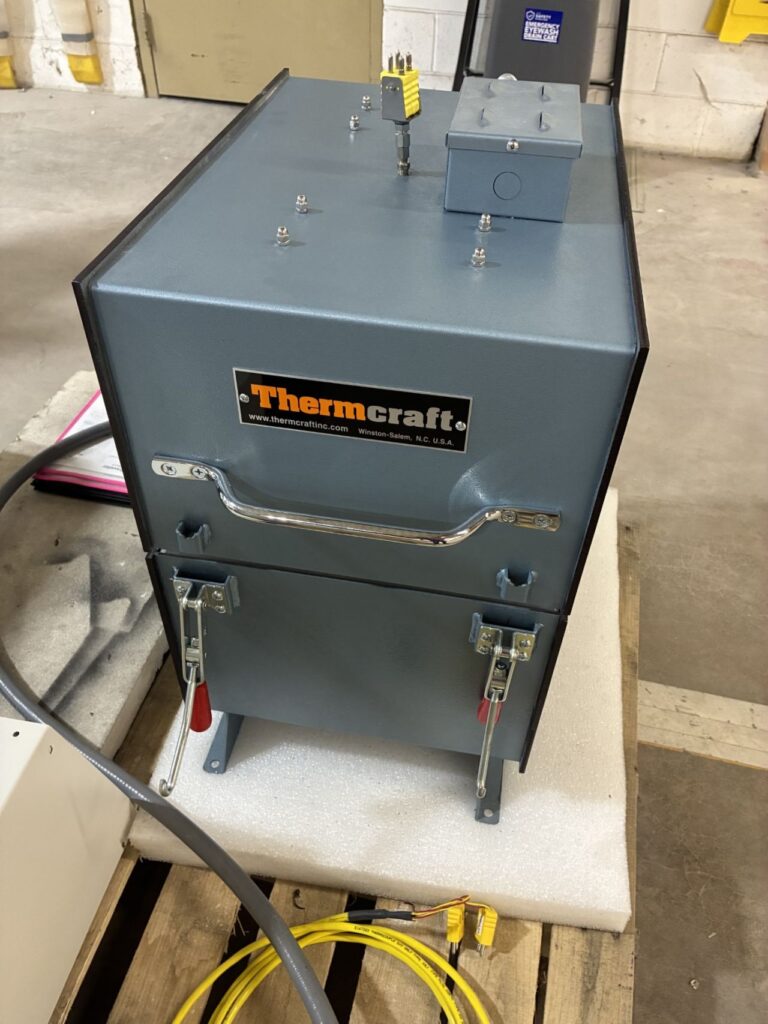
A custom split tube furnace designed for elevated-temperature materials testing demonstrates how specialized thermal processing equipment can be integrated into complex research environments. Thermcraft, a U.S.-based manufacturer of thermal processing equipment serving global markets, has completed the system for an application requiring materials to be tested under vibration while held at high temperature.

The system was engineered to maintain a stable and uniform thermal environment while allowing measurement systems to interact directly with the test sample. The design includes two distinct vestibules — one configured to securely hold the test sample during vibration testing and the other sized to accommodate measurement fixtures and instrumentation.

By working closely with the client during the design process, Thermcraft engineers incorporated custom vestibule geometry, instrumentation access, and system integration features that allow the furnace to function as part of the overall testing platform rather than simply as a standalone heating device.

The system uses a split tube configuration that allows the furnace to open along its length, simplifying sample loading, integration with test rigs, and routine maintenance. A compact external control cabinet provides temperature control and monitoring while enabling the furnace to integrate with the client’s existing testing infrastructure.

Systems like this are commonly used in advanced materials development testing environments, including aerospace and defense materials development, research laboratories, universities, and materials science programs. These applications often require the ability to simulate elevated-temperature service conditions while monitoring material performance.

“Projects like this highlight how important collaboration is between equipment manufacturers and [clients], said Mike Weaver, sales manager at Thermcraft. “Every testing application has its own challenges, and our goal is to work closely with [clients] to engineer thermal systems that support their exact process requirements rather than forcing them to adapt their process to standard equipment.”

Press release is available in its original form here. Additional information provided by Thermcraft.

Fringe Friday: Custom Split Tube Furnace Designed for High-Temperature Materials Testing Read More »

New US Service Center Strengthens High-Temperature Electrification Capabilities

A new service center in Concord, North Carolina, is now fully operational. Kanthal, an Alleima company, added U.S.-based production and service capabilities for silicon carbide (SiC) heating elements used in high-temperature applications across industries such as electronics, glass, and steel manufacturing.

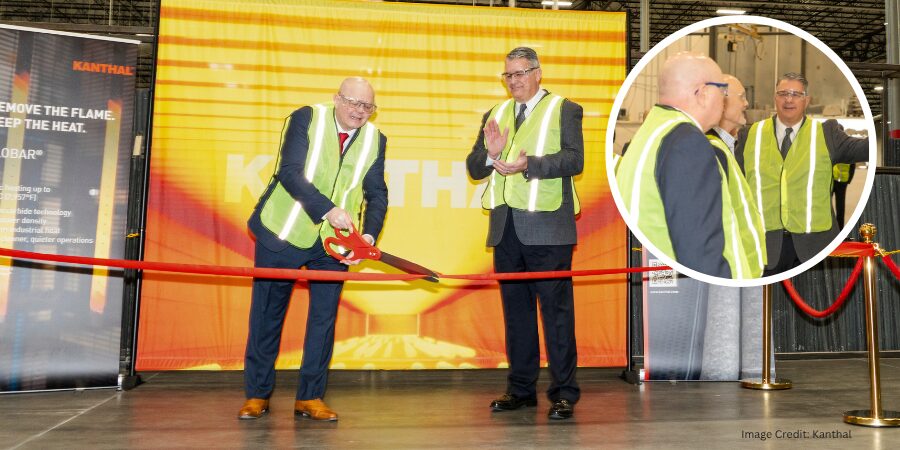
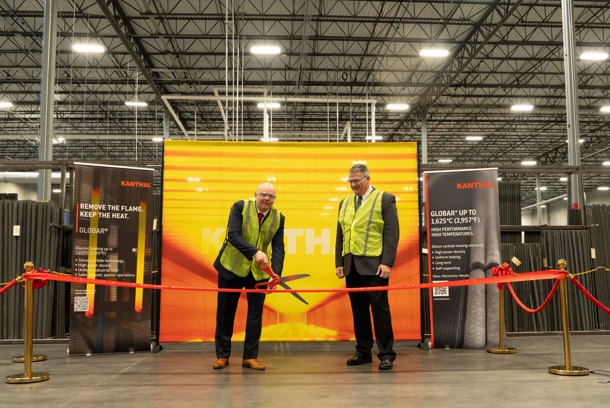
Kanthal leadership celebrating the official inauguration of its new service center located in Concord, North Carolina | Image Credit: Kanthal
Simon Lile
President, Business Unit Heating Systems
Kanthal

“This is not just a new service center. We have implemented improvements in Concord that allow us to adapt product configurations based on customer furnace setups and order cycles. The result is a more responsive operation, faster to quote, faster to ship, and better aligned with U.S. [client] needs,” says Simon Lile, president of Business Unit Heating Systems at Kanthal.

Heat Treat Today publisher Doug Glenn attended the ribbon-cutting and open house event to better understand how electrification is shaping high-temperature thermal processing. During the event, attendees toured the Concord facility and discussed how electric heating technologies are being evaluated as alternatives to traditional fuel-based systems. Conversations reflected growing interest in approaches that support improved process control and reduced emissions in industrial applications. “This kind of investment signals a broader shift in how manufacturers are approaching high-temperature processing,” Glenn said. “It’s not just about replacing a heat source — it’s about rethinking how these systems operate in the long term.”

The site includes expanded capacity for Globar® silicon carbide heating elements, which enable electrification of heating processes up to 2950°F and offer an alternative to fossil fuel-based systems. These heating elements can support improved energy efficiency, cleaner operations, and enhanced process control while contributing to reduced CO2 emissions.

Globar® silicon carbide (SiC) heating elements | Image Credit: Kanthal

The Concord service center is part of an approximately $11 million investment that also includes updates to the company’s production site in Perth, Scotland. Together, these developments are expected to increase production capacity by about 40%, while improving lead times and service for clients in the U.S. market.

In 2022, operations from multiple locations were consolidated into the Concord facility, creating a centralized manufacturing and distribution center. The latest investment builds on that foundation to support current client demand.

Press release is available in its original form here.
Main image shows the ribbon-cutting ceremony, along with a photo inset of Heat Treat Today Publisher Doug Glenn with President of Business Unit Heating Systems for Kanthal Simon Lile and Production Unit Manager for Kanthal Bruce Dionne.

New US Service Center Strengthens High-Temperature Electrification Capabilities Read More »

California Facility Adds 10-Bar Vacuum Furnace

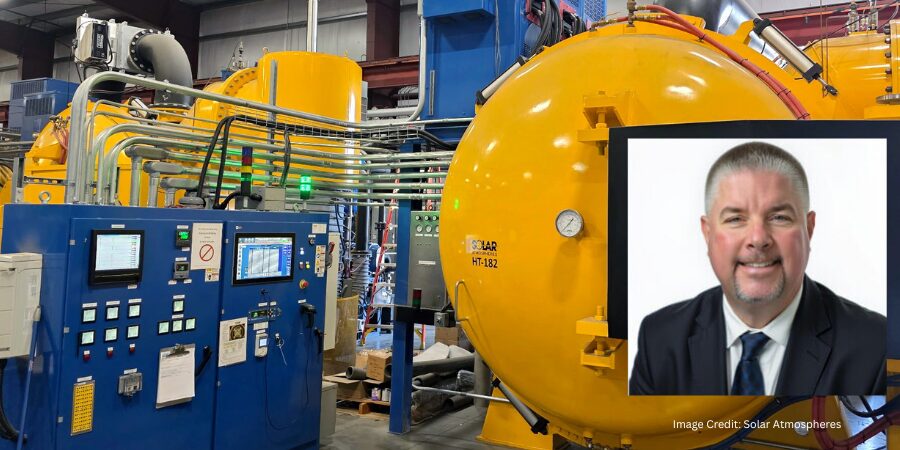
Solar Atmospheres has announced the installation and full commissioning of a new 10-bar vacuum furnace at its Fontana, California, further expanding the company’s high-pressure vacuum heat treating capacity in the western United States. The system enables vacuum heat treating and high-pressure quenching of large components essential to high-performance applications across aerospace and other critical industries.

The furnace, manufactured by sister company Solar Manufacturing, is a horizontal vacuum system with a 48″ wide x 48″ high x 96″ deep hot zone and a maximum load capacity of 12,000 pounds. Equipped with a vacuum pumping package capable of reaching an ultimate vacuum level of 1×10⁻⁶ Torr, the furnace is designed for processing titanium and other high-performance alloys that require tightly controlled, low-contamination environments.

Derek Dennis
President
Solar Atmospheres California

“This investment gives our [clients] another regional solution for high-pressure quenching of large components and heavy workloads,” said Derek Dennis, president of Solar Atmospheres California. It also allows the company to increase capacity and improve efficiency as demand continues to grow, he adds.

The move supports vacuum heat treating needs across aerospace, defense, medical, and power generation markets, with capacity aimed at maintaining consistent turnaround and performance.

Press release is available in its original form here.

California Facility Adds 10-Bar Vacuum Furnace Read More »

Strategic Acquisition in High-Temp Insulation Segment

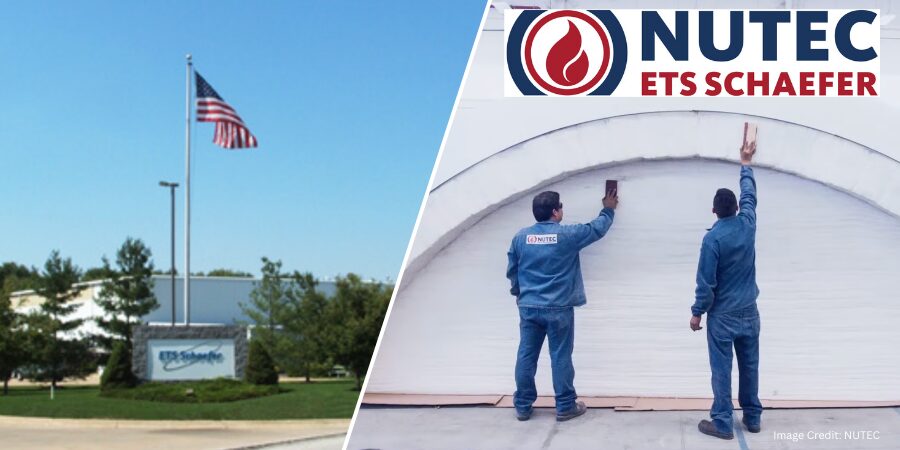
NUTEC Inc., a manufacturer of industrial insulation and fire protection products, has acquired ETS Schaefer LLC, a provider of monolithic ceramic fiber linings used in high-temperature applications. The acquisition, effective March 1, 2026, reflects ongoing activity in the thermal processing supply chain, where insulation systems play a key role in furnace efficiency and performance.

ETS Schaefer, based in Macedonia, Ohio, designs and manufactures monolithic ceramic fiber lining systems, including its Monster Modules™ and Monster Lock™ attachment system. These products are used by heavy-industry end users and OEMs requiring high-temperature insulation solutions in demanding operating environments.

The company will operate as NUTEC ETS SCHAEFER, a wholly owned subsidiary of NUTEC. According to Daniel Llaguno, CEO of NUTEC Group, the company aims to build upon ETS Schaefer’s strengths while introducing gradual improvements, mainly focusing on leveraging synergies between the two organizations to expand commercial coverage, enhance engineering capabilities, and deepen fiber integration.

Daniel Llaguno
CEO
NUTEC Group
Gerardo Muraira
President of Fiber Division
NUTEC Group
Brian Bradley
General Manager
NUTEC ETS SCHAEFER

President of NUTEC’s Fiber Division, Gerardo Muraira adds that this acquisition aligns with the company’s strategy to strengthen ceramic fiber product offerings and expand technical capabilities in high-temperature insulation solutions.

Brian Bradley, currently the business manager of Engineered Systems at NUTEC Inc., has been named general manager of NUTEC ETS SCHAEFER. He brings more than three decades of experience in the ceramic fiber industry and will support commercial growth and research initiatives related to monolithic module systems.

ETS Schaefer was previously owned by REAL ALLOY, a North American operator in aluminum recycling and alloy production.

Press release is available in its original form here.

Strategic Acquisition in High-Temp Insulation Segment Read More »

Refractory Production Facility Opens in Missouri

A new production facility for lightweight refractory materials has opened in Missouri, increasing supply for furnace-lined industrial processes that operate at elevated temperatures. The materials support thermal insulation and durability in equipment used across sectors such as petrochemicals, aluminum, and power generation, where reliable furnace performance is essential to high-temperature manufacturing and other heat-intensive processing operations.

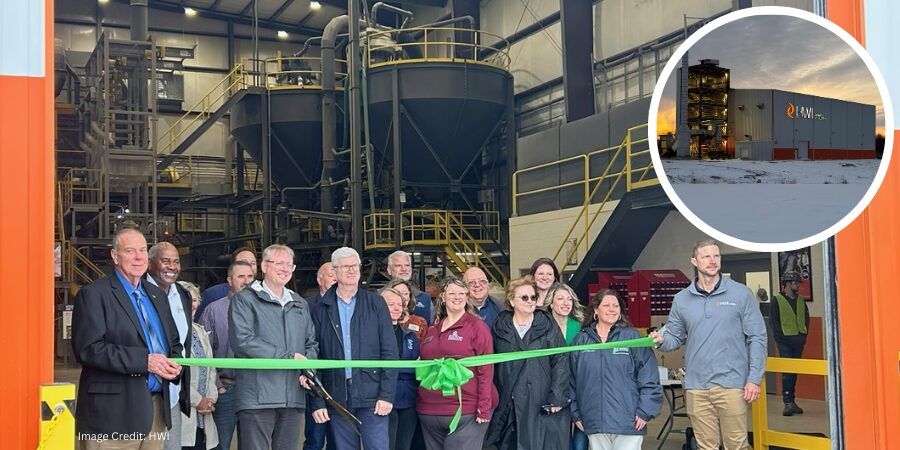
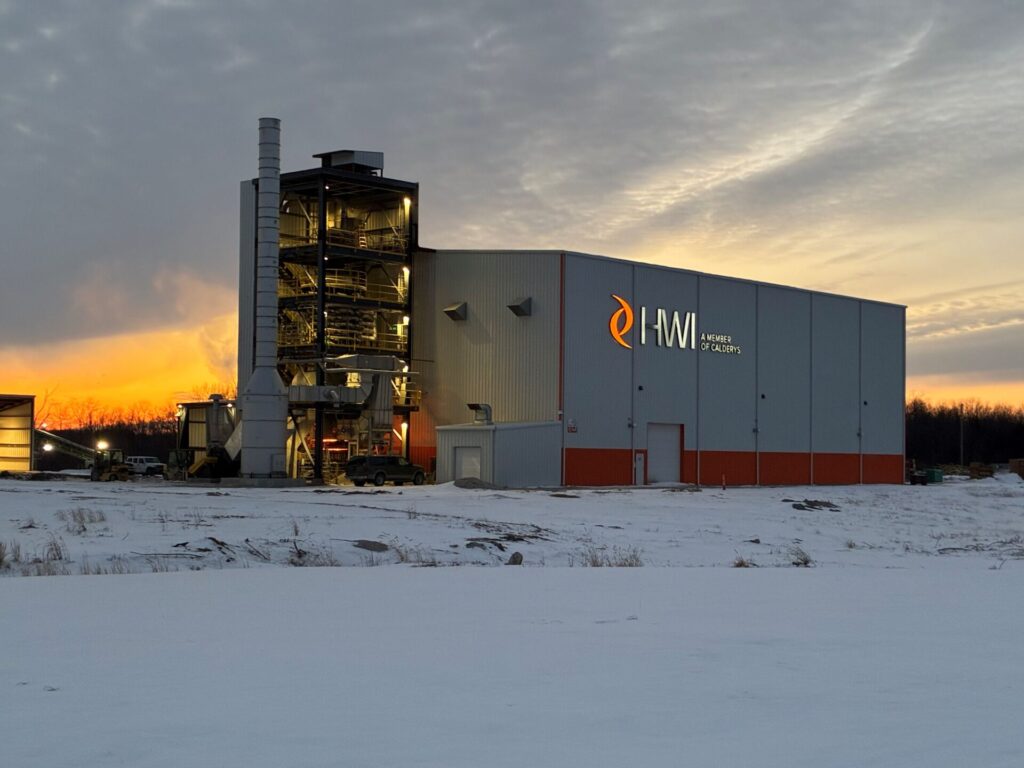
The new lightweight monolithics production facility in Fulton | Image Credit: HWI

HWI, a member of Calderys, has opened a lightweight monolithics production facility in Fulton, Missouri. Built on existing HWI property at the company’s Rotary Kiln complex, the greenfield investment increases production capacity for lightweight refractory materials used to line heaters, reformers, boilers, crackers, and furnaces in a range of industrial applications.

The facility has direct access to local clay reserves, enabling vertical integration intended to support raw material consistency and supply reliability. Operational features include a furnace system used to produce GREENLITE® aggregate, along with robotic automation for packaging and material handling, as well as updated packaging capabilities.

Michel Cornelissen
President and CEO
Calderys Group

The added capacity is expected to shorten lead times, support make-to-stock inventory, and allow the company to pursue larger projects that were previously limited by supply constraints. Premium GREENLITE® products, including the GREENLITE®-45-L family of monolithics and GREENLITE® 115 AR brick, are now shipping through the company’s distribution network.

“Demand for these high-performance, energy-saving lightweight refractories continues to grow rapidly while global supply chains remain under pressure,” said Michel Cornelissen, president and CEO of Calderys Group.

Monolithic refractories provide insulation and structural stability for equipment operating in high-temperature environments. HWI’s GREENLITE® lightweight monolithics provide insulation with optimized strength-to-density ratios that help minimize heat loss, reduce fuel consumption and CO2 emissions, extend campaign life, and enable longer service intervals. These, in turn, help clients lower operating costs and improve energy efficiency while maintaining productivity and reliability.

Press release is available in its original form here.
Main image shows the ribbon cutting with local officials at the Fulton plant. Image Credit: HWI

Refractory Production Facility Opens in Missouri Read More »

Sintering Furnace Enhances Powder Metal Production

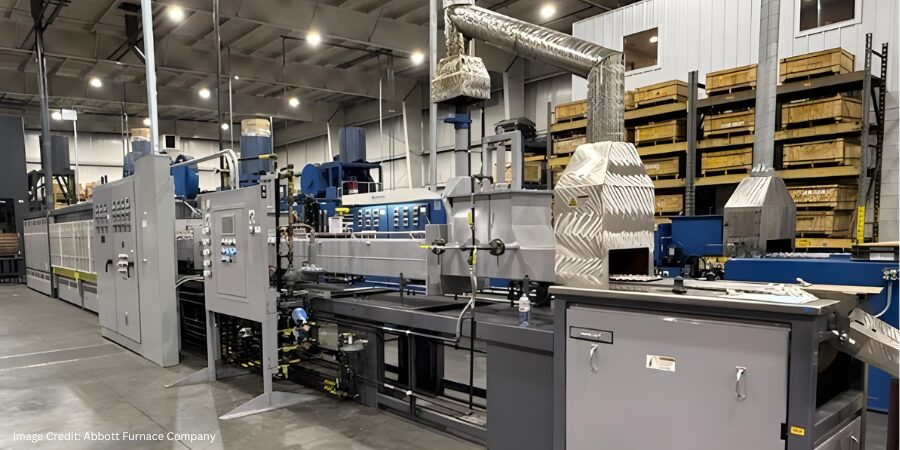
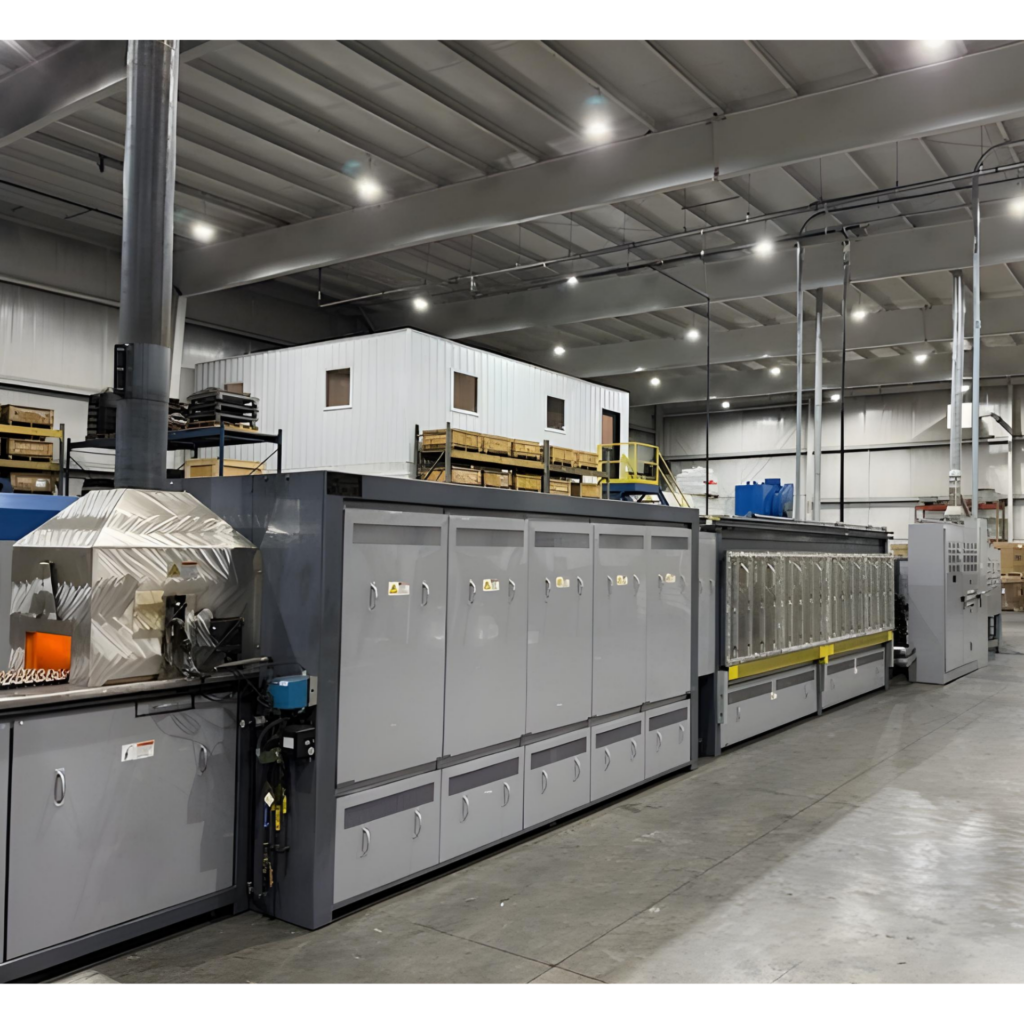
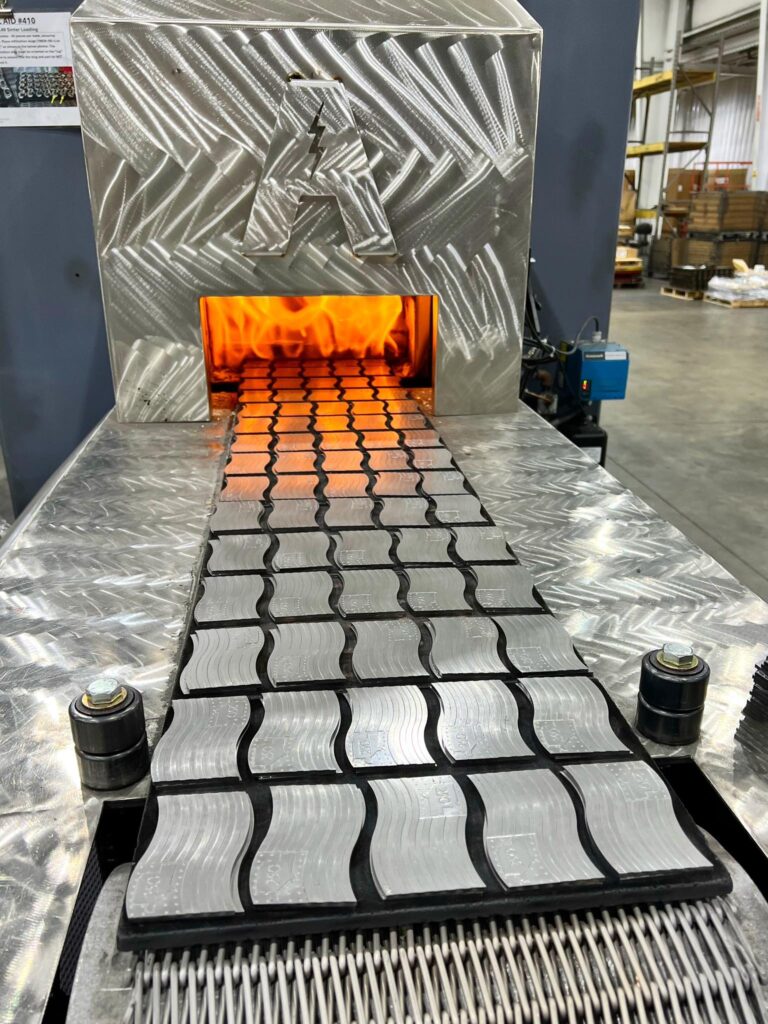
Metco Industries has added a new seven-zone continuous belt sintering furnace to improve process control and consistency in the production of powdered metal components. The installation supports tighter thermal processing parameters and enhanced monitoring capabilities, helping ensure repeatable results for parts used across industrial manufacturing applications.

The furnace was engineered and manufactured by Abbott Furnace Company, incorporating fully digital atmosphere control technology developed in-house. Digital flow control, advanced monitoring, and data-driven diagnostics allow operators at Metco to track furnace performance in real time and adjust sintering conditions as needed.

The technology is designed to improve repeatability and provide greater visibility into furnace operations. These capabilities allow manufacturers to optimize thermal processing conditions and maintain more consistent production outcomes.

Press release is available in its original form here.
Main image shows the full seven-zone continuous belt furnace installed at Metco Industries. Image Credit: Abbott Furnace Company

Sintering Furnace Enhances Powder Metal Production Read More »

Custom Box Furnace Designed for Strict Operational Constraints

A specialized U.S. government manufacturing facility will install a custom thermal processing system to support expanded high-temperature operations. The new box furnace will enable the facility to scale a previously validated thermal process, increasing capacity while meeting strict spatial and operational constraints within the plant environment. The system is designed to support demanding thermal applications required in government manufacturing.

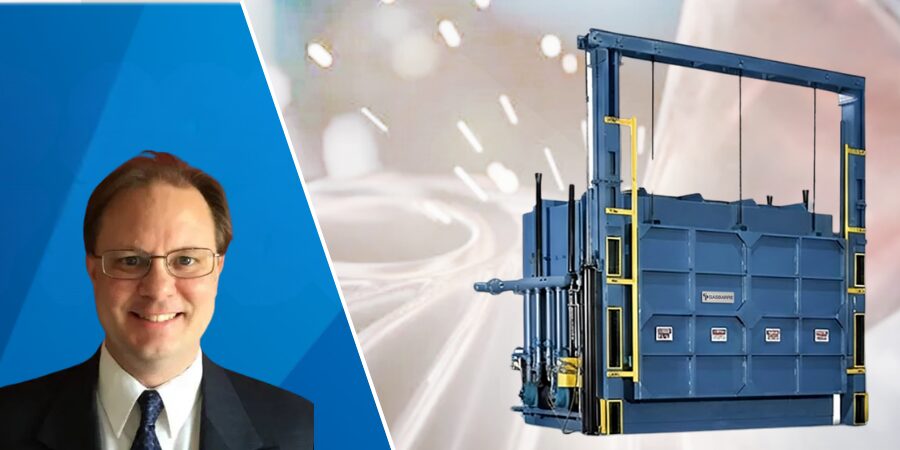
Image Credit: Gasbarre Thermal Processing Systems

The project involves installing a custom-engineered box furnace and loading system designed to meet the facility’s layout and process requirements. The direct-fired furnace will operate in an air atmosphere with a maximum temperature of 2100°F and represents the largest configuration that can be accommodated within the available footprint. The system supports a specialized high-temperature thermal operation that had previously been proven at a smaller scale and is now being expanded to meet increased production demands.

Patrick Weymer
Business Development Manager
Gasbarre Thermal Processing Systems

The thermal processing system is being supplied by Gasbarre Thermal Processing Systems, which worked with the client to engineer a design that meets strict space, access, and installation limitations that had previously restricted equipment options. Rather than modifying a standard design, the furnace was developed specifically for the application to ensure compatibility with the facility’s constraints and processing requirements.

The project progressed under a tight timeline, with Gasbarre working closely with the client from the initial inquiry through final authorization. According to Patrick Weymer, business development manager for Gasbarre, “some applications don’t allow for compromise, whether due to space, schedule, or process requirements.” He added that certain applications require custom-engineered solutions when standard equipment won’t work.

Press release is available in its original form here.

Custom Box Furnace Designed for Strict Operational Constraints Read More »

New Diffusion Hardening Vessel Expands Stainless Steel Processing in North America

Bodycote has installed a new treatment vessel at its Mooresville, North Carolina facility, expanding its capability to process larger stainless steel components and broadening surface hardening capabilities for manufacturers in North America.

The new treatment vessel can accommodate components up to 79 inches (2 meters) in length and 47 inches (1.2 meters) in width, enabling the surface hardening of larger and heavier stainless steel parts than previously possible in North America for industries such as oil and gas, food and beverage, and medical technology.

Temitope Oluwafemi
S³P Technical Manager in North America
Bodycote

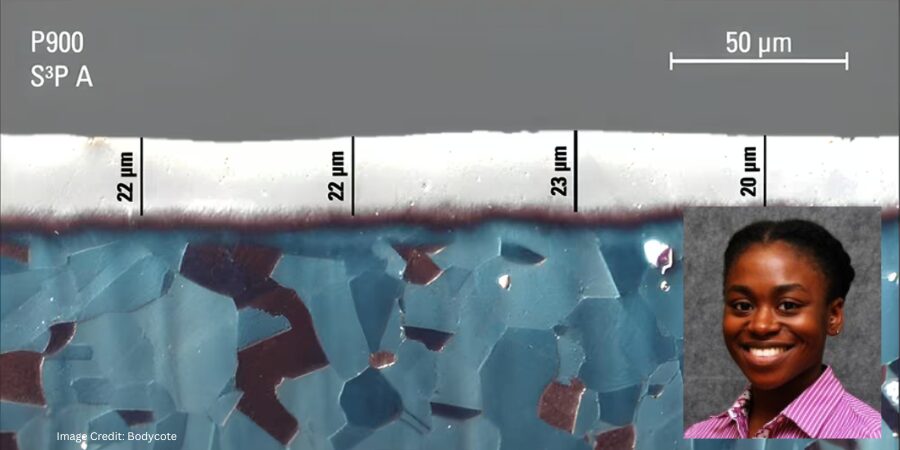
The installation supports a low-temperature diffusion hardening process that increases the surface hardness of stainless steel components while maintaining the corrosion resistance. This capability is part of Bodycote’s ADM® stainless steel treatment offering now available in North America. The process can treat austenitic, duplex, and martensitic stainless steels, including alloys commonly used in load-bearing and high-strength applications.

Reflecting this demand, Temitope Oluwafemi, Bodycote’s S³P technical manager in North America, said, “Demand is growing for stainless steel components that can deliver longer service life in harsh operating environments and to demanding standards, without introducing the risks associated with coatings. Bringing ADM capability to the U.S. allows us to support [clients] locally, reduce lead times, and expand what’s possible for larger stainless steel components across multiple industries.”

Press release is available in its original form here.
The main image shows the microstructure of surface hardened stainless steel AIS1660 (1.4980) | Image Credit: Bodycote

New Diffusion Hardening Vessel Expands Stainless Steel Processing in North America Read More »

Induction Hardening and Gas Nitriding Capacity Added at Alabama Plant

Advanced Heat Treat Corp. (AHT) has expanded induction hardening and gas nitriding capacity at its Cullman, Alabama facility, increasing throughput and enabling the processing of larger and more complex parts for manufacturers. The investment supports growing demand for surface hardening technologies used to improve wear resistance, fatigue strength, and durability across industrial applications.

Tim Garner
Plant Manager
Advanced Heat Treat Corp. (AHT)

The expansion includes two additional systems: a larger induction hardening unit capable of processing parts up to 60 inches in diameter and an additional gas nitriding unit to support high-volume nitriding programs while maintaining quick lead times and consistent processing quality. Earlier systems primarily handled cylindrical components such as shafts, gears, and pins. The new system can now accommodate more complex geometries, broadening the range of parts the plan can process.

“These investments allow us to scale with our [clients],” said Tim Garner, plant manager at AHT. “We are well-positioned to handle a wide range of part sizes, geometries, and production volumes without compromising turnaround times.”

Press release is available in its original form here.
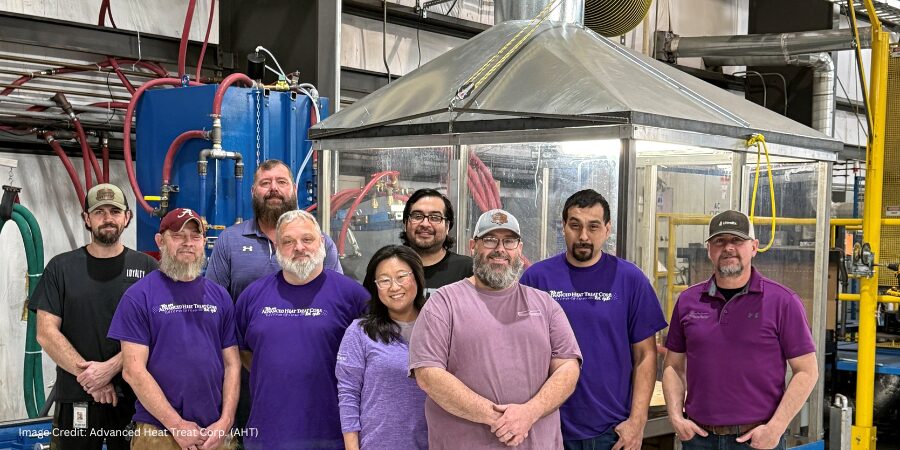
Main image shows AHT employees standing in front of the new induction hardening unit in Cullman, Alabama. Image Credit: Advanced Heat Treat Corp. (AHT)

Induction Hardening and Gas Nitriding Capacity Added at Alabama Plant Read More »

Skip to content