


Nutec Bickley

14 News Chatter to Keep You Current

Heat Treat Today offers News Chatter, a feature highlighting representative moves, transactions, and kudos from around the industry. Enjoy these 14 news items, including OTTO JUNKER‘s induction furnace installation supporting low-carbon foundry operations, IperionX‘s collaboration with Carver Pump Company to strengthen domestic titanium manufacturing, Solar Atmospheres of Michigan earning its Nadcap 18-month Merit Status for heat treating and brazing, and more!


Equipment

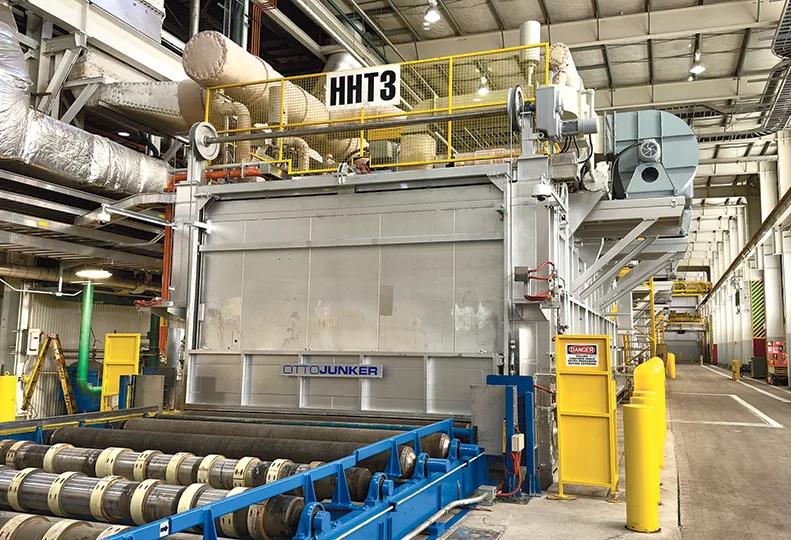
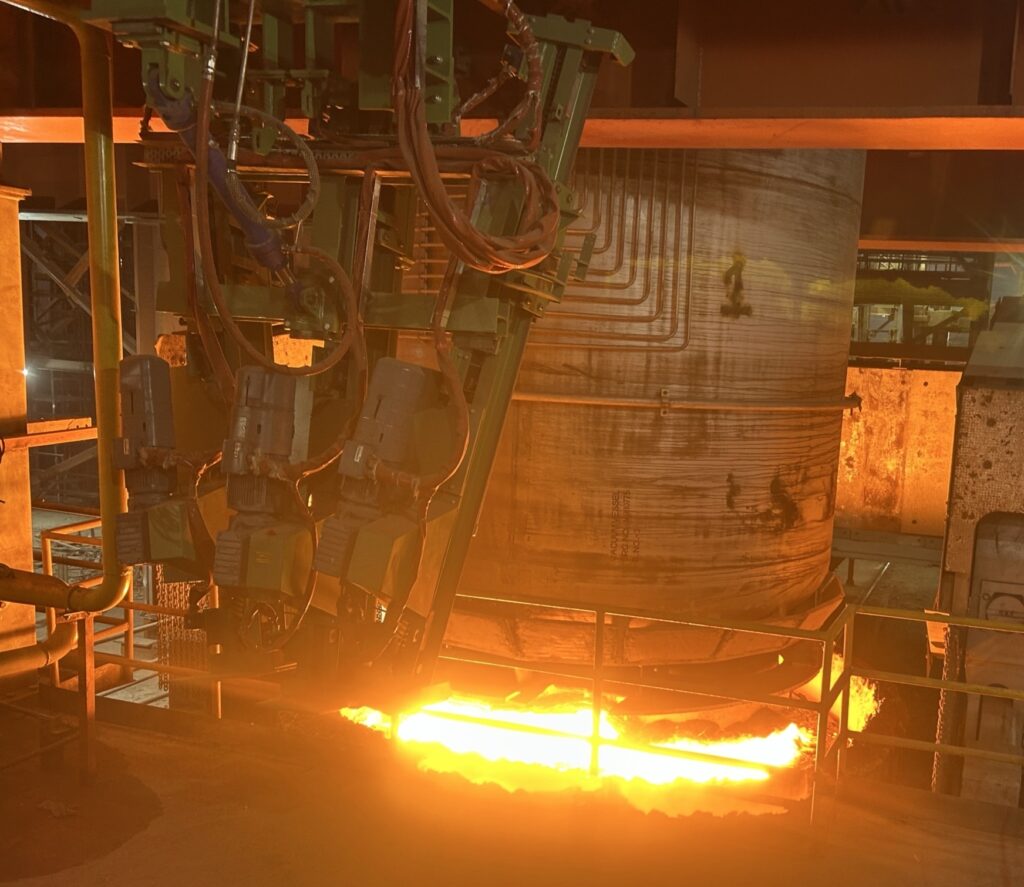
1. OTTO JUNKER has equipped Eisengießerei Th. Schultz with a MONOMELT coreless induction furnace, replacing a cupola and converting the foundry to electric melting. The system significantly cuts energy use and CO₂ emissions while demonstrating how induction technology is helping foundries transition to more efficient, low-carbon production.

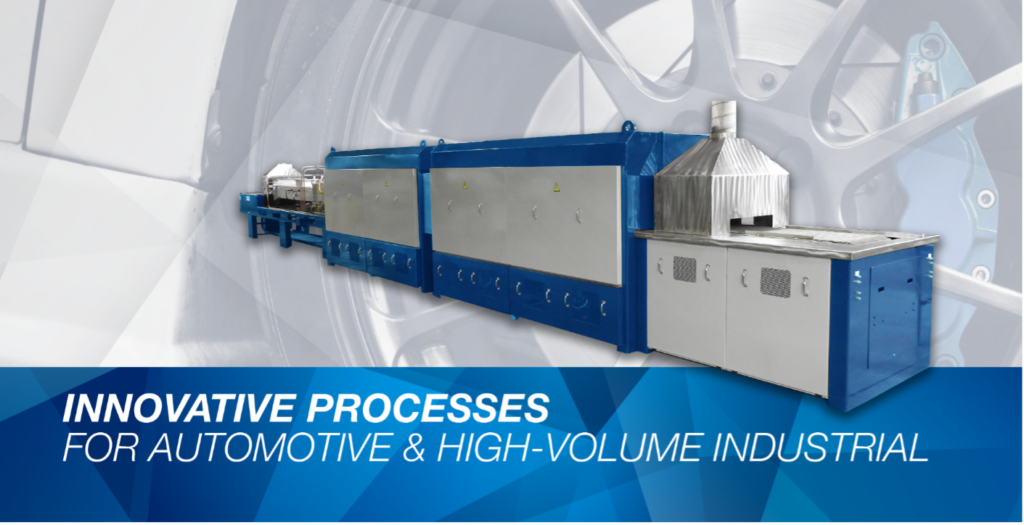
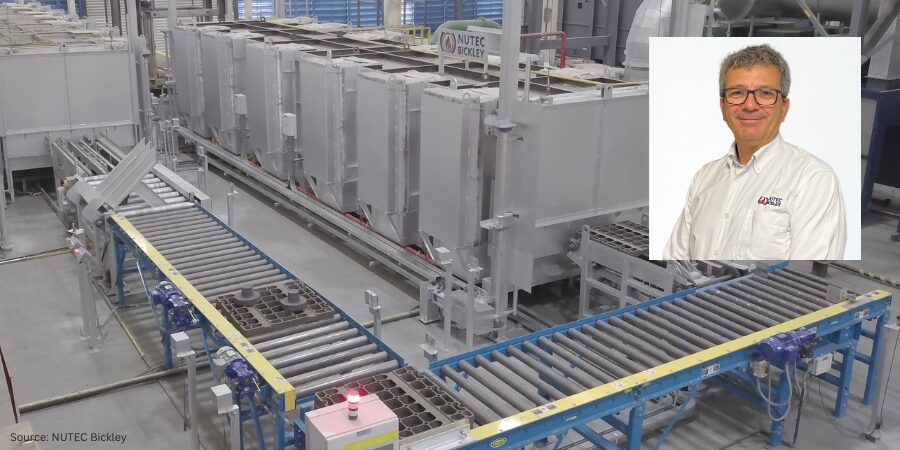
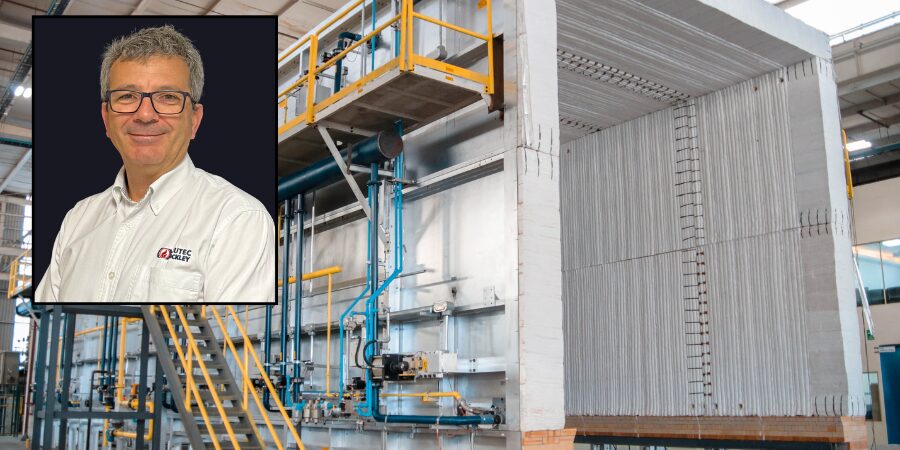
2. A global drivetrain technology leader has selected NUTEC Bickley to supply a CQI-9–compliant isothermal annealing line for automotive component production. The new equipment strengthens heat treat quality and consistency, reflecting the industry’s continued investment in advanced thermal processing to support higher-performance drivetrains.

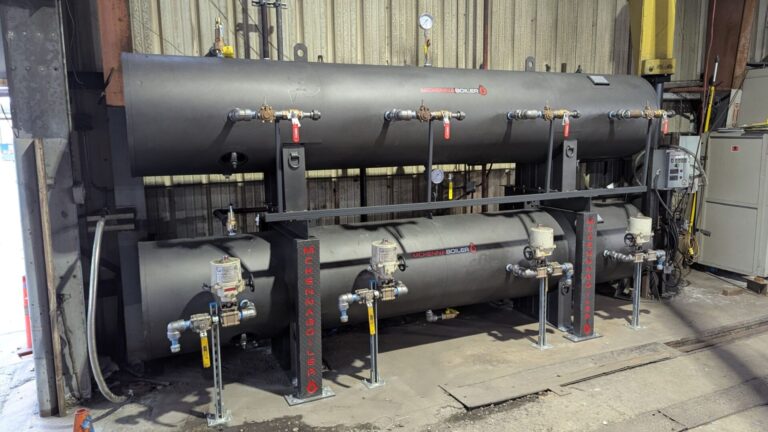
3. Newton Heat Treating has completed a major equipment upgrade, replacing steam accumulators that had been in service for 20 years in its uphill quenching/cold stabilization operation. The upgrade directly impacts the company’s aerospace processing capabilities, with many parts destined for optical components in space applications undergoing this critical heat treatment process.

4. Kaiser Aluminum Corp., a producer of heat treated, flat-rolled aluminum products, has completed a $25 million expansion and upgrade of its Trentwood rolling mill in Spokane Valley. This marks the latest phase of the company’s long-term strategy to increase heat treatment throughput for aerospace, automotive, and general engineering markets.

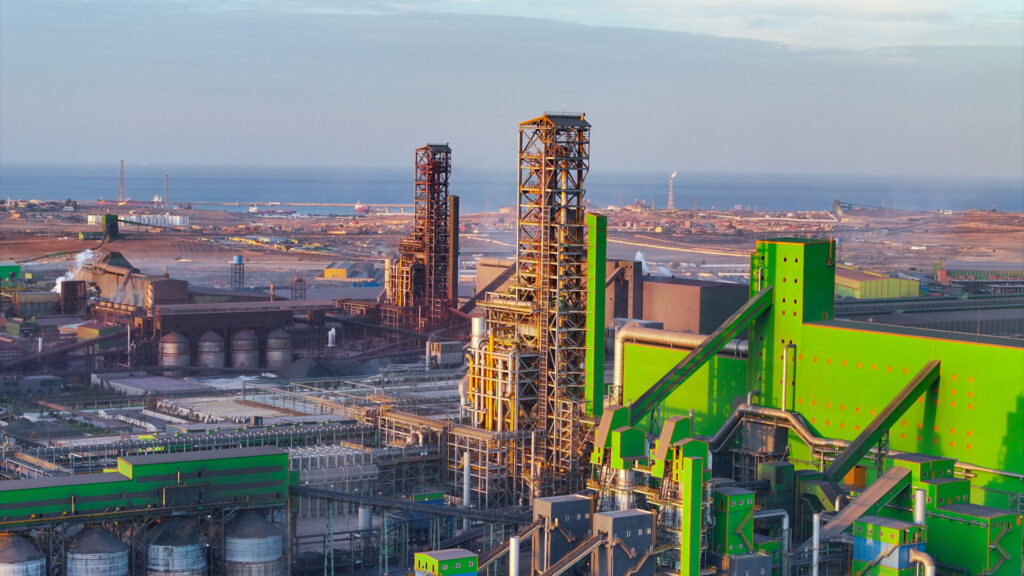
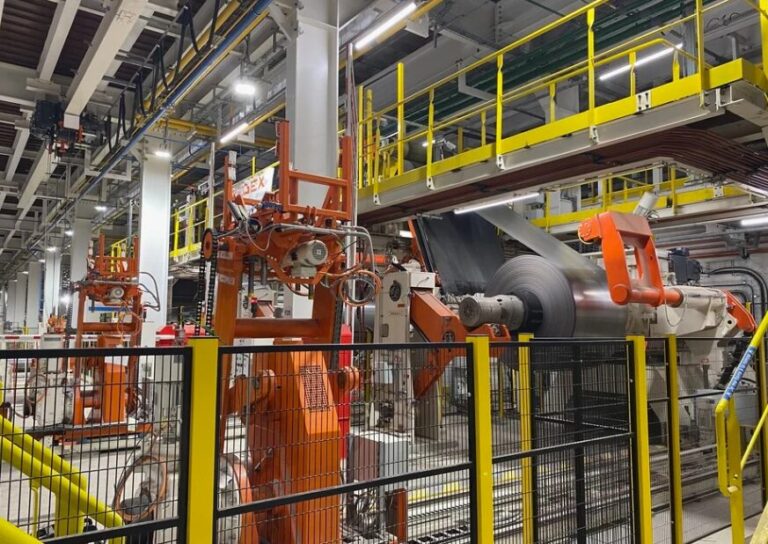
5. ArcelorMittal is advancing a major expansion in electrical steel production that includes a preparation line, a continuous annealing and varnishing line, and a slitting line — developments that reflect ongoing job growth and investment in industrial heat treating processes worldwide.

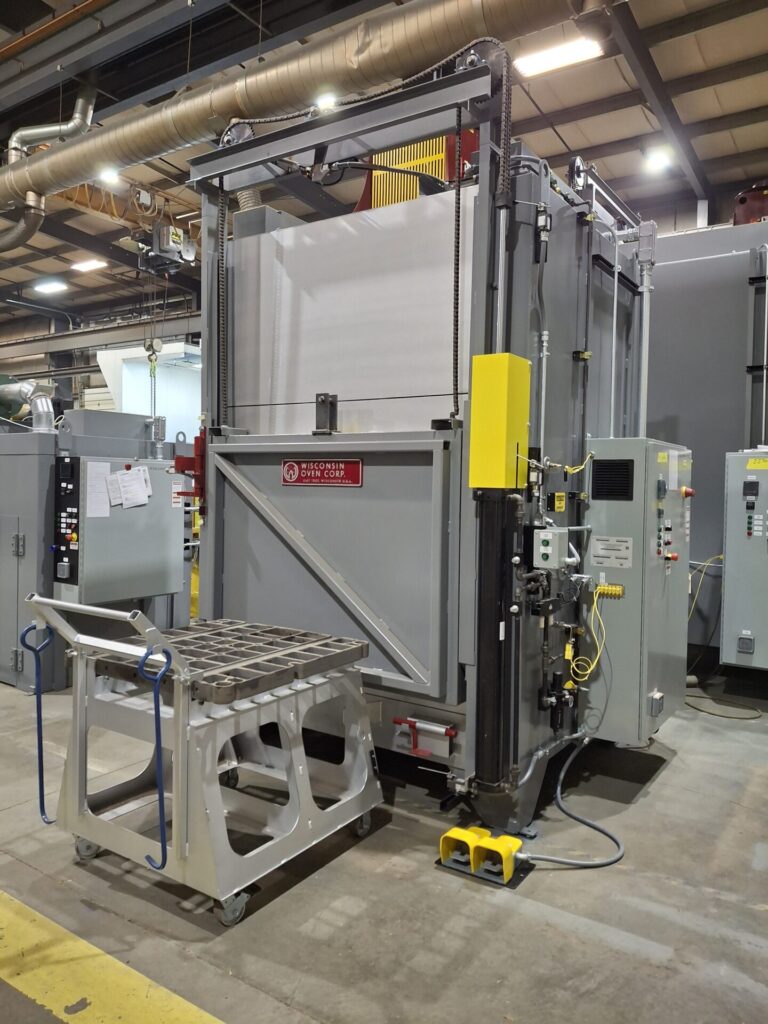
6. A United States military base will receive an electrically heated draw batch oven from Wisconsin Oven Corporation for use in heat treating aerospace components. The industrial oven was engineered to meet critical safety requirements and the stringent demands of aerospace heat treating.

7. JSW Vijayanagar Metallics, a subsidiary of JSW Steel, has commissioned a new 350-ton RH (Ruhrstahl Heraeus) unit, the world’s first operational combination of an RH Ladle Rocker technology with Fast Vessel Exchange from SMS Group. This represents a major advancement in secondary metallurgy and plant efficiency.

8. PROENERGY has ordered four Ipsen vacuum furnaces for its new Houston location, expanding heat treating capacity to support growing demand for fast-start gas turbines and lifecycle maintenance services. The investment strengthens PROENERGY’s ability to manufacture, repair, and overhaul high-quality turbine components while reducing lead times.

Company & Personnel

9. SMS Group’s South Africa-based Metix brand and Magmec signed a memorandum of understanding to develop a magnesium metal production facility in the United Arab Emirates utilizing advanced reduction furnace technology. The facility will be designed to process magnesium oxide originating from feed sources such as dolomite or brine. The partnership aims to establish a regional, sustainable supply of magnesium for strategic industrial users.

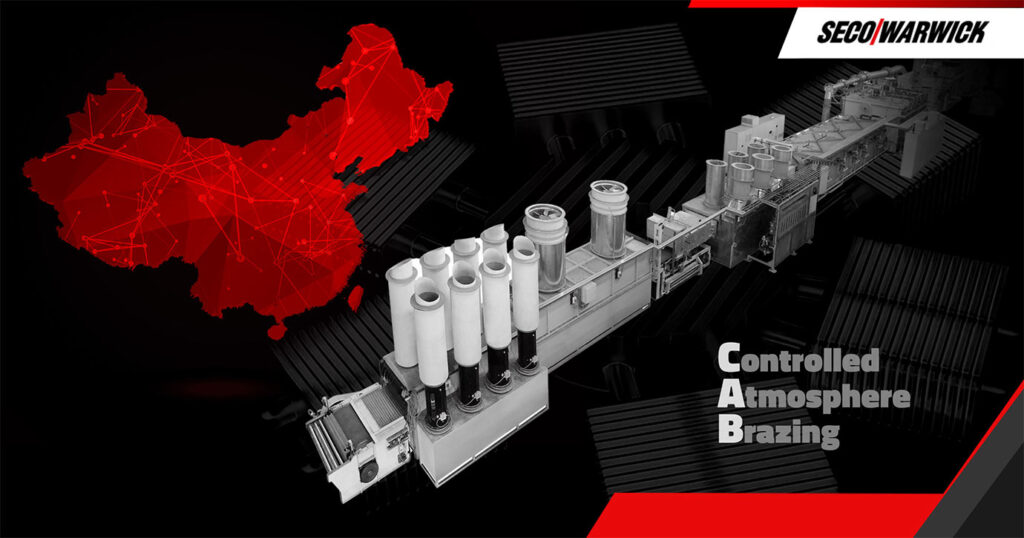
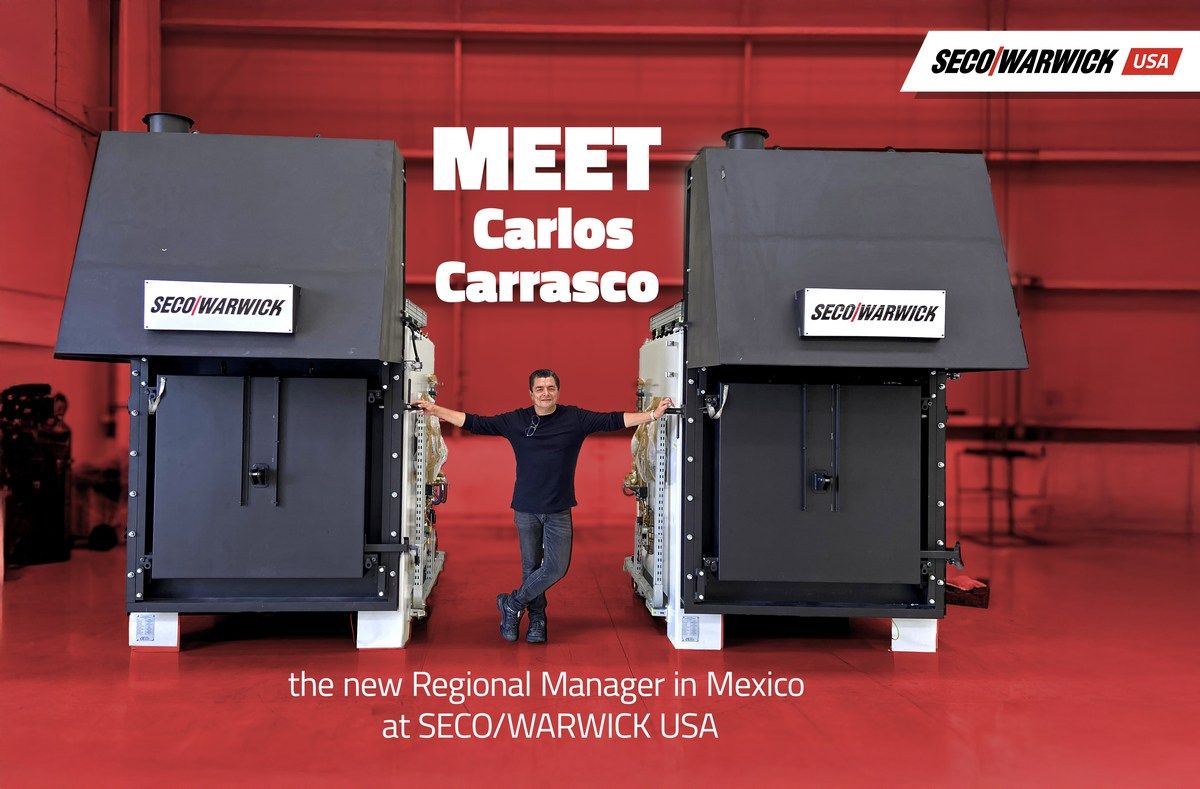
10. Carlos Carrasco has joined the SECO/WARWICK USA sales team as regional manager for Mexico, bringing more than 11 years of experience with the company as a sales representative. In his new role, he will support customers across the region in addressing their heat treatment challenges.

11. IperionX is working with Carver Pump Company to advance domestic titanium manufacturing and thermal processing capabilities in a recent commitment to reduce long lead times for critical pump components used for naval shipbuilding. This addresses supply chain constraints that have slowed ship construction and maintenance. By shortening production timelines, the initiative supports improved fleet readiness while reinforcing domestic manufacturing capacity for mission-critical naval systems.

Kudos

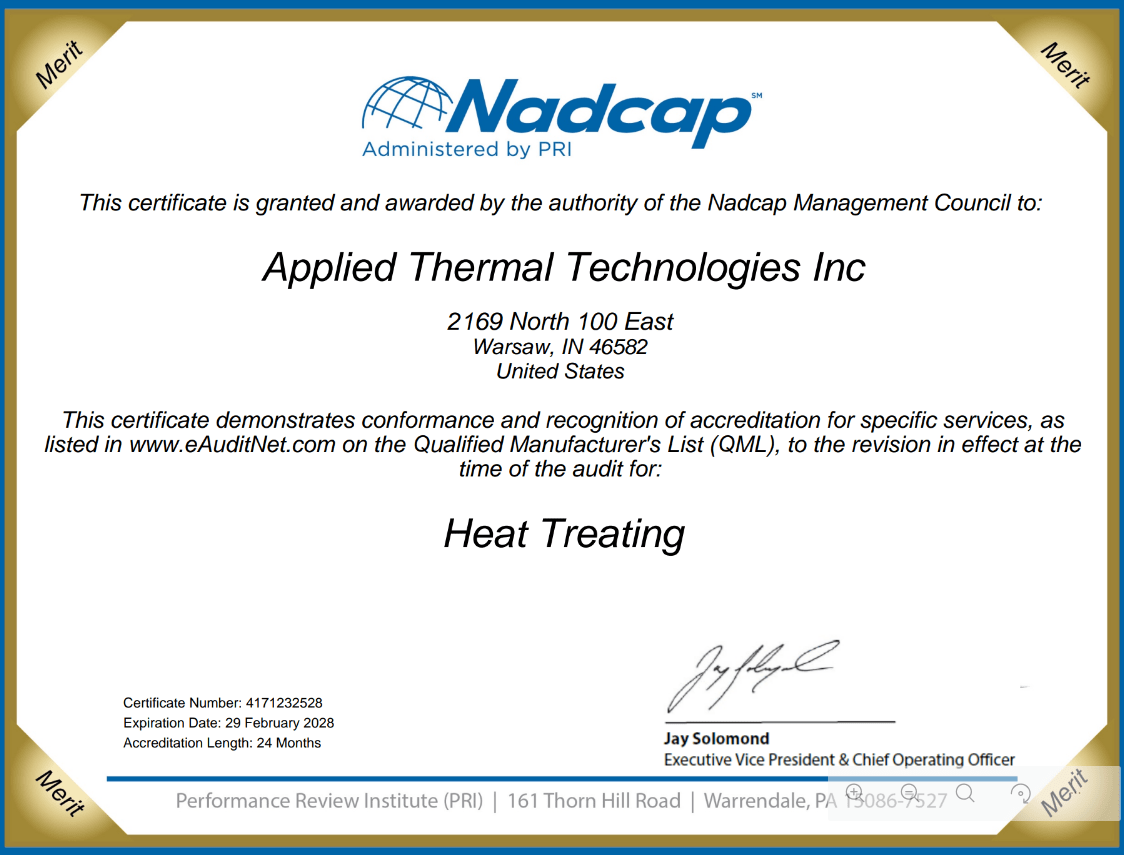
12. Solar Atmospheres of Michigan has earned Nadcap 18-month Merit Status for heat treating and brazing, marking a significant quality milestone, bringing every Solar Atmospheres facility nationwide to merit standing. The achievement reflects three consecutive years of audits with zero major findings, underscoring the company’s disciplined process control and commitment to specification compliance while serving industries including aerospace, defense, and medical manufacturing.

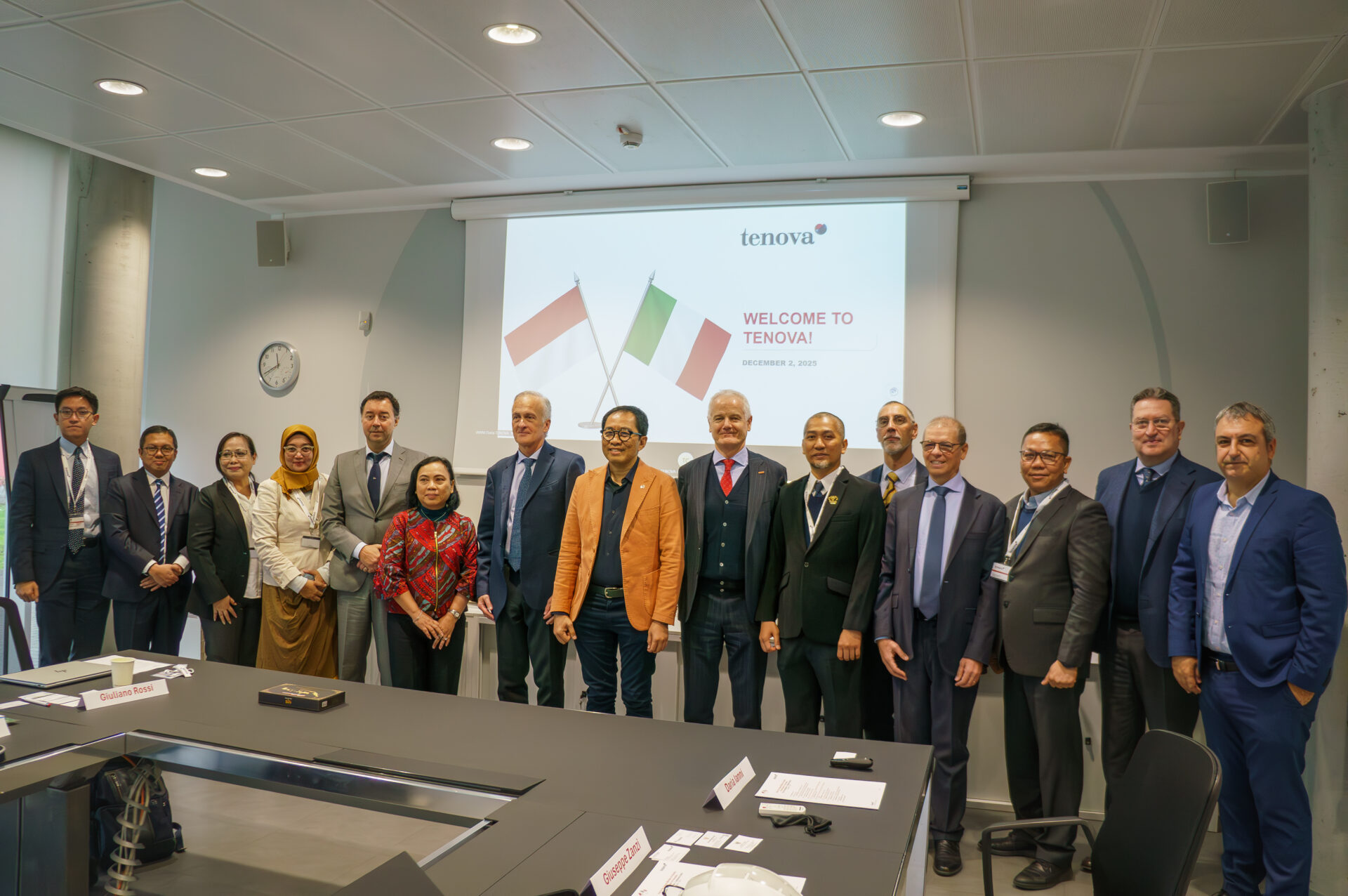
13. Tenova hosted Indonesia’s Vice Minister of Industry, Faisol Riza, at its global headquarters to showcase sustainable steelmaking technologies, following an initiative led by Indonesian steel producer PT Tata Metal Lestari. The visit highlighted collaboration among Tenova, TML, and the Indonesian government to advance low-emission steel production, energy efficiency, and industrial innovation.

14. Bodycote has achieved Nadcap accreditation for heat treating, vacuum brazing, and TIG welding at its new 55,000-square-foot facility in Fairfield, Ohio. The milestone strengthens Bodycote’s North American presence and expands capacity to meet growing demand for high-specification thermal processing in aerospace, defense, and industrial manufacturing sectors.

14 News Chatter to Keep You Current Read More »

Message from the Editor: AI, Where Are You?

Heat Treat Today publishes twelve print magazines a year and included in each is a letter from the editor. This letter is from the October 2025 Ferrous & Nonferrous Heat Treatments/Mill Processing print edition. In today’s letter, Bethany Leone, managing editor at Heat Treat Today, shares her insights on where artificial intelligence stands in the heat treating industry nine months into 2025.


In January 2025, the heat treat industry was envisioning operational improvements thanks to leaps in artificial intelligence (AI) developments. Now, nine months later, are we still searching for AI?

Managed by AI

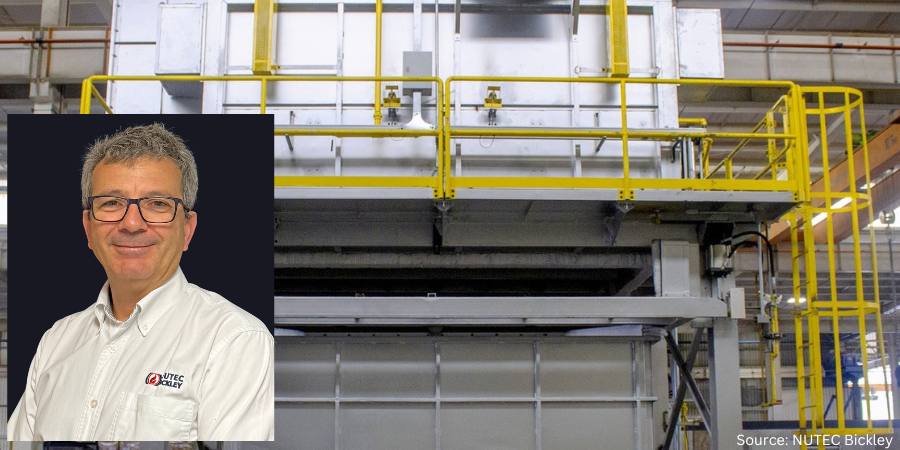
Daniel Llaguno, President of NUTEC Bickley

For many industry players, AI has started in the office before the furnace. This can look like creating manuals, writing emails, and reading contracts to interpret legal language.

Daniel Llaguno, president of NUTEC Bickley, calls this the early stages of AI adoption. His company has leveraged AI for onboarding and training new employees — a low-risk, high-value application.

Like many suppliers, they are exploring how AI could eventually reshape furnace development, likely on an open-loop system first (versus a closed-loop where AI receives furnace information and immediately sends back direction to the furnace controls on how to respond).

The Furnace Floor

Jason Orosz, President of Global Heat Treating Services

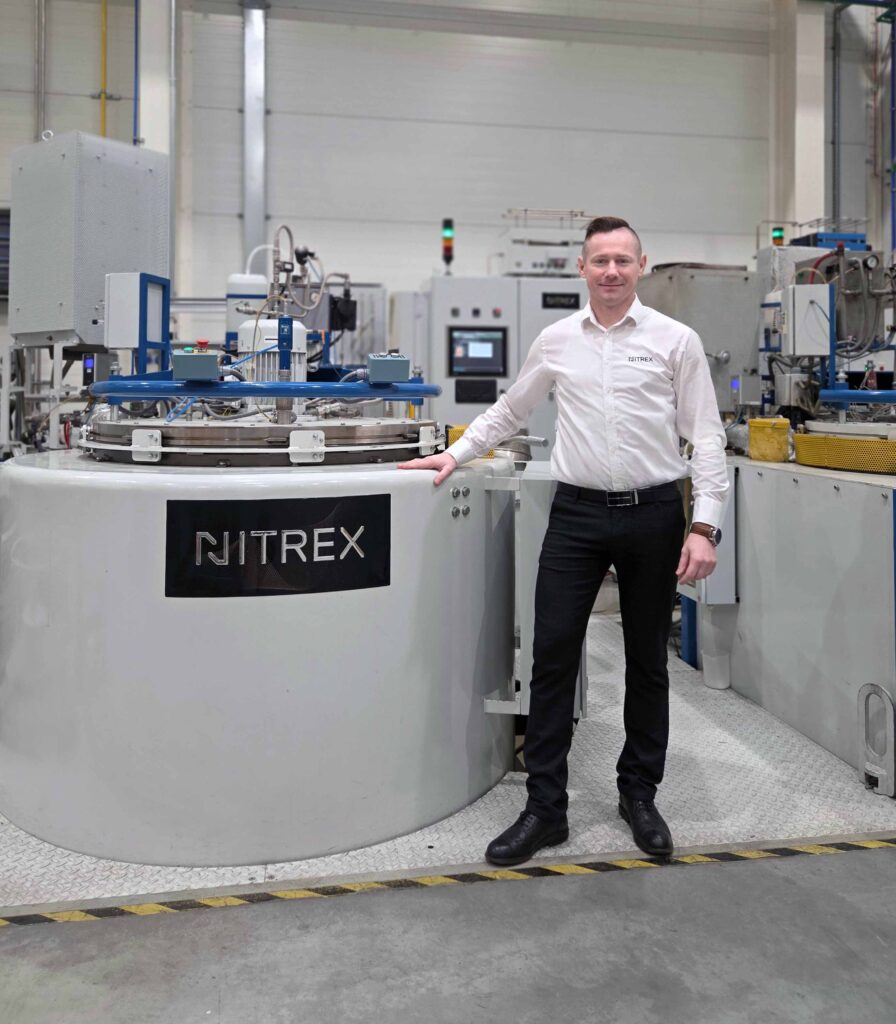
The next step is already visible: integrate AI into existing IIoT platforms that manage floor operations. Platforms that you may already have considered are QMULUS by NITREX, PdMetrics by Ipsen, and Edge Process Management (EPM Data) by Eurotherm, a Watlow company. These are just a sampling of advanced management systems on the marketplace, and ones that are at different stages of incorporating AI and machine learning for process optimization.

QMULUS has already deployed across all North American Heat Treating Services locations, according to Jason Orosz, president of Global Heat Treating Services. He says AI has been useful in “helping with analysis, troubleshooting, and quality control” — themes you will hear repeatedly in early AI applications.

Evolving To Meet Expectations

Michael Mouilleseaux, General Manager of Erie Steel, Ltd

What should AI integration into furnace operations look like? Michael Mouilleseaux, general manager at Erie Steel, has commented that heat treat AI should help the industry shed its “black magic” reputation. He envisions advanced analysis that could, for example, “correlate intergranular oxidation (IGO) results with furnace integrity checks (i.e., leaks), eventually establishing hard limits for allowable leak rates.”

Still, obstacles remain. “I think it’s going to be a while before commercial heat treaters can relinquish furnace control over to an AI,” Orosz added, specifically commenting on maintaining furnace parameters. This makes sense due to the need for commercial heat treaters to conform to client specifications. Rather, he says in-house heat treat operations “are likely going to be the first movers in that area since they can make their own rules.” For readers of this publication — who primarily are coming from these types of operations — that should be an encouragement: you have a key role to innovate.

Lee Rothleutner, Manager of Materials R&D, The Timken Company

One other key factor for this integration to occur within operations comes with acknowledging the heavy digital capacity that AI requires. Lee Rothleutner, manager of Materials R&D at The Timken Company, commented on this very point, writing to me that for high-quality digital data, the heat treat industry needs to commit not just to the investment but to maintaining a robust data collection and storage infrastructure. He also foresees one pathway of AI integration beyond preventative maintenance, noting, “AI applications can extend to process optimization, quality control, and energy efficiency improvements.”

What To Do Now

For successful integration of AI technology, the common denominator is that management teams are being encouraged to constantly try new ways to innovate with AI.

The first thing you need to do is open an email and send me your AI integration story. Just kidding. (Not really.)

After that, you need to read Peter Sherwin‘s article on page 34 of this issue where he discusses a new development in standardization that should accelerate AI’s role in industry.

Finally, if you are attending ASM Heat Treat 2025 this month, bring your AI to the table … literally, if you have a booth. Showcase what you’ve been doing at your location or become a part of the conversation. Lee Rothleutner, quoted above, will be participating in a panel discussion on this very topic in the afternoon of Tuesday, October 21.

The Heat Treat Today booth is #944. Not everyone is accustomed to the rapid pace of tech adoption; we want to help one another understand the risks and potential that AI brings, and your stories are critical. I look forward to talking with you.

References

Glenn, Doug, and Llaguno, Daniel. 2025. Interview by Heat Treat Today. Private recording, February.

Loepke, Mike. 2025. “Digitalization Propels Heat Treating to Industry of the Future.” Heat Treat Today 7 (8).


Bethany Leone
Managing Editor
Heat Treat Today
Contact: Bethany Leone at bethany@heattreattoday.com

Message from the Editor: AI, Where Are You? Read More »
Major Drivetrain Technology Leader Expands Isothermal Annealing Capability

An international, multi-billion-dollar corporation at the forefront of drivetrain technologies has commissioned a complete isothermal annealing line, due to be delivered in Q1 2026. The furnaces are designed to be in compliance with CQI-9, the comprehensive audit covering the most common heat treat processes employed by the automotive industry. This investment underscores the automotive industry’s commitment to delivering higher-quality components while meeting stringent manufacturing standards.

Arturo Arechavaleta
Vice President, Metal Furnaces, NUTEC Bickley

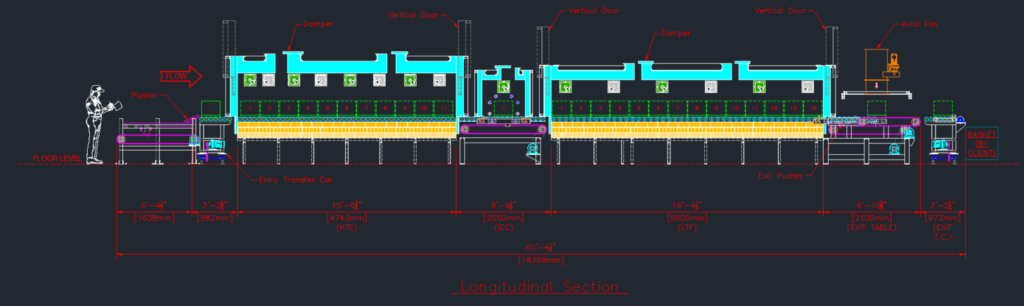
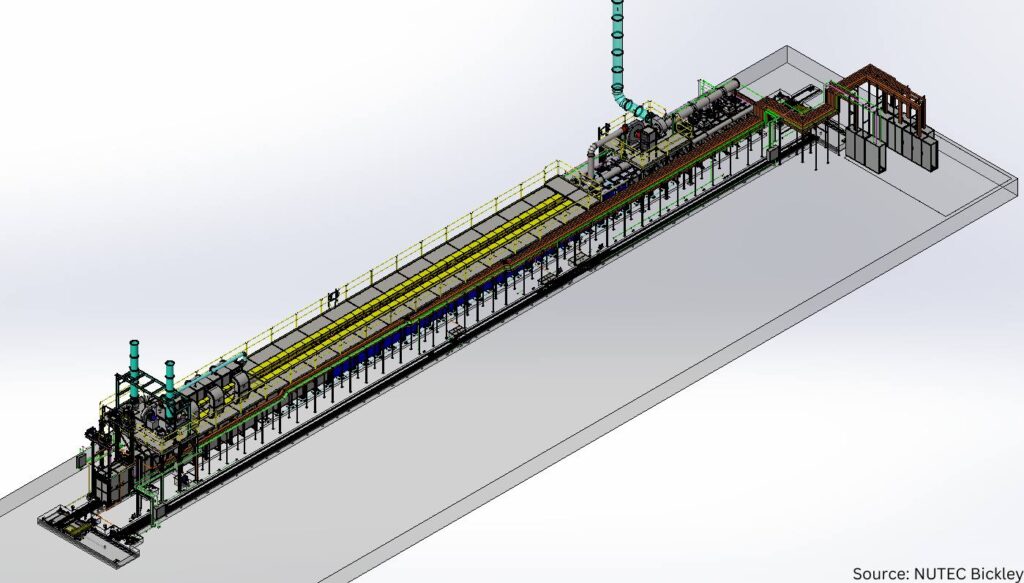
The system has been designed in close collaboration with NUTEC Bickley to ensure everything meets the company’s specific operational needs. The contract comprises both high-temperature and low-temperature furnaces, as well as an isothermal cooling chamber and blast cooling tunnel, together with all the ancillary equipment and full material handling and conveying system.

Arturo Arechavaleta, VP Metal Furnaces at NUTEC Bickley, said: “Our client for this multifaceted project is an auto component world leader that supplies nearly every major vehicle manufacturer. It has an established reputation in delivering high quality parts and promoting sustainability in the supply chain. I am delighted the NUTEC Bickley was chosen to partner in the design and manufacture of this isothermal annealing line.”

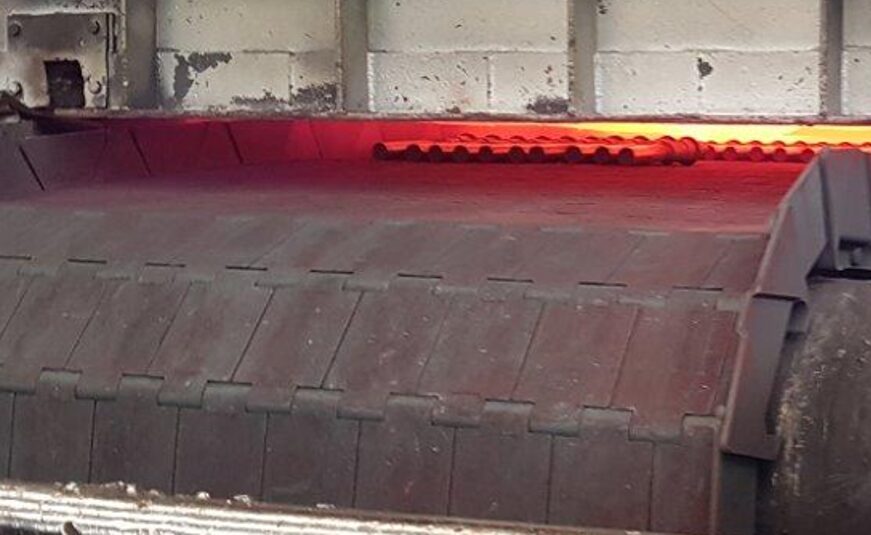
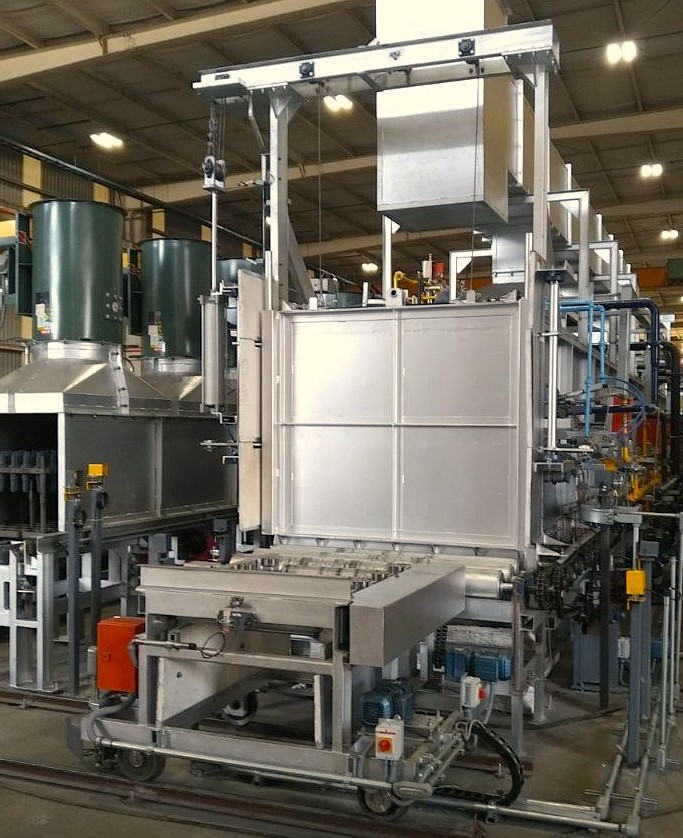
At the heart of the new facility will be a double pusher tray high-temperature furnace (HTF) designed specifically for processing carbon steel automotive parts. The system incorporates a fully automatic electrical double pusher system with steel trays sliding over rails with idle rolls. Processing two trays across the width helps reduce the line’s footprint while maximizing throughput.

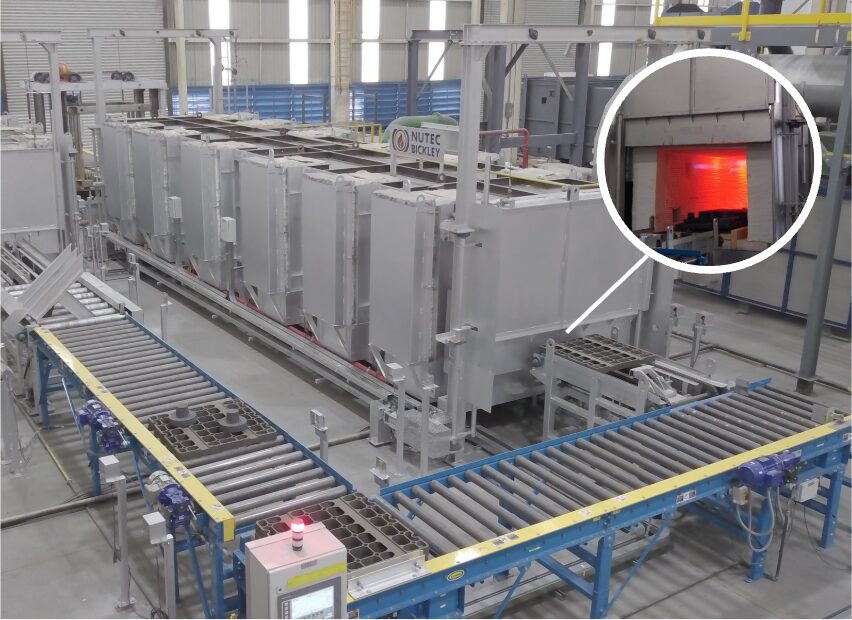
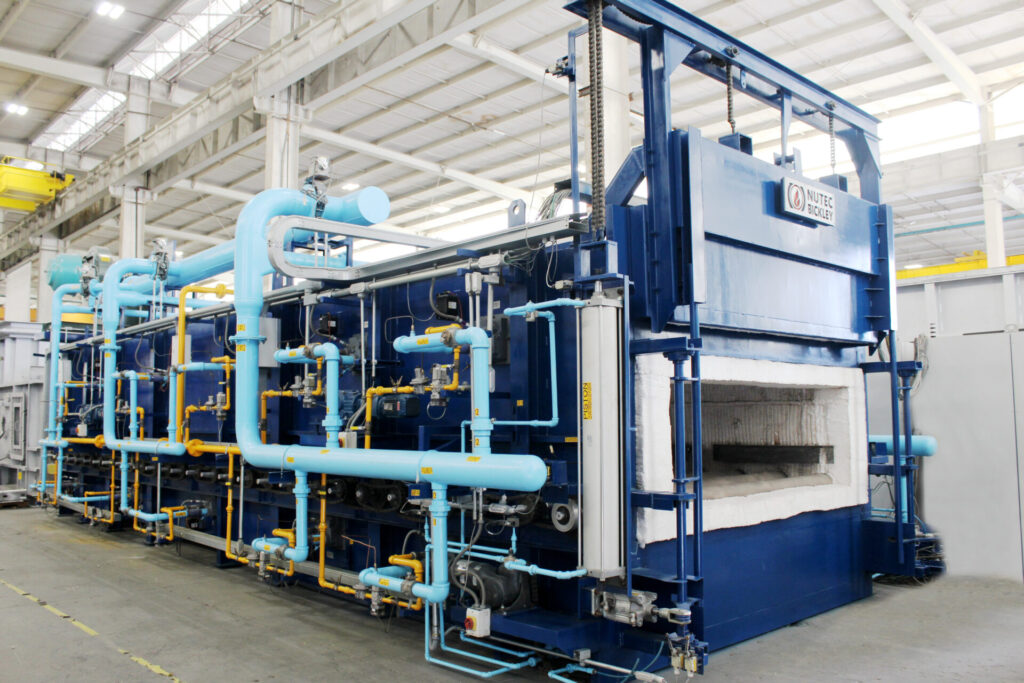
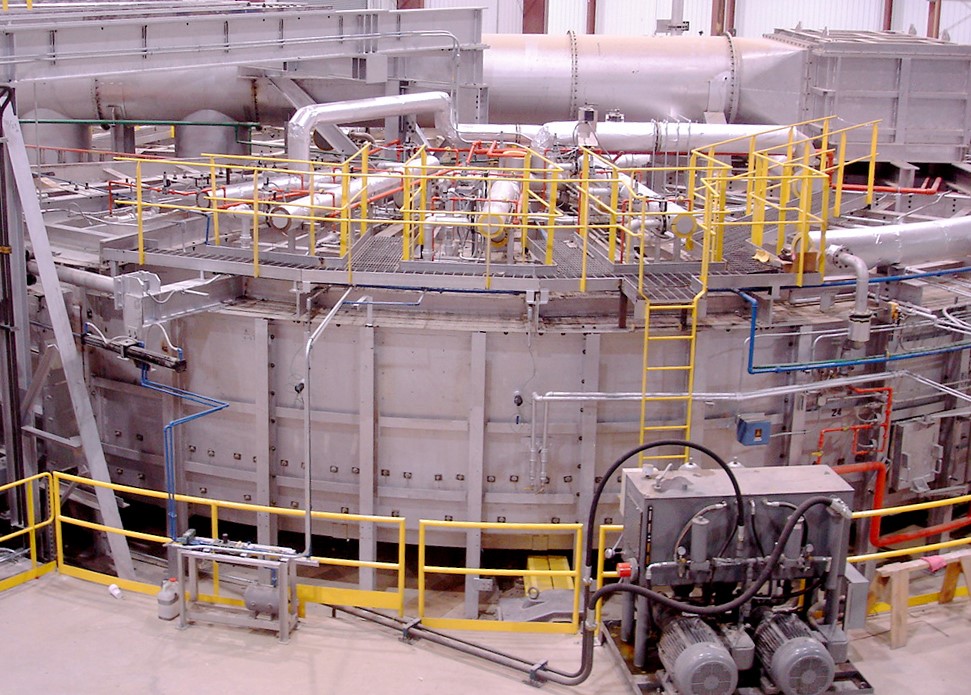
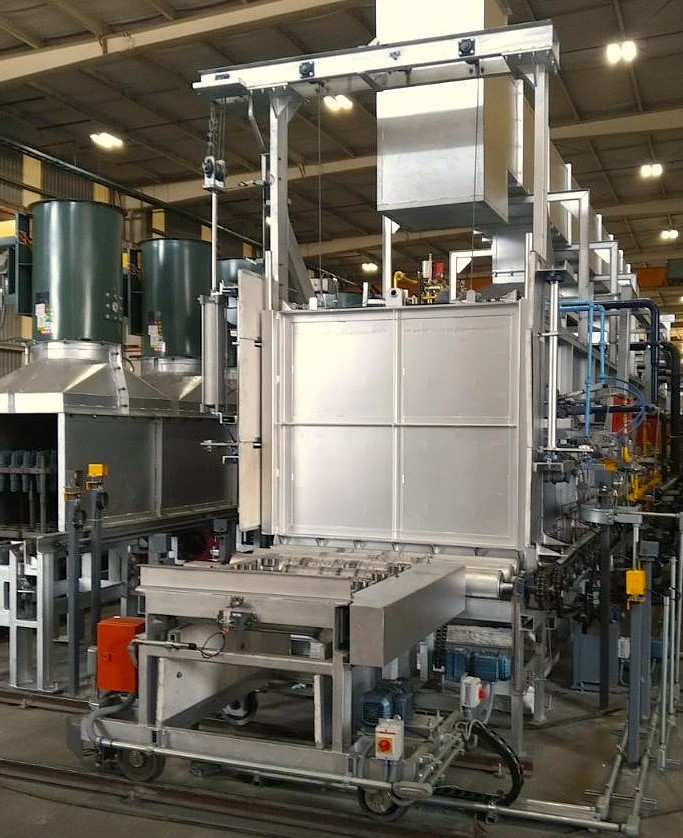
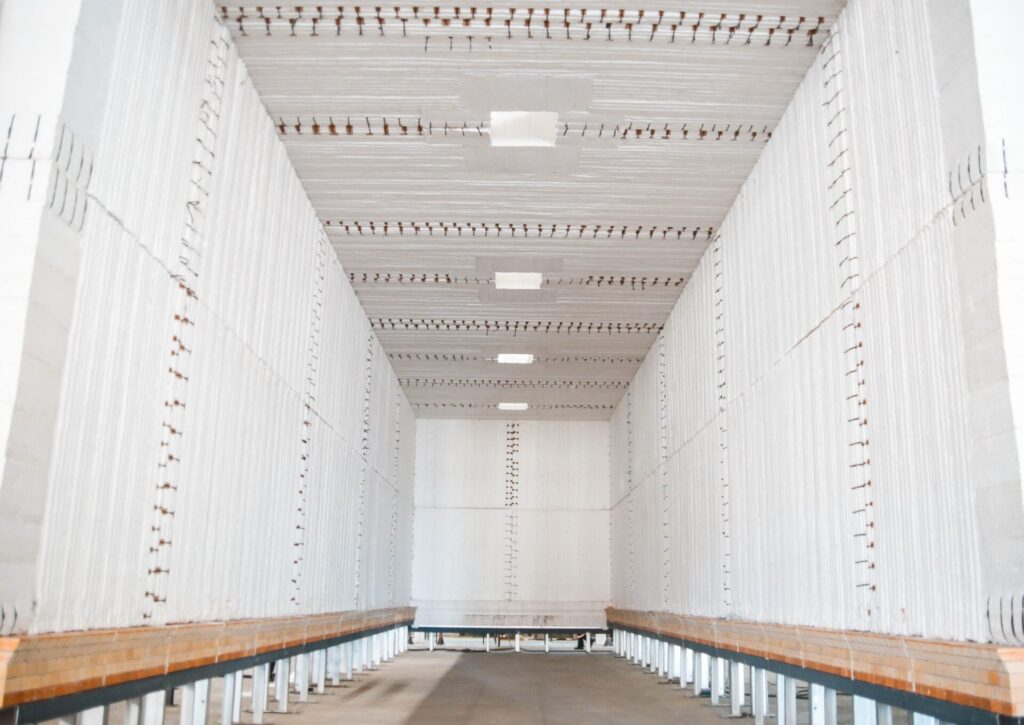
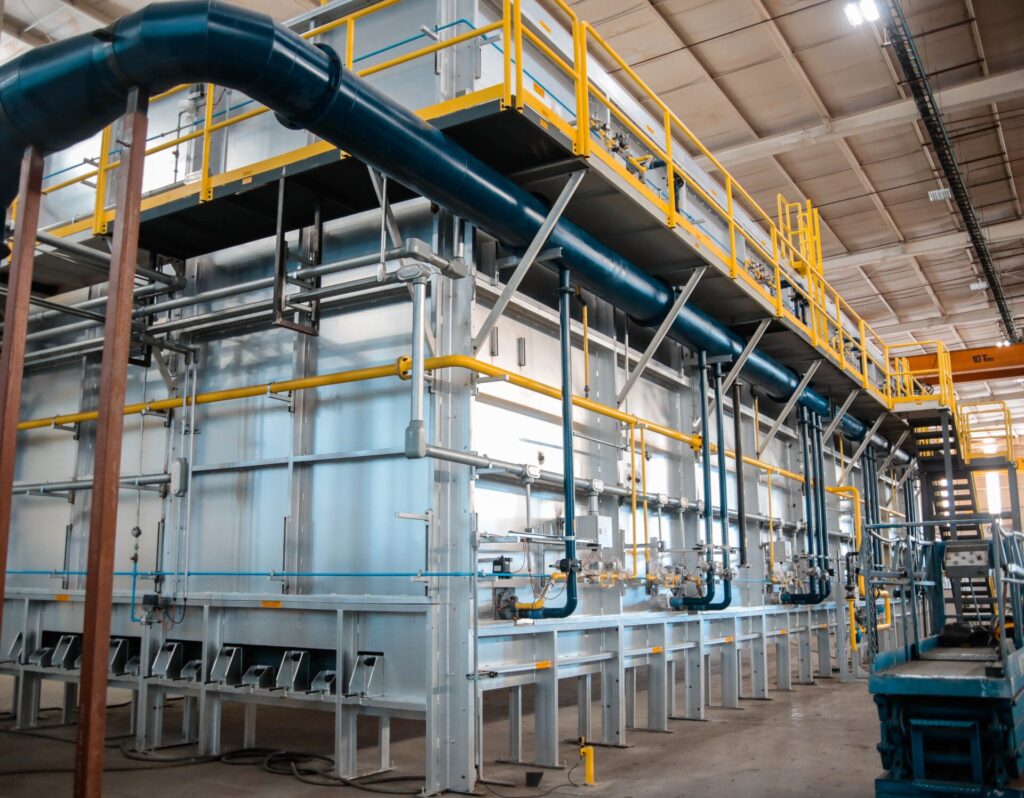
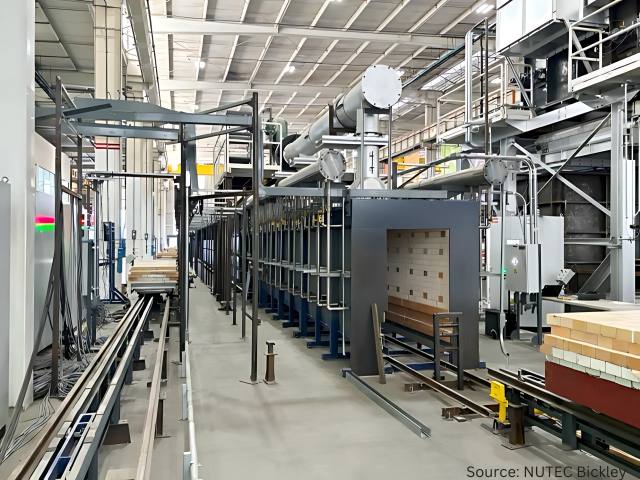
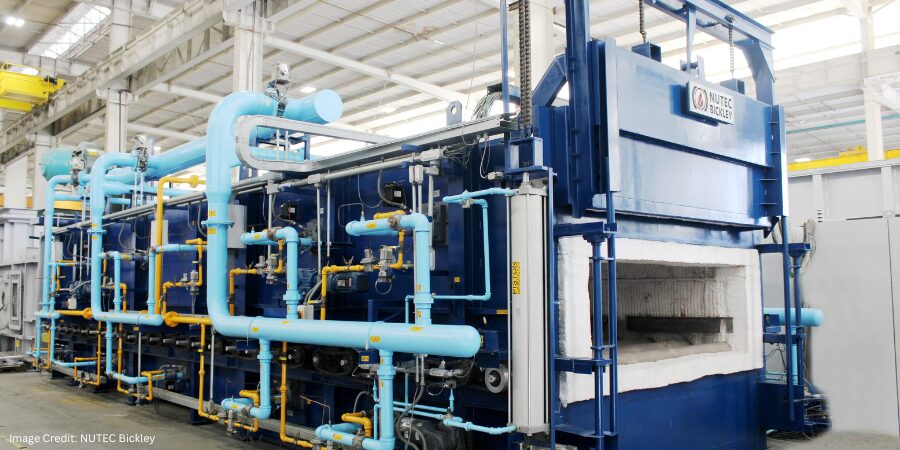
Example of a customized isothermal annealing furnace by NUTEC Bickley, engineered for the auto manufacturing industry

The natural gas unit features four automatic temperature zones, each with two high-velocity nozzle-mix burners that provide excellent turbulence and outstanding recirculation within the furnace chamber. Operating temperatures range between 850°C and 950°C (1560°F-1740°F), with temperature uniformity targets of ±5°C (±40°F) for processes below 680°C (1260°F) and ±10°C (±18°F) at or above 680°C (1260°F).

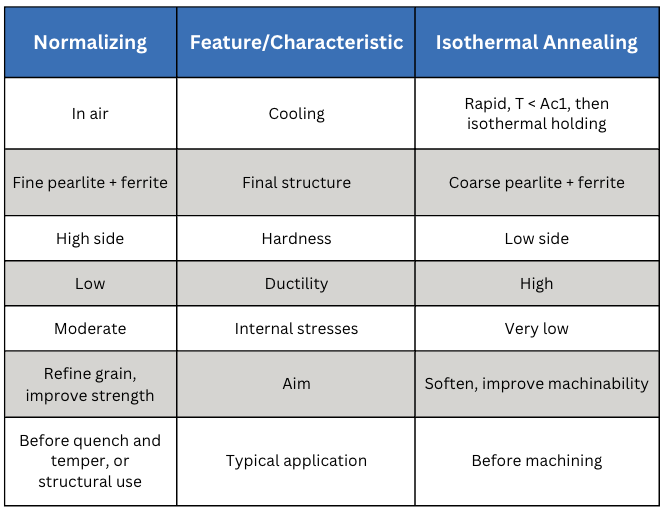
The isothermal annealing process involves multiple stages that work in seamless coordination.

First, forged carbon steel parts move into an isothermal cooling chamber (ICC) after initial heat treating where the load temperature is rapidly reduced from 950°C (1740°F) to 660°C (1220°F) within five to 10 minutes, bringing parts to their transformation point. This rapid cooling uses ambient air supplied from an external cooling fan.

Then, parts proceed to a low-temperature furnace (LTF) operating at between 630°C and 700°C (1170°F-1290°F), which uses a fuel-only control system for enhanced temperature uniformity. The furnace relies on three automatic temperature control zones and six burners.

Finally, tray loads pass through a blast cooling tunnel (BCT) where forced convection cooling with ambient air brings parts down to approximately 400°C (750°F) before exit.

The complete line includes comprehensive material handling and conveying systems that operate fully automatically. It features entrance and transfer cars with movement systems, transfer car tracks, exit transfer cars with tray dumper units, integrated air cooling units, return conveyors with electrical dolly systems, and automated loading stations. The entire parts handling system is linked to the process via Master PLC and HMI for seamless operation.

Press release is available in its original form here.

Major Drivetrain Technology Leader Expands Isothermal Annealing Capability Read More »

Mexico-Based Furnace Manufacturer Celebrates 50 Years

Founded in 1975, this Mexico-based furnace manufacturer has 50 years of expertise in thermal processing equipment and has delivered more than 2,000 units across 48 countries. Heat Treat Today’s Industry Company Highlights is dedicated to shining a light on major players within the heat treatment industry.

In today’s edition, learn more about ceramics, proprietary technologies, and technical services that set NUTEC Bickley apart. Read to the end to catch a unique interview of NUTEC Group CEO Daniel Llaguno by Heat Treat Today Publisher Doug Glenn.


With a mission to provide industrial kilns and furnaces to North American and international markets, NUTEC Bickley is celebrating its 50th anniversary as a company. Through its 50 years of growth NUTEC has made a global impact and continues to look ahead with a vision of wide-reaching impact, including strategies and initiatives which prioritize efficiency in industrial heat treatment.

NUTEC Bickley designs and manufactures kilns for the ceramic industry, furnaces for steel, aluminum and specialty alloys, ovens and dryers, combustion and control systems, and preheaters and dryers. They service the automotive, aerospace, sanitaryware, refractories, abrasives, and steel industries, and are known for their aluminum heat treating furnaces.

The company has several proprietary technologies, including:

  • ECOmbustion™: An advanced combustion control system that reduces fuel usage and carbon emissions
  • IMPS™ (Integrated Monitoring & Pulse System): A control technology that enhances process precision and uniformity
  • Jointless® Insulation Modules: A patented ceramic fiber design that extends furnace lifespan and reduces heat loss
  • Energy Recovery Systems: Solutions that maximize fuel efficiency by reusing residual heat.
Shuttle kiln
Source: NUTEC Bickley

In July 2025, NUTEC Bickley announced an exclusive manufacturing license in North America for Regenerative Thermal Oxidizers through a strategic alliance with Spain-based Kalfrisa. This partnership enhances its environmental technology offerings and expands its North American footprint.

Alberto Cantú, NUTEC Bickley’s vice president of Ceramics and New Business Development, said, “The effective and safe removal of VOCs is vital for a wide range of industries and is something we are asked to address on a regular basis. Kalfrisa is a highly respected name in emissions treatment and control and so I’m delighted that we have been able to announce this new collaborative agreement. There is strong potential for the deployment of high-performance RTOs in the North American market, and I’m very excited about working closely with Kalfrisa to deliver the best available technology.” 

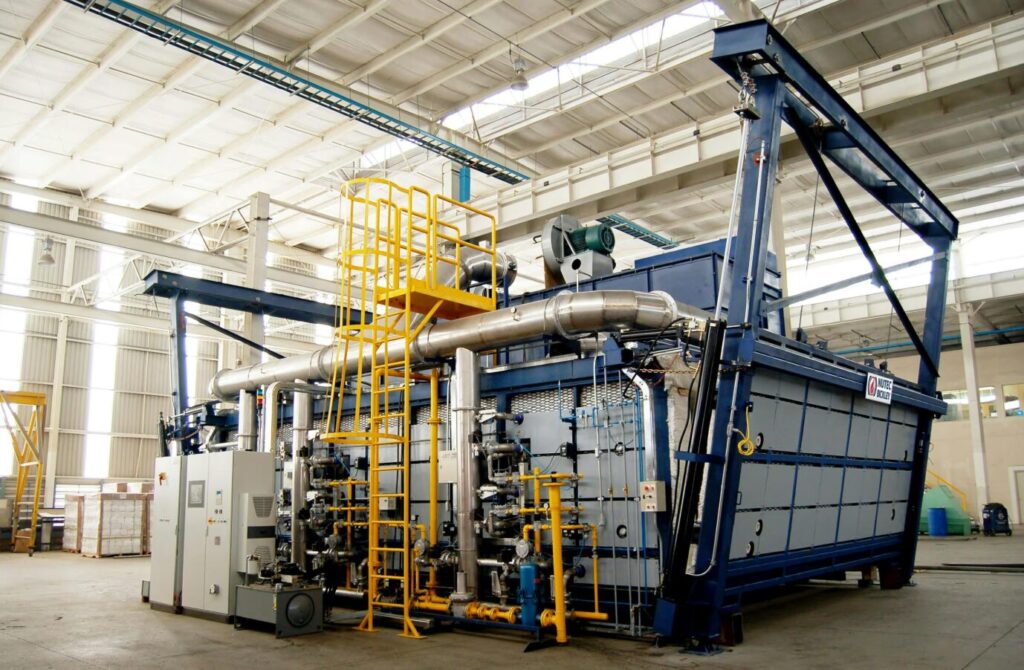
The company continues to invest in R&D with recent innovations including a high-precision shuttle kiln for ceramic core sintering and advanced drop-bottom furnaces for aluminum heat treatment. These developments will be featured in upcoming events like UNITECR 2025 in Cancún and the FIA Light Alloy Conference.

Drop bottom furnace
Source: NUTEC Bickley

Doug Glenn, publisher at Heat Treat Today, interviewed NUTEC Group CEO Daniel Llaguno for the 50th anniversary of the company and discussed its current operations and future plans.


Daniel Llaguno
CEO
NUTEC Group
Source: NUTEC Group

US Dollar and Pesos (00:01): Daniel discusses how the strength of the U.S. dollar and the Peso relate for the sale of NUTEC’s thermal processing equipment. He shares why “a strong U.S. dollar is very beneficial for us.”

Increasing Capacity at Charlotte Facility to Mitigate Tariffs (3:00): The effects of the current economic and political situation between the United States and Mexico directly impact NUTEC’s business. However, to mitigate tariff impacts, Daniel shares how they are increasing capacity at their Charlotte facility with a goal that 90% of their fiber division production may occur within the United States.

The Path Forward For NUTEC’s Divisions (9:10): NUTEC’s R&D is split across the U.S. and Mexico, and they partner with a research center in Spain; they are pro-active in developing new technologies. Daniel believes that furnaces have to be smarter and more helpful to the client, and the company is geared toward improving efficiency. Daniel adds that NUTEC primarily specializes in customized furnaces.

Inaugurating AI Technologies (13:38): Daniel commented on how NUTEC is in the early stages of exploring applications of AI in their products and business. They currently see many applications on the business side and are actively discerning how to apply it to their furnace technologies.


Mexico-Based Furnace Manufacturer Celebrates 50 Years Read More »
Gas-Fired Car Bottom Furnace for Heat Treatment

A heat treater in the U.S. Midwest anticipates greater heat treat abilities of ingots with a new gas-fired car bottom furnace. The furnace will be capable of handling both steel and aluminum ingots, with loads up to 150,000lb per cycle.

Arturo Arechavaleta
Vice President, Metal Furnaces
NUTEC Bickley
Source: NUTEC Bickley

NUTEC Bickley designed the furnace to operate across a wide temperature range. The high levels of temperature uniformity to be delivered by the combustion system mean that this furnace will be qualified to undertake AMS2750 compliant surveys.

Arturo Arechavaleta, NUTEC Bickley’s vice president of Metal Furnaces, said: “Our customer for this important project has been serving the industry with a dedicated heat treat facility for many decades, and is a widely recognized and trusted name in steel and aluminum circles.”

The working dimensions of the furnace are 12ft w. by 35ft l. by 14ft 6in h. Normal operational temperatures range between 300°F (150°C) and 1650°F (900°C), with a maximum of 2000°F (1095°C). With burners firing above and below the load, there are 11 automatic control zones (five top, six bottom). The optimum approach to heat treat these heavy loads is pulse firing with variable excess air.

The furnace uses high-velocity nozzle-mix burners in a staggered configuration to fire above and below the load, maximizing heat transfer and providing optimum temperature uniformity. One of the IMPS® (Integrated Multizone Pulsing System) modes is Excess Air Firing. Among other things, it allows control over very low temperature while high turbulence is maintained to achieve temperature distribution.

In the Ratio Firing mode, the air and gas valves pulse in a synchronized pattern, from low to high fire in stoichiometric ratio, to ensure optimal fuel efficiency. This is made possible by using the kinetic energy generated by the flame speed and the rapid transition from low to high fire which increases entrainment and turbulence, thus promoting a better temperature distribution without the need for a high level of excess air.

Press release is available in its original form here.


Gas-Fired Car Bottom Furnace for Heat Treatment Read More »
High-Purity Alumina Calcining Processes Support Expansion

One of North America’s leading producers of ultra-high-purity alumina and associated products recently boosted its advanced manufacturing operations with a 50m-long electric tunnel kiln. This installation will support the company’s expansion into the production of a variety of high specification lines.

Alberto Cantú Br<> Vice President of Sales
NUTEC Bickley

The calcination kiln, which was broken down into modules and transported by NUTEC Bickley, has an operating temperature of 2190°F (1200°C) and maximum temperature of 2460°F (1350°C) and processes the material in saggars sitting in six-high stacks that are loaded on to 33 cars. With a firing cycle of 23.6 hours, approximately 5000kg of calcined material is processed each day. In addition, special provisions to prevent equipment wear due to chemical attack that follows degassing of hydrochloric acid during the alumina heating process has been designed by NUTEC Bickley.

“The nature of the material being processed means that tight tolerances and demanding specifications have had to be met,” said Alberto Cantú, vice-president of ceramics at NUTEC Bickley. “[This] demonstrates once again how, when all necessary design parameters are in place, electric heating in continuous kilns can deliver for a wide range of manufacturing processes.”

The use of electric heating is increasingly in demand. Extremely tight thermal control is necessary in the kiln chamber, operating under an oxidizing atmosphere, and this particular kiln has 14 automatic control zones for heating, plus two automatic zones for cooling. To ensure maximum flexibility and management of the temperature profile, the control systems are arranged so that the exhaust, heating zones, and cooling zones are all independently regulated.

The heating system comprises a combination of silicon carbide and metal alloy elements. These hang down vertically through the roof and are sited on either side of the load, with distribution configured to deliver a well-balanced temperature uniformity throughout the kiln. The electrical connection design means that elements can be replaced while the furnace is at operating temperature.

Hot gases are drawn towards the kiln entrance and are evacuated from the tunnel through exhaust ports positioned in the kiln sidewalls, via the exhaust fan. Cooling is achieved by direct air movement in the cooling zones. The temperature set points from the cooling zones are controlled automatically with cooling nozzles positioned to blow a stream of cold air above and below the load setting. The kiln walls use lightweight insulation for rapid thermal response and fuel economy, with the lining rated for use up to 2350ºF (1290°C). The roof is lined with high thermal efficiency ceramic fiber system, and the roof insulation combines modules of polycrystalline fiber and zirconia grade fiber.

Kiln car operation is based on a semi-continuous feed electromechanical pusher with push speed adjustment. The push speed is configurable by selecting the appropriate firing schedule at the kiln control panel. A vestibule arrangement serves to reduce exchange of air and gases between the factory and the kiln. When a car is being introduced into the kiln, the door at the entry end opens, while the door at the kiln entrance is closed.

The vestibule has two sections: the first accommodates a single car and is separated by two vertical lift doors to separate the factory’s atmosphere from the kiln atmosphere. This is managed by installing an exhaust hood which is connected to the entry exhaust fan, thus ensuring a negative pressure in the vestibule to avoid any gases from the kiln from leaving the chamber. The second section functions as a transition from the vestibule door sections to the kiln’s pusher.

Press release is available in its original form here.


High-Purity Alumina Calcining Processes Support Expansion Read More »
Manufacturer Expands Aluminum Heat Treat Capabilities

A provider in the power solutions industry has enhanced its operations with a heat treat drop-bottom furnace for the solution heat treatment of aluminum castings. This installation will increase the company’s production capabilities, with the furnace having a load setting of 48 in (123 cm) wide x 36 in (91 cm) high x 141 in (358 cm) long.

The furnace, the fifth designed and manufactured by NUTEC Bickley, has a single temperature control zone, typically operating at 1000°F (573°C), with a maximum of 1075°F (580°C). The load setting will accommodate up to three baskets, equivalent to around 3600 lb (1635 kg) of aluminum parts per cycle. The furnace has been customized to be indirect gas-fired using radiant tube burners. Additionally, the project incorporates a motorized quench tank, rails, movement system, and load/unload platform with elevator device.

Arturo Arechavaleta
Vice President, Metal Furnaces
NUTEC Bickley

“Efficient and effective solution heat treatment is a vital part of the aluminum casting process,” said Arturo Arechavaleta, vice-president of Metal Furnaces at NUTEC Bickley. “Without the sort of advanced system that we have custom-designed, volume production of high-quality aluminum parts is not feasible. We’re proud to have played an important role in this technology partnership.”

The indirect gas firing is via single centrifugal recirculation that produces a vertical flow pattern. Heating is achieved with four radiant tube burners that have individual flame safety devices. The burner system incorporates a motorized control butterfly valve, and the gas flow is controlled by proportional ratio regulators. This design, with its baffle arrangement, delivers an even flow pattern, providing excellent temperature distribution and control in the furnace’s load chamber and high-efficiency heat recirculation (convection) horizontally across the aluminum castings. Excellent temperature uniformity was always considered an important parameter, and this has been shown to be ±5.4°F (±3°C) under full test in the provider’s manufacturing facility.

In order to maintain excellent thermal efficiency in operation, the furnace walls are fully lined using ultra large proprietary ceramic fiber modules. Their configuration and fixing provide for excellent insulation and long life coupled with low maintenance. The insulation layer is 6 in (150 mm) thick and has a density of 12 lb/ft3 (192 kg/m3).

The installation will see the drop-bottom furnace itself stationary — in a fixed elevated position — with the quench tank and loading car moving to accommodate baskets at the selected position. The furnace has a single, pneumatically operated horizontal slide door. For these particular aluminum castings, the company will employ a motorized water quench system provided by NUTEC Bickley, as well as its rails included leveling and installation. The tank has been designed to accept a full load of pieces within the work basket when the furnace is positioned vertically above it.

Press releases are available in their original form here.


Manufacturer Expands Aluminum Heat Treat Capabilities Read More »
Truck Beam Heat Treat Line For Auto Industry

A truck beam heat treat line with two large walking-beam furnaces is currently being installed for a leading Latin American auto structural component designer and manufacturer. The industry leader will use one furnace for austenitizing and the other for tempering. The truck beams are 13 in (33 cm) wide, 4.5 in (11.5 cm) high, and 49 ft (15 m) long, weighing at about 625 lb (285 kg). A closely controlled environment is necessary in order to induce the required change to the steel beams’ crystal structure.

The furnace line will be provided by NUTEC Bickley, their third such order for this auto industry manufacturer.

New furnace line from Nutec Bickley
Source: Nutec Bickley

The austenitizing furnace is a continuous unit, capable of treating 60 beams (roughly equivalent to 17 tons of steel) per hour. It has an operating temperature of 1670°F (910°C), and a maximum temperature of 2010°F (1100°C). There are 10 automatic control zones, designed to promote temperature uniformity.

There are 29 high-velocity burners, sited above the load. These allow for low NOx emissions, featuring stable high excess air and excess fuel operation, direct spark ignition, integral air and gas meters, sturdy cast construction and flame rod ionization. The burner configuration creates gas recirculation and allows uniform heating of the load and better heat transfer to the product through radiation mechanisms and convection.

The furnace employs NUTEC Bickley’s IMPS™ combustion system for energy savings, enhanced process control, optimal kinetic energy utilization from burners, temperature uniformity without excess air, a high turndown ratio, and other key benefits.

The tempering furnace — capable of heat treating beams at a rate of 60 pieces per hour — has an operating temperature of 915°F (490°C) and a maximum temperature of 1110°F (600°C). There are six automatic control zones and the heating method for tempering is via air circulation with a vertical flow pattern, ceiling to floor with six centrifugal fans.

Both of these furnaces benefit from insulation based on the patented Jointless® ceramic fiber system that allows fast heating and cooling and reduces heat storage. Using MacroModules, this insulation is 8 in (20 cm) thick in the combustion zones. Thermal efficiency has also been guaranteed with a specifically design of the door frame and canopy for both access and exit doors. Both furnaces are fully NFPA 86 compliant.

The press release is available in its original form here.


Truck Beam Heat Treat Line For Auto Industry Read More »

Ahorro de energíapara hornos industriales

La baja efi ciencia energética en los hornos industriales suele impactar los costos de producción de las empresas, ya que se requiere más consumo de energía para alcanzar la temperatura deseada. Esto, a su vez, tiene un impacto tangible en su huella de emisiones de carbono.

This article was originally published in Heat Treat Today’s May 2024 Sustainable Heat Treat Technologies 2024 print edition.

To read the article in English, click here.


De acuerdo a la Agencia Internacional de Energía, el sector industrial es uno de los principales culpables en lo que respecta al consumo global de energía. En muchas situaciones, los hornos industriales tienden a ser los equipos que más la consumen.

En este artículo, compartiremos una serie de soluciones que pueden implementarse para mejorar la efi ciencia energética, reducir los costos de producción y ser social y ambientalmente responsables.

Factores que pueden estar afectando tu efi ciencia energética

Existen un par de factores obvios que pueden estar perjudicando tus índices de eficiencia energética.

Pérdidas de calor en el proceso del horno

Estas pueden deberse a daños estructurales en el aislamiento o a una distribución incorrecta del fl ujo de gas dentro del horno.

Procesos de combustión inefi cientes

Contact us with your Reader Feedback!
Gran atención al detalle en el mantenimiento predictivo

Probablemente debido a relaciones aire/combustible inadecuadas o excesivas, o a una mala mezcla causada por daños internos en el quemador.

  • Algunos consejos que podemos brindarte para ayudarte a mejorar el ahorro de energía en el horno son: Monitorear la temperatura en el lado frío del horno, verifi cando cuidadosamente que no haya puntos calientes.
  • Analizar periódicamente la composición de los gases de combustión del horno, asegurándose de mantener los niveles esperados de oxígeno y CO.
  • Verifi car periódicamente que los fl ujos de aire de combustión y combustible estén en una relación estequiométrica.
  • Revisar al menos dos veces al año que los quemadores estén en buenas condiciones y no presenten daños.
  • Evitar la infi ltración de aire frío en el horno que pueda afectar la efi ciencia del proceso.
  • Mantener ajustados los lazos de control de temperatura. Si no hay un lazo de control de temperatura, recomendamos integrarlo.
  • Monitorear periódicamente el consumo, ya sea manual o automáticamente.
  • Garantizar un programa de mantenimiento predictivo en el sistema de combustión.

¿Cómo funciona el mantenimiento predictivo?

Revisión de fl ujos de hornos industriales

Este tipo de mantenimiento se basa en el almacenamiento, monitoreo y análisis de datos y variables cuantifi cables de los equipos en tiempo real, como temperatura, vibración y frecuencia.

Para que este enfoque funcione, es necesario comprender a fondo los procesos e identifi car qué aspectos necesitan ser analizados. Estos aspectos incluyen:

  • Temperatura: monitorear la temperatura puede revelar cambios anormales, indicando un posible sobrecalentamiento o falla de componentes.
  • Vibración: una vibración inusual puede indicar desgaste o desequilibrio de la maquinaria, lo que resultará en daños más severos si no se aborda a tiempo.
  • Frecuencia: analizar patrones y comportamientos particulares puede proporcionar una idea de lo que puede convertirse en futuros problemas potenciales.
  • Estas acciones dependerán de sistemas de control de medición y detección adecuados. Los sensores y algoritmos constituyen los principales sistemas de medición de variables y detección de problemas.

Por un lado, los sensores juegan un papel fundamental en el mantenimiento predictivo, ya que pueden detectar cambios sutiles en el desempeño del equipo, permitiendo identifi car posibles fallas antes de que ocurran. Es recomendable tener acceso a un inventario de marcas reconocidas de sensores y repuestos, lo que te permitirá medir las variables de tu equipo.

Por otro lado, los algoritmos identifi can patrones y tendencias indicativas de posibles problemas mediante el procesamiento de grandes cantidades de datos, lo que permite intervenciones oportunas y planifi cadas. Factores que infl uyen en el tiempo de medición.

El tiempo que puede llevar medir variables durante un proceso de mantenimiento predictivo depende de muchos f actores internos y externos. A continuación, abordamos algunos de ellos.

Factores externos

  • El proceso. Cada procedimiento industrial tiene sus propias características y requerimientos particulares. Por ejemplo, en un proceso continuo se podría requerir un monitoreo constante y en tiempo real, mientras que en otras situaciones un enfoque de intervalos específi cos podría ser el mejor.
  • El producto. Algunos productos pueden requerir un monitoreo frecuente o estricto debido a su naturaleza y características.
  • La fi losofía del cliente. Algunos clientes pueden tener estándares más estrictos o solicitar un monitoreo más frecuente para garantizar la calidad y confi abilidad de sus productos.

Factores internos

  • Capacidad. Puede ser necesaria una planifi cación estratégica y una programación de las mediciones si el equipo es limitado o se emplea para otros procesos.
  • La disponibilidad de personal califi cado. Es fundamental garantizar que haya personal califi cado disponible en el momento adecuado para interpretar los datos obtenidos.
  • Soluciones de ahorro de energía para hornos industriales. Aquí es donde necesitas poder confi ar en tu socio experto en combustión para que lo asesore sobre las soluciones de.

Sistemas de recuperación de energía

Personal altamente capacitado de NUTEC Bickley

Hoy por hoy, se pueden implementar algunos sistemas que pueden ayudar signifi cativamente a reducir el consumo de energía en hornos, previniendo así pérdidas y/o eliminando procesos inefi cientes. Estos son algunos de los que manejamos en NUTEC Bickley:

Sistemas de recuperación de energía

Se pueden agregar a los hornos para recuperar el calor de los gases de combustión y reutilizarlos calentando el aire de combustión. Algunas opciones para estos sistemas son quemadores autorrecuperativos y quemadores regenerativos.

Sistemas de medición de gases de combustión

Garantizan que los hornos siempre tengan la proporción correcta de aire y gas en su sistema. Con ellos, puede monitorear continuamente el estado y así tomar decisiones basadas en estos datos para luego ajustar cualquier nivel desproporcionado.

Servicios de mantenimiento preventive

Además de los consejos y sistemas de ahorro de energía ya mencionados, existen otras acciones que pueden ayudar a prevenir fallas en hornos industriales, mejorar su funcionamiento y más.

Servicio de auditoría y diagnóstico: Se miden las variables de entrada y salida del horno para indicar los niveles de eficiencia actuales e identifi car posibles áreas de mejora.

Servicio de calibración de quemadores: Se verifi a la relación aire/combustible para asegurar que los quemadores operen en el rango correcto.

Conclusión

En resumen, si deseas mejorar la efi ciencia energética en hornos industriales y reducir signifi cativamente tus costos operativos, recuerda seguir nuestras recomendaciones.

Acerca del autor

Alberto Cantú, Vice President of Sales, NUTEC Bickley

Alberto Cantú es vicepresidente de Ventas de NUTEC Bickley. Cantú tiene más de veinte años de experiencia profesional y ha escrito prolífi camente para una gran variedad de revistas y publicaciones. Cantú es uno de los galardonados por Heat Treat Today’s 40 Under 40 Class del 2020.

Para mayor información: Contactar a Alberto escribiendo a albertocantu@nutec.com.


Find Heat Treating Products And Services When You Search On Heat Treat Buyers Guide.Com

Ahorro de energíapara hornos industriales Read More »

Energy-Saving Solutions for Industrial Furnaces

Poor energy efficiency in industrial furnaces usually impacts companies’ production costs since more energy consumption is required to achieve the desired temperature. This, in turn, has a tangible impact on their carbon emission footprint. In this Technical Tuesday by Alberto Cantú, VP of Sales at NUTEC Bickley, learn energy-saving solutions for industrial furnaces.

This article was originally published in Heat Treat Today’s May 2024 Sustainable Heat Treat Technologies 2024 print edition.

To read the article in Spanish, click here.


According to the International Energy Agency, the industrial sector is one of the main culprits when it comes to global energy consumption. In many situations, industrial furnaces tend to be the pieces of equipment that consume the most energy.

In this article, we will share a series of solutions you can implement to improve energy efficiency, reduce production costs, and be socially and environmentally responsible.

Factors that May Be Affecting Your Energy Efficiency

There are a couple of obvious factors that may be harming your energy efficiency ratings.

Heat Losses in the Furnace Process

These may be due to structural damage to the insulation or incorrect gas flow distribution inside the furnace.

Inefficient Combustion Processes

Contact us with your Reader Feedback!
Industrial furnace flow check

Inefficiencies here are probably due to inadequate or excessive air/fuel ratios or poor mixture caused by internal damage to the burner.

Some tips we can pass on to help you improve furnace energy savings are:

  • Monitor the temperature on the cold side of the furnace, carefully checking that there are no hot spots.
  • Periodically analyze the composition of the furnace combustion gases, ensuring you are maintaining the expected levels of oxygen and CO.
  • Periodically check that the combustion air and fuel flows are in a stoichiometric ratio.
  • Check at least twice a year that the burners are in good condition and show no damage.
  • Avoid infiltration of cold air into the furnace that could affect the efficiency of the process.
  • Keep the temperature control loops tuned. If there is no temperature control loop, we recommend integrating one.
  • Periodically monitor consumption, either manually or automatically.
  • Ensure there is a program of predictive maintenance on the combustion system.

How Does Predictive Maintenance Work?

Attention to detail during predictive maintenance

This type of maintenance is based on the storage, monitoring, and analysis of data and quantifiable equipment variables in real time, such as temperature, vibration, and frequency.

It is necessary at the outset to understand the processes thoroughly and identify which aspects need to be analyzed, to make this approach work. These aspects include:

  • Temperature — monitoring the temperature may reveal abnormal changes, indicating possible overheating or component failure.
  • Vibration — unusual vibration may indicate machinery wear or imbalance, resulting in more severe damage if not addressed in time.
  • Frequency — analyzing particular patterns and behaviors during heat treat processing can provide insight into what may evolve into future potential problems.

Th ese actions will depend on appropriate measurement and detection control systems, the primary variable for these being sensors and algorithms. Firstly, sensors play a fundamental role in predictive maintenance, as they can detect subtle changes in the equipment’s performance, making it possible to identify potential failures before they occur. It is advisable to have access to an inventory of recognized sensor and spare parts brands, allowing you to measure your equipment’s variables.

Secondly, algorithms identify patterns and trends indicative of possible issues by processing large data amounts, allowing timely and planned interventions.

Factors Influencing Measurement Time

The time it can take to measure variables during a predictive maintenance process depends on many internal and external factors. Below we address some of them.

External Factors

Data analysis is a key component for effective preventative maintenance
  • The process — each industrial procedure has its own characteristics and requirements. For example, constant and real-time monitoring might be required in a continuous process, while a specified intervals approach might be best in other situations.
  • The product — some products may require frequent or strict monitoring due to their nature and characteristics.
  • Customer philosophy — some customers may have stricter standards or request more frequent monitoring to ensure the quality and reliability of their products.

Internal Factors

  • Capacity — strategic planning and scheduling measurements may be necessary if the equipment is limited or employed for other processes.
  • Availability of qualified personnel — ensuring that qualified staff are available at the right time to interpret the data obtained is crucial.
  • Energy-saving solutions for industrial furnaces — this is where you need to be able to rely on your combustion expert partner to advise on the most up-to-date energy-efficiency solutions you can implement in order to improve furnace performance and to help you reduce production costs.

Systems To Improve Furnace Energy Efficiency

Today, some systems that can significantly assist in reducing energy consumption can be implemented in your furnaces, thus preventing losses and/or eliminating inefficient processes. Here are some systems that can be implemented:

Energy Recovery Systems

These can be added to your furnaces to recover the heat from the flue gases so that they can be used again, heating the combustion air. Some options for these systems are self-recuperative burners and regenerative burners.

Flue Gas Measurement Systems

These guarantee that your furnaces always have the correct proportion of air and gas in their system. With them, you can continuously monitor the status and thus make decisions based on these data to adjust any out-of-proportion levels.

Preventive Maintenance Services

Besides the tips and systems for energy saving already mentioned, there are other actions that save energy, reduce costs, prevent failures in your industrial furnaces, improve their operation, and more.

Two of these are:

  1. Audit and diagnosis service: The furnace input and output variables are measured in order to indicate current efficiency levels and to identify possible areas for improvement.
  2. Burner calibration service: The air/fuel ratio is checked to ensure burners operate in the correct range.

Conclusion

In summary, if you consider implementing any of the tips and systems presented here, you can improve energy efficiency in your industrial furnaces and significantly reduce your operating costs. Be sure to check out the International Energy Agency if you are looking for further information on this topic.

About the Author

Alberto Cantú, Vice President of Sales, NUTEC Bickley

Alberto Cantú is the vice president of Sales at NUTEC Bickley. Cantú has more than twenty years of professional experience and has written prolifically for a variety of journals. Cantú is an honoree from Heat Treat Today’s 40 Under 40 Class of 2020.

For more information: Contact Alberto at albertocantu@nutec.com.

Find Heat Treating Products And Services When You Search On Heat Treat Buyers Guide.Com

Energy-Saving Solutions for Industrial Furnaces Read More »

Skip to content