



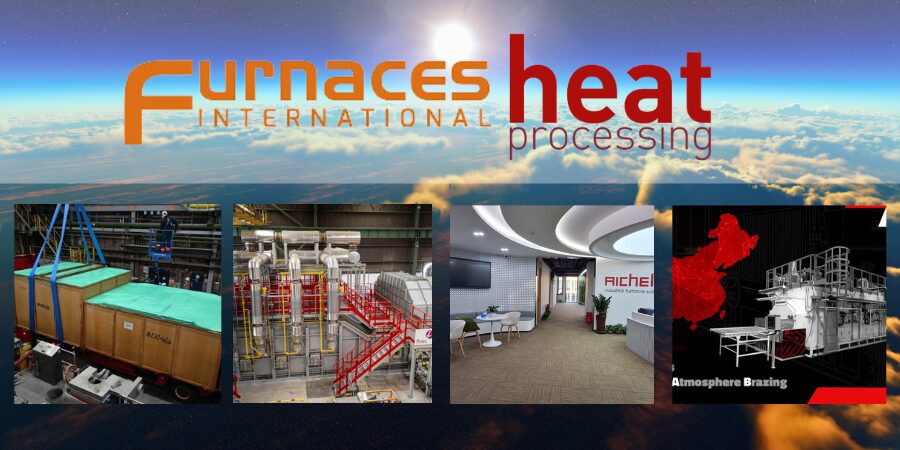
News from Abroad: Global Expansion and Next-Generation Heat Processing
In today’s News from Abroad installment, we highlight several major global developments — from strategic expansions to advanced furnace and CAB line upgrades — reflecting continued investment in greener steelmaking, more efficient thermal processing, and enhanced aluminum heat treating capabilities worldwide.
Heat Treat Today partners with two international publications to deliver the latest news, tech tips, and cutting-edge articles that will serve our audience — manufacturers with in-house heat treat. Furnaces International, a Quartz Business Media publication, primarily serves the English-speaking globe, and heat processing, a Vulkan-Verlag GmbH publication, serves mostly the European and Asian heat treat markets.
UK Pilot Furnace Accelerates Green Steel Innovation

“The seven-tonne furnace is the only research facility of its kind in the UK and plays a role in developing the technologies and processes that will enable the next generation of green steel production.”
“The upgraded EAF will provide a facility for developing, testing, and refining green steel technologies under realistic industrial conditions.”
“By bridging the gap between laboratory research and full-scale production, it will support the transition to scalable, sustainable, low-carbon steelmaking backed by existing secondary refining and casting capability to make almost any steel.”
Read more: “Materials Processing Institute set to start on furnace upgrade” at furnaces-international.com.
New Reheating Furnace Advances Steel Thermal Processing
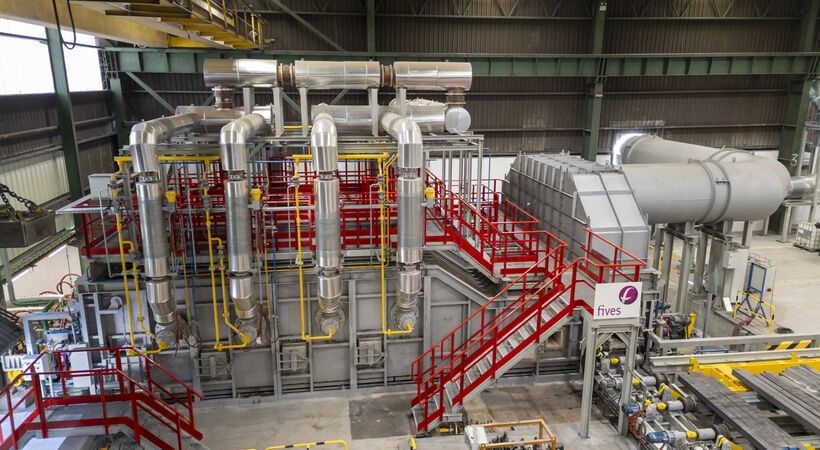
“Rugui Squares & Special Profiles and Fives have commissioned a new walking hearth reheating furnace designed to significantly improve energy efficiency and product quality. The first hot billet was produced at Rugui Squares & Special Profiles’ plant in Azkoitia, Spain, on 27 November 2025.”
“The new furnace will replace its existing reheating furnace, which had operated for more than 40 years and could no longer meet evolving production and quality requirements. The company manufactures high-value billets for demanding applications, including shipbuilding, farming machinery, and construction, where consistently premium product quality is essential.”
Read more: “Fives’ high-efficiency reheating furnace” at furnaces-international.com.
Asia Expansion Marks Strategic Industry Growth

“AICHELIN UNITHERM manufactures all atmospheric furnace types of the Group in India, supplying customers from the automotive industry, bearing manufacturing, and contract heat treatment providers. In recent years, the company has steadily grown to become a market leader in India. The new facility supports the company’s ambitious strategic goals to consolidate its market leadership in India and continue increasing revenue. Furthermore, the development of new heat treatment segments — starting with aluminum heat treatment — will be advanced, and export activities will be strengthened.”
Read more: “Aichelin Group Drives Expansion in Asia: Groundbreaking for New Site in India, New Headquarters in China“ at heat processing.
Advanced CAB Line Upgrade Enhances Aluminum Heat Treating
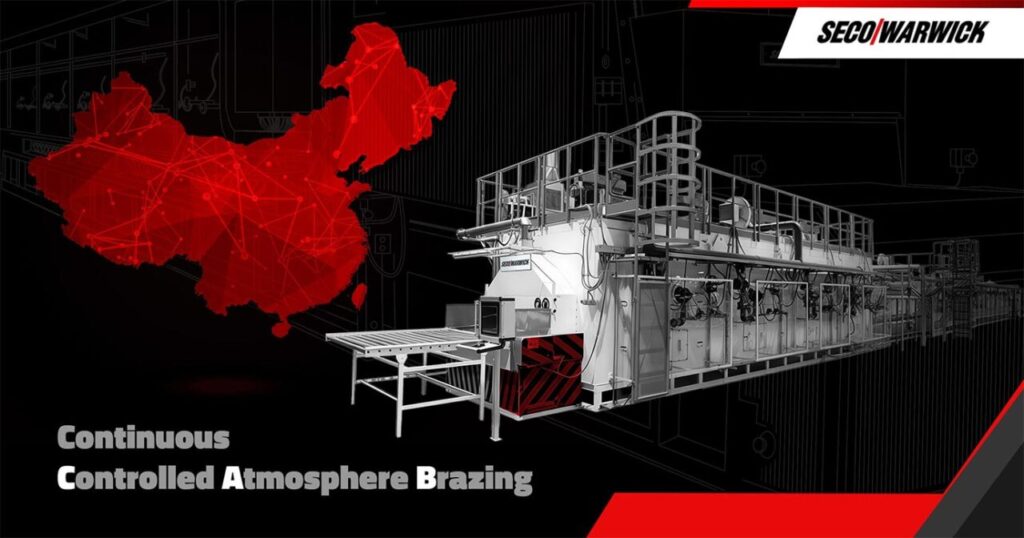
“This is the second order from this partner, and the first to be executed directly by the SECO/WARWICK Group’s Chinese subsidiary. The new brazing line features a 1,600 mm wide belt and includes a preheating chamber, a radiant-heated brazing furnace, an air-cooled chamber, a final cooling chamber, and a control system.”
“’This is a very important project, not only due to the renewed trust from our Partner, but also because the new line will replace a solution that has been operating in this plant since 2005. The current investment is a step towards increasing production efficiency, improving energy efficiency, and implementing modern cooling solutions. It also proves that our equipment is durable, reliable and evolves with the needs of the electromobility market,’ says Piotr Skarbiński, vice president of the Aluminum and CAB Products Segment at SECO/WARWICK Group.”
Read more: “SECO/WARWICK selected again by Chinese Partner for Advanced CAB Line Upgrade” at heat processing.

News from Abroad: Global Expansion and Next-Generation Heat Processing Read More »

Navigating Heat Treaters’ Most Defining Moments
We like to celebrate the wins for good reason: they inspire us when times get tough. Regardless of where you find yourself in the North American heat treat community, you will face challenges that may redirect your life and prompt you to question your goals or values. Given this universal experience, we asked respected individuals from across the industry to share the hardest decisions of their professional lives. Just as successes inspire resilience, these challenges offer lessons in navigating the toughest moments of your career.
This inspiring piece was first released in Heat Treat Today’s September 2025 Annual People of Heat Treat print edition.
“No Jerks” Rule, with Sarah Jordan

Founder & CEO
Skuld, LLC
For Sarah Jordan, president and CEO of the cutting-edge casting startup Skuld LLC, hard decisions have paved the path of her career. An earnest visionary — and as down-to-earth as they come — Sarah has made a habit of launching startups for the metal processing industry. Today, she leads a team that has developed a toolless, net-shape casting process and the equipment to perform it, advancing the way parts are formed while minimizing post-processing needs.
It comes to no surprise that her hardest decision came while forging this path. In 2009, Sarah’s first startup, Aesir Metals, faced fall-out from the 2008 economic recession. The impact was most acute when their largest customer informed them that they were unable to pay.
Faced with this reality, Sarah had to make the painful choice to close the company. Just after Christmas that year, every employee was let go. “And that’s awful when everybody’s…you know, they’re counting on you, their families are counting on you.” It was her first time navigating such a challenge, and while it was difficult, it became a formative experience.
Leading her current company, Sarah operates with a “‘no jerks’ rule.” She says culture and people are critical, and the postmortem of Aesir Metals revealed other opportunities for improvement. While mistakes are inevitable — learning requires that — she moves forward, determined not to repeat the same ones.
Upgrade Your Skillset, with Kevin Walters
Research & Development Manager
OMG Inc.
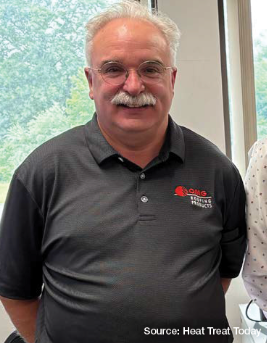
Kevin Walters‘s official title is R&D manager at OMG Inc. out in Massachusetts — however, his nickname “Father of Interns” is extremely fitting. With decades of engineering experience, Kevin has dedicated 25 of them (and counting) to mentoring interns, first at Spalding Sports Worldwide and now at OMG. Using his own career for reference, he tells them this story.
Approaching his forties with four boys near or in their teenage years, Kevin began thinking seriously about his career trajectory. He knew that to stay relevant in engineering, he needed to expand his skillset. In this field, the rule is simple: upgrade your abilities or risk becoming obsolete. The question was how.
“I’m a guy who likes to fix stuff — work with my hands,” Kevin told me. The typical career-advancement routes didn’t seem like the right fit: waiting for an opportunity to open up in the company could take too long, a doctorate might pigeonhole him into academia, and an MBA didn’t align with his engineering focus. It took five years of consideration, conversation, and research to find the right path.
That opportunity appeared when he learned about a management degree specifically tailored for engineers. With Spalding’s full “blessing” and tuition reimbursement program, Kevin enrolled at Western New England University, taking two courses per year while balancing his job and his sons’ baseball games. In five years, he had earned his Master’s of Science in Engineering Management.
These kinds of programs have become more widely available, and Kevin encourages his interns to pursue them. “Engineers, if they don’t upgrade their skillset, become obsolete,” he says. “I see too many engineers who graduated with their four-year degree — did great things at the beginning of their career — but because technology is advancing and they’re not learning with it, they are not as useful as they used to be.”
Each summer, Kevin continues mentoring one or two interns, urging them to think strategically about building their résumés and preparing for an industry that never stops moving.
It’s the People, with Dan Bender
Director of Sales
Control Concepts
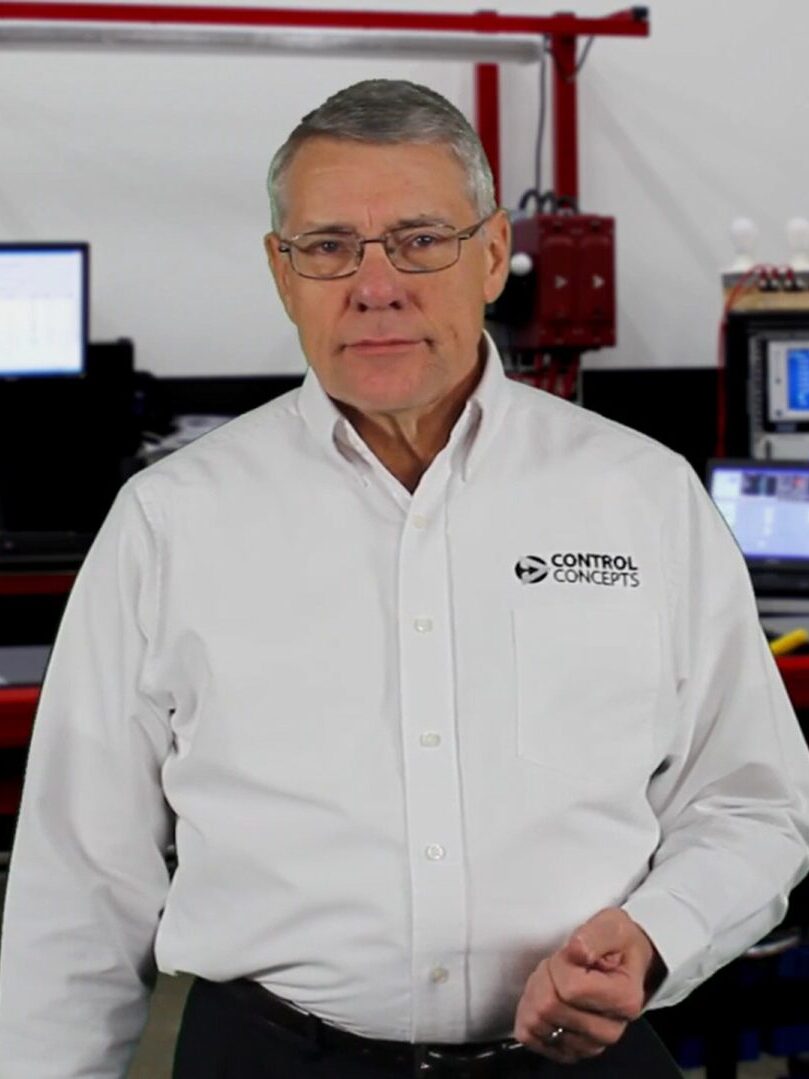
As Dan Bender reflects on his 47 years in industry, many as director of sales at Control Concepts, one priority has guided him: bring in business so the people in manufacturing have a job, can feed their families, and keep a roof over their heads.
In the late ’80s and early ’90s, there were a lot of mergers and acquisitions of companies by holding firms. A general attitude that “work is work” within industry started to emerge. He observed that people were being treated as just another factor of direct manufacturing costs.
This inhumane approach was augmented by a larger lack of pride in the business by the leadership. He also perceived that businesses were treated as financial investments; leadership seemed to be just concerned with flipping the company for a profit. Eventually, these factors reached Dan’s workplace.
Desiring more from his employer and wanting to be useful and productive in a place where people mattered, he parted ways. He reflects, “I left a pretty good job and went out to try some other things, realizing I still had a family to support.”
Over the next few years, he explored different roles, leaning on the counsel of friends and mentors from outside the heat treat industry, many of them from his church. Then, in 2008, the recession hit. Dan was working for a European company when it eliminated nearly all North American positions, and for the first time in his career, he was out of a job.
“That was tough,” he commented. “That was a hard, a hard thing…I did some interviews, I had some possibilities, I had some decent things, but I wanted to find somewhere where…people are important.”
His faith was central to that search, and in time, he found the right fit at Control Concepts. While it was not the best offer at the time, it was “what made me feel good, and it [did turn] out to be very financially rewarding for me.”
Choosing to stick with his principles also meant staying in an industry where he had built decades-long relationships. Dan says he looks forward to seeing those connections at tradeshows like Heat Treat 2025 this fall and Furnaces North America next year. “It’s to me, you know…that’s a blessing that I can have conversations with those people and feel a real sense of knowing they are very interested in what you’re doing as well as you being interested in what they’re doing at this stage in their career and your life.” Serving the heat treat industry, and the people in it, is why Dan has no plans to retire anytime soon.
Never Stand Still, with Bill Stuehr

President & CEO
Induction Tooling Inc.
What do you do when an unforeseen market collapse changes the fabric of your business? William (Bill) Stuehr, engineer, founder, and CEO of Induction Tooling Inc., has a clear answer: make a plan and move forward. “I’m a pragmatist,” he says. “I look at things the way they are, then I make decisions and proceed with what has to be done. That’s all.”
In 2005, Bill built a brand-new facility to expand his operations from 14,000 to 30,000 square feet. Business had been picking up for induction heating since the 1980s and ’90s, and manufacturers of driveline components were interested in induction. Induction was becoming more accepted on two fronts: first, as a green energy source; second, as an integrated manufacturing step in cell production, allowing automotive components such as wheel bearings and axle shafts to come out finished at the end of the line. With the expectation to expand to 50 employees by 2015, the city even granted Induction Tooling a tax abatement to encourage expansion and boost the local economy.
The critical moment happened in 2009, beginning on the heels of the 2008 financial crisis. With the housing collapse, people stopped purchasing automobiles, and the automotive industry went reeling. In April and June, General Motors and Chrysler appeared before U.S. Congress after filing for bankruptcy. Bill’s tier 1 automotive manufacturing customers began shutting down operations. “I had never seen it in my career, ever.”
Work was running out. Bill made the hardest decision of his career: “I had to lay off half of my workforce. I went from 28 people to 14 in less than a year.” Some of them had been with him since he started in the late 1970s. “It was out of my control. I tried to keep them on as long as possible without suffering the financial hardship of my own.” Even in hard times, the company covered all employee medical insurance, a practice Bill maintains to this day.
By 2012, the market showed signs of recovery. Bill pivoted the business to focus almost exclusively on CNC automation for rebuilding tooling — a move that met the needs of their tier 1 customers with high production rates and sidestepped the challenges of rehiring or retraining a large workforce.
Commenting on today’s market, Bill revealed it had never truly recovered. “The buyers of the automotive companies had the time to seek outsourcing worldwide.” He continued, explaining that over the course of the four years that followed the crash, there was enough offshoring of driveline components to an enthusiastic, energetic workforce with new facilities and abilities. Reshoring to the U.S. has not gained back the momentum that it had, though perhaps that will change with the priorities of the current U.S. administration.
From those years came a few lasting lessons. First, embrace automation to keep the business profitable, especially when attracting young talent is a struggle. Second, when hard times come, make a plan and commit — but remember that you can’t control time, the weather, or other people. Bill sums it up with gritty simplicity: “You never stand still; you just keep going. ‘What do I have to do and how can I get it done?’ That’s it.”

Managing Editor
Heat Treat Today
Contact: Bethany Leone at bethany@heattreattoday.com
Navigating Heat Treaters’ Most Defining Moments Read More »
Heat Treat Boot Camp — Record Attendance

Heat Treat Today publishes twelve print magazines annually and included in each is a letter from the publisher, Doug Glenn. This letter is from the November 2025 Annual Vacuum Heat Treating print edition.
Feel free to contact Doug at doug@heattreattoday.com if you have a question or comment.
Heat Treat Boot Camp has become a popular gathering place for individuals who are either new to the North American heat treat/thermal processing market or who have been around a good while but would like to learn more. This year, on September 15–17 in Pittsburgh, Pennsylvania, the industry gathered over 60 learners at the 4th annual Heat Treat Boot Camp. By all practical measures, it was an extremely successful event.
Attendance
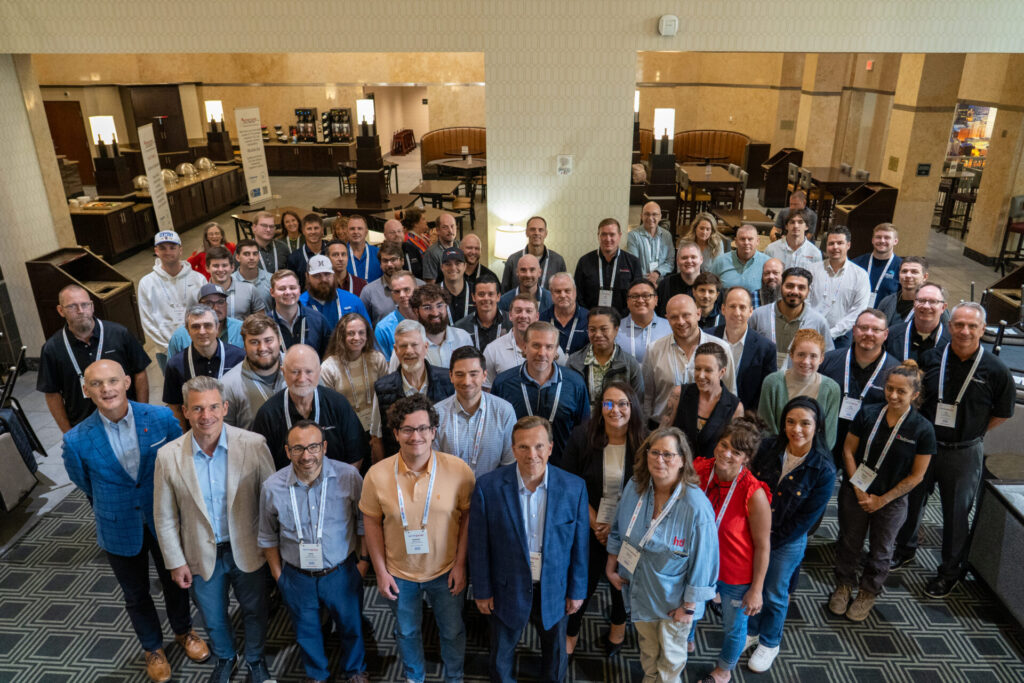
The magic number, 63, was more than any previous year by 50% and double the number that we had last year. Of those 60-some, we had roughly:
- 11 captive heat treaters (18%)
- 7 commercial heat treaters (12%)
- 1 investment company (<1%)
- 44 suppliers (70%)
The number of years that these attendees had been in the industry varied from as little as several weeks or months to over 30 years. The mix was ideal, allowing the newbies to learn from the industry veterans and for industry veterans to be energized by the enthusiasm and energy of the newbies.
It was also good to have multiple companies sending people for the 2nd or 3rd year in a row. Obviously, they like what their employees are learning.
Speakers
As with the previous three events, Thomas Wingens of Wingens Consulting and I were the only two speakers. Between the two of us, we have well over 50 years of industry experience. Thomas covered the technical side of the conversations dealing with both the materials and processes of heat treat, while I covered the markets, products, and players. Thomas also discussed emerging technologies, and I concluded with a short session on resources to help keep current.
Activities
We kicked off the event on Monday evening, September 15, with a reception on the scenic outdoor patio of the Drury Plaza Hotel in downtown Pittsburgh. The hotel had purchased and renovated this historic building, the former location of the Pittsburgh Federal Reserve. In fact, all of the training sessions took place in The Main Vault. It was a “safe place.”
Tuesday was a full day in the classroom. It was grueling, but attendees were rewarded with a school bus ride to the historic Duquesne Incline where we were elevated to the top of Pittsburgh’s Mt. Washington. From there we could overlook the city from well above the tops of the skyscrapers. It was a beautiful evening. We then walked two blocks to LeMont Restaurant where we continued to overlook the city until the evening hours brought out the city lights. Again, beautiful.
Wednesday was a half day of classes and then an optional tour of Penna Flame Heat Treating in Zelienople, Pennsylvania, less than one hour north of Pittsburgh.
Sponsors
A big “thank you” goes to the industry sponsors — many of whom returned from last year — who helped us underwrite the costs of the boot camp. Idemitsu was our sole Title Sponsor. Can-Eng Furnaces was our sole Social Sponsor helping with the expenses of some of our networking functions and the putt-putt contest. Our two lunch sponsors were Cleveland Electric Labs (who have sent at least two people to all four of the boot camps since 2022) and Newton Heat Treating. Other corporate sponsors included ECM USA Vacuum Furnaces, Gasbarre Thermal Processing Systems, Super Systems, Honeywell, Chiz Bros, and I Squared R who had the popular Triple-Dipped Malted Milk Ball sponsorship. All of these companies were super helpful in making Boot Camp a success.
You’re Invited
Next year, we encourage you or someone from your company to attend. To see what past recipients have said and for more information about the 2026 Boot Camp, please visit www.heatttreatbootcamp.com. See you there.

Publisher
Heat Treat Today
For more information: Contact Doug at
doug@heattreattoday.com
Heat Treat Boot Camp — Record Attendance Read More »
JSA/Metalline Acquired, Increased Finishing Equipment Technical Support for Midwest
A business transition is expanding sales coverage, technical support, and response times for manufacturers serving the plating and general metal finishing industries across the Upper Midwest/Midwest. The move strengthens regional service capabilities, giving manufacturers more direct access to supplier expertise, streamlined single-source ordering, and stronger technical support for critical surface finishing processes.
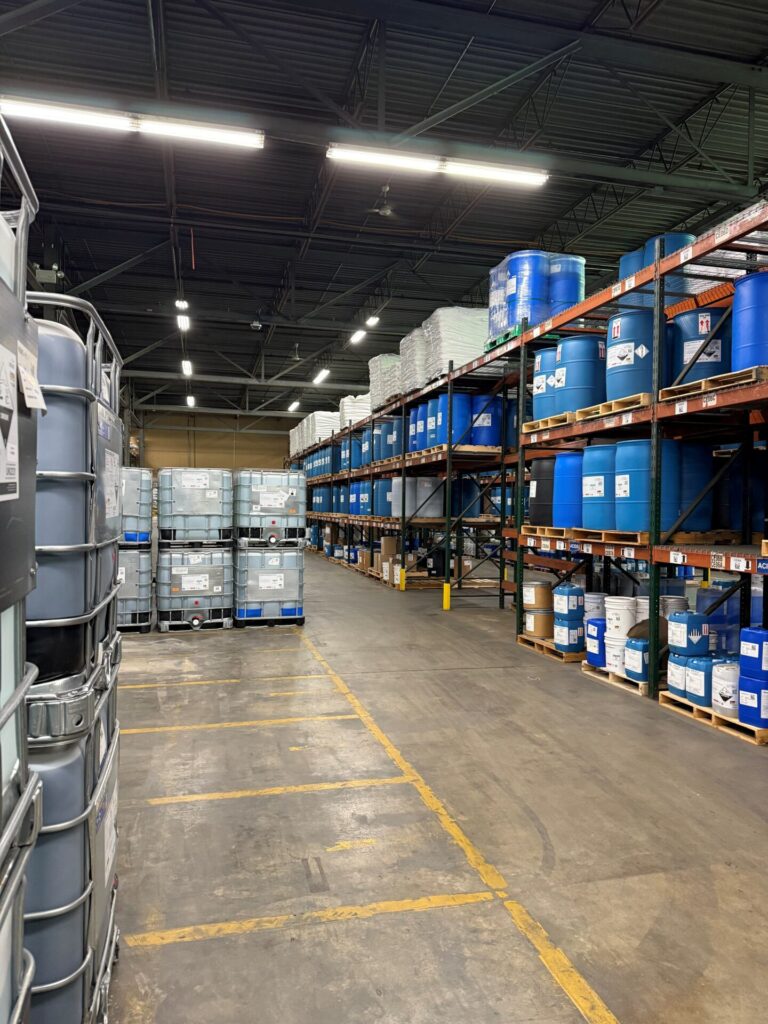
The expanded capabilities come as Hubbard-Hall Inc. has acquired assets of JSA/Metalline Corporation, a Mequon, Wisconsin-based distributor serving the plating and general metal finishing industries. The acquisition enables direct sales coverage and enhanced technical support throughout Wisconsin, Illinois, Minnesota, Iowa, Michigan, and surrounding territories.

President and CEO
Hubbard-Hall Inc.
As part of the acquisition, JSA’s customer-facing team has joined Hubbard-Hall and will continue operating from the Mequon location. The team includes Jessica Dolezal, Luke Dunteman, Mike Lindemann, Jack Smith, Jeff Smith, Emma Tallmadge, Steve Trojan, and Ben Zweiban. Former JSA/Metalline CEO and owner Mark Sheldon will remain involved as a consultant to support a smooth transition.
“What a great team we have today! It’s exciting to think about the benefits we can bring to our customers by combining JSA’s responsive sales team with Hubbard-Hall’s deep technical bench,” said Molly Kellogg, president and CEO of Hubbard-Hall. “We are now able to support manufacturers in the Upper Midwest on a direct basis, which means increased speed of response and single-source ordering. JSA/Metalline has a great reputation for service, and we look forward to building their legacy.”
Source: Hubbard-Hall
The acquisition joins two companies with similar philosophies focused on customer service and hands-on technical support. For customers, the combination offers deeper expertise in plating, electroless nickel, pretreatment, and wastewater treatment, along with an expanded product offering that includes cleaners, phosphates, rust preventatives, metal coloring products, wastewater treatment chemistry, and metal finishing equipment.
With this acquisition, Hubbard-Hall now operates three manufacturing facilities supported by four quality control laboratories and nine stocking locations, enabling faster trials, troubleshooting, and process development with direct access to technical staff.
Press release is available in its original form here.
JSA/Metalline Acquired, Increased Finishing Equipment Technical Support for Midwest Read More »
Haynes Advances Alloy Production with New Radial Forging Line
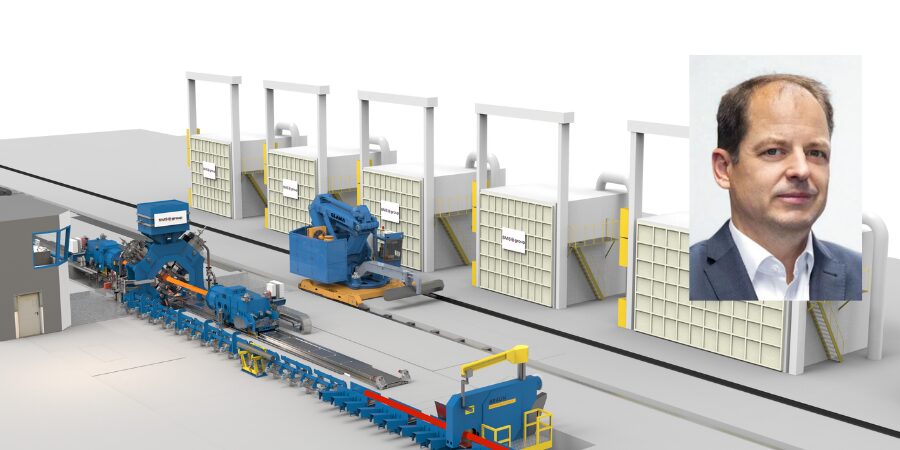
Haynes International Inc., has commissioned a new hydraulic radial forging line to increase its production of nickel- and cobalt-based alloys, serving markets such as aerospace and chemical processing in the United States. The integrated plant investment, which includes a forging machine, reheating and annealing systems, and automated material handling, is expected to improve production efficiency, metallurgical quality, and responsiveness to global demand while supporting growth in high-performance alloy manufacturing.
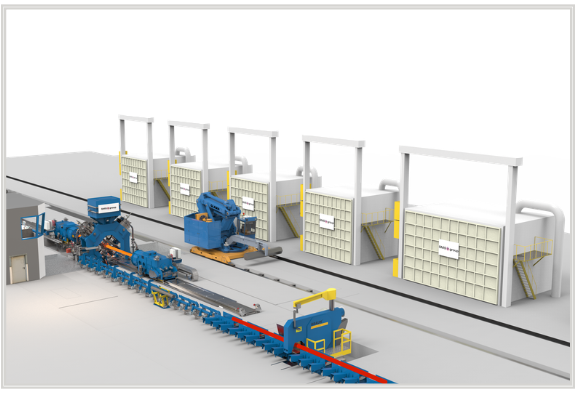
Slated for completion in 2027, the project features the SMX 800 / 25 MN hydraulic radial forging machine with a combined total pressing force of 100 MN, enabling direct conversion of ingots into billets and bars tailored for critical applications. The new line also incorporates cutting, loading, unloading, and bar finishing equipment to create a fully integrated solution that boosts throughput and supports advanced alloy processing.
Source: SMS group
Head of Forging Plants
SMS group
Supplied by SMS group, the radial forging line includes modern reheating and annealing furnaces designed to meet rigorous AMS 2750 temperature uniformity and tolerance standards, low-NOx burners to help maintain emissions below applicable environmental limits, and an integrated control system to manage production sequences with minimal operator intervention. Software tools, including Comforge®, will help optimize forging strategies based on real-time material behavior to improve yield and consistency.
At the core of the new capability is energy-efficient hydraulic technology that reduces installed electrical power requirements by roughly 50 percent while maintaining constant pressing force and precise process control. These features enable Haynes to deliver high-performance alloy products more efficiently while maintaining metallurgical quality to serve expanding needs in aerospace and other advanced industrial sectors.
Thomas Winterfeldt, head of forging plants at SMS group, said the project reflects a continued focus on pushing the limits of capability and efficiency in forging technology to meet material requirements in aerospace applications.
Press release is available in its original form here.
Haynes Advances Alloy Production with New Radial Forging Line Read More »
Non-Destructive Heat Treatment Verification in 2 Case Studies
In this Technical Tuesday installment, Neil Owen, general manager at Stresstech Inc., examines how BNA is redefining process verification across multiple industries by making quality control both traceable and measurable.
This informative piece was first released in Heat Treat Today’s December 2025 Medical & Energy Heat Treat print edition.
Heat treatment plays a crucial role in achieving the mechanical strength, fatigue resistance, and dimensional stability demanded of ferromagnetic steel components used in automotive, aerospace, energy, and heavy manufacturing sectors. From furnace batch carburizing to localized induction hardening, these processes are designed to produce precise microstructural transformations and stress distributions. Barkhausen Noise Analysis (BNA) has emerged as an effective method to confirm that these transformations have occurred uniformly across all parts and also detect subtle localized deviations.
Introduction
Verifying uniform microstructural transformations and stress distributions during critical heat treatment processes remains a challenge for quality control teams. Traditional verification methods, such as hardness testing, microstructural sectioning, and metallographic examination, are accurate but slow, invasive, and limited to a small area. Non-destructive alternatives, like eddy current or ultrasonic testing, provide some insight but often lack the sensitivity to microstructural and stress variations that accompany phase transformations. As manufacturers seek faster, data-driven approaches to verify furnace and surface heat treatment quality, Barkhausen Noise Analysis (BNA) has emerged as a highly sensitive and efficient solution.
BNA offers a non-destructive, microstructure-responsive means of assessing heat treatment performance, directly reflecting the metallurgical state of ferromagnetic materials. Its unique advantage lies in its sensitivity to both magnetic domain behavior and residual stress, which are influenced by the phase composition, hardness, and internal stress of the steel. This makes it an ideal verification tool for confirming that intended transformations — particularly the shift from softer ferritic or pearlitic microstructures to harder martensitic or bainitic phases — have occurred fully and uniformly.
The Barkhausen Noise Phenomenon
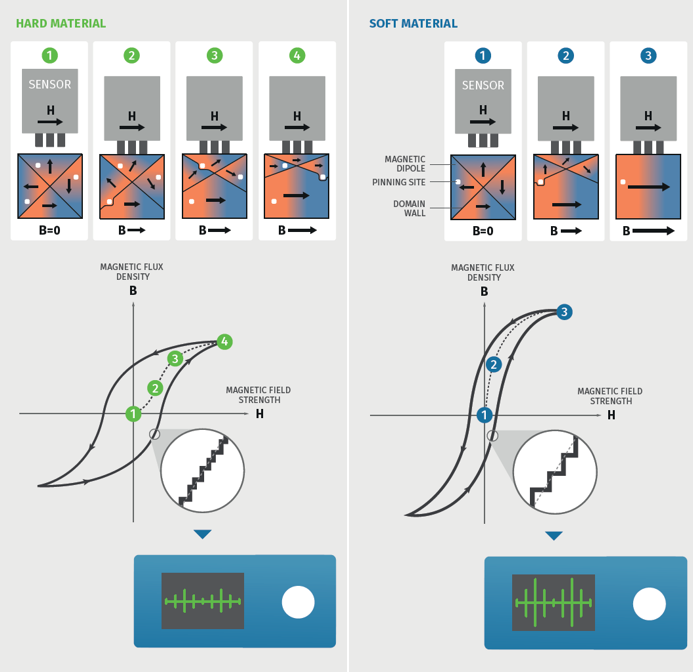
When a ferromagnetic material is subjected to a varying magnetic field, its magnetic domains (i.e., regions within the crystal lattice where magnetic moments are aligned) reorient in discrete jumps rather than continuously. Each jump releases a small electromagnetic pulse known as Barkhausen noise. The cumulative signal, measured as a function of applied field strength, provides a distinct magnetic “fingerprint” of the material’s condition.
Source: Stresstech Inc.
Hardness is related to the number of pinning sites (e.g., dislocations, precipitations, or other irregularities) in a material. When a magnetic field is applied to a ferromagnetic material, magnetic domain walls start to move. Domain walls collide with pinning sites in the material structure which impedes the domain wall movement. Magnetic domain walls move more easily in soft materials than in hard materials. Since hard materials contain numerous pinning sites, domain wall movements are more restricted. In soft materials, domain walls can make bigger jumps.
Because these parameters directly reflect the results of heat treatment, BNA provides a sensitive, immediate, and quantifiable indicator of metallurgical condition. When steel transforms from a soft ferritic–pearlitic structure to a hard martensitic one, the Barkhausen signal typically decreases by a factor of four to five, providing a clear signature of successful transformation.
Responsiveness to Microstructural Transformation
BNA is especially valuable because it responds directly to the magnetic consequences of metallurgical change. In untransformed ferritic–pearlitic steel, magnetic domains move freely, generating strong Barkhausen activity. As the microstructure transforms to martensite or bainite during quenching, domain wall motion becomes constrained by high dislocation density and lattice distortion, resulting in a lower, sharper Barkhausen response.
This distinct contrast enables this analysis to serve as both a quick verification tool and a diagnostic method. A simple contact check using a handheld probe can confirm within seconds whether a part or batch has achieved the target hardness and transformation state. Alternatively, an automated scanning or mapping inspection can reveal subtle variations caused by uneven heating, quenching, or post-process re-tempering and grinding.
Unlike many other non-destructive techniques, it requires no special surface preparation or coupling media. Measurements can be made directly on machined or ground surfaces, provided they are ferromagnetic and accessible. In some cases, BNA can also operate through coatings, such as HVOF chromium coatings on structural steel, and provide accurate insights. This makes it ideal for in-process verification, final inspection, and field assessments, supporting real-time process control and fast decision-making.
Comparison with Adjacent Verification Methods
While no single inspection method captures every variable, BNA occupies a distinctive position in the non-destructive testing landscape. Hardness testing provides a direct mechanical measure of strength but is destructive and slow. Eddy current techniques are fast but primarily respond to surface conductivity and hardness, not underlying microstructure. Ultrasonic methods are excellent for detecting internal flaws but less effective in distinguishing between tempered and hardened phases. X-ray diffraction remains the reference standard for residual stress measurement but is stationary, slower, and typically limited to laboratory use.
BNA bridges these gaps by offering metallurgical sensitivity, speed, and portability, making it an ideal complement to conventional hardness and microstructure testing and providing immediate feedback without sectioning or preparation. Several defining attributes are as follows:
- Fast — each measurement takes only seconds
- Non-destructive — contact-based, leaving no surface mark
- Microstructure-sensitive — reflects both phase transformation and stress state
- Portable and adaptable — usable in-line or in the field with handheld or robotic probes
Case Example 1: Induction-Hardened Camshaft Inspection for Heat Treatment Defects
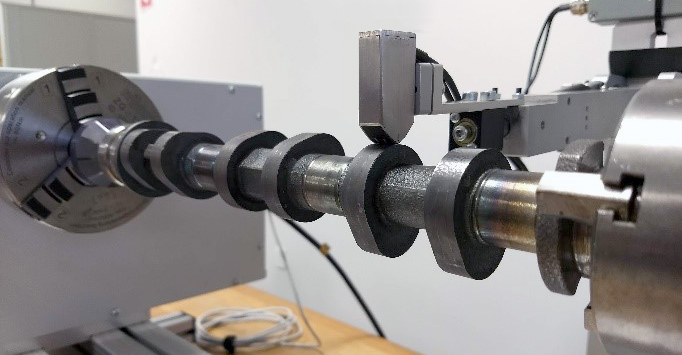
Camshafts undergo highly localized induction hardening to create a wear-resistant surface layer while maintaining ductility in the core. Variations in induction power, cleanliness from machining waste, coil positioning, or quench delay can lead to soft spots or over-tempered areas, which reduce fatigue life. Similarly, aggressive post-hardening grinding can cause thermal rehardening or burn damage, both of which affect local stress and hardness.
Source: Stresstech Inc.
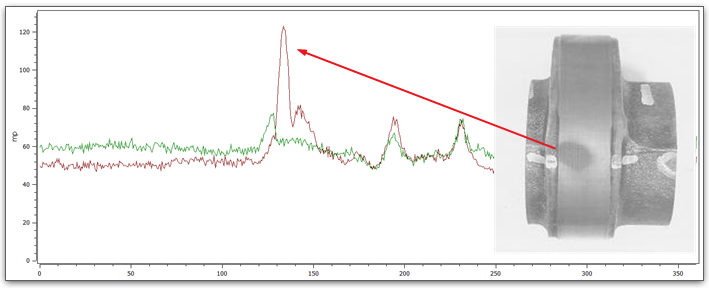
BNA provides a fast, non-destructive way to detect these variations. In one case, a powertrain manufacturer applied a line scan across each cam lobe using an automated BNA system. The resulting Barkhausen map revealed both high-signal areas (softer, grinding burned, re-tempered zones) and low-signal regions (hardened/normal zones).
Subsequent correlation with microhardness profiles confirmed that regions with elevated Barkhausen activity corresponded to localized softening due to heat treatment defects or rehardening from grinding burn damage, while areas with reduced response aligned to the master part readings that verify successful production of parts. This dual sensitivity allowed engineers to distinguish between heat treatment and surface finishing issues using a single technique.
Source: Stresstech Inc.
After integrating BNA into the inspection cell, the manufacturer reduced scrap and rework rates by over 25% through optimizing their production process based on resulting data, while gaining digital traceability for each camshaft. Automated result logging allowed process engineers to correlate defects with specific machine parameters, improving control and accountability across both induction and grinding stages.
Case Example 2: Detecting Manufacturing Defects in Heat Treated Wind Turbine Gearbox components
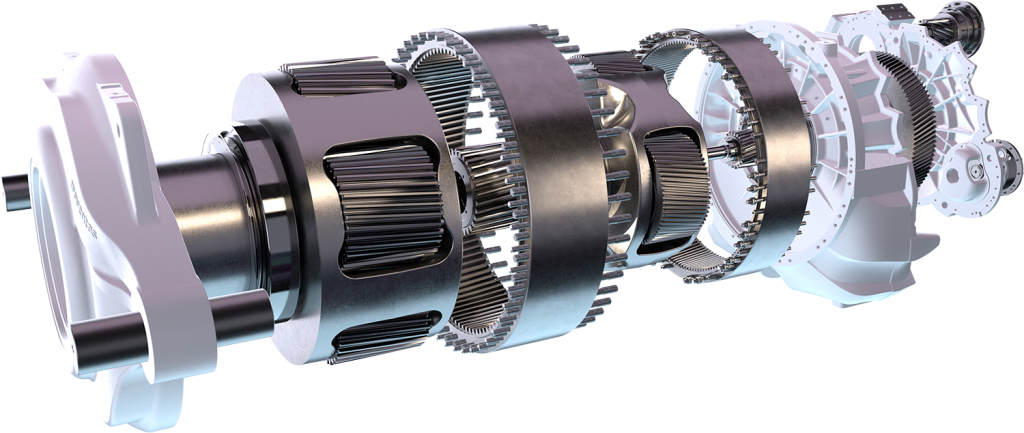
Flender Finland Oy (Flender), an expert in wind turbine gearbox manufacturing, has been in the industry for 40 years and is passionate about innovating gearbox solutions that enable cost-savings & trouble-free operation. Over the past 30 years, starting from the very first Barkhausen system to the latest robotized system, Flender has trusted their grinding inspection to Barkhausen noise measurement systems.
Source: Flender Finland Oy
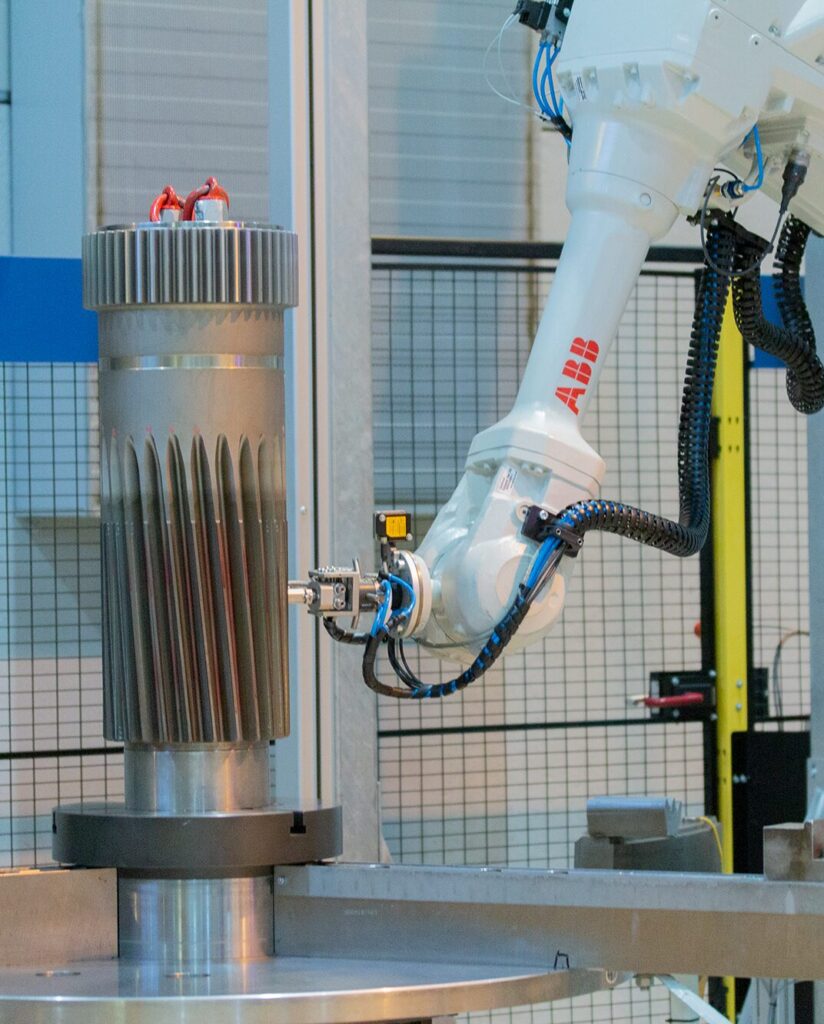
Nowadays, wind turbine manufacturers require that surfaces of heat treated gears are also tested for the possibility of grinding burn. Grinding burn is a common name for thermal damages that occur on the surface during grinding processes following heat treatment. These burns cause local discolorations on the surface, and they can soften or harden surface layers and cause unwanted residual stress.
Nowadays, wind turbine manufacturers require that surfaces of heat treated gears are also tested for the possibility of grinding burn. Grinding burn is a common name for thermal damages that occur on the surface during grinding processes following heat treatment. These burns cause local discolorations on the surface, and they can soften or harden surface layers and cause unwanted residual stress.
Source: Stresstech Inc.
Flender is an advanced BNA user and uses it beyond just sorting good samples to burnt ones.
Taisto Kymäläinen, quality manager at Flender, explains that Barkhausen’s method allows for the early detection of damage, as BNA reacts in the smallest changes in a microstructure. As a result, it can be used to optimize a grinding process to find correct grinding parameters. For example, BNA can reveal flaws in cooling or grinding stone wear before actual burn appears.
This means that with critical energy applications, BNA can be relied upon as a complete non-destructive testing technique when looking at microstructure consistency and integrity.
As BNA can identify consistent and accurate heat treatment characteristics of components, as well as additional damage caused during the manufacturing process, it is often relied upon as a crucial quality control check to verify each component in critical applications. Since BNA is a comparative method, users need to determine acceptable levels for their products with the master sample procedure. The master sample procedure can be validated with X-ray diffraction measurements or nital etching, for example. When the master sample procedure is set, BNA is an accurate method to detect microstructure changes.
This method has now become widely utilized by the energy sector as an established testing method, which is gaining widespread adoption by OEMs and operators as the gold standard of quality control inspections of critical components across their technologies.
Integration into Quality Systems
Modern Barkhausen measurement platforms combine precise sensing with digital analysis, providing traceable, repeatable, and operator-independent quality data. Results can be stored locally or integrated into manufacturing execution systems (MES) and quality management systems (QMS) for statistical process control and long-term trending.
Because of its portability and speed, BNA supports a range of industrial inspection strategies:
- In-process verification of heat treated batches or ground components
- Incoming inspection of hardened parts from suppliers
- Failure analysis and field verification during maintenance and overhaul
When used alongside hardness or residual stress testing, this inspection technique enriches process understanding by revealing how microstructure, hardness, and stress interact. It transforms heat treatment verification from a subjective evaluation into a quantitative, magnetic-domain-based diagnostic of material integrity.
Conclusion
BNA provides a unique combination of speed, non-destructiveness, and metallurgical sensitivity for verifying heat treatment performance in ferromagnetic steels. Its fundamental sensitivity to magnetic domain wall mobility allows it to distinguish between soft, untransformed ferritic–pearlitic structures (high signal) and hard, fully transformed martensitic or bainitic phases (low signal).
For furnace batch processes, this technique delivers rapid confirmation that complete transformation has occurred and that quenching uniformity has been achieved. For localized induction-hardened or ground components, it identifies heat treatment defects, soft spots, and grinding-related damage in a single inspection.
As manufacturers pursue smarter, faster, and more traceable quality control systems, BNA is a practical bridge between metallurgical science and modern production efficiency, providing a magnetic fingerprint that reveals the true structural and stress condition of steel components.
About The Author:

General Manager, Stresstech Inc.
Neil Owen serves as the general manager of Stresstech Inc. (Americas), based in Pittsburgh, PA. He helps manufacturers and researchers apply Barkhausen Noise Analysis and X-ray diffraction for heat treatment verification and quality control. With hands-on and leadership experience, he bridges advanced NDT with production needs in aerospace, automotive, and related critical sectors across the Americas.
For more information: Contact Neil at Neil.Owen@stresstech.com or LinkedIn.
Non-Destructive Heat Treatment Verification in 2 Case Studies Read More »
Major U.S. Bearing Manufacturer Invests in 2 LPC Furnaces
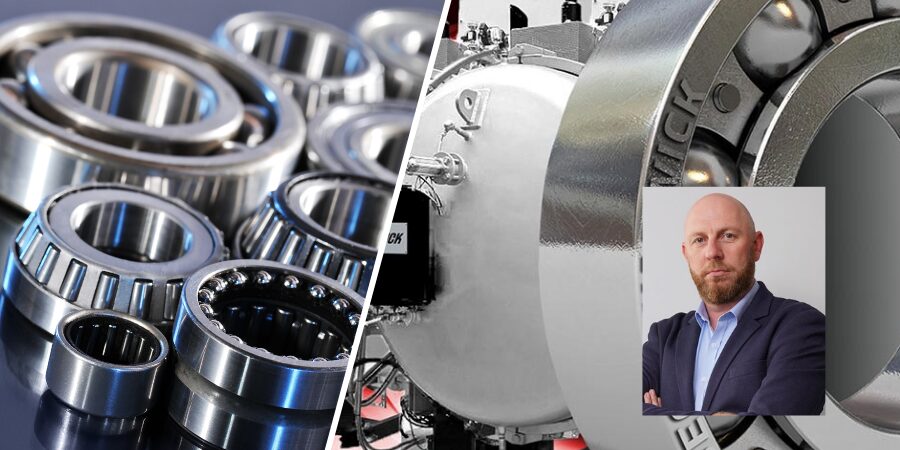
A major U.S. bearing manufacturer has ordered two advanced vacuum heat treat furnaces, reinforcing its commitment to precision manufacturing and capacity growth. The investment supports rising demand across the bearing industry, where consistent metallurgical performance is critical for industrial and aerospace applications.
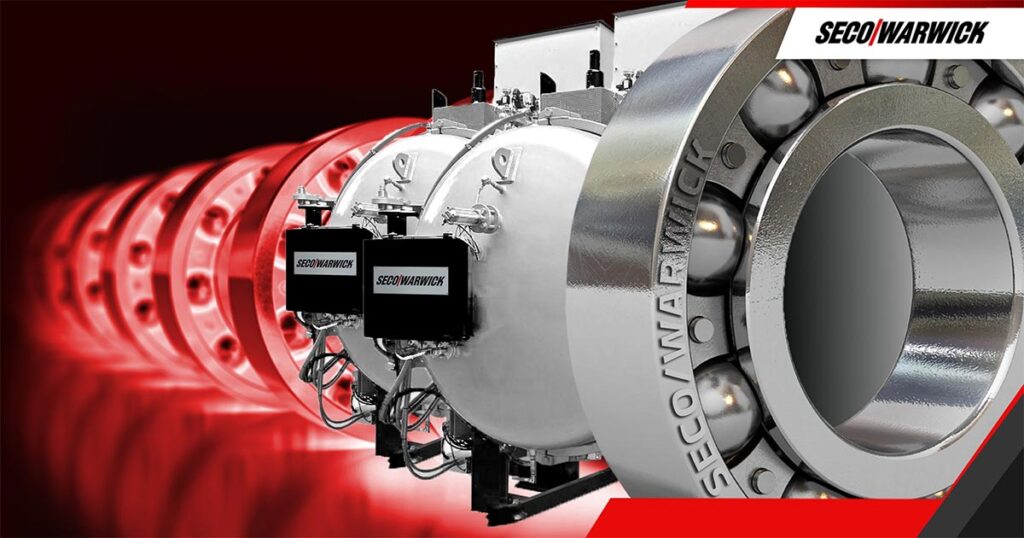
The manufacturer purchased two identical Vector single-chamber vacuum furnaces equipped for low-pressure carburizing (LPC). One system will be installed at an established aerospace-grade production facility, while the second will support a newly acquired plant transitioning from legacy heat treat equipment to LPC technology for production and potential R&D use.

Managing Director
SECO/WARWICK USA
Each furnace features a 36″ × 36″ × 48″ hot zone, horizontal loading configuration and 15-bar high-pressure gas quench (HPGQ), providing process flexibility and repeatable results for demanding applications. Standard options include a sound enclosure, automatic door, maintenance platform and customer-specified instrumentation to meet internal quality requirements.
SECO/WARWICK USA is supplying both systems. “These contracts demonstrate how manufacturers continue to invest in advanced LPC technology to enhance throughput, improve metallurgical performance, and ensure long-term processing reliability,” said Piotr Zawistowski, managing director of SECO/WARWICK USA.
Press release is available in its original form here.
Major U.S. Bearing Manufacturer Invests in 2 LPC Furnaces Read More »

Merry Christmas from Heat Treat Today
As we wrap up 2025, our hearts are full. This year brought meaningful growth across the heat treat community — from stronger in-house innovation to new digital tools, expanded training resources, and stories that reminded us why this industry matters. We’re grateful for every reader, partner, and friend who walked with us through another year of learning and connection.
During this season of hope, we celebrate the joy and peace that Christ brings. May that light fill your homes, your work, and your days ahead.
Our offices will be closed for the Christmas holiday, but we look forward to returning in the new year with more news, insights, and encouragement for heat treaters everywhere.
Wishing you a blessed and Merry Christmas,
The Heat Treat Today Team
For housekeeping purposes: our offices will be closed from December 22, 2025 to January 2, 2026. Happy holidays!
Merry Christmas from Heat Treat Today Read More »
14 News Chatter to Keep You Current
Heat Treat Today offers News Chatter, a feature highlighting representative moves, transactions, and kudos from around the industry. Enjoy these 14 news items, including OTTO JUNKER‘s induction furnace installation supporting low-carbon foundry operations, IperionX‘s collaboration with Carver Pump Company to strengthen domestic titanium manufacturing, Solar Atmospheres of Michigan earning its Nadcap 18-month Merit Status for heat treating and brazing, and more!
Equipment
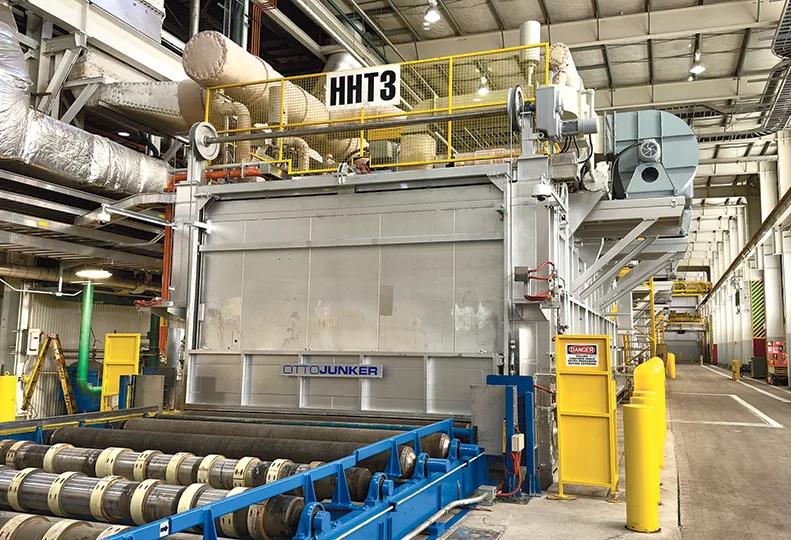
1. OTTO JUNKER has equipped Eisengießerei Th. Schultz with a MONOMELT coreless induction furnace, replacing a cupola and converting the foundry to electric melting. The system significantly cuts energy use and CO₂ emissions while demonstrating how induction technology is helping foundries transition to more efficient, low-carbon production.
2. A global drivetrain technology leader has selected NUTEC Bickley to supply a CQI-9–compliant isothermal annealing line for automotive component production. The new equipment strengthens heat treat quality and consistency, reflecting the industry’s continued investment in advanced thermal processing to support higher-performance drivetrains.
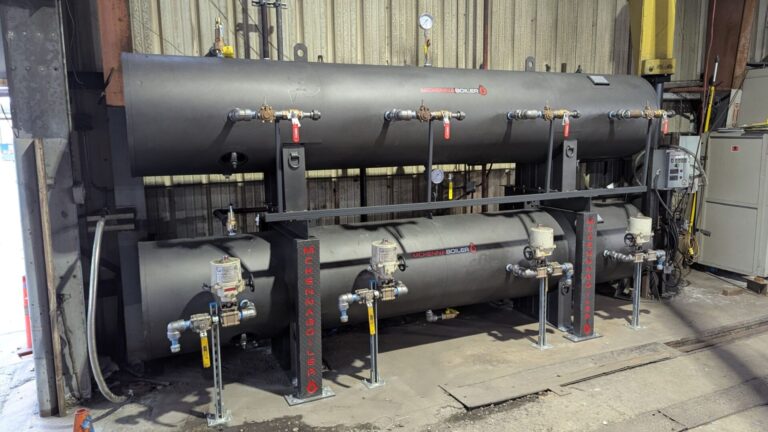
3. Newton Heat Treating has completed a major equipment upgrade, replacing steam accumulators that had been in service for 20 years in its uphill quenching/cold stabilization operation. The upgrade directly impacts the company’s aerospace processing capabilities, with many parts destined for optical components in space applications undergoing this critical heat treatment process.
4. Kaiser Aluminum Corp., a producer of heat treated, flat-rolled aluminum products, has completed a $25 million expansion and upgrade of its Trentwood rolling mill in Spokane Valley. This marks the latest phase of the company’s long-term strategy to increase heat treatment throughput for aerospace, automotive, and general engineering markets.
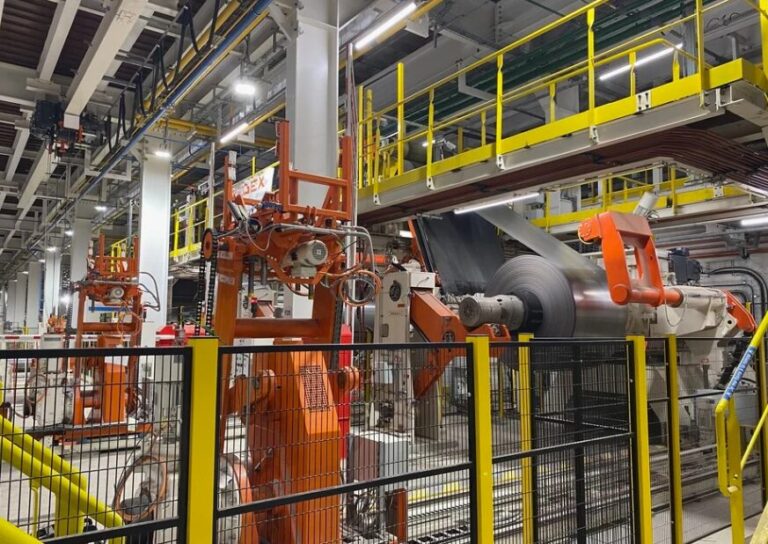
5. ArcelorMittal is advancing a major expansion in electrical steel production that includes a preparation line, a continuous annealing and varnishing line, and a slitting line — developments that reflect ongoing job growth and investment in industrial heat treating processes worldwide.
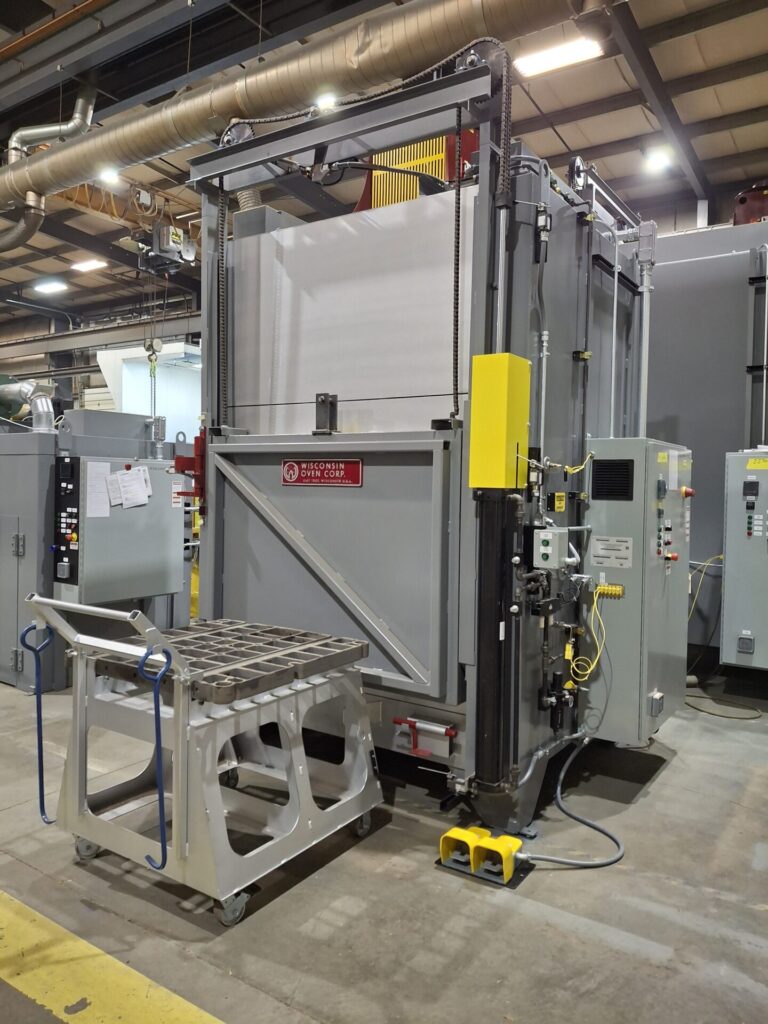
6. A United States military base will receive an electrically heated draw batch oven from Wisconsin Oven Corporation for use in heat treating aerospace components. The industrial oven was engineered to meet critical safety requirements and the stringent demands of aerospace heat treating.
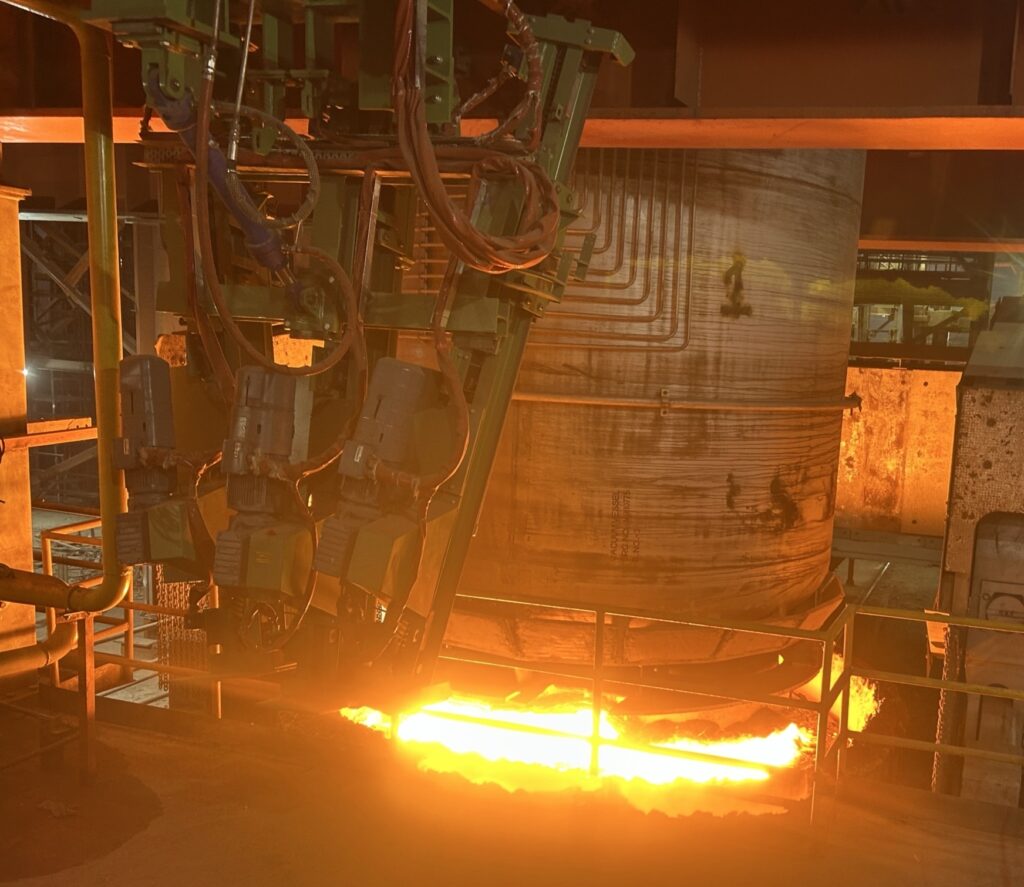
7. JSW Vijayanagar Metallics, a subsidiary of JSW Steel, has commissioned a new 350-ton RH (Ruhrstahl Heraeus) unit, the world’s first operational combination of an RH Ladle Rocker technology with Fast Vessel Exchange from SMS Group. This represents a major advancement in secondary metallurgy and plant efficiency.
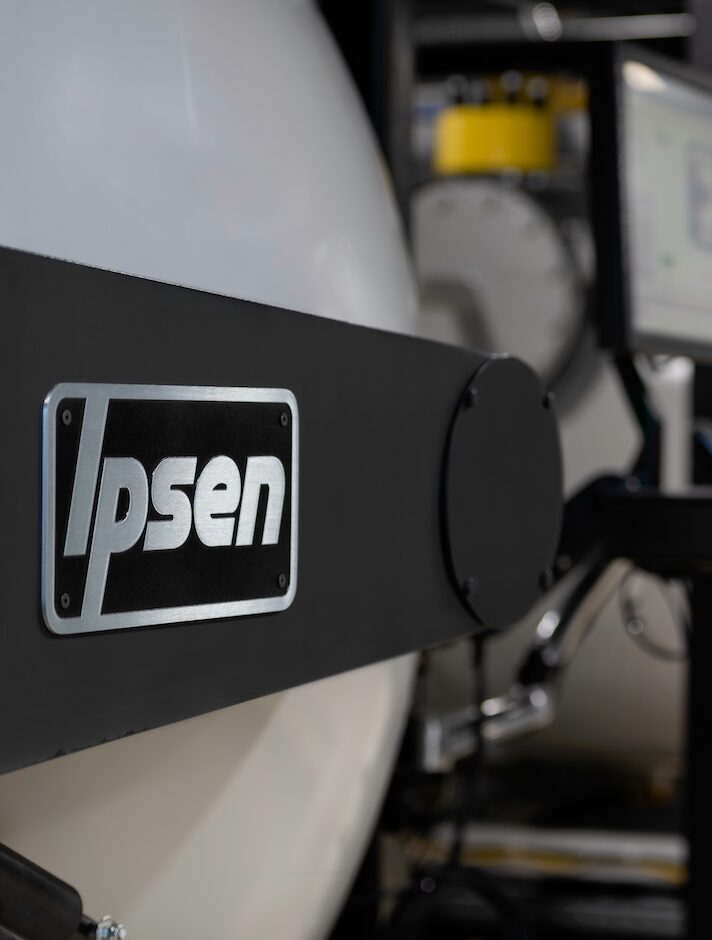
8. PROENERGY has ordered four Ipsen vacuum furnaces for its new Houston location, expanding heat treating capacity to support growing demand for fast-start gas turbines and lifecycle maintenance services. The investment strengthens PROENERGY’s ability to manufacture, repair, and overhaul high-quality turbine components while reducing lead times.
Company & Personnel
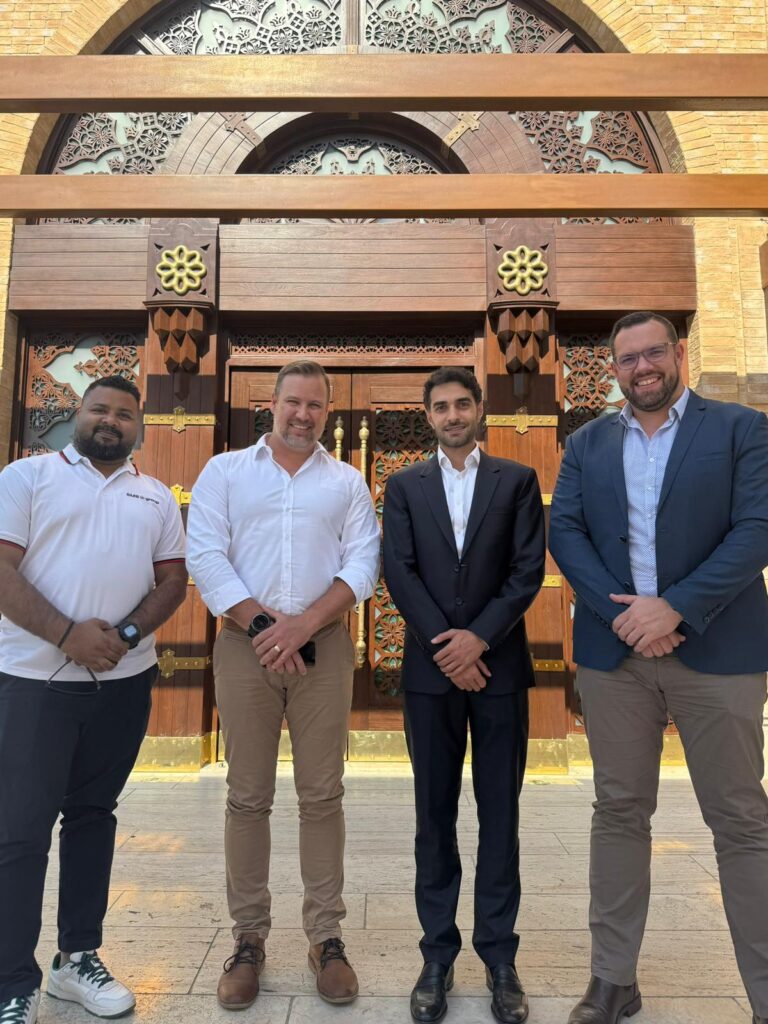
9. SMS Group’s South Africa-based Metix brand and Magmec signed a memorandum of understanding to develop a magnesium metal production facility in the United Arab Emirates utilizing advanced reduction furnace technology. The facility will be designed to process magnesium oxide originating from feed sources such as dolomite or brine. The partnership aims to establish a regional, sustainable supply of magnesium for strategic industrial users.
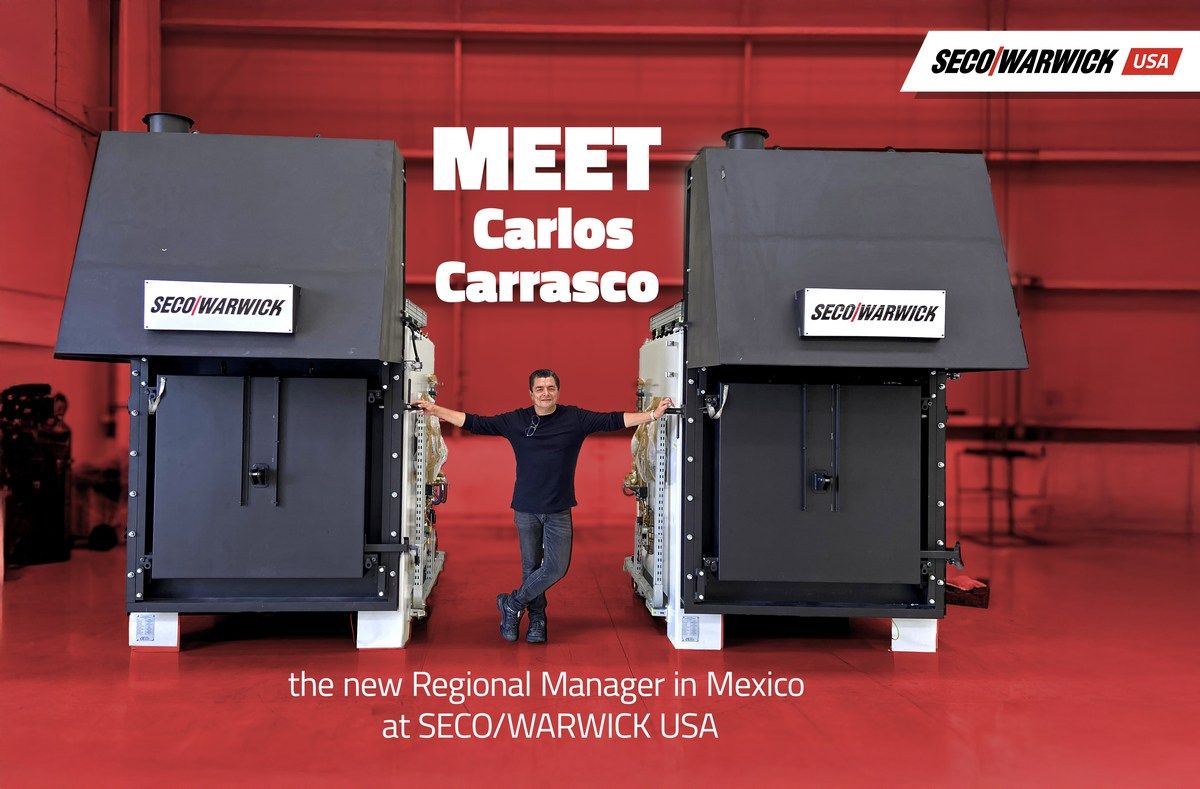
10. Carlos Carrasco has joined the SECO/WARWICK USA sales team as regional manager for Mexico, bringing more than 11 years of experience with the company as a sales representative. In his new role, he will support customers across the region in addressing their heat treatment challenges.
11. IperionX is working with Carver Pump Company to advance domestic titanium manufacturing and thermal processing capabilities in a recent commitment to reduce long lead times for critical pump components used for naval shipbuilding. This addresses supply chain constraints that have slowed ship construction and maintenance. By shortening production timelines, the initiative supports improved fleet readiness while reinforcing domestic manufacturing capacity for mission-critical naval systems.
Kudos
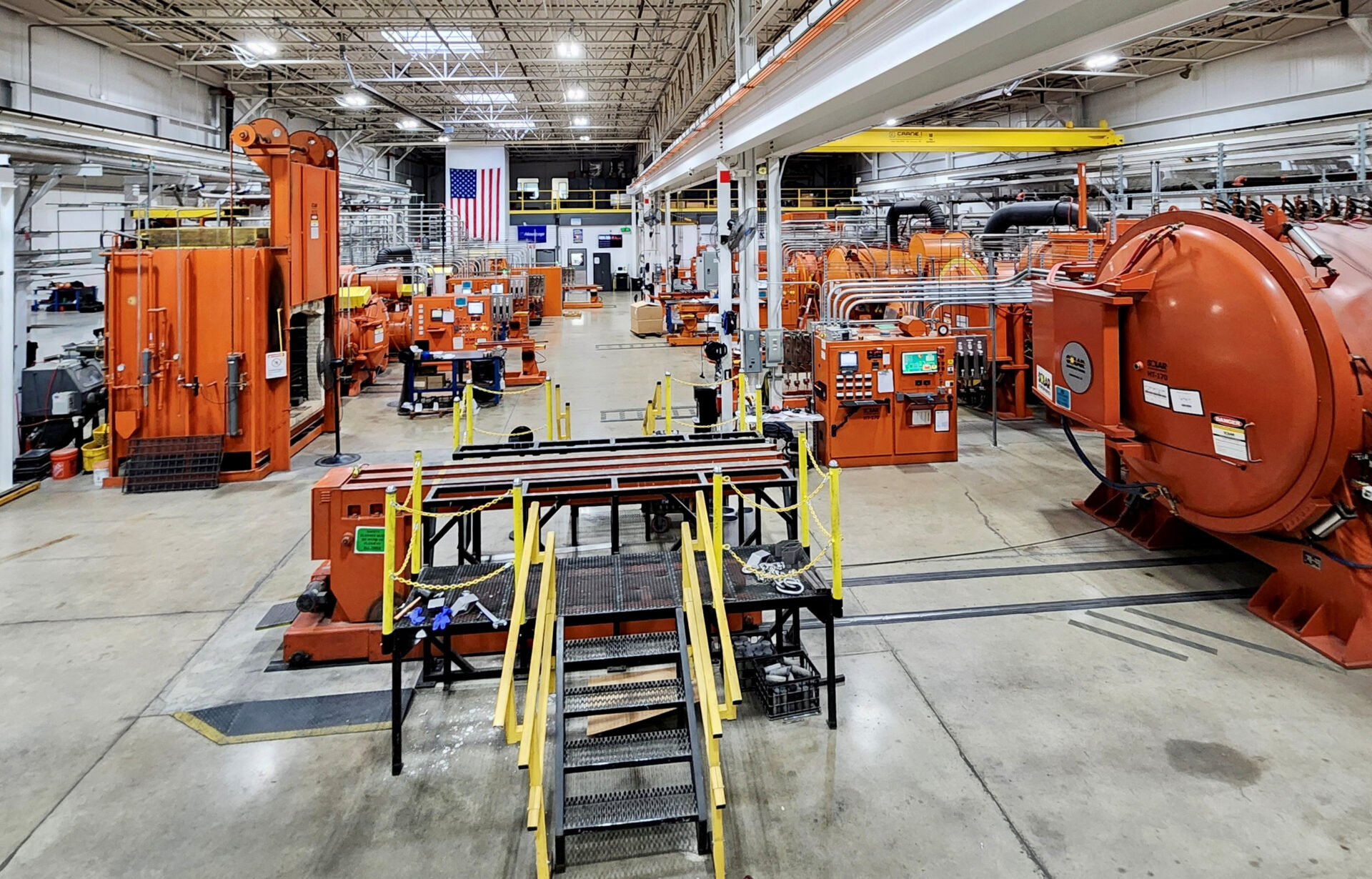
12. Solar Atmospheres of Michigan has earned Nadcap 18-month Merit Status for heat treating and brazing, marking a significant quality milestone, bringing every Solar Atmospheres facility nationwide to merit standing. The achievement reflects three consecutive years of audits with zero major findings, underscoring the company’s disciplined process control and commitment to specification compliance while serving industries including aerospace, defense, and medical manufacturing.
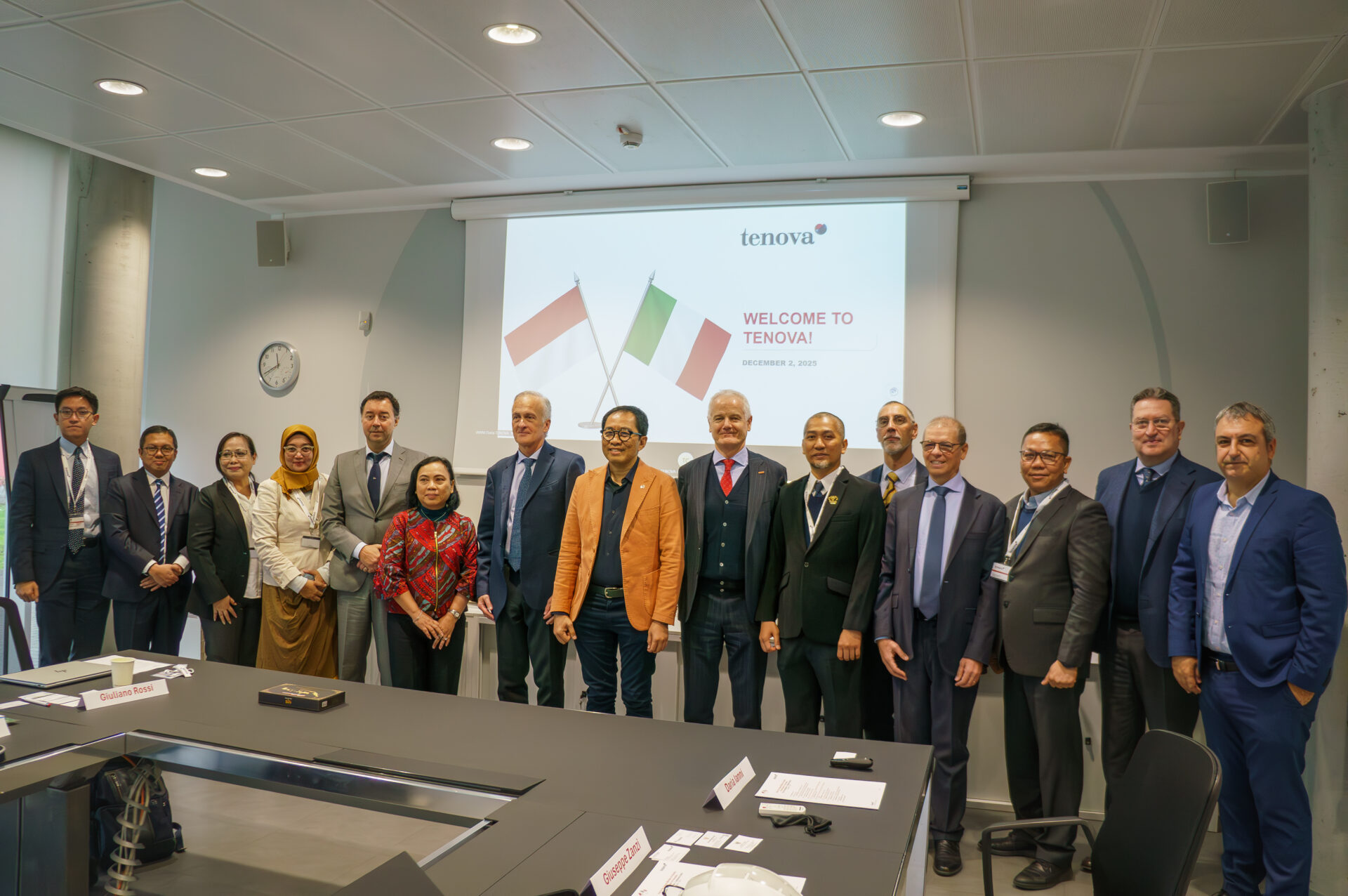
13. Tenova hosted Indonesia’s Vice Minister of Industry, Faisol Riza, at its global headquarters to showcase sustainable steelmaking technologies, following an initiative led by Indonesian steel producer PT Tata Metal Lestari. The visit highlighted collaboration among Tenova, TML, and the Indonesian government to advance low-emission steel production, energy efficiency, and industrial innovation.
14. Bodycote has achieved Nadcap accreditation for heat treating, vacuum brazing, and TIG welding at its new 55,000-square-foot facility in Fairfield, Ohio. The milestone strengthens Bodycote’s North American presence and expands capacity to meet growing demand for high-specification thermal processing in aerospace, defense, and industrial manufacturing sectors.
14 News Chatter to Keep You Current Read More »