

SECO/WARWICK

21 News Chatter to Keep You Current

Heat Treat Today offers News Chatter, a feature highlighting representative moves, transactions, and kudos from around the industry. Enjoy these 21 news items, including Gasbarres portfolio expansion of modular quenching technology, Bodycote‘s acquisition of Spectrum Thermal Processing, Stack Metallurgical Group‘s Supplier of the Year honor from BENCHMADE Knives, and more!


Equipment

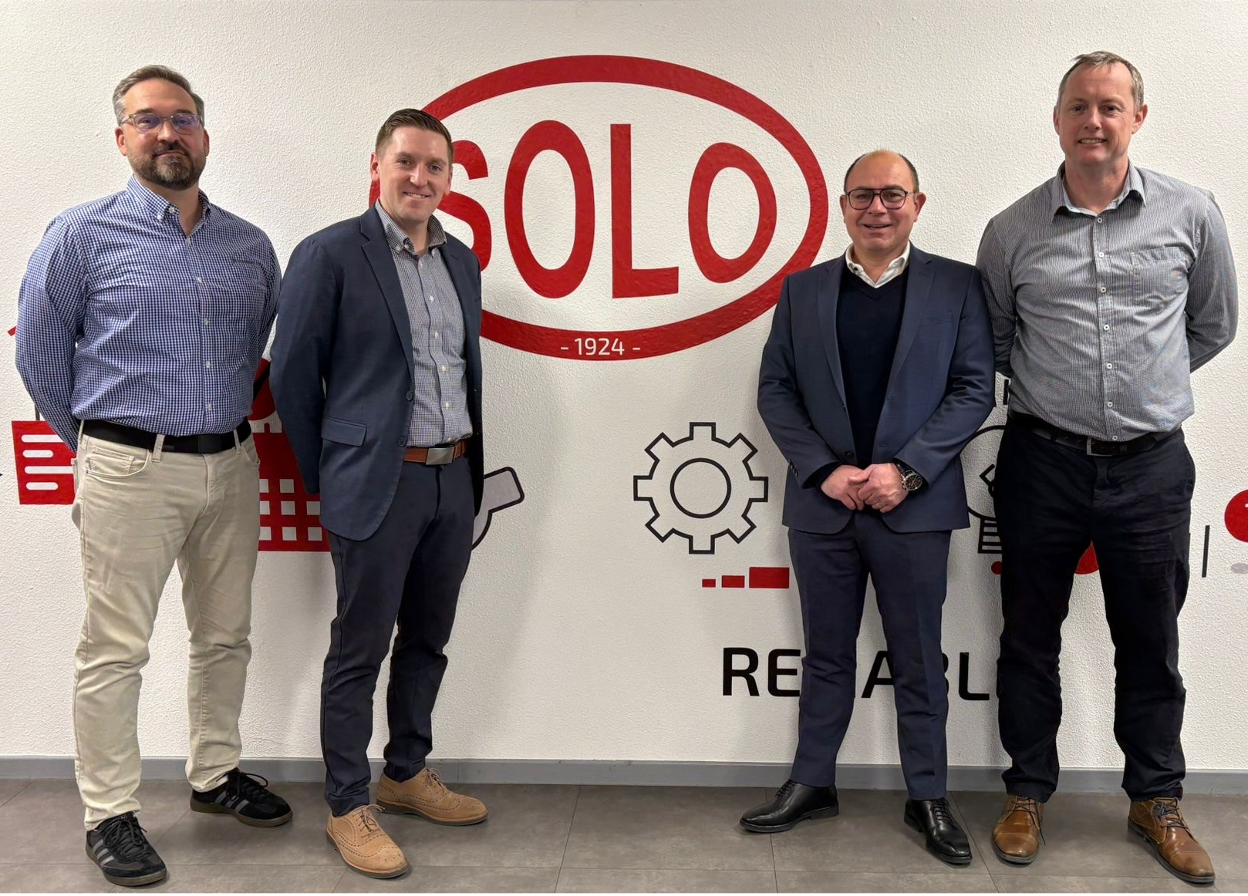
1. Gasbarre Thermal Processing Systems announced an exclusive licensing agreement with SOLO Swiss SA to bring Profitherm® modular bell furnace quenching systems to the North American market, giving Gasbarre rights to manufacture, promote, and sell the technology locally. This expansion enhances Gasbarre’s equipment portfolio and offers heat treat operations — from commercial shops to captive facilities serving aerospace, defense, and industrial sectors — a flexible alternative to traditional quench furnaces that can reduce infrastructure needs and improve processing efficiency.

2. IperionX has received a prototype order from American Rheinmetall to manufacture about 700 lightweight titanium components for U.S. Army heavy ground combat systems, using its patented recycled titanium technologies. This order supports U.S. defense efforts to reshore critical materials supply chains and could improve vehicle performance with significantly lighter parts, signaling growing demand for domestic, advanced titanium production in military manufacturing.

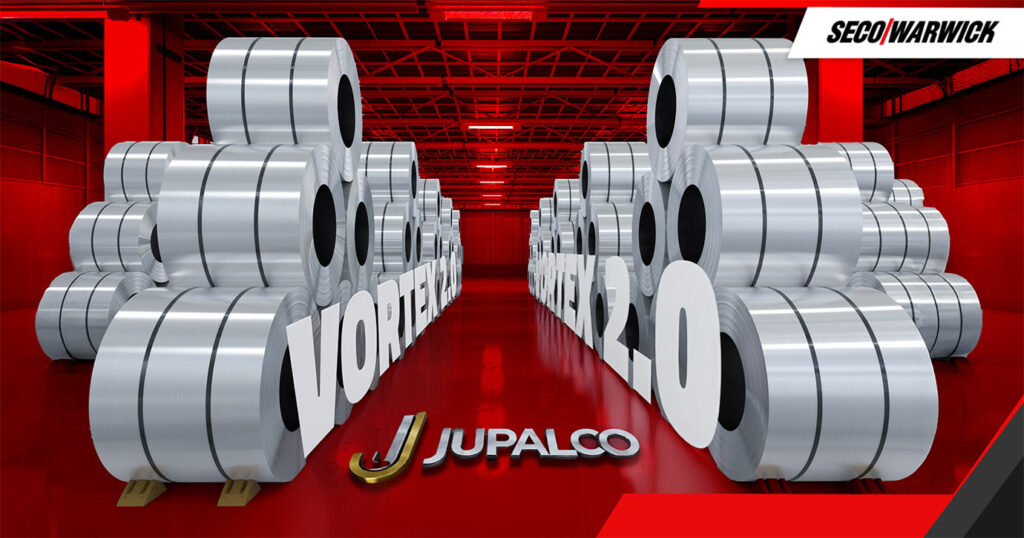
3. Jupiter Aluminum Industries (JUPALCO) has ordered two additional patented Vortex 2.0 aluminum coil annealing furnaces from SECO/WARWICK. The installation will expand JUPALCO’s heat treatment capacity while improving process efficiency and temperature uniformity. The project reflects continued investment in modern annealing technology to support growing aluminum processing needs.

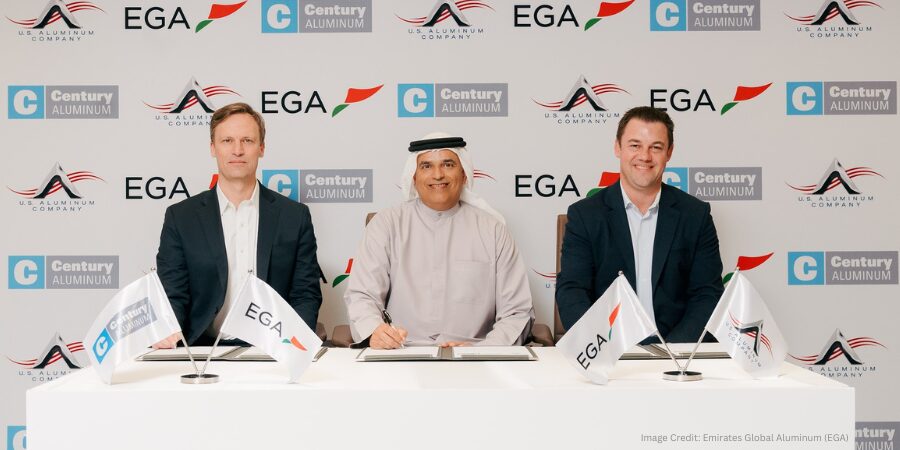
4. Century Aluminum Company has emphasized that Emirates Global Aluminum‘s next-generation EX smelting technology will be critical to the development of its new primary aluminum smelter, one of the most advanced technologies deployed in the U.S. This platform is designed to improve productivity, reduce energy consumption per ton, and lower emissions, reinforcing both economic competitiveness and environmental performance in primary aluminum manufacturing.

5. Global pipe manufacturer Tenaris has reactivated quenching and tempering operations at its Koppel, Pennsylvania facility, restoring a critical stage of in-house heat treating capacity that supports domestic oil country tubular goods (OCTG) production for the U.S. energy sector. The restart reinforces supply chain reliability for clients requiring high-performance steel pipe.

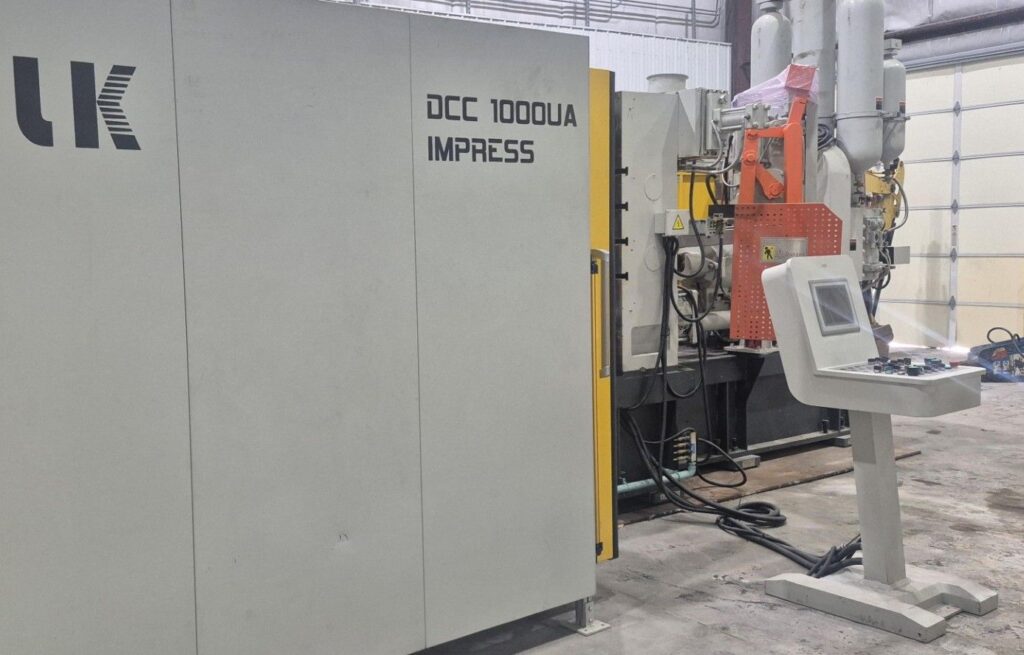
6. A Midwest automotive manufacturer is boosting its stainless steel brazing capacity by installing a new four-zone, 24-inch controlled-atmosphere brazing furnace from Gasbarre Thermal Processing Systems. The furnace will support higher production of critical automotive components.

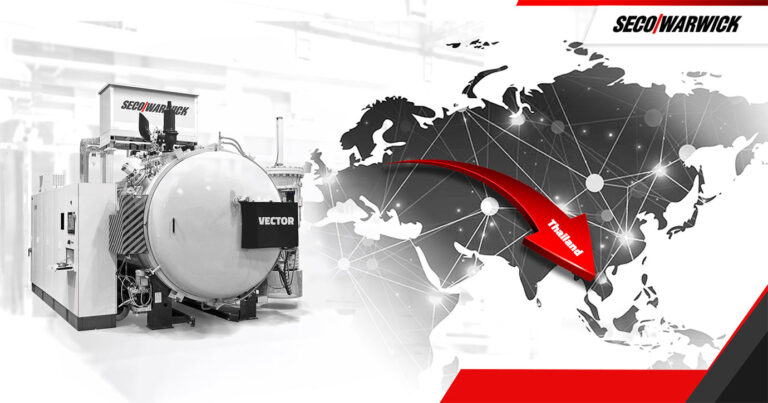
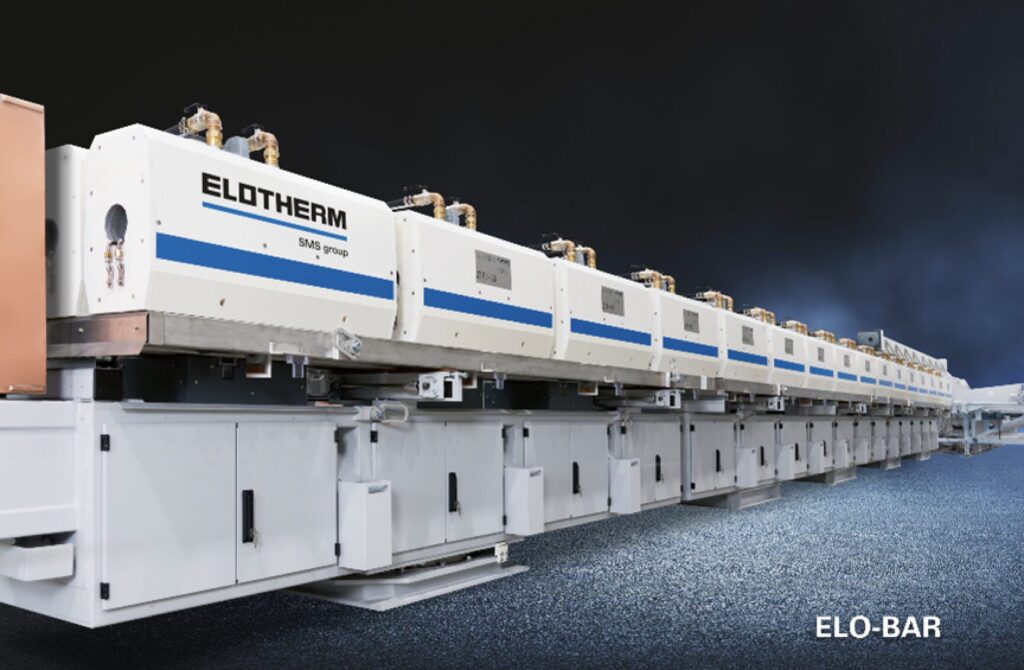
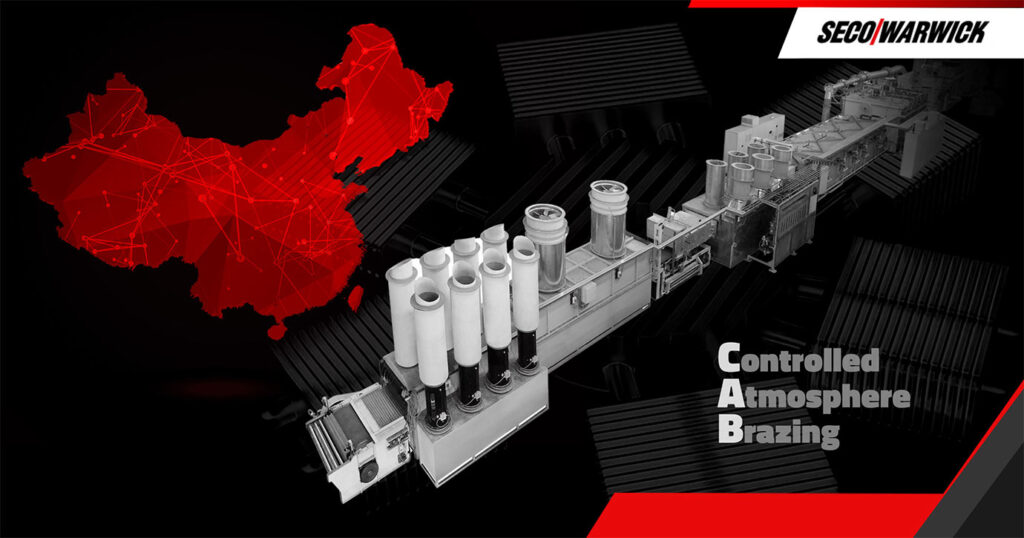
7. A Chinese thermal management manufacturer has significantly increased its production capacity by installing a new continuous controlled-atmosphere brazing (CAB) line supplied by SECO/WARWICK to support higher output of advanced cooling components for data centers, EVs, aviation, photovoltaics, and rail transport.

Company & Personnel

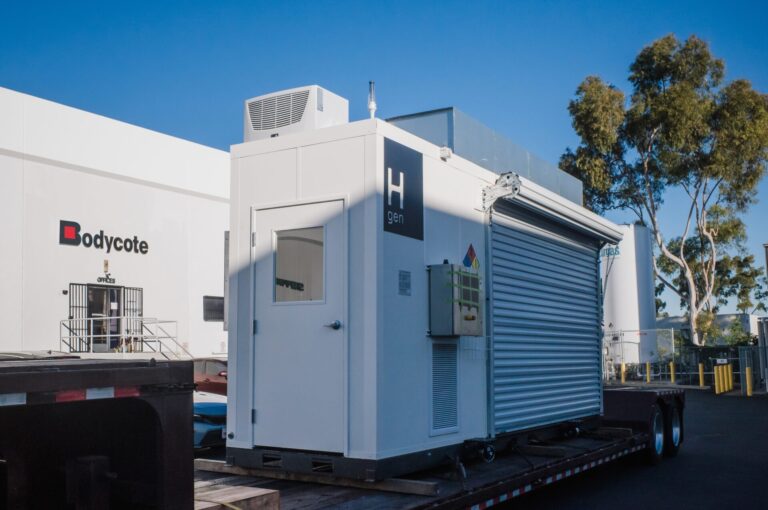
8. Spectrum Thermal Processing, a Cranston, Rhode Island heat treat provider, was acquired by global specialist processor Bodycote plc and integrated into its Aerospace, Defence & Energy division in a deal that closed January 14, 2026. This move brings Spectrum’s Nadcap-accredited vacuum heat treatment, low-pressure carburizing, and gas nitriding capabilities into Bodycote’s U.S. network, expanding regional capacity and improving lead times and supply-chain resilience for aerospace and defense component manufacturers.

9. A Tier 1 automotive supplier ensured uninterrupted production during a planned maintenance shutdown by tapping outsourced burst heat treating capacity from Bluewater Thermal Solutions’ St. Mary’s, Pennsylvania facility, rapidly scaling to meet strict OEM requirements. This collaboration kept deliveries on schedule and highlights the growing importance of flexible heat treating resources in supporting automotive supply-chain resilience.

10. Atlantic Fire Brick & Supply, a company that provides refractory products and installation services for furnaces, kilns, and other high-termperature equipment, has been acquired by Plibrico Company LLC in a move that expands refractory distribution and service capabilities for industrial thermal processing operations across the southeastern United States.

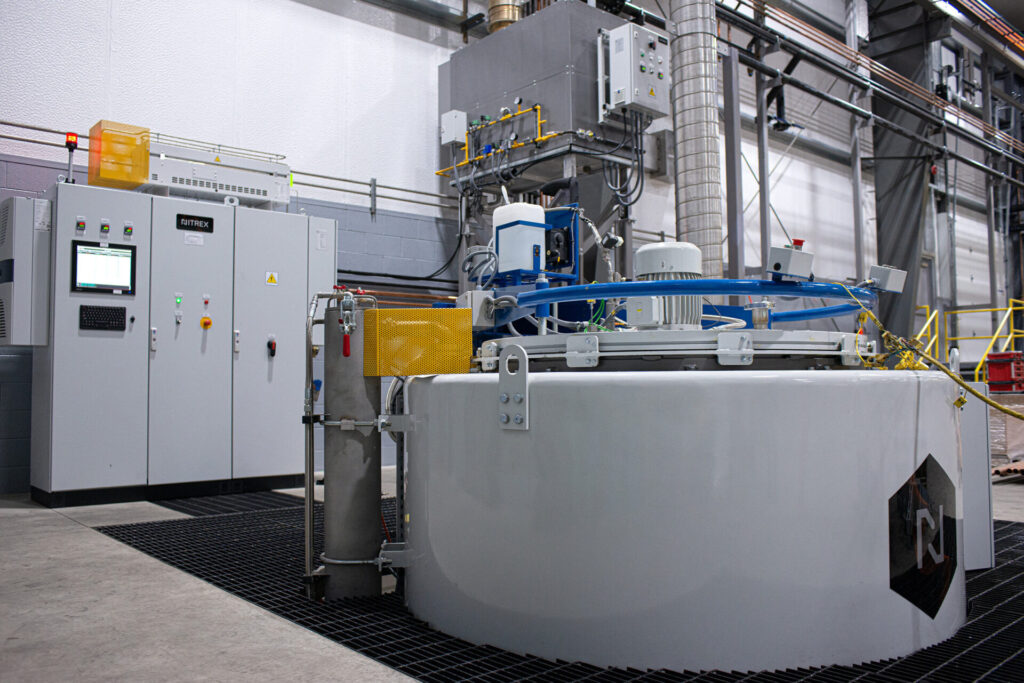
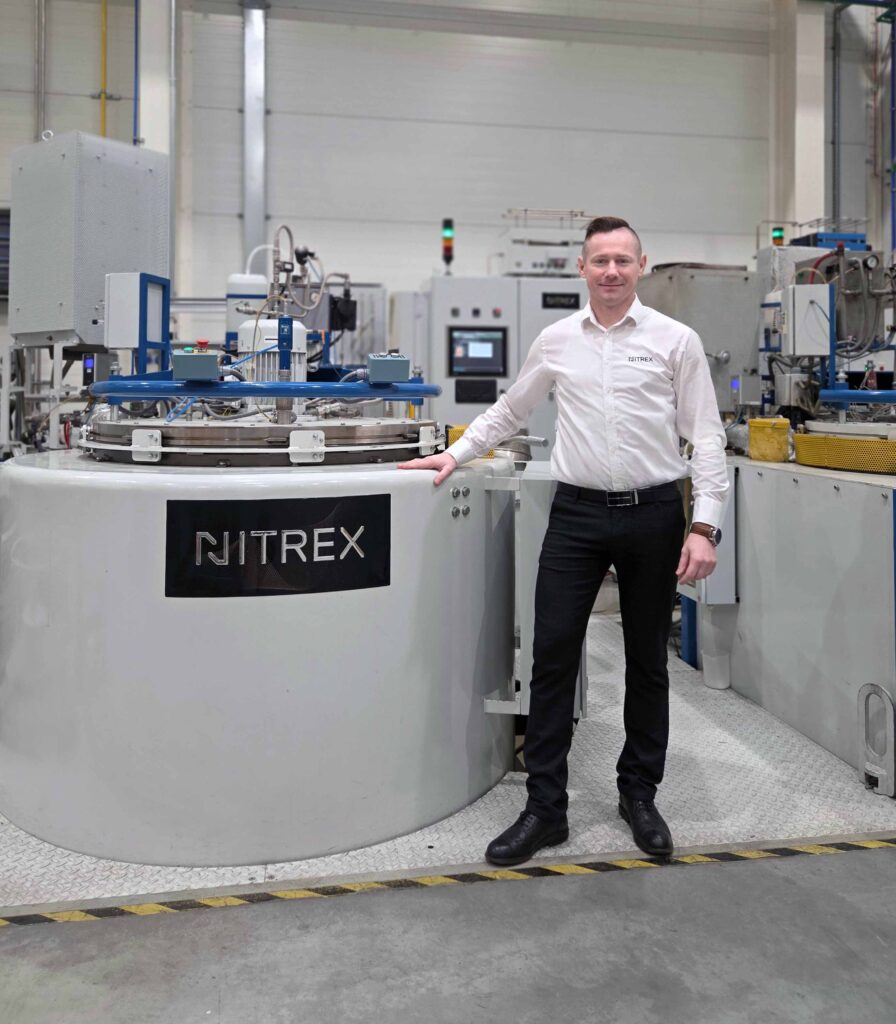
11. The AICHELIN Group has appointed Robert Sokoliński as CEO and general manager of Nitrex Metal Sp. z o. o. in Poland, effective January 1, 2026, tasking him with leading the subsidiary strategic and operational development within the group. The leadership move reinforces AICHELIN’s commitment to expanding advanced thermochemical heat treating capabilities in Europe, supporting automotive and industrial manufacturers with reliable, high-performance surface treatment solutions.

12. Bodycote’s Derby and Rotherham heat treat facilities now operate with zero direct carbon emissions, having transitioned to fully electric operations powered by 100% renewable energy — a milestone in decarbonization trends in thermal processing. This achievement signals growing momentum towards sustainable practices in the aerospace and automotive supply chains, helping clients meet ambitious carbon-reduction targets while maintaining process performance. 

13. NUTEC Group Chairman Genaro Cueva and CEO Daniel Llaguno have appointed long-time executive Rodrigo González as president of NUTEC Bickley, following his 24-year tenure in senior engineering and operations roles. Llaguno praised González’s capabilities and alignment with NUTEC’s values, expressing confidence that he will successfully lead the company into the future while strengthening its position in the industrial heating sector across North America.

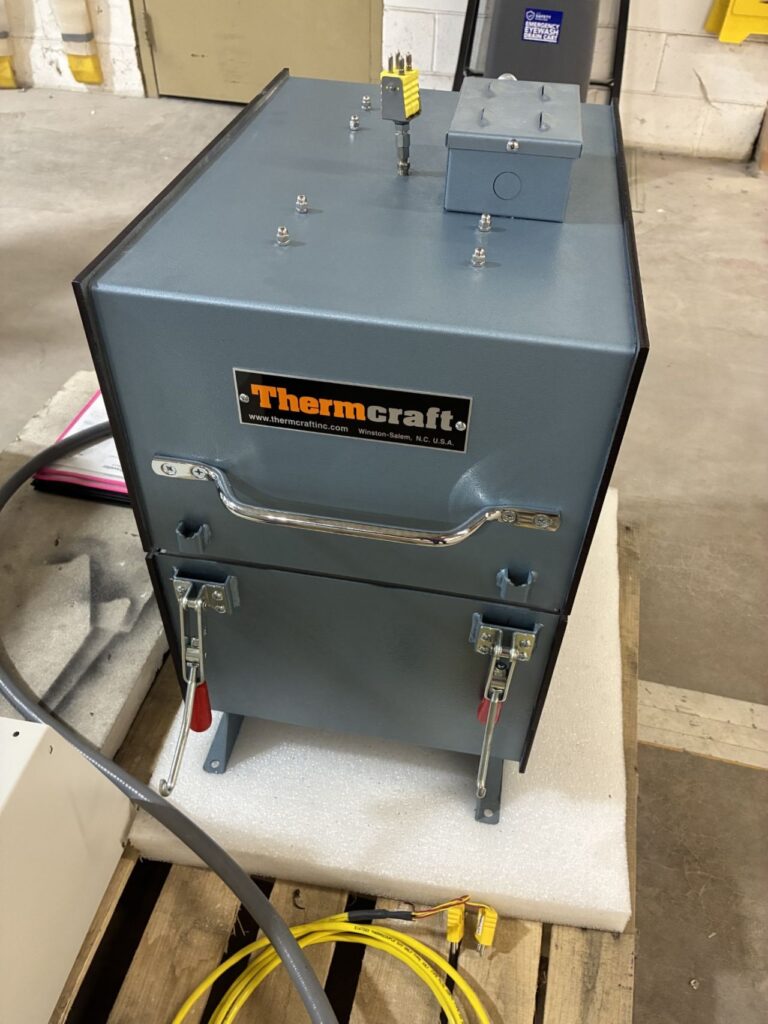
14. Thermcraft Inc. announced that Thermo Kinetics has joined as its authorized distributor for Canada, expanding Thermcraft’s reach for its thermal processing and industrial heating equipment across the Canadian market. This partnership brings together Thermcraft’s furnace and thermal solutions expertise with Thermo Kinetics’ local sales and technical support capabilities, strengthening service and market impact in the region’s industrial heating sector.

15. TFL Incorporated, a Houston-based provider of refractory materials and precast shapes, has been acquired by Plibrico Company LLC in a move that strengthens resources and technical support for high-temperature industries. The acquisition enhances service capacity and product availability for clients operating in demanding thermal-processing environments, including sectors that rely on consistent refractory performance to maintain uptime and efficiency.

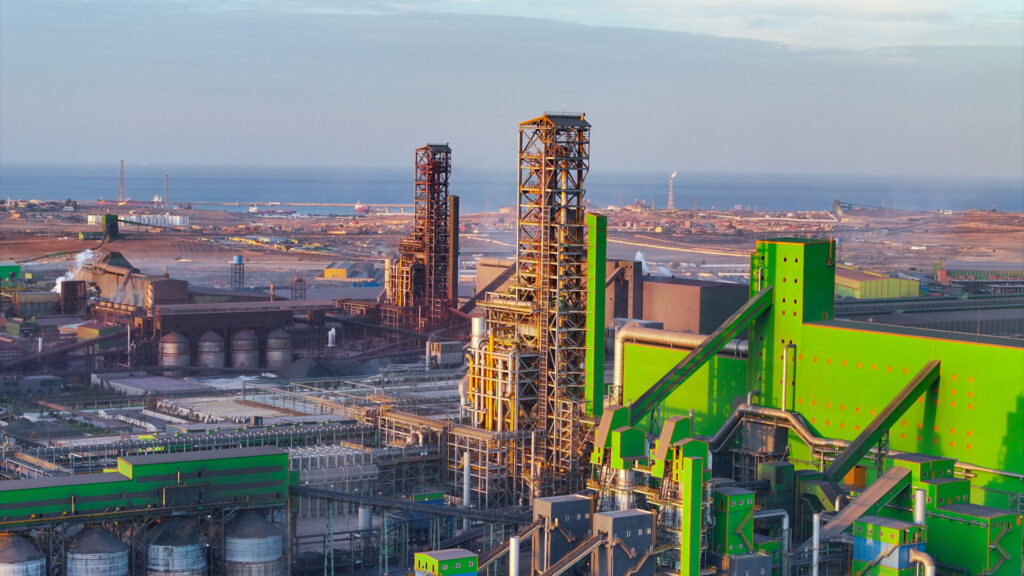
16. Tosyalı Algérie, working with technology partner Midrex, set a new world production record for direct reduced iron (DRI), marking a major milestone in large-scale, low-carbon ironmaking. The achievement underscores growing momentum around DRI as a critical feedstock for steel producers seeking greater efficiency and reduced emissions. For the broader metals industry, it signals continued investment and confidence in DRI technology as a foundation for future steel and downstream thermal processing supply chains.

17. Claus Joens, founder of Elnik Systems, has retired after decades of advancing debind-and-sinter furnace technology. His leadership helped strengthen metal manufacturing capabilities critical to defense and advanced industrial applications, leaving a lasting mark on the MIM and thermal processing industries.

18. The Industrial Heating Equipment Association (IHEA) has announced its 2026-2027 Board of Directors and Executive Officers, naming Jason Safarz of DUNGS Combustion Controls as president, Bob Fincken of Super Systems, Inc. as vice president, and Chad Spore of John Deere as treasurer. IHEA leadership highlighted Spore’s appointment as a historic milestone, marking the first end-user officer in nearly a century and reinforcing alignment between equipment suppliers and industrial end users.

Kudos

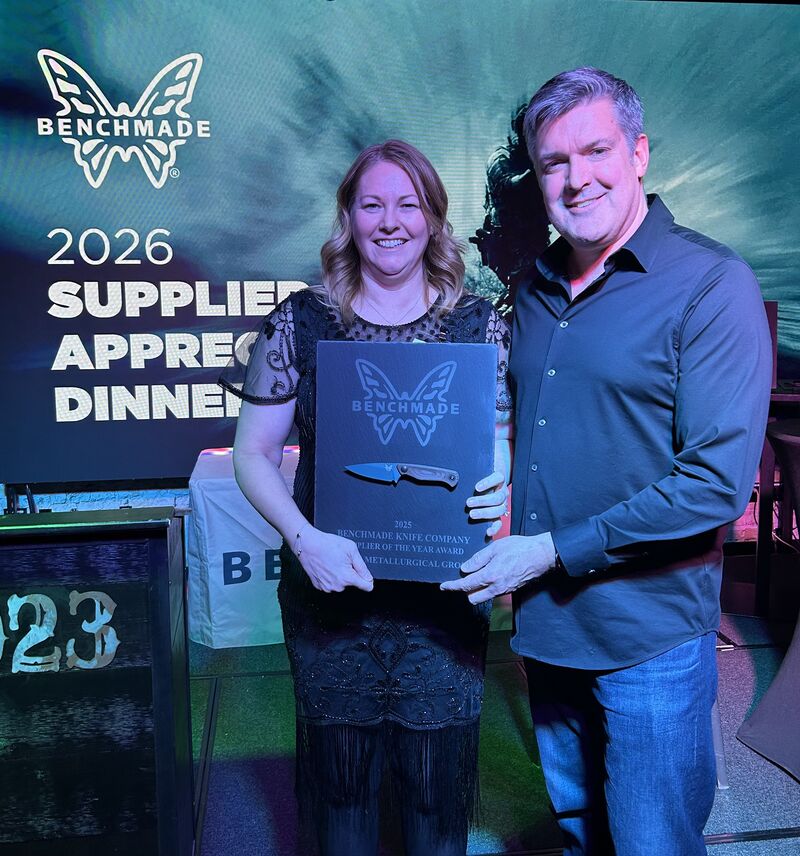
19. Stack Metallurgical Group was honored as a Supplier of the Year by BENCHMADE Knives at the 2026 SHOT Show Supplier Showcase. This recognition at one of the shooting, hunting, and outdoor industry’s largest trade events underscores Stack’s growing influence and excellence in precision metal processing and heat treat services within the manufacturing supply chain.

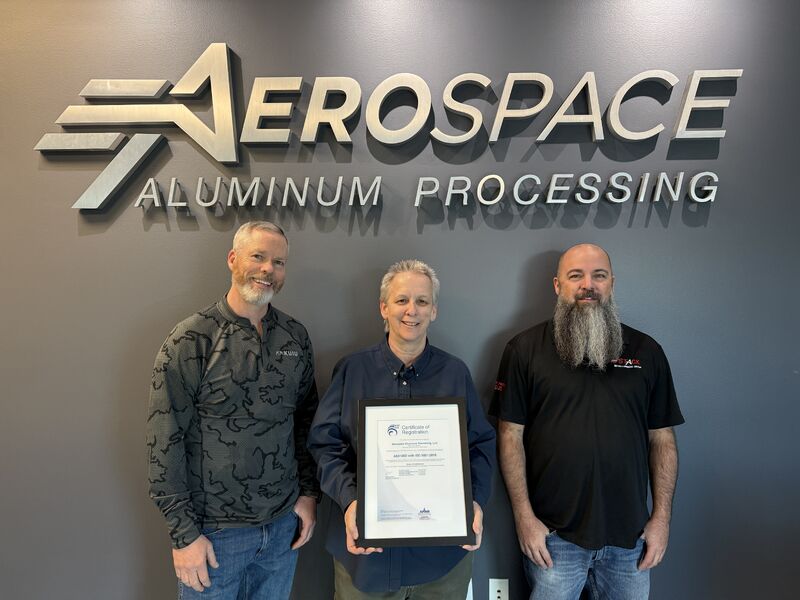
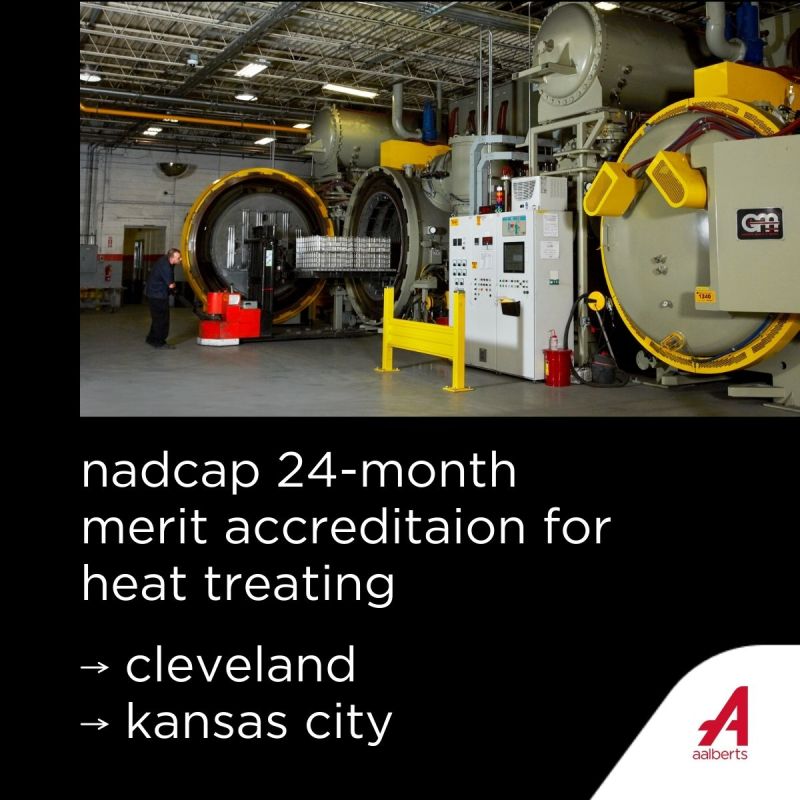
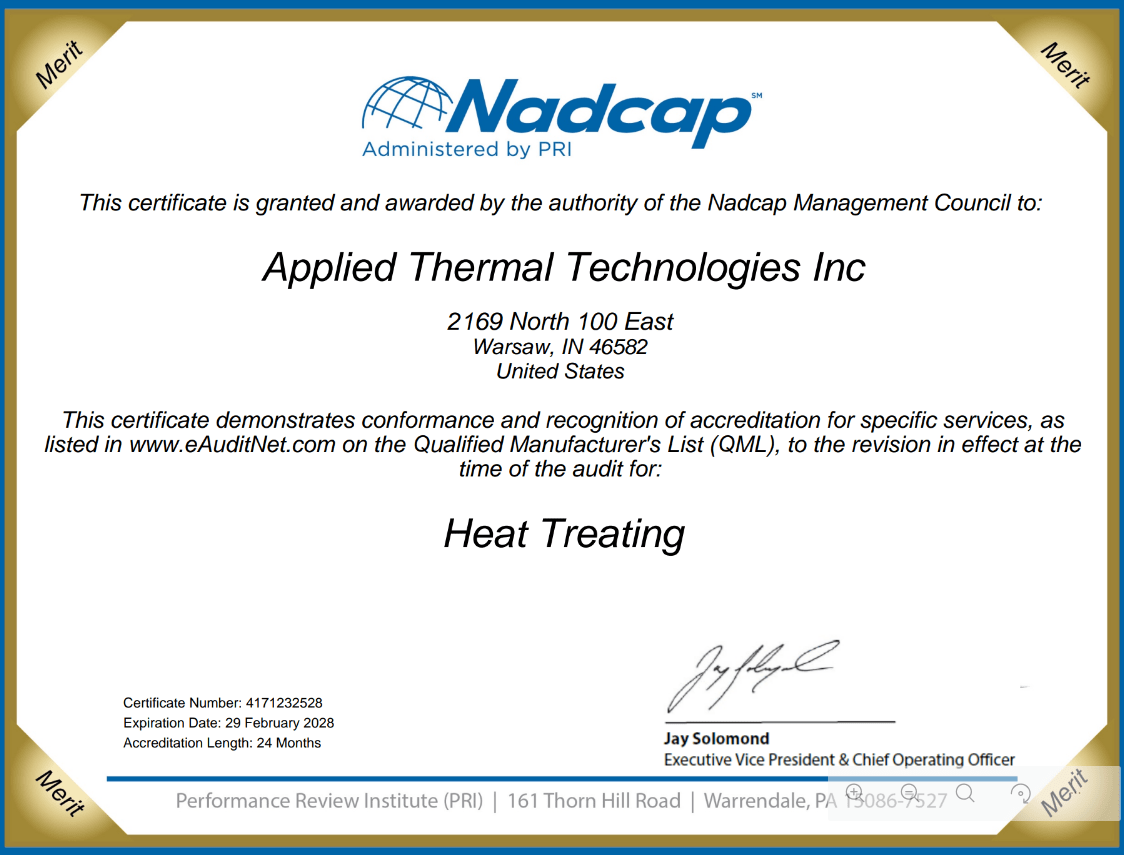
20. Applied Thermal Technologies Inc. received its 4th consecutive 24-month merit for Nadcap.

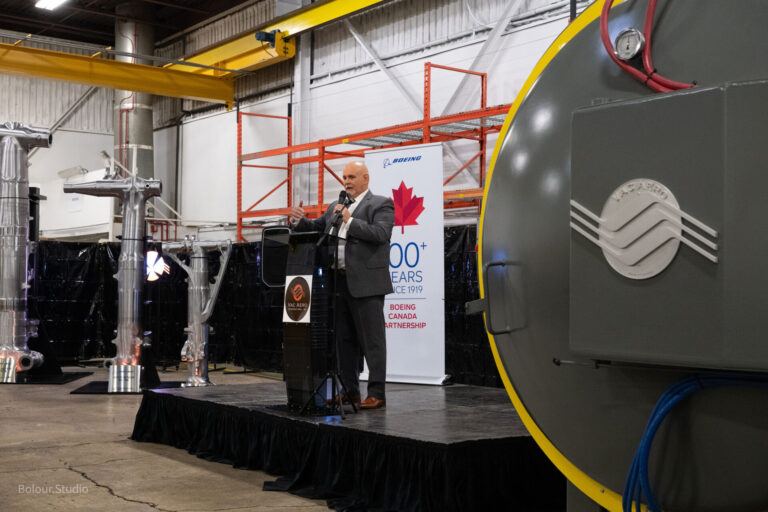
21. Vacu Braze announced that its metallurgical laboratory has achieved Nadcap accreditation.

21 News Chatter to Keep You Current Read More »
Mold Manufacturer Moves Heat Treatment In-House

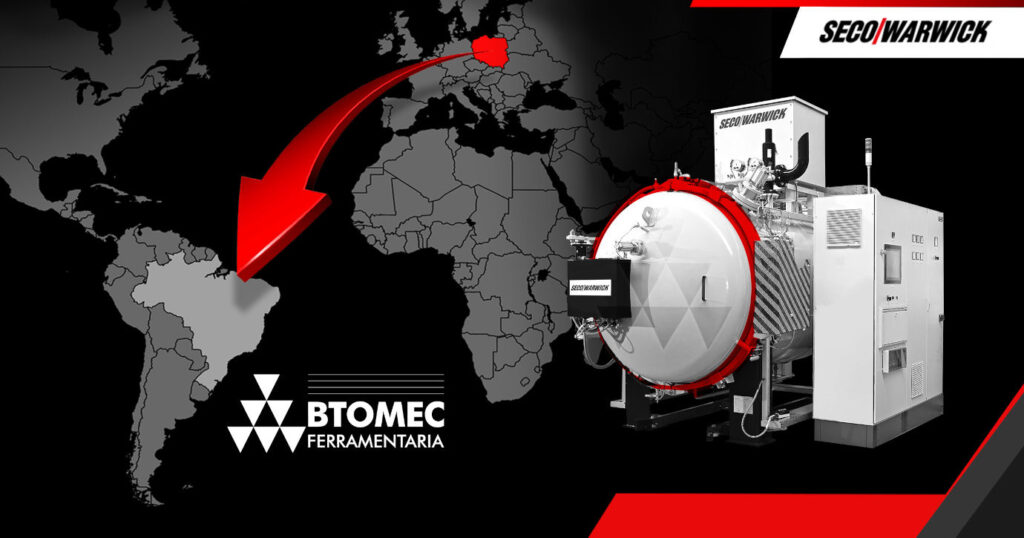
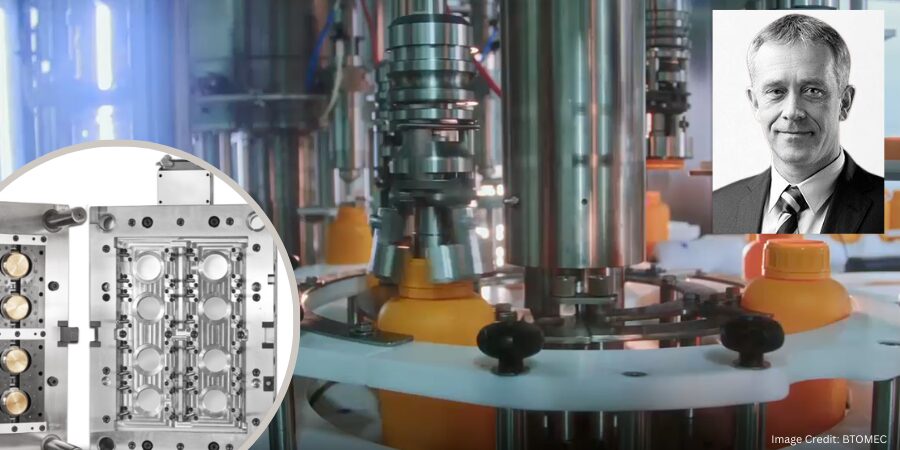
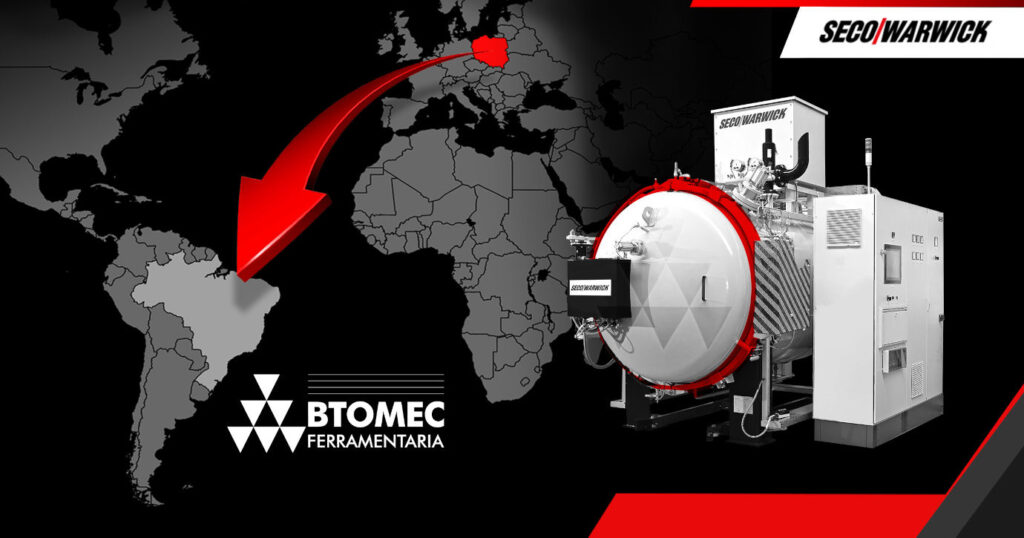
BTOMEC Ferramentaria e Usinagem de Precisão Ltda. has invested in a vacuum furnace to establish its own in-house hardening capability. The decision reflects the company’s growing production scale and its desire to gain greater control over the heat treatment process and associated costs.

The manufacturer, which supplies multi-cavity injection molds to the cosmetics, pharmaceutical, food, and packaging sectors, previously relied on external hardening services. Establishing an internal heat treatment facility allows BTOMEC to reduce dependence on outside providers while maintaining oversight of production timelines and quality.

BTOMEC selected a single-chamber Vector vacuum furnace equipped with 15-bar high-pressure gas quenching for hardening dies and precision tooling. The system is equipped with a 400 x 400 x 600mm heating chamber, inverter-controlled blower operation for energy optimization, and a partial pressure system that enables processing in inert gas atmospheres to reduce the risk of contamination or alloying element loss during heat treatment.

Maciej Korecki
Vice President of Vacuum Business Segment
SECO/WARWICK

The furnace was supplied by SECO/WARWICK, a global heat treatment equipment manufacturer with operations in North America. According to Maciej Korecki, the investment aligns with a pattern seen among manufacturers reaching certain production volumes. “This is a trend we see more and more frequently. At a certain production scale, many industrial partners begin to consider creating their own small hardening facility. Such an investment means independence from external entities and, above all, full control over the production process and its costs,” he said.

The addition of vacuum heat treatment capability marks an important step in BTOMEC’s ongoing development strategy, strengthening internal production control while supporting further internationalization of its operations.

Press release is available in its original form here.

Mold Manufacturer Moves Heat Treatment In-House Read More »

Continuous CAB Line Production Boosts Capacity

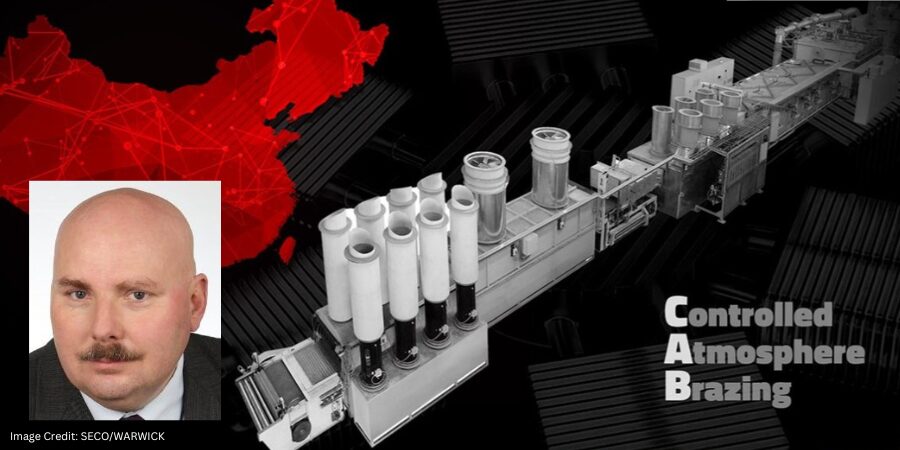
A manufacturer specializing in advanced thermal management solutions has expanded its production capabilities with the delivery of a new continuous controlled atmosphere brazing (CAB) line. The system will support increased output of high-performance cooling components such as heat dissipation plates for data centers and cold plates for electric vehicles, while also serving demand across aviation, photovoltaics, and rail transport.

The company, a Chinese manufacturer focused on temperature control platforms and cooling systems, is investing in the continuous CAB line to strengthen production capacity and support growing demand for compact, high-efficiency thermal management technologies.

The CAB line, supplied by SECO/WARICK — a global thermal processing equipment manufacturer with operations in North America — features a 1,000mm (39.2 in) belt width and is designed to process multiple product types, including 3D vapor chambers and cold plates. The system includes a dry-off oven for part preparation, a radiation brazing furnace operating in a controlled atmosphere, a clean-out chamber to stabilize internal conditions, an air-jacketed cooling chamber, and a final cooling chamber. An integrated control system enables centralized operation and process management across all stages.

Piotr Skarbiński
Vice President of Aluminum and CAB Products Segment
SECO/WARWICK

“What makes this project unique is the ability to braze two distinct product groups — 3D-VC (3d vapor chambers) and cold plates — on a single line,” said Piotr Skarbiński, vice president of the Aluminum and CAB Products Segment at SECO/WARWICK. Through tailored throughput calculations and a customized cooling configuration, the system is engineered to deliver temperature uniformity and repeatable process control — factors essential to producing high-quality components for modern electronics and power systems, he adds.

As AI servers, EV systems, and advanced electronics generate increasing heat on compact surfaces, reliable aluminum brazing technologies remain essential to delivering performance, durability, and efficiency in next-generation thermal management systems.

Press release is available in its original form here.

Continuous CAB Line Production Boosts Capacity Read More »

JUPALCO Expands Aluminum Coil Annealing Capacity

Jupiter Aluminum Industries (JUPALCO), part of the Jupiter Group, has ordered two aluminum coil annealing furnaces to support production at its rolling mill operations, strengthening capacity and consistency for flat-rolled aluminum products serving automotive, construction, and packaging markets. The investment reflects continued global demand for advanced aluminum heat treating capacity.

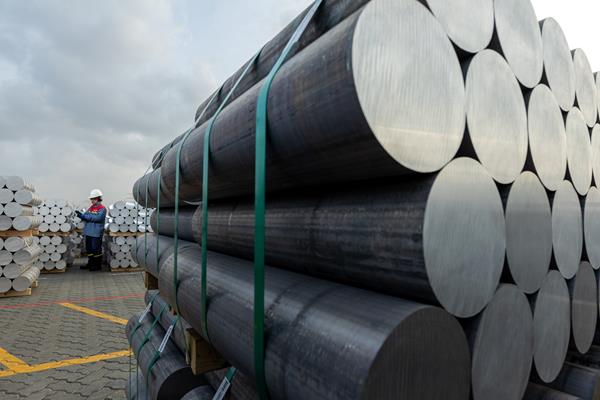
The furnaces, slated for installation at JUPALCO’s rolling mill operations in India, are designed to handle large aluminum coils, with a maximum outside diameter of 2,600mm, widths up to 2,300mm, and a total gross load capacity of 93.6 metric tons. Multi-zone chamber configurations and advanced control systems are engineered to deliver precise temperature uniformity and repeatable annealing results across high-volume production runs.

Piotr Skarbiński
Vice President of Aluminum and CAB Products Segment
SECO/WARWICK

The equipment will be supplied by SECO/WARWICK, a furnace supplier with North American locations, and incorporates the company’s Vortex 2.0 aluminum coil annealing technology, which uses high-velocity airflow to improve heat transfer, shorten cycle times, and reduce the risk of localized overheating. The design also supports energy-efficient operation while maintaining tight temperature tolerances throughout the annealing process.

According to Piotr Skarbiński, vice president of the CAB and Aluminum Products Segment at the SECO/WARWICK Group, the Vortex 2.0 is designed with a system of appropriately directed nozzles that support consistent aluminum processing while reducing cycle times and energy consumption.

The Indian market for flat-rolled aluminum products is growing rapidly, with its value expected to rise from USD 4.5 billion in 2025 to USD 12 billion by 2035. Investments by manufacturers like JUPALCO in new rolling mills highlight both the domestic growth potential and the wider demand for advanced annealing technologies in global markets.

Press release is available in its original form here.

JUPALCO Expands Aluminum Coil Annealing Capacity Read More »

14 News Chatter to Keep You Current

Heat Treat Today offers News Chatter, a feature highlighting representative moves, transactions, and kudos from around the industry. Enjoy these 14 news items, including Haynes International Inc.‘s new hydraulic radial forging line to boost production of high-performance nickel- and cobalt-based alloys, the acquisition of JSA/Metalline by Hubbard-Hall Inc. to expand metal finishing service capabilities across the Midwest, Bodycote‘s achievement of independent validation from Bureau Veritas for its carbon footprint calculator tools, and more!


Equipment

1. A major U.S. bearing manufacturer has ordered two advanced SECO/WARWICK USA vacuum heat treat furnaces, reinforcing its commitment to precision manufacturing and capacity growth. The investment supports rising demand across the bearing industry, where consistent metallurgical performance is critical for industrial and aerospace applications.

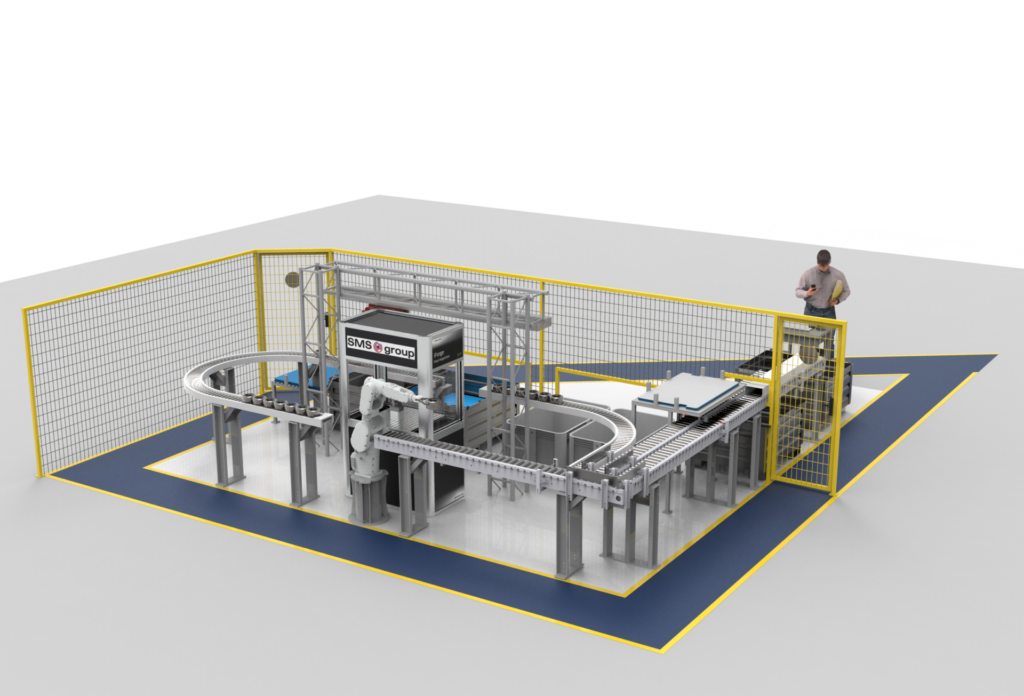
2. Haynes International Inc. has commissioned SMS Group to supply a new hydraulic radial forging line to increase its production of nickel- and cobalt-based alloys, serving markets such as aerospace and chemical processing in the United States. The integrated plant investment, which includes a forging machine, reheating and annealing systems, and automated material handling, is expected to improve production efficiency, metallurgical quality, and responsiveness to global demand while supporting growth in high-performance alloy manufacturing. 

3. Hertwich Engineering GmbH has delivered a customized rolling ingot foundry — including an Ecomelt PS120 preheat-shaft melting furnace, holding furnace, and vertical casting machine — to  Remi Claeys Aluminium N.V. The new facility, set to begin operations in spring 2026, will enhance process stability and efficiency for processing contaminated aluminium scrap, strengthening competitiveness and sustainability in the aluminium  manufacturing sector.  

4. Marle Group has purchased and will install an additional vacuum heat treating furnace at its Marle Nowak facility in Pancé, France, expanding in-house capacity for heat treating cobalt-alloy orthopedic implants and surgical instruments. Supplied by SECO/WARWICK, the new furnace responds to the Marle Group’s need for rapid cooling of large loads while supporting efforts to improve production control and delivery times for medical device manufacturing. 

5. SMS group is supplying an isothermal forging module to the Institute of Forming Technology and Machines (IFUM) at Leibniz University Hannover to be integrated into their existing press as part of the EU and Lower Saxony-funded “High-performance materials of the future – oWZu” research project. This advanced vacuum forging system will expand research and development of high performance materials for aerospace, medical technology, and industrial applications, accelerating technology transfer and setting new standards in forming reactive superalloys. 

6. Researchers at the Korea Institute of Energy Research (KIER) have developed an electrified heat treatment technology for the annealing stage in galvanized steel strip production that cuts greenhouse gas emissions by over 98% compared with traditional combustion furnaces. The breakthrough replaces fossil fuel burners with electric heating elements while maintaining product quality and productivity, and could significantly reduce equipment costs and support decarbonization in the automotive and appliance steel supply chain. This innovation advances industrial heat treating processes toward carbon-free operation, helping manufacturers meet tightening environmental standards and global decarbonization goals.  

7. SECO/WARWICK has been selected by Brazil’s Isoflama to supply a customized horizontal retort furnace for high-temperature tempering and ZeroFlow nitriding at its heat treatment plant. This new furnace will integrate with Isoflama’s production control system and support processing of large, heavy components, enhancing efficiency and precision to continue serving the automotive, aerospace, and machinery industries in South America.

8. Brugola has implemented CODIAC monitoring technology to ensure reliable tracking and analysis of furnace processes on AICHELIN cast link belt furnaces at its facility. This upgrade enhances real-time oversight of thermal processing parameters, supporting consistent quality and operational efficiency. 

Company & Personnel

9. Hubbard-Hall Inc. has acquired the assets of JSA/Metalline, bringing JSA’s customer-facing team into Hubbard-Hall’s organization to expand sales coverage, technical support, and response times for manufacturers serving the plating and general metal finishing industries across the Upper Midwest/Midwest. The move strengthens regional service capabilities, giving manufacturers more direct access to supplier expertise, streamlined single-source ordering, and stronger technical support for critical surface finishing processes. 

10. AECO Corp. has promoted Maryann Remner to president, effective immediately, where she will lead the company and its three operating subsidiaries — Alloy Engineering, Mach3 Machining, and Thermcraft — which serve high-temperature fabrication, precision machining, and thermal processing equipment markets. 

11. Castings Technology, a UK manufacturer of titanium and steel castings, has announced the creation of twenty new jobs as it expands capacity to meet growing aerospace demand, reinforcing its role in supplying cast components for the sector.

12. WINGENS CONSULTANTS has appointed Mark Hemsath as Executive Consultant – Heat Treat & Advanced Furnace Specialist. Hemsath brings over 30 years of aerospace heat treating experience, with deep knowledge in vacuum systems, nitriding processes, and advanced furnace technologies.

Kudos

13. Bodycote has achieved independent validation from Bureau Veritas for its proprietary carbon footprint calculator tools covering nine core heat treatment processes, enabling customers to request ISO-assured carbon data for thermal processing methods such as vacuum and low-pressure carburizing. This validation enhances transparency and helps manufacturers measure and compare emissions, supporting the selection of lower-carbon heat treatment options. 

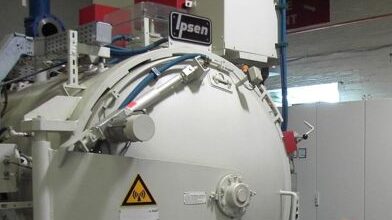
14. Ipsen recognized six service technicians — Todd Jones, Casey Guinn, Craig Monaghan, Eric Gould, Alfredo Mendoza, and Dom Wirthlin — for completing its 14-week Field Service Engineer Academy, an intensive hands-on training program for vacuum furnace specialists combining classroom instruction with mentored field experience.

14 News Chatter to Keep You Current Read More »
Marle Group Expands Orthopedic Heat Treat Capacity

Marle Group, a global manufacturer of orthopedic prosthetics, has purchased and will install an additional vacuum furnace at its Marle Nowak facility, expanding in-house processing capacity for cobalt-alloy orthopedic implants and surgical instruments. The new system responds to the company’s need for rapid cooling of large loads — capable of handling full 800 kg workloads — and supports efforts to improve production control and delivery times for medical device manufacturing, including serving demand in the North American market.

The facility in Pancé, France, specializes in the production of orthopedic implants, surgical instruments, spinal devices, and OEM manufacturing for the medical sector. This third vacuum furnace from SECO/WARWICK operating at Marle Group facilities will enable Marle Nowak to perform hardening processes internally rather than relying on external services.

Maciej Korecki
Vice President of Vacuum Furnace Segment
SECO/WARWICK

“Hardening cobalt alloys requires processes that achieve extremely high temperatures, and the heating processes for these materials demand high purity, temperature uniformity, and very fast, efficient cooling,” said Maciej Korecki, vice president of the Vacuum Furnace Segment at SECO/WARWICK Group. “Our equipment will allow our partner to become independent from external hardening services, providing greater control over the entire production process.”

The vacuum furnace features a 600 × 600 × 900 mm working area with a round heating chamber, convection heating, directional cooling, and isothermal hardening for controlled cooling of complex components. It includes partial-pressure argon to protect alloy surfaces, dew point sensors to reduce oxidation risk, and a rapid-cooling blower capable of quenching at up to 15 bar abs.

SECO/WARWICK secured the contract following successful reference trials conducted in its research and development department, where the furnace demonstrated cooling performance that met Marle Nowak’s process requirements. The addition of this vacuum furnace is expected to support certification of heat treatment processes in line with ISO 9001 and ISO 13485 standards, which are important for medical device production.

Press release is available in its original form here.

Marle Group Expands Orthopedic Heat Treat Capacity Read More »

News from Abroad: Global Expansion and Next-Generation Heat Processing

In today’s News from Abroad installment, we highlight several major global developments — from strategic expansions to advanced furnace and CAB line upgrades — reflecting continued investment in greener steelmaking, more efficient thermal processing, and enhanced aluminum heat treating capabilities worldwide.

Heat Treat Today partners with two international publications to deliver the latest news, tech tips, and cutting-edge articles that will serve our audience — manufacturers with in-house heat treat. Furnaces International, a Quartz Business Media publication, primarily serves the English-speaking globe, and heat processing, a Vulkan-Verlag GmbH publication, serves mostly the European and Asian heat treat markets.


UK Pilot Furnace Accelerates Green Steel Innovation

The Materials Processing Institute received three wagons of components for its electric arc furnace upgrade.

“The seven-tonne furnace is the only research facility of its kind in the UK and plays a role in developing the technologies and processes that will enable the next generation of green steel production.”

“The upgraded EAF will provide a facility for developing, testing, and refining green steel technologies under realistic industrial conditions.”

“By bridging the gap between laboratory research and full-scale production, it will support the transition to scalable, sustainable, low-carbon steelmaking backed by existing secondary refining and casting capability to make almost any steel.”

Read more: “Materials Processing Institute set to start on furnace upgrade” at furnaces-international.com.

New Reheating Furnace Advances Steel Thermal Processing

The first hot billet was produced at Rugui Squares & Special Profiles’ plant in Azkoitia, Spain, on 27 November 2025.

“Rugui Squares & Special Profiles and Fives have commissioned a new walking hearth reheating furnace designed to significantly improve energy efficiency and product quality. The first hot billet was produced at Rugui Squares & Special Profiles’ plant in Azkoitia, Spain, on 27 November 2025.”

“The new furnace will replace its existing reheating furnace, which had operated for more than 40 years and could no longer meet evolving production and quality requirements. The company manufactures high-value billets for demanding applications, including shipbuilding, farming machinery, and construction, where consistently premium product quality is essential.”

Read more: “Fives’ high-efficiency reheating furnace” at furnaces-international.com.

Asia Expansion Marks Strategic Industry Growth

Welcome desk at new Aichelin headquarters in China

“AICHELIN UNITHERM manufactures all atmospheric furnace types of the Group in India, supplying customers from the automotive industry, bearing manufacturing, and contract heat treatment providers. In recent years, the company has steadily grown to become a market leader in India. The new facility supports the company’s ambitious strategic goals to consolidate its market leadership in India and continue increasing revenue. Furthermore, the development of new heat treatment segments — starting with aluminum heat treatment — ​​will be advanced, and export activities will be strengthened.”

Read more: Aichelin Group Drives Expansion in Asia: Groundbreaking for New Site in India, New Headquarters in China at heat processing.

Advanced CAB Line Upgrade Enhances Aluminum Heat Treating

The upgraded continuous controlled atmosphere brazing (CAB) line set to improve operations for a Chinese supplier of air conditioning “and engine heat management components for vehicles.

“This is the second order from this partner, and the first to be executed directly by the SECO/WARWICK Group’s Chinese subsidiary. The new brazing line features a 1,600 mm wide belt and includes a preheating chamber, a radiant-heated brazing furnace, an air-cooled chamber, a final cooling chamber, and a control system.”

“’This is a very important project, not only due to the renewed trust from our Partner, but also because the new line will replace a solution that has been operating in this plant since 2005. The current investment is a step towards increasing production efficiency, improving energy efficiency, and implementing modern cooling solutions. It also proves that our equipment is durable, reliable and evolves with the needs of the electromobility market,’ says Piotr Skarbiński, vice president of the Aluminum and CAB Products Segment at SECO/WARWICK Group.”

Read more: “SECO/WARWICK selected again by Chinese Partner for Advanced CAB Line Upgrade” at heat processing.

News from Abroad: Global Expansion and Next-Generation Heat Processing Read More »

14 News Chatter to Keep You Current

Heat Treat Today offers News Chatter, a feature highlighting representative moves, transactions, and kudos from around the industry. Enjoy these 14 news items, including OTTO JUNKER‘s induction furnace installation supporting low-carbon foundry operations, IperionX‘s collaboration with Carver Pump Company to strengthen domestic titanium manufacturing, Solar Atmospheres of Michigan earning its Nadcap 18-month Merit Status for heat treating and brazing, and more!


Equipment

1. OTTO JUNKER has equipped Eisengießerei Th. Schultz with a MONOMELT coreless induction furnace, replacing a cupola and converting the foundry to electric melting. The system significantly cuts energy use and CO₂ emissions while demonstrating how induction technology is helping foundries transition to more efficient, low-carbon production.

2. A global drivetrain technology leader has selected NUTEC Bickley to supply a CQI-9–compliant isothermal annealing line for automotive component production. The new equipment strengthens heat treat quality and consistency, reflecting the industry’s continued investment in advanced thermal processing to support higher-performance drivetrains.

3. Newton Heat Treating has completed a major equipment upgrade, replacing steam accumulators that had been in service for 20 years in its uphill quenching/cold stabilization operation. The upgrade directly impacts the company’s aerospace processing capabilities, with many parts destined for optical components in space applications undergoing this critical heat treatment process.

4. Kaiser Aluminum Corp., a producer of heat treated, flat-rolled aluminum products, has completed a $25 million expansion and upgrade of its Trentwood rolling mill in Spokane Valley. This marks the latest phase of the company’s long-term strategy to increase heat treatment throughput for aerospace, automotive, and general engineering markets.

5. ArcelorMittal is advancing a major expansion in electrical steel production that includes a preparation line, a continuous annealing and varnishing line, and a slitting line — developments that reflect ongoing job growth and investment in industrial heat treating processes worldwide.

6. A United States military base will receive an electrically heated draw batch oven from Wisconsin Oven Corporation for use in heat treating aerospace components. The industrial oven was engineered to meet critical safety requirements and the stringent demands of aerospace heat treating.

7. JSW Vijayanagar Metallics, a subsidiary of JSW Steel, has commissioned a new 350-ton RH (Ruhrstahl Heraeus) unit, the world’s first operational combination of an RH Ladle Rocker technology with Fast Vessel Exchange from SMS Group. This represents a major advancement in secondary metallurgy and plant efficiency.

8. PROENERGY has ordered four Ipsen vacuum furnaces for its new Houston location, expanding heat treating capacity to support growing demand for fast-start gas turbines and lifecycle maintenance services. The investment strengthens PROENERGY’s ability to manufacture, repair, and overhaul high-quality turbine components while reducing lead times.

Company & Personnel

9. SMS Group’s South Africa-based Metix brand and Magmec signed a memorandum of understanding to develop a magnesium metal production facility in the United Arab Emirates utilizing advanced reduction furnace technology. The facility will be designed to process magnesium oxide originating from feed sources such as dolomite or brine. The partnership aims to establish a regional, sustainable supply of magnesium for strategic industrial users.

10. Carlos Carrasco has joined the SECO/WARWICK USA sales team as regional manager for Mexico, bringing more than 11 years of experience with the company as a sales representative. In his new role, he will support customers across the region in addressing their heat treatment challenges.

11. IperionX is working with Carver Pump Company to advance domestic titanium manufacturing and thermal processing capabilities in a recent commitment to reduce long lead times for critical pump components used for naval shipbuilding. This addresses supply chain constraints that have slowed ship construction and maintenance. By shortening production timelines, the initiative supports improved fleet readiness while reinforcing domestic manufacturing capacity for mission-critical naval systems.

Kudos

12. Solar Atmospheres of Michigan has earned Nadcap 18-month Merit Status for heat treating and brazing, marking a significant quality milestone, bringing every Solar Atmospheres facility nationwide to merit standing. The achievement reflects three consecutive years of audits with zero major findings, underscoring the company’s disciplined process control and commitment to specification compliance while serving industries including aerospace, defense, and medical manufacturing.

13. Tenova hosted Indonesia’s Vice Minister of Industry, Faisol Riza, at its global headquarters to showcase sustainable steelmaking technologies, following an initiative led by Indonesian steel producer PT Tata Metal Lestari. The visit highlighted collaboration among Tenova, TML, and the Indonesian government to advance low-emission steel production, energy efficiency, and industrial innovation.

14. Bodycote has achieved Nadcap accreditation for heat treating, vacuum brazing, and TIG welding at its new 55,000-square-foot facility in Fairfield, Ohio. The milestone strengthens Bodycote’s North American presence and expands capacity to meet growing demand for high-specification thermal processing in aerospace, defense, and industrial manufacturing sectors.

14 News Chatter to Keep You Current Read More »

Fringe Friday: Global System Chooses Furnace for Fire Tests

We’re celebrating getting to the “fringe” of the weekend with a Heat Treat Fringe Friday installment: Global System, a manufacturer specializing in the production of fire-resistant doors, shutters, and smoke curtains, is adding a furnace from a well-known heat treat solutions manufacturer. The device will be used to carry out fire resistance tests for building products in accordance with the standard temperature curve. Critically, it has the ability to test solutions intended for both industrial and private use, enabling them to significantly increase competitiveness and productivity.

While not exactly heat treat, “Fringe Friday” deals with interesting developments in one of our key markets: aerospace, automotive, medical, energy, or general manufacturing.


The contract covers the delivery of a vertical fire test furnace. This includes a flue gas purification system, a complete set of equipment, installation, commissioning, and staff training.

The furnace, supplied by SECO/WARWICK, enables advanced testing at temperatures reaching up to 1200°C (2192°F), in accordance with current fire resistance standards, which are applicable in both commercial building and maritime construction.

“The device may, in the future, support certification processes which the Partner is considering as their next development step,” says Mariusz Raszewski, Deputy Director of the Aluminum and Atmospheric Solutions Sales Division at SECO/WARWICK. He continues, “Laboratory furnaces for fire resistance testing in various configurations are intended for testing the fire resistance of suspended ceilings, vision panels, walls, columns and other structural elements. These tests are crucial for delivering safe construction solutions to the market.”

“Safety and property protection are priorities in every facility. Global System provides fire protection solutions for various types of buildings — from residential and public utility structures to production halls and warehouses…. The device will allow us to conduct advanced product development research, including analysis of resistance to high temperatures and the impact of various fire conditions. Thanks to this, Global System will be able to further improve its products, increasing their safety and durability,” emphasized Łukasz Jeleński, Technical Director of Global System sp. z o.o.

He continued, “The furnace from SECO/WARWICK will allow us to test the properties of our products, and in the future, to apply for their certification. This is a big step in the company’s development. Additionally, having our own research facilities will enable us to carry out fire tests much faster and shorten the time to market for new solutions.”

The technology of fire testing furnaces is gaining popularity among building material manufacturers, as evidenced by SECO/WARWICK’s supply of a similar device to the French building materials giant KNAUF SAS. Several years ago, the company also supplied ALUPROF with a fire resistance test furnace. The SECO/WARWICK system allows the Partner to test new products, such as windows, doors, and façade systems before they are introduced to the market.

According to the State Fire Service, the highest number of fires in recent years was recorded in 2022 (93,453 incidents), which was an increase of more than 44% compared to 2021 (64,730). In the public utility buildings segment, the number of fires remained around 1,200–1,300 cases per year. Encouragingly, there has been a clear downward trend in fires in residential buildings from 2021 (20,633) to 2024 (16,656). The level for production and warehouse buildings has been relatively stable. In both cases, the number of fires did not exceed 1,500 per year. This shows just how important it is to raise public awareness of the crucial role fire protection systems play in buildings; implementation can contribute to improving safety.

Press release is available in its original form here.

Fringe Friday: Global System Chooses Furnace for Fire Tests Read More »
Pit LPC: A Modern Take on High Throughput Heat Treat

Producing durable, wear-resistant gears for the wind turbine industry requires exacting control of carbon diffusion. Modern low pressure carburizing (LPC) is pushing the boundaries of control and consistency. This technology fine tunes carbon diffusion into the surface of components, and applied in a new pit-style vacuum furnace, it also delivers temperature uniformity, stronger gears, and shorter cycle times for large, complex components, all while eliminating oxidation and direct CO₂ emissions. In this Technical Tuesday installment, Tom Hart, director of sales for North America at SECO/WARWICK Corporation, examines how modern LPC technology in a pit-style vacuum furnace is reshaping high-volume carburizing for today’s in-house heat treaters.

This informative piece was first released in Heat Treat Today’s November 2025 Annual Vacuum Heat Treating print edition.


The Need To Carburize

Carburizing is a thermochemical treatment that finds applications across the automotive, aviation, and energy industries, particularly in power transmission systems. The widespread use of this process across many industries stems from its ability to improve mechanical properties by enriching the surface of steel with carbon.

Consider the wind turbine industry, growing with a CAGR (compound annual growth rate) of 6.2% from 2024 to 2033 (GlobeNewswire 2024). Carburizing plays a key role in the production of gears and pinions. These components, often made of alloy steels, such as 18CrNiMo7-6, 4320, 4820, and 9310 (GearSolutions 2009, Jantara 2019), must meet high strength and quality requirements. Carburized layers, often over 4 mm thick, provide resistance to wear and dynamic loads, which is important given the turbine’s expected service life of at least twenty years.

In practice, however, gears often require servicing after five to seven years (Jantara 2019), with their failures generating long downtimes and high costs (Perumal and Rajamani 2014).

The carburizing process, combined with hardening (usually in oil) and tempering, increases:

  • Surface hardness: improving abrasian resistance
  • Core ductility: protecting against cracks
  • Fatigue strength: extending the life of the part, which translates into lower operating costs

Alternative technologies, such as nitriding or surface hardening, offer other benefits (e.g., reduced deformation), but have limitations, such as thinner hardened layers, relatively long nitriding process times, or difficulties with complex geometry for surface hardening.

Pit Meets Vacuum LPC

Traditional atmospheric carburizing, despite its established position, has reached its limits in process performance expectations. In response to market needs, LPC (low pressure carburizing) technology is being increasingly implemented to enable precise process control, reduced emissions, and improved energy efficiency. More specifically, a pit furnace with vacuum heat treatment capabilities, aka the Pit-LPC, has been designed and developed to carburize thick layers on very large and/or long parts. This furnace combines the advantages of LPC technology with the ability to integrate existing hardening cells, facilitating the modernization of older installations.

While a vacuum furnace opening to an air atmosphere is a feature previously reserved for atmospheric furnaces, this innovative pit furnace has ceramic insulation and a dedicated heating system to leverage this capability. The chamber door can therefore be opened at process temperature in an air atmosphere for the direct transfer of the charge to the hardening tank. Additionally, the furnace is equipped with a closed circuit forced cooling system, which significantly shortens the charge cooling time from the carburizing temperature to the hardening temperature, increasing efficiency and shortening the production cycle.

Furthermore, the furnace allows for the process to be carried out at temperatures of 1925°F (1050°C) and higher, significantly shortening carburizing time and reducing production costs, even while maintaining a safe level of grain growth (e.g., 1800°F (980°C)).

Benefits of LPC technology designed in a pit furnace include:

  • Reduced process time due to higher operating temperatures
  • Elimination of internal oxidation (IGO) in the carburizing process
  • Highly uniform carburized layer
  • Low process gas consumption
  • No direct CO₂ emissions and fire risk
  • Ready for operation without lengthy conditioning
  • Computer-aided process support

Additionally, the furnace design increases work safety and comfort in its elimination of open flames, risks of explosion, and the need for constant atmospheric monitoring.

Figure 2. SimVac program window with an example LPC process simulation

This new pit furnace is compatible with SimVac software, developed by Lodz University of Technology and SECO/WARWICK, which enables the simulation and optimization of LPC parameters, reducing the need for process tests. SimVac Plus is a simulation software that includes a vacuum carburizing module (Figure 2). The program can be used either as a standalone tool for designing processes based on the desired carburized layer requirements or to visualize the effect of a given boost/diffusion sequence in the form of a carbon profile.

Testing the Furnace Characteristics and Technical Parameters

The furnace was designed to meet the highest requirements for heat treatment equipment. The basic technical parameters are as follows:

  • Working space / charge weight: 71″ diameter x 118″ deep / 17,600 lb (1,800 mm x 3,000mm deep / 8,000 kg)
  • Operating temperature: up to 2010°F (1100°C)
  • Heating power: 360 kW, three independent zones
  • Vacuum level: 10⁻² torr
  • Carburizing gas: acetylene

Temperature Uniformity

Temperature distribution tests were conducted in the furnace, with 12 load thermocouples arranged according to the diagram shown in Figure 2. Measurements were taken at several temperatures under vacuum conditions. The purpose of the tests was to confirm compliance with the Class 1 ±5°F (3°C) requirements of the AMS2750 standard.

Figures 3a-d. Location of the TUS load thermocouples and the results in vacuum at temperatures of 1550°F (840°C), 1800 °F (980°C), and 1925°F (1050°C)

The results presented in Figure 3 indicate that the furnace provides above-average temperature uniformity, which is particularly important for a large workspace with 71″ diameter x 118″ deep (1,800 mm diameter × 3,000 mm deep) and the processing of large-sized components with thick layers. The temperature difference (ΔT) between the extreme thermocouples, measured at 1550°F (840°C), 1800 °F (980°C), and 1925°F (1050°C), did not exceed 3.5°F (2°C). This means that the furnace meets the Class 1 requirements of the AMS2750 standard by a wide margin.

Operational Dynamics

Additionally, to evaluate the furnace’s operational dynamics, heating and cooling tests were performed on an empty device with samples. Figure 4a shows the heating curve; the furnace reaches a temperature of 1800°F (980°C) in 60 minutes. The furnace’s high energy efficiency has a heat loss of just 32 kW under these circumstances.

Figure 4b shows teh curve of cooling forced by nitrogen at atmospheric pressure, measured in three zones and on samples with diameters of 1″ (25 mm) and 4″ (100 mm). The temperature drops from 1800°F (980°C) to 575°F (300°C) in 60 minutes; reaching 210°F (100°C) takes only two hours, whereas natural cooling would take several days.

Vacuum tests show that the furnace reaches operating vacuum of 10⁻¹ hPa in under 30 minutes and has a leakage rate of 10⁻³ mbar·l/s, which meets the industry standard for vacuum furnaces.

Test of Atmosphere vs. Vacuum Carburizing Processes

To obtain a carburized layer 0.145–0.160″ (3.7–4.0 mm) thick for 52.3 HRC (550HV1), two tests were compared: one in the PEGAT atmosphere furnace (Figure 5a) and another in the Pit-LPC vacuum furnace (Figure 5b). In both cases, the charge consisted of seven gears made of 18CrNiMo7-6 material, with a total weight of approximately 6.5 tons and a surface area of 280 ft² (26 m²). The process consisted of three stages:

  • Stage I: heating to the carburizing temperature and soaking
  • Stage II: actual carburizing with cooling to the hardening temperature and holding
  • Stage III: hardening in an external quenching tank — identical in both processes
Table A. Atmosphere vs. Vacuum Carburizing Process Comparison

The LPC process, which consists of saturation and diffusion segments (Figure 6) allows for the precise control of carbon distribution. As the process progresses, the duration of the diffusion segments is extended, ensuring uniform saturation of the material.

Figure 6. Vacuum carburizing process trends in the Pit-LPC

After carburizing and hardening, all components were tempered at 355°F (180°C) for three hours.

Metallurgical Results: Gears & Samples Destructive Testing

Table B. Chemical Composition of 18CrNiMo7-6 (according to EN10084)

Gears and samples made of 18CrNiMo7-6 steel were used for destructive testing, in accordance with the EN 10084 standard. Six cylindrical samples were placed throughout the workspace — inside and outside the part — to assess carburization uniformity.

Tests conducted:

  • Vickers microhardness (HV1): performed on a Struers Durascan 70 device, allowing for the determination of hardness profiles and carburized layer depth (ECD) — a load of 9.81 N (HV1).
  • Surface and core hardness (Rockwell): measurements were performed on a Wilson Wolpert TESTOR tester with a load of 1470.1 N. At least five measurements were taken for each sample.
  • Microstructure: assessed on a Nikon LV150 optical microscope after nital etching.
  • Internal oxidation (IGO): analyzed on the unetched surface of the microsection.
Figures 7a-f. Microhardness profiles after the full process (carburizing, hardening, and tempering)

Figure 7 shows the microhardness profiles for the tested samples. For each sample, microhardness paths were inspected in three cross-sections. Based on this, the effective ECD layer thickness obtained on each sample was determined, as presented in Table C.

Table C. Thickness of the Carburized Layer Read from the Microhardness Charts (effective case depth average is 0.145–0.160″ (3.7–4.0 mm) at 52.3 HRC (550 HV1))

Average ECD values obtained for the samples ranged from 0.148 to 0.154″ (3.77 to 3.91 mm).

Surface and core hardness values for all samples were consistent and typical of carburized layers (Table D). Surface hardness ranged from 61.0 to 63.2 HRC and core hardness from 39.9 to 40.7 HRC. Interestingly, samples located on the inner side of the wheel achieved slightly higher surface hardness values (caused by retained austenite and cooling intensity).

Table D. Measured values of surface hardness and core hardness

Microstructure images of low-tempered martensite, along with retained austenite, were identified, ranging from 17 to 20% (Figure 8). The amount of retained austenite was determined using NIS-Elements software. No variation in structure was observed depending on sample location.

The presence of intergranular oxidation (IGO) was also inspected, averaging 5.5 μm throughout the tested samples. For comparison, intergranular oxidation in the atmospheric process averages above 15 μm. In the new LPC pit furnace, internal oxidation only occurs during unloading and transfer of the charge to the hardening tank, whereas in the atmospheric furnace, the presence of oxygen in the carburizing atmosphere is also significant, significantly increasing the IGO value.

The level of hardening deformation after the process conducted in the new LPC pit furnace and the atmosphere furnace is comparable due to the use of the same hardening tank in both devices and the absence of the carburizing process.

Comparison of Process Economics

Economic aspects play a key role in modern heat and thermochemical processing. Therefore, the consumption of basic utilities was compared for the reference processes (described in Chapter 5), resulting in a 0.152″ (3.8 mm) thick hardened layer. The analysis included a Pit-LPC and a PEGAT-type atmospheric furnace, both with identical workspace and the same charge. In addition, the LPC process was simulated at 1900°F (1040°C). The results are summarized in Table E.

Table E. Comparison of utility consumption and costs

The results show that the new LPC furnace model consumes significantly less electricity by approximately 57%, which translates into a lower carbon footprint, especially when energy is derived from fossil fuels. Nitrogen consumption is comparable, with a slight advantage for the Pit-LPC (savings of up to 10%).

The largest differences are found in carburizing gases. The atmospheric furnace consumes 9,900 ft³ (280 m³) of methane — approximately 440 lb (200 kg) and an additional 4.4–13.2 lb (2–6 kg) of propane per process. In the LPC furnace, acetylene consumption is reduced to 39.2 lb (17.8 kg) because carburizing gas only flows during the boost phase.

Importantly, the LPC process does not generate direct CO₂ emissions, unlike an atmospheric furnace, which emits approximately 1325 lb (600 kg) of CO₂ per cycle. Cooling water consumption in the new LPC furnace is also reduced by over 45%.

The presented comparison of utility consumption in the two types of furnaces directly translates into the economic aspects of using these devices and conducting production processes. For cost comparison purposes, the following unit utility costs were assumed, as presented in Table F:

Table F. Unit costs of energy factors and technological gases according to European averages

In summary, the total utility costs for the process conducted in the Pit-LPC at 1800°F (980°C) are 53% lower compared to an atmospheric furnace conducted at 1700°F (925°C). At a temperature of 1925°F (1040°C), savings reach 60%. These savings are primarily due to lower energy and process gas consumption. Furthermore, the lack of CO₂ emissions eliminates the need to pay emission fees.

The efficiency of this furnace is almost twice as much at 1795°F (980°C) and three times as much at 1925°F (1040°C) compared to an atmospheric furnace.

Summary

The new Pit-LPC vacuum furnace combines the design features of a top-loaded pit and performs carburizing using vacuum technology instead of atmospheric technology. Bringing higher processing temperatures than traditional atmospheric furnaces to the market, as well as the ability to open hot in an air atmosphere, this technology proves that direct transfer of the charge to the hardening tank is possible in vacuum furnaces.

Another key development, this design significantly shortens carburizing time compared to atmosphere furnaces since the furnace can operate under vacuum, inert gas (nitrogen, argon), air, and carburizing gases, at temperatures up to 2010°F (1100°C).

Since this new pit furnace design does not require the use a retort or atmosphere mixer, which are the most vulnerable components inside a traditional atmospheric furnace, the furnace operates with greater reliability and lower costs. Furthermore, an efficient and robust vacuum pumping system provides the vacuum environment and operational readiness in less than 30 minutes. Time is also saved by the integrated closed-loop gas cooling system that shortens cooling time: dropping temperatures from 1800°F (980°C) to 1545°F (840°C) in 30 minutes for a full charge and to 210°F (100°C) in two hours for an empty furnace, operations which would take several hours and days respectively in atmosphere furnaces.

The advanced thermal insulation and a uniform heating element layout ensure high energy efficiency and precise temperature uniformity in the working space, yielding additional cost and energy savings.

This carburizing process is based on FineCarb LPC technology and supported by the SimVac simulator, enabling precise carbon profile shaping and achieving layers 0.148–0.154″ (3.77–3.91 mm) thick with high repeatability.

With the ability to operate at temperatures up to 1925°F (1050°C), the new LPC pit-styled furnace significantly shortens process time, reduces utility consumption, and lowers operating costs by up to 50%, while increasing productivity by a factor of x2 to x3. One of these furnaces can replace two to three atmosphere furnaces of the same size.

Finally, the furnace operates in a safe and non-flammable atmosphere, emits no direct CO₂, and reduces energy consumption, making it an environmentally friendly solution.

Conclusions

The Pit-LPC furnace is a modern alternative to the traditional atmosphere furnace and offers a number of advantages in terms of quality, efficiency, safety, economy, and ecology. Providing an innovative solution for vacuum carburizing and meeting stringent carburization layer thickness guidelines, this design is a viable option to fully replace traditional atmospheric pit furnaces operating in a carburizing atmosphere.

References

GlobeNewswire. 2024. “Wind Turbine Market to Reach $115.2 Billion Globally by 2033 at 6.2% CAGR: Allied Market Research.” GlobeNewswire, September 18, 2024. https://www.globenewswire.com/news-release/2024/09/18/2948365/0/en/Wind-Turbine-Market-to-Reach-115-2-Billion-Globally-by-2033-at-6-2-CAGR-Allied-Market-Research.html

GearSolutions. 2009. “Carburizing Wind-Turbine Gears.” Gear Solutions, May 1, 2009. https://gearsolutions.com/features/carburizing-wind-turbine-gears/

Jantara, Valter Luiz Jr. 2019. “Wind Turbine Gearboxes: Failures, Surface Treatments and Condition Monitoring.” In Non-Destructive Testing and Condition Monitoring Techniques for Renewable Energy Industrial Assets, edited by Mayorkinos Papaelias, Fausto Pedro García Márquez, and Alexander Karyotakis. Amsterdam: Elsevier.

Perumal, S., and G. P. Rajamani. 2014. “Improving the Hardness of a Wind Turbine Gear Surface by Nitriding Process.” Applied Mechanics and Materials 591: 19–22.

Rolinski, Edward. 2016. “Modern Nitriding Techniques for Gear Applications.” Gear Solutions, March 16, 2016. https://gearsolutions.com/departments/hot-seat-modern-nitriding-techniques-for-gear-applications/

About The Author:

Tom Hart
Director of Sales for North America
SECO/WARWICK Corporation

Tom Hart joined SECO/WARWICK in 2011 as a sales engineer and has been in the precision manufacturing industry for over 16 years. His responsibilities have him caring for SECO/WARWICK’s clients and their various process and heat treatment equipment needs. Tom received his manufacturing engineering degree from Edinboro University of Pennsylvania, has authored numerous white papers, and is recognized throughout the heat treatment industry as a go-to-guy for thermal processing.

For more information: Contact Tom at Tom.Hart@SecoWarwick.com.

Pit LPC: A Modern Take on High Throughput Heat Treat Read More »