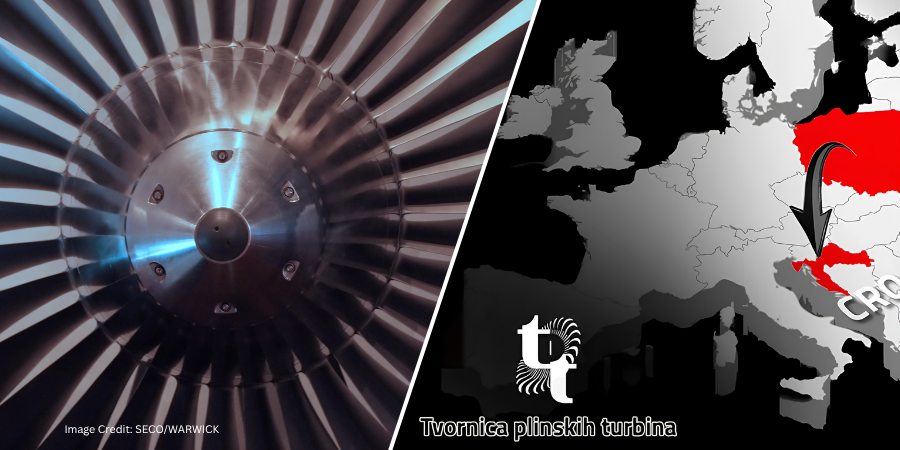
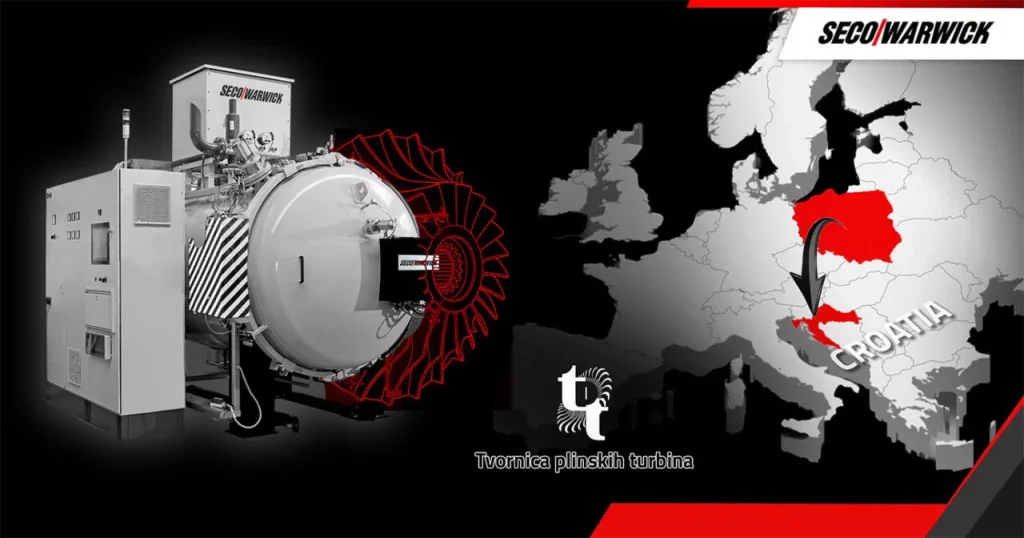
A manufacturer of aerospace and gas turbine components is establishing an in-house heat treatment department with its first vacuum furnace, bringing vacuum processing and high-pressure gas quenching into its own operations. The investment is intended to increase production independence and quality control while reducing reliance on external heat treatment services and associated delivery risks.
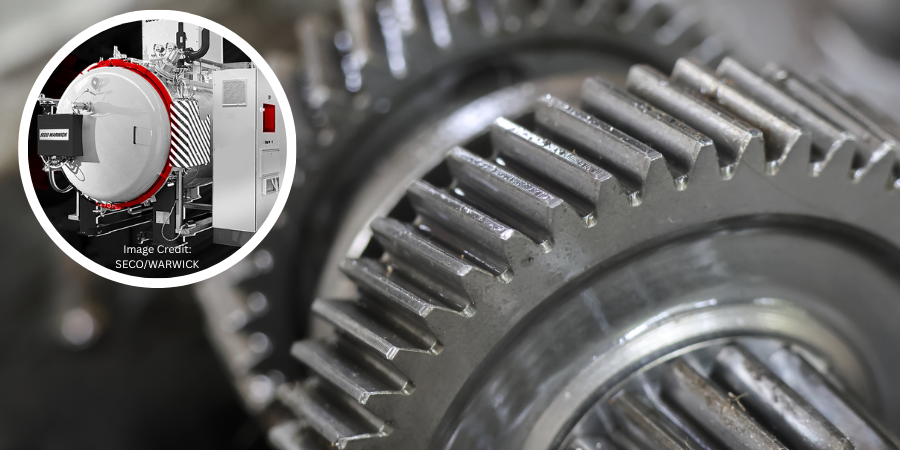
Image Credit: SECO/WARWICK
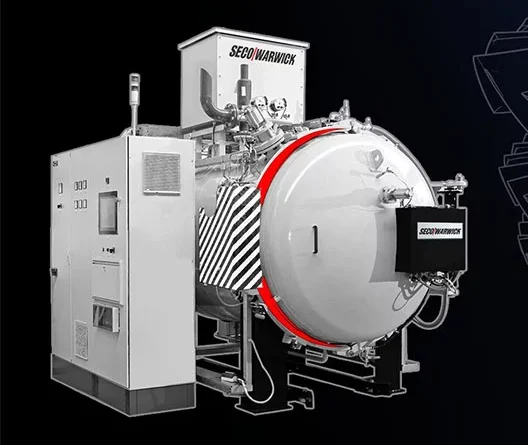
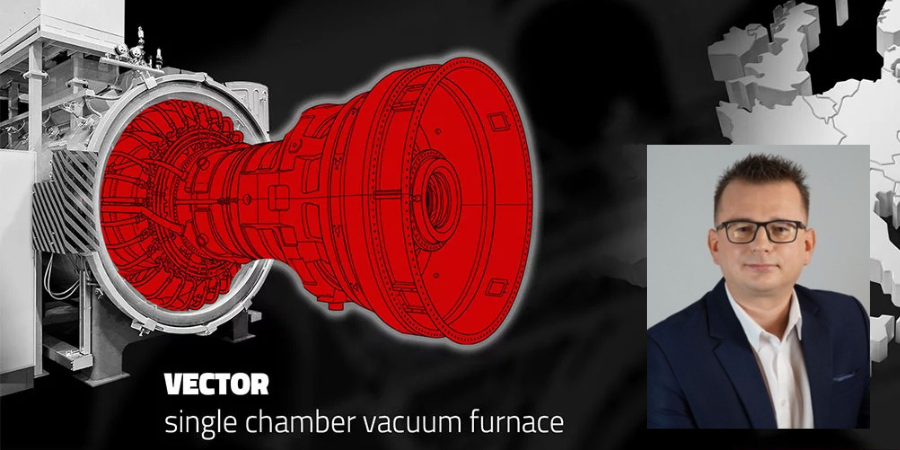
Croatia-based Tvornica plinskih turbina d.o.o. has ordered a Vector single-chamber vacuum furnace from SECO/WARWICK, a global supplier of industrial heat treatment equipment and technologies with operations in North America. The system will be used to heat treat aerospace and gas turbine components requiring process cleanliness, parameter repeatability, and precise cooling control. Until now, the manufacturer has relied on commercial heat treatment service providers.
The furnace has a working space of 600 x 600 x 900 mm (24 x 24 x 35 inches), with a round heating chamber that also enables the processing of oversized components. Designed to operate with argon and nitrogen, the furnace includes a high-performance cooling system with a blower for gas quenching up to 6 bar abs.
Additional features include convection heating, an efficient pumping system, dew point control, and a partial pressure system. The configuration is designed to give the manufacturer greater control over its vacuum heat treatment processes and production planning.
Tvornica plinskih turbina has manufactured jet engine and gas turbine components since 1975. Its capabilities include precision forging of turbine blades and production of components for helicopter engines, gas turbines, and civil aviation engines.
“The SECO/WARWICK equipment will allow us to increase production independence, better control process costs and quality, and reduce the risk of delays resulting from the use of external services,” said Tihomir Šoškić, representative of Tvornica plinskih turbina.
Press release is available in its original form here.
Heat TreatToday offers News Chatter, a feature highlighting representative moves, transactions, and kudos from around the industry. Catch up on these 21 news items, including Bodycote’s addition of large-scale HIP and vacuum heat treatment capacity, the formation of Aichelin Americas under a unified organization, Shanthi Gears’ Nadcap merit status in Heat Treating and NDT, and more!
Equipment
1. SECO/WARWICK will supply a China-based manufacturer of gas turbine and aircraft engine components with a Vector vacuum furnace for heat treating high-temperature alloy turbine blades, marking the companies’ second Vector furnace order in recent months. The system’s high-vacuum environment, tight temperature uniformity, and high-pressure gas cooling will support clean, repeatable processing of components used in demanding aerospace and energy applications.
2. The University of Minnesota Duluth will lead a nearly $3 million federally funded project with Metcovery II LLC and the National Laboratory of the Rockies to develop an induction smelting process that produces pig iron from low-cost, low-grade ores. The technology is designed to remove impurities and enable continuous smelting, potentially broadening the domestic ore sources available for DRI-based steelmaking while increasing productivity.
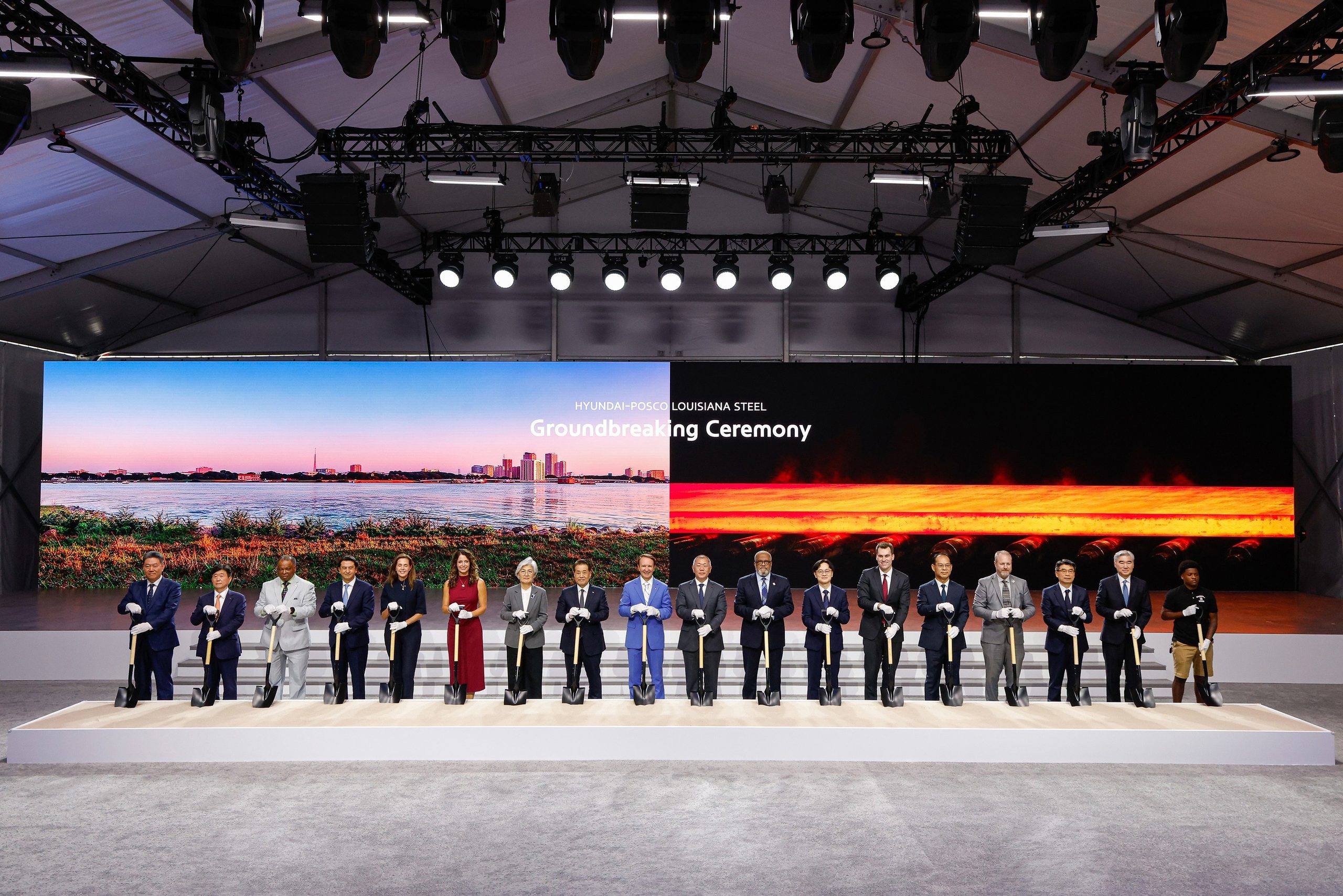
3. Hyundai Steel has launched a $5.8 billion EAF-based integrated steel mill project in Louisiana that HYUNDAI-POSCO Louisiana Steel LLC, a joint venture with POSCO, Hyundai Motor Company, and Kia Corporation, will operate. Targeted for commercial production in 2029, the facility will combine on-site DRI production with EAF steelmaking to supply 2.7 million metric tons of steel annually, strengthening the domestic supply of automotive steel while reducing emissions compared with conventional blast furnace production.
4. Solcoa Industries is planning a 500-ton-per-year rare earth metalmaking facility in Nevada that will use vacuum induction heating as part of its metallization process. The new capacity will convert refined rare earth materials into metals used in high-performance magnets for automotive, defense, energy, and other manufacturing applications.
5. AKG Group, a manufacturer of heat exchangers and cooling systems has ordered two controlled atmosphere brazing (CAB) furnace lines from sellacan Industrieofen GmbH to add aluminum brazing capacity for heat exchangers serving automotive, heavy equipment, energy, rail, and other industrial applications.
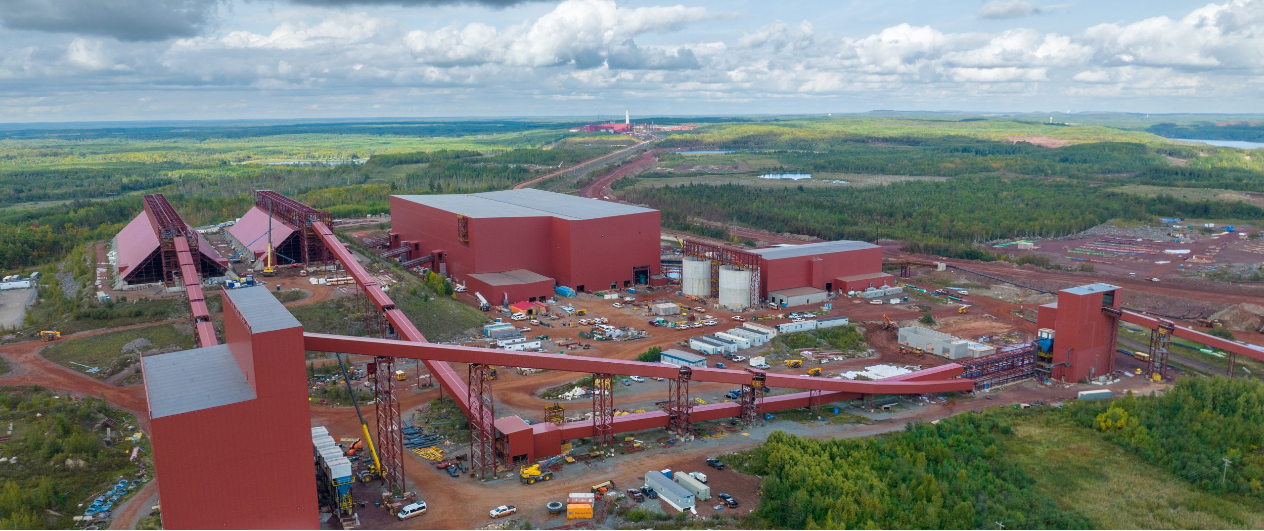
6. Mesabi Metallics plans to invest $18 billion to integrate its Minnesota iron ore operations with a new Iowa steelmaking complex using hot direct-reduced iron (DRI) and electric arc furnace (EAF) technology. The integrated operation will establish a domestic supply chain for steel serving the automotive, defense, shipbuilding, energy, infrastructure, appliance, and other manufacturing sectors.
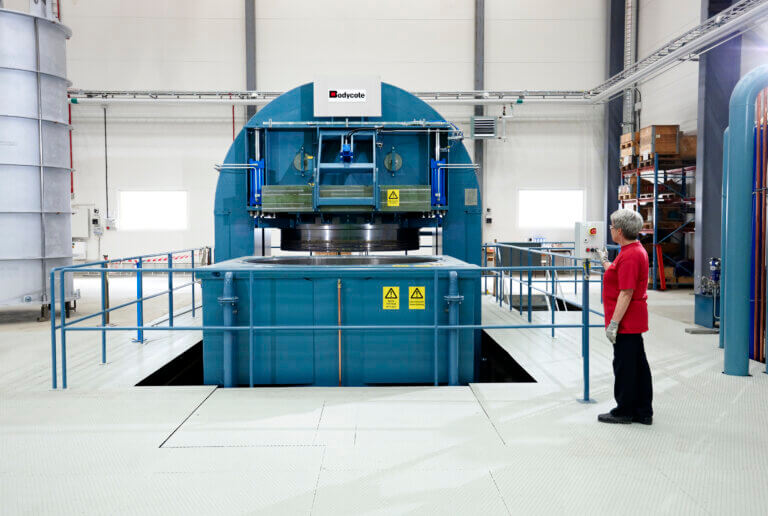
7. Bodycote is adding a large-scale hot isostatic pressing (HIP) vessel and expanding vacuum heat treatment capacity at two Ohio facilities to support aerospace and defense manufacturing. The company expects the new HIP system in London, Ohio, to begin operating in early October.
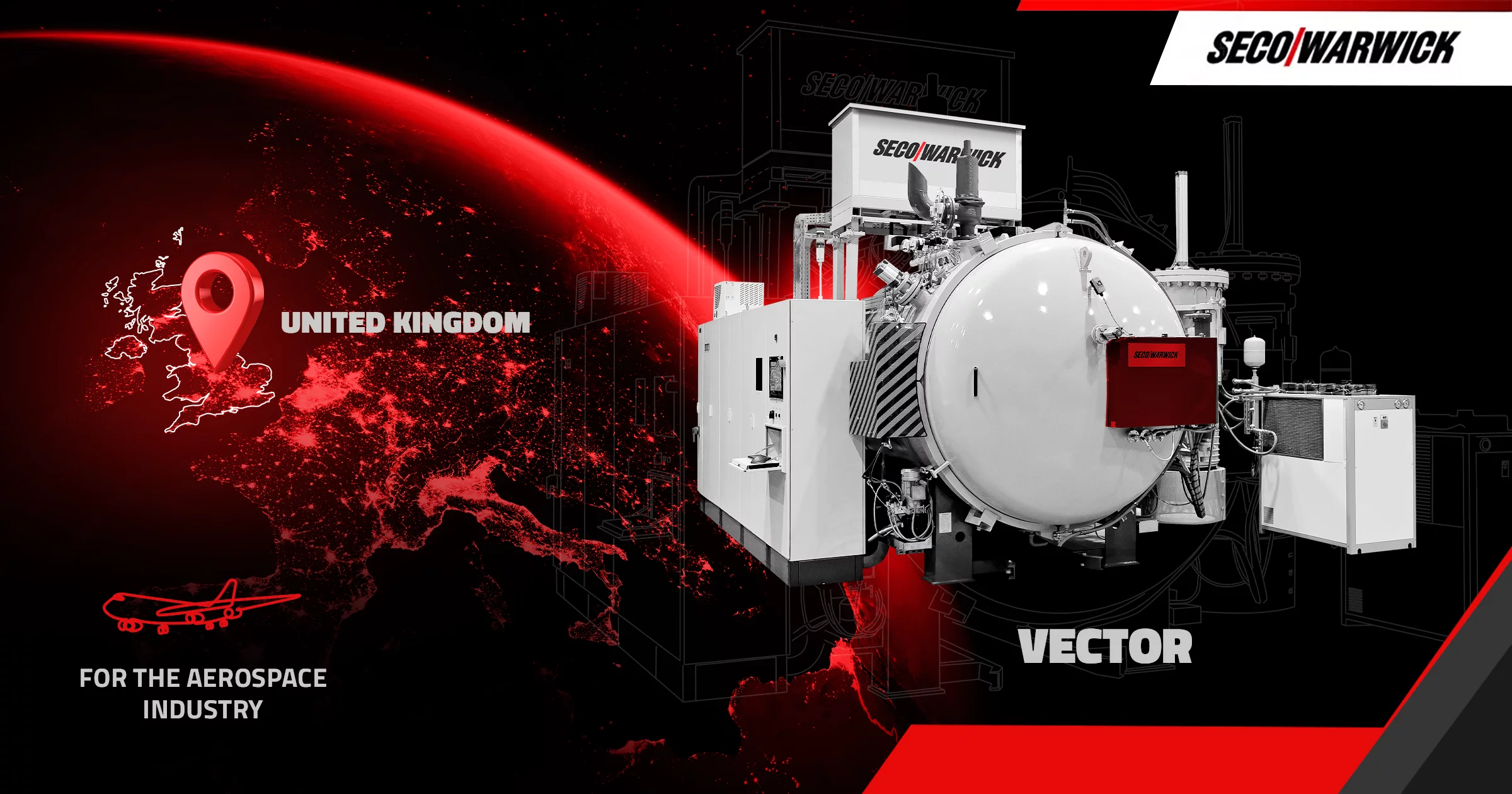
8. SECO/WARWICK will supply a British foundry technology center with a large-scale Vector vacuum furnace to increase its annealing capacity for oversized titanium castings. The additional system will support clean, uniform heat treatment of large components for the aerospace, energy, and heavy industry sectors while relieving existing equipment at the facility.
9. U.S. Steel has completed a $350 million blast furnace reline at its Gary Works operation in Indiana, returning more than 2 million tons of annual hot metal production capability to service. The project replaced the furnace’s refractory lining and restored critical systems supporting high-temperature ironmaking operations and long-term steel production.
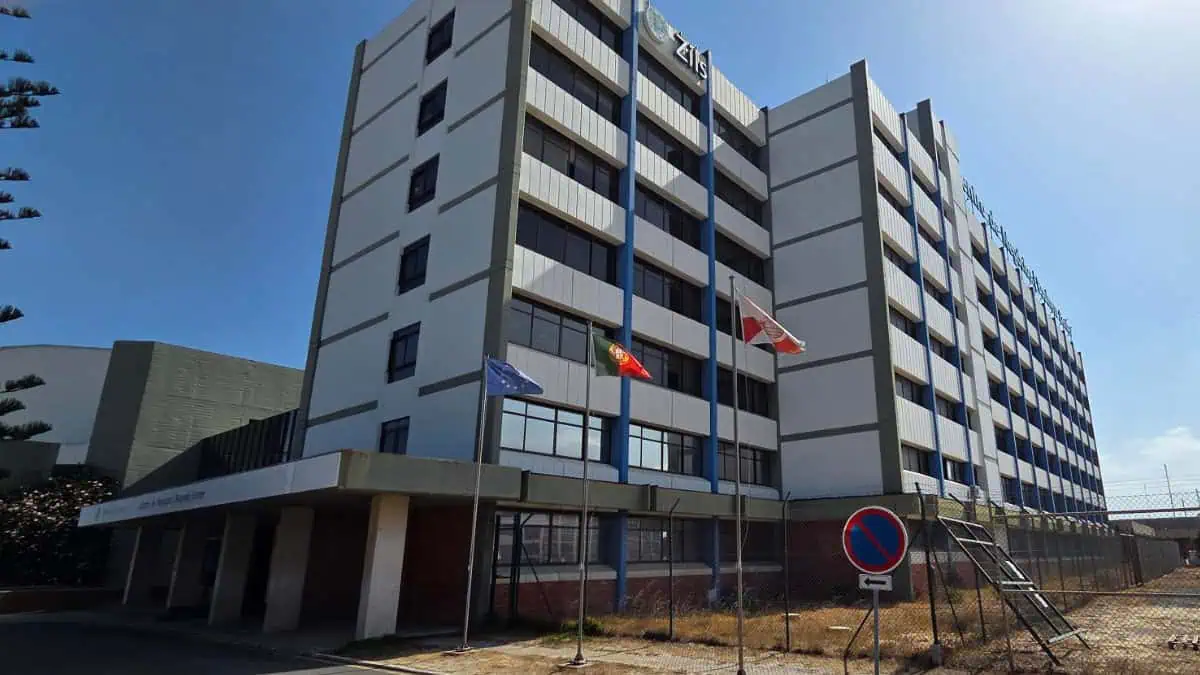
10. Heatmasters has opened a new service center in Sines, Portugal, with João Ribeiro among the contacts supporting the company’s expanded presence in the Iberian Peninsula. The location will provide on-site heat treatment, including preheating and post-weld heat treatment (PWHT), as well as equipment sales and rentals to support industrial greenfield, maintenance, and repair projects across Portugal and the wider region.
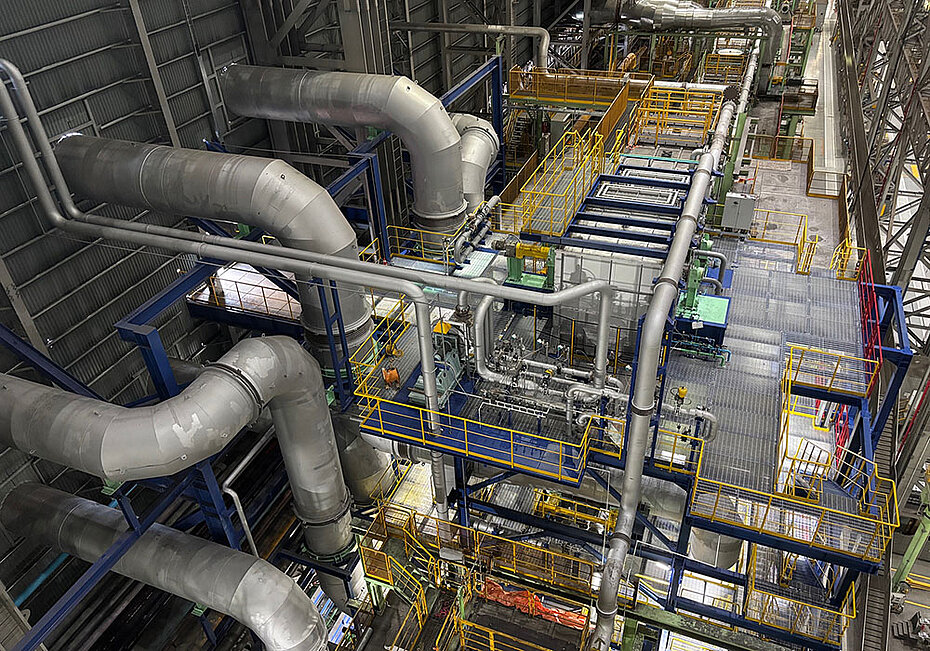
11. Hyundai Steel has completed a modernization of its continuous annealing and galvanizing line, integrating induction heating, rapid cooling, and thermal process controls to increase production of ultra-high-strength Gen3 steel for automotive applications.
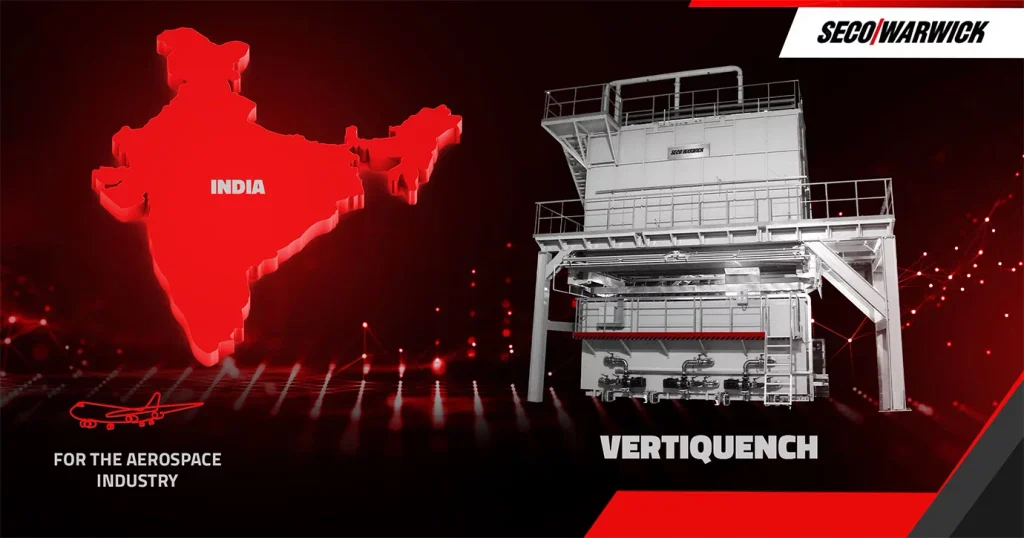
12. SECO/WARWICK will supply an Indian aviation manufacturer with a turnkey VertiQuench heat treatment line for solution heat treatment, quenching, and artificial aging of large aluminum aircraft components. The AMS2750H- and AMS2770-compliant system will support the manufacturer’s production of aircraft skins and structures with rapid quenching and temperature uniformity of ±3°C (±5.4°F).
SECO/WARWICK Vector for turbinesHyundai-POSCO Louisiana Steel groundbreaking ceremonySolcoa metalmaking capacity for high-performance magnets
Mesabi Metallics investment in a new Iowa steelmaking complexBodycote hot isostatics pressing (HIP) vesselSECO/WARWICK Vector furnace for a British foundry technology centerHeatmasters new service center in Sines, PortugalHyundai Steel’s CVGL modernizationSECO/WARWICK’s AMS2750H-compliant furnace
Company & Personnel
13. Mason Wells has acquired The Cleveland Electric Laboratories (CEL), an Ohio-based manufacturer of thermocouple products for high-temperature manufacturing, with CEL’s management team and other investors retaining ownership stakes. The acquisition is intended to support CEL’s continued growth and investment in temperature-measurement products serving aerospace and defense, power generation, and industrial applications.
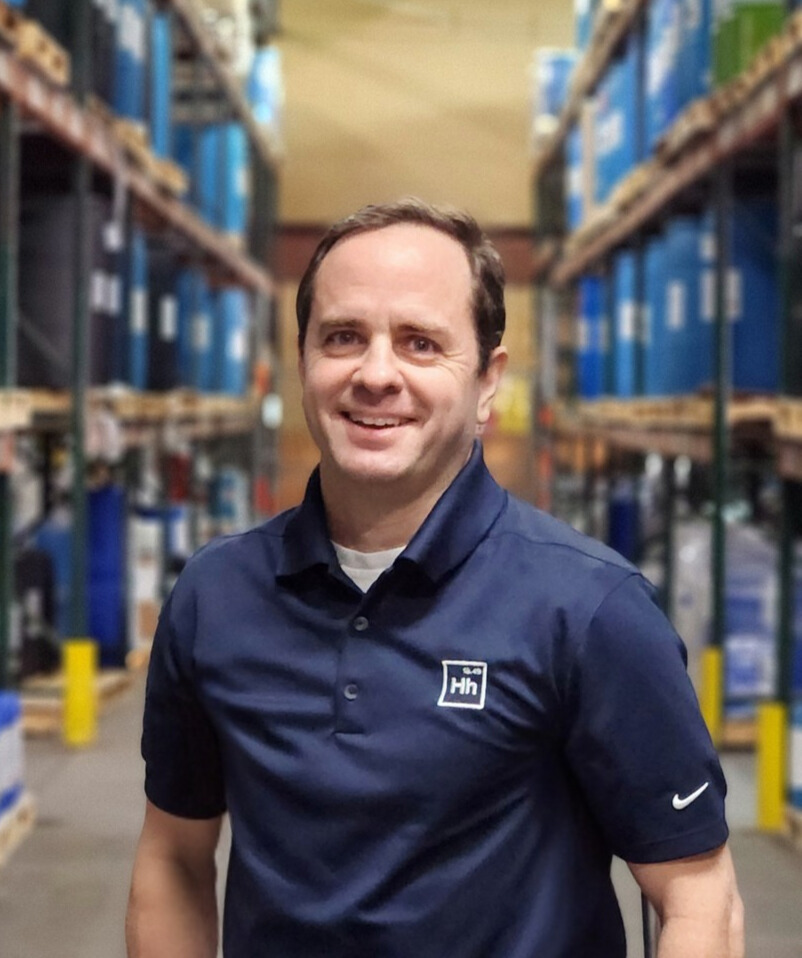
14. Hubbard-Hall has promoted Marcos Scuccuglia from director of Operations to vice president of Operations. In his expanded role, Scuccuglia will lead operations across Hubbard-Hall locations to strengthen performance and support the company’s continued growth.
15. Bluewater Thermal Solutions has named Ryan Cantwell regional sales manager, bringing his heat treating industry experience in sales, customer relationship management, and business development to the role. Cantwell will support customer growth, identify new business opportunities, and expand partnerships across the company’s North American heat treating and brazing markets.
16. Aichelin Americas has brought AFC-Holcroft, GM Enterprises, and Nitrex together under a unified organization led by President and CEO Marty Poljan, while retaining the individual brands and their areas of expertise.
17. Pratt & Whitney has named Jill Albertelli president effective January 1, 2027, succeeding Shane Eddy, who will retire and remain as a special advisor through March 2027. Albertelli, currently president of Military Engines, brings more than 30 years of experience across operations, supply chain, quality, and MRO as the aerospace engine manufacturer continues addressing production, sustainment, and aftermarket demands.
18. Michael K. Klauck retired from CAN-ENG Furnaces International on September 30, 2026, after 26 years with the company, including 14 years as president, and 40 years in the steel, heat treatment, and industrial furnace industries. Company owner Victor Oreskovich succeeds Klauck as president, providing leadership continuity as CAN-ENG navigates ongoing global challenges in the industrial furnace sector.
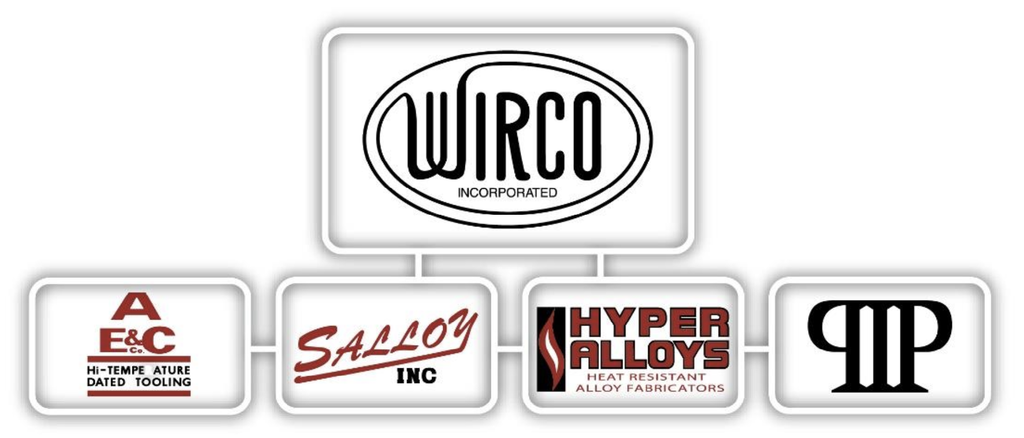
19. WIRCO Inc. acquired selected manufacturing assets from Alcon Industries Inc., including melting furnaces, casting machines, fabrication equipment, and more than 1,000 active tools. The acquisition increases WIRCO’s fabrication, centrifugal casting, and static casting capacity to support customers requiring high-temperature heat treatment tooling and high-alloy components.
Mason Wells acquisition of thermocouple manufacturer Cleveland Electric LaboratoriesRecently promoted vice president of Operations Marcos ScuccugliaBluewater Thermal Solutions regional sales manager Ryan Cantwell
Jill Albertelli, president of Pratt & Whitney effective January 1, 2027Michael K. Klauck’s retirement after 26 years with CAN-ENGWIRCO and its affiliated manufacturing brands
Kudos
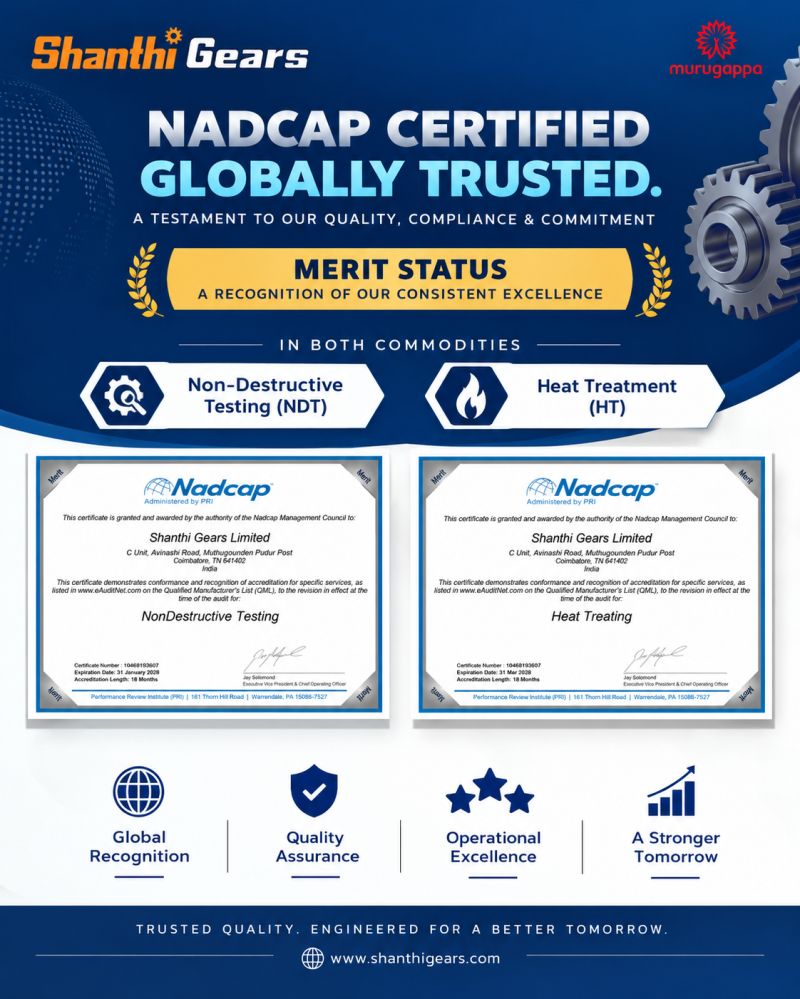
20. Shanthi Gears Limited has achieved Nadcap certification with Merit Status in both Non-Destructive Testing (NDT) and Heat Treating (HT).
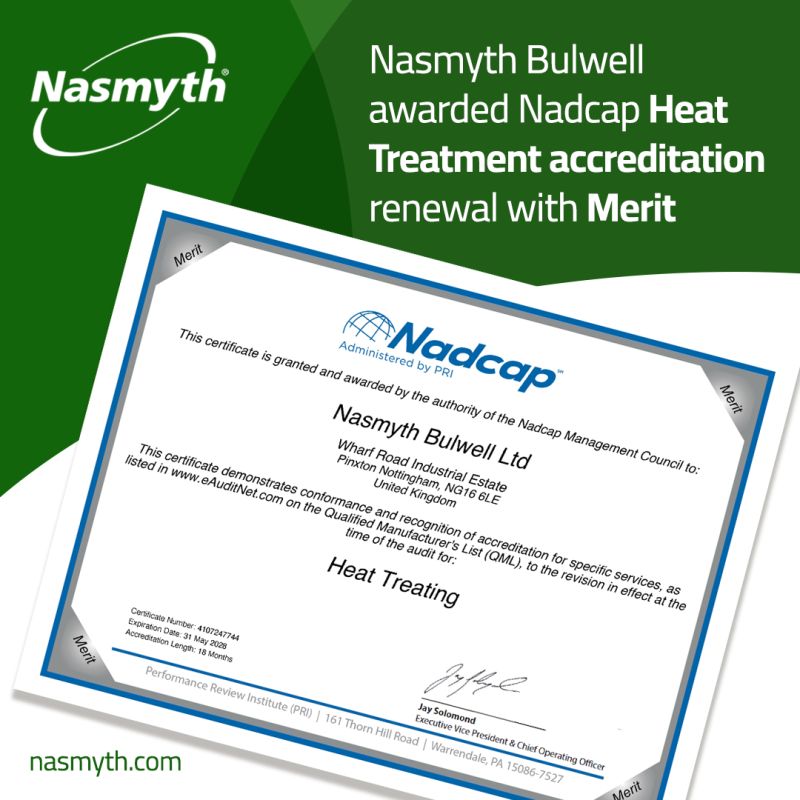
21. Nasmyth Bulwell has successfully renewed its Nadcap Heat Treatment accreditation with Merit, reflecting the site’s continued commitment to high standards of quality, process control and manufacturing excellence.
An aerospace manufacturer is adding a heat treatment line for large aluminum aircraft components, combining solution heat treatment, rapid water or polymer quenching, and artificial aging. The system is designed to process aircraft skins and structures while meeting AMS2750H and AMS2770 requirements.
SECO/WARWICK will supply the turnkey system to an Indian aviation manufacturer. The order includes an electric VertiQuench drop-bottom furnace, a mobile water and polymer quench tank, a stationary rinsing station, a chiller, loading baskets, and additional equipment. The project also covers engineering, delivery, installation, commissioning, and acceptance services.
The furnace has a working zone measuring 3,900 x 1,700 x 2,000 mm (approximately 153 x 67 x 79 in.), allowing it to accommodate large aluminum sheets and structures. The system is designed to maintain temperature uniformity of ±3°C (±5.4°F) within the useful space and can use either water or polymer for quenching. An immersion rinsing station removes residual polymer following the quench.
Arvind Agarwal Managing Director SECO/WARWICK India
For the application, the system is designed to achieve full immersion of the load in the quench tank within five seconds. The furnace’s lift system and door design move the load vertically into the quench tank positioned directly beneath the furnace. The furnace can also be used for artificial aging.
“The large working zone enables the processing of components of significant size, which is particularly important in the production of aircraft skins,” said Arvind Agarwal, managing director of SECO/WARWICK India. Agarwal added the that rapid immersion capability and reduced number of heat treatment steps are intended to improve efficiency at the manufacturer’s facility.
Press release is available in its original form here.
A British foundry technology center is adding a large-scale vacuum furnace to expand its annealing capabilities for oversized titanium castings used in the aerospace and energy sectors. The system will increase capacity for large components requiring high process cleanliness and uniform temperature distribution while relieving existing heat treatment equipment at the facility.
SECO/WARWICK, a global manufacturer of industrial heat treatment equipment with operations in North America, will supply its Vector vacuum furnace with a work zone measuring 1,600 x 1,500 x 2,000 mm (63 x 59 x 79 in). The furnace is designed to accommodate oversized parts and new types of castings being developed by the client.
The system features a round heating chamber with additional heating elements installed in the door and rear wall to support temperature uniformity. It also includes gas cooling up to 6 bar and a high-vacuum system consisting of two mechanical pumps, a Roots blower, and a diffusion pump.
Grzegorz Głuchowski Sales Manager SECO/WARWICK
“The system was designed for heat treating large, demanding cast components. A key advantage of the furnace is its spacious work zone and very good temperature distribution in the heating chamber — achieved in part thanks to additional heating elements installed in the door and the rear wall of the chamber,” said Grzegorz Głuchowski, sales manager at SECO/WARWICK.
The furnace also incorporates dew point control to prevent water vapor condensation and a partial pressure system designed to limit the evaporation of alloying elements during vacuum processing. These features support process stability and help protect hot zone components from contamination.
The equipment will be used for processing large titanium castings, which require high process cleanliness because titanium can react oxygen, nitrogen, and hydrogen at elevated temperatures. Vacuum heat treatment helps prevent surface oxidation and material degradation during processes such as annealing.
The new system will be the second furnace supplied by SECO/WARWICK to the British company, which develops material technologies and produces castings for the aerospace, energy, and heavy industry sectors. The additional furnace will increase its production capabilities for advanced metal castings.
Press release is available in its original form here.
Heat TreatToday offers News Chatter, a feature highlighting representative moves, transactions, and kudos from around the industry. Catch up on these 21 news items, including IperionX’s expansion of titanium sintering capacity, RevoCast Aluminum Billets’ launch of production at a new aluminum remelting facility in British Columbia, Stack Metallurgical Group’s successful Nadcap audit, and more!
Equipment
1. Hybar LLC, a U.S. steel producer, is adding a second continuous minimill supplied by SMS group at its Osceola, Arkansas, operation that will integrate electric arc furnace (EAF) melting, ladle refining, continuous casting, induction equalization, and rolling to increase reinforcing bar production by 630,000 short tons annually.
2. U.S. Steel is planning a new hot strip mill at its Mon Valley Works Edgar Thomson Plant in Braddock, Pennsylvania, as part of a multi-billion dollar investment aimed at modernizing steelmaking operations, reducing energy consumption, and expanding production capabilities for automotive and other high-value markets.
3. IperionX has begun commissioning an HSPT™ sintering furnace at its Titanium Manufacturing Campus in South Boston, Virginia, expanding downstream thermal processing capacity for near-net-shape titanium components.
4. Scientists at the U.S. Department of Energy’s Oak Ridge National Laboratory (ORNL), in partnership with A.J. Tuck Company, have developed a hybrid manufacturing process that combines 3D printing and electroforming to produce complex, leak-free HIP cans. The sealed containers are used in powder metallurgy hot isostatic pressing (PM-HIP), where metal powder is consolidated under high heat and pressure to form fully dense components.
5. SECO/WARWICK will supply a tenth single-chamber vacuum furnace to a global energy technology manufacturer. The system will expand production of next-generation gas turbine components that help stabilize energy systems incorporating renewable power.
6. Metallus, a U.S. specialty steel manufacturer, has commissioned a bloom reheat furnace, roller furnace, and supporting equipment at its Gambrinus facility in Canton, Ohio, to expand production capabilities for critical defense materials.
7. Lyntris Inc., a defense technology manufacturer, has added in-house vacuum brazing as part of a vertically integrated production line for passive thermal-management hardware used in military seekers, sensors, and mission electronics.
8. An aluminum profile manufacturer has order a gas nitriding furnace from SECO/WARWICK to treat extrusion dies, improving their wear resistance and extending service life. The investment will support production stability and finished profile quality.
9. IperionX received a second U.S. Army task order to expand domestic titanium component manufacturing, including the development and installation of continuous HSPT and dehydrogenation furnaces and equipment for in-house fastener production. The investment will scale U.S. titanium processing capacity for defense components, with the goal of shortening lead times, reducing reliance on external processing, and potentially lowering production costs.
10. Can-Eng Furnaces International Ltd. has been awarded a contract to design and supply a high-temperature austenitizing furnace system for processing large, heavy wear components used in ground-engaging equipment. The walking-beam system is designed to support consistent metallurgical performance and high production throughput while minimizing distortion during heat treatment.
11. SECO/WARWICK will supply a universal CAB batch furnace and supporting equipment to a U.S. cooling systems manufacturer, bringing aluminum brazing capabilities in-house at its Pennsylvania plant. The system will primarily braze large plate-and-bar heat exchangers for the heavy-duty segment and aftermarket.
The Hybar facility in Osceola, ArkansasSintering furnace at IperionX’s Titanium Manufacturing CampusORNL’s Dr. Vanshika Singh holding a 15.7-pound solid nickel component produced using the leak-free HIP can
Single chamber vacuum furnace from SECO/WARWICKRibbon-cutting ceremony held at Metallus’ Gambrinum facility in OhioZeroFlow nitriding furnace from SECO/WARWICKCan-Eng austenitizing furnace systemUniversal CAB batch furnace from SECO/WARWICK
Company & Personnel
12. DUNGS, a combustion technology supplier with U.S. operations in Blaine, Minnesota, has acquired IBS Industrie-Brenner-Systeme GmbH, a German manufacturer of industrial burner systems headquartered in Hagen, Germany. The addition expands DUNGS’ offering beyond combustion controls, gas trains, and safety components to include complete industrial burner systems for high- and low-temperature process applications.
13. RevoCast Aluminum Billets Ltd., a manufacturer of recycled aluminum billets, has begun production at a new aluminum remelting facility in British Columbia, adding more than 80,000 tons of annual billet capacity to serve the North American extrusion market.
14. Cleveland-Cliffs is investing $1 billion to modernize its Middletown Works steelmaking facility in Ohio, including upgrades and a planned rebuild of the site’s blast furnace as part of a broader project focused on production efficiency and emissions reduction.
15. Plibrico has acquired F.S. Sperry, combining the refractory supplier’s regional service expertise with Plibrico’s manufacturing, engineering, and technical resources. The acquisition expands support for high-temperature operations in the aluminum, steel, and minerals industries, helping clients address refractory challenges, improve equipment reliability, and reduce unplanned downtime.
16. Outokumpu appointed Matthieu Jehl president of its Europe business area, effective August 1, 2026, while Rolf Schencking will leave the company; Jehl will continue reporting to president and CEO Kati ter Horst. The leadership change supports a combined structure for Stainless Europe and Advanced Materials intended to improve efficiency, strengthen client focus, and accelerate growth in high-nickel alloys.
17. Aalberts surface technologies appointed Adam Tabor vice president of operations, effective August 3, 2026, reporting to president Steve Wyatt. Tabor will oversee manufacturing and quality management, focusing on process optimization, product quality, client satisfaction, and growth across the company’s thermal processing operations.
18. Electric arc furnace (EAF) steel production has resumed at Algoma Steel on August 29, 2026, following a temporary suspension caused by an unplanned power generation outage. The restart restores steelmaking operations at a facility that transitioned fully to EAF production earlier this year.
Bernard Machovsy of IBS (left) and Daniel Dungs of DUNGS (right)Cast aluminum billetsCombustion unit sourced from Plibrico
Outokumpu’s recently appointed president of its Europe business area, Matthieu JehlAalberts surface technologies’ newly appointed vice president of operations, Adam Tabor
Kudos
19. W.H. Kay Company is celebrating its 90th anniversary in the heat treating industry. Founded in 1936, the company is now led by third-generation president Michael Kay.
20. The Solar Atmospheres family of companies has achieved final CMMC Level 2 status across all facilities, validating compliance with all 110 NIST SP 800-171 security requirements. Josh Isaak, vice president of information technology and security, said the certification strengthens the company’s ability to protect sensitive information and provide compliant thermal processing services to the aerospace and defense industries.
21. The Stack Metallurgical Group Portland team successfully passed their latest Nadcap audit, maintaining both Nadcap Aerospace Quality System and Nadcap Aerospace Heat Treating certifications.
Michael Kay posing with a vacuum furnaceSolar Atmospheres’ Final CMMC Level 2 StatusStack Metallurgical Group’s Nadcap certification for Heat Treating
A U.S.-based cooling systems manufacturer is adding in-house aluminum brazing capabilities for the production of large heat exchangers, a move designed to increase production flexibility, shorten response times to market needs, and reduce dependence on external suppliers.
Image Credit: SECO/WARWICK
SECO/WARWICK will supply its universal CAB batch furnace and supporting equipment to the manufacturer’s plant in Pennsylvania. The system will primarily be used for aluminum brazing of large plate-and-bar heat exchangers for the heavy-duty segment and aftermarket.
The new line will include the universal CAB batch furnace for aluminum brazing, a dryer, a final cooling chamber, and an external transport system. A continuous thermal degreasing furnace will also be supplied to prepare components before fluxing and brazing.
The configuration will allow the brazing process to be carried out in a controlled nitrogen atmosphere with repeatable process parameters. The system incorporates convection heating and cooling, high nitrogen atmosphere purity, temperature uniformity, and a control system designed to support heat exchanger production.
“For many heat exchanger manufacturers, investing in their own aluminum brazing capabilities means moving to an entirely new level of process control. This partner will gain technological independence, greater production flexibility, and the ability to respond faster to market needs,” said Piotr Skarbiński, vice president of the Aluminum and CAB Products Segment at SECO/WARWICK.
The furnace is designed primarily for brazing large plate-and-bar heat exchangers in the recommended vertical position. Its design also allows for brazing standard fin-and-tube heat exchangers and plate heat exchangers, giving the manufacturer the ability to process different product geometries on the same system.
The universal CAB batch furnace can also be upgraded from a batch system to a semi-continuous configuration to increase production capacity as requirements change. Supporting equipment will cover successive stages of the production process. The continuous thermal degreasing furnace will prepare components before fluxing, while the dryer will prepare the load before brazing. The final cooling chamber will stabilize the final stage of the process, and the external transport system will move products between stages of hte line.
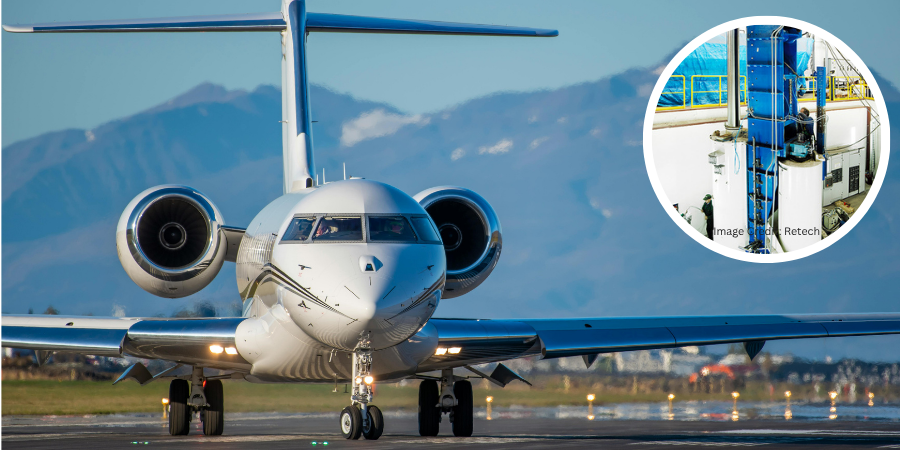
The contract was completed through cooperation among SECO/WARWICK’s U.S. operation, Retech, and SECO/WARWICK engineers in Poland.
Press release is available in its original form here.
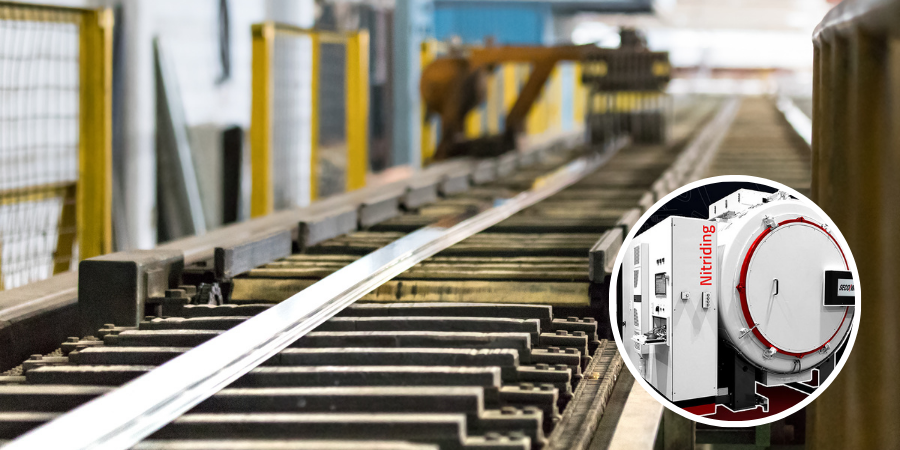
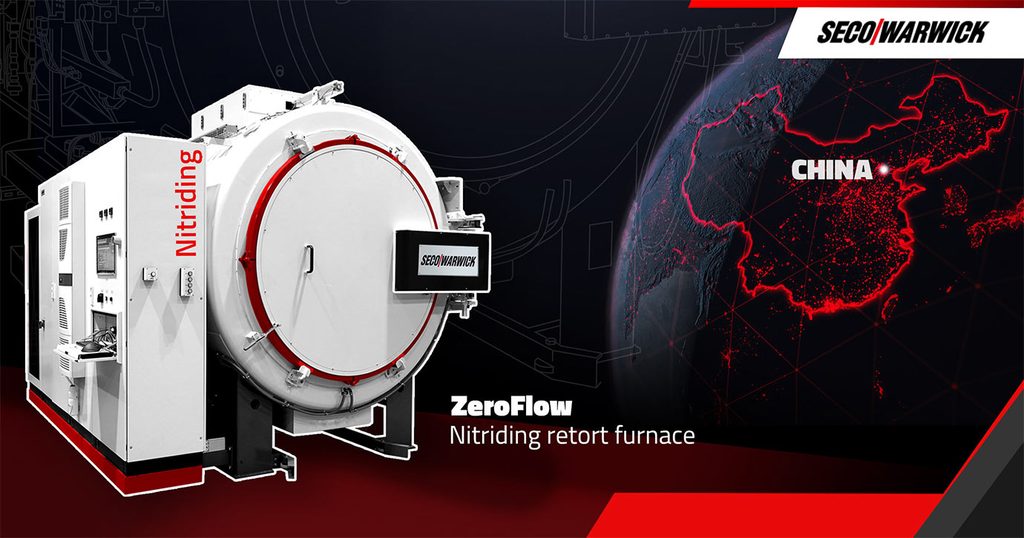
An aluminum profile manufacturer has ordered a gas nitriding furnace to treat extrusion dies, improving their wear resistance and extending service life. The investment will support production stability and finished profile quality.
SECO/WARWICK, a global supplier of heat treating equipment with operations in North America, will supply the furnace, equipped with its ZeroFlow controlled gas nitriding technology.
Image Credit: SECO/WARWICK
The furnace will measure approximately 40 x 40 x 60 in (1,000 x 1,000 x 1,500 mm), accommodate a maximum gross load of approximately 5,500 lb (2,500 kg), and provide temperature uniformity of ±9°F (±5°C). The technology controls the structure and properties of the nitrided layer while reducing process gas consumption and post-cycle emissions.
The purchase supports the development of a new production site in Shenyang, Liaoning Province, China. The manufacturer selected the supplier after comparing available equipment and evaluating ten years of performance from its existing SECO/WARWICK furnace.
The equipment will be the largest nitriding furnace of this type delivered by SECO/WARWICK China. The project combines local manufacturing with support from the group’s European headquarters, with both teams responsible for design, manufacturing, commissioning, and operational support.
Press release is available in its original form here.
A global energy technology manufacturer is expanding its vacuum heat treatment capacity to produce high-performance gas turbine components for modern energy stability by ordering its tenth single chamber vacuum furnace. The large-format system will support growing production and the heat treatment of next-generation gas turbine blades, flow-path elements, and other components designed to withstand extreme temperatures, material fatigue, and oxidation.
SECO/WARWICK, an industrial heat treatment equipment supplier with operations in North America, will supply the Vector vacuum furnace. The unit has a working space measuring 47.2″ x 47.2″ x 70.9″, allowing it to accommodate large gas turbine components.
The furnace can operate with hydrogen, argon, and nitrogen as process gases. Argon and nitrogen can also be used for cooling, allowing cooling parameters to be adjusted according to process requirements. The system’s round heating chamber provides temperature distribution of ±5°C (±9°F).
Kamil Siedlecki Sales Manager SECO/WARWICK
“High vacuum, temperature stability, and the ability to operate with various process gases are key here,” said Kamil Siedlecki, sales manager at SECO/WARWICK. “Thanks to its large working space and refined heating system design, the unit enables the processing of oversized components while maintaining very high process cleanliness.”
This capability supports the clean vacuum conditions required to heat treat gas turbine blades and flow path elements. The furnace will support growing production and the processing of a new generation of components used in gas turbines, which can operate at temperatures exceeding 1300°C (2372°F). These turbines also play a key role in the energy transition by helping to stabilize energy systems powered by renewable energy sources.
Press release is available in its original form here.
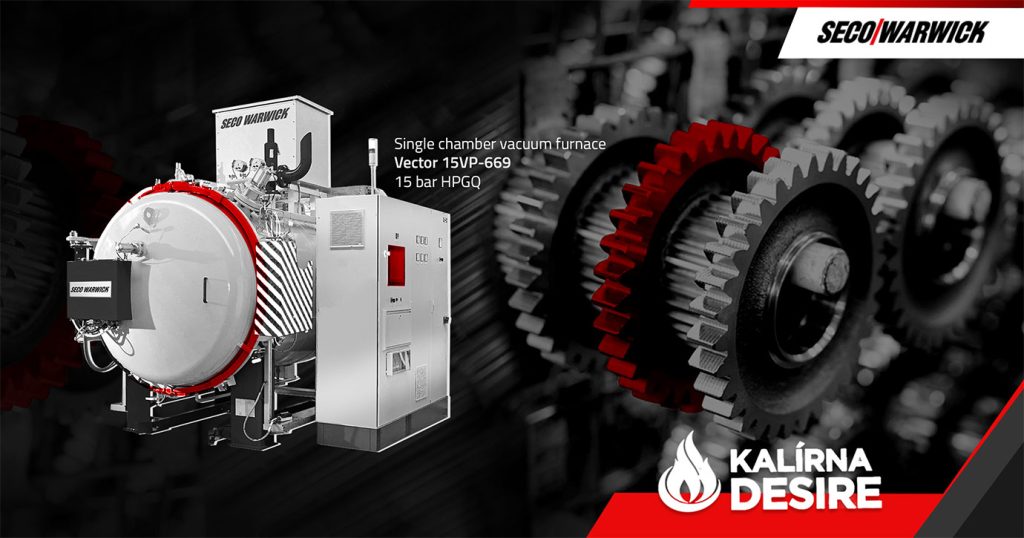
Kalírna Desire is opening a new commercial heat treat facility in a region that has so far lacked local infrastructure for vacuum hardening. The investment establishes the company’s first vacuum heat treatment operation, supporting both in-house production and a new line of commercial services for nearby manufacturers. It reflects continued demand for regional commercial heat treating capacity as companies seek shorter lead times, greater process control, and more localized supply chains.
Image Credit: SECO/WARWICK
Kalírna Desire, a Czech machining company, is establishing the operation using a Vector single-chamber vacuum furnace from SECO/WARWICK, a global industrial furnace manufacturer with operations in North America. The decision followed years of relying on a commercial heat treater located farther from its plant, resulting in longer lead times and additional transportation costs.
The furnace is configured with 15-bar absolute high-pressure gas quenching and is designed to process a range of tool and structural steel grades. Additional features include convection heating to improve low-temperature heating efficiency, directional cooling to help minimize distortion of complex parts, an isothermal quenching function for greater control of cooling profiles, and a low-pressure carburizing (LPC) option that enables surface hardening within a single integrated vacuum cycle.
Maciej Korecki Vice President of the Vacuum Segment SECO/WARWICK
“Our collaboration with Kalírna Desire is an excellent example of how vacuum technology can become a growth engine for ambitious small and mid-sized companies,” said Maciej Korecki, vice president of the Vacuum Segment at SECO/WARWICK. He added that the standard Vector furnace, configured to the client’s requirements, offers broad process capabilities while providing an accessible entry point into vacuum heat treatment.
According to a representative of Kalírna Desire, the new unit will provide greater control over a key stage of the company’s CNC machine manufacturing process while improving production planning flexibility and shortening lead times. The representative also noted that the region lacks modern vacuum hardening services, creating an opportunity to provide commercial heat treating for nearby metal processing companies and component manufacturers.
The investment highlights the importance of bringing heat treating in-house: having an in-house heat treat department gives a company a range of advantages that go far beyond cost savings on outsourced services. It provides greater process control and more flexibility to respond to client demand.
Press release is available in its original form here.
A titanium casting manufacturer is expanding its vacuum melting capacity with the installation of a vacuum arc remelting consumable casting furnace, increasing capacity for near-net-shape titanium components serving the aerospace industry. The investment is intended to improve production lead times while supporting growing demand for titanium castings used in high-performance applications.
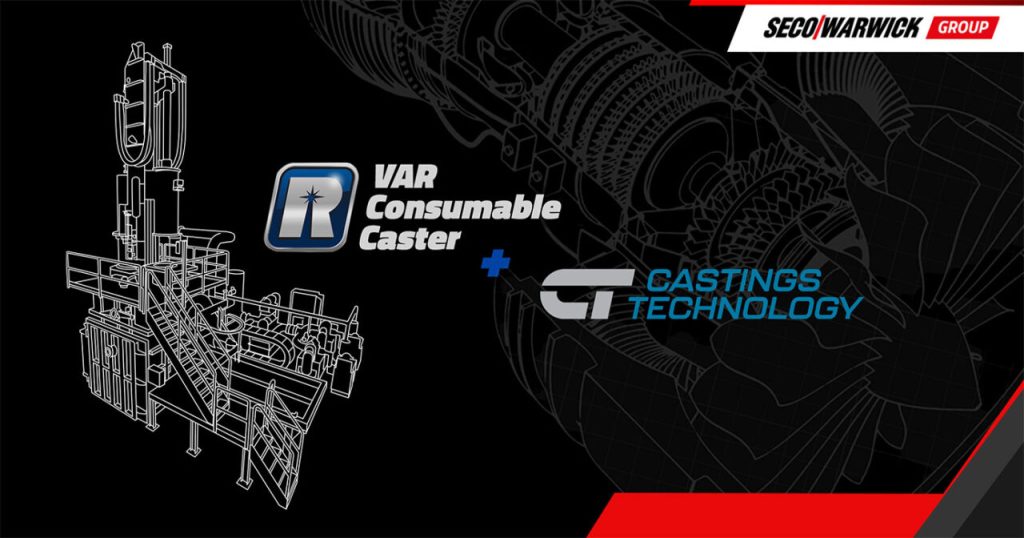
Castings Technology chooses Retech VAR. | Image Credit: SECO/WARWICK Group
Castings Technology, the United Kingdom’s only commercial titanium casting specialist, selected a VAR Consumable Caster (VAR-CC) furnace from Retech, a global vacuum metallurgy company within the SECO/WARWICK Group based in North America. The furnace will be installed at the company’s new 18,000-square-meter facility, where it will be used to cast titanium ingots into ceramic molds.
Richard Cook Managing Director Castings Technology
“The delivery of the new VAR furnace will help us fulfill the growing needs of our exacting client base,” said Richard Cook, managing director of Castings Technology. “Due to dynamic growth and significant constraints within our current facility, we are in the process of relocating to a new site of about 18,000 square meter just a short distance away. The relocation is on plan, with a period of parallel operation continuing throughout 2026 to fully mitigate any risk to our clients’ programs.”
The new furnace is expected to support increased demand for titanium, especially from the aerospace sector, where backlogs have now surpassed pre-pandemic levels. Titanium’s high strength-to-weight ratio and corrosion resistance have made it a widely used material across many sectors, including aerospace, motorsport, medical prosthetics, restorative dentistry, and high-duty rotating equipment. Near-net-shape titanium casting also provides mechanical properties comparable to forged or wrought material while increasing fatigue resistance.
Press release is available in its original form here.