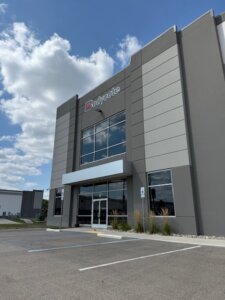
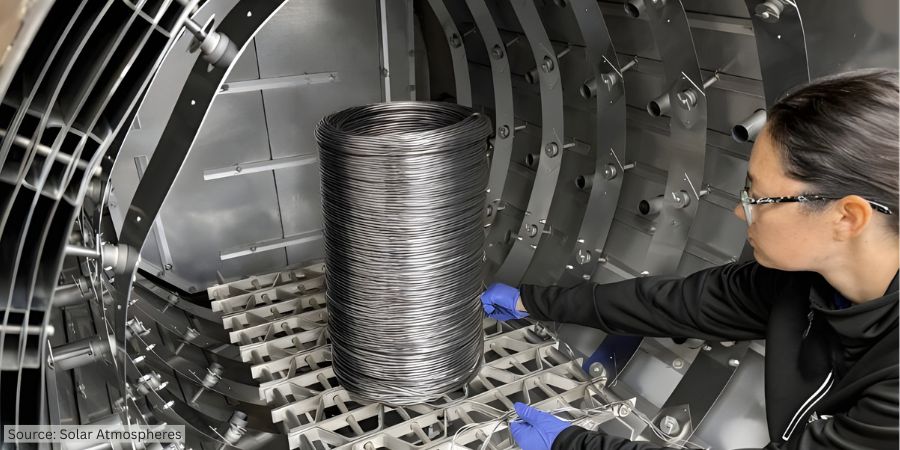
Grace Manufacturing is expanding its vacuum heat treating capabilities to support growing demand for thin martensitic stainless steel components used in the medical industry. The Arkansas-based precision metal manufacturer has invested in a new vacuum furnace to strengthen process control, reduce downtime, and maintain stringent metallurgical and quality standards required for medical component production.
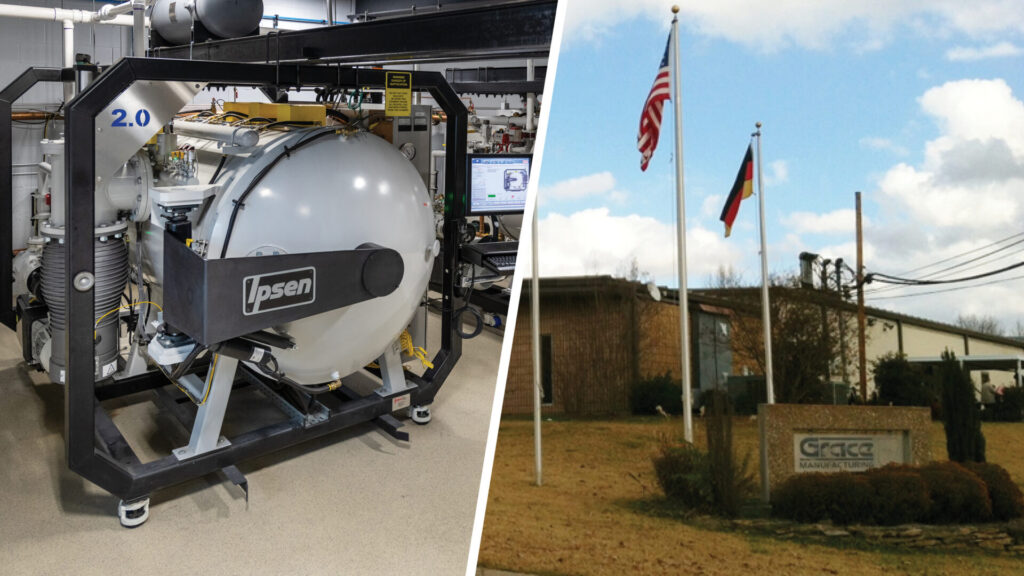
Located in Russellville, Arkansas, Grace Manufacturing selected a TITAN H2 2-bar vacuum furnace following third-party testing at a Midwest commercial heat treater. The evaluation confirmed the system met application requirements for thin martensitic stainless steel medical components. The new furnace will replace an aging unit from another manufacturer that has experienced increasing downtime and service challenges in recent years.
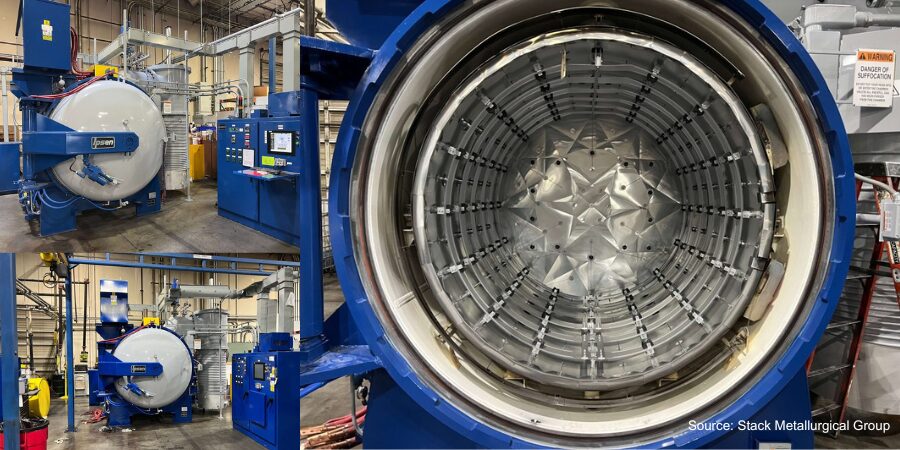
Image Credit: Ipsen
Supplied by Ipsen, the TITAN H2 includes a work zone measuring 18 x 18 x 24 inches deep, a 1,000-pound load capacity, and a maximum operating temperature of 2400°F. The system provides temperature uniformity of ±10°F, supporting the repeatability and precision required in medical manufacturing environments.
Established in 1966, Grace Manufacturing specializes in precision metal services primarily serving the medical industry. The upgrade in equipment supports Grace Manufacturing’s continued growth in medical component production.
Press release is available in its original form here.
A long-standing aerospace manufacturer has made a major investment in new thermal processing capacity, marking a new phase of growth for its in-house heat treating operations. This customized solution is representative of aerospace manufacturers continue to position themselves to support sustained production growth, tighter regulatory requirements, and increasingly complex materials.
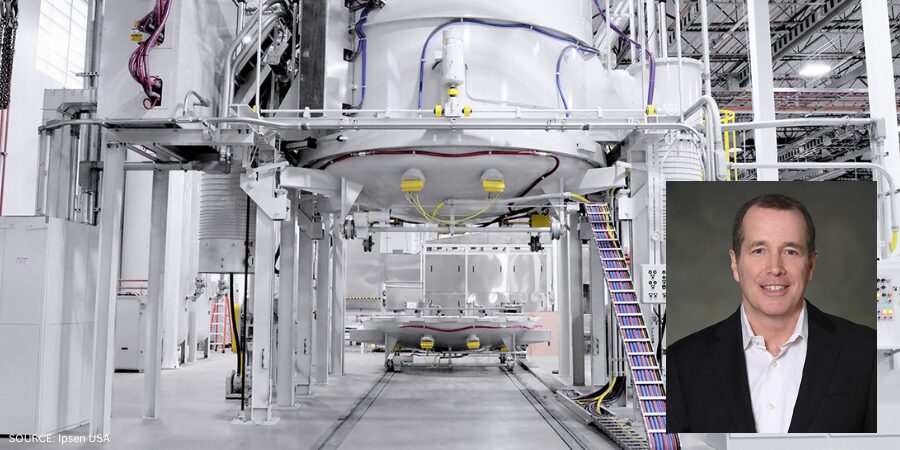
The order was placed with Ipsen USA and consists of fully customized, non-standard thermal processing systems engineered to support advanced aerospace manufacturing requirements. While specific furnace types were not disclosed, the systems were designed to provide tighter process control, repeatability, and the ability to support complex materials and part geometries while aligning with evolving quality and certification standards.
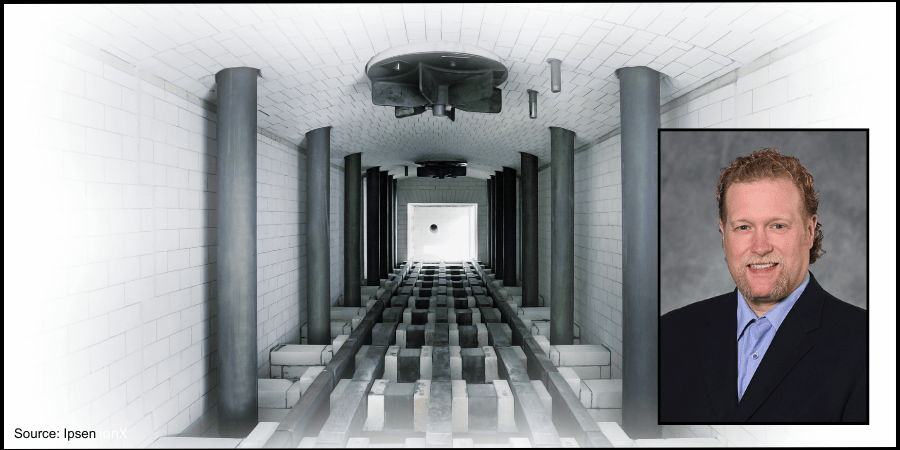
Geoffrey Somary CEO Ipsen Global
The equipment order is a fleet-scale installation of thermal processing systems designed for advanced aerospace applications. Rather than expanding incrementally, the aerospace manufacturer elected to deploy multiple systems as part of a coordinated expansion of its heat treating operations.
CEO of Ipsen Global, Geoffrey Somary, says that large, repeat orders like this reflect long-term confidence built on consistent equipment performance, service responsiveness, and process expertise.
The scale of the order reflects how aerospace manufacturers are approaching in-house heat treating through larger, coordinated equipment investments intended to support long-term capacity planning and tighter control over critical thermal processes.
Press release is available in its original form here. Additional information provided by Ipsen. Main image features Ipsen’s MetalMaster furnace, courtesy of Ipsen.
Heat TreatToday offers News Chatter, a feature highlighting representative moves, transactions, and kudos from around the industry. Enjoy these 14 news items, including Haynes International Inc.‘s new hydraulic radial forging line to boost production of high-performance nickel- and cobalt-based alloys, the acquisition of JSA/Metalline by Hubbard-Hall Inc. to expand metal finishing service capabilities across the Midwest, Bodycote‘s achievement of independent validation from Bureau Veritas for its carbon footprint calculator tools, and more!
Equipment
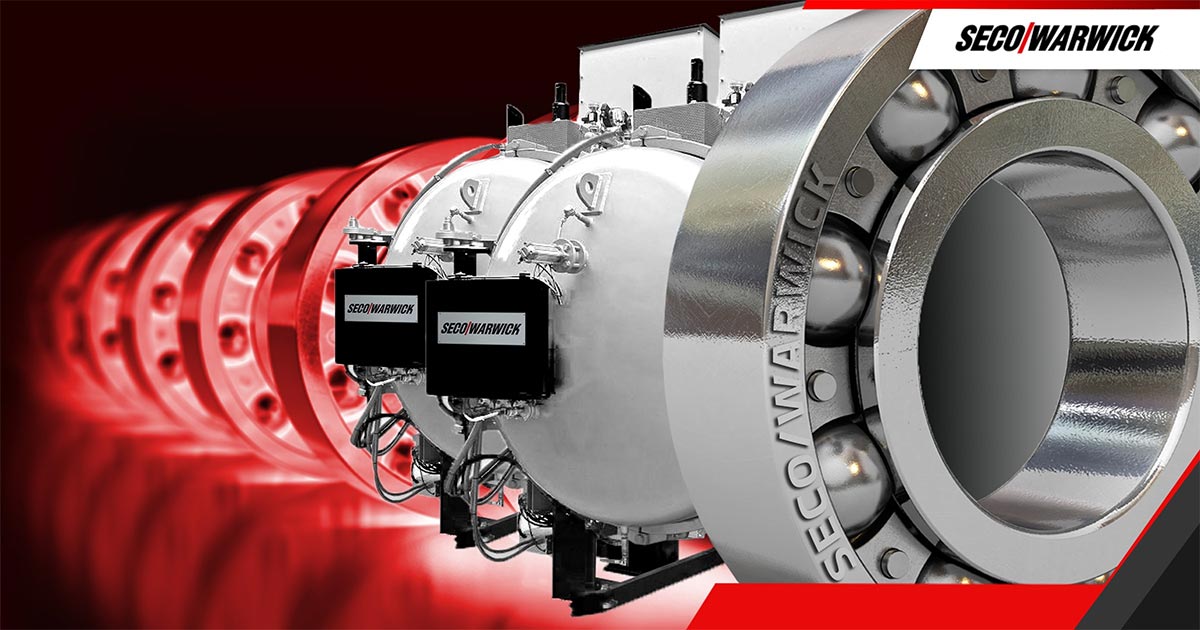
1. A major U.S. bearing manufacturer has ordered two advanced SECO/WARWICK USA vacuum heat treat furnaces, reinforcing its commitment to precision manufacturing and capacity growth. The investment supports rising demand across the bearing industry, where consistent metallurgical performance is critical for industrial and aerospace applications.
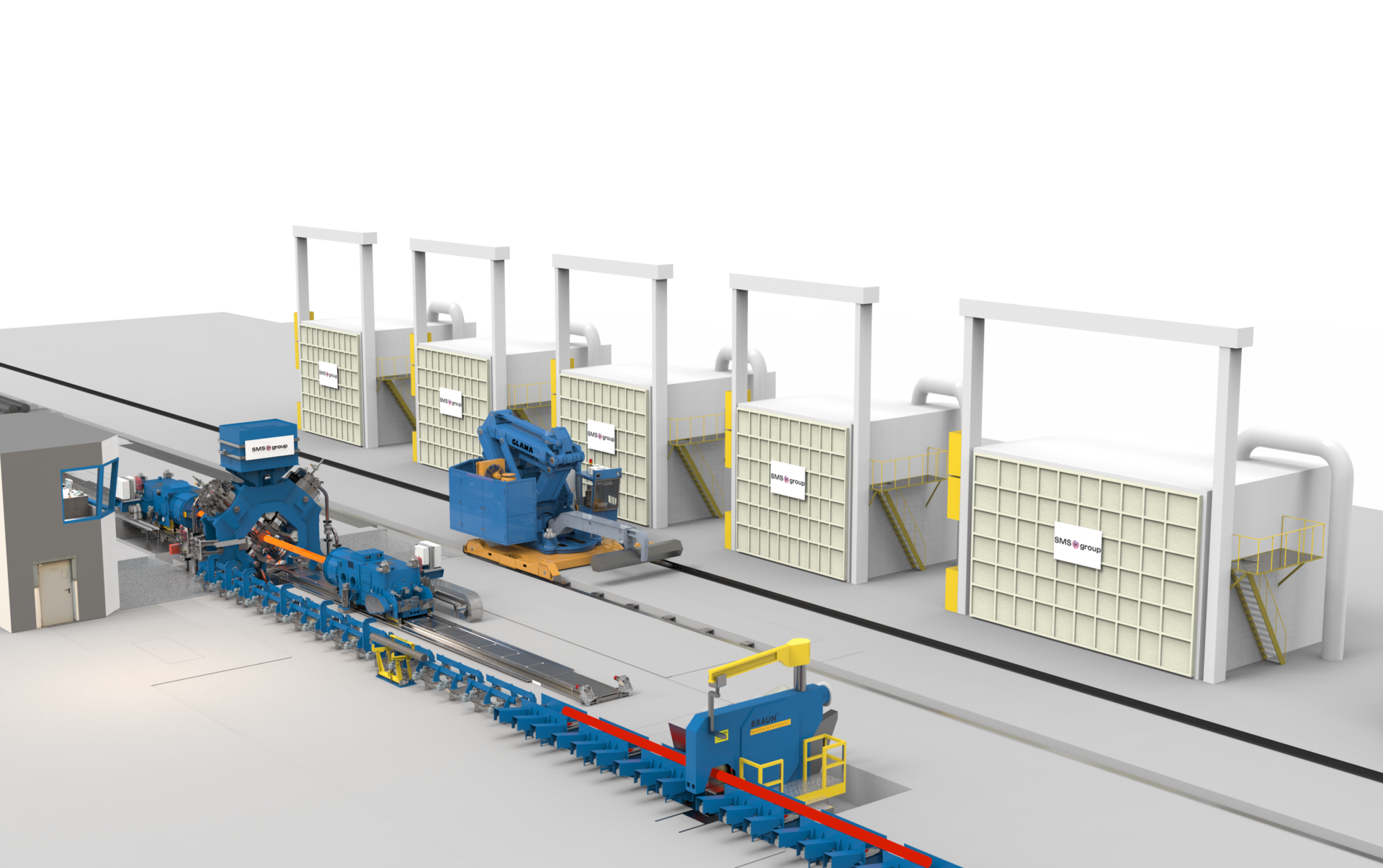
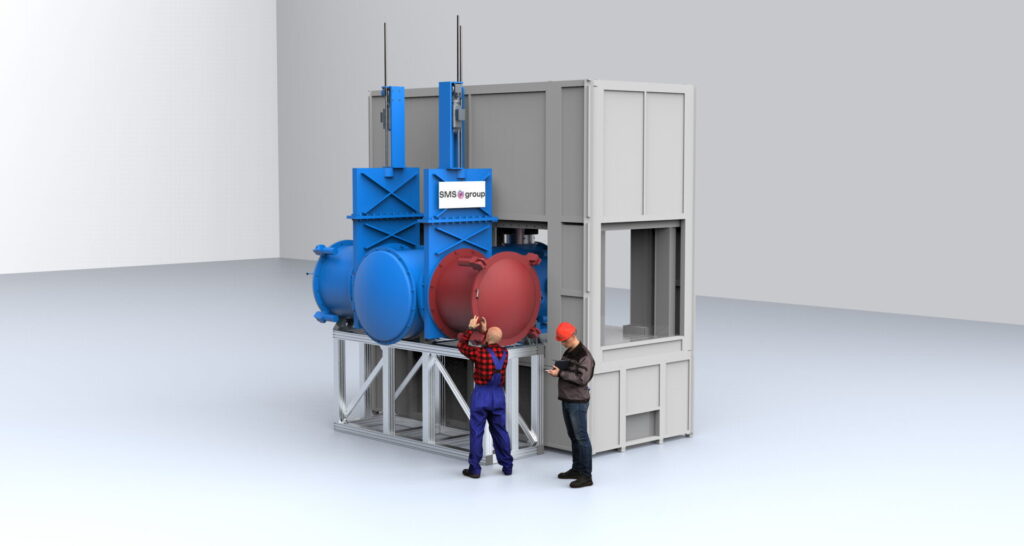
2. Haynes International Inc. has commissioned SMS Group to supply a new hydraulic radial forging line to increase its production of nickel- and cobalt-based alloys, serving markets such as aerospace and chemical processing in the United States. The integrated plant investment, which includes a forging machine, reheating and annealing systems, and automated material handling, is expected to improve production efficiency, metallurgical quality, and responsiveness to global demand while supporting growth in high-performance alloy manufacturing.
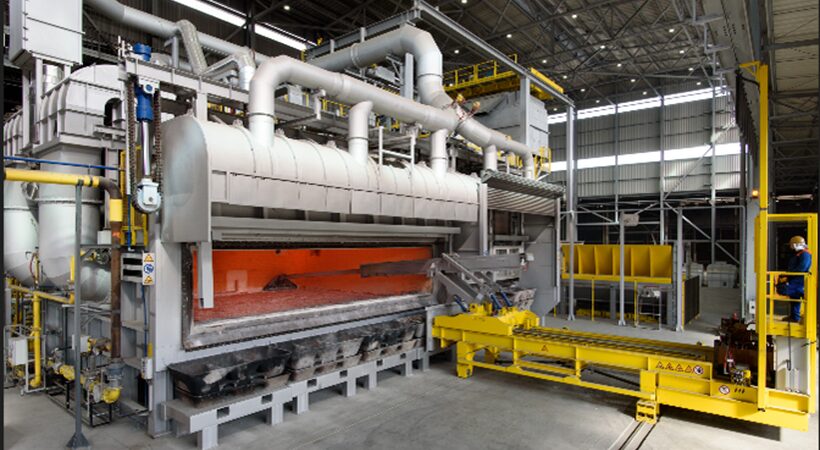
3. Hertwich Engineering GmbH has delivered a customized rolling ingot foundry — including an Ecomelt PS120 preheat-shaft melting furnace, holding furnace, and vertical casting machine — to Remi Claeys Aluminium N.V. The new facility, set to begin operations in spring 2026, will enhance process stability and efficiency for processing contaminated aluminium scrap, strengthening competitiveness and sustainability in the aluminium manufacturing sector.
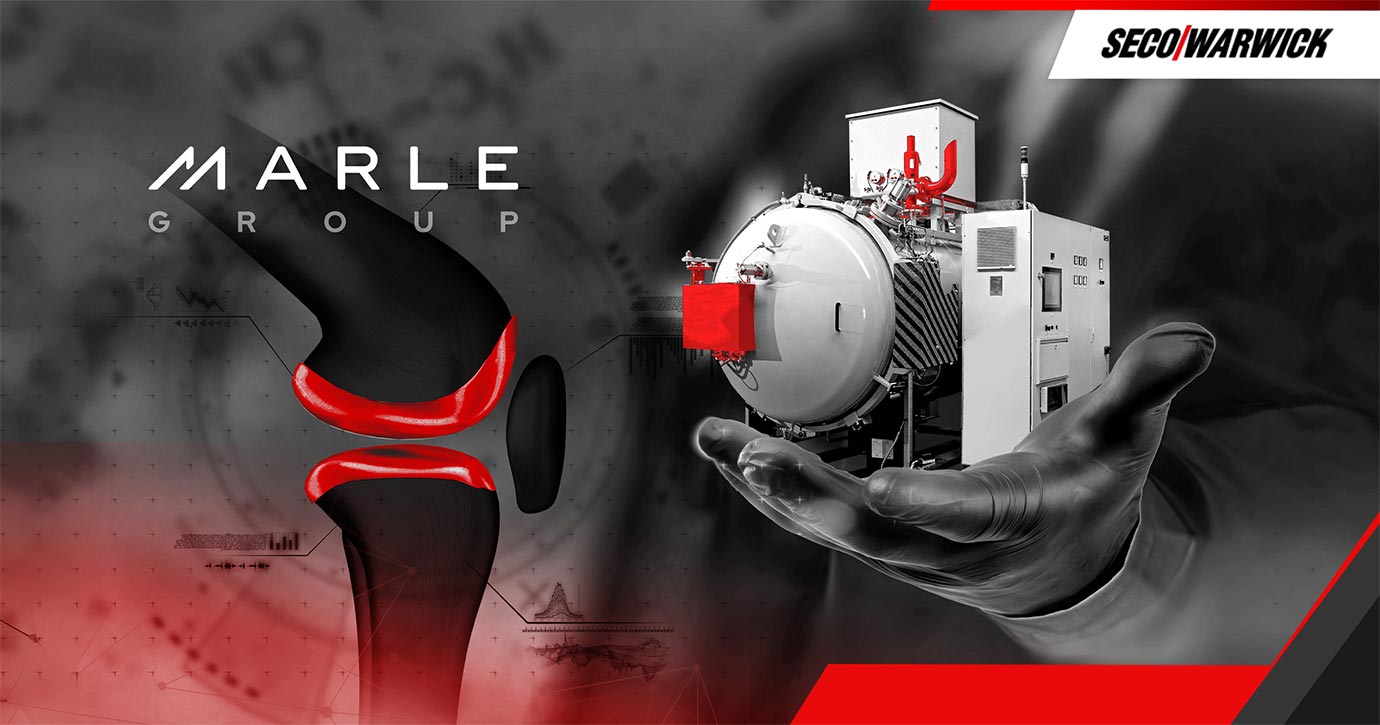
4. Marle Group has purchased and will install an additional vacuum heat treating furnace at its Marle Nowak facility in Pancé, France, expanding in-house capacity for heat treating cobalt-alloy orthopedic implants and surgical instruments. Supplied by SECO/WARWICK, the new furnace responds to the Marle Group’s need for rapid cooling of large loads while supporting efforts to improve production control and delivery times for medical device manufacturing.
5. SMS group is supplying an isothermal forging module to the Institute of Forming Technology and Machines (IFUM) at Leibniz University Hannover to be integrated into their existing press as part of the EU and Lower Saxony-funded “High-performance materials of the future – oWZu” research project. This advanced vacuum forging system will expand research and development of high performance materials for aerospace, medical technology, and industrial applications, accelerating technology transfer and setting new standards in forming reactive superalloys.
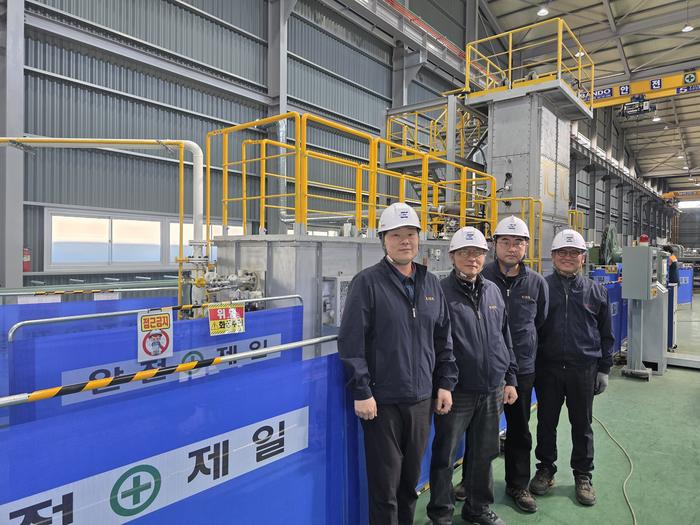
6. Researchers at the Korea Institute of Energy Research (KIER) have developed an electrified heat treatment technology for the annealing stage in galvanized steel strip production that cuts greenhouse gas emissions by over 98% compared with traditional combustion furnaces. The breakthrough replaces fossil fuel burners with electric heating elements while maintaining product quality and productivity, and could significantly reduce equipment costs and support decarbonization in the automotive and appliance steel supply chain. This innovation advances industrial heat treating processes toward carbon-free operation, helping manufacturers meet tightening environmental standards and global decarbonization goals.
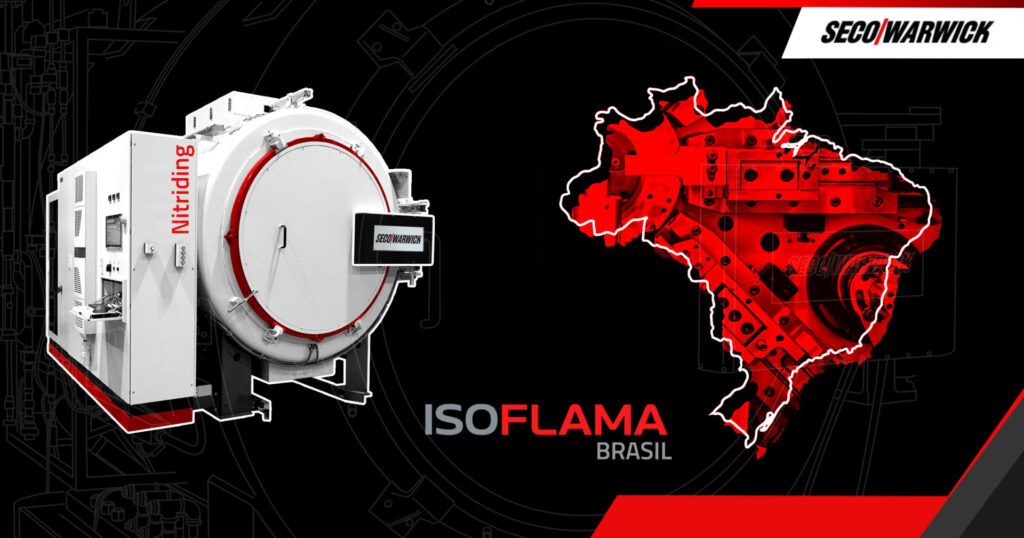
7. SECO/WARWICK has been selected by Brazil’s Isoflama to supply a customized horizontal retort furnace for high-temperature tempering and ZeroFlow nitriding at its heat treatment plant. This new furnace will integrate with Isoflama’s production control system and support processing of large, heavy components, enhancing efficiency and precision to continue serving the automotive, aerospace, and machinery industries in South America.
8. Brugola has implemented CODIAC monitoring technology to ensure reliable tracking and analysis of furnace processes on AICHELIN cast link belt furnaces at its facility. This upgrade enhances real-time oversight of thermal processing parameters, supporting consistent quality and operational efficiency.
Vacuum furnaces for precision heat treating of bearing components Visualization of a radial forging line from SMS group, similar to the one at Haynes International’s Kokomo site in IndianaMulti-chamber melting furnace of the Ecomelt PS120 type Vacuum furnace delivering cooling solution
3D visualization of the isothermal forging module integrated in the pressKorea Institute of Energy Research teamIsoflama’s horizontal retort furnace provided by SECO/WARWICK
Company & Personnel
9. Hubbard-Hall Inc. has acquired the assets of JSA/Metalline, bringing JSA’s customer-facing team into Hubbard-Hall’s organization to expand sales coverage, technical support, and response times for manufacturers serving the plating and general metal finishing industries across the Upper Midwest/Midwest. The move strengthens regional service capabilities, giving manufacturers more direct access to supplier expertise, streamlined single-source ordering, and stronger technical support for critical surface finishing processes.
10. AECO Corp. has promoted Maryann Remner to president, effective immediately, where she will lead the company and its three operating subsidiaries — Alloy Engineering, Mach3 Machining, and Thermcraft — which serve high-temperature fabrication, precision machining, and thermal processing equipment markets.
11. Castings Technology, a UK manufacturer of titanium and steel castings, has announced the creation of twenty new jobs as it expands capacity to meet growing aerospace demand, reinforcing its role in supplying cast components for the sector.
12. WINGENS CONSULTANTS has appointed Mark Hemsath as Executive Consultant – Heat Treat & Advanced Furnace Specialist. Hemsath brings over 30 years of aerospace heat treating experience, with deep knowledge in vacuum systems, nitriding processes, and advanced furnace technologies.
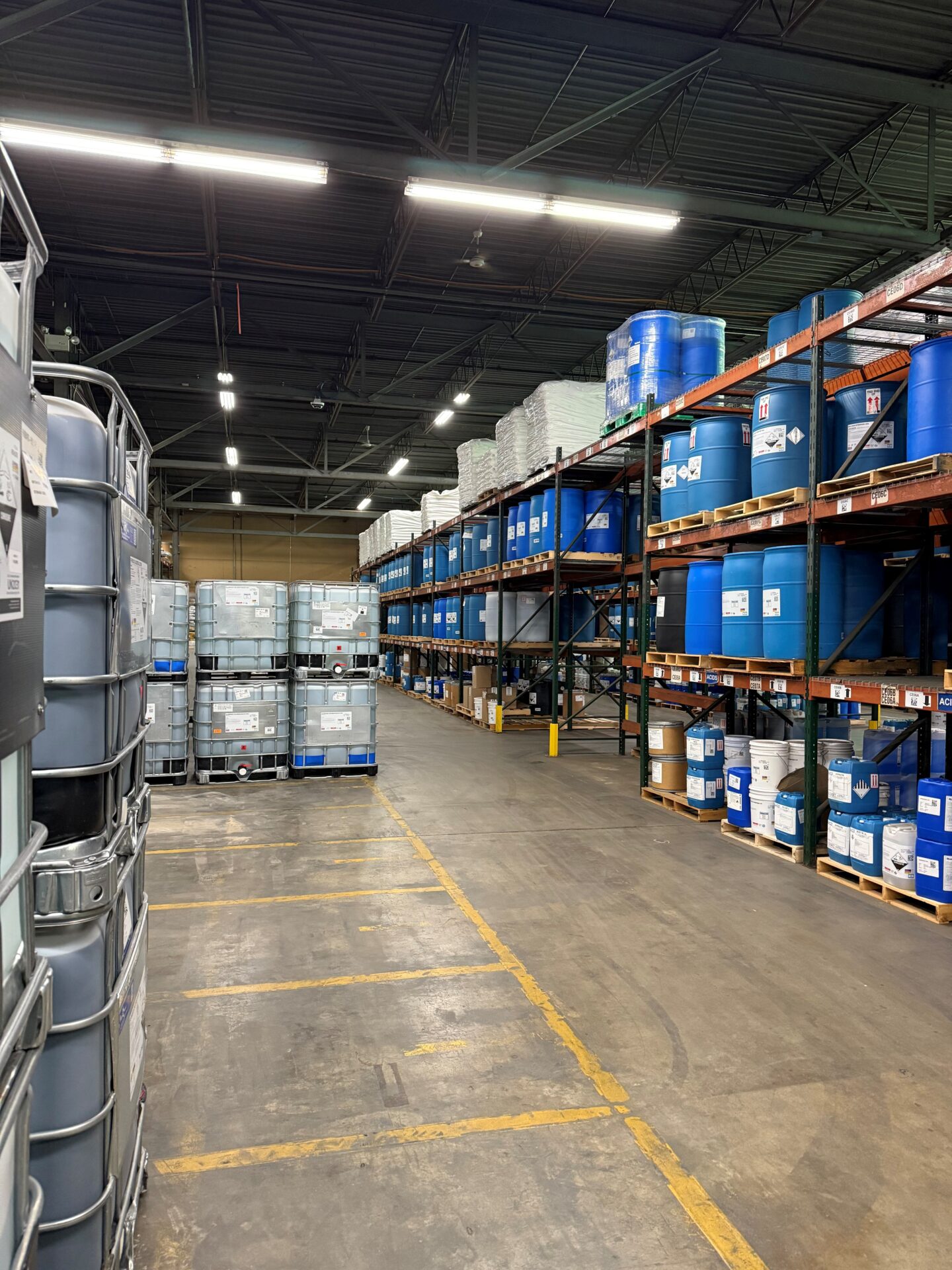
Hubbard-Hall warehouse President of AECO Corp., Maryann RemnerCastings Technology operations in Rotherham recruiting from factory floor to leadershipNewly appointed Executive Consultant – Heat Treat & Advanced Furnace Specialist at WINGENS CONSULTANTS, Mark Hemsath
Kudos
13. Bodycote has achieved independent validation from Bureau Veritas for its proprietary carbon footprint calculator tools covering nine core heat treatment processes, enabling customers to request ISO-assured carbon data for thermal processing methods such as vacuum and low-pressure carburizing. This validation enhances transparency and helps manufacturers measure and compare emissions, supporting the selection of lower-carbon heat treatment options.
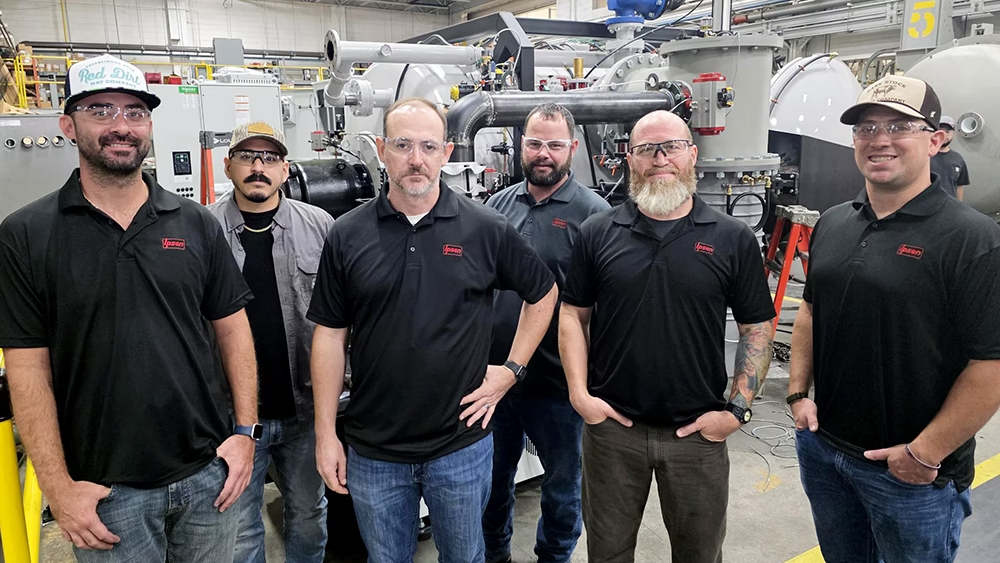
14. Ipsen recognized six service technicians — Todd Jones, Casey Guinn, Craig Monaghan, Eric Gould, Alfredo Mendoza, and Dom Wirthlin — for completing its 14-week Field Service Engineer Academy, an intensive hands-on training program for vacuum furnace specialists combining classroom instruction with mentored field experience.
Bodycote’s validated PCF calculators covering nine key heat treatment processesRecent graduates of Ipsen’s 14-week Field Service Engineer Academy
Heat TreatToday offers News Chatter, a feature highlighting representative moves, transactions, and kudos from around the industry. Enjoy these 14 news items, including OTTO JUNKER‘s induction furnace installation supporting low-carbon foundry operations, IperionX‘s collaboration with Carver Pump Company to strengthen domestic titanium manufacturing, Solar Atmospheres of Michigan earning its Nadcap 18-month Merit Status for heat treating and brazing, and more!
Equipment
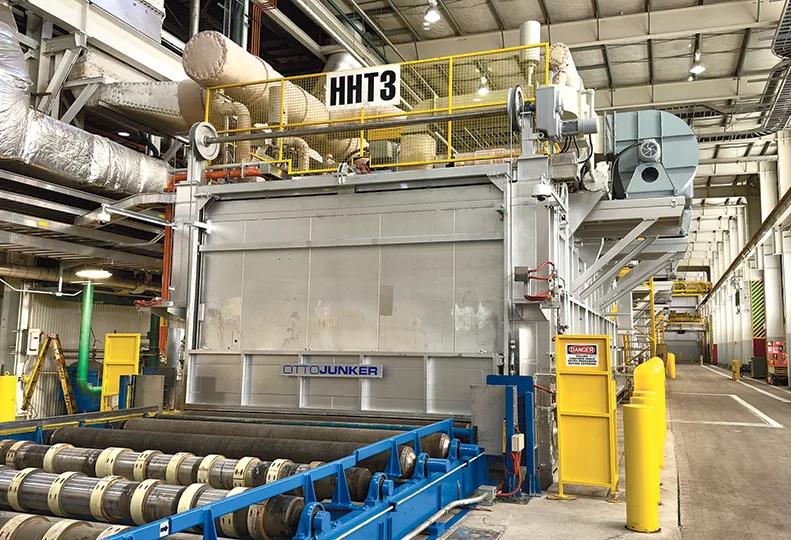
1. OTTO JUNKER has equipped Eisengießerei Th. Schultz with a MONOMELT coreless induction furnace, replacing a cupola and converting the foundry to electric melting. The system significantly cuts energy use and CO₂ emissions while demonstrating how induction technology is helping foundries transition to more efficient, low-carbon production.
2. A global drivetrain technology leader has selected NUTEC Bickley to supply a CQI-9–compliant isothermal annealing line for automotive component production. The new equipment strengthens heat treat quality and consistency, reflecting the industry’s continued investment in advanced thermal processing to support higher-performance drivetrains.
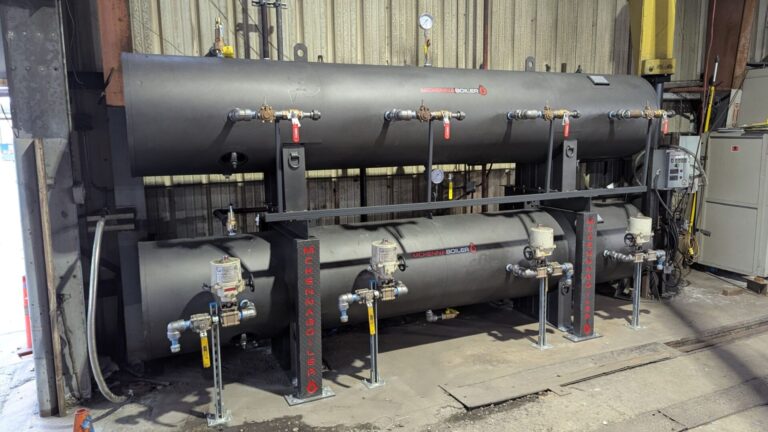
3. Newton Heat Treating has completed a major equipment upgrade, replacing steam accumulators that had been in service for 20 years in its uphill quenching/cold stabilization operation. The upgrade directly impacts the company’s aerospace processing capabilities, with many parts destined for optical components in space applications undergoing this critical heat treatment process.
4. Kaiser Aluminum Corp., a producer of heat treated, flat-rolled aluminum products, has completed a $25 million expansion and upgrade of its Trentwood rolling mill in Spokane Valley. This marks the latest phase of the company’s long-term strategy to increase heat treatment throughput for aerospace, automotive, and general engineering markets.
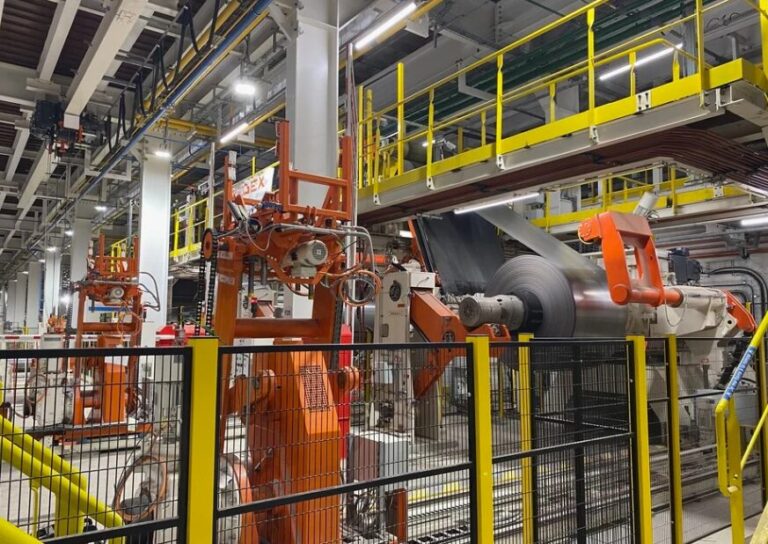
5. ArcelorMittal is advancing a major expansion in electrical steel production that includes a preparation line, a continuous annealing and varnishing line, and a slitting line — developments that reflect ongoing job growth and investment in industrial heat treating processes worldwide.
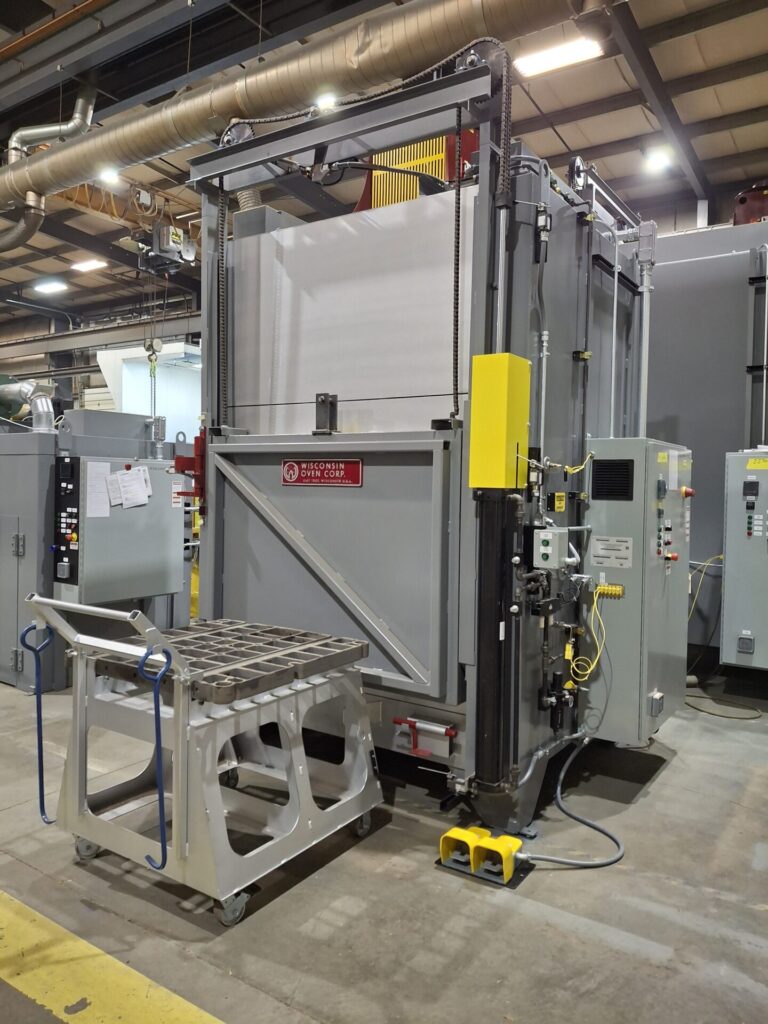
6. A United States military base will receive an electrically heated draw batch oven from Wisconsin Oven Corporation for use in heat treating aerospace components. The industrial oven was engineered to meet critical safety requirements and the stringent demands of aerospace heat treating.
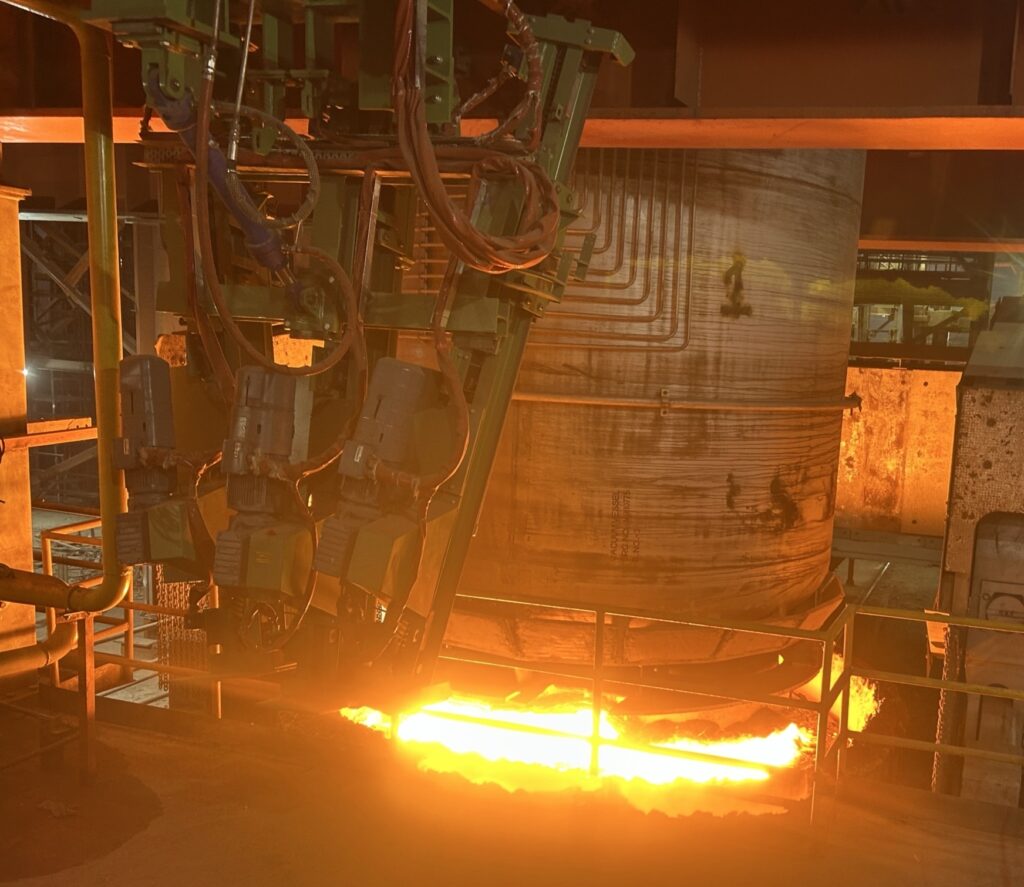
7. JSW Vijayanagar Metallics, a subsidiary of JSW Steel, has commissioned a new 350-ton RH (Ruhrstahl Heraeus) unit, the world’s first operational combination of an RH Ladle Rocker technology with Fast Vessel Exchange from SMS Group. This represents a major advancement in secondary metallurgy and plant efficiency.
8. PROENERGY has ordered four Ipsen vacuum furnaces for its new Houston location, expanding heat treating capacity to support growing demand for fast-start gas turbines and lifecycle maintenance services. The investment strengthens PROENERGY’s ability to manufacture, repair, and overhaul high-quality turbine components while reducing lead times.
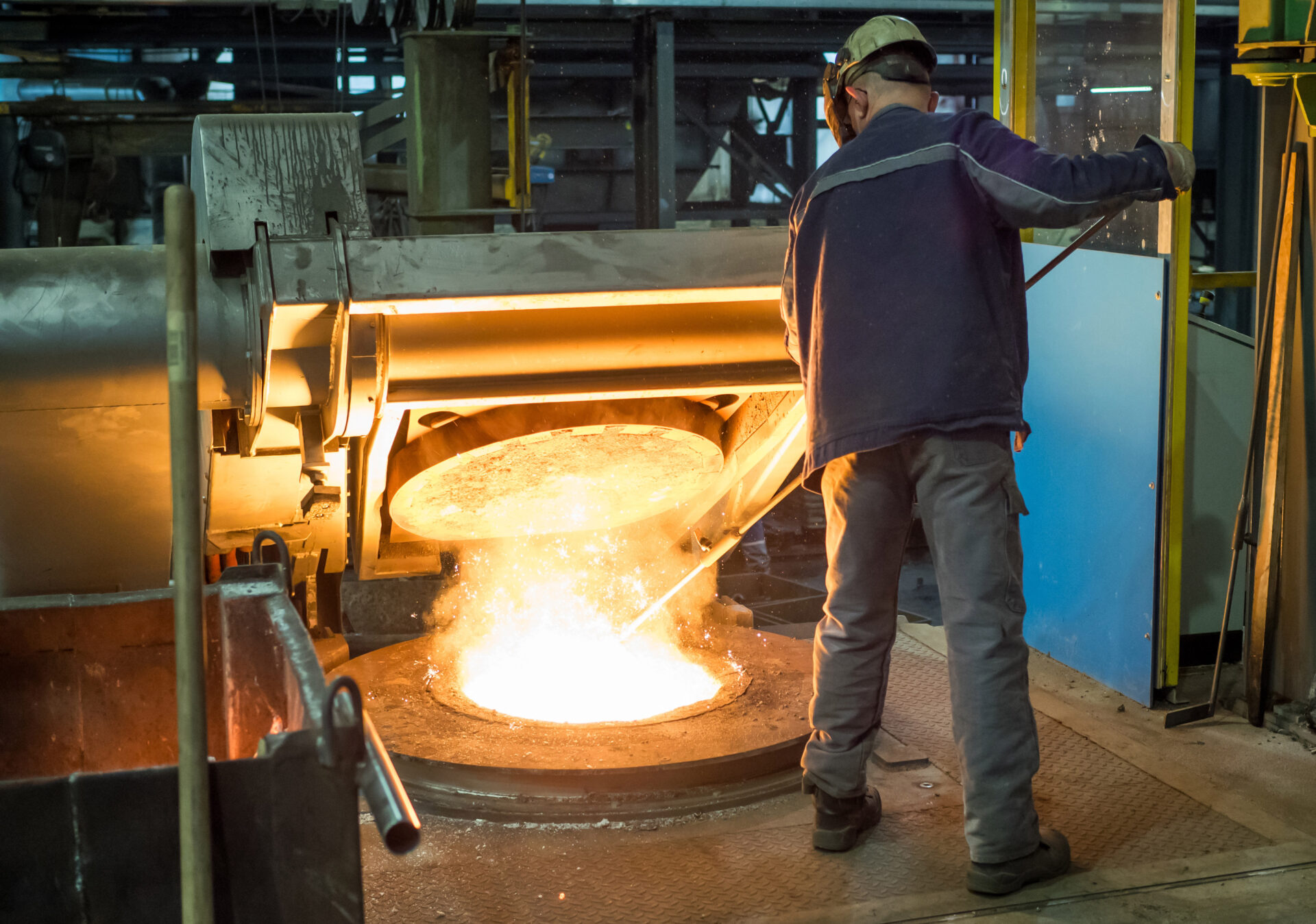
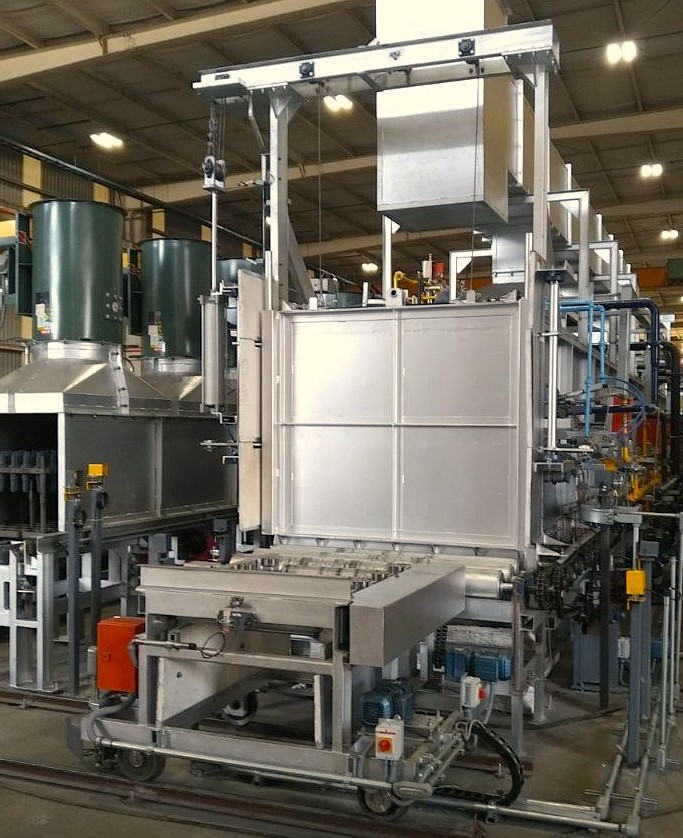
Deslagging of the meltExample of a customized isothermal annealing furnace by NUTEC Bickley, engineered for the auto manufacturing industryUpgraded Newton steam accumulatorsThe expanded horizontal heat treat furnace at Kaiser’s Spokane Valley plant
Entry zone to ArcelorMittal’s continuous annealing and varnishing lineElectrically heated draw batch oven to heat various steel parts for aerospace componentsFirst heat of the 350-ton RH plant, equipped with a Ladle Rocker and Fast Vessel ExchangeLine of Ipsen TITAN furnaces
Company & Personnel
9. SMS Group’s South Africa-based Metix brand and Magmec signed a memorandum of understanding to develop a magnesium metal production facility in the United Arab Emirates utilizing advanced reduction furnace technology. The facility will be designed to process magnesium oxide originating from feed sources such as dolomite or brine. The partnership aims to establish a regional, sustainable supply of magnesium for strategic industrial users.
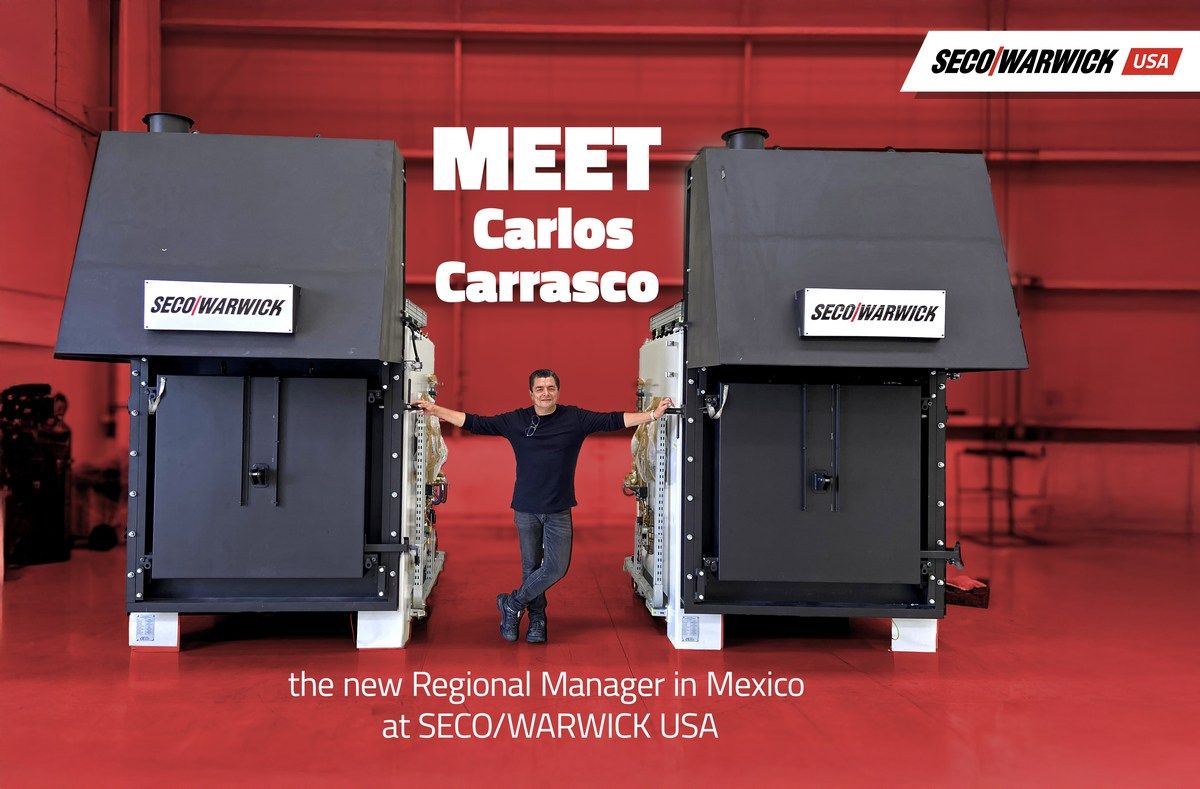
10. Carlos Carrasco has joined the SECO/WARWICK USA sales team as regional manager for Mexico, bringing more than 11 years of experience with the company as a sales representative. In his new role, he will support customers across the region in addressing their heat treatment challenges.
11. IperionX is working with Carver Pump Company to advance domestic titanium manufacturing and thermal processing capabilities in a recent commitment to reduce long lead times for critical pump components used for naval shipbuilding. This addresses supply chain constraints that have slowed ship construction and maintenance. By shortening production timelines, the initiative supports improved fleet readiness while reinforcing domestic manufacturing capacity for mission-critical naval systems.
Metix and Magmec representatives at the signing of an MOU to advance a magnesium metal production facilityCarlos Carrasco taking on the new regional manager for Mexico role at SECO/WARWICK USA
Kudos
12. Solar Atmospheres of Michigan has earned Nadcap 18-month Merit Status for heat treating and brazing, marking a significant quality milestone, bringing every Solar Atmospheres facility nationwide to merit standing. The achievement reflects three consecutive years of audits with zero major findings, underscoring the company’s disciplined process control and commitment to specification compliance while serving industries including aerospace, defense, and medical manufacturing.
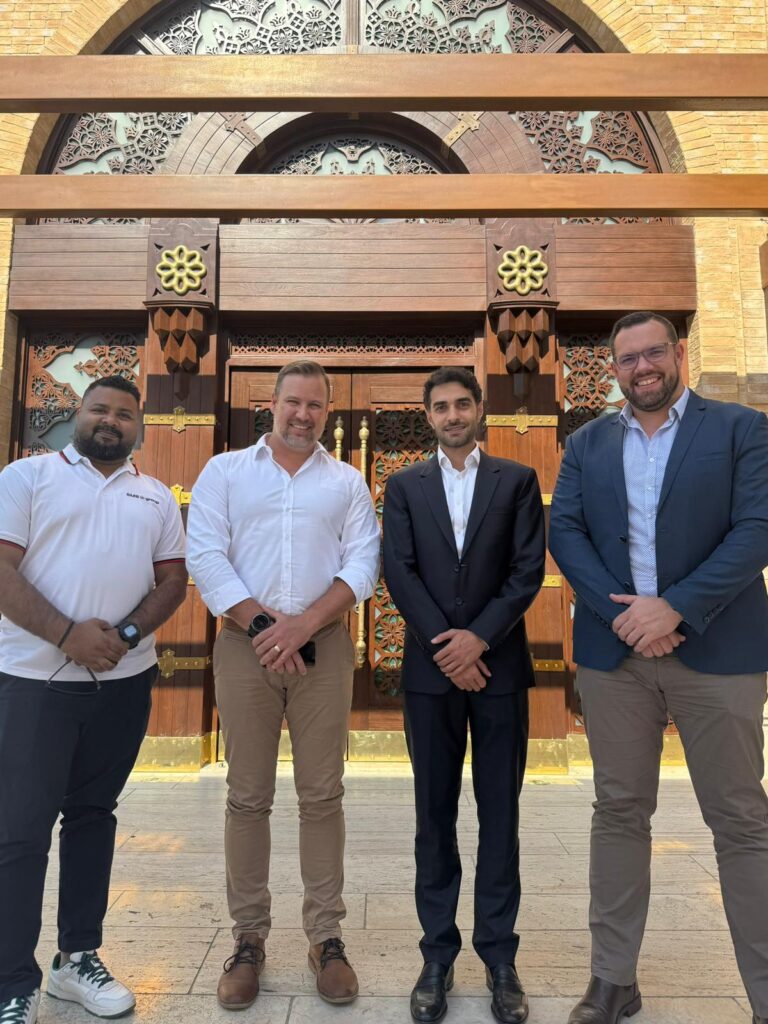
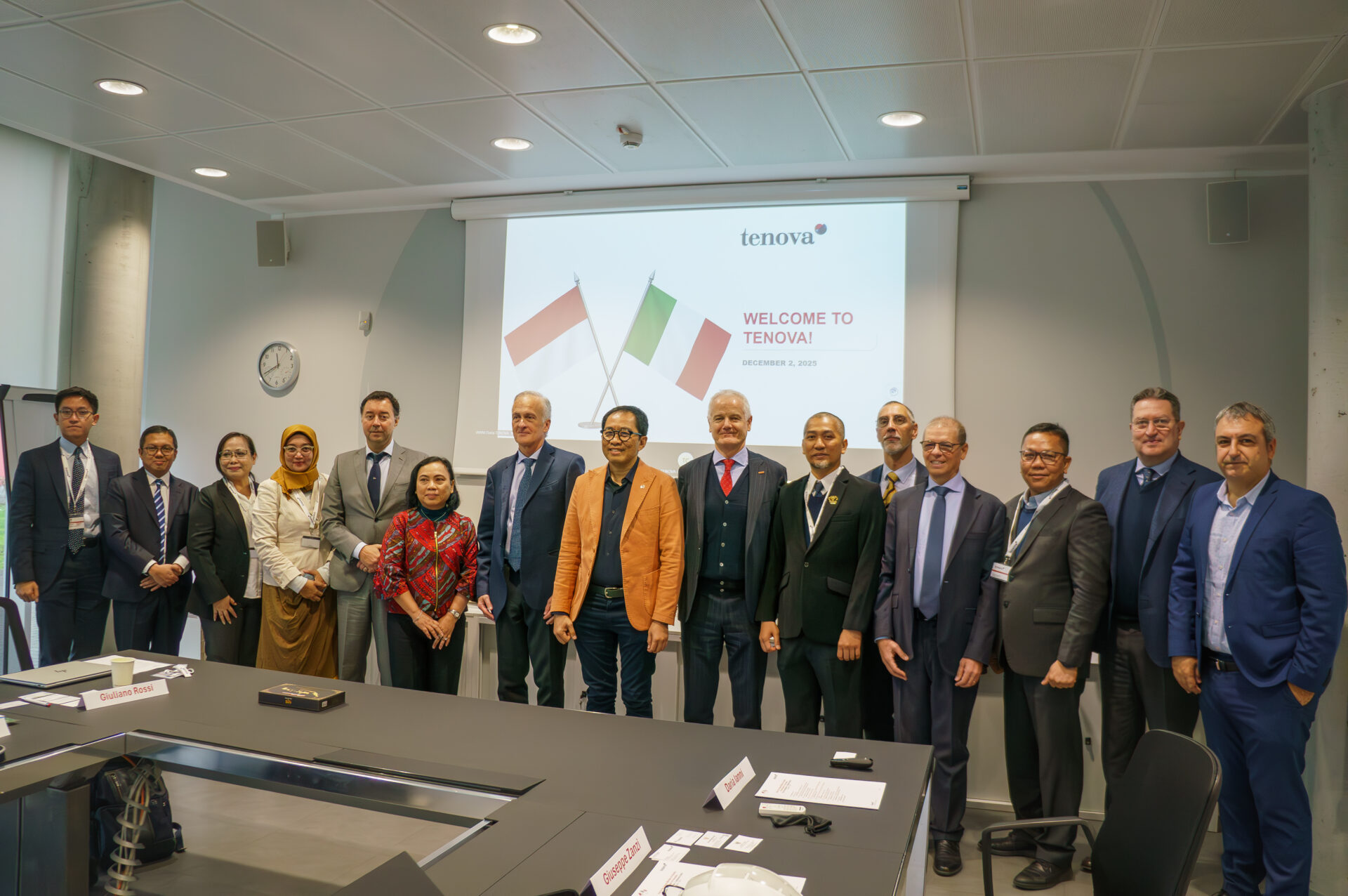
13. Tenova hosted Indonesia’s Vice Minister of Industry, Faisol Riza, at its global headquarters to showcase sustainable steelmaking technologies, following an initiative led by Indonesian steel producer PT Tata Metal Lestari. The visit highlighted collaboration among Tenova, TML, and the Indonesian government to advance low-emission steel production, energy efficiency, and industrial innovation.
14. Bodycote has achieved Nadcap accreditation for heat treating, vacuum brazing, and TIG welding at its new 55,000-square-foot facility in Fairfield, Ohio. The milestone strengthens Bodycote’s North American presence and expands capacity to meet growing demand for high-specification thermal processing in aerospace, defense, and industrial manufacturing sectors.
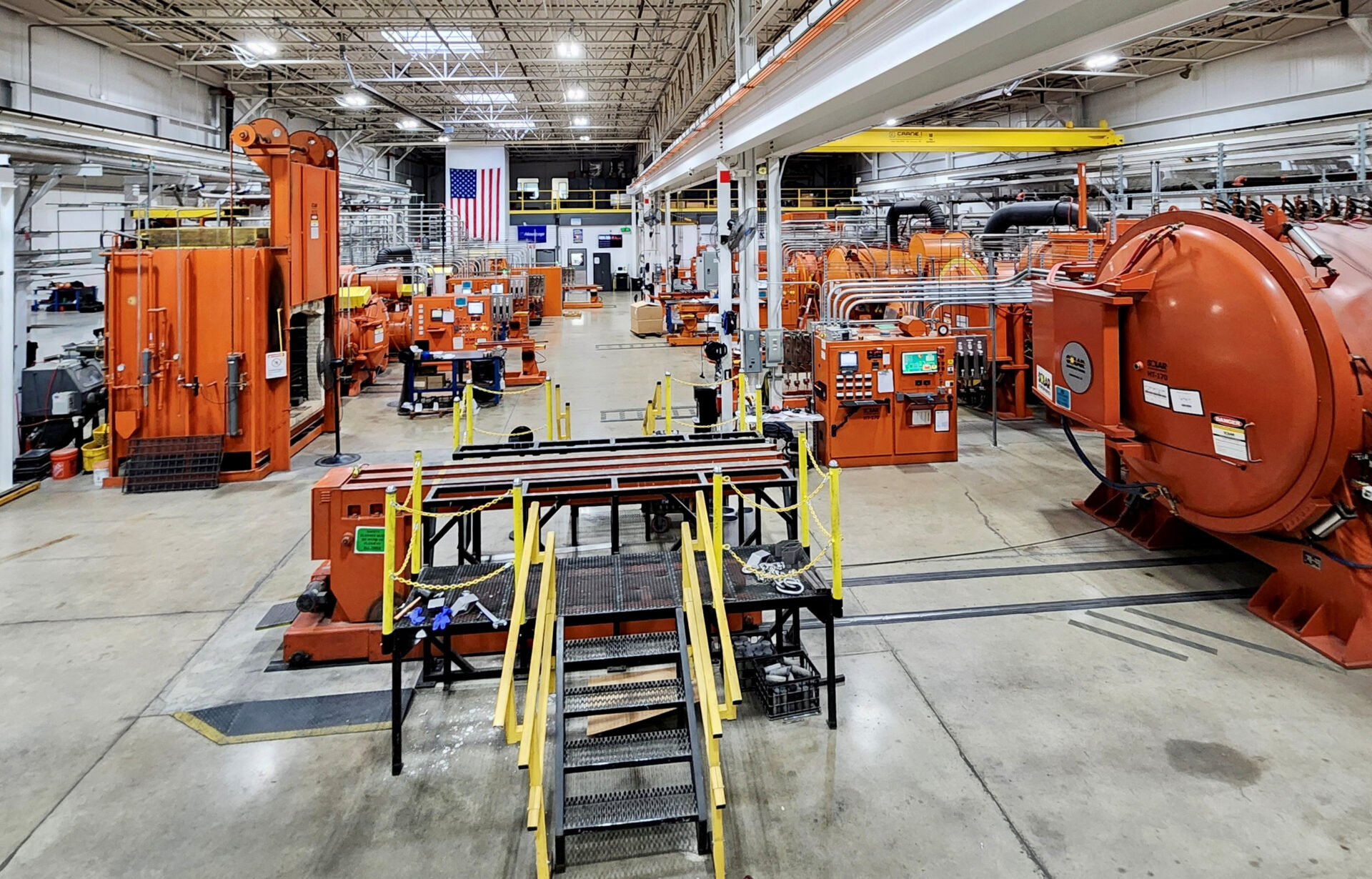
Solar Atmospheres heat treating facilityIndonesian Vice Minister of Industry, Faisol Riza, and delegation with Tenova leadership team at Tenova headquartersBodycote’s 55,000-square-foot Nadap-accredited facility in Fairfield, Ohio
Heat Treat Todaypublishes twelve print magazines a year and included in each is a letter from the editor. This letter is from the October 2025 Ferrous & Nonferrous Heat Treatments/Mill Processingprint edition. In today’s letter,Bethany Leone, managing editor at Heat Treat Today, shares her insights on where artificial intelligence stands in the heat treating industry nine months into 2025.
In January 2025, the heat treat industry was envisioning operational improvements thanks to leaps in artificial intelligence (AI) developments. Now, nine months later, are we still searching for AI?
Managed by AI
Daniel Llaguno, President of NUTEC Bickley
For many industry players, AI has started in the office before the furnace. This can look like creating manuals, writing emails, and reading contracts to interpret legal language.
Daniel Llaguno, president of NUTEC Bickley, calls this the early stages of AI adoption. His company has leveraged AI for onboarding and training new employees — a low-risk, high-value application.
Like many suppliers, they are exploring how AI could eventually reshape furnace development, likely on an open-loop system first (versus a closed-loop where AI receives furnace information and immediately sends back direction to the furnace controls on how to respond).
The Furnace Floor
Jason Orosz, President of Global Heat Treating Services
The next step is already visible: integrate AI into existing IIoT platforms that manage floor operations. Platforms that you may already have considered are QMULUS by NITREX, PdMetrics by Ipsen, and Edge Process Management (EPM Data) by Eurotherm, a Watlow company. These are just a sampling of advanced management systems on the marketplace, and ones that are at different stages of incorporating AI and machine learning for process optimization.
QMULUS has already deployed across all North American Heat Treating Services locations, according to Jason Orosz, president of Global Heat Treating Services. He says AI has been useful in “helping with analysis, troubleshooting, and quality control” — themes you will hear repeatedly in early AI applications.
Evolving To Meet Expectations
Michael Mouilleseaux, General Manager of Erie Steel, Ltd
What should AI integration into furnace operations look like? Michael Mouilleseaux, general manager at Erie Steel, has commented that heat treat AI should help the industry shed its “black magic” reputation. He envisions advanced analysis that could, for example, “correlate intergranular oxidation (IGO) results with furnace integrity checks (i.e., leaks), eventually establishing hard limits for allowable leak rates.”
Still, obstacles remain. “I think it’s going to be a while before commercial heat treaters can relinquish furnace control over to an AI,” Orosz added, specifically commenting on maintaining furnace parameters. This makes sense due to the need for commercial heat treaters to conform to client specifications. Rather, he says in-house heat treat operations “are likely going to be the first movers in that area since they can make their own rules.” For readers of this publication — who primarily are coming from these types of operations — that should be an encouragement: you have a key role to innovate.
Lee Rothleutner, Manager of Materials R&D, The Timken Company
One other key factor for this integration to occur within operations comes with acknowledging the heavy digital capacity that AI requires. Lee Rothleutner, manager of Materials R&D at The Timken Company, commented on this very point, writing to me that for high-quality digital data, the heat treat industry needs to commit not just to the investment but to maintaining a robust data collection and storage infrastructure. He also foresees one pathway of AI integration beyond preventative maintenance, noting, “AI applications can extend to process optimization, quality control, and energy efficiency improvements.”
What To Do Now
For successful integration of AI technology, the common denominator is that management teams are being encouraged to constantly try new ways to innovate with AI.
The first thing you need to do is open an email and send me your AI integration story. Just kidding. (Not really.)
Finally, if you are attending ASM Heat Treat 2025 this month, bring your AI to the table … literally, if you have a booth. Showcase what you’ve been doing at your location or become a part of the conversation. Lee Rothleutner, quoted above, will be participating in a panel discussion on this very topic in the afternoon of Tuesday, October 21.
The Heat TreatToday booth is #944. Not everyone is accustomed to the rapid pace of tech adoption; we want to help one another understand the risks and potential that AI brings, and your stories are critical. I look forward to talking with you.
References
Glenn, Doug, and Llaguno, Daniel. 2025. Interview by Heat Treat Today. Private recording, February.
Loepke, Mike. 2025. “Digitalization Propels Heat Treating to Industry of the Future.” Heat Treat Today 7 (8).
As aerospace, defense, and medical applications demand tighter chemistry and flawless surfaces, heat treaters are accelerating their move toward all-metal hot zones and ultra-high-vacuum systems. The push for cleaner processing is quickly reshaping expectations not only for commercial heat treaters, but also for in-house heat treat operations supporting mission-critical production.
Today’s original content brings together recent Heat TreatToday reporting on all-metal hot zones, next-generation vacuum systems, and supply-chain investments redefining clean processing for aerospace, defense, and medical work.
All-Metal Hot Zones Drive Cleaner, More Predictable Processing
Heat treaters serving medical, aerospace, and turbine production continue to adopt all-metal hot zones to reduce contamination risk, stabilize vacuum performance, and deliver more consistent surface conditions.
Solar Atmospheres has expanded its all-metal vacuum furnace capacity across multiple locations in 2025, most recently at its Western Pennsylvania facility dedicated to critical medical work. The system features an all-molybdenum hot zone, finely polished stainless-steel cold wall, and dual isolation valves to maintain vacuum integrity, accompanied by a major clean-room expansion to support downstream handling.
Earlier this year, the company added a similar all-metal furnace at its Hermitage campus. Designed for precipitation-hardened stainless steels, nickel-and cobalt-based superalloys, titanium, and niobium, the system reflects the rising expectations placed on heat treat environments supporting high-performance material systems.
Michael Johnson, sales director at Solar Atmospheres of Western Pennsylvania, underscored the significance of the shift, noting that the all-metal design delivers “the purest possible processing environment” and produces “pristine end products that meet the most demanding industry standards.”
With vacuum levels reaching below 5 × 10⁻⁶ Torr through a diffusion pump, oversized main valve, and polished stainless chamber, these furnaces support bright, contamination-free results — conditions increasingly relevant to in-house heat treaters tasked with eliminating process variation.
High-Performance Vacuum Systems Support Tighter Internal Specifications
Across the industry, new vacuum systems are being introduced that emphasize uniform quenching, reduced gas consumption, and shorter cycle times — benefits that resonate strongly with in-house heat treat teams striving for throughput without sacrificing metallurgical integrity.
A recent example is the addition of a 6-bar Ipsen TurboTreater horizontal vacuum furnace at Stack Metallurgical Group‘s Portland, Oregon facility. It’s designed for 360-degree uniform quenching and engineered to reduce cycle times by up to 20 percent. Its versatility — supporting hardening, tempering, brazing, sintering, annealing, and more — illustrates the broader trend toward equipment that supports multiple metallurgical pathways while maintaining low-contamination processing.
While not an all-metal hot zone, SMG’s investment signals the same market direction: vacuum systems are increasingly becoming the backbone for operators who prioritize clean surfaces, repeatable thermal cycles, and consistent downstream machining performance.
High Purity Feedstock Becomes a Process-Control Advantage
Arconic Corporation has recently invested $57.5 million in an effort to boost high purity aluminum (HPA) capacity for aerospace and defense applications at its Davenport Works plant, a major in-house heat treating operation. The expansion strengthens both its full thermal processing line and the broader aerospace and defense supply chain.
By the same token, this manufacturer is upstream in product development. For aerospace manufacturers of aluminum products with in-house heat treaters, access to cleaner feedstock translates into more predictable microstructures, fewer surprises at the furnace, and reduced process deviations, which is a meaningful advantage as specifications tighten.
Diana Perreiah, Arconic’s EVP of Rolled Products North America, positioned the investment as a deliberate step toward enhancing U.S. industrial capability, emphasizing that the expansion supports the advanced manufacturing base required for next-generation platforms. Her comments highlight a growing recognition that material purity upstream directly influences thermal processing reliability downstream.
The project includes two new furnaces, automation upgrades, and modernized controls, ensuring consistent supply of the high purity aluminum essential for complex structures ranging from aircraft wing skins to high-strength defense components.
Across furnaces, feedstock, and facility upgrades, the direction is unmistakable: the industry is moving rapidly toward ultra-clean, tightly controlled thermal environments.
For in-house heat treat departments, the message is clear. These technologies are not simply expanding commercial heat treat capacity — they are redefining expectations for internal operations where scrap reduction, audit readiness, and end-to-end process reliability are central.
All-metal hot zones, advanced vacuum systems, and high purity input materials are quickly becoming a baseline for meeting stringent performance requirements for many in today’s aerospace, defense, and medical applications.
This Technical Tuesday installment is part of the Maintenance Message column series. In today’s edition Nate Sroka, quality assurance engineer for Ipsen, provides a complete maintenance guide to rebricking and relining atmospheric furnaces.Keep this one bookmarked for a quick reference to components, the rebricking process, expectations, and project timeline questions!
This informative piece was first released in Heat TreatToday’sAugust 2025 Automotive Heat Treating print edition.
Introduction
The interior brick walls of an atmosphere furnace endure extreme temperatures — sometimes reaching 2200°F — every hour of every day. Over time, the bricks become brittle, crack, and experience thermal expansion, which can open seams in the mortar.
After years of continuous operation, users may notice exterior walls becoming hot enough to melt insulated cables or components attached to the furnace. When bricks start falling out of place or insulation begins to sag, it’s time to shut down the furnace, assess damage, and plan for repairs. Typically, furnaces operating for five to ten years since installation or their last major overhaul require rebricking or relining.
Understanding the Components: Bricks and Boards
Knowing the key components used in the rebricking and relining process prepares you for discussions about repairs.
Insulated Fire Bricks (IFB) come in various temperature ratings. A 2300°F brick is less efficient and durable under extreme heat than a 2600°F brick but is often more cost-effective. High-rated bricks typically line the interior, while lower-rated bricks provide an additional insulation layer.
Insulating boards made from calcium silicate form the thermal barrier between the heating chamber and external components. They can withstand temperatures from 1000°F to 1800°F and are commonly used in lower-temperature furnaces.
Mineral wool is a fibrous insulating material used to fill gaps around furnace entry points and seams. Made from volcanic rock, ceramic, or slag, it allows for expansion and contraction due to temperature changes.
One key thing to know about atmosphere furnaces is that they are almost always “on.” In a vacuum furnace, recipes use electric elements that shut off after every cycle, and quenching often happens within the same chamber. However, in an atmosphere furnace, turning off the burners and then restarting the furnace from room temperature the next day is much less energy efficient than running the burners and holding a consistent temperature, even when the furnace is empty. Parts from an atmosphere furnace are typically quenched in an oil or salt bath, separate from the heating chamber.
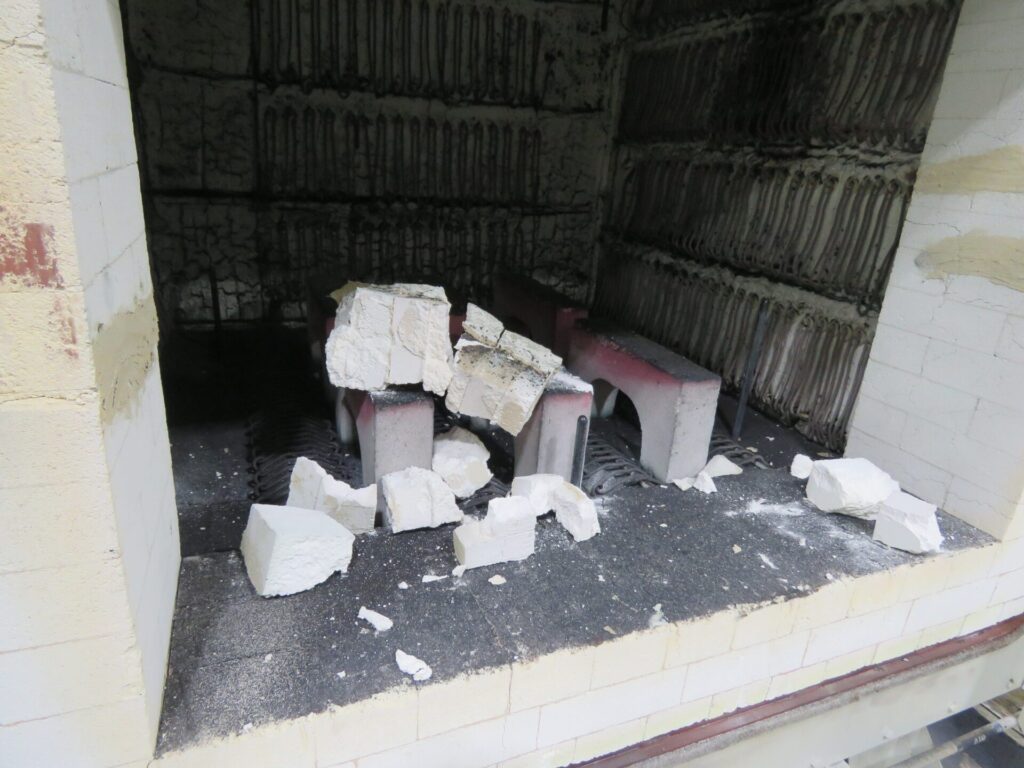
Figure 1. Debris from a damaged atmosphere furnace that collapsed on a hearth Source: Ipsen
Starting the Rebricking Process: What You Need to Know
Prepare for a Quote
First, review the pre-quote checklist to make sure you have the right information to get an accurate quote.
Pre-Quote Checklist: Important information to have on hand when getting a quote for rebricking or relining your atmosphere furnace
Furnace model number and serial number
Heating chamber dimensions (w/d/h)
Archway dimensions from base to top
Door dimensions and condition
Drawings or engineering plans outlining any aftermarket modifications
Typical operating temperatures
Any additional materials installed to prevent heat penetration
Photos from as many angles of the furnace as possible
A list of any consumable or heavy-wear components that also need to be replaced
Build a Timeline
Start collecting quotes at least a year in advance and place a purchase order no less than six months before the planned shutdown.
Consider Scheduling Factors
Many furnace operators are looking to have work like this completed during a summer or winter holiday shutdown period. Advanced planning improves scheduling flexibility.
Site Preparations
Before the service team arrives, ensure the workspace is ready:
Clear space for staging new materials and removing old bricks.
Provide access to a forklift, a durable waste collection container, a dumpster, and other required tools and resources.
Confirm power connections near the site for welding and other power tools.
Review lockout/tagout procedures with maintenance and operations teams.
Determine the required furnace cool-down time before disassembly and plan furnace shutdown accordingly.
Identify and disconnect any electrical, process gas, or water-cooling lines as outlined prior to service.
Rebricking Day: What You Should Expect
During disassembly, consider performing additional maintenance, such as:
Inspecting and rotating or replacing burner tubes
Inspecting and replacing pusher chains and skid hearth section
Checking doors, door hoods, and fan bungs
Conducting leak tests and changing the quench oil
Coordinate these tasks with the service team to avoid disruptions. The rebricking process spans several days, allowing time for concurrent inspections and repairs.
Final Inspection and Testing
Upon project completion:
Figure 2. A newly installed furnace, bricks properly installed, before furnace ignition Source: Ipsen
Inspect the furnace with the installation team to ensure all work aligns with project specifications.
Document any changes as a reference for future maintenance.
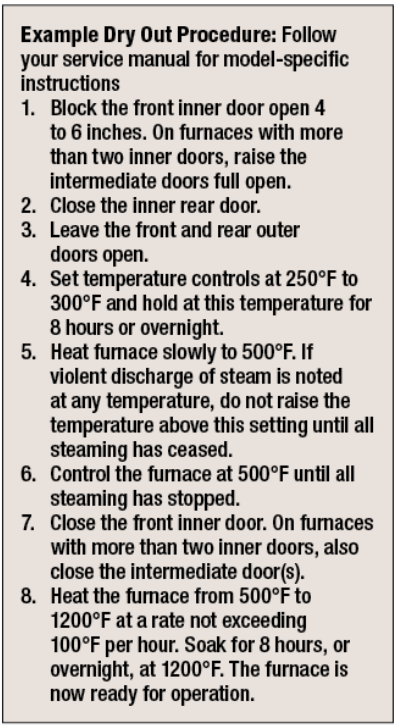
Perform a “dry out” procedure and clean the quench tank before refilling the tank. See “Example Dry Out Procedure” break-out box.
Run the furnace without parts to test for temperature uniformity.
Carburizing furnaces may need extra burn-in time to “season” the bricks:
Fresh bricks absorb free carbon until fully saturated.
When bricks are properly saturated, furnace atmospheres stabilize.
Time of burn-in is dependent on the percentage of carbon-level the system needs to achieve.
Identify potential hot or cold spots that may require further insulation adjustments.
Post-Installation Best Practices
A rebrick or reline of a furnace is a significant investment. To get the most from your furnace, make the time to take a proactive approach:
Establish a daily maintenance inspection for the first week, followed by weekly checks for the first month.
Resume regular maintenance schedules if no issues arise.
Schedule independent inspections with a field service engineer at three, five, seven, and nine years to proactively assess furnace condition and secure preferred maintenance dates.
By following these steps, atmosphere furnace operators can maximize uptime, streamline service quoting, optimize downtime usage, and ensure efficient future rebuilds.
This article was originally published on ipsenusa.com.
About The Author:
Nate Sroka Quality Assurance Engineer Ipsen
Nate Sroka has been with Ipsen since March 2014. He holds a bachelor’s degree in mechanical engineering and a master’s degree in engineering and industrial management from Northern Illinois University. Nate oversees the Quality/Documentation/Warranty (QDW) department, ensuring that Ipsen maintains ISO 9001 and ISO/IEC 17025 standards. He is also responsible for documentation related to installation and operations manuals, regulatory certificates, and managing warranty programs.
For more information: Contact Nate Sroka at nate.sroka@ipsenusa.com.
A U.S. heat treater has expanded their operations with the installment of a horizontal vacuum furnace. Stack Metallurgical Group announced the addition of a 6 bar quenching TurboTreater furnace at their Portland facility.
Stack services aerospace, medical, and cutlery industries, among others. The company shared, “Stack is continuing to show our commitment to excellence by investing in a brand new 6 Bar quenching, Turbotreater horizontal vacuum furnace from Ipsen. This is more than a purchase; it’s a substantial investment in our facilities and, more importantly, in our valued customers.”
The Ipsen vacuum furnace features internal quenching with 360-degree cooling uniformity, decreases cycle times up to 20%, and reduces gas consumption up to 40%. The furnace handles heavy loads and operates for multiple processes, including hardening, tempering, brazing, sintering, and annealing.
Press release is available in its original form here.
Heat TreatToday offers News Chatter, a feature highlighting representative moves, transactions, and kudos from around the industry. Enjoy these 10 news items.
Equipment
Aichelin recently delivered a vacuum furnace to Bodycote‘s heat treatment and specialist thermal processing plant in Vantaa (Finland). The furnace with a usable space of 600 x 900 x 600 mm and a maximum batch weight of 1,000 kg was tailored to the company’s requirements. In this collaboration between the two companies, Bodycote has selected Aichelin to supply equipment that aligns with its vision for advanced and sustainable vacuum technology for industrial heat treatment.
Two electrically heated two-zone curing conveyor ovens with cool-down sections have expanded the operations of an industrial manufacturer. The ovens, supplied by Wisconsin Oven Corporation, will be used for curing adhesive material between parts.
Gruenberg announced the shipment of an industrial electrically heated cabinet oven to a company that manufactures products for the medical device industry. The furnace will be used for curing material used in the products.
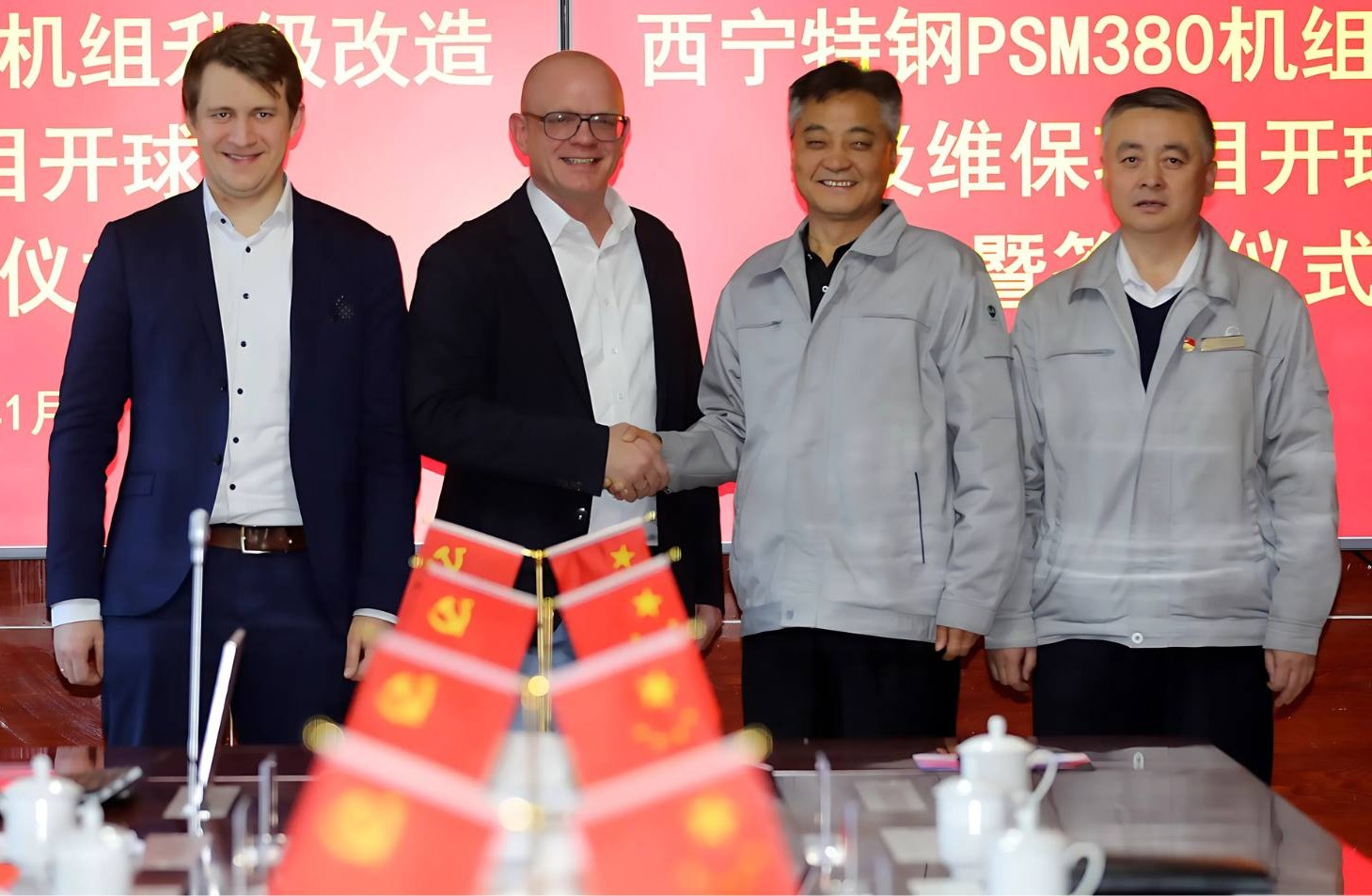
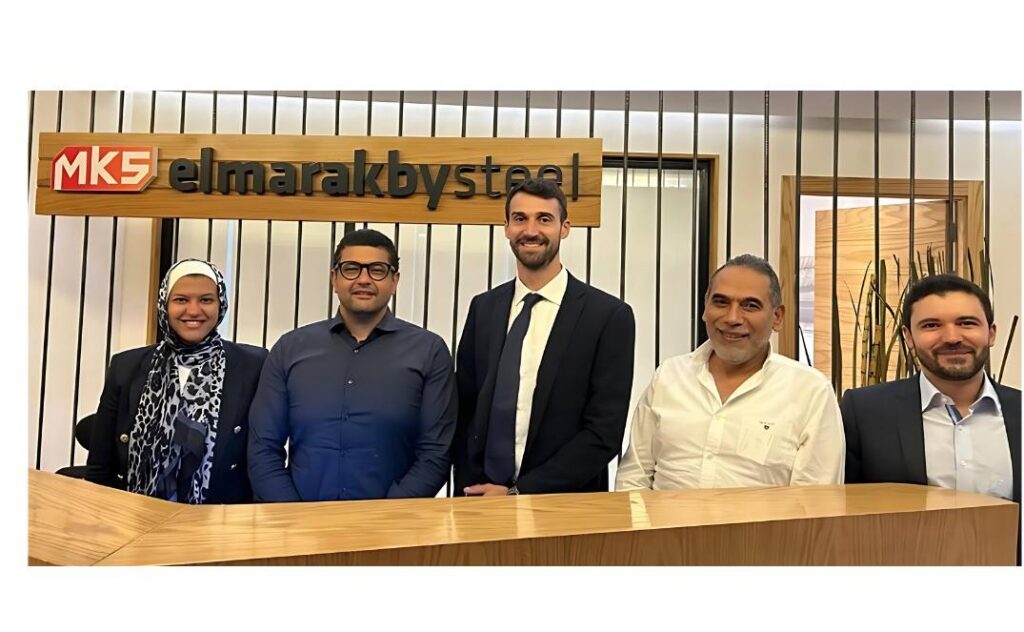
Qinghai Xigang New Materials Co., Ltd., a subsidiary of Xining Special Steel, has signed a contract with SMS group for a PSM380 mill upgrade and technical outsourcing services. The transaction comprises a comprehensive upgrade and related maintenance services for the PSM380 (Precision Sizing Mill) mill used to roll special steel bars and is aimed at enhancing the mill’s production efficiency and product quality. In additional news: Kardemir Karabük Demir Çelik Sanayi ve Ticaret A.Ş has acquired a five-strand combi-continuous caster from SMS Concast, a company of SMS group, to upgrade production capabilities at its its integrated steel plant at the Karabük site in Türkiye. El Marakby Steel, an Egyptian manufacturer of deformed bars and wire rod, is increasing production capacity by contracting SMS to upgrade the existing SMS minimill at its 6th of October site. Baosteel Desheng Stainless Steel Co., Ltd., a subsidiary of China Baowu Steel Group, announces the completion of a vacuum oxygen decarburization (VOD) plant by SMS group. The VOD system represents a crucial component of the steel producer’s strategic expansion, designed to enhance the facility’s capacity for producing specialty steels by employing secondary metallurgical processes. SMS group has also completed the automation system upgrade of hot strip mill no. 1 at PT Krakatau Steel (Persero),Tbk. (PTKS) in Cilegon, Indonesia.
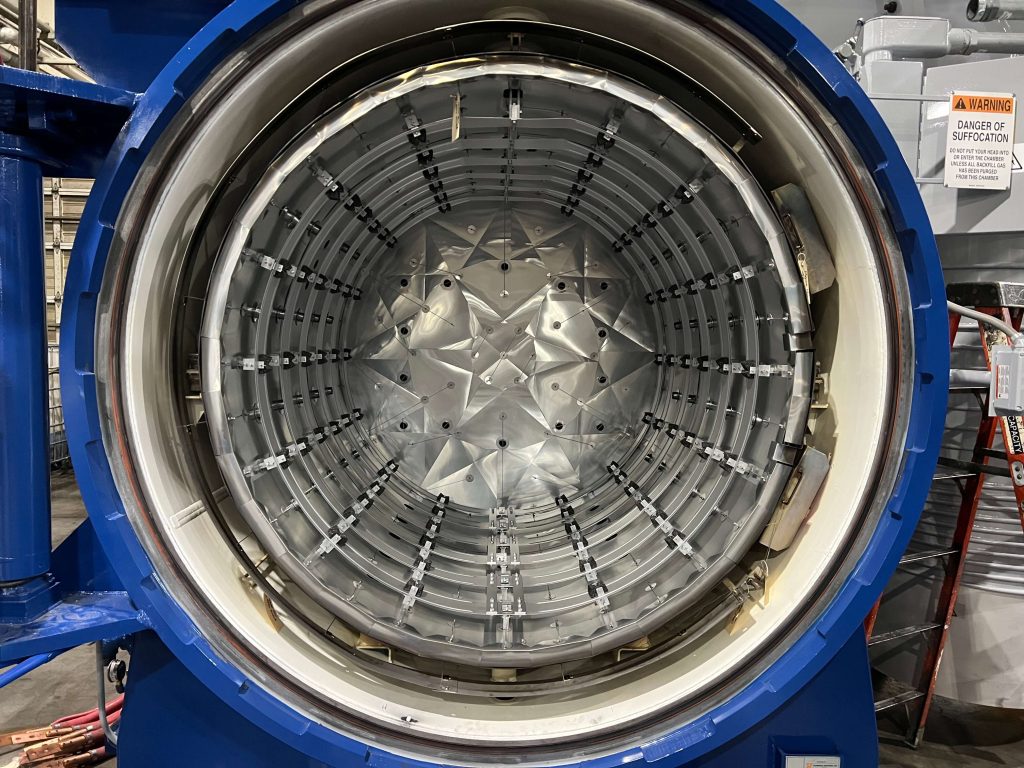
Vacuum furnace delivered to Bodycote’s heat treatment and specialist thermal processing plant by Aichelin Cooling groups operating as part of the laminar cooling system for ColakoLow-carbon extrusion ingot for the European construction and automotive industries produced at HusnesQinghai Xigang New Materials Co., Ltd., with PSM380 mill upgrade and technical outsourcing servicesA five-strand combi-continuous caster at Kardemir Karabük Demir Çelik Sanayi ve Ticaret A.Ş acquired from SMS ConcastEl Marakby Steel production capacity increased with upgrade at existing SMS minimill Vacuum oxygen decarburization (VOD) plant at Baosteel Desheng Stainless Steel Co., Ltd., completedAutomation system of hot strip mill no. 1 upgraded at PT Krakatau Steel (Persero)
Company & Personnel
Ipsen has announced the promotion of Evan Hundley to retrofits manager and the appointment of Lu Chouraki as field service manager. As retrofits manager, Hundley will lead the Retrofits Team to improve response times, streamline pricing and proposals, and provide tailored solutions that extend equipment lifespan and efficiency. As field service manager, Chouraki will oversee all regional service managers and field service engineers, focusing on streamlining processes, improving response times, and enhancing customer support. He will also drive the continued expansion of the company’s HUBs and develop his team into subject matter experts.
Steve Sparkowich has been appointed as the new chief commercial officer (CCO) at Titan International Inc., a manufacturer and recycler of specialty metal products based in Pottstown, Pennsylvania, effective immediately. In his new role as CCO, Steve will oversee the company’s commercial strategy, drive business development, and strengthen relationships with key clients across industries such as aerospace, automotive, energy, semiconductor, and defense.
Thomas Wingens, founder and president of WINGENS CONSULTANTS and an internationally recognized expert in the thermal processing and metallurgy industry, has been named an advisor to the Center for Heat Treating Excellence (CHTE) at Worcester Polytechnic Institute (WPI). As industrial advisor to CHTE, Thomas will provide strategic guidance in business development and assist with CHTE’s project research portfolio.
IperionX Limited has announced the appointment of Tony Tripeny as non-executive director and current IperionX non-executive director Lorraine Martin as lead independent director. Mr. Tripeny currently serves as a director at Mesa Laboratories and Origin Materials. Currently serving as president and CEO of the National Safety Council, Ms. Martin is also a director at Kennametal, a global materials science firm.
Evan Hundley Retrofits Manager Ipsen USALu Chouraki Field Service Manager Ipsen USASteve Sparkowich Chief Commercial Officer (CCO) Titan International IncThomas Wingens President Wingens Consultants Industrial Advisor Center for Heat Treating Excellence (CHTE)
Kudos
Advanced Heat Treat Corp recognizes the AHT Michigan team members who have completed professional training and earned new certifications: Chad Clark for Practical Approach to Supply Chain Management, Tom Broman for Supervisor Skills 1.0 and 2.0, Jeff Machincinski for Introduction to Pyrometery, and Jesse Hyder for Practical Interpretation of Microstructures.
The OTTO JUNKER Academy has offered a professional training program regarding planning, modernization, operation, repair and maintenance of industrial furnaces for over 10 years. Since 2014, the instruction covers induction melting and heat treatment of metal as well as universal subjects such as economic and energy efficiency.
Chad Clark Advanced Heat Treat CorpTom Broman Advanced Heat Treat CorpJeff Machincinski Advanced Heat Treat CorpJesse Hyder Advanced Heat Treat Corp OTTO JUNKER Academy professional training program
Heat TreatToday offers News Chatter, a feature highlighting representative moves, transactions, and kudos from around the industry. Enjoy these 22 news items.
Equipment
ROGESA Roheisengesellschaft Saar GmbH has commissioned SMS group to carry out a comprehensive modernization of blast furnace 4 (BF4), which will extend the service life of the blast furnace and ensure effective monitoring of the hearth lining. The contract includes the planning and delivery of the Paul Wurth hearth lining and multi thermocouple sensor probes (MTPs), as well as technical support during the installation phase at the in Dillingen, Germany, location. Additionally, Future Forgeworks, a steel manufacturer based in Brisbane, Australia, has commissioned SMS group to supply the nation’s first continuous mill technology (CMT® 350) mill. Future Forgeworks’ landmark project, the Swanbank Green Steel Mill Project, will produce rebar steel in an endless process for the Australian company, guaranteeing low carbon emissions and highly efficient production.
Piper Industrial Manufacturing Company, a Piper Aircraft, Inc., subsidiary, has acquired a Flexform™ fluid cell press from Quintus Technologies, expanding its equipment inventory to target the growing demand for low volume, high-complexity sheet metal forming. The company provides turnkey world-class manufacturing solutions.
Steel producer Colakoğlu Metalurji AS, has placed an order with SMS group for the modernization of the laminar cooling section and the downcoiler in its 1,850-millimeter hot strip mill. With the completion of the laminar cooling system upgrade, the Turkish company plans to enter the market for wear-resistant steel grades. Additionally, Fujian Kebao Metal Products Co., Ltd., a subsidiary of Fujian Sanbao Group, has contracted with SMS for two tinplate continuous annealing lines (TIN CALs).
A heat and energy management company that produces approximately 2 million complex parts per year has expanded with a custom-made VAB furnace for vacuum aluminum brazing. SECO/WARWICK has delivered the furnace to the company, located in the Czech Republic.
Aluminum and renewable energy company Hydro has decided to invest in a new sow casting line at Husnes to increase its primary aluminum casthouse flexibility. The company’s primary plant produces low-carbon extrusion ingot for the European construction and automotive industries. The sow caster, which will have a capacity of 100,000 tonnes per year, will give flexibility to produce sow ingots in periods of lower demand for the plant’s main products.
Secat, Inc., recently announced the addition of the Alubin extrusion press to its Nicholasville Pilot Lab. The press was donated by Wagstaff, Inc., which manufactures direct chill aluminum casting systems. This equipment will elevate the company’s testing, development, and small-scale production capabilities.
Tenova will supply a new hot dip galvanizing line for PT Tata Metal Indonesia. The flexibility of the new line for zinc aluminum magnesium alloys will enable production of three types of coated coils.
View of ROGESA blast furnace 4 from the water treatment plantCooling groups operating as part of the laminar cooling system for ColakoLow-carbon extrusion ingot for the European construction and automotive industries produced at HusnesA new aluminum extrusion press installed at Secat’s Nicholasville Pilot Lab in KentuckyTenova and PT Tata Metal Indonesia
Company & Personnel
Can-Eng Furnaces International, Ltd. has announced the promotion of two long-standing employees to new leadership roles in 2025. Jason Clay has been promoted to manufacturing operations manager, overseeing the future direction of the company’s manufacturing strategies. Adam DeCiccio has been promoted to purchasing and logistics manager and will focus on implementing innovative strategies and improvements within purchasing, supply chain, and inventory planning to support company growth.
thyssenkrupp Aerospace, a logistics service provider for the commercial aerospace industry, and aluminum manufacturer Novelis have renewed their strategic partnership through a multi-year agreement.
Kolene Corporation recently announced the promotions of Timothy D. Shoemaker and Peter L. Shoemaker, both to co-chief operating officers for the corporation. Tim Shoemaker is responsible for sales and has oversight of the company’s engineering, field service, and project management departments. Peter Shoemaker continues to lead the company’s chemical supply chain and order fulfillment departments, as well as its critical replacement parts revenue segment.
Gasbarre‘s new 150,000-square-foot facility in St. Marys, Pennsylvania, recently became fully operational, with expanded floor space, upgraded infrastructure, and state-of-the-art equipment.
JSW Steel Dolvi Works has selected SMS group for a major expansion of its steelmaking facility, increasing the annual capacity of the existing steel mill by 3.7 million tons per year.
Watlow, a provider of industrial technology and thermal systems, recently expanded its executive leadership team by appointing two regional presidents to oversee operations in Asia and Europe. Shiyi Zhou will serve as regional president of Asia, and Klaus Aarestrupp as regional president over Europe.
Ipsen announced the 2025 schedule for its comprehensive training course on vacuum furnace equipment. Ipsen U will take place on April 1-3, June 10-12, August 12-14, and October 7-9 in Cherry Valley, Illinois.
CAN-ENG Furnaces International Ltd has formed a strategic partnership with Piotr Pelian, founder of Industrial Process Technology to expand its European presence.
Hydro and Northvolt have signed an agreement where Hydro will acquire the remaining shares in the battery recycler Hydrovolt for NOK 78 million, increasing its ownership in Hydrovolt from 72 to 100 percent through this transaction. Hydrovolt is a raw materials company established in 2020 as a 50/50 joint venture between Hydro and Northvolt.
Jason Clay Manufacturing Operations Manager CAN-ENG Furnaces International, LtdAdam DeCiccio Purchasing & Logistics Manager CAN-ENG Furnaces International, LtdTimothy D. Shoemaker Co-Chief Operating Officer Kolene CorporationPeter L. Shoemaker Co-Chief Operating Officer Kolene CorporationGasbarre’s new facility in St Mars, PennsylvaniaShiyi Zhou Regional President Asia WatlowKlaus Aarestrup Regional President Europe WatlowIpsen U training classPiotr Pelian Founder Industrial Process TechnologyHydrovolt, one of Europe’s largest EV battery recycling plants in Fredrikstad, Norway
Kudos
Solar Atmospheres, Inc. has been recognized as the industry leader in the Surface Treatment Services category of the 2024 Leadership in Medtech Awards.
Phoenix Heat Treating has announced that their furnaces have received approvals from Pratt & Whitney and Bell Helicopter, increasing the company’s capacity to process orders that require specifically approved furnaces, ensuring compliance with stringent aerospace and defense standards.
Steelhead Technologies recently announced the launch of the Tides of Steel Sweepstakes, in partnership with Calvary Industries. The contest offers an opportunity for job shops to win prizes that will accelerate 2025 growth and reward hard-working teams.
The Otto Junker Foundation announced the winners of the Otto Junker Prize 2024, honoring outstanding academic achievements at the RWTH (Technical University of Aachen). The recipients are: Daniel Baggen, Moritz Diewald, Gerrit Ipers, and Jan Krusenbaum.
Mark Thomason and John Blauser, both of Gasbarre, have received the 2025 Distinguished Service to Powder Metallurgy Award from the Metal Powder Industries Federation (MPIF). The award recognizes individuals who have dedicated at least 25 years to the powder metallurgy (PM) industry and made outstanding, long-term contributions that have earned the admiration of their peers.
The inaugural class of field service engineers recently graduated from the Ipsen FSE Academy, a next-generation training program building on the foundation of the former Ipsen Corporate Academy. This revamped initiative reflects Ipsen’s ongoing commitment to developing top-tier talent. These engineers successfully completed an intensive 20-week training program focused on mastering the complexities of heat treatment furnace repair and service
Left to right: Wolfgang Bleck, Chairman of the Advisory Board of the OJ Foundation; Jan Krusenbaum, award winner; Gerrit Ipers, award winner; Daniel Baggen, award winner; Moritz Diewald, award winner; Ulrich Rudiger; Udo von Berg. Source: Andreas SchmitterMark Thomason Global Sales Manager Gasbarre ProductsJohn Blauser Business Development Manager Gasbarre Precision ToolingMembers of the inaugural class of field service engineers from the Ipsen FSE Academy