


Arturo Arechavaleta

Normalizing and Isothermal Annealing: Which Furnace Is Best?

Selecting the right furnace is critical to achieving consistent results in normalizing and isothermal annealing of forged steel components. In this Technical Tuesday installment, Arturo Archavaleta of NUTEC Bickley, examines the thermal principles behind each process and evaluates common continuous furnace types to help heat treaters select the best solution for their specific applications and production goals.

This informative piece was first released in Heat Treat Today’s February 2026 Air & Atmosphere Heat Treating print edition.


Introduction

Industrial furnace manufacturers support a wide range of thermal processes across the ferrous and non-ferrous metals industries, including forging, heat treatment, and low-temperature curing and drying applications. Within these areas, furnace design and process selection play a critical role in achieving consistent metallurgical results and efficient production.

This article focuses on continuous furnace systems used for the normalizing and isothermal annealing of forged steel parts, examining how different furnace configurations support the thermal and metallurgical requirements of these heat treatment processes.

Normalizing

From a thermal point of view, normalizing is an austenitizing process followed by slow air cooling. Normalizing steel is carried out by heating it to approximately 30°C–50°C (54°F–70°F) above the critical Ac3 temperature — the temperature at which the transformation to a homogeneous austenitic structure is complete — and then cooling with air to room temperature.
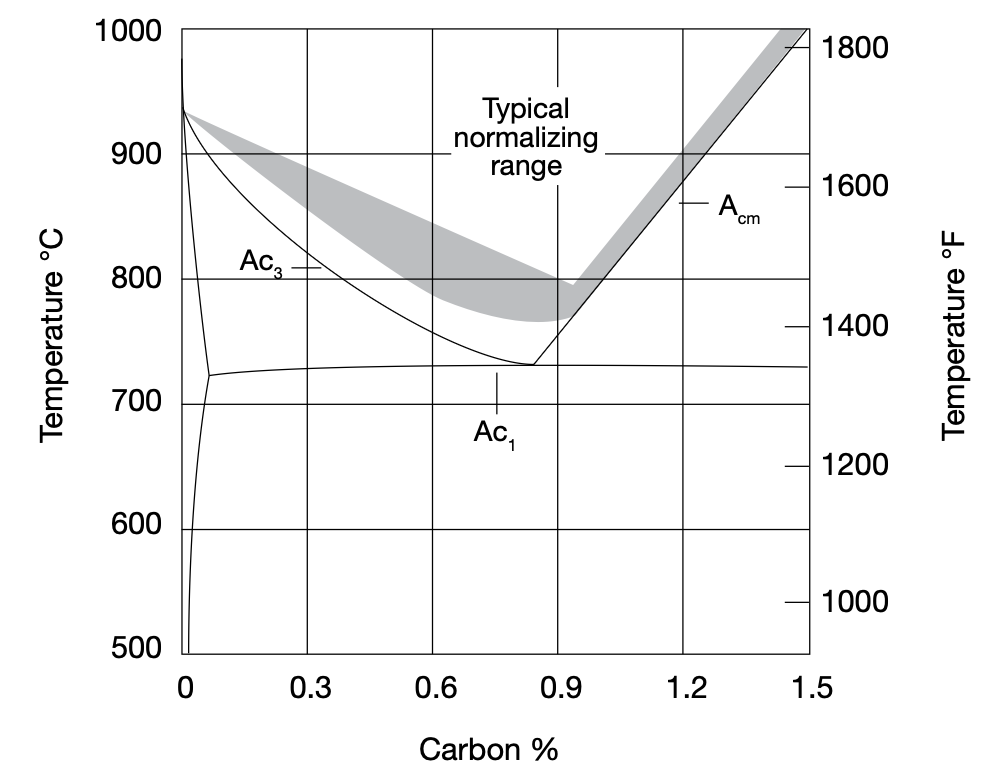
Figure 1. Partial iron-iron carbide
phase diagram showing the typical
normalizing temperature range for
plain carbon steel. (ASM Handbook
1991, p. 35)
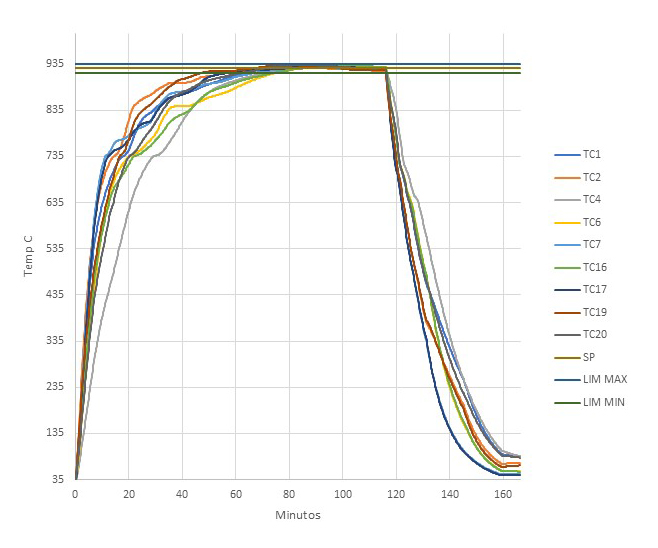
Figure 2. Normalizing temperature curve | Image Credit: NUTEC Bickley
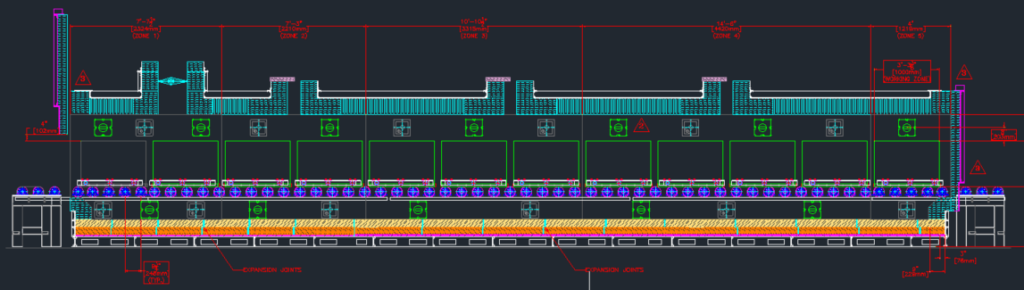
Figure 3. Example of a continuous furnace for normalizing forged parts | Image Credit: NUTEC Bickley

Why Normalize?

  • Reduces internal stresses after forging
  • Improves dimensional stability
  • Produces a homogeneous microstructure
  • Ensures a consistent structure across batches of forged parts
  • Helps better control potential problems in subsequent hardening or surface heat treatment processes

Isothermal Annealing

Isothermal annealing is a heat treatment applied to steels to soften their structure, improve machinability, and standardize their mechanical properties. It consists of heating the steel to the austenitizing zone — above Ac3 for hypoeutectoid steels (<0.8% carbon) and above Ac1 for eutectoid steels (≥0.8% carbon) — holding it until the desired austenite is achieved. The parts are then rapidly cooled to an isothermal temperature (usually 550°C–650°C/1020°F–1200°F) and held there until the transformation of the austenite to a fine pearlite is complete. Finally, parts are cooled in air.
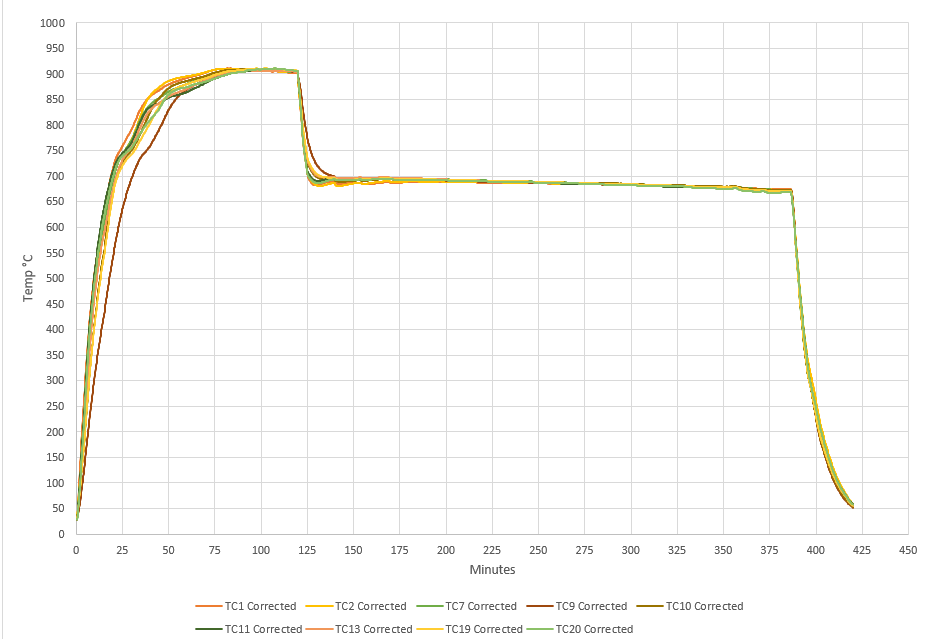
Figure 4. Typical isothermal annealing curve | Image Credit: NUTEC Bickley

It is essential to understand the isothermal transformation (IT) diagrams of the steels treated by these processes, as the ITs predict the desired microstructure after transformation, the transformation temperature, and the time required for this to occur.
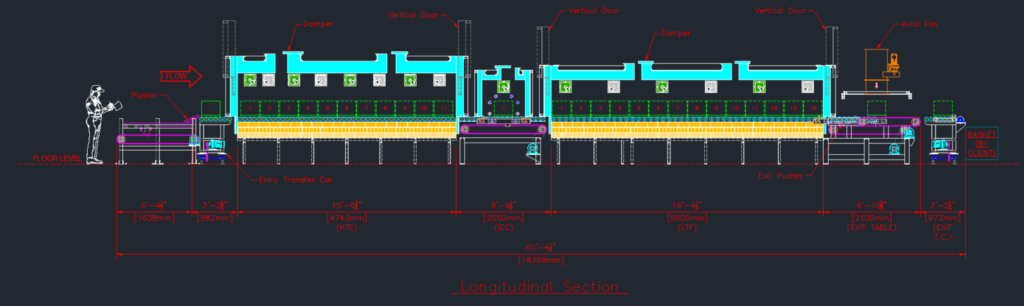
Figure 5. Example of an isothermal annealing furnace for forged parts | Image Credit: NUTEC Bickley

Main Objectives of Isothermal Annealing

The principal aim is to achieve a more homogeneous and softer structure than that obtained with conventional annealing. This helps:

  • To reduce internal stresses
  • To improve machinability and ductility
  • To achieve reproducible properties (by eliminating variability in the cooling rate during furnace annealing)
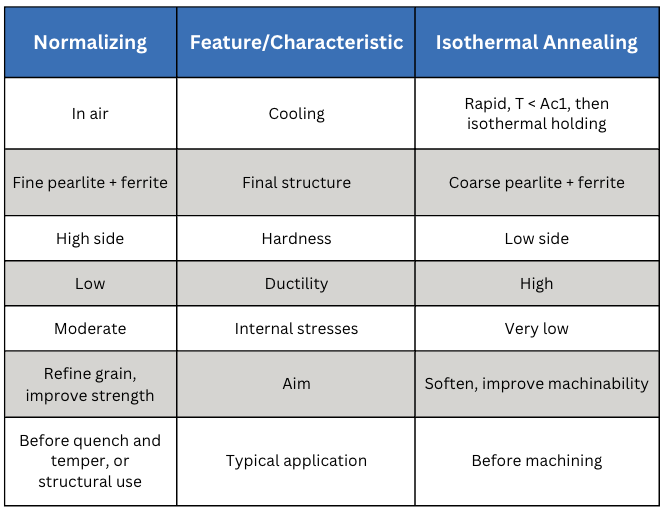
Table A. Comparative Summary — Normalizing v. Isothermal Annealing

Types of Furnace

The most typical continuous furnaces used for normalizing and isothermal annealing are as follows:

  • Pusher tray system
  • Roller hearth conveyor
  • Cast-link belt conveyor
  • Rotary hearth system

Let’s look at each one in turn and consider the advantages and disadvantages.

Pusher Tray Furnace
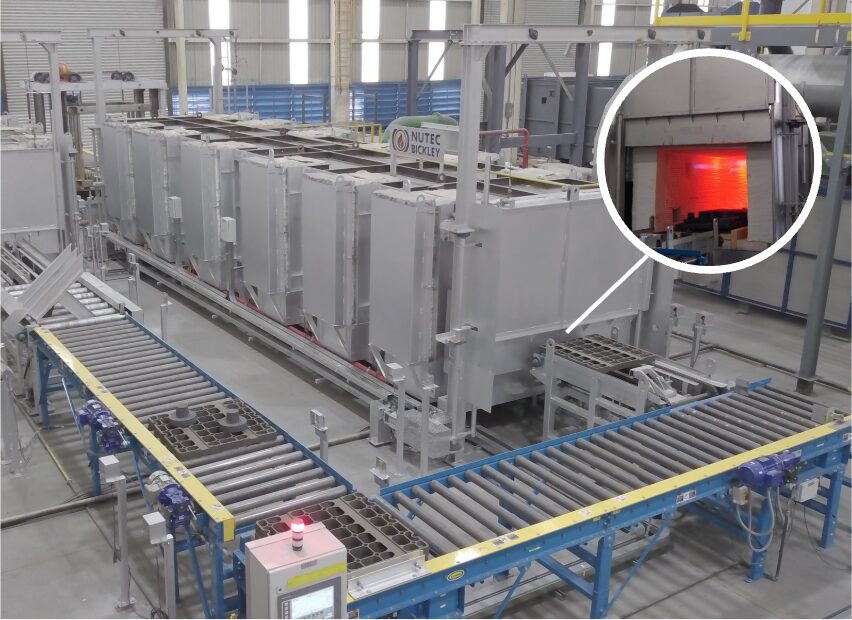
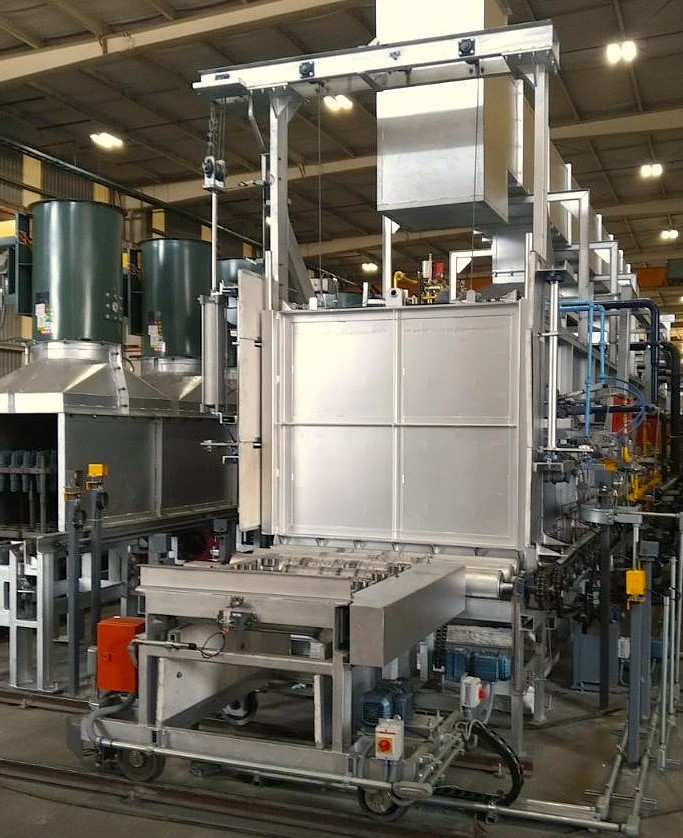
Figure 6. Pusher tray furnace | Image Credit: NUTEC Bickley

Pusher tray furnaces (Figure 6) offer many advantages, including a lower initial investment cost than other options. They have fewer mechanical components exposed to high temperatures requiring extensive maintenance, and the main equipment (tray pusher and puller) requires less maintenance. Short trays can be used in the direction of movement with good stability, and parts can also be loaded hung on the trays. Because the trays are closer together, the length of the furnace is shorter.

There are, however, some drawbacks. Most pusher tray furnaces only have burners firing above the load, which can affect temperature uniformity. Because of this, heating times can increase and there is less space for burners in areas of high heat demand. While main equipment maintenance is low, the trays tend to warp, resulting in additional costs. Finally, loading can be difficult and is not easily automated.

Roller Hearth Furnaces
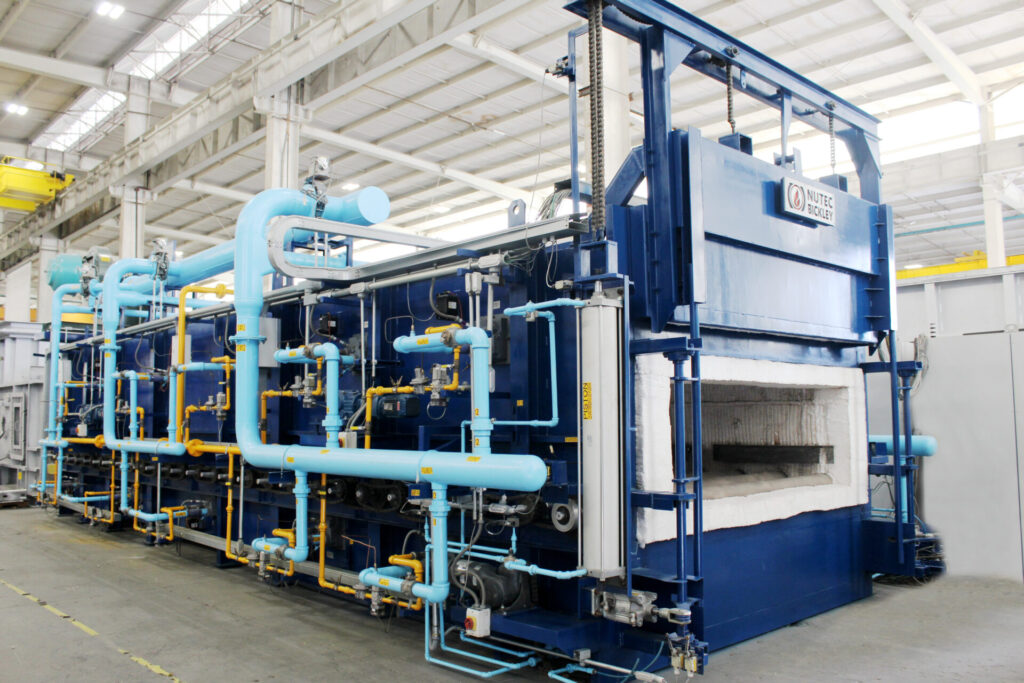
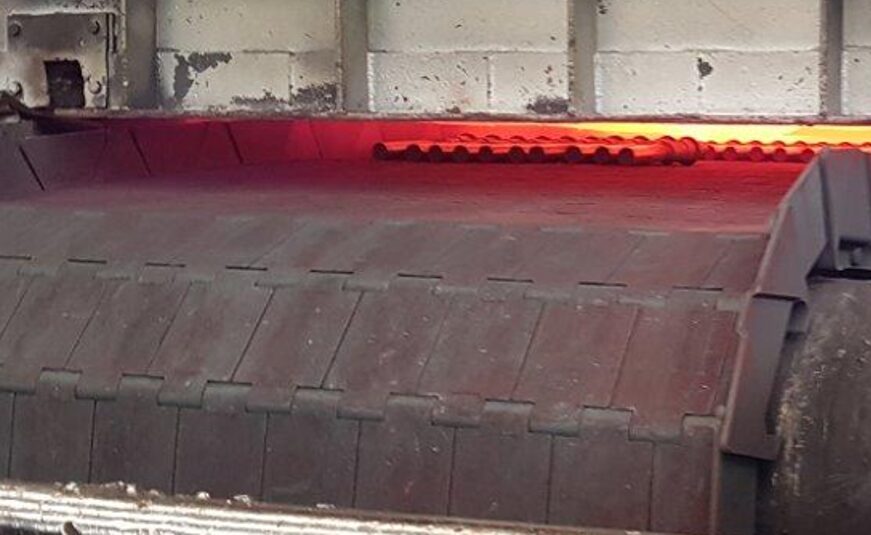
Figure 7. Roller hearth furnace | Image Credit: NUTEC Bickley

Unlike pusher tray furnaces, roller hearth furnaces (Figure 7) have burners that fire both above and below the load, making it easier to achieve uniform temperature. There is also more space for burners in areas of high heat demand. As with pusher tray furnaces, parts can also be loaded hung on trays.

In contrast, the initial investment for roller hearth furnaces is higher. There is additional maintenance due to the roller conveyor, including lubrication of bearings, chains, and roller replacement costs based on lifespan. Longer trays are also needed for good stability, increasing the furnace length.

Figure 8. Cast-link belt furnace | Image Credit: NUTEC Bickley

Cast-link belt roller hearth furnaces (Figure 8) offer a simplified loading system using automation to place parts directly on the conveyor belt (with parts lying flat only) or even in bulk. The configuration also allows for shorter furnaces, distributing more load width-wise.

Conversely, there are several disadvantages, including a very high initial investment cost due to the alloy belt, along with costs associated with belt replacement. These furnaces require more energy because the belt must be reheated as it cools down on its return. They also require maintenance for the roller conveyor, bearings, chains, and the belt traction system. Like pusher tray furnaces, they only have burners firing above the load, making temperature uniformity more difficult to obtain.

Rotary Hearth Furnaces
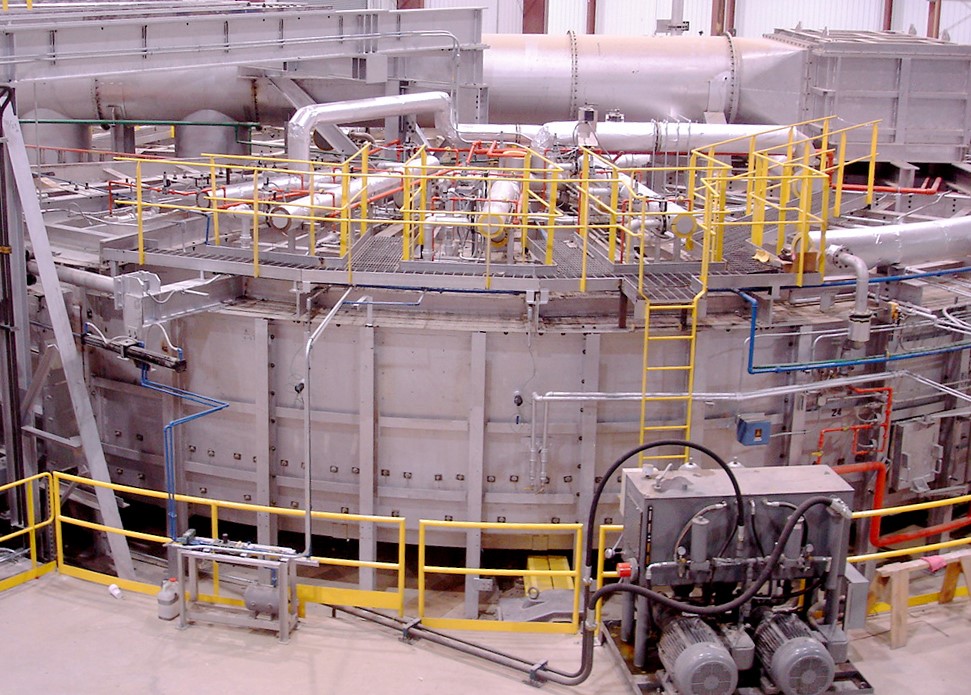
Figure 9. Rotary hearth furnace | Image Credit: NUTEC Bickley

Rotary hearth furnaces (Figure 9) have a moderate initial investment and carry many advantages. They allow for manual or automatic loading since parts are placed directly on the hearth (flat or in bulk), or can be loaded hung on trays using automatic loaders or robots. They occupy less floor space and have better thermal efficiency, since all the heat is directed to the product.

As with pusher tray and cast-link belt furnaces, most rotary hearth furnaces only have burners firing above the load, which can affect temperature uniformity. They typically require robots or loaders for high-volume, continuous production. While they occupy less floor space, the layout is unconventional because loading and unloading occur from the same side.

In Summary

Selecting the appropriate furnace for normalizing or isothermal annealing ultimately depends on the desired material properties, production volume, parts, and operational priorities. Each furnace type offers distinct advantages and trade-offs in terms of temperature uniformity, flexibility, maintenance, and cost, making it essential to evaluate both metallurgical requirements and practical plant constraints (Table B).
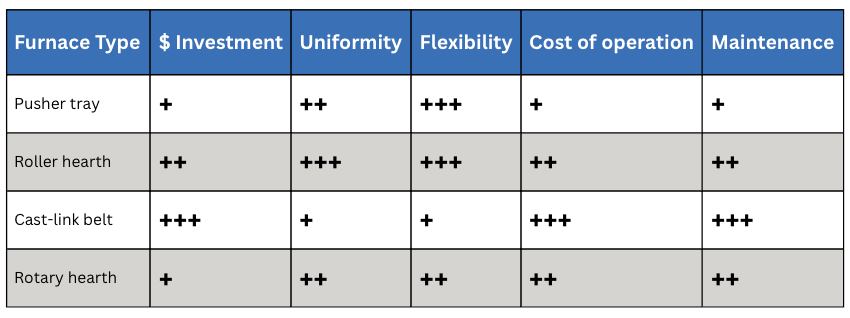
Table B. Comparative Summary

By understanding how heat treatment objectives align with furnace design — and partnering with a supplier who understands as well — you can make informed decisions to select and customize the most suitable furnace for your specific applications.

About The Author:

Arturo Arechavaleta
Vice President, Metal Furnaces
NUTEC Bickley

Arturo Arechavaleta, VP of Metal Furnaces at NUTEC Bickley, is a mechanical and electrical engineer (AA) and holds an MBA. He has 35 years of experience in the furnace industry, including the field of engineering, working on challenging projects, leading multidisciplinary teams, and managing business units.

For more information: Contact Arturo Arechavaleta at arturoarechavaleta@nutec.com.

Normalizing and Isothermal Annealing: Which Furnace Is Best? Read More »
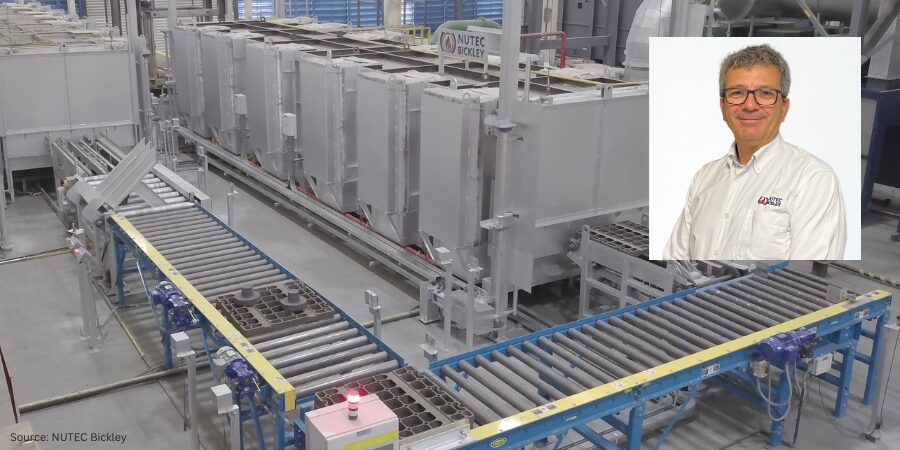
Major Drivetrain Technology Leader Expands Isothermal Annealing Capability

An international, multi-billion-dollar corporation at the forefront of drivetrain technologies has commissioned a complete isothermal annealing line, due to be delivered in Q1 2026. The furnaces are designed to be in compliance with CQI-9, the comprehensive audit covering the most common heat treat processes employed by the automotive industry. This investment underscores the automotive industry’s commitment to delivering higher-quality components while meeting stringent manufacturing standards.

Arturo Arechavaleta
Vice President, Metal Furnaces, NUTEC Bickley

The system has been designed in close collaboration with NUTEC Bickley to ensure everything meets the company’s specific operational needs. The contract comprises both high-temperature and low-temperature furnaces, as well as an isothermal cooling chamber and blast cooling tunnel, together with all the ancillary equipment and full material handling and conveying system.

Arturo Arechavaleta, VP Metal Furnaces at NUTEC Bickley, said: “Our client for this multifaceted project is an auto component world leader that supplies nearly every major vehicle manufacturer. It has an established reputation in delivering high quality parts and promoting sustainability in the supply chain. I am delighted the NUTEC Bickley was chosen to partner in the design and manufacture of this isothermal annealing line.”

At the heart of the new facility will be a double pusher tray high-temperature furnace (HTF) designed specifically for processing carbon steel automotive parts. The system incorporates a fully automatic electrical double pusher system with steel trays sliding over rails with idle rolls. Processing two trays across the width helps reduce the line’s footprint while maximizing throughput.

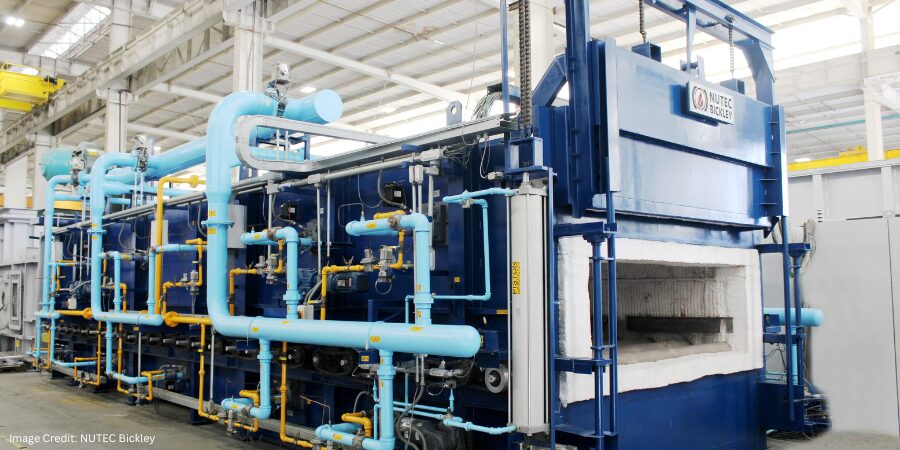
Example of a customized isothermal annealing furnace by NUTEC Bickley, engineered for the auto manufacturing industry

The natural gas unit features four automatic temperature zones, each with two high-velocity nozzle-mix burners that provide excellent turbulence and outstanding recirculation within the furnace chamber. Operating temperatures range between 850°C and 950°C (1560°F-1740°F), with temperature uniformity targets of ±5°C (±40°F) for processes below 680°C (1260°F) and ±10°C (±18°F) at or above 680°C (1260°F).

The isothermal annealing process involves multiple stages that work in seamless coordination.

First, forged carbon steel parts move into an isothermal cooling chamber (ICC) after initial heat treating where the load temperature is rapidly reduced from 950°C (1740°F) to 660°C (1220°F) within five to 10 minutes, bringing parts to their transformation point. This rapid cooling uses ambient air supplied from an external cooling fan.

Then, parts proceed to a low-temperature furnace (LTF) operating at between 630°C and 700°C (1170°F-1290°F), which uses a fuel-only control system for enhanced temperature uniformity. The furnace relies on three automatic temperature control zones and six burners.

Finally, tray loads pass through a blast cooling tunnel (BCT) where forced convection cooling with ambient air brings parts down to approximately 400°C (750°F) before exit.

The complete line includes comprehensive material handling and conveying systems that operate fully automatically. It features entrance and transfer cars with movement systems, transfer car tracks, exit transfer cars with tray dumper units, integrated air cooling units, return conveyors with electrical dolly systems, and automated loading stations. The entire parts handling system is linked to the process via Master PLC and HMI for seamless operation.

Press release is available in its original form here.

Major Drivetrain Technology Leader Expands Isothermal Annealing Capability Read More »

Gas-Fired Car Bottom Furnace for Heat Treatment

A heat treater in the U.S. Midwest anticipates greater heat treat abilities of ingots with a new gas-fired car bottom furnace. The furnace will be capable of handling both steel and aluminum ingots, with loads up to 150,000lb per cycle.

Arturo Arechavaleta
Vice President, Metal Furnaces
NUTEC Bickley
Source: NUTEC Bickley

NUTEC Bickley designed the furnace to operate across a wide temperature range. The high levels of temperature uniformity to be delivered by the combustion system mean that this furnace will be qualified to undertake AMS2750 compliant surveys.

Arturo Arechavaleta, NUTEC Bickley’s vice president of Metal Furnaces, said: “Our customer for this important project has been serving the industry with a dedicated heat treat facility for many decades, and is a widely recognized and trusted name in steel and aluminum circles.”

The working dimensions of the furnace are 12ft w. by 35ft l. by 14ft 6in h. Normal operational temperatures range between 300°F (150°C) and 1650°F (900°C), with a maximum of 2000°F (1095°C). With burners firing above and below the load, there are 11 automatic control zones (five top, six bottom). The optimum approach to heat treat these heavy loads is pulse firing with variable excess air.

The furnace uses high-velocity nozzle-mix burners in a staggered configuration to fire above and below the load, maximizing heat transfer and providing optimum temperature uniformity. One of the IMPS® (Integrated Multizone Pulsing System) modes is Excess Air Firing. Among other things, it allows control over very low temperature while high turbulence is maintained to achieve temperature distribution.

In the Ratio Firing mode, the air and gas valves pulse in a synchronized pattern, from low to high fire in stoichiometric ratio, to ensure optimal fuel efficiency. This is made possible by using the kinetic energy generated by the flame speed and the rapid transition from low to high fire which increases entrainment and turbulence, thus promoting a better temperature distribution without the need for a high level of excess air.

Press release is available in its original form here.


Gas-Fired Car Bottom Furnace for Heat Treatment Read More »

Manufacturer Expands Aluminum Heat Treat Capabilities

A provider in the power solutions industry has enhanced its operations with a heat treat drop-bottom furnace for the solution heat treatment of aluminum castings. This installation will increase the company’s production capabilities, with the furnace having a load setting of 48 in (123 cm) wide x 36 in (91 cm) high x 141 in (358 cm) long.

The furnace, the fifth designed and manufactured by NUTEC Bickley, has a single temperature control zone, typically operating at 1000°F (573°C), with a maximum of 1075°F (580°C). The load setting will accommodate up to three baskets, equivalent to around 3600 lb (1635 kg) of aluminum parts per cycle. The furnace has been customized to be indirect gas-fired using radiant tube burners. Additionally, the project incorporates a motorized quench tank, rails, movement system, and load/unload platform with elevator device.

Arturo Arechavaleta
Vice President, Metal Furnaces
NUTEC Bickley

“Efficient and effective solution heat treatment is a vital part of the aluminum casting process,” said Arturo Arechavaleta, vice-president of Metal Furnaces at NUTEC Bickley. “Without the sort of advanced system that we have custom-designed, volume production of high-quality aluminum parts is not feasible. We’re proud to have played an important role in this technology partnership.”

The indirect gas firing is via single centrifugal recirculation that produces a vertical flow pattern. Heating is achieved with four radiant tube burners that have individual flame safety devices. The burner system incorporates a motorized control butterfly valve, and the gas flow is controlled by proportional ratio regulators. This design, with its baffle arrangement, delivers an even flow pattern, providing excellent temperature distribution and control in the furnace’s load chamber and high-efficiency heat recirculation (convection) horizontally across the aluminum castings. Excellent temperature uniformity was always considered an important parameter, and this has been shown to be ±5.4°F (±3°C) under full test in the provider’s manufacturing facility.

In order to maintain excellent thermal efficiency in operation, the furnace walls are fully lined using ultra large proprietary ceramic fiber modules. Their configuration and fixing provide for excellent insulation and long life coupled with low maintenance. The insulation layer is 6 in (150 mm) thick and has a density of 12 lb/ft3 (192 kg/m3).

The installation will see the drop-bottom furnace itself stationary — in a fixed elevated position — with the quench tank and loading car moving to accommodate baskets at the selected position. The furnace has a single, pneumatically operated horizontal slide door. For these particular aluminum castings, the company will employ a motorized water quench system provided by NUTEC Bickley, as well as its rails included leveling and installation. The tank has been designed to accept a full load of pieces within the work basket when the furnace is positioned vertically above it.

Press releases are available in their original form here.


Manufacturer Expands Aluminum Heat Treat Capabilities Read More »

Skip to content