

Newton Heat Treating Upgrades Enhance Aerospace Processing Capabilities
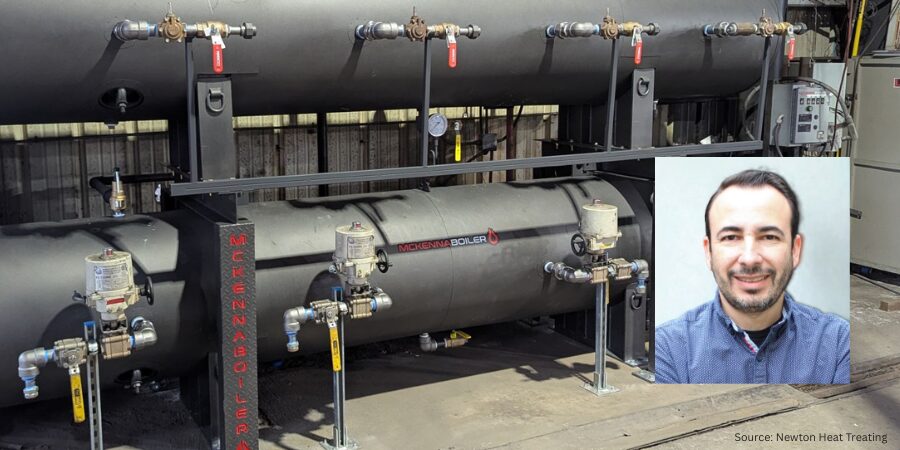
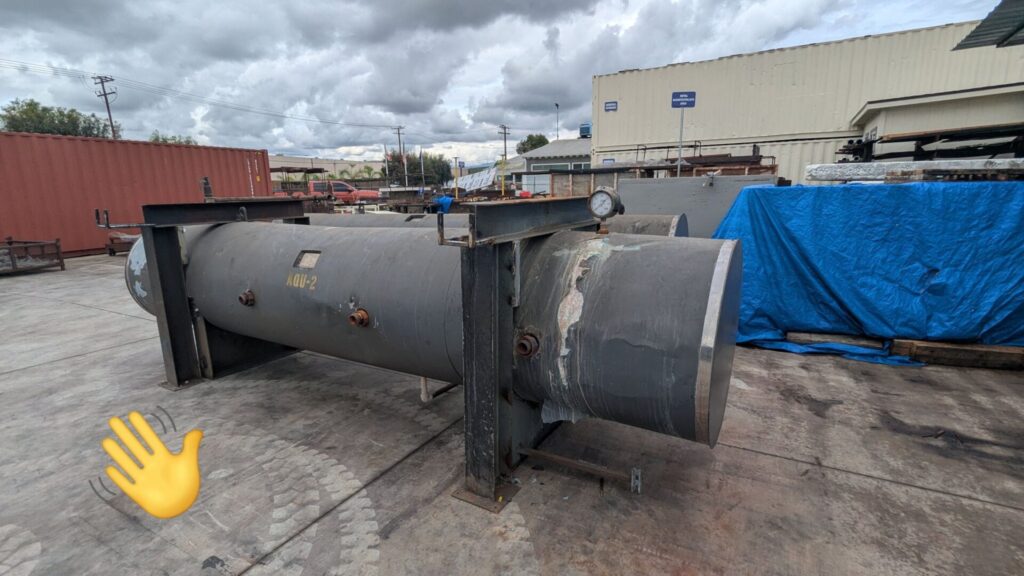
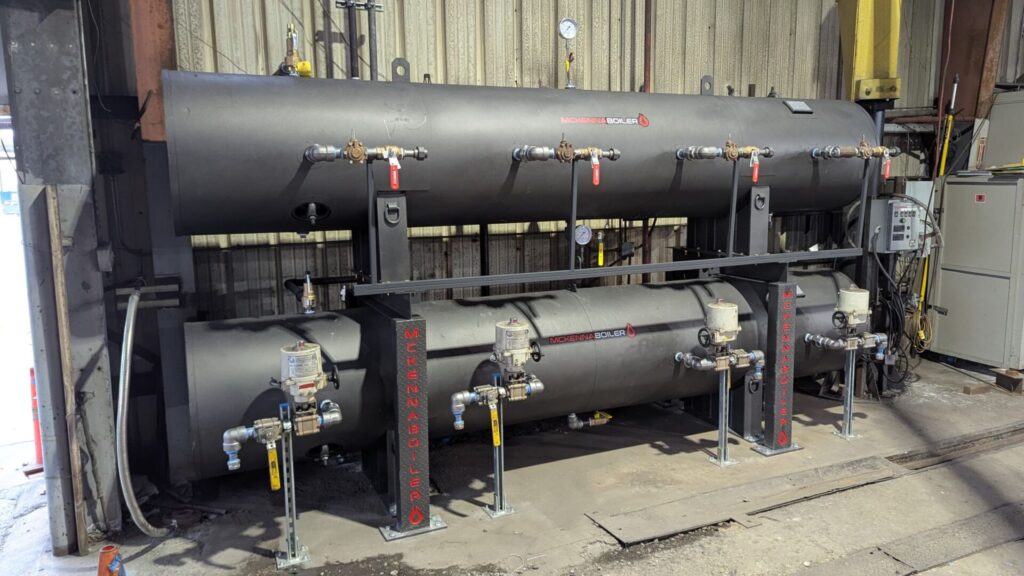
Newton Heat Treating has completed a major equipment upgrade, replacing steam accumulators that had been in service for 20 years in its uphill quenching/cold stabilization operation. The upgrade directly impacts the company’s aerospace processing capabilities, with many parts destined for optical components in space applications undergoing this critical heat treatment process.
SOURCE: Newton Heat Treating
SOURCE: Heat Treating

Quality Engineer
Newton Heat Treating
According to the company, the new steam accumulators have delivered immediate operational improvements. The heat treat transfer time from the steam accumulators to the steam chambers (where parts are inserted) is faster, providing better tensile stress reduction. Energy efficiency has also improved, with steam blasting time cut by about 10%.
John Avalos, quality engineer at Newton Heat Treating, reported, “primary operator who runs this process, Alfred Ojeda, said that the new steam accumulators don’t take as long to pressurize.” This will cut down on processing time, he explains.
Newton Heat Treating partnered with McKenna Boiler Works, Inc. for the installation project, which was completed on time and to specifications.
The uphill quenching/cold stabilization process is essential for aerospace components, particularly those requiring precise dimensional stability and stress relief for mission-critical optical systems used in space.
Want to learn more about uphill quenching? Check out the Heat Treat Radio episode where Newton Heat Treating CEO Greg Newton and John Avalos discuss this little-known but highly effective process for controlling residual stress in aluminum alloys.
Press release is available in its original form here. Additional details provided by the company.

Newton Heat Treating Upgrades Enhance Aerospace Processing Capabilities Read More »



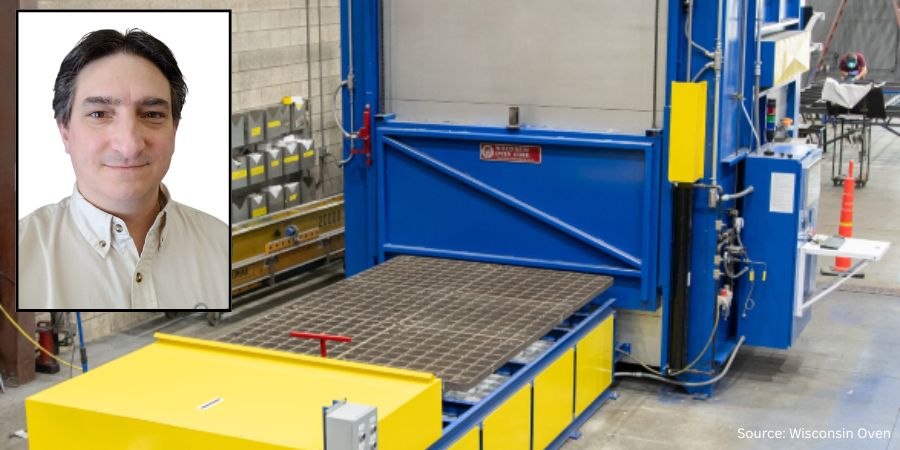


 A manufacturer of saw blades and tool steels will amp up its heat treating capabilities with two floor-standing box furnaces. The new furnaces will be used for stress relieving and tempering large steel castings.