

While salt baths and gas nitriding are time-tested methods for hardening, what about the stringent body depth, surface hardness and composite layer thickness requirements for gears, guides, and drilling tools?
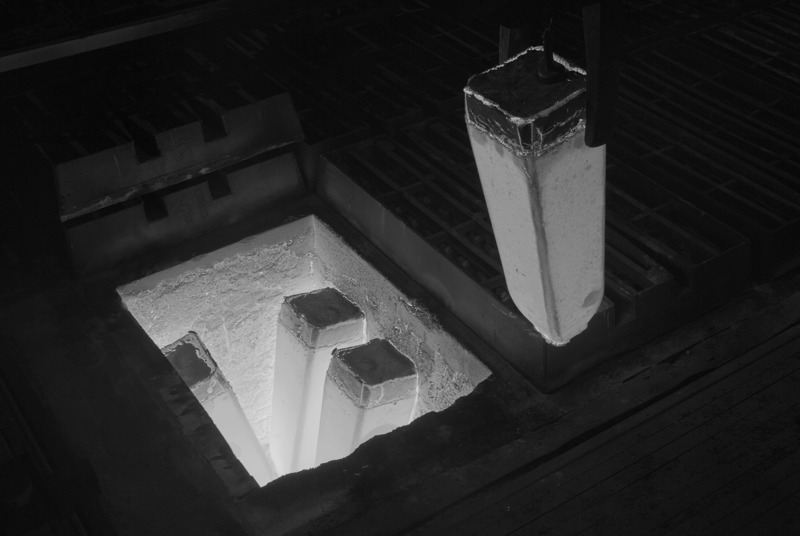
(photo source: https://ansion005.wordpress.com/)
In this Heat TreatTodayBest of the Web feature, Advanced Nitriding Solutions shares the advantages of the surface hardening process of ion nitriding with plasma ions. While this surface hardening process is typically applied on steel, the process is both informative and relevant to other materials in the heat treating processes.
An excerpt: "...the fatigue strength is improved five to ten times from its typical “raw” life, depending on the material and the construction of the part. Thus the fatigue strength is improved without distortion compared to other surface treatment methods, thus saving customers money."
Solar Atmospheres of Western PA is currently installing a new rapid quenching vacuum furnace that will ultimately eliminate the need for costly helium while increasing production throughput. In helium's place, the new furnace will use nitrogen only in the hardening process.
Solar Manufacturing Rapid Quench Furnace for Solar Atmospheres of Western PA (photo source: Solar Atmospheres)
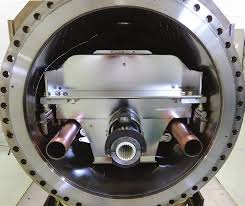
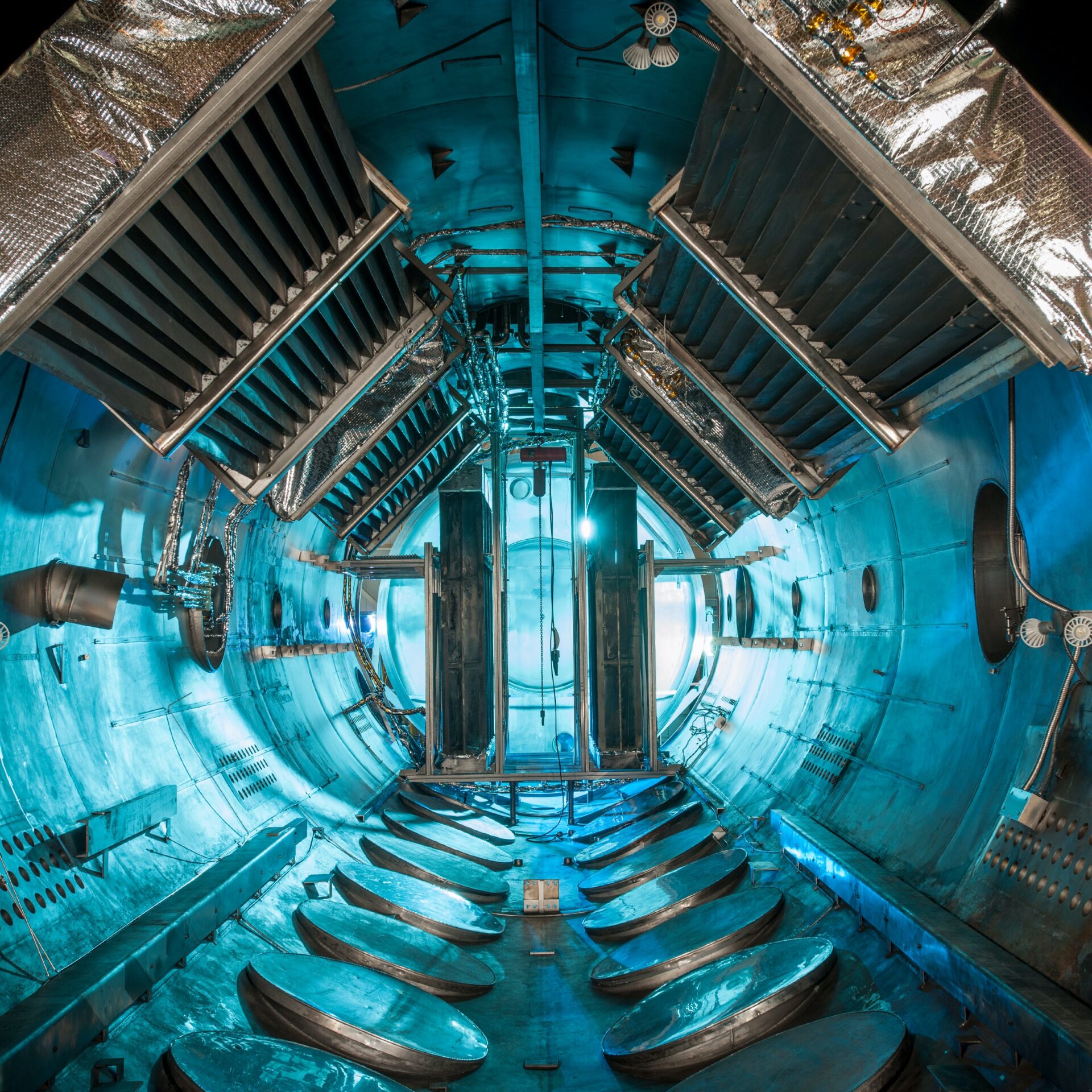
The new 48” x 48” x 96” deep 10 bar vacuum furnace is produced by Solar Manufacturing. The important difference in this furnace from its older model is the cooling design, which is equipped with a 600 HP blower designed motor. This will allow the new furnace to outperform its older model by processing larger and heavier workloads with the use of nitrogen only.
Bob Hill, President, Solar Atmospheres of Western PA
“The difference in operating costs is a no brainer,” states president of Solar Atmospheres, Bob Hill. “To marginally harden one 2000-pound high-speed tool steel roll die in our older 2 bar vacuum furnace, the use of light helium gas was a necessity. The prohibitive cost of a two atmosphere helium backfill was $1,065. Our new furnace will enable us to fully harden three 2000-pound roll dies at once using the more cost-effective process gas of nitrogen. In contrast the cost of a 10 atmosphere backfill of nitrogen will be only $89.” Hill predicts that with these increased efficiencies and savings, his normal ROI on a new piece of equipment will be significantly advanced.
Once operational, Hill will author a technical paper with the actual cooling data derived from these similarly sized vacuum furnaces.
One of the great benefits of a community of heat treaters is the opportunity to challenge old habits and look at new ways of doing things. Heat Treat Today’s101 Heat TreatTipsis another opportunity to learn the tips, tricks, and hacks shared by some of the industry’s foremost experts.
Today’s tips come to us from Control Concepts, covering SCR Environmental Conditions. Another contributor, Messer, also shares a tip on “Preventing Furnace Downtime.” These are great tips to make those fixes that can fly under the radar.
Heat Treat Today welcomes you to submit your own heat treat tip for the 2020 Heat Treat Today fall issue to benefit your industry colleagues. You can submit your tip(s) to karen@heattreattoday.com or editor@heattreattoday.com.
Heat Treat Tip #50
Using a Grounding Rod in Noisy Environments
This may be beneficial if you have a bad system ground. (Control Concepts)
Heat Treat Tip #51
Seal Away Dirt or Dusty Environments
Use a sealed enclosure or alternative cooled power controllers for dirty and dusty environments. For heavy dirt or dusty environments, a sealed cabinet with air conditioning or filters is recommended. Alternatively, select a SCR manufacturer that offers external mount or liquid cooled heatsinks to allow you to maintain a sealed environment in order to obtain maximum product life. (Control Concepts)
Heat Treat Tip #52
De-Rate Controller Above 6,000 Feet
De-rate controller for installations above 6,000 feet. As the air thins at increased elevations, natural convection and forced air cooling becomes less efficient. Follow the manufacturer’s recommendations for de-rating the SCR power controller above 6,000 feet altitude. (Control Concepts)
Heat Treat Tip #64
Prevent Furnace Downtime
If your atmosphere heat treatment furnace is experiencing frequent downtime, and circulation fans fail, it is probably time for an upgrade. New injection mixing technology uses nitrogen to stir the atmosphere and maintain its uniformity. (Messer)
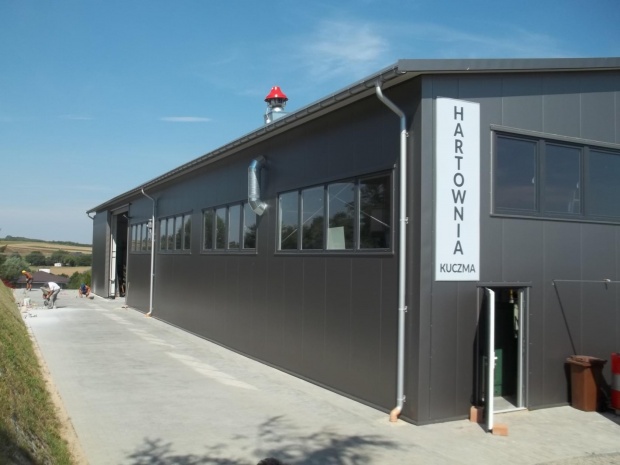
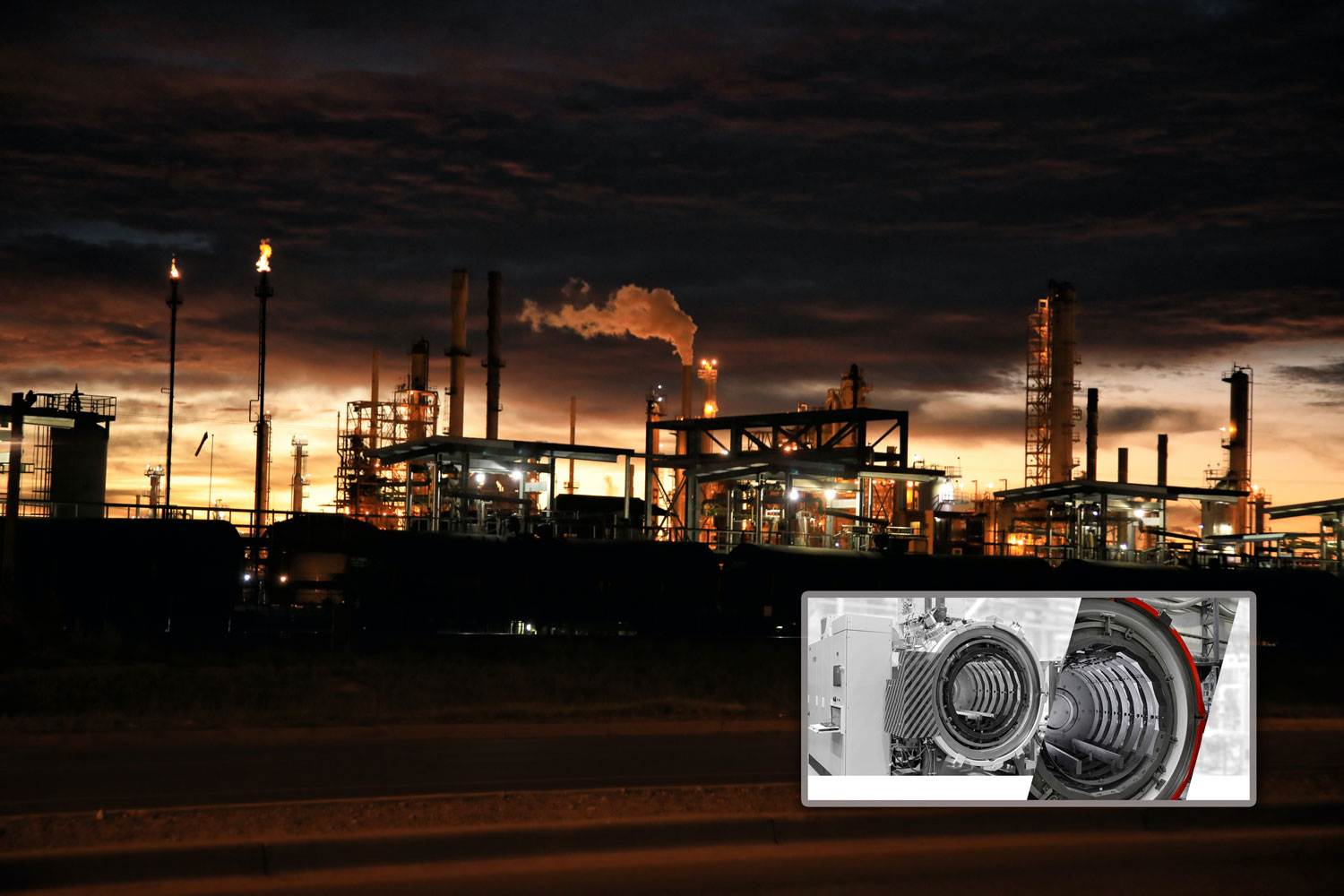
A family-run, commercial heat treating plant in Rzeszów, Poland, Kuczma Hardening Plant, will expand its heat treating capabilities with a new single-chamber vacuum furnace. A particular addition to this furnace is the directional cooling, which will allow the plant to perform quenching from both the sides and the top and bottom in order to precisely adjust the gas cooling system to the batch configuration.
The Vector® vacuum furnace from SECO/WARWICK is equipped with 1.5 bar gas quenching pressure. It will increase the capacity of the Kuczma Hardening Plant and will enable the plant to process parts with dimensions up to 600x600x900 mm. This furnace model specializes in heat treating many types of materials and metal alloys; additionally, its functionality includes gas hardening and tempering, annealing, brazing and degassing.
"Kuczma Hardening Plant," said Jerzy Kuczma, Kuczma Hardening Plant owner, "specializes mostly in vacuum quenching in gas, oil and gas nitriding of injection mould components and dies... On one hand, the SECO/WARWICK furnace will enable us to process larger components and increase our output for smaller ones on the other it will enable directional cooling sideways or top/bottom."
The hardening plant also performs carburizing, quenching, and tempering under protective endothermic atmosphere as well as clean stress relieving under nitrogen atmosphere.
Welcome to Heat Treat Today'sThis Week in Heat TreatSocial Media.As you know, there is so much content available on the web that it's next to impossible to sift through all of the articles and posts that flood our inboxes and notifications on a daily basis. So, Heat Treat Todayis here to bring you the latest in compelling, inspiring, and entertaining heat treat news from the different social media venues that you've just got to see and read!
"Quality aerospace bolts are more rigorously tested, more carefully manufactured, and more carefully studied than almost any other component on an aircraft. The reason?" Read more here, and check out the video to see high-impact landing that is required of fighter jets. See 5:10-8:06 for a forced landing on a stool when the pilot's nose gear failed.
2. Hot Heat Treat Technologies
Walk through this CGI Animation of Vacuum Brazing process to see the breakdown of the heat treating process without getting burnt.
3. Advancing Technologies
Check out TWO uses of cutting edge digital systems when applied to heat treat, and industry related processes. See below for the videos.
Digital Transformation of Thermal Processes
.
Tracking All Processes with Digital
SMS Digital: BIG RIVER STEEL - THE FIRST LEARNING STEEL PLANT
4. The Podcast and Reading Corner
Ever wanted to have access to resources for on the job training? Read or listen to the sources below to learn a new technique, tip, or other aspect of the industry.
.
A NEW Metal? Check out what carburizing and hardening can do.
"...carburized A-21 exhibited superior corrosion resistance in salt fog testing versus the other stainless steels. It also maintained good core mechanical properties of..."
.
The "How" Behind Nitrex's Rebranding
.
Finding a Balance: Read Ipsen's Blog, The Herald, on additive manufacturing and the thermal processing industry.
[blocktext align="center"]"Additive manufacturing is a disruptive technology with the potential to lower cost, increase speed and create parts once thought to be too complex and intricate to manufacture by conventional methods."[/blocktext]
"Balancing the Speed and Technology of Additive Manufacturing with the Mature and Methodical Thermal Processing Industry" (photo source: IpsenHarold.com)
5. Metal Music
Finally, here is some not-so-heavy metal music to start your weekend. Big thanks to Rosanne Brunello of Mountain Rep for the find! Have a great weekend, folks.
For the first time ever, heat treaters have successfully used hydrogen to heat steel before rolling. This historic development is the result of a full-scale trial that was performed with good results in a pit furnace at the Hofors rolling mill in Sweden.
Göran Nyström, EVP Group Marketing & Technology
Linde Gas AB and its partner, Ovako conducted a trial in which steel was heated using hydrogen instead of LPG (liquefied petroleum gas) before rolling at the mill in Hofors. The trial was successful, and testing of the steel produced showed that heating with hydrogen does not affect the quality. Additionally, the use of hydrogen in combustion would have a great positive effect on the environment since the only emission generated is water vapor.
“It is the first time that hydrogen has been used to heat steel in an existing production environment. Thanks to the trial, we know that hydrogen can be used simply and flexibly, with no impact on steel quality, which would mean a very large reduction in the carbon footprint,” says Göran Nyström, EVP Group Marketing & Technology.
Anders Lugnet, Anders Lugnet, Group Technical Specialist Energy & Furnace Technology, Ovako
“We have been working on furnace modernization for a long time, to make our furnaces as productive and energy efficient as possible," says Anders Lugnet, Group technical specialist, Energy & Furnace Technology at Ovako. "It is very exciting that we now have proof that it is possible to use hydrogen in heating without affecting the quality of the steel. If we can make this investment, it would have a great positive impact on the environment. Our estimate is that an initial investment would save 20,000 t of carbon dioxide each year, and that is just the beginning. We performed this trial in such a way that it can be reproduced at full scale in Hofors and at our other rolling mills.”
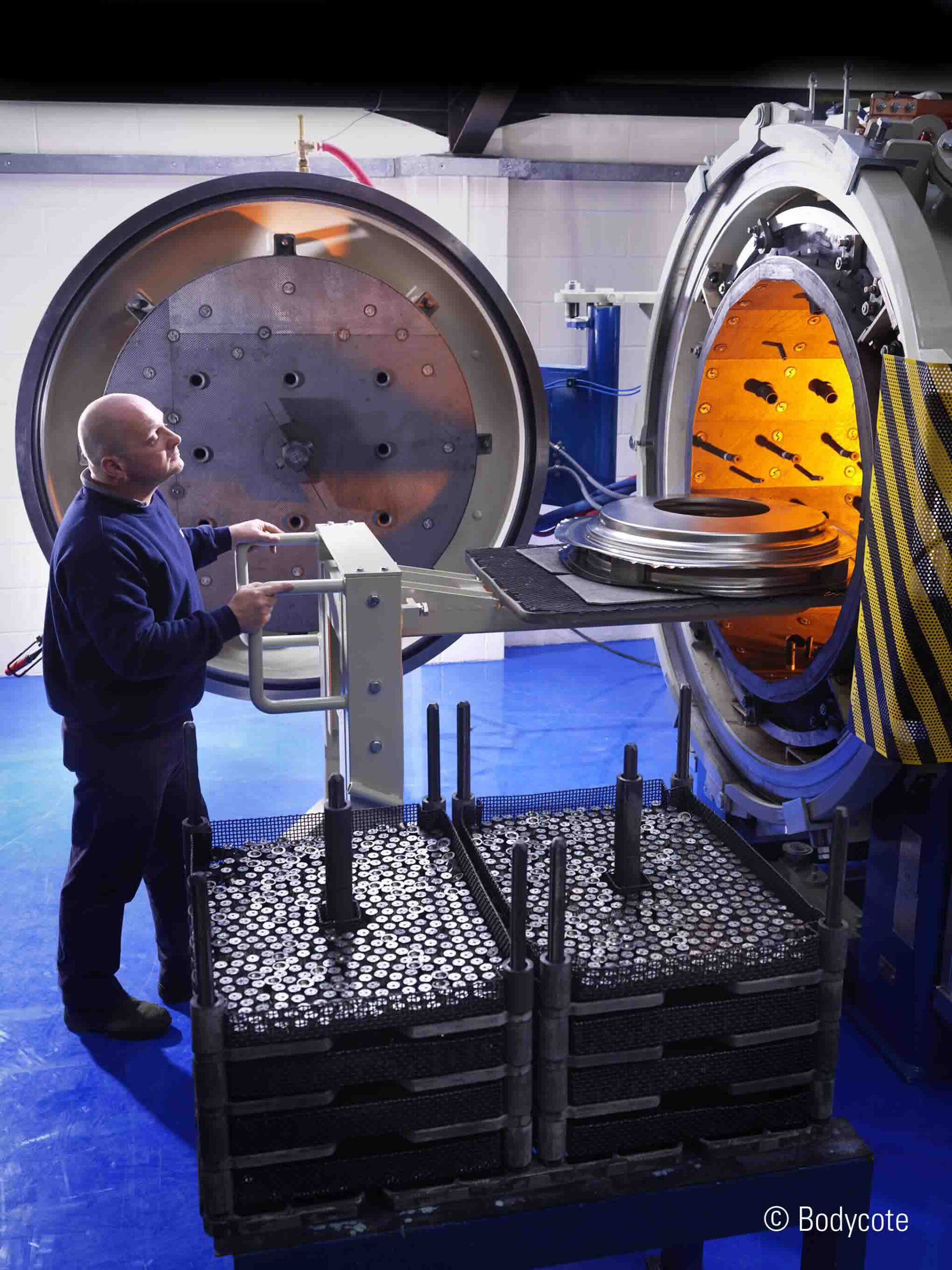
One of the world’s largest providers of heat treatments and specialist thermal processing services is opening a new location. Bodycote will soon unveil its state-of-the-art facility in Elgin, Illinois.
The new Bodycote location will support manufacturing supply chains in the Midwest (source: Bodycote)
The new purpose-built facility has been designed as a replacement for Bodycote’s ageing facility in Melrose Park, Illinois. The Elgin facility will support manufacturing supply chains in the Midwest region. The Melrose Park facility will be closed once the transfer of customers’ work has been completed.
Tom Gibbons, president of Aerospace, Defense & Energy, Heat Treat and Surface Technology at Bodycote
Bodycote continues to invest in acquiring, updating, and building new facilities with new capacity and more operationally efficient services. The new Elgin facility is part of this ongoing strategy to provide the best possible capabilities, mix, and geographical network to better serve customers.
Tom Gibbons, president of Aerospace, Defense & Energy, Heat Treat and Surface Technology at Bodycote, commented, “I am delighted to be able to announce the opening of our plant in Elgin, Illinois. Our investment in the new facility enables us to expand our capacity and improve our ability to deliver high-quality heat treatment capabilities to our customers.”
The new facility is scheduled to be operational in June 2020.
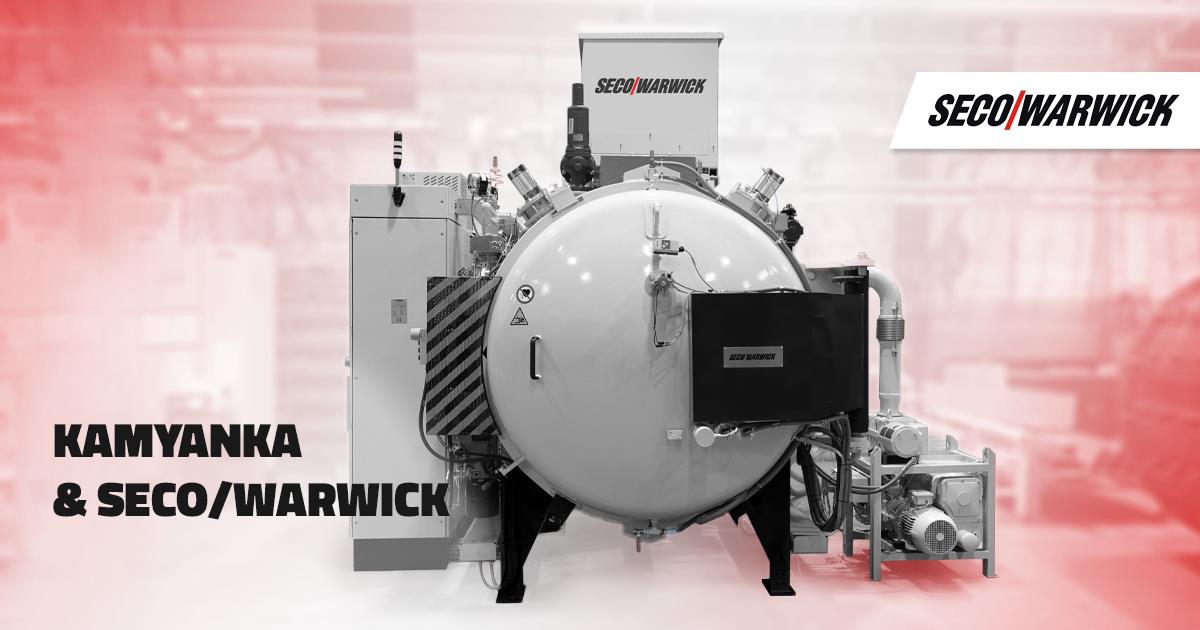
The parent company of a North American furnace manufacturer provided a furnace to Kamyanka Machine Building, an international leader in the production of pumps for manufacturing thread and chemical fibers, metallurgy and oil. The furnace will be equipped with a closed water system and gas installation so that the device can work independently.
Maciej Korecki, VP, Vacuum Furnace Segment at SECO/WARWICK (source: SECO/WARWICK)
Additional equipment from SECO/WARWICK in Meadville, Pennsylvania, will also include a vacuum carburizing option as well as quenching, heating in gas, and isothermal cooling. This will enable Kamyanka Machine Building Plant LLC, based in the Ukraine, to carry out full heat treatment processes in one device in accordance with their requirements. They will be able to perform three heat treatment processes in a single furnace instead of in separate operations.
(source: SECO/WARWICK)
"The solution we implement in Kamyonka Machine Building Plant is the result of many years of experience in the construction and service of the world's best heat treatment solutions," added Maciej Korecki, Vice President of the Vacuum Furnace Segment at SECO/WARWICK.
This is the first order from the Kamyanka Machine Building for SECO/WARWICK.
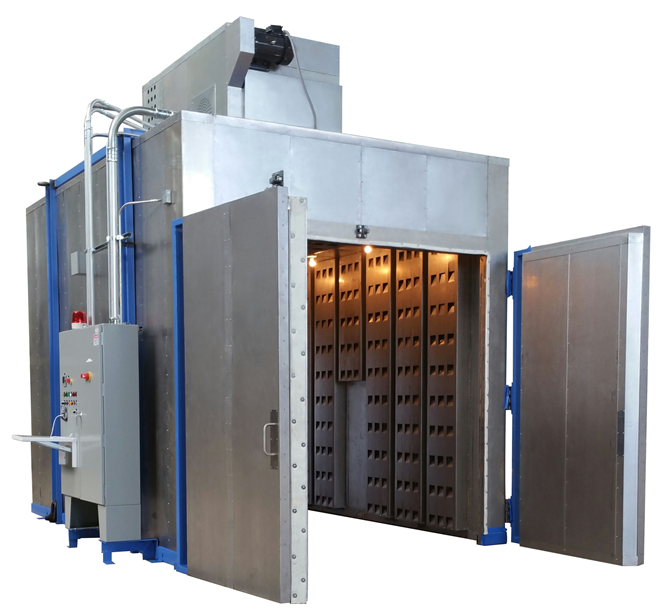
A leading tier 1 automotive supplier recently placed a large order for eight (8) custom designed walk-in ovens for aluminum aging of automotive parts with furnace manufacturer DELTA H.
(source: DELTA H)
The ovens will be qualified at class 2 (+/-10°F) and feature all necessary performance requirements for compliance to CQI-9 and AMS2750E specifications. DELTA H collaborated with the customer for 6 months on the design and approval phase.
All 8 ovens will be commissioned in late summer 2020.
As society begins to slowly reopen in the wake of the COVID-19 pandemic, equipment that has been sitting idle will need to be brought back online.
In this Heat Treat Today Original Content feature, Abbott Furnace gives us a few important considerations to ensure a successful return to operation.
1) Reference the manufacturer supplied manual for specific information regarding the re-starting of the equipment.
2) Be sure that water is flowing to all of the cooling chambers of the furnace.
3) Check that the belt is on and moving smoothly through the furnace. Watch for jerking or jumping of the belt that would indicate an issue with the drive or pathway through the furnace.
4) Enable the ramp mode in your controls to limit the heating rate of each zone to 55C (100F) per hour or less. If the furnace does not have a ramp mode, be sure to manually adjust the set-points of each zone so as not to exceed the suggested ramp rate.
5) Once the furnace reaches 150C (300F) , purge the furnace with nitrogen and allow the nitrogen to flow as the furnace continues to heat up.
6) When the zones of the high heat section of the furnace are above 760C (1400F), combustibles may be introduced and the furnace can continue to be ramped to the final processing set-points, once the pilots are ignited.
7) Allow the furnace atmosphere to re-condition the furnace, clean the belt, and stabilize.
Loading scrap metal that is free of oils, grease, and rust will help the furnace to “clean-up” and stabilize.