CARBURIZING TECHNICAL CONTENT

Temperature Monitoring and Surveying Solutions for Carburizing Auto Components: Thermal Barrier Design

This is the third in a 4-part series by Dr. Steve Offley (“Dr. O”) on the technical challenges of monitoring low-pressure carburizing (LPC) furnaces. The previous articles explained the LPC process and explored general monitoring needs and challenges (part 1) and the use of data loggers in thru-process temperature monitoring (part 2). In this segment, Dr. O discusses the thermal barrier with a detailed overview of the thermal barrier design for both LPC with gas or oil quench. You can find Part 1 here and Part 2 here


Low-Pressure Carburizing (LPC) with High-Pressure Gas Quench – the Design Challenge

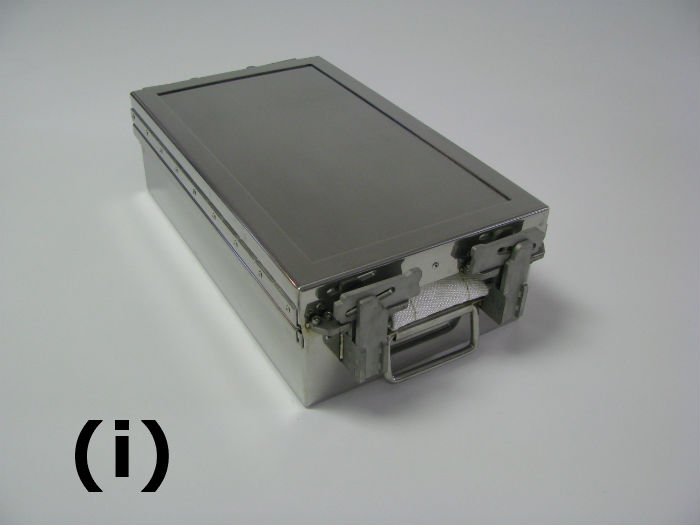
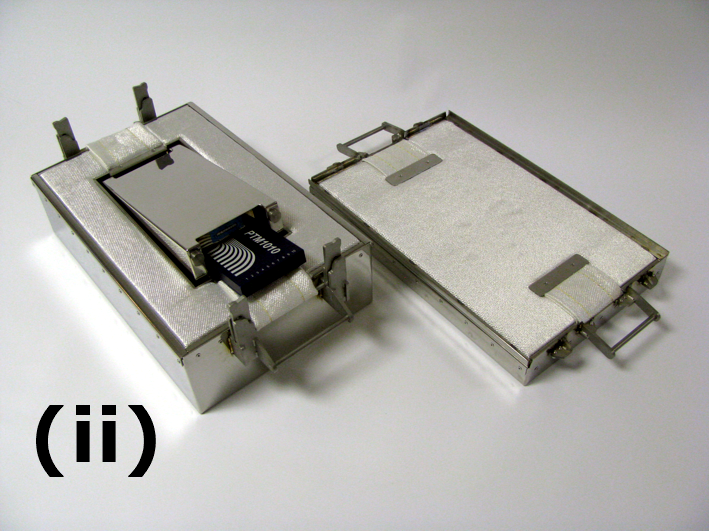
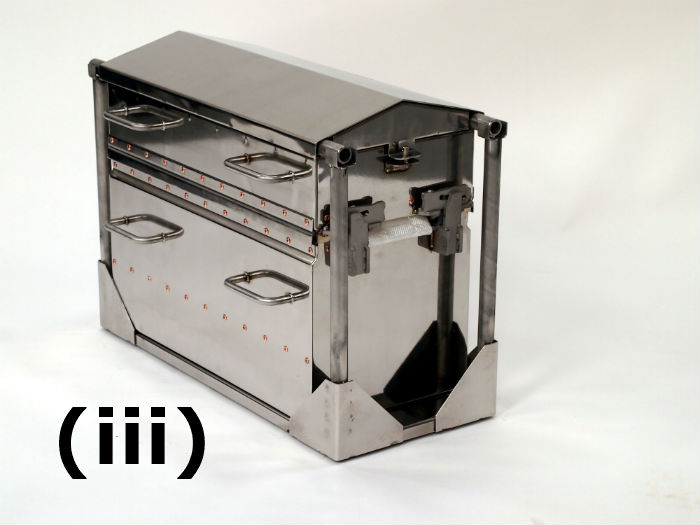
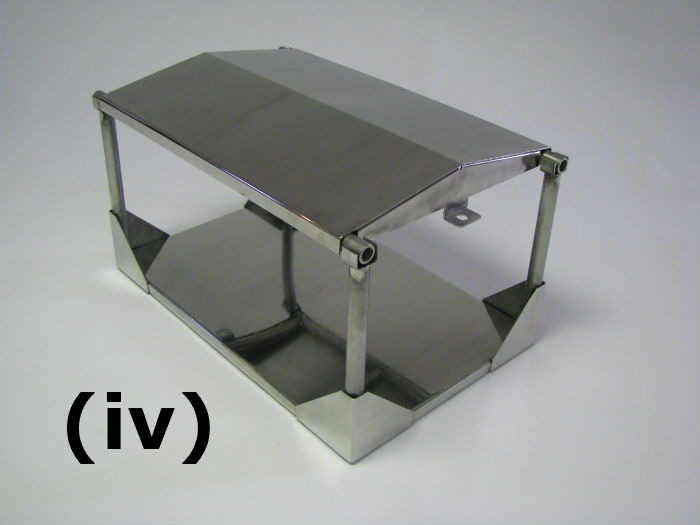
A range of thermal barriers is available to cover the different carburizing process specifications. As shown in Figure 1 the performance needs to be matched to temperature, pressure and obviously space limitations in the LPC chamber.


Fig 1: Thermal Barrier Designed Specifically for LPC with Gas Quench.

(i) TS02-130 low height barrier designed for space limiting LPC furnaces with low-performance gas quenches (<1 bar). Only 130 mm/5.1-inch high so ideal for small parts. Available with Quench Deflector kit. (0.9 hours at 1740°F/950°C).

(ii) Open barrier showing PTM1220 logger installed within phase change heatsink.

(iii) TS02-350 High-Performance LPC barrier fitted with quench deflector capable of withstanding 20 bar N2 quench. (350 mm/13.8-inch WOQD 4.5 hours at 1740°F /950°C).

(iv) Quench Deflect Kit showing that lid supported on its own support legs so pressure not applied to barrier lid.

The barrier design is made to allow robust operation run after run, where conditions are demanding in terms of material warpage.

Some of the key design features are listed below.

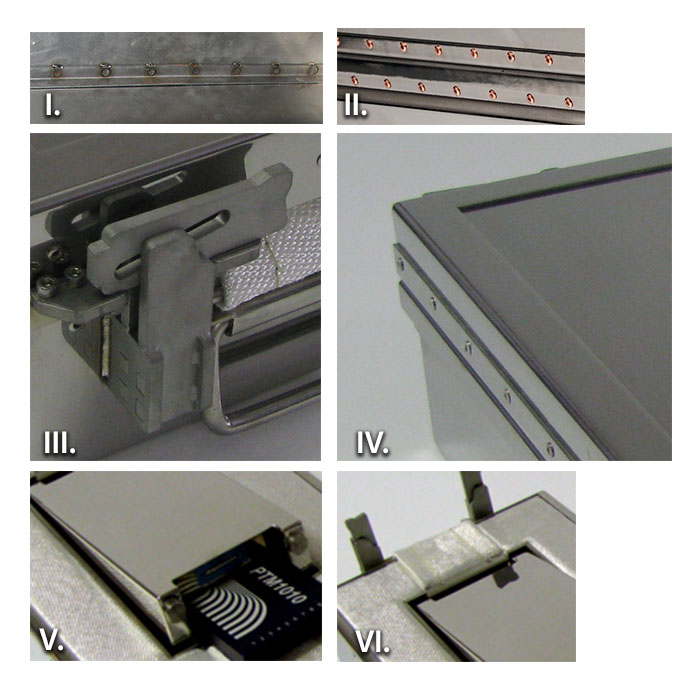
I. Barrier – Reinforced 310 SS strengthened and reinforced at critical points to minimize distortion (>1000°C / 1832°F HT or ultra HT microporous insulation to reduce shrinkage issues)

II. Close-pitched Cu-plated rivets (less carbon pick up) reducing barrier wall warpage

III. High-temperature heavy duty robust and distortion resistant catches. No thread seizure issue.

IV. Barrier lid expansion plate reduces distortion from rapid temperature changes.

V. Phase change heat sink providing additional thermal protection in barrier cavity.

VI.  Dual probe exits for 20 probes with replaceable wear strips. (low-cost maintenance)


LPC or Continuous Carburizing with Oil Quench – the Design Challenge

Although commonly used in carburizing, oil quenches have historically been impossible to monitor. In most situations, monitoring equipment has been necessarily removed from the process between carburizing and quenching steps to prevent equipment damage and potential process safety issues. As the quench is a critical part of the complete carburizing process, many companies have longed for a means by which they can monitor and control their quench hardening process. Such information is critical to avoid part distortion and allow full optimization of hardening operation.

When designing a quench system (thermal barrier) the following important considerations need to be taken into account.

  • Data logger must be safe working temperature and dry (oil-free) throughout the process.
  • The internal pressure of the sealed system needs to be minimized.
  • The complexity of the operation and any distortion needs to be minimized.
  • Cost per trial has to be realistic to make it a viable proposition.

To address the challenges of the oil quench, PhoenixTM developed a radical new barrier design concept summarized in Figure 2 below. This design has successfully been applied to many different oil quench processes providing protection through the complete carburizing furnace, oil quench and part wash cycles.

Fig 2: Oil Quench Barrier Design Concept Schematic

(i) Sacrificial replaceable insulation block replaced each run.

(ii) Robust outer structural frame keeping insulation and inner barrier secure.

(iii) Internal completely sealed thermal barrier.

(iv) Thermocouples exit through water/oil tight compression fittings.


In the next and final installment in this series, Dr. O will address AMS2750E and CQI-9 Temperature Uniformity Surveys, which often prove to be challenging for many heat treaters. "To achieve this accreditation, Furnace Temperature Uniformity Surveys (TUS) must be performed at regular intervals to prove that the furnace set-point temperatures are both accurate and stable over the working volume of the furnace. Historically the furnace survey has been performed with great difficulty trailing thermocouples into the heat zone. Although possible in a batch process when considering a semi-batch or continuous process this is a significant technical challenge with considerable compromises." Stay tuned for the next article in the series of Temperature Monitoring and Surveying Solutions for Carburizing Auto Components.

Temperature Monitoring and Surveying Solutions for Carburizing Auto Components: Thermal Barrier Design Read More »

Comparative Study of Carburizing vs. Induction Hardening of Gears

Modern rotary-wing aircraft propulsion systems rely on different types of gears to transmit power from the turbine engines to the rotors. The basic requirements of these gears are that they are high strength, sustain long life, meet weight considerations, and have a high working temperature and low noise and cost, among others.

Most importantly, these gears require a hard, wear-resistant surface with a ductile core.

Gas carburizing is the current heat treat method used to produce these aircraft quality gears, but this method of heat treatment is costly due to the large number of process steps, huge footprints, energy consumption, and environmental issues. Moreover, the final grinding of gear teeth to correct distortion produced during quenching reduces effective surface compressive stresses.

An investigation into low-cost alternatives for surface hardening aerospace spur gears was conducted where specimens of the selected gears were induction hardened using a patented process. Dimensional and microstructural analyses were conducted, and residual stress studies were performed. This article is a summary of the steps and observations of the case study that resulted from this investigation, which can be summarized this way:

The proposed induction process is a low-cost alternative to conventional gas carburization. In some applications, a 25% savings is estimated.

The first step to gear manufacturing demands a total understanding of aerospace gear requirements. As the gear transmits torque, the teeth are subjected to a combination of cyclic bending, contact stresses, and different degrees of sliding or contact behavior. It is, therefore, critical for a gear to have the proper case and core structure to withstand these loading conditions.

With every revolution, a cyclic bending load is applied, resulting in tensile stress at the root region of the gear. The core of the gear has to be soft to absorb impact load and prevent brittle failure. Due to high-speed contact between adjacent gear teeth, peak shear stresses generated at the surface act in the normal direction to the surface. Pitting, spalling, or case crushing types of failures can occur due to low residual stress or inadequate case depth.

For aircraft quality gears, typical surface hardness is around 58Rc to 60Rc. The case depth is in reference to 50Rc and is controlled by diametral pitch.

Carburization

Carburization hardening is the most widely used technique for surface hardening of aerospace quality gears. A brief introduction to carburization is necessary to understand the potential benefits of this process and how other surface transformation can improve on some of the drawbacks of this commonly used process.

After raw material is received, it is forged to achieve proper grain structure and core hardness. The alloy most commonly used is ASM 6260 (AISI 9310). This low carbon alloy steel exhibits high core toughness and ductility.

Parts are loaded in a furnace and heated to 1650ºF – 1750ºF in a carbon rich atmosphere, where approximately 1% carbon potential is maintained. The depth and level of carbon absorption depend on carbon potential, temperature, time inside the furnace, and the alloy content of the material. After the desired carbon gradient is achieved, the gears are cooled slowly. Then the parts are heated to austenitizing temperature and quenched.

The process depends on the size, geometry, dimension tolerances, and other gear requirements.

The heat treat cycles shown above are two commonly used carburization processes. The difference in post carburization steps depends on the alloy used and final product requirement.

The characteristic of carburization is the inherent distortion associated due to the difference in cooling rates between the thin web and thicker rim. Distortion can occur as a size growth, a change in involute profile, or the loss of crown in spur gears.

Case Hardening by Selective Heat Treatment

The number of process steps required to case carburize a gear can be significantly reduced only if the gear tooth surface areas are heat treated.

Processes for locally heating only the tooth surface include induction, flame, laser, and electron beam.

In order to use induction, steel with a minimum of 0.5% carbon must be used. Several different alloy steels were experimented with, such as AMS 6431, AlSl 6150, and AlSl 4350/4360/4370. These steels were selected due to their combination of toughness, temper resistance, hardenability, and strength. The hardened case is obtained by heating a specific volume of the tooth surface above the transformation temperature for that material. Rapid contour heating produced a case of martensitic structure around the profile-hardened area, resulting in high compressive residual stress at the surface at the root fillet. This compressive stress increases the tooth bending fatigue life, where tensile stress exists due to tooth bending.

Transformation hardening allows a significant reduction in process steps and associated fabrication costs, due to two different factors:

  1. Since sufficient carbon is already present in the base material, copper masking, plating, stripping and carburization steps are eliminated.
  2. In selective hardening, the area of the heated zone is limited to only the hardened sections, and distortion is minimal and predictable.

Surface hardening applications are generally controlled by three process parameters, namely frequency, power level, and time. In this respect, several different hardening processes have been used for gear hardening. The proposed method discussed in this presentation is known as Dual Pulse Induction Hardening (DPIH).

DPIH Process

The DPIH is a patented process (U.S. patent #4,639,279). The process uses single frequency for both the preheat and final heat cycles. Two different power levels are used. This allows the entire process to be performed in one setup, using a single solid-state power supply.

The DPIH process consists of the steps described below:


The heat treatment process steps for both the carburized and DPIH processes for the aircraft gear are compared below:


An 85% reduction in heat treat process steps occurs when the gear hardening method is changed from conventional gas carburization to DPIH.


Conclusion:

Comparison of the above data and the conventional carburization process to DPIH process.

Carburizing grade material has to be changed from low carbon to medium carbon steel for induction hardening. In both the processes, surface hardness achieved is comparable, but the characteristic of induction hardening is that the gear section maintains a constant hardness value from the surface up to the transition zone, where it rapidly drops to core hardness levels, unlike a more gradual decrease in hardness in case of carburized gears. Low distortion of induction hardening gear is also a major cost reducing factor.


Acknowledgment:

This work was performed at AGT, Division of General Motors.


Madhu Chatterjee is founder and president of AAT Metallurgical Services LLC in Michigan with extensive experience in advanced engineering, research and development, and process and product improvement. He is also one of the original dozen consultants that inaugurated Heat Treat Today’s Heat Treat Consultants resource page. You can learn more about Madhu Chatterjee here.


Look for more on aerospace heat treating in the upcoming special aerospace manufacturing edition of Heat Treat Today.

Comparative Study of Carburizing vs. Induction Hardening of Gears Read More »

Temperature Monitoring and Surveying Solutions for Carburizing Auto Components: The Data Logger

This is the second in a 4-part series by Dr. Steve Offley (“Dr. O”), Product Marketing Manager at PhoenixTM, on the technical challenges of monitoring low-pressure carburizing (LPC) furnaces. The previous article explained the LPC process and explored general monitoring needs and challenges. In this segment, Dr. O talks about the data logger and its monitoring capabilities. 


The Range of the PhoenixTM Data Logger

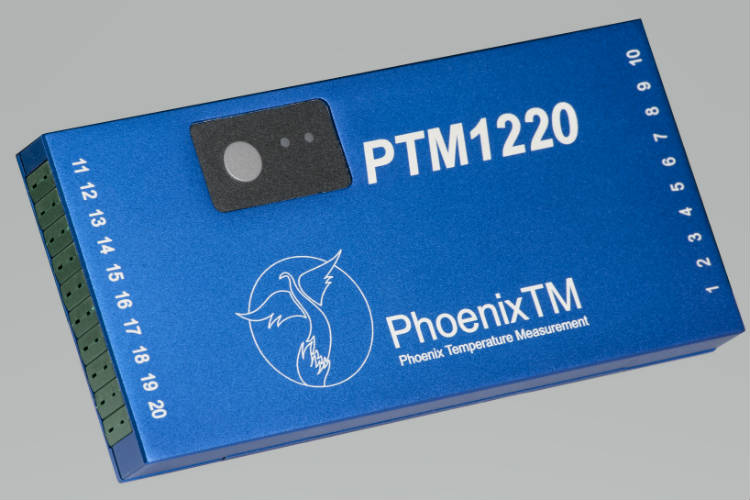
Figure 1: PhoenixTM PTM1220 20-Channel IP67 Datalogger

A data logger, an electronic device that records data over time or in relation to locatio, can be useful in a variety of configurations and modified to suit the specific demands of the process being monitored. A range of models are on the market. At PhoenixTM they include 6 to 20 channels with a variety of thermocouple options (types K, N, R, S, B) to suit measurement temperature and accuracy demands (AMS2750 & CQI-9). Provided with Bluetooth wireless connection for short-range localized download and reset (direct from within the barrier) the logger memory of 3.8M allows even the longest processes to be measured with the highest resolution to deliver the detail you need. An optional unique 2-way telemetry package offers live real-time logger control and process monitoring with the benefits detailed in a later section.


Live Radio Communication

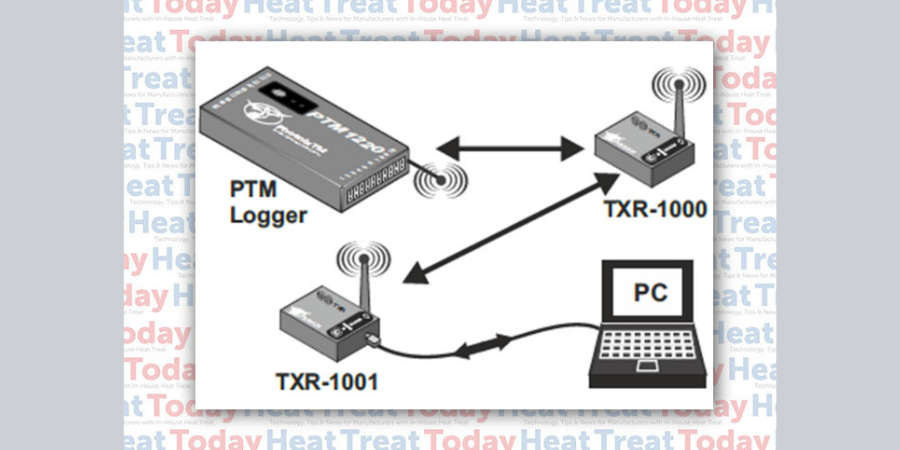
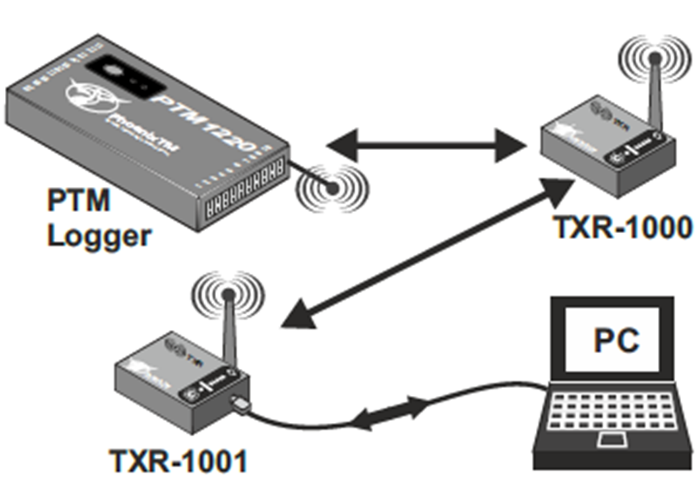
Figure 3: Schematic of RF telemetry real-time monitoring network

The logger is available with a unique 2-way RF system option allowing live monitoring of temperatures as the system travels through the carburizing processes. Furthermore, if necessary using the RF system it is possible to communicate with the logger, installed in the barrier, to reset/download at any point pre, during and post-run.

Provided with a high performance “Lwmesh” networking protocol the RF signal can be transmitted through a series of routers linked back to the main coordinator connected to the monitoring PC. The routers are located at convenient points in the process, positioned to maximize signal reception. Being wirelessly connected they eliminate the inconvenience of routing communication cables or providing external power as needed on other commercial RF systems.

In many processes, there will be locations where it is physically impossible to transmit a strong RF signal. In carburizing obviously within the oil quench, the RF signal is not capable of escaping when the system is submerged. With conventional systems, this results in process data gaps. For the PhoenixTM system, this is prevented using a unique fully automatic ‘catch up’ feature. Any data that is missed will be sent when the RF signal is re-established post-quench guaranteeing in most applications 100% thru-process data review.

Thru-Process Data Analysis and Temperature Uniformity Surveys (TUS)

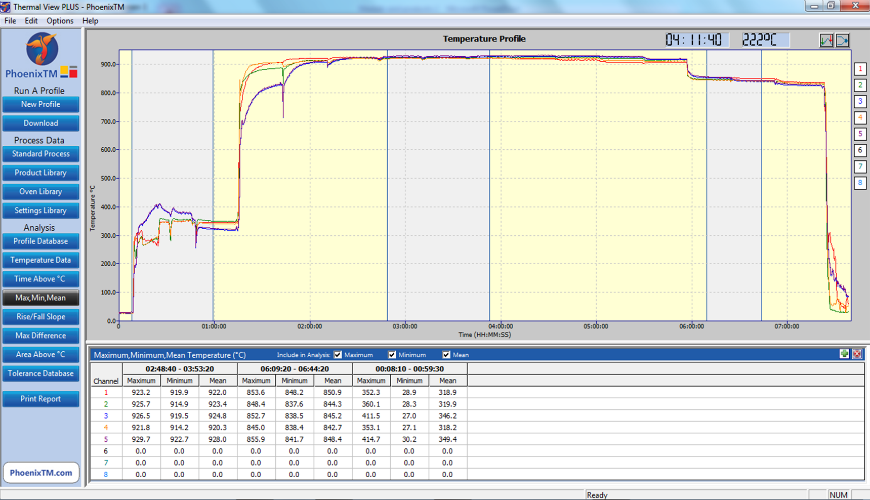
Figure 3: Thermal view SW displaying the temperature profile from a carburizing with gas quench process

In thru-process temperature monitoring, the data logger collects raw process data directly from the product or furnace as it follows the standard production flow. To understand the data to allow process control and optimization, a Thermal View software analysis is used.

Using a range of analysis tools, the engineer can interpret the raw data. Key analysis calculations can be performed such as:

  • Max / Min — Check maximum and minimum product temperature over whole product or product basket through phases of process carburizing, diffusion and quench.
  • Time @Temp — Confirm that the soak time above required carburizing temperature is sufficient for correct carbon diffusion and surface properties.
  • Temperature Slopes —Measure the quench rate of the product to ensure that the hardening process is performed correctly.


Next up in the series: Designing an Innovative Thermal Barrier — The carburizing process by its nature is very demanding when considering protection of the datalogger from high temperatures and rapid temperature and pressure changes experienced in either the gas or oil quench.


Temperature Monitoring and Surveying Solutions for Carburizing Auto Components: The Data Logger Read More »

Temperature Monitoring and Surveying Solutions for Carburizing Auto Components: Introduction

This is the first in a 4-part series by Dr. Steve Offley (“Dr. O”), Product Marketing Manager at PhoenixTM, on the technical challenges of monitoring low-pressure carburizing (LPC) furnaces. This introductory article explains the LPC process and general monitoring needs and challenges. 


Carburizing Process

Dr. Steve Offley (“Dr. O”), Product Marketing Manager PhoenixTM

Carburizing has rapidly become one of the most critical heat treatment processes employed in the manufacture of automotive components. Also referred to as case hardening, it provides necessary surface resistance to wear while maintaining toughness and core strength essential for hardworking automotive parts.

The carburizing heat treatment process is commonly applied to low carbon steel parts after machining, as well as high alloy steel bearings, gears, and other components. Being critical to product performance, monitoring and controlling the product temperature in the heat treatment process is essential.

The carburizing process is achieved by heat treating the product in a carbon-rich environment, typically at a temperature of 900 – 1050 °C / 1652 – 1922 °F. The temperature and process time significantly influences the depth of carbon diffusion and associated surface characteristics. It is critical to the process that, following diffusion, a rapid quenching of the product is performed in which the temperature is rapidly decreased. This generates the microstructure giving the enhanced surface hardness while maintaining a soft and tough product core.

Increasing in popularity in the carburizing market is the use of batch or semi-continuous batch low-pressure carburizing furnaces. New furnace technology employs the dissociation of acetylene (or propane) to produce carbon in an oxygen-free low-pressure vacuum environment, which diffuses to a controlled depth in the steel surface. Following the diffusion, the product is transferred to a high-pressure gas quench chamber where it is rapidly gas cooled using typical N2 or Helium up to 20 bar.

An alternative to gas quenching is the use of an oil quench, used commonly in continuous carburizing furnaces where the products are plunged into an oil bath.


Fig 1: Schematics of the LPC Carburizing process showing the Temperature and Pressure steps

Temperature Monitoring Challenges in Low-Pressure Carburizing

As already stated, the success of the carburizing process is governed by careful control of both the process temperature and duration in the heating and quench stages. Obviously, when considering temperature, we are interested in the product temperature, not the furnace. Measuring product temperature through a carburizing process, although possible using trailing thermocouples, as performed historically, is neither easy nor safe, and it disrupts production for lengthy periods.

PhoenixTM provides a superior solution with the use of a “thru-process” temperature monitoring system. As the name suggests, the PhoenixTM temperature profiling system is designed to travel through the thermal process, measuring the product and or furnace environment from start to finish. The system can be incorporated into a standard production run so does not compromise productivity. A high accuracy, multi-channel data logger records temperature from thermocouple inputs, located at points of interest on, in, or around the product being thermally treated. To protect the data logger as it travels through the hostile furnace, a thermal barrier is employed to keep the logger at a safe working temperature to prevent damage and ensure accuracy of measurement. The barrier also obviously needs to protect during the quench, whether that be against high pressure or oil ingress if the quench can’t be avoided.

Employing the PhoenixTM system a complete thermal record of the product throughout the entire process can be collected. A popular enhancement to the system is the use of 2-way RF telemetry, providing real-time process monitoring directly from the furnace, useful for either profiling or performing a live Temperature Uniformity Survey (TUS). The product temperature can be viewed live and downloaded at any point in the furnace. Raw temperature data collected from the process can be converted into useful information using one of the custom-designed PhoenixTM Thermal View Software packages available. The thermal graph can be reviewed and analyzed to give a traceable, certified record of the process performance. Such information is critical to satisfying CQI-9, AMS2750, and other regulatory demands. Fully TUS-compliant reports can be produced in moments from the simple and intuitive software, making accurate TUS a simple and quick task. Information can be used to not only prove product quality but provide the means to confidently change process characteristics to improve productivity and process efficiency (Optimize Diffusion, Soak and Quench).

Temperature Monitoring and Surveying Solutions for Carburizing Auto Components: Introduction Read More »

Novel Carburizing Method with Endocarb System Has Patent Awarded

On January 10, 2017, the United States Patent and Trademark Office awarded patent number 9,540,721 to George Barbour, President of Heavy Carbon Company for a Method of Carburizing which allows a carburizing process in a furnace at high temperatures in a protective atmosphere.  The primary function of this carburizing method  is soot control with an atmosphere flow providing a constant low CH4 to produce a strong reaction for a high quality atmosphere regardless of carbon potential set point.

This new method carburizes at a carbon potential well into the soot range while maintaining a controllable carbon potential with a stable CH4.  This stability maintains a constant reaction, cracking an air/gas mix in a self heated retort to a temperature of 1825f before entry into the furnace.  The high carbon potential penetrates the steel surface at a rate up to 30% faster saving time and money while producing higher quality parts.

In addition to the speed at a higher carbon potential at high temperatures, the atmosphere will also penetrate lower grade steels at lower temperatures without using ammonia to raise the HRC.  The air/gas mix is cracked in a retort outside the furnace to form the atmosphere and is heated at the same high temperature of 1825f before entry into the furnace.  In this manner, the low furnace temperature does not hinder the reaction that must take place in the furnace.

Soot control takes place simultaneously while the carburizing cycle is in operation therefore no time is lost to clean soot from the furnace, instead of using furnace time to remove soot and clean the furnace, loads can be run instead.  Time is money and soot burn out takes time.  Because less time is required per load less gas and power is used resulting in more cost savings.

The Heavy Carbon Company manufactures the patented system which is known as the Endocarb System.  The Endocarb System can be added to existing furnaces or built into a furnace at the time of manufacture.

Novel Carburizing Method with Endocarb System Has Patent Awarded Read More »

Carburizing vs Nitriding: Treatment Modeling

BOTW-50w  Source:  Thermal Processing Magazine

The finite element method can provide insights needed by engineers to calibrate thermal processes, whether it’s carburizing or nitriding, and maximize the benefits of the heat treatment.

Carburizing and nitriding treatments have the same goal: increase hardness on the surface while keeping the core ductility. Carburizing is a process where the part is placed in a confined environment regulated by its carbon content. By adjusting the parameters such as temperature and time, the carbon will diffuse into the part to a certain thickness. While the carbon content (%C) is fairly known at the locations where the carbon has diffused, it is harder to anticipate how far the carbon has diffused. The nitriding process uses the same concept but with nitrogen instead of carbon. The simulation of this process is helpful for the engineer to optimize the process. This article presents two examples to illustrate the carburizing and nitriding heat treatment processes.

Read more: Carburizing and Nitriding Treatment Modeling by Nicolas Poulain


Carburizing vs Nitriding: Treatment Modeling Read More »