


Manufacturing Heat Treat News

Novelis, Kobe Steel Join Forces with South Korea Heat-Treat Facility

Novelis Inc. announced in May that it has entered into a joint venture agreement with Kobe Steel, Ltd., a producer of aluminum rolled products in Japan. The joint venture, to be named Ulsan Aluminum, Ltd., will be formed by Novelis selling Kobe Steel 50 percent of its ownership interest in its Ulsan, South Korea facility for US $315 million. Through the venture, Novelis and Kobe Steel will jointly own and operate the Ulsan facility, with each company remaining responsible for its metal supply and commercial relationships.

Located in the industrial hub of Korea, Novelis’ Ulsan facility currently focuses on the production of rolled aluminum sheet for a variety of markets in Asia. The plant recently completed a major expansion, adding a new three-stand hot finishing mill as well as a pusher furnace and annealing furnaces.

Novelis, Kobe Steel Join Forces with South Korea Heat-Treat Facility Read More »

Aerospace, Automotive, Commercial Heat Treating, Medical and MIM Industries Purchase Equipment

Leading companies in the aerospace, automotive, commercial heat treating, medical, and metal injection molding industries received shipment of 25 furnaces during the last three months of 2016 from Ipsen, one of North America’s leading suppliers of industrial heat treating furnaces. Furnaces were received at heat treat facilities in six counties and 13 U.S. states and ranged in design from custom-built debinding and sintering furnace to a horizontal vacuum furnace (MetalMaster®) with 20,000-pound (9,072 kg) load capacity.

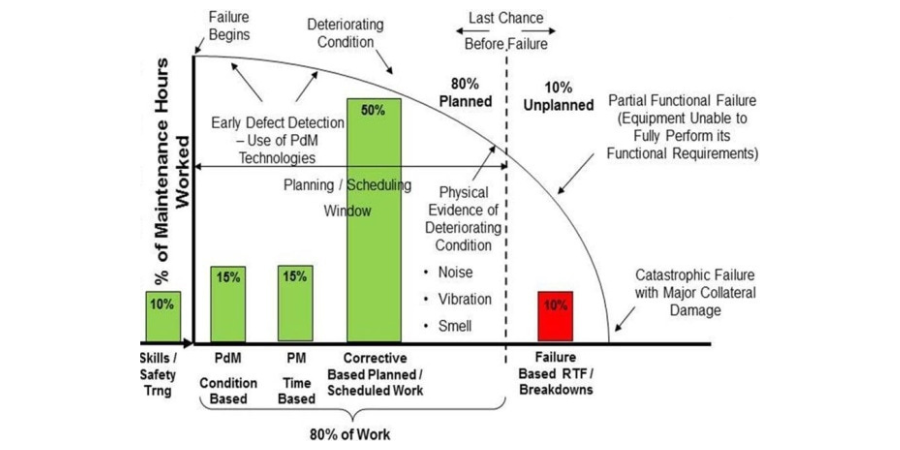
Newly received units also included an atmosphere washer and loader and several TITAN® vacuum furnaces equipped with PdMetrics® predictive maintenance software designed to optimize equipment performance and minimize downtime. Other vacuum furnaces received included horizontal and vertical MetalMaster furnaces, TITAN DS (debinding and sintering) furnaces, a VerticalTurbo, a TITAN LT (low-temperature), a horizontal TurboTreater® and an HEQ (horizontal external quench) from the VFS® product line.

The company’s global ICS (Ipsen Customer Service) Team facilitated system installations, as well as provided expert training, startup assistance and 360° support throughout the entire life span of the equipment for any brand.

Aerospace, Automotive, Commercial Heat Treating, Medical and MIM Industries Purchase Equipment Read More »

Aftermarket Partnerships Help Extend Equipment Life and Efficiency

BOTW-50w  Source:  AZO Materials

Total lifecycle cost of running a piece of equipment can be significantly reduced if the right end-user/OEM cooperation can be established. This article helps captive heat- treaters think through the process of establishing a profitable partnership with their equipment’s original manufacturer.

Read More: Directing Thermal Processing Efficiency Alongside OEM Parts Replacement Strategies

Aftermarket Partnerships Help Extend Equipment Life and Efficiency Read More »

Coupling CFD and Oil Quench Hardening Analysis of a Gear Component

BOTW-50w  Source:  Thermal Processing for Gear Solutions

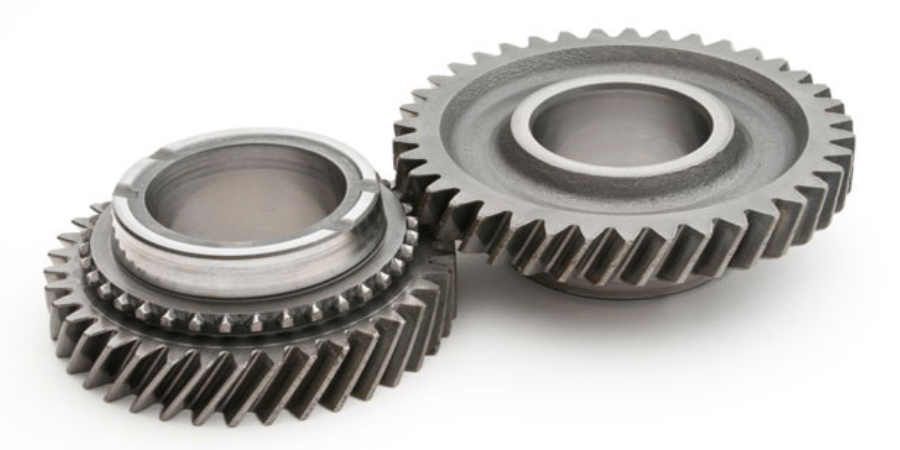
“The coupling of CFD and heat treatment analyses provides a more robust application of computer modeling to predict the latent heat release, distortion, and residual stresses during the quench hardening process.”

Read More:  Coupling CFD and Oil Quench Hardening Analysis of a Gear Component by B. Lynn Ferguson, Zhichao (Charlie) Li, David Greif, Zlatko Kovacic, Simon Urbas, Rok Kopun

Coupling CFD and Oil Quench Hardening Analysis of a Gear Component Read More »

Heat Treating Involved in Production of Speakers

BOTW-50w  Source:  ETMM The Website

“One look at the back of the part told me it was filled with one sub-gate (see Figure 2). In the US at the time, we were trying to pack out this type of speaker grill with 12-drop systems, which resulted in poor fill and a lot of stress in the piece. In Japan, mouldmakers were using a mould material developed to enhance venting. This was a steel manufactured with interconnecting pores so the gas could pass through the seemingly solid piece of metal. To make this steel, powder metal was combined with metal fibers for added strength, cold-pressed into master blocks measuring 215 by 300 by 650 mm, sintered and heat-treated to 35 HRC. It was available with average pore diameter of either 7 or 20 microns; porosity averaged 25 percent of the mass of the block. Other materials available at the time ranged from porous ceramics to sintered porous vent buttons.”

Read More: The Potential of Enhanced Venting Materials by Tom Schade

Heat Treating Involved in Production of Speakers Read More »

Walking Beam Furnace Energy Savings: New Skid Pipe Insulation Concept

BOTW-50w  Source:  Heat Processing On-Line

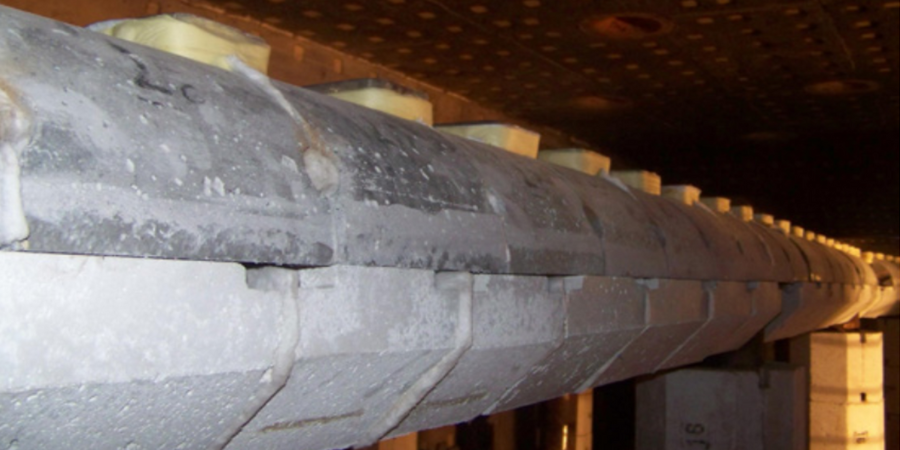
This paper discusses how energy consumption and energy loss can be reduced in reheating furnaces of hot rolling mills by using new lightweight refractory materials and a new lining concept for the skid pipe insulation.

Walking Beam Furnace Energy Savings: New Skid Pipe Insulation Concept Read More »

Heat Treatment Used in Building Conformal Cooling Inserts

BOTW-50w  Source:  MoldMaking Technology

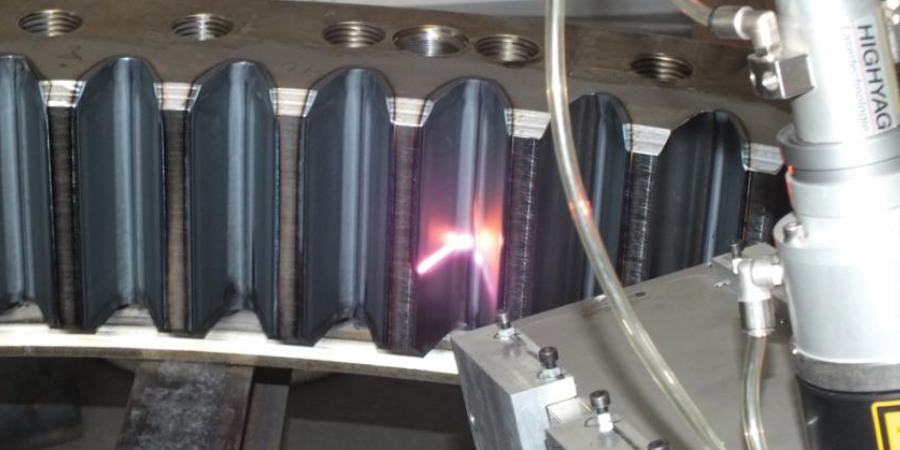
“The process of building conformal cooling inserts can be generally broken up into four steps: 1) simulating the molding process, 2) insert design and optimization, 3) 3D direct metal laser melting, and 4) post processing. Simulation software in the first step allows tool designers to visualize flow capabilities and thermal properties that can cause mold deformation prior to actual production. Cavity block or core block inserts then can be designed with conformal water lines in place, based on simulation results. The layer-by-layer 3D-printing that comes next not only can be completed in a number of materials that match conventional tool steels, but the resulting built-in channels will exhibit outstanding geometric flexibility. Post-processing tasks include stress relief and heat treatment, using EDM to machine the part from its platform base, polishing the part surface, adding water lines, and inspection.”

Read More:  Reshaping Moldmaking by Lou Young

Heat Treatment Used in Building Conformal Cooling Inserts Read More »

Stainless Steel Can Be Heat -Treated to 50 – 53 HRC

International Mold Steel will introduce S-Star-A, a 420 stainless steel in the annealed condition that can be heat-treated to hardness of 50-53 HRC and will be stocked in plate form to 6″ thick. S-Star-PH is a prehardened (30/34 HRC) 420 stainless steel that can also be heated to 50-53 HRC and will be stocked in round bar ranging to 4″ in diameter.

The company also recently added new processing capabilities, including a large plate saw that can cut to 24″ thickness, side milling to 31.5” square and gun drilling to 1 3/4″ in diameter by 84″ long.

Stainless Steel Can Be Heat -Treated to 50 – 53 HRC Read More »

Skip to content