MANUFACTURING HEAT TREAT

Tips for Your Vacuum Furnace

One of the great benefits of a community of heat treaters is the opportunity to challenge old habits and look at new ways of doing things. Heat Treat Today’s 101 Heat Treat Tips is another opportunity to learn the tips, tricks, and hacks shared by some of the industry’s foremost experts.

For Heat Treat Today’s latest round of 101 Heat Treat Tipsclick here for the digital edition of the 2020 Heat Treat Today fall issue (also featuring the popular 40 Under 40).

Today’s tips come to us from Grammer Vacuum Technologies, Inc. and are all about that clean, bright equipment solution: vacuum furnaces.


Heat Treat Tip #8

TZM Moly Hearths

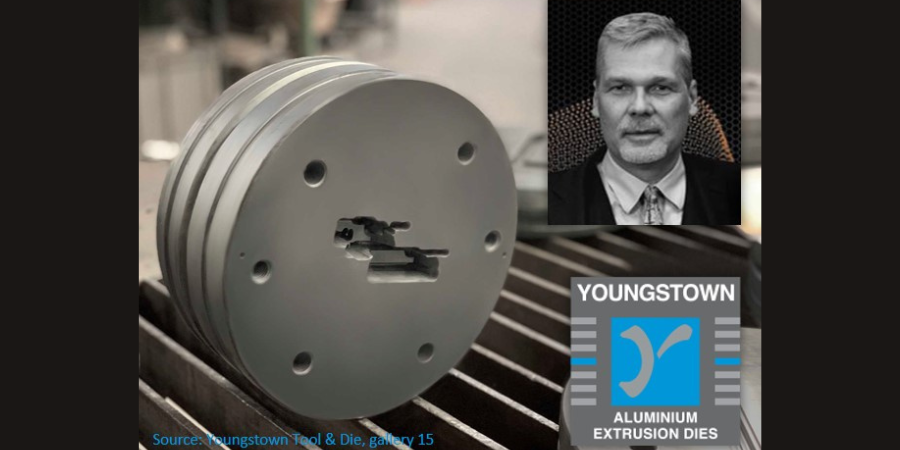
In the case of furnaces with all-molybdenum hearths or of graphite hearths with molybdenum (“moly”) support posts, a direct replacement of those moly posts with TZM alloy moly posts will both increase strength of the hearth assembly and eliminate problems with recrystallization-induced embrittlement of the posts. (For an all-moly hearth, replacement of the horizontal load beams with TZM would have a similar benefit.) The comparative strengths vs. temperature of TZM alloy and pure moly are shown in the graph. Whereas at room temperature the strengths are very similar (around 110KSI-120KSI), once you exceed the 2000F recrystallization temperature of pure moly, the difference becomes dramatic. At 2000F the pure moly is about 40% of the strength of TZM alloy. By the time it reaches 2300F the pure moly is only about 25% of the strength of TZM alloy.

Not only is the TZM alloy much stronger than pure moly at temperature, but it also does not suffer from the same embrittlement problems. Pure moly, once it has recrystallized, forms very brittle grain boundaries in its microstructure. Its behavior begins to resemble that of glass. This is the primary mode of failure of moly components in vacuum furnaces – breakage due to intermetallic grain boundary embrittlement. TZM’s recrystallization temperature is around 2500F, and even when it does recrystallize, it forms very fine new grains that still have decent ductility. Hence, we recommend TZM alloy as a replacement for pure moly in all structural applications for vacuum furnaces. It is the “right stuff."

Note that all metals used in a vacuum furnace, moly and TZM alloy included, will suffer from distortion due to the numerous thermal cycles they experience. Moly hearth beams are a good example. Once distorted moly hearth beams can be very difficult if not impossible to straighten without breaking them. To have any chance at all they must be heated to forging temperatures. TZM hearth beams however, due to their good ductility can often be heated to forging temperatures and successfully straightened. Most heat treating shops scrap out the moly hearth beams rather than even trying to straighten and re-use them. With a TZM hearth the hearth components can typically be re-used with a newly re-lined hot zone saving a large additional expense.

(Grammer Vacuum Technologies, Inc.)


Heat Treat Tip #18

Hearth Height Adjustment

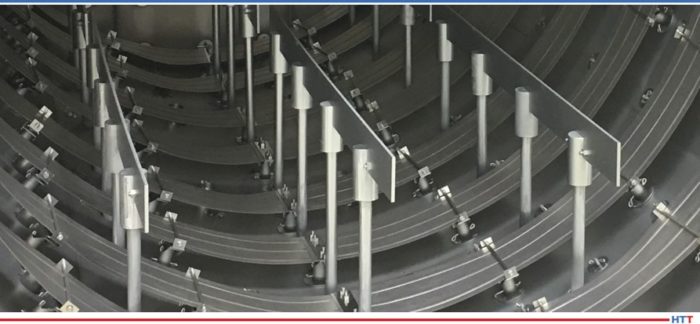
The available width and height of the work zone in a vacuum furnace with a round hot zone is determined by the elevation placement of the top of the furnace hearth. This distance is determined by the length of the vertical hearth support posts. By having spare, interchangeable hearth post sets of varying lengths, one can extend the work zone width or height as needed. The figure shows a variety of work zone dimensions that are possible with a standard 36” wide x 36” tall typical work zone as an example. The important thing in choosing your work zone shape is to maintain an (approximately) 3” clearance between the elements and the work zone to avoid part to element contact.

Note: With the symmetric shapes of modern, round hot zones there is good reason to expect good temperature uniformity anywhere within the 3” clearance ring shown in Figure 1. If you can build a survey fixture capable of surveying all the space you want to use, you theoretically could use more than just the rectangular space shown in the examples. Getting an auditor to accept the survey is a separate task.

(Grammer Vacuum Technologies, Inc.)

Tips for Your Vacuum Furnace Read More »

thyssenkrupp Steel Europe to Receive Retrofit Combustion System

HTD Size-PR Logothyssenkrupp Steel Europe (tkSE) has given a parent company of a North American combustion company in Ohio an order to retrofit a FBA 8 combustion system.

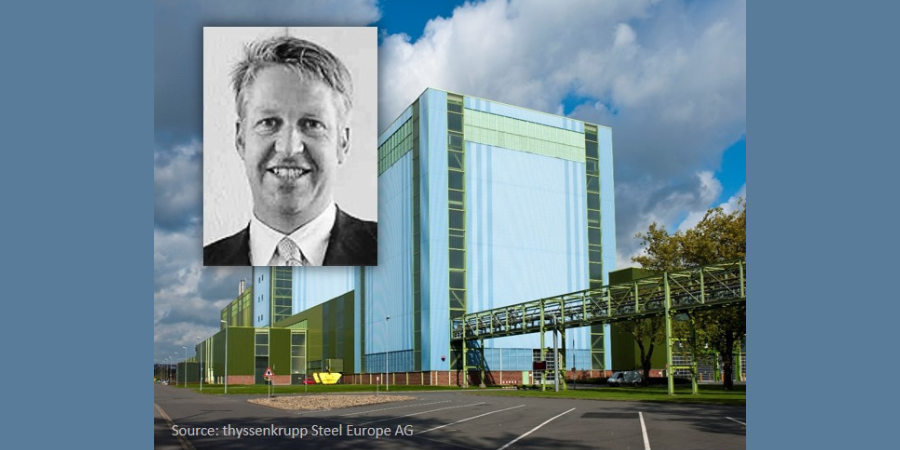
Within the scope of a larger modernization project, thyssenkrupp Steel Europe AG (tkSE) will upgrade the combustion system of the FBA 8 galvanizing line, which is located at the Dortmund plant. The newly implemented heating system will provide drastically lower emissions.

The purchase order for delivery, assembly and commissioning of 195 modernized self-recuperative burners has recently been placed with WS Wärmeprozesstechnik GmbH. The heating system will achieve exceptionally low NOx emissions due to proven double P-tube design and the patented FLOX® combustion process. The retrofit is to be completed by mid 2022. Detailed planning will keep line down time to a minimum for the duration of the retrofit.

Dr.-Ing. Joachim G. Wünning
President
WS Wärmeprozesstechnik GmbH

In the future, the tkSE plant in Dortmund will operate three vertical strip lines, positioning it as an advanced and modern site for annealing and surface treating of steel strip globally. Up to 2.000.00 tons of steel can be processed annually, once all three lines are in full operation. tkSE employs and fully relies on proven and environmentally friendly heating technology. A technology that even today is suitable for a future with green combustion gases. After the conversion, approximately 800 low emissions burners will be in operation at the Dortmund facility.

WS can rely on decades of experience with the FLOX® combustion technology. Experience gained from tens of thousands of burners successfully in operation worldwide. FLOX® enables highly efficient burners to operate while simultaneously maintaining very low NOx emissions. "It is our ambition at WS," states Dr.-Ing. Joachim G. Wünning, president of WS Wärmeprozesstechnik GmbH, "to provide solutions for all continuously operated strip lines which can reliably attain NOx emissions well below 100 mg/Nm³, with simultaneously high combustion efficiency over 80% and which are, already today, suited for a future with green combustion gases."

thyssenkrupp Steel Europe to Receive Retrofit Combustion System Read More »

GKN Gears Up with LPC Heat Treat Capabilities

HTD Size-PR LogoGKN Driveline Bruneck AG (GKN) is modernizing its hardening shop with two low pressure carburizing plants, gearing up for the future as a key location for the development and production of E-powertrains in the GKN group.

For the last three years, the GKN group has been concentrating the development and European production of E-powertrains at the Bruneck site in South Tyrol, Italy. Through an extensive investment program, the site was equipped with modern production technology, placing it at the core of GKN’s E-mobility strategy. Dating back to the 1960’s, the hardening shop consists of several conventional pusher furnace systems and will now be modernized with ALD Vacuum Technologies GmbH's vacuum furnaces.

"This state-of-the-art heat treatment technology puts GKN in a position to meet the unique challenges of E-powertrain production," states Matthias John, sales engineer at ALD.

Source: ALD-VT
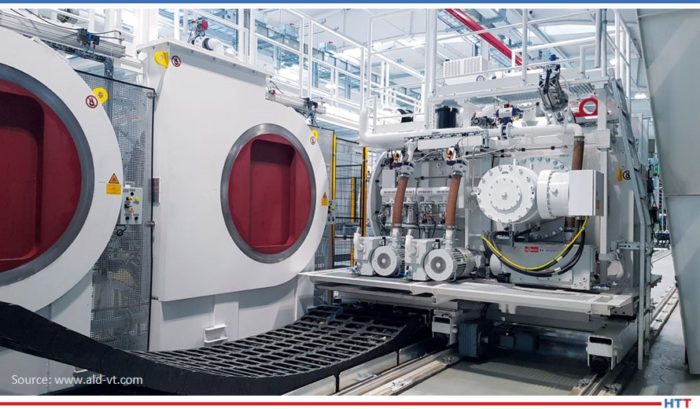
ModulTherm plant installed at GKN

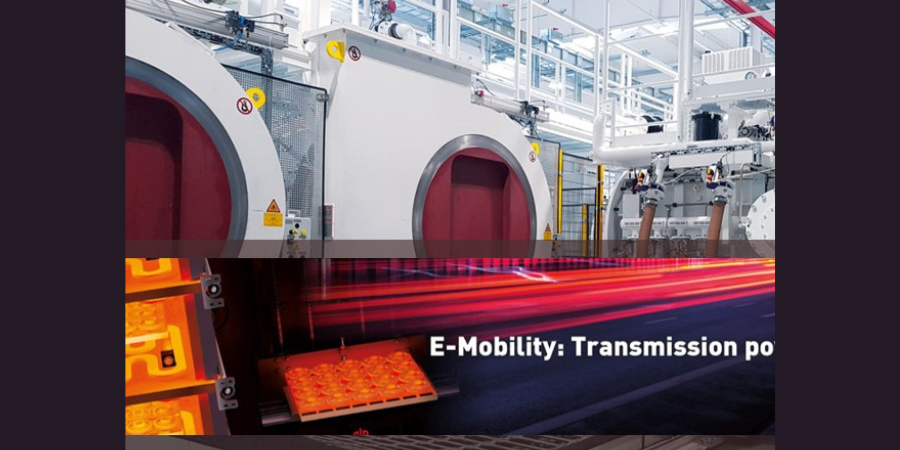
In comparison with conventional combustion engine transmissions, the transmissions installed in modern electric cars are exposed to significantly higher speeds and torques. Therefore, the mechanical and metallurgical properties, as well as the dimensional accuracy of the highly stressed parts have to meet particularly high requirements. In the future, GKN intends to meet this challenge with a multi-chamber plant-type ModulTherm, and for special applications, a SyncroTherm plant. Both plants were started up in the second half of 2020.

"ALD convinced us with both, the very good results regarding metallurgical properties and low distortion of the parts. Their excellent and competent consulting reinforced us in our decision in favor of the state-of-the-art technology," explains Gianni Del Favero, value stream manager Machining and Heat Treatment at GKN. "The process combination of low-pressure carburizing (LPC) and subsequent high-pressure gas quenching (HPGQ) allows GKN to optimally adjust the parts’ properties – flexibly and component-specifically," adds John.

During the first expansion phase, in addition to the ModulTherm plant consisting of a mobile quenching module and five treatment chambers, ALD delivered fully integrated peripheral tempering and preheating furnaces, a cleaning plant, a batch buffer, and an external charge transport system.

Source: ALD-VT
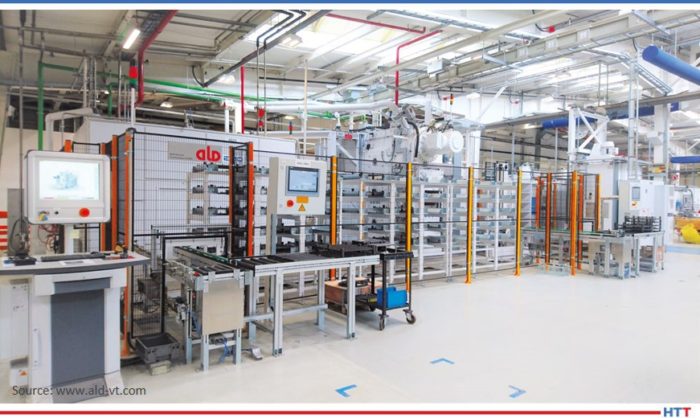
SyncroTherm plant installed at GKN

The plant can be expanded up to 10 treatment chambers, depending on demand over the following years. Consequently, GKN will be able to gradually replace the aging protective gas furnaces.

The SnycroTherm plant will mainly be used for parts which are especially susceptible to distortion. The small batch size allows for a more targeted and finely tuned quench, resulting in little change in the dimensions of the parts.

Additionally, heat treatment of small batches enables a more flexible and faster throughput of smaller load sizes throughout the overall production.

GKN Gears Up with LPC Heat Treat Capabilities Read More »

Everything You Need for a Process Audit Checklist

OCDo you need a better system for ensuring a successful audit? Discover how a full spectrum audit of your company’s heat treat or manufacturing processing can ensure consistency, compliance, better efficiency, and cost reductions.

Today’s Technical Tuesday is an original content piece written by Bluestreak | Bright AM™ for Heat Treat Today’s Aerospace Edition 2021.


Many heat treaters operate on razor-thin margins. Therefore, every part of your end-to-end process must undergo a thorough inspection for streamlining and consistency. As critical data increasingly becomes an integral part of heat treat or service-based manufacturing processing, it could be time for you to audit your end-to-end pipeline to ensure the greatest efficiency and reduce costs.

Before you get started, however, you need a robust process audit checklist to ensure consistency and compliance. Here’s what you need to know.

The Benefits of a Checklist

It’s possible to operate without a checklist at all or with a generic one designed with no particular company in mind. However, can you be sure that your audits are consistent and proactive? If you operate without a checklist, you risk consistency and compliance.

Checklists provide the following:

  • Consistency: Everyone evaluates the same way.
  • Recordkeeping: You never question when or if an audit happened.
  • Comprehensive reviews: You’ll never miss a detail again.
  • Proactive feedback: Identify issues before they become catastrophic.
  • Preventive maintenance: Based on feedback, you can accomplish one of the biggest success determinants in processing.

A checklist not only improves the process but also helps heat treaters make the shift to valuable proactive operations. Not many years ago, downtime due to unplanned maintenance was part and parcel of the overall process, but now it can be reduced significantly with better processing software tools, effective data capture, and statistical process control (to look for negative processing trends before they become a part-processing problem).

Building a Robust Checklist

When you shift to a checklist-based audit, it can be tempting to copy and use something generic. But that’s just too risky. Instead, think through a customized checklist that gathers the data you need and ensures a comprehensive yet efficient internal audit every single time, no matter who conducts it.

  1. Set your schedule. Checklists only work with regular upkeep. Make sure everyone is on the same page about audit schedules.
  2. Create your accountability line. Who reports to whom? What happens to records? Who is responsible for initiating and following up? These details matter for follow-ups and accountability.
  3. Customize your checklist for your process. Your unique production processes aren’t exactly like anyone else’s. You can view other examples for reference, but your checklist must follow your own processes and each of the operating steps that make up each process.
  4. Edit for length and clarity. You want a comprehensive audit, but you don’t want to exhaust your auditors. Make it easier for them to maintain audit schedules by streamlining and cutting unnecessary repetition.
  5. Ensure that there’s room for auditor judgment. The checklist isn’t the end-all, be-all. It’s designed to guide your auditors, not erase their expertise. Make sure there’s room for this expert assessment to complement the data analytics.

The “right” checklist is highly intuitive to your production facility processes. Even one from a company in the same industry may miss crucial details from your competitive standpoint/differentiation. With a customized checklist, you assess your various processes as they stand and ensure that you’ve considered your production facility part-processing steps as the unique operation that it is.

The Process: Set benchmarks for post-audit strategies with time deadlines

Without a deadline, nothing gets done. All your benchmarks and follow-ups should have actionable deadlines. These include having proactive and preventive measures, reducing unplanned downtime, and ensuring compliance with the latest regulatory standards or part-processing specifications.

You’ll also need a plan if a timetable isn’t met. This should be part of the checklist record, so everyone involved (no matter what level) is on the same page.

Noncompliance: Ensure complete documentation and follow-through

When you have an issue of noncompliance or another failing, it’s essential to document these fully. Follow up and use that information for future improvements. This data becomes your information trail and your path forward towards continuous improvement.

It can be tempting to gloss over the recordkeeping of past failures once everything has been brought back into compliance. However, you rob your organization of the chance to streamline its process(es) and provide a roadmap for improvement in the future.

Transforming Your Heat Treating Process

A process audit checklist tailored to your specific needs is the only way to ensure that you get the data and the results you seek. You have probably gotten by in the past without it, but in a world of data-driven decision making and razor-thin margins, can you afford to now?

Think of your checklist as your process auditor’s toolbox. The checklist enhances, reminds, and ensures consistency while allowing their expertise to shine through. Once you have a customized heat treat production process audit checklist, you can reduce your risk and widen those narrow margins of success. Your business depends on it.

About the Author: Bluestreak | Bright AM™ is a Manufacturing Execution (MES) and Quality Management System (QMS) software solution to manage and control production processes and operations from front office to shipping and delivery. Ensure compliance with NIST, ISO, AIAG, API, AMS, Nadcap, SAE, TS, etc., plus any internal and Prime’s specifications. They also provide additive manufacturing solutions with Bright AM™ software.


Everything You Need for a Process Audit Checklist Read More »

A Brief History: The Rotary Vane Oil Sealed Vacuum Pump

Source: VAC AERO International Inc.

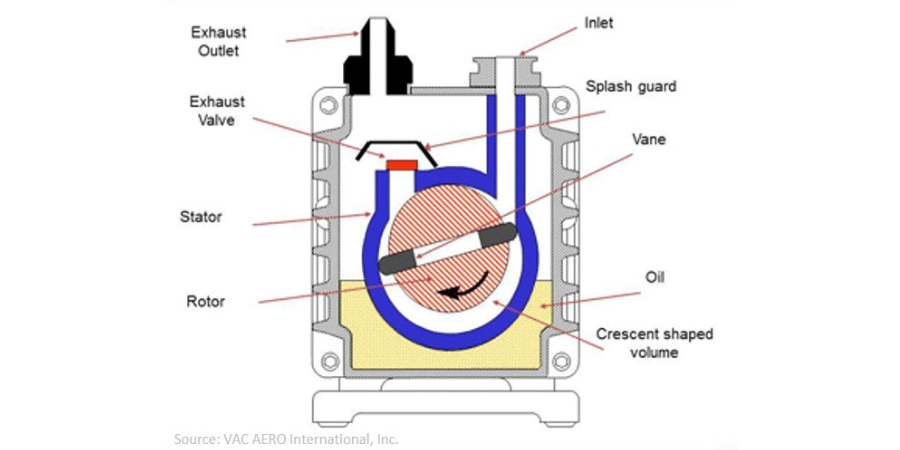
Vacuum pumps. What are they used for? Specifically, rotary vane oil sealed vacuum pumps. What goes on inside these machines? Where did they come from? If you know what we mean by the “slap-slap” or “clack-clack” noise, can you also list the pros and cons of this feature?

In the words of today’s best of the web, “This article discusses one and two-stage ‘medium vacuum’ oil sealed rotary vane vacuum pumps that can produce a catalog ultimate vacuum of about 1 x 10⁻² Torr (0.01 Torr or 10 microns) for a one stage model and about 1 x 10⁻³ Torr (0.001 Torr or 1 micron) for a two-stage model.”


An excerpt:

[blockquote author=”VAC AERO International” style=”1″]The last improvement that the direct drive pump has over the VBD pumps is the ability to use the oil pressure to open and close a valve at the inlet of the pump. In VBD pumps the problem of oil ‘suck back’ into the vacuum system…[/blockquote]


Read more at “The Oil Sealed Rotary Vane Vacuum Pump – Background and Designs


A Brief History: The Rotary Vane Oil Sealed Vacuum Pump Read More »

International Military Equipment Heat Treaters Receive Vacuum Furnace

Maciej Korecki
Vice President of the Vacuum Furnace Segment
SECO/WARWICK
(source: SECO/WARWICK)

AHTD Size-PR Logon international arms and military equipment manufacturer in Brazil needed to quickly expand and was recently able to receive a new vacuum furnace to meet their manufacturing demands.

The solution was provided by the parent company to North American SECO/VACUUM, SECO/WARWICK. Their furnace, the VECTOR®, is a single-chamber vacuum furnace that uses gas quenching and can be used for multiple metal heat treatment applications and processes. In this configuration, equipped with a round graphite heating chamber, it may be used for most standard processes including hardening, tempering, annealing, solutionizing, brazing and sintering.

"A situation where we have a product almost ready to be collected is rare. This time, the customer was indeed looking for a standard solution," said Maciej Korecki, vice president of the Vacuum Furnace Segment at the SECO/WARWICK Group.

(source: vidar nordli mathisen at Unsplash.com)

(source: SECO/WARWICK)


International Military Equipment Heat Treaters Receive Vacuum Furnace Read More »

Elmira Heat Treat Gets an Upgrade

HTD Size-PR Logo

Gregg Bixler
Assistant Plant Manager
Elmira Heat Treating, Inc.

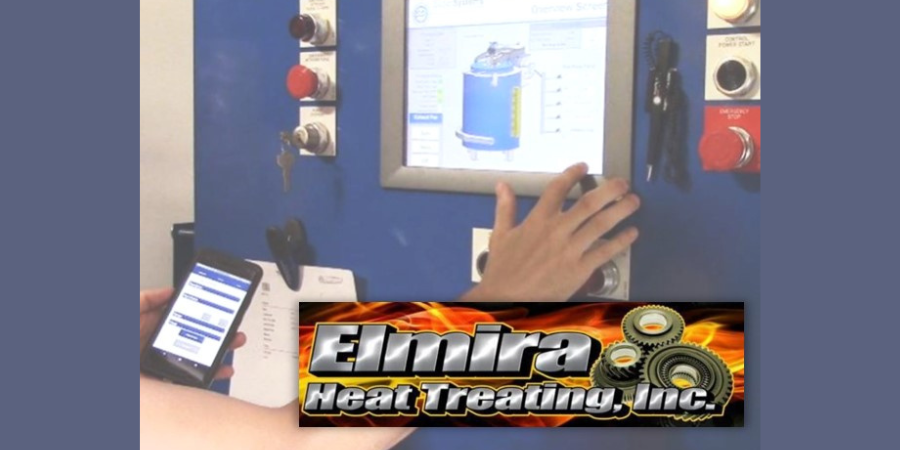
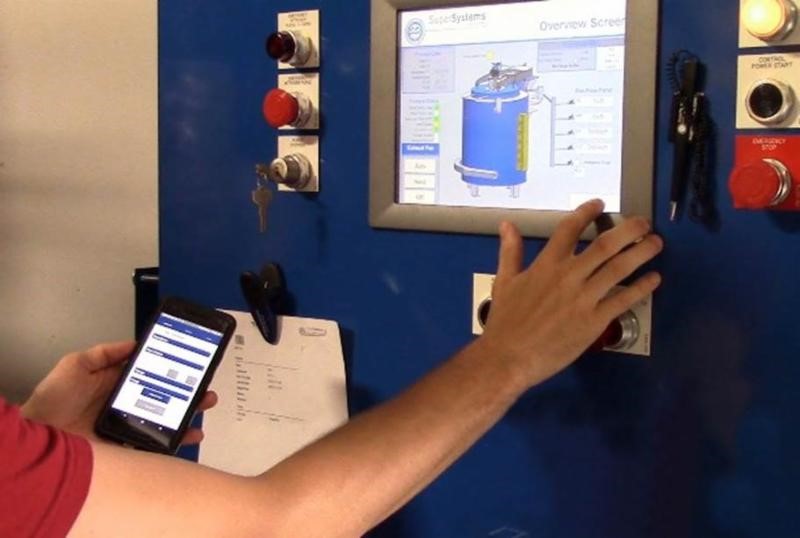
The scope of a heat treat controls upgrade at Elmira Heat Treating, Inc. included a new control system for a vacuum furnace. This upgrade will help the company continue their vacuum services alongside their different process offerings, including carburizing, hardening, and nitriding.

The 9220 from Super Systems, Inc. (SSI) is a robust vacuum furnace recipe based controller which is the command center for control, I/O, and redundant data logging for the processes performed on the equipment. The instrument was integrated into their existing plant-wide SuperDATA SCADA package for plant wide visibility, historical load tracking and recipe selection based on shop order part numbers.

Jim Oakes
President
Super Systems, Inc.

Gregg Bixler, assistant plant manager at Elmira, is familiar with SSI products in their batch IQ, temper, car bottom, and nitriding furnaces, as well as the company's SuperDATA and Load Entry software. “SSI has been great to work with, from installation and training to ongoing support. We have been using their equipment for years and the reliability, traceability and efficiency that it has given us has really streamlined our operation,” says Bixler

"We have been working with Elmira for years," says Jim Oakes, president of SSI. "Thanks to that ongoing relationship, SSI has an in-depth understanding of their needs. We look forward to continuing to provide Elmira with products that allow them to be a top-tier heat treat provider for their customers."

(source: Super Systems, Inc.)


Elmira Heat Treat Gets an Upgrade Read More »

High Pressure Heat Treatment Capability Goes to Burloak Technologies

HTD Size-PR LogoCanada’s Burloak Technologies will use hot isostatic press (HIP) technologies to push the limits of additive manufacturing (AM) to deliver new levels of mechanical performance and strength properties in parts for mission-critical applications. Providing rapid cooling under pressure will minimize thermal distortion and non-uniform grain growth in components, producing finished parts with optimal material properties and allowing Burloak to significantly increase production.

Peter Adams
Founder and Chief Innovation Officer
Burloak

As a full-service additive manufacturer, Burloak works with innovative companies in the space, aerospace, automotive, and industrial markets to rapidly transition their most challenging part designs to be additively manufactured at scale. The High Pressure Heat Treatment™ (HPHT™) capability of the new QIH 60 M URC™ HIP from Quintus Technologies facilitates this rapid transition. Combining high pressure, heat treatment, and cooling in a single process makes it possible to remove several operations from the AM production line, generating significant savings in both cost and time. Additionally, the press’s highly customizable cooling cycle can be programmed to stop at a specific temperature while maintaining the desired pressure set point.

The press's capability to rapidly cool under pressure, "is critical for Burloak as a full-service supplier for all customers, and, in particular, for the development of high-strength flight components," comments Peter Adams, founder and Chief Innovation Officer at Burloak. "Without this in-house capability, outsourcing this process would slow down our project timelines, add complexity to our processes, and risk damaging critical customer components as they would need to be shipped internationally."

The model QIH 60 press features a hot zone of 16.14 x 39.37 inches (410 x 1,000 mm), an area large enough to process any component printed on most powder bed machines, Mr. Adams notes. It operates at a maximum temperature of 2,552°F (1,400°C) and maximum pressure of 207 MPa (30,000 psi).

"We are very pleased to be chosen as their strategic partner in furthering the development of additive manufacturing," says Jan Söderström, CEO of Quintus Technologies, "and we look forward to sharing our applications expertise through our Quintus Care program."

(source: Patrick Tomasso at unsplash.com)


All other images from burloaktech.com.

High Pressure Heat Treatment Capability Goes to Burloak Technologies Read More »

Southwick & Meister Expand Atmosphere Heat Treat Capabilities

HTD Size-PR LogoSouthwick & Meister, Inc., Meriden, Ct, has added a box furnace to expand their production capabilities. As a major manufacturer of premium-quality collets, bushings, cutting tools, and more, Southwick & Meister will continue to use its furnaces to heat treat under nitrogen atmosphere.

Lucifer Furnaces Inc.'s Model 7GT-H18 is fabricated from 10 gauge sheet steel reinforced with structural steel members continuously welded to form a solid shell for operation with a positive flow of inert atmosphere. The 9"H x 12"W x 18"L chamber is lined with 5" of a combination of lightweight firebrick hotface backed with coldface mineral wool for energy efficient operation and low outside shell temperature. Powered with 9.5 KW and heating to 2100°F, the furnace heats by heavy-gauge coiled wire elements supported in high temperature cast monolithic holders. A 1" thick cast hearth plate protects floor brick and supports the work load. Temperature is regulated with a Honeywell DC2500 digital controller.

A representative of Southwick & Meister says "it’s been a great relationship for many years."

Main image from s-mcollets.com

Southwick & Meister Expand Atmosphere Heat Treat Capabilities Read More »

Heat Treat Specialist Expands to Ocean Energy Space

HTD Size-PR LogoWave energy pioneer CorPower Ocean has partnered with a global heat treater and thermal specialist with locations in North America, Europe, and Asia.

The UK-headquartered Bodycote firm is now breaking into ocean energy thermal processing after helping Swedish developer CorPower optimize key components in its Wave Energy Converters (WECs).

The thermochemical treatment that they are using is Corr-I-Dur®, a combination of various low temperature thermochemical process steps, mainly gaseous nitrocarburizing and oxidizing. In the process, a boundary layer consisting of three zones is produced. The diffusion layer forms the transition to the substrate and consists of interstitially dissolved nitrogen and nitride precipitations which increase the hardness and the fatigue strength of the component. Towards the surface, it is followed by the compound layer, a carbonitride mainly of the hexagonal epsilon phase. The Fe3O4 iron oxide (magnetite) in the outer zone takes the effect of a passive layer comparable to the chromium-oxides on corrosion resistant steels. Due to the less metallic character of oxide and compound layer and the high hardness abrasion, adhesion and seizing wear can be distinctly reduced. Corr-I-Dur® has very little effect on distortion and dimensional changes of components compared to higher temperature case hardening processes.

Source: www.waterpowermagazine.com

CorPower’s high-efficiency WECs, inspired by the pumping principles of the human heart, offer five times more energy per ton of device compared to previously known technologies. Incorporating a series of unique features to boost storm survivability and power capture, the WECs also benefit from thermochemical treatment to protect against the harshest marine conditions.

"This thermochemical treatment," Thomas Lindahl, senior procurement and quality engineer, CorPower Ocean, "simultaneously improves corrosion resistance and wear properties by generating an iron nitride-oxide compound layer. Durability and robustness are of paramount importance in the wave energy sector, and effective protection of devices in the hostile ocean environment has always presented a major challenge to our industry. Corr-I-Dur® proved a particularly favorable solution being specifically designed for components subjected to a corrosive environment in combination with wear."

"We are pleased to be contributing to the marine renewable energy industry by making components last longer in extreme conditions," Paul Clough, president for northern and eastern Europe at Bodycote. "By using Corr-I-Dur®, CorPower was able to design mechanical components such as pistons, guides and linkages, that are suitable for the world’s harshest environments for metal. Our customers value Corr-I-Dur® for its ability to provide superior material properties such as wear and corrosion resistance, reducing maintenance costs and downtime for hard to access equipment. CorPower was looking to push the performance of their metal components through durability and corrosion resistance."

Paul Clough
President Northern and Eastern Europe
Bodycote
Source: LinkedIn

CorPower Ocean is aiming to bring reliable and competitive wave energy technology to the world, unlocking one of the largest untapped sources of renewable energy – harnessing the natural power of the oceans to help us tackle climate change and achieve a sustainable low-carbon future.

The firm is now increasing operations for its HiWave-5 demonstration project in northern Portugal to propel its wave technology to a bankable product offering by 2024 – proving the survivability, performance and economics of a grid-connected array of WECs. The 16MEUR project includes investment to build a wave energy hub in the Port of Viana do Castelo, involving R&D, Manufacturing and Servicing facilities for the long-term development of supply and service capacity for commercial wave energy farms.

Heat Treat Specialist Expands to Ocean Energy Space Read More »