

Plibrico Company

Refractory Insulation: The Quiet Defender of Furnace Longevity

When it comes to furnace linings, most heat treaters focus on the hot-face materials, the heavy-duty refractories taking the brunt of molten metal, corrosive slags, and extreme heat. And just behind that armor lies a quiet defender: the refractory insulation layer. This layer is often the last line of defense between a functioning furnace and a costly, catastrophic failure. In this Technical Tuesday installment, Roger M. Smith, director of technical services for Plibrico Company, LLC helps readers understand the valuable role of refractory insulation for thermal stability.

This informative piece was first released in Heat Treat Today’s October 2025 Ferrous & Nonferrous Heat Treatments/Mill Processing print edition.


Why Refractory Insulation Matters

Refractory insulation is more than a buffer or a back-up. It provides structural support to the working lining, maintains shell temperatures within safe limits, and cushions the entire structure against the stresses of expansion and contraction. When this layer fails, you don’t just lose insulation, you risk cracks, shell overheating, and lining collapse. In other words, it can turn a maintenance project into a full-blown emergency.

The Strength Factor: Why Compressive Strength Counts

If there’s one property that deserves special attention, it’s compressive strength. The insulation layer is like the foundation of a house: if it cannot support the load above it, the whole structure suffers. Insufficient compressive strength can lead to creeping, crushing, and distortion, all of which compromise the stability of the hot-face refractory.

At green or ambient conditions, most types of insulating refractories, including monolithic, mineral wool, and ceramic fiber boards, exhibit similar compressive resistance, typically in the range of 40−50 psi at 10% deformation, but strength changes significantly once the furnace heats up.

For example, most mineral wool and ceramic fiber boards contain organic binders that burn off at around 475°F, reducing their compressive strength by roughly 50% at furnace operating temperatures (based on the board manufacturer’s technical data sheets, see Table A). Over time, this can increase thermal conductivity through the reduced thickness of the insulating layer.

In contrast, monolithic lightweight insulating castables, like Plibrico’s Plicast Airlite 25 C/G, not only retain their compressive integrity as the temperatures rise, but they actually gain strength, according to ASTM C165 test data as the material fully sets and stabilizes under heat.
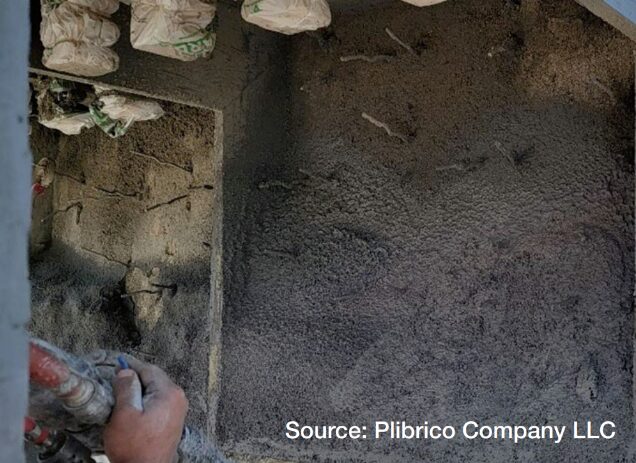
Figure 1. Monolithic insulation, gunned in place, stays strong and gains compressive strength during heat-up.

This difference matters: compressive strength is not static. It changes as the material heats up and insulating products that hold their strength at service temperatures provide a more stable, safe, and reliable support for the hot-face lining.

The takeaway? Stronger, more stable insulation is not just filler. It’s an active structural layer that helps prevent hot-face sagging, cracking, and premature failure, directly contributing to longer furnace life.

Thermal Stability: More Than Just Heat Resistance
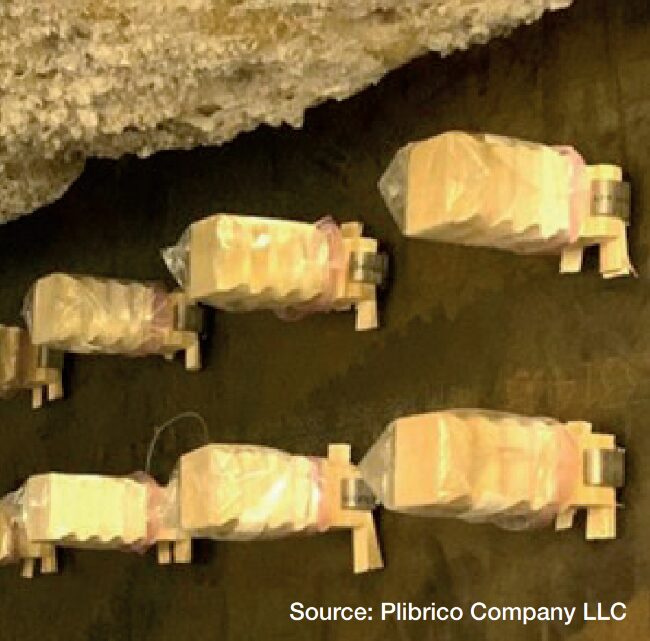
Figure 2. Confirmed anchor layout and fully prepped furnace wall ready for monolithic insulation installation.

Compressive strength plays a direct role in thermal stability. Denser, stronger castables with lower porosity are far better at resisting gas penetration, chemical attack, and erosion than lightweight, weaker alternatives.

When insulation loses stability, it can create voids, cracks, and hot spots, risks that threaten not only the hot-face layer but the furnace shell itself. This is why density and porosity are critical: denser insulating castables maintain their structure under load, resist infiltration, and provide reliable support for the hot face.

By contrast, mineral wool and board products often weaken as their organic binders burn off at service temperatures, leading to deformation and unpredictable thermal gradients.

Monolithic lightweight insulating castables can offer a more robust alternative. They retain their integrity as temperatures climb and can even gain compressive strength as they fully set and sinter during heat-up. This added stability reinforces the hot-face layer and helps prevent failures during thermal cycling.

There’s another layer to this: long-term thermal cycling. Furnaces rarely stay at one steady temperature; they ramp up, cool down, and undergo countless micro-cycles during operation. Insulation that can absorb these changes without cracking or delaminating is critical for avoiding premature lining failures.

In short, thermal stability is structural stability — the better your insulation performs under heat and cycling, the longer your furnace lining will last.

Designing for Expansion: Building Flexibility Into the System

Here’s where many lining failures start: in the different layers of lining expanding at different rates.
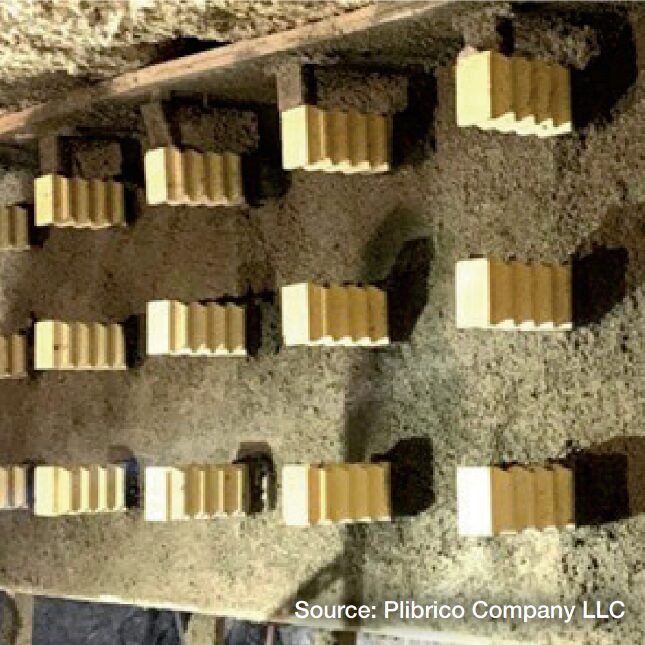
Figure 3. Completed furnace wall insulation installation, finished in half the time required for board installation.

Hot-face refractories, often dense high-alumina castables, have significantly different thermal expansion coefficients compared to the lighter, more porous insulating castables behind them. The hot face may swell aggressively under load, while the insulation expands far less. If those differences are not accounted for, the result is tensile stresses, delamination, and cracking at the interface between layers. Over time, those cracks can grow, creating pathways for heat and corrosive agents to reach deeper into the lining.

This is where thoughtful design makes all the difference:

  • Anchor systems must hold both layers securely but flexibly, allowing each to expand without transferring destructive stresses. Using materials like monolithic refractories adds another advantage: their insulating properties help better protect the base of refractory anchors, reducing localized heat buildup and minimizing stress concentrations that can lead to cracking or premature anchor failure.
  • Installation sequencing should avoid locking the hot-face layer too tightly to the insulation, preventing “shear failure” during heat-up.
  • Layer composition must be selected so the expansion mismatch is minimized, balancing mechanical stability with thermal shock resistance.

When expansion is designed for, rather than ignored, the entire lining behaves like a single, flexible system instead of two incompatible parts competing for space.

Practical Tips for Getting It Right

Prioritize compressive strength. Choose insulation with enough strength to support the hot-face lining under load. Materials like monolithic lightweight insulating castables maintain or even increase compressive integrity at service temperatures, improving overall lining stability.

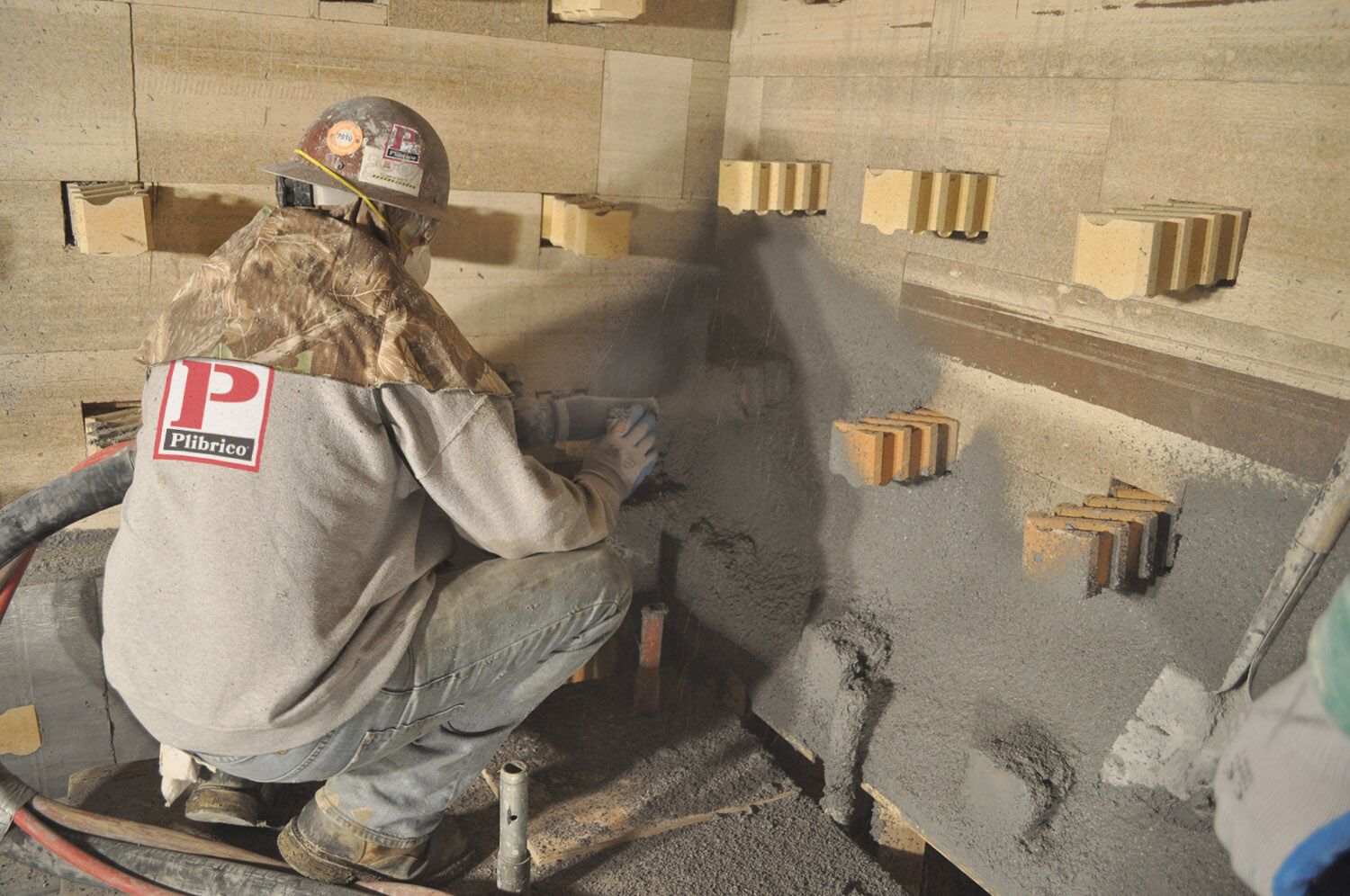
Figure 4. Gunned to the ideal thickness, insulation built with compressive strength can handle stress, prevent cracking, and maintain shape under heat.

Pick the right material for the zone. Not every insulating castable is created equal. Match density, chemistry, and expansion to the application.

Control the install. Low-water mixes, vibration placement, and proper curing are non-negotiables if you want consistent density and strength.

Don’t skip the heat-up schedule. Rushing dry-out or startup is one of the fastest ways to ruin a lining before it is even in service.

Revisit your anchor design and how you install around it. Poorly designed anchor layouts can lead to stress points and premature lining failures, so reviewing and optimizing the design is one of the cheapest ways to prevent costly mechanical issues. Plus, consider the installation method: board insulation requires time-consuming cutting and fitting around each anchor, while monolithic insulating refractories like Plicast Airlite 25 C/G can be installed around anchors in less than half the time, reducing labor while improving performance.

Built to Last

Insulation is not just about slowing heat loss, it is also about standing firm when your furnace is under its heaviest load. The right refractory insulation, engineered with compressive strength as a priority, gives your lining the backbone to absorb mechanical stresses, resist cracking, and maintain its shape through the punishing cycles of heat-up and cool-down. It does not just protect the shell; it supports the hot face, prevents hot spots, and preserves the entire system’s structural integrity.

Compression Recovery Data

ProductTemperature (ºF)Compressive Resistance at 10% Deformation (psi)
Monolithic Insulation
Lightweight Castable/Gunite
(Plibrico Plicast Airlite 25 C/G)
23040
65041
100047
Mineral Wool Board
(published)
ambient38
Ceramic Fiber Board
(published)
ambient50
200023
3rd Party Test Lab – Orton Labs
ASTM C165 Measuring Compressive Properties of Thermal Insulations

Note: Mineral Wool and Ceramic Fiber Boards contain organic binders that burn off by 475ºF. This reduces the strength of the board by 50% along with decreasing other important properties including thermal conductivity.
Table A. Compressive strength at service temperatures: comparison of compressive resistance (10% deformation) between monolithic insulation lightweight castable/gunite materials such as Plibrico’s Plicast Airlite 25 C/G and mineral wool and ceramic fiber boards at increasing temperatures.

Choosing monolithic insulating castables that gain strength at operating temperatures, instead of mineral wool or ceramic fiber boards that lose half their capacity as binders burn away, is an investment in lining longevity. Get this layer right, and you secure longer campaigns, lower maintenance costs, and the confidence that your furnace can keep pace with production demands. Get it wrong, and you risk premature failures, costly outages, and avoidable downtime. In the end, refractory insulation built for compressive strength and stability is not just a detail, it is what keeps your furnace, and your operation, running at its best.

About The Author:

Roger Smith
Director, Technical Services
Plibrico

Roger Smith is a seasoned professional in the refractory industry. With Master of Science in Ceramic Engineering from the University of Missouri – Rolla, Roger has over 15 years of experience in the processing, development, and quality assurance of both traditional and advanced ceramics. He has a proven track record in developing innovative ceramic formulations, scaling up processes for commercial production, and optimizing manufacturing operations.

For more information: Visit www.plibrico.com.

Refractory Insulation: The Quiet Defender of Furnace Longevity Read More »

10 News Chatter to Keep You Current

Heat Treat Today offers News Chatter, a feature highlighting representative moves, transactions, and kudos from around the industry. Enjoy these 10 news items, featuring Plibrico Company’s new CEO, Pratt and Whitney‘s 100 years in aerospace, Stack Metallurgical Group‘s new cryotherm technology, and more!


Equipment

1. SMS Group and Jiangsu Pacific Precision Forging commissioned a 31.5-MN closed-die forging press for large-scale production of aluminum suspension components.

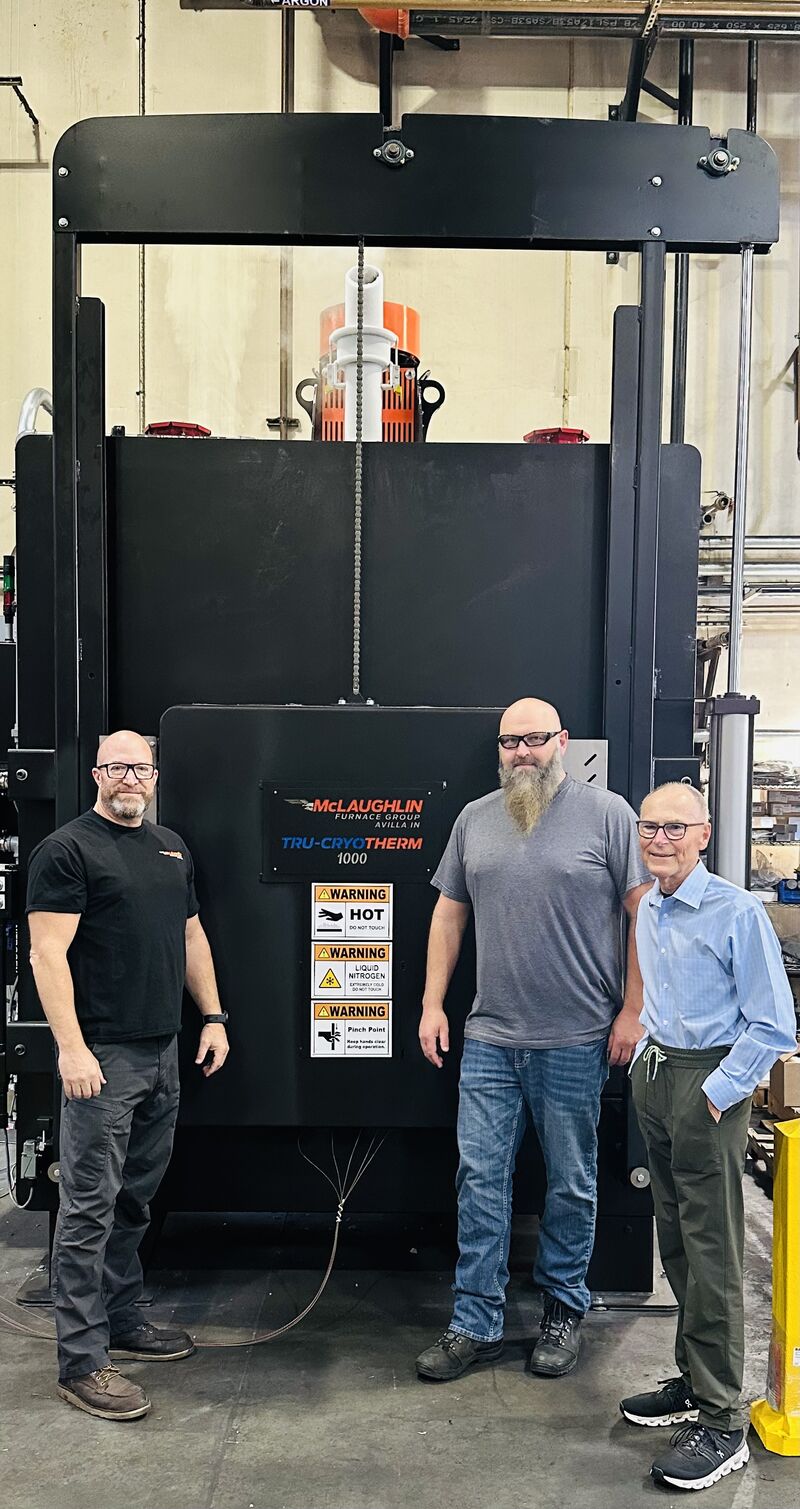
2. Stack Metallurgical Group in Portland has commissioned a new TRU-CRYOTHERM made by McLaughlin Furnace Group. The addition has a 4000 pound capacity.

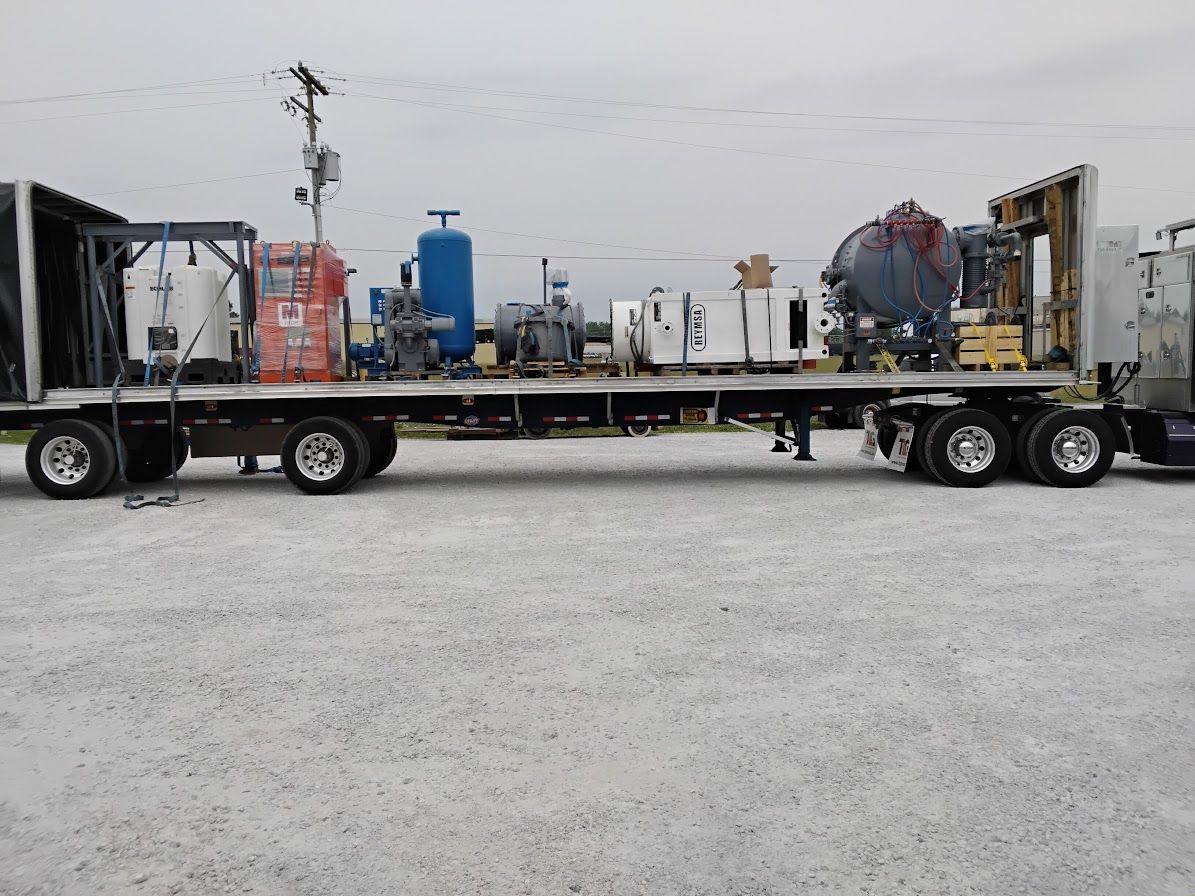
3. Mercer Technologies Inc has shipped a MerVac RVF-242436 vacuum furnace. The furnace has a completely remanufactured vessel, with a rebuilt pumping system, hot zone, heating element power supply, and water circulation system.

Company & Personnel

4. Rodney Strasser has joined Ipsen USA as the regional service manager for the Southeast Region. Operating out of Atlanta, Georgia, Strasser will be responsible for coordinating and leading a team of Ipsen service technicians that serve Ipsen clients in Delaware, Maryland, Virginia, North Carolina, South Carolina, Georgia, Tennessee, Alabama, and Florida.

5. Plibrico Company has announced the appointment of John Paul Surdo as president and CEO following the retirement of the longtime president and CEO, Brad Taylor.

6. Delamin Nitriding Salts (DNS), a subsidiary of Parker Netsushori Kogyo of Japan, announced the acquisition of Avion Manufacturing, a leading producer of high-quality stop-off paints, headquartered in Medina, Ohio. This acquisition enhances DNS’s capabilities in providing high quality surface treatment solutions in the heat treatment industry.

Kudos

7. Skuld, LLC celebrated ten years as a company. Their team spent time to celebrate and reminisce as well as to look to the company’s future.

8. Bob Hill, president of Solar Atmospheres, received the MTI Heritage Award. The MTI Heritage Award recognizes an individual’s lifetime commitment and significant contributions to advancing the commercial heat treating industry.

9. Pratt and Whitney celebrated 100 years in the aerospace industry. With over 90,000 engines in service around the globe, they have pushed the boundaries of aviation and human flight.

10. Alleima has met its sustainability targets, which were validated by the Science Based Targets initiative (SBTi), and are now aligned with the latest climate research. These targets mean that Alleima is reducing its Scope 1 and 2 CO2 emissions by more than 54% and Scope 3 emissions by 28% by 2030, using 2019 as the base year.


10 News Chatter to Keep You Current Read More »

Avoid Costly Refractory Repairs with Proper Maintenance 

Refractories, “the unsung hero of the manufacturing process,” can’t measure up to that moniker if their superpowers are worn down and not getting due maintenance. Guest columnist Pamela Gaul, director of marketing at Plibrico Company, LLC, examines the critical role the refractory lining plays in the success of manufacturing aluminum, why a refractory is susceptible to cracking under extreme conditions, and how to select and prepare refractory linings to achieve a longer service life.

Read more Maintenance columns in previous Heat Treat Today’s issues here.


As the old saying goes, “An ounce of prevention is worth a pound of cure.” This is certainly true when it comes to your refractories. 

Manufacturers around the world rely on refractories to safeguard their multi-million dollar industrial-grade boilers, incinerators and furnaces from thermal damage and corrosion brought on by operating temperatures that can reach 3000°F (1650°C). 

Without refractories — the unsung hero of the manufacturing process — it would be impossible to process the raw materials that go into automobiles, chemicals, power-generation equipment, buildings, roads and much more. As such, it only makes good financial and business sense to provide basic refractory maintenance for your machinery. By protecting your critical heat-processing equipment, you can minimize costly downtime, reduce energy losses, prevent employee injuries and, more importantly, avert a catastrophic equipment failure. 

Given refractories’ importance to operations, it is important to remember that they are consumables and will wear out. This is significant because without proper maintenance your processing equipment may fail at the most inopportune time, and downtime for a furnace or dryer — even one day — can cost a company hundreds or thousands of dollars. The rewards of proper maintenance far outweigh the expense. 

It is also important to remember that refractories are not commodities. Even within the general classification of refractories, there are significant variances in chemical compositions. As a result, refractories will have different maintenance schedules and repair practices. 

Refractory maintenance has a cost. That is why maintenance needs must be factored in when evaluating which refractories to install in your application. For example, the upfront costs of engineered shapes may be 20-30% more than monolithic refractories. However, they require little to no dryout, are easy to install and in some cases last longer than some traditional castables. Also, if there are high-wear areas that may be difficult to reach due to their location or geometry, financially it is well worth going with the precast shapes to minimize future maintenance expense. 

The Wear Factor 

What causes refractories to wear? Time, temperature, corrosive gases, slag and operational practices will all take their toll, as will the overall engineering of the heat-processing equipment. Other culprits leading to the degradation of a refractory lining can be incorrect combustion controls, improper flame set-up, anchor failure or thermal shock resulting from severe temperature fluctuations. More times than not it is a combination of these or other factors that lead to refractory damage — not a single cause. 

Not following the manufacturer’s recommended curing and dryout schedule can also lead to degradation. If an end-user is looking to accelerate the process due to production demands, quick dryout products might be a good option. 

Some manufacturers offer refractory materials that provide reductions in dryout time and may offer nearly the same properties as their traditional, non-fast dryout counterparts. The benefit to these quick-cure/dryout products are that dryout times are cut about in half, which can represent a time savings of up to 40-50 hours. While they offer an easy, time-saving solution, however, there are limitations to their material properties as well as cautions on dryout. 

It is a good idea to use the dryout time to check items such as the vessel pressurization, exhaust system, temperature monitor, thermocouple position and moisture wicking. 

How You Can Help with Refractory Longevity 

The goal of periodic inspection, maintenance and repair is to ensure the longevity and performance of refractories (Fig. 1). During maintenance, worn parts and areas of excessive wear are repaired before turning into bigger issues. 

Figure 1. During the inspection process, the refractory team will provide a comprehensive condition assessment to help determine the need for repair.  Source: Plibrico Company

Depending on operational make-up, skills and budget, employing a permanent staff to perform these services might not make financial sense. Instead, working with an outside professional refractory contractor with extensive industry expertise who can provide maintenance services, emergency response and repair operations might be far more cost-efficient for the end-user. 

Under either service structure, there are precautionary steps that can be taken in-house to extend refractory operation and increase longevity. 

  • Furnace heat up and cool down: Follow procedures established by the furnace manufacturer. Proper heating creates positive pressure in a furnace, ensuring an equal distribution of temperature. Expansion or contraction control is vital to avoid damage to the refractory. 
  • Dust removal: Keep the dust off the steel in roofs that have an exposed anchoring structure. This simple step keeps the stainless steel hardware from becoming too hot and fatiguing. 
  • “Good” cracks vs. “bad” cracks: Understand the important differences between good cracks and bad cracks. Good cracks in the refractory are created and visible as part of the natural cool-down process. These should be left alone because they will disappear during the heat-up process. If the end-user fills “good” cracks, they will have problems down the road with shell bulge because the refractory will naturally expand during heat-up and production. 

An Ounce of Prevention 

Contact us with your Reader Feedback!

Develop a relationship with a reliable, knowledgeable and nimble professional refractory expert who has your best interests at heart. During the inspection process, your expert and their refractory team should provide you with a comprehensive condition assessment to help determine the need for repair. Assessments allow the refractory contractor to analyze the state of the refractory and select the proper solution to ensure durable repair. 

Often, the first indication that there might be a problem with the refractory lining is the appearance of a “hot spot” on the shell. A hot spot is where an area of the shell is found to be operating at a higher temperature than the surrounding area. This can be due to cracking, spalling or other issues that result in deterioration of the refractory lining. 

When hot spots are identified, the refractory professional will typically pack, grout, caulk or “stuff” the area if it is accessible from the outside. They may also “hot gun” from the inside. 

The number and severity of hot spots, usually found using an infrared camera and heat-flow analysis, can help the refractory professional or engineer determine the integrity of the refractory lining. Depending on the results, the manager/engineer should perform a full cost-benefit analysis to help evaluate which is the best option — repair or complete lining replacement (Fig. 2). 

Figure 2. Depending on the inspection results, the plant manager should perform a full cost-benefit analysis to help evaluate which is the best option: repair or a complete lining replacement. Source: Plibrico Company

When faced with any type of refractory repair, best practice will come down to scope and timetable. A quick repair may be addressed using a gunning (cold/hot) or shotcrete refractory technique. Another possibility might be ramming plastic refractory just to fill a hole/spall or resurface the lining. 

A more time-consuming and sometimes better option would be a full lining repair. These repairs are done to a more thorough degree, which allows for proper cure, dryout and anchoring. 

A Pound of Cure – Premature Failure 

Without proper refractory maintenance, you run the risk of premature failure of the refractory lining. The funny, or not so funny, thing about refractory failures is that you will usually not receive a notice on that day telling you that one of your critical systems will be failing. And once a failure occurs, it is all-hands-on-deck to address the issue and bring your operation back online as quickly as possible. 

During the process, you or your refractory expert should collect samples of the existing refractory material to help identify the causes of failure. For example, glazing and excessive shrinking indicate exposure to excessive temperatures. Shearing away of the top refractory service can be evidence of thermal shock. 

In addition, calculating a base-to-acid ratio will show if the type of refractory installed should have been selected in the first place. Refractory materials are manufactured to operate in different environments. A properly selected and installed refractory lasts longer, helps minimize shutdowns and leads to better fuel efficiency. 

Lastly, fuel should be checked to determine if it is contributing to the degradation of the refractories. For instance, moisture content in fuel may be too high or contain chemicals that damage the lining. 

Financial Implications of Non-Compliance 

Compliance with CMMC 2.0 can be financially burdensome. Implementing measures such as multi-factor authentication, encryption and continuous monitoring can be costly, especially for businesses with limited resources. The lack of in-house cybersecurity expertise compounds this issue, requiring companies to hire or train specialized personnel, further increasing costs. 

Failing to comply with CMMC 2.0 could result in losing valuable DoD contracts, which can be a significant portion of SMB revenue. Such losses could lead to layoffs, revenue declines or even business closures. 

Drama-Free Refractory Removal and Replacement 

In some cases, the maintenance needed for heat-processing equipment is more than repairs can handle. This leaves complete refractory lining replacement as the only option. This is highly specialized work requiring the skills of an experienced refractory installer. 

To ensure drama-free refractory removal and replacement, follow these five key tips: 

  • Enlist the support of a seasoned, knowledgeable and professional refractory contractor. Not all contractors are experts in refractory work. Make sure the contractor has quick access to refractory material. 
  • Obtain a complete scope of work (SOW) and a solid plan. Some of the items that should appear in a good SOW include: 
    • Amount of material needed and on hand 
    • List of equipment supplied 
    • Schedule and details for the tear-out plan 
    • Proper curing/dryout plan 
  • Prepare for the unforeseen. Often, problems do not reveal themselves until the unit has cooled and the tear-out begins. This reality necessitates contingency plans to be in place. Further, it underscores the importance of working with a fully stocked professional refractory contractor who has access to a refractory manufacturer that uses just-in-time manufacturing principles. 
  • Where applicable, install and use precast shapes. These shapes are ready to install and require little to no dryout. 
  • Discuss with your refractory expert if fast-dryout refractory material may be an option for you. Incorporating quick-dryout materials like Plibrico’s FastTrack® can cut traditional dryout time in half. 

When working with your refractory installer, it is important to focus on your specific application to drive refractory material requirements. It is easy to get caught up in flashy new refractory compositions and features. The application should determine the refractory material, not the other way around. 

Good for Your Equipment, Good for Your Wallet 

Proper refractory maintenance is not only good for your critical heat-processing equipment, but also for your wallet. The reality is that the life of your refractory can be reduced by as much as 50% (or more) without proper maintenance. In fact, failing to provide basic refractory maintenance for an aluminum furnace, for example, can leave the end-user with an unbudgeted and unexpected bill for $150,000 or more to fully replace the roof. This is an expense that might have been put off many years with properly maintained refractory. It could then have been scheduled, budgeted and drama-free. 

Worse yet, in the event of catastrophic refractory failure where the anchor tile system or full wall is snapped, the repair bill can easily top $200,000. Keep in mind these figures only address repairs. Add on the large cost of lost production and the total skyrockets quickly! 

As Benjamin Franklin would agree, take care of your refractory — the unsung hero of the manufacturing process — and it will take care of you with a safe and efficient work environment, minimized downtime, reductions in energy losses and, more importantly, avoidance of catastrophic critical heat-processing equipment failure. 

About the Author

Pamela Gaul
Director of Marketing
Plibrico Company

Pamela Gaul is the director of marketing at Plibrico Company LLC.

For more information: Visit www.plibrico.com. 

This article was initially published in Industrial Heating. All content here presented is original from the author.


Find Heat Treating Products And Services When You Search On Heat Treat Buyers Guide.Com


Avoid Costly Refractory Repairs with Proper Maintenance  Read More »

How To Tell If You Really Have an Abrasion Problem

Understanding abrasion can be the key to extending the life of your refractory lining. The following article provided by Plibrico Company examines abrasion resistance, its role in choosing a refractory solution, and what factors to take into consideration when assessing counter-measures.


Refractory material is designed to be very durable, withstand extreme service conditions and defy mechanical abuse in many different types of thermal-processing operations. However, severe conditions that cause abrasion in the form of high levels of mechanical scraping and airborne particulate matter can challenge refractories, shortening their service lives. 

Abrasion resistance is one of the most critical and possibly the most misunderstood considerations when choosing a refractory solution. A clear understanding of what abrasion is and, perhaps more importantly, what it is not can prevent needless repair costs and lead to significant savings. This is especially important when evaluating refractory designs for a new application or when considering upgrades for an existing one. 

What Abrasion Is 

Abrasion is the destructive process that causes a material to wear away through mechanical scraping or scratching. Anyone who has ever grated cheese or sanded wood has experienced the abrasion encountered in everyday life. As abrasion continues, thin layers of the abraded material are removed, leaving the object thinner and usually making its surface smoother. 

The same process can be observed in the refractory world. Refractory linings are abraded by high-velocity airborne particulate, cleaning tools and fuel/process materials that pass through the unit and come into contact with the lining. The telltale sign of abrasion is a refractory lining that has steadily become thinner while its surface has become smoother. The surface may even shine as if it had just been polished, which is not surprising when we consider that polishing is another common form of abrasion. 

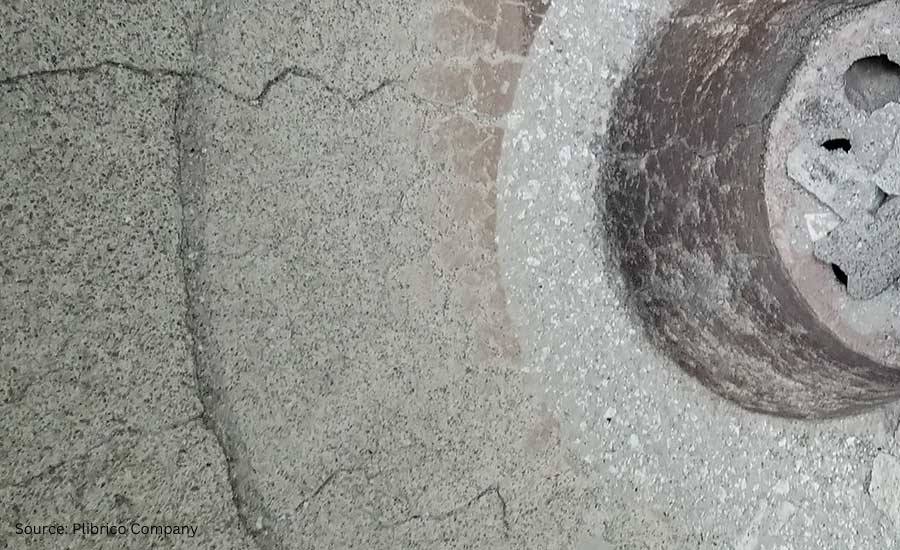
Fig. 1. Abrasion damage to the refractory bottom of a choke ring of a thermal-oxidizer unit

What Abrasion is Not 

Abrasion is considered a type of mechanical abuse, but it is not the only type of mechanical abuse to which refractory linings are subjected. Equally common is impact: the sudden, forceful collision between the refractory lining and a moving object. Impact can come from a variety of sources. The moving object may be a cleaning tool, a piece of process material, a chunk of fuel or a dislodged mass of refractory or slag, depending on the application. Impact with such objects typically results in chips and cracks in the refractory lining. 

Refractory materials designed for abrasion resistance tend to have increased strength and hardness compared to those found in traditional refractories, and these abrasion-resistant materials may provide some resistance to impact. Abrasion-resistant properties can also lead to increased brittleness. This is because if the impact exceeds the strength of the material, chipping and cracking could potentially be worse than in traditional refractories. 

Compression and tension are also forms of mechanical abuse and can be caused by changes in the shape of the refractory lining as it is heated or cooled or by movements of the furnace shell itself – by intentional design or otherwise. Here again the increased strength and corresponding brittleness of the material could potentially result in a negative effect on the refractory lining. 

All types of mechanical abuse can cause thinning of the refractory lining, so it is important to conduct a detailed investigation into the destructive mechanism before drawing any conclusions. Refractory solutions designed to resist abrasion may not be helpful against damage caused by impact, compression or tension. 

Similarly, solutions designed to address other types of mechanical abuse may be ineffective against abrasion. For example, stainless steel needles are commonly incorporated into refractory linings to extend service life when impact resistance is required. The needles bridge cracks formed as a result of the impact, making it more difficult for these cracks to grow and connect. This helps the refractory lining hold together longer. The bridging provided by needles has no effect in an abrasion situation, however, since crack growth is not caused by the abrasion process. 

Meeting Abrasion-Resistance Demands 

Once abrasion is identified as the main mode of failure, there are several options to counter it. Selecting a refractory material based on a raw material hard enough to resist the abrasion is a common technique. For one material to abrade another it must be harder than the material being abraded. For instance, a diamond can be used to scratch glass, but glass cannot be used to scratch a diamond. 

It follows that refractory materials based on very hard raw materials, like silicon carbide, can be used to resist abrasion and extend the life of the lining. It should be remembered, however, that a refractory lining is made up of many different materials, not just the main constituent raw materials. Clay, cement, silica and other softer components will still be exposed and abraded even if abrasion of the main aggregate is stopped completely. 

Another option is to investigate the source of the abrasion and make adjustments to the process. Can a less-abrasive cleaning tool be used? Is there a way to limit the contact of the abrading process materials with the refractory lining? Is it possible to adjust the angle between the refractory lining and the incoming airborne particulate? 

A seemingly minor change in the process, with minimal cost and no downsides to the operation, can save in refractory replacement costs. When changes to the process are not an option, it is best to consider the abrasion resistance of the lining as a whole and select a specifically designed abrasion-resistant solution. A qualified, knowledgeable refractory solution expert with genuine experience will help you make the best decision for your specific application, taking into consideration the following: 

  • Speed of installation 
  • Service life 
  • All-in price 
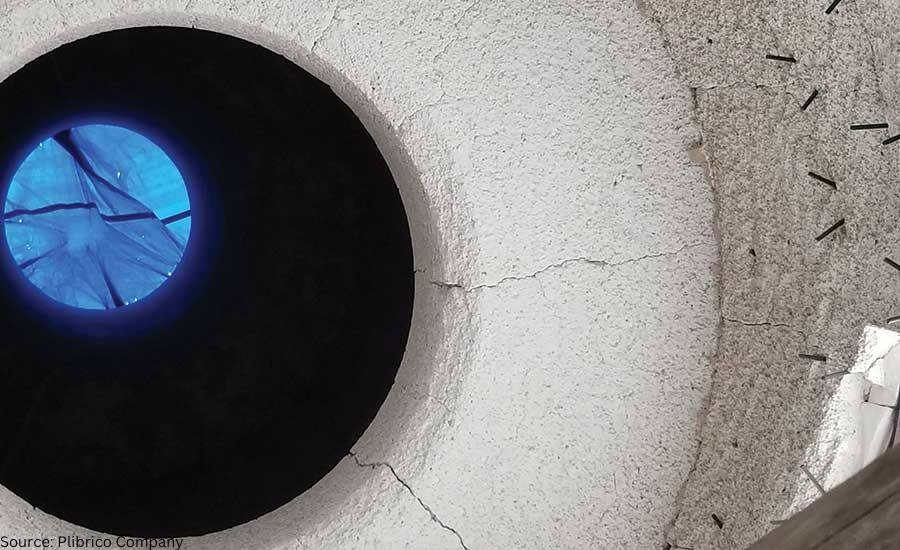
Fig. 2. Airborne particle matter has contributed to the abrasion damage seen in the refractory of a thermal-oxidizer choke ring. Notice on the left side of the photo how the abrading of the refractory lining becomes worse.

Abrasion-Resistance Testing 

The most common measure of holistic abrasion resistance used to compare refractory solutions is the ASTM 704 test. This test exposes refractory lining materials to a stream of abrasive particulate that cause a portion of the sample to be abraded over time. By keeping sample size and shape constant – along with particle velocity, particle material and test duration – various refractory materials can be compared on an apples-to-apples basis. 

This testing can be performed by any qualified refractory testing lab and most reputable refractory manufacturers. Test results are recorded based on the volume of material lost from the sample during the test and are reported in cubic centimeters. Products with excellent abrasion resistance consistently test at 5 cc of loss or less, while elite materials can score less than 3 cc of loss. 

Products designed specifically for abrasion resistance will report ASTM 704 results on their material technical data sheets. It is important to remember that the abrasion-loss numbers reported on material technical data sheets are based on samples prepared in a lab under controlled conditions. Achieving these same properties in the field under real-world, job-site conditions would require a high-quality refractory installer partnered with a world-class refractory manufacturer. 

Fig. 3. Severe conditions lead to abrasion damage in the refractory lining of this dry-ash hopper. Notice the abrasion damage goes past the anchor line, leaving the bottom-left anchors exposed. 

Conclusion 

The thinning of a refractory lining due to abrasion is a source of frustration for many thermal-processing operations and is one of the most common modes of failure encountered in the refractory world. But, by taking the time to understand the failure mechanism and learn about the options available, you can realize significant savings by avoiding needless costs in the future. 

Learn more at www.plibrico.com

This article was initially published in Industrial Heating. All content here presented is original from the author.


How To Tell If You Really Have an Abrasion Problem Read More »

Staying Safe on the Floor: 8 Safety Tips for Heat Treaters

OCWe've assembled some of the top 101 Heat Treat Tips that heat treating professionals submitted over the years into today’s original content. Read on for 8 tips that will keep you and your team safe!

By the way, Heat Treat Today introduced Heat Treat Resources last year; this is a feature you can use when you're at the plant or on the road. Check out the digital edition of the September 2021 Tradeshow magazine to check it out yourself!


4 Reasons Not to Overlook Combustion System Maintenance

Anyone who has operated a direct fired furnace, especially one that relies on pressure balance ratio regulators for ratio control, knows that regular tuning is needed to keep the process running with the proper air to fuel ratio.

Here are 4 reasons not to skip regular combustion system tuning:

  1. It can cost you money: Operating with more air than needed will reduce your furnaces efficiency and require you to burn more fuel. Conversely, operating air deficient, unless necessary for the process, results in unburned fuel being released with the exhaust gasses. In most cases the unburned fuel going up your stack is energy that you paid for.
  2. It can decrease product quality and yield:  For many ferrous metals too much excess air will result in excess scale formation at high processing temperatures. On the contrary other materials such as titanium need to be processed with excess air to prevent Hydrogen pickup.
  3.  It can reduce your furnace’s reliability:  The burners on your direct fired furnace will have a defined range of acceptable air to fuel ratios for proper operation. If your system wanders outside of this range, which can be fairly tight with today’s ultra-low NOx burners, you could start to see flame failures that result in unplanned shutdowns.
  4. It can be a safety hazard: Apart from the possibility of causing burner instability, running with too little air will increase CO emissions. Unless your furnace is designed to safety exhaust CO you could end up exposing personnel working near your furnace to this deadly gas.

(Bloom Engineering)


Alarm Your Eye Fountains & Deluge Showers

For emergency eye fountains and deluge showers, I recommend that each plumbed unit be equipped with an audio and visual alarm on a spring-loaded bypass. The purpose of the alarm is to alert others of the emergency. It is important that employees promptly respond to assist the employee who has been sprayed, splashed, or otherwise contacted by the dangerous substances. The bypass allows employees to easily test the units without setting off the alarm. If there is no bypass, employees might be reluctant to conduct the test, feeling it takes too much effort to alert all relevant persons that there is a test. As a result, an inadequacy of the flushing system could go undetected. With the bypass on a spring-loaded system, the person who conducts the test cannot fail to reset the alarm; it is reset automatically.

(Rick Kaletsky)


Gauge Those Gauges

It is quite common, in my experience during inspections, to find gauges that are missing bezels or have severely broken bezels. This can be a hazard if the stylus or general mechanism is damaged. I have found stuck styluses. A false reading may be given. Such a reading may result (for example) in an employee boosting air pressure, or the level of liquid in a tank or a temperature, far beyond the safe limit. I have also noted gauges where the stylus had been broken-off, and an employee merely made an assumption of what the proper “numbers” were. When conducting preventive maintenance tasks, check those gauges and replace missing or damaged bezels.

(Rick Kaletsky)


Check Your Quench Oil

Safety – Performance – Oxidation

Safety

  • Water content should not exceed a maximum of 0.1% in the quench oil.
  • Flash point should be checked to ensure no extraneous contamination of a low flash point material (i.e. kerosene) has been introduced into the quench tank.

Performance

  • Cooling curve analysis or GM Quenchometer Speed should be checked to confirm the quench oil is maintaining its heat extraction capabilities. Variances in heat extraction capabilities could possibly lead to insufficient metallurgical properties.

Oxidation

  • TAN (total acid number) and Precipitation Number should be checked to ensure the quench oil is thermally and oxidatively stable. Oxidation of the quench oil can lead to staining of parts and possible changes in the heat extraction capabilities.
  • Sludge content should be checked . . . filter, filter, filter . . . sludge at the bottom of the quench tank can act a precursors for premature oxidation of the quench oil.

Work with your quench oil supplier on a proactive maintenance program . . . keep it cool . . . keep it clean . . . keep it free of contamination to extend the life of your quench oil.

(Quaker Houghton)


Compliance Issues? Try On-Site Gas Generation

On-site gas generation may help resolve compliance issues. Growth and success in thermal processing may have resulted in you expanding your inventory of reducing atmosphere gases. If you are storing hydrogen or ammonia for Dissociated Ammonia (DA), both of which are classed by the EPA as Highly Hazardous Materials, expanding gas inventory can create compliance issues. It is now possible to create reducing gas atmospheres on a make-it-as-you-use-it basis, minimizing site inventory of hazardous materials and facilitating growth while ensuring HazMat compliance. Modern hydrogen generators can serve small and large flow rates, can load follow, and can make unlimited hydrogen volumes with virtually zero stored HazMat inventory. Hydrogen is the key reducing constituent in both blended hydrogen-nitrogen and DA atmospheres—hydrogen generation (and optionally, nitrogen generation) can be used to provide exactly the atmosphere required but with zero hazardous material storage and at a predictable, economical cost.

(Nel Hydrogen)


Use Fall Protection Systems to Reduce Construction-Related Falls

Most equipment used for thermal processing stands well over 10 feet tall and has the capacity to hold or process over 60 tons of molten metal. During refractory installation, repair and maintenance of this large equipment, refractory professionals often find themselves raised atop platforms, scaffolding, decking and work stations. Due to the fact that refractory employees regularly work at elevated heights, it is crucial to keep them safe from fall-related injuries, as well as to ensure the job site is free of safety violations. To accomplish this goal, it is essential to understand the hazards of falls and know the Occupational Safety and Health Administration (OSHA) rules.

According to OSHA, in 2017, almost 42% of all construction worker related deaths were attributed to falls. Thousands more were injured. Fall Protection infractions (OSHA 29 CFR 1926.501) also topped OSHA’s 2018 list of the Top 10 Safety Violations for the eighth consecutive year.

Incidents involving falls frequently involve a variety of factors, however, a common thread running through most is the absence of fall protection equipment. Even if you’re Nik Wallenda, the high wire aerialist of the famed Flying Wallendas family, OSHA requires protection when working on refractories at heights of six feet above a lower level:

Handrails, Guardrails and Toe-boards: serve as barriers between the employee and an open edge. Midrails or screens need to be installed between the top of the guardrail and the walking or working surface to prevent falls.

Personal Fall Arrest Systems: provide employees with an individual form of fall protection. For example, a body harness connected to a lanyard or retractable line secured to a fixed anchor. These types of systems are designed to go into action before contact with any lower level.

Personal Fall Restraint Systems: prevent employees from reaching the edge where a fall hazard is likely to occur. It tethers a worker in a manner that will not allow a fall of any distance. This system is comprised of a body belt or body harness, an anchorage, connectors, and other necessary equipment.

As a second line of defense or where fall prevention systems are not practical, for instance roof work, a warning line system consisting of ropes, wires, or chains is an approved solution if it is at least 6 feet from open edges around all sides of the work area. Fixed barriers can also be installed to prevent employee access to dangerous areas.

To address any hazardous areas that may have floor openings, color-coded covers should be used and marked with the word “Hole”. Covers should be secured tight to prevent workers from falling through floors or elevated areas.

OSHA clearly states employer requirements. OSHA mandates employers train workers on how to use personal fall protection equipment and how to work in hazardous situations. Employers must also assess the workplace to determine if walking or working surfaces have the necessary strength and structural integrity to safely support workers.

Before any work begins, conduct a hazard assessment to develop a comprehensive fall protection plan, to manage hazards and focus employee attention on prevention. Falls cause deaths and numerous serious injuries each year, many of which are preventable. Maintain the highest safety standards on your job site by installing or using fall protection systems – not all of us can be as sure footed as Nik Wallenda.

(Plibrico Company, LLC)


Container Clarity Counts!

Assure that container label wording (specifically for identifying chemical contents) matches the corresponding safety data sheets (SDS). Obvious? I have seen situations where the label wording was legible and accurate and there was a matching safety data sheet for the contents, but there was still a problem. The SDS could not be readily located, as it was filed under a chemical synonym, or it was filed under a chemical name, whereas the container displayed a brand name. A few companies label each container with (for instance) a bold number that is set within a large, colored dot. The number refers to the exact corresponding SDS.

(Rick Kaletsky)


A Products Eye View in the CAB Furnace Using Optical Profiling

Ever wished you could see what truly happens to your product as it travels through your conveyorized CAB furnace? Well now you can! Thru-process Optical profiling is similar to temperature profiling but instead of measuring the temperature of the product the system records a high-resolution video of the products journey through the furnace. It’s like running your car “Dash Cam” but through the furnace at over 1000°F. The resulting video “Optical Furnace Profile” shows process engineers so much more about how their process is operating without any need to stop, cool and dismantle the furnace. This allows safe routine furnace inspection without any of the problems of costly lost production and days of furnace down time. From the video evidence, the root cause of process problems, possibly already highlighted by running the temperature profile system, can be identified accurately and efficiently. Furnace structural damage or faulty furniture such as recirculating fans, control thermocouples or heater elements can be detected. Buildup of unwanted flux within the furnace can be monitored allowing accurate service and clean down schedules to be planned preventing future unplanned costly line stoppages. Damage or distortion of the conveyor belt compromising the safe smooth transfer of product through the furnace can be isolated with accuracy helping reduce corrective action turnaround times.

(PhoenixTM)


.

Search for heat treat services and products on Heat Treat Buyers Guide.com


Staying Safe on the Floor: 8 Safety Tips for Heat Treaters Read More »

16 Quick Heat Treat News Chatter Items to Keep You Current

Heat Treat Today offers News Chatter, a feature highlighting representative moves, transactions, and kudos from around the industry.

Personnel Chatter

  1. Earl Leach, safety champion and production manager at Paulo St. Louis, has been recognized by the Missouri Association of Manufacturers with this year’s Safety Excellence “Horizon” Award.
  2. The Plibrico Company, a global leader in monolithic refractory technology, announced Eric Downing as branch manager of the company’s Florida and Georgia locations following the announcement that current branch manager, Dale Johnson, would be retiring. Scott Forster has joined Plibrico as project manager, responsible for estimating, engineering, and managing projects in the company’s Buffalo, New York location.
  3. Dustin Lawhon and Alex Janeway have both accepted expanded responsibilities as national sales managers at Paulo.


Company Chatter

  1. AFC-Holcroft has announced the expansion of sales territory by their sales representative, Vectorr Industries LLC, to now include the Province of Ontario, Canada.
  2. Bodycote announced the opening of its new facility in Elgins, Illinois.
  3. HI-POWER, a Holtec International and Eos Energy Storage joint venture, formed a five-year partnering agreement with Solar Atmospheres of Western PA to provide an energy-efficient, non-lithium, long-duration energy storage solution using battery technology.
  4. Rockford Systems LLC dba Rockford Combustion Solutions launched a new website providing combustion safety and training solutions for organizations that work with fuel-fired equipment.
  5. The ECM USA Synergy Center located in Pleasant Prairie, Wisconsin, showcases ECM equipment and provides pre-production testing. This fully functional test lab houses capabilities to perform many thermal processes across many markets.
  6. Tenova has signed a contract with the HBIS Group for the implementation of the Paradigm Project, a high tech hydrogen energy development and utilization plant. This will be the world’s first DRI production plant powered by hydrogen-enriched gas.
  7. Tenova introduced its TSX SmartBurner for reheating furnaces to be installed in industrial plants with potentially zero carbon dioxide emissions. It is the first flameless burner of the megawatt variety that has been tested successfully with 100% of hydrogen.
  8. Salzgitter Flachstahl GmbH, the largest steel subsidiary in the Salzgitter Group, has commissioned Tenova for the construction of μDRAL, a demonstration plant. The plant will produce Direct Reduced Iron (DRI), using up to 100% hydrogen as reducing agent


Kudos Chatter

  1. Northrop Grumman Defense Systems recognized Solar Atmospheres of Western PA as a top-performing supplier in 2020 with the Outstanding Customer Service Award.
  2. Lincotek has been named among the winners of the Eccellenze d’Impresa 2020 award in the category Innovation and Technology. The prize, now in its seventh year, recognizes Italian companies that excel in extraordinary performance and is organized by Eccellenze d’Impresa.
  3. Solar Atmospheres of Western PA achieved Nadcap AC7101/4 accreditation for their captive metallography laboratory and became an approved Boeing Process Source (D1-4426).
  4. Constellium’s facility in Bowling Green, Kentucky lowered carbon emissions and so received an award from the Tennessee Valley Authority for being an “exemplary environmental steward.”
  5. HT-MX has successfully increased its Nadcap scope to become Latin America’s first heat treat plant certified for HIPing steel and nickel alloys, and the heat treatment of stainless steel, aluminum, and carbon steel heat treatment.


Heat Treat Today is pleased to join in the announcements of growth and achievement throughout the industry by highlighting them here on our News Chatter page. Please send any information you feel may be of interest to manufacturers with in-house heat treat departments especially in the aerospace, automotive, medical, and energy sectors to editor@heattreattoday.com.


16 Quick Heat Treat News Chatter Items to Keep You Current Read More »

This Week in Heat Treat Social Media


Welcome to Heat Treat Today's second installment of This Week in Heat Treat Social Media. As you know, there is so much content available on the web that it's next to impossible to sift through all of the articles and posts that flood our inboxes and notifications on a daily basis. So, Heat Treat Today is here to bring you the latest in compelling, inspiring, and entertaining heat treat news from the different social media venues that you've just got to see and read!

If you have content that everyone has to see, please send the link to editor@heattreattoday.com.


1. Plibrico Company Sponsors Project for Shriner's Hospitals for Children

The Plibrico Company recently sponsored a Happy Craft Day for Shriner's Hospitals for Children, during which many locations took part in assembling craft kits for kids needing a smile.


2. Innovations and Services on the Front Line

During this difficult and uncertain time, many companies are offering support to fight the spread of COVID-19, and some have come up with unique innovations.

Stack Metallurgical Group has announced its support for manufacturers in fighting the pandemic:

Similarly, Inductoheat has made a statement in the same vein:

ION HEAT has come out with the first prototype of its mechanic lung ventilator:

And Proceq USA Sales Manager Tom Ott demonstrates how to recharge a Proceq UT8000 flaw detector using a common USB power pack:


3. Good Friday Furnace Repair

Capital Refractories' Research & Development Manager Julie Hardy shared images of a 12 ton holding furnace repair that took place on Good Friday:


4. Reading and Podcast Corner

You may have a bit more time to catch up on the reading and podcast listening you've been yearning to do. May we recommend two brief written items of interest and an informative podcast.

Park Ohio Turns 100

Ipsen USA recommends their paper on vacuum furnace maintenance

And, for your listening pleasure, be sure to download the latest Heat Treat Radio episode entitled, Heat Treat Modeling with Justin Sims.


5. 101 Uses for Heat Treat Today Tape

Roseanne Brunello of Mountain Rep came up with a festive use of Heat Treat Today packing tape:

"Heat Treat Today comes through again..."


6. Launch into Your Socially Distanced Weekend with the Family Lockdown Boogie

No explanations necessary. Happy Friday, everyone!


This Week in Heat Treat Social Media Read More »
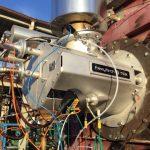
Preventing or Controlling Compressed Air Safety Hazards

Compressed air is an essential component for most construction jobsites and production lines. For thermal operations and processing companies, compressed air assists with the removal, repair, and installation of refractories that keep employees and materials safe. It supplies the energy required to drive vital refractory equipment, such as portable pumps, nozzles, and demolition tools. With the correct safety procedures, compressed air is safe to use, has a very low weight-to-volume ratio, is easy to store, and is nonflammable. However, equipment that requires compressed air at higher pressures to operate, such as portable mixers, gun machines, jack hammers, and shotcrete/gunnite, can pose a risk, especially when used without safety devices or good working conditions.

To help prevent or control hazards, the Plibrico Company has compiled five safety precautions to take when using compressed air:

  1. Location. Portable compressors that are run by internal combustion engines can generate deadly carbon monoxide from the exhaust gases produced in tight spaces. To prevent any problems, select a safe location with good ventilation to stage any portable compressors. Equipment should be positioned away from foot and vehicle traffic. Wheel chocks should be used to prevent drifting.
  2. Hose Connections. Pressurized hoses can unintentionally become detached from equipment or from the couplings site and can begin to lash. Whipping hoses are known to break bones and cause cuts, contusions, and lacerations to those standing close by. To keep everyone safe, use safety coupling pins and whip checks on all hose connections.
  3. Tripping Hazard. Hoses left strewn across walkways and equipment paths or near high-traffic areas increase the chances of a serious accident. To avoid trips and falls, hang all hoses away from walking and traveling areas.
  4. Respirators. Using compressed air can increase dust particles in the surrounding air, making the air hazardous to breathe. Wear respirators when blasts of air suspend dust into the atmosphere.
  5. Proper PPE. Proper personal protective equipment (PPE), such as safety glasses, face shields, hearing protection, gloves, and long-sleeved shirts, are important to harness hazards. Never use compressed air to clean workstations or clothing. Horseplay with compressed air is particularly dangerous:
    • An eardrum can be ruptured or an eye blown out of its socket with as little as 12 lbs. of air pressure.
    • Oil and grease atomized in the compressed air stream can also cause infection if accidentally injected into the skin and may lead to limb amputation.
    • Compressed air blown into the skin can obstruct an artery and result in an embolism. This is a condition where a pocket is created by the blast of air inside a blood vessel. Once this pocket of air enters the brain or heart, it can lead to stroke or sudden cardiac arrest.

Photo Credit: Plibrico Company

It is also a good idea to provide or locate the nearest fire extinguisher to any portable air compressor for emergency purposes.

Compressed air use is required to drive many of the different tools used for the demolition, repair, and installation of refractories used to protect thermal processing equipment. Hazard awareness and safety training allows for refractory crews to use compressed air in a safe and efficient way to complete complex tasks.


Preventing or Controlling Compressed Air Safety Hazards Read More »

A Dozen Quick Heat Treat News Items to Keep You Current

A Dozen Quick Heat Treat News Items to Keep You Current

Heat Treat Today offers News Chatter, a feature highlighting representative moves, transactions, and kudos from around the industry.

Personnel and Company Chatter

  • John Finch has joined Plibrico Company LLC as the Southeastern Territory Manager. Mr. Finch, an accomplished refractory professional and is an active member of several different industry and refractory associations.
  • Timothy C. Fish has joined the sales team at Solar Atmospheres of Western PA as Regional Sales Manager, focusing on the Midwest region.
  • Triumph Fabrications is being acquired by Arlington Capital Partners. Triumph consists of four companies that manufacture, coat, and assemble complex sheet metal components for fixed wing and rotorcraft platforms. Heat treating and annealing are included in the operations.
  • A new state-of-the-art aluminum billet manufacturing facility will be constructed in the Rapids East Commerce Center in the City of Wisconsin Rapids, Wisconsin. Matalco Inc., a member of the Giampaolo Group, will house the new facility in a 110,000 sq ft manufacturing plant, which at full production capacity, will produce in excess of 230 million pounds of high-quality aluminum billet. This is part of a larger investment plan to construct several greenfield aluminum remelt facilities for billet and rolling slab production in North America.

  • A series of gas nitriding and tempering furnaces have been installed at a commercial heat treatment company specializing in mold & die steel heat treatment for its newly formed division. The horizontal gas nitriding furnaces supplied by JGEF Furnaces can produce a hard clean substrate onto which is deposited a duplex layer with high hardness values. The JGEF tempering furnace series will help the manufacturer achieve a pre-vacuum protective atmosphere for tempering, and the atmosphere in the furnace chamber will reduce the oxidative decarburization reaction of the heat-treated workpiece. The furnace has a load capacity of 11023 pounds and an operating temperature range of 302-1202°F
  • Grupo TTT, one of the leaders in heat and surface treatments, recently added a SECO/WARWICK vacuum heat treatment and brazing system equipped with high-pressure gas quench to their Bergara, Spain, facility to run a variety of processes. This is the fourth system purchased by Grupo TTT with an earlier installation in Europe, and two systems currently in operation in Mexico.
  • Three box furnaces have been shipped for installation by Lindberg/MPH. An unnamed customer purchased one Temperite™ Box Furnace and one Treet-All™ Box Furnace to work in tandem. The Temperite™ Box Furnace is configured for aging, annealing, austempering, baking, solution treating, and tempering applications, while the Treet-All™ Box Furnace is configured for annealing, ashing, austempering, brazing, preheating, and solution treating applications. In addition, Lindberg/MPH  announced the shipment of one Treet-All™ Box Furnace to the technology industry. The maximum temperature rating of this light industrial box furnace is 2050°F.
  • A state-of-the-art continuous mesh belt heat treat system has been commissioned for the production of high-quality automotive fasteners. CAN-ENG Furnaces International Ltd was selected for a project in the Piedmont Region of Italy, one of four installation locations for this globally recognized producer of specialty automotive fasteners.
  • A Blue M Friction-Aire® Safety Oven, which provides a controlled heat source without heating elements, was recently shipped to a manufacturer of consumer products by Thermal Product Solutions.

Kudos Chatter

  • StandardAero’s Maryville, Tennessee facility recently completed and shipped its 10,000th auxiliary power unit (APU) repair since the nearly 25 years it has been providing APU MRO services to the industry. The specific 10,000th repair was on a Honeywell model 36-150RJ APU for a regional aircraft operator.
  • Allied Mineral Products has launched a new Chinese-language website. The website, alliedchina.com, targets the local business market in China while actively engaging existing customers. In Northern China, Allied’s manufacturing facility in Tianjin celebrated its 20th anniversary last year.
  • The ASM Materials Education Foundation is pleased to announce the winners of the 2018 ASM Materials Genome Toolkit competition. As determined by an independent review committee, the undergraduate engineering departments at Georgia Institute of Technology, Louisiana Technological University, Montana Technological University, and Worcester Polytechnic Institute will receive a three-year site license for a suite of Thermo-Calc software tools intended to aid in the instruction of computational materials design, an emerging engineering practice deemed essential to the success of the U.S. Materials Genome Initiative (MGI) and global leadership in manufacturing.

Heat Treat Today is pleased to join in the announcements of growth and achievement throughout the industry by highlighting them here on our News Chatter page. Please send any information you feel may be of interest to manufacturers with in-house heat treat departments especially in the aerospace, automotive, medical, and energy sectors to the editor at editor@heattreattoday.com.

A Dozen Quick Heat Treat News Items to Keep You Current Read More »
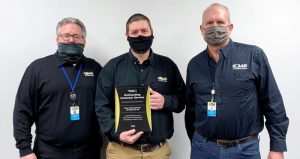
10 Quick Heat Treat News Items to Keep You Current

10 Quick Heat Treat News Items to Keep You Current

Heat Treat Today offers News Chatter, a feature highlighting representative moves, transactions, and kudos from around the industry.

Personnel and Company Chatter

  • Julien Noel has been named Vice President / General Manager of the Buehler worldwide division. ITW Test and Measurement Group President, Yahya Gharagozlou, made the announcement. Buehler is an ITW Company which manufactures scientific equipment and consumables for materials analysis.
  • A fourth vacuum aluminum brazing (VAB) furnace has been purchased by California Brazing, a Newark, California, heat treating company in order to expand the capability to service the aerospace sector.
  • Solar Atmospheres recently awarded the title of CEO Emeritus to Roger A. Jones, FASM. The honorary title was conferred by the company and announces his semi-retirement as Solar Atmospheres’ CEO, the culmination of 45 years of leadership and service to the vacuum heat treating industry.
  • A refractories supplier’s recently established partnership will result in the full-service distribution of the company’s products and services throughout several European countries. The Plibrico Company and Pli Group Europe GmbH, a highly experienced refractory distributor contractor based in Vienna, Austria, have entered into a new value-added distribution partnership will cover Austria, France, Germany, Switzerland, Italy, Hungary, Czech Republic, Slovakia, Slovenia, Croatia, Serbia, and Bulgaria.
  • The world’s largest aerospace company, the Boeing Company recently acquired Embraer SA, the commercial aircraft arm of a Brazilian aircraft manufacturer, in a new $4.75 billion joint venture.

Equipment Chatter

  • Seven Gruenberg Glassware drying ovens were recently shipped to a university in the U.S. Midwest by Thermal Product Solutions, a manufacturer of thermal-processing equipment based in New Columbia, Pennsylvania.
  • A furnace equipment company based in Erie, Pennsylvania, recently designed and manufactured a front-loading forge furnace for a leading North American forging company. The furnace built by Onex, Inc., is one of the largest of its kind in North America with workspace dimensions measuring 26ft (W) x 20ft (D) x 14ft (H).
  • A heat treating services provider in the U.S. Northwest recently purchased a Meg-HIP hot isostatic press for heat treating and metal processing. Västerås, Sweden-based, Quintus Technologies installed the system at Stack Metallurgical Group in Albany, Oregon.

Kudos Chatter

  • Thermal-Vac Technology, Inc. has been awarded a 2018 Top Workplaces honor by The Orange County Register. The list is based solely on employee feedback gathered through a third-party survey administered by research partner. The anonymous survey measures several aspects of workplace culture, including alignment, execution, and connection, just to name a few.
  • AK Steel recently announced that it has accepted an award of up to $1.2 million from U.S. Department of Energy (DOE) under the Office of Energy Efficiency and Renewable Energy’s (EERE) Advanced Manufacturing Office program to investigate novel low-density steels in the laboratory, which could ultimately be used in automotive structural applications. The three-year project will be conducted in collaboration with DOE, Oak Ridge National Laboratory Materials Science and Technology Division, and the Advanced Steel Processing and Products Research Center in the Department of Metallurgical & Materials Engineering at the Colorado School of Mines.  The objective of the project is to conduct alloy design, laboratory validation, and testing of low-density steels that are alternatives to currently available advanced high strength steels and other lightweight metals.

Heat Treat Today is pleased to join in the announcements of growth and achievement throughout the industry by highlighting them here on our News Chatter page. Please send any information you feel may be of interest to manufacturers with in-house heat treat departments especially in the aerospace, automotive, medical, and energy sectors to the editor at editor@heattreattoday.com.

10 Quick Heat Treat News Items to Keep You Current Read More »

Skip to content