



Future Energy Flexibility

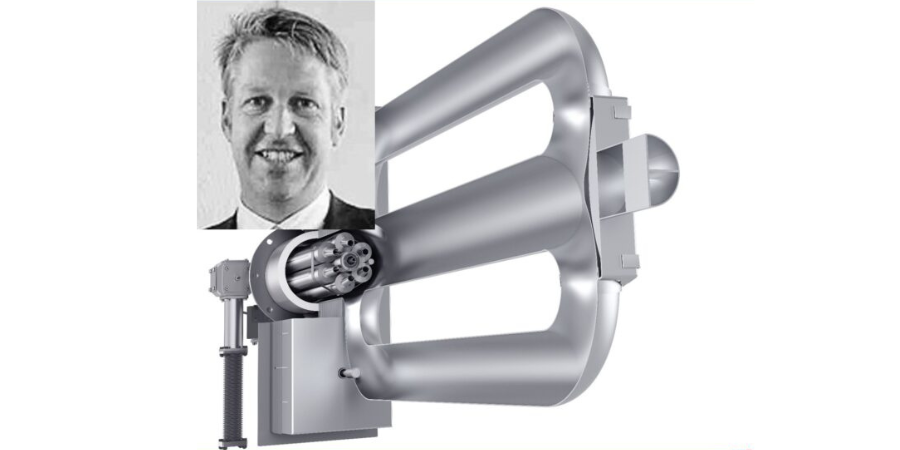
Today's original content piece comes to us from Dr.-Ing. Joachim G. Wünning, president of WS Wärmeprozesstechnik GmbH. Thinking of how dependent countries can be on one another for energy supply, he reminds us that an energy crises in one area can have far reaching effects on the rest of the world.
What, if anything, can be done? Wünning looks to the heat treating industry to show that there are efforts to source energy from chemical carriers and to use fuel flexible furnaces. He says, "Our beautiful earth is worth preserving for future generations."
Read on to find challenges and encouragements of how to source and use energy in the years to come.

Source: the author
Europe and especially Germany recently learned the hard way what it means to largely depend on one major energy supplier. After Russia shut off a few pipelines and destroyed two others, it was not clear if industry and households would get through the winter without major shutoffs and constraints. Now spring is here, and gas storage Is still at reasonable levels, due to a mild winter. We can temporarily relax but should be aware that the next winter is coming. Energy issues will be one of the great challenges for the next decades.

In addition to missing energy supply from Russia, reduced availability of French nuclear power stations is another issue. This decreased availability is a result of repair, maintenance, and reduced cooling capabilities due to low river water levels. Already scarce, natural gas was used to export electricity to electric power dependent France. Last year in Germany, shares of electricity produced in coal fired power stations were up despite the clearly expressed will from a government which includes the green party.
Some of these problems do not yet apply for the United States because there are enough resources to guarantee a stable energy supply. However unforeseen things can happen like if and when certain future markets will ask for fossil free products (eg green steel).
The transition of our energy systems, to limit climate change mainly caused by the combustion of fossil fuels, will remain a major task for the coming decades. The worldwide transition to renewable energy, provided largely by solar and wind, will require a major effort.
In the heat treating industry, direct usage of electricity and chemically stored electric energy in the form of hydrogen or ammonia will be the primary sources for heating industrial furnaces. While direct use of electricity might look like the obvious choice for the future, it might not be the case for all applications.
If you convert a furnace to electric heating, you have to rely on payable electric energy even when there is no sunshine or wind blowing. You may need to switch your furnace off when electricity is scarce. If you want a steady weather independent production, using a chemical energy carrier has advantages. In many furnaces, combustion systems are or will be available for the usage of either natural gas, hydrogen, or ammonia cracking gases.
If you invest in a fuel flexible furnace today, you can benefit from using natural gas which is far less expensive than electricity in most regions. If electricity becomes more abundant at certain times, you can generate your own hydrogen; and you will have the choice between using (natural or green) gas from the grid or your self-generated hydrogen without investing in a new furnace. This energy flexibility will present a big competitive advantage and will enable you to offer green steel when the market is asking for it.
In the future, the success of societies and industries will depend on their ability to flexibly adjust to changing conditions, energy being one of them. Our beautiful earth is worth preserving for future generations.
About the Author:
Wünning is the president, owner, and CEO of WS Thermprocess Technic Gmbh [WS Wärmeprozesstechnik GmbH] in Germany and WS Thermal Process Technology, Inc., in Elyria, Ohio.
Contact Joe at j.g.wuenning@flox.com
 Find heat treating products and services when you search on Heat Treat Buyers Guide.com
Future Energy Flexibility Read More »