In today’s News from Abroad installment, we highlight processing and initiatives that aim to improve operations and improve sustainability. Read more about a method used in the production of parts with complex geometries; a venture to create the world’s first fossil-free, ore-based steel with renewable electricity and green hydrogen; and a production plant that will generate around 9,000 tons of green hydrogen a year to be used for the production of carbon-reduced steel.
Heat TreatTodaypartners with two international publications to deliver the latest news, tech tips, and cutting-edge articles that will serve our audience – manufacturers with in-house heat treat. Furnaces International, a Quartz Business Media publication, primarily serves the English-speaking globe, and heat-processing, a Vulkan-Verlag GmbH publication, serves mostly the European and Asian heat treat markets.
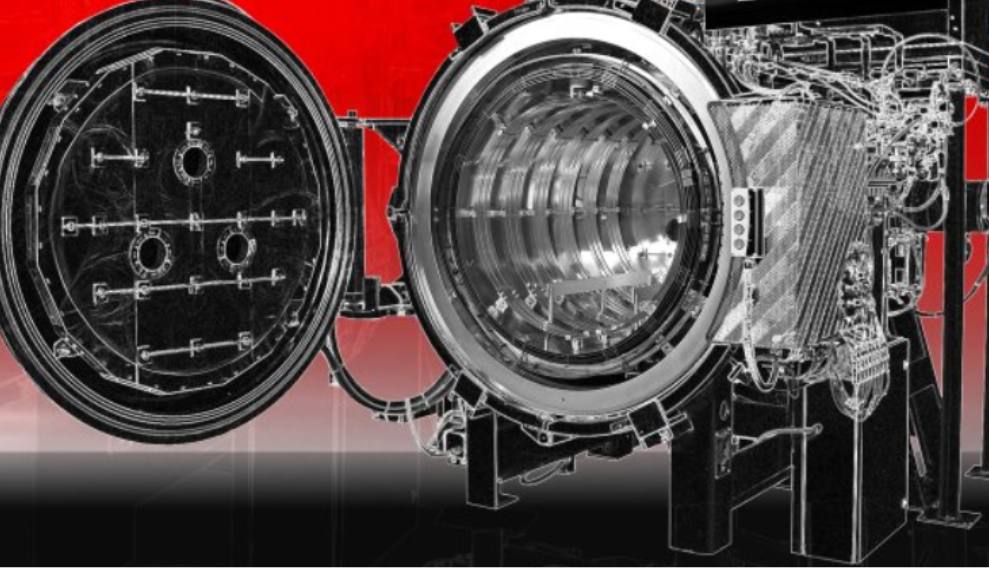
Press Hardening Prevents Part Deformation
Press hardening neccessary due to part deformation during the rapid cooling phase induced by quenching
Source: Thermi-Lyon
“Press hardening serves a very specific purpose: to prevent part deformation during the rapid cooling phase induced by quenching. This process improves the performance of steels by giving them a martensitic structure without the need for reworking. Designed for high volume production of parts with complex geometries, press hardening is both highly effective and economical….
This process was initially developed for automotive manufacturers, to process large series of parts with complex geometries. In fact, this method is perfectly suited to the processing of large numbers of parts on a production line: since the cooling cycle is automatically programmed, it can be repeated ad infinitum. What’s more, the circulation of quenching fluid around the part held in the press results in uniform, controlled cooling that can easily be reproduced many times over.”
An electricity-based process gas heater for the hydrogen-based direct reduction process developed by HYBRIT (Hydrogen Breakthrough Ironmaking Technology)
Source: Kanthal
“Launched in 2016 as a joint venture owned by SSAB, LKAB, and Vattenfall, with support from the Swedish Energy Agency, HYBRIT aims to create the world’s first fossil-free, ore-based steel with renewable electricity and green hydrogen.
This involves shifting from coal-powered blast furnaces that use coal as a reduction medium to a direct reduction process using hydrogen produced via renewable energy. The first HYBRIT pilot plant in Luleå, Sweden, began operations in 2020, with commercial-scale production targeted by 2027.
Kanthal is proud to have contributed to HYBRIT’s groundbreaking journey by developing an electricity-based process gas heater for the hydrogen-based direct reduction process under the name Prothal®. This project showcased the feasibility of fossil-free industrial heating solutions and laid the groundwork for scaling up these technologies to meet the steel industry’s future needs.”
Largest Green Hydrogen Production Facility Underway
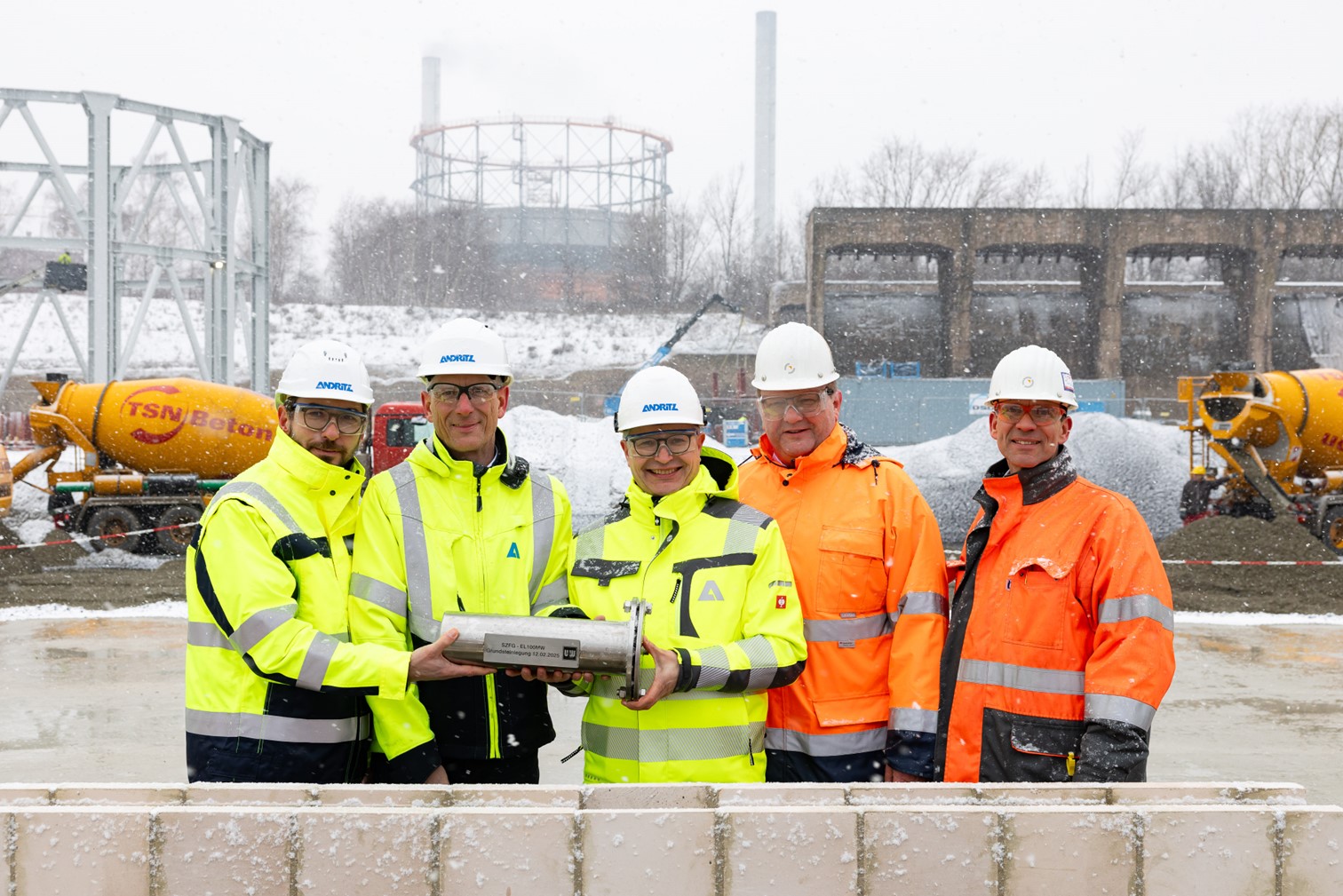
From left: Andrea Prevedello, Global Director Project Management of Green Hydrogen, at ANDRITZ; Walther Hartl, Project Manager of Electrolysis, at ANDRITZ; Sami Pelkonen, Executive Vice President of Green Hydrogen, at ANDRITZ; Gerd Baresch, Managing Director of the Technical Division, SZFG; Thorsten Hinrichs, Head of Pipeline Infrastructure, SZFG
Source: Andritz Group
“On February 12, 2025, the cornerstone was laid for one of the largest production plants for green hydrogen in the whole of Europe.
[Beginning in] 2026, the plant will generate around 9,000 tons of green hydrogen a year to be used for the production of carbon-reduced steel. This will mark the start of the industrial use of hydrogen in SALCOS®-Salzgitter low CO2 steelmaking. SALCOS® is aiming for virtually carbon-free steel production. The 100 MW electrolysis plant will be supplied on an EPC basis by the international technology company ANDRITZ, using the pressurized alkaline electrolysis technology of HydrogenPro.”
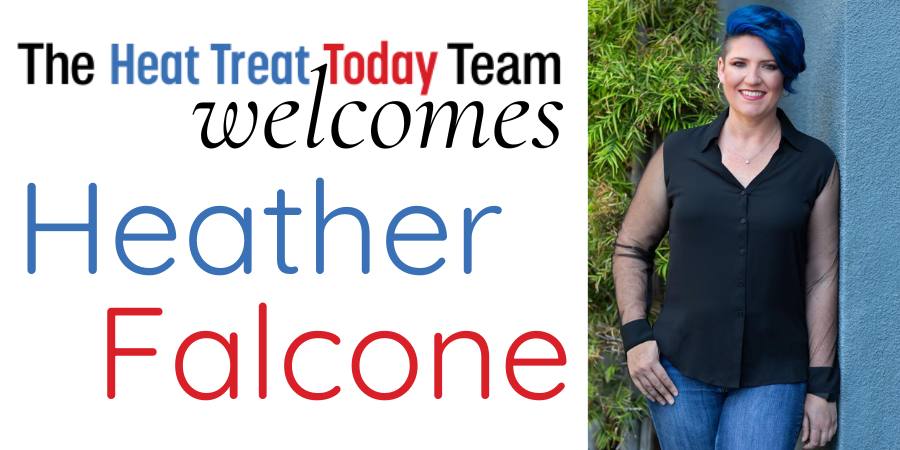
Heat TreatToday is excited to announce the addition of Heather Falcone to the editorial and podcast team, beginning on Monday, March 3, 2025. She will be taking on the responsibilities of content editor for the daily e-newsletter, original content writer, and Heat TreatRadio contributor.
Heather, the founder and principal of Falcone Consulting, LLC, is a servant leader with over 20 years of experience in heat treating, brazing, and chemical processing. She spent most of her formative years as a second-generation member of a family-owned heat treating and brazing business. As the former CEO of Thermal-Vac Technology, she successfully led the company through the pandemic, ensuring stability while propelling it into a new era that resulted in a successful exit in 2024. Passionate about challenging the status quo, she champions diverse teams and fair chance hiring, with a focus on developing successful teams that are future-proof and thriving.
Beyond her position as founder and principal at newly formed Falcone Consulting LLC, Heather is a board member, coach, speaker, and writer, advocating for small businesses, workforce development, and success for the heat treat community at large. She provides her expertise in aerospace specifications and the Nadcap process in an ongoing role as the special project consultant for Cook Induction Heating in Maywood, California. Additionally, she has played a pivotal role in industry organizations like the Metal Treating Institute, AMEC, and Nadcap, while also supporting local nonprofits such as Chrysalis and the Orange County Workforce Development Board.
“We’re thankful to have Heather joining the Heat TreatToday team,” said Doug Glenn, founder, owner, and publisher of Heat TreatToday. “I’ve known Heather for many years and have been impressed with her initiative, courage, and fearlessness in everything she does. As an organization that is deeply invested in making sure in-house heat treaters have the information they need to become more efficient and profitable, Heather will be an excellent addition to our editorial team. She knows the industry; she knows what our readers need. And as we all know, the happier the readers, the happier our advertisers.”
Heather is an Ironman triathlete, a Seven Summits enthusiast who has summitted Mt. Kilimanjaro and trekked in the Everest region, and a loving wife and mother to two teenage boys.
For more information, click here for Heather’s LinkedIn page, here for Falcone Consulting’s website, or here for her Heat TreatToday 40 Under 40 recognition in 2019.
The heat treating industry is under pressure to reduce its greenhouse gas emissions (GHGE), and the response has been a noble effort to attain sustainability. In 2024, Heat Treat Today published a series of articles by guest columnist Michael Mouilleseaux, general manager at Erie Steel, Ltd., regarding the U.S. Department of Energy’s initiative related to the decarbonization of industry and its potential impact on the heat treating industry.
This update was first published in Heat Treat Today’s February 2025 Air & Atmosphere Heat Treating Aerospace print edition in response to recent changes in the U.S. administration.To catch up on previous columns by Mike, check these out: “US DOE Strategy Affects Heat Treaters“ appeared in the March 2024 Aerospace print edition; “U.S. DOE Strategy: Ramifications for Heat Treaters” appeared in the May 2024 Sustainability print edition; and “US DOE Strategy: Why the Heat Treating Industry?” appeared in the June 2024 Buyer’s Guide print edition.
As described in previous articles, President Joe Biden issued an executive order in 2021 that committed the federal government through the Department of Energy (DOE) and the Environmental Protection Agency (EPA) to reduce GHGE attributable to “process heating” by 85% by 2035 and attain net zero CO2 emissions by 2050.
These goals were to be achieved by implementing four largely unproven technologies:
Energy efficiency
Industrial electrification (using green electricity)
Adoption of low-carbon fuels (e.g., hydrogen), feedstocks, and energy sources (LCFFES)
Carbon capture, utilization and storage at the generated source (CCUS)
On www.heattreattoday.com/factsheetDOE, you can utilize the one-page resource to let governmental officials know what our industry is, who we are, who we employ, and the effect this effort has in regulating us out of business.
We further described the negative effect the implementation of these efforts would have on the heat treating industry — specifically, an increase in energy costs from 4x to 15x, with a companion reduction in energy reliability. This is not the combination that portends success in business.
In November of 2024, the people of the United States made a statement. They decided the direction of the country for the past four years was not what they wanted and chose another path, a path they chose based on what they had experienced from 2017 through 2020. As it pertains to industrial policy, they knew that reduced regulation and policies favorable to business growth were the guiding principles.
What may we reasonably expect from a Trump administration relative to this Industrial Decarbonization Effort?
At a minimum, we should expect a sober understanding of the issues and agreement that any low-carbon replacement energy technologies will come with the assurance they are cost competitive with current sources, and that they will be reliable and secure.
Is this to say that all efforts toward the achievement of a reduction in greenhouse gas emissions (GHGE) should be abandoned? Absolutely not, however, they should not be implemented with a religious zeal that places implementation above practicality. We need to recognize that if our way of life is to be maintained, these changes will be evolutionary — not revolutionary.
Should we anticipate this effort to revise the “timing” of GHGE reductions will be easy to achieve? It will not; the Biden administration has made every effort to obligate a maximum amount of the funding from the IRA earmarked for “clean energy,” understanding any funds not so obligated can be rescinded. Additionally, a concerted effort to place these funds in Republican states was made to make any recission as politically painful as possible for the incoming administration.
The incoming administration has made it clear they will scrutinize all existing funding sources that support those clean energy initiatives that distort and undermine energy independence and reliability. They have stated they intend on immediately pausing all regulatory activities until they have the opportunity to review them. They intend on rescinding all executive orders that further the clean energy agenda.
Do we have a part in this? Yes, our industry, although crucial to the manufacturing community and national security, has very little visibility. Now is the time to act and to let our representatives and senators know how important it is to pause, if not reconfigure, this Industrial Decarbonization Initiative to assure our businesses remain vibrant and vigorous.
Attend the 2025 SUMMIT to find out more about the DOE’s actions for the heat treat industry.
About the Author:
Michael Mouilleseaux General Manager Erie Steel, Ltd
Michael Mouilleseaux is general manager at Erie Steel, Ltd. He has been at Erie Steel in Toledo, OH since 2006 with previous metallurgical experience at New Process Gear in Syracuse, NY, and as the director of Technology in Marketing at FPM Heat Treating LLC in Elk Grove, IL. Michael attended the stakeholder meetings at the May 2023 symposium hosted by the U.S. DOE’s Office of Energy Efficiency & Renewable Energy.
Heat TreatToday offers News Chatter, a feature highlighting representative moves, transactions, and kudos from around the industry. Enjoy these 22 news items.
Equipment
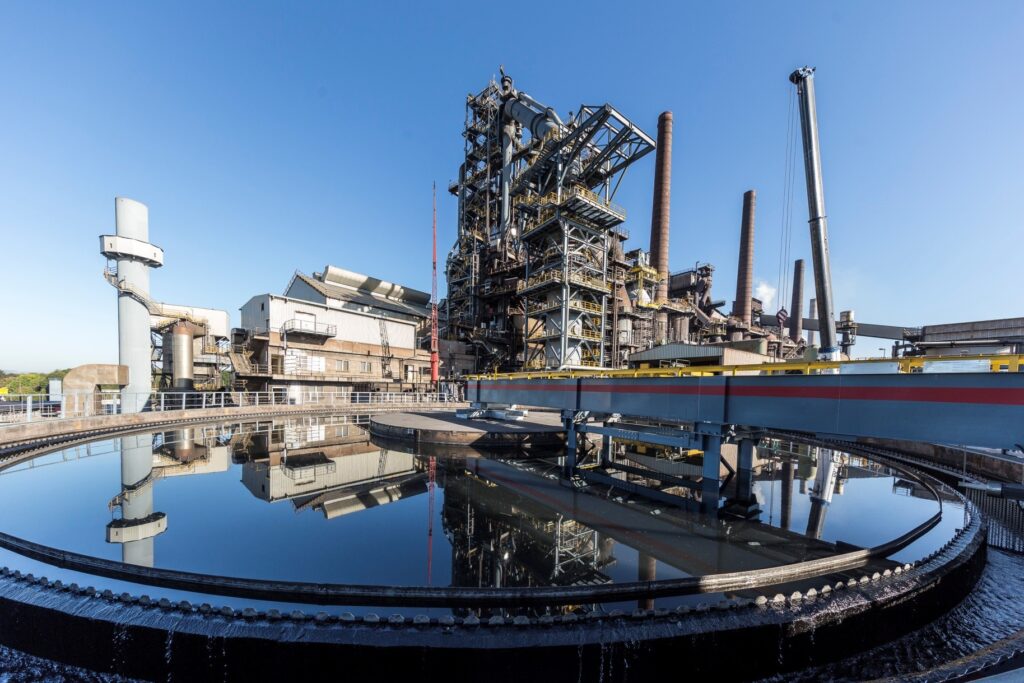
ROGESA Roheisengesellschaft Saar GmbH has commissioned SMS group to carry out a comprehensive modernization of blast furnace 4 (BF4), which will extend the service life of the blast furnace and ensure effective monitoring of the hearth lining. The contract includes the planning and delivery of the Paul Wurth hearth lining and multi thermocouple sensor probes (MTPs), as well as technical support during the installation phase at the in Dillingen, Germany, location. Additionally, Future Forgeworks, a steel manufacturer based in Brisbane, Australia, has commissioned SMS group to supply the nation’s first continuous mill technology (CMT® 350) mill. Future Forgeworks’ landmark project, the Swanbank Green Steel Mill Project, will produce rebar steel in an endless process for the Australian company, guaranteeing low carbon emissions and highly efficient production.
Piper Industrial Manufacturing Company, a Piper Aircraft, Inc., subsidiary, has acquired a Flexform™ fluid cell press from Quintus Technologies, expanding its equipment inventory to target the growing demand for low volume, high-complexity sheet metal forming. The company provides turnkey world-class manufacturing solutions.
Steel producer Colakoğlu Metalurji AS, has placed an order with SMS group for the modernization of the laminar cooling section and the downcoiler in its 1,850-millimeter hot strip mill. With the completion of the laminar cooling system upgrade, the Turkish company plans to enter the market for wear-resistant steel grades. Additionally, Fujian Kebao Metal Products Co., Ltd., a subsidiary of Fujian Sanbao Group, has contracted with SMS for two tinplate continuous annealing lines (TIN CALs).
A heat and energy management company that produces approximately 2 million complex parts per year has expanded with a custom-made VAB furnace for vacuum aluminum brazing. SECO/WARWICK has delivered the furnace to the company, located in the Czech Republic.
Aluminum and renewable energy company Hydro has decided to invest in a new sow casting line at Husnes to increase its primary aluminum casthouse flexibility. The company’s primary plant produces low-carbon extrusion ingot for the European construction and automotive industries. The sow caster, which will have a capacity of 100,000 tonnes per year, will give flexibility to produce sow ingots in periods of lower demand for the plant’s main products.
Secat, Inc., recently announced the addition of the Alubin extrusion press to its Nicholasville Pilot Lab. The press was donated by Wagstaff, Inc., which manufactures direct chill aluminum casting systems. This equipment will elevate the company’s testing, development, and small-scale production capabilities.
Tenova will supply a new hot dip galvanizing line for PT Tata Metal Indonesia. The flexibility of the new line for zinc aluminum magnesium alloys will enable production of three types of coated coils.
View of ROGESA blast furnace 4 from the water treatment plantCooling groups operating as part of the laminar cooling system for ColakoLow-carbon extrusion ingot for the European construction and automotive industries produced at HusnesA new aluminum extrusion press installed at Secat’s Nicholasville Pilot Lab in KentuckyTenova and PT Tata Metal Indonesia
Company & Personnel
Can-Eng Furnaces International, Ltd. has announced the promotion of two long-standing employees to new leadership roles in 2025. Jason Clay has been promoted to manufacturing operations manager, overseeing the future direction of the company’s manufacturing strategies. Adam DeCiccio has been promoted to purchasing and logistics manager and will focus on implementing innovative strategies and improvements within purchasing, supply chain, and inventory planning to support company growth.
thyssenkrupp Aerospace, a logistics service provider for the commercial aerospace industry, and aluminum manufacturer Novelis have renewed their strategic partnership through a multi-year agreement.
Kolene Corporation recently announced the promotions of Timothy D. Shoemaker and Peter L. Shoemaker, both to co-chief operating officers for the corporation. Tim Shoemaker is responsible for sales and has oversight of the company’s engineering, field service, and project management departments. Peter Shoemaker continues to lead the company’s chemical supply chain and order fulfillment departments, as well as its critical replacement parts revenue segment.
Gasbarre‘s new 150,000-square-foot facility in St. Marys, Pennsylvania, recently became fully operational, with expanded floor space, upgraded infrastructure, and state-of-the-art equipment.
JSW Steel Dolvi Works has selected SMS group for a major expansion of its steelmaking facility, increasing the annual capacity of the existing steel mill by 3.7 million tons per year.
Watlow, a provider of industrial technology and thermal systems, recently expanded its executive leadership team by appointing two regional presidents to oversee operations in Asia and Europe. Shiyi Zhou will serve as regional president of Asia, and Klaus Aarestrupp as regional president over Europe.
Ipsen announced the 2025 schedule for its comprehensive training course on vacuum furnace equipment. Ipsen U will take place on April 1-3, June 10-12, August 12-14, and October 7-9 in Cherry Valley, Illinois.
CAN-ENG Furnaces International Ltd has formed a strategic partnership with Piotr Pelian, founder of Industrial Process Technology to expand its European presence.
Hydro and Northvolt have signed an agreement where Hydro will acquire the remaining shares in the battery recycler Hydrovolt for NOK 78 million, increasing its ownership in Hydrovolt from 72 to 100 percent through this transaction. Hydrovolt is a raw materials company established in 2020 as a 50/50 joint venture between Hydro and Northvolt.
Jason Clay Manufacturing Operations Manager CAN-ENG Furnaces International, LtdAdam DeCiccio Purchasing & Logistics Manager CAN-ENG Furnaces International, LtdTimothy D. Shoemaker Co-Chief Operating Officer Kolene CorporationPeter L. Shoemaker Co-Chief Operating Officer Kolene CorporationGasbarre’s new facility in St Mars, PennsylvaniaShiyi Zhou Regional President Asia WatlowKlaus Aarestrup Regional President Europe WatlowIpsen U training classPiotr Pelian Founder Industrial Process TechnologyHydrovolt, one of Europe’s largest EV battery recycling plants in Fredrikstad, Norway
Kudos
Solar Atmospheres, Inc. has been recognized as the industry leader in the Surface Treatment Services category of the 2024 Leadership in Medtech Awards.
Phoenix Heat Treating has announced that their furnaces have received approvals from Pratt & Whitney and Bell Helicopter, increasing the company’s capacity to process orders that require specifically approved furnaces, ensuring compliance with stringent aerospace and defense standards.
Steelhead Technologies recently announced the launch of the Tides of Steel Sweepstakes, in partnership with Calvary Industries. The contest offers an opportunity for job shops to win prizes that will accelerate 2025 growth and reward hard-working teams.
The Otto Junker Foundation announced the winners of the Otto Junker Prize 2024, honoring outstanding academic achievements at the RWTH (Technical University of Aachen). The recipients are: Daniel Baggen, Moritz Diewald, Gerrit Ipers, and Jan Krusenbaum.
Mark Thomason and John Blauser, both of Gasbarre, have received the 2025 Distinguished Service to Powder Metallurgy Award from the Metal Powder Industries Federation (MPIF). The award recognizes individuals who have dedicated at least 25 years to the powder metallurgy (PM) industry and made outstanding, long-term contributions that have earned the admiration of their peers.
The inaugural class of field service engineers recently graduated from the Ipsen FSE Academy, a next-generation training program building on the foundation of the former Ipsen Corporate Academy. This revamped initiative reflects Ipsen’s ongoing commitment to developing top-tier talent. These engineers successfully completed an intensive 20-week training program focused on mastering the complexities of heat treatment furnace repair and service
Left to right: Wolfgang Bleck, Chairman of the Advisory Board of the OJ Foundation; Jan Krusenbaum, award winner; Gerrit Ipers, award winner; Daniel Baggen, award winner; Moritz Diewald, award winner; Ulrich Rudiger; Udo von Berg. Source: Andreas SchmitterMark Thomason Global Sales Manager Gasbarre ProductsJohn Blauser Business Development Manager Gasbarre Precision ToolingMembers of the inaugural class of field service engineers from the Ipsen FSE Academy
In this informative piece, professional recruiters in the heat treat industry answer questions about what to expect in the heat treat industry’s hiring environment, with valuable insight both for hiring companies and rising talent.
Josh Hale, managing recruiter, and Jessica Maier, senior recruiter, both of International Search Partners, discuss changes in the hiring landscape within the heat treat industry. Their topics include adaptability to industrial technology innovations, Gen Z expectations and how hiring personnel can best articulate their needs to this labor group, and the most in-demand skill that industry employers will be looking for in 2025.
This article was first released inHeat Treat Today’sJanuary 2025 Technologies To Watch in Heat Treating print edition.
Q1: In 2020–2021, placing long term employees became a difficult challenge to solve. As we approach the end of 2024, how has the hiring scene changed?
Josh Hale (JH): In many ways it hasn’t; it continues to be a candidate-driven market that’s tight on talent and robust in openings, and it’s hard to see things changing any time soon. With more established professionals entering retirement, fewer new workers coming in from the younger generations to meet replacement needs, and overall growth in the industry, there very simply remains a huge demand for workers and a dearth of supply.
Q2: The nature of work continues to evolve rapidly. From robotics and AI to various GPTs tailored for specific company use, industrial technology innovations continue to alter the workplace. For an industry that historically has been slow to change, have we seen any changes in how heat treat employers look to fill labor needs, compensate employees, etc.?
JH: It’s taken some time, but finally, YES! The heat treat industry isn’t known to be the bastion of new technology and has a reputation for being slow to change, but we’re just now starting to see some developments, including very simple things like touch screens, updated computers, etc. to bigger, more cultural shifts, like flexible schedules and remote work options (where applicable). At FNA in October, there were even a few furnace OEMs sharing new artificial intelligence products! This is all great news, especially for a historically very traditional industry that has been slow to evolve. Progress, growth, and getting up to speed with 21st century systems, tools, and norms goes a long way towards attracting younger talent.
Q3: What strategies have heat treat departments or companies been using to find, hire and retain the “best fit” job hires? What makes them successful (or not successful at all)?
JH: The best way for a company to hire top talent is to engage the services of a professional recruiter. I might be biased, but there’s a good reason for this — in a tight labor market where unemployment is at record lows, the best employees are currently working and engaged in their jobs and being treated very well by their employers. High performers aren’t trolling job boards, applying online, or sending out résumés. An experienced recruiter can reach this untapped market of passive candidates by reaching out to currently employed individuals and enticing them to other opportunities — I call this “surgical recruiting” because it is quite simply “cutting” an employee out of one company and placing them in another.
I also like using sports as an analogy. Imagine that you want to put together the best baseball team in the world. Are you going to post an ad online and hope Shohei Ohtani applies, or are you going to pursue him and try and lure him to quit the Dodgers and join your team? That’s the difference between direct recruiting vs. “post and pray” (the nickname recruiters give to advertising jobs online and hoping for the best), and the service that a good third-party recruiter provides.
Q4: When it comes to young people (particularly Gen Z), they have grown up in a different age of the internet and have certain expectations about what starting a career looks like, such as: How or when career mile markers are accomplished, the purpose of work, the nature of how work is accomplished, and what job benefits should look like. Translated to the heat treat industry, are there any expectations that you would encourage Gen Z to maintain, and why? Alternatively, are there certain misconceptions that you would want to reframe for them so they have a better idea of what to look for in their job options?
Jessica Maier (JM): I’m closer to this generation than Josh (Gen X), but I’m still a Millennial. I have also studied the topic and talked to many in the Gen Z workforce and gotten a good sense of their expectations. From my research, early career Gen Zs are looking for the following (along with my commentary as it pertains to the heat treat industry):
1. GEN Z EXPECTATION: 2–3 year mile markers (target and goals accompanied by either promotion or raises)
HEAT TREAT TRANSLATION: One thing that we’re seeing with the younger generation is that company loyalty is becoming less valued. If Gen Z workers don’t see the mile markers that they’re looking for in those first few years, their eyes will start to wander. While a promotion might not always be viable for someone working in a small commercial heat treat company, raises combined with praise go a long way and are achievable for most managers.
2. GEN Z EXPECTATION: A strong sense of purpose in their work (i.e., they want to feel fulfilled in their work and not feel like they’re just punching a clock)
HEAT TREAT TRANSLATION: Heat treating has a huge impact on the world, but that contribution can sometimes get lost in the shuffle of everyday work. An initiative to highlight these impacts could go a long way. Additionally, we often hear from younger candidates, “I don’t want to feel like a number; I want to feel like a human being.” Managers making a point to make sure their employees feel seen and heard could also be a quick and easy (and free!) feel good fix in this regard.
3. GEN Z EXPECTATION: PTO around 15–20 days to start, not including holidays along with basic benefits (medical/vision/401k)
HEAT TREAT TRANSLATION: Gen Z would do well to adjust these expectations a bit. I have rarely seen an entry-level position begin with more than 2 weeks (10 days) PTO. This is the norm for the first year of employment with opportunities to gain more in the future. Other benefits (health insurance, etc.) are usually standard across the board for most companies. As Gen Zs are younger and typically single, they are not usually looking at benefits for families but focused on individual care. In general, however, the more that is paid by the company, the more appealing it is for the worker (which can be a useful recruitment and/or retention tool).
Note about 401ks … Gen Z is learning from previous generation’s mistakes and are very interested in getting a jump on their retirement funds. With that, and in the same vein as the benefits, the higher the percentage matched by the company, the more appealing it is to the employee — another great tool for attracting top talent!
4. GEN Z EXPECTATION: Work/life balance (including the WFH trend kicked off by the pandemic)
HEAT TREAT TRANSLATION: In a post-COVID world, “work/life balance” is a huge buzz word in the hiring process, and with that, I see some good news and bad news as it pertains to the heat treating industry … the good news for Gen Z is that we’re seeing a trend of companies understanding that when an employee is not “on the clock,” they are not expected to be attached to their phones or emails and provide an immediate response. The bad news for Gen Z is that being on site is critical for many/most of the jobs in the industry. Of course, there are exceptions (hello, Sales!), but generally, it remains true that remote work is untenable for most heat treaters.
5. GEN Z EXPECTATION: Fair pay
HEAT TREAT TRANSLATION: We could talk about this for hours, but I’ll boil it down to this: If you’re a younger Gen Z who is looking for a job, you’re likely not going to get the pay that your professor, buddy, or family member told you to aim for … on the flipside, if you’re a manager looking to hire, you’re probably going to pay a little more for entry-level talent than you probably thought. Expectations need to be adjusted on both sides.
Q5: What is the number one mistake entry-level engineers in heat treat make when applying for jobs?
JM: This sounds crazy but the number one mistake is not applying! I can’t tell you how many times we talk to talented engineers that see a job description and decide that they are not right for a role because they don’t have one or two of the bullet points listed. You need to take job descriptions with a grain of salt. Generally, the description is a list of what an employee will be doing once they’ve earned the role, but what many people forget is that you can (and will) learn skills on the job. Speaking to employers now — if you want superstar entry-level engineers to eventually take the place of your veterans that are nearing (well deserved!) retirement, invest in heat treat education for the younger generation!
It’s taken some time, but finally, YES! The heat treat industry isn’t known to be the bastion of new technology and has a reputation for being slow to change, but we’re just now starting to see some developments, including very simple things like touch screens, updated computers, etc. to bigger, more cultural shifts, like flexible schedules and remote work options (where applicable).
Josh Hale
Q6: In 2025, what will be the most in-demand skill that industry employers will be looking for? What can job seekers do to position themselves best for this position?
JM: Field service and maintenance. Next question.
JH: Okay, I’ll handle this one … Jessica isn’t joking. FSEs and maintenance professionals of all levels are hyper in demand across the board. If you can spell “PLC” and have seen a furnace, we probably have a job for you! To get more to the heart of your question, however, we are seeing companies seeking more communication skills. Gone are the days of engineers sitting behind a desk and programming all day from their cubicle. Today’s technical roles often involve customer interaction, sales support, and a level of interdisciplinary collaboration that requires interpersonal skills, verbal communication abilities, and competency in writing. Often, we see the “C” student who maybe partied a little too hard in college but learned to socialize get hired over the “A+” candidate who can’t string a coherent sentence together while making eye contact. A lot of this might sound like stereotypes, but it is true. I recommend students in engineering and materials science to take some humanities or writing courses in college to help and that more established workers should consider toastmasters or improv classes to better position themselves to be competitive in the future.
Q7: 10 years from now, what can we expect to change in job openings, availability, and work-life balance in the heat treat industry?
JM: I wish I had a crystal ball to tell you the exact future, but seeing as I’m only human, here are my best guesses:
Job openings: As someone who has spent almost a decade working in the heat treat world, I can safely say that most of the job openings will remain the same. Roles like field service engineer, sales, metallurgist, design engineer, etc. will always be in demand. However, I think we will start to see more technology incorporated into these roles. At the most recent FNA show in October, we saw many companies bringing new and better software into the mix. Not only will current positions start to involve more tech, but I think we will see some newer positions, like software engineers, join the industry as well.
Availability: As mentioned, a lot of experienced heat treat professionals are starting to reach retirement age, while some are working well into their 60s and beyond, I think we’re going to hit a point in the next 10 years where that dam will break, and we’ll see a large wave of retirement which will open up A LOT of previously tenured positions.
Work-life balance: For Gen Z, work-life balance is of high priority. For heat treat companies to compete, they need to be willing to give more consideration to remote work where applicable and offer flex schedules when possible. Of course, many of the roles we come across in the heat treat industry would not do well remote as they are either hands-on or collaborative. That said, for an on site employee, 40–50 hours should be considered the norm. With many heat treaters operating 24/7, companies may need to come to terms with the need to hire more people or dole out extra incentives, such as bonuses or overtime to keep their workforce engaged.
About the Authors:
Josh Hale, Managing Recruiter, International Search Partners (left) Jessica Maier, Senior Recruiter, International Search Partners (right)
Josh Hale has collaborated with companies to identify, engage, and hire top performers as a professional “headhunter” where he’s focused exclusively on the heat treat industry as part of International Search Partners since acquiring the firm in 2015.
Jessica Maier works closely with him to support the practice, and, together, they’ve helped dozens of companies and hundreds of candidates find a match within the industry, including roles for engineering, sales, quality, metallurgy, management, and more.
In today’s News from Abroad installment, we highlight changes in personnel, production lines, and facilities throughout the industry, including the launch of a new refractory technology and an aerospace manufacturer updating its operations with a batch oven. Read more aboutthese updates as well asthose a thermal processing company is taking affect its management line-up and its facilities footprint.
Heat TreatTodaypartners with two international publications to deliver the latest news, tech tips, and cutting-edge articles that will serve our audience — manufacturers with in-house heat treat. Furnaces International, a Quartz Business Media publication, primarily serves the English-speaking globe, and heat-processing, a Vulkan-Verlag GmbHa publication, serves mostly the European and Asian heat treat markets.
Aerospace Manufacturer Adds Modern Batch Oven Solution
Collaboration to address operational challenges with batch oven
“International Thermal Systems (ITS) has successfully partnered with an aerospace company to address significant operational challenges by designing and delivering a customized batch oven solution. The collaboration highlights ITS’s commitment to safety, efficiency, and customer satisfaction. The aerospace company faced significant challenges with their existing batch oven…
International Thermal Systems aimed to address these challenges by replacing the unsafe, outdated batch oven with a safer and more modern alternative. Their goal was to improve usability by incorporating updated controls and optimizing the loading and unloading processes… [ITS] designed and installed a state-of-the-art batch oven featuring melting wax technology to optimize production processes. Advanced control systems were integrated to enhance operational ease and precision.”
Refractory Technology Launched To Address Kiln Interruptions
Refractory technology for use in many industrial applications and all types of industrial furnaces
“Calderys is pleased to announce the launch of CALDE® FD (Fast Dry), a refractory technology that can be used in many industrial applications and offers superior efficiency and reliability for all types of industrial furnaces.Calderys is constantly striving to improve its processes in order to offer its customers the best possible solutions. In the field of cementitious refractory concretes, the drying out of the furnaces is a critical challenge due to its duration, regardless of the industrial process. Once the refractory lining has been installed, the kilns are unusable for up to several days to allow drying out, which inevitably leads to an interruption in operations.
Calderys is directly addressing this by expanding its product offering with the CALDE® FD (Fast Dry) range. This solution has been designed to integrate seamlessly into the Calderys product range. Crucially, the CALDE® FD products offer customers increased reliability, reduced downtime, streamlined processes and improvements in CO2 reduction. This expanded product range has been developed in line with Calderys’ ESG objectives to support customers with their energy transition requirements.”
AICHELIN Makes Changes in Management and Site Operations
Management and business strategy changes at AICHELIN
“Philipp Krenn, Managing Director of AICHELIN Ges.m.b.H. in Austria, has taken over the management of the German AICHELIN Service GmbH in Ludwigsburg on February 1, 2025. The company is the leading company within the AICHELIN Group for all services for thermal processing systems… Philipp Krenn will intensify the cooperation between the locations in Austria and Germany.
At the same time, the AICHELIN Group has decided to discontinue the business operations of its Slovenian subsidiary Bosio d.o.o. and to have all products supplied by Aichelin Ges.m.b.H (Austria) in the future. Production will not be affected and will continue to take place at the AICHELIN Assembly Center Europe (AICHELIN ACE d.o.o.) in Celje, Slovenia, which [opened] in 2023… The decision to take this step is the result of intensive analyses and a strategic adjustment to the current economic conditions in Europe.”
Heat TreatToday publishes twelve print magazines a year, and included in each is a letter from the publisher, Doug Glenn. This letter first appeared in January 2025 Technologies To Watch print edition.
I recently attended the Industrial Heating Equipment Association Decarbonization SUMMIT in Indianapolis at the Conrad Hotel. Roughly 100 thermal processing industry professionals participated in this two-day long event. As I listened to all presentations over those two days and going back even further to the planning of the event — which, by the way, I’d like to commend Jeff Rafter of Selas Heat Technology for his leadership, Mike Stowe of Advanced Energy for his technical contributions, and Goyer Management for their diligent work to produce this SUMMIT — I noticed that nearly everything being discussed was predicated on the assumption that global warming, and specifically man-induced global warming, is a real and settled science.
I’d like to challenge that assumption.
Firstly, legacy media, the federal government, academia, and the scientists who deliver the science we’re called to follow — i.e. “follow the science” — are all strong proponents of man-made global warming and the evil of CO2. This grouping of authorities, in and of itself, causes many to be suspicious, given this group’s historic record of dishonesty and deception. If this group has been so wrong in the past on macro-social economic issues (e.g., Covid) would it not be reasonable to question their claims about climate change?
Secondly, the science doesn’t seem to be as settled as claimed.
John F. Clauser, a Nobel laureate in Physics, has been articulate in his doubts about the climate crisis.
“The popular narrative about climate change reflects a dangerous corruption of science that threatens the world’s economy and the well being of billions of people.”
“I don’t believe there is a climate crisis. The world we live in today is filled with misinformation. It is up to each of you to serve as judges, distinguish truth from falsehood based on accurate observations of the phenomena.”
“Great news! There is no climate crisis! Much as it may upset many people, my message is that the planet is not in peril.”
Ivar Giaever, another Nobel laureate in Physics, has been clear in his skepticism about global warming.
“Global warming has become a new religion. We frequently hear about the number of scientists who support it. But the number is not important: only whether they are correct is important.”
“It is amazing how stable temperature has been over the last 150 years.”
“I am a skeptic. Global warming has become a new religion.”
“We don’t really know what the actual effect [of CO2] on the global temperature is. There are better ways to spend the money.”
Richard Lindzen, professor emeritus of Earth, Atmospheric, and Planetary Sciences at MIT, has been a vocal critic of the consensus on human-caused global warming.
Willie Soon, an astrophysicist, geoscientist, and aerospace engineer at Harvard’s Smithsonian Center for Astrophysics, questions the extent of the human impact on climate change.
Frederick Seitz, former president of the U.S. National Academy of Sciences, has expressed doubts about the severity of global warming.
Ian Plimer, an Australian geologist and professor emeritus at the University of Melbourne, is a prominent climate skeptic.
Peter Ridd, a former professor at James Cook University in Australia, has been a vocal critic of climate change science.
Jim Mason, PhD in Experimental Nuclear Physics from McMaster University, Hamilton, Ontario, Canada, recently published an excellent article in The Epoch Times entitled, “A Physicist’s View of Greenhouse Gas Emissions and the Impact on Climate,” which seriously calls into question whether or not the concentration of CO2 gas in our atmosphere has the physical ability to produce global warming. Mason quotes the work done by two other physicists, William A. Van Wijngaarden and William Happer. Mason says, “The duo postulate that long-wavelength radiation (LWR) absorption does not increase in a linear fashion as CO2 increases but does so in an exponentially DECREASING fashion. Additional amounts of CO2 added to the [atmosphere] absorb ever-decreasing amounts of additional LWR, until at some point the CO2 is absorbing effectively all of the LWR in the [atmosphere] that CO2 can absorb. Absorption is saturated” (emphasis is mine).
The implication is that adding more CO2 to the atmosphere may have essentially no impact on global temperatures if CO2 is absorbing all that it can absorb. I highly recommend Mr. Mason’s article.
Given the above, I have a few questions:
What if we are wrong about decarbonization and these gentlemen are right?
Is there any wisdom in approaching this topic with a bit more caution?
Do any of you have doubts about the need to decarbonize, and if so, how do you reconcile those doubts with continued efforts to decarbonize and/or take Department of Energy grants and subsidies?
Is anyone concerned about the amount of money that we are throwing at this potentially non-problem and the enormous and devastating impact on our children’s financial future?
Heat TreatToday offers News Chatter, a feature highlighting representative moves, transactions, and kudos from around the industry. Enjoy these 18 news items.
Equipment
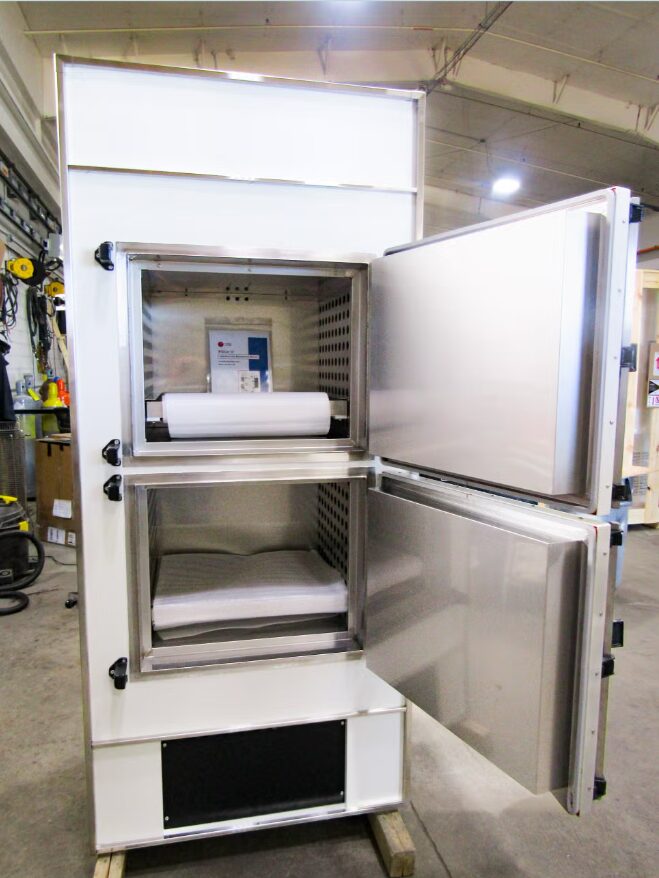
Blue M, a global industrial and laboratory ovens manufacturer, has announced the shipment of a stacked mechanical convection oven to be used for non-hazardous curing applications between 570°F and 750°F (300°C and 400°C).
Hammerer Aluminum Industries (HAI) has implemented a Nitrex nitriding system at its facility in Romania, replacing the traditional salt bath nitriding process. The new system has a load capacity of 3,300 lbs (1,500 kg), is designed specifically for treating extrusion dies, and offers controlled nitriding and controlled ferritic nitrocarburizing.
SECO/WARWICK recently completed three transactions: a European manufacturer of modern armament equipment and armaments supplier for NATO acquired a vacuum furnace with gas cooling and a molybdenum heat chamber; a Slovenian manufacturer ordered a vacuum furnace with 15 bar high pressure gas hardening and two nitriding furnaces; and a Turkish company purchased an induction vacuum furnace for melting and obtaining castings designed for manufacturing aviation components.
Blue M’s stacked mechanical convection oven for non-hazardous curing applicationsNitrex nitriding system to replace salt bath nitriding systemVacuum furnace and two nitriding furnaces sent to Slovenian clientSECO Vector vacuum furnace delivered to NATO member
Company & Personnel
Industry veteran Mark Stein was recently added to the Nitrex team as regional sales manager for Michigan territory. In his role, Mark will lead sales initiatives across Michigan, working directly with current and prospective clients to enhance service, optimize growth strategies, and ensure market demands are met.
To mark 175 years of innovation in specialty chemicals and distribution, Hubbard-Hall recently unveiled a new logo and a completely redesigned website. The updates reflect the company’s rich history and ongoing evolution, noting its founding year of 1849.
Bluestreak Compliance, a quality management (QMS) and manufacturing execution system (MES), has hired Rory Godsell as its new Cybersecurity Compliance Specialist to assist clients and their vendors in achieving compliance of NIST 800-171, CMMC and DFARS. He brings expertise in cybersecurity, penetration testing, ethical hacking, digital forensics, cyber operations, and project management, to the company’s mission of advancing CMMC certification services.
Steelhead Technologies, which delivers ERP, MES, and CRM solutions designed to transform job shop manufacturing, recently announced the successful completion of a $12.5M Series B funding round. This brings the company’s total funding to $23 million.
Ipsen USA announced the promotion of two team members to new roles in 2025. Matt Clinite has been promoted to Ipsen USA Sales Director, and Christina Connelly has been promoted to Director of Ipsen Customer Service (ICS) – Parts.
Mark Stein Regional Sales Manager for Michigan Territory NitrexScreenshot of Hubbard-Hall’s new websiteRory Godsell Cybersecurity Compliance Specialist Bluestreak Compliance $12.5M in funding for Steelhead Technologies Matt Clinite Sales Director Ipsen USAChristina Connelly Director of Customer Service (ICS) – Parts Ipsen USA
Kudos
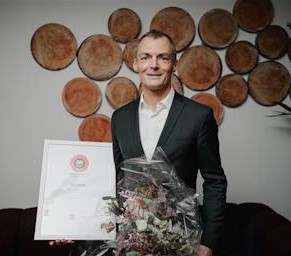
Kanthal, a leader in industrial heating technology, has won the prestigious industry award “E-prize” in the category Energy Optimization for its technology that helps companies and industries transform to a fossil-free production. The award is organized by Sweden’s largest business newspaper, Dagens Industri, and the newspaper, Aktuell Hållbarhet, together with the energy group E.ON.
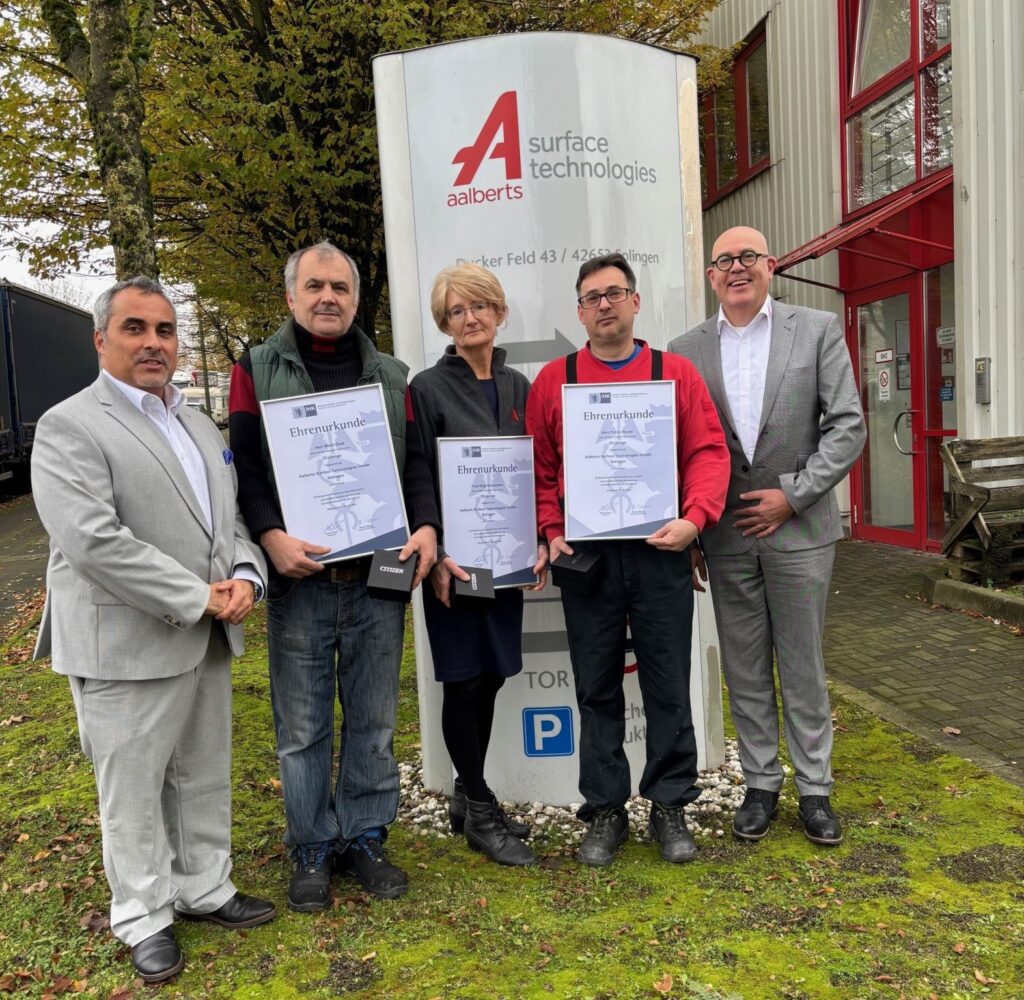
Aalberts surface technologies honored Olga Kovalenko, Patric Keune and Metin Önal for 25 years of commitment in Solingen. Presenting the certificates were Guido Heijnen, sales director, and plant manager Miguel Rodrigues.
TAV VACUUM FURNACES was recently awarded the title of “Best Performer Enterprise 2024 in the Province of Bergamo.” This prestigious award is reserved for the top 1000 companies in the province.
StandardAero was selected by US-Bangla Airlines, a leading Bangladeshi carrier, to provide OEM-authorized PW127M Maintenance, Repair and Overhaul Services. In addition, the company has been chosen by Brazilian Air Force to support PT6A-68C engines powering its A-29 Super Tucano Fleet, it has secured Indian DGCA Approval for its OEM-authorized PW127M Maintenance, Repair and Overhaul Services, and it has received CAAC Approval for Its LEAP-1A and LEAP-1B Engine MRO Services, enabling it to support A320neo and B737 MAX operators across China.
HeatTek, a leader in manufacturing ovens and washers, recently celebrated the company’s 25th anniversary, noting its numerous achievements since 1999, including industry accolades, editorial recognition, as well as awards identifying its positive culture as an employer. “We are incredibly proud to celebrate this milestone,” says Jason Plowman, president and 2nd generation owner of HeatTek. “The success we’ve achieved over the past 25 years is a direct result of the hard work and commitment of our employees, the trust of our customers, and the support of our partners. We look forward to continuing our journey of innovation and growth in the years to come.”
Ron Waligora, chief operating officer for AFC-Holcroft, recently announced his retirement date of May 4, 2025. Throughout his 36 years with the company, he moved through the engineering disciplines and eventually into a management role as mechanical engineering manager and later senior engineer manager in 2015. In the spring of 2023, Ron Waligora and Tracy Dougherty assumed the roles of chief operating officers. Upon the announcement of Ron’s retirement, Tracy assumed the role of president and CEO on January 1, 2025.
Aalberts surface technologies is proud to announce they have received the EcoVadis Bronze Medal. The sustainability rating reviews a company’s management of economic, environmental, and social performance, covering different industries, locations, and company sizes contributing to business sustainability on a global scale, and is based on a “best-in-class” approach, assessing whether a company reaches the best possible level for their business activity.
The Divergent team was recently granted the Nadcap12-month Accreditation for the Additive Manufacturing (AM) scope.
Solar AtmospheresGreenville, SC facility announced it has been awarded Parker Aerospace approval.
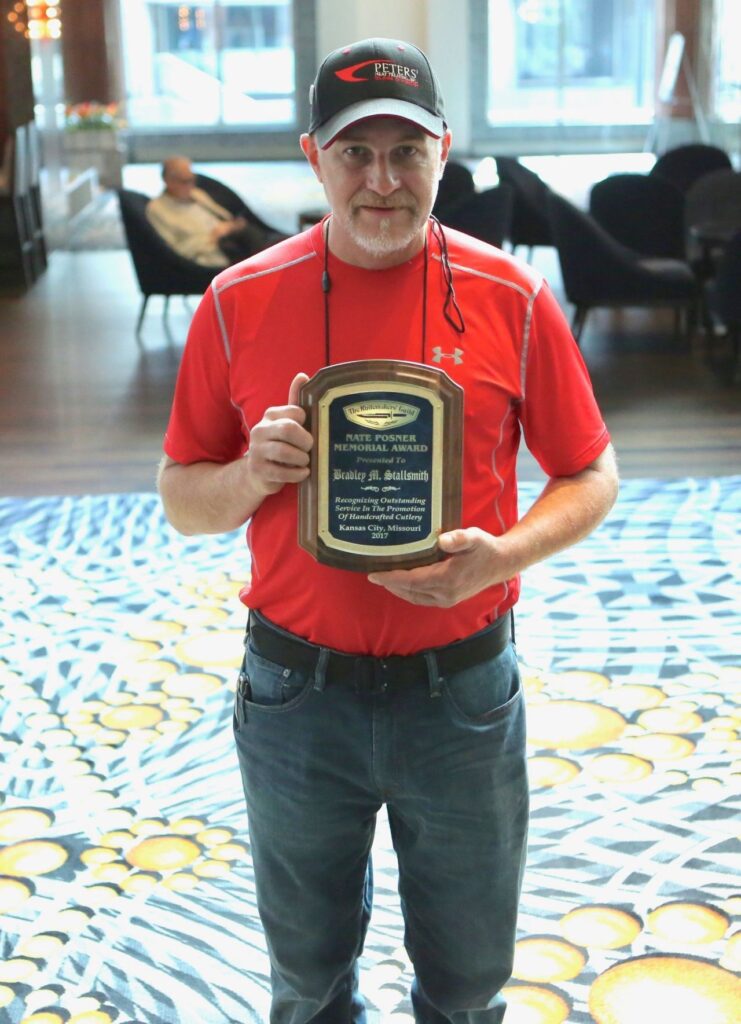
Brad Stallsmith recently marked his retirement after 43 years of dedicated service at Peters’ Heat Treating. His journey has included starting the Blade Division, mentoring new team members and ensuring high standards in processing.
Nicolai Schaaf, Sustainability Manager at Kanthal, with E-prizeMiguel Rodrigues, Metin Önal, Olga Kovalenko, Patric Keune, and Guido Heijnen, of Aalberts surface technologiesTAV board member Gerolamo Soliveri on the company’s recognition
Jason Plowman President/Owner HeatTekRon Waligora, retiring COO, AFC-HolcroftBrad Stallsmith, retiring after 43 years, Peters’ Heat Treating
Today’s News from Abroad installment highlights a new year ringing in acquisitions, partnerships and mergers resulting in increased production and expanded facilities. Read more about a heat treater developing capabilities for the advancement of vacuum heat treatment technologies, an international refractory manufacturer launching innovative operations, and a modernization project aiming to double annual production capacity.
Heat TreatTodaypartners with two international publications to deliver the latest news, tech tips, and cutting-edge articles that will serve our audience — manufacturers with in-house heat treat. Furnaces International, a Quartz Business Media publication, primarily serves the English-speaking globe, and heat-processing. a Vulkan-Verlag GmbHa publication, serves mostly the European and Asian heat treat markets.
Chinese Heat Treater Signs Agreement with ECM Technologies
M. Pelissier (left) of ECM Group & Mr. Wu (right) of Chun Yu Heat Treatment
“ECM Technologies, a subsidiary of the ECM Group, has signed a Memorandum of Understanding (MOU) with the Chinese heat treater Chun Yu, to open a Synergy Center in Shanghai. Shanghai Chun Yu Metal Heat Treatment, known as CYHT, is a customer of ECM Technologies. Geared with 3 different LPC systems from ECM Technologies, both companies agreed to cooperate on process development. CYHT is becoming the first demonstration center for ECM Technologies in China. This bilateral agreement will enable both parties to develop their activities in China around vacuum heat treatment technologies.”
RATH Mönchengladbach Opens Production Plant in Germany
International refractory manufacturer RATH opens new production plant
“The international refractory manufacturer RATH has been developing continuous oxide ceramic fibers as part of the HORIZON EUROPE project InVECOF (Innovative Value Chains for European Ceramic Oxide Fibers) for several years. A production plant for the manufacture of innovative oxide ceramic fibers has now been commissioned at the RATH Mönchengladbach site (Germany). In mid-October 2024, the company officially launched production of the ALTRA FLEX® oxide ceramic continuous fibers in K99 and M75 qualities, making it the first European supplier to offer a solution for composite material manufacturers and manufacturers and processors of heat-resistant fabrics. The new production facility will initially produce up to 10 tons of fibers per year.”
Marcegaglia Stainless Sheffield Partners with Primetals Technologies
Marcegaglia to equip all the production units of the minimill meltshop in Sheffield with automation systems from Primetals Technologies
“UK-based Marcegaglia Stainless Sheffield has partnered with Primetals Technologies to optimize production processes at its processes at its Sheffield minimill. The modernization project aims to double the plant’s annual production capacity from annual production capacity from 250,000 to 500,000 tonnes. Several intralogistics systems, process optimization solutions, technology packages and intelligent sensor systems will be installed in all production units of the in all production units of the melt shop, scrap yard and ladle tracking system.”
Heat TreatToday offers News Chatter, a feature highlighting representative moves, transactions, and kudos from around the industry. Enjoy these 17 news items.
Equipment
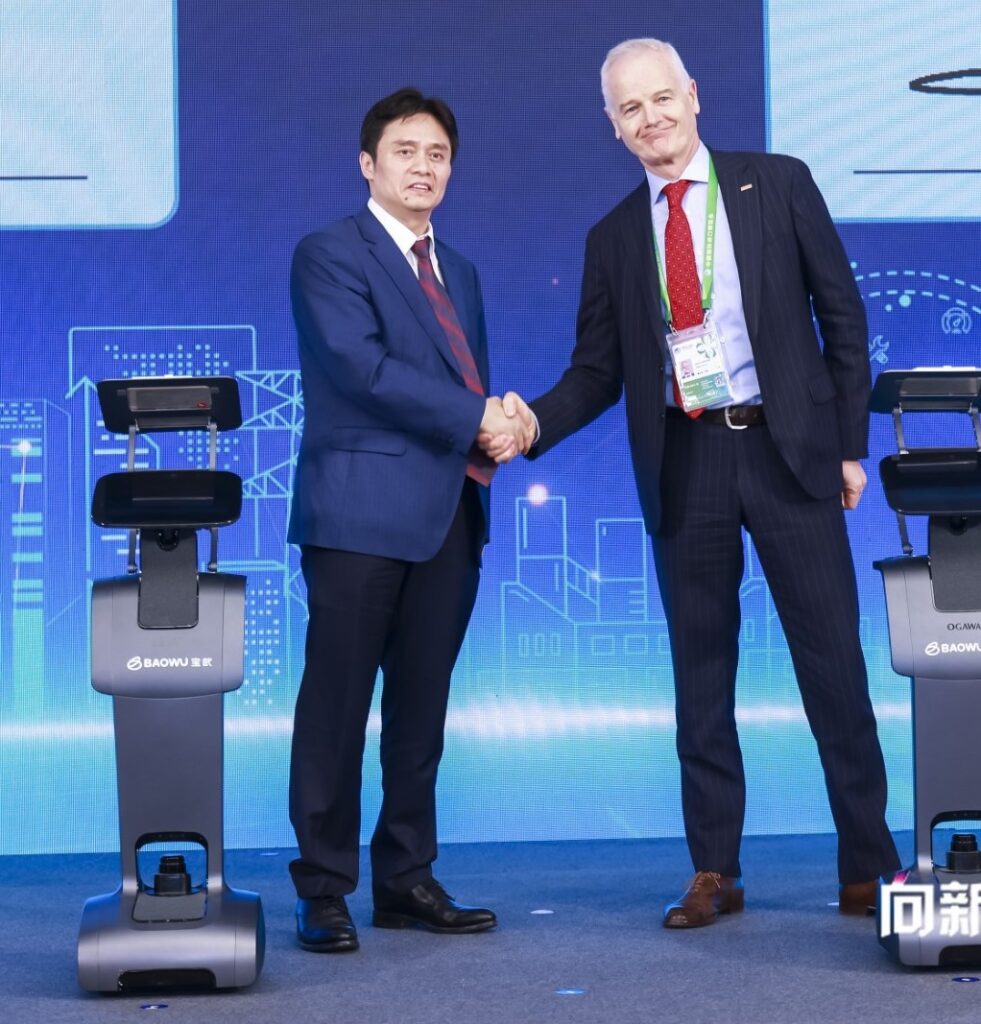
Pomini Tenova, which manufactures advanced roll shop equipment, recently signed two contracts for fully automatic roll shop equipment with Baowu of China. The first contract includes a set of four automatic CNC roll grinders with two automatic inspection stations, to be installed at a plant where two new cold rolling mills for silicon steel will be in operation. The second contract includes two automatic CNC roll grinders and an automatic inspection station, equipped with an automatic roll loading system, which will be installed in the roll shop of a new cold rolling mill for silicon steel production.
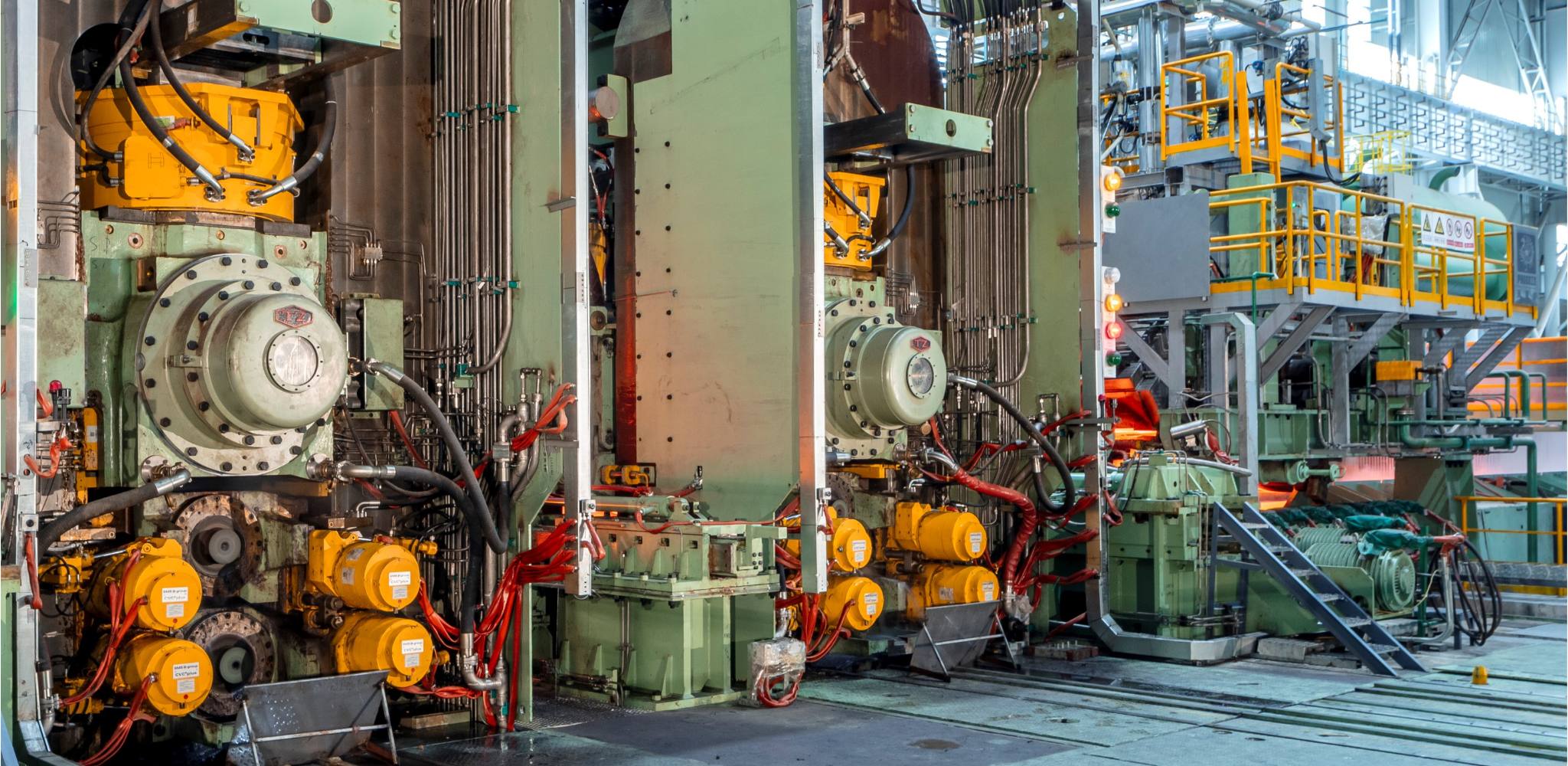
Nucor Steel has commissioned SMS group for the modernization and expansion of its Steckel mill at its site in Tuscaloosa, Alabama. The existing Steckel mill will be converted into a tandem Steckel mill, designed to produce high-strength thin strip as well as to boost capacity.
A global car window manufacturer’s European branch has purchased two SECO/WARWICK technological lines for two of the company’s locations. The order includes RHLE units for bending car windows.
Jiangsu Dongpu Fine Ceramics Technology Co., Ltd., has installed a hot isostatic press (HIP) from Quintus Technologies. The HIP model operates company’s production line for Si3Ni4 bearing balls in its manufacturing facility in Lianyungang, China.
Zhang Qing, chairman of OBEI, the Industrial Products Purchasing Company of Baowu, and Paolo Gaboardi, executive vice president of Pomini TenovaSteckel mill commissioned by Nucor and delivered by SMS groupQuintus HIP line for Jiangsu Dongpu Fine Ceramics Technology Co., Ltd
Company & Personnel
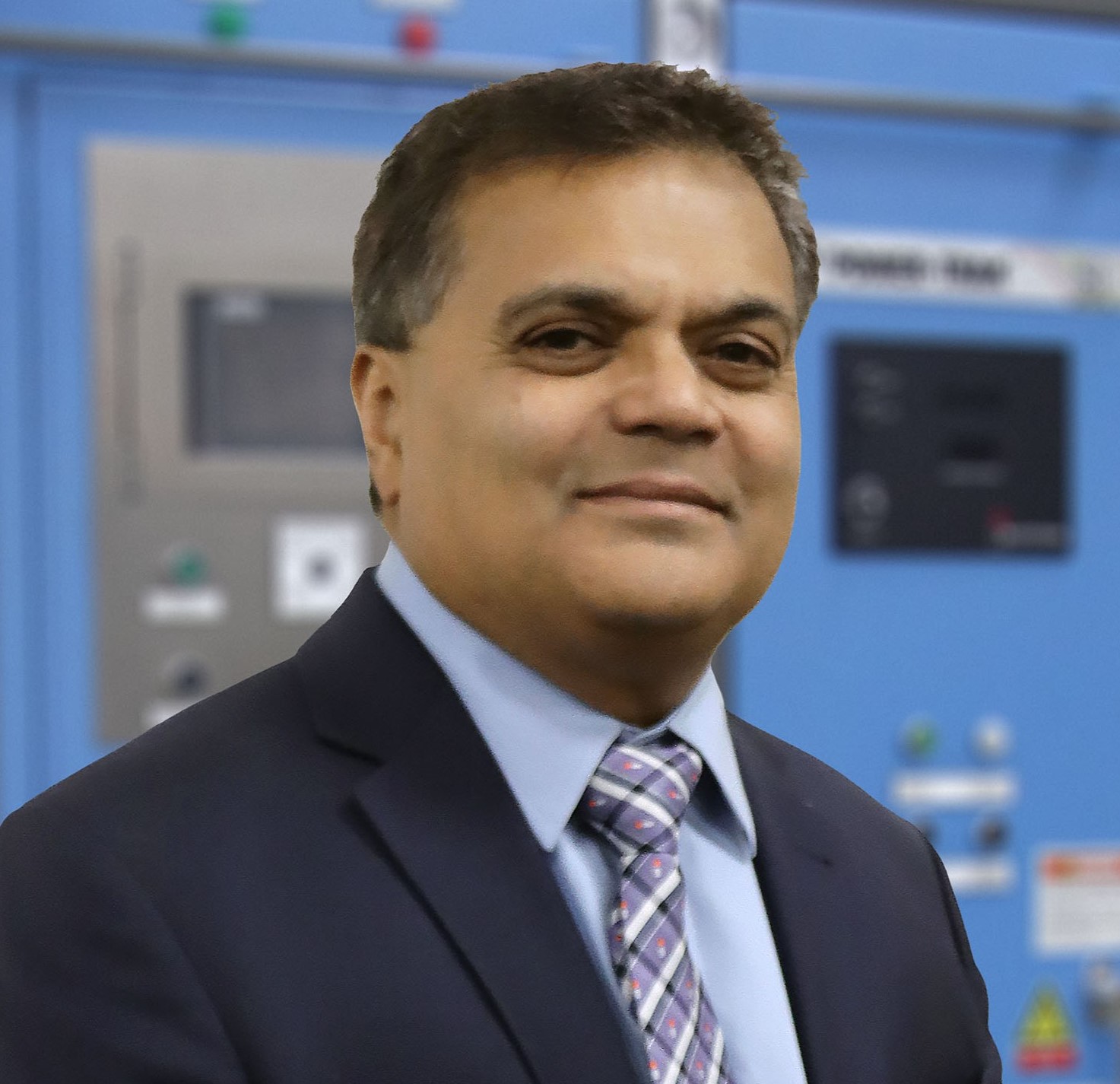
Inductotherm Group has appointed Mick Nallen and Satyen Prabhu as co‐leaders, a transition which became effective July 1, 2024, when Gary Doyon stepped down from his role as CEO. Mick and Satyen have a combined experience at the company of nearly 70 years.
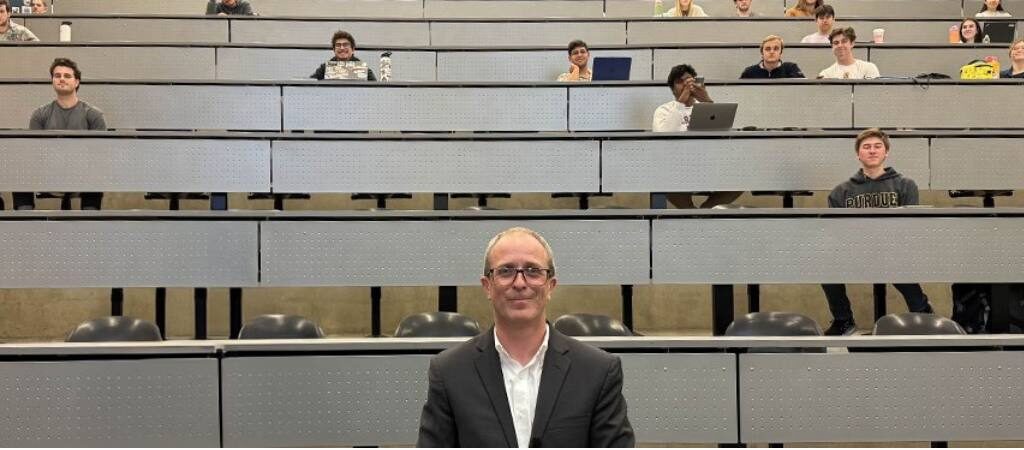
Vincent Lelong of ECM USA presented on low pressure carburizing with vacuum furnace technology at Purdue University’s School of Materials Engineering undergraduate seminar. This seminar regularly features industry speakers, some of whom are members of the Purdue Heat Treating Consortium.
The direct reduction plant at Nucor Steel Louisiana achieved a world production record of 330.3 tons per hour of high-quality cold direct reduced iron (CDRI), yielding an outstanding 7,928 tons per day (tpd). A high-quality direct reduced iron (DRI) output with 95% metallization (%M) and a carbon content of 3.3% (%C) was measured. The ENERGIRON technology was jointly developed by Tenova and Danieli.
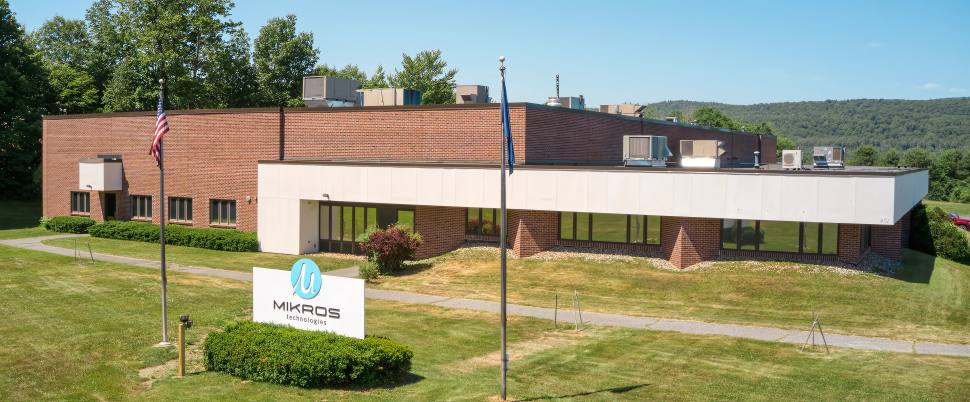
Jabil Inc, which designs and manufactures supply chain solutions, announced its acquisition of Mikros Technologies LLC, which engineers and manufactures liquid cooling solutions for thermal management.
Aerospace Testing & Pyrometry, Inc., (ATP) recently opened its Pacific Northwest office in Seattle, Washington. With this new facility, the company will now have a footprint in all four corners of the United States.
Satyen Prabhu Co-Leader Inductotherm Group Mick Nallen Co-Leader Inductotherm Group Vincent Lelong of ECM USA presents seminar for Purdue Heat Treating ConsortiumNucor achieves a World Production Record with ENERGIRON, developed by Tenova and Danieli Mikros Technologies facilityAndrew Bassett, President; John Hollman, Regional Manager, and Edwin Rosales, Pacific Northwest Manager Aerospace Testing & Pyrometry, Inc.
Kudos
Solar Atmospheres‘ Greenville, SC, facility recently announced it has been awarded Parker Aerospace approval. Its five facilities are now able to assist clients with Parker Aerospace thermal processing requirements.
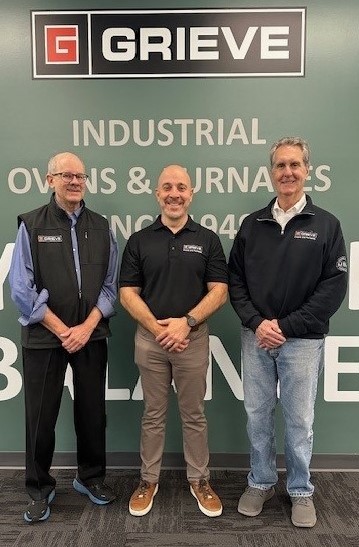
Furnace manufacturer Grieve Corporation has reached its 75th year in business. Begun in 1949 as a small job shop in Chicago, the company now occupies a 100,000 square foot facility in Round Lake, Illinois
StandardAero, an independent provider of engine maintenance, repair and overhaul (MRO) services, recently celebrated the tenth anniversary of its Singapore facility, a Pratt & Whitney Canada Designated Overhaul Facility (DOF) for the PW150A turboprop engine. This anniversary coincides with the company’s redelivery of its 500th PW150A engine, which powers the popular Bombardier Dash 8-400 regional turboprop.
Paulo’s Cleveland Division was recently awarded approval from GE Aviation for hot isostatic pressing, specifically GT193 Process Code FF.
C3 Data has achieved SOC 2 Compliance, which ensures stringent standards for handling sensitive data.
Tennessee Society of Association Executives recently honored Tom Morrison of the Metal Treating Institute (MTI) with the Industry Marketing Award for its Jobs of Tomorrow Workforce Development Program.
Solar Atmospheres of Western Pennsylvania announced that it has been awarded Pratt & Whitney‘s PWA 11, “Heat Treatments” approval. The facility is now certified to perform heat treatments for P&W’s Suffix 17, “Precipitation Harden,” and Suffix 22, “Austenitize, Quench, and Temper.”
Grieve Corporation Board of Directors Left to right: Frank Calabrese, vice president; Tony Caringella, president; Doug Grieve, chairman of the boardLeft to right: Jamie Flynn, Executive Director of Tennessee Society of Association Executives, and Tom Morrison, CEO of Metal Treating Institute (MTI)