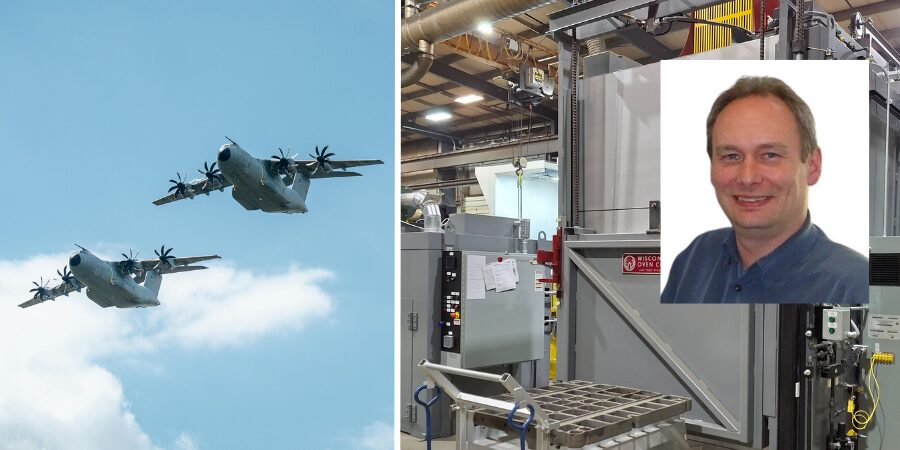
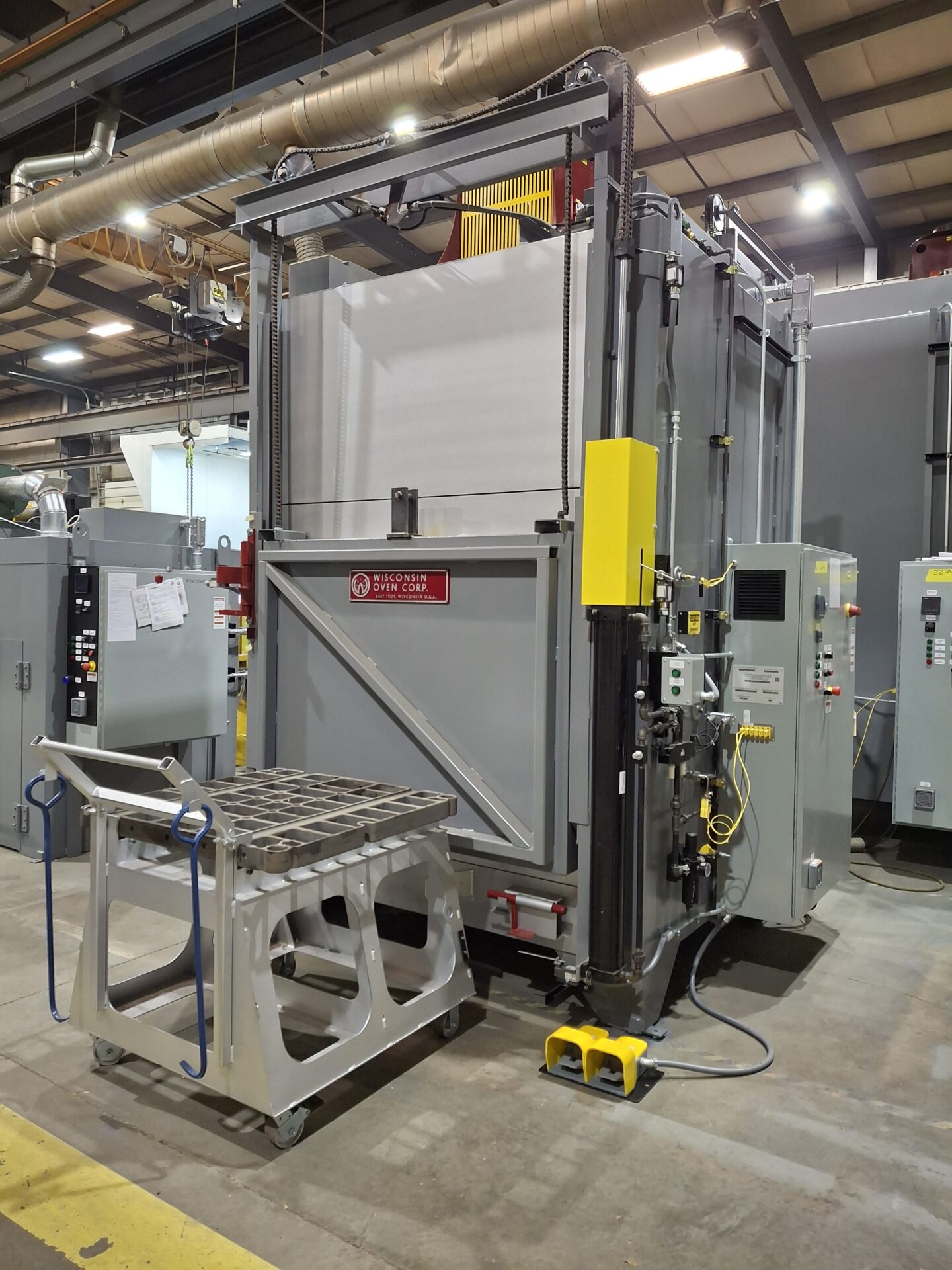
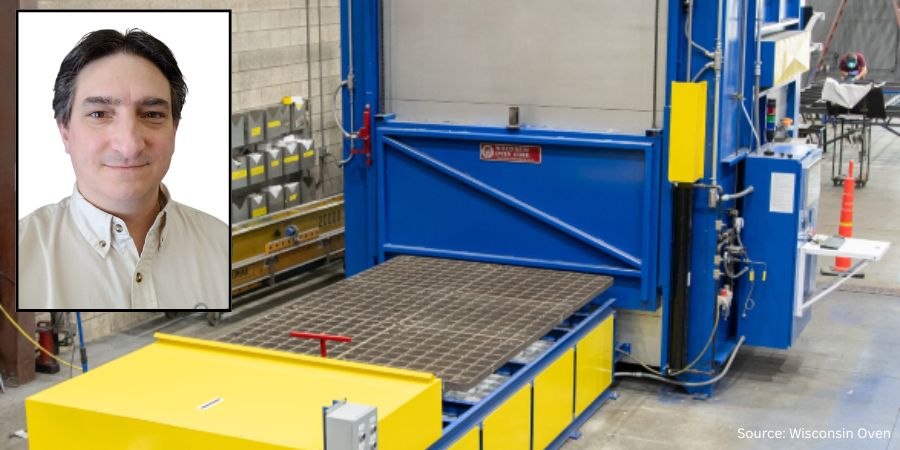
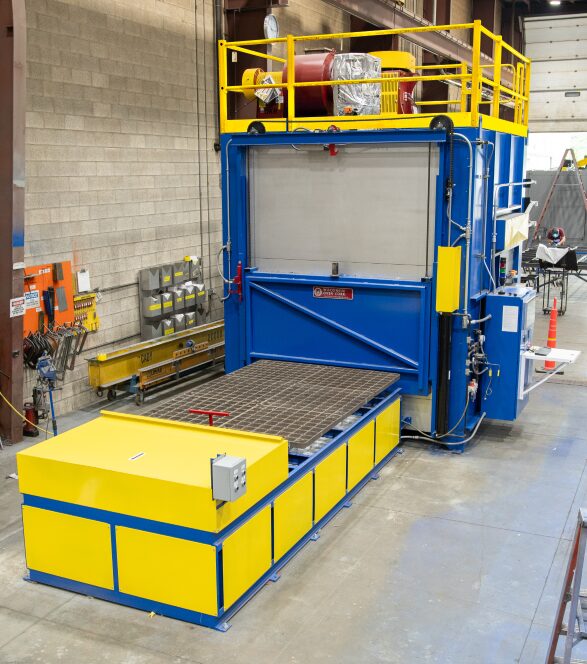
A United States military base will receive an electrically heated draw batch oven for use in heat treating aerospace components. The industrial oven was engineered to meet critical safety requirements and the stringent demands of aerospace heat treating.
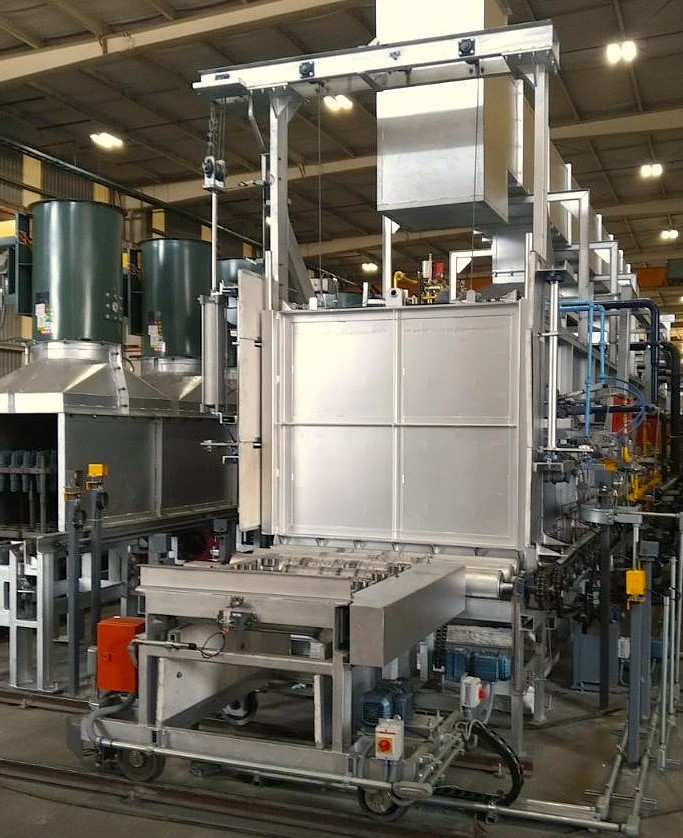
Electrically heated draw batch oven to heat various steel parts for aerospace components. Source: Wisconsin Oven CorporationDoug Christiansen, Senior Application Engineer of Wisconsin Oven Corporation
Manufactured by Wisconsin Oven Corporation, the system features combination-style airflow that delivers both horizontal and vertical upward heat flow to ensure optimal heating rates and consistent temperature distribution across the product. Temperature uniformity has been verified through a Class 1 Temperature Uniformity Survey (TUS) conducted in accordance with pyrometry specification AMS 2750H, with achieved uniformity of ±5°F at 200°F, 700°F, and 1200°F.
“This draw batch oven was designed with additional safety features for operators, tight uniformity, and compliance standards required by the U.S. Military. The temperature uniformity survey was performed prior to shipment to verify compliance with AMS 2750H Class 1 requirements,” said Doug Christiansen, senior application engineer.
The oven features “can” style construction with a heavy plate exterior and six inches of high-temperature insulation for durability and thermal efficiency. A custom portable load/unload cart allows operators to stage the load before heating and remove it for cooling.
The UL508A-certified control panel includes a Eurotherm 3504 programmable temperature controller with advanced auto-tune and Ethernet communication. It also features a high-limit instrument to prevent over-temperature conditions, along with low-voltage calibration TC jack plugs and a variable frequency drive for the recirculation blower.
Press release is available in its original form here.
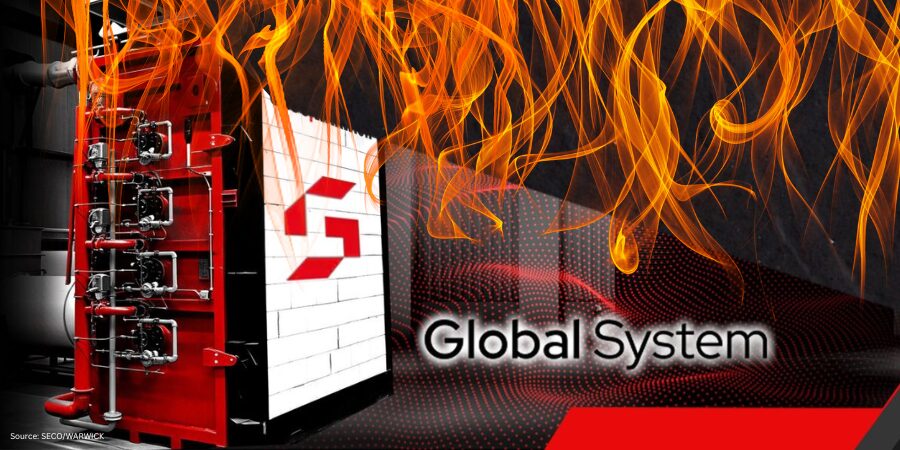
We’re celebrating getting to the “fringe” of the weekend with a Heat TreatFringe Fridayinstallment: Global System, a manufacturer specializing in the production of fire-resistant doors, shutters, and smoke curtains, is adding a furnace from a well-known heat treat solutions manufacturer. The device will be used to carry out fire resistance tests for building products in accordance with the standard temperature curve. Critically, it has the ability to test solutions intended for both industrial and private use, enabling them to significantly increase competitiveness and productivity.
While not exactly heat treat, “Fringe Friday” deals with interesting developments in one of our key markets: aerospace, automotive, medical, energy, or general manufacturing.
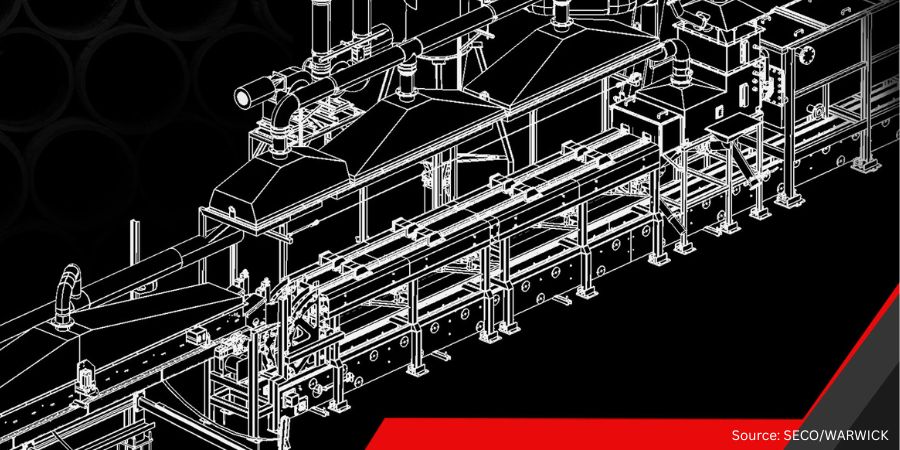
The contract covers the delivery of a vertical fire test furnace. This includes a flue gas purification system, a complete set of equipment, installation, commissioning, and staff training.
The furnace, supplied by SECO/WARWICK, enables advanced testing at temperatures reaching up to 1200°C (2192°F), in accordance with current fire resistance standards, which are applicable in both commercial building and maritime construction.
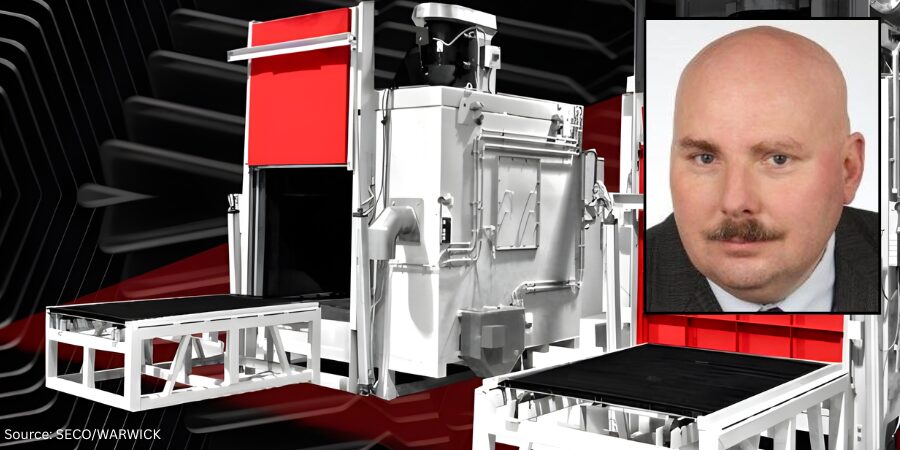
“The device may, in the future, support certification processes which the Partner is considering as their next development step,” says Mariusz Raszewski, Deputy Director of the Aluminum and Atmospheric Solutions Sales Division at SECO/WARWICK. He continues, “Laboratory furnaces for fire resistance testing in various configurations are intended for testing the fire resistance of suspended ceilings, vision panels, walls, columns and other structural elements. These tests are crucial for delivering safe construction solutions to the market.”
Mariusz Raszewski, Deputy Director of the Aluminum and Atmospheric Solutions Sales Division at SECO/WARWICK (Source: LinkedIn)Łukasz Jeleński, Technical Director of Global System sp. z o.o. (Source: LinkedIn)
“Safety and property protection are priorities in every facility. Global System provides fire protection solutions for various types of buildings — from residential and public utility structures to production halls and warehouses…. The device will allow us to conduct advanced product development research, including analysis of resistance to high temperatures and the impact of various fire conditions. Thanks to this, Global System will be able to further improve its products, increasing their safety and durability,” emphasized Łukasz Jeleński, Technical Director of Global System sp. z o.o.
He continued, “The furnace from SECO/WARWICK will allow us to test the properties of our products, and in the future, to apply for their certification. This is a big step in the company’s development. Additionally, having our own research facilities will enable us to carry out fire tests much faster and shorten the time to market for new solutions.”
The technology of fire testing furnaces is gaining popularity among building material manufacturers, as evidenced by SECO/WARWICK’s supply of a similar device to the French building materials giant KNAUF SAS. Several years ago, the company also supplied ALUPROF with a fire resistance test furnace. The SECO/WARWICK system allows the Partner to test new products, such as windows, doors, and façade systems before they are introduced to the market.
According to the State Fire Service, the highest number of fires in recent years was recorded in 2022 (93,453 incidents), which was an increase of more than 44% compared to 2021 (64,730). In the public utility buildings segment, the number of fires remained around 1,200–1,300 cases per year. Encouragingly, there has been a clear downward trend in fires in residential buildings from 2021 (20,633) to 2024 (16,656). The level for production and warehouse buildings has been relatively stable. In both cases, the number of fires did not exceed 1,500 per year. This shows just how important it is to raise public awareness of the crucial role fire protection systems play in buildings; implementation can contribute to improving safety.
Press release is available in its original form here.
ArcelorMittal is advancing a major expansion in electrical steel production that includes a preparation line, a continuous annealing and varnishing line, and a slitting line — developments that reflect ongoing job growth and investment in industrial heat treating processes worldwide. The project has already mobilized more than 300 external contractors, with 175 employees now dedicated to the new lines and staffing expected to reach approximately 200 as the next phase of work progresses. Phase 2, currently underway, includes construction of an annealing-pickling line and a reversible rolling mill, with all five planned production lines scheduled to be operational by 2027.
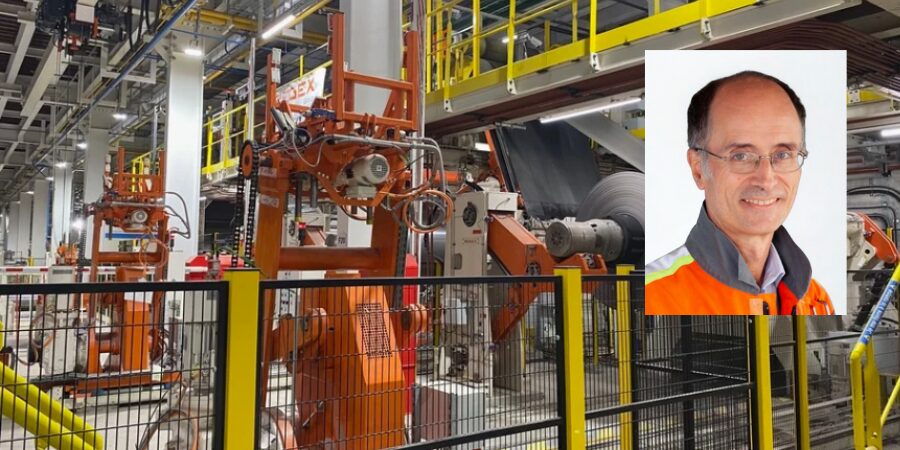
Entry zone of the continuous annealing and varnishing line Source: ArcelorMittal FranceBruno Ribo Managing Director ArcelorMittal France
ArcelorMittal France announced that the first three lines of its new electrical steel production unit at the Mardyck industrial site will enter into operation by the end of 2025. The project, representing a €500 million investment and described as the largest undertaken by the Group in Europe over the past decade, marks a significant expansion in the production of electrical steels, complementing the company’s existing output at Saint-Chély-d’Apcher and bringing the company’s total European output to approximately 295,000 metric tons annually.
Bruno Ribo, managing director of ArcelorMittal France, emphasized the significance of the development for both the site’s workforce and the broader market. “Creating new production lines is an exceptional experience in the life of an industrial site. It is just as exceptional for our employees who have been involved in the development of the lines, from the project phase to the operational phase. I, like them, will be very moved to see the first of the 155,000 tons of electrical steel that we will eventually deliver annually roll off the lines,” he said.
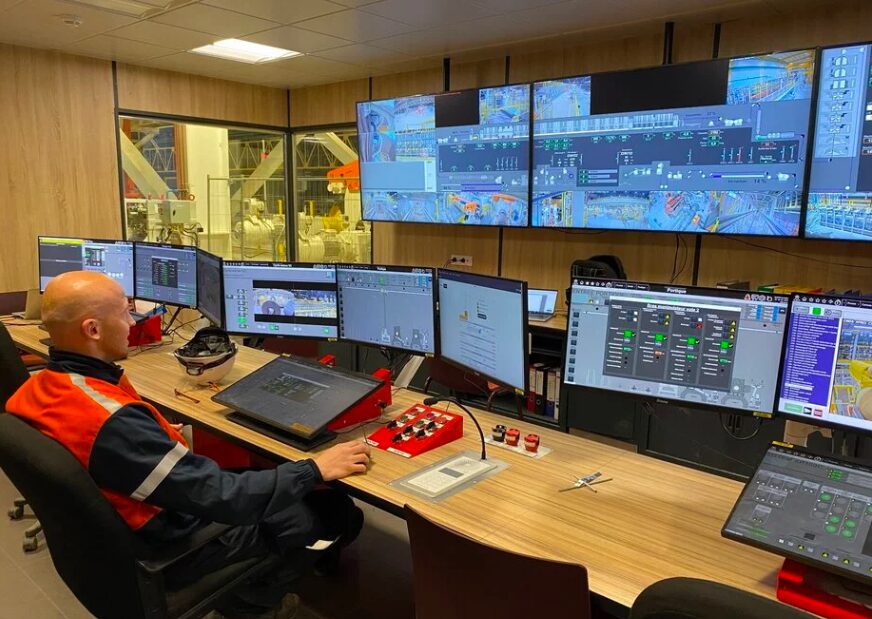
Annealing and varnishing line control cabin Source: ArcelorMittal France
The electrical steels produced at Mardyck — ultra-thin rolled steels engineered for specific magnetic and mechanical properties — are used in all types of electric motors. ArcelorMittal notes that the new unit will support the electrification of applications in both industrial and automotive sectors. As global demand grows for these specialty steels, capacity developments of this scale create benchmarks for manufacturers across regions, including North America, as companies assess long-term sourcing strategies and material availability for high-efficiency motor components and transformer systems.
The project is supported in part by a €25 million contribution from the French State under the France 2030 program.
Press release is available in its original form here.
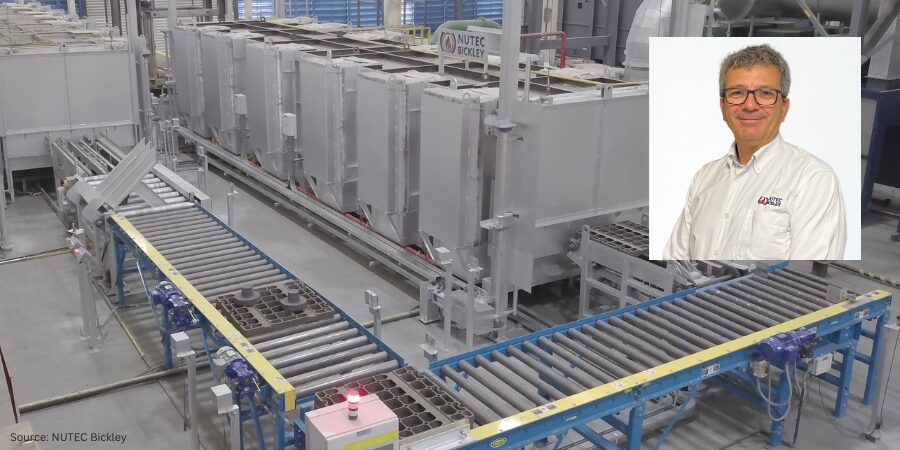
An international, multi-billion-dollar corporation at the forefront of drivetrain technologies has commissioned a complete isothermal annealing line, due to be delivered in Q1 2026. The furnaces are designed to be in compliance with CQI-9, the comprehensive audit covering the most common heat treat processes employed by the automotive industry. This investment underscores the automotive industry’s commitment to delivering higher-quality components while meeting stringent manufacturing standards.
Arturo Arechavaleta Vice President, Metal Furnaces, NUTEC Bickley
The system has been designed in close collaboration with NUTEC Bickley to ensure everything meets the company’s specific operational needs. The contract comprises both high-temperature and low-temperature furnaces, as well as an isothermal cooling chamber and blast cooling tunnel, together with all the ancillary equipment and full material handling and conveying system.
Arturo Arechavaleta, VP Metal Furnaces at NUTEC Bickley, said: “Our client for this multifaceted project is an auto component world leader that supplies nearly every major vehicle manufacturer. It has an established reputation in delivering high quality parts and promoting sustainability in the supply chain. I am delighted the NUTEC Bickley was chosen to partner in the design and manufacture of this isothermal annealing line.”
At the heart of the new facility will be a double pusher tray high-temperature furnace (HTF) designed specifically for processing carbon steel automotive parts. The system incorporates a fully automatic electrical double pusher system with steel trays sliding over rails with idle rolls. Processing two trays across the width helps reduce the line’s footprint while maximizing throughput.
Example of a customized isothermal annealing furnace by NUTEC Bickley, engineered for the auto manufacturing industry
The natural gas unit features four automatic temperature zones, each with two high-velocity nozzle-mix burners that provide excellent turbulence and outstanding recirculation within the furnace chamber. Operating temperatures range between 850°C and 950°C (1560°F-1740°F), with temperature uniformity targets of ±5°C (±40°F) for processes below 680°C (1260°F) and ±10°C (±18°F) at or above 680°C (1260°F).
The isothermal annealing process involves multiple stages that work in seamless coordination.
First, forged carbon steel parts move into an isothermal cooling chamber (ICC) after initial heat treating where the load temperature is rapidly reduced from 950°C (1740°F) to 660°C (1220°F) within five to 10 minutes, bringing parts to their transformation point. This rapid cooling uses ambient air supplied from an external cooling fan.
Then, parts proceed to a low-temperature furnace (LTF) operating at between 630°C and 700°C (1170°F-1290°F), which uses a fuel-only control system for enhanced temperature uniformity. The furnace relies on three automatic temperature control zones and six burners.
Finally, tray loads pass through a blast cooling tunnel (BCT) where forced convection cooling with ambient air brings parts down to approximately 400°C (750°F) before exit.
The complete line includes comprehensive material handling and conveying systems that operate fully automatically. It features entrance and transfer cars with movement systems, transfer car tracks, exit transfer cars with tray dumper units, integrated air cooling units, return conveyors with electrical dolly systems, and automated loading stations. The entire parts handling system is linked to the process via Master PLC and HMI for seamless operation.
Press release is available in its original form here.
Southwest Metal Treating Corp (SWMT), an AS9100D/ISP 9001:2015 and Nadcap-accredited facility specializing in providing precision heat treating services, announces the addition of a new cryogenic processing system. This enhancement will further support SWMT’s ability to serve its aerospace, defense, and precision manufacturing partners with high-quality heat treating and cryogenic processing solutions.
“The TRU-CRYOTHERM expands our thermal processing capabilities and strengthens our ability to meet demanding specifications with precision and reliability,” said Ryan Fussell, CEO of Southwest Metal Treating Corp. “As we continue to invest in state-of-the-art equipment, our goal remains the same — to provide our customers with unmatched quality, turnaround, and technical excellence.”
Ryan Fussell CEO of Southwest Metal Treating Corp (SWMT) Source: MTI
The new unit, provided by the McLaughlin Furnace Group, is now currently installed as part of SWMT’s ongoing expansion of its Integral Quench (IQ) department. Its design, advanced temperature control, and uniformity standards make it an ideal complement to SWMT’s growing IQ and vacuum processing operations. With this addition, SWMT continues to set a higher standard for metallurgical performance and process consistency across its full range of services.
Press release is available in its original form here.
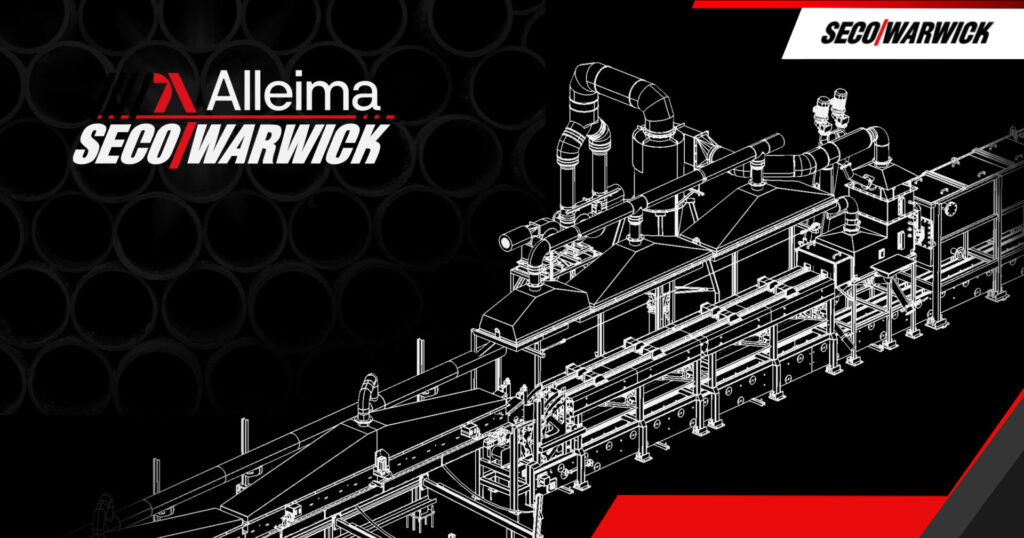
Alleima, a manufacturer of steel components and special alloys, will receive a new tube annealing furnace. The electric atmospheric furnace line is intended for bright annealing of high-alloy tubes and will be used in the production of nuclear applications components.
SECO/WARWICK is providing the furnace as their 5,000th device.
The tube annealing system Source: SECO/WARWICKPiotr Skarbiński Vice President of Aluminum and CAB Products Segment SECO/WARWICKMagnus Mellberg Production Unit Manager Alleima Source: LinkedIn
“Our partnership with SECO/WARWICK has lasted for many years. We are delighted that we could celebrate it in a special way, as our impressively large tube annealing line (over 140 meters long – 460 ft) happens to be the 5,000th SECO/WARWICK device. We feel that together we are creating not only a remarkable history, but also the future as this solution will help us spread our wings,” said Magnus Mellberg, production unit manager at Alleima.
“The furnace was created specifically for this partner’s needs. It will allow them to increase production capacity…This is important as the demand for high-alloy components in this market has increased. It is an unusual construction, verified through analysis and simulations, and implemented in reality. It offers very good technological results after the annealing process,” explained Piotr Skarbiński, vice president of the Aluminum and CAB Business Segments at the SECO/WARWICK Group.
Press release is available in its original form here.
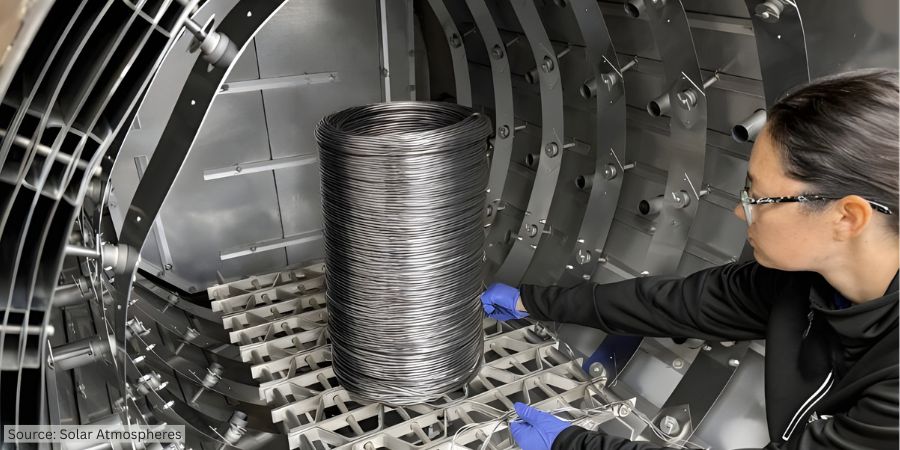
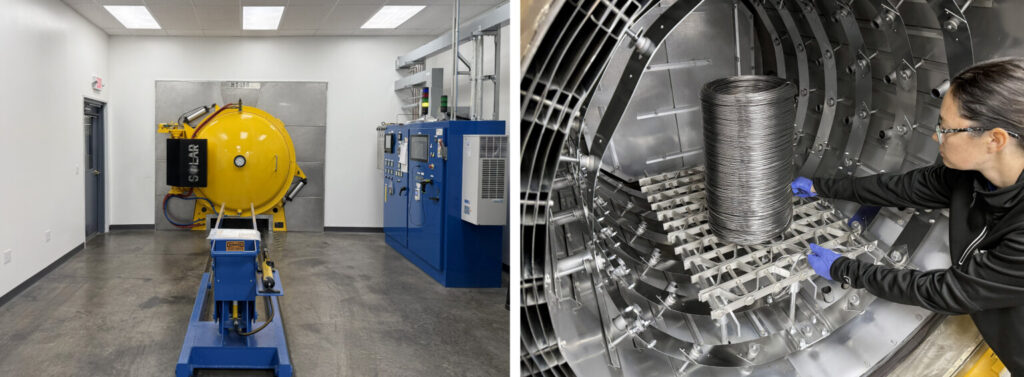
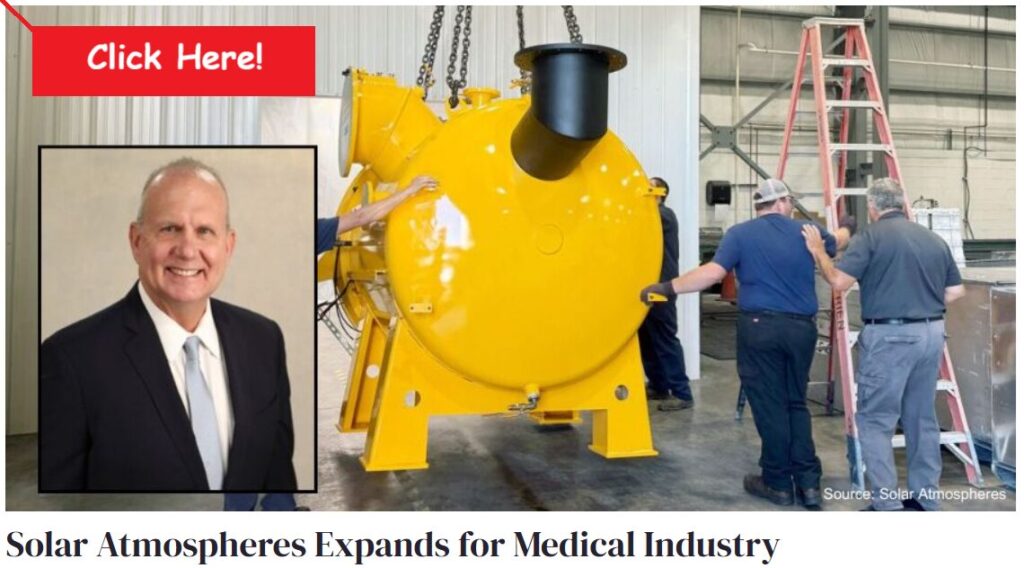
Solar Atmospheres has expanded its operations with an additional all-metal hot zone furnace. The new system significantly expands the company’s capacity to heat treat highly sensitive materials such as precipitation-hardened stainless steels, nickel-chrome-based superalloys, titanium, and niobium. The new unit is installed at their Hermitage, Pennsylvania facility and will meet the stringent demands of the aerospace and medical industries.
Additional all metal hot zone furnace for Solar Atmospheres Source: Solar Atmospheres
Michael Johnson, Sales Director at Solar Atmospheres of Western Pennsylvania, stated: “The all-metal vacuum furnace plays a critical role in delivering the purest possible processing environment. This level of cleanliness and control results in pristine end products that meet the most demanding industry standards. We’re proud to partner with the engineers at Solar Manufacturing to bring this advanced technology to fruition.”
The furnace incorporates strategically placed isolation valves, an oversized main valve, a high-capacity diffusion pump, and a polished stainless-steel chamber. Capable of achieving vacuum levels below 5 x 10⁻⁶ Torr, the system ensures bright, contamination-free results.
Press release is available in its original form here.
Two EV/CAB lines will be installed for a major manufacturer of heat exchangers for trucks, passenger cars, and new energy technologies. The furnaces are designed to meet the stringent requirements of the automotive industry for the production of components for commercial vehicles and to ensure long-lasting and reliable operation in demanding industrial conditions.
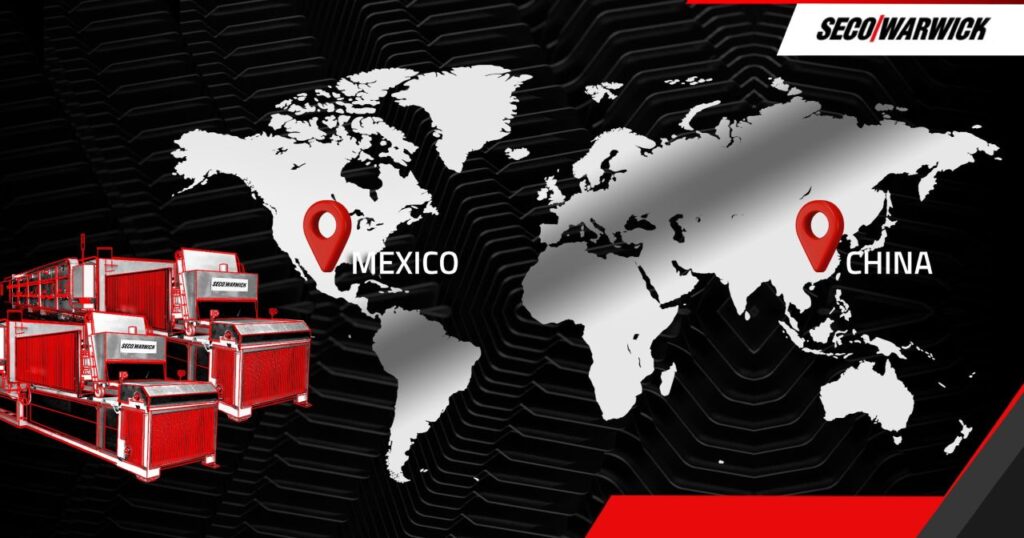
SECO/WARWICK, a supplier of controlled atmosphere brazing technology and more with North American locations, will deliver the two EV/CAB lines: one installation will occur in Mexico and the other in China for the Chinese manufacturer’s in-house heat treat operations.
Piotr Skarbiński Vice President of Aluminum and CAB Products Segment SECO/WARWICK
Both lines are modern aluminum brazing solutions dedicated to the production of key cooling system components for electromobility and classic automotive applications. One line has a belt width of 1900 mm, destined for the Chinese location, and was designed for battery cooling plate production, while the Mexican line is 1800 mm wide and will be dedicated to the production of automotive heat exchangers.
“We are proud that one of the leaders in automotive thermal management consistently chooses SECO/WARWICK technology. Our CAB lines…[fulfill] future requirements regarding automation, efficiency and ecology,” commented Piotr Skarbiński, vice president of the Aluminum and CAB Product Segments at SECO/WARWICK.
The two CAB lines ensure temperature distribution uniformity in the brazing process of wide components. The furnace designs involved a convection preheating chamber, radiant brazing furnace, and cooling zones with air jacket and final cooling.
Press release is available in its original form here.
Weifang Hengtong Radiator is increasing their efficiency and quality of their aluminum plate and bar heat exchangers with a semi-continuous controlled atmosphere brazing (CAB) furnace at their in-house heat treat operations.
Piotr Skarbiński Vice President of Aluminum and CAB Products Segment SECO/WARWICK
The SECO/WARWICK furnace was specifically designed for the production of plate & bar heat exchangers. The semi-continuous CAB system is based on a multi-stage cycle division. The line includes: a drying furnace, an entry washing chamber, a convection preheating and brazing chamber, an intermediate air seal cooling chamber, and a final direct cooling chamber. The semi-continuous mode ensures that even large-sized components are evenly heated during the proper process time.
“The semi-continuous Universal CAB System ensures shorter cycle time, lower investment costs, and higher process efficiency of each batch. These are the main advantages of the CAB system compared to vacuum brazing furnaces,” says Piotr Skarbiński, vice president of the Aluminum and CAB Products Segment at SECO/WARWICK Group.
The furnace is characterized by high flexibility, allowing the brazing of exchangers of various masses and dimensions in subsequent cycles while maintaining process parameters.
Press release is available in its original form here.
An electrically heated batch oven has been shipped to a leading space exploration company. The custom batch oven will be used to stress relieve titanium parts.
Wisconsin Oven Corporation is providing the stress relieving oven, which includes a powered load/unload table. The oven is designed for a maximum operating temperature of 1250°F and provides temperature uniformity of ±15°F at three set points. Uniformity was verified through a nine (9) point profile test before shipment.
The oven is designed to heat and cool loads up to 1,200 pounds per cycle. Parts are placed on a high strength grid and transferred into the 7’ wide x 10’ long x 3’ high work chamber by an automated pusher/extractor system. After processing, the load is extracted onto the load table where 6 high speed fans direct ambient air upwards across the parts for further cooling.
A top-down airflow system delivers heats air vertically down through the chamber for even distribution across the product load. This oven is capable of meeting the requirements of AMS2750G, Class 3, Instrumentation Type A.
The control system features an Allen-Bradley CompactLogix PLC, a Eurotherm programmable temperature controller with advanced auto-tune, and a Eurotherm digital recorder for precise temperature control and data logging.
Mike Grande,
Vice President
of Sales,
Wisconsin Oven
Corporation
“This custom batch oven was designed to deliver exceptional temperature uniformity…and optimized airflow distribution ensures consistent processing and superior part quality,” commented Mike Grande, vice president of Sales for Wisconsin Oven Corporation.
This stress relieving oven was fully factory tested and adjusted prior to shipment from the furnace supplier’s facility. All safety interlocks were checked for proper operation and the equipment was operated at the normal and maximum operating temperatures. This equipment is backed by Wisconsin Oven’s 3-Year WOW™ warranty.
Press release is available in its original form here.