

Jim Roberts of U.S. Ignition engages readers in a Combustion Corner column about the three methods of heat transfer found in heat treating shops — examining how advection, convection, and radiation each move thermal energy, from forced hot-gas circulation by fans and burners, to the natural buoyancy-driven stirring of fluids, to the electromagnetic waves emitted by glowing radiant tubes that deliver the temperature uniformity so critical to heat treating.
This informative piece was first released in Heat Treat Today’s September 2026 People of Heat Treat print edition.
A furnace guy walks into a heat treat facility and says, “Hey, I think I’m warming up to this place.” The operators say, “It’s about time… and temperature.” This might be a lame joke on the most common requirement in heat treating, but time at temperature is the secret, right? How we get that combination of properties is the question.
Last month, we discussed that one of the Laws of Thermodynamics was advection. It’s not a term we use regularly, but it’s a better description of what we experience in our lives. Advection is when hot gases or hot atmosphere is circulated by force. In other words, it is not a natural transfer of heat to the product. It is when that heat is forced around the work piece, and it is in a state of unnatural agitation. We are moving the heat around by a fan or the velocity of the hot gases from the burner, some method of creating a “stirring effect” by using another energy source. A great example would be a heated fan. You can feel the heat from the coils, but most of that is because the air movement of the fan is scrubbing off the heat from the heat source and blowing it at you. Both the heat transfer of the heat source to the air and then that air transferring heat to you are examples of advection.
Now we turn to convection. Convection is sometimes described as a form of thermal transfer wherein the motion of a fluid is driven by the buoyancy of the fluid and is caused by temperature differences in the fluid. In engineering circles, a fluid can be liquid, air, a gaseous atmosphere, etc. Convection is all natural, and advection is using outside energy. A mug of hot water will lose its heat through the change in temperature caused by thermal lift in the liquid. Then, it will continue to transfer and lose heat as the steam or temp continues to rise away from the mug and into the air, all by natural stirring or lift. That mug will eventually release its thermal energy and equalize with the area around it.
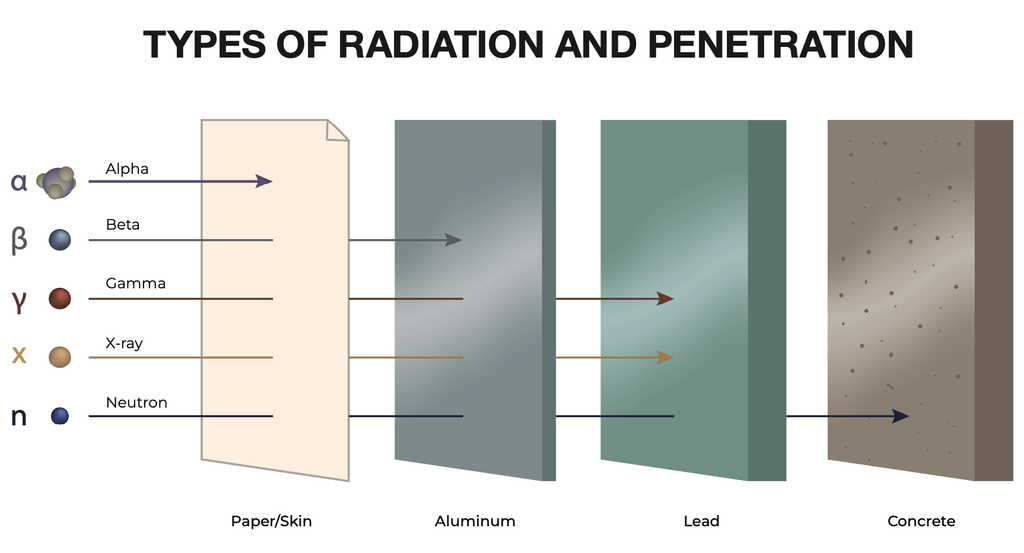
This leads us to radiation. Ansys Engineering describes radiation as the mechanism that transfers heat energy as electromagnetic waves or photons. That’s right, Capt. Kirk, that phaser technology might just be real! In other words, thermal energy can cause the atoms in any matter to move. The movement of those charged particles (protons and electrons at an atomic level) will result in the release of electromagnetic radiation. In its purest form, radiation heat transfer will only occur in a vacuum or through a medium that is transparent to the radiation. Furnace atmospheres come to mind.
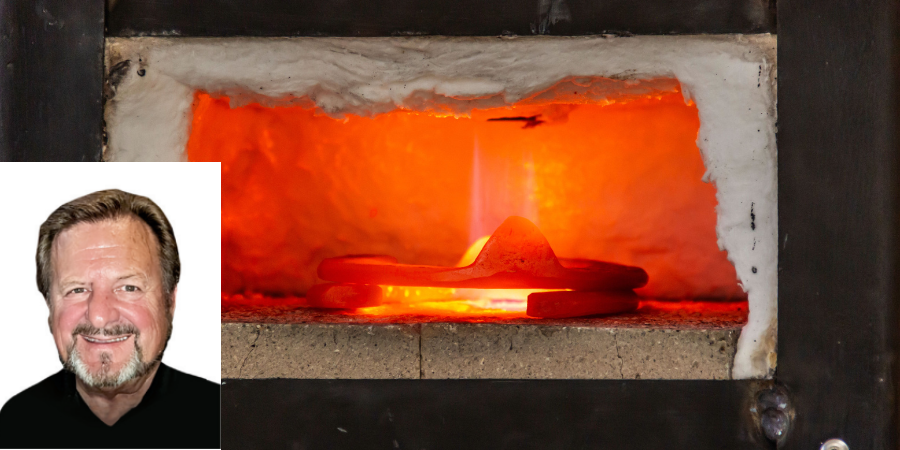
Also, re-radiation is possible from an object, such as a heat treating load, so the radiant source is also absorbing radiation some of the time. Radiation transfer is very efficient and is used effectively in radiant tube furnaces. The tubes are heated electrically or by gas burners, and when they begin to glow (somewhere around 1250°F), they begin in earnest to try and bring the furnace or the load up to temperature.
When radiation is at work, these types of heating devices provide good temperature uniformity. This is because once the furnace has determined that the chamber temp has been achieved, the radiation will continue to try to bring the chamber up to temperature, and these electromagnetic pulses try for equilibrium in the chamber.
Radiation is very efficient in most cases. Radiation is like a living thing — it wants everything to be the same temperature. So it normally has sight line between the glowing heat source and the load. Thermal radiation transfers heat via infrared rays and visible light waves. Hot furnace walls and heating elements emit these electromagnetic waves, which then heat the metal parts without needing direct contact or air movement.
That covers the styles and methods of heat transfer we can see in our heat treating shops. We’ll pick up a new topic next month.
About The Author:

President
US Ignition
Jim Roberts president at U.S. Ignition, began his 45-year career in the burner and heat recovery industry focused on heat treating specifically in 1979. He worked for and helped start up WB Combustion in Hales Corners, Wisconsin. In 1985 he joined Eclipse Engineering in Rockford, IL, specializing in heat treating-related combustion equipment/burners. Inducted into the American Gas Association’s Hall of Flame for service in training gas company field managers, Jim is a former president of MTI and has contributed to countless seminars on fuel reduction and combustion-related practices.
For more information: Contact Jim Roberts at jim@usignition.com.