

Plibrico Company LLC

21 News Chatter to Keep You Current

Heat Treat Today offers News Chatter, a feature highlighting representative moves, transactions, and kudos from around the industry. Enjoy these 21 news items, including Gasbarres portfolio expansion of modular quenching technology, Bodycote‘s acquisition of Spectrum Thermal Processing, Stack Metallurgical Group‘s Supplier of the Year honor from BENCHMADE Knives, and more!


Equipment

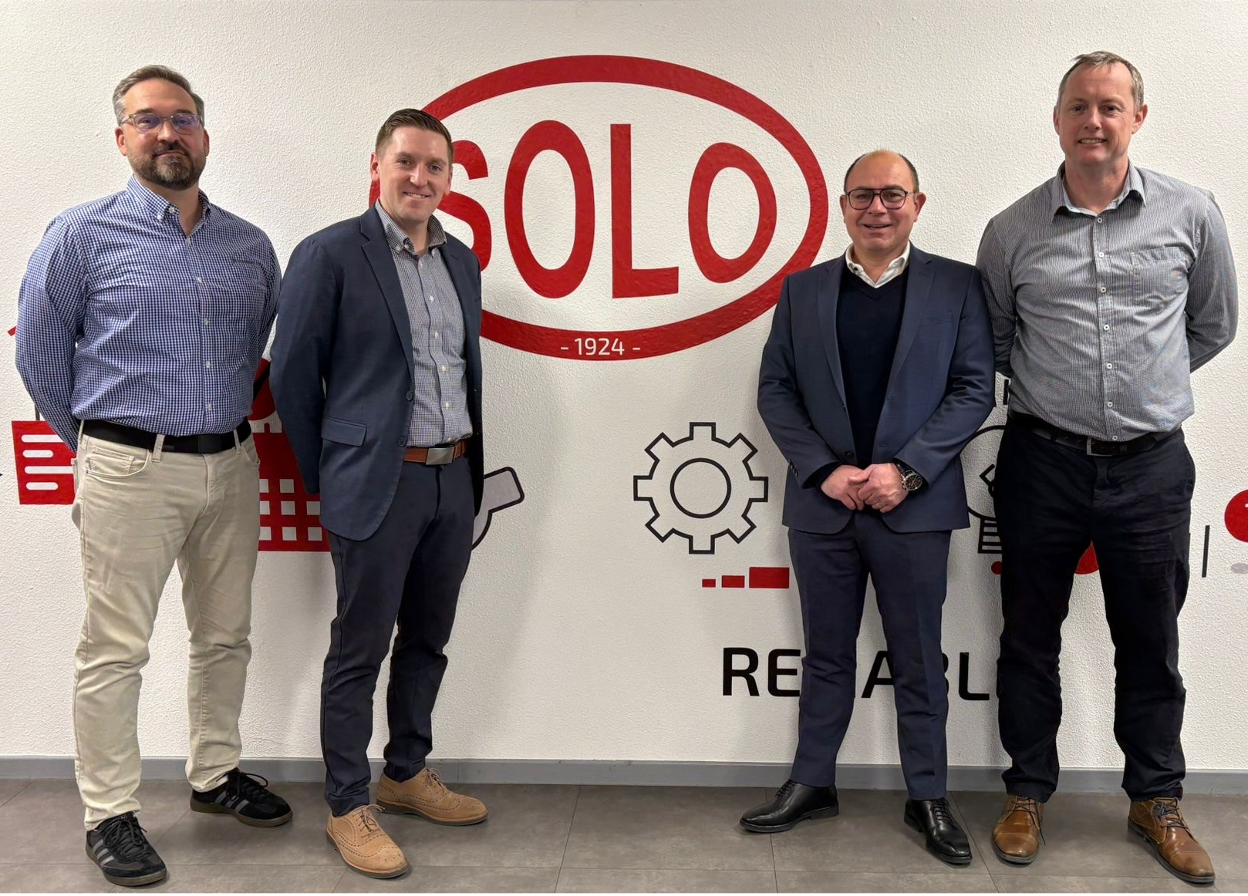
1. Gasbarre Thermal Processing Systems announced an exclusive licensing agreement with SOLO Swiss SA to bring Profitherm® modular bell furnace quenching systems to the North American market, giving Gasbarre rights to manufacture, promote, and sell the technology locally. This expansion enhances Gasbarre’s equipment portfolio and offers heat treat operations — from commercial shops to captive facilities serving aerospace, defense, and industrial sectors — a flexible alternative to traditional quench furnaces that can reduce infrastructure needs and improve processing efficiency.

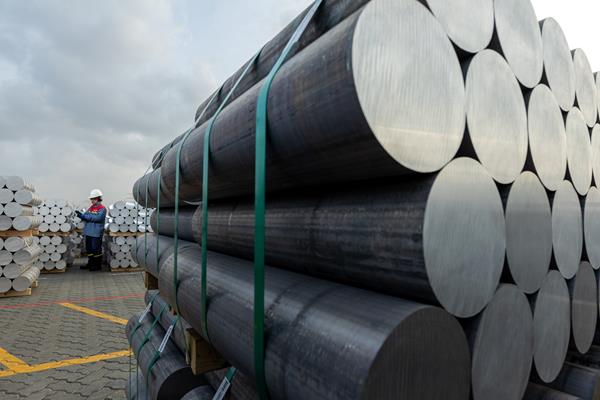
2. IperionX has received a prototype order from American Rheinmetall to manufacture about 700 lightweight titanium components for U.S. Army heavy ground combat systems, using its patented recycled titanium technologies. This order supports U.S. defense efforts to reshore critical materials supply chains and could improve vehicle performance with significantly lighter parts, signaling growing demand for domestic, advanced titanium production in military manufacturing.

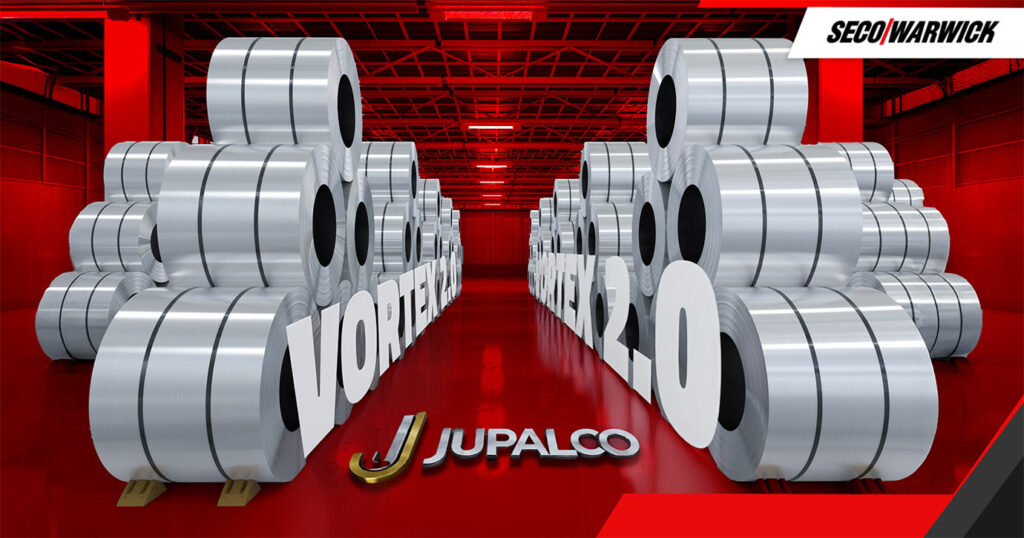
3. Jupiter Aluminum Industries (JUPALCO) has ordered two additional patented Vortex 2.0 aluminum coil annealing furnaces from SECO/WARWICK. The installation will expand JUPALCO’s heat treatment capacity while improving process efficiency and temperature uniformity. The project reflects continued investment in modern annealing technology to support growing aluminum processing needs.

4. Century Aluminum Company has emphasized that Emirates Global Aluminum‘s next-generation EX smelting technology will be critical to the development of its new primary aluminum smelter, one of the most advanced technologies deployed in the U.S. This platform is designed to improve productivity, reduce energy consumption per ton, and lower emissions, reinforcing both economic competitiveness and environmental performance in primary aluminum manufacturing.

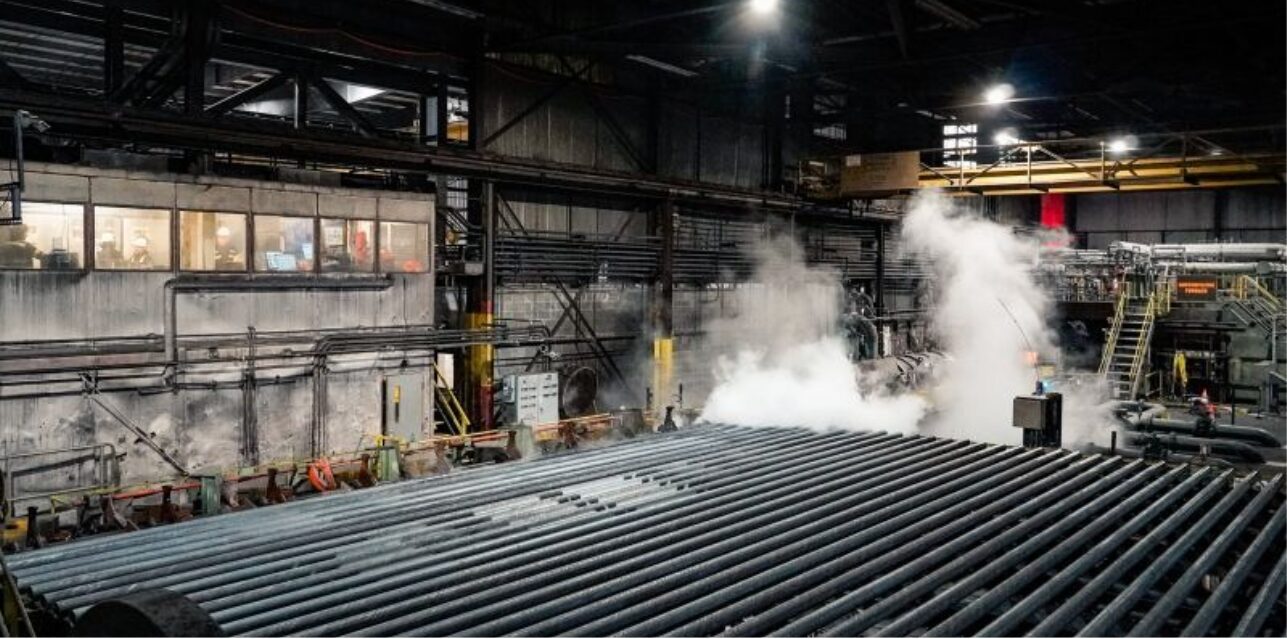
5. Global pipe manufacturer Tenaris has reactivated quenching and tempering operations at its Koppel, Pennsylvania facility, restoring a critical stage of in-house heat treating capacity that supports domestic oil country tubular goods (OCTG) production for the U.S. energy sector. The restart reinforces supply chain reliability for clients requiring high-performance steel pipe.

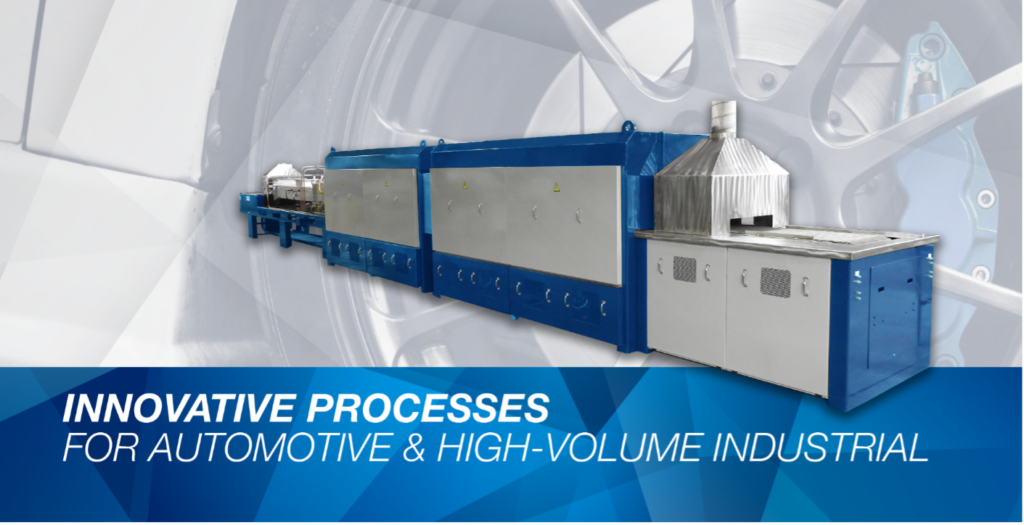
6. A Midwest automotive manufacturer is boosting its stainless steel brazing capacity by installing a new four-zone, 24-inch controlled-atmosphere brazing furnace from Gasbarre Thermal Processing Systems. The furnace will support higher production of critical automotive components.

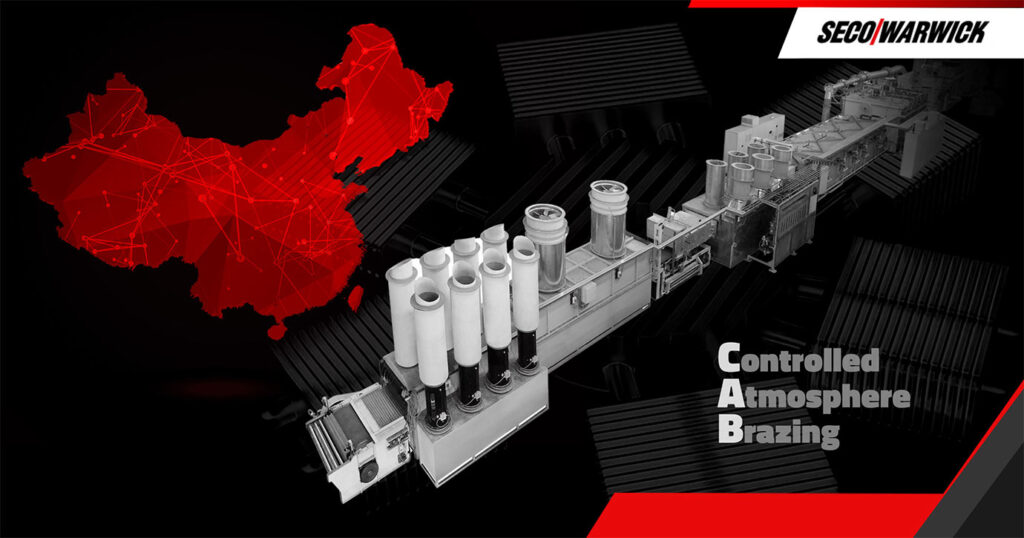
7. A Chinese thermal management manufacturer has significantly increased its production capacity by installing a new continuous controlled-atmosphere brazing (CAB) line supplied by SECO/WARWICK to support higher output of advanced cooling components for data centers, EVs, aviation, photovoltaics, and rail transport.
Company & Personnel

8. Spectrum Thermal Processing, a Cranston, Rhode Island heat treat provider, was acquired by global specialist processor Bodycote plc and integrated into its Aerospace, Defence & Energy division in a deal that closed January 14, 2026. This move brings Spectrum’s Nadcap-accredited vacuum heat treatment, low-pressure carburizing, and gas nitriding capabilities into Bodycote’s U.S. network, expanding regional capacity and improving lead times and supply-chain resilience for aerospace and defense component manufacturers.

9. A Tier 1 automotive supplier ensured uninterrupted production during a planned maintenance shutdown by tapping outsourced burst heat treating capacity from Bluewater Thermal Solutions’ St. Mary’s, Pennsylvania facility, rapidly scaling to meet strict OEM requirements. This collaboration kept deliveries on schedule and highlights the growing importance of flexible heat treating resources in supporting automotive supply-chain resilience.

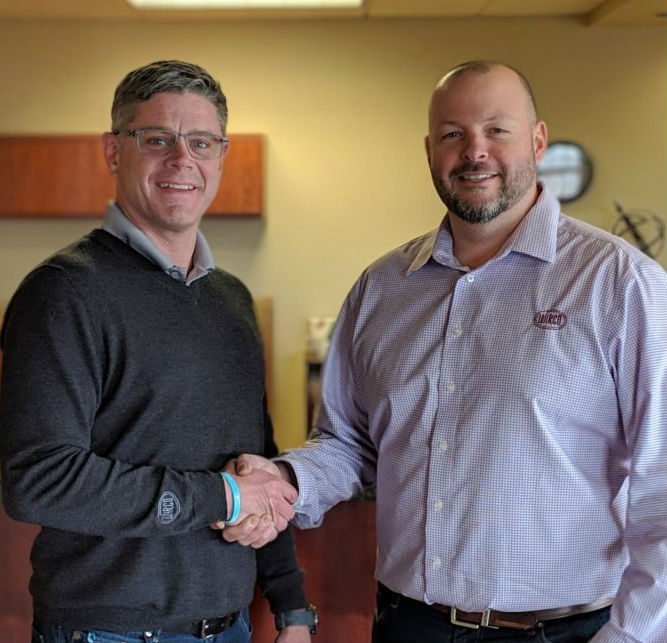
10. Atlantic Fire Brick & Supply, a company that provides refractory products and installation services for furnaces, kilns, and other high-termperature equipment, has been acquired by Plibrico Company LLC in a move that expands refractory distribution and service capabilities for industrial thermal processing operations across the southeastern United States.

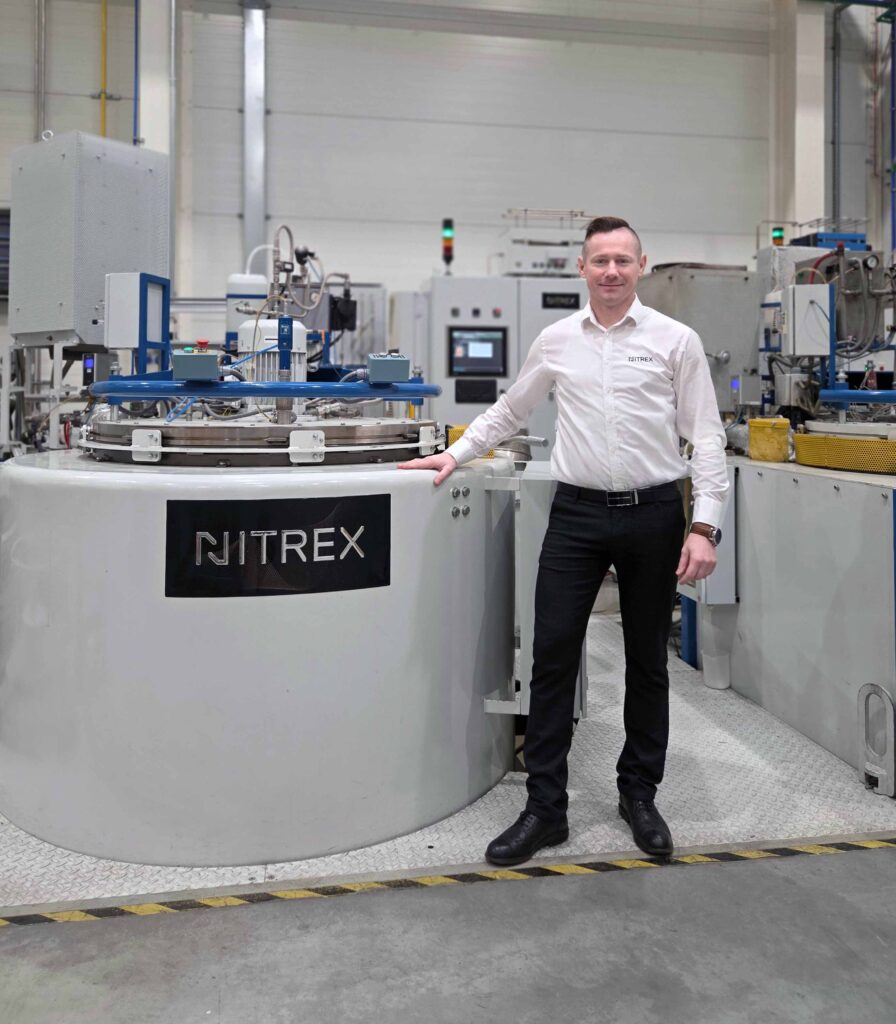
11. The AICHELIN Group has appointed Robert Sokoliński as CEO and general manager of Nitrex Metal Sp. z o. o. in Poland, effective January 1, 2026, tasking him with leading the subsidiary strategic and operational development within the group. The leadership move reinforces AICHELIN’s commitment to expanding advanced thermochemical heat treating capabilities in Europe, supporting automotive and industrial manufacturers with reliable, high-performance surface treatment solutions.

12. Bodycote’s Derby and Rotherham heat treat facilities now operate with zero direct carbon emissions, having transitioned to fully electric operations powered by 100% renewable energy — a milestone in decarbonization trends in thermal processing. This achievement signals growing momentum towards sustainable practices in the aerospace and automotive supply chains, helping clients meet ambitious carbon-reduction targets while maintaining process performance. 

13. NUTEC Group Chairman Genaro Cueva and CEO Daniel Llaguno have appointed long-time executive Rodrigo González as president of NUTEC Bickley, following his 24-year tenure in senior engineering and operations roles. Llaguno praised González’s capabilities and alignment with NUTEC’s values, expressing confidence that he will successfully lead the company into the future while strengthening its position in the industrial heating sector across North America.

14. Thermcraft Inc. announced that Thermo Kinetics has joined as its authorized distributor for Canada, expanding Thermcraft’s reach for its thermal processing and industrial heating equipment across the Canadian market. This partnership brings together Thermcraft’s furnace and thermal solutions expertise with Thermo Kinetics’ local sales and technical support capabilities, strengthening service and market impact in the region’s industrial heating sector.

15. TFL Incorporated, a Houston-based provider of refractory materials and precast shapes, has been acquired by Plibrico Company LLC in a move that strengthens resources and technical support for high-temperature industries. The acquisition enhances service capacity and product availability for clients operating in demanding thermal-processing environments, including sectors that rely on consistent refractory performance to maintain uptime and efficiency.

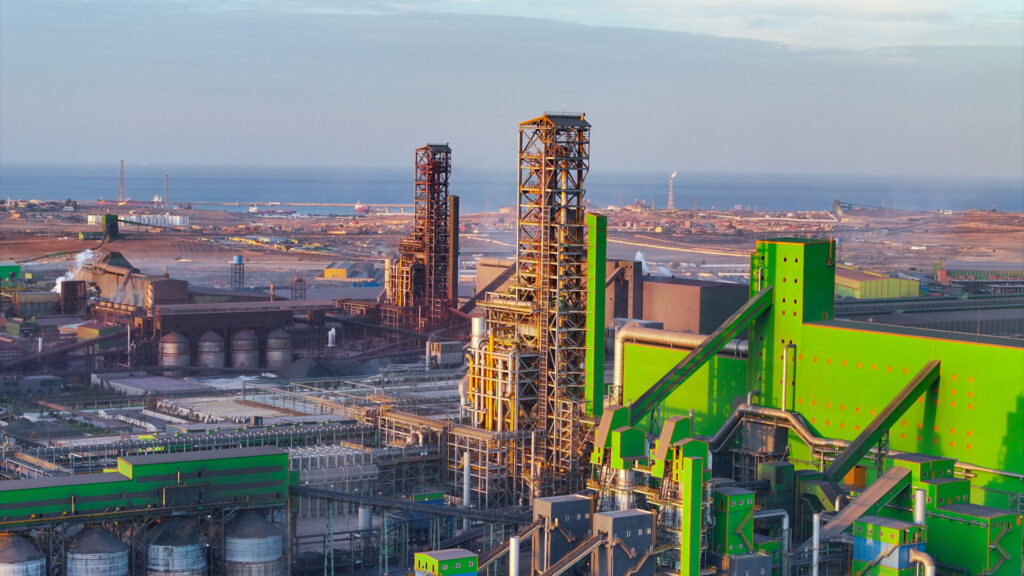
16. Tosyalı Algérie, working with technology partner Midrex, set a new world production record for direct reduced iron (DRI), marking a major milestone in large-scale, low-carbon ironmaking. The achievement underscores growing momentum around DRI as a critical feedstock for steel producers seeking greater efficiency and reduced emissions. For the broader metals industry, it signals continued investment and confidence in DRI technology as a foundation for future steel and downstream thermal processing supply chains.

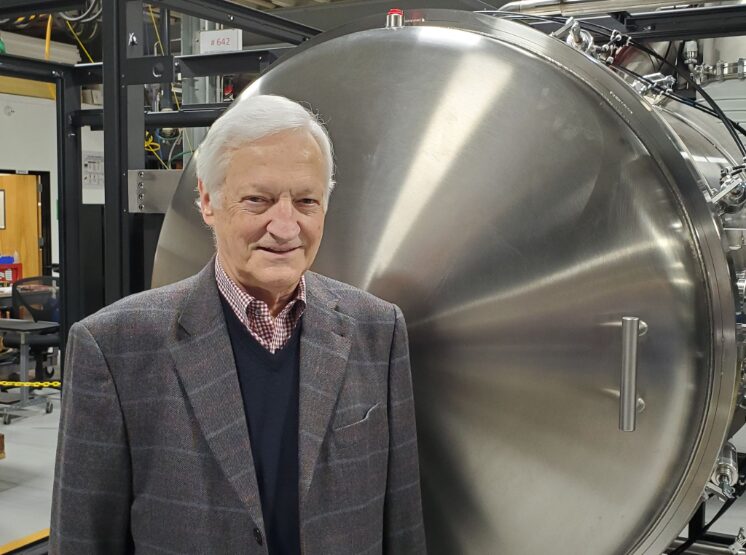
17. Claus Joens, founder of Elnik Systems, has retired after decades of advancing debind-and-sinter furnace technology. His leadership helped strengthen metal manufacturing capabilities critical to defense and advanced industrial applications, leaving a lasting mark on the MIM and thermal processing industries.

18. The Industrial Heating Equipment Association (IHEA) has announced its 2026-2027 Board of Directors and Executive Officers, naming Jason Safarz of DUNGS Combustion Controls as president, Bob Fincken of Super Systems, Inc. as vice president, and Chad Spore of John Deere as treasurer. IHEA leadership highlighted Spore’s appointment as a historic milestone, marking the first end-user officer in nearly a century and reinforcing alignment between equipment suppliers and industrial end users.

Kudos

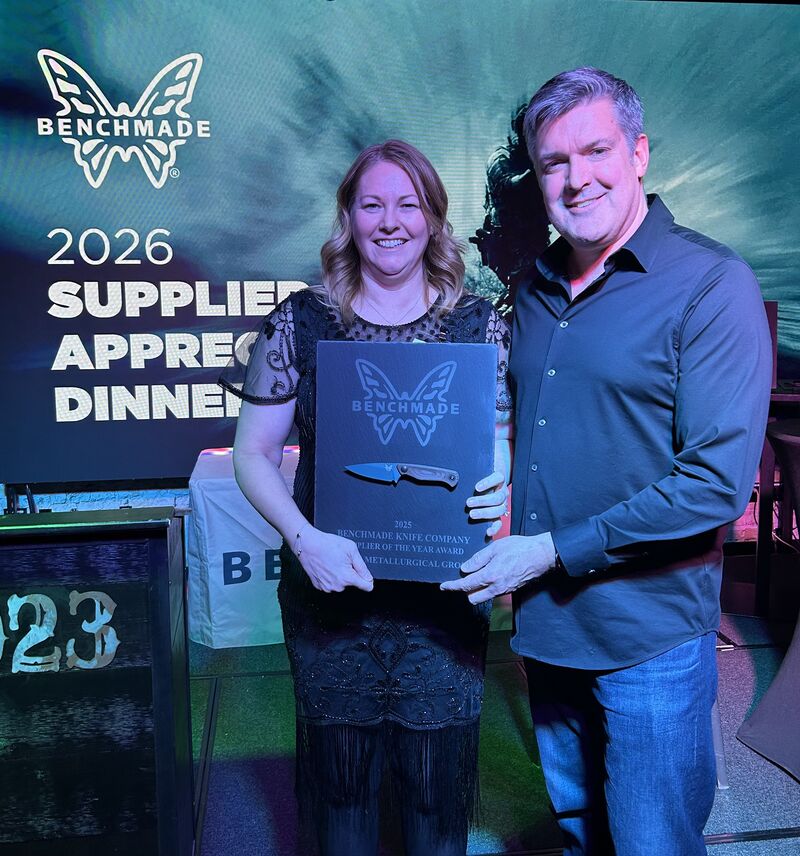
19. Stack Metallurgical Group was honored as a Supplier of the Year by BENCHMADE Knives at the 2026 SHOT Show Supplier Showcase. This recognition at one of the shooting, hunting, and outdoor industry’s largest trade events underscores Stack’s growing influence and excellence in precision metal processing and heat treat services within the manufacturing supply chain.

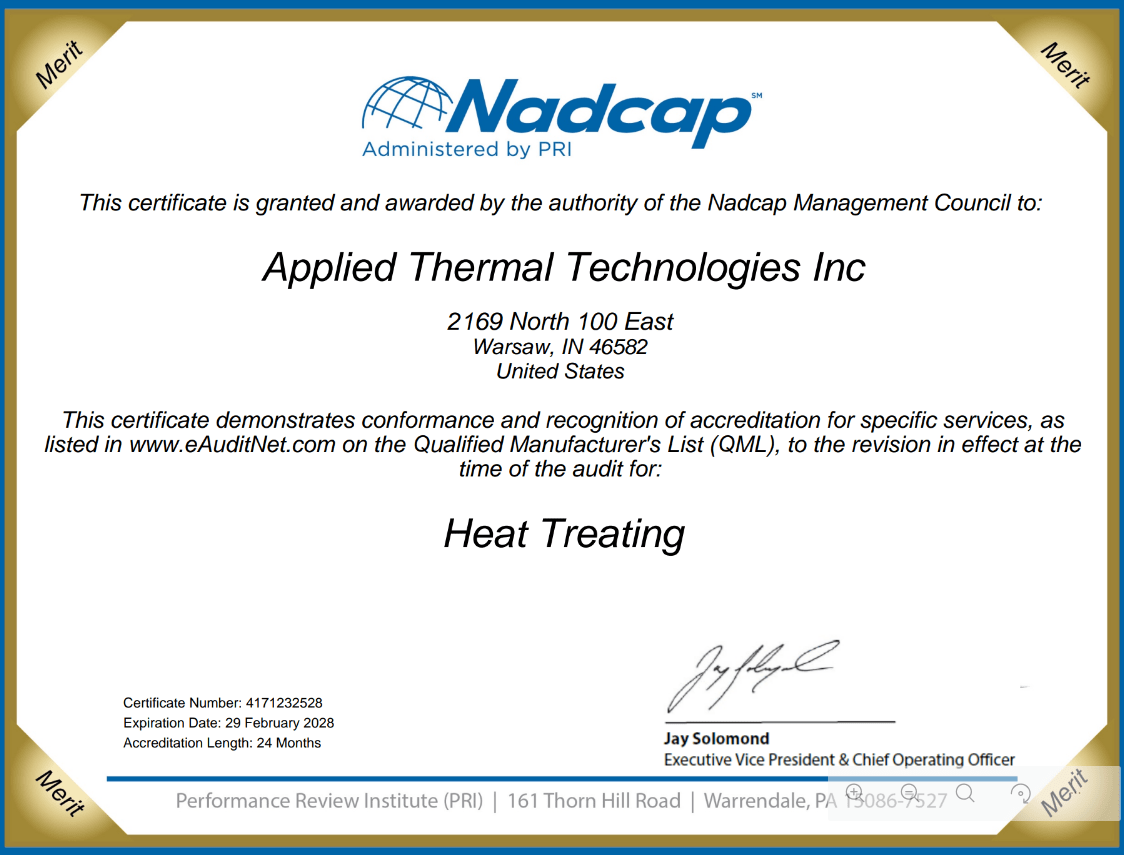
20. Applied Thermal Technologies Inc. received its 4th consecutive 24-month merit for Nadcap.

21. Vacu Braze announced that its metallurgical laboratory has achieved Nadcap accreditation.
21 News Chatter to Keep You Current Read More »
Atlantic Fire Brick Acquisition Strengthens Refractory Services

Atlantic Fire Brick & Supply has been acquired in a move that strengthens refractory solutions for industrial thermal processing operations across the southeastern United States. The acquisition expands access to refractory materials, technical expertise, and field services critical to heat treating and other high-temperature manufacturing sectors, supporting increased uptime, safety, and performance in thermal systems.

Founded in 2004 and based in Charleston, South Carolina, Atlantic Fire Brick & Supply provides refractory products and installation services to industrial customers operating furnaces, kilns, and other heat-intensive equipment. The acquisition was completed by Plibrico Company, LLC, a global manufacturer and supplier of refractory materials and engineered solutions. Atlantic Fire Brick & Supply will integrate into a broader network while maintaining its regional presence and customer relationships.

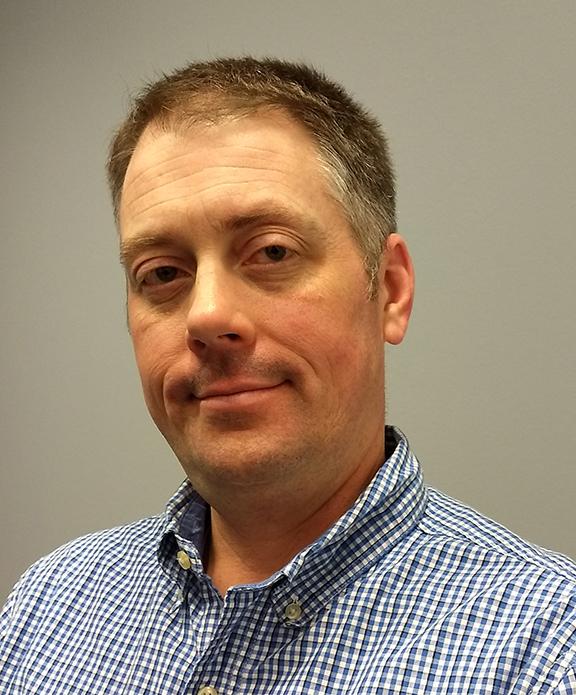
John Paul Surdo
President and CEO
Plibrico Company, LLC

For heat treaters and other thermal processors in the region, the acquisition is expected to improve refractory availability and service responsiveness, helping facilities maintain equipment reliability as production demands and efficiency requirements continue to rise.

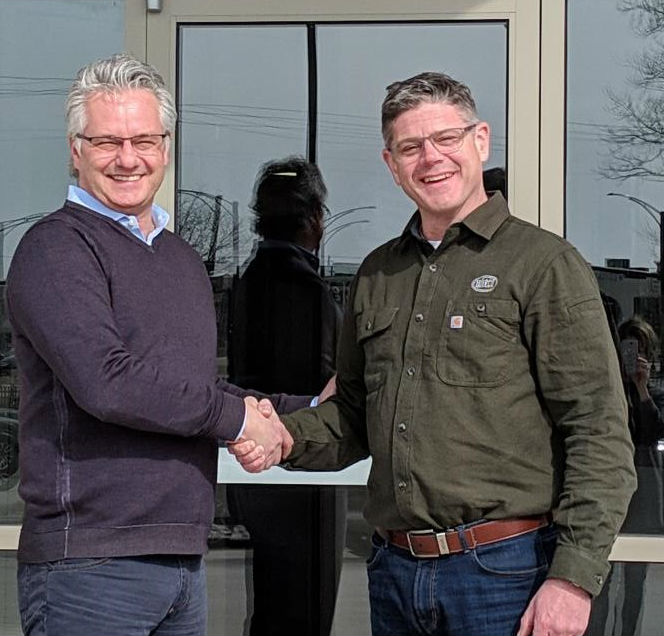
“This combination is centered on delivering greater value to customers,” said John Paul Surdo, president and CEO of the Plibrico Company. “Atlantic Fire Brick & Supply has earned the trust of clients through responsive support and strong partnerships. By reinforcing that foundation with Plibrico’s technical depth and expanded product capabilities, clients across the Southeast are better supported in solving complex refractory challenges and improving performance.”

Press release is available in its original form here.

Atlantic Fire Brick Acquisition Strengthens Refractory Services Read More »

A Better Way To Get Things Done: Refractory Insulation

The faster the refractory installation, maintenance or repair, the more efficient and, by extension, profitable it is to the company, as savings fall to the bottom line. In this Technical Tuesday installment, Roger Smith, director of technical services at Plibrico Company, LLC, examines the challenges of insulation systems, taking a closer look at ultra-lightweight refractory gunite as a fast, flexible solution to controlling heat.

This informative piece was first released in Heat Treat Today’s February 2025 Air/Atmosphere Furnace Systems print edition.


Manufacturers that rely on industrial grade furnaces, boilers and incinerators to produce their quality products are always looking for ways to improve. It is how they stay relevant and, more importantly, profitable. But you don’t get better just by desiring it. You need to identify better ways to get things done and introduce risk-neutral change to current operational processes. By some estimates, inefficient processes can reduce a company’s profitability by as much as one third.

Given refractories’ importance in safeguarding an operation’s multimillion-dollar thermal-processing equipment, and to avoid unscheduled downtime, it is smart business to have a sustainable maintenance and repair process in place. When a refractory situation does arise, the more proficient the process solution the better.

Controlling the Heat

Click the image above to read Roger Smith’s column on extending the life of refractory linings.

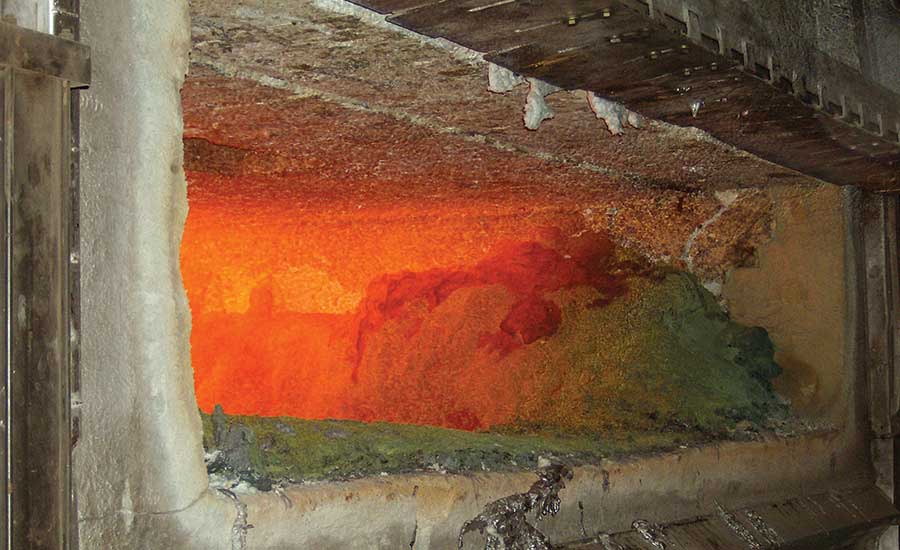
Furnace design is largely about controlling heat to maximize energy efficiency. An energy source — whether that is gas, coal, wood or electricity — is used to heat the furnace, and the furnace lining is designed to keep that heat inside the furnace. There are other factors to be considered, such as the environment inside the furnace, whether there is any abrasion or chemical interactions, or whether the furnace maintains a steady state temperature or undergoes temperature cycles. Regardless of what considerations have to be made for the hot-face lining, an insulation package must be used to reduce fuel consumption and control the cold-face temperature.

There are a large variety of insulation packages and materials that can be used in furnace design. Insulation comes in the form of board, fiber, brick and castables. Each type of insulation comes with its own sets of considerations, such as insulation value, installation method and cost. When considering the insulation package for the vertical wall of a furnace, support must also be considered because the insulation is expected to stay where it is placed and not slump over time. There also must be a means of connecting the hot-face working lining to the furnace structure to provide support. This is accomplished with an anchoring system that connects to the furnace shell and penetrates some distance into the dense hot-face working lining.

Anchoring Systems Challenge Insulation Installations

Anchors are considered to be the bones of a refractory installation and have several functions. They hold the refractory to the wall to keep it from falling in. They also prevent wall buckling due to the internal thermal stresses created by high temperatures. And, to a lesser degree, anchors can also help support the load of the refractory weight.

The anchoring system, however, can present big challenges when installing or maintaining the insulation. In most furnace applications, anchors are first welded directly to the furnace shell. Next, the insulation package is installed and finally the working lining. With anchors sticking off the furnace shell, installing insulation can become a challenge.

Fiber insulation in the form of blanket can be pressed into the gaps between the anchors, but it is important that the insulation remains in place during the life of the furnace. Industrial furnaces tend to vibrate, either from use of combustion or exhaust blowers or other process equipment. This constant vibration can cause fiber insulation to slump and lead to hot spots in the furnace wall due to the lack of insulation.

Figure 1. Anchoring systems are installed before refractory insulation and can pose challenges.

Insulation board is rigid enough to support itself on its end and can be found in a variety of densities and thicknesses to obtain the required insulation value. However, insulation board typically comes in sheets that will have to be cut to fit around the anchors. This can result in a significant amount of manpower and a significant amount of time in a furnace installation. The downtime of an industrial furnace can be costly, which often results in tens of thousands of dollars per hour in lost profits. For this reason, companies try to minimize the time spent rebuilding a furnace. Fewer man hours on a rebuild also tends to reduce the overall cost of the project.

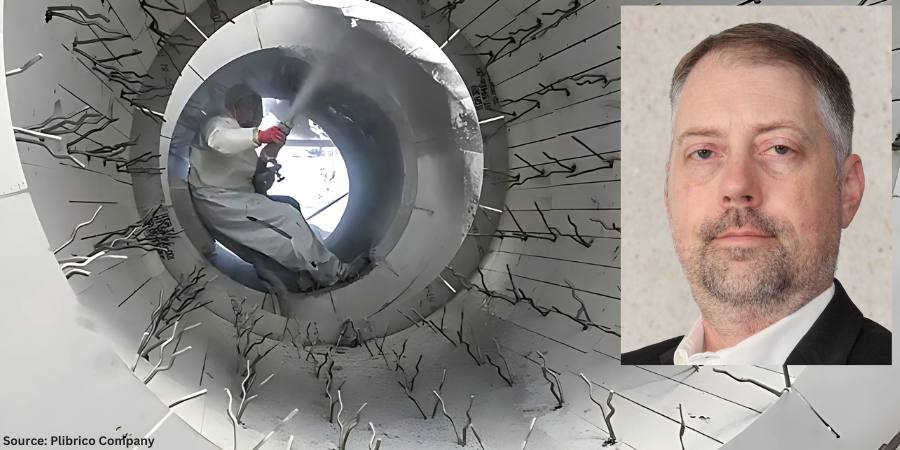
Ultra-lightweight refractory gunites offer a means of installing a large amount of insulation in a relatively short period of time. A gunite is a monolithic refractory castable that is pumped dry through a hose under pressure and is mixed with water at the nozzle. Once the wet castable impacts the surface, it stiffens quickly to avoid slumping and hardens as it dries. This means that the gunite could be installed over the anchors with minimal time. The installer only needs to wrap the end anchors with masking tape to keep them clean for the working lining.

Figure 2. Cold-face and heat storage/loss graph for a production furnace

Distinct Differences in Refractory Gunites

Ultra-lightweight castables are a sub-set of the lightweight castables category but with a very important difference: density. For example, the average lightweight castable with a maximum service limit of 2400°F typically has a density of about 80–90 pcf (pounds per cubic foot). By comparison, ultra-lightweight castables with a maximum service limit of 2400°F will have a density of about 25–30 pcf.

This important distinction comes into play when looking at insulation thickness and calculating cold-face temperature. At the stated densities in a furnace operating at 2000°F, it would take nearly three times more lightweight castable than an ultra lightweight castable to achieve the same cold-face temperature — making many ultra-lightweight castables perfect for insulation and most lightweight castable refractories impractical to use as part of the total insulation package.

Ultra-lightweight castables that achieve final densities of 25–30 pcf while offering service temperatures above 2400°F are available through various refractory manufacturers. One such product, Plicast Airlite 25 C/G (aka Liquid Board) from the Plibrico Company, is designed to be installed via casting or gunite using conventional gunite equipment. With low thermal conductivity and thermal-shock resistance, this material is durable and quick to install. It also has advantages over insulation board, which has a labor intensive installation process of cutting around all the welded anchors, and fiber insulation, which can experience frequent hot spots due to slumping insulation. With an ultra-lightweight, Liquid Board-type of castable, it is possible to attain required insulation values and extended lining life with the installation speed of a refractory gunite.

Working With, Not Against, the Anchoring System

Let’s consider a real-life production furnace operating at 2000°F with a simple 9-inch refractory lining consisting of six inches of dense refractory and three inches of insulation. For comparison, we will assume an ambient air temperature of 81°F and eliminate any effects of exterior wind velocity. The dense refractory working lining for these examples is Pligun Fast Track 50, a 50% alumina, 3000°F-rated refractory gunite.

As seen in Figure 2:

  • Using three inches of ceramic fiber blanket at a density of 6 pcf, a cold face temperature of 252°F can be achieved.
  • Using three inches of insulation board at a density of 26 pcf, a cold face temperature of 247°F can be achieved.
  • Using three inches of an ultra lightweight gunite such as Plicast Airlite 25 C/G with a maximum service temperature of 2500°F and assumed density of 25 pcf, a cold-face temperature of 262°F is expected.

The calculated difference in cold-face temperature between insulation board and the ultra-lightweight gunite is 15°F, but the difference in installation time savings could be multiple shifts.

Figure 3. Ultra-lightweight gunite is quickly applied over anchors with standard equipment.

The cost of downtime can be incredibly high for any manufacturer, especially since downtime can result in a series of costs and losses (both tangible and intangible), including production, labor, replacement costs, product losses and, if unexpected, reputation damage. Industry resources estimate downtime can cost thermal processing companies between $250,000 and $1 million per hour. When multiplied over several shifts, this could mean millions of dollars in downtime costs. Not to mention that labor is a major contributor to the overall cost of a refractory project. The quicker the refractory installation, the less downtime and the more profitable the company.

For example, in an approximately 750-square-foot round duct application (cylinder) with anchors already installed, on average, installation of four inches of the different insulation types can be estimated at:

  • Fiber Insulation — 137 total labor hours, or ~5.5 square feet/hour
  • Insulation board — 288 total labor hours, or ~2.6 square feet/hour
  • Ultra-light gunite/Liquid Board — 80 total labor hours, or ~9.4 square feet/hour

The quick and easy installation of the ultra-light gunite/Liquid Board represents an average estimated financial savings in downtime of between $35 million and $130 million — savings that drops directly to a company’s bottom line. The time compression of installing gunite also holds an added advantage for the insulation installer because labor hours can come with a premium price tag and can sometimes be in short supply. All of this makes the ultra-lightweight gunite solutions an excellent choice to minimize downtime and rebuild costs while meeting the furnace design criteria.

Conclusion

Manufacturers that rely on industrial-grade furnaces, boilers and incinerators to produce their quality products are constantly looking for ways to reduce costs, increase profits and improve efficiencies by looking at and introducing risk-neutral change to current processes. Maintaining efficiency and avoiding unscheduled shutdowns of heat processing equipment requires maintenance. Selecting quality materials and risk neutral installation processes that minimizes maintenance completion times can help companies become more efficient.

About the Author:

Roger M. Smith
Director of Technical Services
Plibrico Company, LLC

Roger M. Smith, a seasoned professional in the refractory industry, is the director of technical services at Plibrico Company, LLC. With a master’s degree in Ceramic Engineering from the University of Missouri — Rolla, Roger has over 15 years of experience in the processing, development and quality assurance of both traditional and advanced ceramics. He has a proven track record in developing innovative ceramic formulations, scaling up processes for commercial production, and optimizing manufacturing operations.

For more information: Visit www.plibrico.com.

This article was initially published in Industrial Heating. All content here presented is original from the author.


A Better Way To Get Things Done: Refractory Insulation Read More »

Maintenance Message: Extending the Service Life of Refractory Linings

Heat treating aluminum presents a unique concern due to the operating conditions of high temperature, chemical corrosion, mechanical abrasion, and temperature variation. Guest columnist Roger M. Smith, director of technical services at Plibrico Company, LLC, examines the critical role the refractory lining plays in the success of manufacturing aluminum, why a refractory is susceptible to cracking under extreme conditions, and how to select and prepare refractory linings to achieve a longer service life.

This informative piece was first released in Heat Treat Today’s August 2024 Automotive print edition.


A significant concern when manufacturing aluminum metal is the practical service life of the furnace. The service life is driven by the refractory lining’s ability to resist the various operating conditions within the furnace, such as high temperature, temperature variation, chemical corrosion, and mechanical abrasion. Ideally, a single refractory composition would be capable of withstanding all these conditions and readily available at a low price.
Unfortunately, this is rarely the case.

Proper refractory selection is often about finding the best balance between price, properties, and performance for the given application and operating conditions. A refractory capable of high strength and abrasion resistance is often susceptible to cracking caused by extreme temperature variations, commonly referred to as thermal shock. However, a material capable of withstanding thermal shock without catastrophic cracking may be vulnerable
to chemical corrosion. Finding the best balance of material properties for each zone in each furnace is important for maximizing the service life of a furnace.

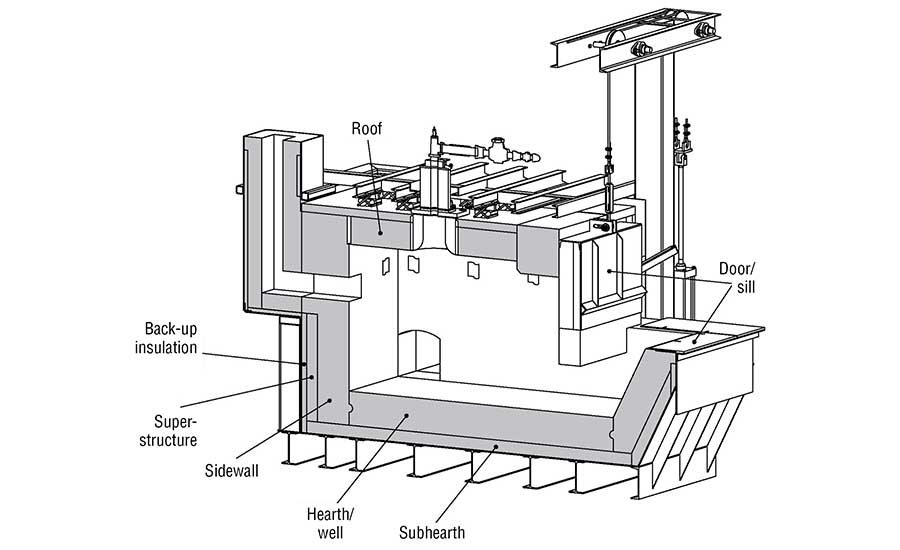
Figure 1. Schematic showing refractory lining in an aluminum furnace

Refractory Under Attack — Requirements for Melting Aluminum

The refractory lining in an aluminum furnace (Figure 1) must endure various chemical reactions that occur while the furnace is in operation. There are three separate regions to consider: above, below, and at the melt line. Above the melt line, the refractory must withstand attack from various alkali vapors. Alkali vapors can be produced from flux used in the aluminum and from the combustion products used to heat the furnace. Below the melt line, the refractory must withstand molten aluminum. At the melt line, the region commonly referred to as the bellyband area, there is a triple point where the refractory, atmosphere, and aluminum interact.

The refractory below the melt line comes in direct contact with liquid aluminum when the furnace is in operation. This contact can create a chemical reaction zone where oxides on the surface of the refractory can be reduced, such as silica (SiO2) to form silicon. Conversely, aluminum can penetrate into the refractory lining either through the same redox reactions or through infiltration due to capillary forces.

Aluminum forms corundum (Al2O3) when it oxidizes. This results in a change of the crystal structure from face-centered cubic to hexagonal, which causes a significant volume expansion. When corundum is formed inside the refractory lining, the change in volume creates cracks, which lead to more infiltration and more cracks until the refractory lining ultimately fails.

Wetting the Refractory

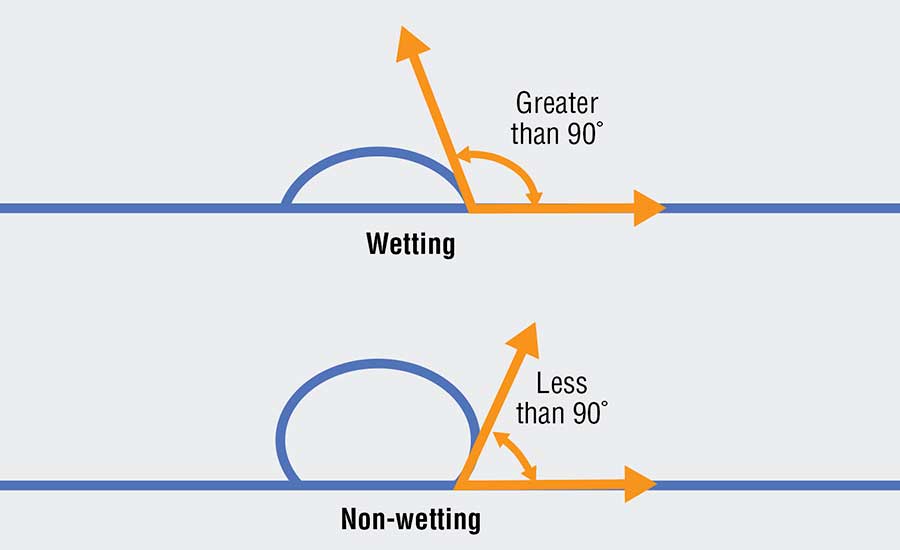
One method for reducing the reaction zone is to prevent the aluminum from “wetting” the refractory (see Figure 2). A liquid’s ability to “wet” a surface is defined by the contact angle of the liquid. When the contact angle between the liquid and the surface is greater than 90 degrees, then the liquid is said to wet the surface. When the contact angle is less than 90 degrees, the liquid does not wet the surface. A liquid that does not wet the surface is analogous to water beading on a car that has been freshly waxed. When aluminum does not wet a refractory, it is not able to react with the refractory and is not able to penetrate the lining.

Figure 2. Contact angle of the liquid demonstrating wetting vs. non-wetting

Various additives can be used to reduce aluminum’s tendency to wet a refractory. Some of the most used additives include barium, boron, or fluoride. They modify the surface chemistry of the refractory and reduce aluminum’s ability to react and penetrate. Using additives such as these greatly extends the effective service life of a refractory lining.

While non-wetting additives can be beneficial to extending the service life in areas where there is contact with molten aluminum, there are no benefits when not in aluminum contact. They do not protect from alkali attacks above the melt line. They do not enhance the abrasion resistance of the material. They do not improve the thermal shock resistance of the material. Furthermore, these additives are volatile. When exposed to temperatures above 1700°F (927°C), they begin to lose their effectiveness because they chemically react with other materials in the refractory and change. The additives can also be costly, which raises the price of the refractory compared to one with the same composition but without the additive.

The presence of non-wetting additives can have some negative effects on a refractory. Tests have shown that a 1% addition of a fluoride additive in a conventional castable can reduce the hot modulus of rupture (HMOR) by as much as 30% at 2000°F (1093°C). The effect can be even more significant in a low-cement castable. The loss in hot strength is likely attributed to the formation of a glassy phase induced by the additive. Fluoride and boron are both well-known glass formers and will form a glassy phase at the grain boundaries at high temperatures, which reduces the bond strength between individual grains and the overall strength of the bulk material.

Figure 3. Refractory lining

Balancing Refractory Properties

The advantages and disadvantages of a refractory material should be considered when selecting materials for an aluminum furnace. The sidewalls of a furnace all come in direct contact with molten aluminum.

The upper sidewalls must be scraped to remove aluminum that splashes up to prevent corundum growth. The refractory selected for its sidewalls should be abrasion resistant to protect from mechanical scraping and non-wetting to protect from corundum growth. The hearth and well are submerged in aluminum, but they do not see the same level of abrasion as the sidewalls. The sub-hearth may see some molten aluminum but must also provide support, so a strong, non-wetting refractory should be used.

The door and sill will experience temperature fluctuations every time the door is opened, and they will be exposed to abrasion as the furnace is charged. Materials that are resistant to thermal shock and abrasion should be selected. The roof and superstructure need to be strong and resistant to alkali vapors. Backup insulation should be selected to reduce heat loss, but it should be of a composition that has moderate resistance to molten aluminum in case of refractory failure at the hot face.

In all these zones, the operating conditions of the specific furnace must be considered, and the balance of properties must be adjusted case-by-case. The primary failure modes must be identified, and materials should then be adjusted accordingly.

The Key to Refractory Selection

The operating conditions in an aluminum furnace require a refractory lining with different benefits in different zones. At the furnace door, the refractory can experience drastic fluctuations in temperature that can cause cracking. The upper sidewalls will develop scale that has to be scraped off, so the refractory needs to be abrasion resistant.

The lower sidewalls come in direct contact with molten aluminum and need to resist chemical attacks and aluminum penetration to avoid corundum growth. Finding a cost-effective refractory that can meet all these requirements is very difficult, but it can be done with sufficient research. Careful material selection that considers the needs and operating conditions of a particular furnace is important for maximizing the service life of a refractory lining.

About the Author:

Roger M. Smith
Director of Technical Services
Plibrico Company, LLC
Source: Plibrico

Roger Smith is a seasoned professional in the refractory industry. With a master’s degree in Ceramic Engineering from the University of Missouri – Rolla, Roger has over 15 years of experience in the processing, development, and quality assurance of both traditional and advanced ceramics. He has a proven track record in developing innovative ceramic formulations, scaling up processes for commercial production, and optimizing manufacturing operations.

For more information: Visit www.plibrico.com.

This article was initially published in Industrial Heating. All content here presented is original from the author.


Maintenance Message: Extending the Service Life of Refractory Linings Read More »

Heat Treat Safety Tips to Reduce Manufacturing Related Falls

Heat treat safety is relevant to all of us. Check out these dos and don’ts to maintain a safe heat treat shop. Content is provided by Plibrico Company, LLC.


Use Fall Protection Systems to Reduce Construction-Related Falls


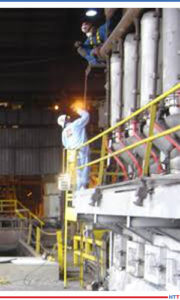
Most equipment used for thermal processing stands well over 10 feet tall and has the capacity to hold or process over 60 tons of molten metal. During refractory installation, repair and maintenance of this large equipment, refractory professionals often find themselves raised atop platforms, scaffolding, decking and work stations. Due to the fact that refractory employees regularly work at elevated heights, it is crucial to keep them safe from fall-related injuries, as well as to ensure the job site is free of safety violations. To accomplish this goal, it is essential to understand the hazards of falls and know the Occupational Safety and Health Administration (OSHA) rules.

According to OSHA, in 2017, almost 42% of all construction worker related deaths were attributed to falls. Thousands more were injured. Fall Protection infractions (OSHA 29 CFR 1926.501) also topped OSHA’s 2018 list of the Top 10 Safety Violations for the eighth consecutive year.

Incidents involving falls frequently involve a variety of factors, however, a common thread running through most is the absence of fall protection equipment. Even if you’re Nik Wallenda, the high wire aerialist of the famed Flying Wallendas family, OSHA requires protection when working on refractories at heights of six feet above a lower level:

Handrails, Guardrails and Toe-boards: serve as barriers between the employee and an open edge. Midrails or screens need to be installed between the top of the guardrail and the walking or working surface to prevent falls.

Personal Fall Arrest Systems: provide employees with an individual form of fall protection. For example, a body harness connected to a lanyard or retractable line secured to a fixed anchor. These types of systems are designed to go into action before contact with any lower level.

Personal Fall Restraint Systems: prevent employees from reaching the edge where a fall hazard is likely to occur. It tethers a worker in a manner that will not allow a fall of any distance. This system is comprised of a body belt or body harness, an anchorage, connectors, and other necessary equipment.

As a second line of defense or where fall prevention systems are not practical, for instance roof work, a warning line system consisting of ropes, wires, or chains is an approved solution if it is at least 6 feet from open edges around all sides of the work area. Fixed barriers can also be installed to prevent employee access to dangerous areas.

To address any hazardous areas that may have floor openings, color-coded covers should be used and marked with the word “Hole”. Covers should be secured tight to prevent workers from falling through floors or elevated areas.

OSHA clearly states employer requirements. OSHA mandates employers train workers on how to use personal fall protection equipment and how to work in hazardous situations. Employers must also assess the workplace to determine if walking or working surfaces have the necessary strength and structural integrity to safely support workers.

Before any work begins, conduct a hazard assessment to develop a comprehensive fall protection plan, to manage hazards and focus employee attention on prevention. Falls cause deaths and numerous serious injuries each year, many of which are preventable. Maintain the highest safety standards on your job site by installing or using fall protection systems – not all of us can be as sure footed as Nik Wallenda.

Heat Treat Safety Tips to Reduce Manufacturing Related Falls Read More »

Conquering Aluminum Furnace Corundum: Effective Controls for Corundum Growth That Improve Quality and Cut Costs

Dan Szynal, VP of Engineering & Technical Services, Plibrico

Aluminum processors face constant challenges to their aluminum melt operations. Due to robust demand, processors often operate these furnaces at higher temperatures to maximize production rates. As a result, one of the costliest operational challenges is the aggressive formation of corundum deposits in their furnaces.

In this article, Dan Szynal, VP of Engineering & Technical Services, Plibrico, discusses the causes and concerns of corundum growth and outlines excessive, damaging, and costly corundum growth can be mitigated with the right refractory materials, coupled with the correct maintenance and watchful operation.


Root Causes of Corundum Growth


Corundum growth in a refractory lining of an aluminum furnace occurs due to a reaction between the alumina-silicate refractory and molten aluminum. Corundum formation can occur both externally and internally in the refractory lining.

There are four identifiable root causes that promote corundum growth:

  1. High temperature
  2. Presence of oxygen
  3. Alloy composition
  4. Use of fluxes and fluoride salts

Corundum Formation Illustration

High temperatures accelerate the reduction of oxides in the refractory. The higher the temperatures, the more quickly non-wetting agents lose their effectiveness. Aluminum begins to penetrate the refractory matrix because of decreases in aluminum viscosity and surface tension. Excessive furnace temperature can be the result of several causes: overfiring, improper furnace control, or inaccurate thermocouple placement. For example, a thermocouple that is recessed into the refractory lining by 2 inches may underreport temperatures by several hundred degrees.

Oxygen drives the reaction process in two ways: as an atmospheric gas, and as a reducible oxide in the refractory. Minimizing oxygen by controlling negative pressure sources such as doors, windows, and well openings reduces the potential for reaction. Proper flue sizing and burner stoichiometry also reduce excess oxygen and improve furnace energy efficiency.

Alloy composition can be a factor. Some aluminum alloys contain elements that reduce the silica as well as iron oxide, zinc oxide, and other oxides in refractories. Careful attention is necessary when choosing an appropriate refractory for more aggressive aluminum alloys to reduce the potential for reaction.

The use of fluxes and fluoride salts like cryolite Na3AlF6 in aluminum melting accelerate the reduction of oxides in the refractory. Their alkaline properties also reduce the local melt temperature of the refractory at the bellyband and then infiltrate the furnace lining. Over time, with a lack of regular maintenance, the corundum buildup will reduce furnace performance and increase aluminum loss.

Trouble Spots

The spread of corundum growth occurs most commonly in areas where its formation mechanisms of heat and oxygen are present. Typical problem areas include doors, openings, flue areas, and burner cones due to the potential for excess oxygen. Negative furnace pressure can also lead to leakage from the outside. Other common areas of formation include rear walls and bellyband areas where regular cleaning and maintenance are more difficult.

Control and Avoidance

The key to fighting corundum starts with choosing the proper refractory material for molten aluminum contact. The development of effective refractory additives that combat corundum, including non-wetting additives, dense oxide barrier formers, and pore-size reducers was pioneered by Plibrico, which includes these additives in products aimed at:

  • increasing wetting resistance and reducing the potential for oxidation-reduction of the refractory (The Plicast Al-Tuff® system)
  • forming a reactive layer to resist molten aluminum penetration up to 2000°F (Plibrico’s Al-Shield™ refractories)
  • offering good resistance to metal slag penetration, especially in higher temperatures, and adhering well to the existing refractory for repairs (Phos-bonded castables like Plibrico’s Exo-set Uno™)

In general, PliPartner refractory contractors tell us that they find phos-bonded plastic refractories to be excellent repair materials for aluminum processors. They are usually low in free silica and nonwetting. The material bonds chemically to existing refractory, making them easier to install, and phos-bonded plastic refractories are an excellent solution for corundum growth at the bellyband.

Best Practices That Will Help

A regular maintenance plan can go a long way to increasing refractory life; a schedule is essential. A knowledgeable refractory expert with genuine experience in aluminum heat processes can help with ideal schedules and checklists.

Corundum buildup is a common concern among aluminum furnace end users. Optimally, the longevity of a furnace lining depends on best practices in refractory materials and installation methods, knowing the past refractory performance history to evaluate future performance, managing expectations of furnace production output, and monitoring regular maintenance and operation of the furnace.

These factors are measurable key performance indicators that will help decision makers design and build good refractory linings for the demanding needs of aluminum producers today. Considering these factors and balancing them according to the producers’ needs can deliver a higher-quality product for longer life.


Conquering Aluminum Furnace Corundum: Effective Controls for Corundum Growth That Improve Quality and Cut Costs Read More »

15 Quick Heat Treat News Items to Keep You Current

15 Quick Heat Treat News Items to Keep You Current

Heat Treat Today offers News Chatter, a feature highlighting representative moves, transactions, and kudos from around the industry.

Personnel and Company Chatter

  • Thomas Persson recently joined Therma-Tron-X Inc. as their newest HTF (Heat Treat Furnace) sales engineer.
  • Chromalox has announced the opening of its new sales and operations office in Korea.
  • Thomas “Tucker” Hamling II was recently appointed to the position of sales manager with ZIRCAR Refractory Composites, Inc., responsible for domestic technical sales while also providing technical guidance to the company’s customers.
  • A definitive agreement has been reached between Tenaris S.A. and PAO TMK, a Russian company and manufacturer of steel pipe, to acquire 100% of the shares of PAO TMK’s wholly owned U.S. subsidiary IPSCO Tubulars, Inc.
  • Beaumont Machine has relocated to a new larger manufacturing facility, still in the Cincinnati area, to expand the machine line for components for new markets such as semiconductor materials processing and land-based power generation, particularly turbine blades.
  • The American Foundry Society is pleased to welcome Tom Dore as Technical Director. Formerly a vice president at AFS Corporate Member Alu-Bra Foundry, Dore has years of hands-on experience in foundry operations, including plant engineering, heat treating, sand casting, customer quality, and sales.
  • Mike Winkelmann, an industry veteran, has been appointed the new General Manager of the fast-growing Mechanical Services division of Plibrico Company, LLC.
  • Paulo recently announced three leadership changes to the Operations team. Kyle Moore has been promoted to Plant Manager of the St. Louis Division, Tim Mohr has been promoted to Director of Strategic Programs, and Tee Rassieur has been promoted to Vice President Operations.

 Equipment Chatter

  • A Tier 1 automotive manufacturer recently chose Can-Eng Furnaces International Ltd to design and commission a high-capacity, heat-treatment system, providing T-6 and T-7 processing capabilities for lightweight aluminum High Pressure Die Casting (HPDC) automotive components.
  • A medical device manufacturer required an oven to preheat an aluminum mold for a silicone part that was to be filled and cured in the next manufacturing step and contracted with Despatch. The company develops innovative products that improve patient outcomes by enabling minimally invasive surgery.
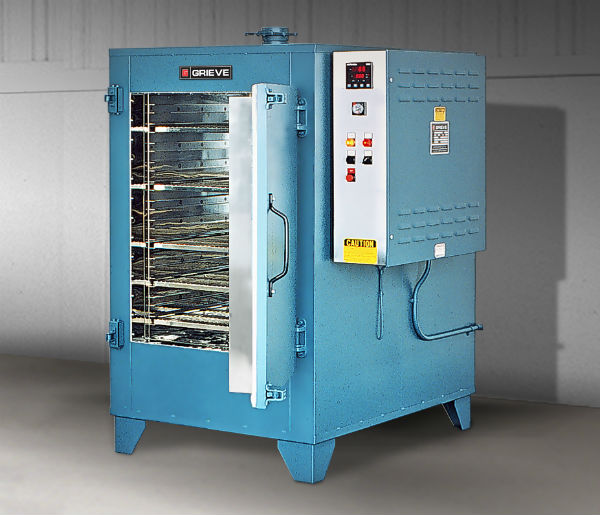
  • A company that requires the heat treating of automotive parts in baskets recently purchased the No. 1040, a 2200°F (1204°C), inert atmosphere pit furnace, from Grieve Corporation.

Kudos Chatter

  • Dr. Valery Rudnev, FASM IFHTSE Fellow, the Director of Science & Technology at Inductoheat Inc., was recently appointed this year’s speaker at the Woodside Lecture of the Detroit Chapter of ASM. The Woodside Lecture is named for William P. Woodside, the founder of ASM in Detroit (1913). Dr. Rudnev will be discussing “Recent Theoretical and Practical Novelties in Induction Heat Treatment.”
  • Saint-Gobain recently announced that Neha Dave, business manager of Specialty Materials at Saint-Gobain Ceramics & Plastics, has been named a 2019 STEP Ahead Emerging Leader by The Manufacturing Institute. Additionally, the institute is recognizing Silham El Kasmi, operational director for Saint-Gobain Crystals in France, as a 2019 STEP Ahead Award Honoree. Dave and El Kasmi were recently honored during an Awards Dinner Gala in Washington, D.C.
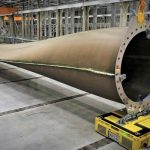
  • The world’s largest wind-turbine blade—351 feet (107 meters) long—has been manufactured by LM Wind Power in Cherbourg, France, as part of a GE Renewable Energy Haliade-X 12-MW offshore turbine. The blade is comprised of multiple thin layers of glass-and-carbon fibers with wood, fused together with resin.
  • In addition, the largest rotary tilting furnace in the world has been manufactured and supplied by GHI Smart Furnaces, in a project subsidized by the Basque Government in which the company has worked together with Befesa and Tecnalia. This is the second time the company has reached a world record.

  • Heat Treat Today is pleased to join in the announcements of growth and achievement throughout the industry by highlighting them here on our News Chatter page. Please send any information you feel may be of interest to manufacturers with in-house heat treat departments especially in the aerospace, automotive, medical, and energy sectors to the editor at editor@heattreattoday.com.

15 Quick Heat Treat News Items to Keep You Current Read More »

A Dozen & a Half Quick Heat Treat News Items to Keep You Current

A Dozen & a Half Quick Heat Treat News Items to Keep You Current

Heat Treat Today offers News Chatter, a feature highlighting representative moves, transactions, and kudos from around the industry.

Personnel and Company Chatter

  • Mike Woolery has recently joined Plibrico Company, LLC,  as its purchasing manager. Woolery will report directly to the company’s Chief Financial Officer, Rob Wasieleski.
  • The recent acquisition of the SME Group by Dana Incorporated, as well as the Drive Systems segment of Oerlikon Group, including the Graziano and Fairfield brands, has resulted in the addition of five facilities throughout China.
  • Gasbarre Industrial Furnace Systems is pleased to announce the promotion of Mike Harrison to Engineering Manager for Gasbarre (formerly J.L. Becker), in Plymouth, MI.
  • A global investment firm recently announced that it has closed its purchase of StandardAero. The Carlyle Group completed the purchase from Veritas Capital. StandardAero is a global provider of repair and maintenance services to the aviation industry.
  • R. Joseph Stratman, Chief Digital Officer and Executive Vice President of Nucor Corporation, recently announced plans to retire on June 8, 2019, after more than 29 years of service with Nucor. Effective May 19, 2019, MaryEmily Slate will be promoted to Executive Vice President and will assume responsibilities for the Tubular Products Group, logistics and certain joint ventures.
  • Saint-Gobain Coating Solutions, Amherst, N.Y., has recently appointed Tim Vitorino, a member of the ASM Thermal Spray Society, to the position of Product Manager for Thermal Spray Powders. In this role, he will have global responsibility for the current TSP portfolio and for new product development.

Equipment Chatter

  • A modified shelf oven, No. 879 from Grieve Corporation, heats to 350°F (177°C) and is currently used for pre-heating bulk friction material in trays at the customer’s facility.
  • A continuous annealing and chemical pretreatment line for processing strip coils for the aluminum market has been contracted by Henan Tongren Aluminum Co. Ltd, which specializes in aluminum products. Tenova will deliver the new line, which will process automotive and aircraft aluminum alloys, family series 2XXX, 5XXX, 6XXX and 7XXX.
  • A new 12’ long car-bottom vacuum furnace with advanced pumping system and rapid cooling capability has been ordered for Solar Atmospheres’ Greenville, South Carolina, facility. The horizontal vacuum furnace has been manufactured by sister company Solar Manufacturing; installation is scheduled for early 2020.
  • Two CaseMaster Evolution® (CMe) vacuum furnaces have recently been delivered to an aerospace components manufacturer, and an additional CMefurnace has gone to a performance automotive manufacturer, from SECO/WARWICK Group.

  • A Gruenberg explosion resistant truck-in oven has been shipped to the defense security industry by Thermal Product Solutions.
  • An electrically heated horizontal solution treat system with a maximum oven operating temperature of 1,100°F and a chiller system has been shipped to a manufacturer in the aerospace industry by Wisconsin Oven Corporation. Guaranteed temperature uniformity of ±10°F at set points of 870°F, 920°F, & 985°F was documented with a twelve (12) point profile test in an empty oven chamber under static operating conditions and was performed in accordance with BAC 5621F specifications.
  • A 2012°F (1100°C) crucible furnace has been shipped to a research and development laboratory in the nuclear industry by Lindberg/MPH. This crucible furnace will be used for a wide variety of laboratory melting applications, including annealing, ashing, carbon firing, ceramic firing, hardening, melting, nitriding, normalizing, sintering, solution treating, and stress relieving.


Kudos Chatter

StandardAero recently celebrated the delivery of the company’s 500th CFM International CFM56-7B turbofan engine from its overhaul facility in Winnipeg, MB, Canada. This milestone engine powered a Boeing 737 Next Generation passenger jet operated by a major North American airline supported by StandardAero via offload agreements with its valued partner GE Aviation. StandardAero launched its CFM56-7B program in June 2009,

Precision Micro is now certified to ISO 13485 – the internationally recognized quality management system for medical device manufacturers. The accreditation was awarded following a successful site audit conducted by the British Standards Institution (BSI), the national standards body of the United Kingdom.

Stratolaunch Systems Corporation recently completed the first flight of the world’s largest all-composite aircraft, the Stratolaunch. With a dual fuselage design and wingspan greater than the length of an American football field, the Stratolaunch aircraft took flight at 0658 PDT from the Mojave Air and Space Port. Achieving a maximum speed of 189 miles per hour, the plane flew for 2.5 hours over the Mojave Desert at altitudes up to 17,000 feet. As part of the initial flight, the pilots evaluated aircraft performance and handling qualities before landing successfully back at the Mojave Air and Space Port.

JTEKT North America (JNA), a supplier of steering systems, driveline components and bearing technologies was recognized with an Excellent Award in Technology & Development from Toyota Motor North America, Inc. (TMNA) at its Annual Supplier Business Meeting (ABM) in March.

The leading producer of flat-rolled aluminum products recently hosted a ribbon cutting celebration to commemorate a $4.5 million investment at its facility in Warren, Ohio. Through this investment, Novelis, Inc., will provide greater versatility for pretreatments, improves operational efficiency and reduces costs over time.


Heat Treat Today is pleased to join in the announcements of growth and achievement throughout the industry by highlighting them here on our News Chatter page. Please send any information you feel may be of interest to manufacturers with in-house heat treat departments especially in the aerospace, automotive, medical, and energy sectors to the editor at editor@heattreattoday.com.


A Dozen & a Half Quick Heat Treat News Items to Keep You Current Read More »
15 Quick Heat Treat News Items to Keep You Current

Heat Treat Today offers News Chatter, a feature highlighting representative moves, transactions, and kudos from around the industry.

Personnel and Company Chatter

  • Roger Smith has recently been appointed Technical Manager at Plibrico Company, LLC.  Smith will be responsible for development of innovative refractory formulas, oversee product quality, and assist in identifying the best materials for refractory construction projects.
  • William “Bill” Cowell has been promoted to the position of Vice President of Operations at Advanced Heat Treat Corp. (AHT). Cowell, who has been at AHT since 1999, will oversee operations for all AHT  facilities.
  • Wirco has announced the promotion of Aaron Fisher to Vice President of our Fabrication Division. Aaron has been with Wirco for 19 years. In addition, Wirco welcomes Marco Möser as the Vice President of our Foundry Division.
  • Thomas G. Gasbarre has stepped down as Chief Executive Officer of Gasbarre Products, Inc, a position he has held since his father George Gasbarre, the founder of the company, retired in 1990. Gasbarre also announced that Tom’s son, Alex Gasbarre, has been appointed Chief Executive Officer and is now leading the development and execution of the company’s short- and long-term strategies. Heath Jenkins has been promoted and will succeed Alex as President, Press & Automation, and Manufacturing Technologies.
  • John C Plant has been appointed to serve as Chairman and Chief Executive Officer at Arconic Inc. The Board has also appointed Elmer L. Doty, a current Director, to serve as Chief Operating Officer, and Arthur D. Collins, Jr., a current Director, to serve as Lead Director. These appointments are effective immediately.
  • Xerox, based in Norwalk, Connecticut, has acquired metal additive manufacturing company Vader Systems, which will enable it to offer its customers access to low-cost metal additive manufacturing with a greater variety of metals. Based in Buffalo, New York, Vader Systems is a developer of liquid metal additive manufacturing technology.
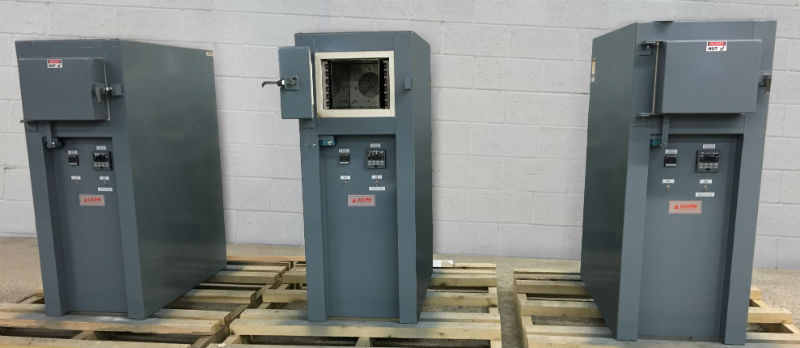
  • Several convection ovens were supplied to a manufacturer of small medical parts in the southern U.S. by Lucifer Furnaces. Model 42-B18 has a working chamber size of 9”H x 9”W x 18”L and heats to 1200°F.
  • A floor-standing furnace has been shipped by L&L Special Furnace Co., Inc. to a worldwide leader of high tech ceramics and associated components located in the Northeastern United States. The furnace will be used for glass components along with fiber optics and research and development. It will also be used to fill in on various thermal projects and development.
  • A Treet-All™ Box Furnace has been shipped to a Japan-based global battery manufacturing company by Lindberg/MPH.  The maximum temperature rating of this light industrial box furnace is 2050°F and has work chamber dimensions of 18” wide x 36” deep x 18” high. The Treet-All™ Light Industrial Box Furnace is suited for multiple applications, including annealing, ashing, austempering, brazing, preheating, solution treating, stress relieving, and normalizing.
  • A supplier of the aerospace industry received shipment of a Electrically Heated Horizontal Quench Solution Treat System from Wisconsin Oven Corporation. The Horizontal Quench Solution Treat System has a maximum oven operating temperature of 1,200° F and work zone dimensions of 5’4″ wide x 5’6″ long x 5’4″ high (above the rollers).
  • Chromalox, a thermal technology provider, recently contracted with Sierra Monitor Corporation  to enable cloud system connectivity on their Heat Trace solution.
  • A cabinet oven is being used to finish batch loads of metal parts at a customer’s facility. The No. 828 is a 500°F (260°C) cabinet oven from Grieve Corporation.
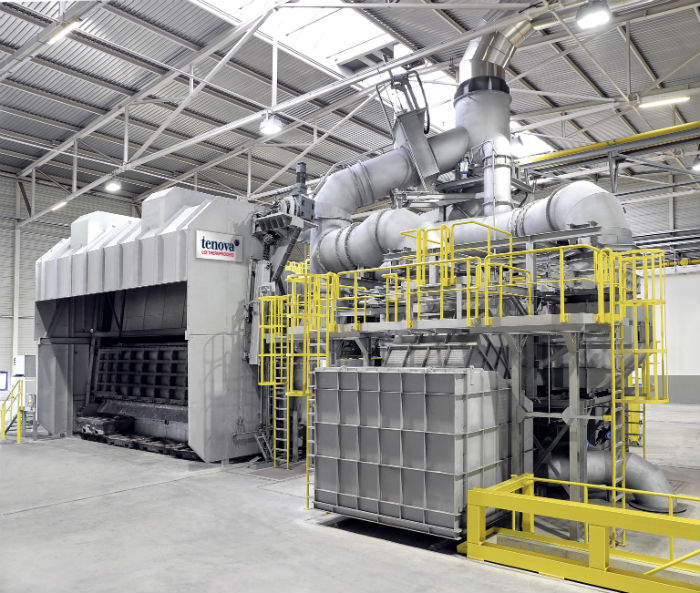
  • A recycling and melting group has ordered for installation a Twin-Chamber Melting Furnace TCF® from Tenova LOI Thermprocess. Italy-based Fonderie Pandolfo specializes in processing of aluminum, mainly for extrusions. The casted billets are mainly extruded in the extrusion shops of the main European extruders.

Kudos Chatter

  • Buehler, an ITW Company, and ASM International are celebrating 75 of continuous partnership in 2019. Buehler has continuously supported of the ASM World Training Center in Novelty, Ohio, through its innovations for metallography and hardness testing, solutions for the newest materials and participation in ASM International activities.
  • Pennsylvania-based Onex Inc recently completed a forge furnace refractory reline in one week.

Heat Treat Today is pleased to join in the announcements of growth and achievement throughout the industry by highlighting them here on our News Chatter page. Please send any information you feel may be of interest to manufacturers with in-house heat treat departments especially in the aerospace, automotive, medical, and energy sectors to the editor at editor@heattreattoday.com.

15 Quick Heat Treat News Items to Keep You Current Read More »

Skip to content