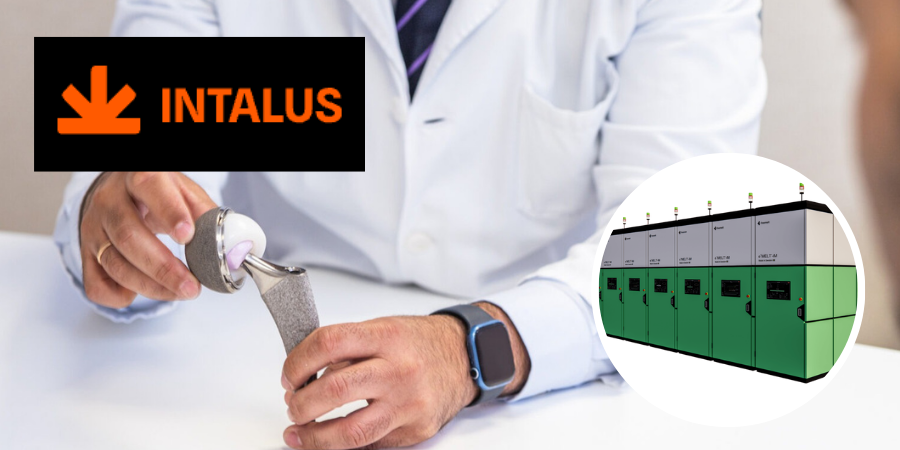
Intalus, a U.S.-based manufacturer, is expanding its metal additive manufacturing capabilities through the acquisition of two electron beam powder bed fusion (EB-PBF) systems, a thermal processing technology used to produce high-performance metal components. The investment reflects continued growth in additive manufacturing, where downstream thermal processing is often used to optimize microstructure, density, and performance.
The order includes two eMELT machines from Freemelt, a developer of EB-PBF systems for metal additive manufacturing. Intalus will initially utilize the systems for technology and application development based on Freemelt’s open E-PBF platform, focusing on MedTech applications using titanium as a base material for future serial additive manufacturing. Following this phase, additional applications are expected to be evaluated using other refractory materials, including tungsten. Delivery of the first system is planned for the end of the third quarter of 2026.

CEO
Freemelt
“Entering into this agreement with Intalus represents an important milestone as we establish our first industrial presence in the U.S.,” said Daniel Gidlund, CEO of Freemelt.
The collaboration is intended to develop over time, with Intalus holding an option to expand the installation with two additional production machines, supporting a potential transition from development to serial production.
As metal additive manufacturing adoption expands, thermal processing remains an important step in qualifying components for demanding applications. Heat Treat Today has previously reported on the use of hot isostatic pressing (HIP), stress relieving, and other thermal processing methods used to improve the density, microstructure, and performance of additively manufactured metal parts. As noted in Dan Herring and Nikolai Alexander’s article published in Heat Treat Today’s Annual Aerospace Heat Treating magazine (March 2026), thermal processing and HIP can play a key role in achieving final material properties and reducing internal defects. Readers interested in the relationship between additive manufacturing and thermal processing can explore additional Heat Treat Today coverage in related articles here: AM Drives Hypersonic Engine Development Demand and Can You HIP It? Investigating Hot Isostatic Pressing.
Press release is available in its original form here.