Original Content by Contributing Writer Ken Stanford
Furnace refractories are an essential consideration in thermal process equipment operations for optimizing efficiency, productivity, and performance as well as cutting operating costs.
To optimize furnace refractory lining, operational factors must be considered, such as furnace type, alloy composition, operating temperatures and melt rate, type of fuel used and charging and drossing practices. Furnace design is also critical, with factors including equipment type, static or tilting, capacity, desired casting temperature and position of freeze plane.
The service life of a furnace refractory lining is typically between four to 15 years, depending on the type of furnace and other variables including alloy type, melt rate, combustion system, scrap charging size and furnace practice. Contributing factors to refractory failure include corundum growth, mechanical damage, metal penetration, thermal shock, erosion and chemical attack.
Since 1974, the Pyrotek TAB Refractory Services team, based in Warrington, UK, has developed lining compositions and materials that can withstand harsh environments. The systems are pre-fired to 932°F (550°C), which eliminates water to allow for faster commissioning. A strong ceramic bond is developed and firing shrinkage is allowed that results in less stress relief cracking. Installation is not affected by ambient temperatures. Big-block systems can also be combined with castable or brick furnace linings, and to maximize service life, the company provides “zoned” refractory linings consisting of both cast-in-place and precast monolithic blocks. Employing the most suitable refractory materials for each different area of the furnace extends the lining’s durability and reduces furnace maintenance and downtime.
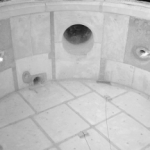
Figure 1. Big-block linings improve furnace performance and productivity
Examples of the work illustrate the key issues and routes to effective refractory relines. Here are recent projects where the company has provided refractory technology input:
- The company designed and installed refractory components for a South African aluminum operation, then relined those components in 12 smelting furnaces.
- Logan Aluminum Inc in Russellville, Kentucky, commissioned refractory lining for a new furnace designed to process flat-rolled aluminum sheet primarily for use in the beverage can market. The 340,000-pound (154-ton) tilting holding furnace, one of the largest in the world, was supplied by UK-based manufacturer Mechatherm International Ltd. Two low nitrogen-oxide burners allow the furnace to have holding and melting capacity. Furnace features include a large 33 foot (10 meter)-wide door, roof-mounted radar molten metal sensor and integration for an under hearth electromagnetic stirrer, Mechatherm says. The furnace is expected to begin operating later this year.
- The refractory lining of six new aluminum melting furnaces was contracted by Mechatherm for the Novelis recycling plant in Nachterstedt, Germany. The plant was commissioned in 2014 and processes 881.8K pounds (400,000 tons) of aluminum scrap annually. Mechatherm believes that the melting furnaces are the biggest dual-chamber recycling units in the world. They comprise three 400,000-pound dual-chamber side well furnaces, which each has over 1 million pounds (500 tons) of refractory, and three 286.6K-pound (130-ton) side well furnaces with 661.4K pounds (300 tons) of refractory each. The company was later awarded the casthouse refractory maintenance contract.
- A greenfield project in Saudi Arabia jointly owned by Alcoa and the Saudi Arabian Mining Co. (Ma’aden) were supplied turnkey refractory furnace linings by the company’s Saudi Arabian operation, TAB KSA. The integrated aluminum facility, which began pouring metal in 2012, includes an alumina refinery, a smelter, a casthouse and a rolling mill. The smelter has a capacity of 1.63M pounds (740,000 tons) per year. Pyrotek participated in what was reportedly the largest aluminum furnace refractory project in history. The equipment scope comprised: five 220,000-pound (100-ton) ingot furnaces, five 298,000-pound (135-ton) slab furnaces, three 187,000-pound (85-ton) billet furnaces, one 80,000-pound (36-ton) coil melter, one 198,000-pound (90-ton) remelt furnace, and two 265,000-pound (120-ton) used beverage can (UBC) side-well melters,
The company’s global refractory team and engineering centers work with aluminum operations to select the optimal refractory design and materials for their particular applications. In some cases, upgrading from brick to a non-wetting, corundum-resistant lining in smelting furnaces can increase ingot and billet casting capability. After a 5-year period, some customers reported that furnace downtime due to refractory repairs was reduced by up to 65 percent. Total furnace availability increased by up to 12.6 percent, and output increased by up to 26 percent. Refractory costs per pound of aluminum produced were reduced by up to 22.8 percent.
Furnace relines and maintenance for major aluminum companies around the world have been carried out with over 1,100 completed projects in more than 30 countries.
Ken Stanford formerly served as Group Managing Editor and Technical Director at DMG World Media in the UK, responsible for various metal, foundry, steel, and furnaces publications and associated conferences and exhibitions in the UK and overseas, including Aluminium International Today, and the ALUMINIUM series of events, which presents in Germany and the US. Particular industry interests center on new technologies, innovation, and applications, as well as sustainability and environmental issues.