A major steel plant is replacing its existing blast furnace route with electric steelmaking as part of a transition to lower-emission steel production. The project will convert the facility into an electric arc furnace-based operation while supporting continued production of high-quality flat steel products, including grades used in the automotive industry.
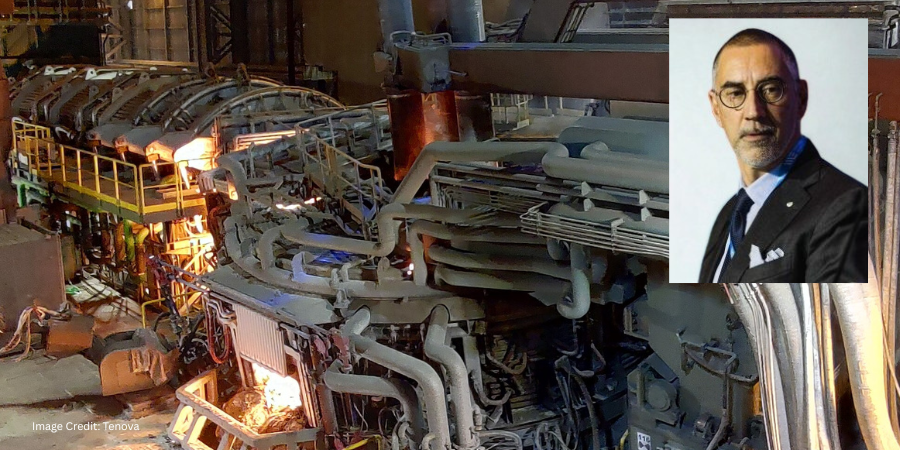
Tenova, a global industrial furnace and metals technology supplier with North American operations, will supply the electric arc furnace for the transformation of Hüttenwerke Krupp Mannesmann (HKM) in Duisburg, Germany. The furnace, designed with a production capacity of 2.5 million tons per year, will be Germany’s largest electric arc furnace and will become the technological center of the plant’s transition under its new owner, Salzgitter AG.
The investment marks the beginning of a new phase for the Duisburg-Huckingen steelworks. By replacing the existing blast furnace route with electric steelmaking, HKM expects to reduce the carbon footprint of its operations while maintaining the plant’s competitiveness. The project reflects continued investment in electric steelmaking technologies as steel producers pursue lower-emission manufacturing.
Tenova’s scope of supply includes a 285-ton Consteel® EAF, complete with auxiliary plants on a turnkey basis. The furnace will incorporate Tenova’s Consteel® continuous scrap charging technology and an Electro Magnetic Stirring (EMS) System developed in partnership with ABB. It is designed to deliver a continuous production rate of 380 tons per hour to the existing secondary metallurgy line and slab caster, enabling production of high-quality flat steel products, including grades that meet automotive industry standards. The new facility will be installed in a dedicated building within the HKM production site.
Sales and Marketing Director for EAF & LF
Tenova
According to Paolo Stagnoli, sales and marketing director for EAF & LF at Tenova, the project followed an extensive period of collaboration between HKM and Tenova to develop a solution tailored to the operational requirements of the Duisburg steelworks. “It took almost two years of joint studies and intensive discussion between HKM and Tenova to define this ambitious project and fine-tune the technological solution to the unique constraints and needs of the productive site,” he said.
The project expands Tenova’s portfolio of electric arc furnace installations and reflects continued adoption of electric steelmaking technologies designed to improve process efficiency, reduce energy consumption, minimize environmental impact, and support lower-carbon steel production.
Press release is available in its original form here.